Bigkis is the act of binding. In Tagalog, the word can refer to something used to bind or encircle, as well as a bundle formed by tying several separate elements together. Figuratively, it can also mean a bond, union, or unity. The meanings move from the physical act of joining things together to the connection […]
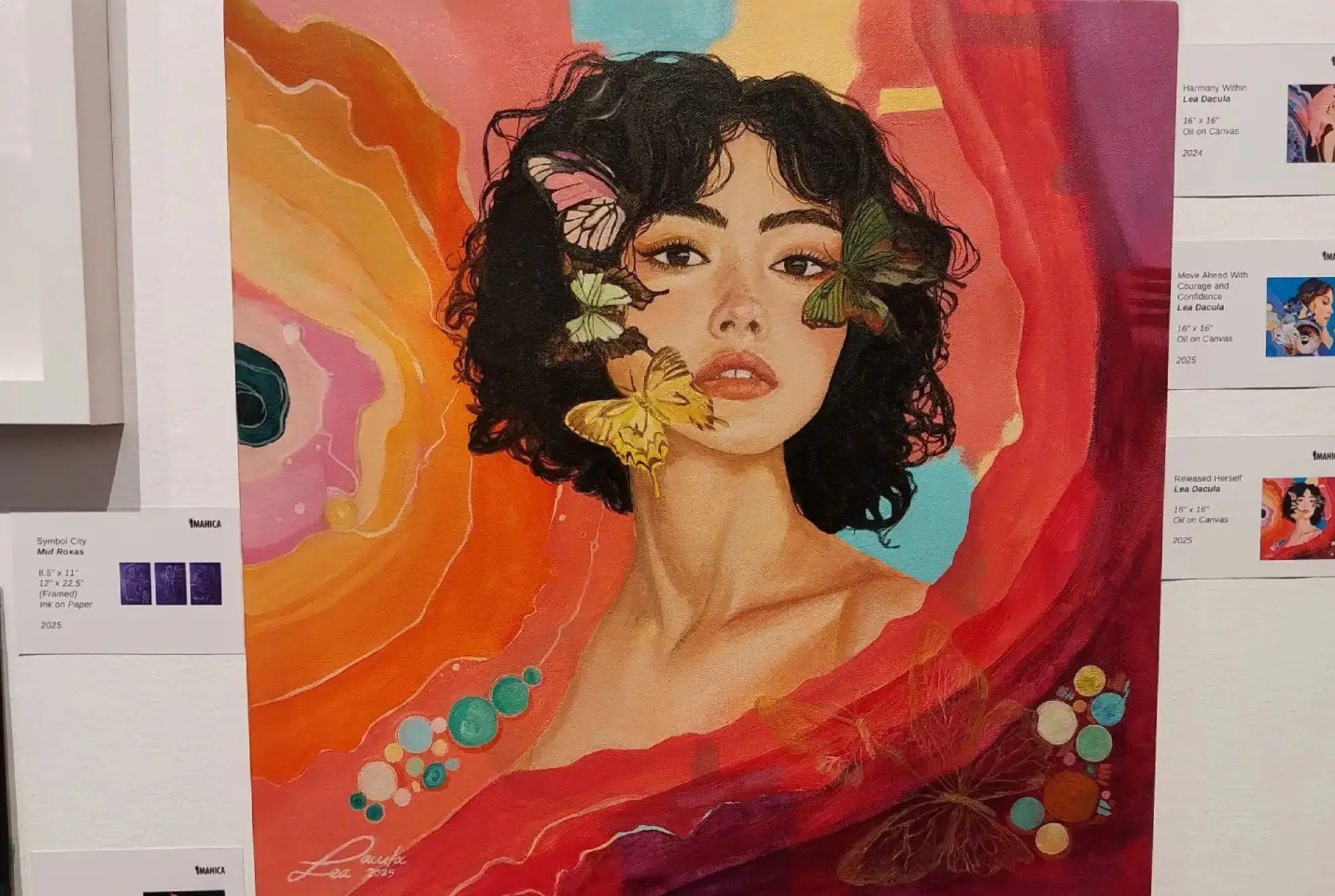
National Women’s Month and Community’s Importance in Art



Any art enthusiast or gallery hopper going around to enough exhibits on National Women’s Month this year would definitely notice a recurring theme across the spectrum. These group exhibitions of women artists didn’t just center around giving women a voice. Many of them concentrated around the idea of “community,” of creating resources and circles that allow women more opportunities to create artworks.
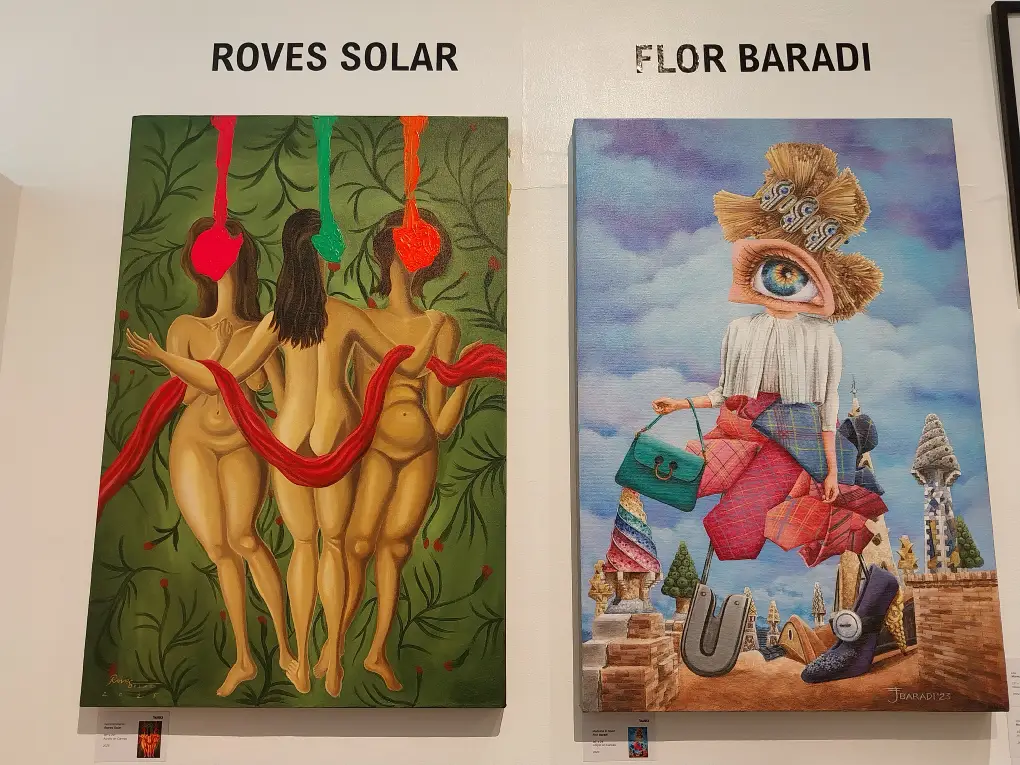
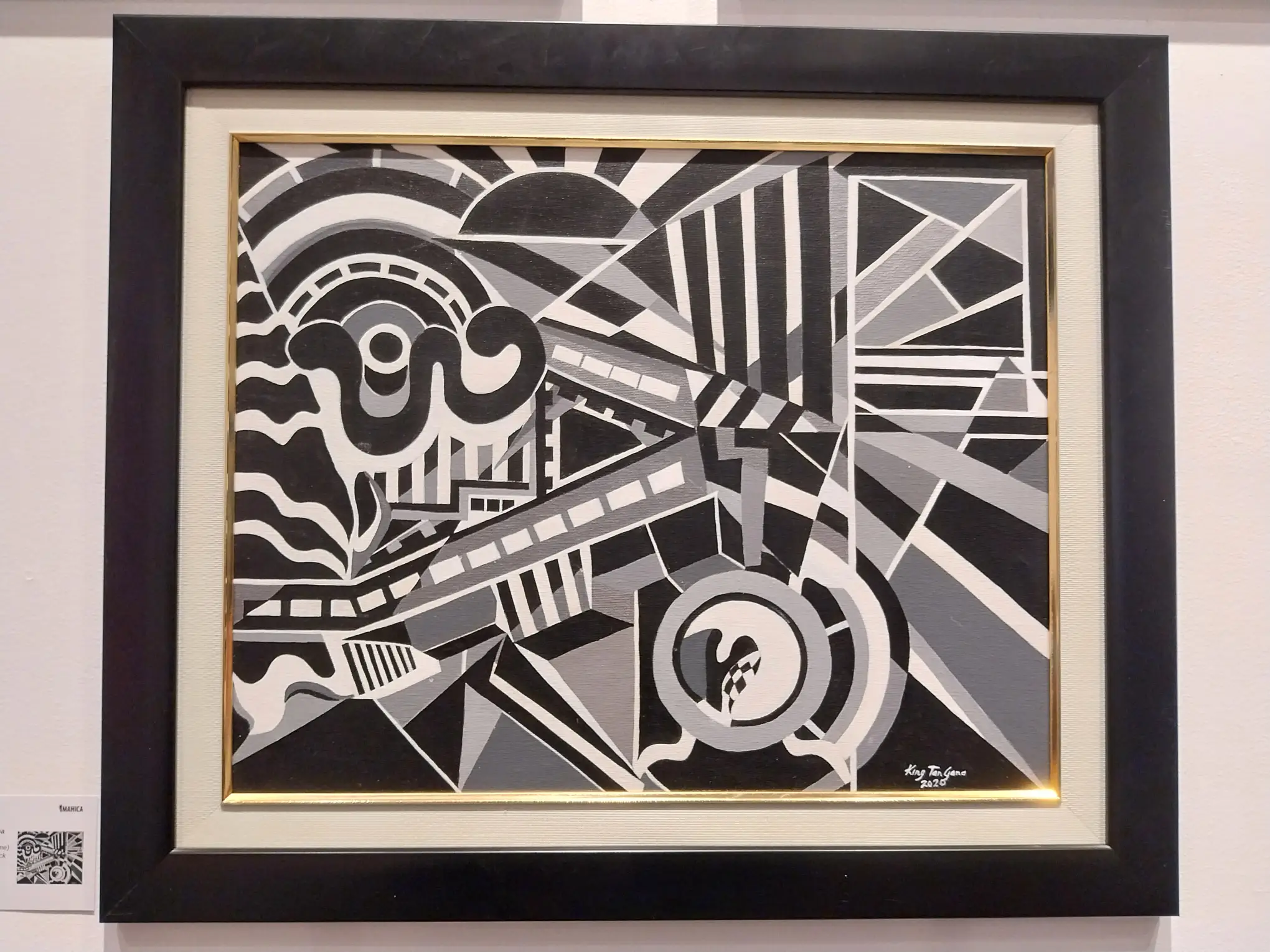
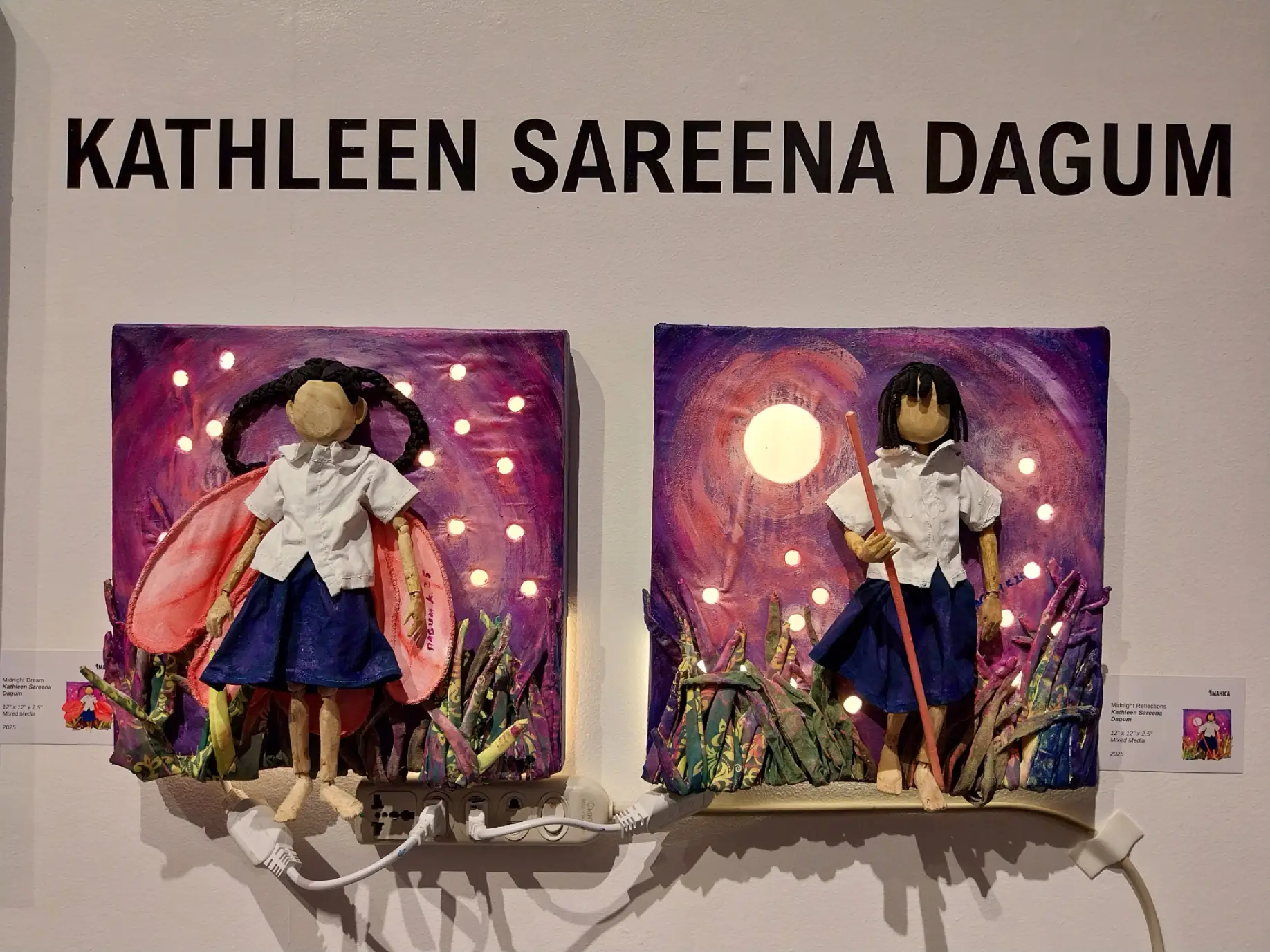
How Community Matters
The importance of supportive groups of people in a society cannot be discounted in measuring the success of a professional. Communities allow room for development and experimentation. They let the people within them find their own voices and become powerful forces in and of themselves.
And yet, communities also tend to gatekeep, to push people out for a variety of reasons. Whether it’s race, gender, social status, or sexuality, they can become insular. They start dictating what counts as one of them and what doesn’t in a way that prevents the growth of ideas and leads to stagnation of their profession.
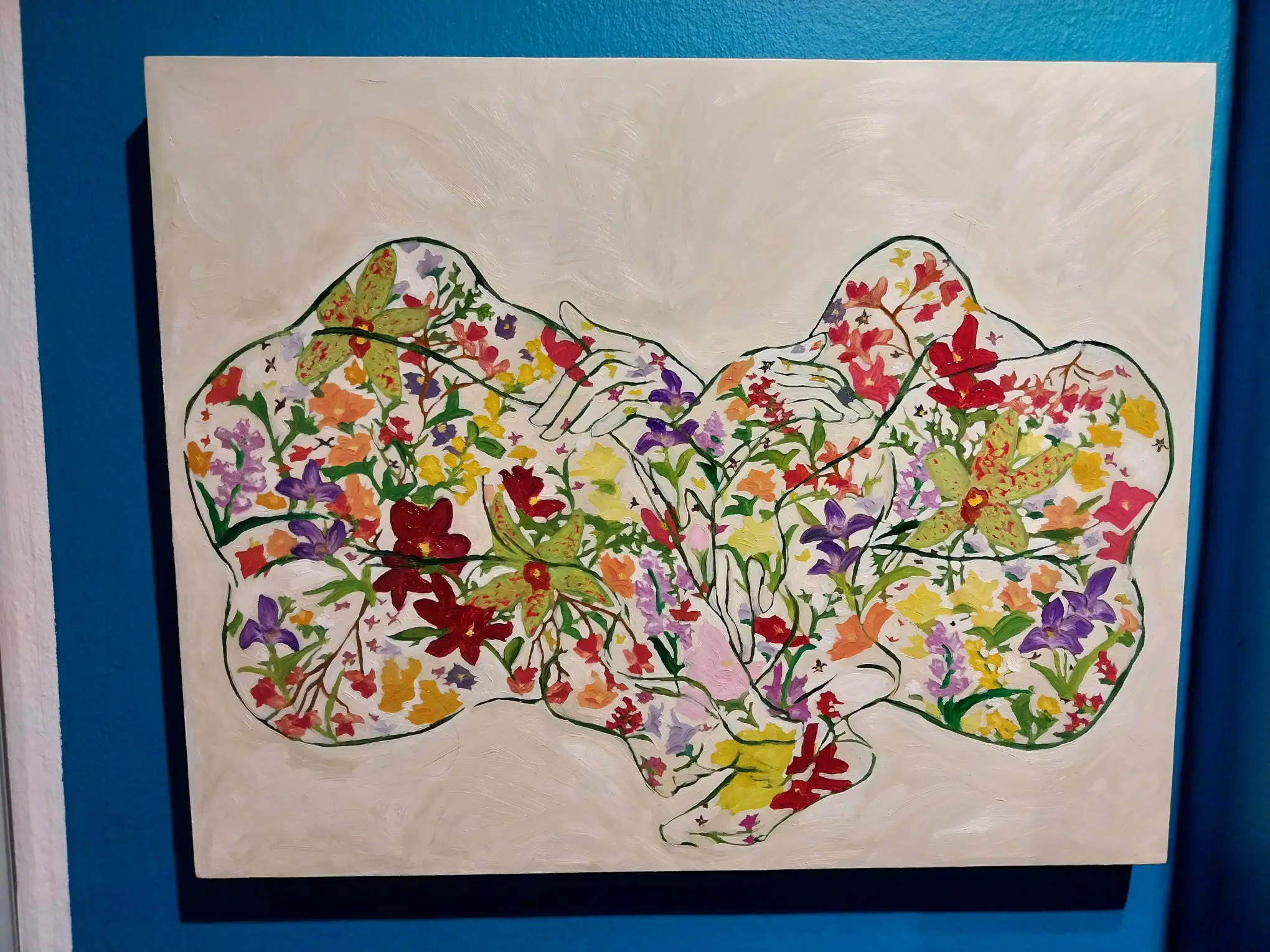
Which is possibly why the emphasis for the art exhibitions this National Women’s Month centered around building inclusive spaces where talent can be nurtured. Art is not just for the rich. Nor is it for men who can afford to explore it, while women are shunned towards the domestic realm.
For Filipino art to nourish and continue to exist, it needs to expand its umbrella, to banish patriarchal ideas of what a woman is and should be; of what an artist is and should be. These exhibitions challenge what we were taught to believe. More than that, they highlight an exciting future that’s welcome for all, regardless of gender, social class, or sexuality.
Working Together to Uplift
The variety of ways that exhibitions for National Women’s Month have constructed their perspectives on the matter are plentiful. Each of them differed in what they wanted to highlight, searching for something central in the works being shown.
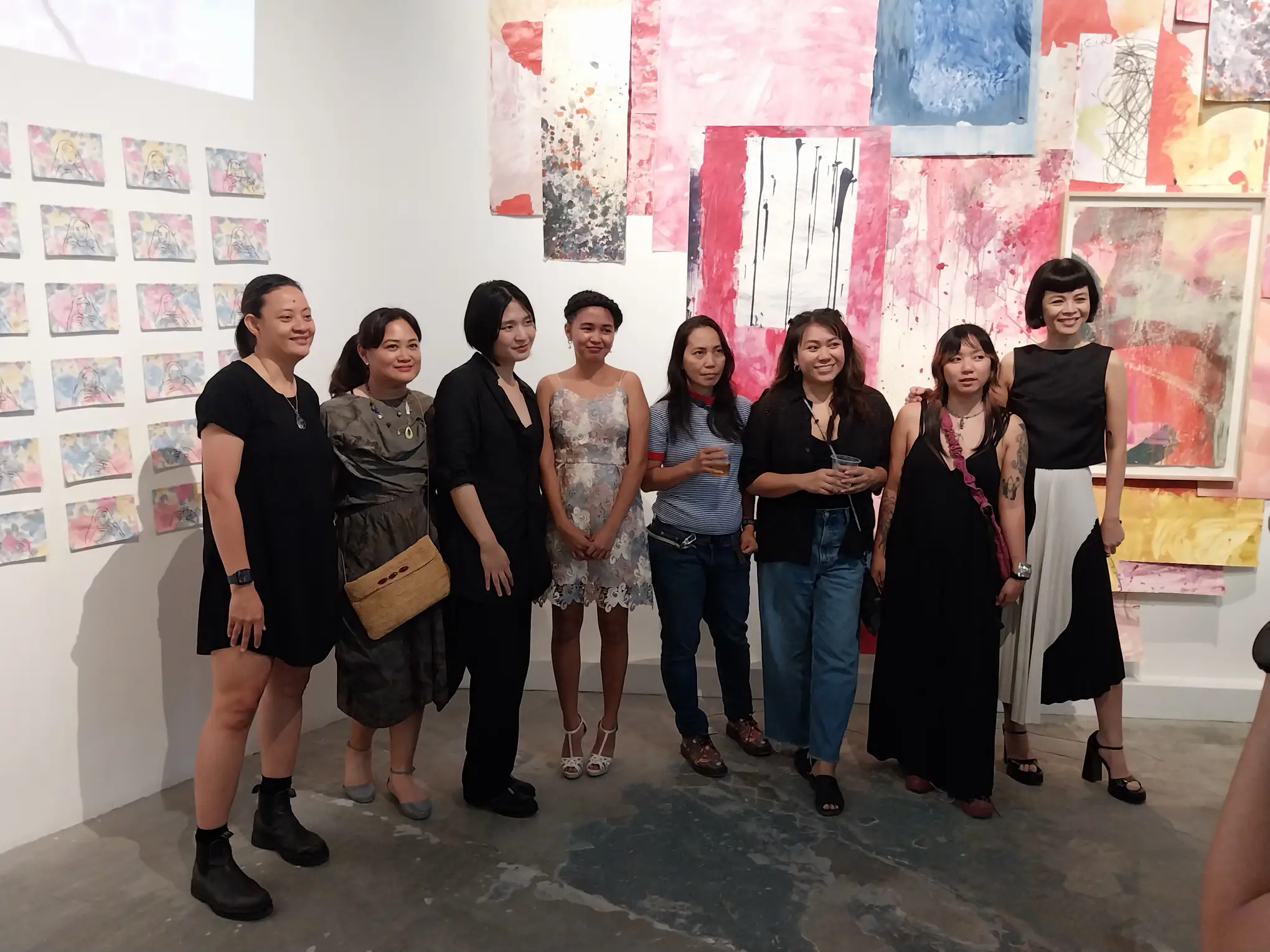
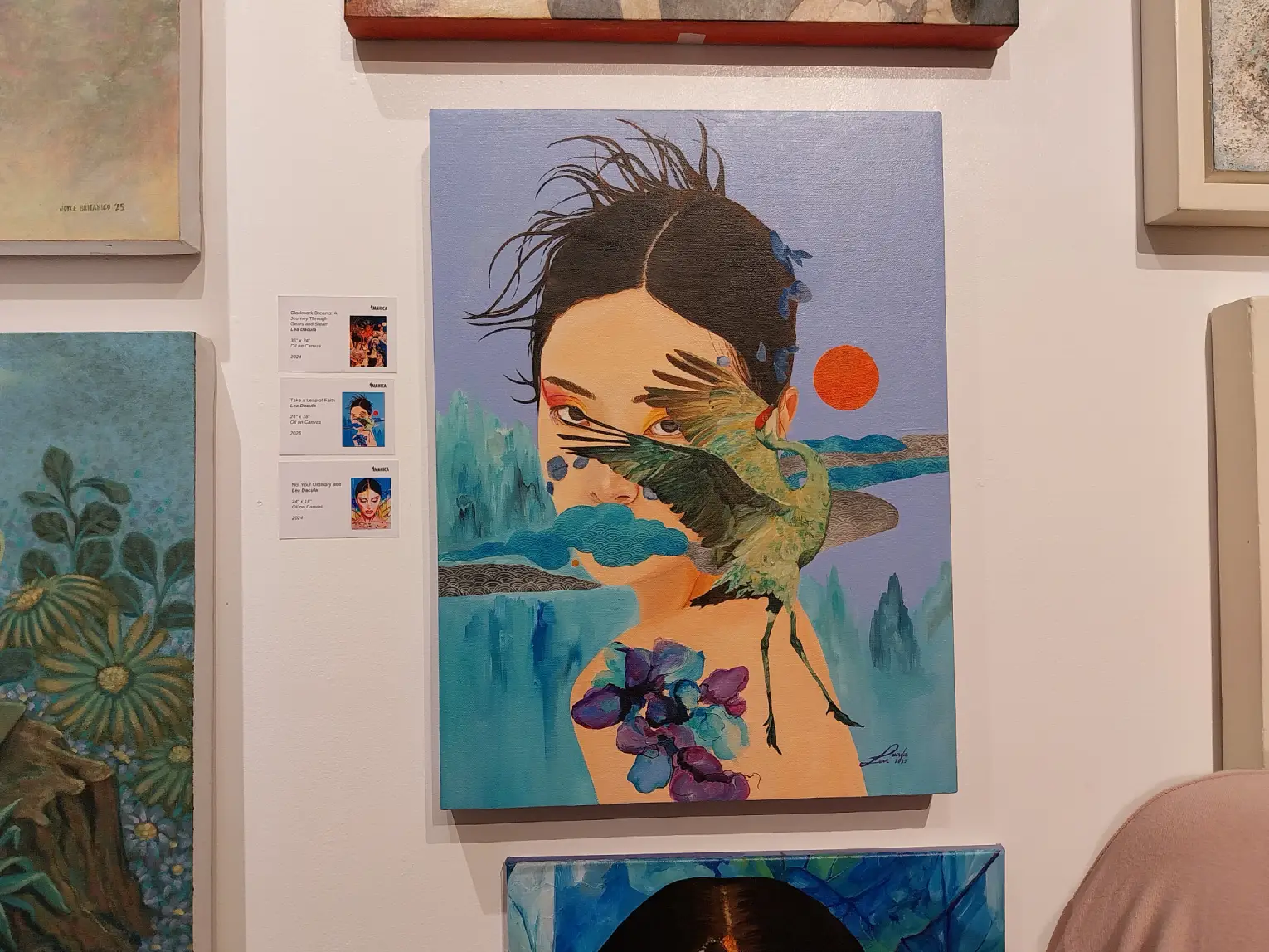
Modeka Art’s The Tearaways centered around the need to nurture the ambitions of women artists even when they use atypical mediums. Meanwhile, Imahica Art’s group exhibition The Art of She worked around “narratives” and “complexities” of womanhood. It served as “as an outlet for both personal struggles and triumphs, translating private experiences into universal, resonant messages.”
And yet, central to all of them is the need for community.
Common Messages
During its opening talk with the artists featured in The Art of She, for example, the artists emphasized how the encouragement of others allowed them to continue their practice. They faced real-life worries like families, finances, and their own insecurity that threatened to stop them from being able to create art altogether. Yet, they kept going, finding strength in the collective power that the people around them gave.
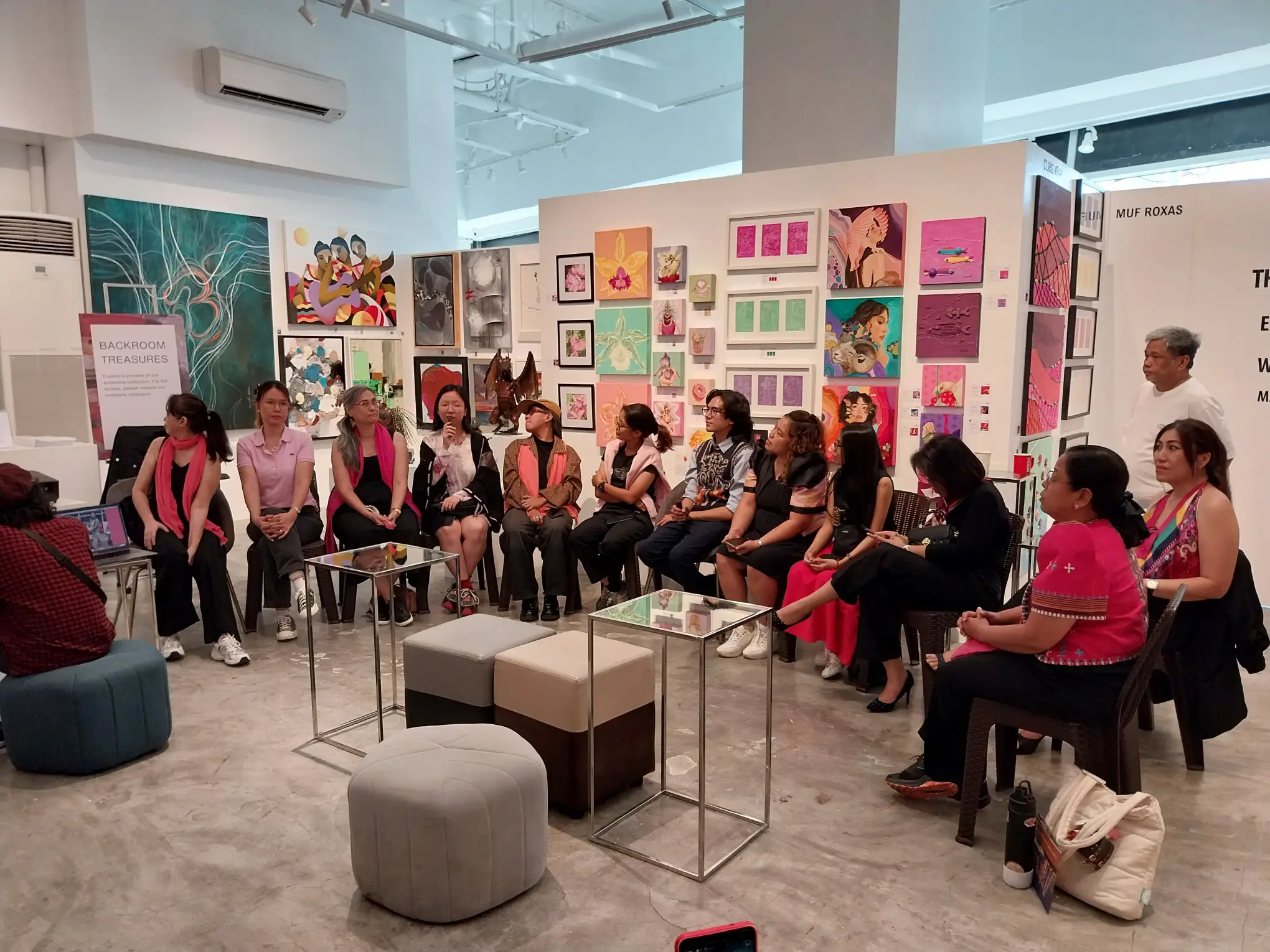
Meanwhile, Stephanie Frondoso, the curator for The Tearaways, emphasized that many women artists tended to use atypical mediums due to lack of resources. It gave them new perspectives, of course. But that also meant that they had to build themselves up and defend their artworks from more narrow-minded people who tend to define art in specific boxes.
“These women artists are really brave because they use whatever medium they want to convey their message,” she said. “Sometimes it’s very safe to be a painter. But some of them can’t be painters [because of] circumstances.”
“Their works are very conceptual,” she added later on. “They experiment with materials. It’s really courageous.”
Feminism in a Fraught Patriarchal Society
These kinds of messaging are important because society remains patriarchal and repressive to women in many ways. Women are still stigmatized in our culture, Western or Eastern, in subtle and loud ways that discourage them from moving outside the domestic realm.
In the United States, for example, women’s rights are being pushed back to lessen opportunities for them in a regressive pendulum swing led by misogynistic conservative Christian movements. From the removal of abortion rights to the destruction of diversity initiatives that benefit women, to a new bill that could prohibit married women from voting, it’s one policy after another that removes any power or opportunity for women to advance.
The Philippines is in a similarly terrible position when it comes to women’s rights. Divorce and abortion—basic rights for female autonomy—continue to be illegal here. More than that, bills that would prevent exploitation of young girls, like the Prevention of Adolescent Pregnancy Act, are attacked by conservative right-wing groups who lied about the content of the bill to stoke outrage online.
Cultural Codes Against Women
Beyond that, it comes down to a subtle cultural thing that pushes women away from professions coded masculine by society. Gwen Bautista, who curated Galerie Stephanie’s exhibition Emerging Out of a Crumbling Flank of Earth, shared that, growing up, boys would heckle her and her friends for using the basketball court to play basketball.
“I think, for me, the moment I realized that it’s not fair between men and women is when I realized that, “oo nga, ano, ba’t yung basketball court, puro lalaki lang naglalaro?’” she started.
“And then, as a woman, when you start playing, […] like, when I was growing up I also wanted to try basketball, and then some friends also wanted to play. But whenever we go play, we’d get like mga jeers na parang, ‘oh, sinasayang niyo lang yung court,’ ganyan, diba?”
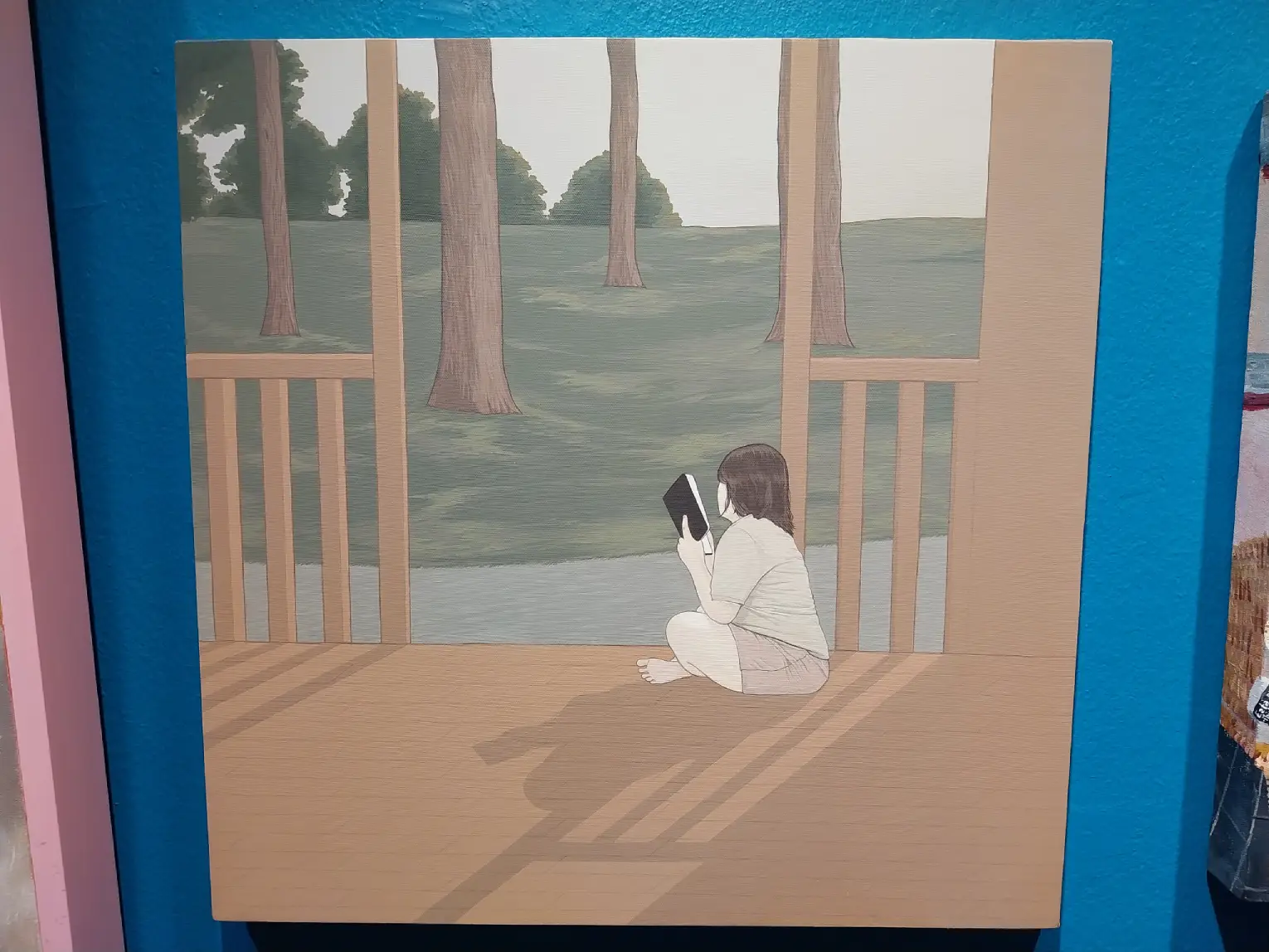
Bautista also curated another group exhibit for National Women’s Month at Art Verité, The Girl Has No Door on Her Mouth. That one tackled the necessity of women to “make noise” and take up space in a society that prevents them from doing so, “freely expressing oneself against forms of oppression—symbolically lifting any barriers and removing any doors.”
Imagining An Equal World
But of course, making noise alone differs in its effectiveness versus making noise as a community. And thus, for these exhibitions, that necessity of bringing together women essentially means to be intersectional. All women, regardless of class, sexuality, race, or gender identity, fits within that umbrella in the fight for equality.
The 5th House’s group exhibition at Cartellino Art, A Knife Sharpens Itself utilized xenofeminism to envision a world where society abolishes gender roles on all sides. Its curator, Brisa Amir, emphasized that her vision of a genderless world removes all rigid hierarchies.
“Gusto ko yung idea na kailangan mawala ang future na yung male ay linked with power and privilege while yung female [at] nonbinary, cis, trans, queer, bi, result in less access to power,” she said.
[“I like the idea of a future where we remove the links of power and privilege with the male gender while the female, nonbinary, cis, trans, queer, and bi people result in less access to power.”]
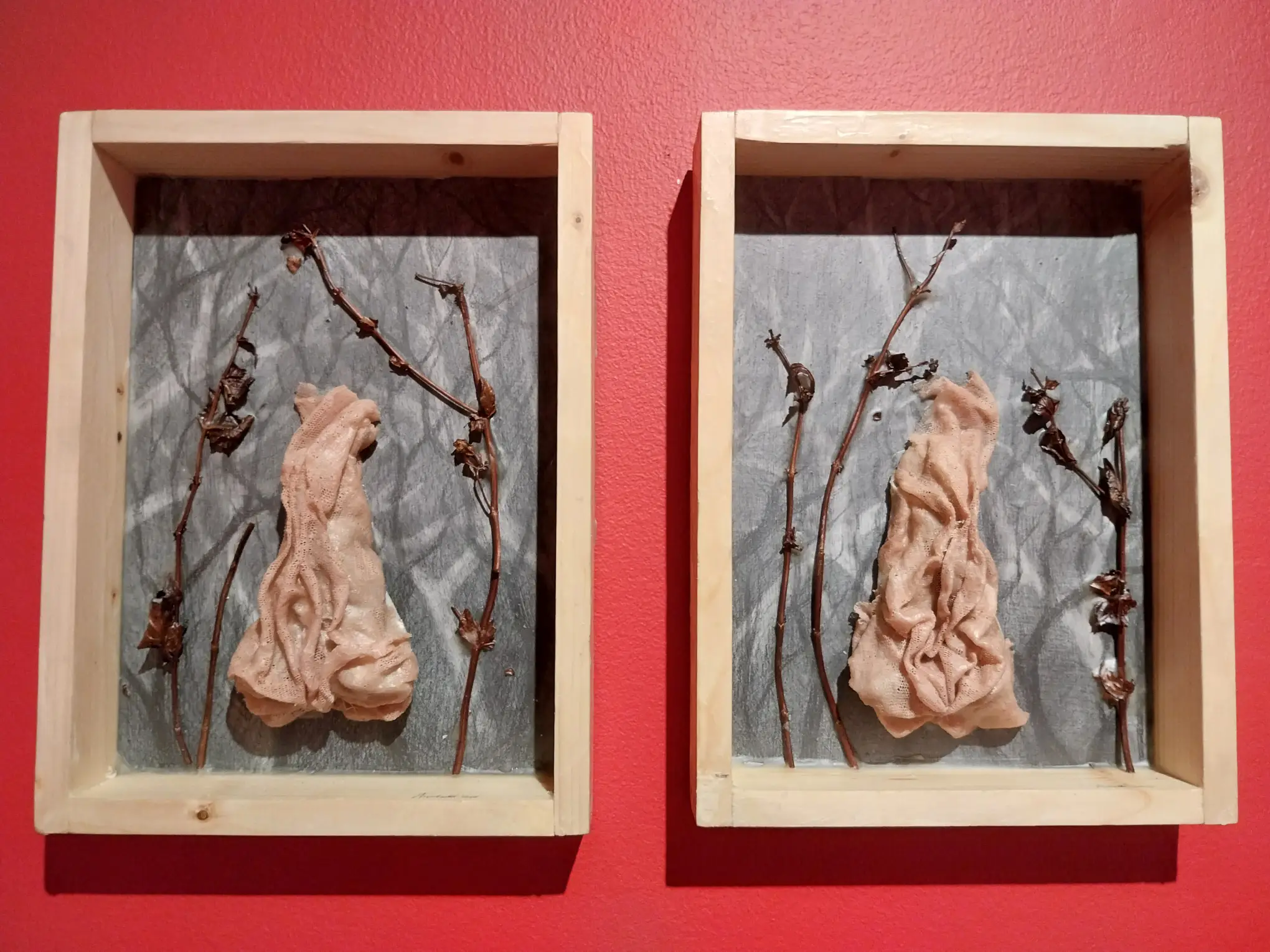
Amir included two works by Arvi Fetalvero, “Dried Cutting 1 and 2.” She shared that these works were inspired by the current attacks by Donald Trump on transgender women in the United States.
“[Arvi Fetalvero] told me during the opening exhibition that she was listening to a lot of news lately like Donald Trump attacks and ban on transgender women,” she said. “And somehow that news affected her while working on her piece. So she made a sculpture using textile and beeswax: a female and male body part transforming and emerging together, making its shape unrecognizable.”
Battling Against Preconceptions and Divisions
That points towards the interesting intersections of women’s and transgender rights when it comes to feminism as a whole. Transphobic attacks by figures like JK Rowling or Donald Trump painted a ban on trans people on sports or bathrooms as a “safety of women” issue.
But the actual praxis of those ideologies have led towards endangering women in bathrooms, cis or trans, and forced genital inspections on young girls just to allow them to play sports. Attacks on women of color constantly accused of being trans also showcase the racism at play.
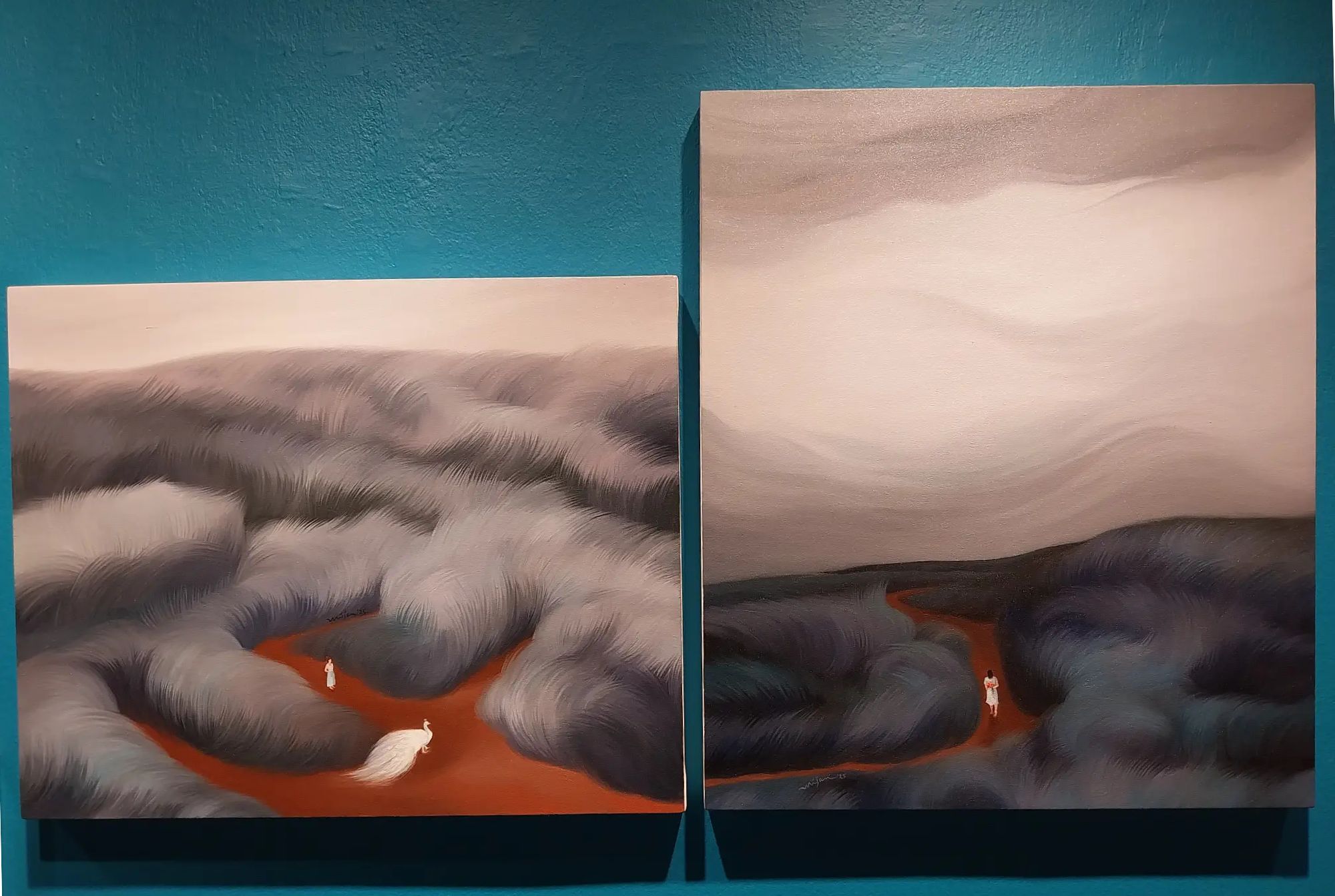
This highlights the regressive attitudes that come hand-in-hand with these anti-women ideologies. Especially as transphobic people tend to reduce women to their reproductive capabilities instead of their personhood.
It’s the same fight, regardless of where one comes from. Building communities means intersectionality. Because these work to ensure that every woman has a right to their own choices and selfhood—and it gives more power to the movement as a whole in their freedom to exist.
“I think it’s important for women to be able to take up space,” Bautista said during the opening of Emerging Out of a Crumbling Flank of Earth. “This doesn’t just go, for, like, biological females. If you identify as a woman, this goes for all of us, because we’re all struggling [similarly] in many different ways.”
The Strength of Collective Artistry
For National Women’s Month, it’s important to remember that in the fight for equal rights and opportunities, nobody is ever truly alone and nobody can win alone when fighting systemic structures like the patriarchy.
The importance of community in art means empowerment to fight for your place at the table. And it also allows for future generations to find their own seat there with less hardship and turmoil, working towards true equality for everyone in the world.
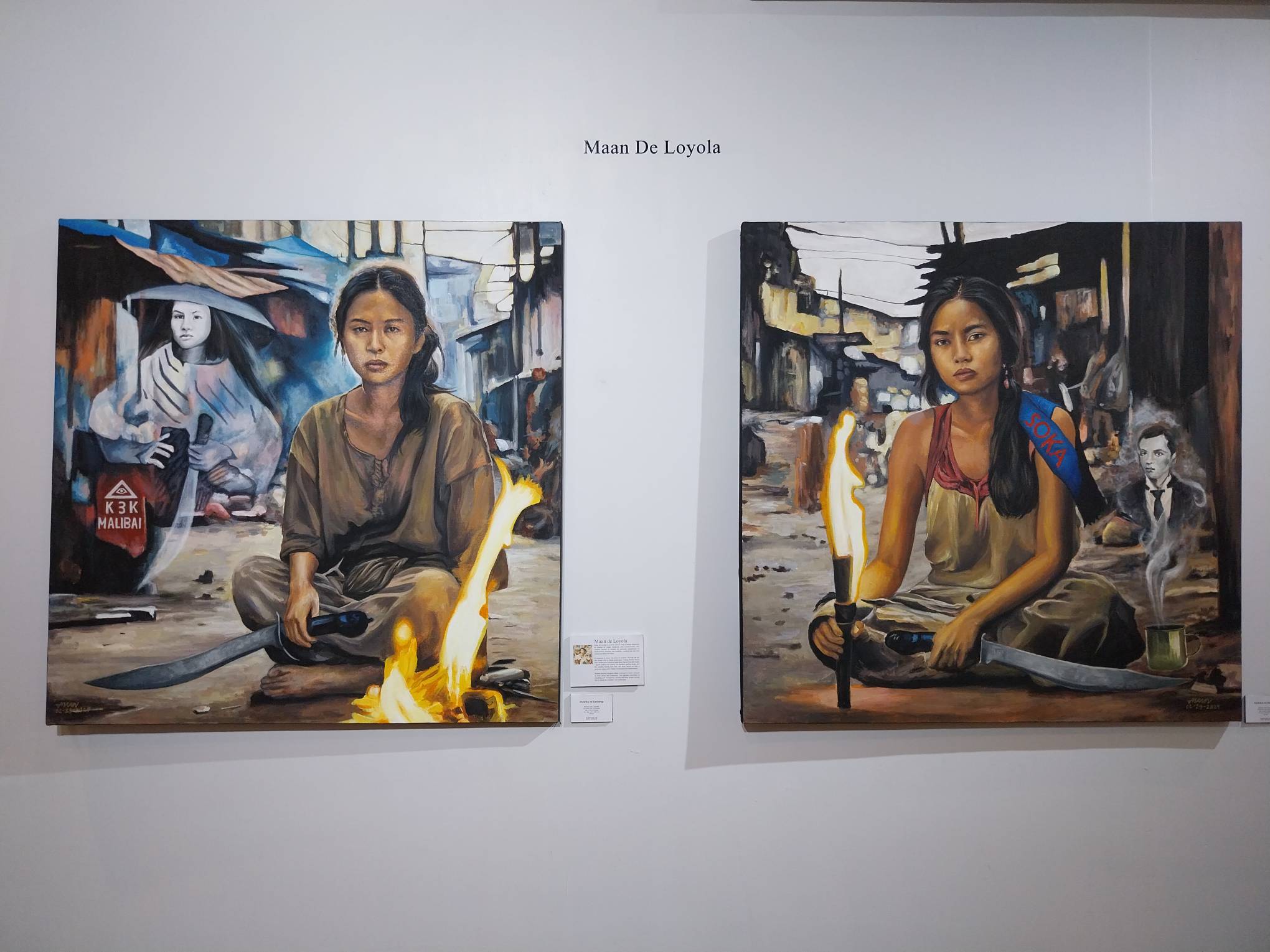
“I think women have [a] responsibility,” artist Maan de Loyola said, discussing her paintings of revolutionary leaders Oriang (Gregoria de Jesus) and Selang Bagsik (Marcela Marcelo) during the opening of Bloom at Kapitolyo Art Space. “Hindi lang sa loob ng bahay; I think, ayun yung nangyayari ngayon na nakikita ko sa mga kababaihan hanggang ngayon [ay] patuloy yung paglalaban. […] Ang laki ng parte ng babae na para magbago ang ating lipunan.
[“Women have a responsibility beyond the home; I think, I see what’s happening today with women is that they continue to fight. […] Women have a big part in changing society.”]
A Challenge for A Better Future
“China-challenge ko rin ng mga women ngayon na tayo ngayon, [kahit] sino ka man o ano tayo sa lipunan,” she continued. “Gusto ko rin pakita na ang nasa community […] kasi sila yung totoong nakaranas yung struggle. So mas the more you struggle doon, doon nagkakaroon ng lakas. Sa kanilang manggagaling din ng lakas [sa pagbabago] kasi yan yung kwento ng totoo nangyari sa community.”
[“I’m challenging women today, wherever or whoever they are in society. I wanted them to see themselves in their communities, because that’s where the struggle is. The more you struggle in your community, the more strength you garner, and that’s when you find the strength to change the story that’s happening in your community.”]
Photos by Elle Yap.
Related reading: Women’s Month as Seen Through the Artist’s Lens
Frequently Asked Questions
Beyond simply giving women a voice, this year’s exhibitions centered on the concept of “community” and the creation of inclusive spaces and resources. These galleries aimed to provide women with opportunities for development and experimentation, moving away from insular or gatekept circles. By fostering collective strength, the exhibits highlighted a future where art is accessible to all, regardless of gender, social class, or sexuality.
Curator Stephanie Frondoso of The Tearaways observed that many women artists use atypical materials often due to a lack of traditional resources or financial constraints. These artists must be courageous and “brave” to defend their work against narrow-minded definitions of what constitutes fine art. Choosing to experiment with materials like textiles or beeswax is seen as a conceptual and resilient act in a society that often pushes women toward domestic roles rather than professional artistic exploration.
The exhibits address a “regressive pendulum swing” in both Western and Eastern cultures where women’s autonomy is under attack. In the U.S., this includes the removal of abortion rights and the destruction of diversity initiatives; in the Philippines, the lack of divorce and legal abortion continues to limit female autonomy. These systemic barriers underscore the necessity for women to “make noise” and take up space in professions and public areas traditionally coded as masculine.
Utilized in the exhibit A Knife Sharpens Itself, xenofeminism is a framework used to envision a world that completely abolishes rigid gender roles and hierarchies. Curator Brisa Amir uses this concept to imagine a future where power and privilege are no longer linked exclusively to the male gender. This intersectional approach includes female, nonbinary, cis, trans, and queer individuals, advocating for a society where one’s identity does not result in less access to power.
Intersectionality ensures that the fight for equality includes all women, regardless of their gender identity or socioeconomic background. The exhibits point out that transphobic or regressive ideologies often reduce women to their reproductive capabilities, which harms all women by reinforcing patriarchal standards. By building inclusive communities, artists and curators aim to dismantle systemic structures, ensuring that every individual has the right to their own selfhood and a seat at the table.
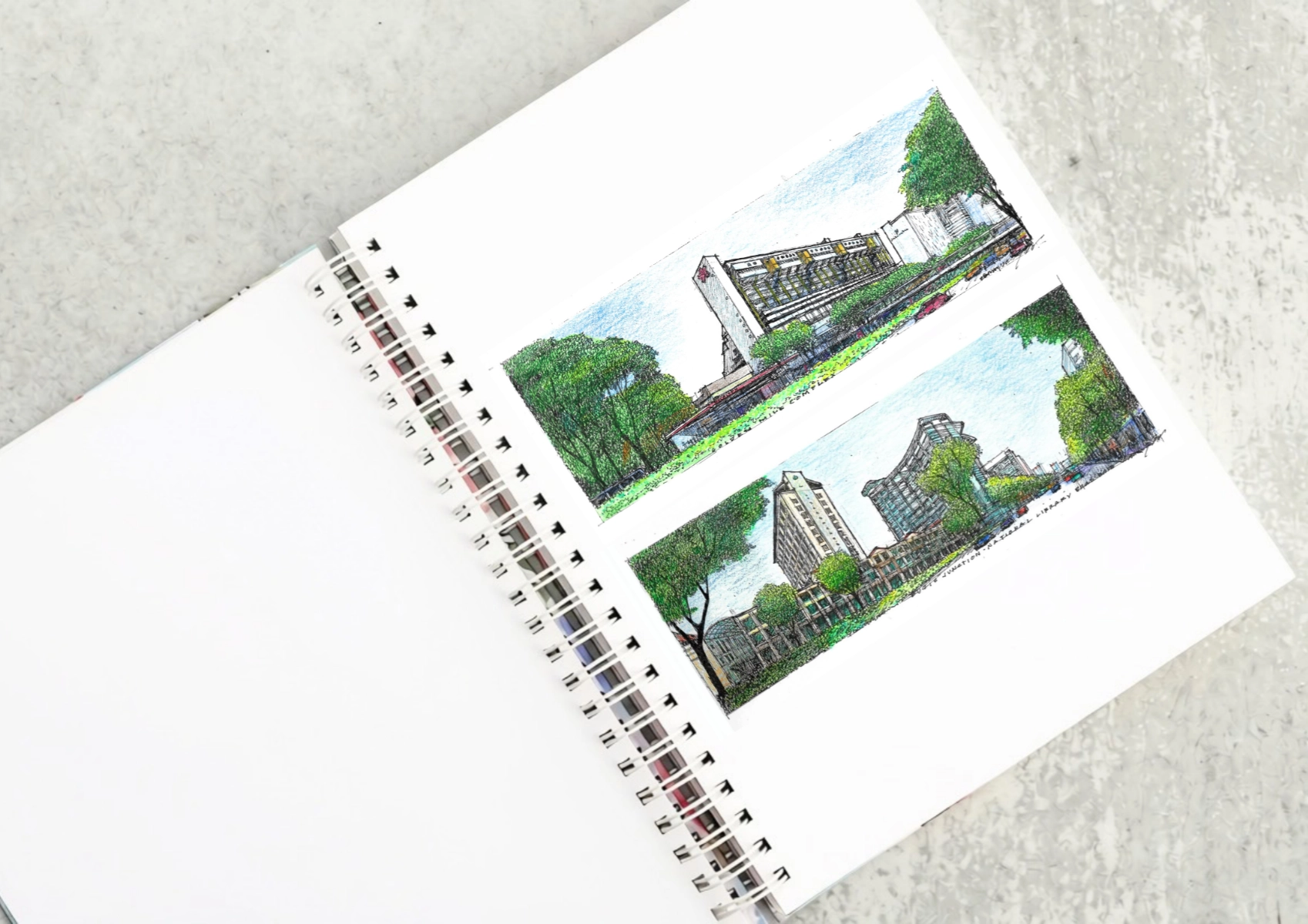
Two sketches of Singapore connect BluPrint Editor in Chief Paulo G. Alcazaren’s personal and professional history with Shared Ground: ArchitectureArchitectureThe art and science of designing and constructing buildings, structures, and spaces that are functional, safe, and aesthetically pleasing. It encompasses the planning, design, materials, and techniques used to createGo to Architecture Glossary of Care, Culture, […]
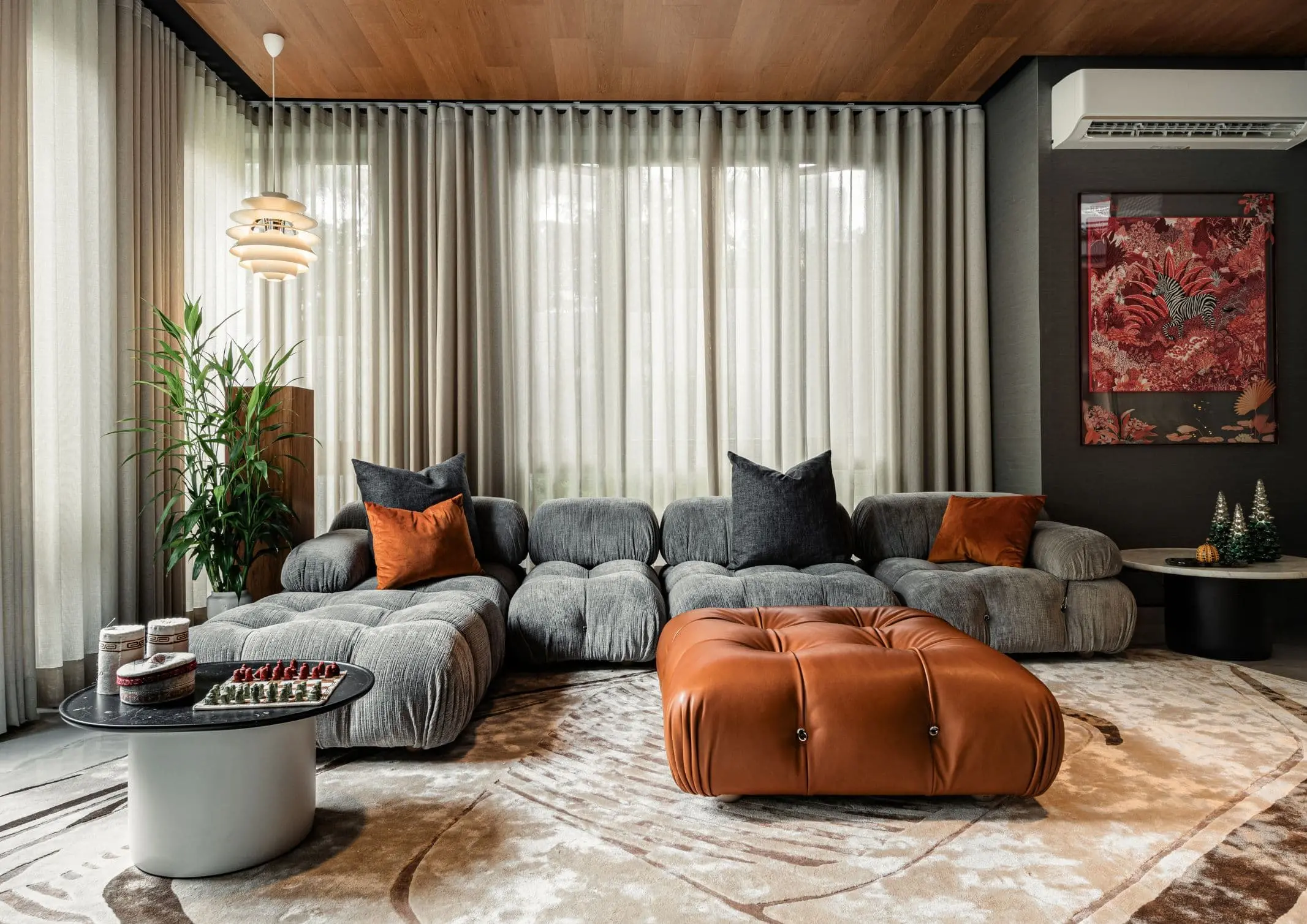
Some have become household names – Coleman, Oster, and KitchenAid – products that have found their way into Filipino kitchens, homes and family routines. In home furnishings, brands such as B&B Italia, Ethan Allen, Sub-Zero, Miele, SieMatic, Louis Poulsen, Hunter Douglas, Tempur, and Technogym, have helped shape the way Filipinos live. From everyday essentials to […]
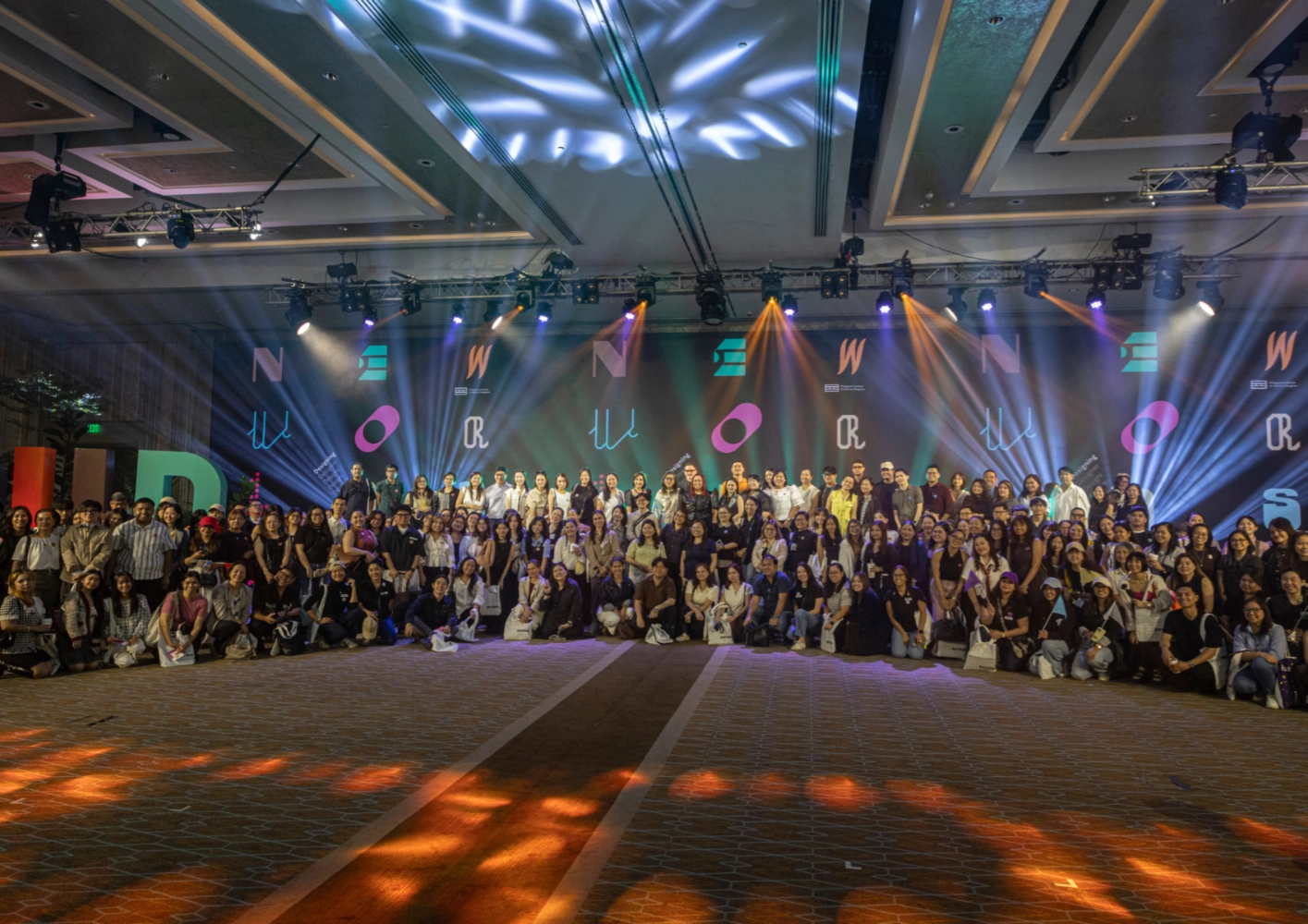
In a way, designers are the modern-day soothsayers and prophets. They design for the future, predicting how a room, a house, a building or a whole city will be used by people. They foresee how users will interact with a space, conjure exact shades of colors to elicit specific behavior and arrange furniture to build […]
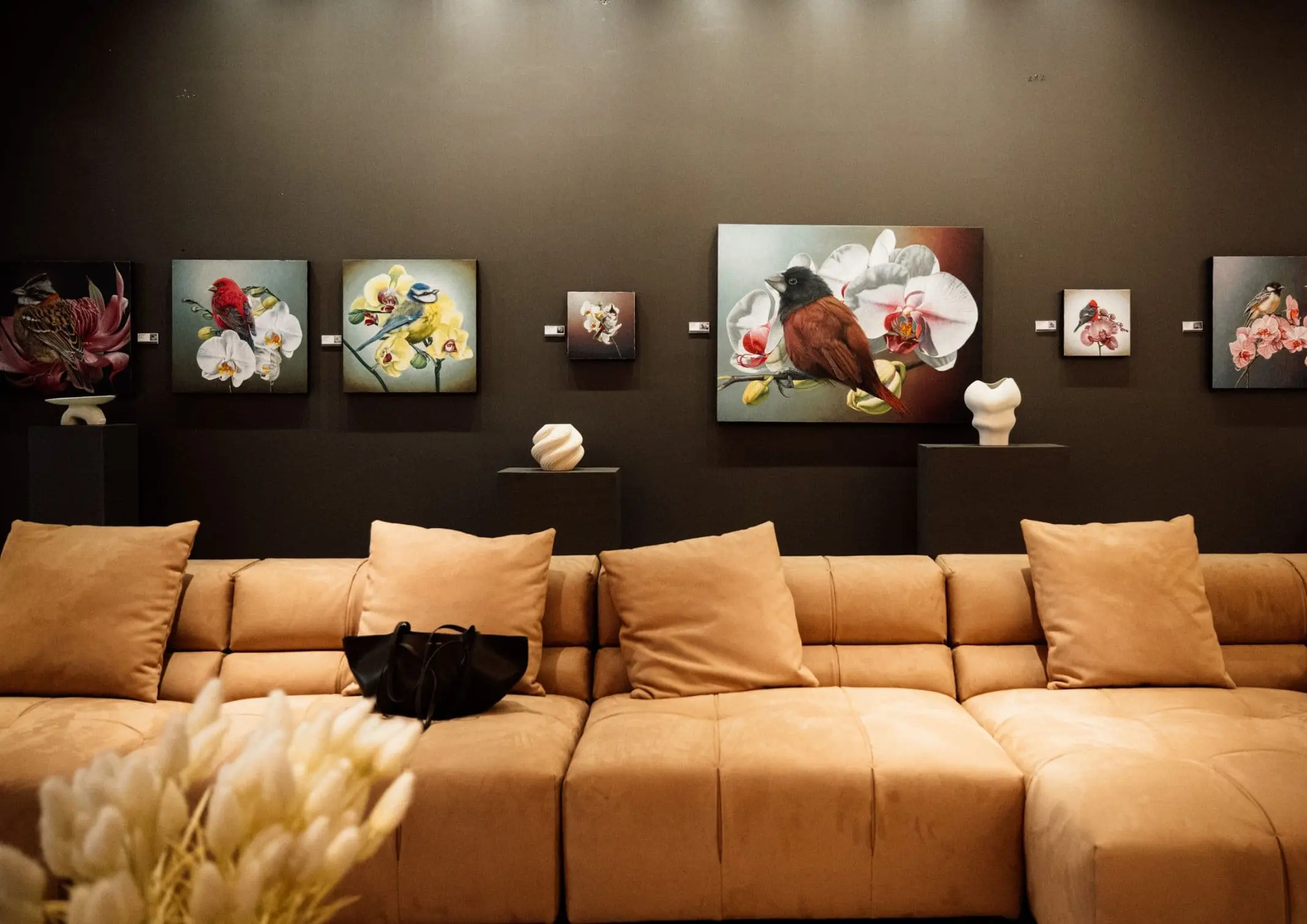
Art and furniture are often selected separately, yet their relationship can shape how a room looks and feels. The collaboration between Hooga and Galerie Joaquin explores how these elements can work together, bringing contemporary artworks into furnished residential settings at Hooga’s showroom in Uptown Mall, Bonifacio Global City. For Hooga, which curates furniture, lighting, and […]
Read the issues.

Collect the volumes.

Recommended Video
Tap to Unmute
Unmute
0:00
0:00