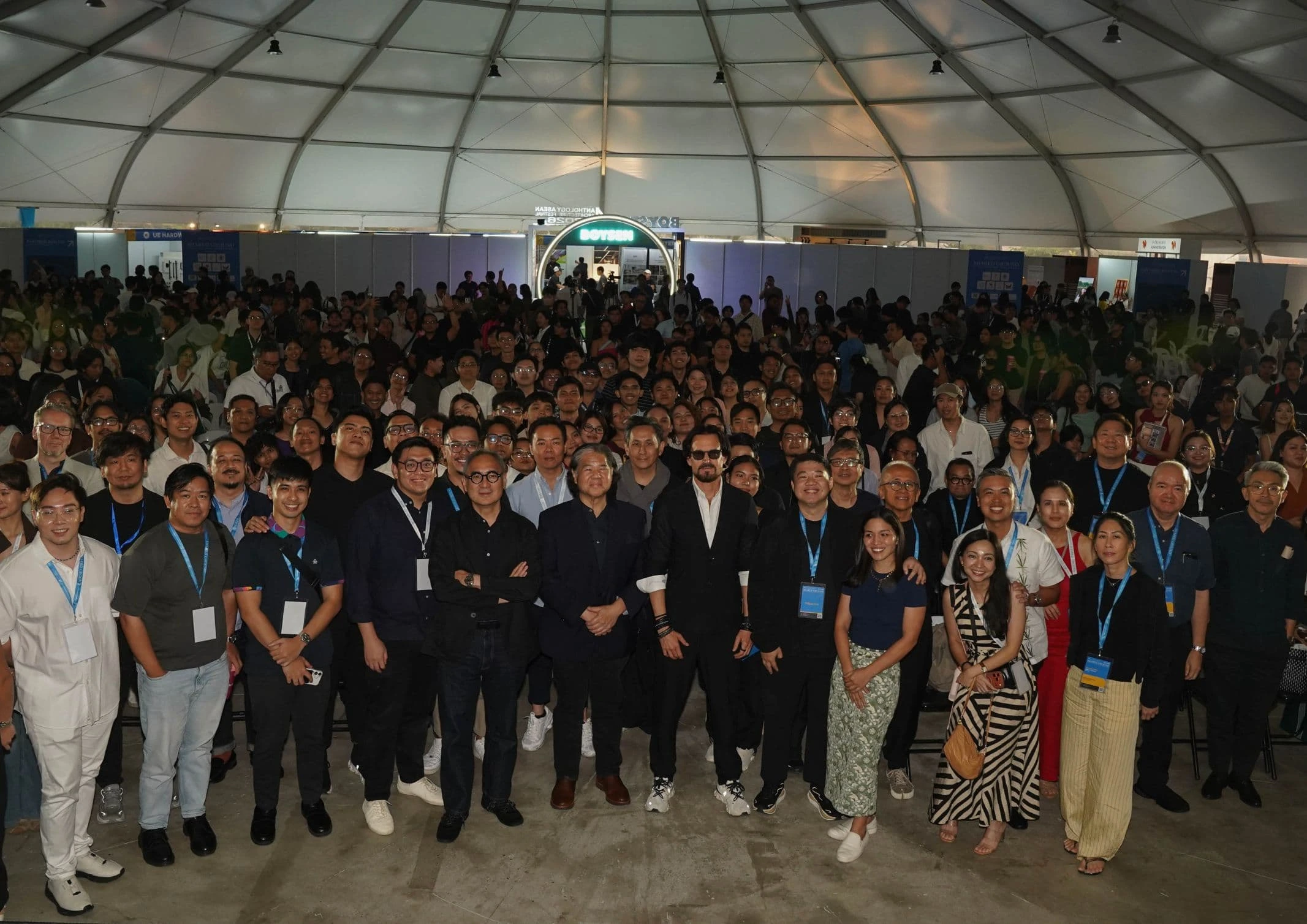
The seventh edition of the Anthology ASEAN ArchitectureArchitectureThe art and science of designing and constructing buildings, structures, and spaces that are functional, safe, and aesthetically pleasing. It encompasses the planning, design, materials, and techniques used to createGo to Architecture Glossary Festival brought together over 4,000 delegates from across the Philippines and Southeast Asia for three […]
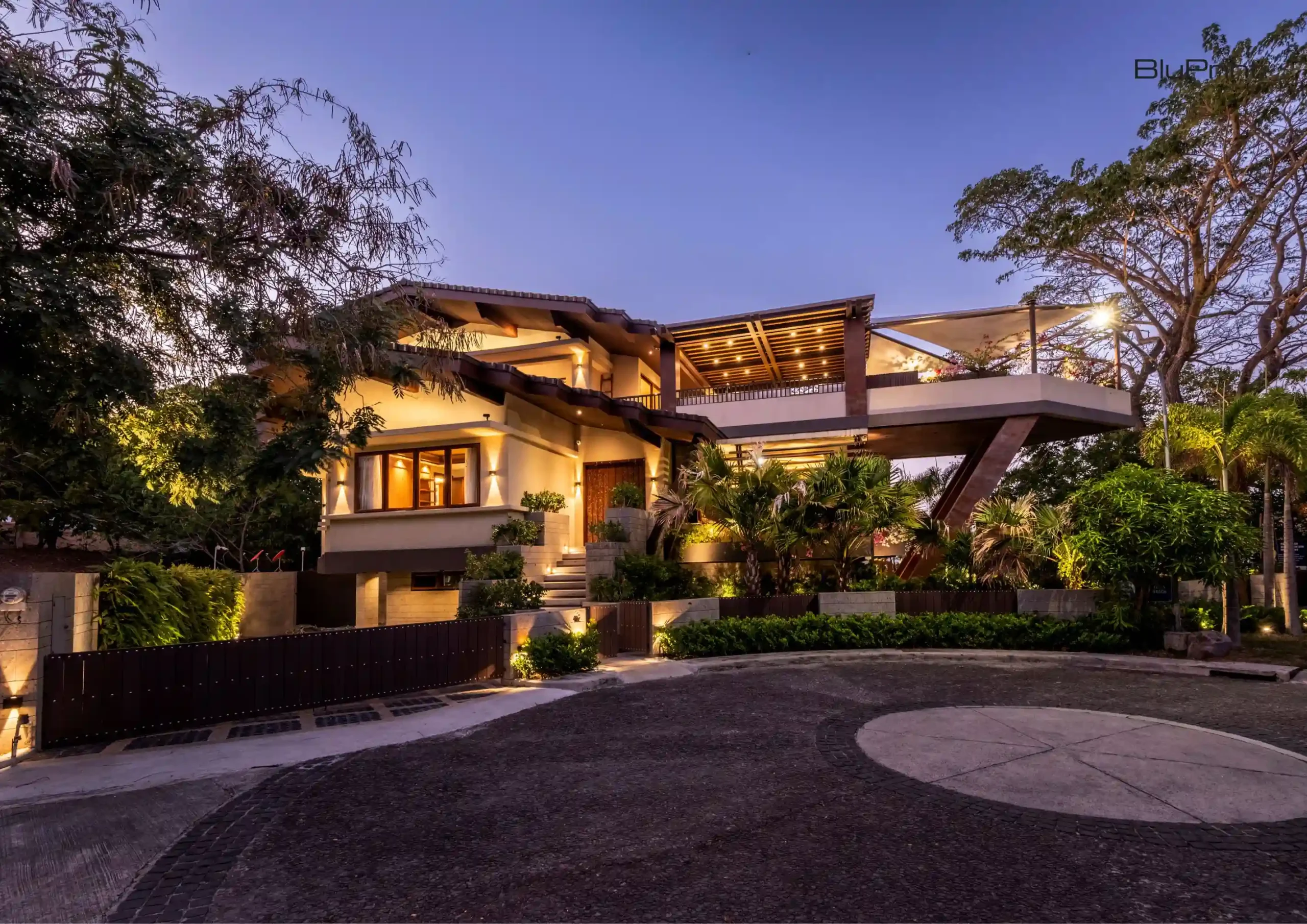
Where Vernacular Meets Modernity by A. Mañosa + Architects



This beachside retreat in Punta Fuego, Nasugbu, Batangas is more than just a vacation home—it showcases the beauty of Filipino architectureArchitectureThe art and science of designing and constructing buildings, structures, and spaces that are functional, safe, and aesthetically pleasing. It encompasses the planning, design, materials, and techniques used to createGo to Architecture Glossary tailored for contemporary coastal living. Designed by A. Mañosa + Architects, this abode was envisioned to be a party house for the client’s son, blending architectural fundamentals from the bahay kubo—the signature of the Mañosa design firms—with modern touches tailored to the lifestyle of its owner.
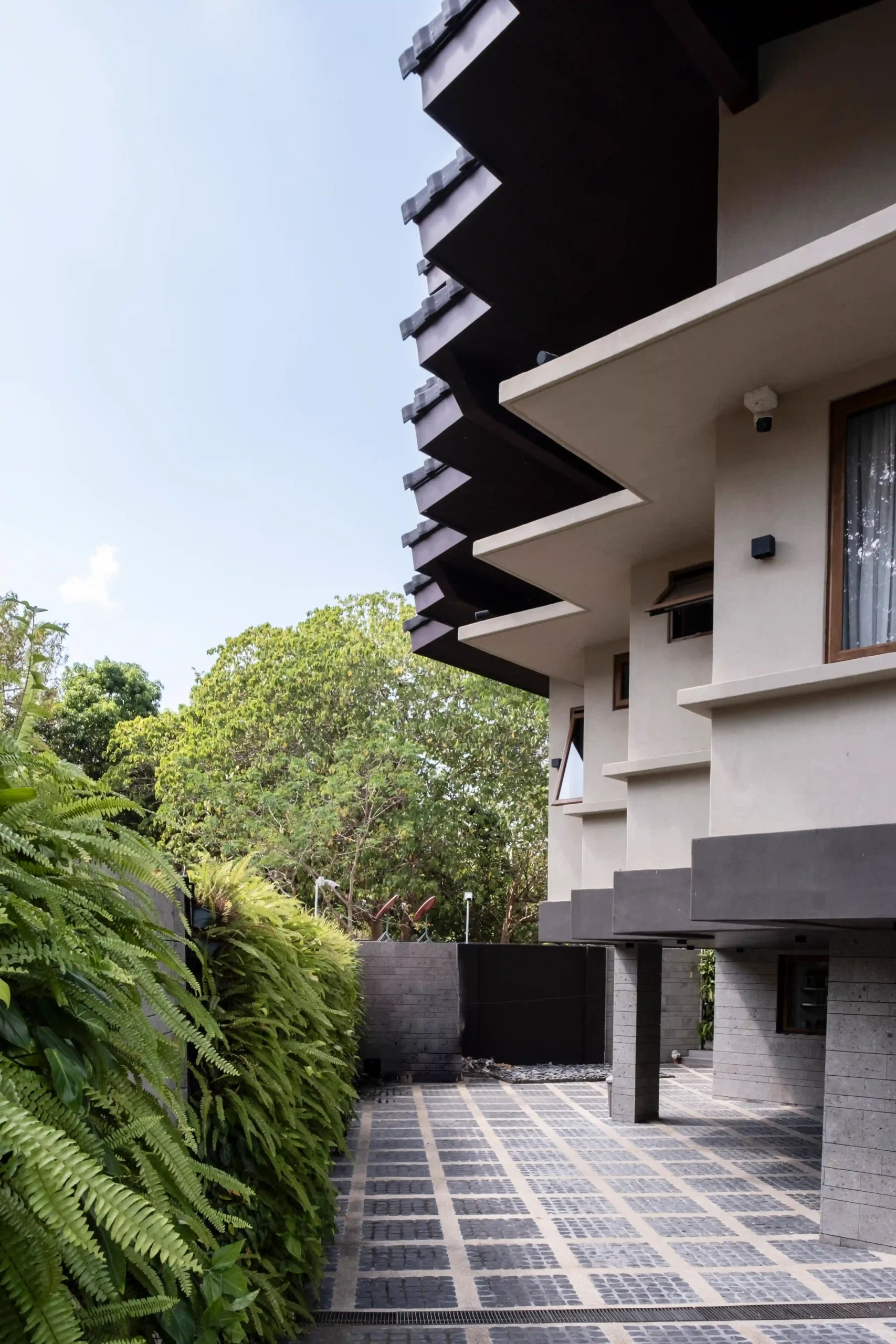
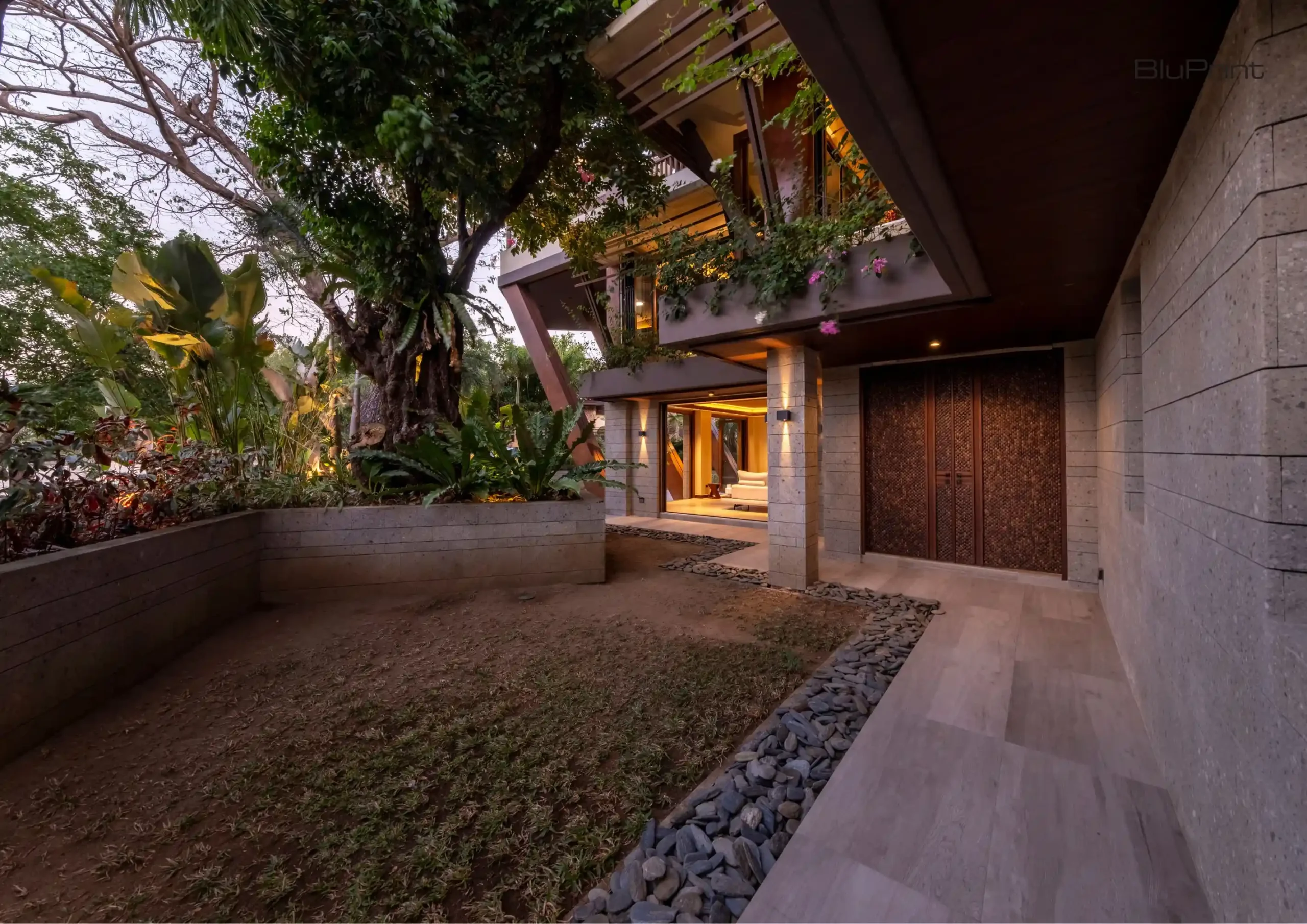
“The house design was really made to be able to entertain, take advantage of the views that it has, and, because it was pretty much beachfront, to be able to get as much of the real estate to face the ocean,” explains Gelo Mañosa, Managing Partner of A. Mañosa + Architects and CEO of Mañosa and Company. At the same time, the design team also wanted to maintain privacy, as the house is located near a walkway that leads to the beach.
Shaped by a Defining Element
“Every once in a while, there is one fundamental idea, which becomes like the DNA or network—the essence of where the design drives from,” Mañosa explains. “In this case, it was a cantilevered pool.”
With the house’s beachfront location, situating the pool on the ground floor was impractical because sand infiltration would damage the pool’s pump system. The design team opted for a cantilevered pool—located on the third floor of the house—with supporting tukod reminiscent of the bahay kuboBahay KuboThe traditional Filipino house built from bamboo, wood, and nipa palm. Raised on stilts for ventilation and flood protection, with a steep thatched roof to shed heavy rain, it isGo to Bahay Kubo Glossary.
A House that Breathes
To maximize airflow and keep all areas well-ventilated, the architects studied the area’s climate normals—a 50-year assessment from the nearest weather station that provides data on wind direction, monthly wind velocity patterns, precipitation, and relative humidity. They then oriented the house based on the prevailing winds.
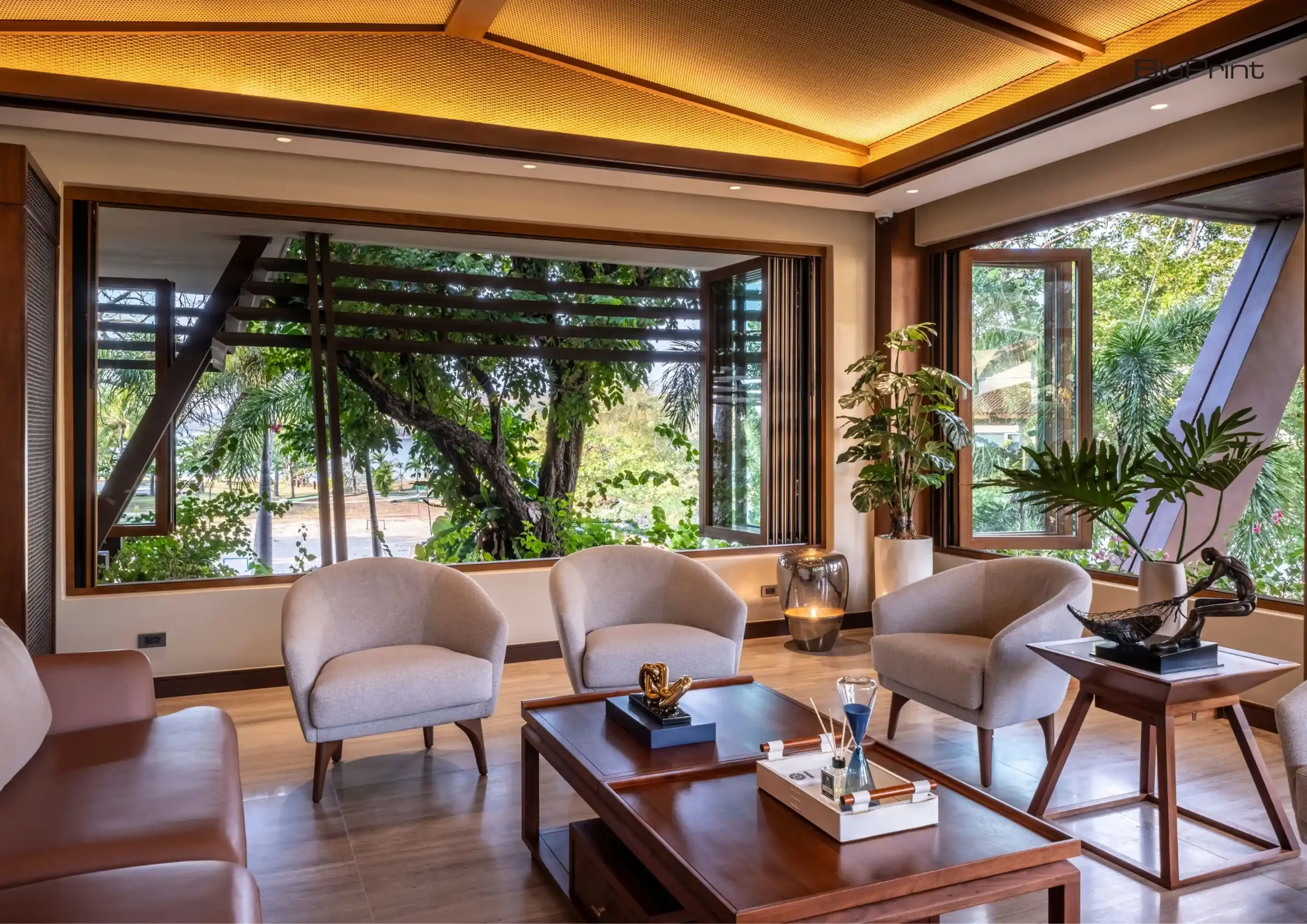
As a result, most of the rooms in the house have three openings to enable cross ventilation. “When you know where your prevailing winds are coming from, it’s best if your window openings there are smaller, and on the negative air pressure, where the wind exits, those openings are bigger. Why is that? When you squeeze the opening, you increase air pressure,” Mañosa explains. “Of course, you have to kind of weigh that out with aesthetics and the purpose of the room, but as much as possible, we always try to create squeeze points to be able to get wind circulating better.”
Architecture that Works
At the end of the day, Filipino architectureArchitectureThe art and science of designing and constructing buildings, structures, and spaces that are functional, safe, and aesthetically pleasing. It encompasses the planning, design, materials, and techniques used to createGo to Architecture Glossary is functional, purpose-driven, and culturally grounded—just like this Punta Fuego home, inspired by the bahay kubo. It demonstrates how Philippine architecture can evolve while staying true to its roots, embracing tradition while ensuring comfort, sustainability, and longevity for generations to come.
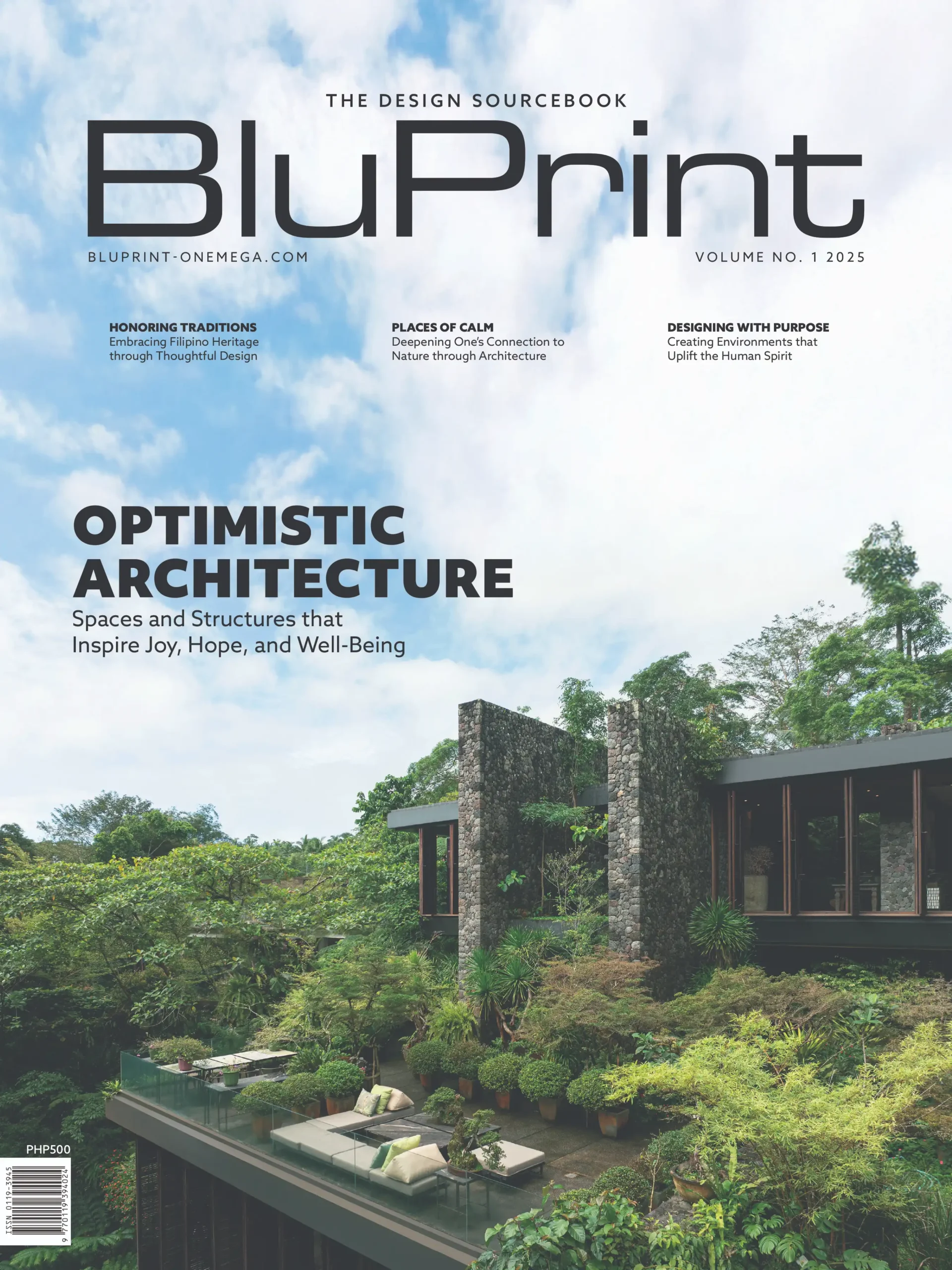
Read the full story by grabbing your copy of BluPrint Volume 1 2025, available at sarisari.shopping, Shopee, and Lazada.
E-magazines are available for download here or through Readly, Press Reader, and Magzter.
Photographed by Ed Simon.
Read more: Corner House: A Flourishing Dwelling
Frequently Asked Questions
Designed by A. Mañosa + Architects, the residence utilizes the architectural fundamentals of the bahay kubo—such as passive cooling, natural materials, and elevated structures—to suit a contemporary vacation lifestyle. The design specifically blends these vernacular roots with modern needs, functioning as a “party house” for the client’s son. By integrating traditional elements like tukod (support pillars) with modern features like a cantilevered pool, the house maintains a Filipino identity while providing the luxury and durability required for beachfront living.
The cantilevered pool on the third floor is the defining “DNA” of the house’s design. Placing the pool on the ground floor was avoided because sand infiltration from the nearby beach would have quickly damaged the pool’s pump system. To solve this, the architects elevated the pool and used cantilevered supports reminiscent of the tukod used to elevate traditional stilt houses. This not only protected the mechanical systems but also maximized the real estate facing the ocean, offering unobstructed views.
To ensure the house “breathes” without heavy reliance on air conditioning, the team studied a 50-year assessment of the area’s climate data, including wind direction, velocity, and humidity. They oriented the house to catch prevailing winds and designed most rooms with three openings to facilitate cross-ventilation. This scientific approach to vernacular design allows the house to remain cool naturally, even in a humid tropical coastal environment.
The “squeeze point” strategy is a fluid dynamics principle used to increase air pressure and circulation within the home. The architects designed smaller window openings on the side where prevailing winds enter and larger openings on the “negative air pressure” side where the wind exits. By “squeezing” the air through a smaller entry point, the velocity of the breeze increases as it moves through the house, ensuring that the interior remains well-ventilated and comfortable.
Because the house is located near a public walkway leading to the beach, privacy was a significant concern. The architects addressed this by orienting the primary living and entertainment spaces toward the ocean while using structural elevation and strategic window placement to shield the interiors from the sightlines of passersby. This allows the residents to enjoy the beachfront vistas and the cantilevered pool area without feeling exposed to the public.
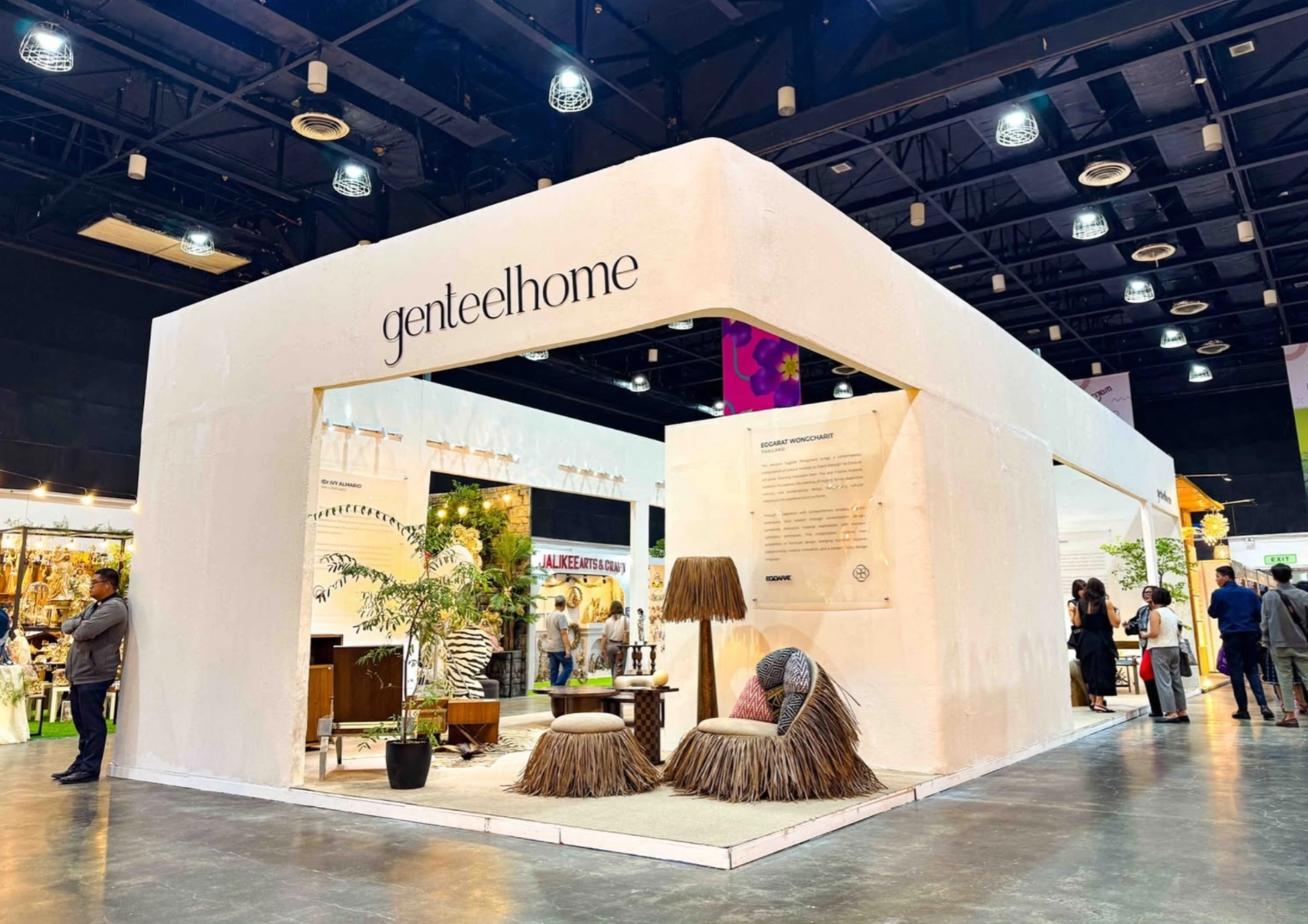
Bigkis is the act of binding. In Tagalog, the word can refer to something used to bind or encircle, as well as a bundle formed by tying several separate elements together. Figuratively, it can also mean a bond, union, or unity. The meanings move from the physical act of joining things together to the connection […]
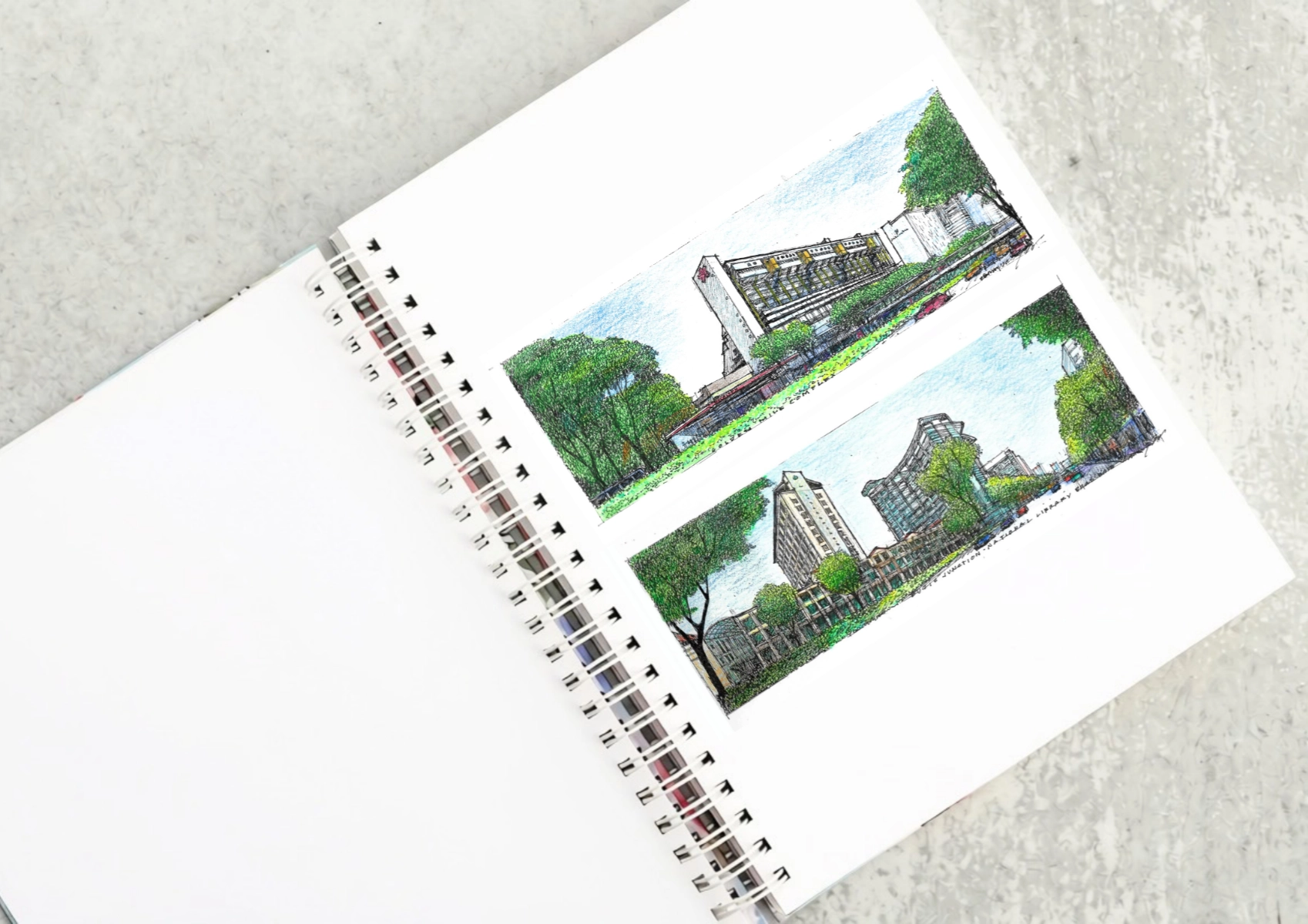
Two sketches of Singapore connect BluPrint Editor in Chief Paulo G. Alcazaren’s personal and professional history with Shared Ground: ArchitectureArchitectureThe art and science of designing and constructing buildings, structures, and spaces that are functional, safe, and aesthetically pleasing. It encompasses the planning, design, materials, and techniques used to createGo to Architecture Glossary of Care, Culture, […]
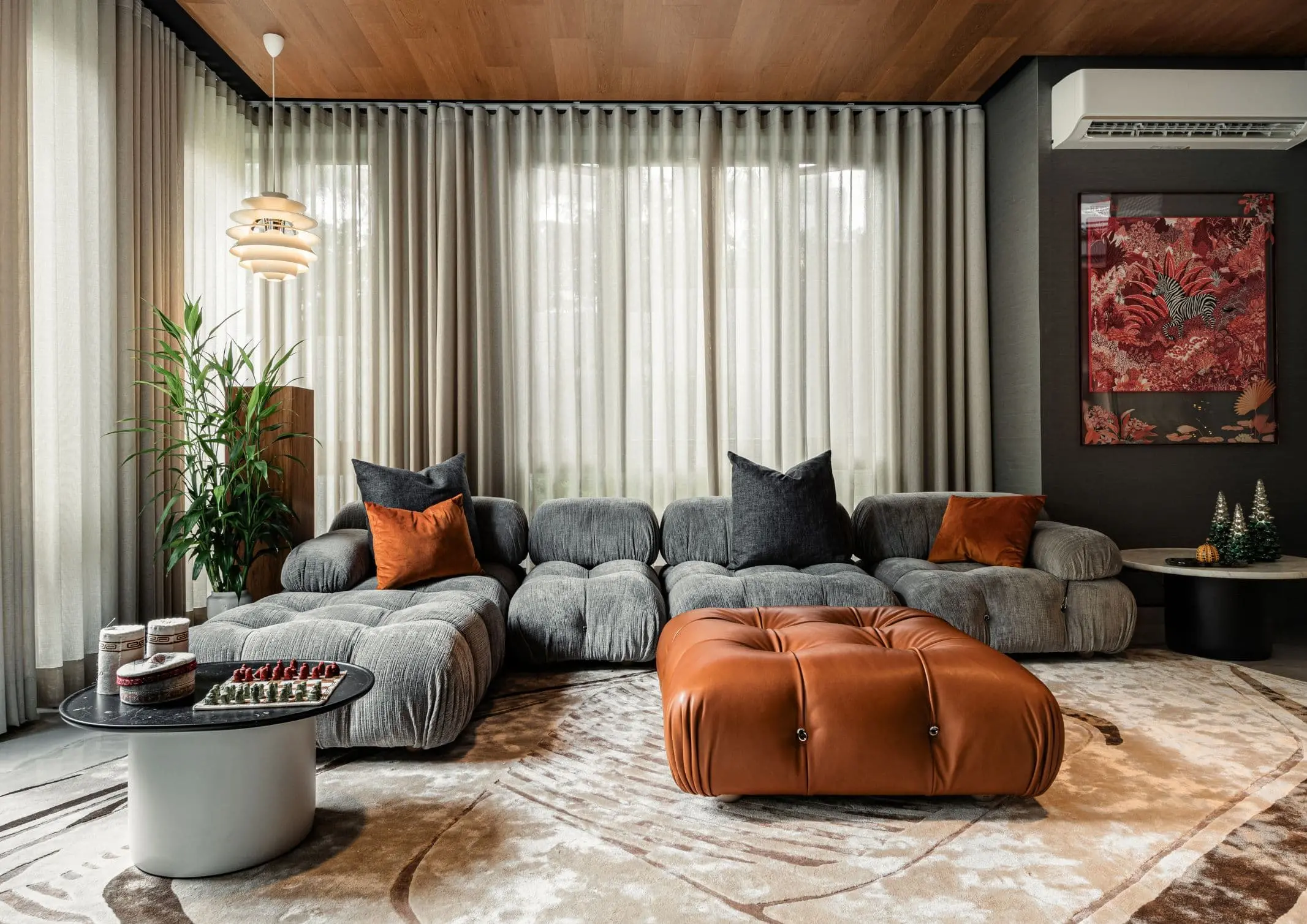
Some have become household names – Coleman, Oster, and KitchenAid – products that have found their way into Filipino kitchens, homes and family routines. In home furnishings, brands such as B&B Italia, Ethan Allen, Sub-Zero, Miele, SieMatic, Louis Poulsen, Hunter Douglas, Tempur, and Technogym, have helped shape the way Filipinos live. From everyday essentials to […]
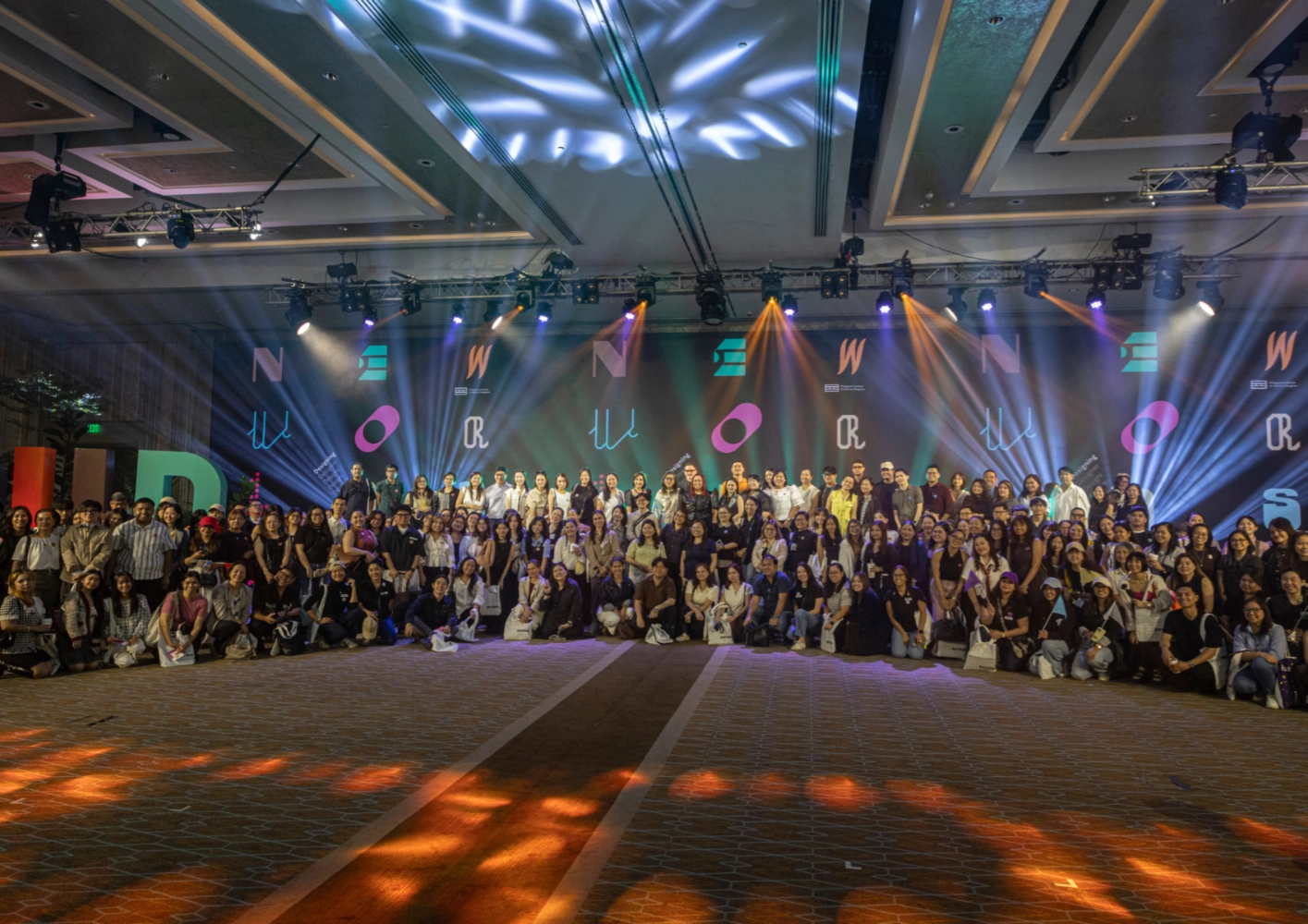
In a way, designers are the modern-day soothsayers and prophets. They design for the future, predicting how a room, a house, a building or a whole city will be used by people. They foresee how users will interact with a space, conjure exact shades of colors to elicit specific behavior and arrange furniture to build […]
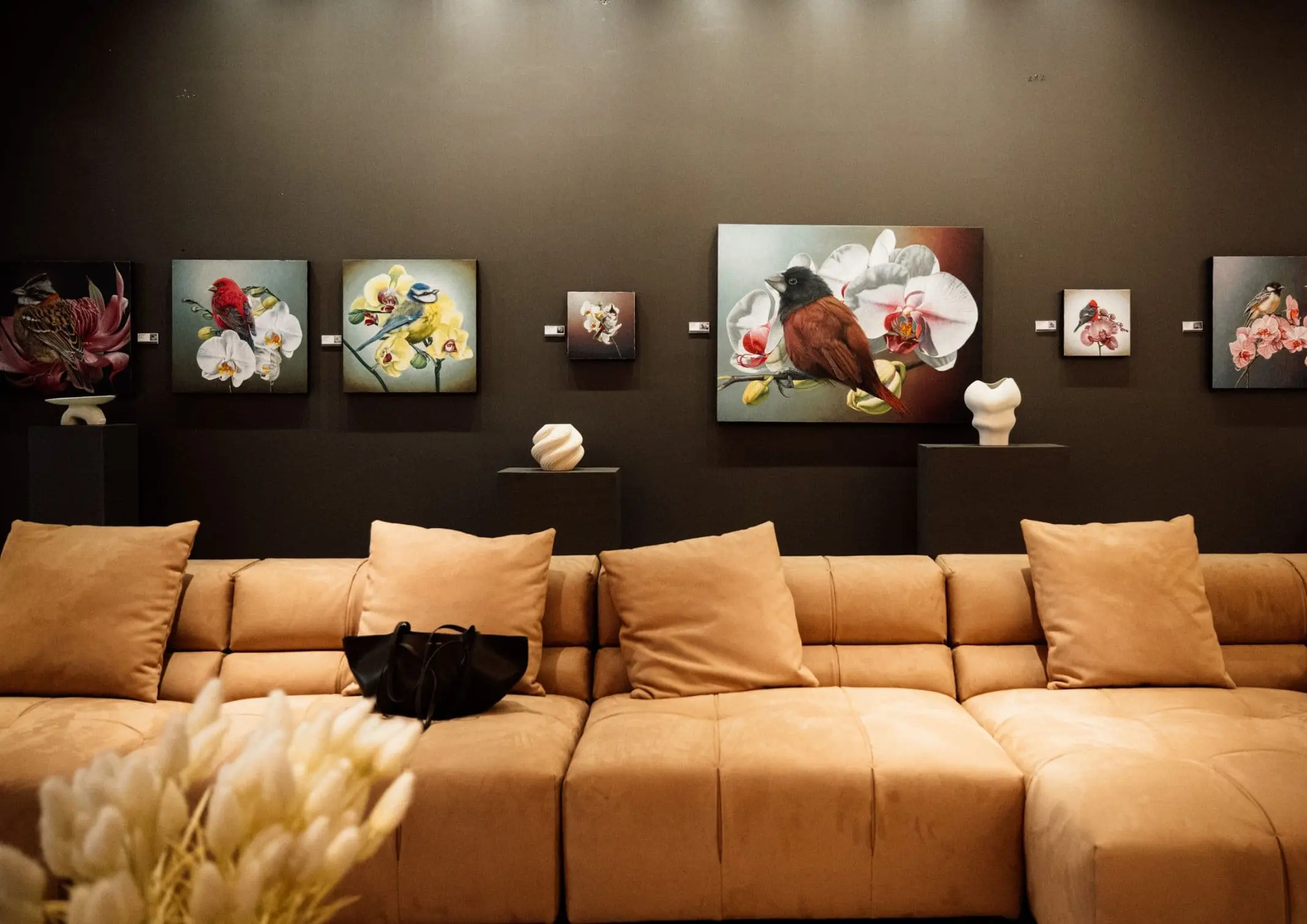
Art and furniture are often selected separately, yet their relationship can shape how a room looks and feels. The collaboration between Hooga and Galerie Joaquin explores how these elements can work together, bringing contemporary artworks into furnished residential settings at Hooga’s showroom in Uptown Mall, Bonifacio Global City. For Hooga, which curates furniture, lighting, and […]
Read the issues.

Collect the volumes.

Recommended Video
Tap to Unmute
Unmute
0:00
0:00