The resurgence of interior styles and trends is often sparked by influential creatives and movements that gain strong visibility on the global stage. This cycle tends to repeat itself over time, with each era defined by a distinct aesthetic shaped by designers whose taste resonates with their contemporaries. More often than not, their mutual influence […]
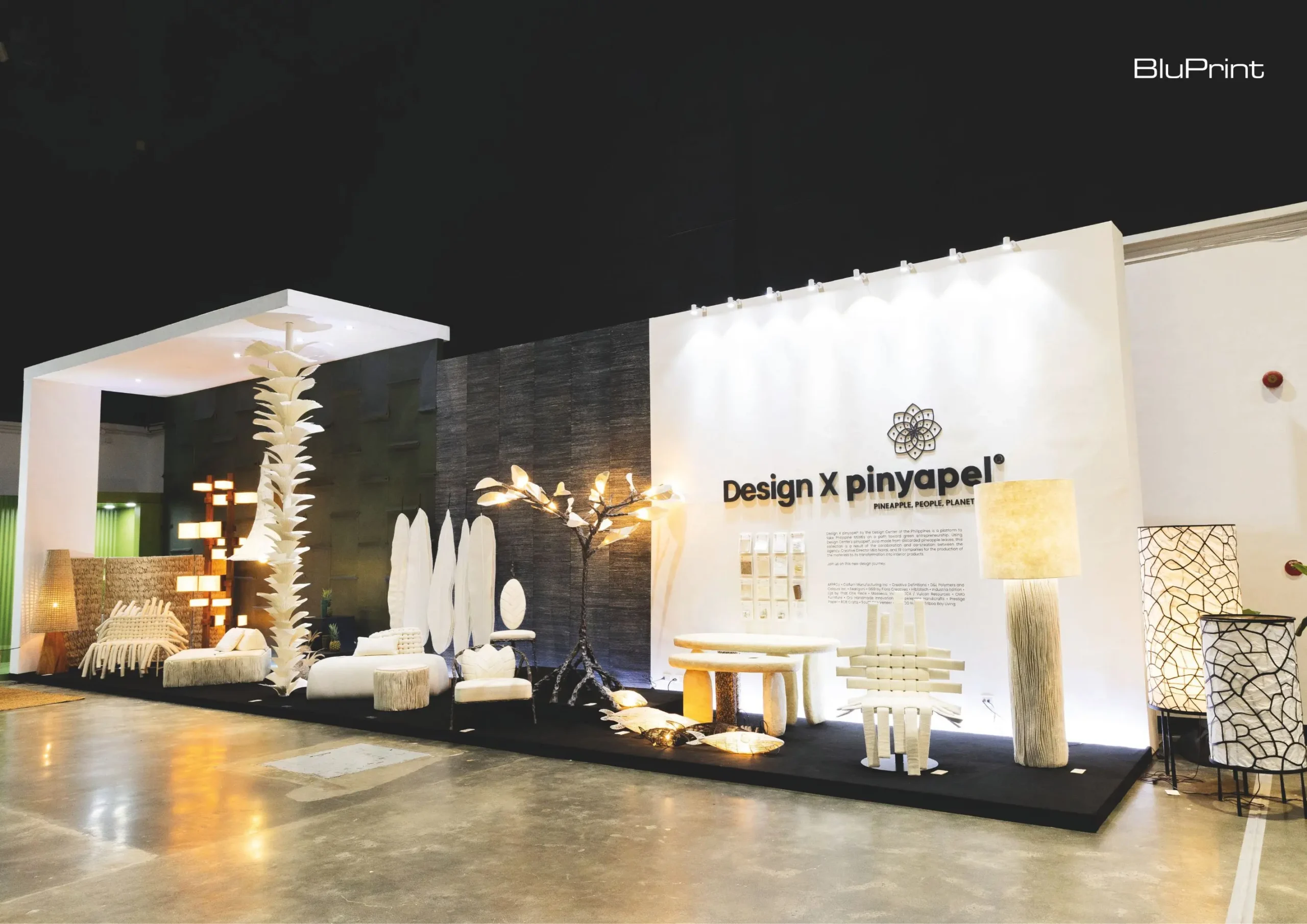
Why Material Matters: Regenerative Design in Home Building



In an age where climate breakdown, resource depletion, and waste crises intersect, the conversation around materials is no longer niche. It is urgent, consequential, and central to the evolution of industries—from architectureArchitectureThe art and science of designing and constructing buildings, structures, and spaces that are functional, safe, and aesthetically pleasing. It encompasses the planning, design, materials, and techniques used to createGo to Architecture Glossary and interiors to manufacturing and design. This is not about trivia; it is about survival.
We’ve spent the last decade pursuing sustainability—minimizing damage, reducing footprints, mitigating harm. But Industry 5.0 shifts the conversation from minimizing to regenerating, from human-centered to human and planet-centered. It demands systems that not only preserve but restore. And that requires rethinking the very substances we use to build, create, and consume.
According to the World Economic Forum, “The materials economy is currently extractive and linear. Without a shift to circular, regenerative models, we will exceed planetary boundaries.” The Ellen MacArthur Foundation similarly warns: “Over 90% of biodiversity loss and water stress comes from resource extraction and processing.” The issue is not just overuse, but misuse— materials that are harmful to make, harder to reuse, and impossible to safely dispose of. The solution? Innovating materials from alternative sources and establishing circular economies that regenerate rather than deplete.
A Collective Concern and a Global Call for Designers
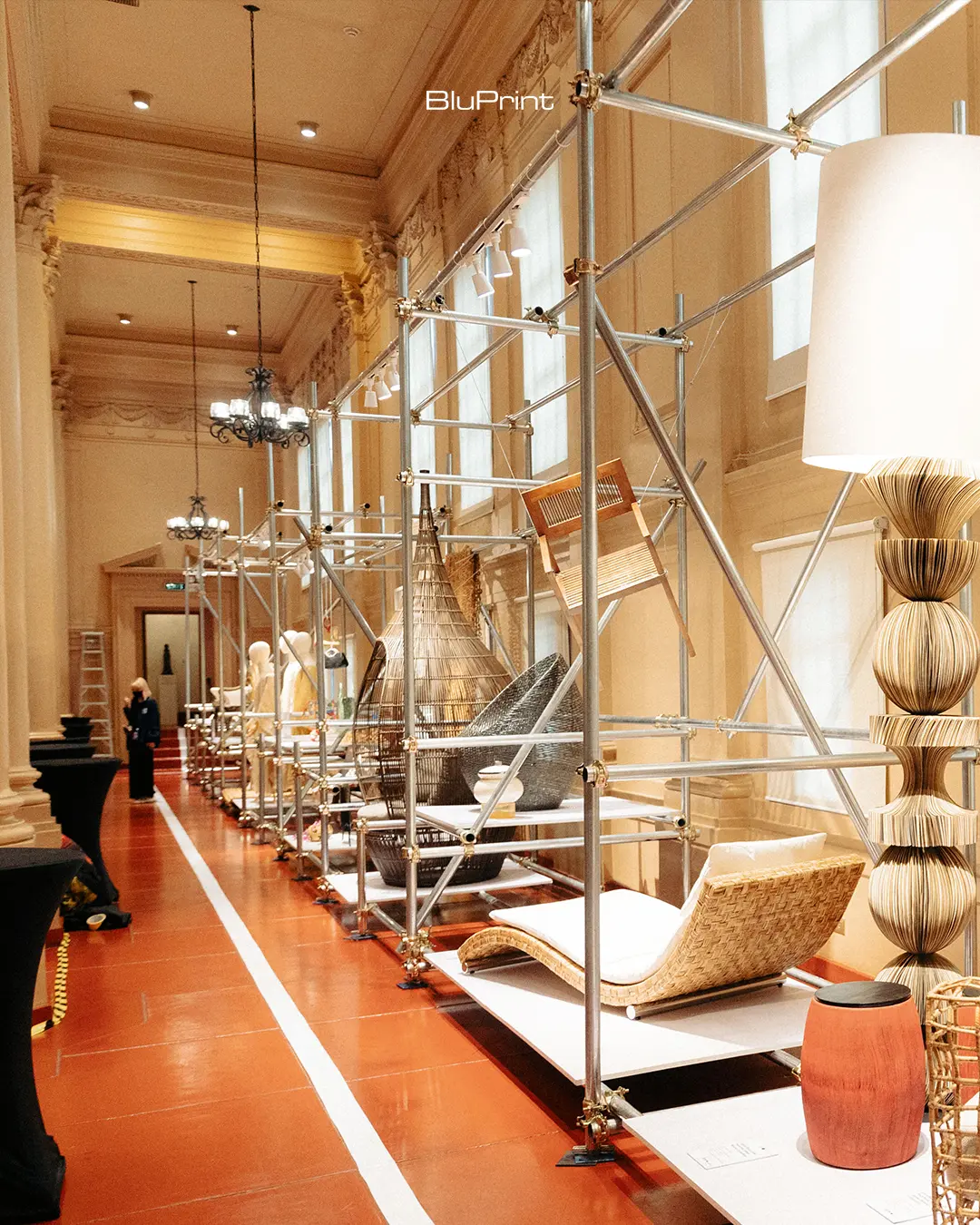
Innovating materials is not the sole job of scientists or sustainability officers. It is a design challenge, a governance issue, a business imperative, and a cultural transformation. The shift to regenerative material ecosystems requires cross-sector collaboration—from farmers to fabricators, designers to developers, policy makers to consumers.
Showcasing the Philippines’ Potential Where Tradition Meets Innovation
In the Philippines, this shift is also unfolding, led by a resurgence of craft-based knowledge and circular entrepreneurship.
Rethinking Materials Through the Lens of Industry 5.0
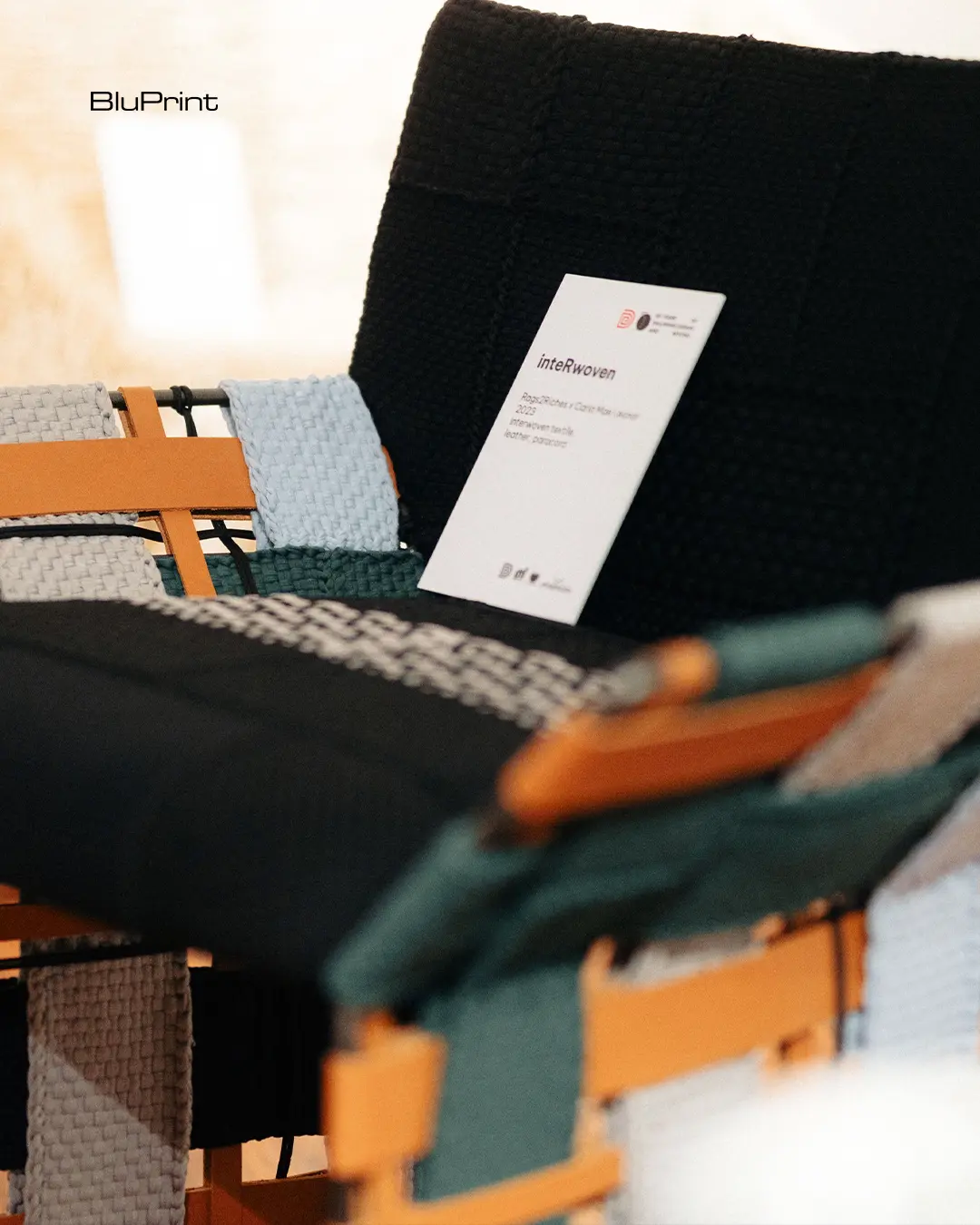
Industry 5.0 brings a much-needed shift from the mechanical efficiency of its predecessor to a more human-centered, ecologically mindful approach. At its core is the idea of regenerative design—a framework that goes beyond sustainability to co-create with nature. Rather than simply reducing harm, regenerative design seeks to restore and replenish ecosystems, integrating human needs with the planet’s capacity to thrive.
From Global Innovation to Local Adaptation
Globally, designers are rethinking material choices with sustainability at the core. In Colombia, Francisco Jaramillo crafts furniture from yaré—a renewable plant fiber that reflects both ecological awareness and cultural heritage. Across Europe, experiments with algae façades and mycelium-based walls point to a future of self-insulating, biodegradable building systems.
Material Futures in the Home: What 2025 Looks Like
According to WGSN’s Interiors Forecast 2025, homes will be shaped by three major drivers: Common Connections, Restorative Realms, and Digitopia. Each of these reflects a demand for materials that are expressive, efficient, and ecologically aligned
Designing a Regenerative Future
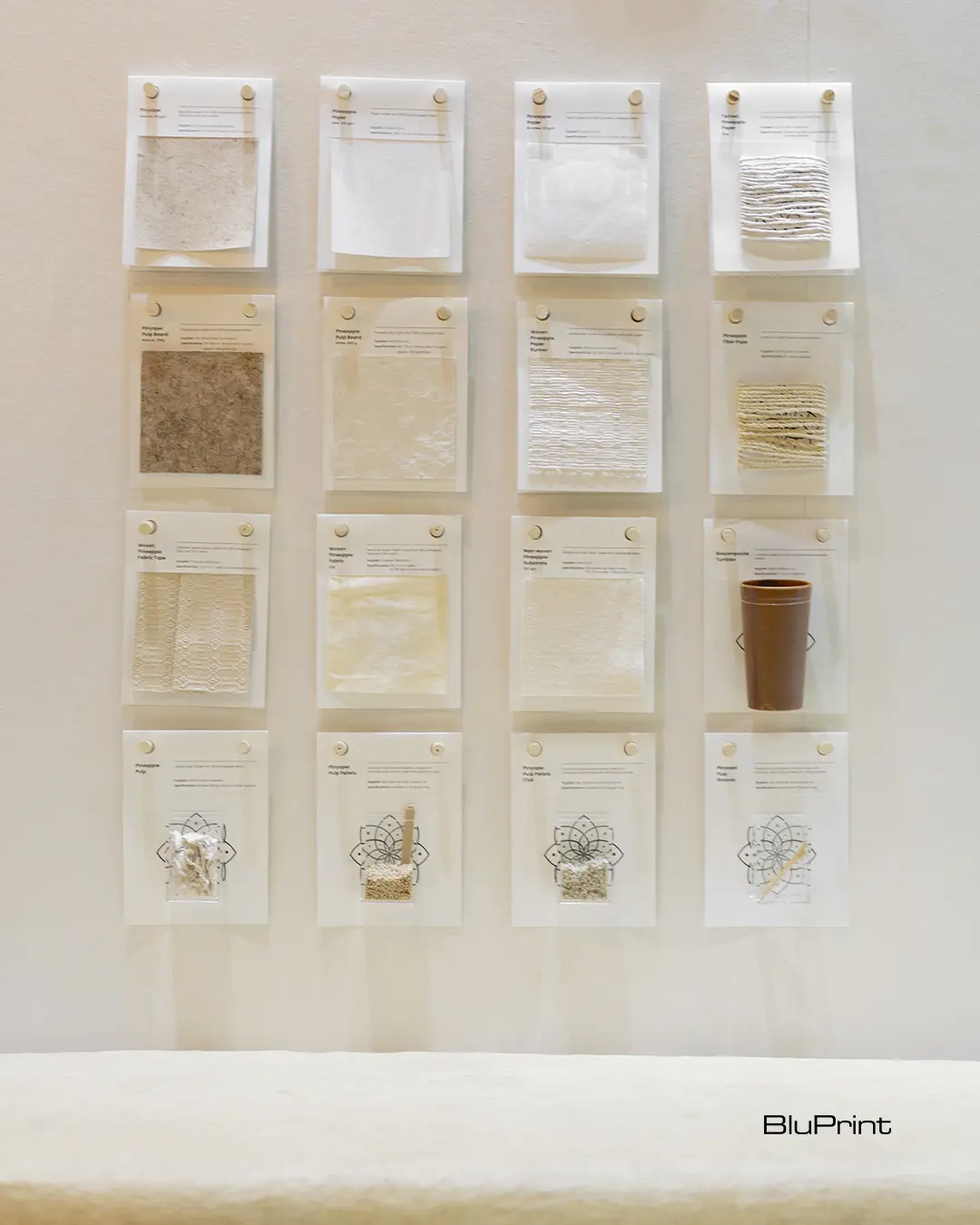
The materials we choose dictate not only environmental outcomes but also social, economic, and cultural futures. They affect jobs, ecosystems, and the way we live. In this new era, we must ask: Can we create without extraction? Can we scale locally without compromising global? Can our material choices regenerate life—not just enable it? We need a new material narrative—one that is inclusive, systems-oriented, and built on the promise of abundance through reinvention. Because material, quite literally, matters.
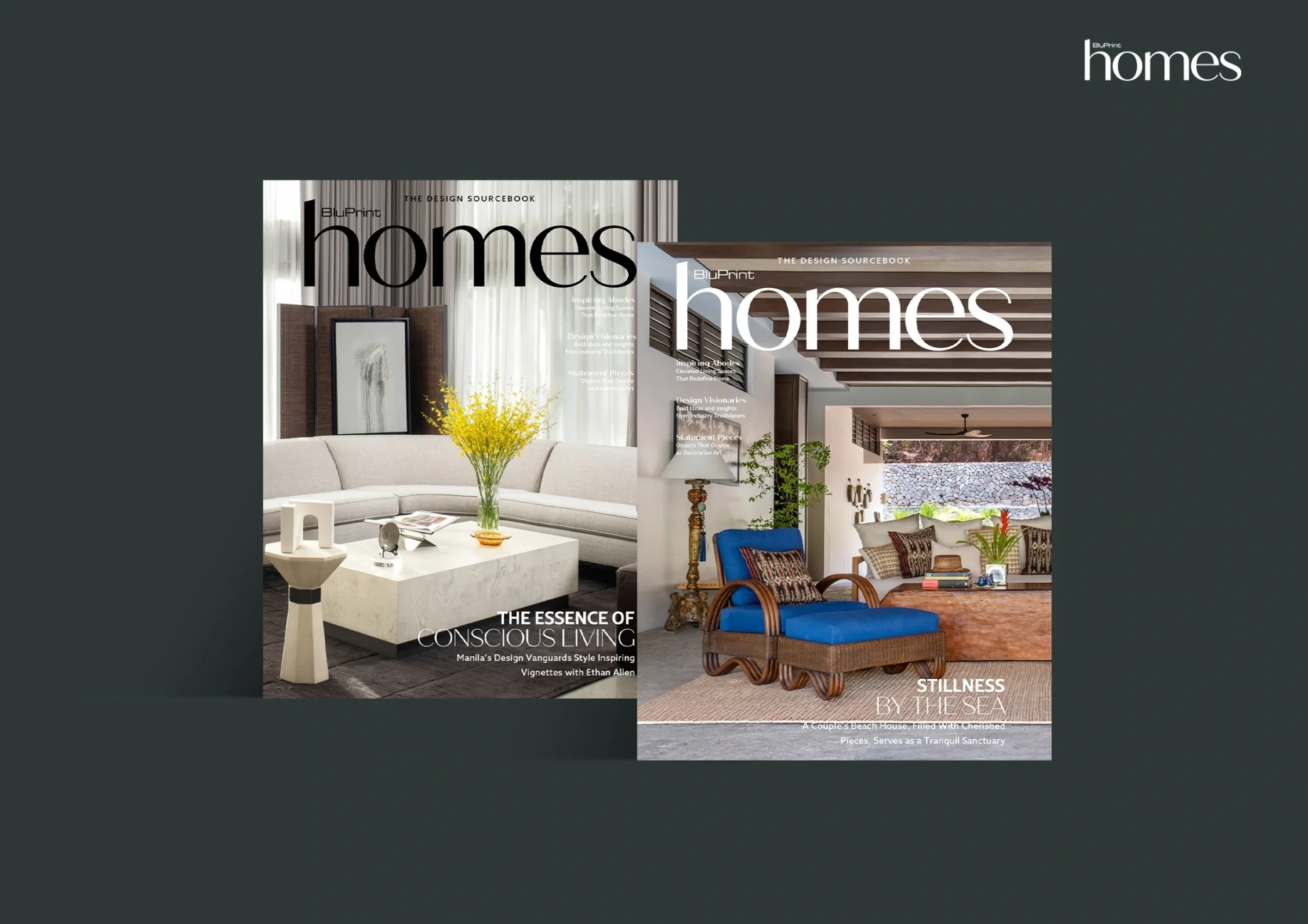
Read the full story by grabbing your copy of BluPrint Homes, available at the sarisari.shopping, Shopee, and Lazada. E-magazines are available for download here or through Readly, Press Reader, and Magzter.
Photos courtesy of the Design Center
Read more: Creating Harmony Between Nature And Buildings Through Regenerative Architecture
Frequently Asked Questions
While the last decade focused on sustainability—aiming to minimize damage, reduce footprints, and mitigate harm—Industry 5.0 shifts the goal toward regeneration. Regenerative design moves from being purely human-centered to being both human and planet-centered, seeking to restore and replenish ecosystems rather than just preserving what remains. It requires a fundamental rethinking of materials to create systems that actively improve the environment as they are used.
In the Philippines, the shift toward regenerative design is being driven by a resurgence of craft-based knowledge and circular entrepreneurship. This movement involves cross-sector collaboration where tradition meets innovation, utilizing local materials and heritage techniques to create sustainable products. By leveraging indigenous craft, local designers are exploring how to scale production without relying on the extractive methods typical of global manufacturing.
Globally, designers are experimenting with living or renewable sources to replace traditional construction materials. Examples include furniture made from yaré (a renewable plant fiber) in Colombia, as well as European experiments with algae-based façades and mycelium-based walls. These materials are part of a new wave of self-insulating, biodegradable building systems that align with the planet’s capacity to thrive.
According to the WGSN Interiors Forecast 2025, home design will be driven by “Common Connections,” “Restorative Realms,” and “Digitopia.” These drivers reflect a growing consumer demand for materials that are not only expressive and efficient but also ecologically aligned. These trends suggest that future homes will prioritize materials that foster a sense of well-being while ensuring the systems used to create them are restorative rather than depleting.
Regenerative design transforms the designer’s role from a solitary creator to a systems-oriented collaborator. It requires working across various sectors—including farmers, fabricators, policymakers, and consumers—to establish circular economies. Designers are challenged to move beyond “minimizing harm” and instead ask if their material choices can regenerate life, focusing on building a “material narrative” of abundance through reinvention and ecological mindfulness.
In the late 1800s, Vincent van Gogh managed to sell just one piece—out of the thousands he created. In his time, Van Gogh was considered odd. While others embraced soft bristles and muted tones, he immersed himself in bold brushstrokes and thick, impassioned layers of paint. Today, his works are valued as much as a […]
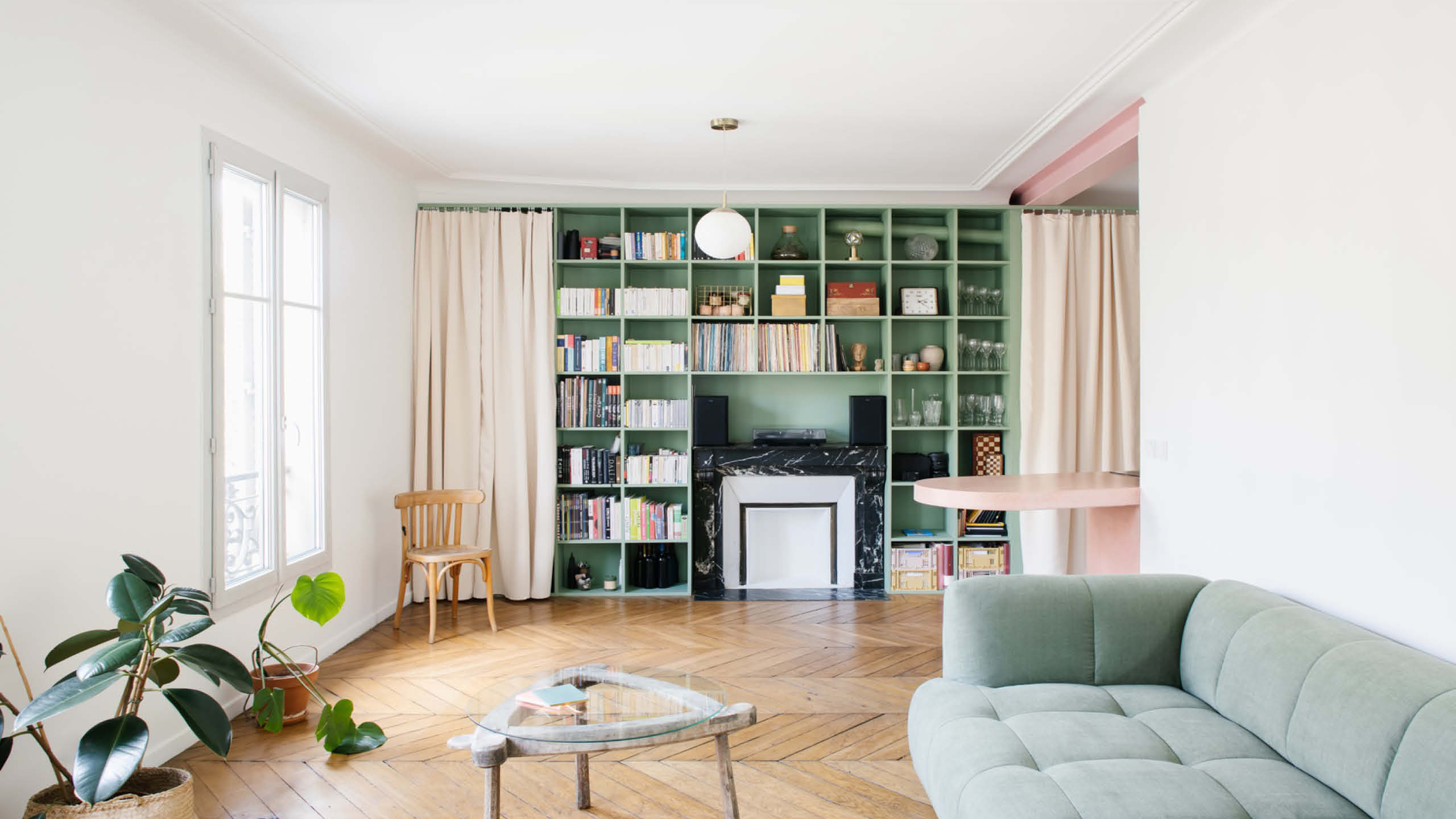
Lately, there has been an active online discussion surrounding the extensive use of green colors in Filipino homes. Why this particular hue has captured the hearts of homeowners across the archipelago is a question that has sparked countless threads, theories, and even memes. So, we’re diving deep into this popular trend with designer Nix Alañon […]
When it comes to color trends, Pantone’s annual color predictions are anticipated eagerly by design enthusiasts and professionals alike. These forecasts set the tone for the year ahead, infusing a sense of fresh beginnings, clean energy, and excitement of a new era. And for 2025, Pantone crowned its champion. Mocha Mousse is a rich, creamy […]
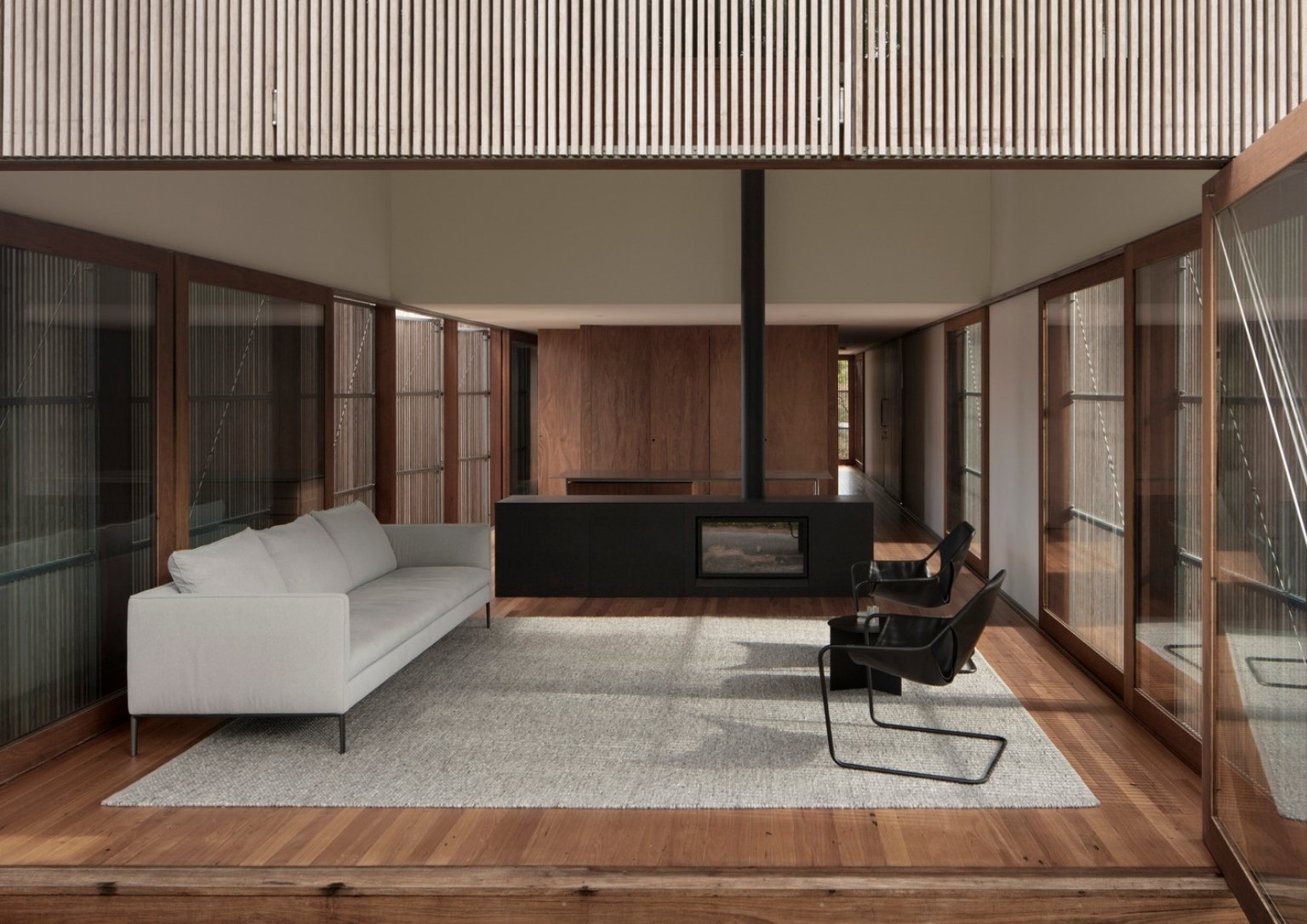
Before 2024 ended, color technology company Pantone declared Mocha Mouse as their color of the year for 2025. Channeling the luscious quality of chocolate and coffee, it’s the first shade of brown to earn the Color of the Year title since 1999. Various fields of the design industry, like fashion and media, found stylish and artistic […]

Bows, by convention, are a classic fashion accessory and gift accent. They are the chic cherry on top that makes any outfit or present look more polished and put-together. But did you know that they could also be the star of your holiday home? These graceful frills are stepping out of the gift-wrapping and wardrobe […]
Read the issues.

Collect the volumes.

Recommended Video
Tap to Unmute
Unmute
0:00
0:00