In an age where climate breakdown, resource depletion, and waste crises intersect, the conversation around materials is no longer niche. It is urgent, consequential, and central to the evolution of industries—from architectureArchitectureThe art and science of designing and constructing buildings, structures, and spaces that are functional, safe, and aesthetically pleasing. It encompasses the planning, design, […]
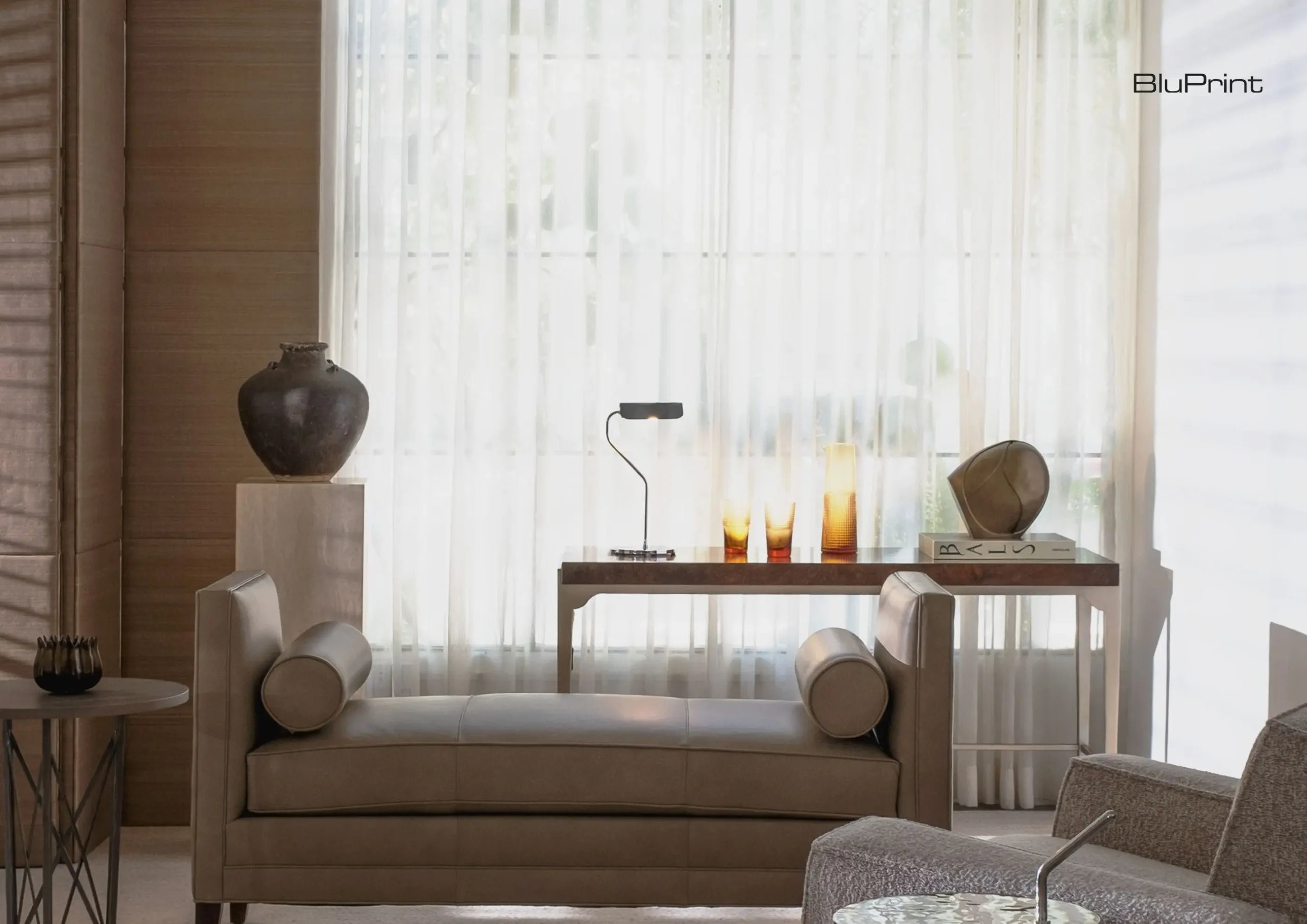
Archival Sensations: The Enduring Influence of 20th Century Design Languages



The resurgence of interior styles and trends is often sparked by influential creatives and movements that gain strong visibility on the global stage. This cycle tends to repeat itself over time, with each era defined by a distinct aesthetic shaped by designers whose taste resonates with their contemporaries. More often than not, their mutual influence gives rise to entirely new design languages. In recent years, we’ve seen a gradual return to references from the greats of the last century. Today’s designers are rediscovering meaning in these past works, drawing inspiration that informs new sartorial sensibilities and refined tastes.
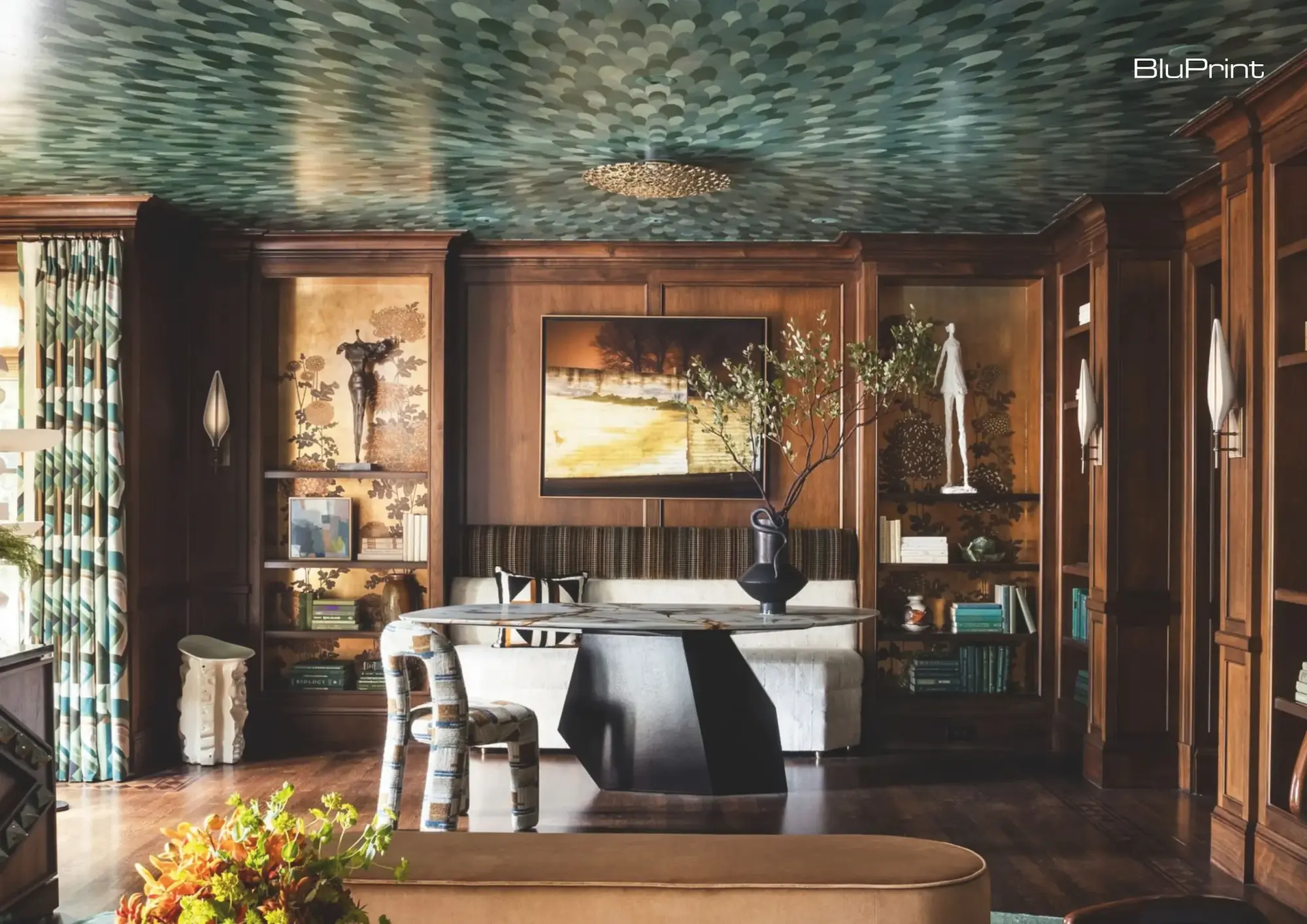
One notable style that has regained traction is the bold layering of furniture and decoration, thoughtfully curated and set against stark, contemporary interiors. Its aesthetic can only be described as restrained opulence. French interior designer Jean-Michel Frank’s 1929 design of Charles Templeton Crocker’s penthouse in San Francisco is an example of this approach. He used parchment, straw marquetry, shagreen, and mica to transform the space into a study of quiet luxury. The project cemented Frank’s legacy as a pioneer of modern elegance.
Architect and designer Charles Rennie Mackintosh’s Hill House in Helensburgh, Scotland also reflects this spirit of intentional curation. He infused the space with his own furniture designs, which provided a striking contrast to the more decorative detailing of the structure. Among these is the now-iconic Hill House high-back chair, a sculptural piece that has since become emblematic of his design language.
Echoes of Innovation
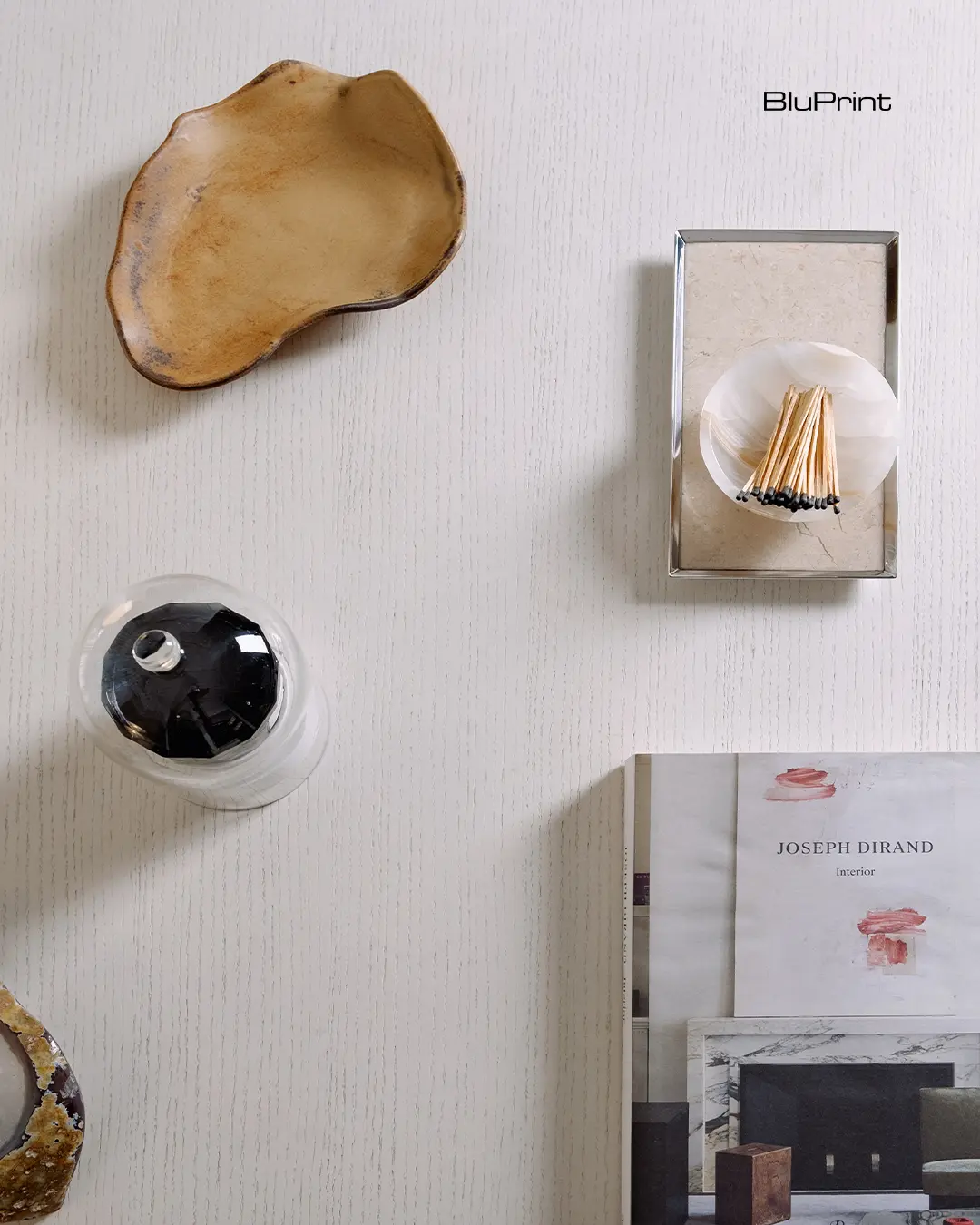
The influence of these designers continues to inspire generations that follow. Their remarkable energy and singular vision have left an enduring mark on the design world. Their work still appears in the mood boards of contemporary designers—referenced not just for aesthetics, but for their approach to form, materiality, and innovation. This act of looking back becomes a way of moving forward, allowing contemporary practice to be informed by the rigor, elegance, and spirit of innovation that defined earlier eras.
Storytelling in Spaces
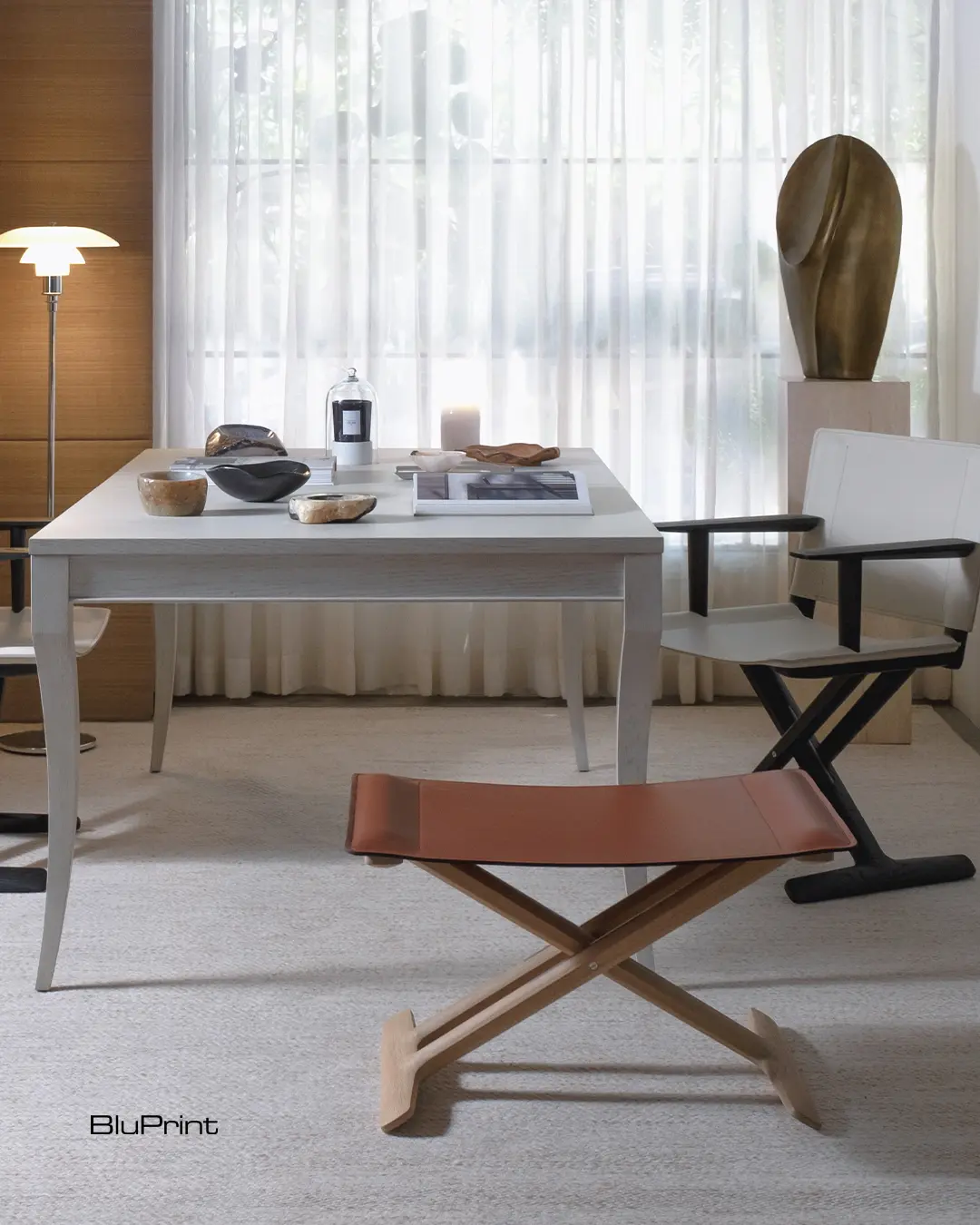
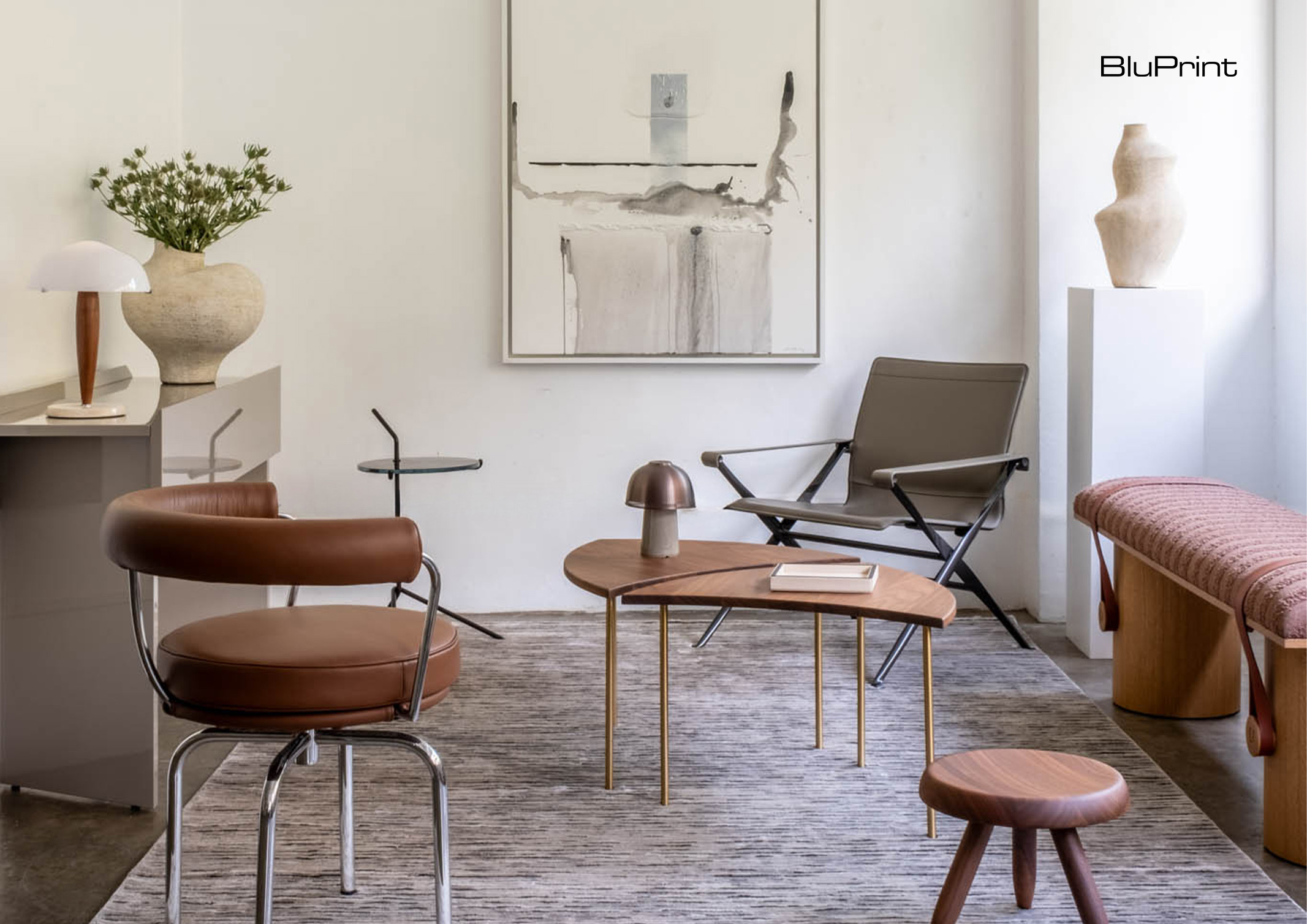
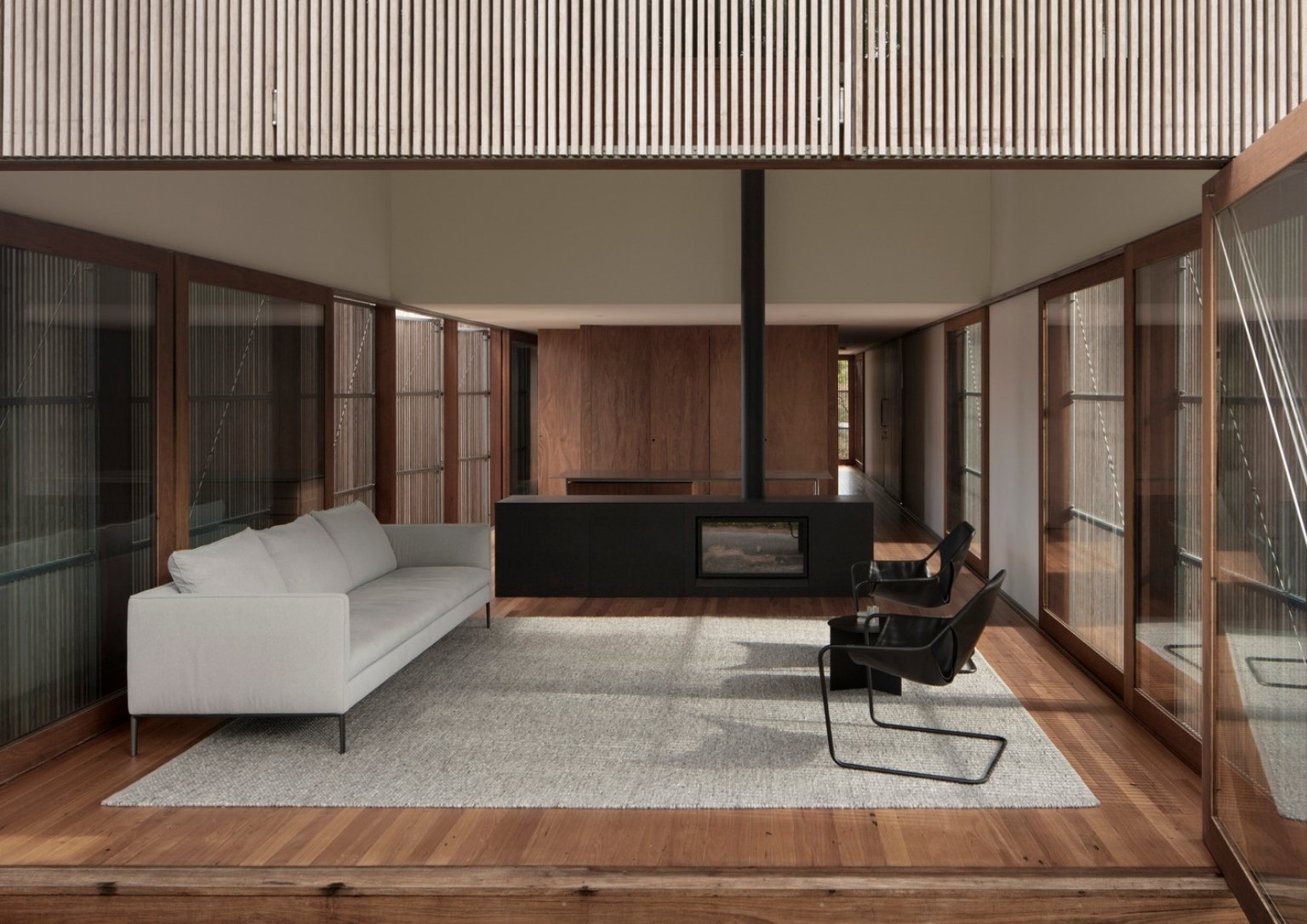
When planning vignettes, it is best to envision a narrative—how one space flows into the next and how the pieces converse with one another. In this case, the vignette of a study extends into a lounge area on the opposite side of the room. Grounded by the same Maxalto rug and framed by a W/17 divider, the lounge centers around a taupe leather settee from Ethan Allen, paired with a wood and metal side table. The clean silhouette of the settee draws the eye, acting as an anchor for the vignette.
These vignettes serve as a study in editing and elegance—proof that meaningful design is about curating pieces that communicate through form, material, and color. There’s beauty to be found in sculptural objects, vintage finds, and thoughtful juxtapositions. By blending the contemporary with the traditional, and valuing detail over excess, one can create a home that feels both timeless and deeply personal. It’s not about matching—it’s about storytelling through design.
Read the full story by grabbing your copy of BluPrint Homes, available at the sarisari.shopping, Shopee, and Lazada. E-magazines are available for download here or through Readly, Press Reader, and Magzter.
Photographed by Ed Simon
Read more: Historical Art in 2024: Five Exhibits That Reinterpreted The Past
Frequently Asked Questions
The resurgence of these styles is characterized as a cyclical process where contemporary designers rediscover meaning in the works of past masters to inform new sartorial sensibilities and refined tastes. This movement is not just about aesthetic mimicry but is an act of looking back to move forward, allowing modern practice to be informed by the rigor and elegance of earlier eras. By referencing the greats of the last century, today’s designers create entirely new design languages that resonate with contemporary visibility while remaining grounded in historical innovation.
Restrained opulence is defined as the bold layering of furniture and decoration, thoughtfully curated and set against stark, contemporary interiors to create a study in quiet luxury. A prime historical example is Jean-Michel Frank’s 1929 design of a San Francisco penthouse, where he used unique materials like parchment, straw marquetry, shagreen, and mica to transform the space. This approach focuses on modern elegance and materiality, prioritizing a sense of luxury that is felt through texture and craftsmanship rather than loud or excessive ornamentation.
Charles Rennie Mackintosh’s Hill House illustrates intentional curation through the striking contrast between his own sculptural furniture designs and the decorative detailing of the building’s structure. The most emblematic piece from this project is the iconic Hill House high-back chair, which serves as a sculptural anchor within the space. This design philosophy emphasizes that furniture should not merely fill a room but should act as a communicative element of a designer’s unique language, providing a balance between the architecture and the interior objects.
When planning vignettes, the article suggests envisioning a narrative where spaces flow into one another and individual pieces “converse” through their form, material, and color. For example, a study can extend into a lounge area by using unifying elements like the same rug or a specific divider to frame the transition. The goal is to move away from the concept of “matching” furniture and instead focus on thoughtful juxtapositions and careful editing, allowing the pieces to tell a story about the dweller’s personal taste and the history of the objects.
Looking back is viewed as a way of moving forward because it allows the contemporary design world to be informed by the spirit of innovation and the singular visions of past designers. Their work remains a staple on modern mood boards because it provides a roadmap for approaching form and materiality with precision. By blending contemporary elements with traditional references and valuing detail over excess, designers can create homes that feel both timeless and deeply personal, proving that meaningful design is rooted in a legacy of enduring influence.
In the late 1800s, Vincent van Gogh managed to sell just one piece—out of the thousands he created. In his time, Van Gogh was considered odd. While others embraced soft bristles and muted tones, he immersed himself in bold brushstrokes and thick, impassioned layers of paint. Today, his works are valued as much as a […]
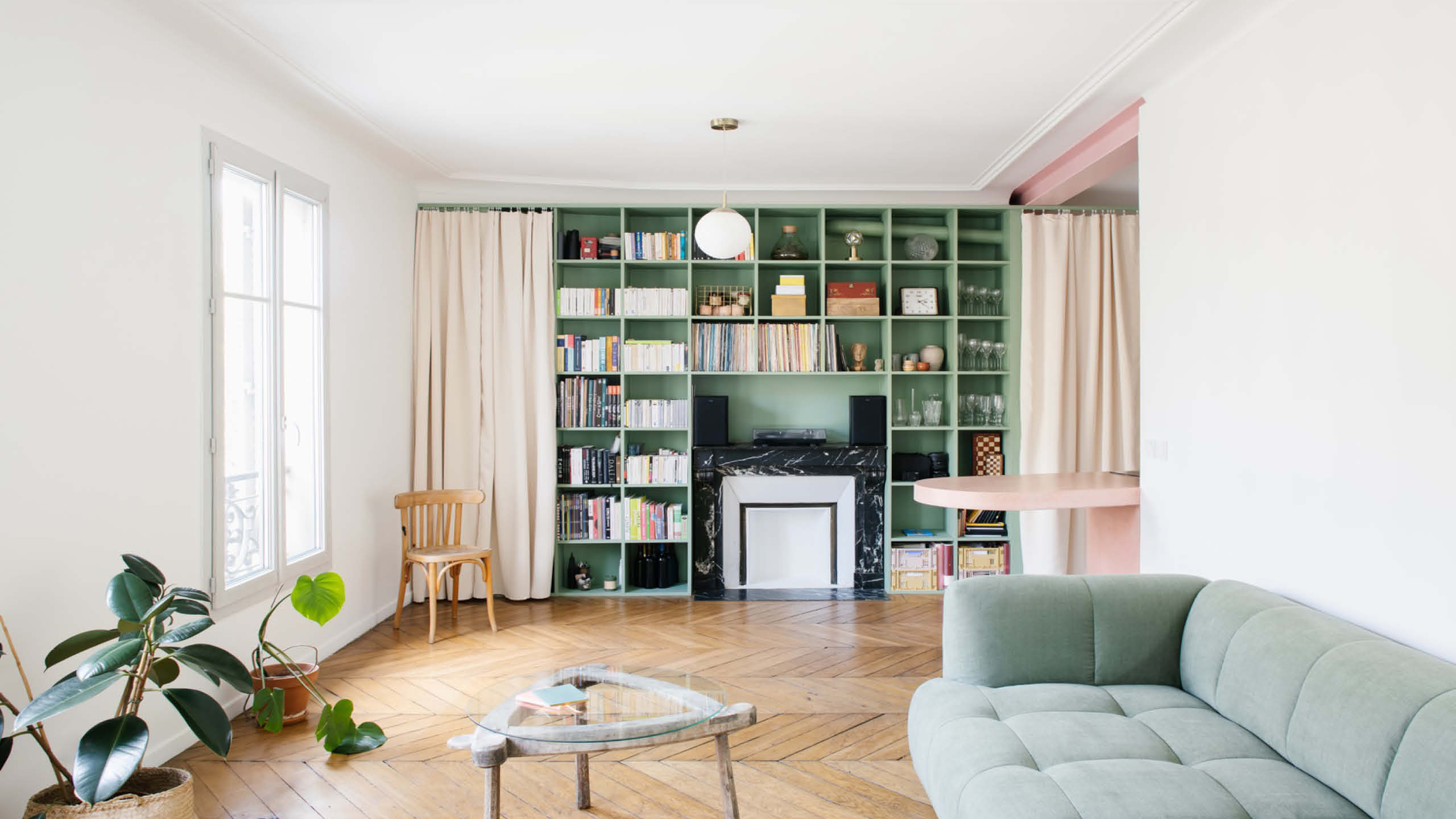
Lately, there has been an active online discussion surrounding the extensive use of green colors in Filipino homes. Why this particular hue has captured the hearts of homeowners across the archipelago is a question that has sparked countless threads, theories, and even memes. So, we’re diving deep into this popular trend with designer Nix Alañon […]
When it comes to color trends, Pantone’s annual color predictions are anticipated eagerly by design enthusiasts and professionals alike. These forecasts set the tone for the year ahead, infusing a sense of fresh beginnings, clean energy, and excitement of a new era. And for 2025, Pantone crowned its champion. Mocha Mousse is a rich, creamy […]
Before 2024 ended, color technology company Pantone declared Mocha Mouse as their color of the year for 2025. Channeling the luscious quality of chocolate and coffee, it’s the first shade of brown to earn the Color of the Year title since 1999. Various fields of the design industry, like fashion and media, found stylish and artistic […]

Bows, by convention, are a classic fashion accessory and gift accent. They are the chic cherry on top that makes any outfit or present look more polished and put-together. But did you know that they could also be the star of your holiday home? These graceful frills are stepping out of the gift-wrapping and wardrobe […]
Read the issues.

Collect the volumes.

Recommended Video
Tap to Unmute
Unmute
0:00
0:00