Bigkis is the act of binding. In Tagalog, the word can refer to something used to bind or encircle, as well as a bundle formed by tying several separate elements together. Figuratively, it can also mean a bond, union, or unity. The meanings move from the physical act of joining things together to the connection […]
Historical Art in 2024: Five Exhibits That Reinterpreted The Past



For BluPrint’s 2024 in Art year-end series, we’d like to highlight exhibits that exemplified the importance of archiving. These historical art exhibits incorporated these ideas in interesting and innovative ways. While these exhibitions work to preserve history, they also reinterpret it, interrogating our collective memory and offering fresh perspectives on the past.
Whether it interrogates viewpoints of the past or just shows old ideas in new ways, these exhibits highlight the importance of our historical narratives. It gives us the necessary insight to move forward into the future and avoid the mistakes of the past.
‘Snare for Birds: Rereading the Colonial Archive’
Shown in Ateneo Art Gallery between September 2023 and February 2024, this research project by Kiri Dalena, Lizza May David, and Jaclyn Reyes showed just how much the colonization of the Philippines changed the language and imagery we use on a daily basis.
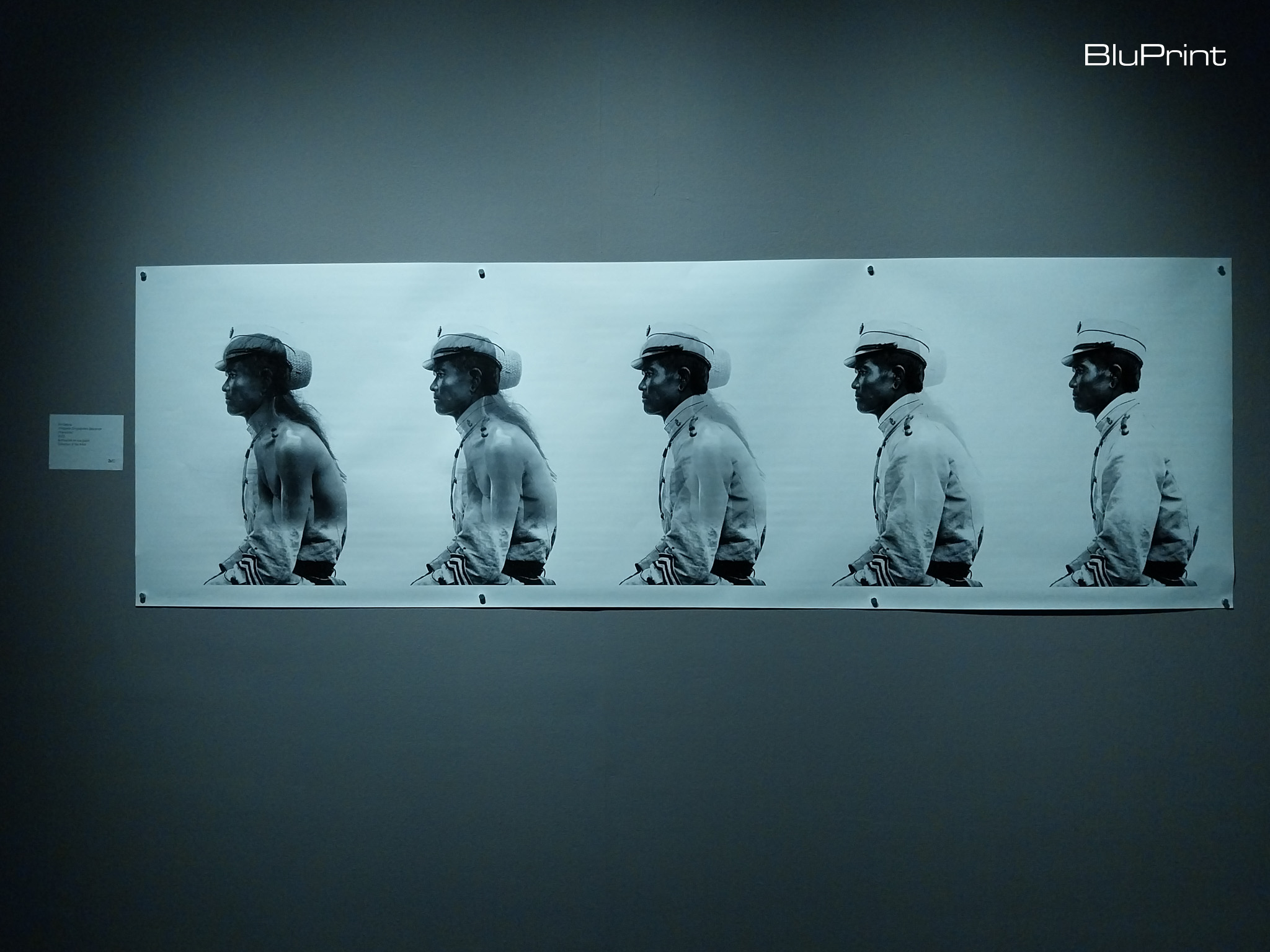
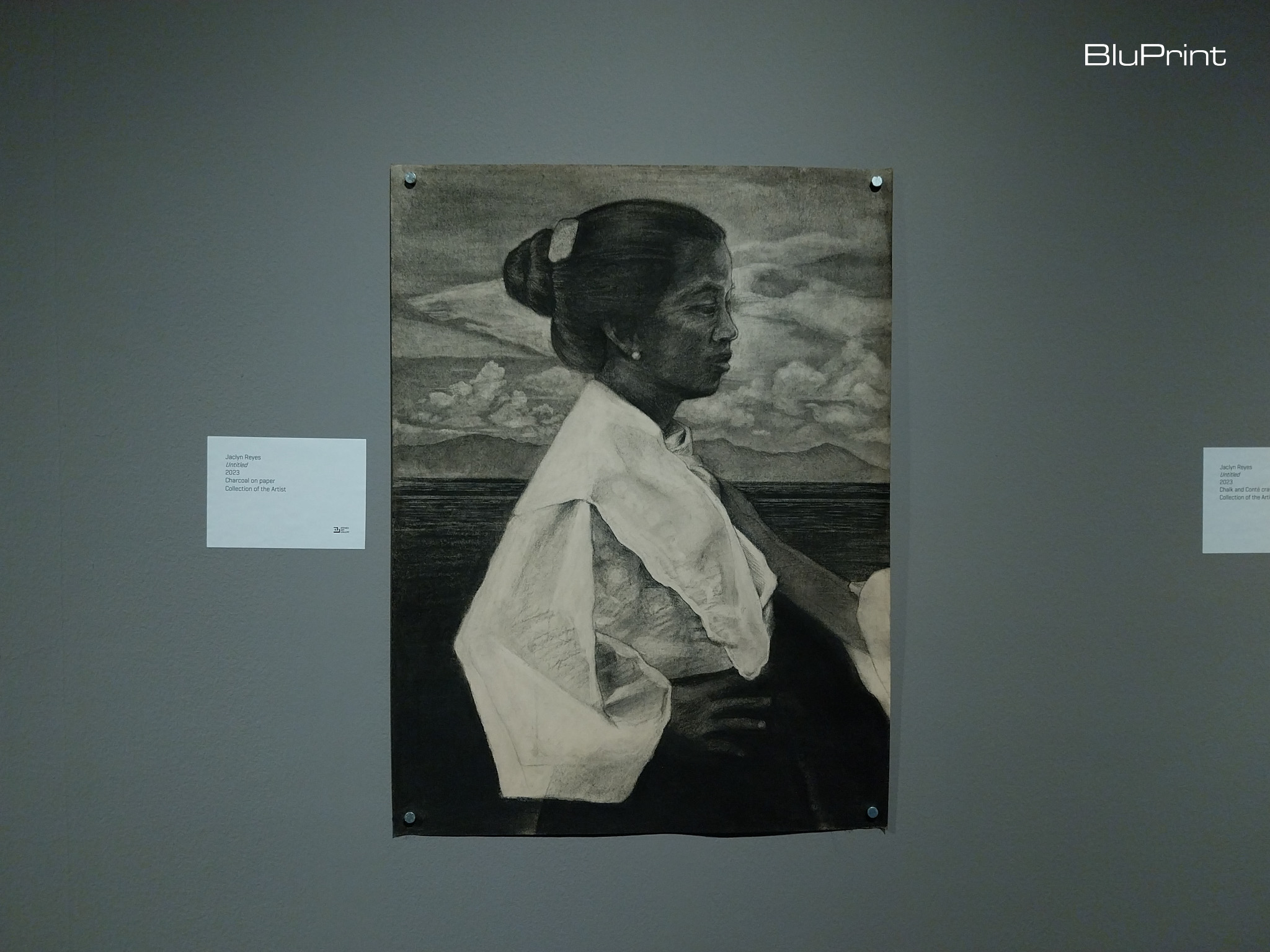
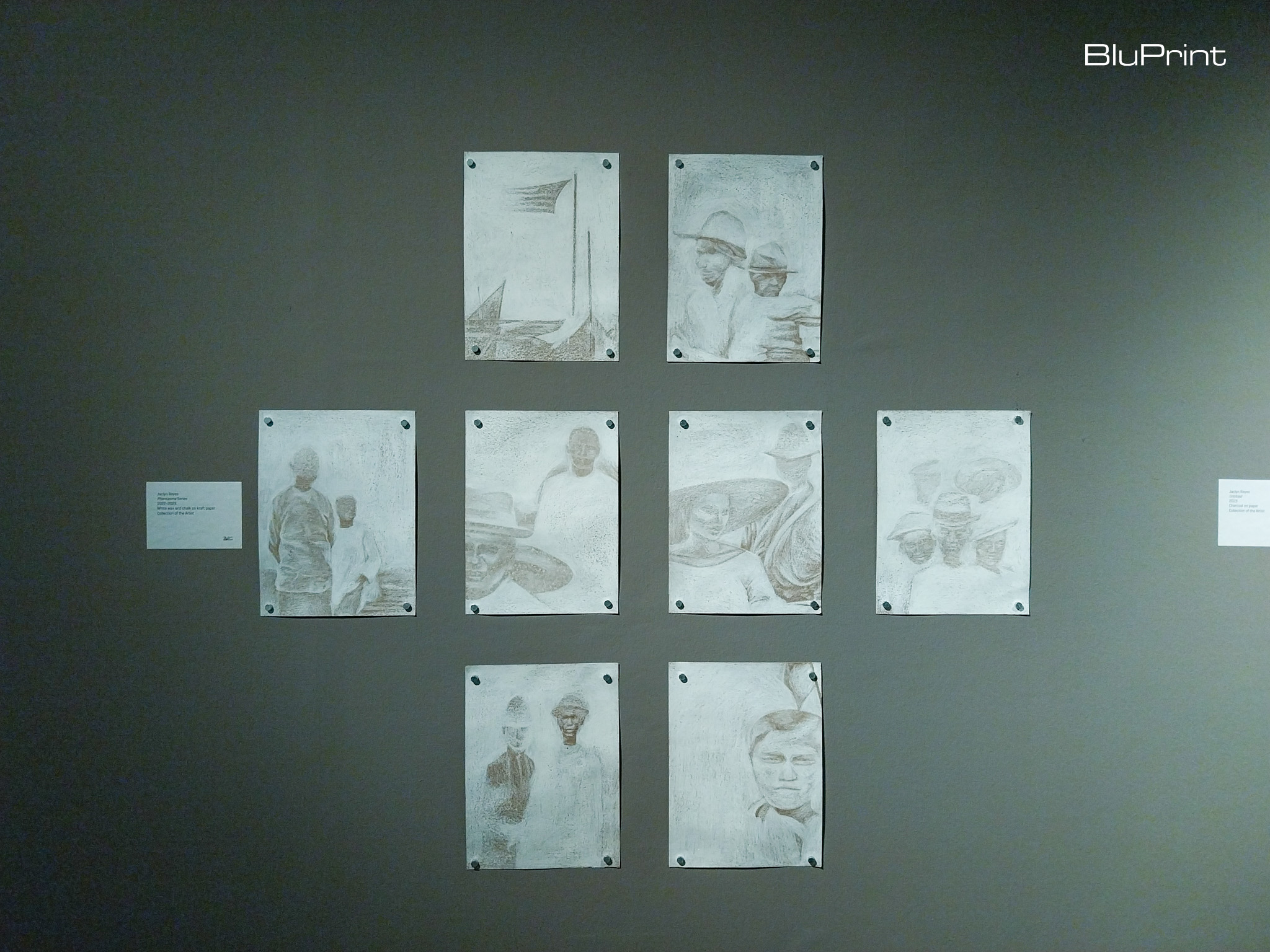
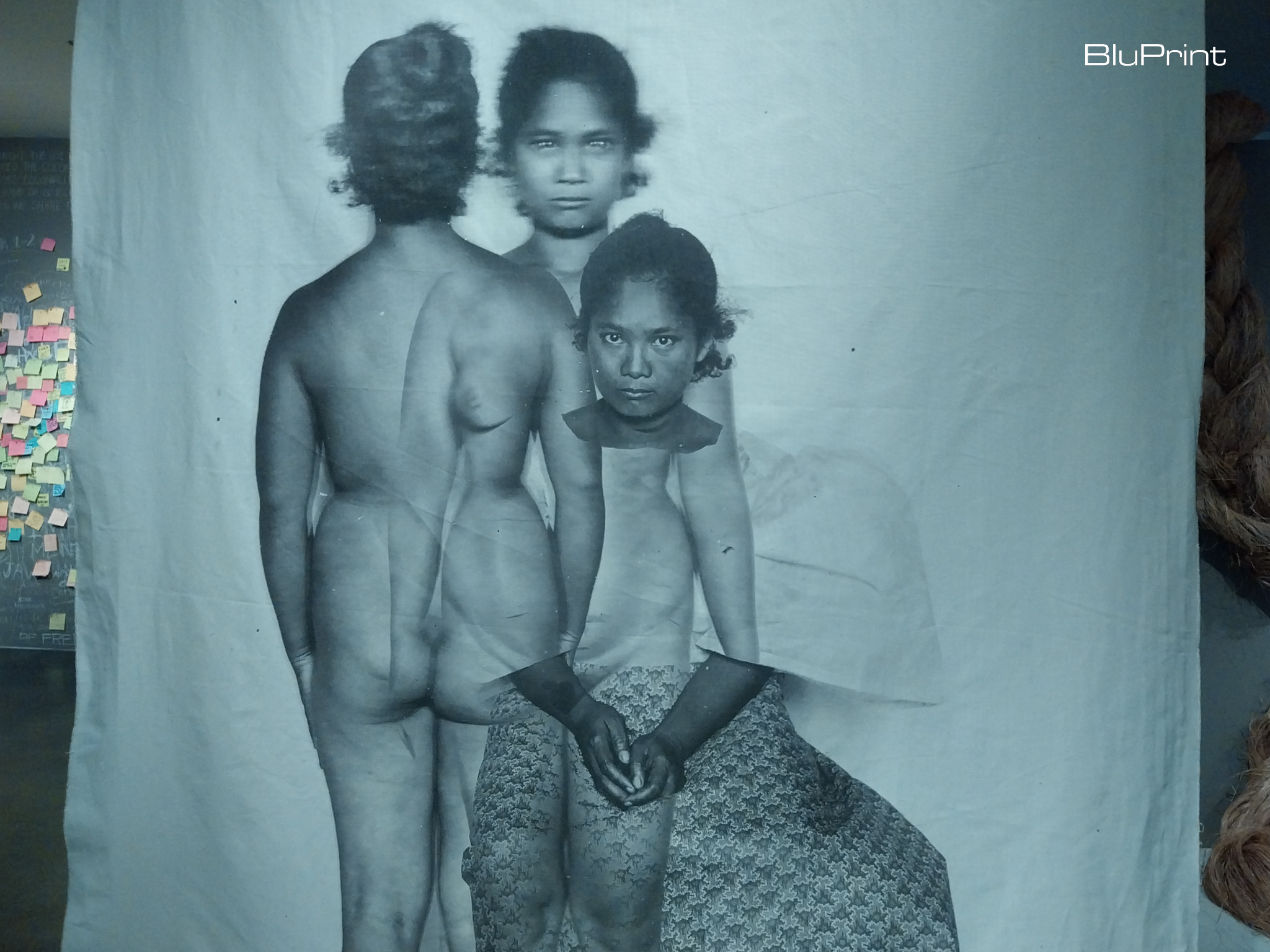
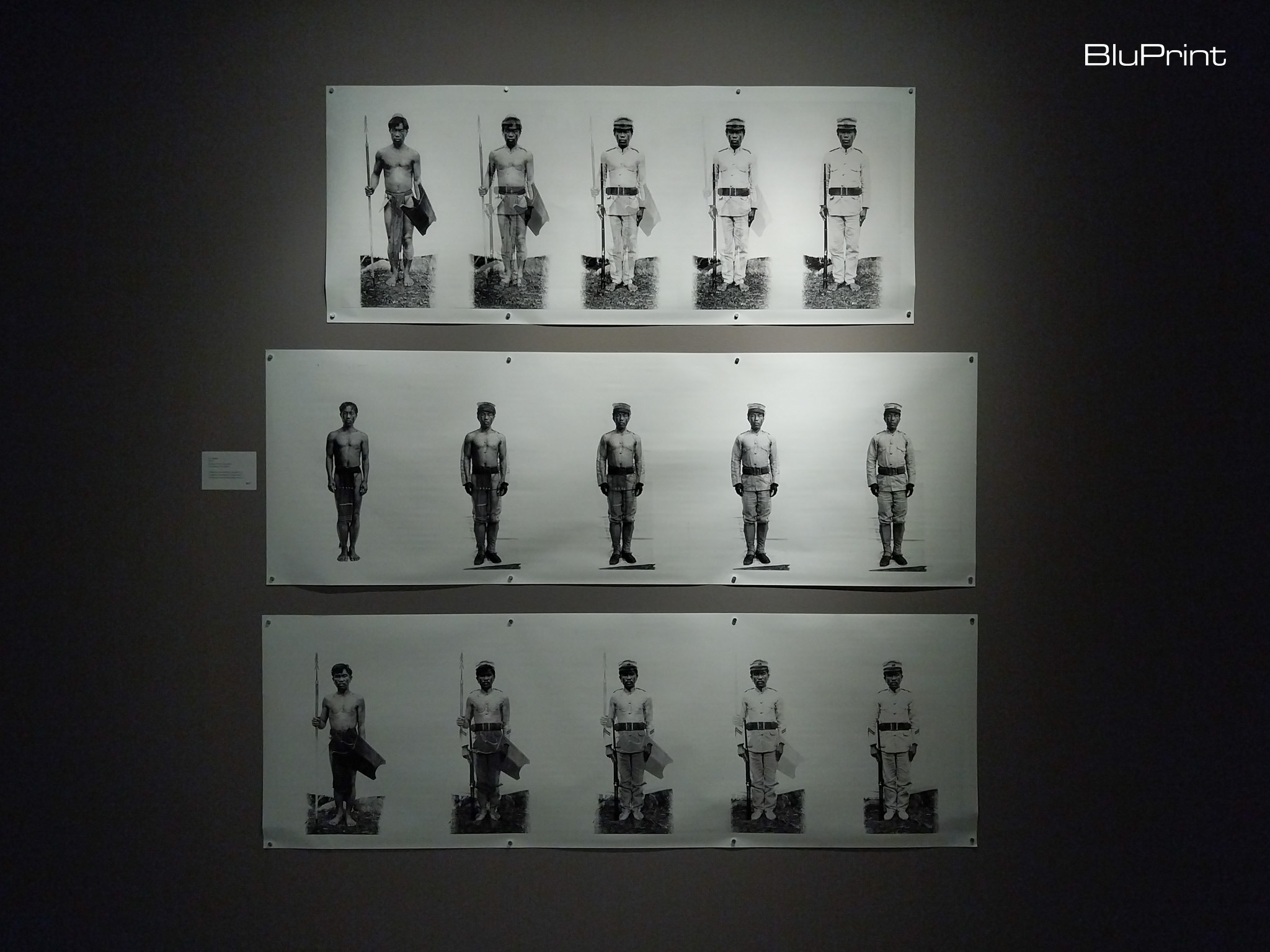
Many of the works here bent the images to mimic fading memories of the past. They superimposed pre-colonial and colonial images together, and found intersectional points between them while vividly showing the harms of colonialism. How do we define our values and identities when they were imposed upon us or mutated by a foreign power?
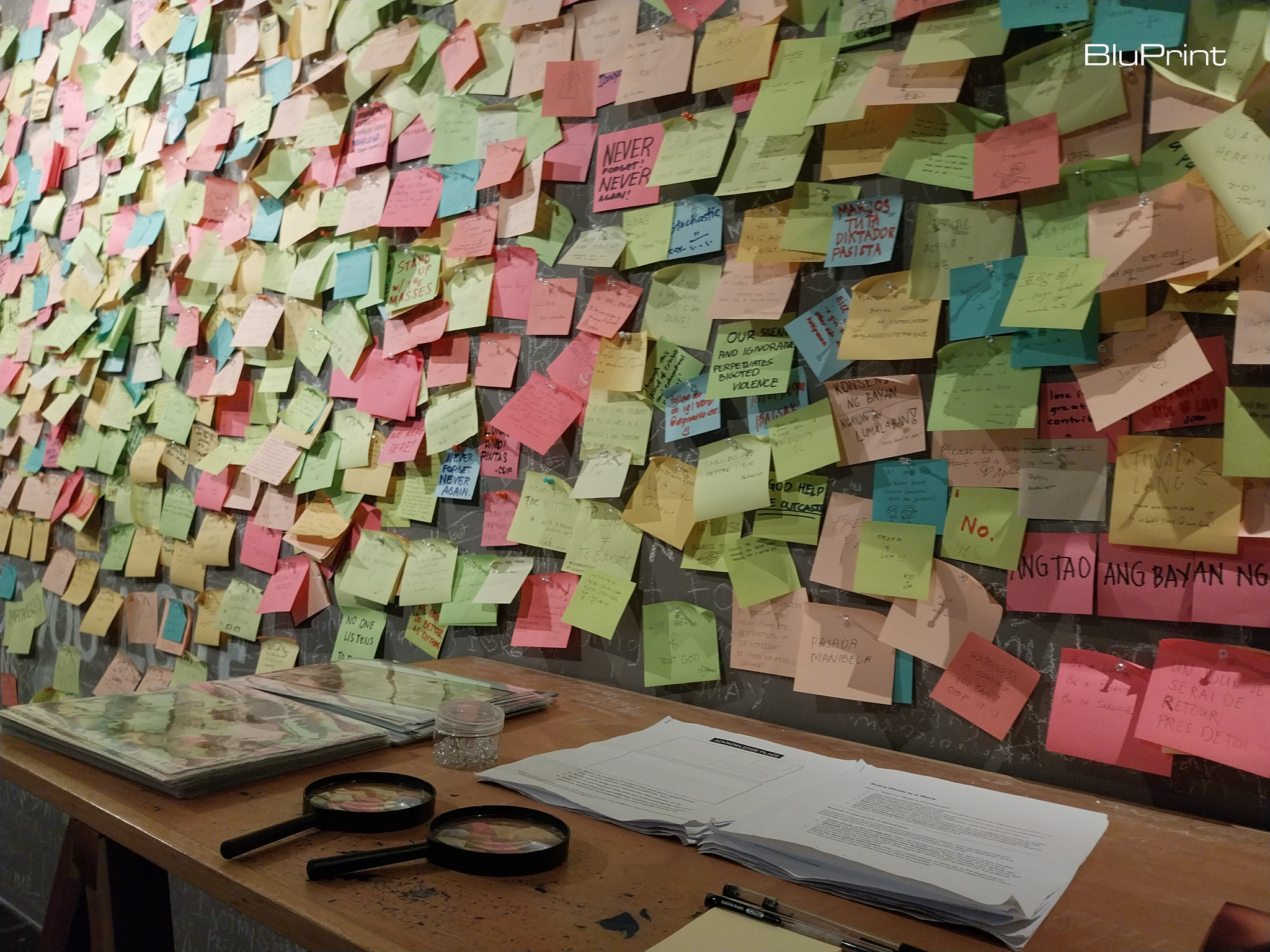
The three artists worked through different archives to craft an image of how ordinary Filipinos were in the past without the specter of foreign powers dictating the narrative. They produced an interesting and empathetic approach for the project, stripping down the supposed “neutrality” of history to expose the biases of the past engrained in the study.
Read more: ‘Snare for Birds’: Analyzing How We Look at Archival Data
‘Inherent Vice’
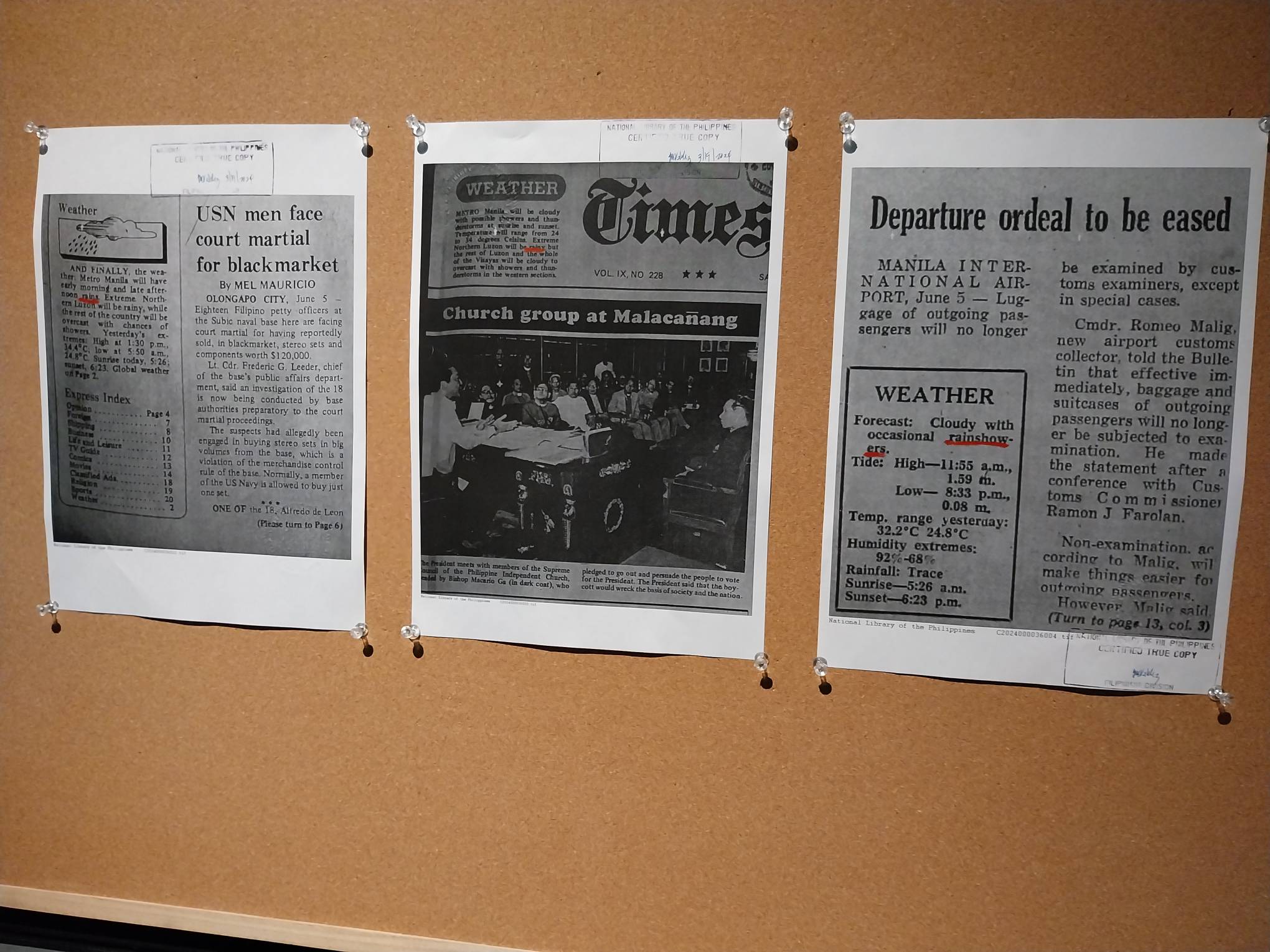
Stephanie Syjuco’s exhibit at Silverlens raised our interest due to its utilization of newspaper archives. Obviously, in our current political climate the press has been lambasted for their disingenuous coverage, whether warranted or not. But Syjuco used historical art to suggest the implicit biases of the press in uplifting state-sanctioned narratives.
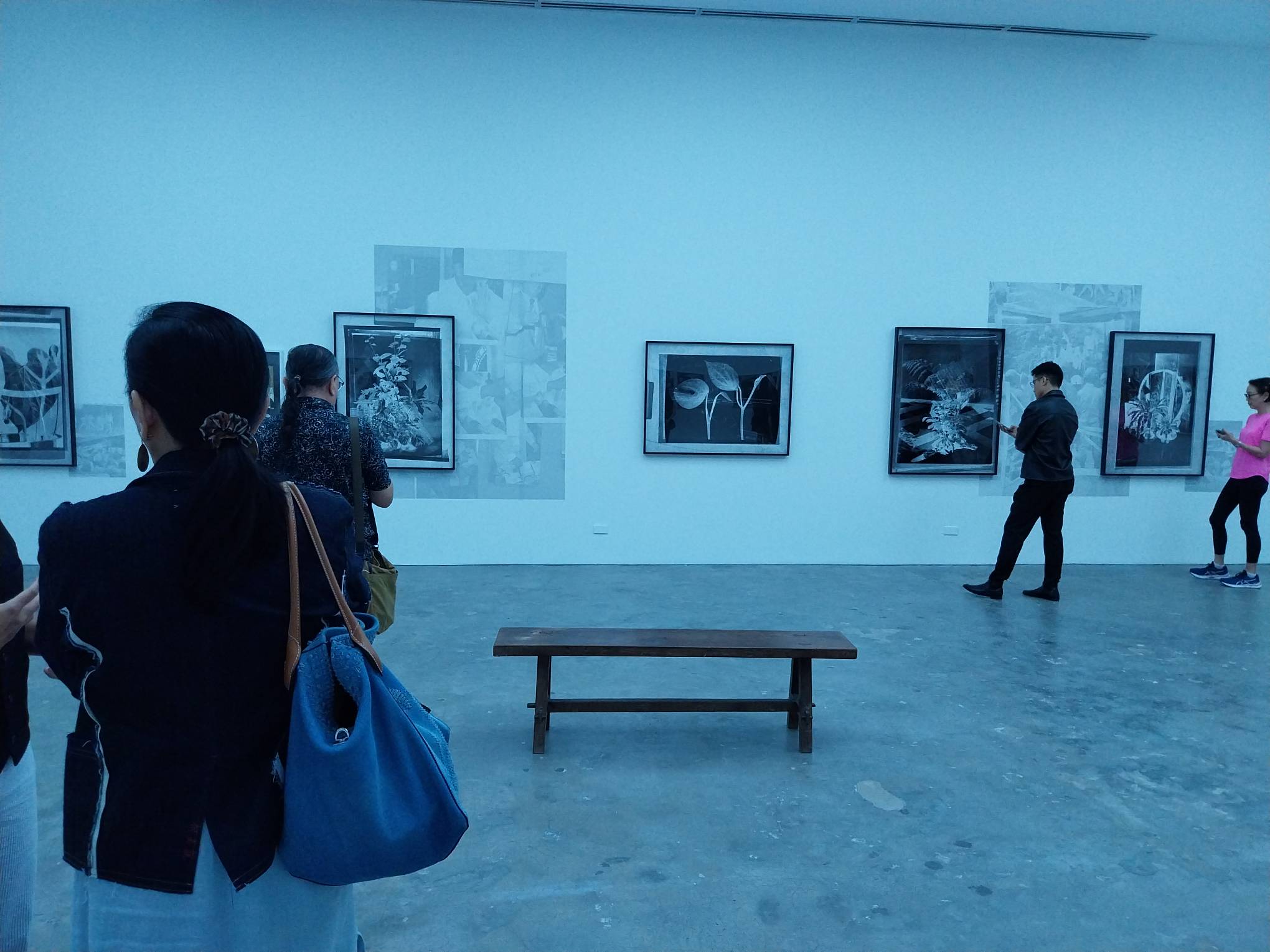
The exhibit utilized photographs and headlines from the archive of The Manila Chronicle during the first Marcos administration to the run-up of his declaration of Martial Law. Syjuco mixed the serious with the frivolous to show how the masses were placated in these narratives: flowers and fashion shoots alongside riot officers and student protestors.
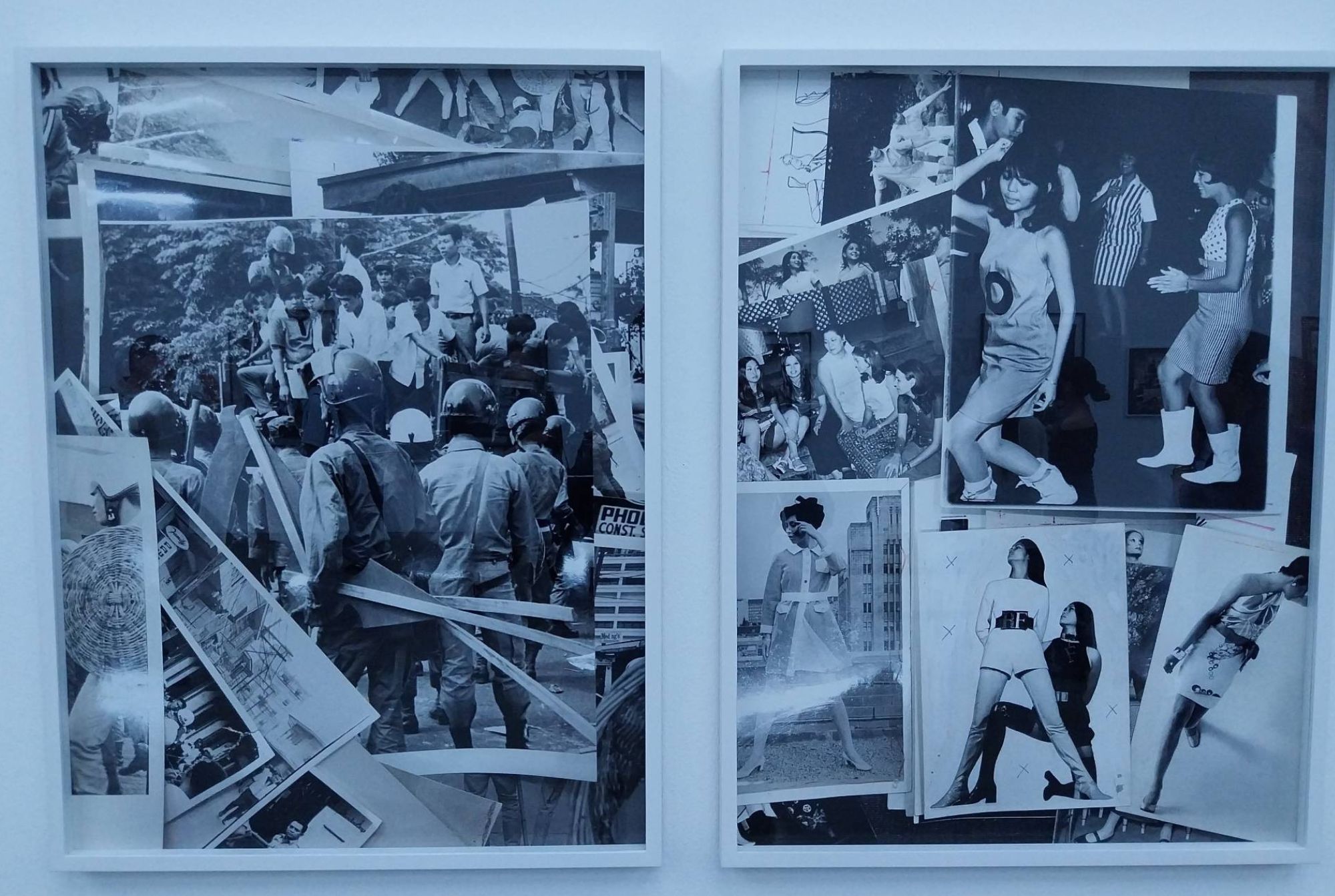
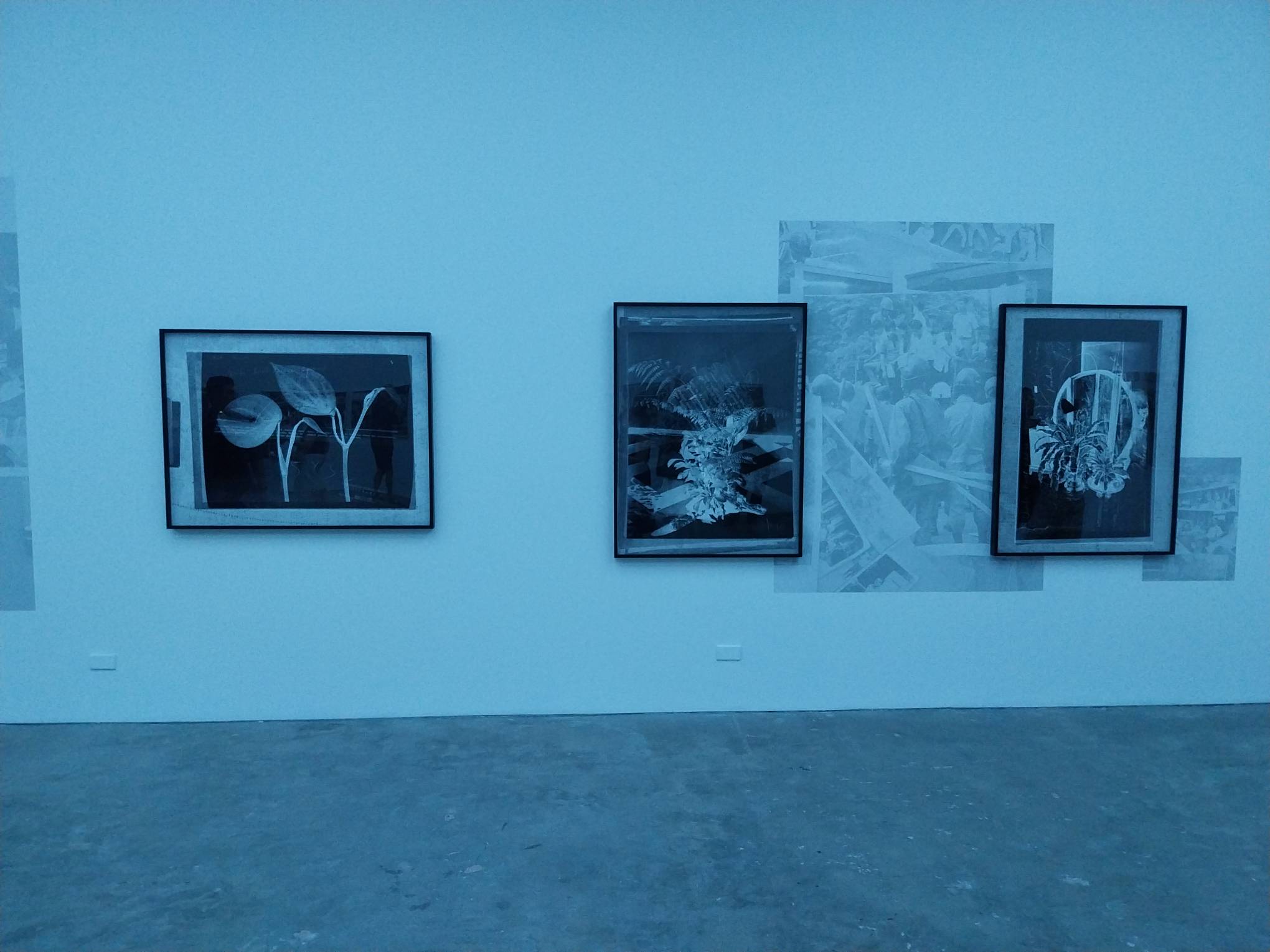
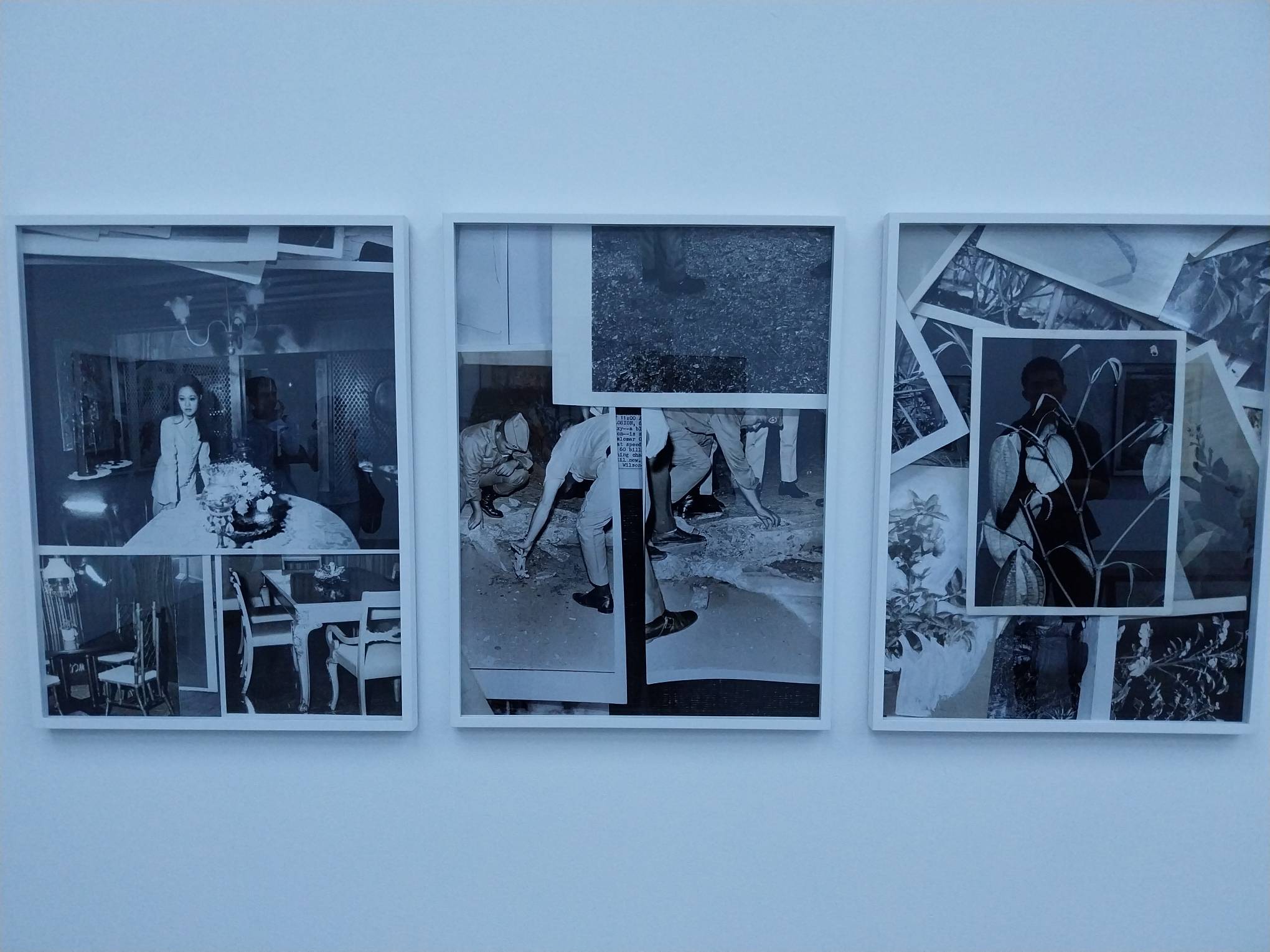
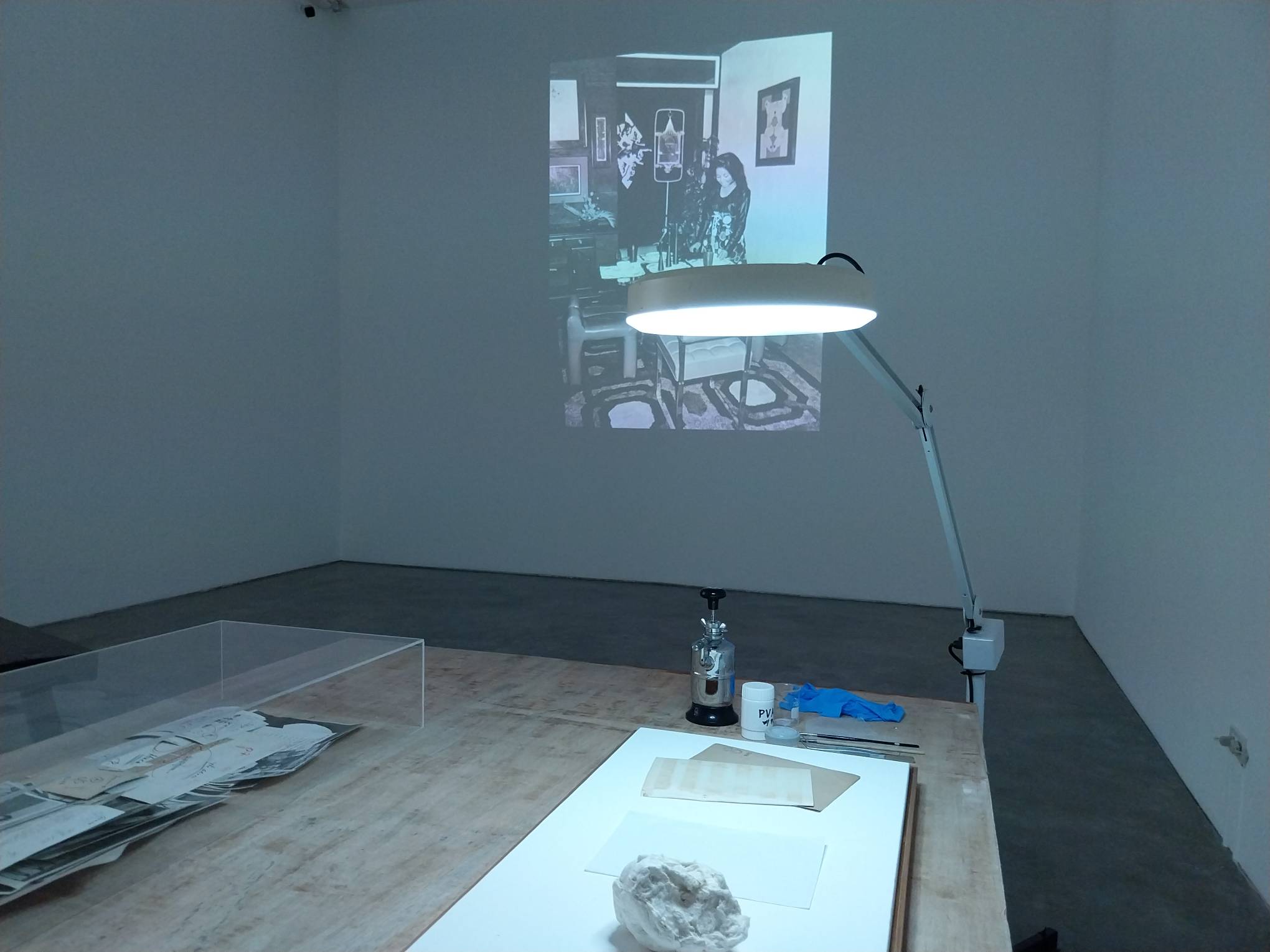
As a piece of historical art, it’s effective in arousing questions of how the press utilizes their power today. Are we looking at the news critically? Are we seeing the truth between the manipulation, or has it been buried with flippant beauty? However we answer that, Inherent Vice certainly gives its audience a lot to chew on.
Read more: ‘Inherent Vice’: Stephanie Syjuco Digs Through Archives of Past Turmoil
‘Running Backwards Into The Future’
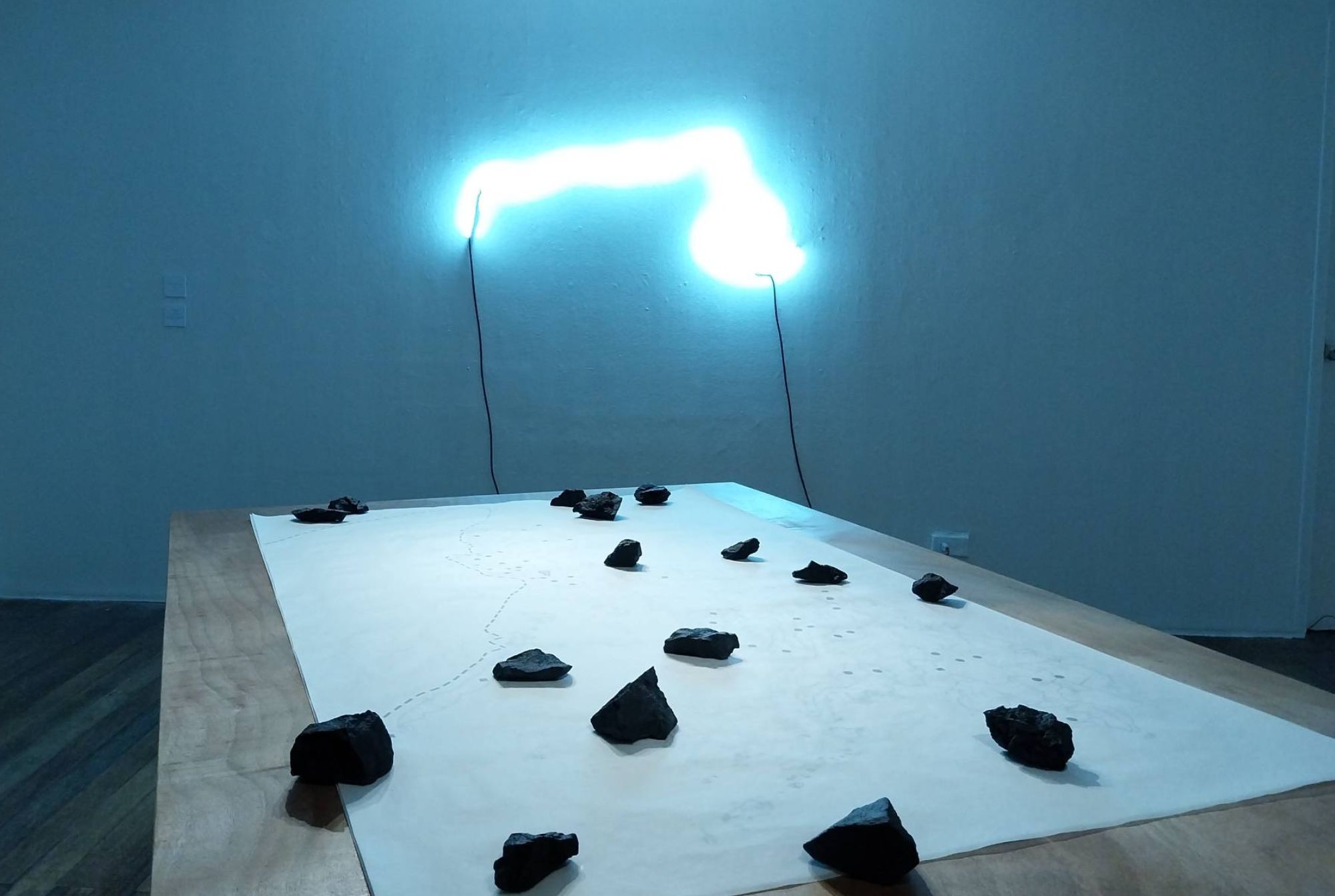
How do we define Philippine art outside of Western influences? For this Modeka Art group exhibit, it casually utilized archival information to show the Philippines through the lens of those who lived through it—and the art they were provoked to create through that interaction.
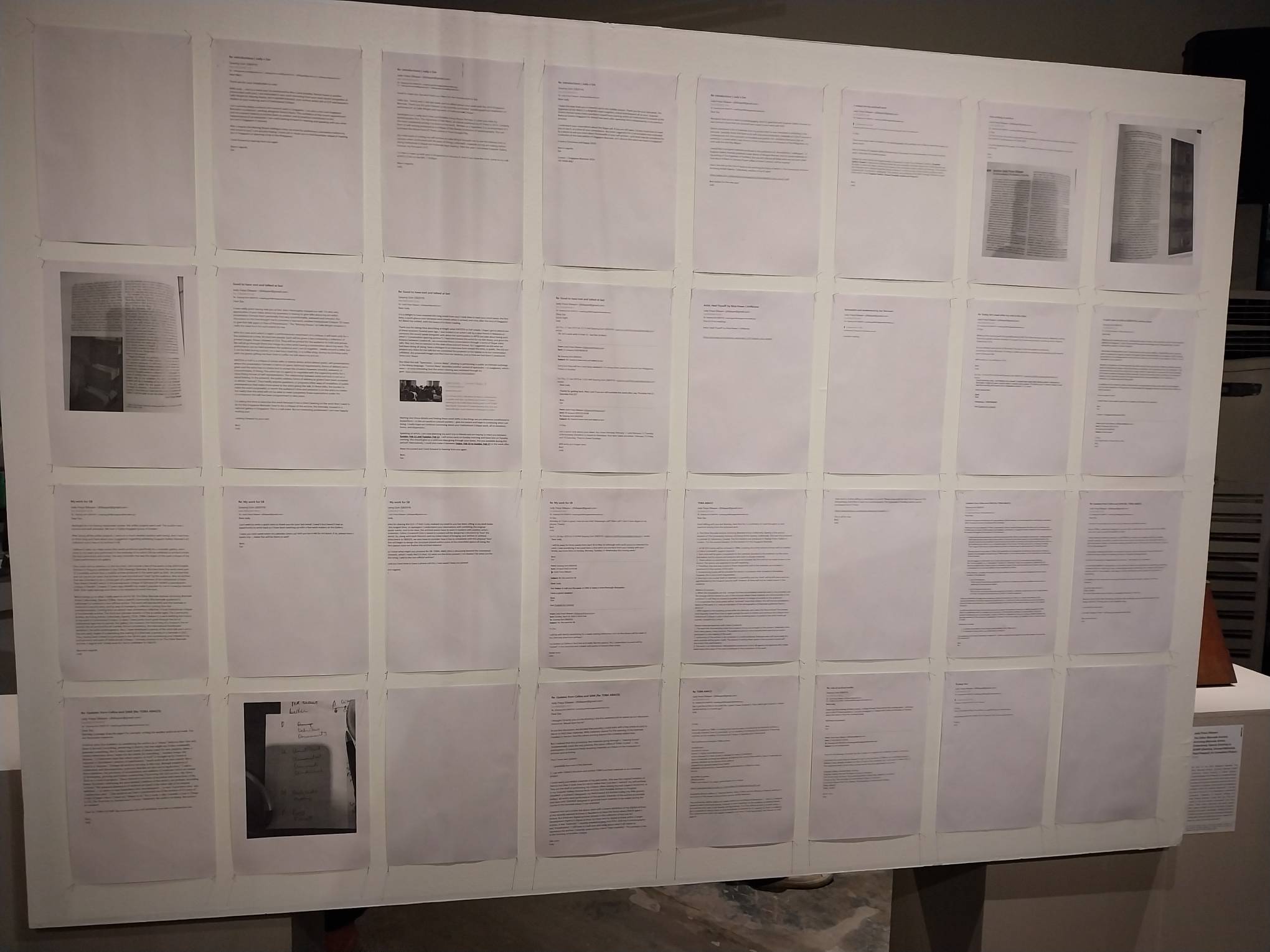
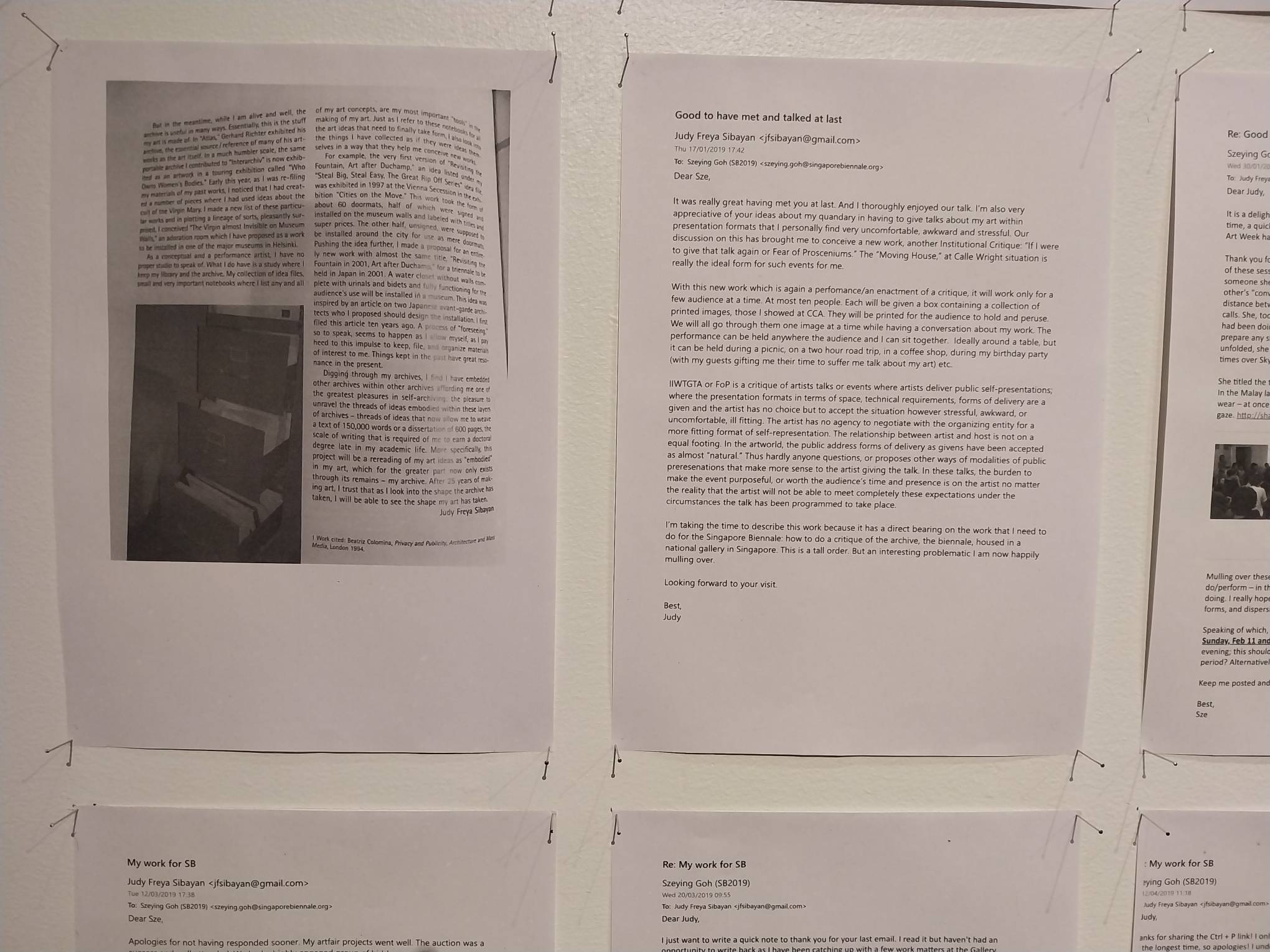
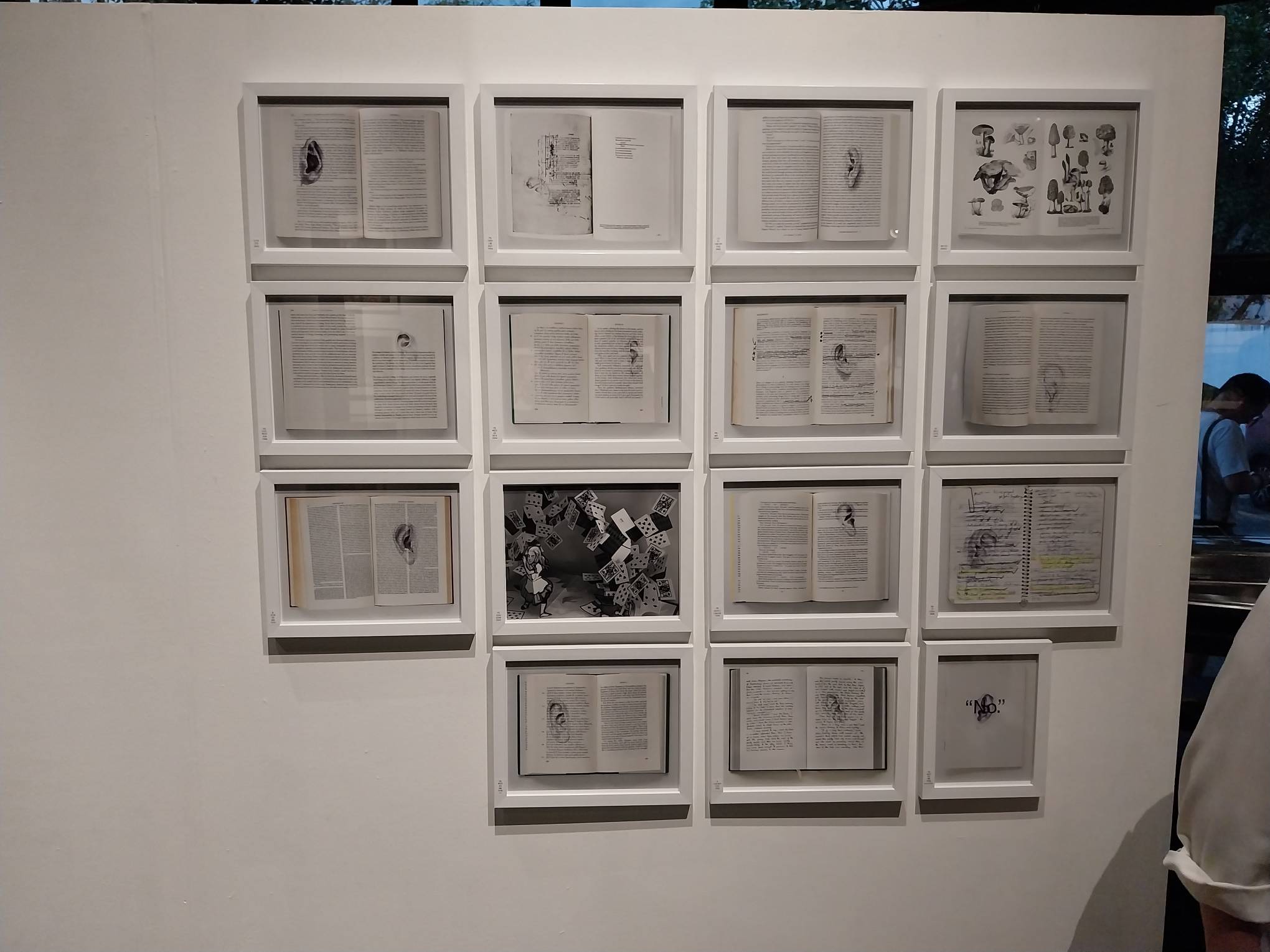
The exhibit, curated by James Clar, coalesced in interesting ways as it marked an alternate past for our country. It’s historical art driven by alternative, Filipino-centric narratives that manifests itself separately from traditional Western thought.
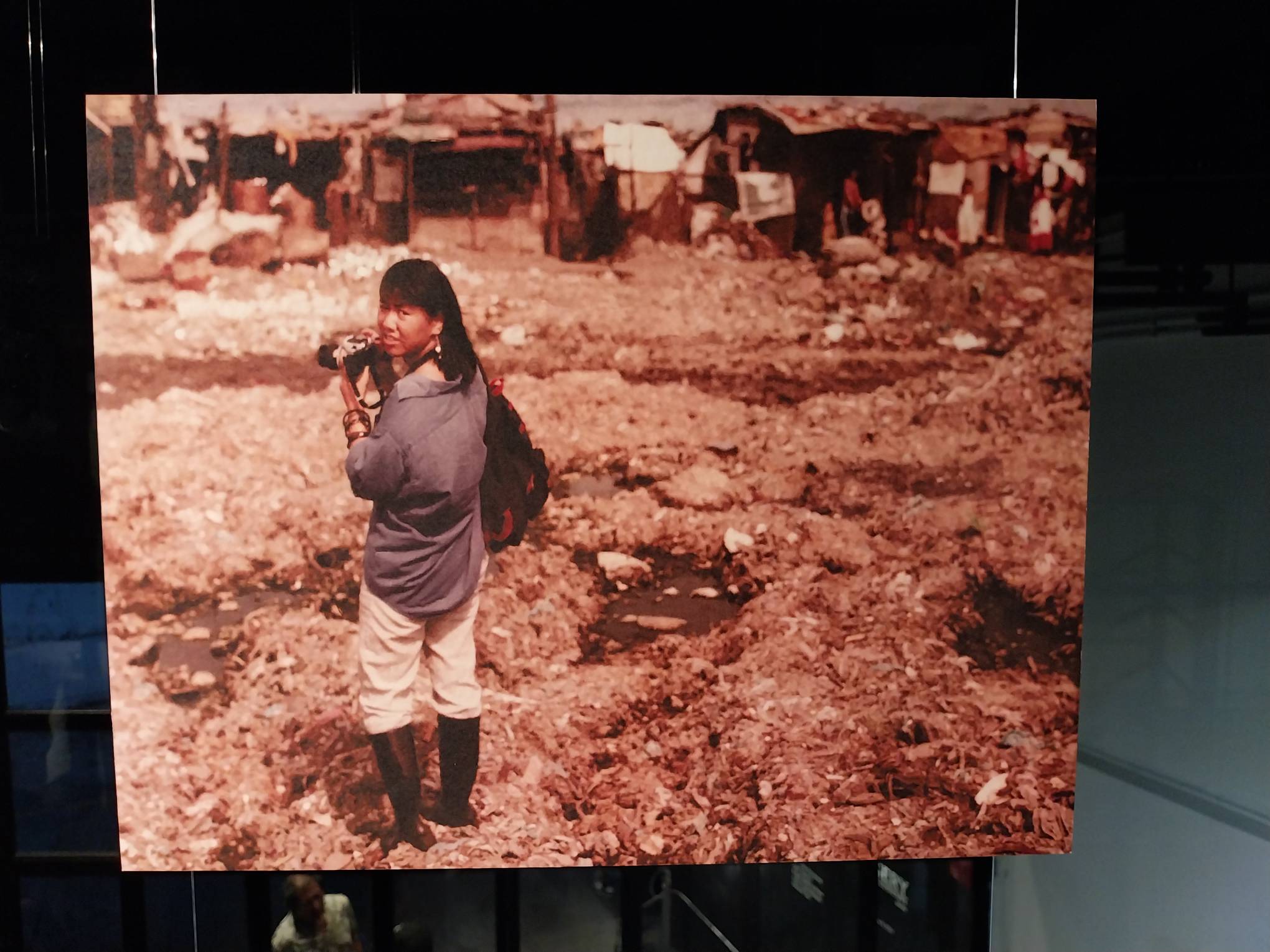
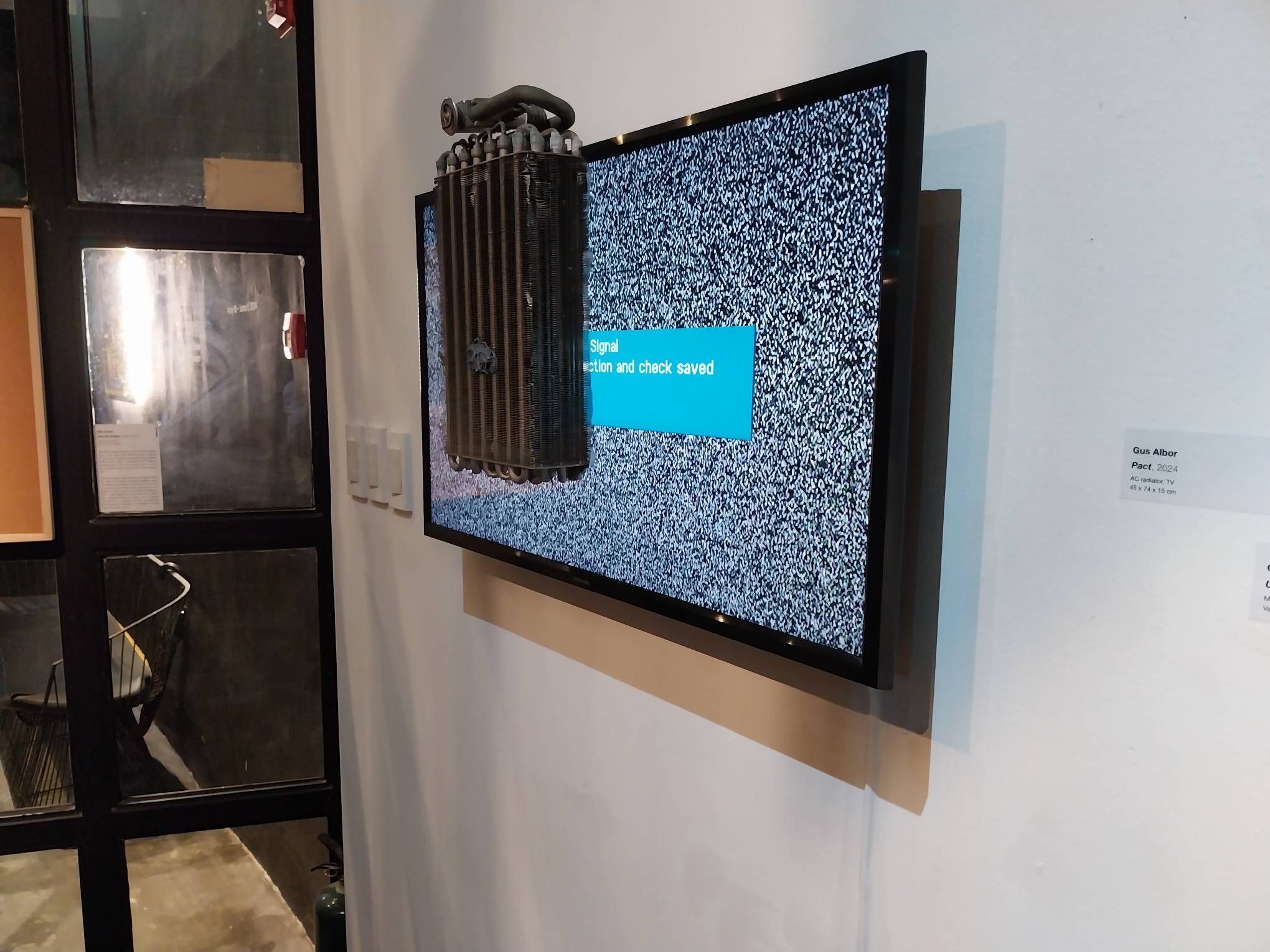
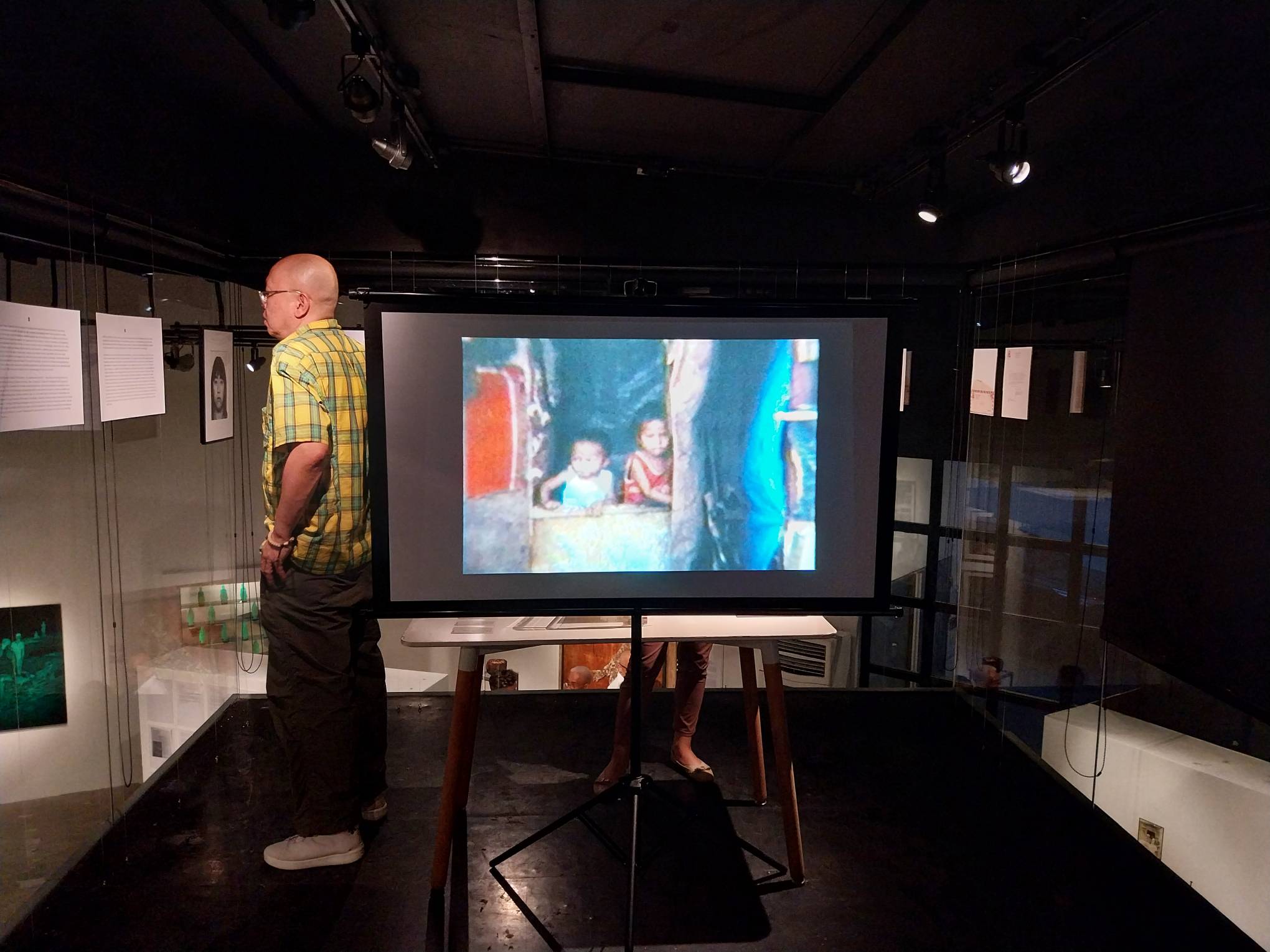
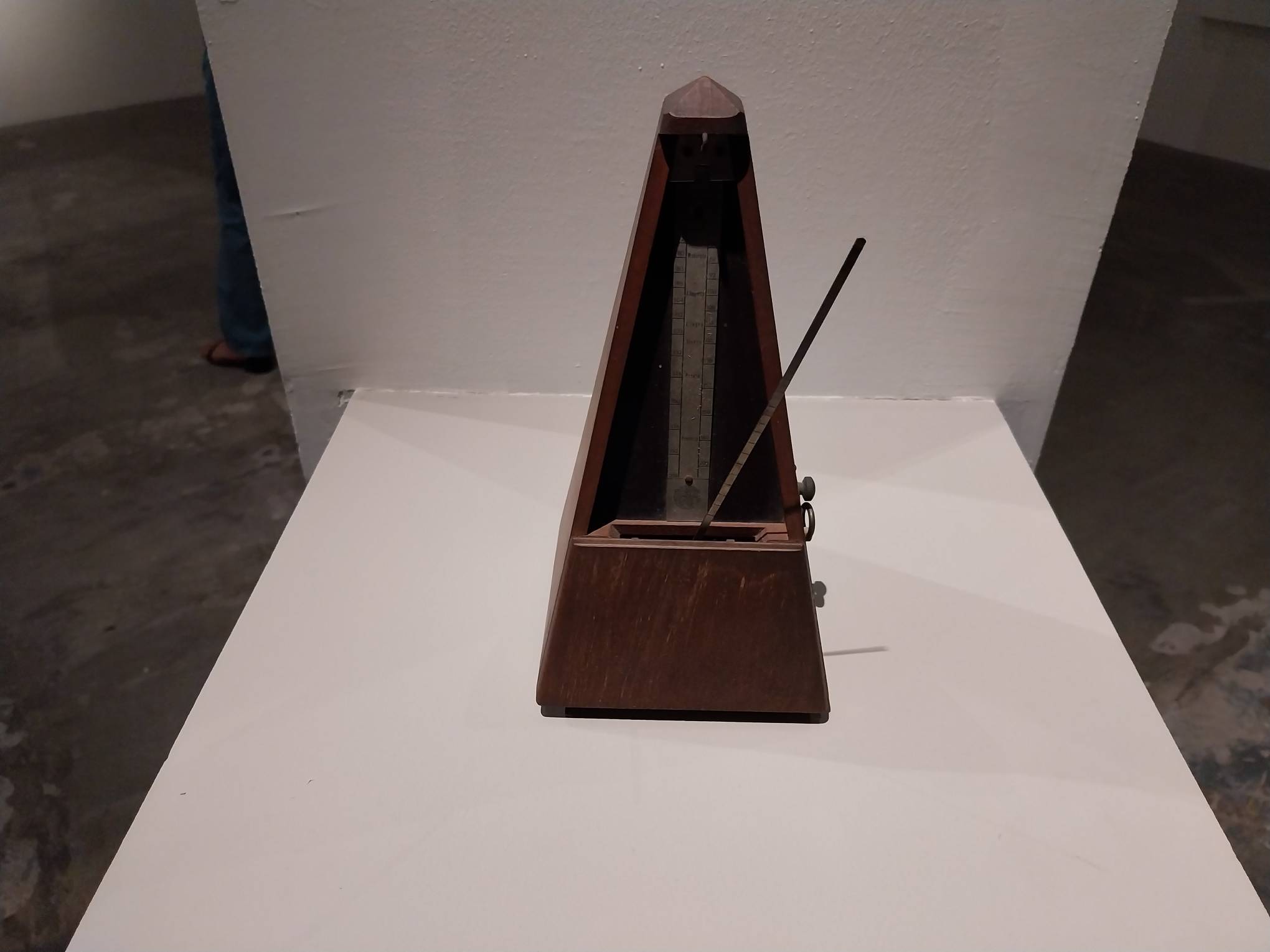
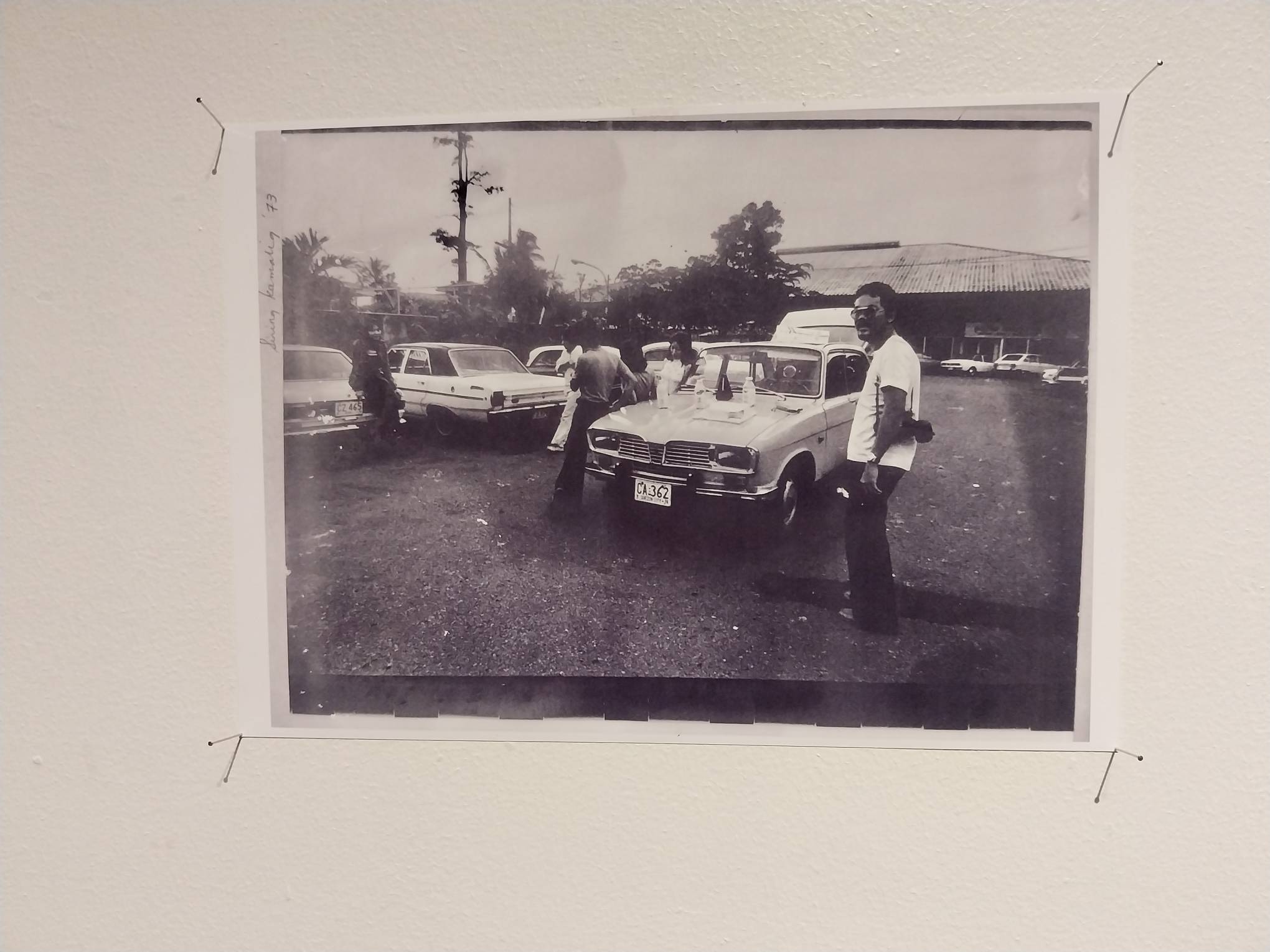
Standout works from that exhibit included Judy Freya Sibayan’s showcase of emails with the Singapore Biennale people to give the idea of the lack of equal footing artists have with their benefactors. There’s also Angel Velasco Shaw’s “1985,” which grapples with the transnational identities of many Filipinos in the world. How do you define the Philippines when you’ve been raised in a different culture altogether?
Read more: ‘Running Backwards Into the Future’: Documenting Divergences in Philippine Art
‘Land, Labor, Life’
Lyra Garcellano’s exhibit at Finale Art File created insightful representations of our history and past. Their exhibit was historical art at its most contextual, giving viewers the keywords and knowledge necessary to understand their past better.
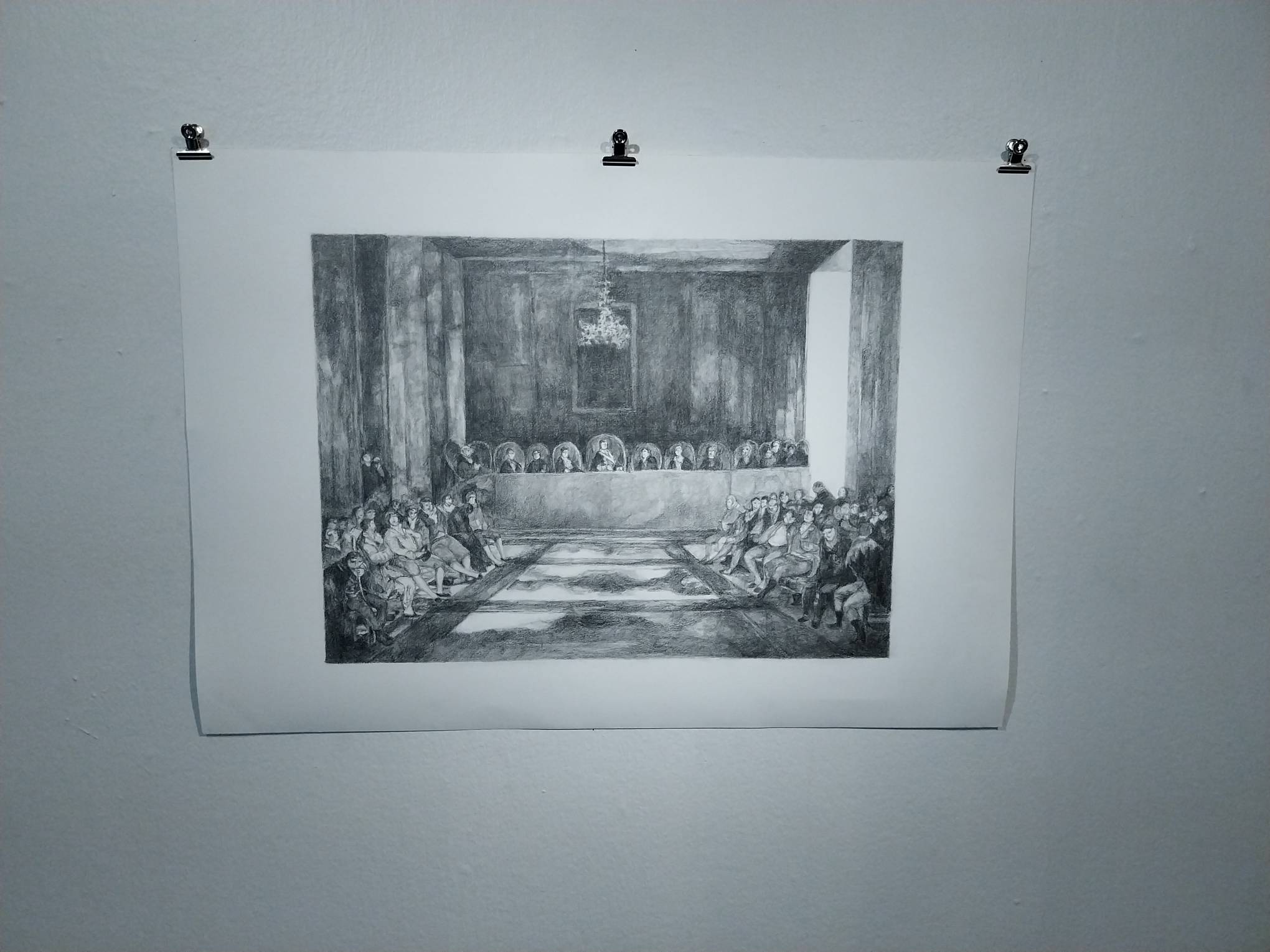
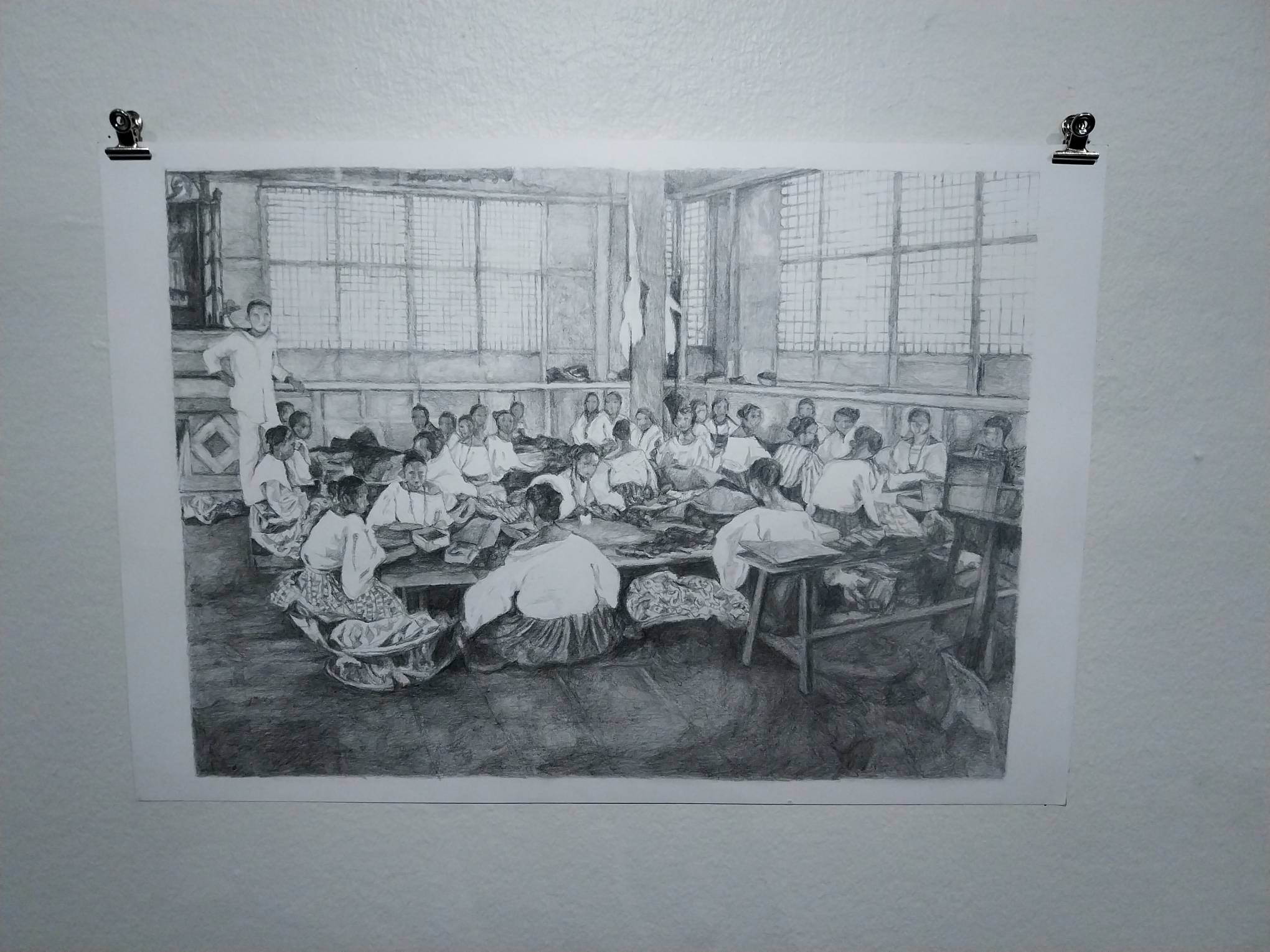
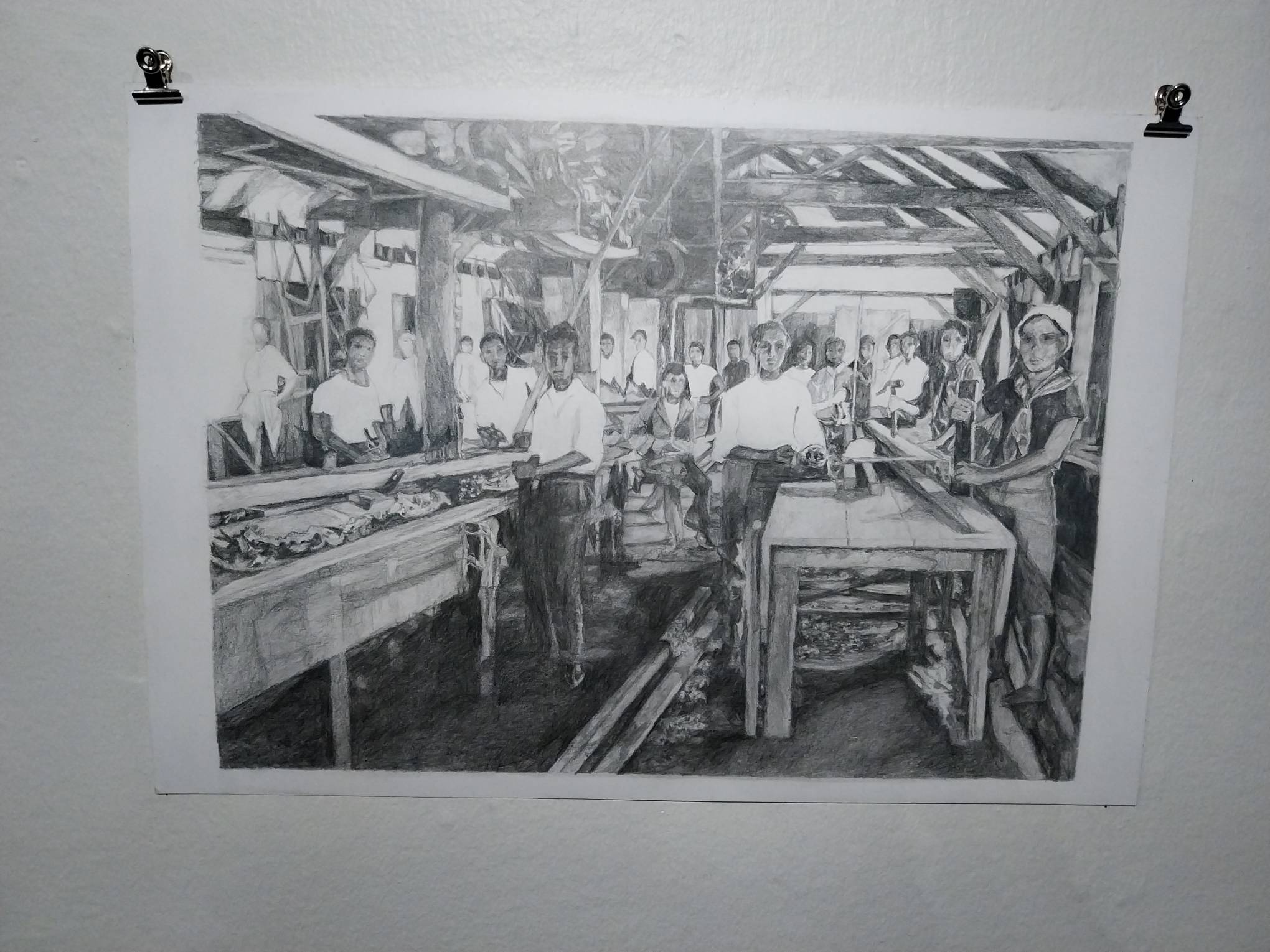
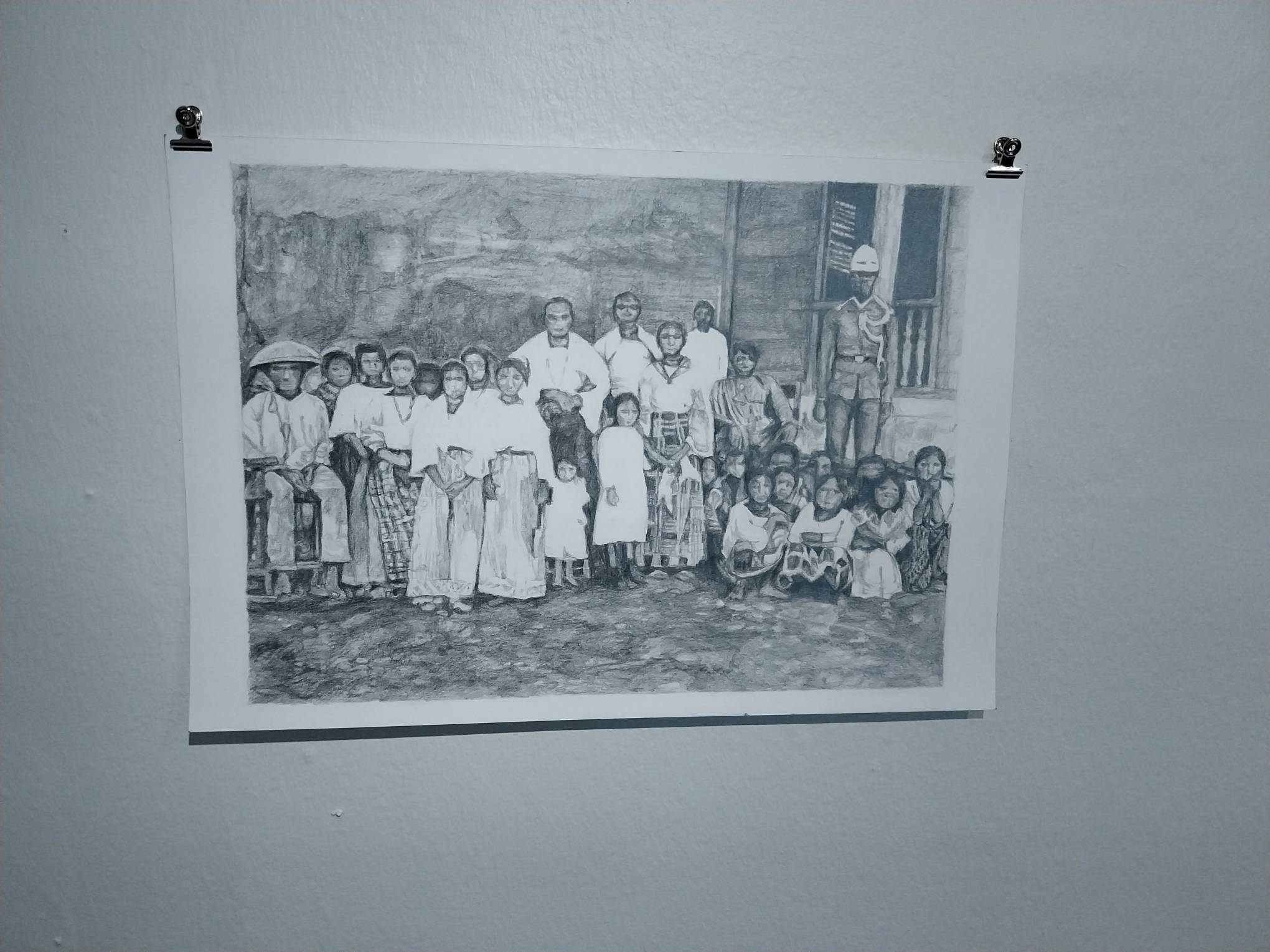
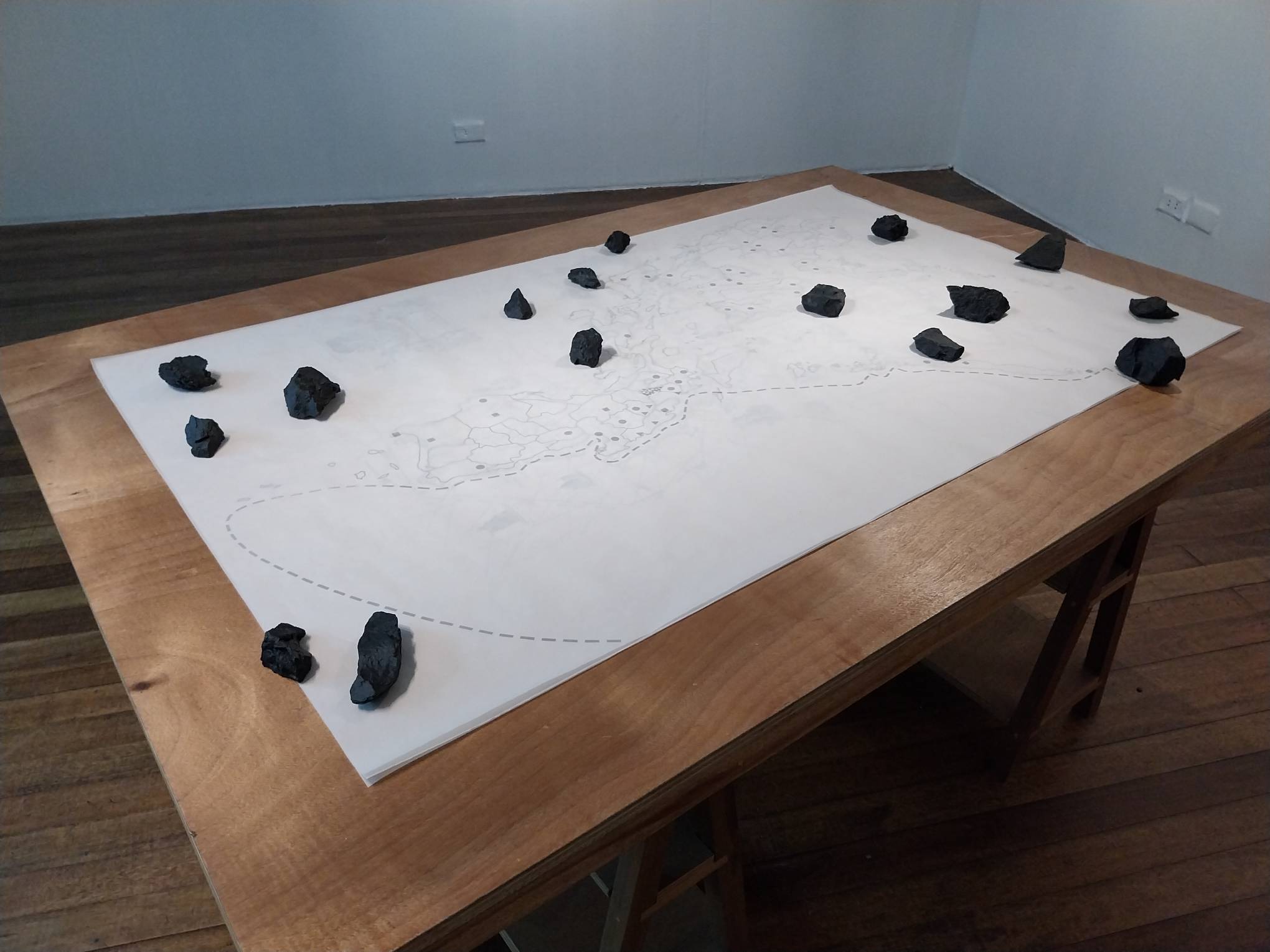
It contained visual representations of how the Global South came to be. The exhibit also focused on how Western powers, ignorant of the cultures they’re subjugating, worsened tensions within countries with their actions and power. It’s a great jumping off point for a broader discussion about colonialism as a whole, artfully rendered by the artist.
Read more: Three August Art Exhibits You May Have Missed
‘Field Notes’
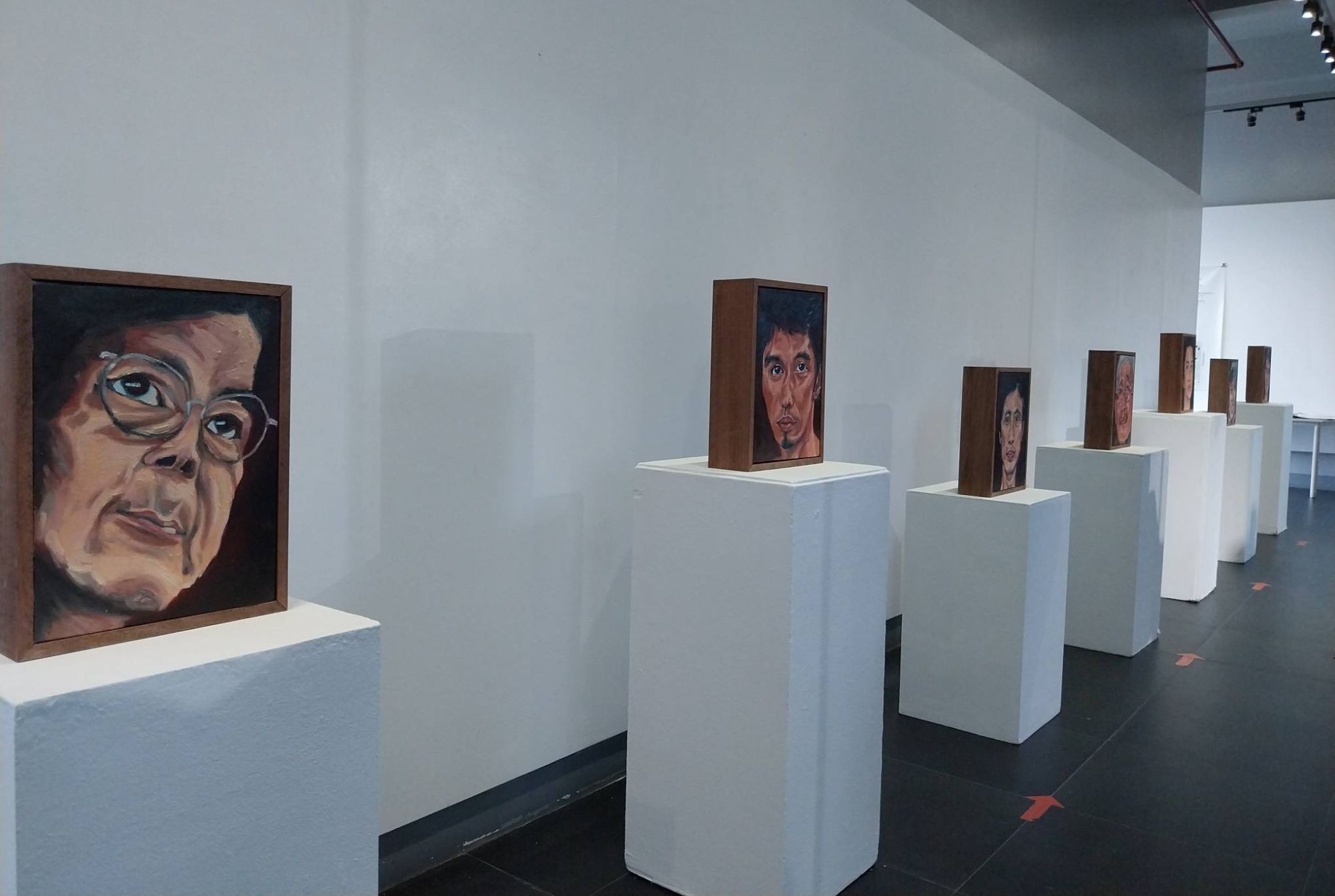
Field Notes by Mark Sanchez for UP Fine Arts Parola differed from other examples of historical art in how personal it is. Sanchez documented people they personally knew as they participated together in societal change. He openly mourned them in the exhibit, as well as extrapolating it to the harshness of instituting change in a rotted, corrupt system.
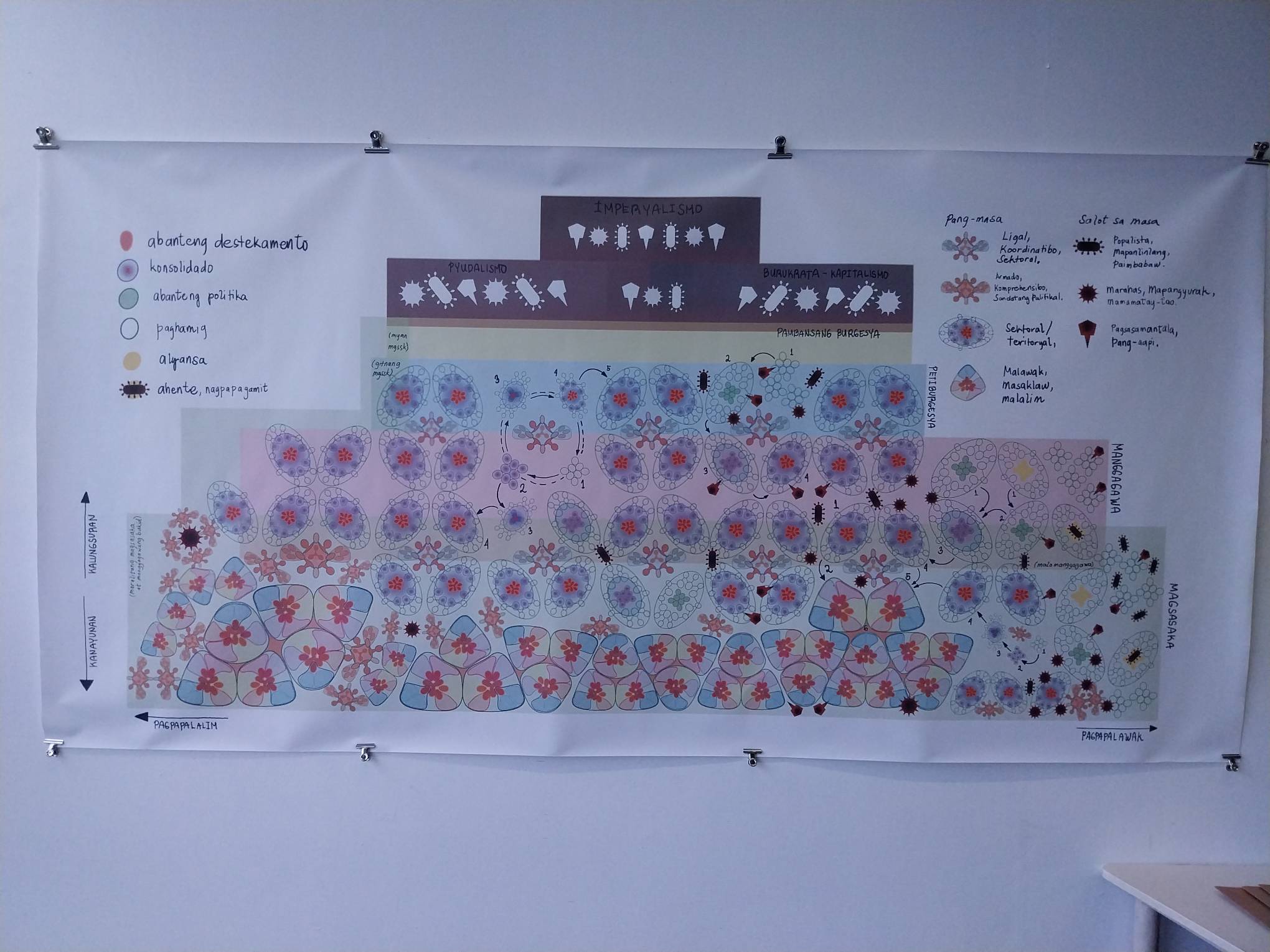
For this exhibit, politics converged with the personal. From the science of social movements, Sanchez linked them to the daily grind of functional organizations: note-taking, scheduling, and all those chores. Even activists struggled to work through and create systems within their organizations that help people.
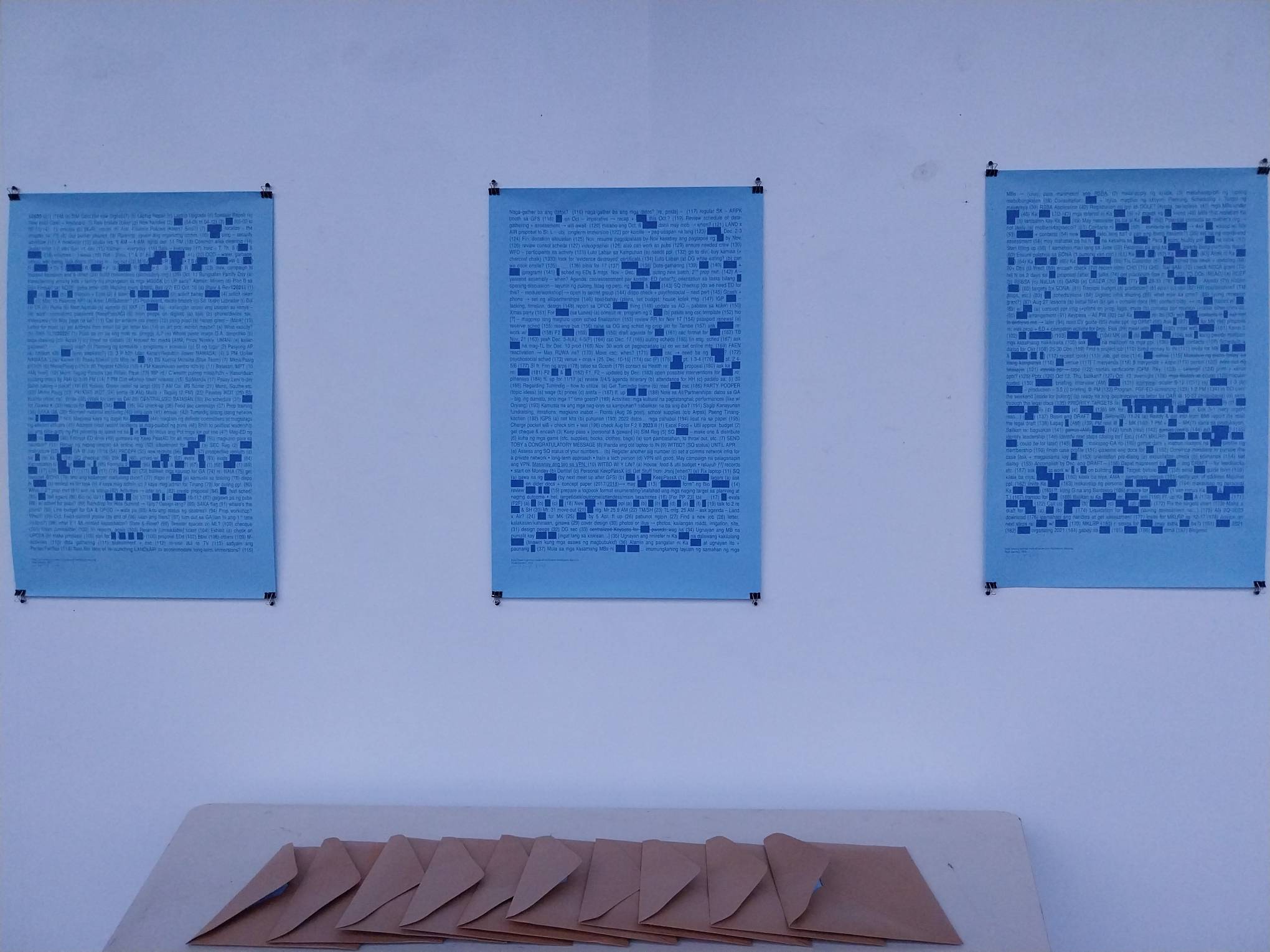
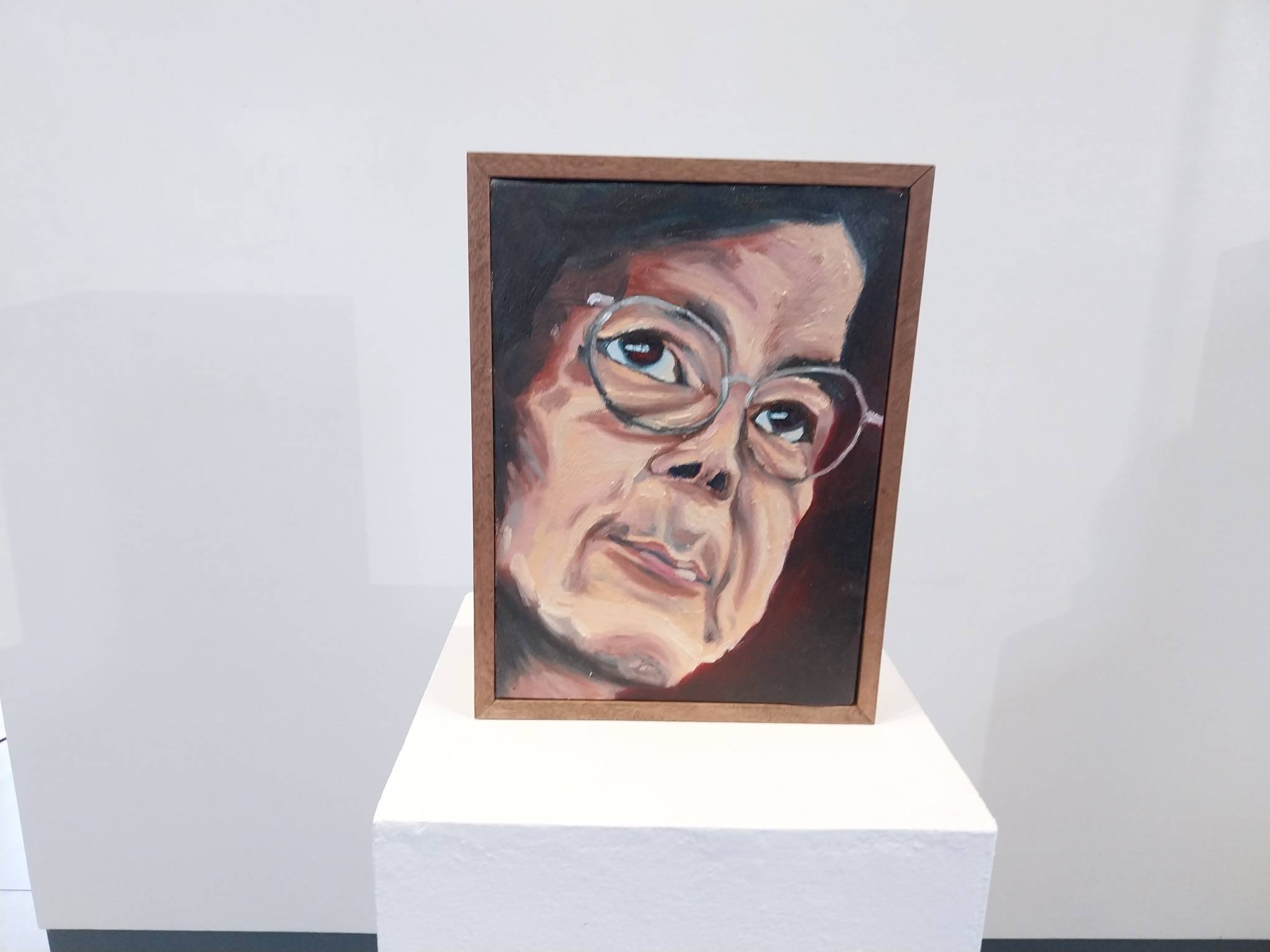
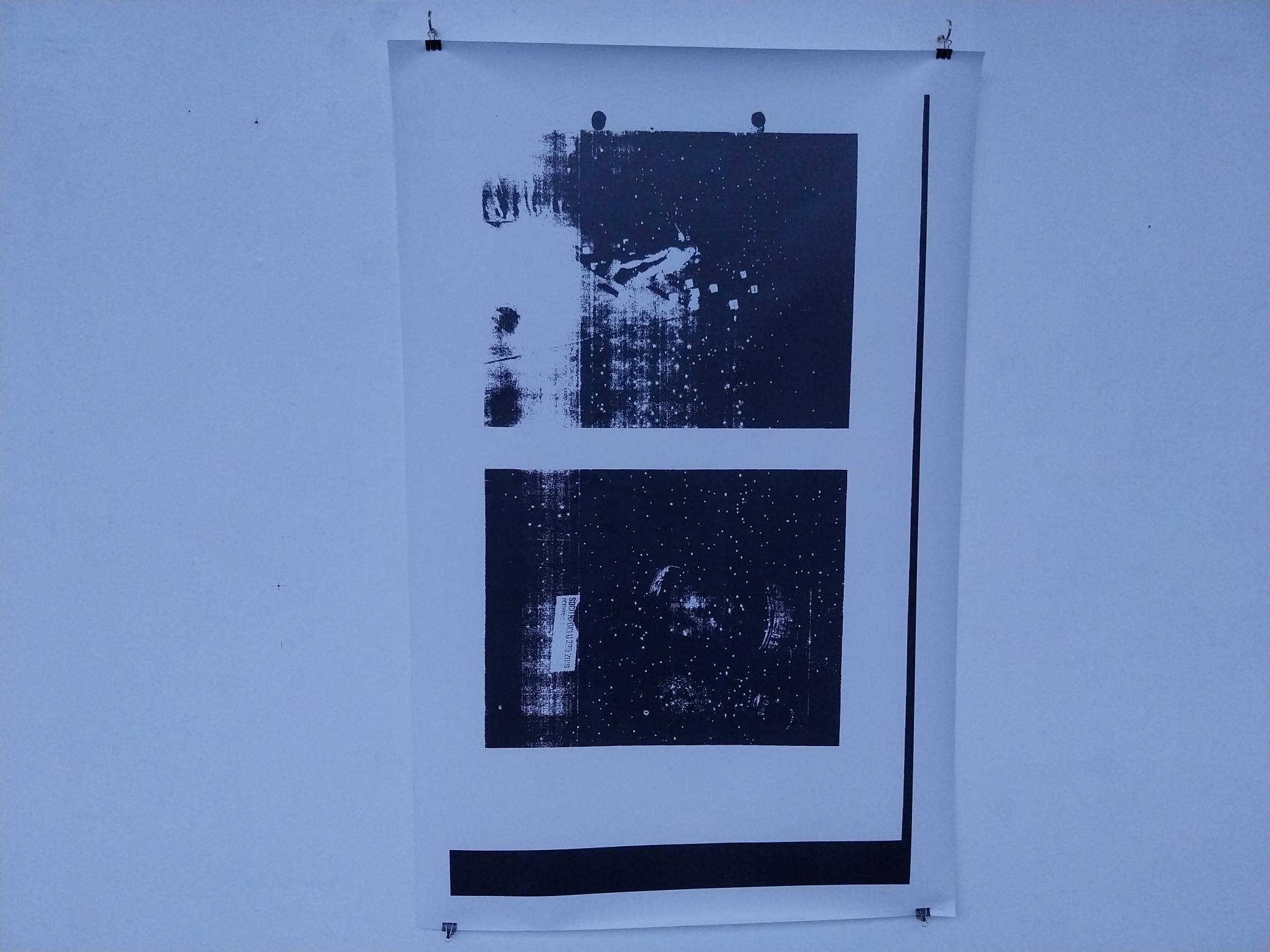
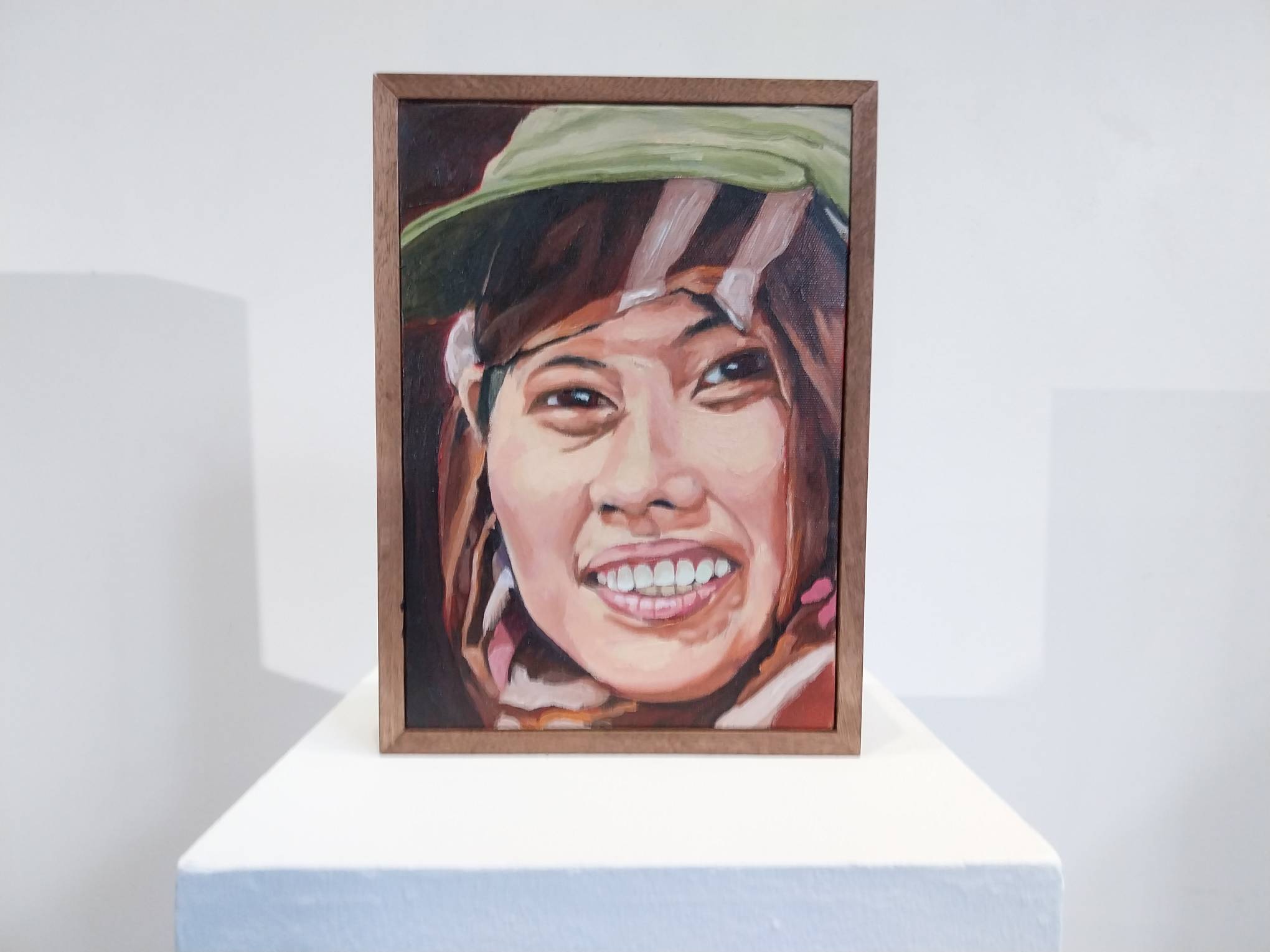
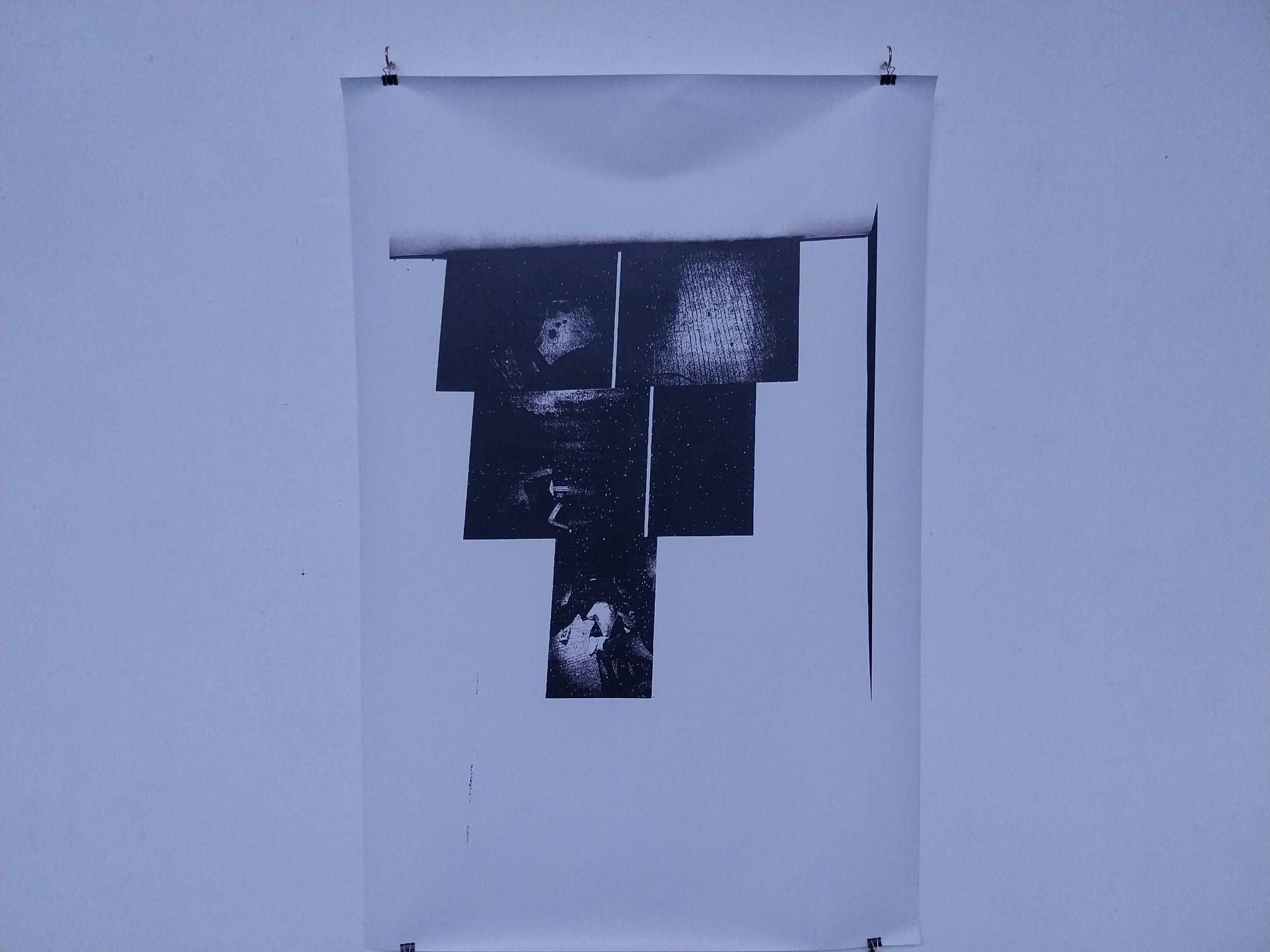
It’s probably why the exhibit was so provocative: at the end of the day, despite the red-tagging and negative narratives portrayed in the press and the government, most activists are normal people who just want a better society. And the violence dealt upon them by the status quo is so disproportionate that those who live through it are traumatized or radicalized. That’s where the power of Field Notes comes from.
Read more: ‘Field Notes’ Translates Record Keeping Into Documenting Social Movements
Reinterpreting the Past
Historical art represents an important recontextualizing of our archives to understand the past. Nothing is definite; everything can be reinterpreted with a new perspective. And highlighting this kind of artwork shows just what can be done to utilize the past to translate the present.
Photos by Elle Yap.
Related reading: 2023 Editor’s Picks: A Year in Review for Filipino Residences
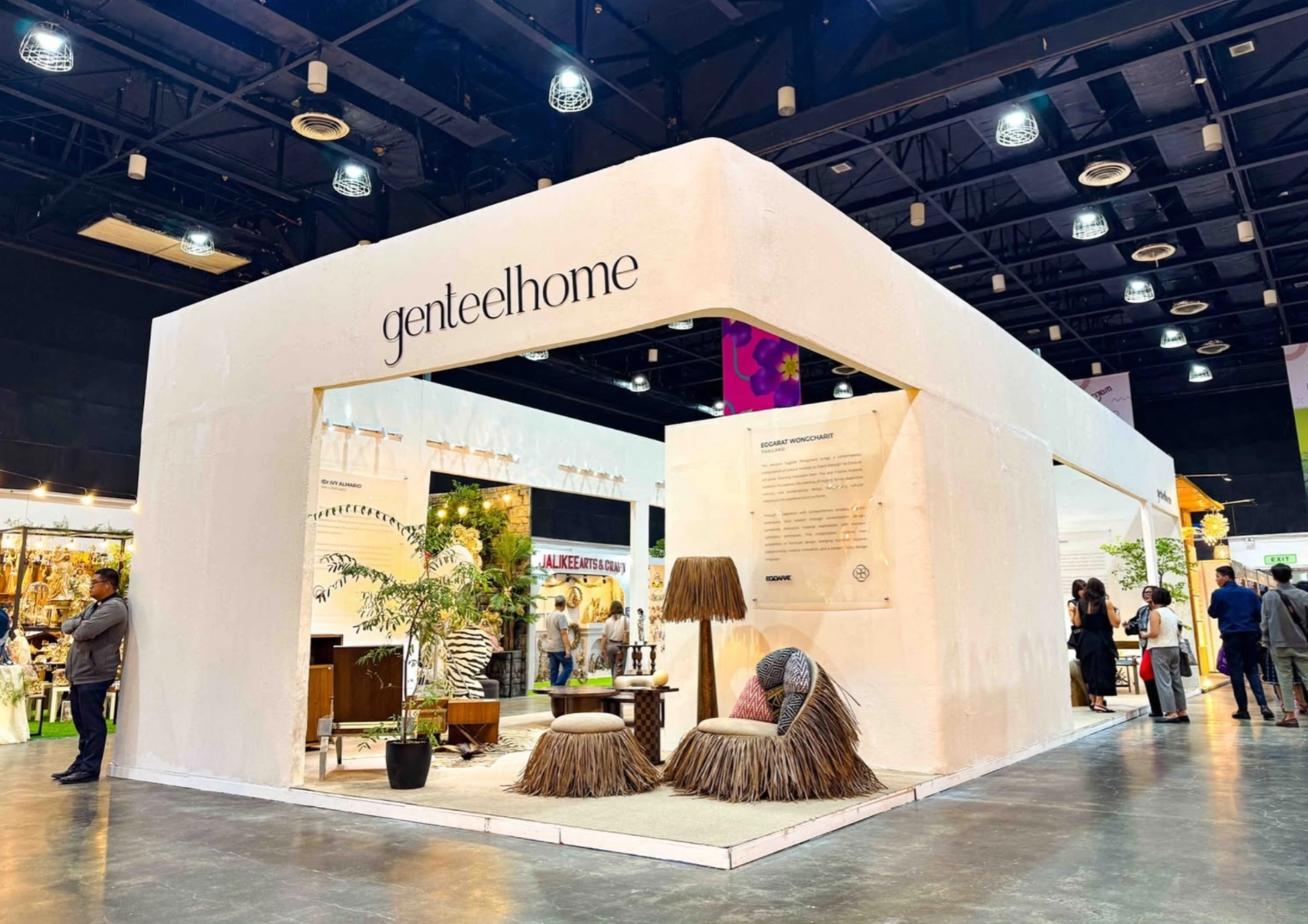
Two sketches of Singapore connect BluPrint Editor in Chief Paulo G. Alcazaren’s personal and professional history with Shared Ground: ArchitectureArchitectureThe art and science of designing and constructing buildings, structures, and spaces that are functional, safe, and aesthetically pleasing. It encompasses the planning, design, materials, and techniques used to createGo to Architecture Glossary of Care, Culture, […]
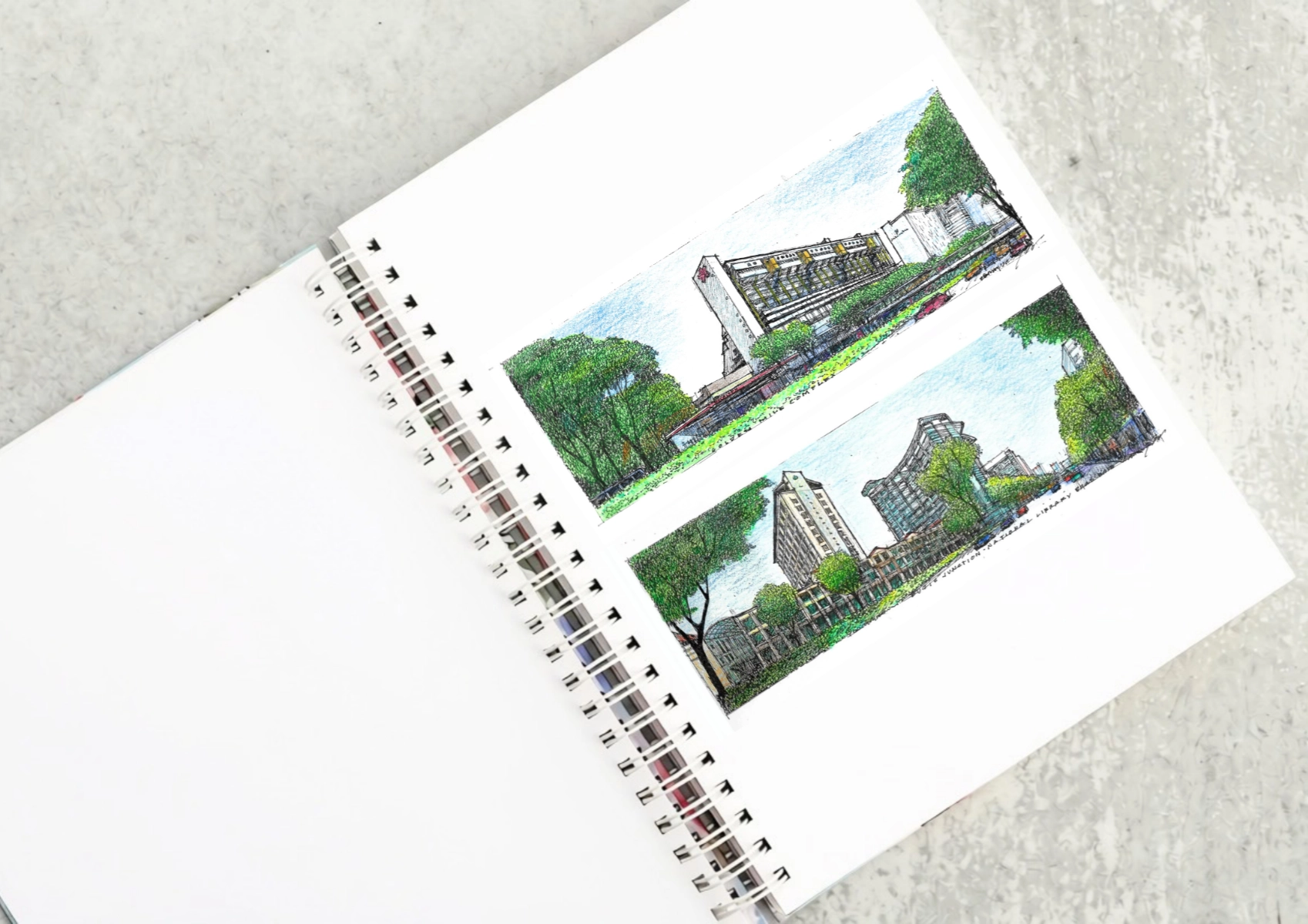
In a way, designers are the modern-day soothsayers and prophets. They design for the future, predicting how a room, a house, a building or a whole city will be used by people. They foresee how users will interact with a space, conjure exact shades of colors to elicit specific behavior and arrange furniture to build […]
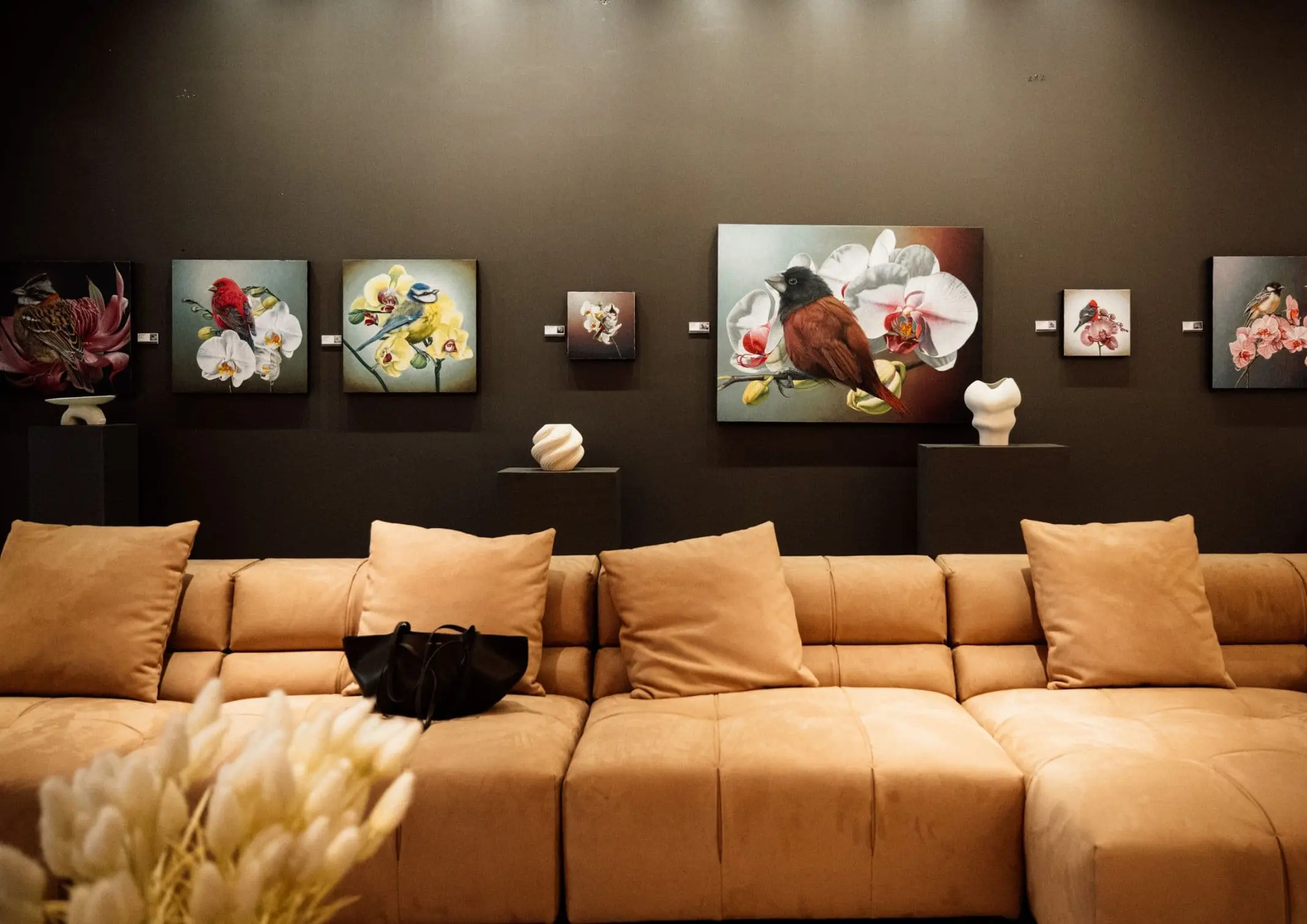
Art and furniture are often selected separately, yet their relationship can shape how a room looks and feels. The collaboration between Hooga and Galerie Joaquin explores how these elements can work together, bringing contemporary artworks into furnished residential settings at Hooga’s showroom in Uptown Mall, Bonifacio Global City. For Hooga, which curates furniture, lighting, and […]
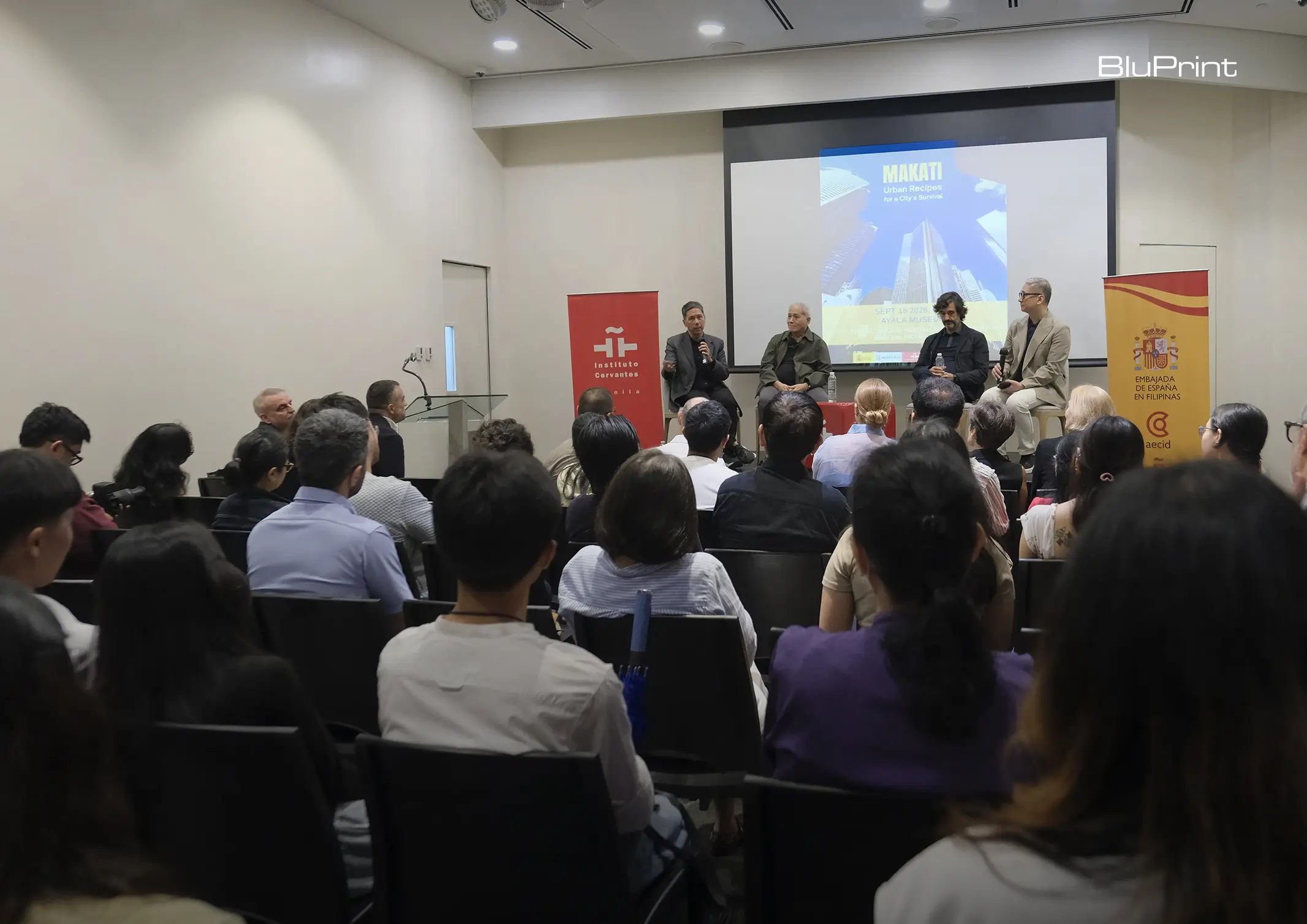
How can better-planned cities create the conditions for more creative, livable, and resilient urban environments? “Makati Urban Recipes for a City’s Survival,” a colloquium held at the Ayala Museum on September 15, brought together architects and practitioners from the fields of urbanism and the creative economy to discuss how design, planning, and collaboration can address […]
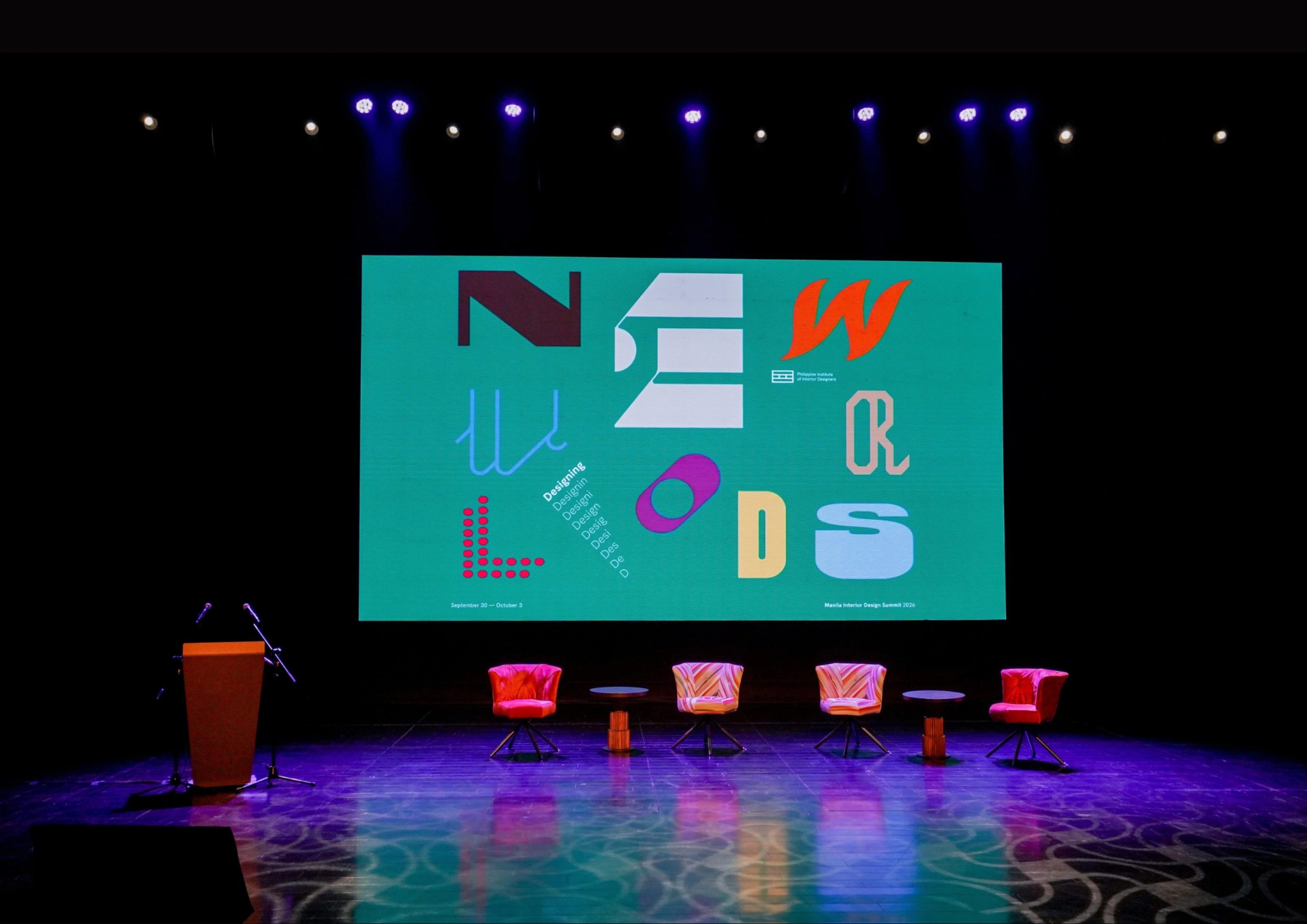
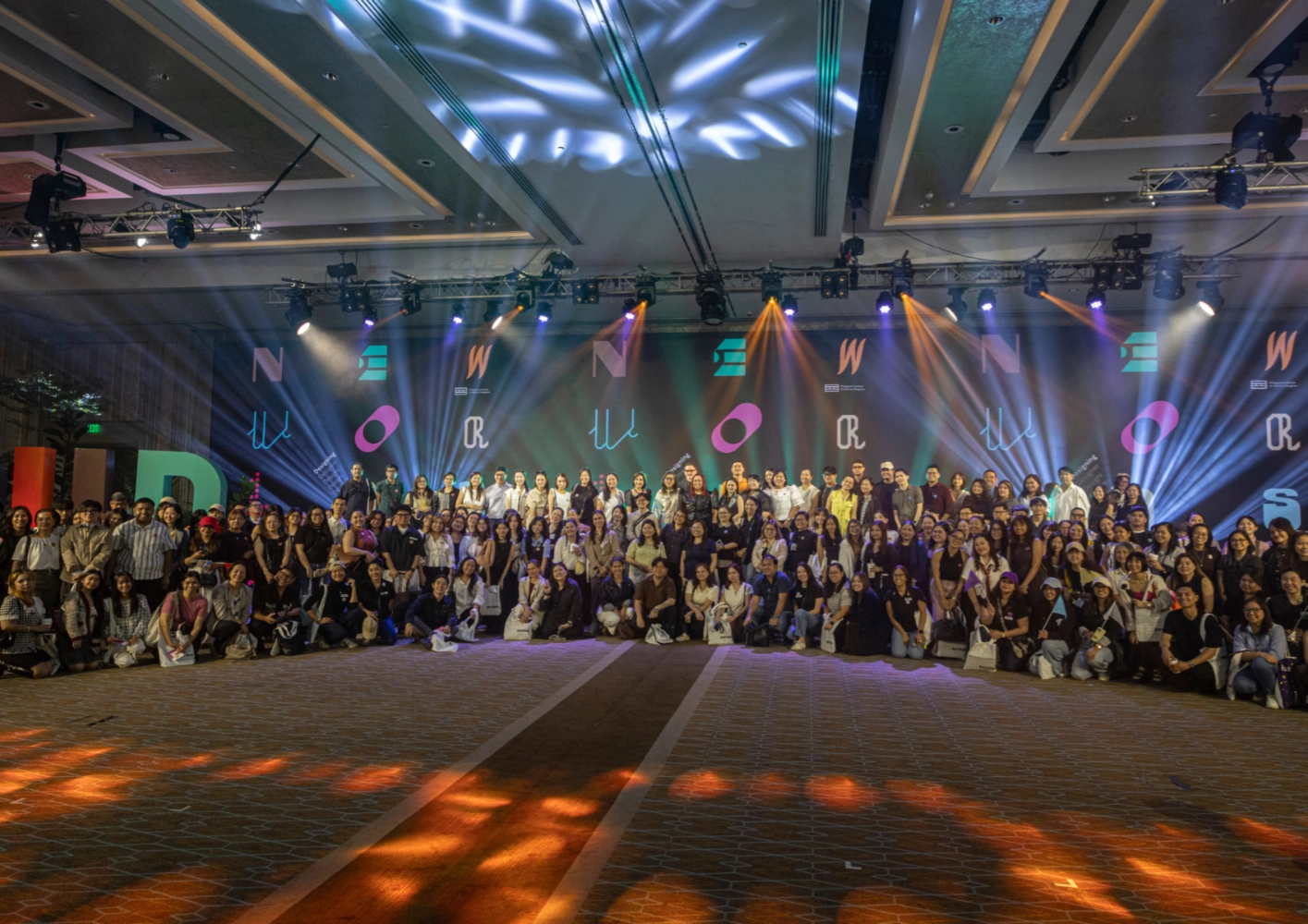
The fourth Manila Interior DesignInterior DesignThe discipline of planning and shaping interior spaces for function, comfort, safety, and beauty. It covers layout, lighting, materials, finishes, furniture, and color, and in the Philippines is a licensedGo to Interior Design Glossary Summit (MIDS) brought together more than 300 delegates for four days of conversations, exhibitions, and design […]
Read the issues.

Collect the volumes.

Recommended Video
Tap to Unmute
Unmute
0:00
0:00