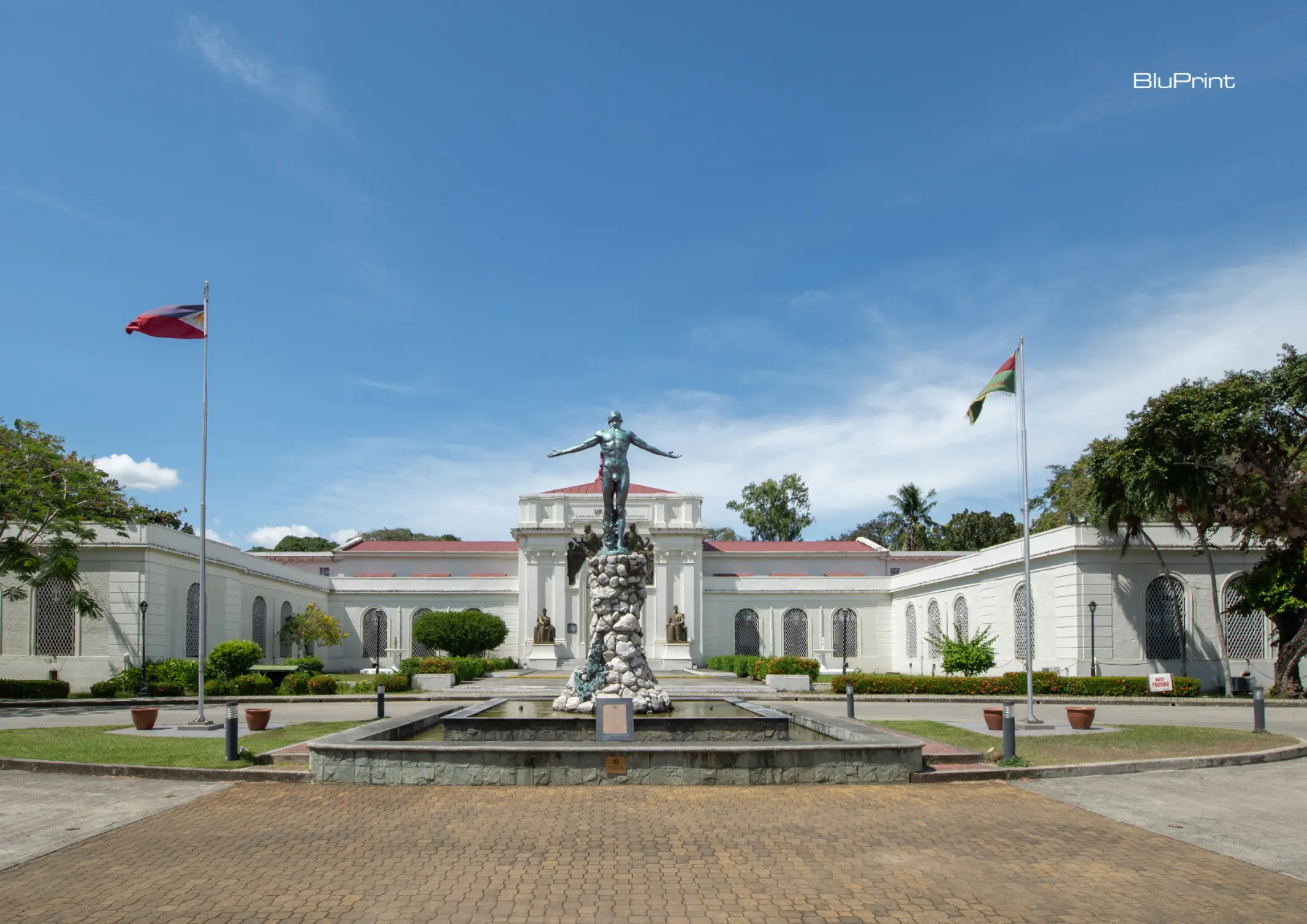
Designed by renowned architect Juan Arrellano, this Commonwealth-era structure was completed in 1935. The building was turned over to the University of the Philippines Visayas (UPV) in 1947, with long-standing plans of converting it into a museum. The UPV Museum of Art and Cultural Heritage (UPV MACH) now functions as a university museum with eight […]
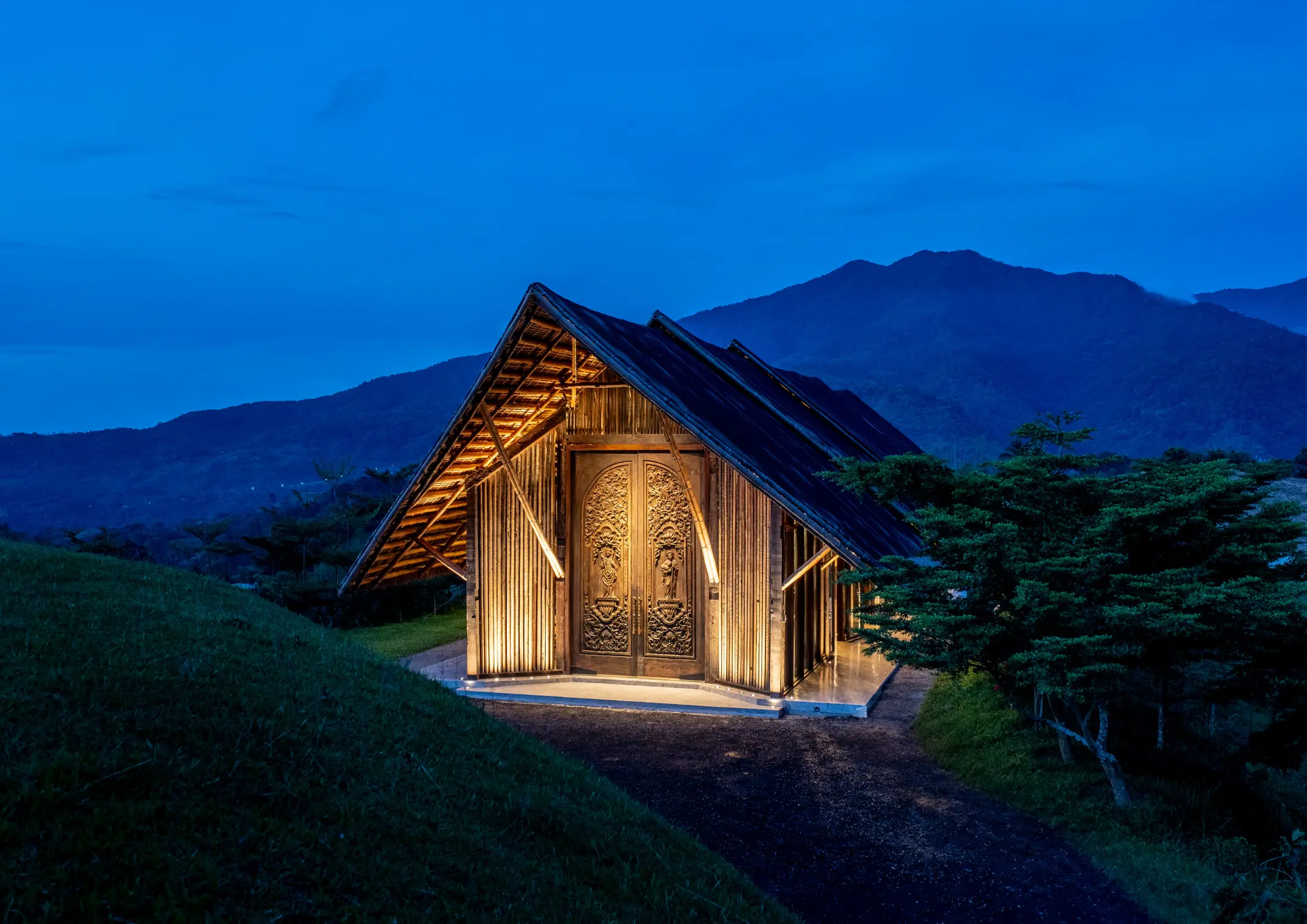
Embracing the Night at Tayap Church



“I love the dark. After your eyes adjust, you’d be surprised how much you can see,” the Tayap shares. “When I’m here, I just sit in the dark, enjoying the moon and stars and listening to the night sounds. It’s fun! Especially when my son is with me—he uses Night Sky, an app to point out the planets and constellations.”
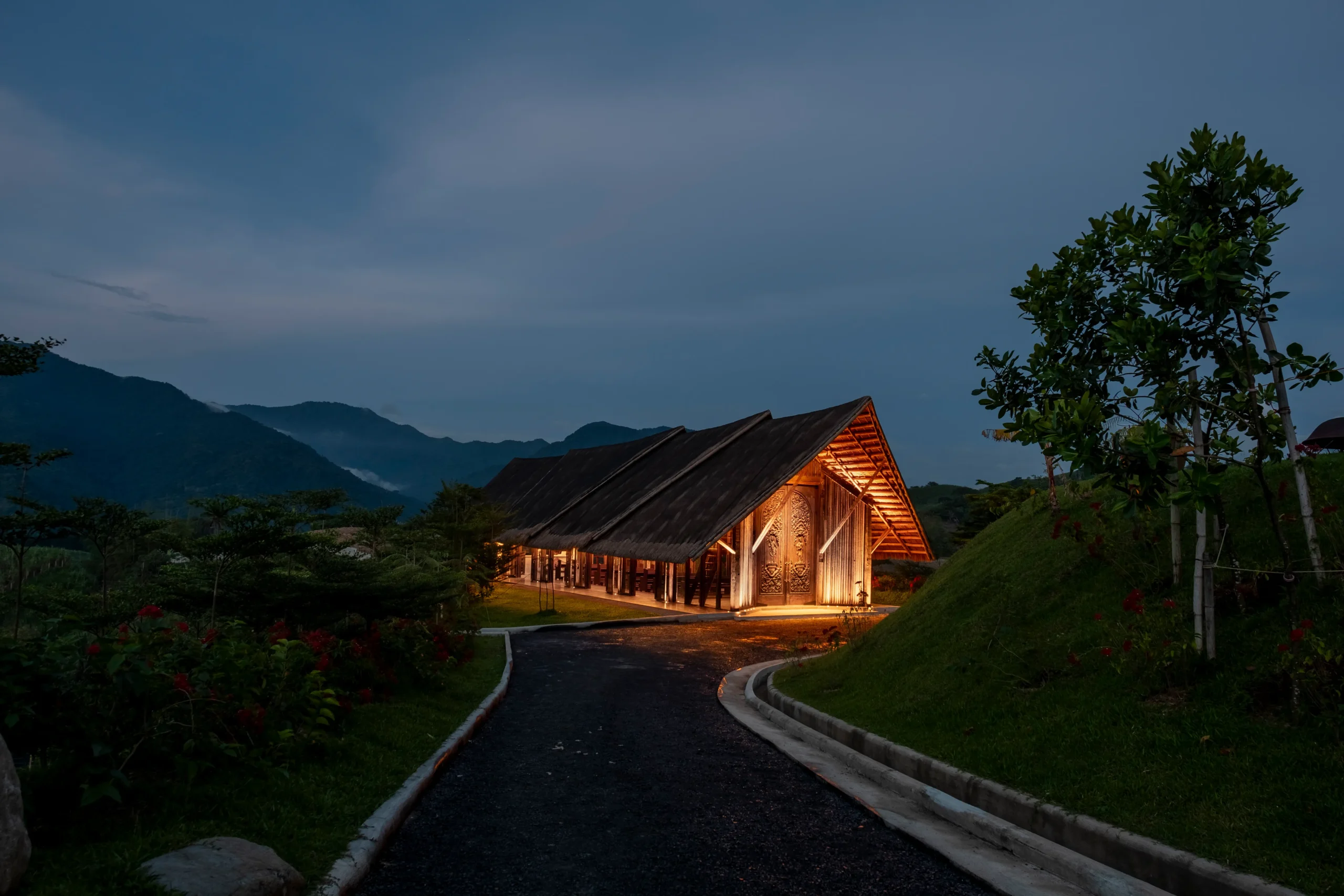
The conservator, an advocate for Philippine heritage, originally intended to purchase only a hectare or two in the hilly reaches of Silay. However, destiny intervened, enabling him to acquire 11.8. His vision: a sanctuary for those seeking respite from urban artifice. Yet, his immediate concern wasn’t building his personal retreat but a chapel for the local community of Tayap and neighboring sitios in Barangay Patag.
The Austronesian and the Contemporary
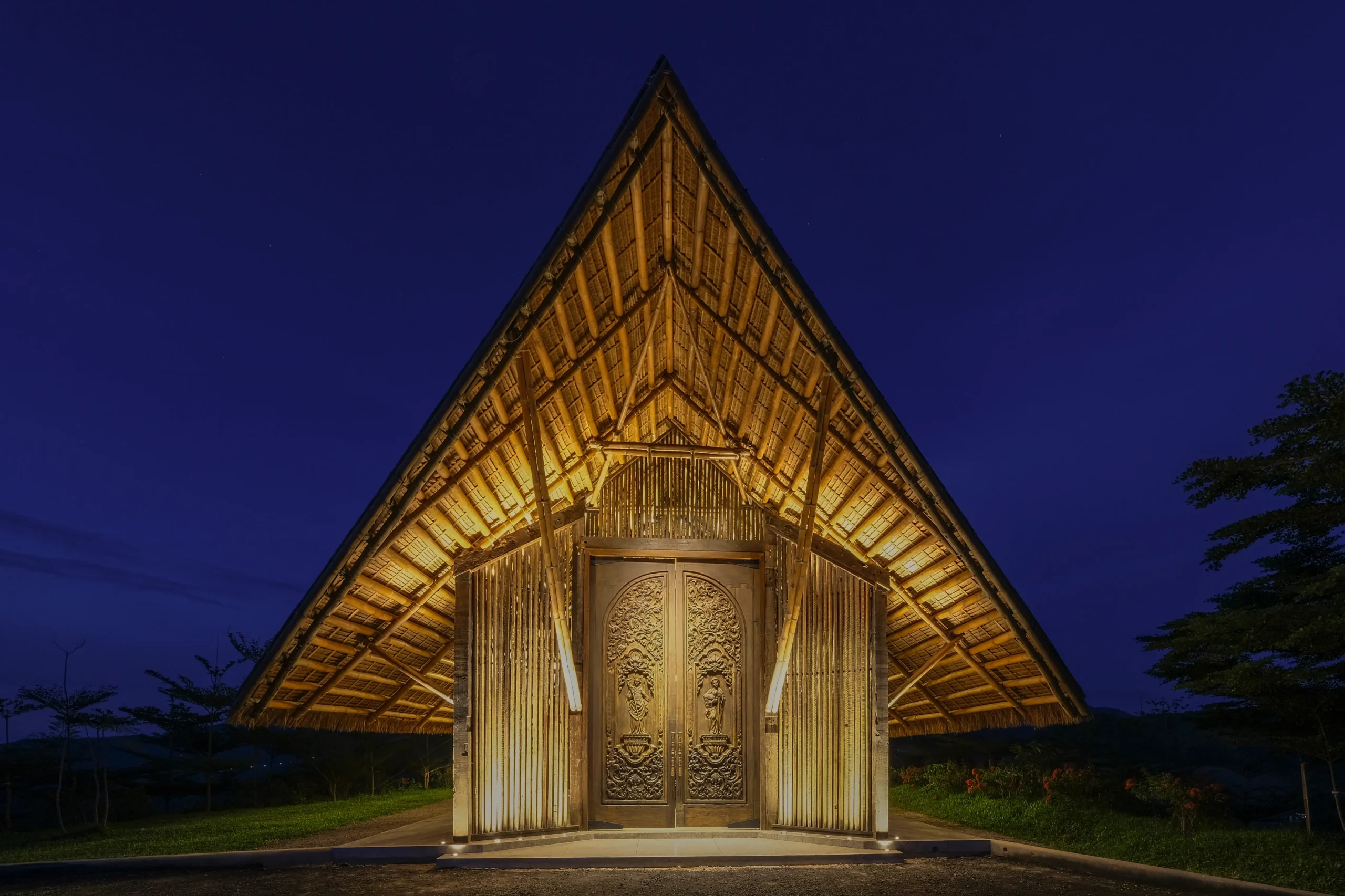
The conservator approached architect Antonio Legaspi with a simple brief: to conceive a house of worship distinct yet harmonious with Tayap’s lush surrounds. Central to this vision were a pair of hardwood antique doors 5.8 meters high and 2.6 meters wide.
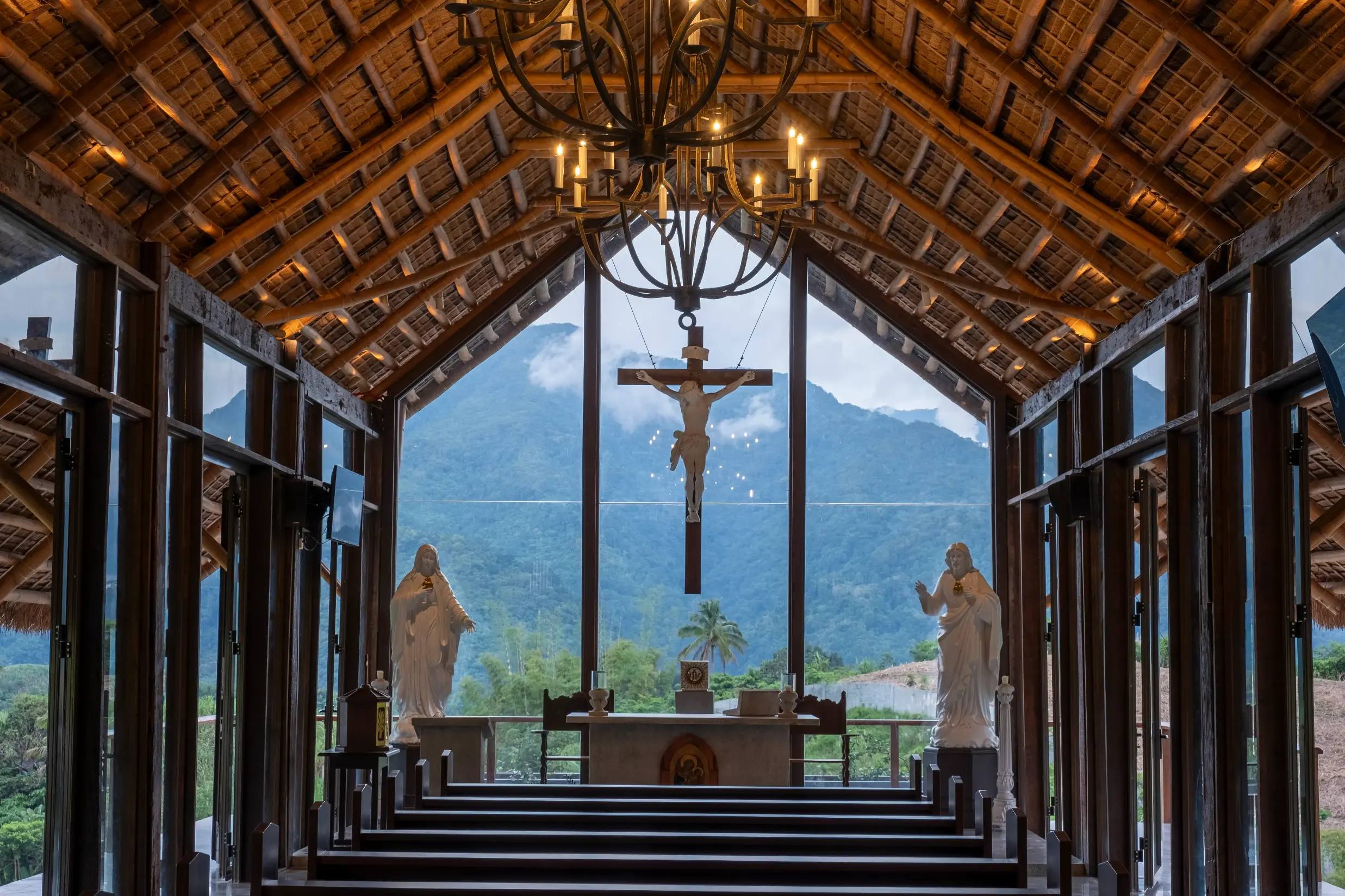
Legaspi’s design was to be a nod to the architecture of the Philippines’ Austronesian ancestors while embracing contemporary aesthetic sensibilities. The chapel’s soaring thatched roof peaks at seven meters. Its steep pitch is a practical and symbolic gesture—efficiently channeling rainwater away while pointing to the heavens, inviting eye and spirit upward, and elevating the chapel’s ethereal atmosphere.
Light and Nature
Employing Dark Sky principles would reduce light pollution, allowing the conservator and his son to enjoy the moon and stargazing, and preserving Tayap’s night-time ecology. He gave CSLDI no directives regarding light spills and glare, but the lighting designers, like architect Legaspi, were his long-time friends and intuitively respected his love and care for wildlife.
The conservator planted the land with hundreds of hardwood, flowering, and fruit-bearing trees to benefit Tayap’s human inhabitants and, every bit as importantly, for birds and other creatures to prosper. Many species rely on the cover of natural darkness for navigation, mating, and protection from predators, so reducing artificial light would help maintain the delicate balance of Tayap’s nocturnal ecosystems.
Every effort to minimize light pollution, therefore, is like reconnecting with our universal ancestry. And the conservator’s love for the dark transcends personal preference—it is a commitment to safeguarding a shared heritage that binds us to the beginning of our world. By preserving the dark skies of Tayap, the conservator ensures this sanctuary remains a place where the future can continually rediscover ancient ties to the stars. In doing so, Tayap becomes a testament to the power of thoughtful architectural and lighting design to enhance human and ecological well-being and anchor our fleeting presence in the timeless rhythms of the universe.
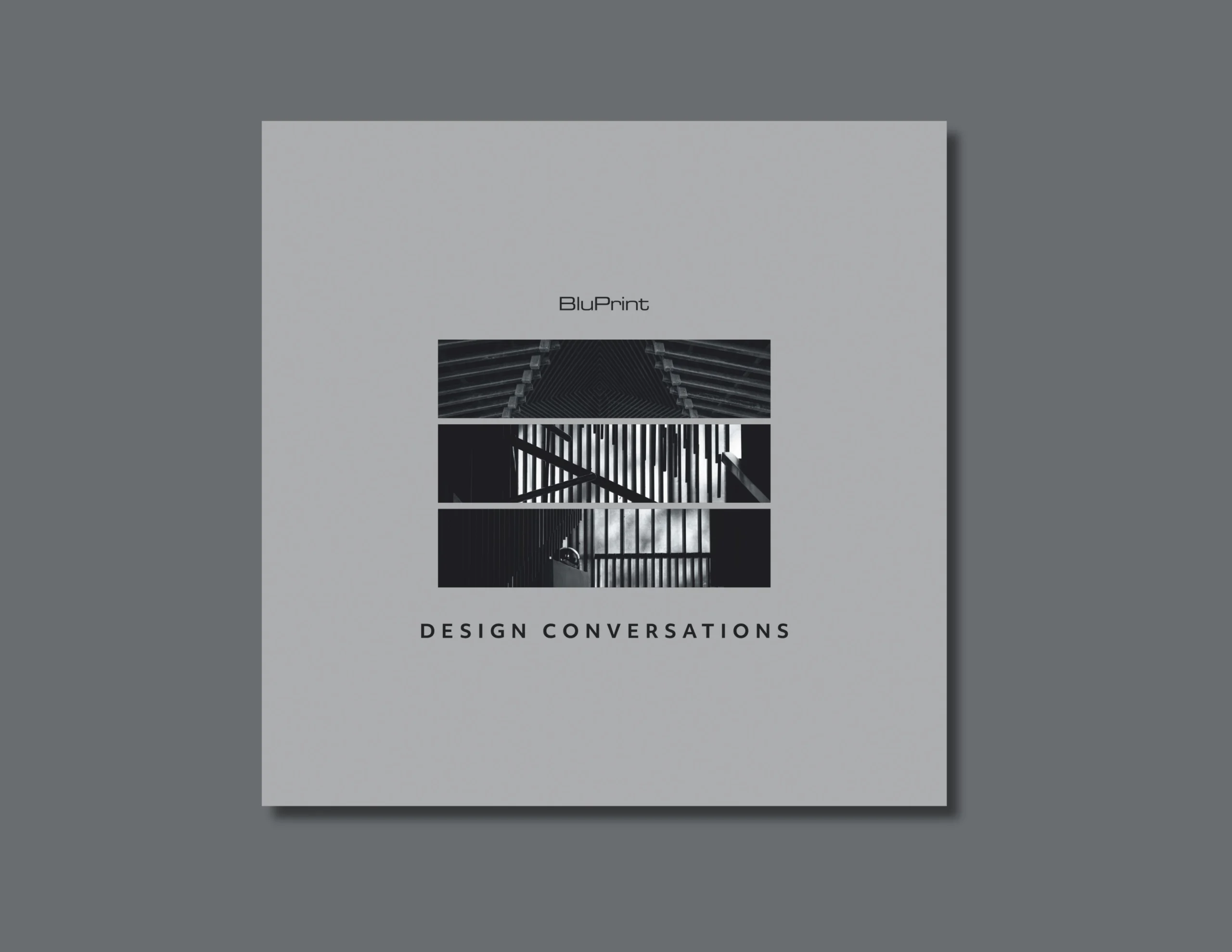
This article has been abridged for digital publication. Read the full story behind the Tayap Church by ordering your copy of BluPrint’s “Design Conversations” at Sari Sari Shopping, Shopee, and Lazada. E-magazines are also available for download here or through Readly, Press Reader, and Magzter.
Dive into the captivating world of architecture, interiors, and arts & culture by getting exclusive digital access to BluPrint’s past and upcoming issues. Click here to find out more.
Photographed by Ed Simon
Read more: T House: Welcomed by Nature’s Embrace
Frequently Asked Questions
Architect Antonio Legaspi designed the chapel with a soaring thatched roof peaking at seven meters, mimicking the steep pitch characteristic of traditional Austronesian dwellings. This design is both functional for channeling tropical rainwater and symbolic, drawing the eyes upward to create an ethereal atmosphere that harmonizes with the lush, hilly landscape of Silay.
Dark Sky principles involve using lighting that minimizes glare, light spill, and sky glow to reduce light pollution and preserve the visibility of the stars. In Tayap Church, lighting designer Christine Sicangco implemented these strategies to protect the local nocturnal ecology, allowing the community to stargaze while ensuring that artificial light does not disrupt the natural rhythms of local wildlife.
By reducing light pollution, the sanctuary protects the navigation, mating, and predatory defense mechanisms of birds and other nocturnal creatures that rely on natural darkness. The conservator complemented this by planting hundreds of hardwood and fruit-bearing trees, creating a holistic environment where both humans and wildlife can prosper in a balanced, sustainable ecosystem.
The 5.8-meter-high antique doors served as the foundational element of the architect’s brief, dictating the scale and monumental feel of the entrance. These massive hardwood features anchor the contemporary structure in Philippine heritage, bridging the gap between the historical artifacts the conservator advocates for and the modern, spiritual purpose of the community chapel.
Originally seeking a small personal retreat, the conservator acquired 11.8 hectares to create a sanctuary for those fleeing “urban artifice.” By prioritizing the construction of a community church over a private home, the project serves as a civic landmark for the people of Tayap and neighboring sitios, emphasizing a shared connection to the land, the stars, and ancestral roots.
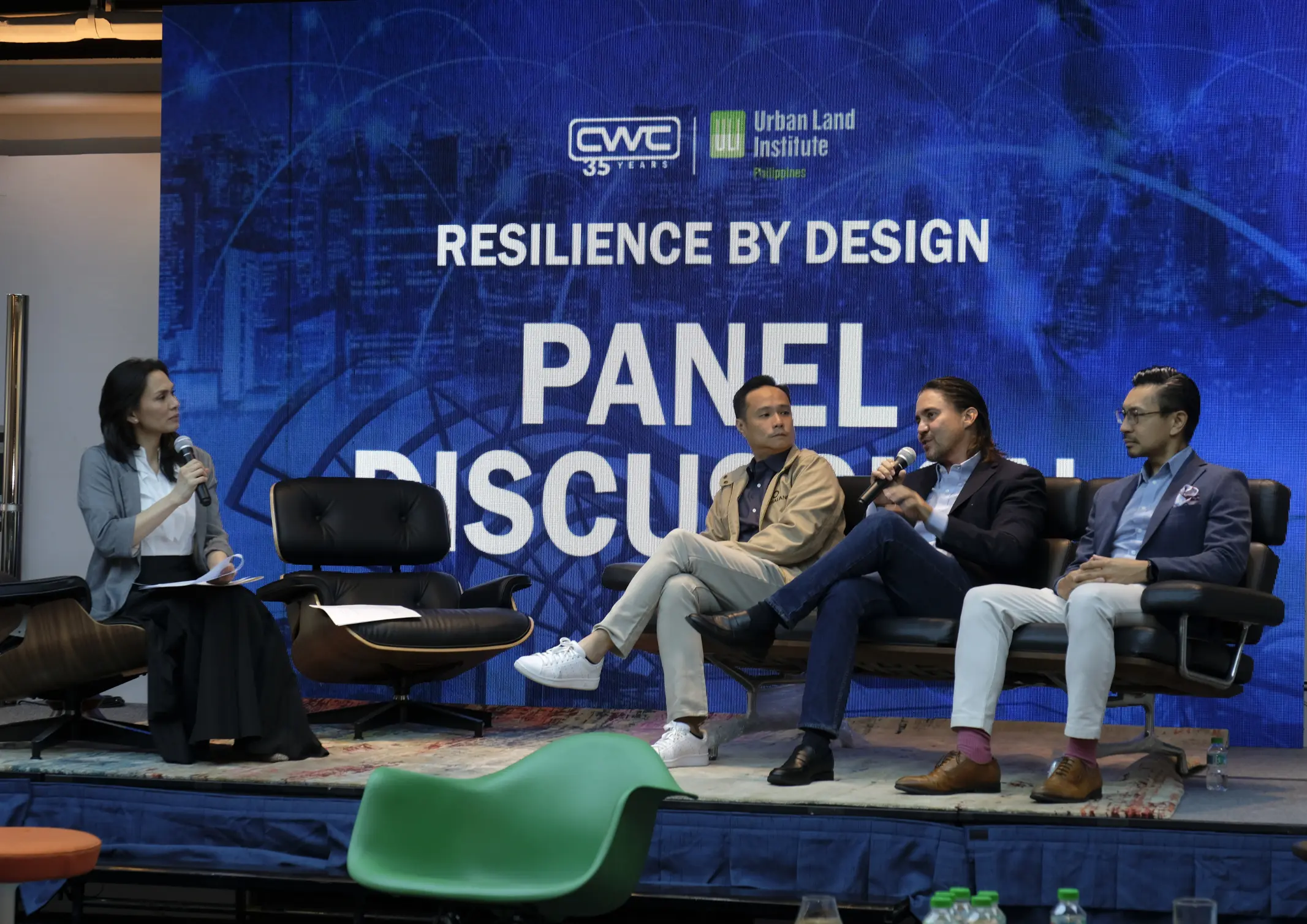
The CWC Design Center (CDC), along with the Urban Land Institute (ULI) Philippines, hosted its Resilience by Design: Strengthening Cities, Buildings, & Communities event. The event invited Architect Eric Manuel of ARCH Capital, Architect Gelo Mañosa of Mañosa & Co., and Oliver Chan of Arthland as panelists. Aptly named, the event discussed how good design […]
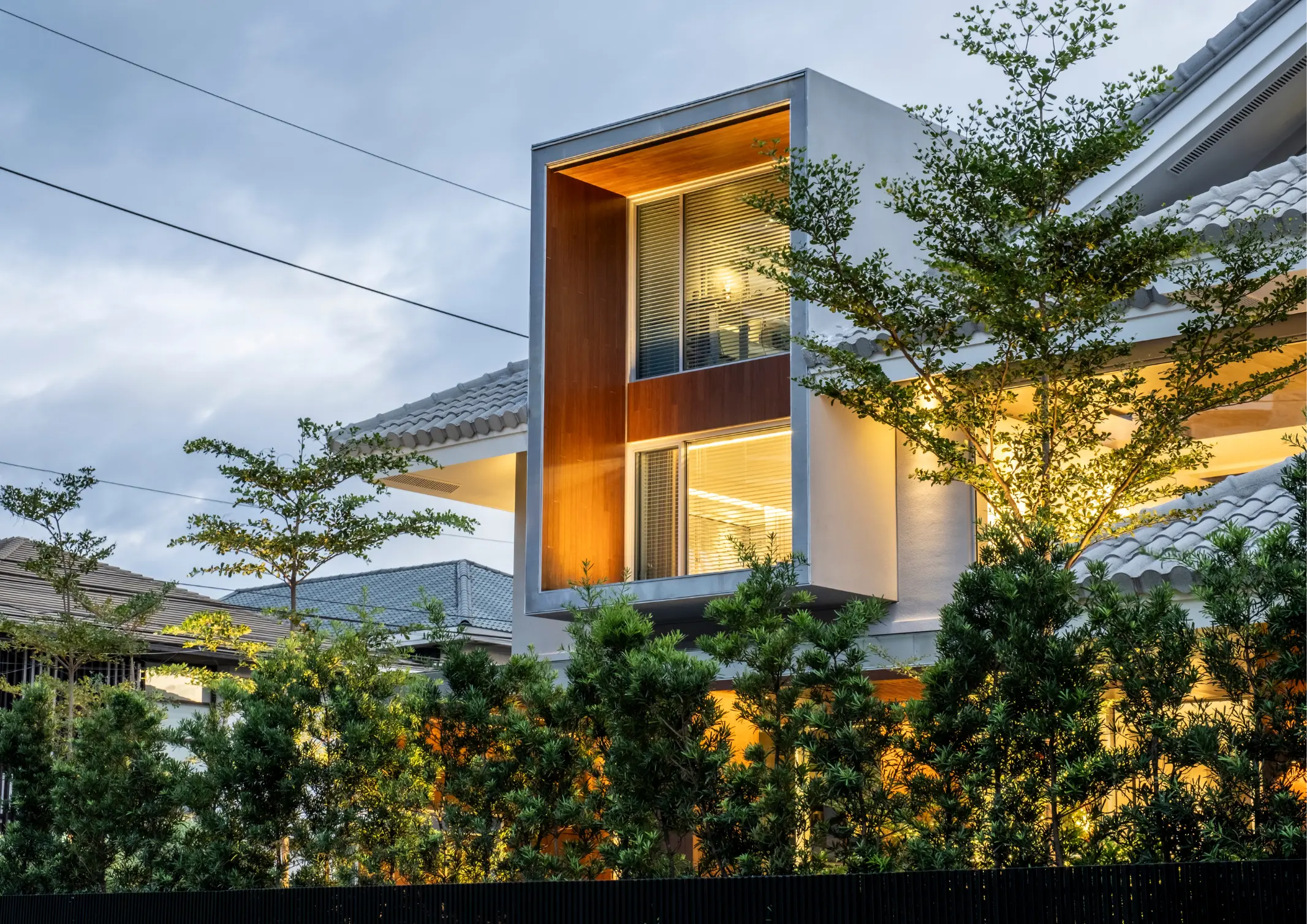
Over the past decades, adaptive reuse has been utilized as a sustainable alternative for the built environment. It involves repurposing existing buildings for a new use, allowing the past to remain while serving a modern purpose. Here, structures facing potential demolition or no longer serviceable are seen as sources of raw materials for new projects. […]
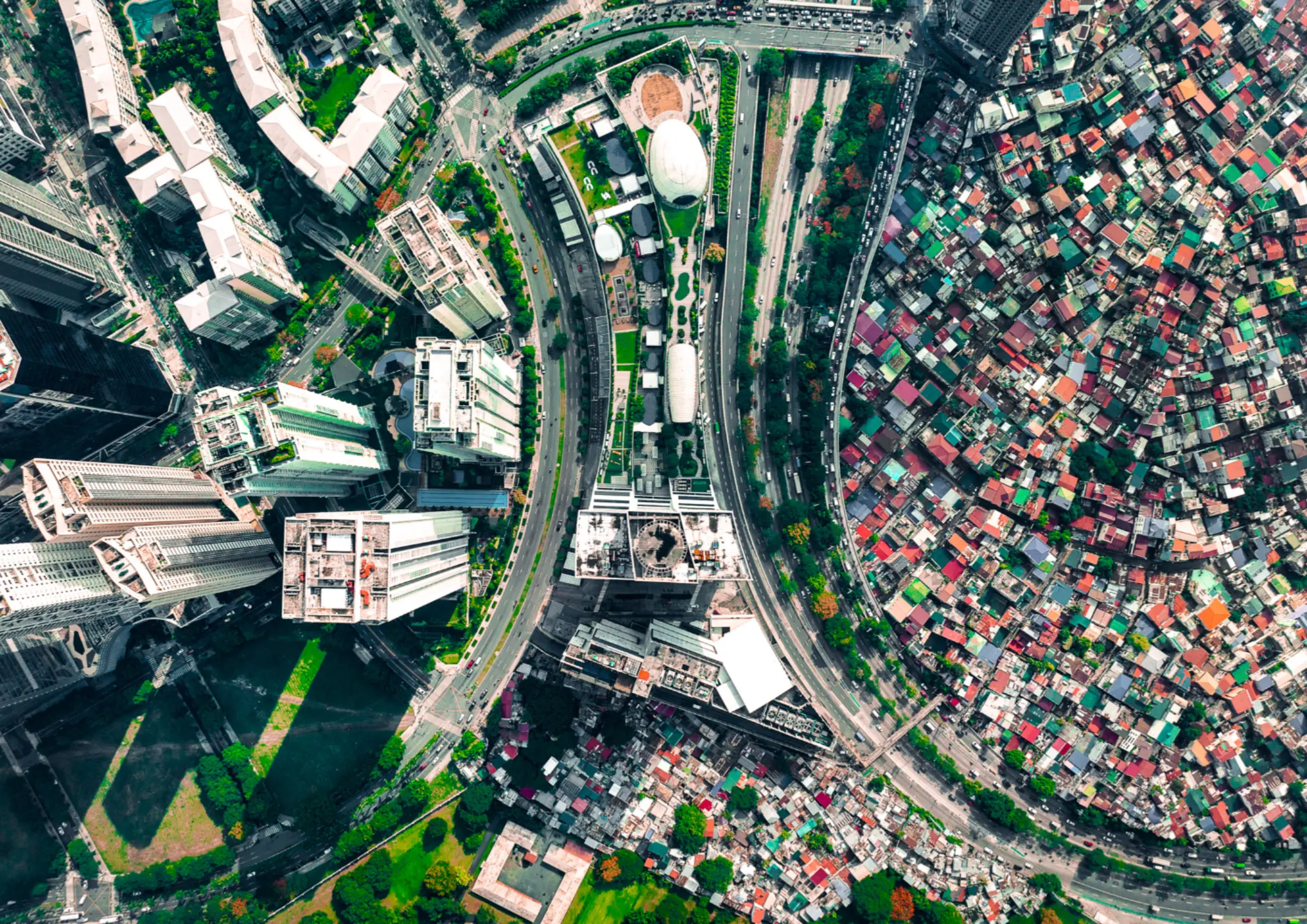
Metro Manila has faced rapid urbanization over the past decades, establishing itself as one of the fastest-growing megacities. The region comprises 16 cities and 1 municipality, totaling 17 local government units. With over 13 million people currently living in the area, its population density is approximately sixty times higher than the entire country. In 2016, […]

Filipinos spend a significant amount of their time waiting. In 2023, the average Filipino lost nearly five full days—a total of 117 hours—to Manila traffic, according to a report by the Philippine Daily Inquirer. For sociologist Barry Schwartz, he believes that delay and congestion are relevant to the analysis of social systems. The duration in […]
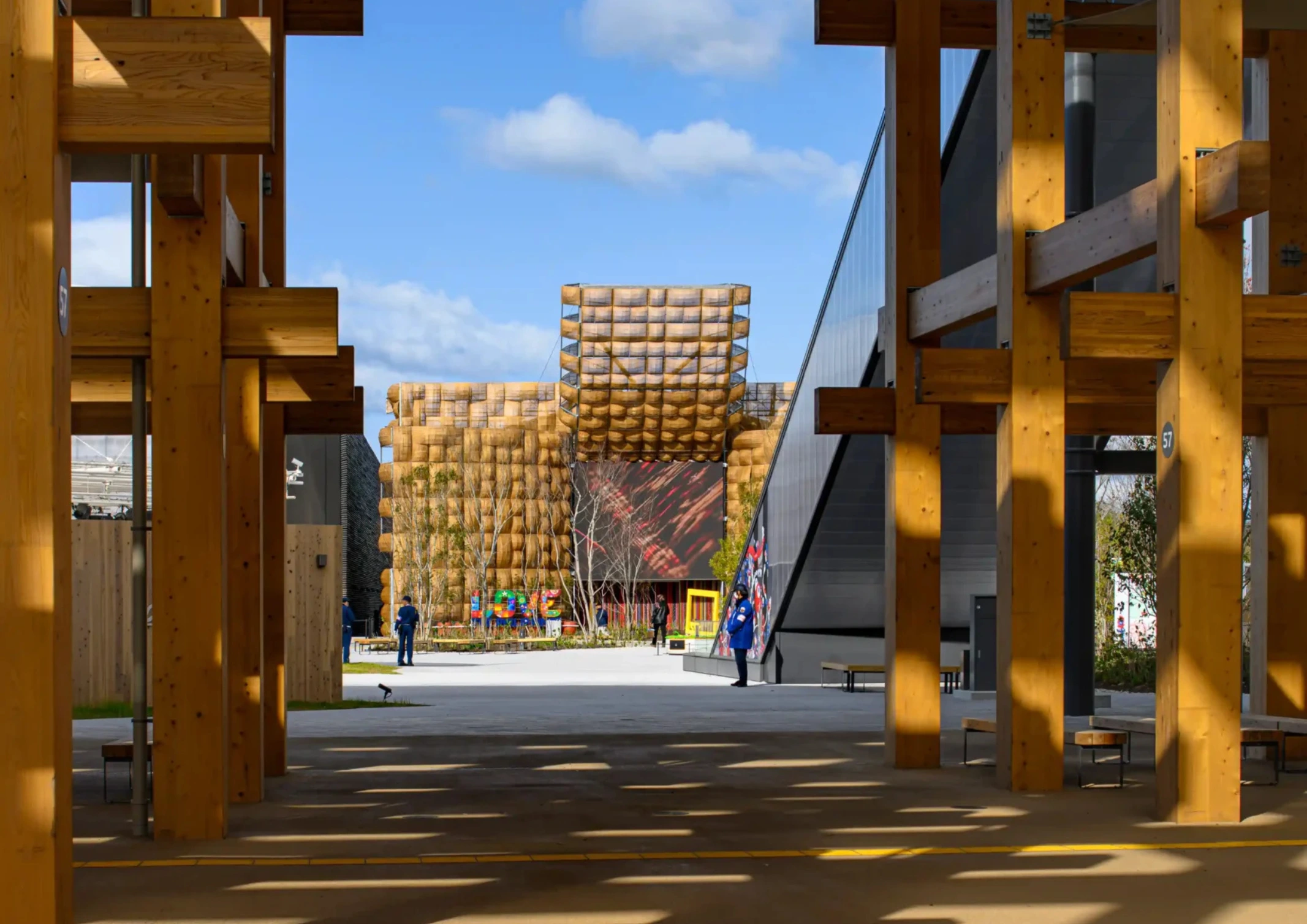
In a landmark achievement for Filipino design on the world stage, the Philippine Pavilion at Expo 2025 Osaka has secured the Silver Award for Exhibition Design from the Bureau International des Expositions. The victory is more than a mere accolade; it is a powerful validation of a bold design approach: the seamless integration of heritage […]
Download this month's BLUPRINT magazine digital copy from:



Subscribe via [email protected]
Recommended Video
Tap to Unmute
Unmute
0:00
0:00