Rinna Soriano’s favorite part of her work is sanding. At her workbench, she stays focused, following the grain, adjusting to changes in its direction. Narra, she has learned, can have interlocking grain. A piece of mango once proved particularly difficult until a worker explained that she had reached the point where a branch once grew […]
A Curator’s Journey Through Thomasian Art: From Appreciation to Advocacy



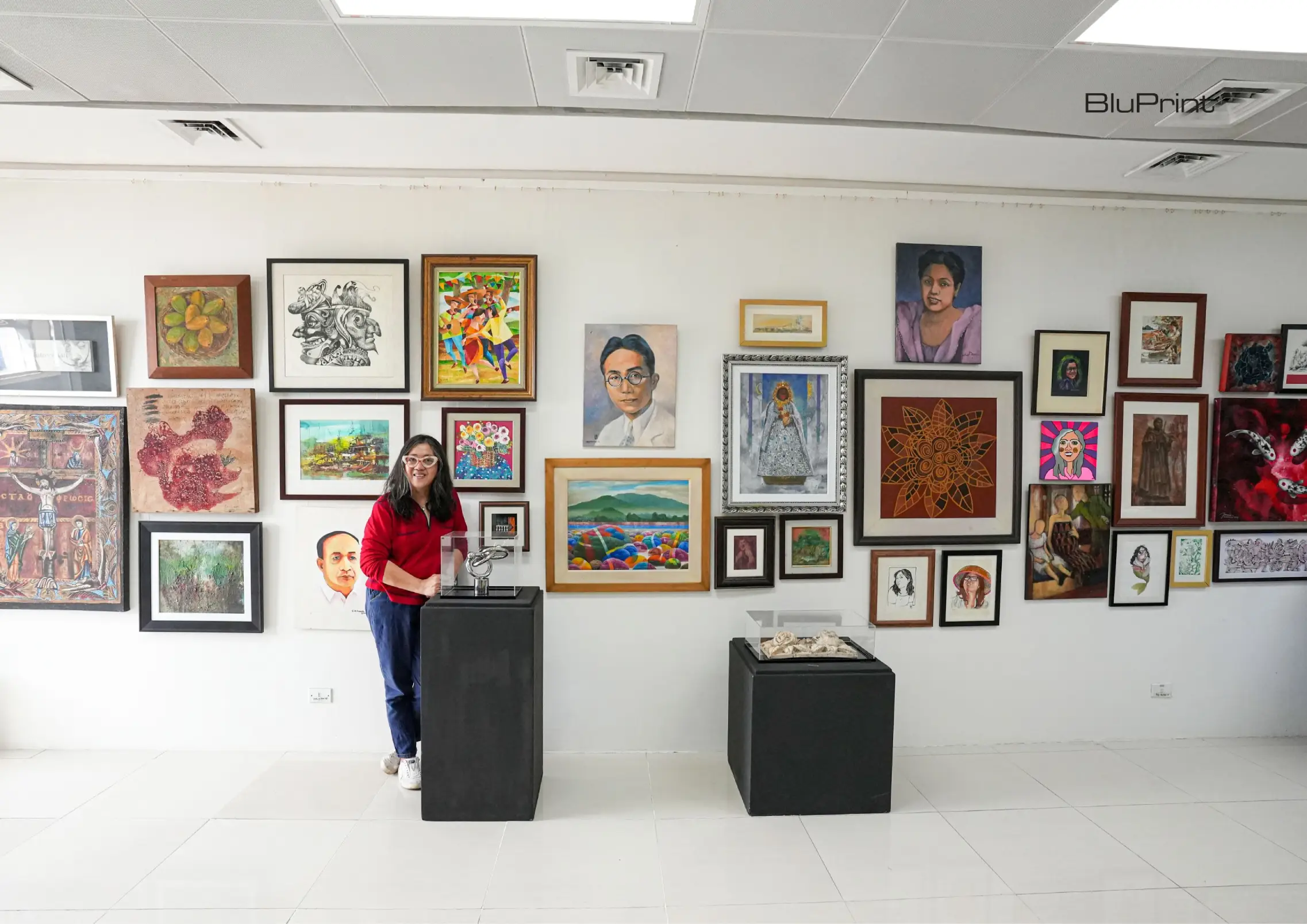
Art has a way of connecting us to both the past and the present, to our individual experiences and collective histories. For me, this exhibition isn’t just a display of beautiful pieces. It’s a marker of my own evolution as a curator, from a passive admirer of art to an active advocate for the rich creative legacy of the University of Santo Tomas (UST) and its community of alumni.
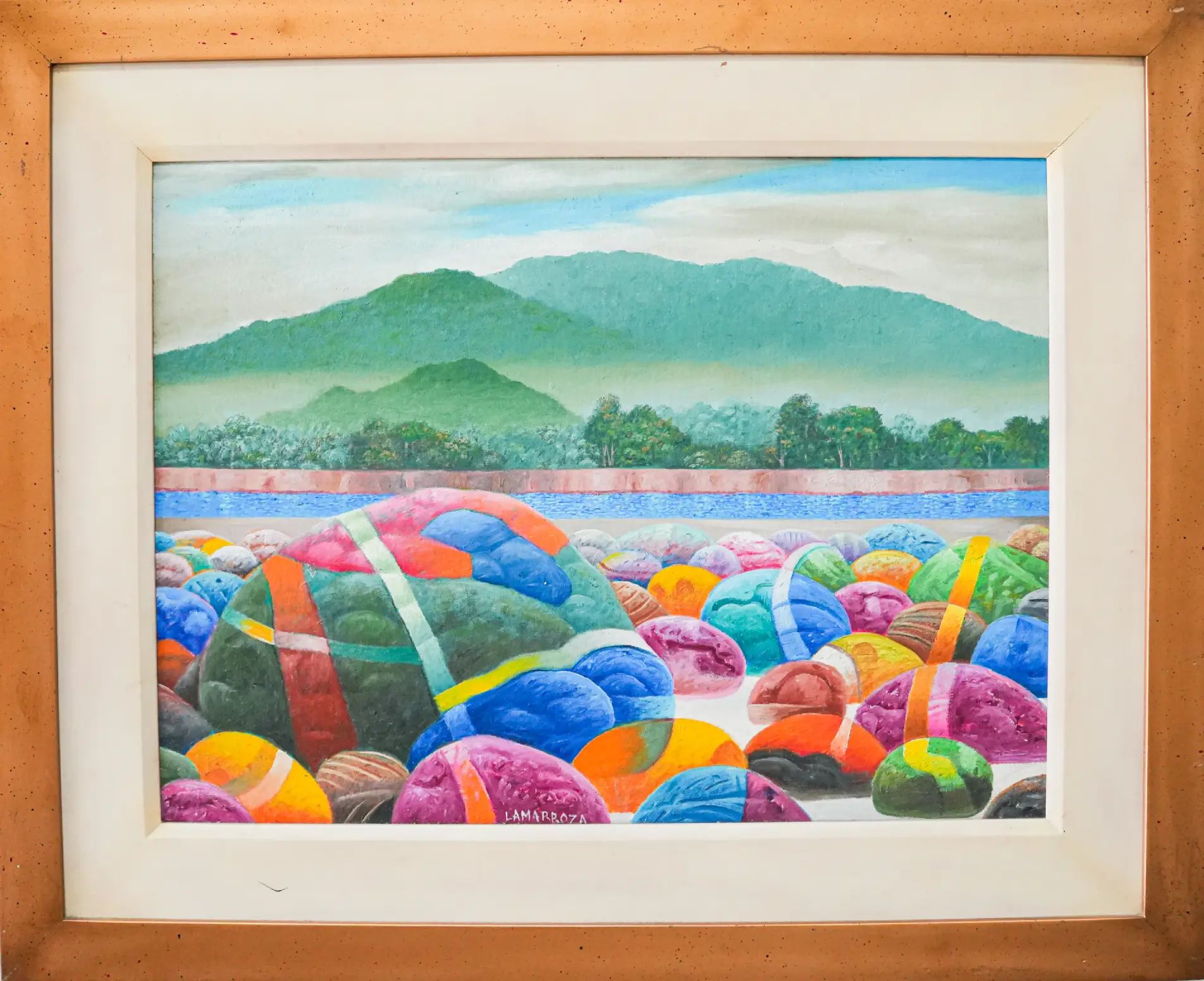
Though modest in scale, this exhibit is my attempt to capture a kaleidoscope of artistic expressions. Each piece is telling its own story, shaped by the artist’s vision, philosophy, and journey. To me, these works are far more than just objects to gaze upon: they are threads in the larger tapestry of time, memory, and shared history.
The Beginnings: A Quiet Admirer
When I first encountered art, I was simply an admirer—someone who saw art as a beautiful, sometimes enigmatic object in galleries or exhibitions. I would quietly marvel at paintings, sculptures, and installations, but the thought of owning or curating a collection felt like something distant and almost unattainable.
My time at UST, particularly in the College of ArchitectureArchitectureThe art and science of designing and constructing buildings, structures, and spaces that are functional, safe, and aesthetically pleasing. It encompasses the planning, design, materials, and techniques used to createGo to Architecture Glossary and Fine Arts, gave me a different lens through which to see art. It wasn’t just about the outward beauty, but about the technical skill, context, and stories embedded in each creation. There, in the heart of that academic environment, I learned to appreciate art not just as an object of beauty, but as a cultural artifact—each piece tied to history, to personal relationships, and to an ever-evolving tradition.
The shift in my perspective came when I learned about provenance, or the history of a work of art. It wasn’t enough to simply know where a painting came from or who created it. I started to understand that every piece of art carries its own narrative. It could talk about the relationships between artists, the historical moments that shaped their work, and the struggles and triumphs behind their creation.
A Turning Point: The Gift of Art
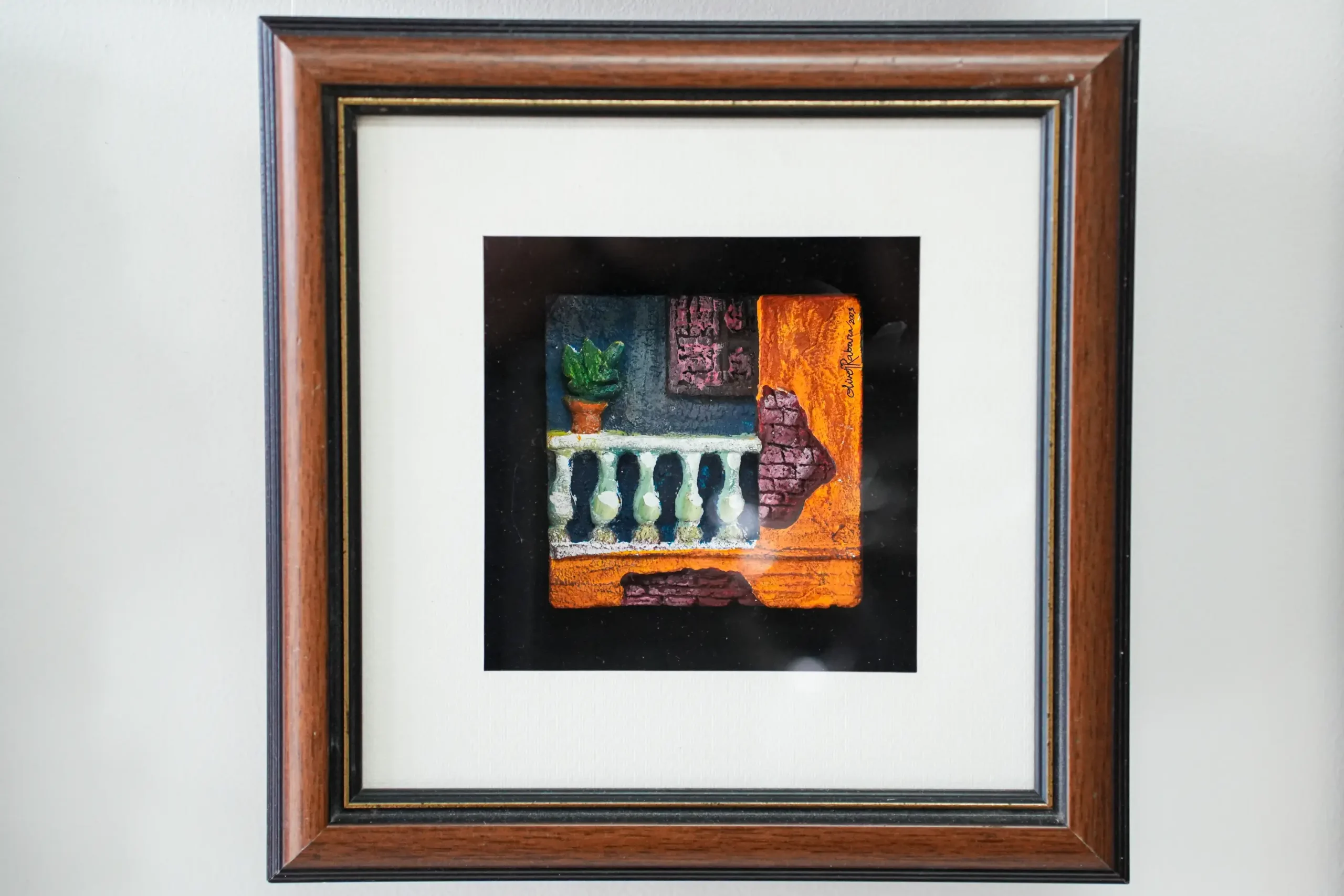
In 2003, a pivotal moment in my journey forever altered my relationship with art. My classmate, Oliver Rabara, gifted me a framed clay artwork inspired by the antiquity of Vigan. It was a piece that not only celebrated the local culture but also connected me to a deeper, personal aspect of art: the idea that art can be a gift, a meaningful exchange and not just something to be admired from a distance. This gift made me realize that art could be a bridge between the present and the past, rooted in shared memories, culture, and history.
At the same time, I received another gift: The Art Collector’s Guidebook by Manuel Duldulao from another artist-friend, Joe Datuin. The book was a revelation, offering not just practical advice on art collecting but also exploring the deeper reasons why people collect. Duldulao’s perspective resonated with me: the idea that art collecting wasn’t about owning for ownership’s sake, but about preserving culture, education, and memory.
This was the turning point for me. My small collection, initially born from personal gifts, began to evolve into something more: a curated archive that spoke to my journey, my relationships, and my understanding of art as a living, breathing entity. Each piece became a marker of human connection—a story embedded in every brushstroke and line.
The Evolution of a Personal Collection
As my collection grew, it was no longer just a series of cherished gifts. It became a resource, a way to share the stories and memories encapsulated in each work. I didn’t want these pieces locked away in a private space; I wanted to share them, to foster conversation, to educate. The artworks, while personal to me, had a broader mission: to celebrate the legacy of Thomasians, past and present, and the incredible contributions they’ve made to Philippine art.
Through the careful curation of these pieces, I began to see that my role was no longer just that of a collector but also of an advocate—an advocate for the recognition of Filipino artists and the power of art to shape cultural conversations. This exhibition, modest in scale but rich in intention, is my way of honoring those who came before me, those who shaped the creative landscape of UST, and those who continue to inspire new generations.
Thematic Clusters: Organizing the Collection
As curator, I decided to structure the exhibition into thematic clusters, grouping the pieces not just by medium but by the stories they told. These clusters highlight the diversity of experiences and philosophies that shaped my collection:
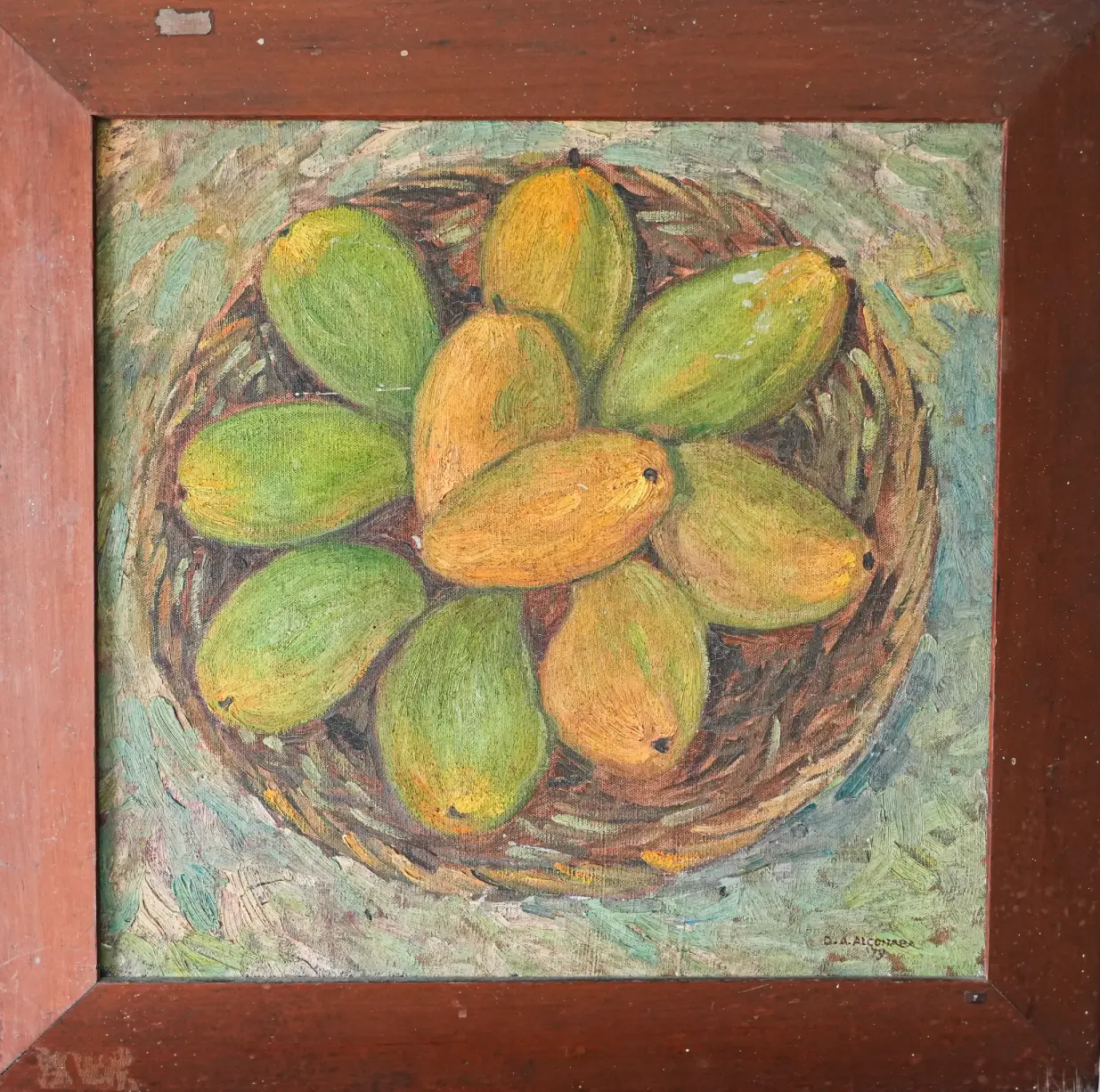
- Early Beato Gallery Days Collection: This section showcases the early works of Thomasians, particularly those tied to the Beato Angelico Gallery. These fourteen pieces mark the foundational years of the artists’ careers, filled with exploration of form, color, and technique that laid the groundwork for their later works.
- Pioneer Faculty of Fine Arts Collection: Here, I pay tribute to the UST faculty whose artistic practice influenced the evolution of Philippine modern art. These three artworks not only reflect the academic rigor of UST but also speak to the educators’ ability to inspire change in society through art.
- Artistang Tomasino Collection: This section is dedicated to the alumni of UST, reflecting the diversity of artistic styles that have emerged from the university over the years. From realism to abstraction, the works vary, but what unites them is the shared Thomasianness: the unique experience of studying at UST and the creative outlook of these thirteen art pieces that the school fosters.
- Portrait Collection: This section highlights portraiture, a classic form of artistic expression. These five art works, whether intimate portraits of individuals or broader depictions of communities, capture the essence of the Filipino experience, reflecting both personal and social narratives.
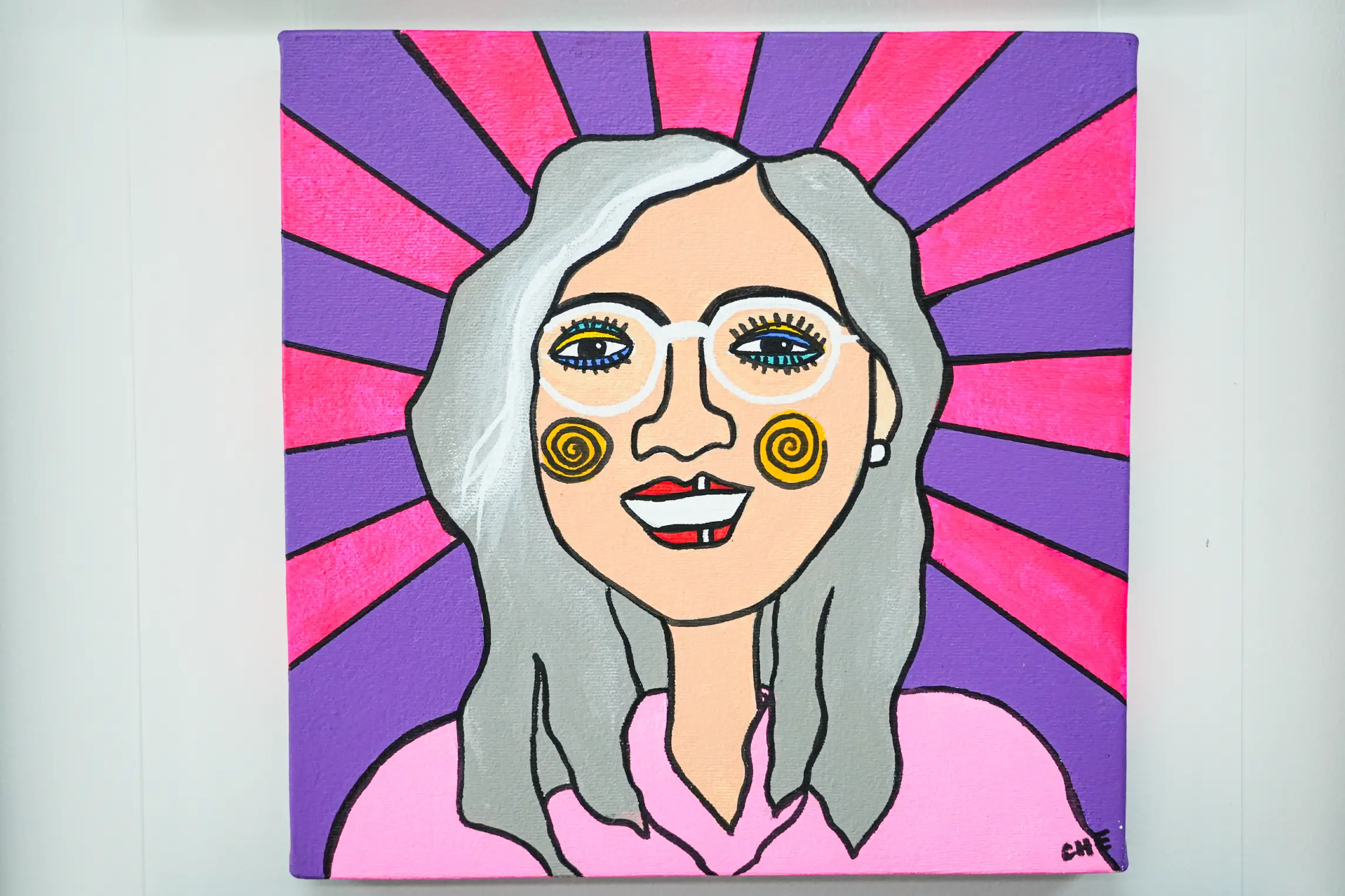
An Educational Experience: A Laboratory for Students
One of the most rewarding aspects of this exhibition was its role as an educational tool. Students from the Introduction to Exhibition Design course were given the opportunity to engage with my collection directly. They researched the origins of each piece, learning about its cultural significance and history.
Through this hands-on experience, they didn’t just learn how to curate; they learned the responsibility of curating. They discovered that to curate isn’t just to organize, it’s to tell a story, to preserve a culture, and to build a bridge between artists and their audiences.
The Value of Collecting: Preservation, Education, and Connection
Ultimately, this exhibition is about more than just art. It’s about preserving culture, fostering education, and creating connections. The act of collecting art isn’t just a personal pursuit. It’s an act of cultural stewardship: of preserving the stories, memories, and shared experiences that shape us.
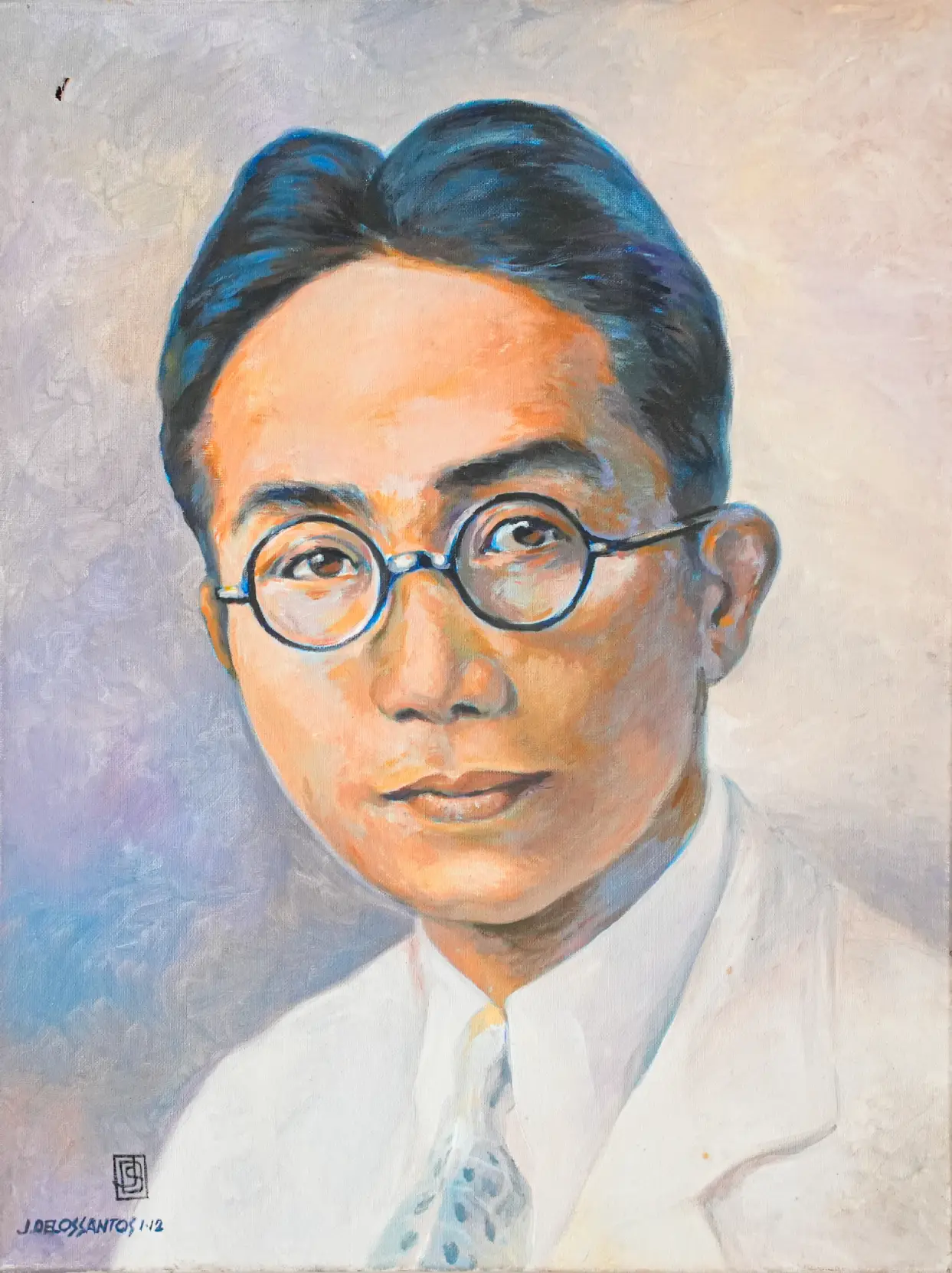
Art, when collected with intention and purpose, becomes a bridge across generations. It’s not about ownership, but about ensuring that these works continue to resonate, to inspire, and to connect us to our past, our present, and our future.
Art as a Living Legacy
As you walk through this exhibition, I hope you see the art not just as beautiful objects, but as living legacies. Each piece is a part of a larger story that connects us all. This exhibit isn’t just a collection of works; it’s a celebration of the deep connections between artists, mentors, and community.
My journey as a curator has been one of transformation—from an admirer of art to an advocate for it. But this is not just my journey. It’s a journey we can all share, one that calls us to deepen our relationship with art, to preserve its legacy, and to understand its power to unite, inspire, and educate.
Through this exhibition, I invite you to reflect not only on the significance of the art itself but on the relationships and histories embedded within each piece. Art, when cared for with purpose, transcends time. It’s a living, evolving part of who we are, and we all have a role in ensuring that its legacy endures.
Photographed by Jeremy Edera of UST Varsitarian.
Related reading: How to Install Historical Exhibits in Adaptively Reused Structures
Frequently Asked Questions
Provenance, or the history of a work of art’s ownership and origin, transforms a collection from a set of objects into a series of narratives. By researching provenance, a curator can uncover the relationships between artists, the historical context of a piece, and the personal struggles behind its creation. This deeper understanding allows for more intentional storytelling, shifting the focus from mere aesthetics to cultural stewardship and historical preservation.
The T House curator used thematic clustering rather than just grouping by medium or date, which helps visitors follow a conceptual journey. For example, she categorized works into sections like “Early Beato Gallery Days” to show artistic evolution or “Pioneer Faculty” to highlight academic influence. This technique creates a structured “laboratory” for viewers, allowing them to see how different styles, from realism to abstraction, share a common cultural thread or philosophy.
When art is presented as a meaningful exchange—inspired by the curator’s receipt of pieces from friends like Oliver Rabara—the gallery feels more intimate and less clinical. This approach emphasizes human connection and shared memories, making the “inner truths” of both the artist and the owner more accessible to the public. It shifts the atmosphere from one of passive observation to one of active participation in a living legacy.
A private collection serves as a primary source for students to practice the “responsibility of curating,” moving beyond theoretical lessons to hands-on research. In the Thomasian exhibition, students researched the origins and cultural significance of specific pieces to learn how to bridge the gap between an artist’s intent and an audience’s perception. This process teaches students that curation is not just organization, but the preservation of culture and the facilitation of dialogue.
Stewardship focuses on the long-term preservation and educational value of art rather than its status as a private financial asset. By sharing a collection publicly, a curator ensures that the artistic legacy—such as the unique “Thomasianness” of UST alumni—continues to inspire and unite future generations. This mindset protects the work’s “truth” and ensures that the threads of shared history remain part of the public consciousness rather than being locked away.

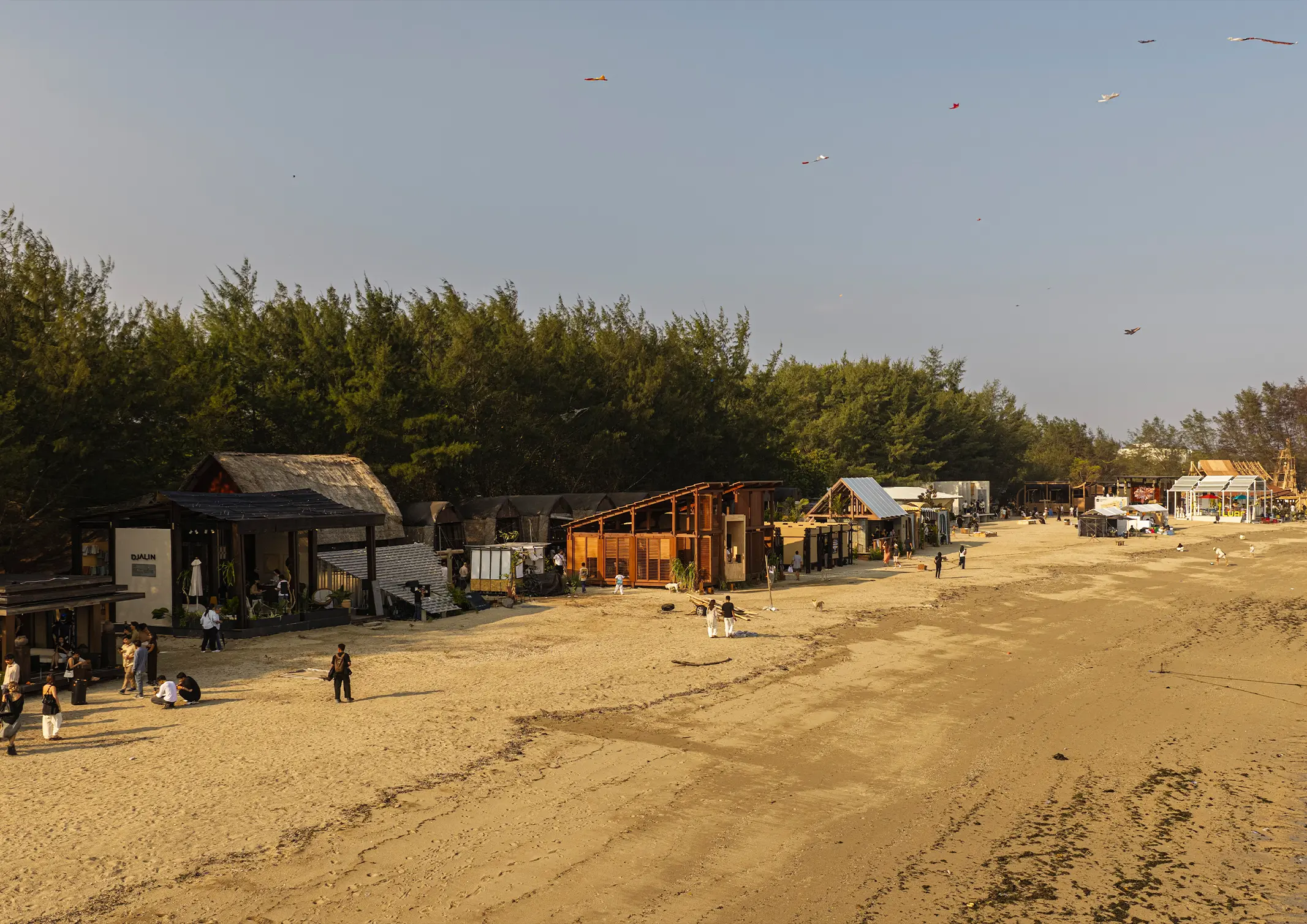
After being set amongst the ruins of an abandoned theme park in the past years, Jia CURATED found a home on the shores of Pengembak Beach, Bali for this year’s installment. It’s a unique location with multiple natural features like Sanur’s coastline, pine and mangrove forests, and a stream—making nature an important participant for how […]
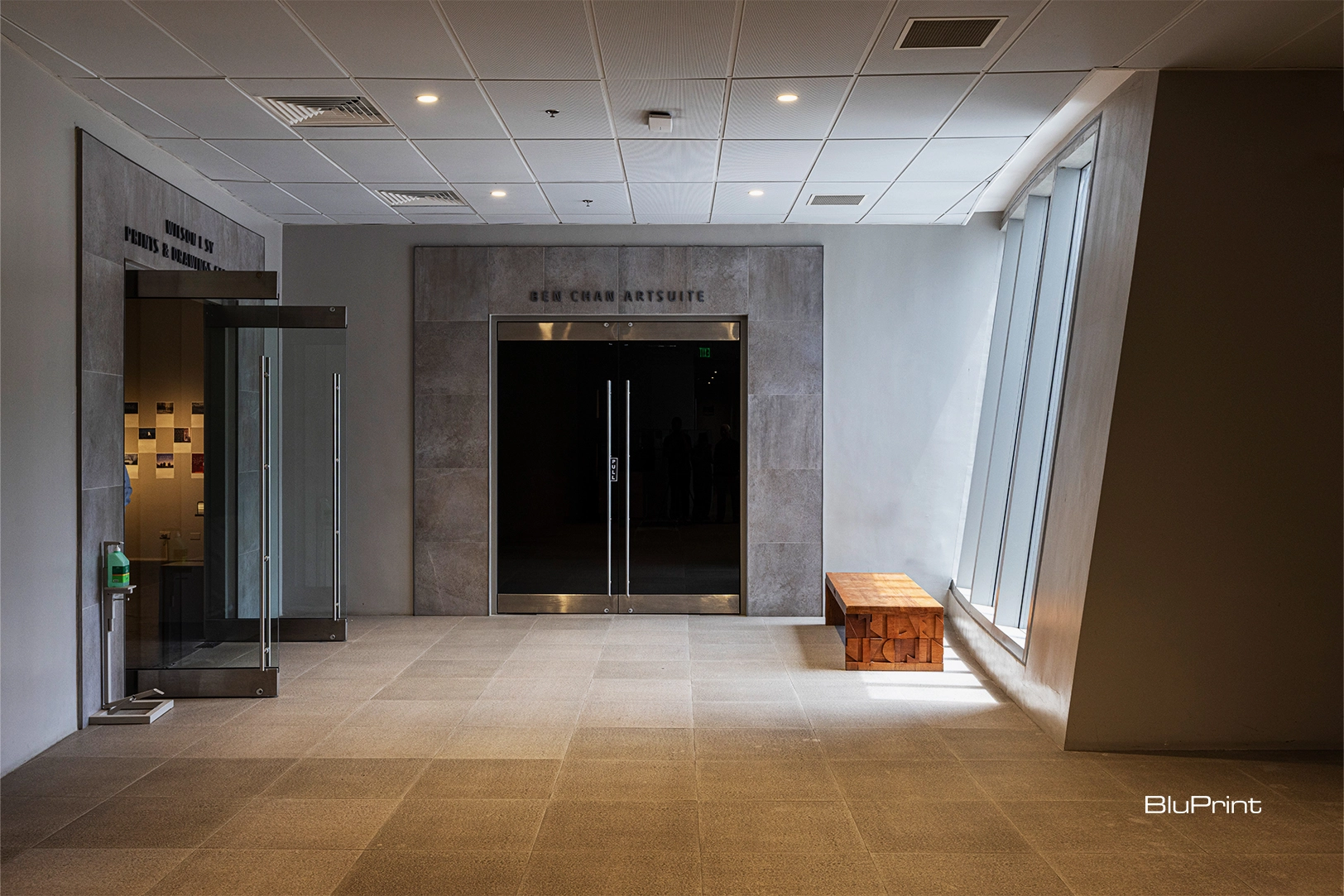
For 66 years, the Ateneo Art Gallery (AAG) has been at the forefront of preserving modern and contemporary Philippine art. Today, its home at Areté reflects an expanded mission: to extend beyond exhibitions to cultivating education and creative exchange. Building a Home for Contemporary Art The AAG was founded in 1960 after artist, collector, and […]
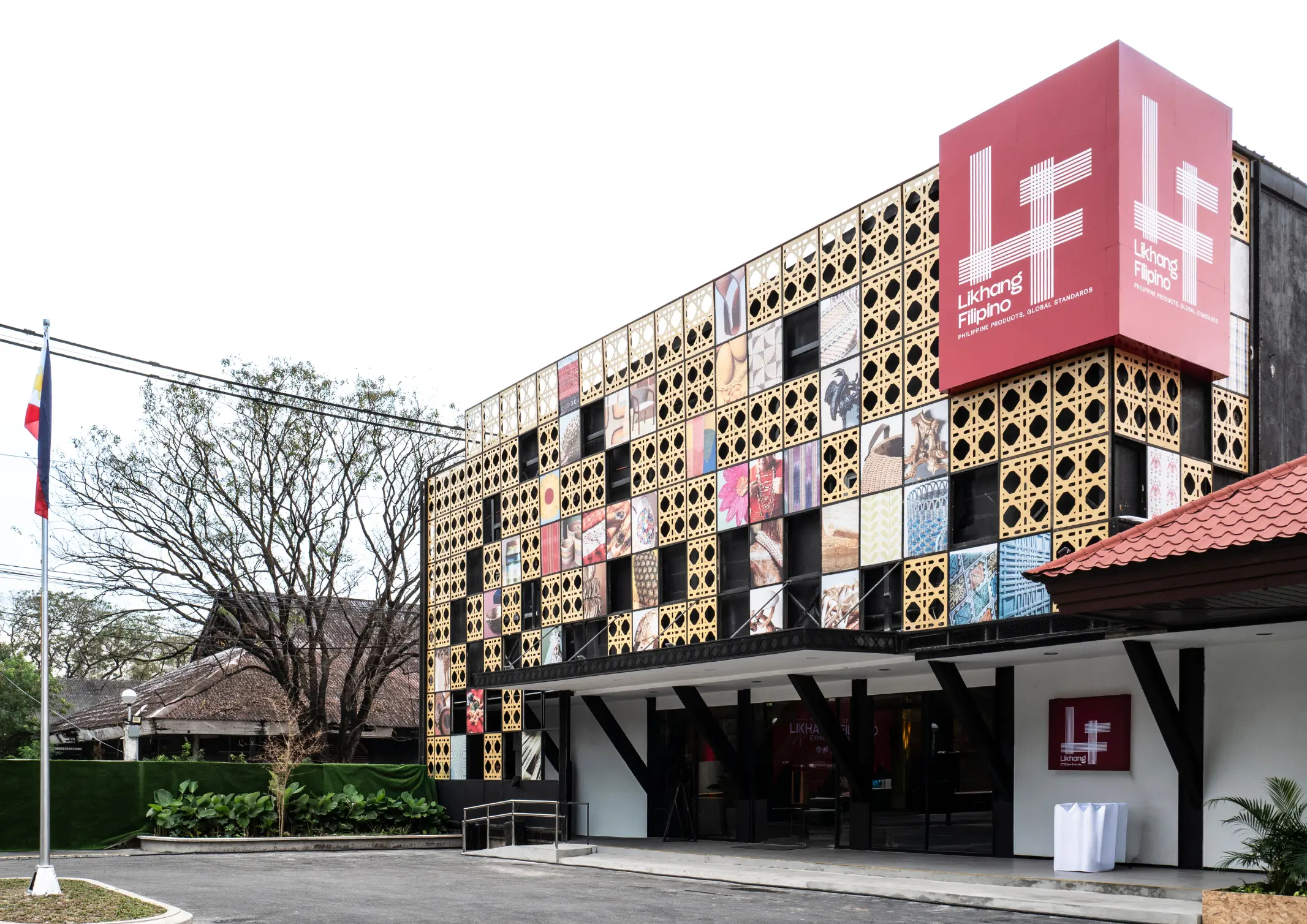
Likhang Filipino stands on the former site of the PhilTrade Center along Roxas Boulevard in Pasay City, a landmark that once symbolized the Philippines’ export ambitions and introduced Filipino craftsmanship to international audiences. Originally inaugurated in 1979, the PhilTrade Center was conceived as a national showcase for Philippine exports, with its longitudinal form and sloping […]
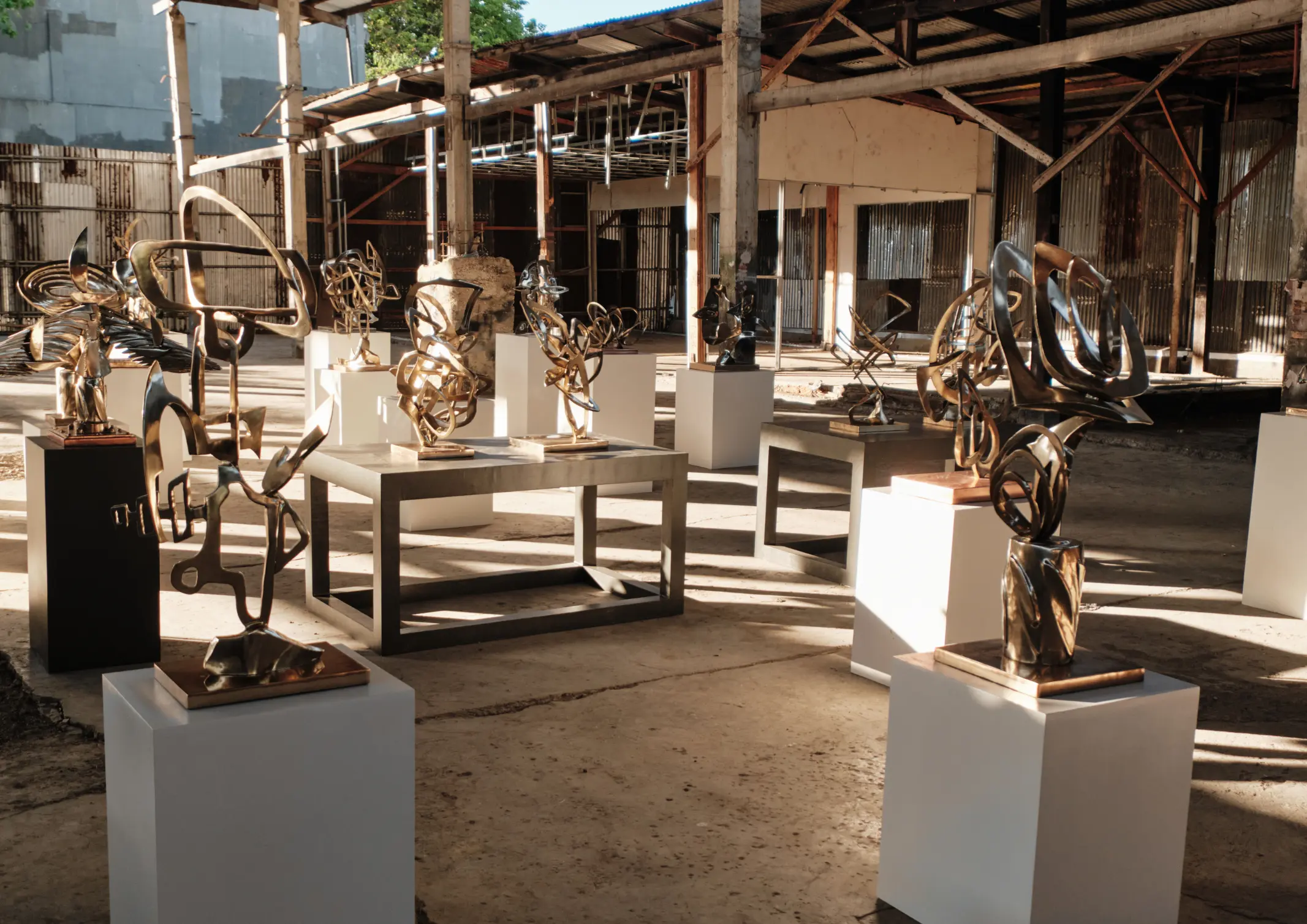
Pasulong by Anton V. Quisumbing explores loss, longing, and repair. Two years in the making, Quisumbing pieced together the remains of bronze propellers from boats damaged in the aftermath of Typhoon Odette in 2021. Curated by Miguel Rosales and designed by Caramel Creative Consultancy, the exhibition consists of twenty-nine compositions. The works suggest that moving […]
SoFA Design Institute has established itself as one of the Philippines’ leading centers for creative education. It is dedicated to equipping students with the skills, perspective, and confidence needed to succeed in design both locally and internationally. Last March 11, this vision was brought into sharper focus through the launch of SoFA’s academic partnership with […]
Read the issues.

Collect the volumes.

Recommended Video
Tap to Unmute
Unmute
0:00
0:00