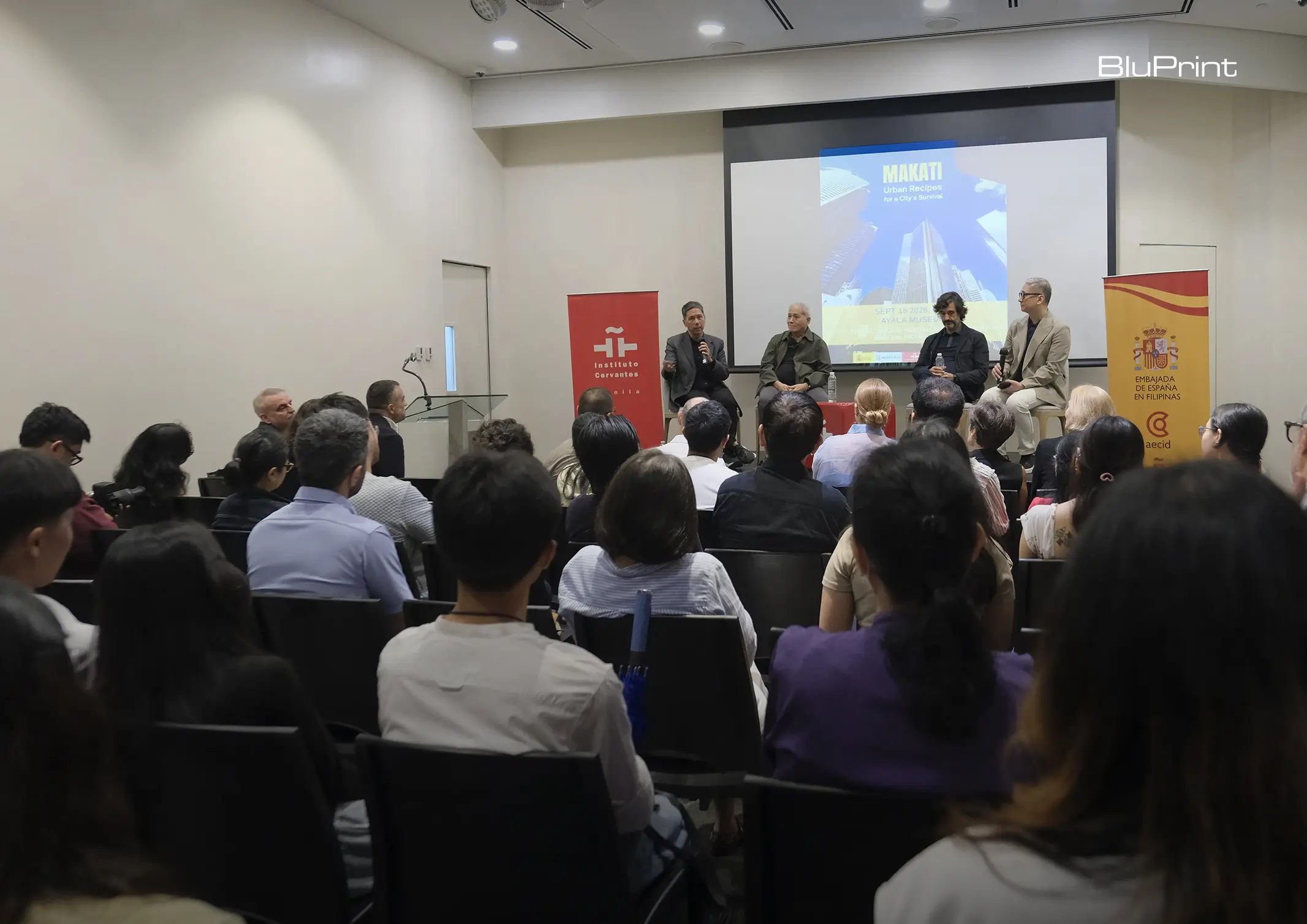
How can better-planned cities create the conditions for more creative, livable, and resilient urban environments? “Makati Urban Recipes for a City’s Survival,” a colloquium held at the Ayala Museum on September 15, brought together architects and practitioners from the fields of urbanism and the creative economy to discuss how design, planning, and collaboration can address […]
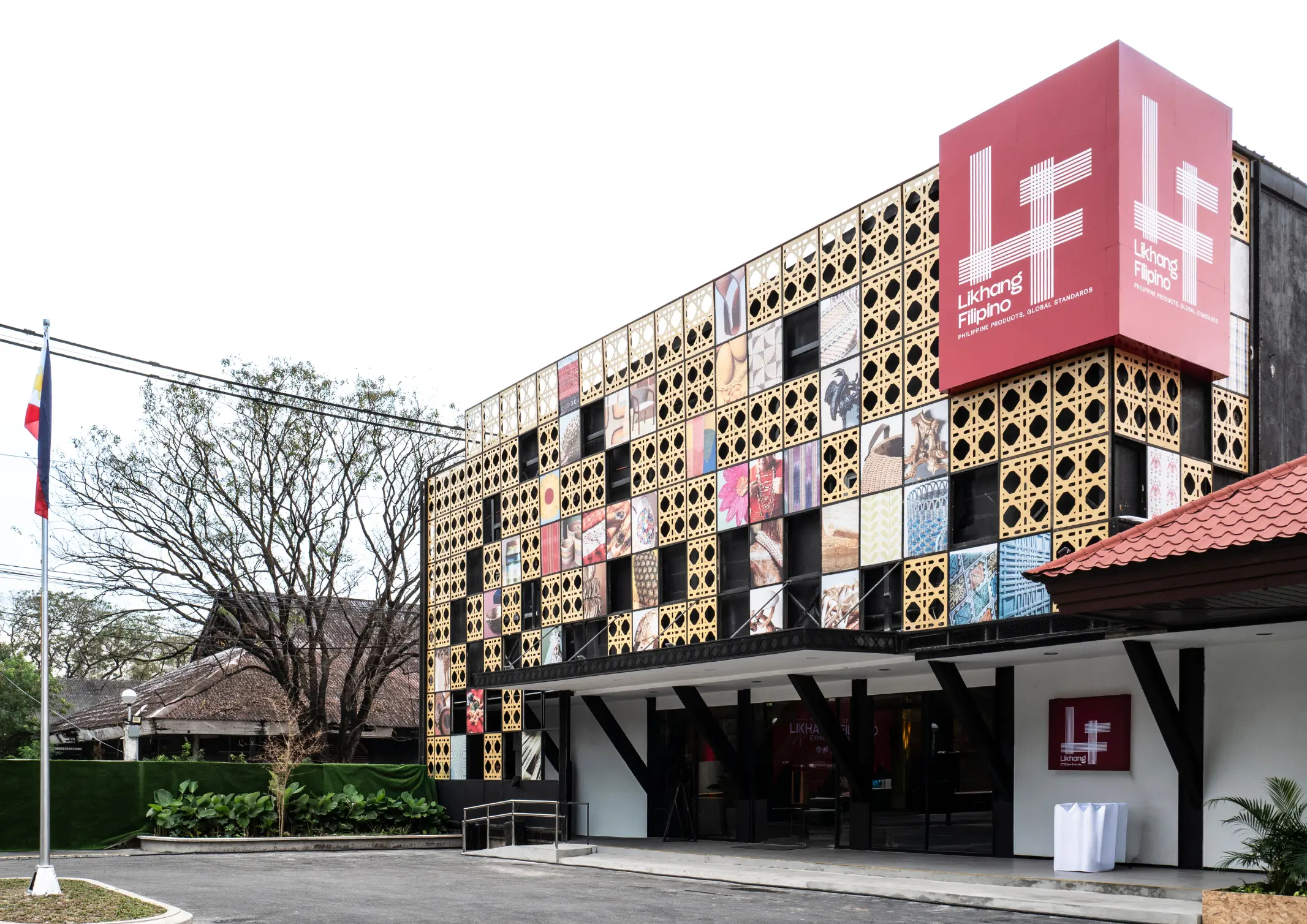
Likhang Filipino Exhibition Halls: A New Showcase for Filipino Creativity



Likhang Filipino stands on the former site of the PhilTrade Center along Roxas Boulevard in Pasay City, a landmark that once symbolized the Philippines’ export ambitions and introduced Filipino craftsmanship to international audiences. Originally inaugurated in 1979, the PhilTrade Center was conceived as a national showcase for Philippine exports, with its longitudinal form and sloping roofs drawing from the traditional bahay kuboBahay KuboThe traditional Filipino house built from bamboo, wood, and nipa palm. Raised on stilts for ventilation and flood protection, with a steep thatched roof to shed heavy rain, it isGo to Bahay Kubo Glossary.
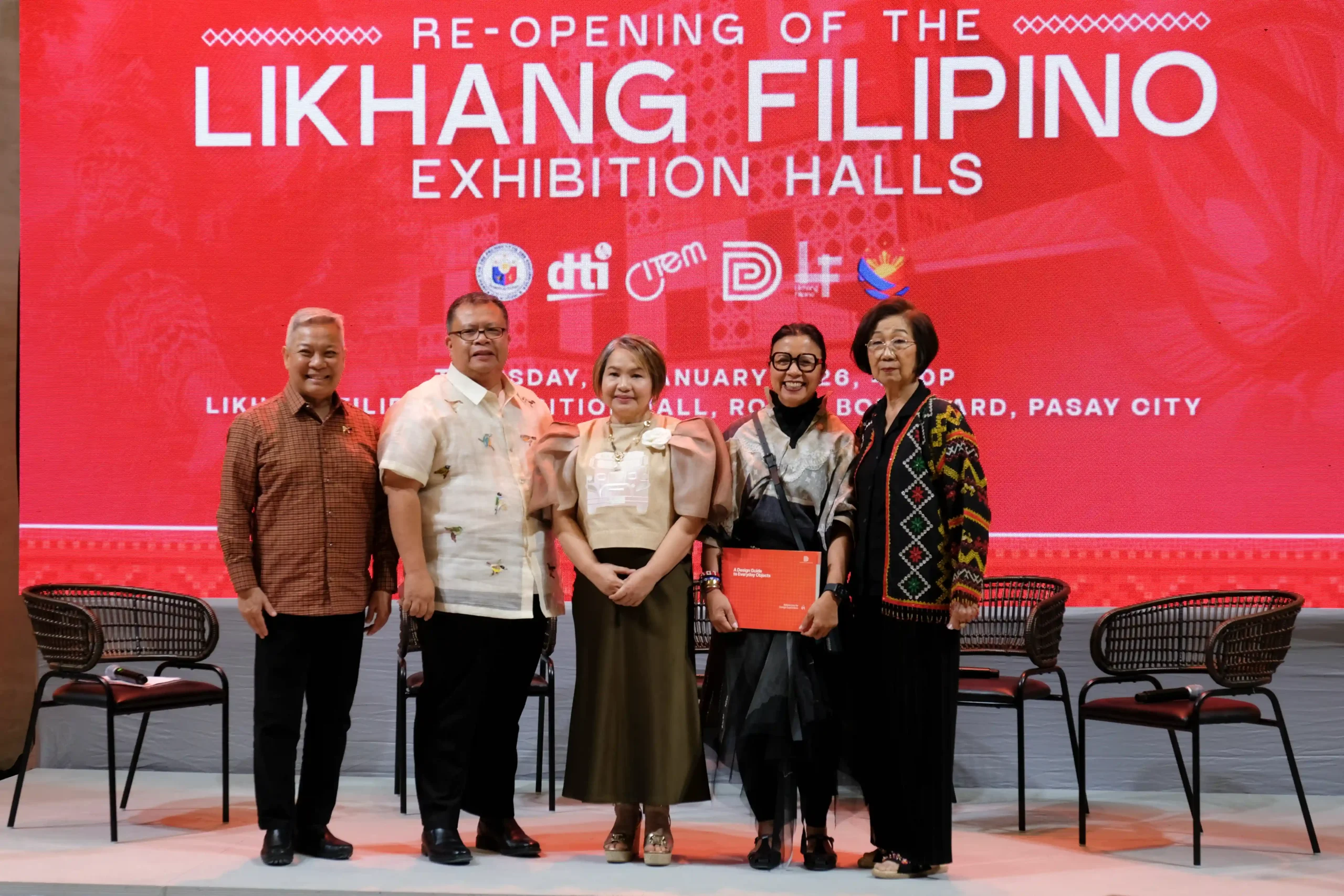
On January 15, 2026—coinciding with the Philippines’ chairship of the 2026 ASEAN summit—the site was reopened as the Likhang Filipino Exhibition Halls. It brought together more than 200 enterprises and over 2,000 locally made products under one roof.
Formalized through Executive Order No. 75, the initiative reactivates the landmark for a new generation, adapting its original mission to support today’s creative and export industries.
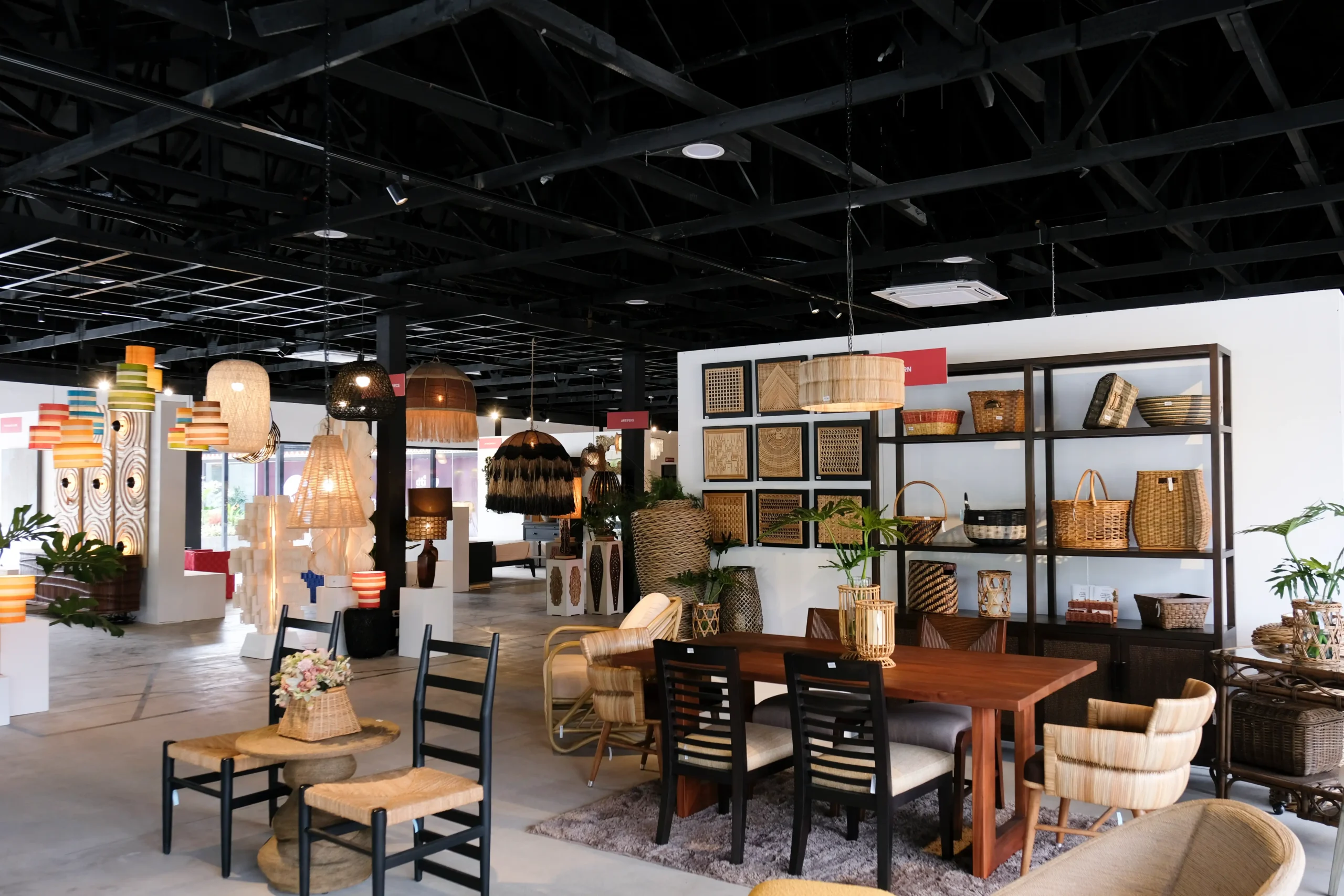
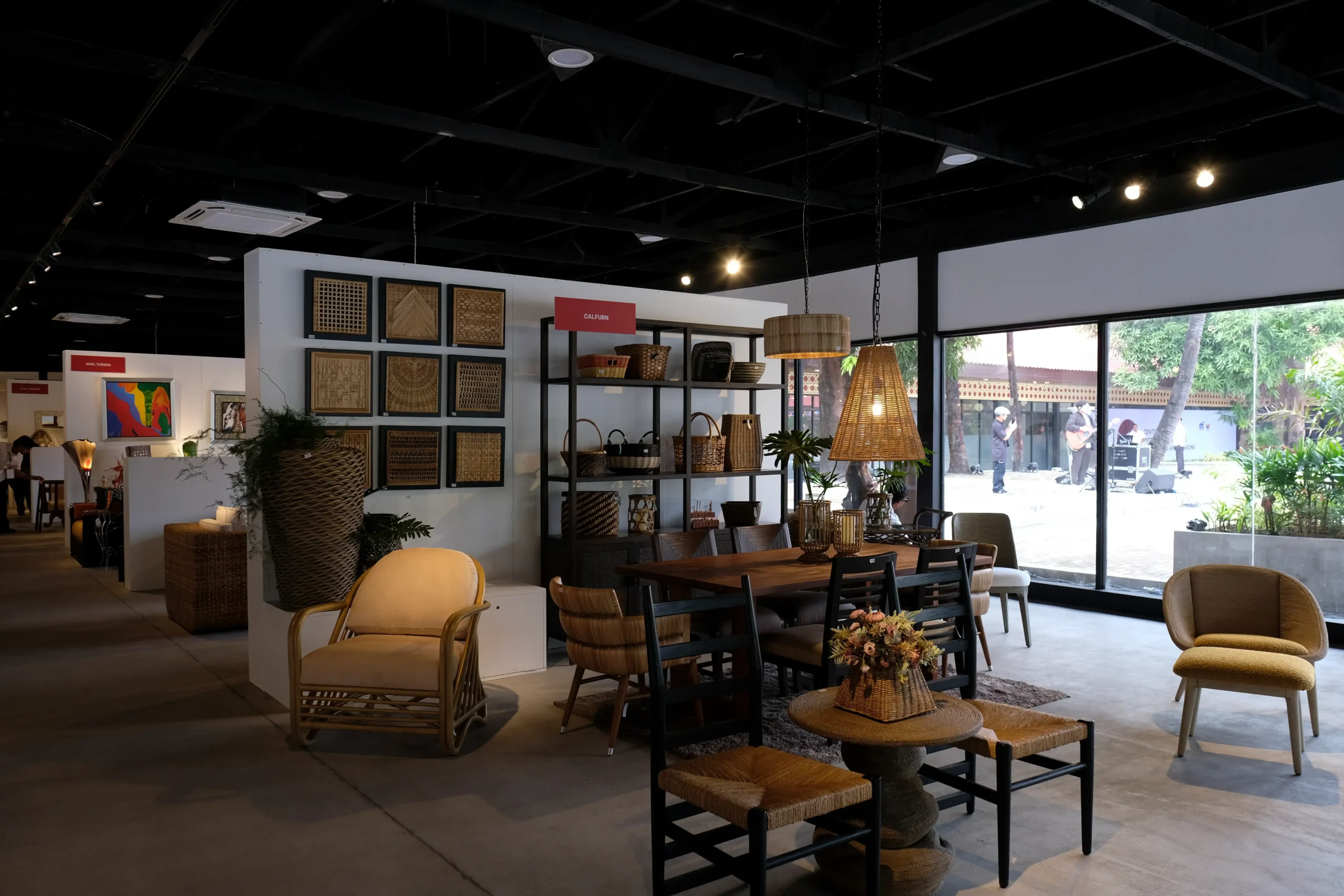
A Platform for Filipino Craft and Design
From handwoven textiles and intricate wood carvings to home décor pieces and artisanal food products, every item on display tells a story of heritage, skill, and innovation—offering visitors a deeper understanding of the country’s creative traditions while giving local producers a wider audience.
DTI Assistant Secretary Al Valenciano shares that Likhang Filipino encourages visitors to discover the stories behind each product while creating a platform for designers and artisans to express their craft.
“[Likhang Filipino] serves as a creative space where designers, artisans, students, researchers, and Filipino communities can engage in dialogue, exchange ideas, and collaborate in developing new approaches to Filipino design and forms.” he says.
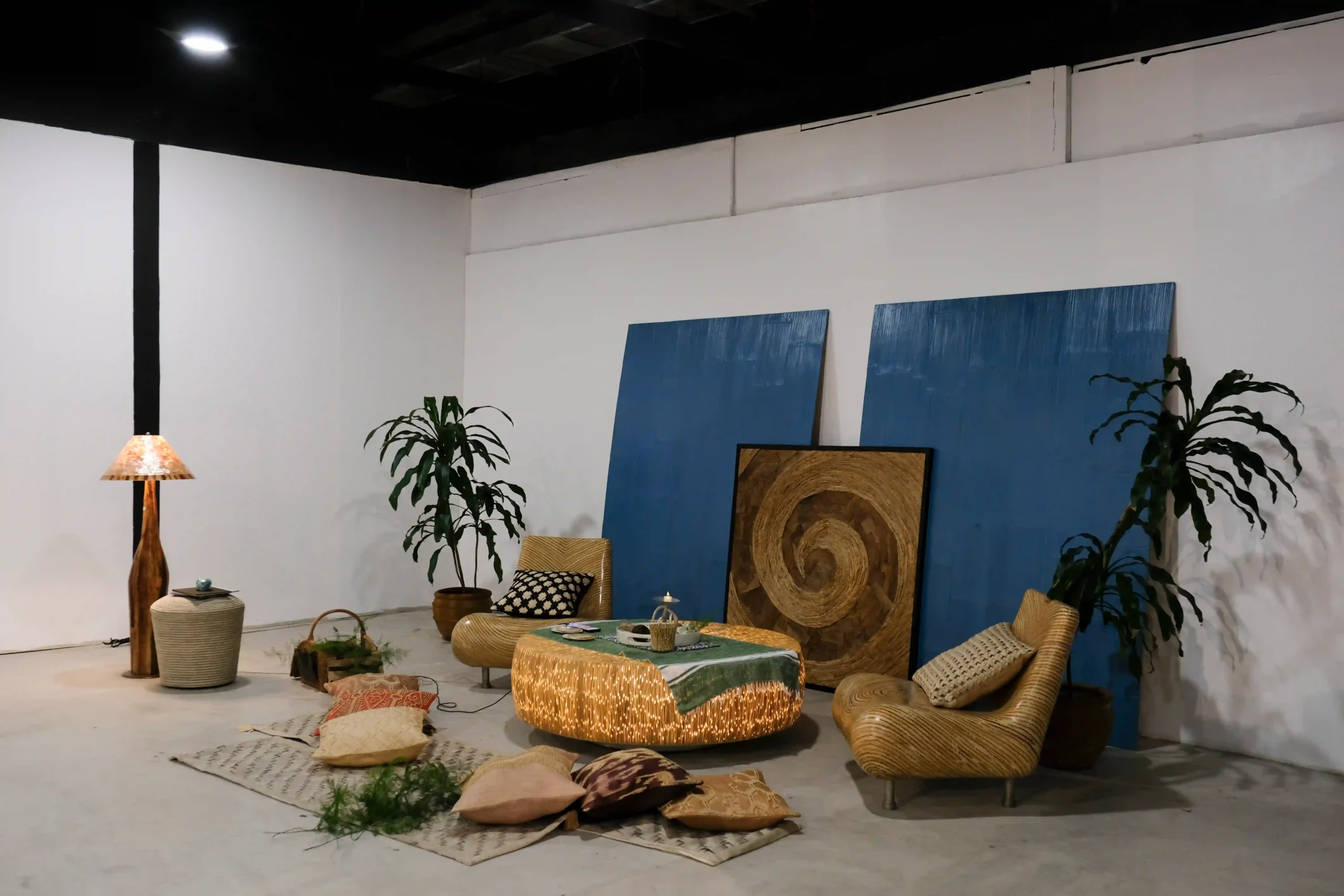
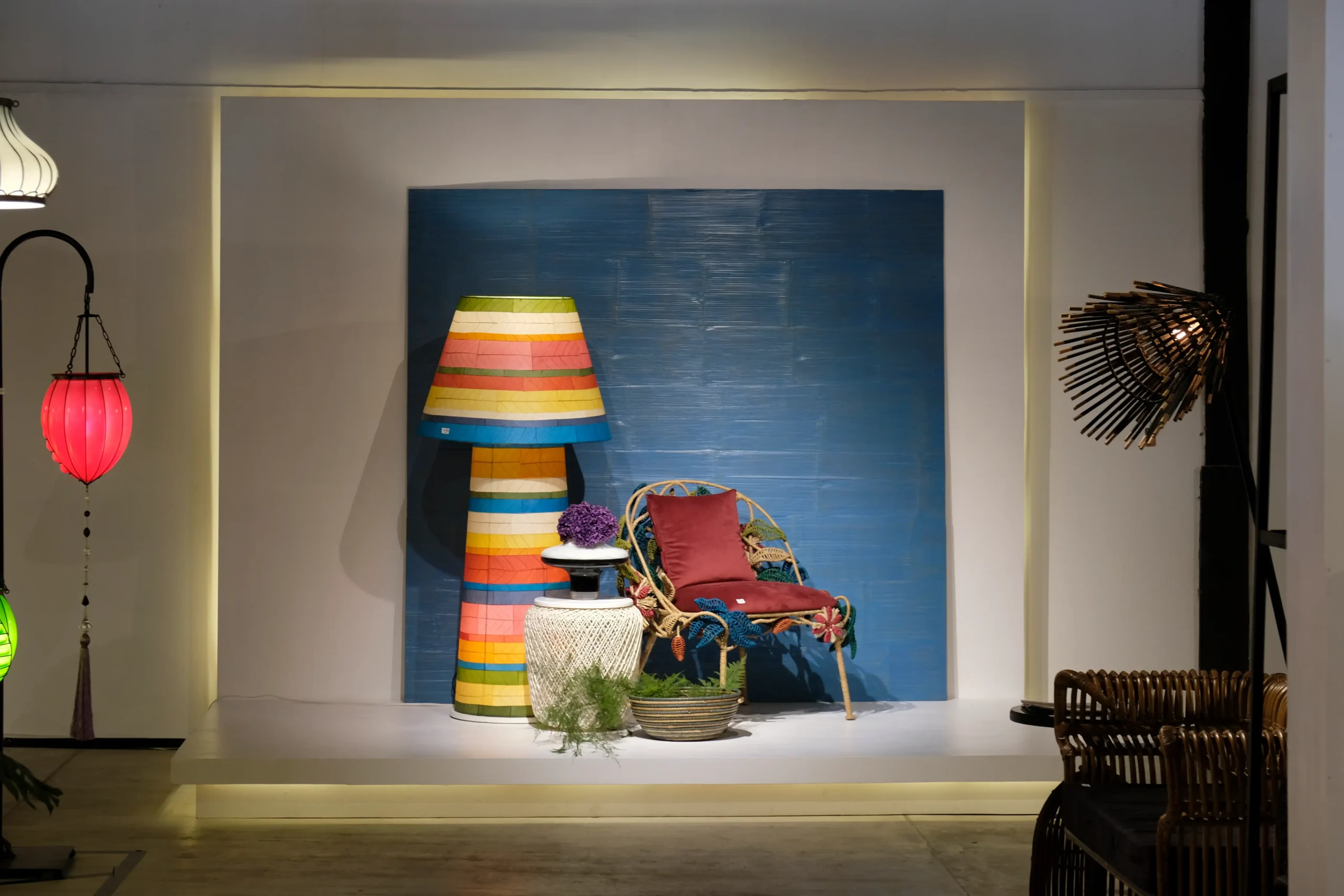
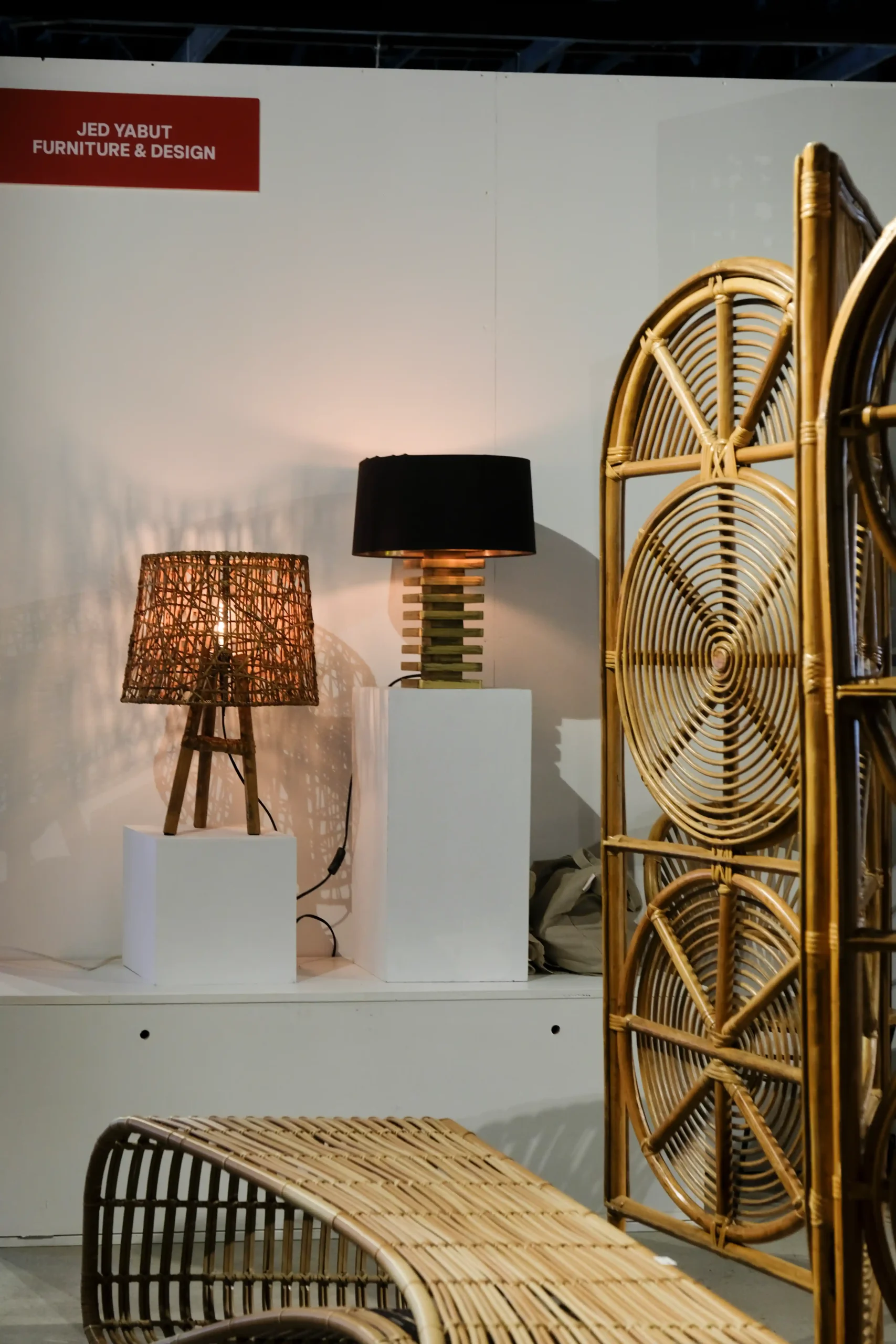
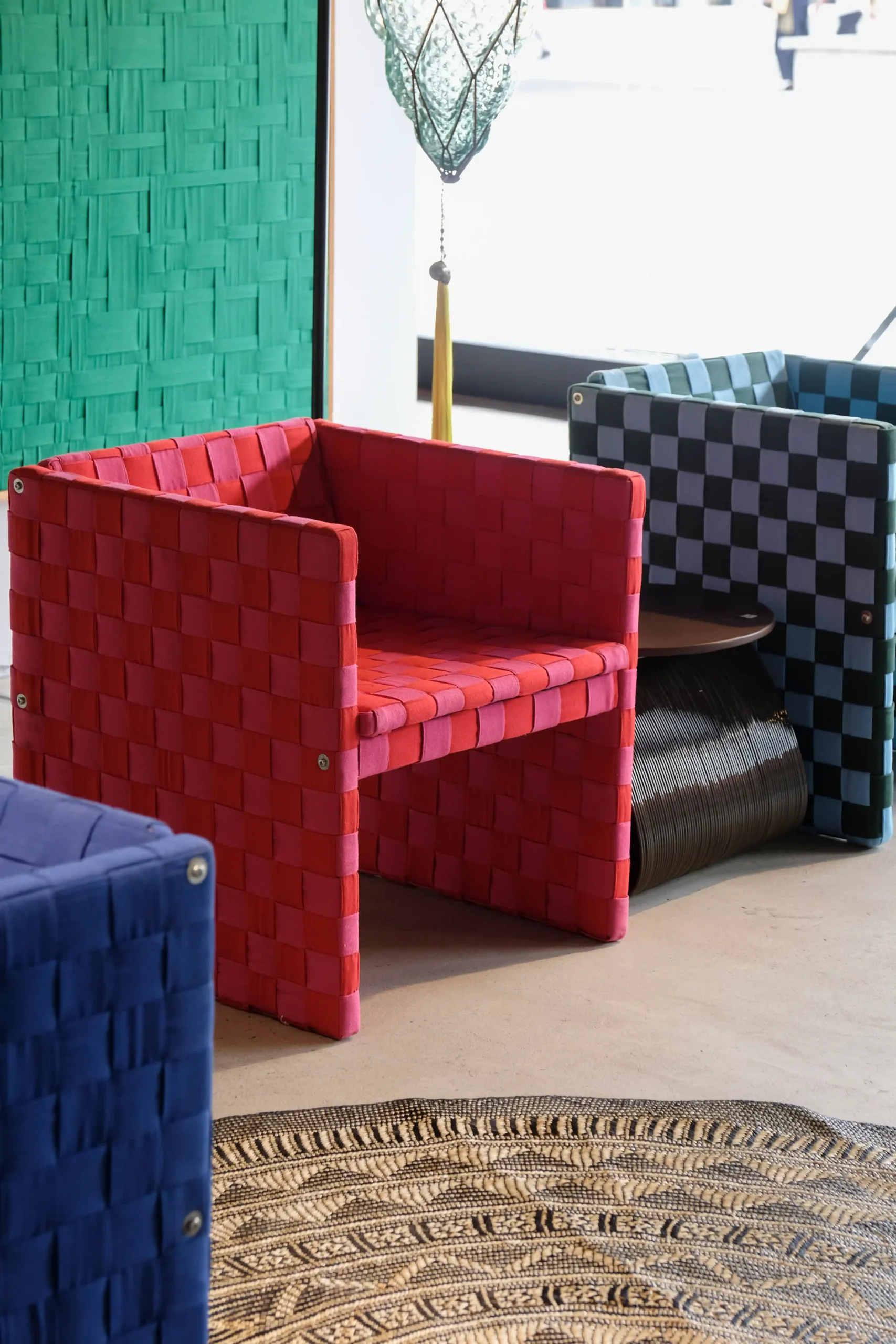
Visitors can explore six curated galleries, each highlighting a different aspect of Philippine creativity. The first, the Special Exhibits and Design Library, offers an immersive experience through its “Black Box,” tracing five decades of Philippine design evolution. Traditional Arts and Crafts, the second gallery, celebrates indigenous craftsmanship and traditional art forms. Fashion, Textile, and Accessories, the third, presents heritage traditions reimagined for contemporary audiences. The fourth gallery, Furniture and Lighting, showcases furnishings that blend local materials with contemporary aesthetics. Home Décor, Gifts, and Holiday Décor, the fifth, features pieces rooted in storytelling and everyday living. Finally, Food, Health, and Wellness, the sixth gallery, highlights Philippine tropical ingredients, artisanal food products, and holistic living, from artisanal chocolate and coffee to organic skincare products.
Beyond a Design Exhibit
More than an exhibition venue, Likhang Filipino serves as an enterprise development platform for Philippine micro, small, and medium enterprises (MSMEs), connecting businesses with mentorship, product development support, market linkages, and institutional assistance to help them scale locally and internationally.
Designed as a year-round showroom, it will also host trade fairs, industry events, and creative exchanges that encourage collaboration across the country’s creative and manufacturing sectors.
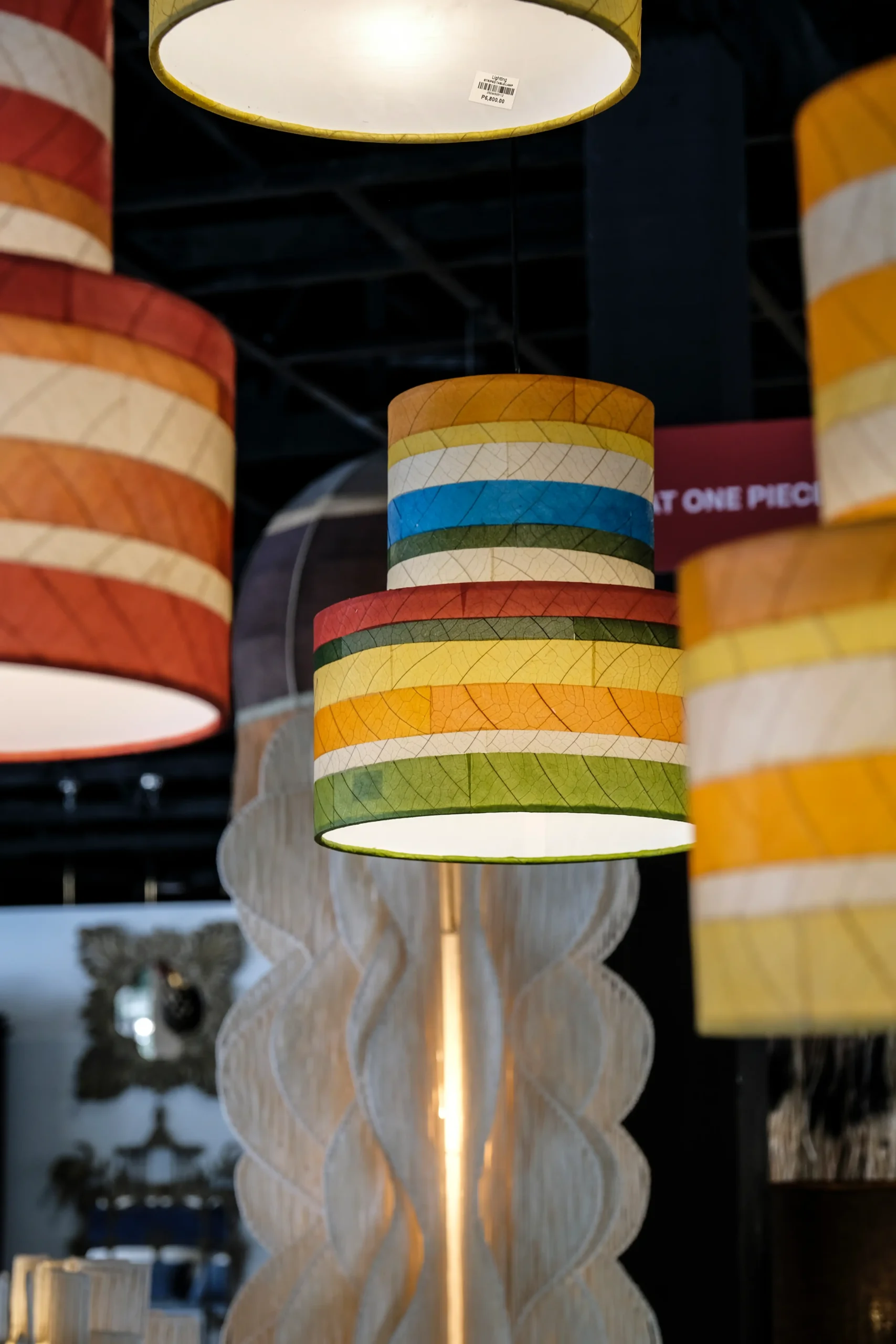
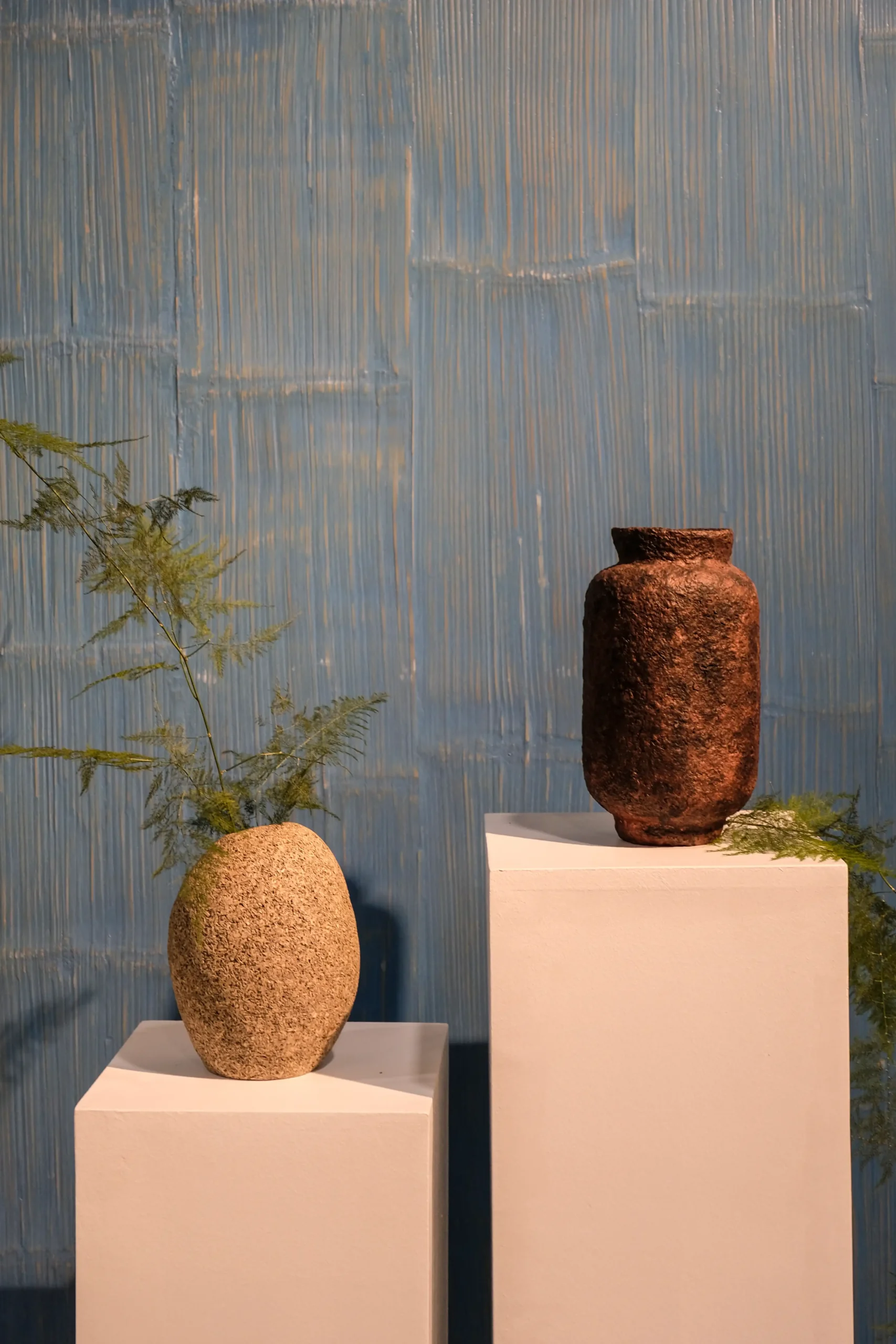
Valenciano also envisions Likhang Filipino becoming a venue for Filipino communities to explore local materials, techniques, and raise their appreciation for locally made products. “Instead of being a place where people only view finished products, it becomes a place where they can see the process behind design—the research, experimentation, collaboration, and refinement that happen before a product reaches the market,” he says.
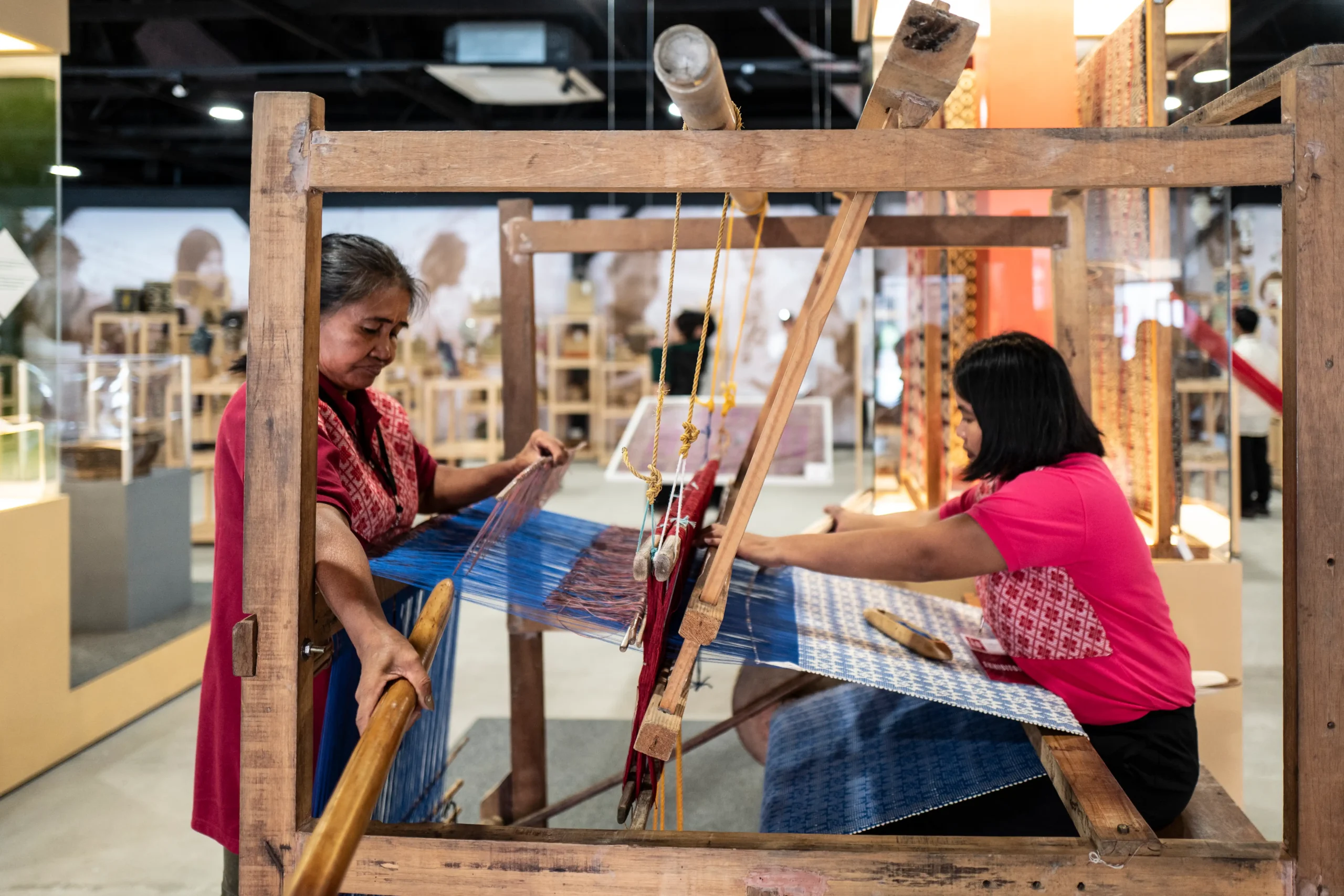
Valenciano adds: “Likhang Filipino goes beyond being a space for display and retail. It’s a place where creativity is actively practiced, where communities can access resources, exchange knowledge, experiment with materials, and improve their craft. The goal is not to freeze Filipino design in time, but to create the conditions for it to keep developing.”
Photographed by Ed Simon and co-authored by Caryll Ong.
Frequently Asked Questions
The exhibition halls represent a rebirth of the PhilTrade Center, originally inaugurated in 1979 as the country’s premier export showcase. The original structure was famous for being completed in just 12 days using prefabricated components and featured a vernacular design language inspired by the bahay kubo. The 2026 restoration, championed by First Lady Liza Araneta-Marcos, fulfills Executive Order No. 75, which aims to revitalize the country’s export promotion and position the Philippines as a premier global sourcing destination.
The 8,000-square-meter space is divided into specialized sectors to provide a streamlined one-stop shop experience for buyers and visitors. Gallery 1 houses special exhibits and a design library, while Gallery 2 is dedicated to traditional arts and crafts. Gallery 3 focuses on fashion, textiles, and accessories, followed by Gallery 4 for furniture and lighting. Gallery 5 features home decor, gifts, and holiday items, and Gallery 6 rounds out the experience with food, health, and wellness products.
The project involved a “who’s who” of Philippine design to ensure a world-class aesthetic across the vast complex. Tony Gonzales transformed Gallery 1 using natural materials and handwoven fabrics, while Ito Kish applied an editorial resort-living approach to the furniture and home decor galleries. Al Caronan of the influential Movement 8 collective reimagined the traditional Filipino tablescape in the food and wellness gallery, and the Design Center of the Philippines curated the fashion gallery using a unifying theme of 71 handcrafted saranggola (kites).
Gallery 1 features a special inaugural exhibit centered on Arturo Luz, the founding director of the Design Center of the Philippines. The exhibit showcases innovative art chair pieces inspired by Luz’s “New Buri” designs. This serves a technical purpose by tracing 50 years of Philippine design evolution, demonstrating how traditional materials like buri palm can be elevated into high-end, experimental furniture that functions as both an artifact and a modern provocation.
Likhang Filipino is designed for both physical and digital accessibility, serving as a permanent address for over 2,000 products from nearly 200 enterprises. The halls are open to the public for free from Tuesday to Sunday, 10:00 AM to 7:00 PM. While it currently functions as a physical sourcing destination for tourists and ASEAN delegations, CITEM is developing a dedicated e-commerce website to allow these heritage-rich brands to reach the global market through online orders.
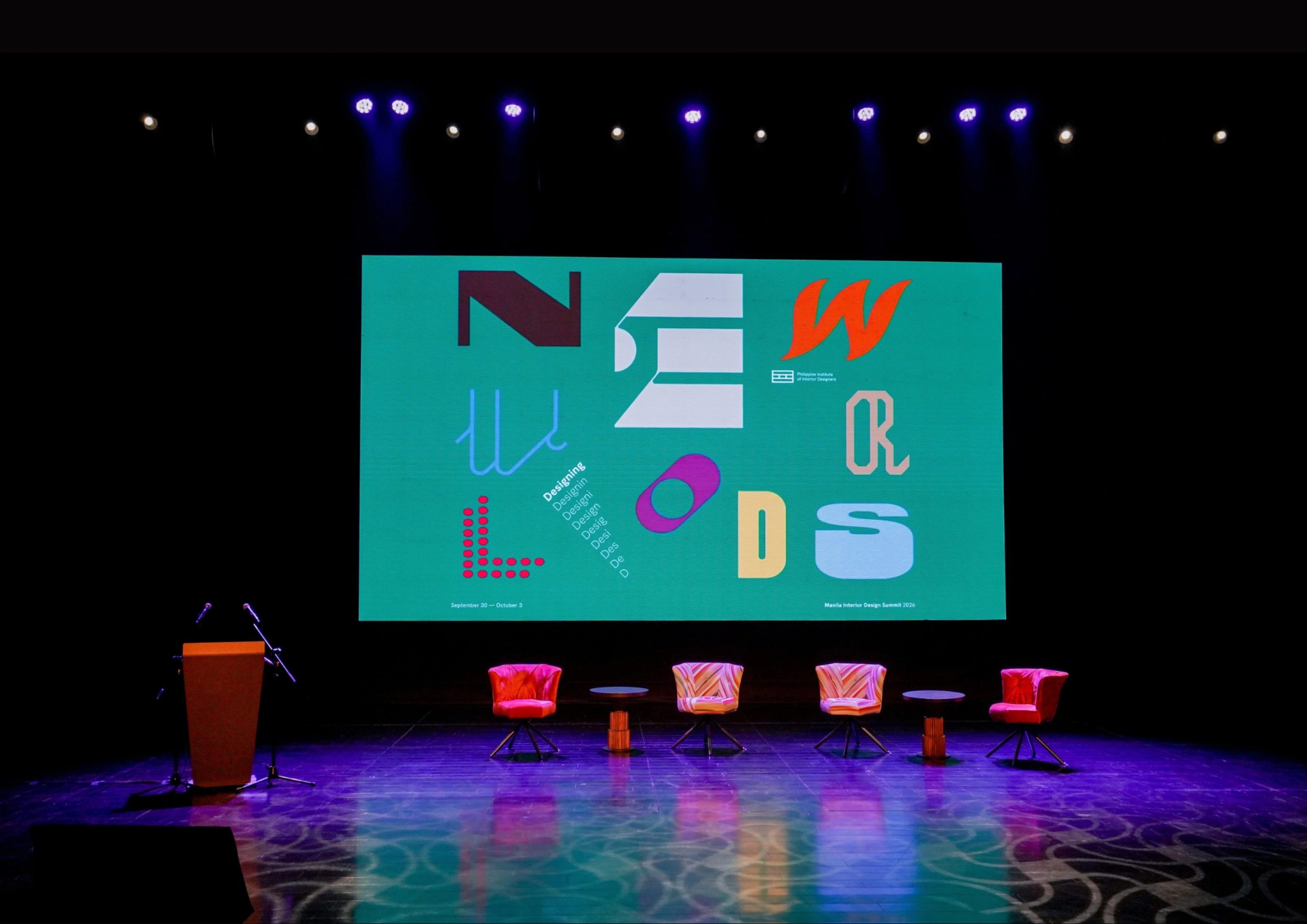
The fourth Manila Interior DesignInterior DesignThe discipline of planning and shaping interior spaces for function, comfort, safety, and beauty. It covers layout, lighting, materials, finishes, furniture, and color, and in the Philippines is a licensedGo to Interior Design Glossary Summit (MIDS) brought together more than 300 delegates for four days of conversations, exhibitions, and design […]
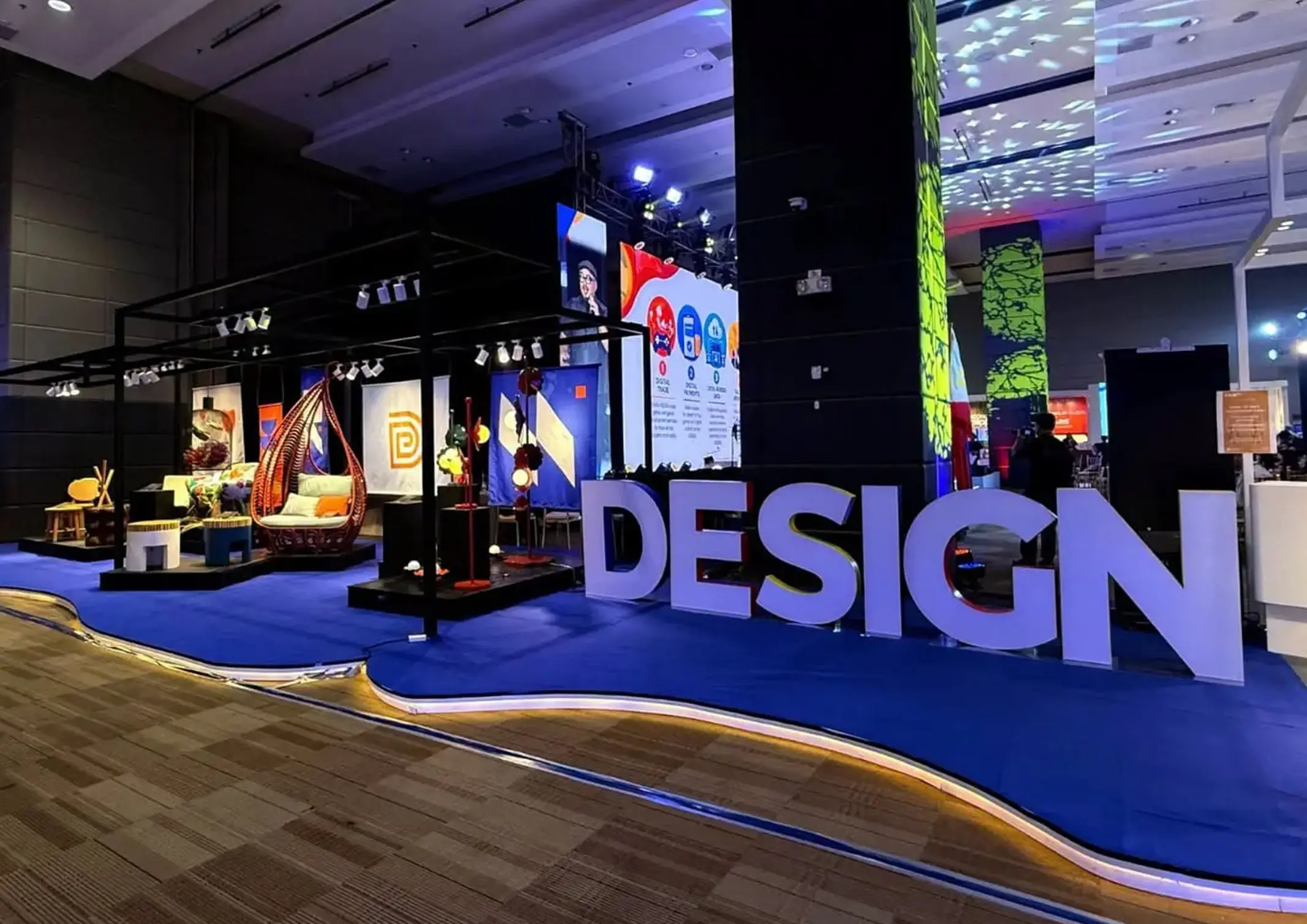
Held at the SMX Convention Center Aura in Taguig City, the first ASEAN Creative Industries Expo by Malikhaing Pinoy (ASEAN MPEx) features nine creative domains, including design, visual arts, digital interactive media, and performing arts. Organized by the Department of Trade and Industry (DTI), the event includes exhibitions, cultural performances, industry talks, and pitching sessions […]
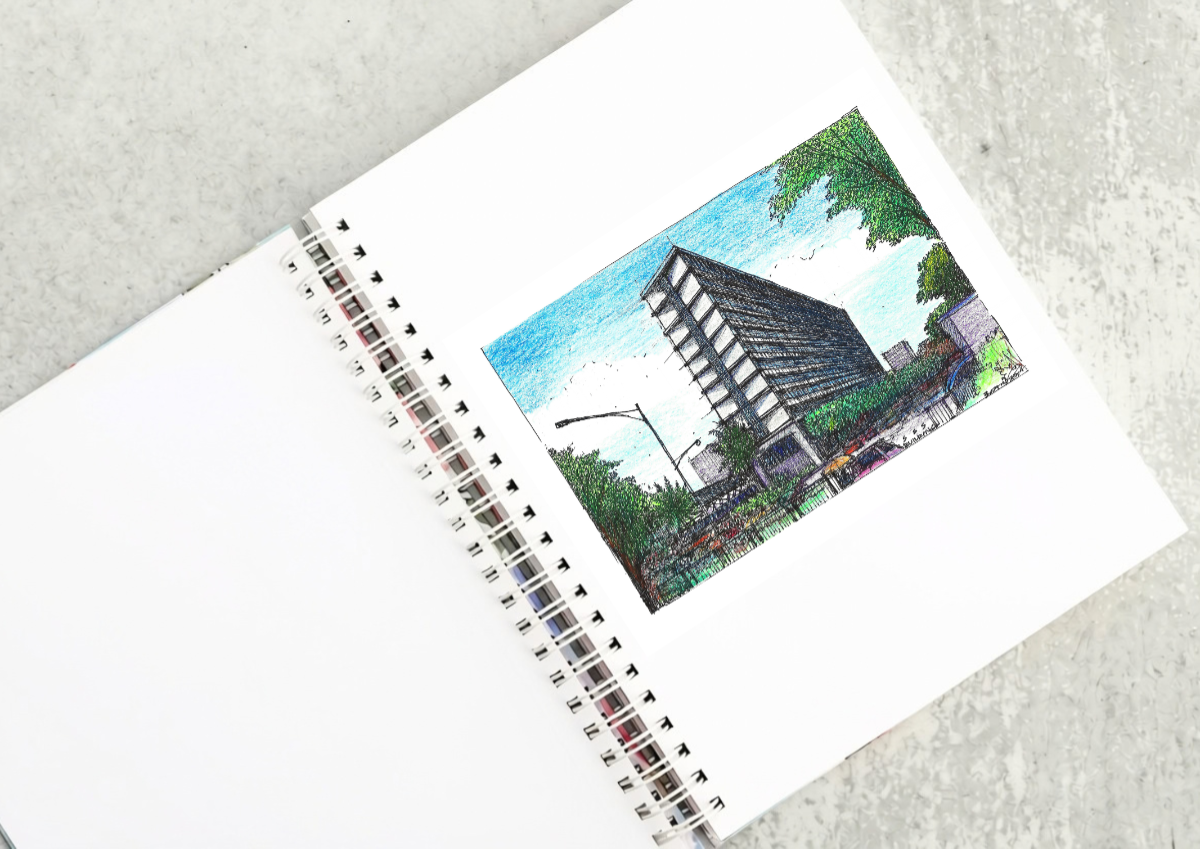
The SSS Building as an Expression of Civic Modernism My favorite modernist landmark in Quezon City is the SSS building on East Avenue. Designed by National Artist for ArchitectureArchitectureThe art and science of designing and constructing buildings, structures, and spaces that are functional, safe, and aesthetically pleasing. It encompasses the planning, design, materials, and techniques […]

Archie G. Carrasco, Chairman and CEO of AGC Power Holdings Corp. (AGC PHC), has been named to The BoF 500 Class of 2026 under the Media category, joining The Business of Fashion’s global community of individuals shaping the fashion industry. Carrasco is among 100 new members from 33 countries and 48 nationalities selected for the […]
Read the issues.

Collect the volumes.

Recommended Video
Tap to Unmute
Unmute
0:00
0:00