Culture is not just a motif incorporated into architectureArchitectureThe art and science of designing and constructing buildings, structures, and spaces that are functional, safe, and aesthetically pleasing. It encompasses the planning, design, materials, and techniques used to createGo to Architecture Glossary and interior design. It is shaped by people, places, and shared experiences. On the […]
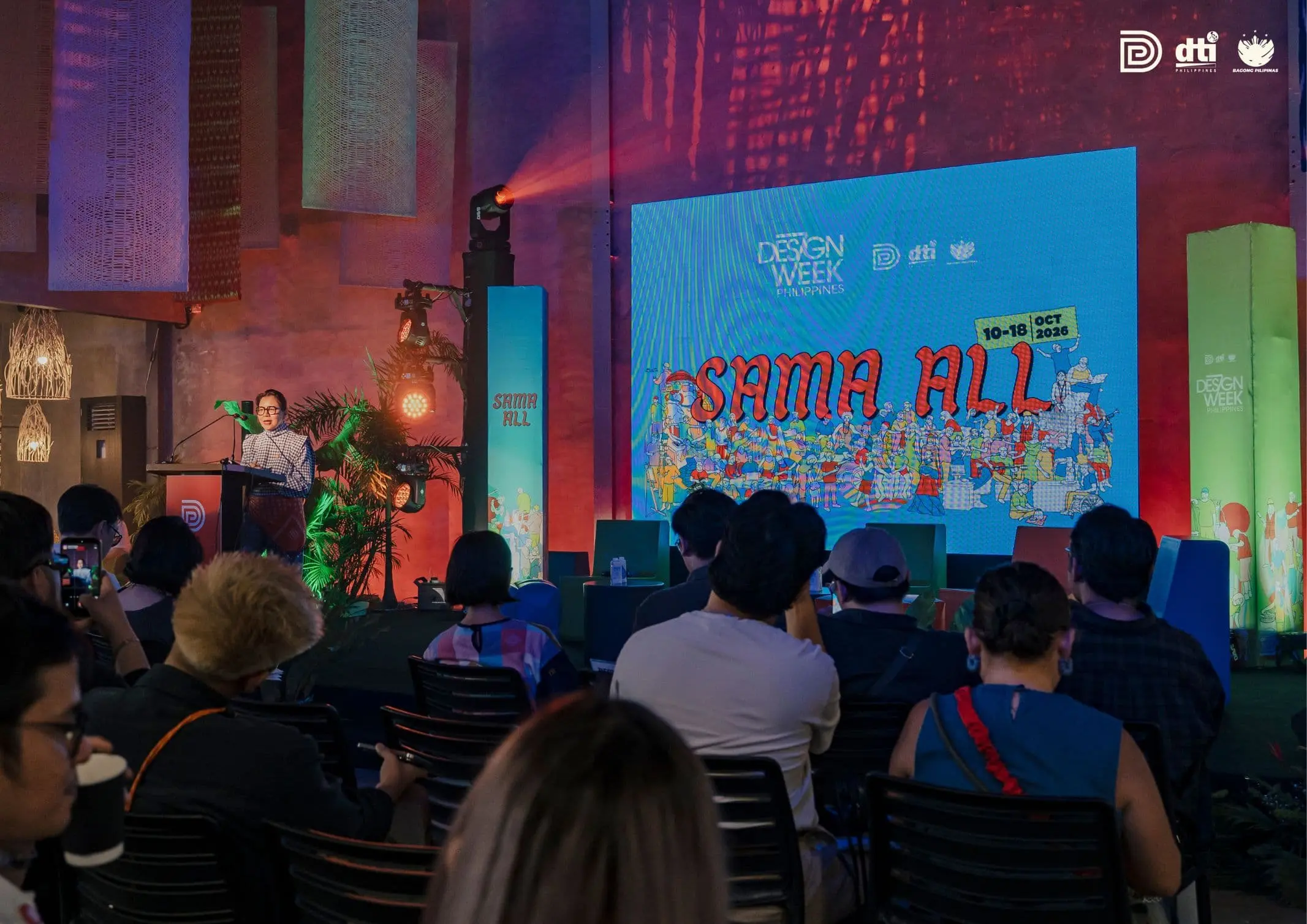
Design Week Philippines 2026 Brings Filipino Creatives Together Through “Sama All”


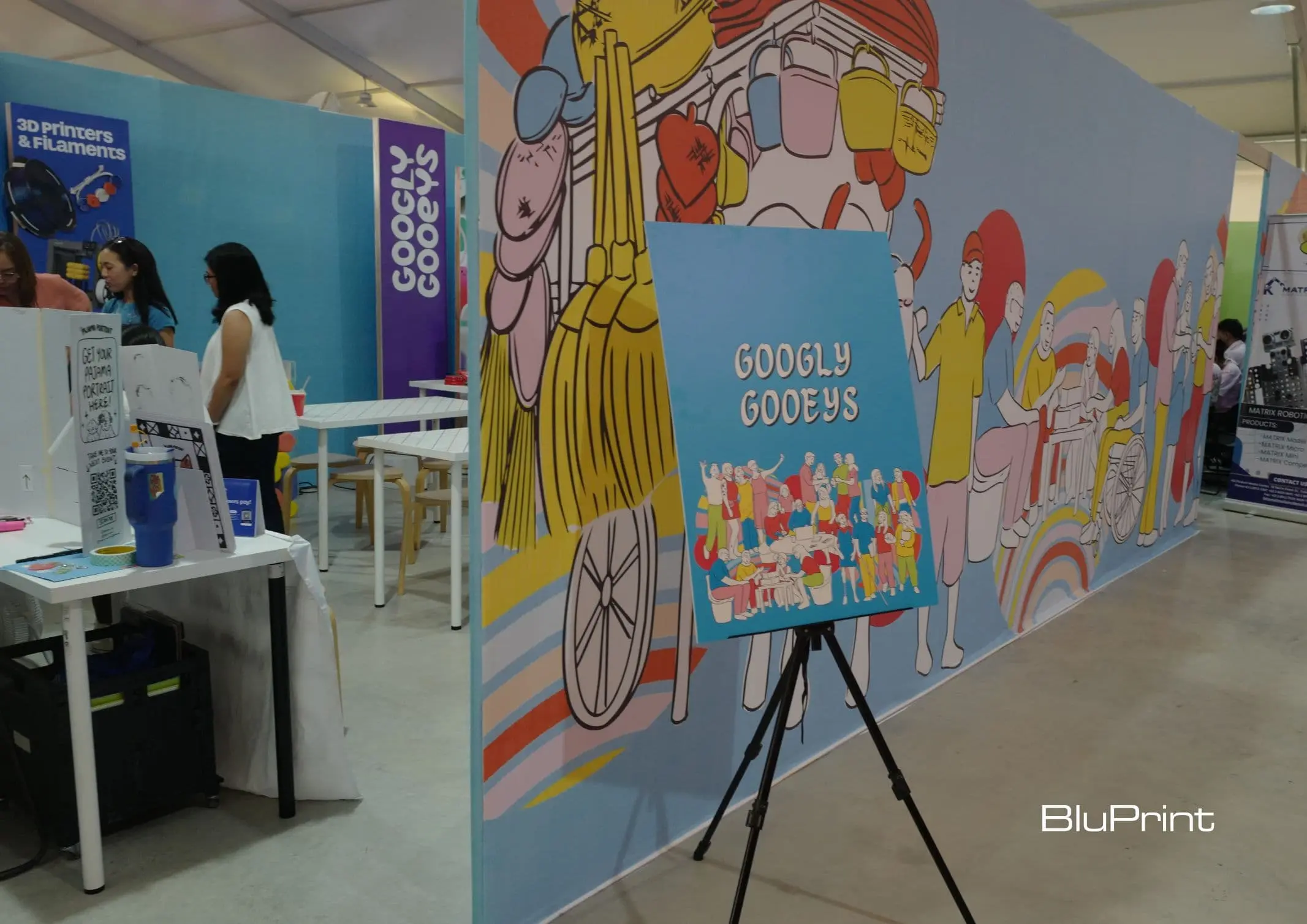
Design Week Philippines 2026 marked its 15th year with “Sama All,” a theme that invited designers, industry leaders, and communities to come together in shaping the future of Filipino design. Organized by the Design Center of the Philippines (DCP), the festival opened with festivities on October 10, followed by the design fair and exhibitions from October 15 to 18 at the Likhang Filipino Exhibition Halls in Pasay City, alongside partner-led activities in different parts of the country.
Beyond presenting finished objects, the festival created opportunities for people to understand the thought, process, and experiences behind design. Through exhibitions, workshops, talks, tours, and other activities, it provided a setting where creatives from different disciplines and regions could share their work, exchange ideas, and connect with wider audiences.
Related Reading: Likhang Filipino Exhibition Halls: A New Showcase for Filipino Creativity
Where Everyone is Invited to Participate in Design
Inspired by the familiar Filipino expression “sana all,” the theme “Sama All” turned the sentiment of wishing for something better into an invitation to take part in creating it. It reflected DCP’s aim to make design more accessible and inclusive, bringing together people who shaped the industry and those who wanted to understand it better.
For Rhea Matute, executive director of DCP, the theme emphasized the importance of collective participation in addressing shared challenges and opportunities. Rather than just imagining better futures, the festival encouraged people from different disciplines, communities, and sectors to contribute their ideas and creativity.
Matute also described Design Week as a way for people to appreciate the thought behind the objects around them. By presenting design in a more direct and experiential way, the festival allowed audiences to see how these things came to be and understand the vision behind its creation.
Candy Reyes-Alipio, creative director of Vivita Philippines and organizer of Design Week Baguio, similarly highlighted the importance of bringing more people into the design process. For her, designing together meant thinking beyond individual interests and creating experiences that considered a wider range of people.
The theme also reflected the ingenuity of Filipino designers and makers, whose work emerged from different local contexts, traditions, and resources. By bringing together regional creatives and organizations, Design Week demonstrated how these distinct perspectives contributed to a broader design community.
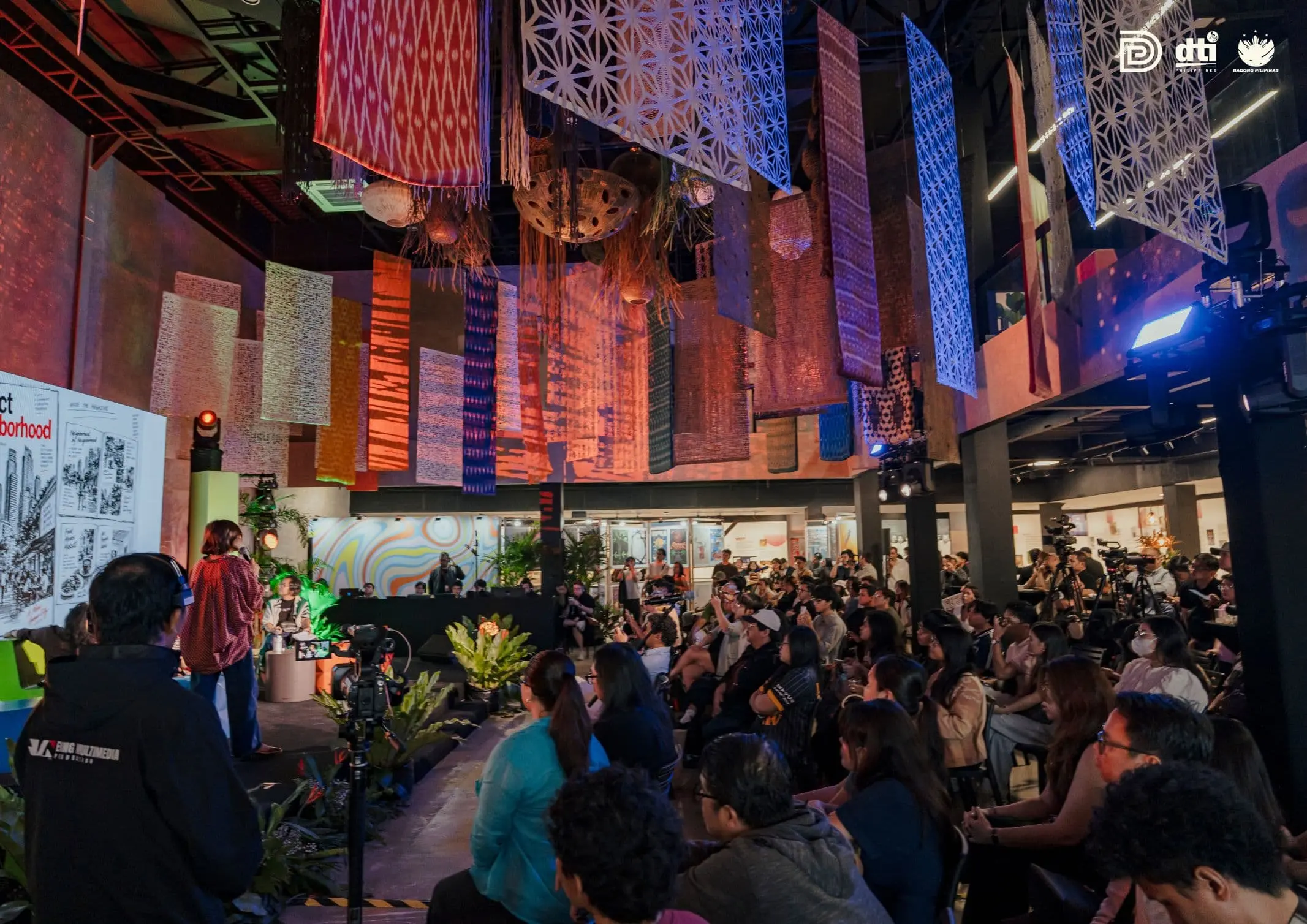
A Nationwide Platform for Regional Design and Collaboration
One of the festival’s defining features was its reach beyond a single exhibition venue. Its network of partners included Metro Manila, Cavite, Palawan, Cagayan de Oro, Baguio, Davao, and other locations, each contributing programs shaped by their respective communities and creative practices.
In Baguio, activities included thematic walking tours, a collaboration with students exploring the city’s ukay-ukay culture, and programs involving graphic designers and other local creatives. Ar. Aris Go, principal architect of 90 Design Studio, was also among the featured guests. His works included the rehabilitation of Malcolm Square (Aguedo Agbayani Park), the Museo Kordilyera, the UP Baguio Cultural Hub, and various community art spaces.
In Cagayan de Oro, the Oro Design Conference brought together creatives through talks, panel discussions, and other activities. Karl Adrian Aguro, design director of Cagayan de Oro-based Uncurated Studio and an organizer of the conference, emphasized the value of bringing different perspectives together.
“Design is more effective when people work together because combining different perspectives turns individual effort into a real community impact,” Aguro said, describing the collaborative spirit that Design Week sought to encourage.
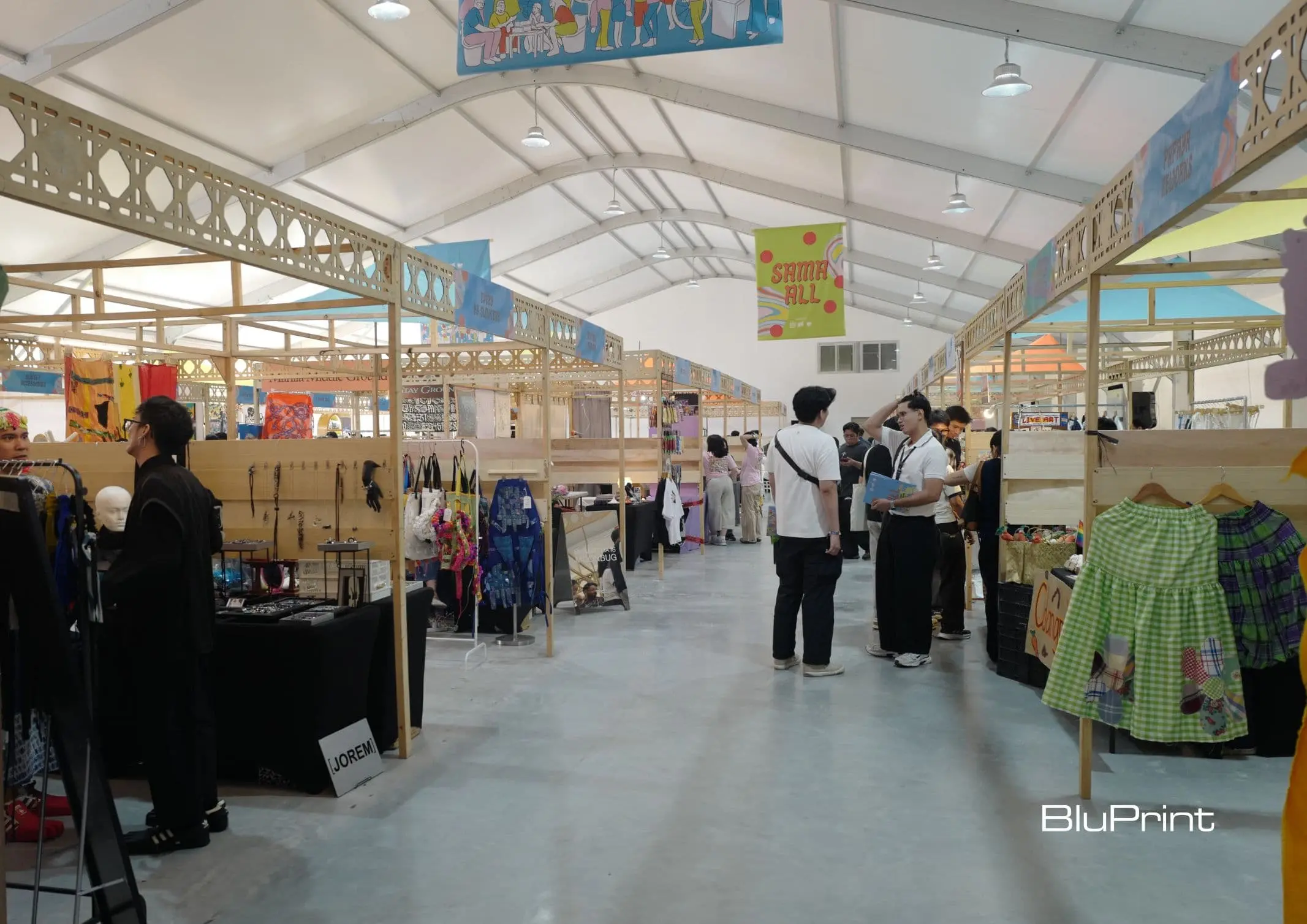
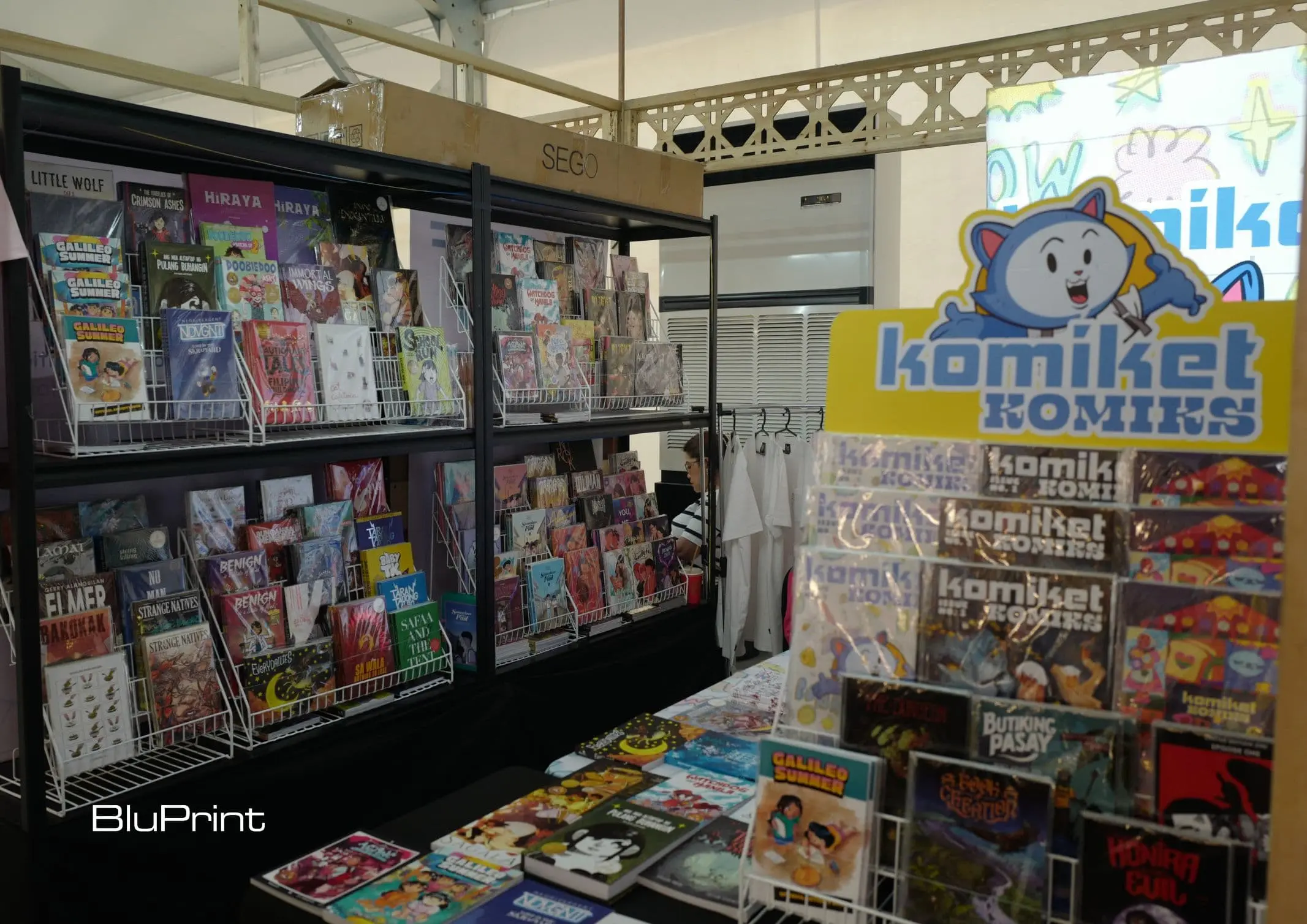
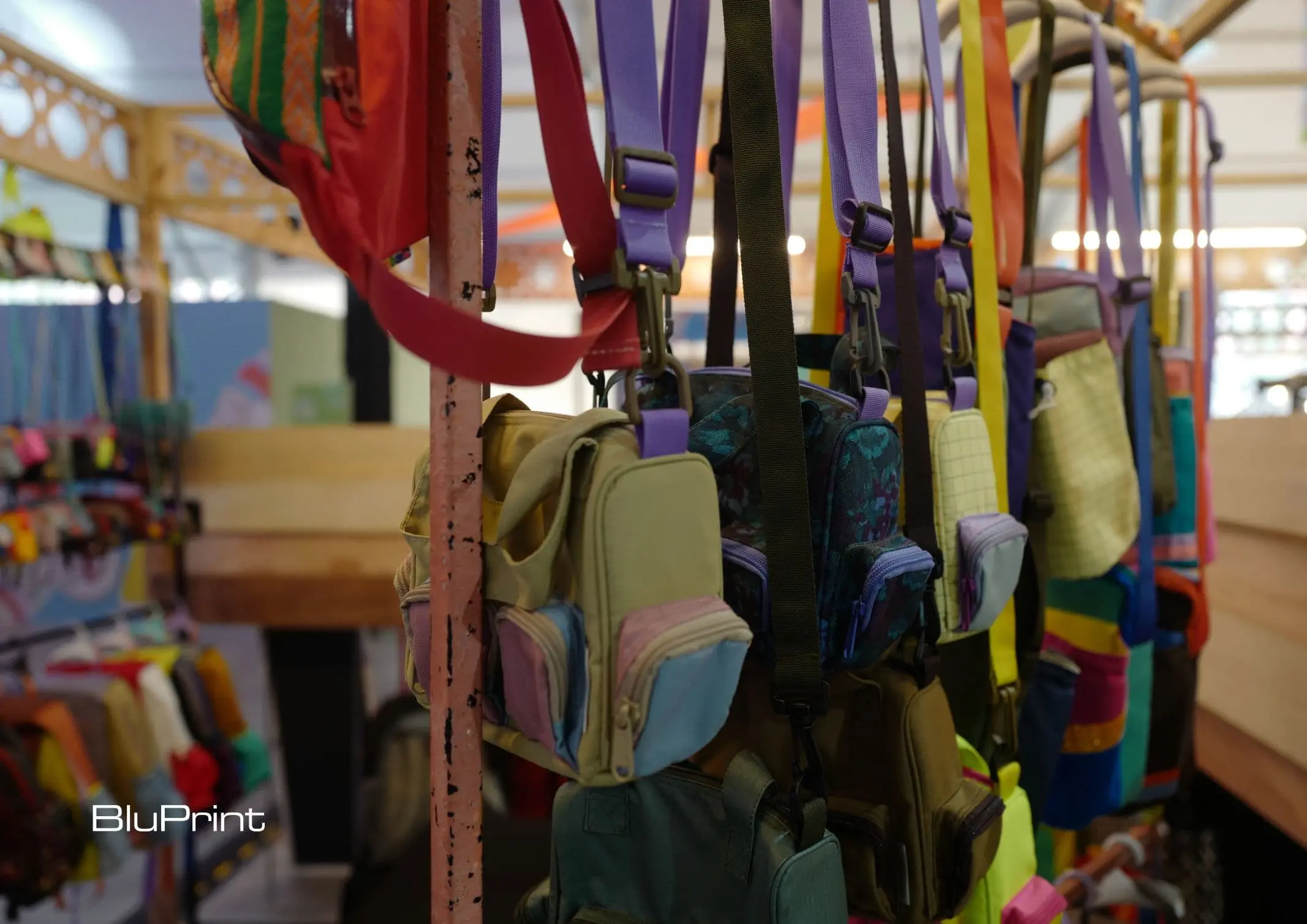
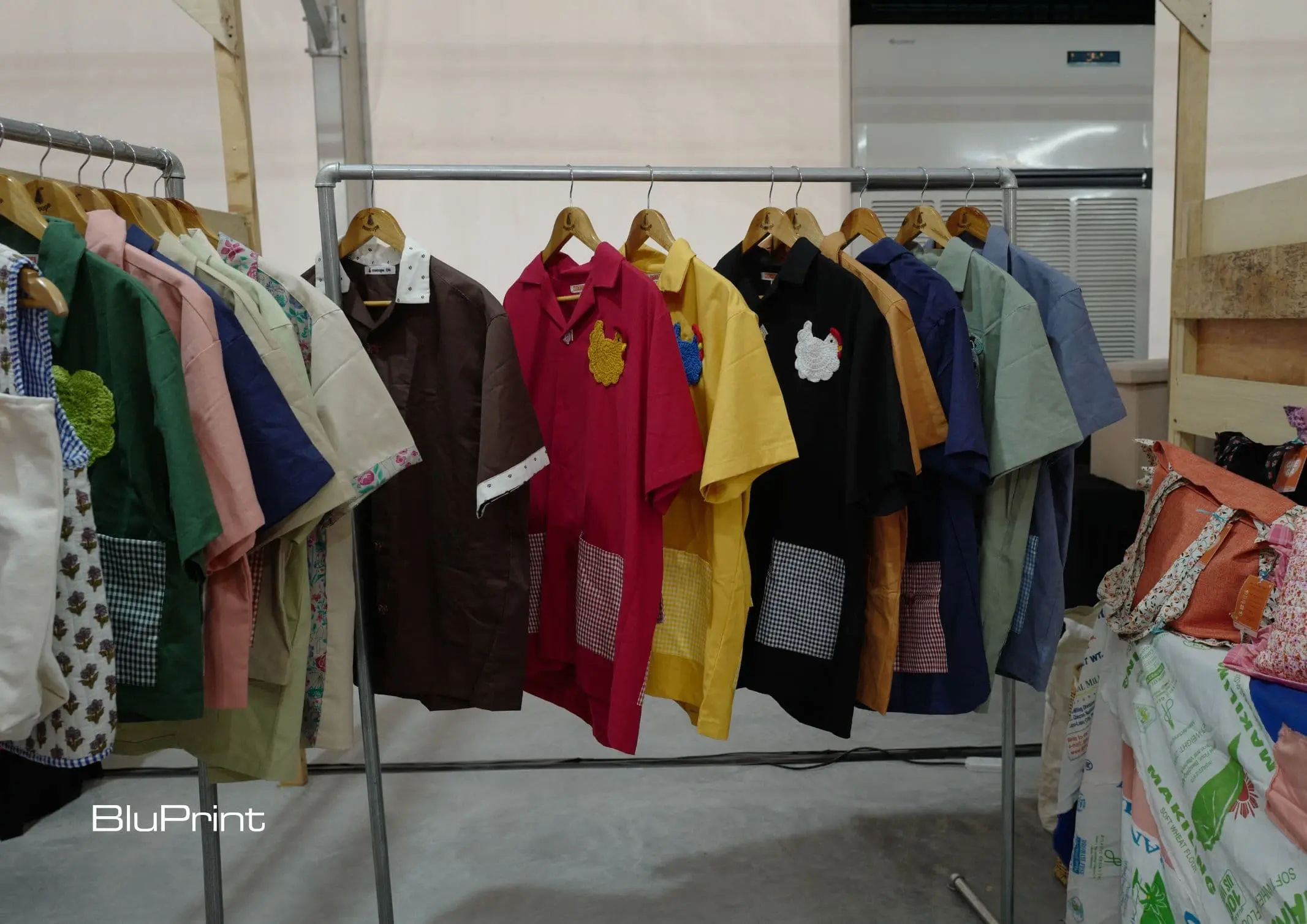
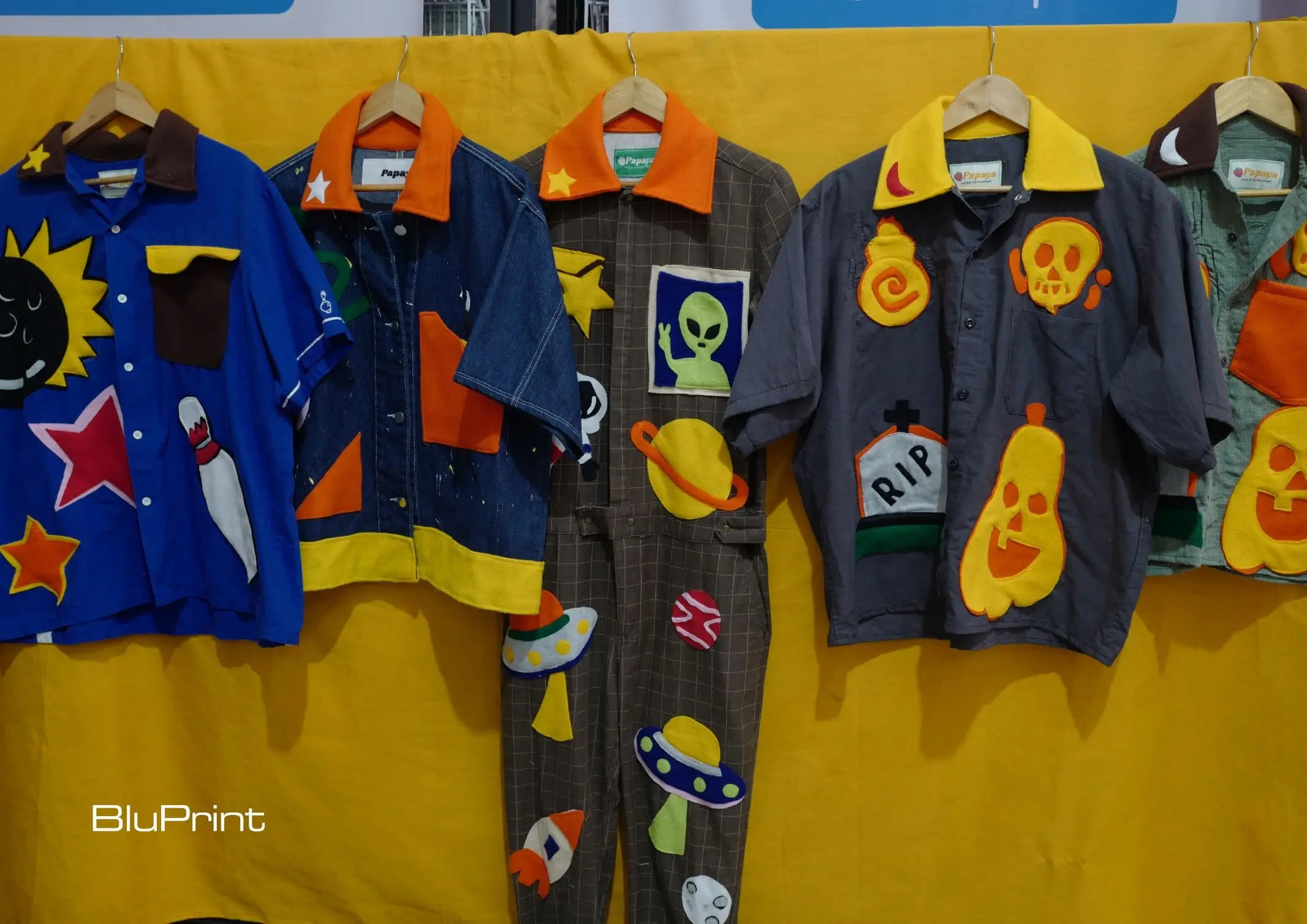
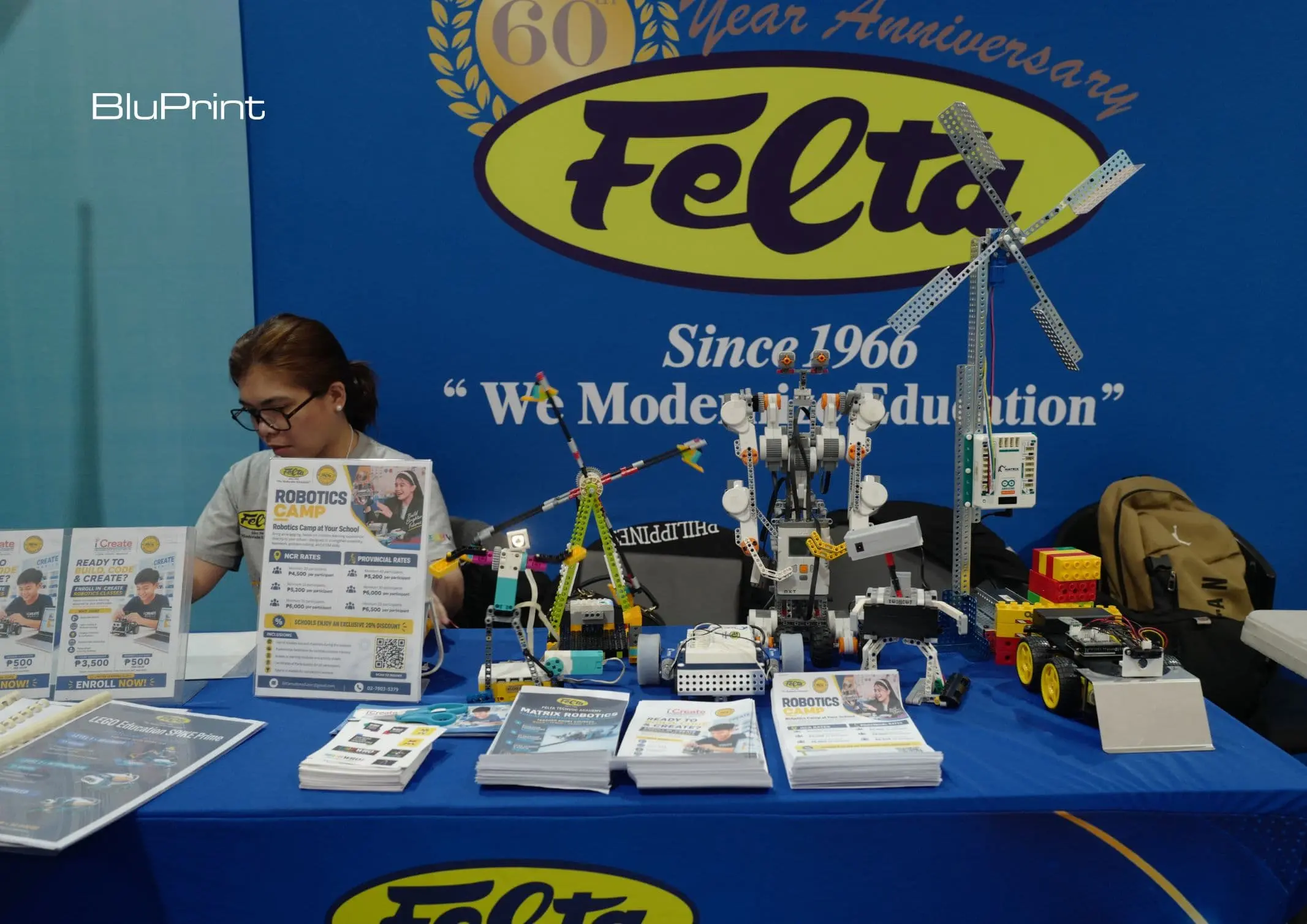
Other participating organizations and creative spaces hosted exhibitions, workshops, film screenings, portfolio reviews, and smaller community activities. Programs such as Creative Tambay offered opportunities for people to engage with design in informal settings, while workshops and activations connected creative practitioners with audiences and potential collaborators.
These initiatives underscored how design could extend beyond finished products and into shared experiences. They also provided opportunities for communities and micro, small, and medium enterprises (MSMEs) to connect with audiences, explore ideas, and build relationships with other members of the creative industry.
Related Reading: Filipino Design: The Past, Present, and Future of Sustainability
From Exhibitions to Conversations and Shared Experiences
The opening festivities featured panel discussions with designers, and industry leaders, setting the tone for conversations about the role of design in everyday life and the future of the industry.
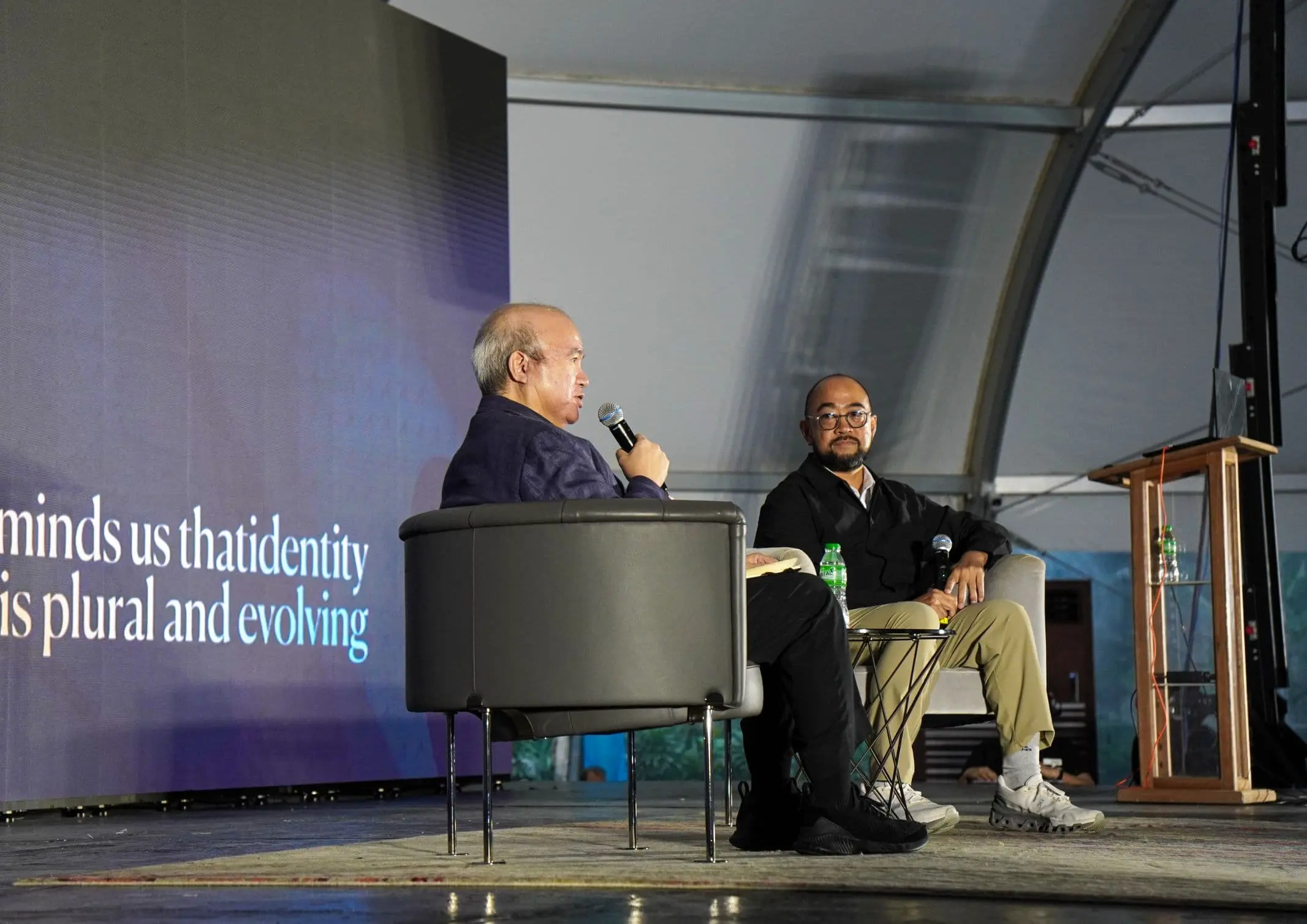
One of these discussions, “State of Philippine Design,” brought together BluPrint editor-in-chief Paulo Alcazaren, Harvey A. Vasquez of De La Salle–College of Saint Benilde, Peachy Pacquing of Hyper Island Asia, Paolo Herras of Komiket Inc., Gabby Lichauco of OpenStudio, Joey Tiempo of Octopus Whale, Niña Terol-Aquino of FoundHer, and ED Rhea Matute. The panel examined the challenges facing the country’s design industry, including fragmented creative communities, gaps in design education, and the need for stronger collaboration across disciplines.
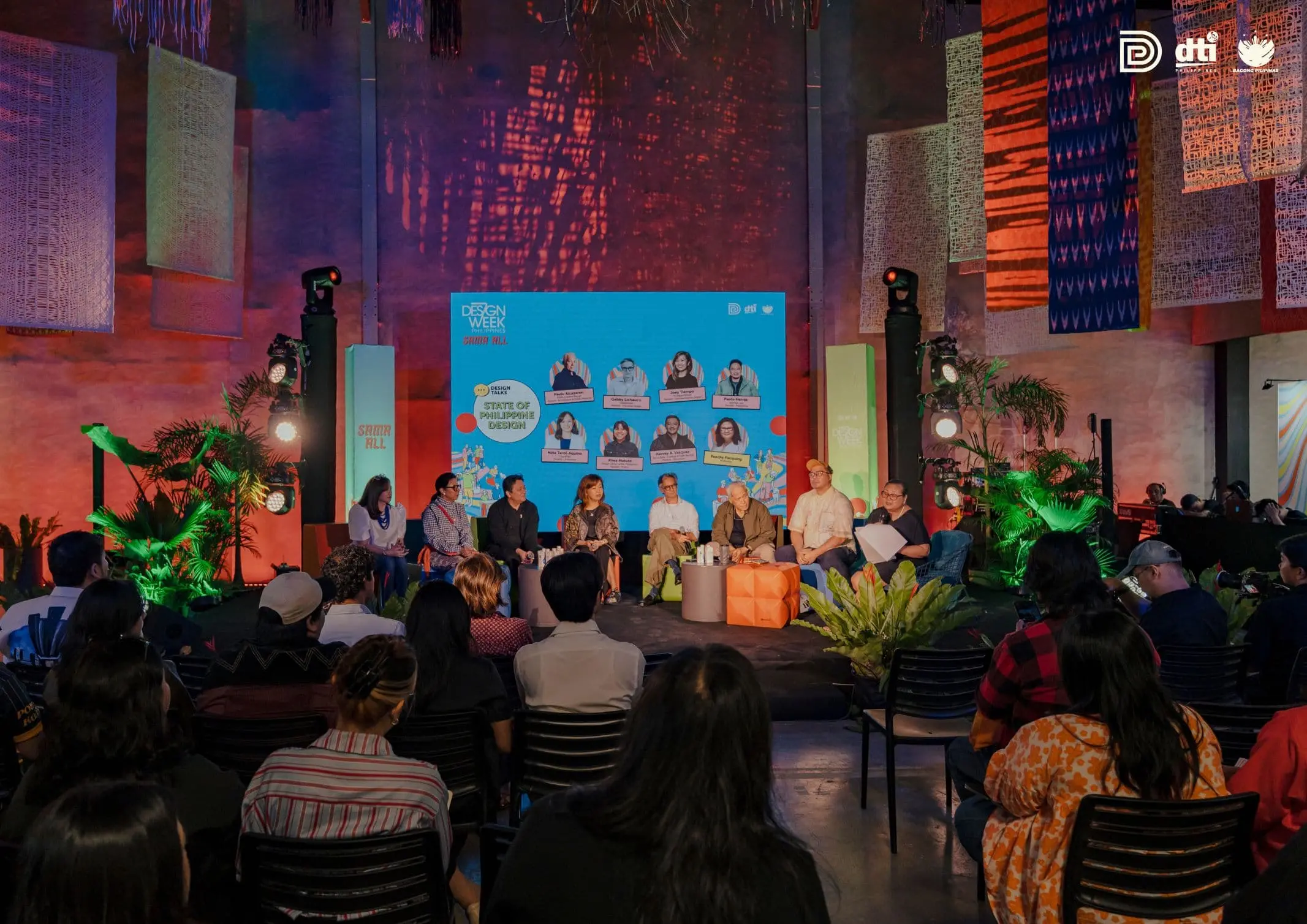
Vasquez emphasized that no single discipline could address the country’s challenges on its own, noting that educational institutions could be slow to implement changes and adapt to evolving needs. He also highlighted the potential of interdisciplinary collaboration, including bringing architectureArchitectureThe art and science of designing and constructing buildings, structures, and spaces that are functional, safe, and aesthetically pleasing. It encompasses the planning, design, materials, and techniques used to createGo to Architecture Glossary, industrial design, interior design, and fashion design students together.
The discussion reinforced the importance of platforms that connect creative practitioners, support emerging talent, and create opportunities for different disciplines to exchange ideas and work toward shared goals.
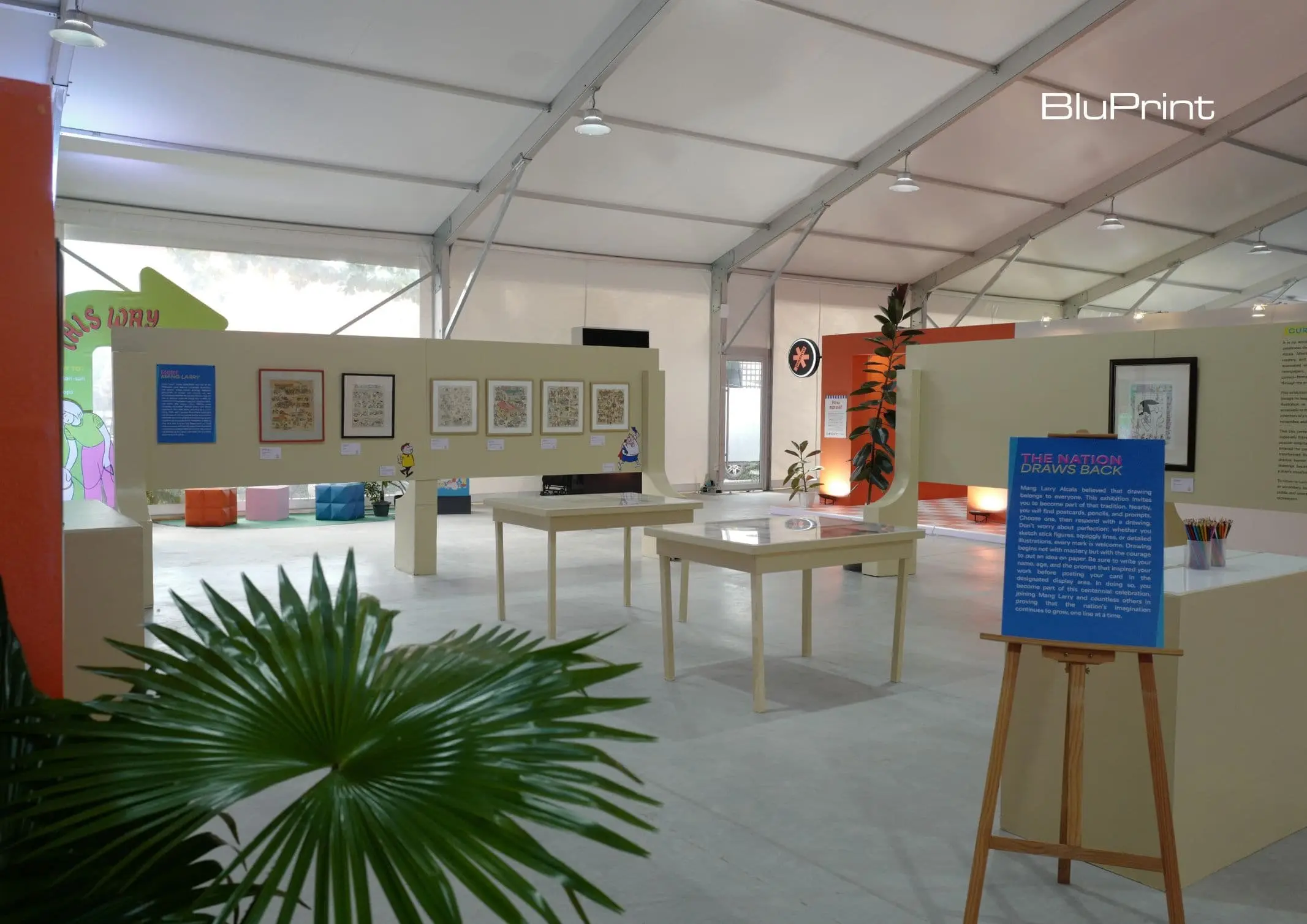
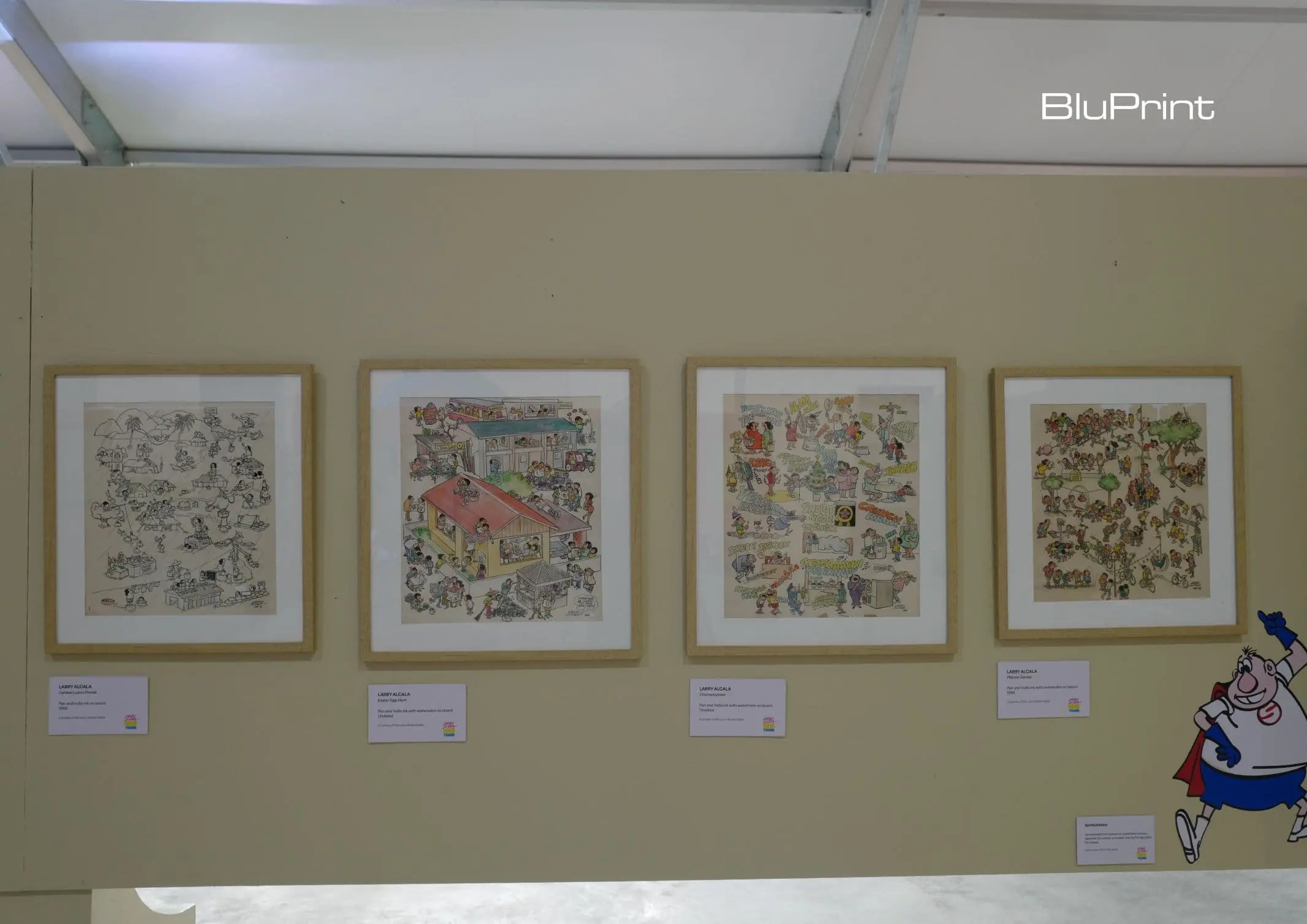
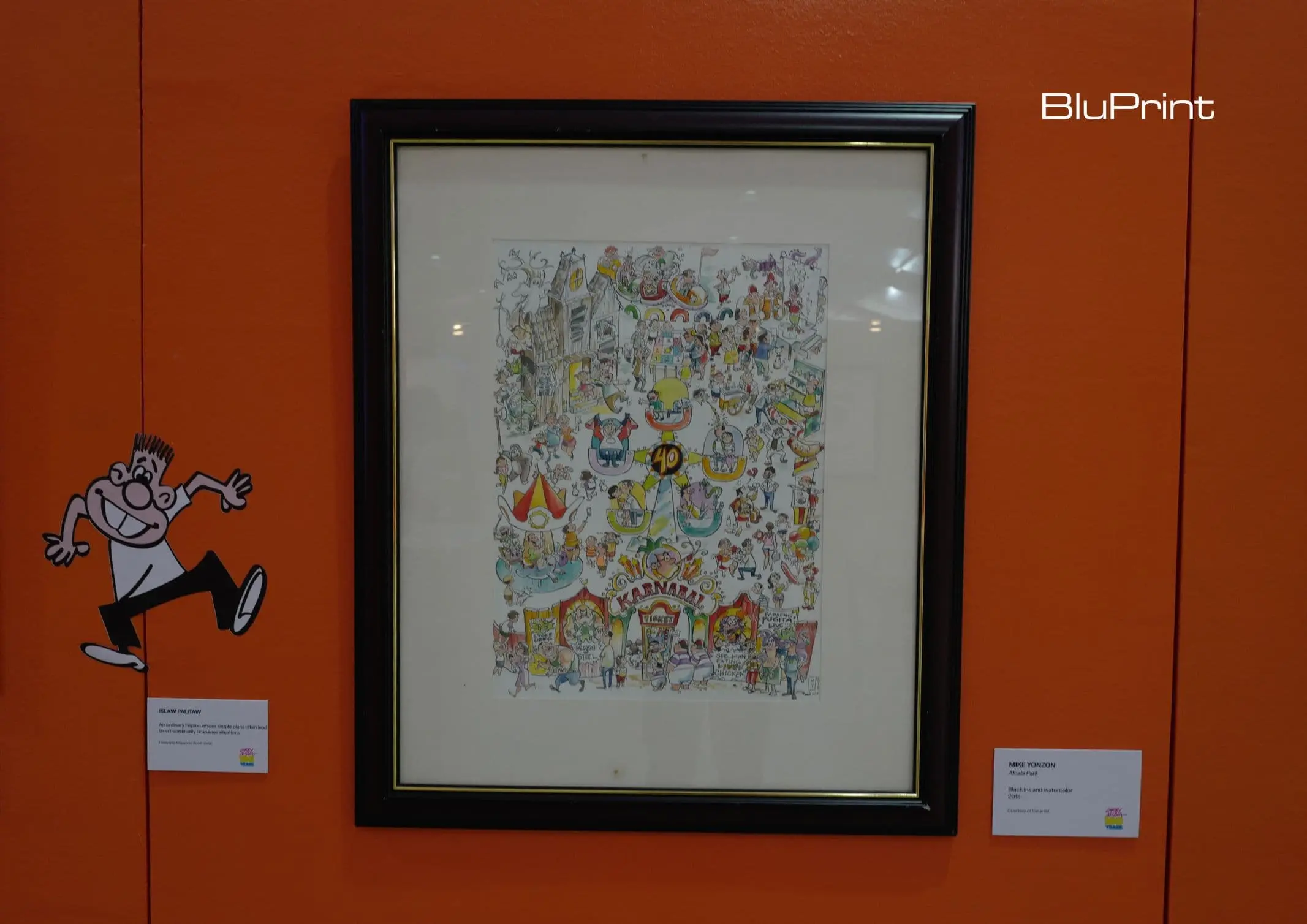
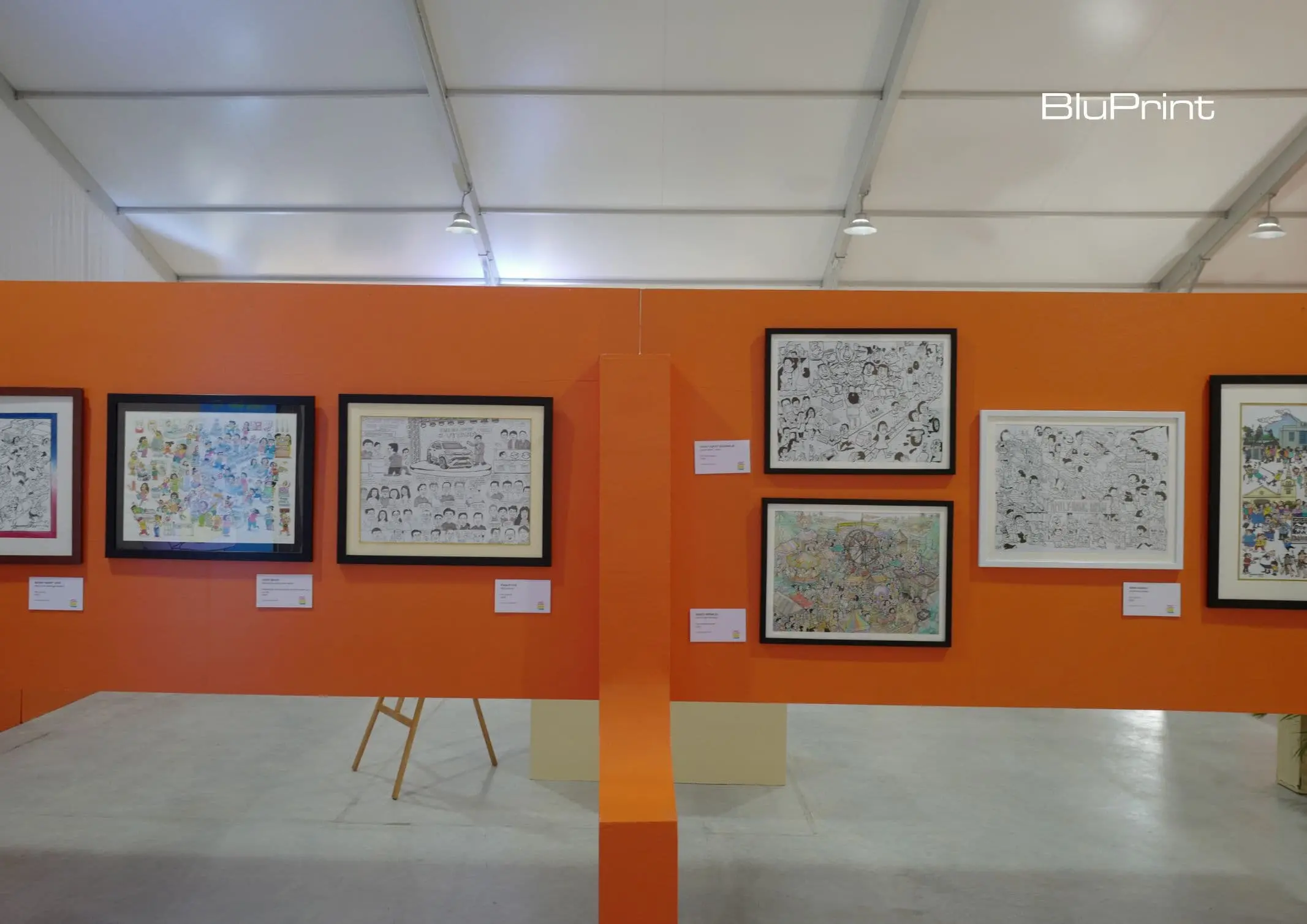
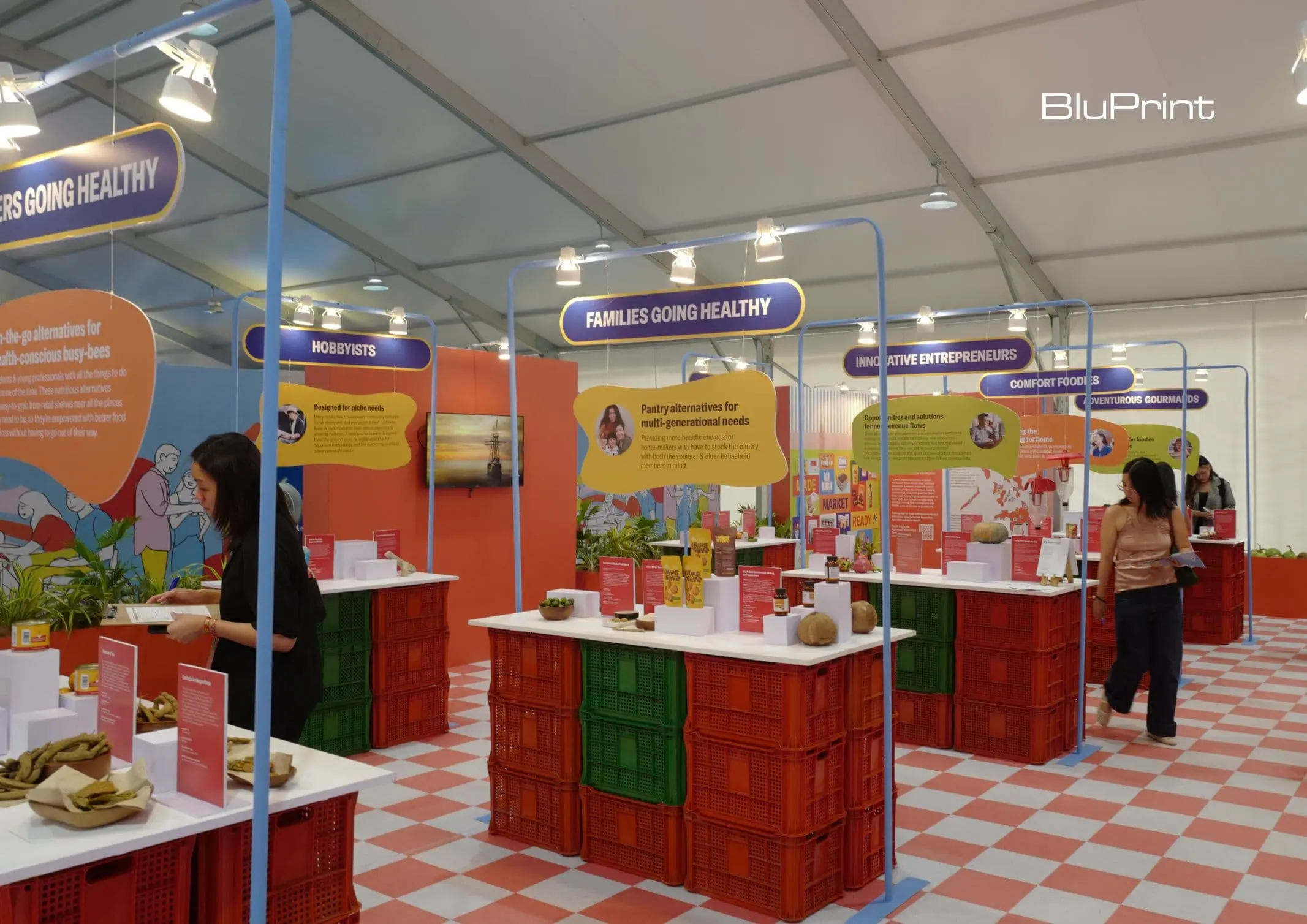
The fair, which opened on October 15 at the Likhang Filipino Exhibition Halls, also welcomed guests with the Larry Alcala: 100 Years exhibit. Presented in a gallery-style format, the exhibition showcased the drawings and sketches of the late Filipino cartoonist, offering visitors a glimpse of his work as they entered the fair.
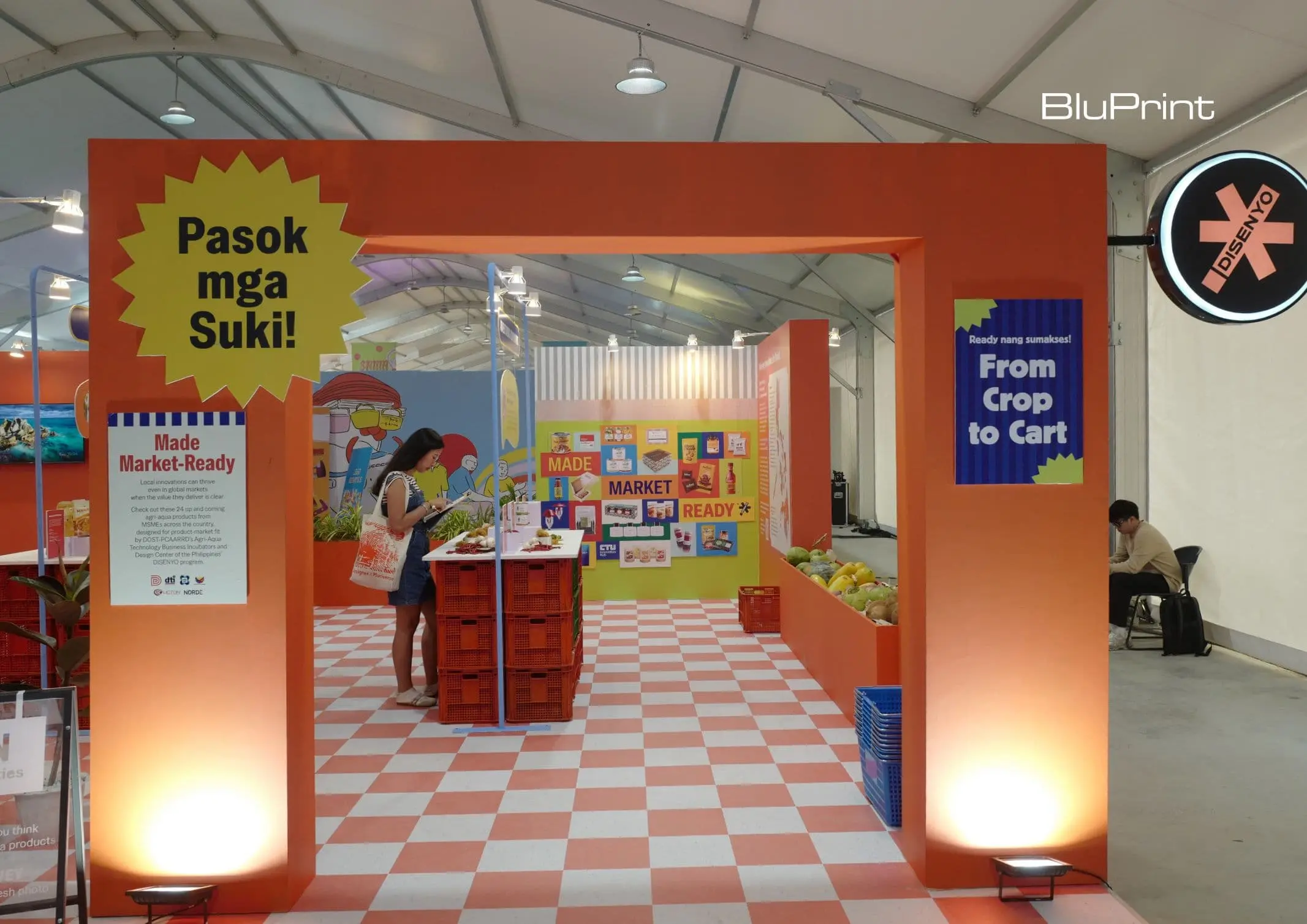
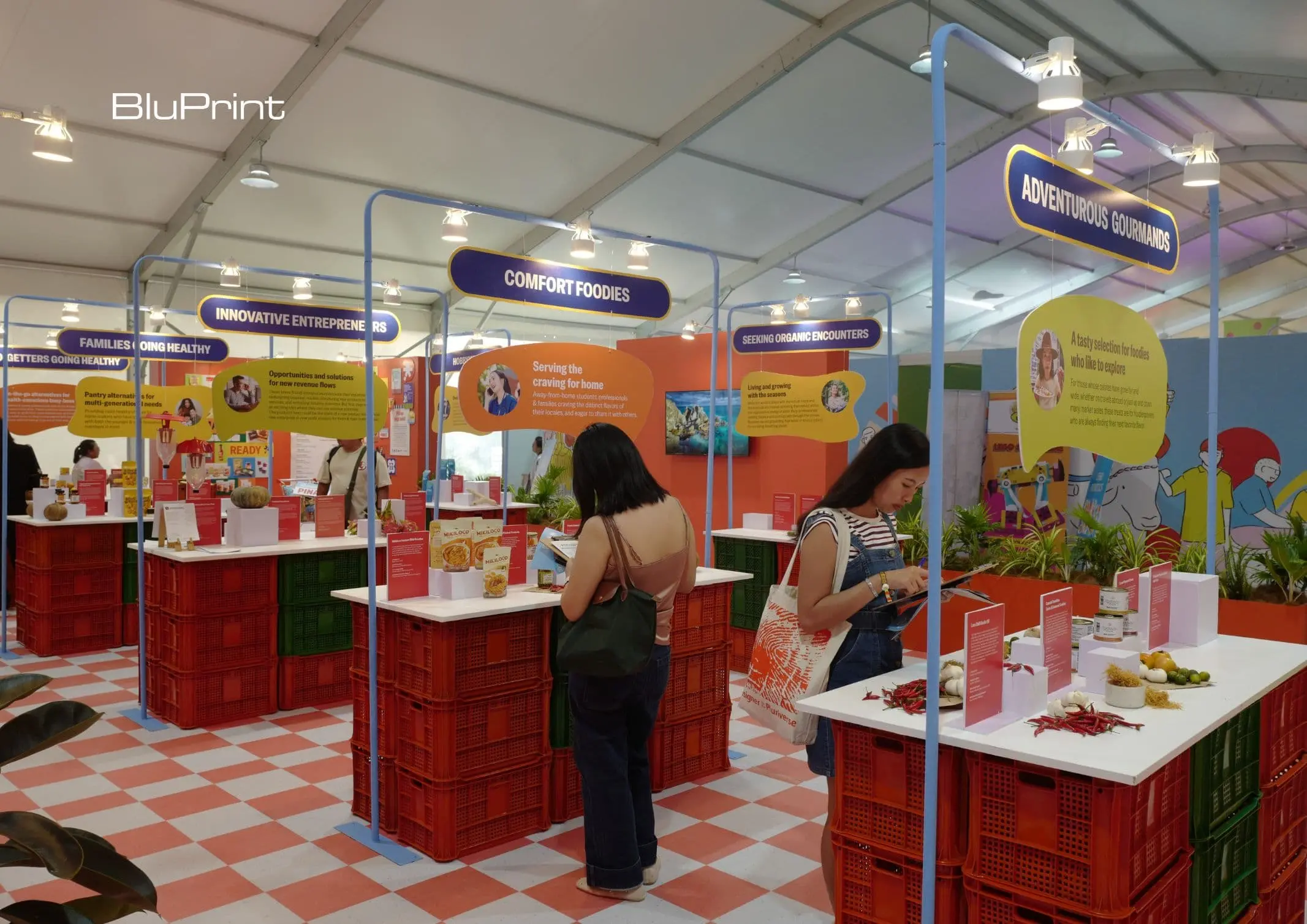
Another activation was the DISENYO Pitching Workshop, which gave guests the opportunity to assess products by looking at their design and packaging. Visitors were invited to rate the products and consider whether they would buy them at a given price, highlighting how design and presentation can influence consumer decisions. The activity also demonstrated how design can help Filipino products communicate their identity to potential buyers.
Across its exhibitions, workshops, discussions, and regional activities, Design Week Philippines 2026 presented design as a collaborative practice shaped by different disciplines, communities, and experiences. Through “Sama All,” the festival encouraged more people to engage with design and recognize its role in shaping shared futures.
Related Reading: How “Malasakit” is Future-Proofing Philippine Design Culture
About the Design Center of the Philippines
The Design Center of the Philippines (DCP) is a government agency attached to the Department of Trade and Industry (DTI). It promotes design as a tool for improving the quality and competitiveness of Filipino products and services, supporting micro, small, and medium enterprises (MSMEs), and encouraging innovation and sustainable economic development. Through research, exhibitions, workshops, and industry partnerships, DCP works to strengthen the Philippine design sector and connect designers, businesses, and creative communities.
Frequently Asked Questions
Design Week Philippines 2026 was the 15th edition of the festival organized by the Design Center of the Philippines. It brought together designers, industry leaders, and communities through exhibitions, workshops, talks, tours, and other design-related activities.
The theme was “Sama All,” inspired by the Filipino expression “sana all.” It encouraged people from different disciplines, communities, and sectors to participate in shaping a more inclusive and collaborative future for Filipino design.
The festival opened with festivities on October 10, 2026, followed by the design fair and exhibitions from October 15 to 18 at the Likhang Filipino Exhibition Halls in Pasay City. Partner-led activities also took place in different parts of the Philippines.
The festival featured exhibitions, workshops, talks, tours, panel discussions, and community activities. Highlights included the Larry Alcala: 100 Years exhibit, the DISENYO Pitching Workshop, and the “State of Philippine Design” panel discussion.
The festival provided opportunities for creatives from different disciplines and regions to present their work, exchange ideas, and connect with audiences and potential collaborators. Its nationwide partner activities also highlighted regional design practices and encouraged greater participation in the Philippine design community.
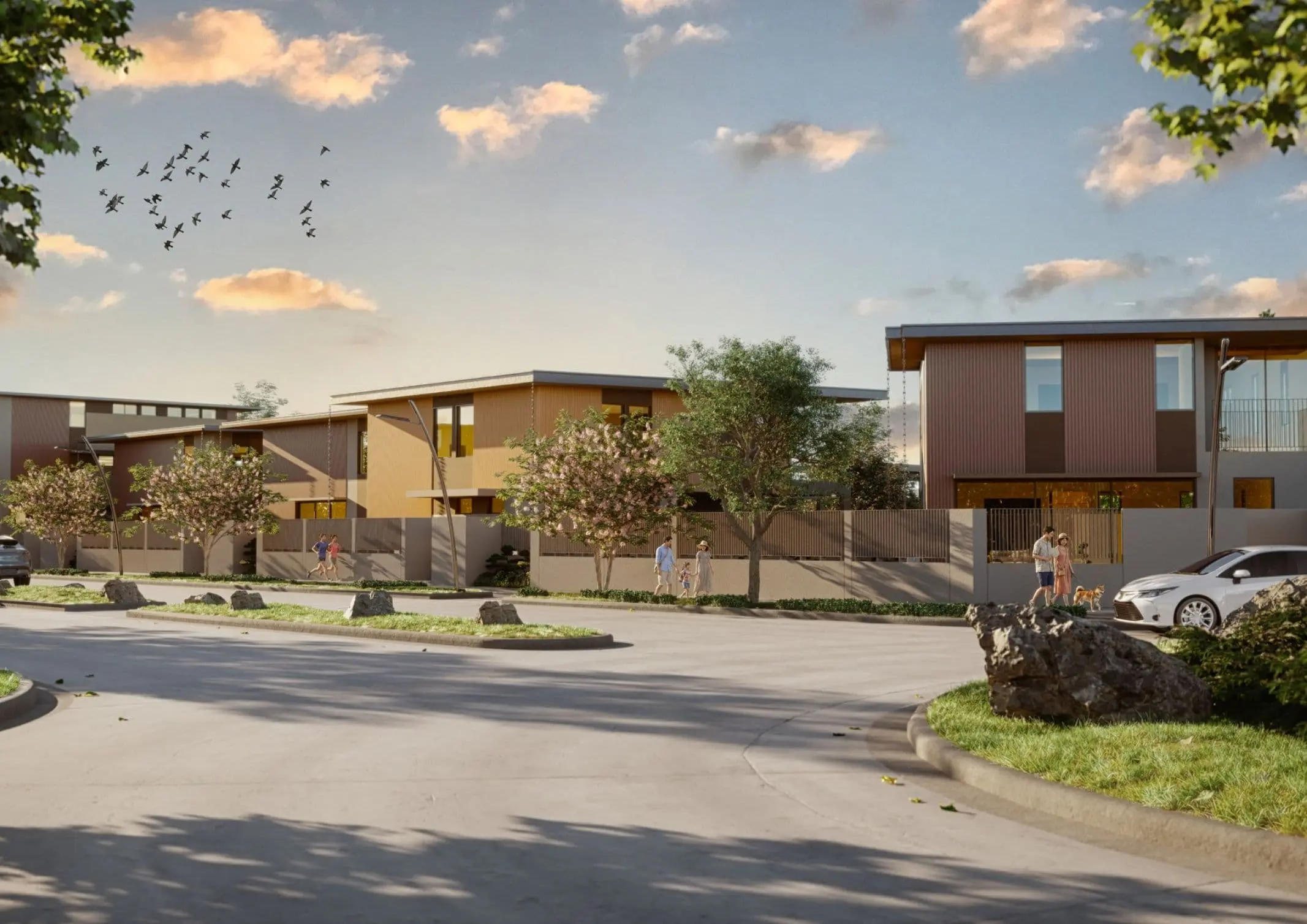
The idea of home extends beyond the walls of the house. It also considers the spaces and environments people share—the larger setting that supports everyday life. At Yume at Riverpark, these considerations begin with individual homes and lots, extend to the shared landscape of an 18-hectare residential development in General Trias, Cavite, and ultimately connect […]
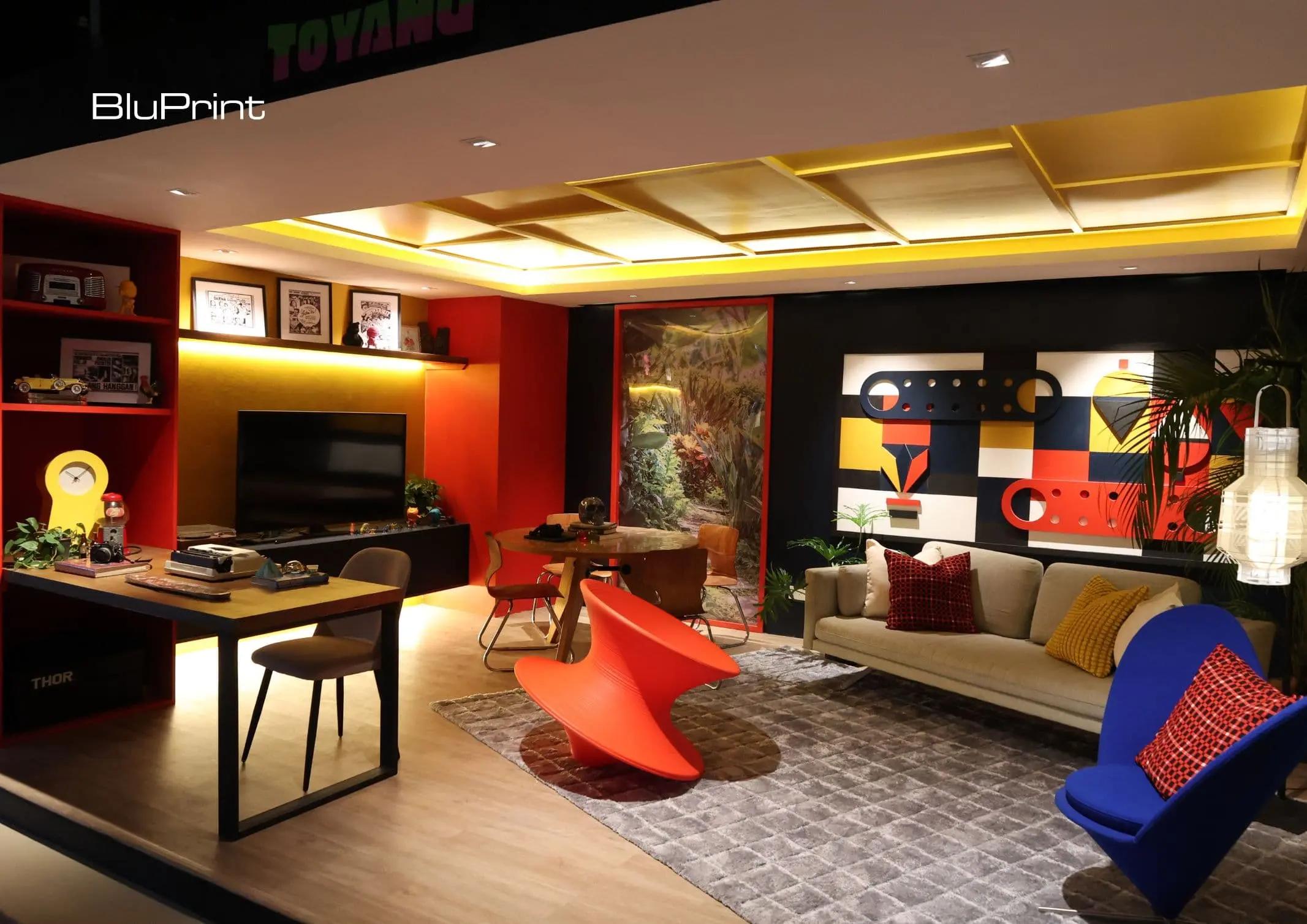
PSID presents “What the Pop!,” an exhibition opened on the third floor of V-Mall in Greenhills, San Juan City, that examined how popular culture shaped Filipino homes and lifestyles. Through spaces representing four generations—Baby Boomers, Generation X, Millennials, and Generation Z—the exhibit explored how each era’s experiences inform its approach to interior designInterior DesignThe discipline […]
Design Week Philippines 2026 marked its 15th year with “Sama All,” a theme that invited designers, industry leaders, and communities to come together in shaping the future of Filipino design. Organized by the Design Center of the Philippines (DCP), the festival opened with festivities on October 10, followed by the design fair and exhibitions from […]
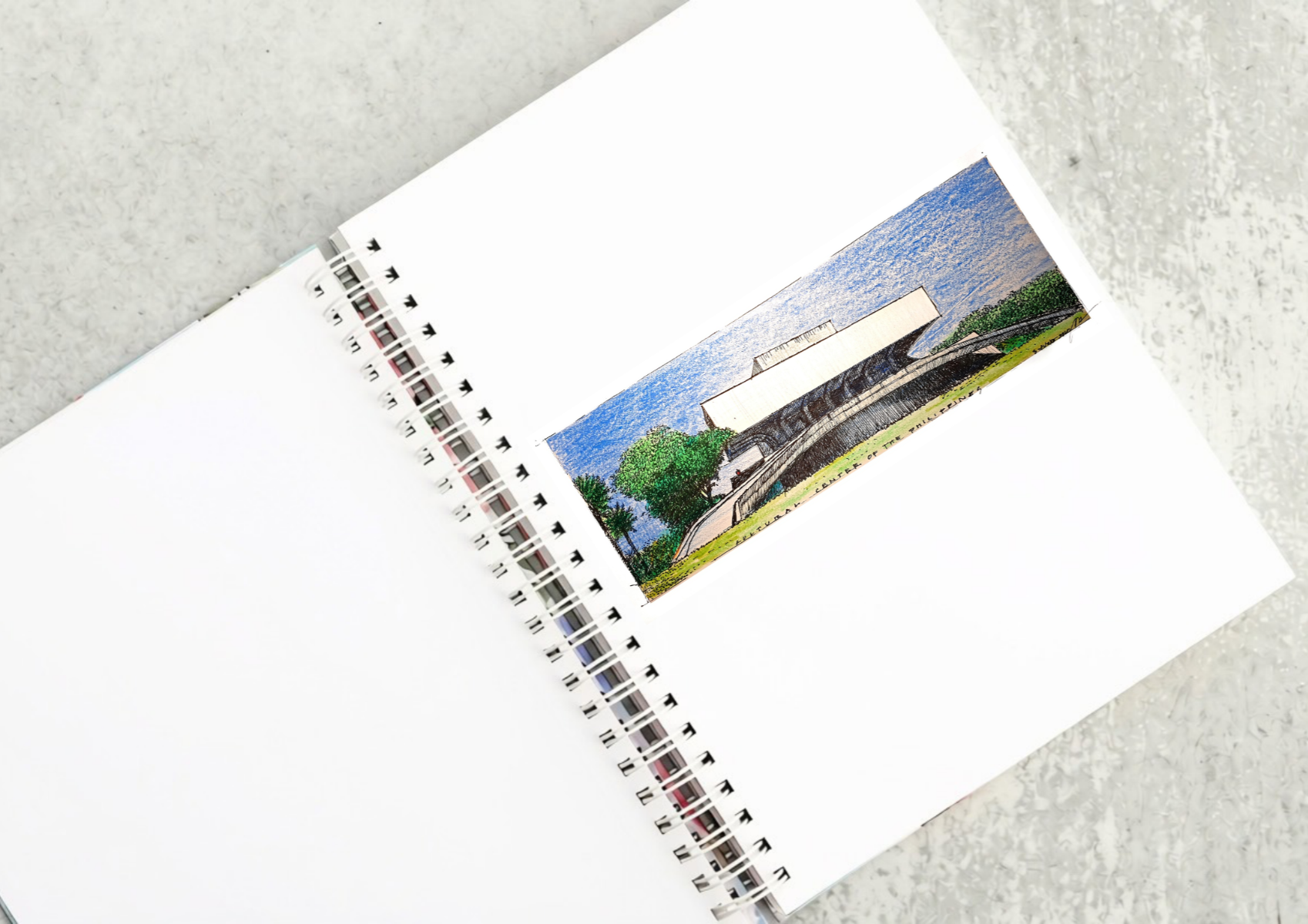
The CCP Main Theater as an Icon of Philippine Modernism The CCP main theater by National Artist for ArchitectureArchitectureThe art and science of designing and constructing buildings, structures, and spaces that are functional, safe, and aesthetically pleasing. It encompasses the planning, design, materials, and techniques used to createGo to Architecture Glossary Leandro V. Locsin is […]
Read the issues.

Collect the volumes.

Recommended Video
Tap to Unmute
Unmute
0:00
0:00