Bigkis is the act of binding. In Tagalog, the word can refer to something used to bind or encircle, as well as a bundle formed by tying several separate elements together. Figuratively, it can also mean a bond, union, or unity. The meanings move from the physical act of joining things together to the connection […]
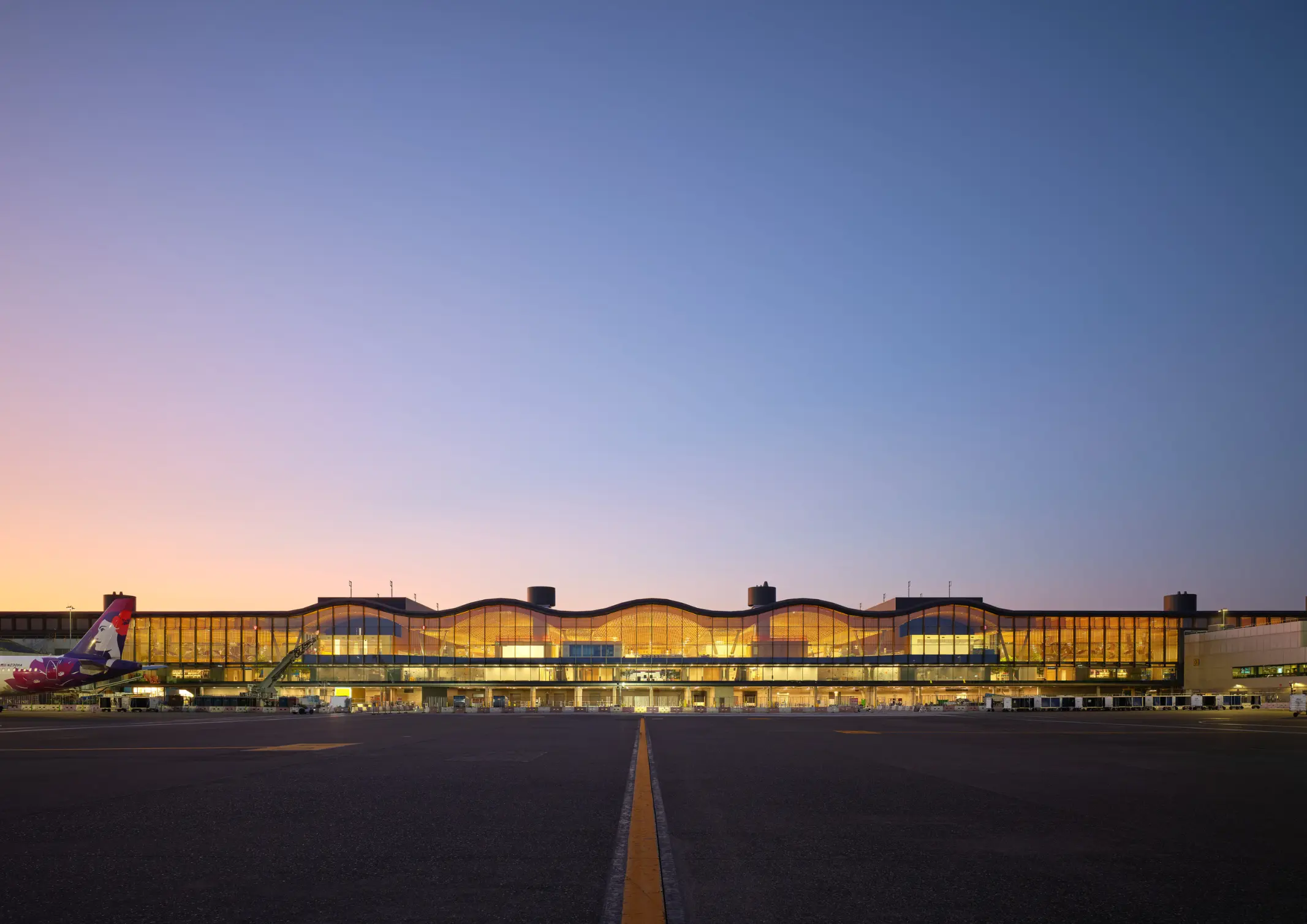
PDX Airport: Northwest Passage



Airports are often architectures of anxiety. They are universal non-places; liminal spaces often defined by disorienting acoustics, impersonal corridors, and the palpable tension of timelines. We are processed, not hosted. And for decades, the goal of airport design was mere efficiency—a cold equation of moving bodies from curb to gate as quickly as possible. But what if an airport could be the opposite? What if it could be a place of calm, beauty, and even civic pride? What if it could welcome you to a state of mind, one that perfectly reflects a city’s ethos?
In Portland, Oregon, this is no longer a hypothetical. The Portland International Airport (PDX), under the design leadership of ZGF Partner and Filipino architect Gene Sandoval, has been radically reimagined. It embodies how architectureArchitectureThe art and science of designing and constructing buildings, structures, and spaces that are functional, safe, and aesthetically pleasing. It encompasses the planning, design, materials, and techniques used to createGo to Architecture Glossary can give a transient space a true sense of place.
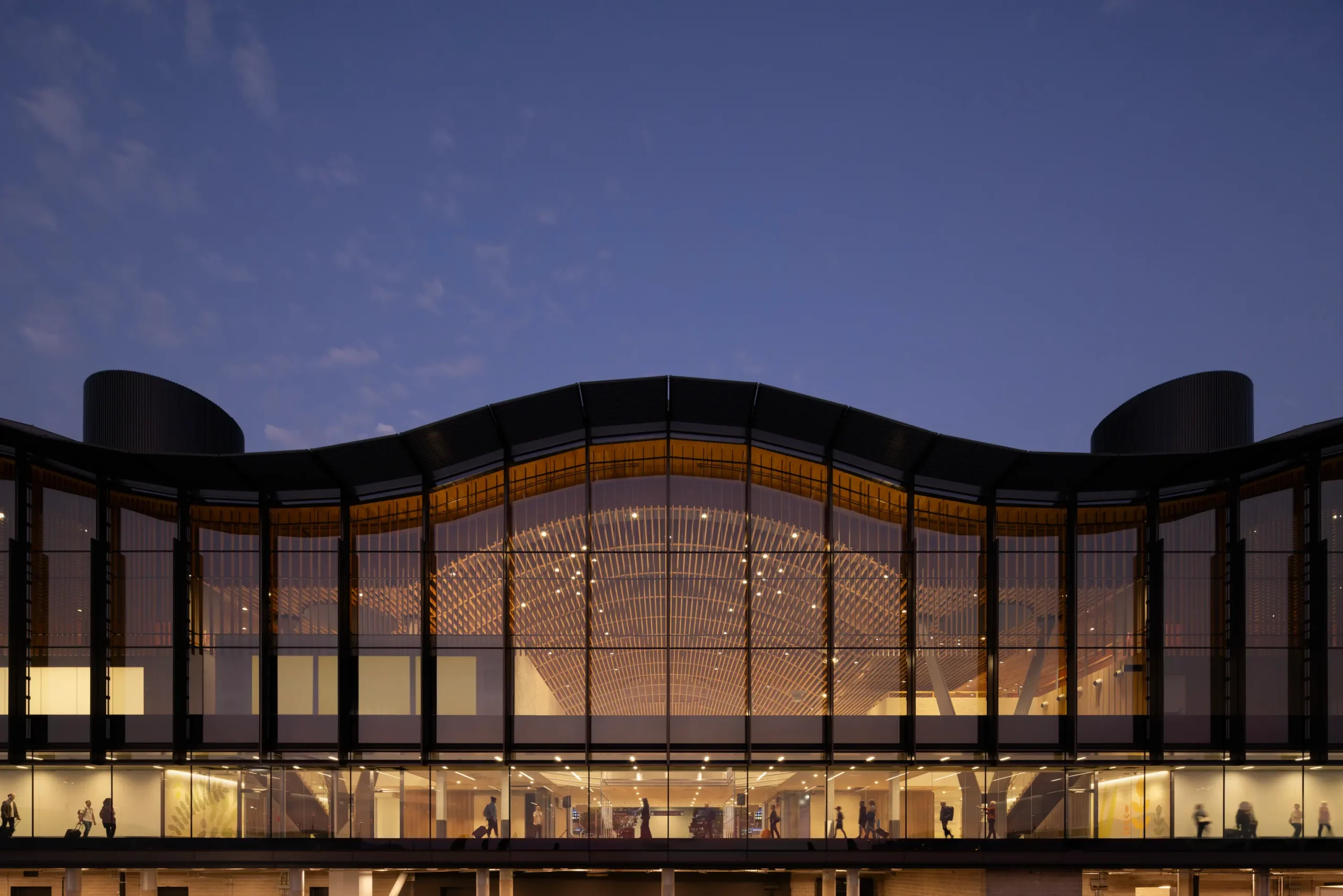
The Pacific Northwest
The vision for the new PDX was born from a convergence of personal history and regional identity. “Portland International Airport was my gateway,” Sandoval explains. The project holds a unique significance for him as his own Ellis Island. Having first arrived in the United States through this port of entry in 1985, and establishing roots in the Rose City, he considers it a profound privilege to recreate the front door to his American journey.
This emotional anchor informed a design that is unapologetically of its place. Instead of a generic glass box, Sandoval and his team sought to create a central hub that embodies the region’s pristine landscape. “We wanted to make use of the material that was endemic in the region,” he posits.
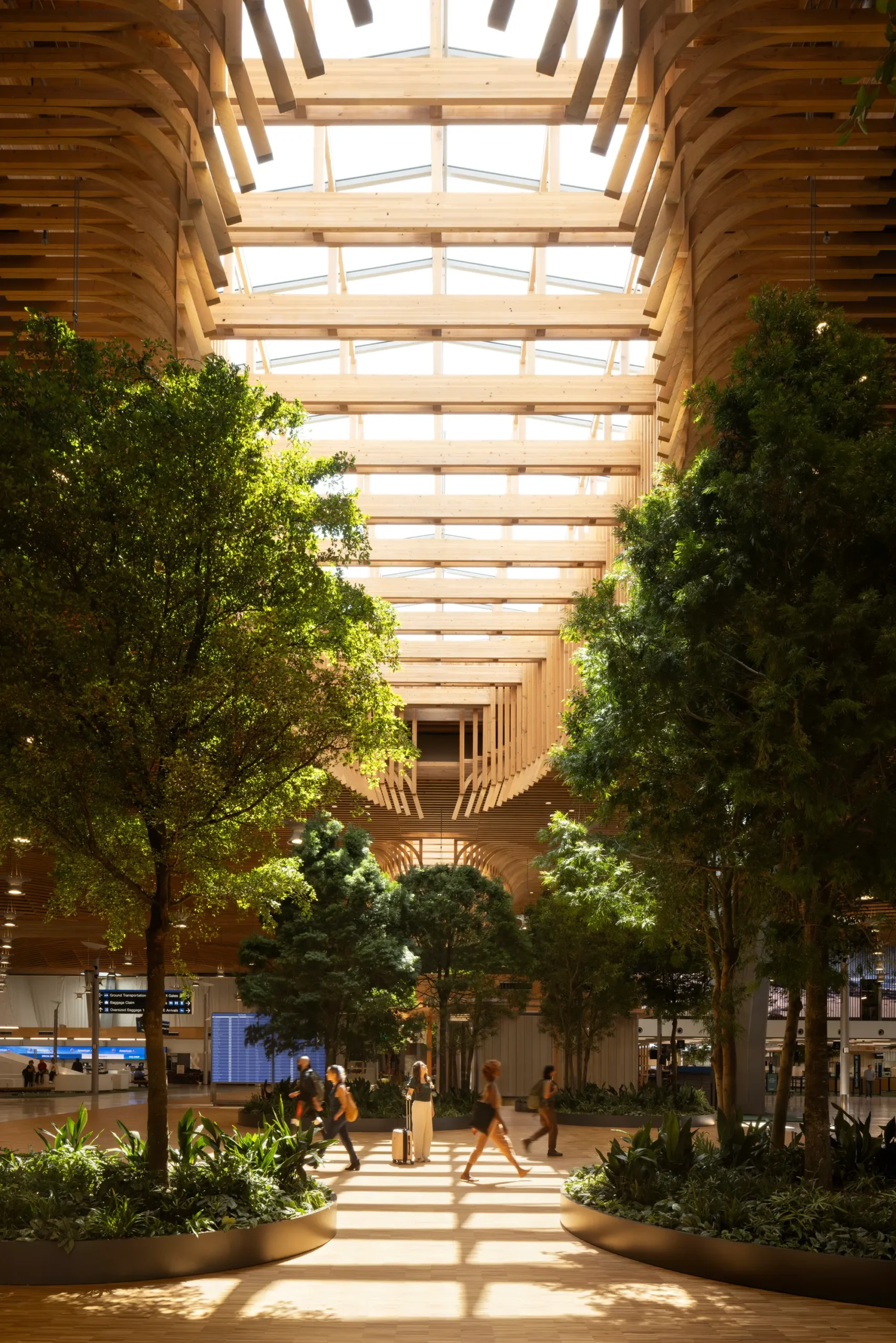
The project’s jaw-dropping centerpiece is its nine-acre mass timber roof, a sweeping wooden canopy equivalent to six football pitches. It completely redefines the airport’s interior, creating vast, open spaces that feel both monumental and intimate. The design’s core intent replicates the quintessential Pacific Northwest experience, like walking through the forest, as Sandoval describes it.
Sandoval and his team made a deliberate choice to design with materials that local and tribal communities could provide. This conscious decision empowered 13 different local landowners– including small family forests, local tribes, non-profits, community forests, University experimental forests, and publicly owned land–to become key suppliers of wood for the project’s roof, ensuring they were part of the “shared prosperity.” This meant designing a structure that could be built from dimensional lumber that smaller, local operations could mill and supply, rather than relying on massive industrial producers.
From Global to Local
The success of PDX serves as a compelling case study for the Philippines, demonstrating how an aging terminal can be brilliantly reborn. Manila’s Ninoy Aquino International Airport (NAIA) faces a remarkably similar set of challenges to the ones PDX had to overcome: it’s landlocked, surrounded by a dense city, and sits squarely in the Ring of Fire. Sandoval sees a direct parallel.
“It begs the question exactly what the problem in Manila [is],” he says. “There’s a path that you could actually remodel the airport, make it better, expand it, make it clear-span, keep it operational in the same way we’ve done it. It can be done.” PDX asserts that a complete teardown isn’t the only option. Through clever, phased renovation, even a constrained and aging airport can be transformed into a world-class, resilient, and beloved piece of infrastructure.
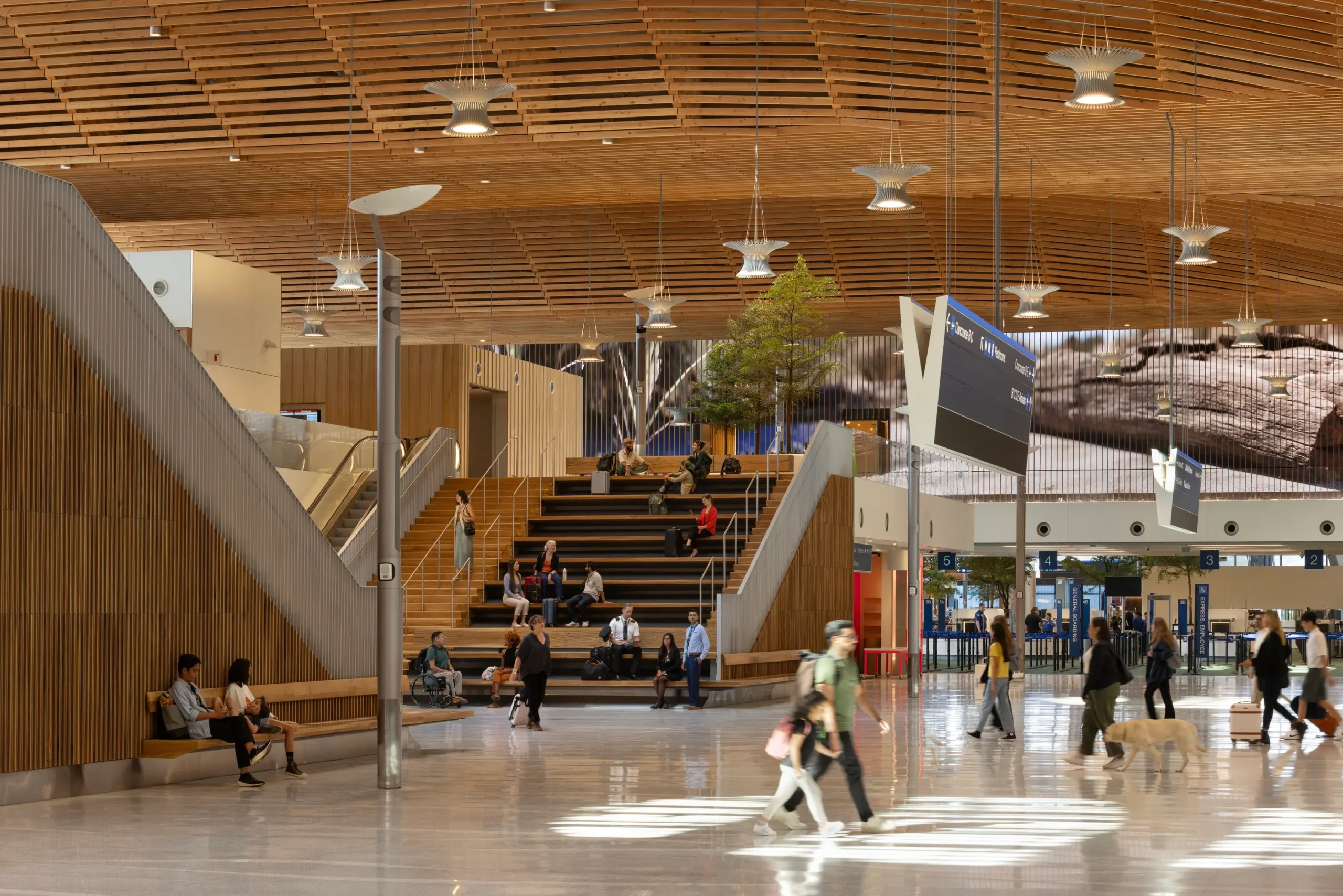
Portland’s emergence from the pandemic was one of the slowest in the nation, with a downtown core that struggled to regain its vitality. For a city healing and in need of a tangible sign of progress, the new terminal served as a powerful beacon. “People cry,” Sandoval shared when talking about Portlanders’ reaction to the airport opening. “They actually weep, and they said that they can believe in Portland again.”
It’s a design that is confident, contextual, and deeply human; an airport built on the idea of hospitality—a value Sandoval knows well. By embedding these ethics into his work, Gene Sandoval created a new front door for his adopted home, and a powerful blueprint for the rest of the world to follow.
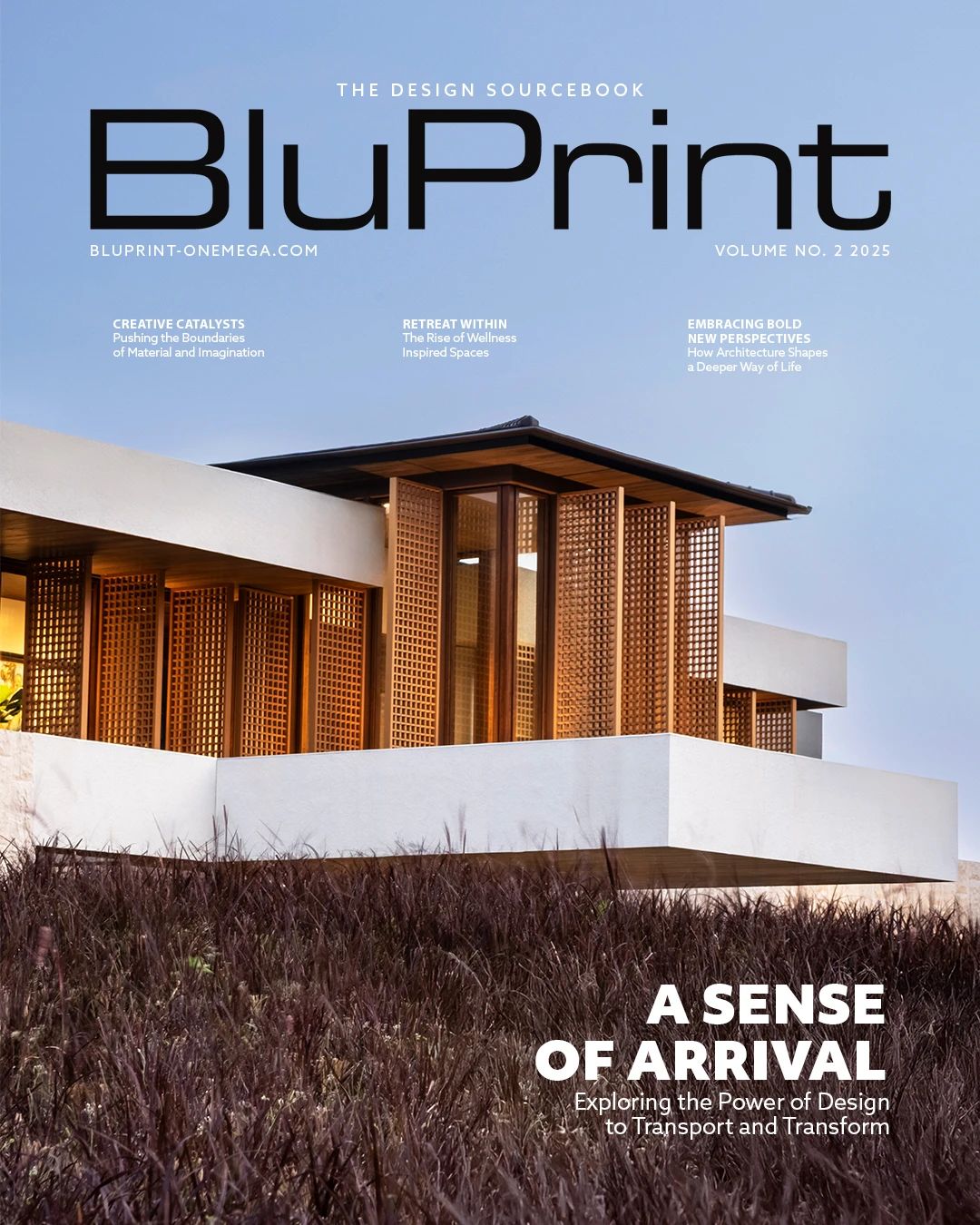
Get an exclusive tour of the PDX Airport by ordering your copy of BluPrint Volume 2, 2025 at Sari Sari Shopping, Shopee, and Lazada. E-magazines are also available for download here or through Readly, Press Reader, and Magzter.
Dive into the captivating world of architecture, interiors, and arts & culture by getting exclusive digital access to BluPrint’s past and upcoming issues. Click here to find out more.
Photographed by Ema Peter and Dror Baldinger
Read more: Playa Laiya: Modern Tropical Living Inspired by Systems of Nature
Frequently Asked Questions
The centerpiece is a nine-acre mass timber roof, a sweeping wooden canopy equivalent to the size of six football pitches. This massive structure redefines the terminal’s interior by creating vast, open spaces that mimic the experience of walking through a forest, replacing the cold, industrial feel of traditional airports with organic warmth.
Sandoval intentionally designed the roof to use dimensional lumber that could be processed by smaller, local operations. This allowed 13 different local entities—including small family forests, local tribes, and non-profits—to supply the wood, ensuring the project’s economic benefits directly supported the regional community rather than just large industrial producers.
Both airports share similar constraints: they are landlocked, surrounded by dense urban areas, and located in seismic zones. Sandoval argues that PDX proves an aging, landlocked terminal can be expanded and modernized while remaining fully operational, offering a blueprint for NAIA to achieve world-class resilience without requiring a complete teardown.
Instead of a generic glass box focused solely on efficiency, the design prioritizes hospitality and a “sense of place” by reflecting Portland’s local ethos and landscape. By creating a monumental yet intimate space that residents find emotionally resonant, the architecture transforms a transient transit hub into a source of civic pride and a welcoming “front door.”
Following a slow post-pandemic recovery, the terminal served as a tangible sign of progress and renewal for the city. Sandoval noted that the design was so impactful it moved residents to tears, restoring their belief in Portland’s future by providing a high-quality, human-centric piece of infrastructure that feels uniquely tailored to their identity.
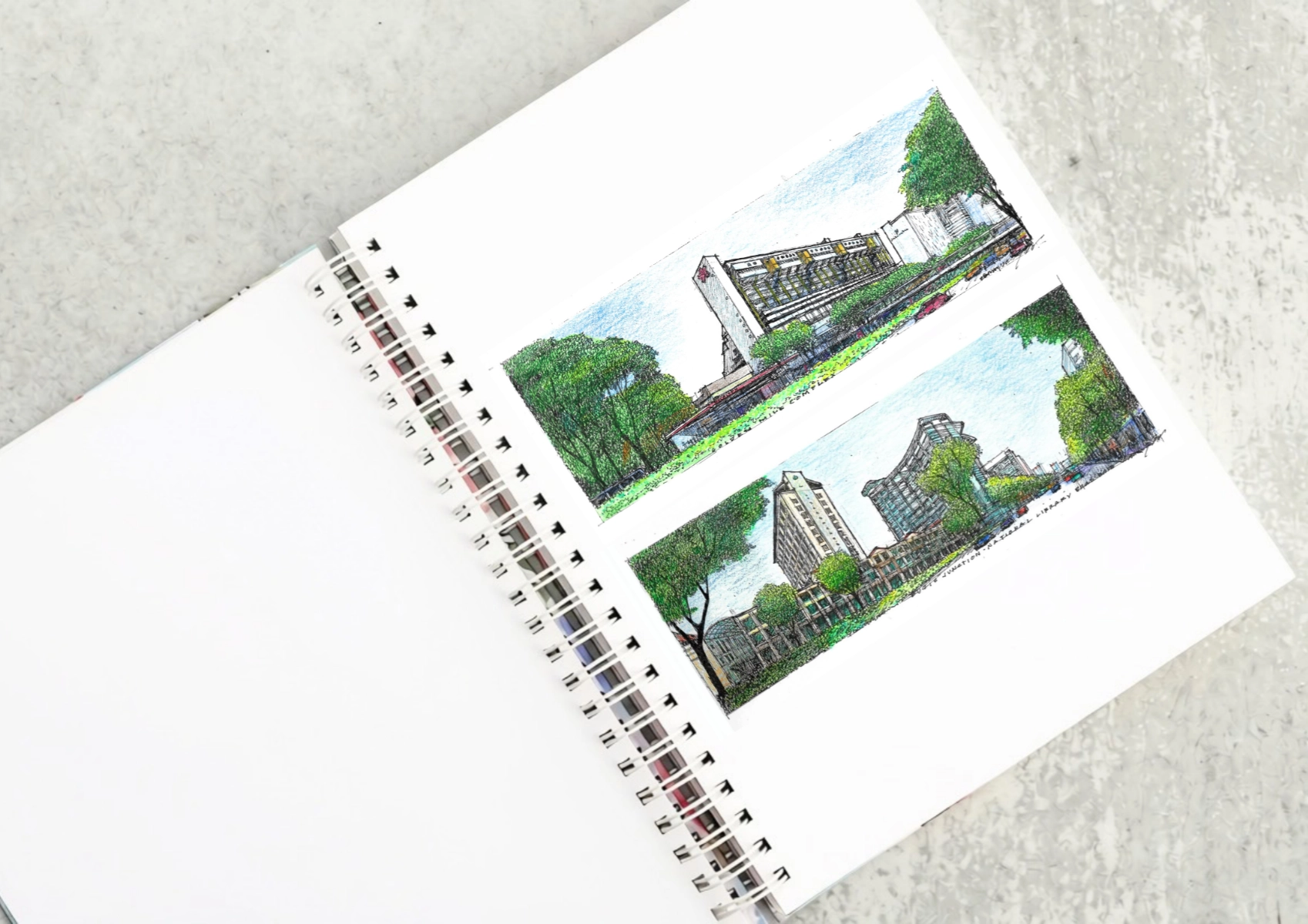
Two sketches of Singapore connect BluPrint Editor in Chief Paulo G. Alcazaren’s personal and professional history with Shared Ground: ArchitectureArchitectureThe art and science of designing and constructing buildings, structures, and spaces that are functional, safe, and aesthetically pleasing. It encompasses the planning, design, materials, and techniques used to createGo to Architecture Glossary of Care, Culture, […]
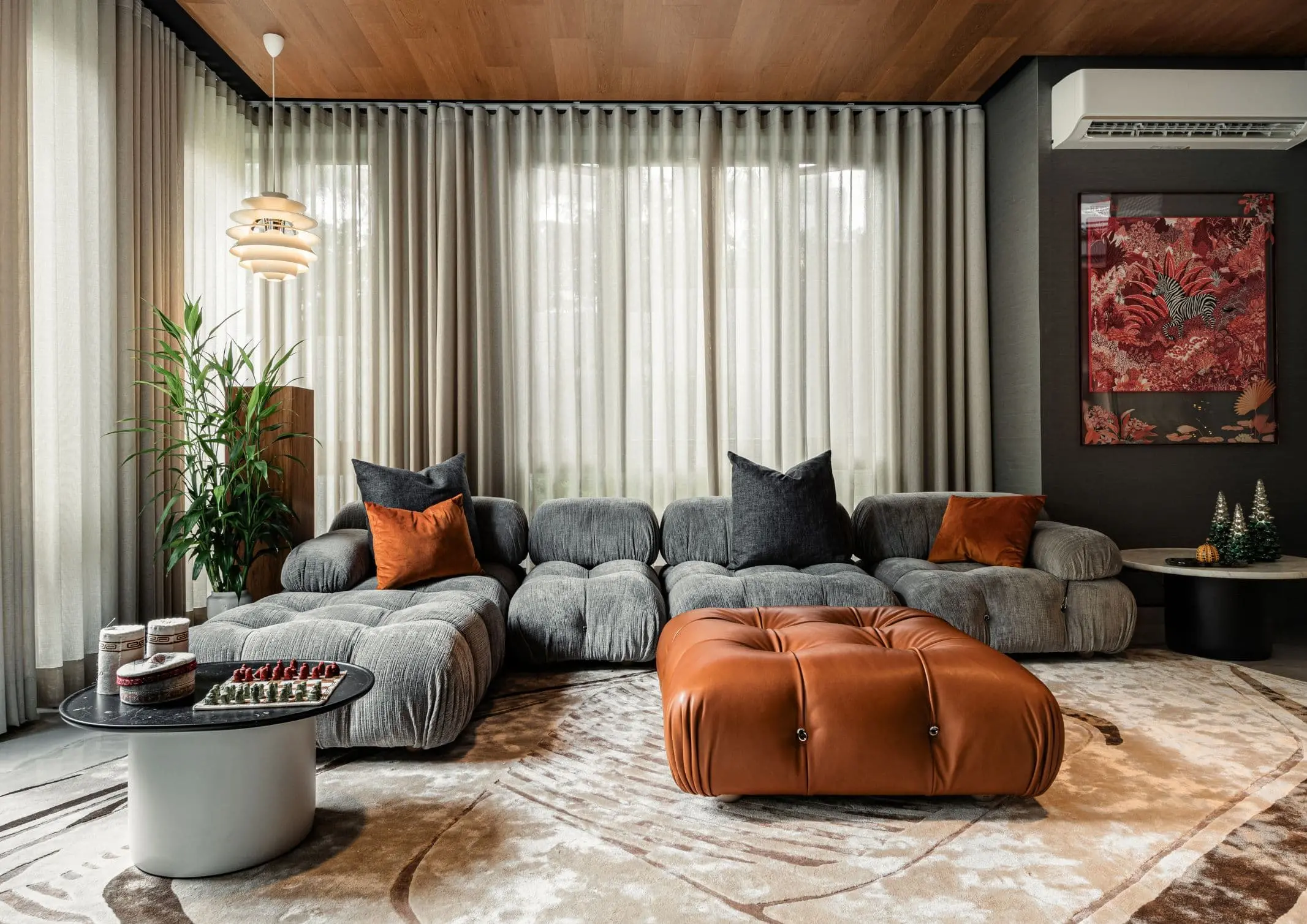
Some have become household names – Coleman, Oster, and KitchenAid – products that have found their way into Filipino kitchens, homes and family routines. In home furnishings, brands such as B&B Italia, Ethan Allen, Sub-Zero, Miele, SieMatic, Louis Poulsen, Hunter Douglas, Tempur, and Technogym, have helped shape the way Filipinos live. From everyday essentials to […]
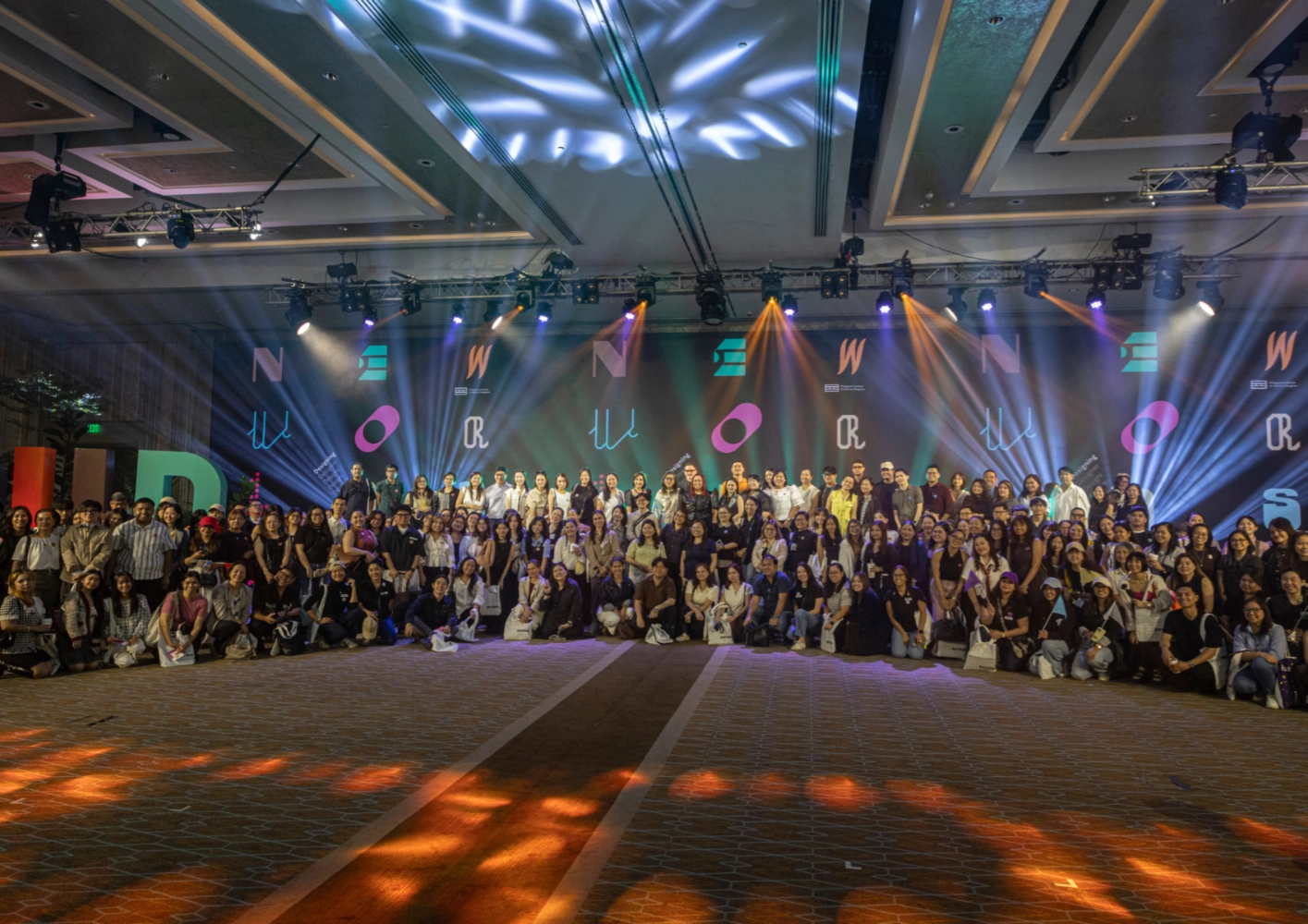
In a way, designers are the modern-day soothsayers and prophets. They design for the future, predicting how a room, a house, a building or a whole city will be used by people. They foresee how users will interact with a space, conjure exact shades of colors to elicit specific behavior and arrange furniture to build […]
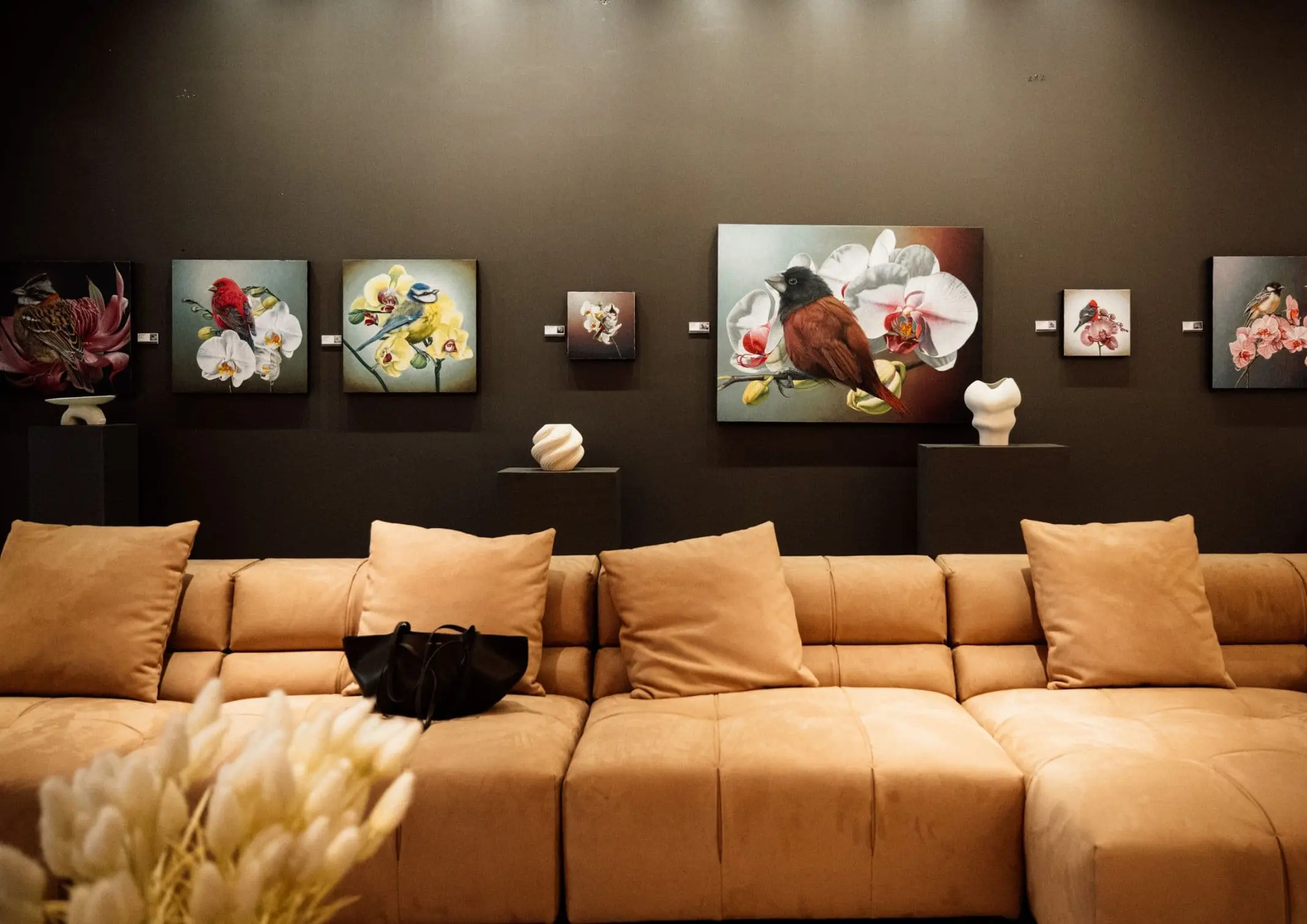
Art and furniture are often selected separately, yet their relationship can shape how a room looks and feels. The collaboration between Hooga and Galerie Joaquin explores how these elements can work together, bringing contemporary artworks into furnished residential settings at Hooga’s showroom in Uptown Mall, Bonifacio Global City. For Hooga, which curates furniture, lighting, and […]
Read the issues.

Collect the volumes.

Recommended Video
Tap to Unmute
Unmute
0:00
0:00