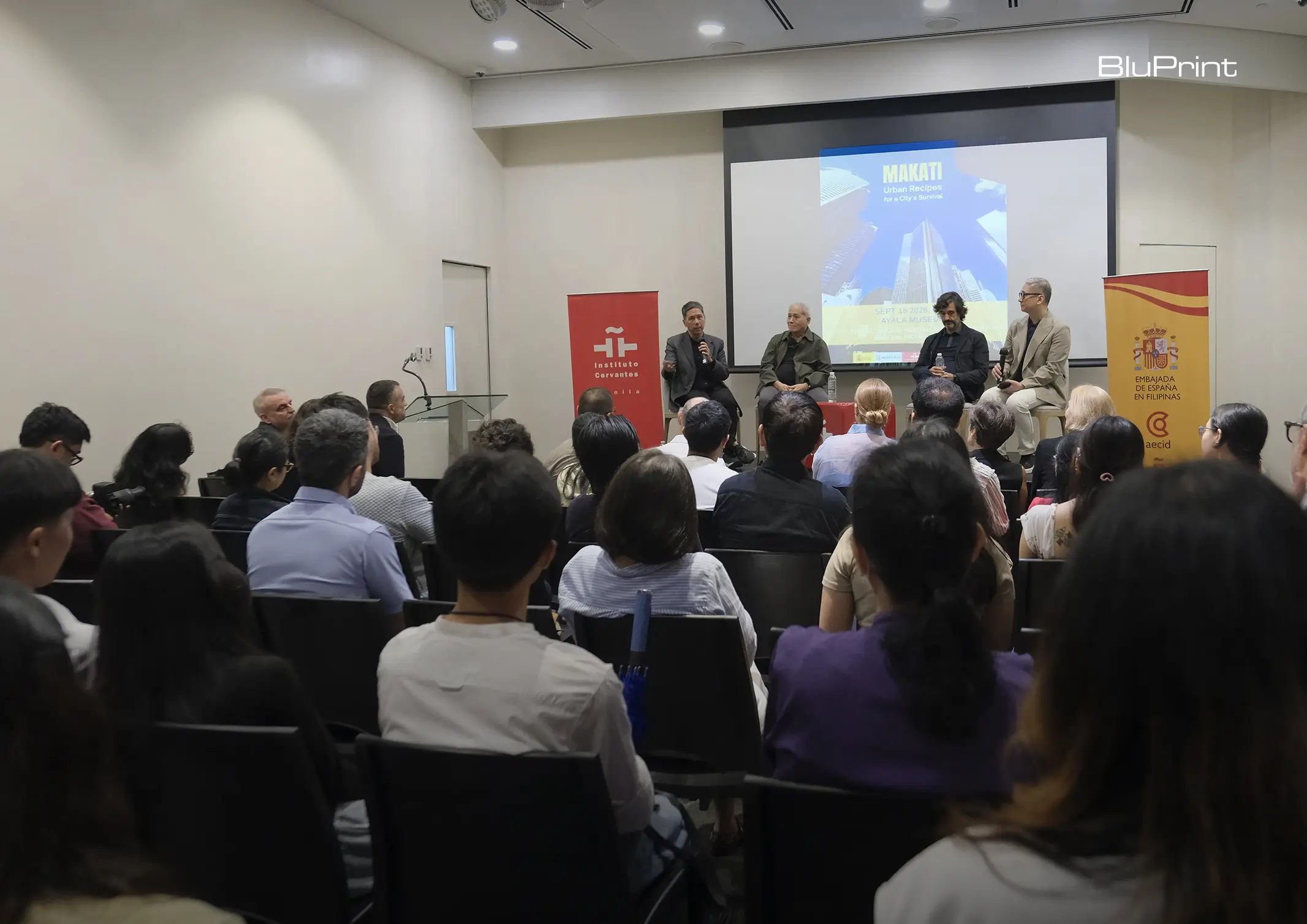
How can better-planned cities create the conditions for more creative, livable, and resilient urban environments? “Makati Urban Recipes for a City’s Survival,” a colloquium held at the Ayala Museum on September 15, brought together architects and practitioners from the fields of urbanism and the creative economy to discuss how design, planning, and collaboration can address […]
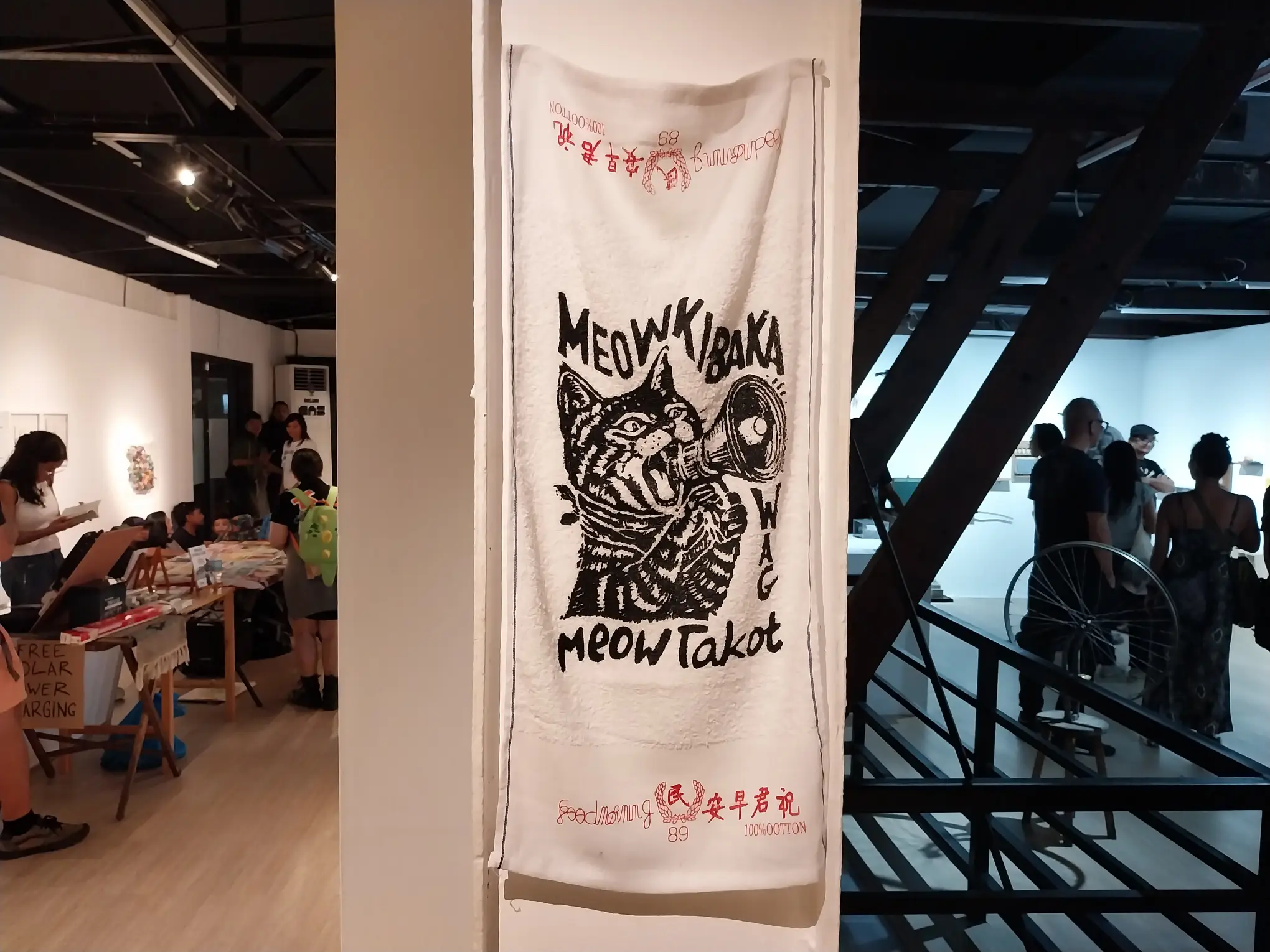
How Activism Proliferated in the Art Scene: BluPrint Year-End 2025



2025 was challenging for Filipinos, to say the least. It was always foregrounded with stressful discussions of corruption, economic unrest, threats of war, and general misinformation that was inescapable. Which is why art has become such an important outlet of activism for people over the past year: what better speaks to this moment in our country than art that goes beyond beauty and instead looks at the ugliness of our world, demanding better, demanding change for our lives?
For our year-end roundup of the art scene, BluPrint highlights six exhibitions that go above and beyond in discussing the pertinent issues of our age. These exhibitions use art as a platform to push against social injustice and rally people towards a common cause.
‘Gloss With A Purpose’ and LGBTQ+ Activism
Combining the works of Philippine photographer Lee Morale and American artist Kia LaBeija, this exhibition at Kalawakan Spacetime epitomizes the queer experience in both countries. LaBeija, a queer artist who was born HIV-positive, uses her artwork to depict her experiences as a woman of color dealing with HIV; Morale, a transgender woman from Mindanao, finds glamor in the mundanity of everyday Filipino life through her photographs.
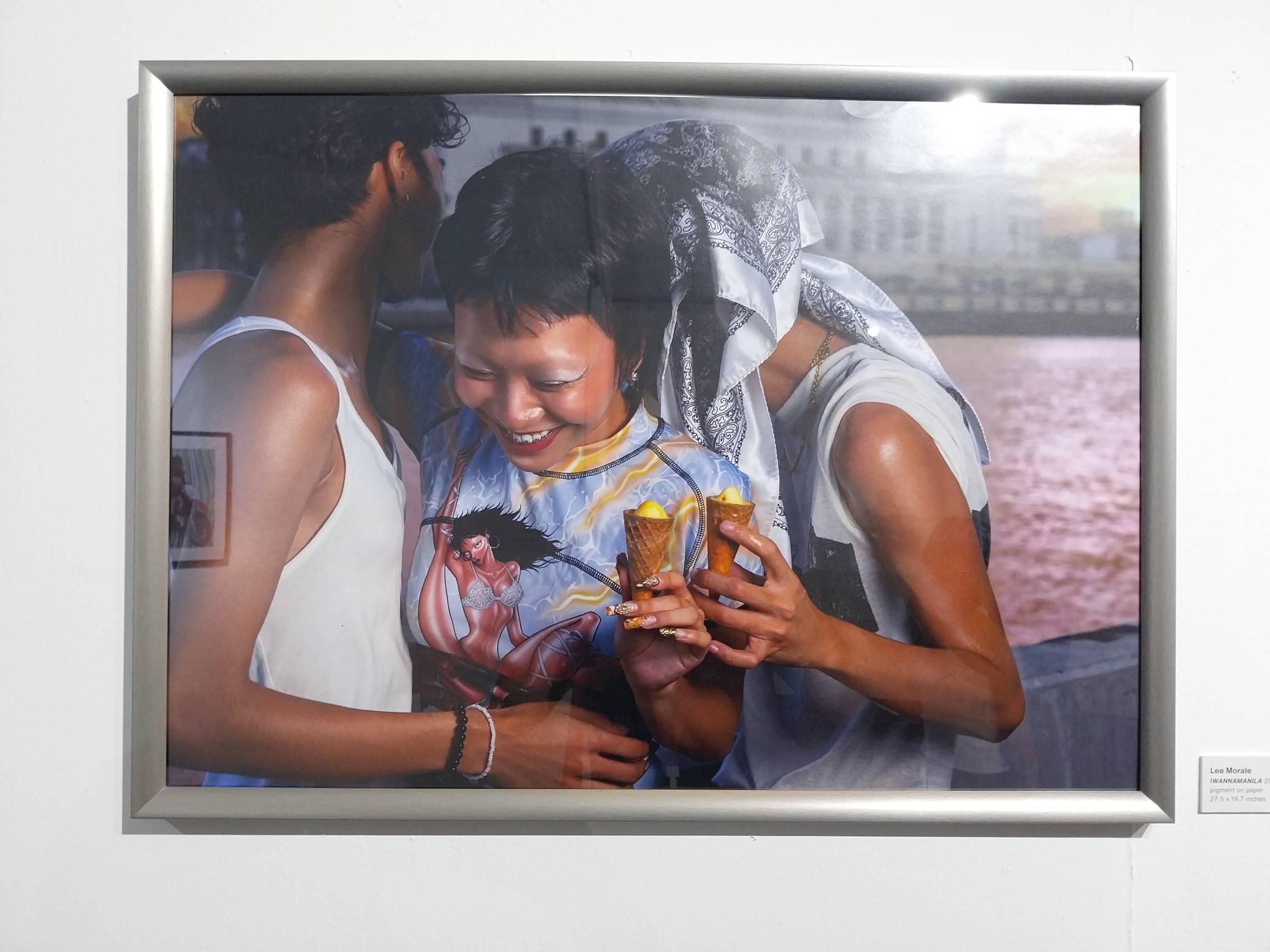
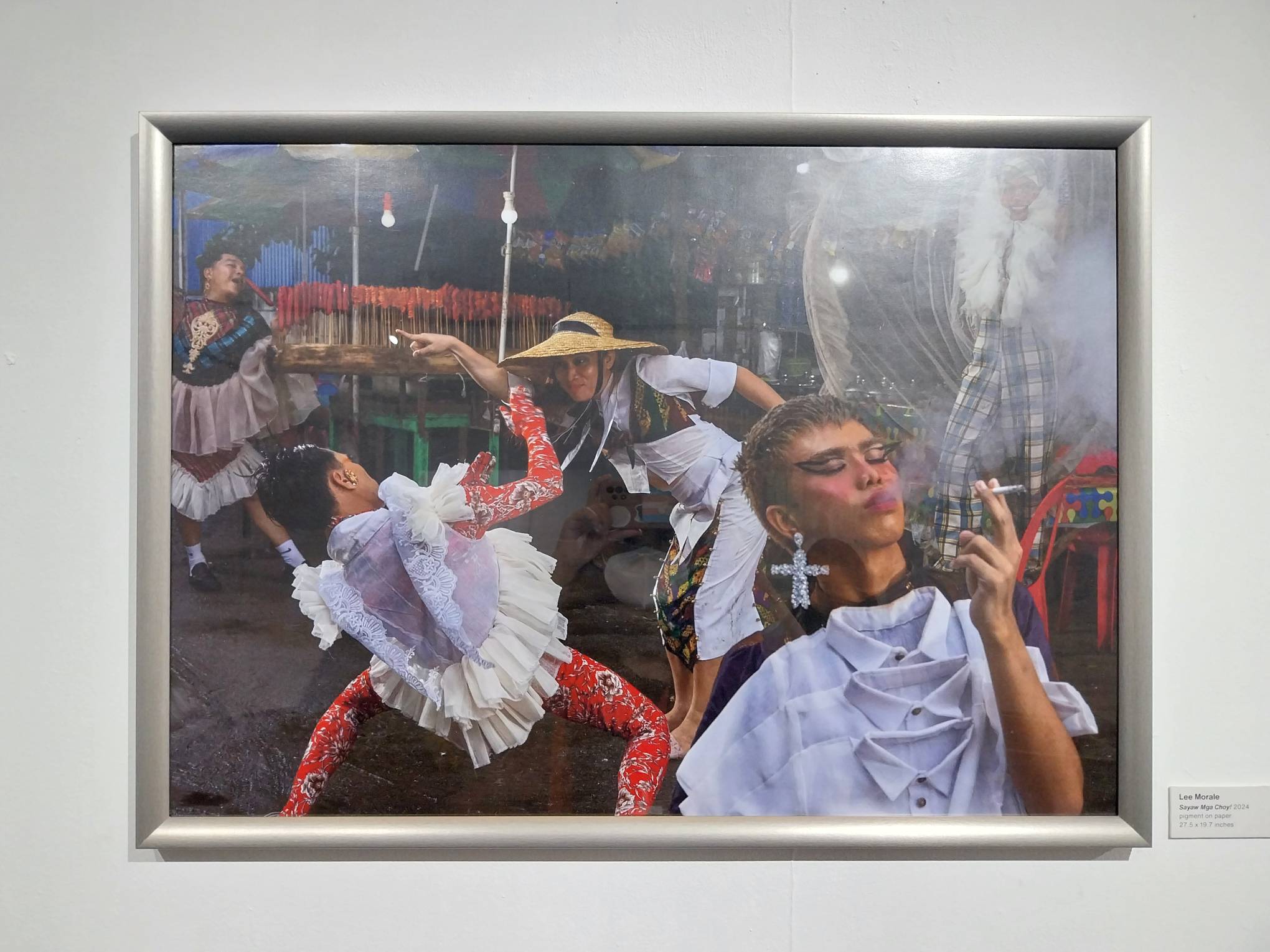
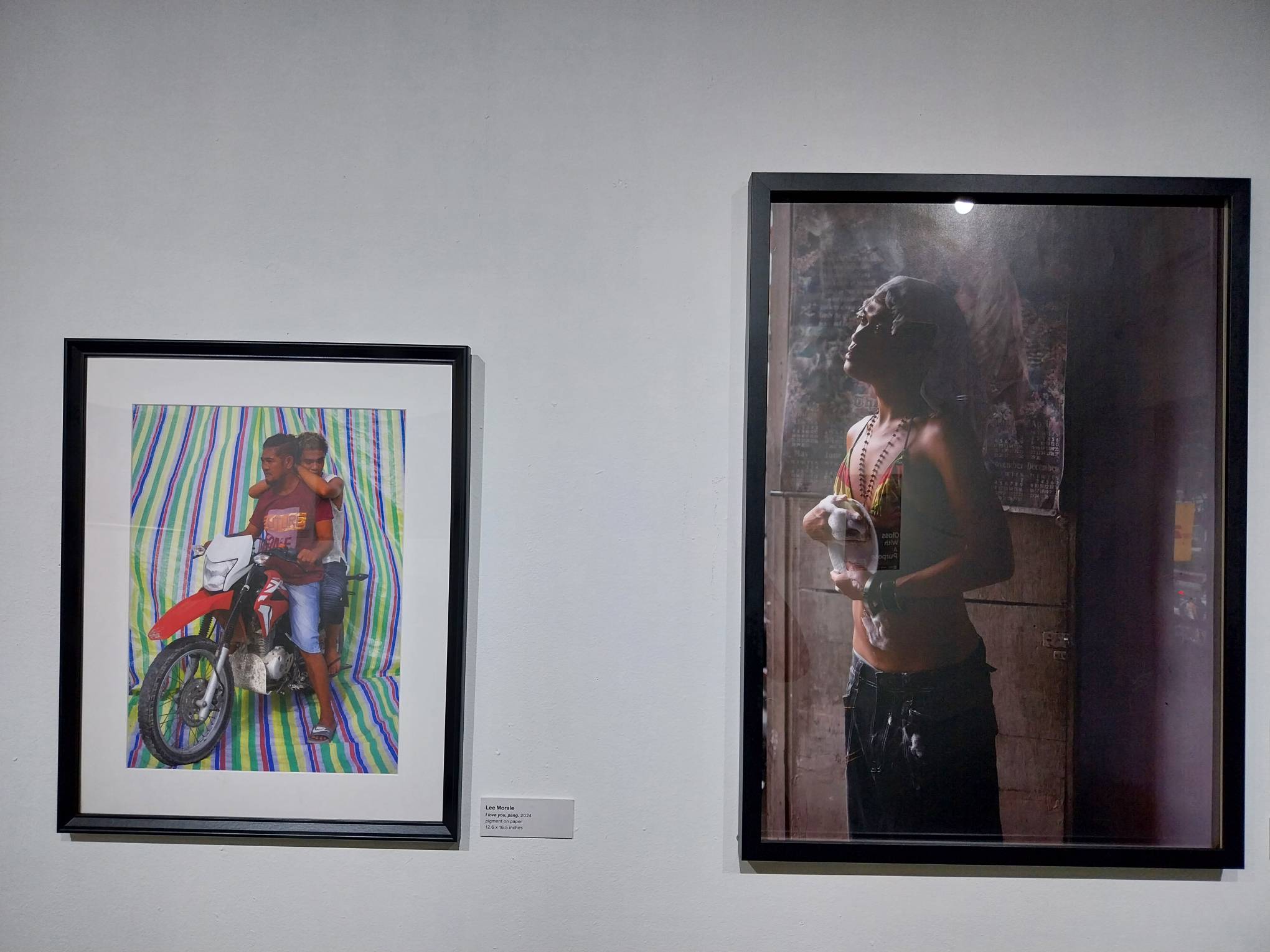
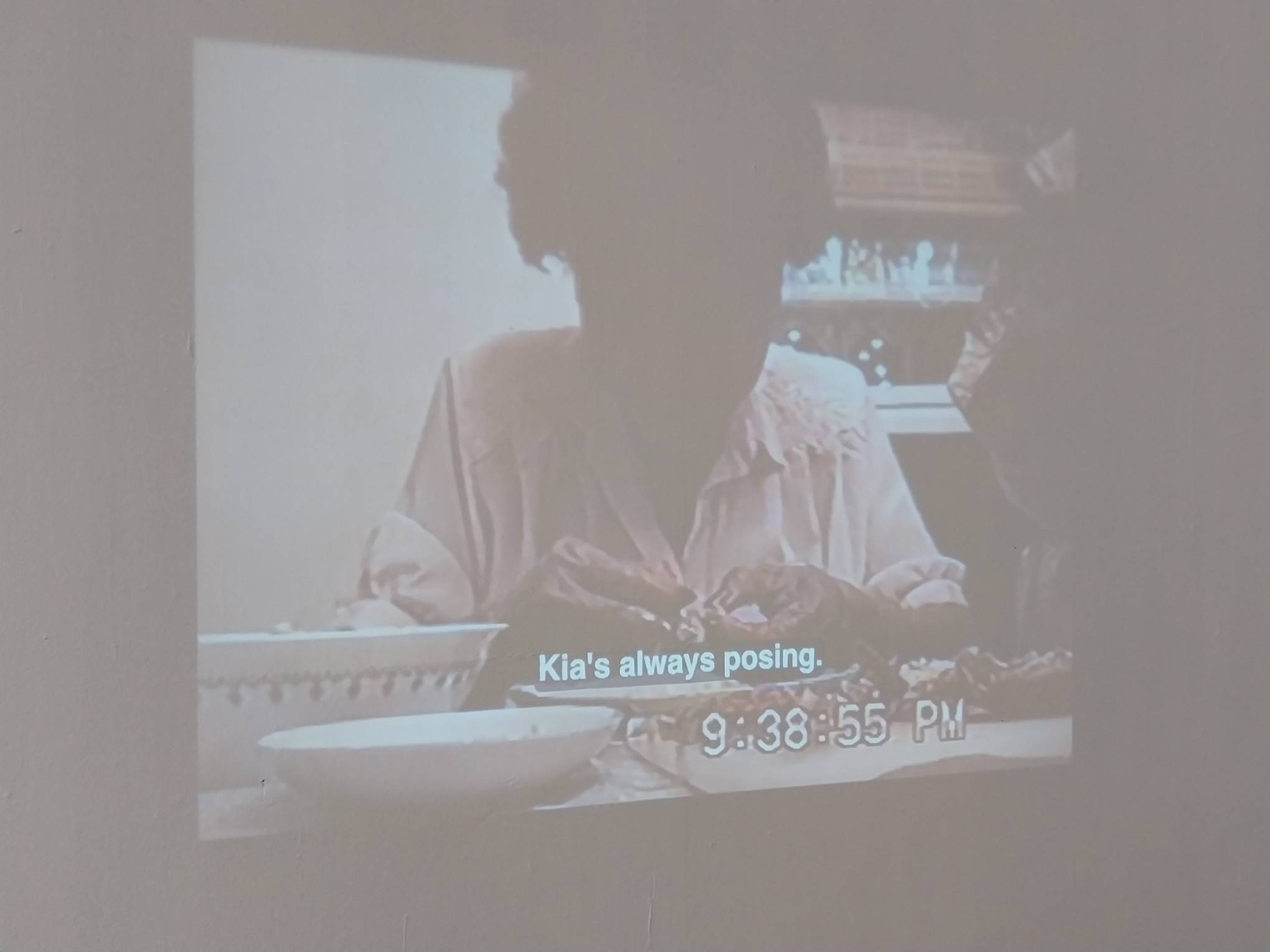
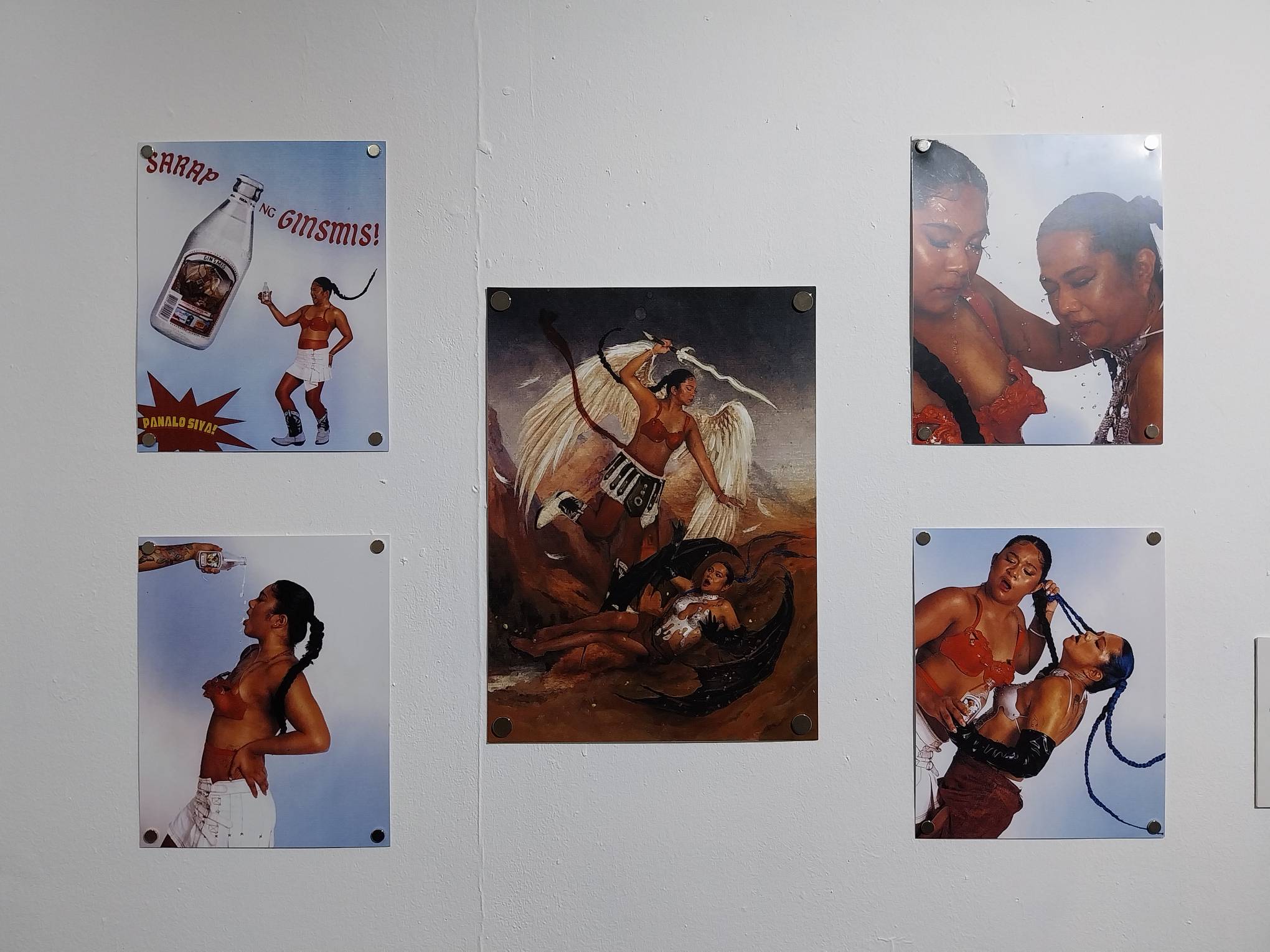
Both women fight against their marginalization by crafting their own narratives on who they are. In a year where LGBTQ+ rights have been embattled across the board in Western countries, the ability to be able to tell one’s story in their own words and images becomes more necessary to combat lies and misinformation proliferating online against their own community.
Read more: ‘Gloss with a Purpose’ and Exploring Truths in Performing Queerness
‘To Gather, Together’ and Resistance in Institutional Settings
Not many art exhibitions this year spoke of the tragedy of the Gaza bombings and genocide as explicitly as last year, partially because of increasing economic unrest around the world, and partially because Western institutions like the British government has openly attacked activism against Israel’s treatment of Palestine as ‘terrorism.’
Thus, an exhibition like To Gather, Together remains a shocking reminder of the atrocities being done abroad—and their links to the atrocities being done in our country.
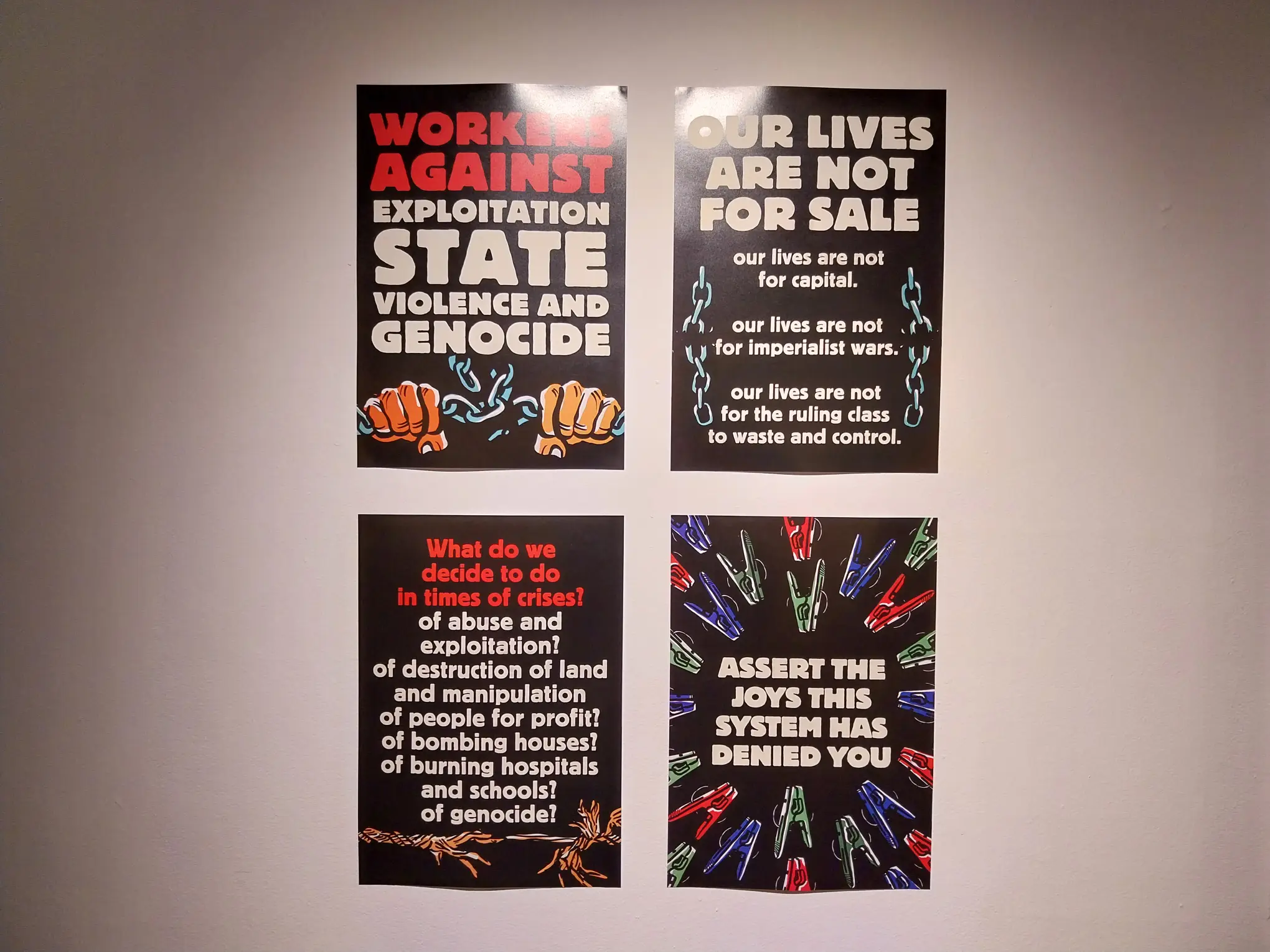
One of the exhibitions shown at Gravity Art Space in July, it was a group exhibition organized by Buen Abrigo that centered around the concept of community: finding the similarities and common ground between groups without removing the differences in each culture and person.
The exhibition laid stark the necessity of community, of having groups of people with shared values together, in launching resistance against the unjust practices and laws of imperialist powers here and abroad.
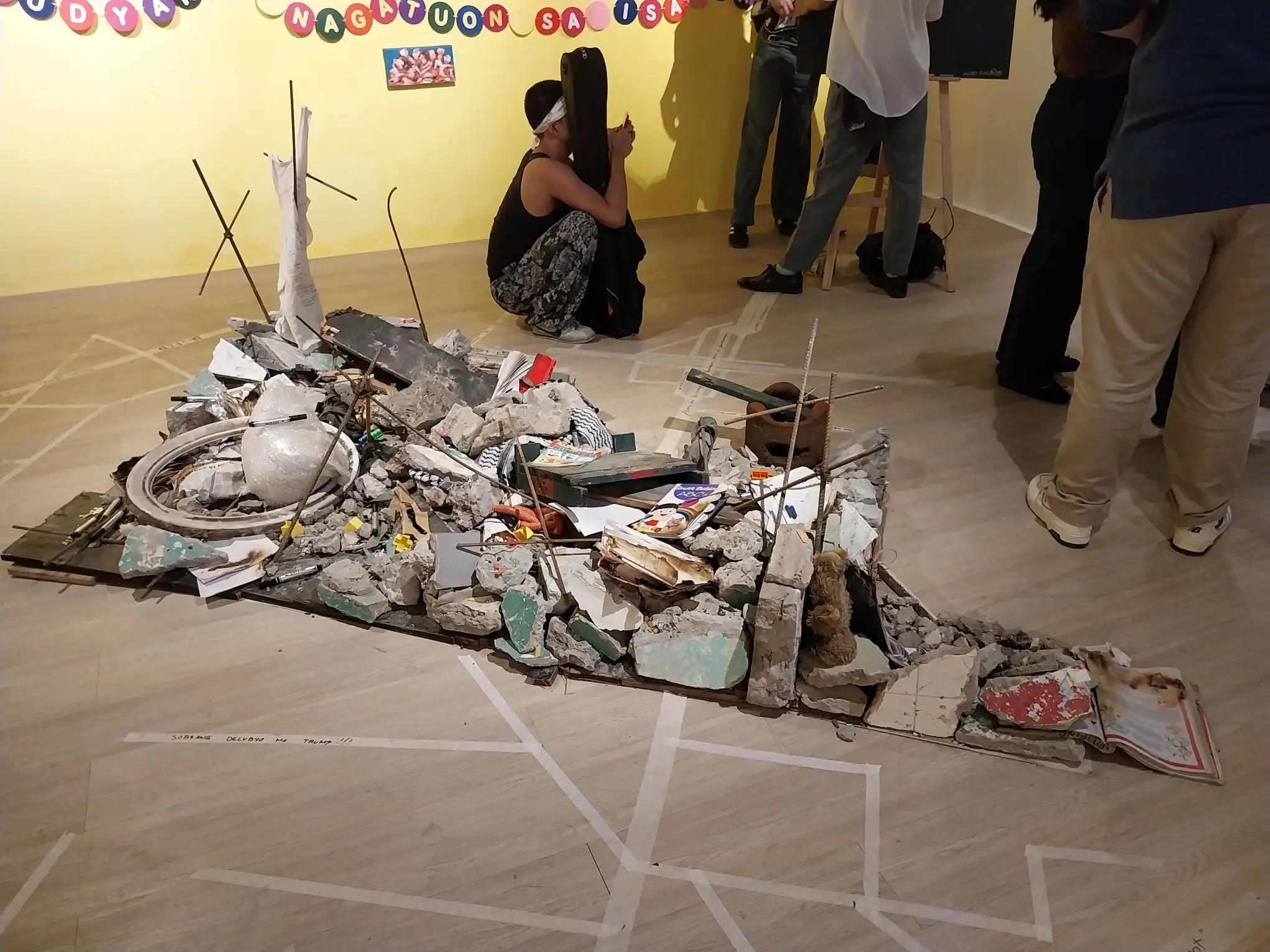
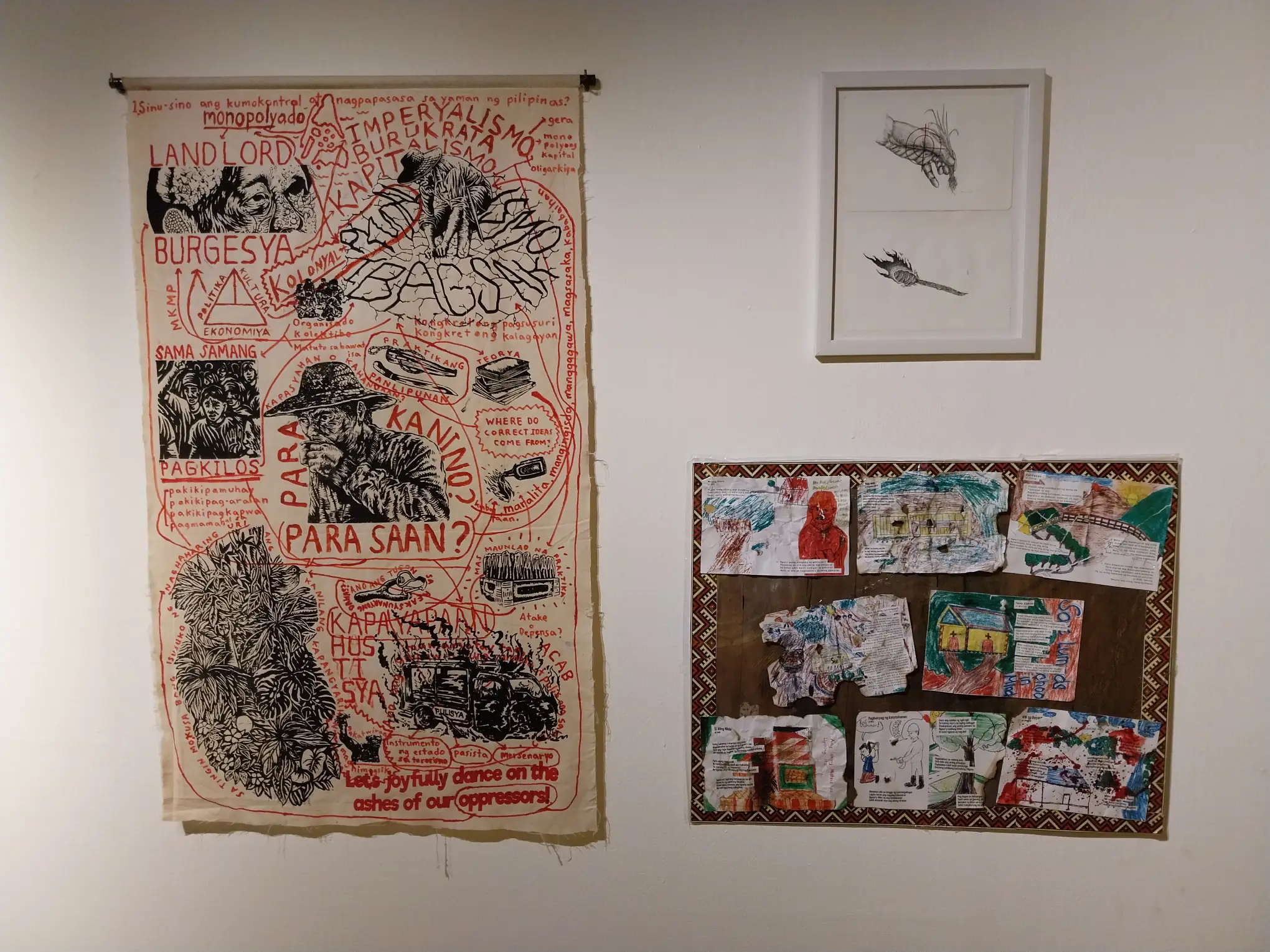
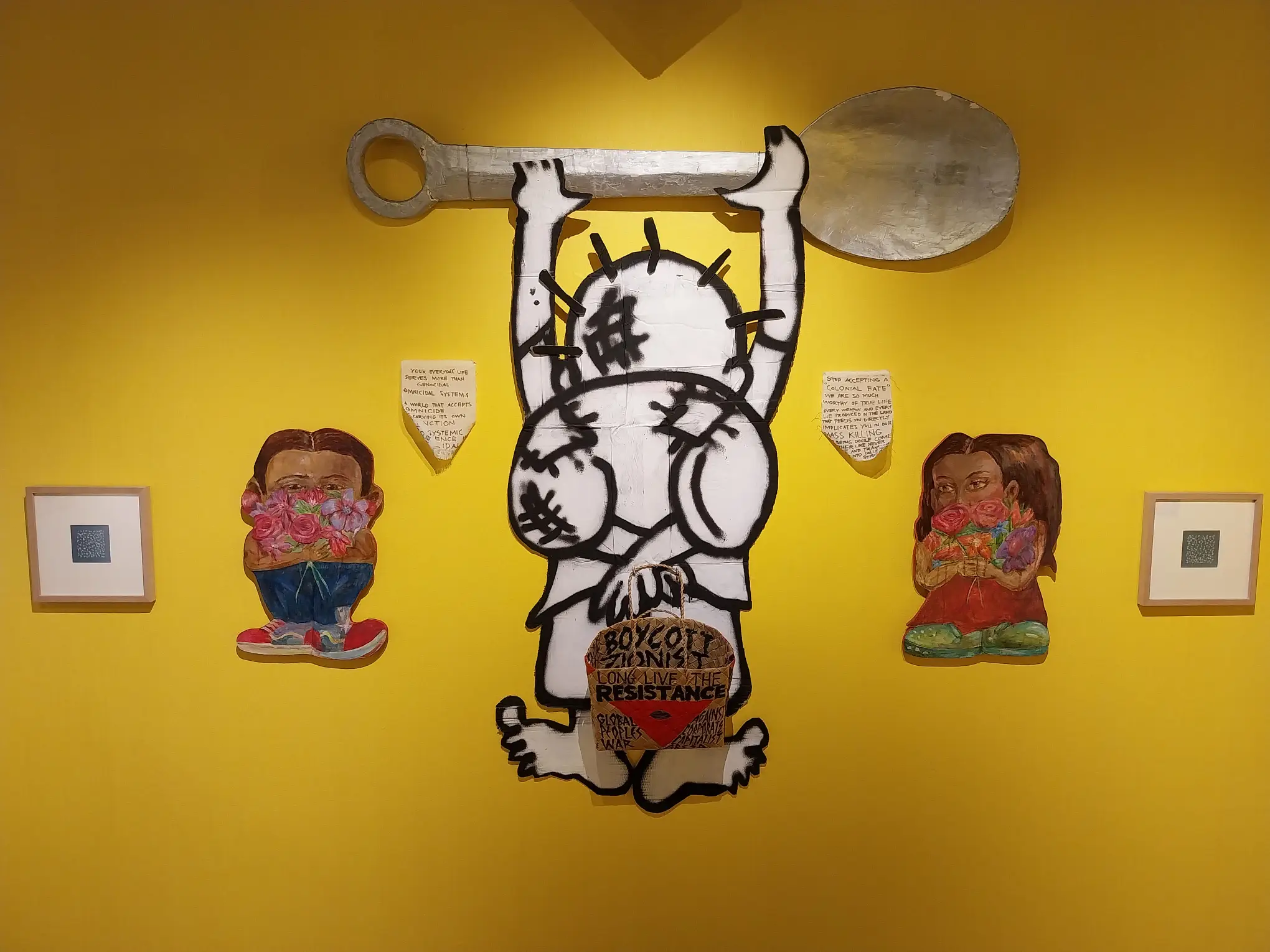
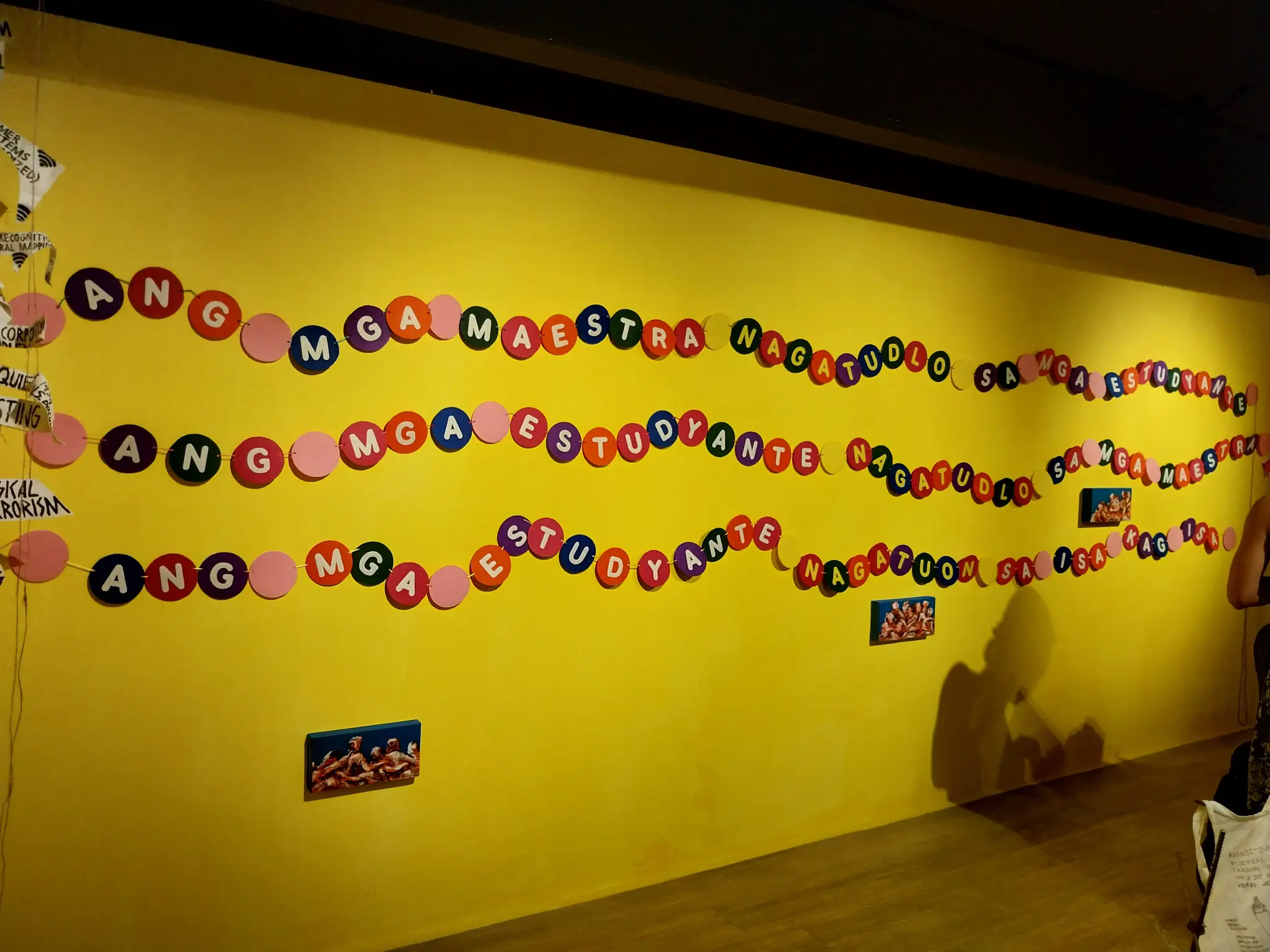
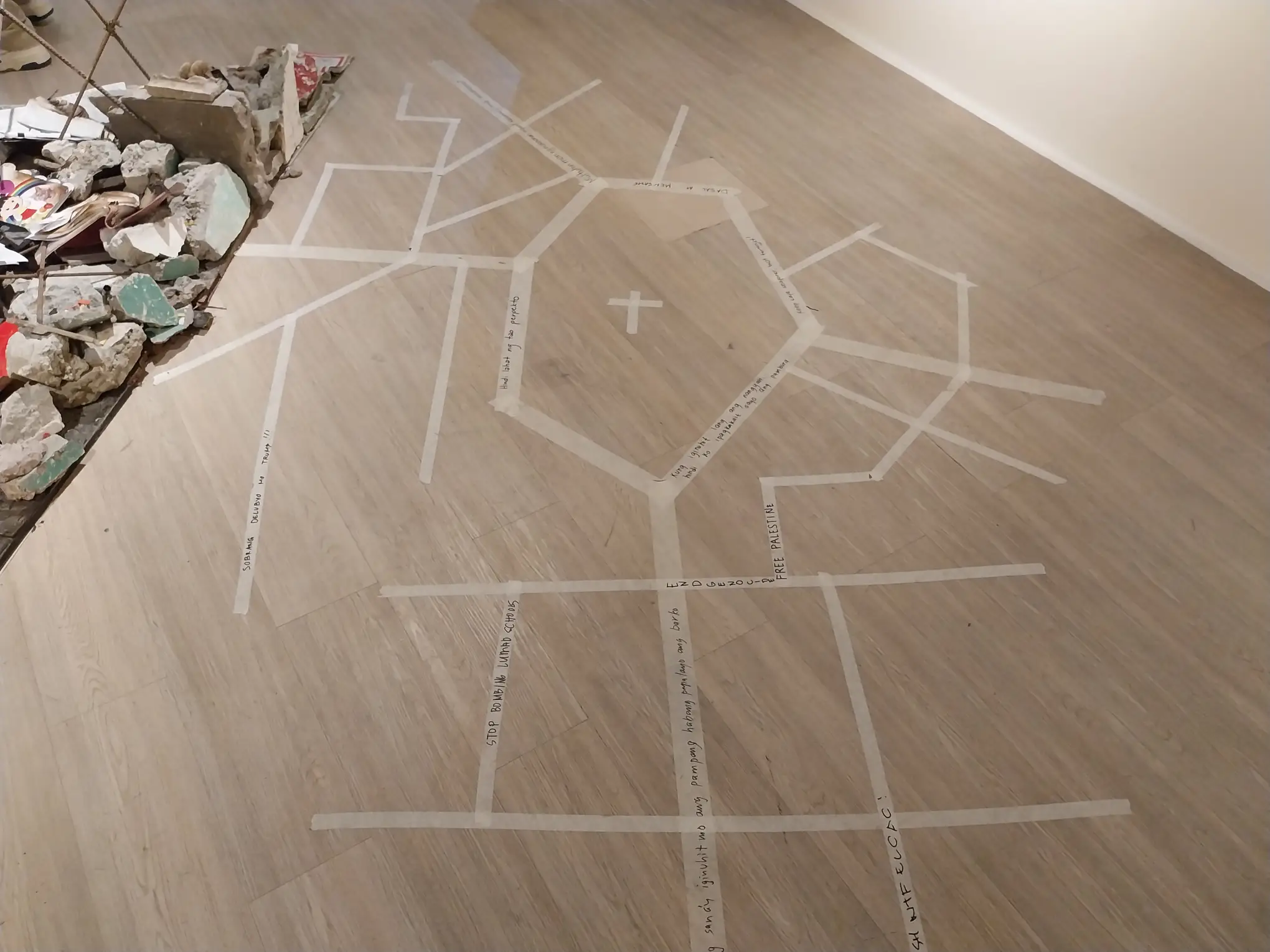
Its explicit protest against the killings of Palestinian children and families is just one of the many points of injustice it references, among those the Duterte’s drug war that killed many innocent lives and labor rights across the country.
“It brings together artists whose works explore knowledge-making, survival, and resistance through forms rooted in local realities—whether in urban loops or rural rhythms,” the exhibit write-up said. “These are not grand gestures, but lived articulations of being with others: works shaped by collaboration, kinship, ecology, and struggle.”
‘Stakeholding’ and the Hardship of Depicting Society Accurately
Artist Lyra Garcellano pushes forward a broader, but no less important, piece of societal commentary and activism with her in-progress board game Stakeholding. The game is rooted in society’s inequality, with players receiving different amounts of ‘capital’ based on identities they randomly draw from a bag. There, they try to navigate achieving their goals despite, or because of, the status they are born into.
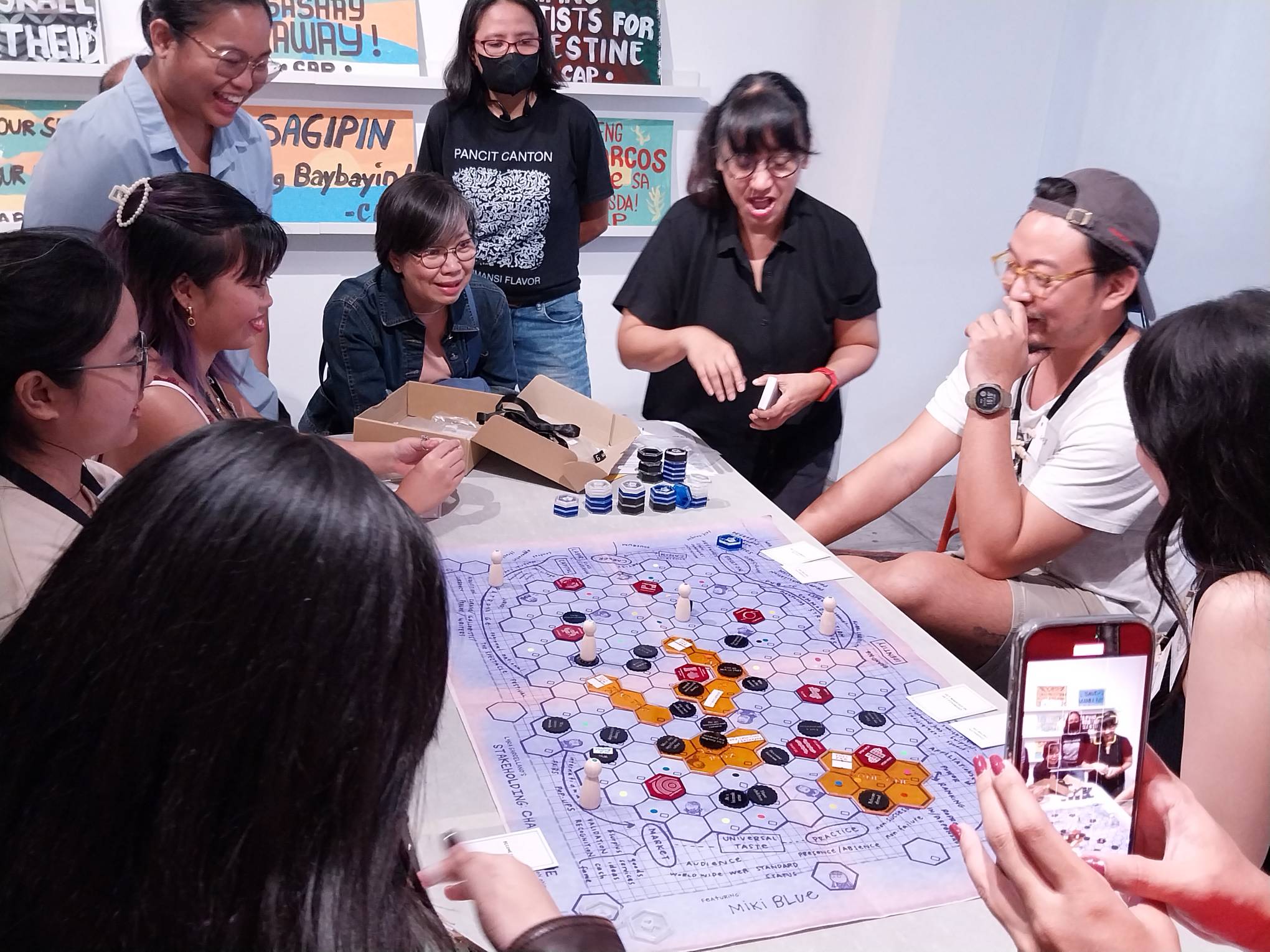
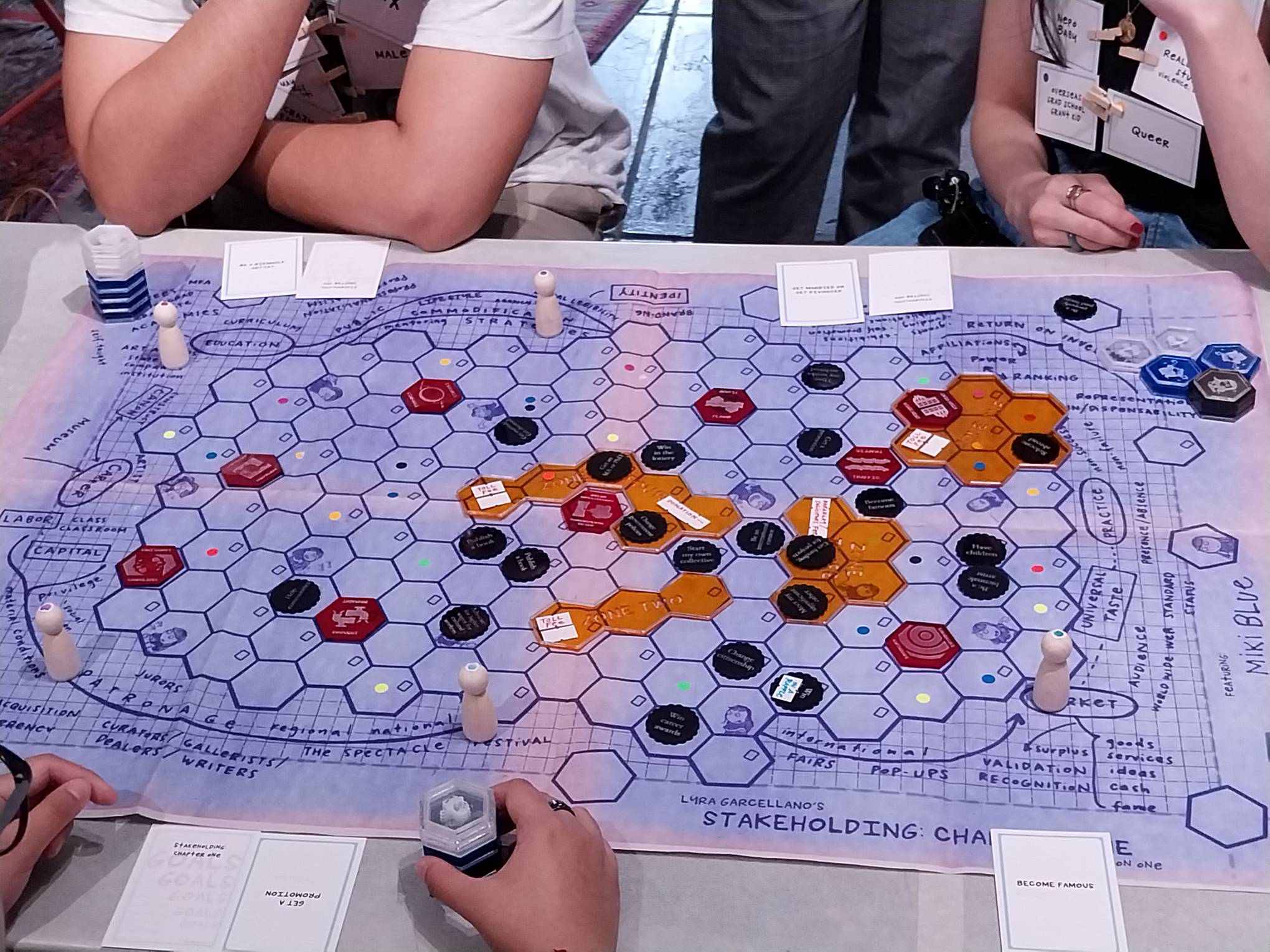
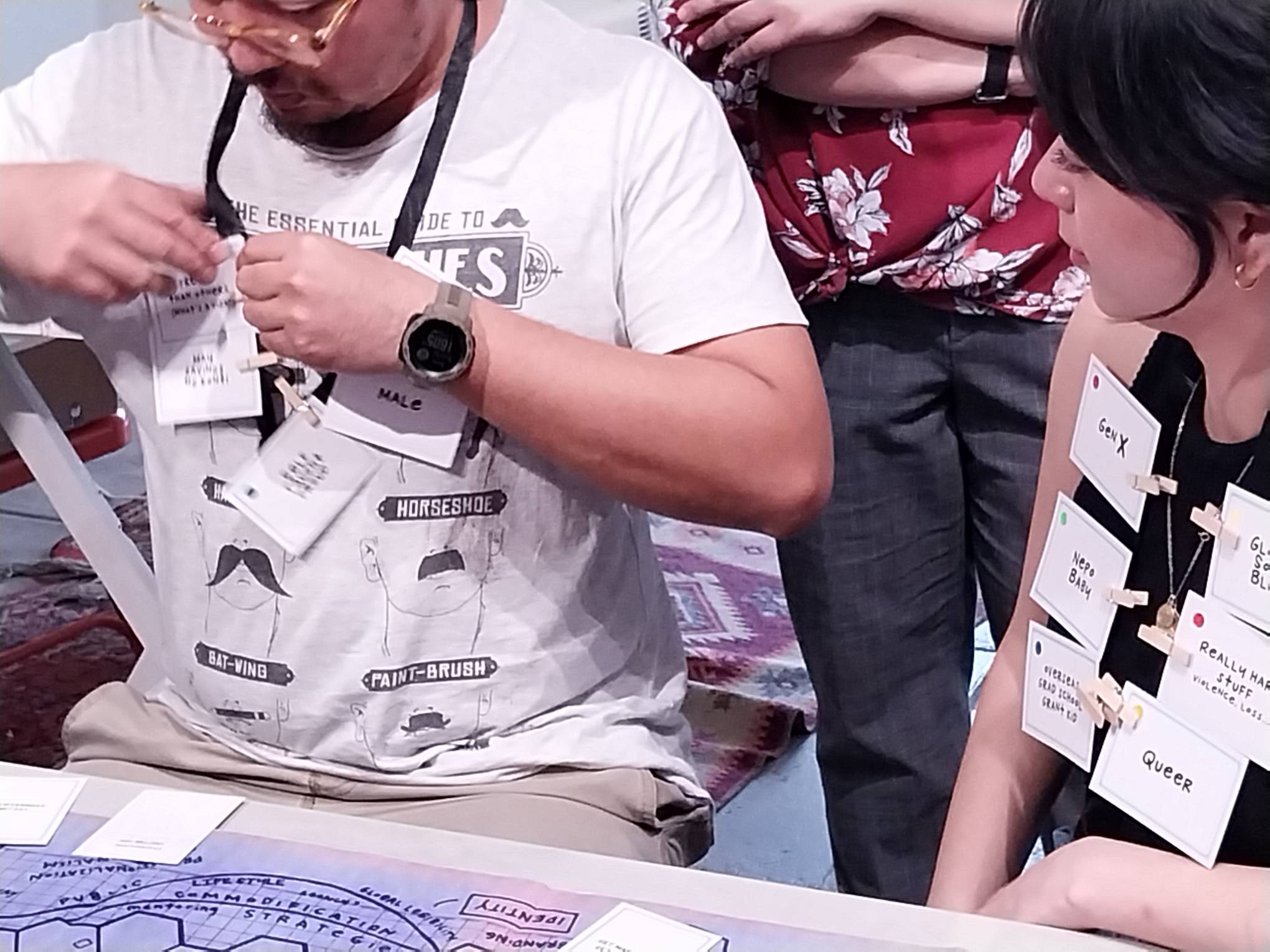
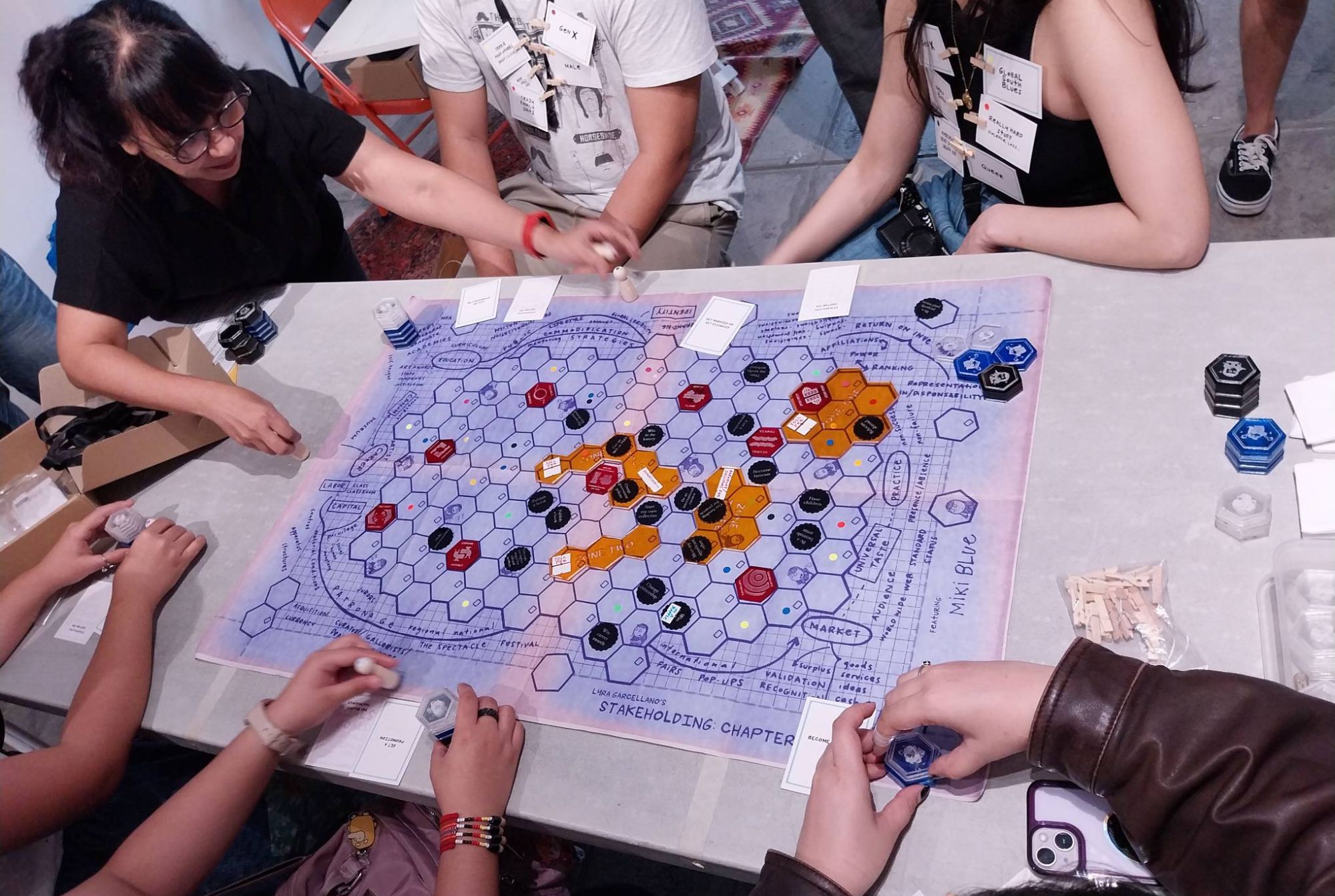
It is a game that also functions as commentary on how art can’t fully depict society in all its complexity. Our roles can be interconnected, yet a single artwork can’t bring them together. Which is what Stakeholding provides: a more comprehensive and complicated look at the multiple factors that make life easier or harder for every individual out there.
Read more: ‘Stakeholding’: Looking at the Praxis of Political Ideology in Gaming
‘To Find Gold In A World That Needs Silver’ and Simulating Reality
Jose Olarte’s exhibition at Gravity Art Space puts viewers in a hyper-small space of screens, fluorescent lights, and cubicles, pushing for a discussion about consumerism, and how devalued work and reality are, to the point that they become separate from how we see society as a whole.
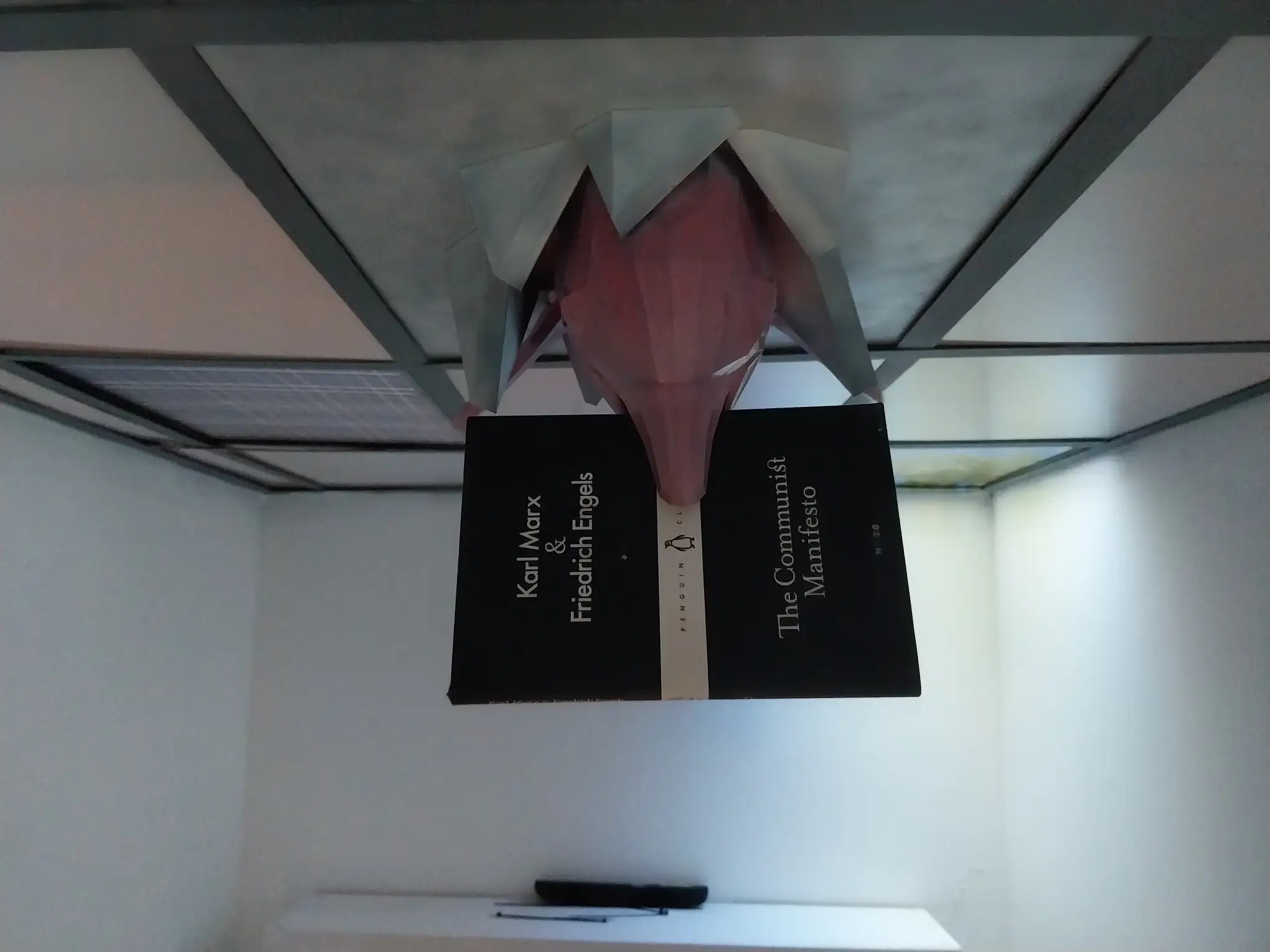
Karl Marx has this theory where he discusses how workers lose meaning to their life and happiness when they become cogs of the machine, separated from their labor. Olarte’s exhibit puts viewers inside a tiny room where the only way to see through society is a screen.
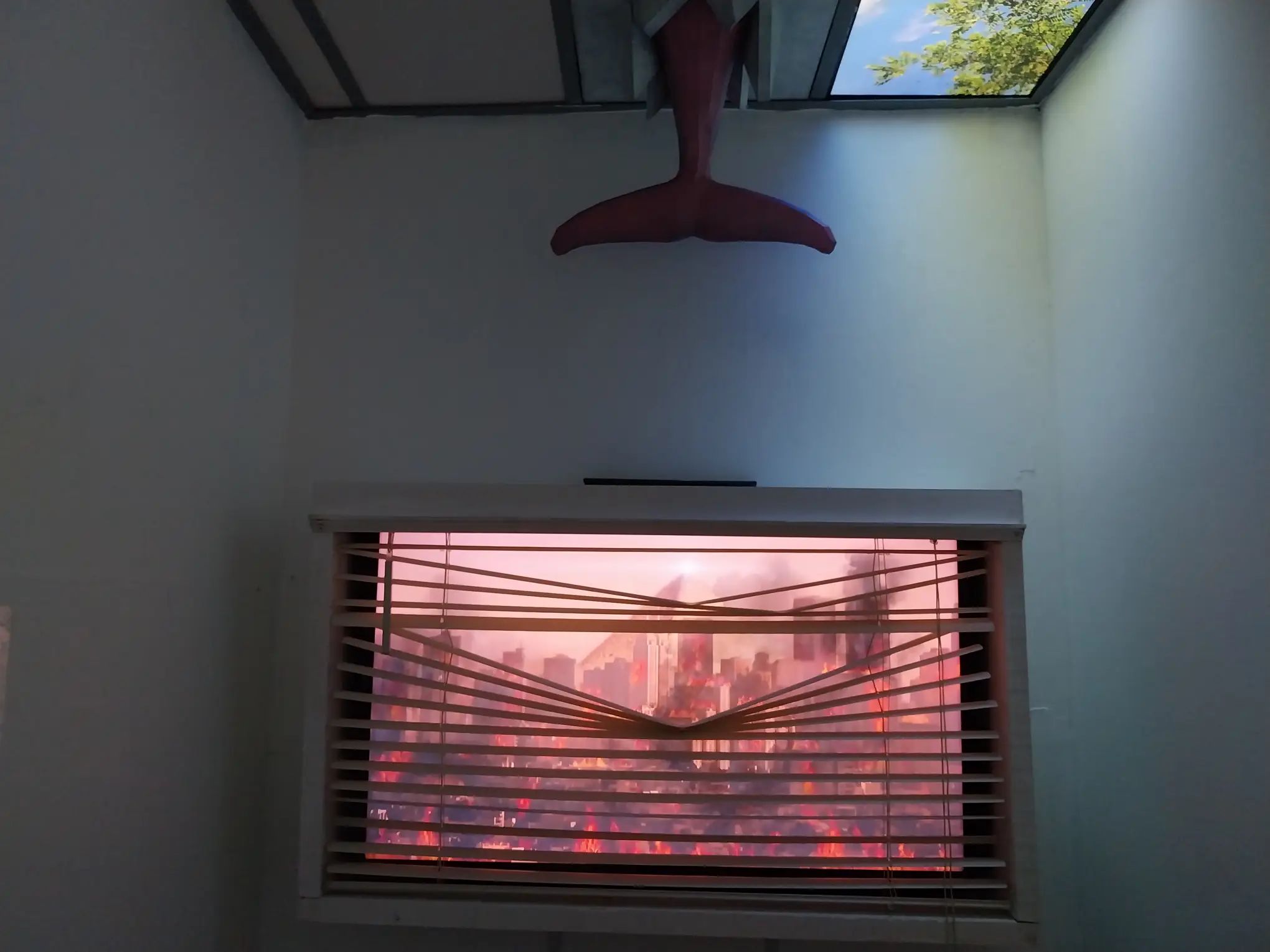
It seems to mock our simulated world, engrossed in computers and smartphones, prompting us to wonder how separated we are from society, never truly seeing how our work benefits the world, and never getting rewarded for it. The exhibit touches upon our society of inequality as the rich hoard more and more resources for the benefit of no one, asking pertinent questions about what we end up getting from it in the long run.
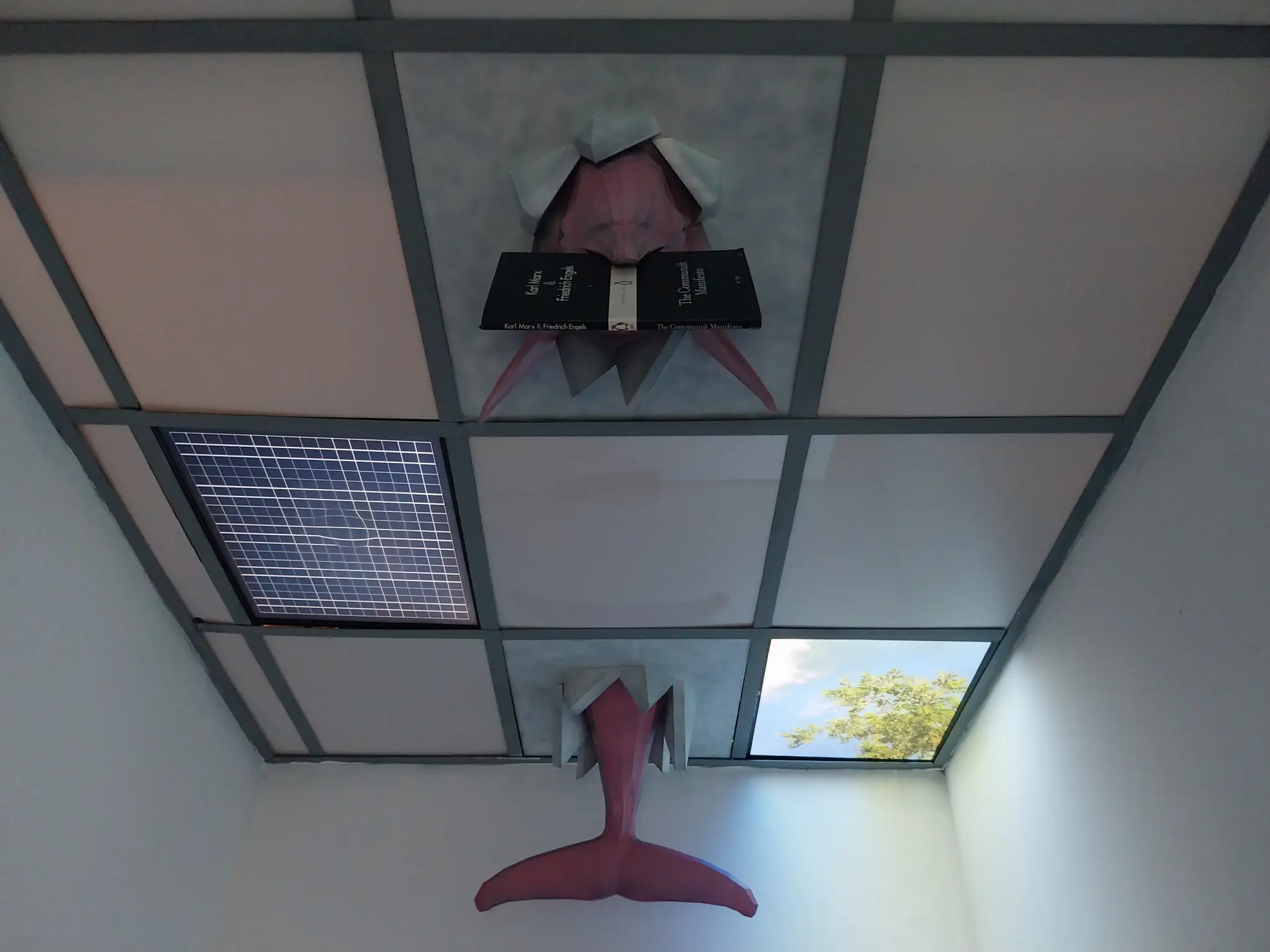
“In an era where hard work doesn’t necessarily produce rewards, and where work anxiety is all but normalized, what does it really mean to be working class in the 21st century?” the exhibit write-up asked.
‘Creatures of Apathy’ and Political Satire
Paul Eric Roca, an illustrator best known for his satirical newspaper illustrations, created this exhibit at Altro Mondo Creative Space in February as a reflection on our society’s corruption. The imagery is loaded, actively highlighting the decay of society’s fixtures while pushing viewers to action.
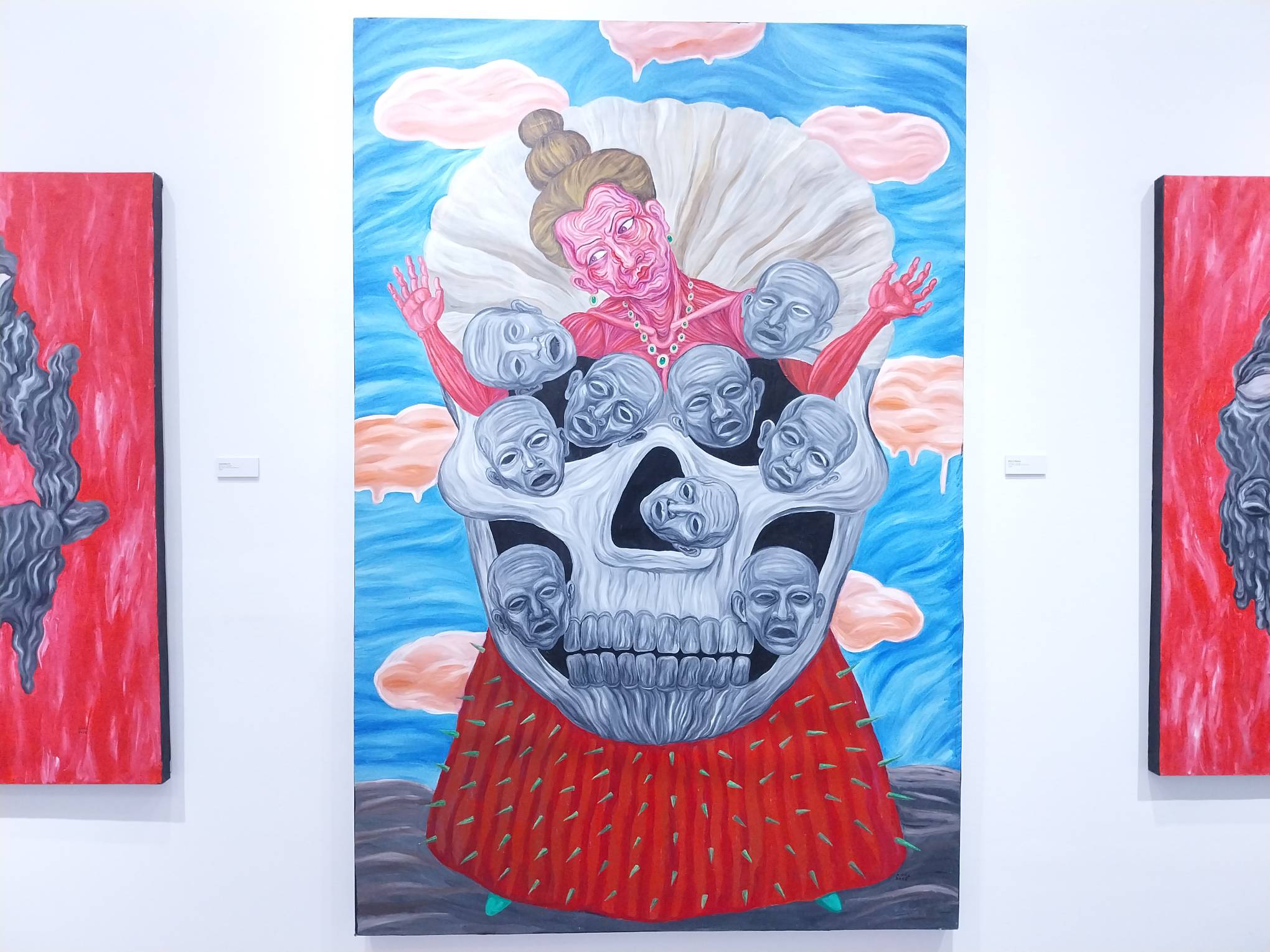
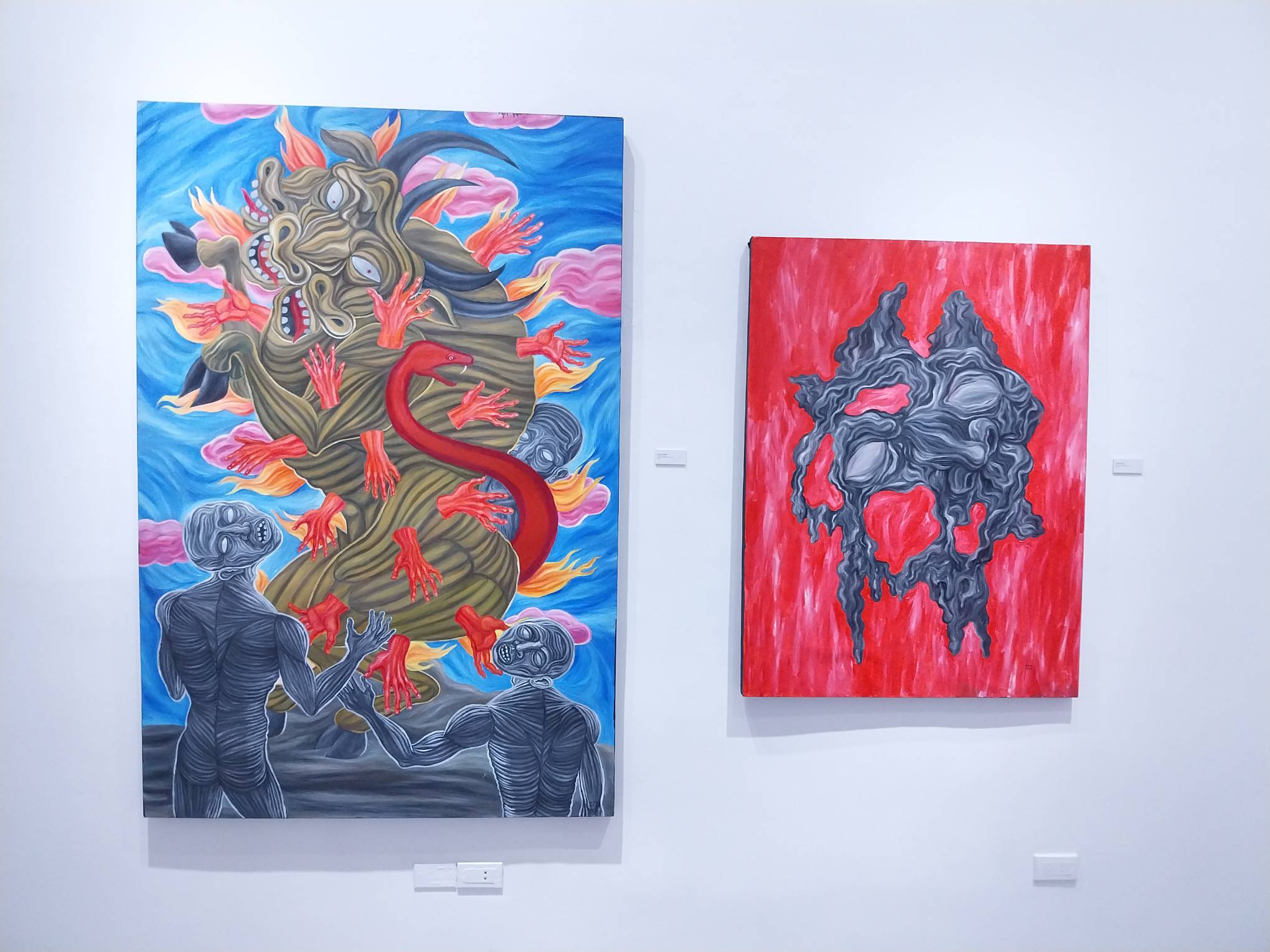
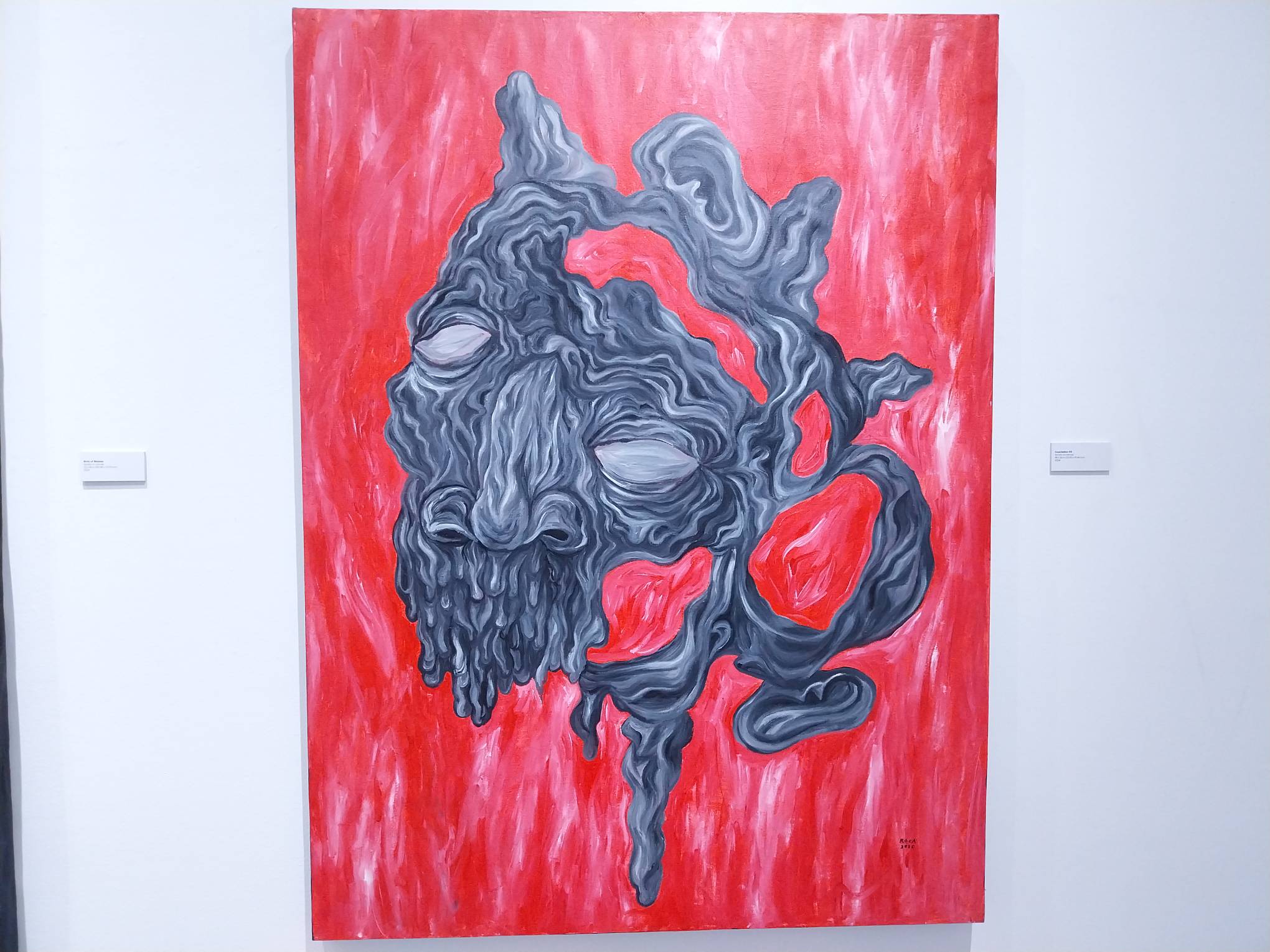
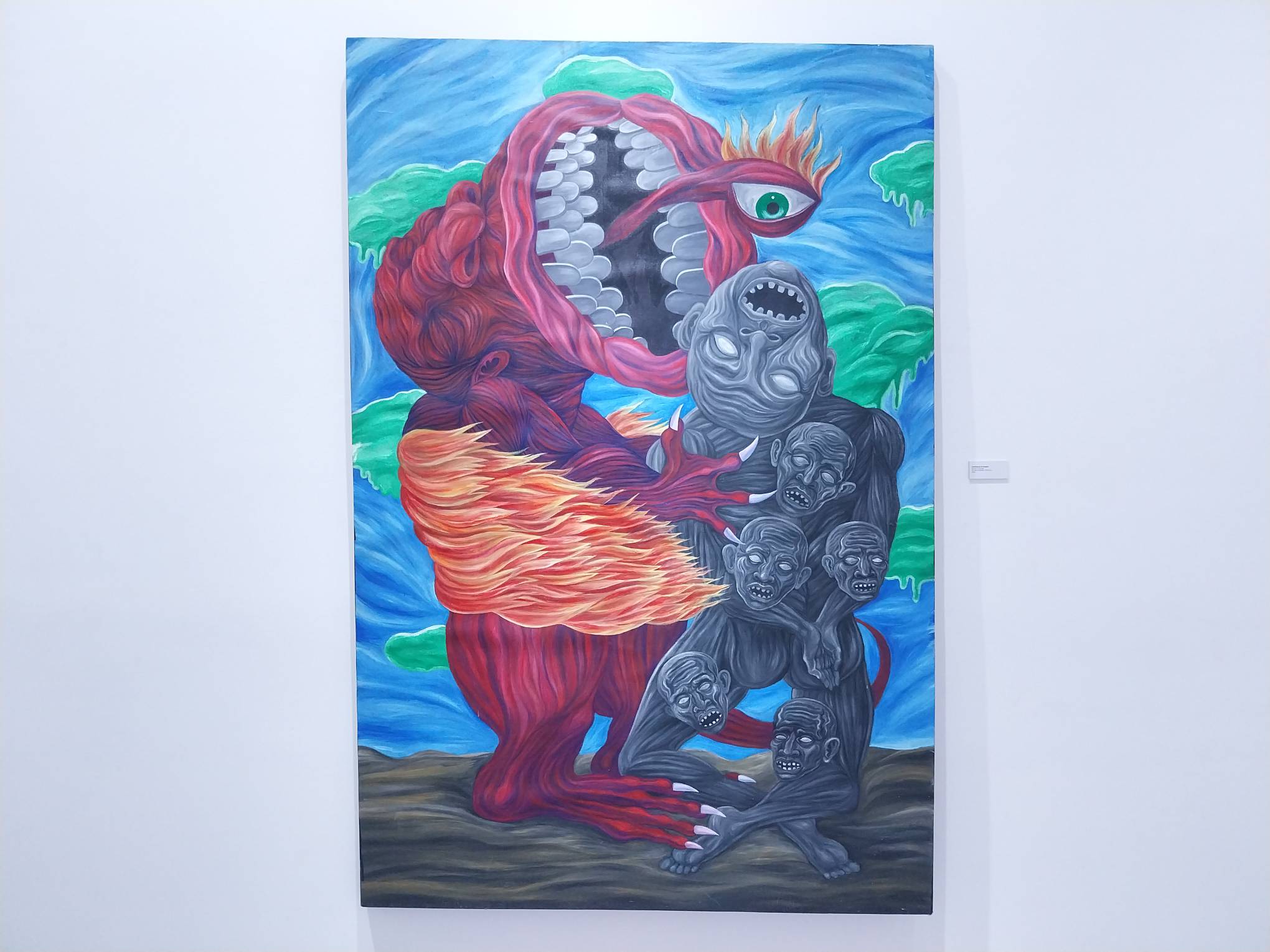
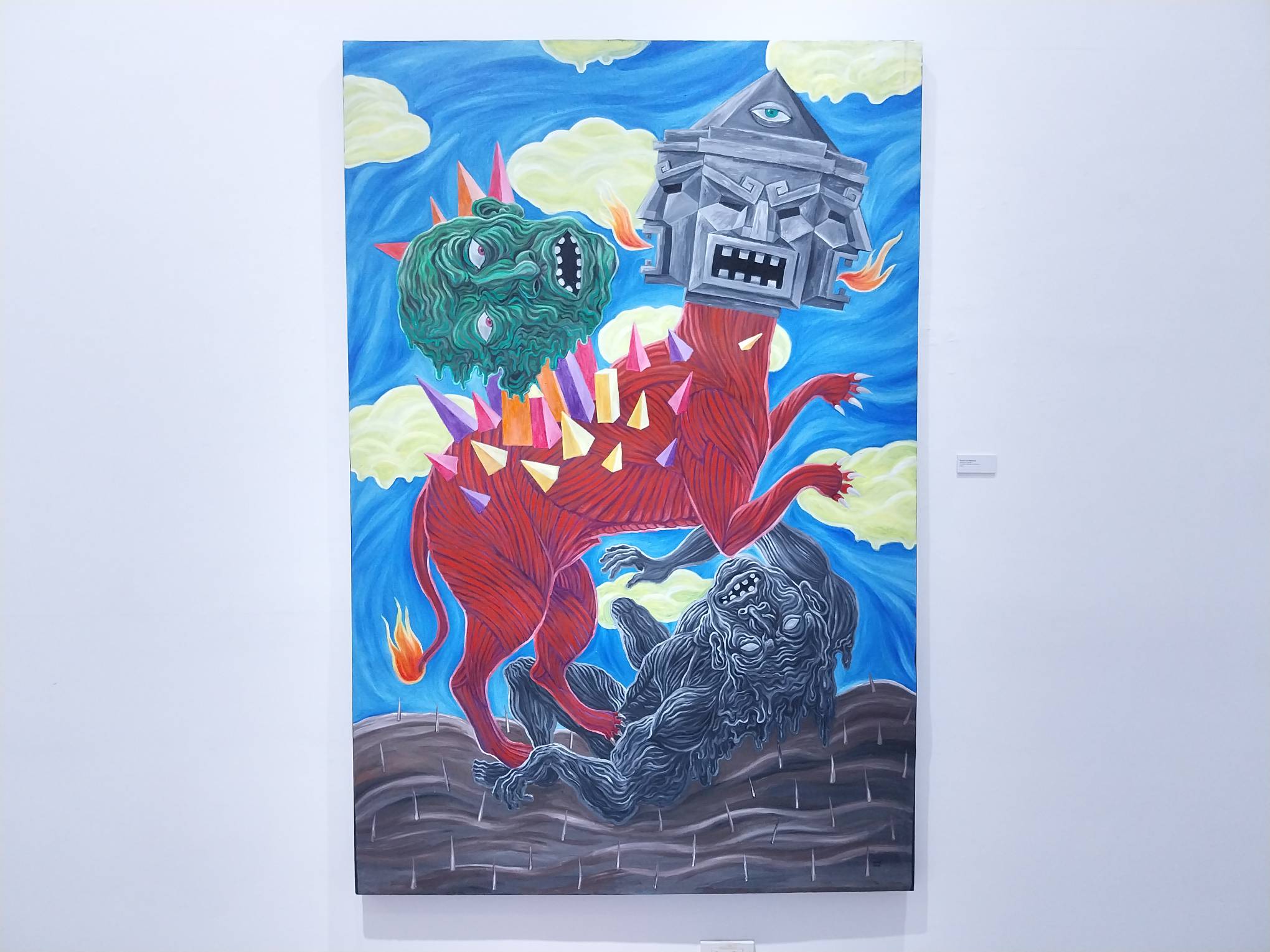
“His fantastical and surrealist works serve as haunting allegories,” the exhibit write-up said. “[They are] grotesquely twisted visions that transform the familiar into the bizarre and the strange.”
Read more: ‘Creatures of Apathy’ Explores the Grotesque Sides of Humanity
‘Angat Sining’ and Advocating for Artist Rights
As a final, positive, and hopeful note on activism, here is a program aimed at teenagers and young adults that shapes artists’ futures today. The Angat Sining Fellowship, run by the non-profit organization Angat Buhay, seeks to support young, up-and-coming artists in nurturing their talent and providing opportunities for artistic expression.
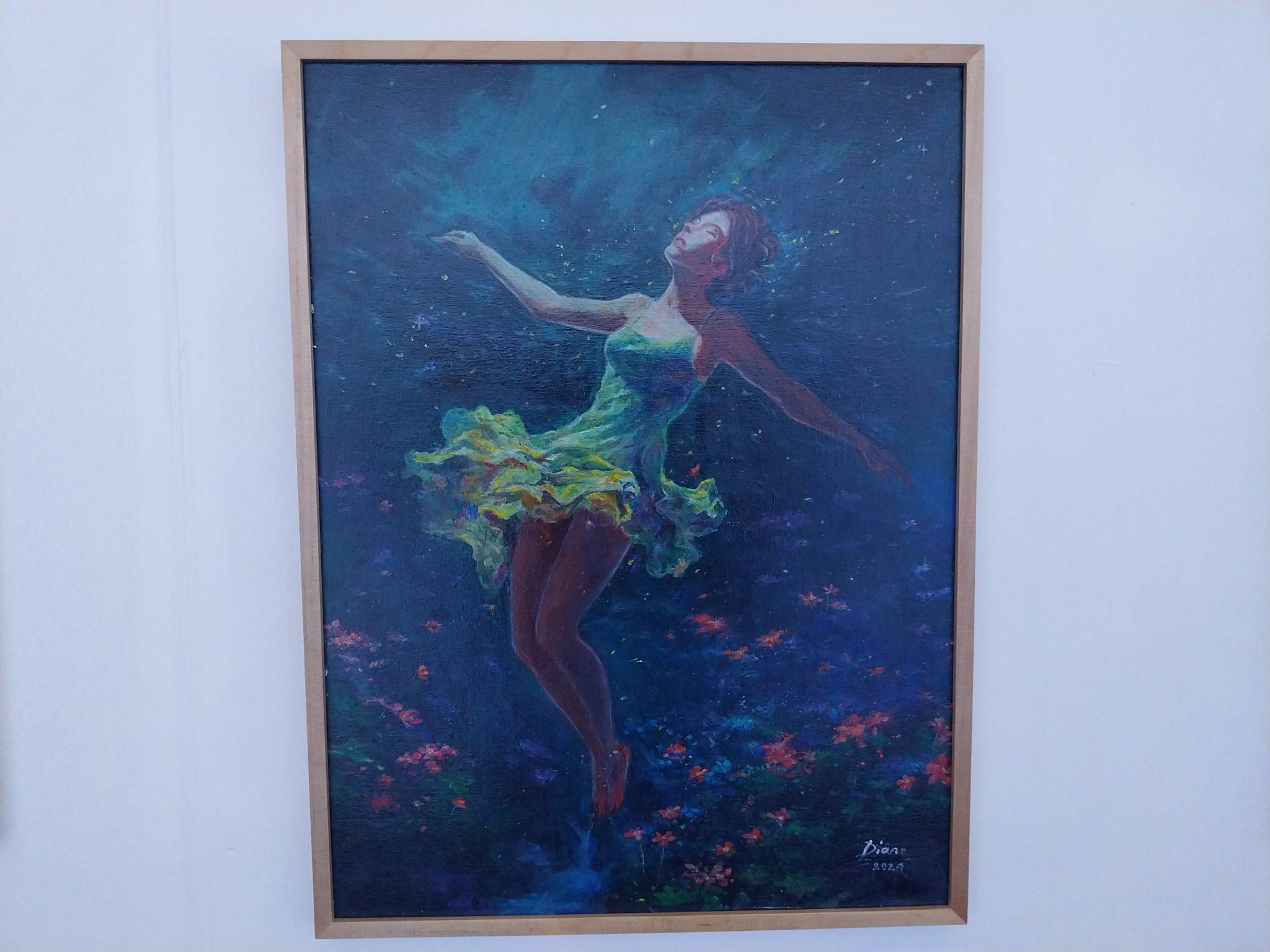
More than a platform to show their art, as the young artists were exhibited in UP Parola Gallery in February, the Fellowship allowed for them to be mentored by established legends like Benedicto Cabrera, or more widely known as BenCab, and Mark Justiniani, and organizations like Ang llustrador ng Kabataan (Ang INK).
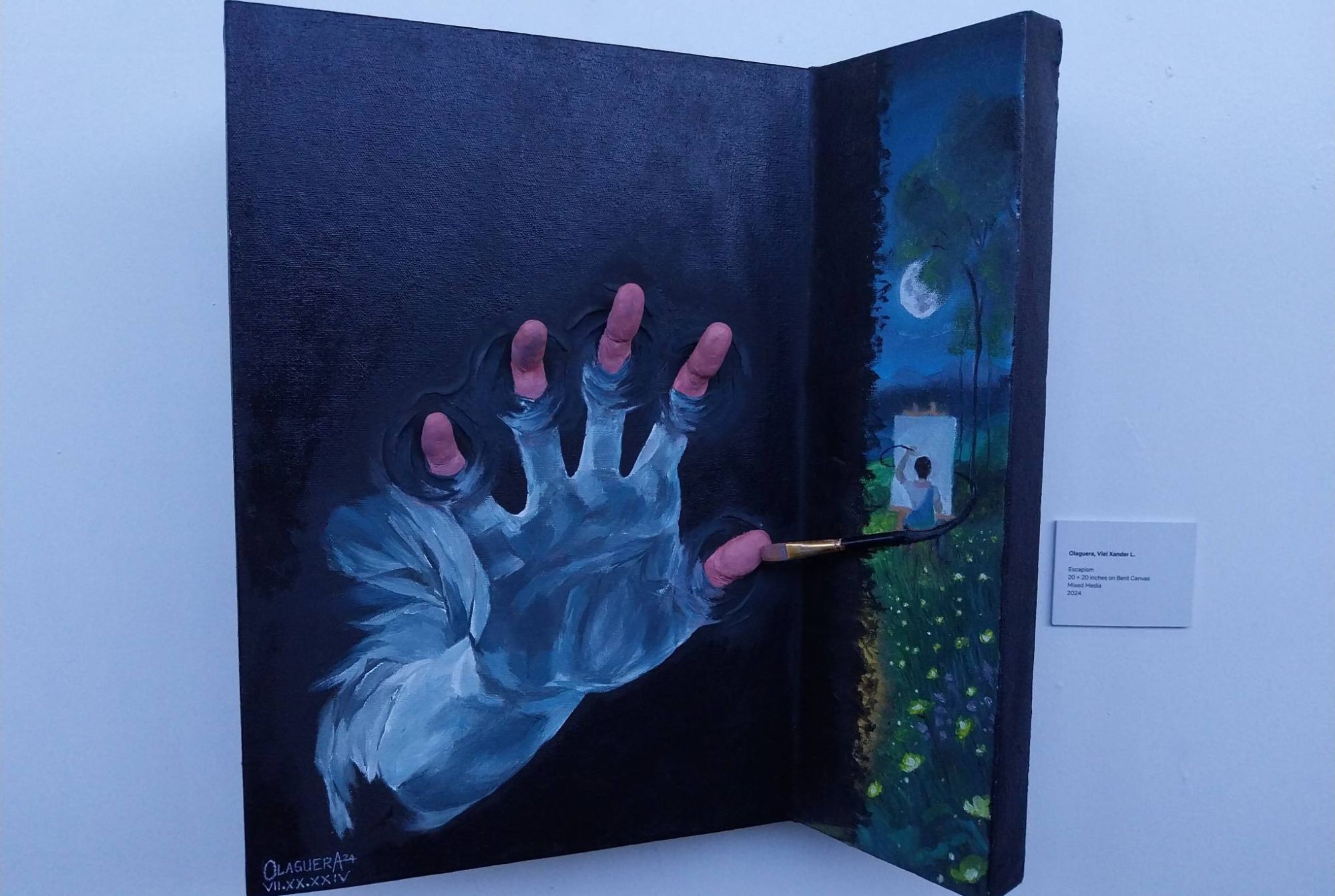
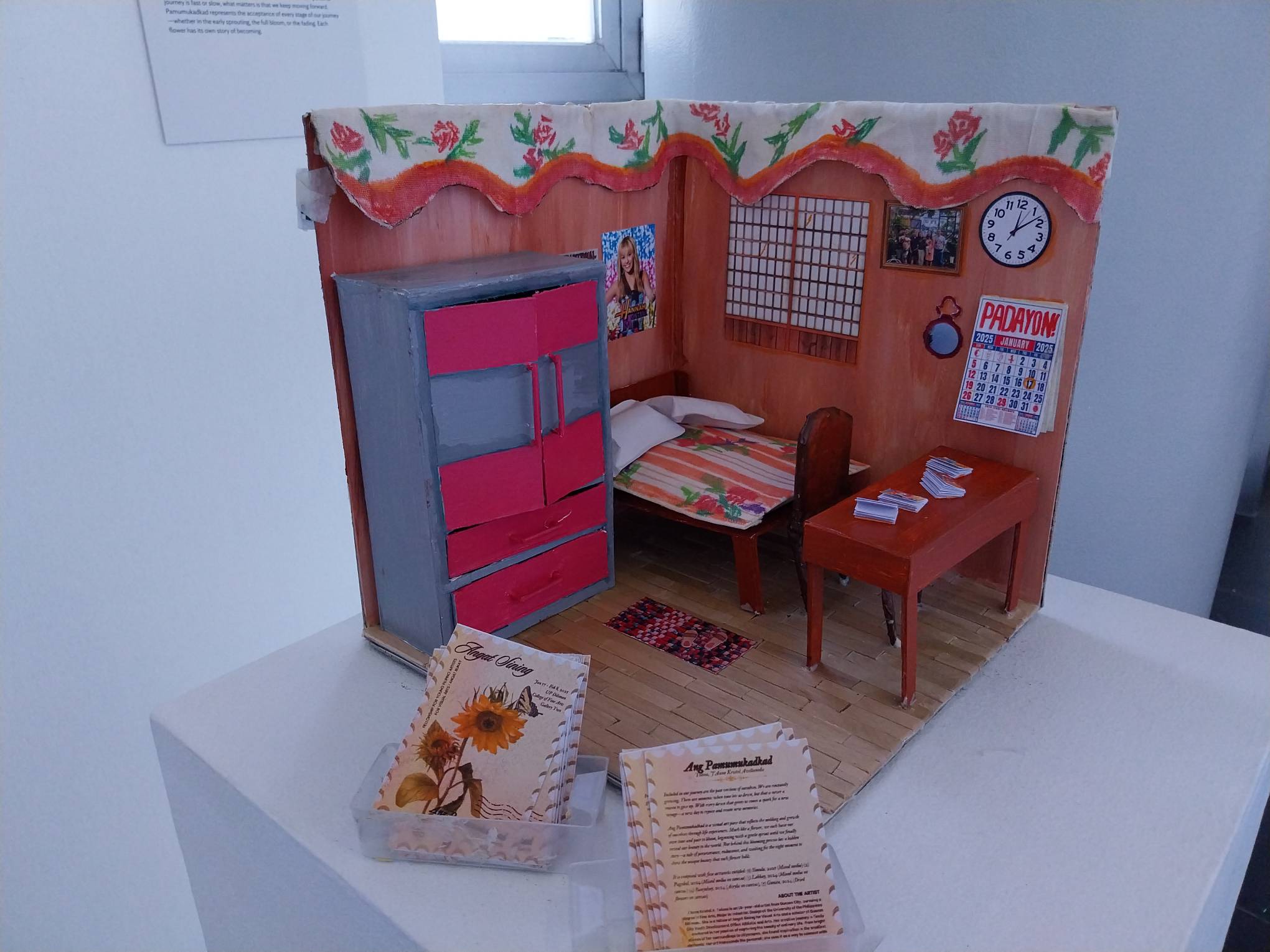
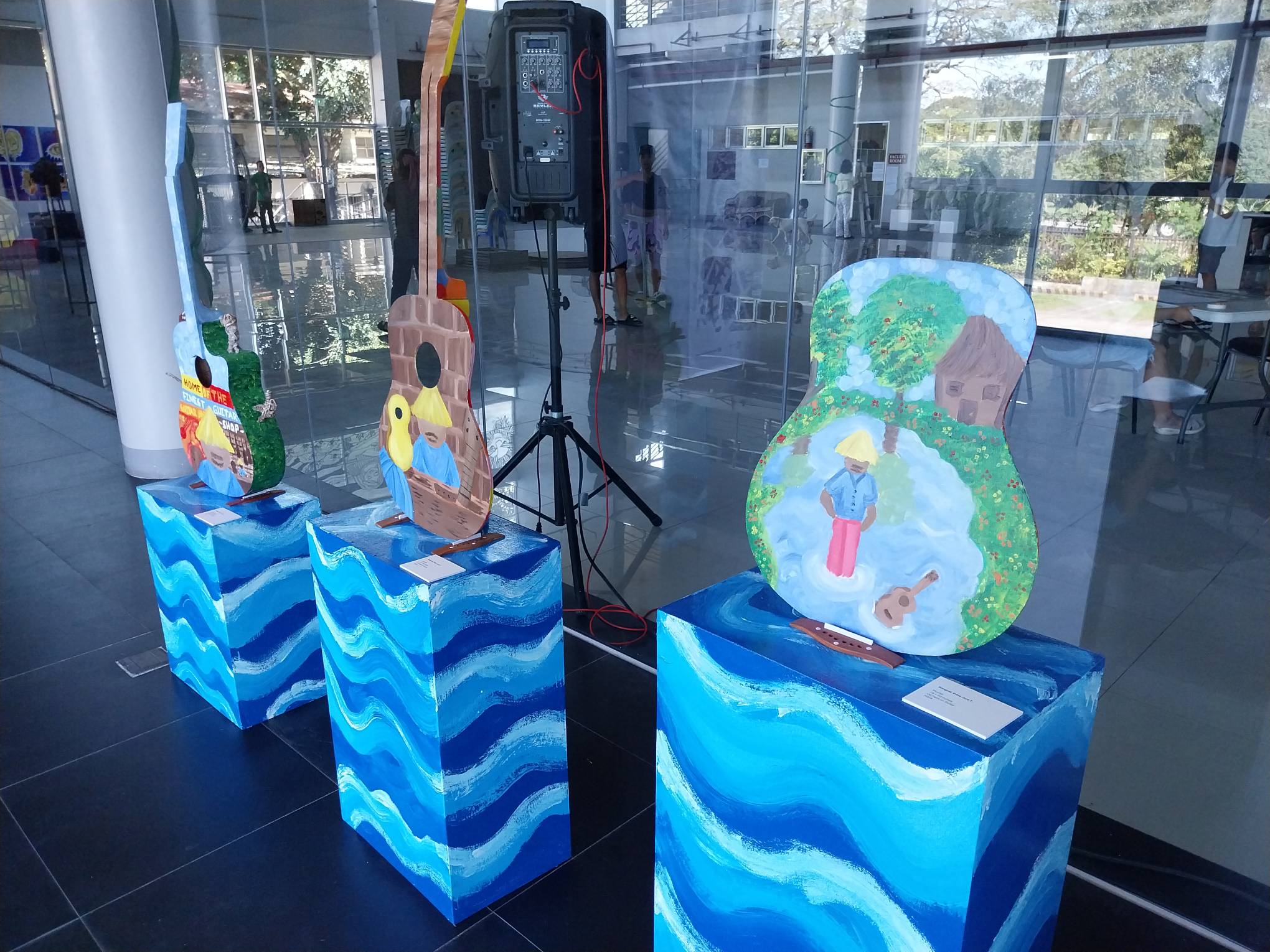
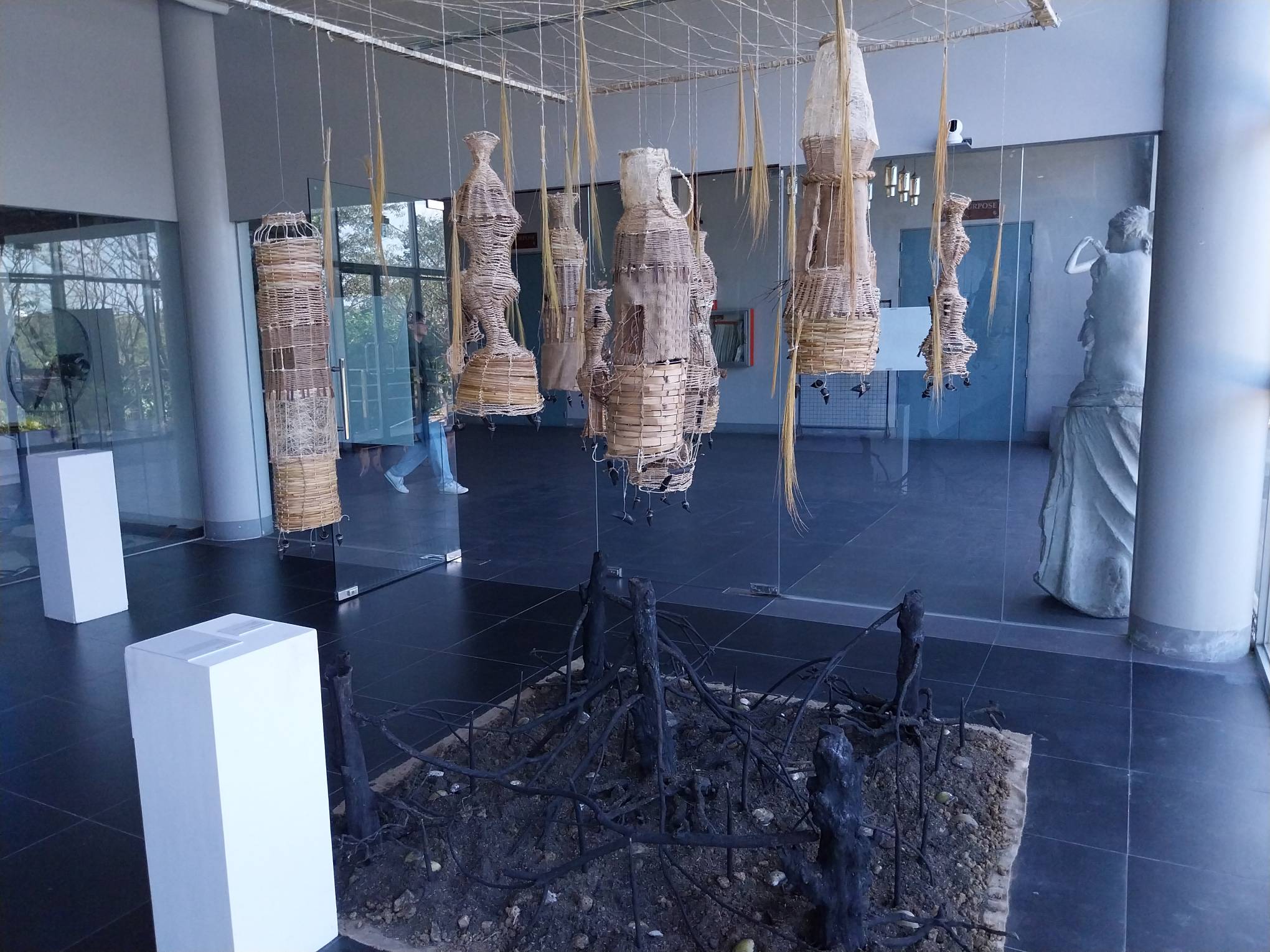
The initiative pushes for a future where art has an active place in people’s homes, one where everyone can become an artist, not just for the chosen few. It is hopefully a future that one can look forward to, even with all the tumultuousness of our world.
Read more: ‘Angat Sining’ Highlights the Importance of Art Advocacy in the Philippines
Art Activism Actively Makes A Better Society
These six examples of activism show how art gives a voice to the marginalized, the angry, and the downtrodden, through images and actions that imprint themselves on our minds. In the end, artists get to choose how they use the voices and platforms given to them.
Photos by Elle Yap.
Related reading: Political Art in 2024: How Artists Discuss Our Sociopolitical Climate
Frequently Asked Questions
In this exhibition at Kalawakan Spacetime, photographers Lee Morale (Philippines) and Kia LaBeija (USA) utilized personal narrative as a technical tool for resistance. LaBeija, born HIV-positive, and Morale, a transgender woman from Mindanao, used high-gloss, stylized imagery to reclaim their own stories from the misinformation and stigma surrounding the queer community. Technically, this “glamorizing of the mundane” functions as a counter-narrative to the dehumanizing lens often applied to marginalized groups in digital and political spaces.
Lyra Garcellano’s board game, Stakeholding, is a conceptual artwork that mirrors the randomness of systemic privilege. Players draw identities from a bag that dictate their starting “capital”—for example, men might receive two coins while women and queer people receive one or zero. Technically, the game’s mechanics—including scenarios that randomly add or remove privileges—demonstrate how socioeconomic status is often out of a person’s control, forcing players to navigate a “permission structure” that mimics the real-world patriarchy and class system.
Organized by Buen Abrigo at Gravity Art Space, this group exhibition used the concept of community to launch a unified resistance. Technically, the exhibit functioned as a platform for “lived articulations,” connecting the tragedy of the Gaza genocide to local Philippine struggles, such as the drug war and labor rights violations. By finding common ground between diverse cultures through collaborative art-making, the exhibition argued that community is the essential infrastructure for challenging imperialist and state-led violence.
Jose Olarte created a hyper-enclosed installation at Gravity Art Space featuring screens, fluorescent lights, and cubicles. This technical setup simulates the “alienation of labor” discussed in Marxist theory. By forcing viewers into a tiny room where reality is only accessible via a screen, Olarte critiques how modern society has devalued work and separated the individual from the fruits of their labor. The exhibit asks: in a world where hard work no longer guarantees rewards, what does it mean to be “working class” in a simulated digital landscape?
Run by the non-profit Angat Buhay, the Angat Sining Fellowship is an activist program aimed at democratizing the arts for young people. Beyond exhibiting work at the UP Parola Gallery, the program provides technical mentorship from legends like BenCab and Mark Justiniani. This initiative addresses the systemic lack of access for students in the provinces, fostering a “design community of care” that empowers young artists to see their craft as a tool for advocacy and nation-building.
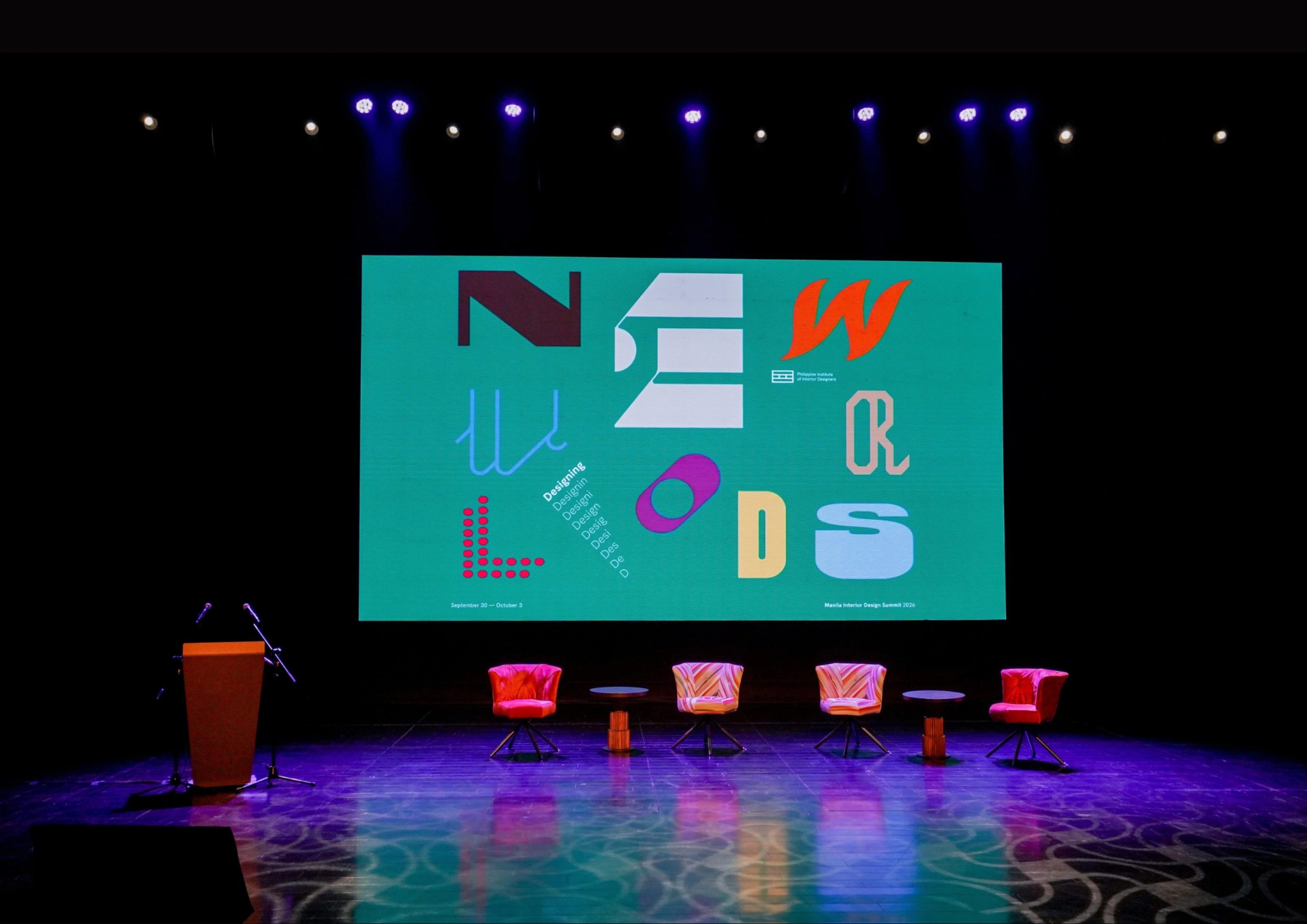
The fourth Manila Interior DesignInterior DesignThe discipline of planning and shaping interior spaces for function, comfort, safety, and beauty. It covers layout, lighting, materials, finishes, furniture, and color, and in the Philippines is a licensedGo to Interior Design Glossary Summit (MIDS) brought together more than 300 delegates for four days of conversations, exhibitions, and design […]
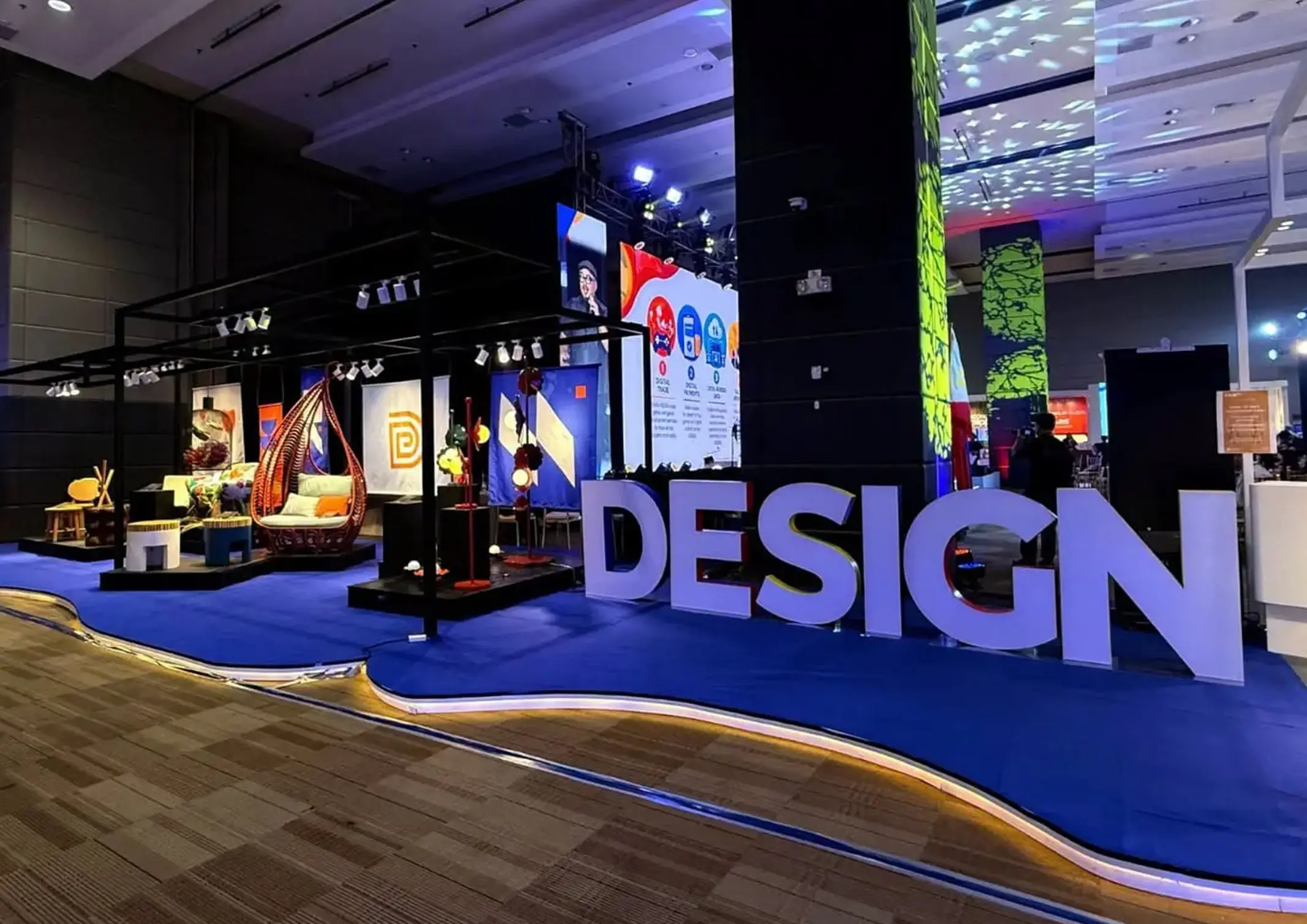
Held at the SMX Convention Center Aura in Taguig City, the first ASEAN Creative Industries Expo by Malikhaing Pinoy (ASEAN MPEx) features nine creative domains, including design, visual arts, digital interactive media, and performing arts. Organized by the Department of Trade and Industry (DTI), the event includes exhibitions, cultural performances, industry talks, and pitching sessions […]
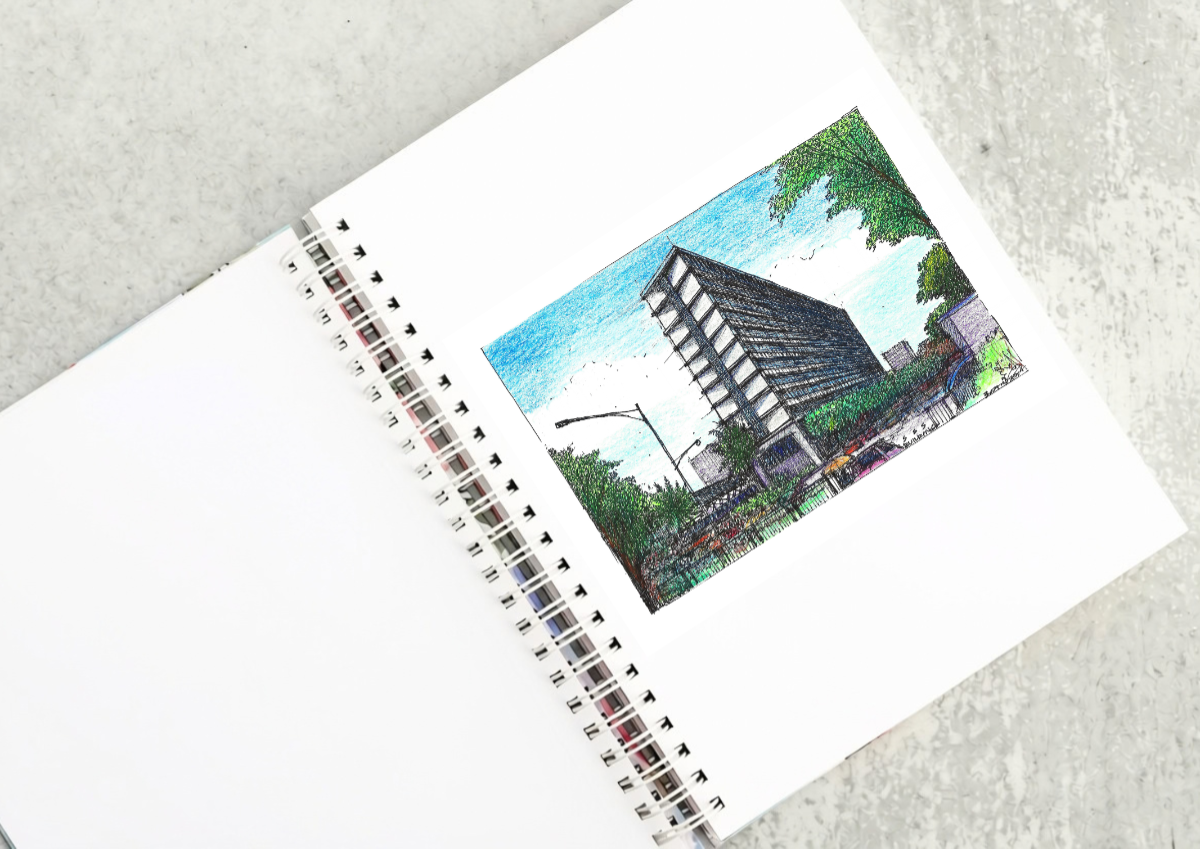
The SSS Building as an Expression of Civic Modernism My favorite modernist landmark in Quezon City is the SSS building on East Avenue. Designed by National Artist for ArchitectureArchitectureThe art and science of designing and constructing buildings, structures, and spaces that are functional, safe, and aesthetically pleasing. It encompasses the planning, design, materials, and techniques […]

Archie G. Carrasco, Chairman and CEO of AGC Power Holdings Corp. (AGC PHC), has been named to The BoF 500 Class of 2026 under the Media category, joining The Business of Fashion’s global community of individuals shaping the fashion industry. Carrasco is among 100 new members from 33 countries and 48 nationalities selected for the […]
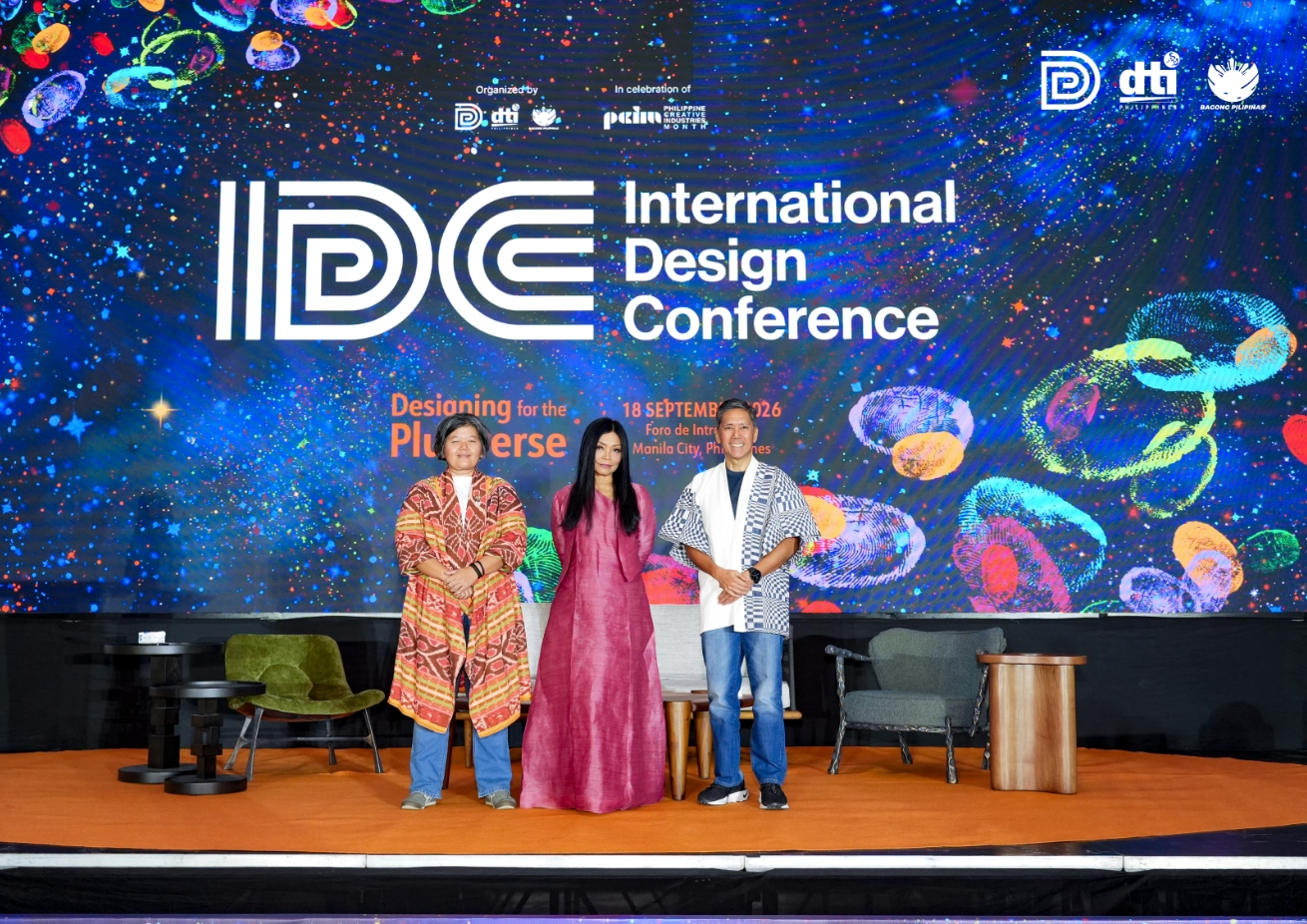
Culture in design does not always announce itself through a recognizable motif, material, or symbol. It can also be embedded in the relationships designers build, the knowledge they listen to, the materials they choose, and the decisions they make in response to communities and their environments. This distinction emerged throughout the 2026 International Design Conference […]
Read the issues.

Collect the volumes.

Recommended Video
Tap to Unmute
Unmute
0:00
0:00