Bigkis is the act of binding. In Tagalog, the word can refer to something used to bind or encircle, as well as a bundle formed by tying several separate elements together. Figuratively, it can also mean a bond, union, or unity. The meanings move from the physical act of joining things together to the connection […]
Building Third Spaces: 4 Kapitolyo Cafés as Community Hubs in Pasig



Located in Pasig City, Kapitolyo is a small village that is known for its food and beverage scene. From karinderyas to local bistros, the area is a popular hub for young professionals and families. The cafés in the neighborhood reflect the dynamic community they serve, offering more than just a cup of coffee.
What Makes Kapitolyo Cafés Important Third Spaces?
Coined by sociologist Ray Oldenburg, the term “third place” refers to a social environment distinct from home (“first place”) and work or school (“second place”). These spaces serve as neutral grounds where communities can build social connections and strengthen well-being.
In this article, BluPrint lists four cafés in Kapitolyo that act as third spaces for both local and the surrounding communities.
Related Reading: 3 Cafés in Katipunan Redefining the Third Space
Couch Club
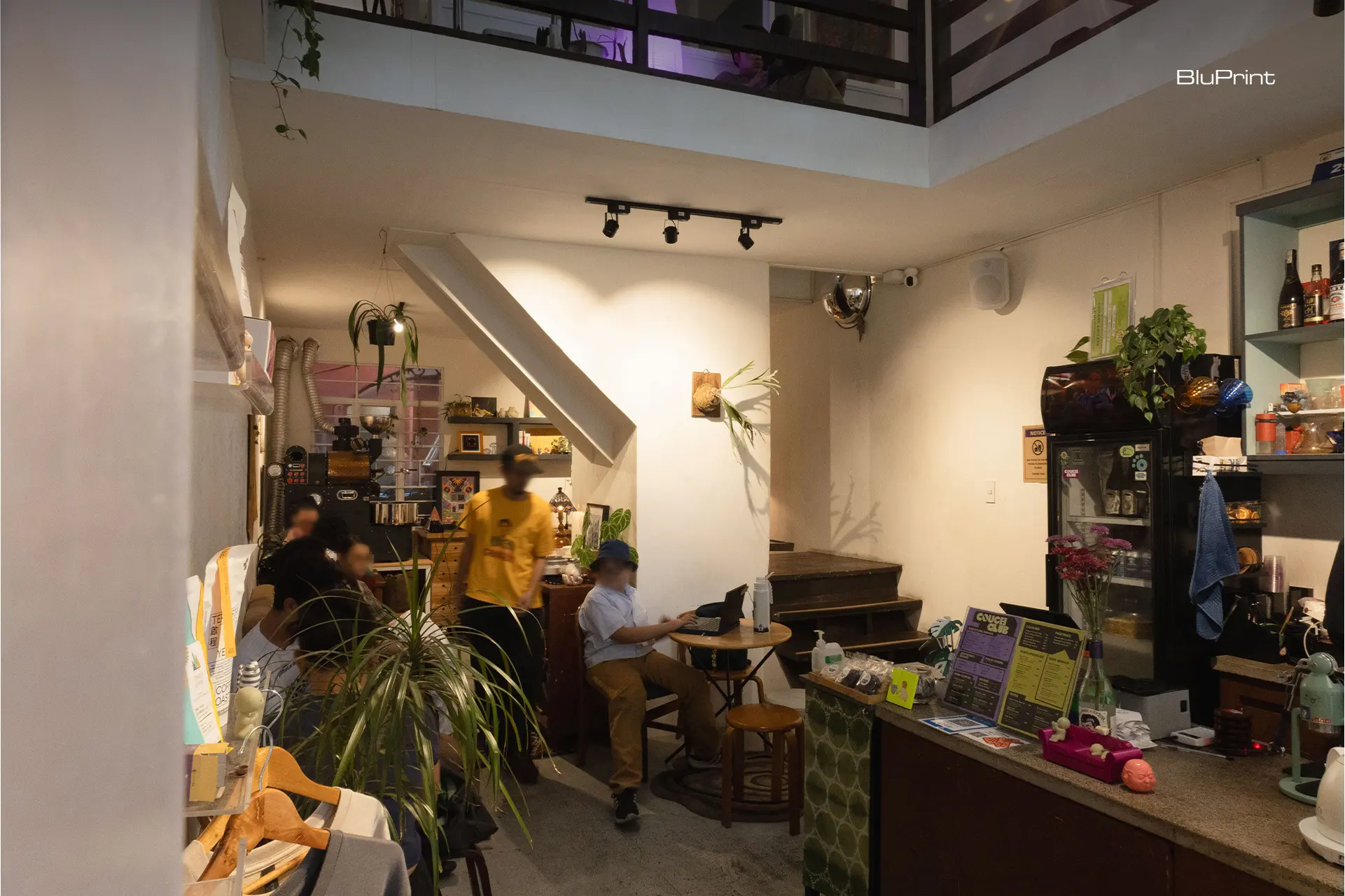
Having spent years living in Kapitolyo, the owners decided to establish Couch Club as a neighborhood café. “We also figured our neighborhood needed a place where people could chill and hang out because the spots in the area back then were mostly grab-and-go, probably because of restrictions due to the pandemic,” Anica Tabora, co-owner of Couch Club, states.
The location was originally a dental clinic on the first floor and a family home on the second floor. Tabora shares, “When we checked out the place, it was a fixer-upper. The flooring on the second floor was dilapidated; the roof had several leaks.”
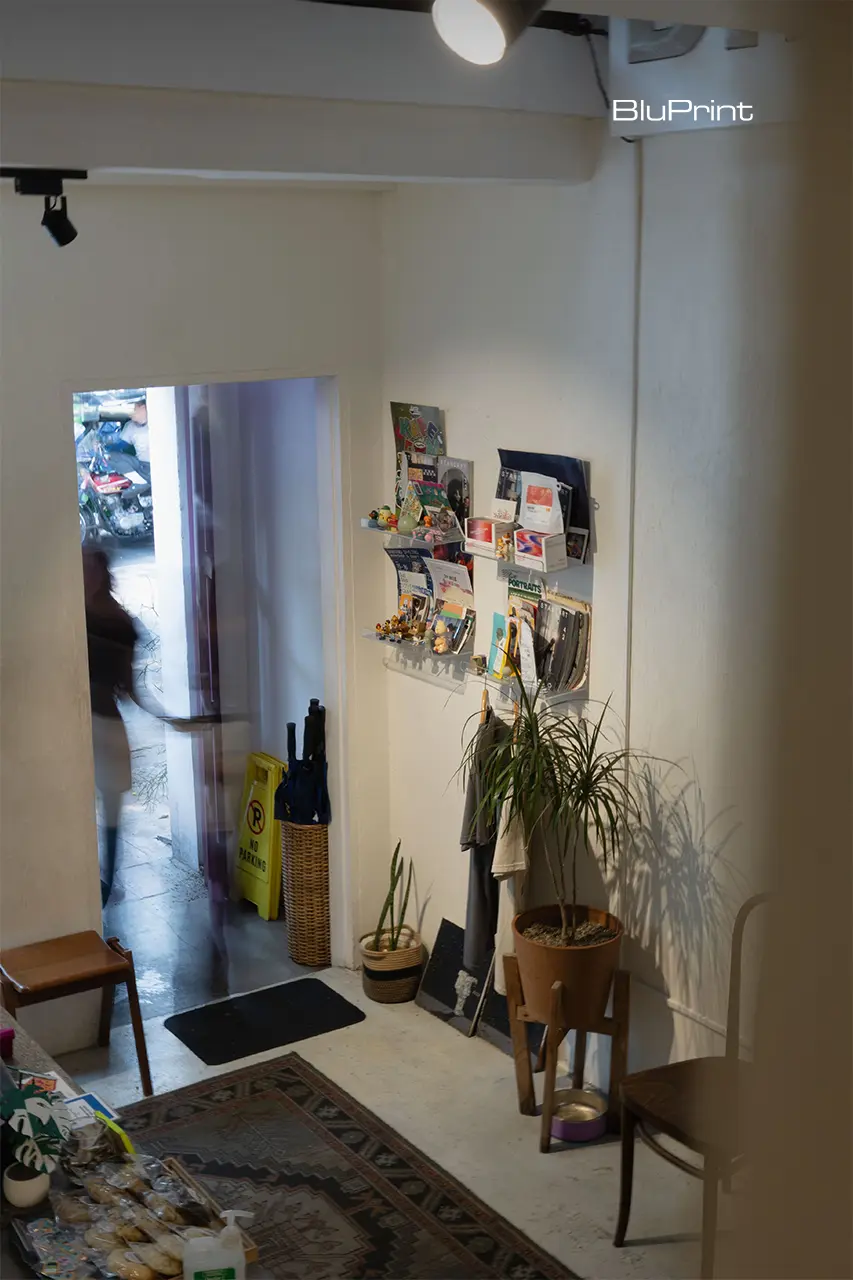
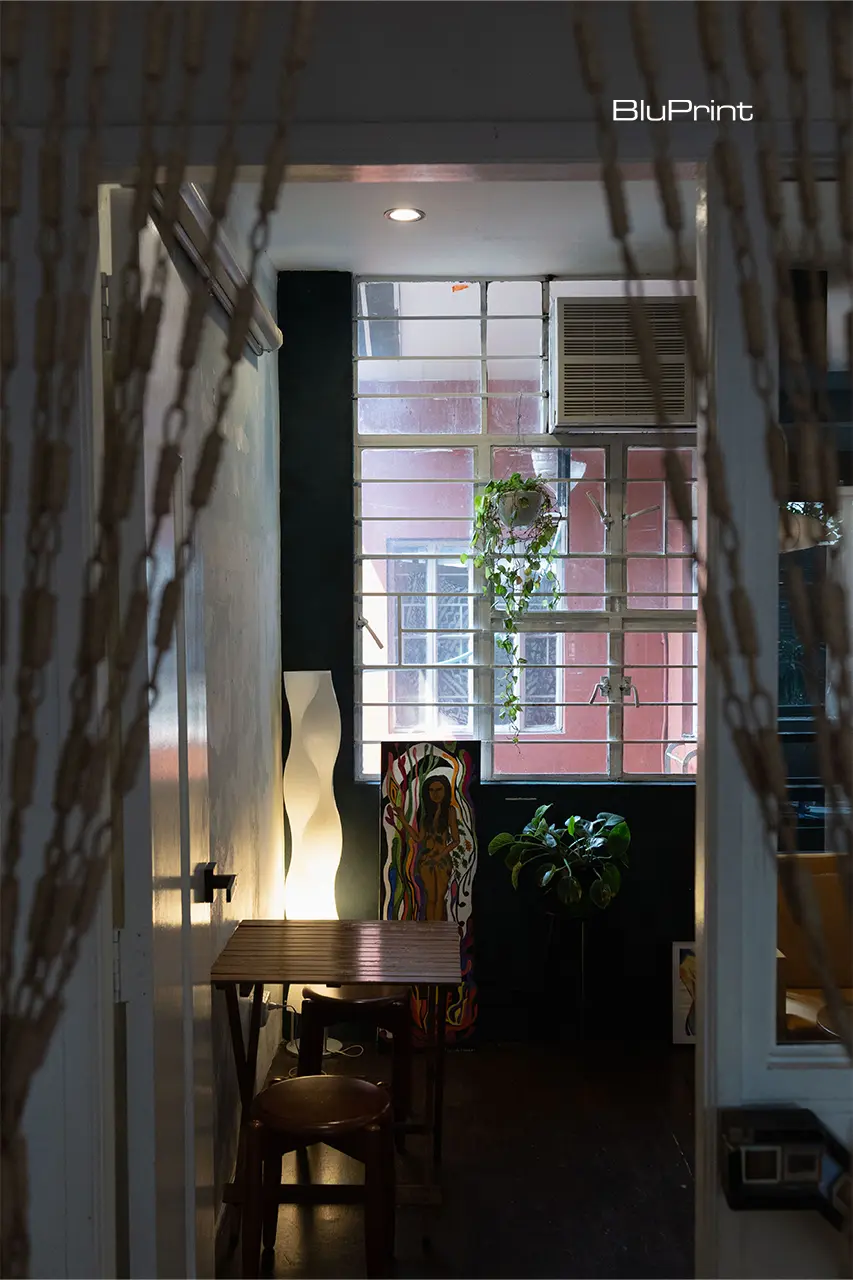
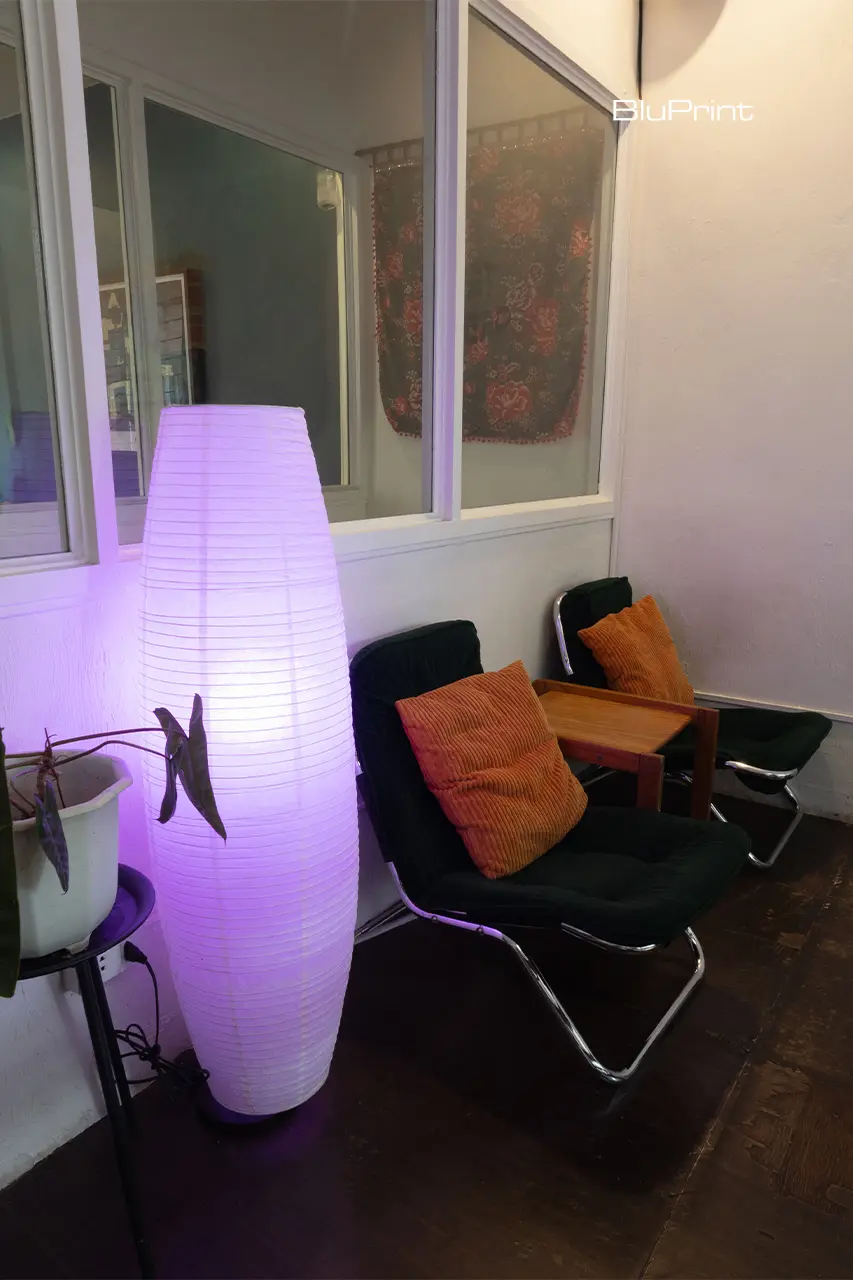
Through adaptive reuseAdaptive ReuseThe practice of converting an old or disused building for a new purpose while keeping its structure and character. In the Philippines, it has turned heritage houses, warehouses, and factoriesGo to Adaptive Reuse Glossary, the owners transformed this two-storey space into a café. “A lot of care and intention were really put into this space, and we continue to add things we love as time passes,” Tabora adds.
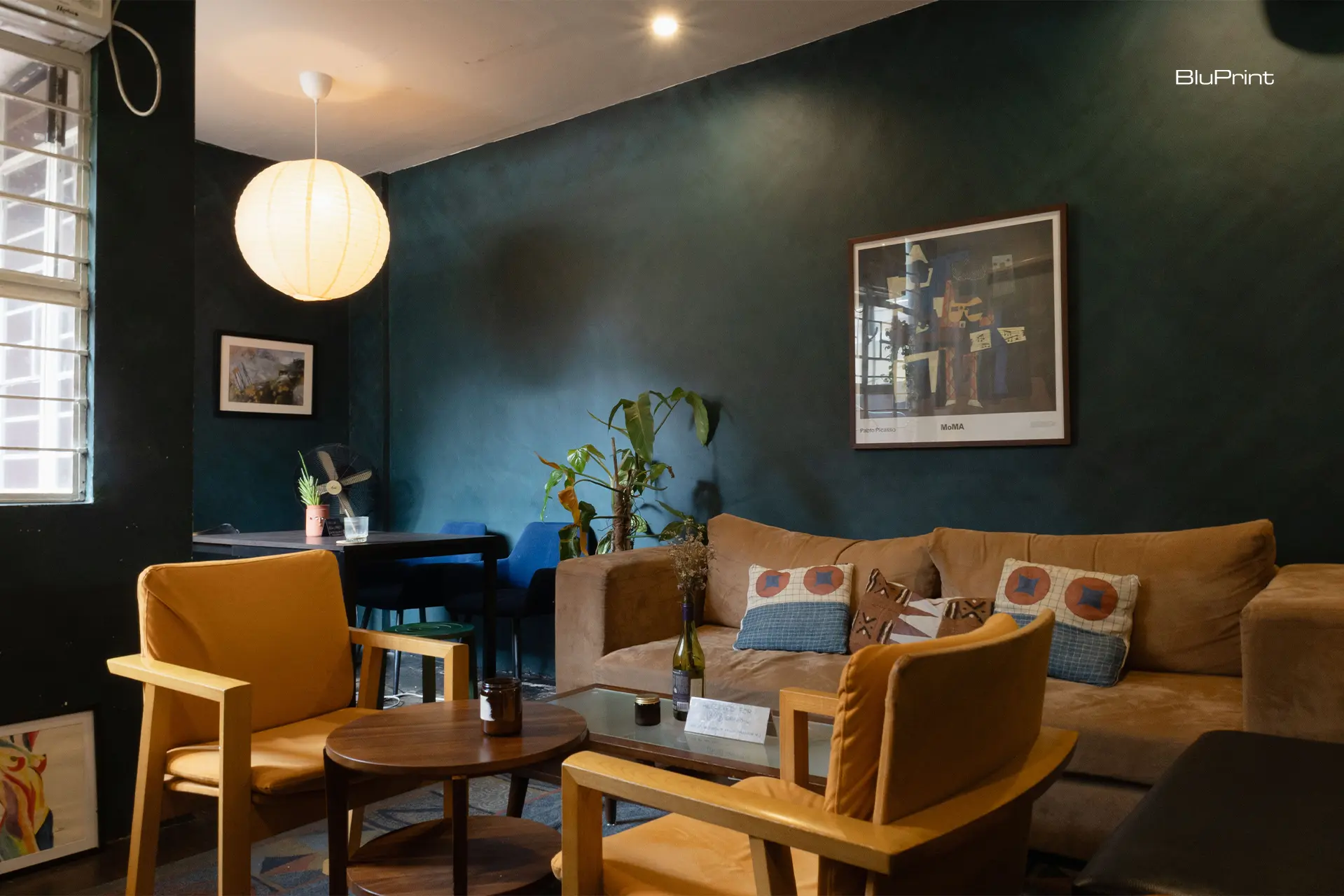
The café is defined by its casual, creative atmosphere: from its vinyl and book collection displayed on shelves on the ground floor to the artworks exhibited on the walls on the second floor. Its seating arrangements foster social interaction, including couches for larger groups and modular furniture that adapts to its visitors.
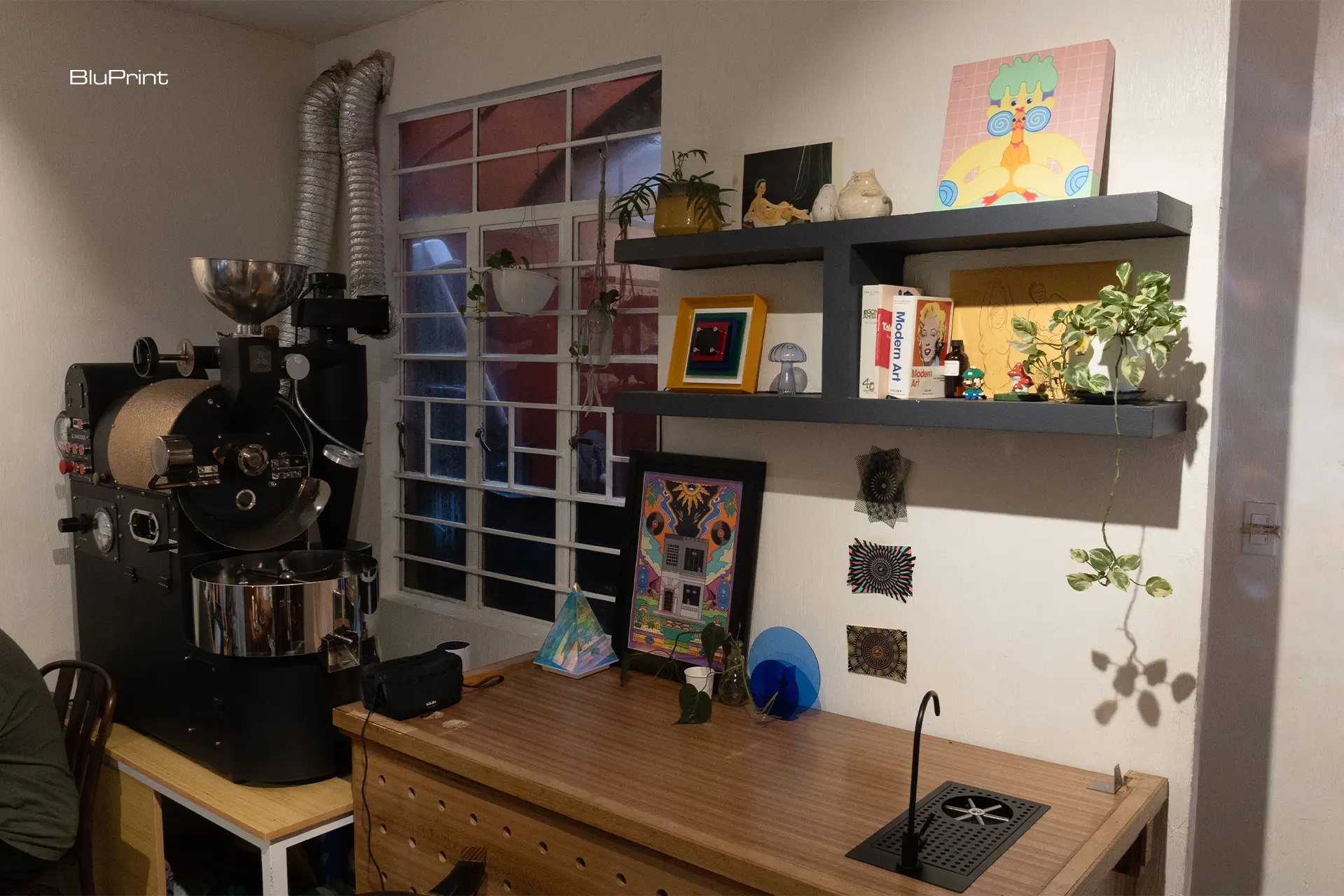
This design transformation was a collaborative effort between the owners and the community. “Our customers and patrons have also given us pieces which we’ve put up or displayed around the area,” Tabora shares. Many of the smaller artworks, such as the ones displayed on the refrigerator and the shelves, were provided or made by their customers.
She adds, “We’d like to think this space is theirs as much as it is ours.”
1C
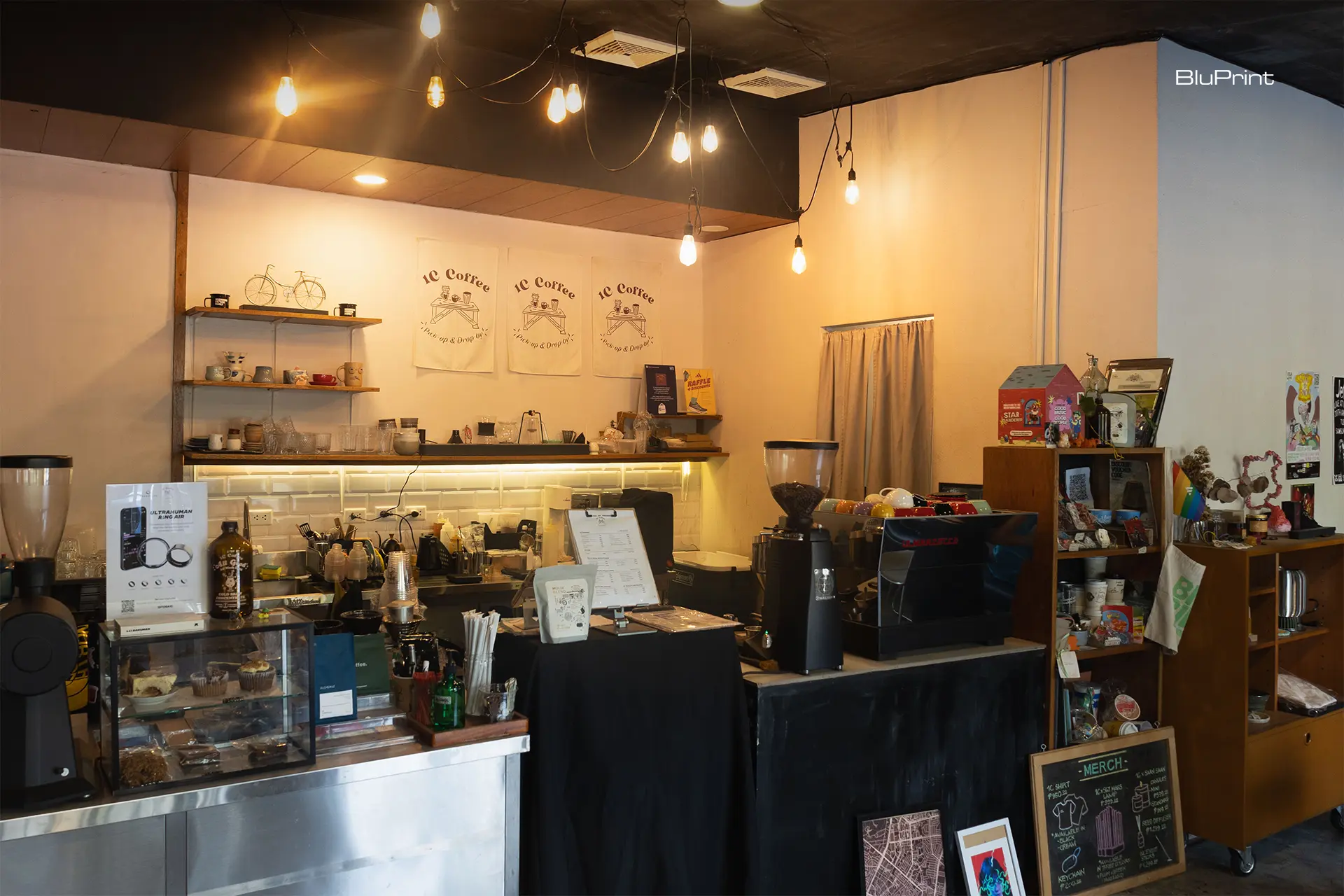
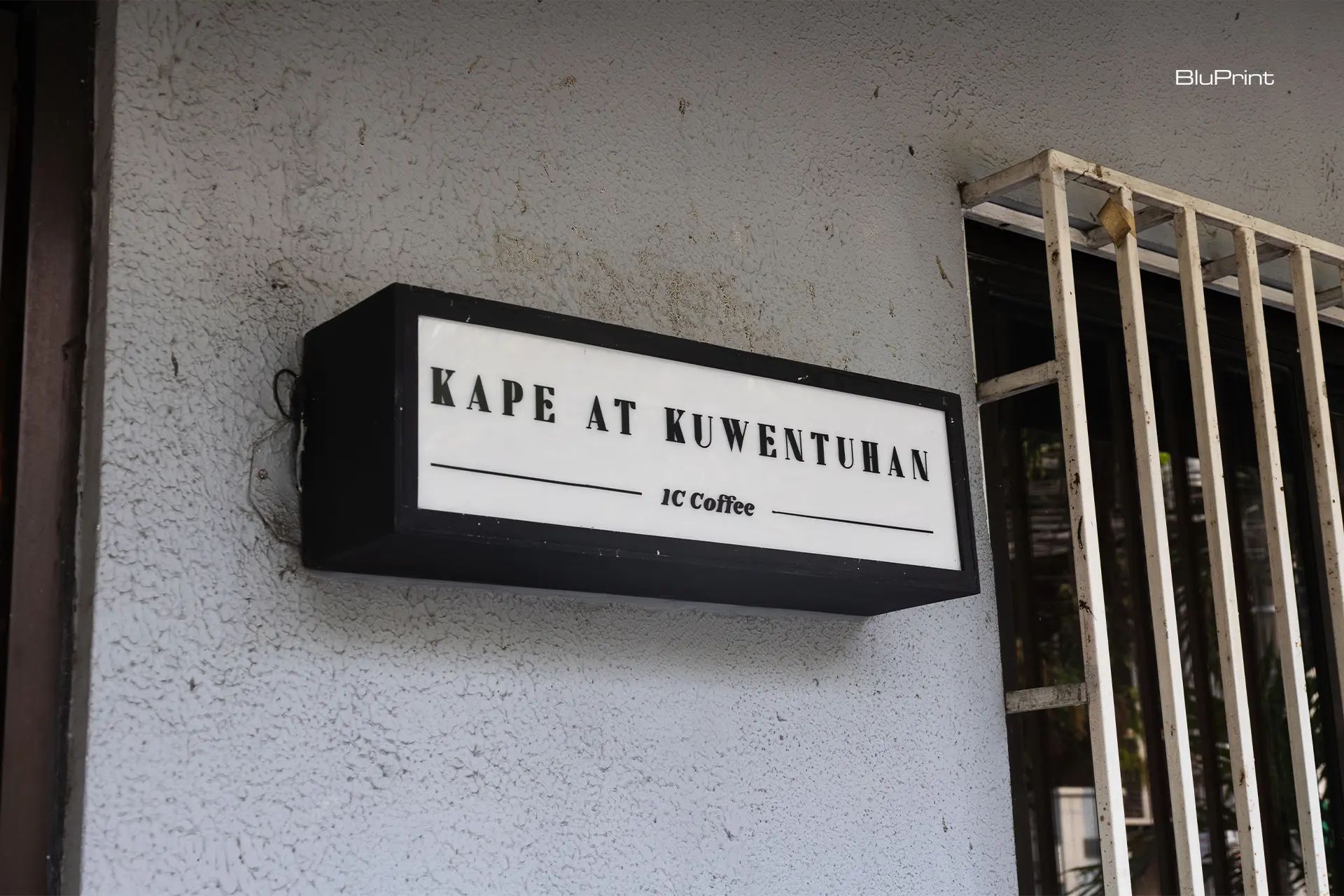
Nestled in the quieter residential streets of Kapitolyo, 1C is a café designed to feel like an extension of one’s home. As a resident of Kapitolyo herself, café owner Abby understood that her community was searching for a casual café where they didn’t feel the need to dress up.
“That is why we made it look like a home. It’s like an extension of your home in Kapitolyo. Most of the pieces here are thrifted. Some of the artworks came from our friends who are artists,” Abby shares.
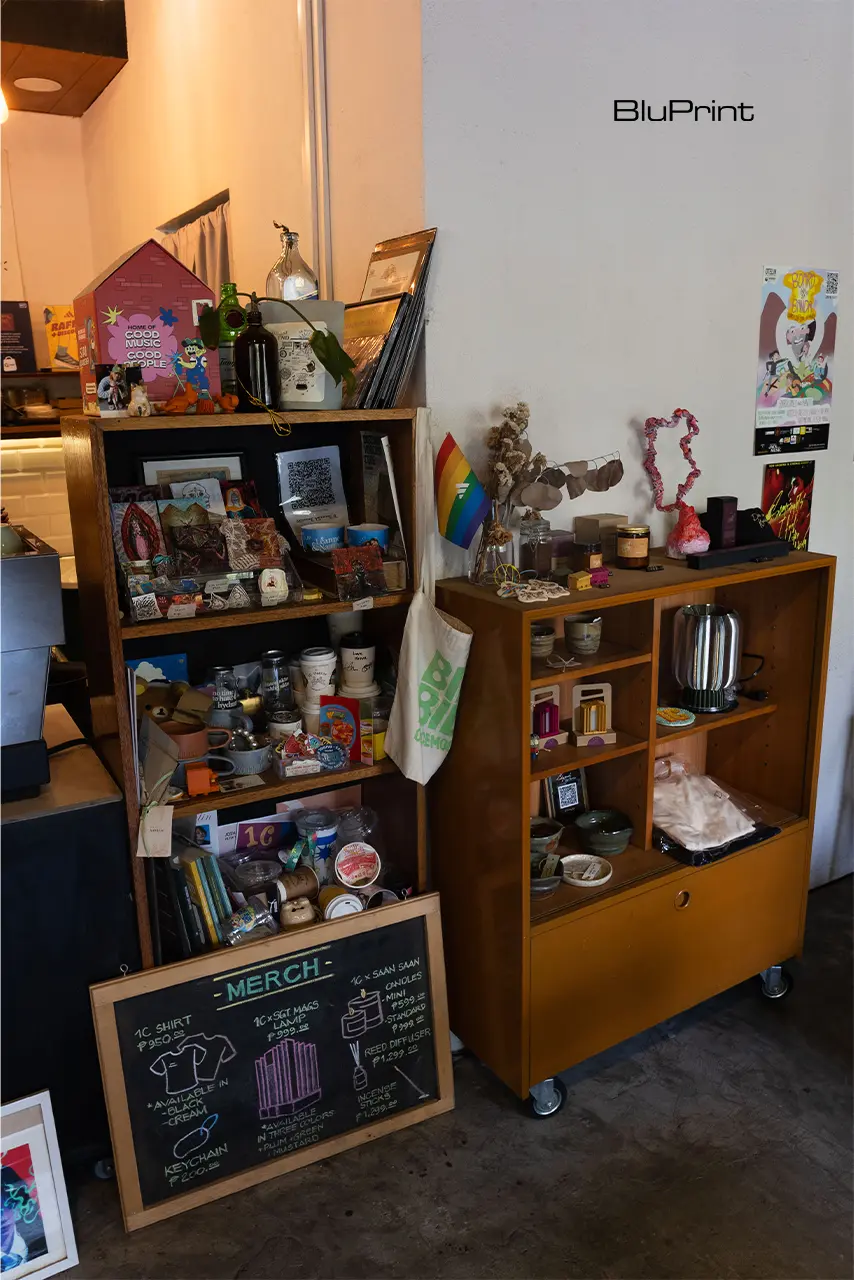
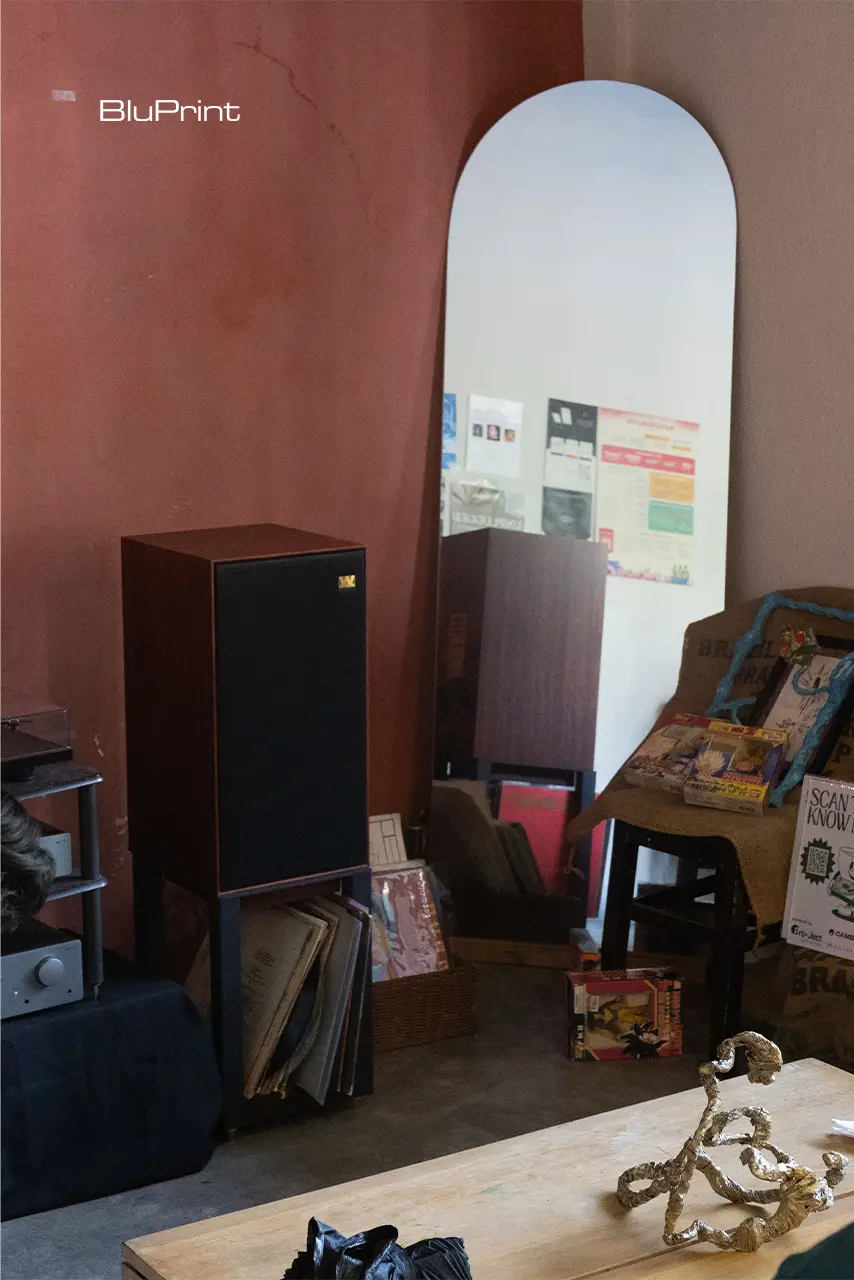
Having already shut down two of her former cafés influenced the cafés interior design. “I had to close two coffee shops before because of the pandemic […] It was really difficult. That is why, when I resurrected with 1C, the main inspiration was that we didn’t have any permanent pieces. If you noticed, everything’s movable,” Abby shares.
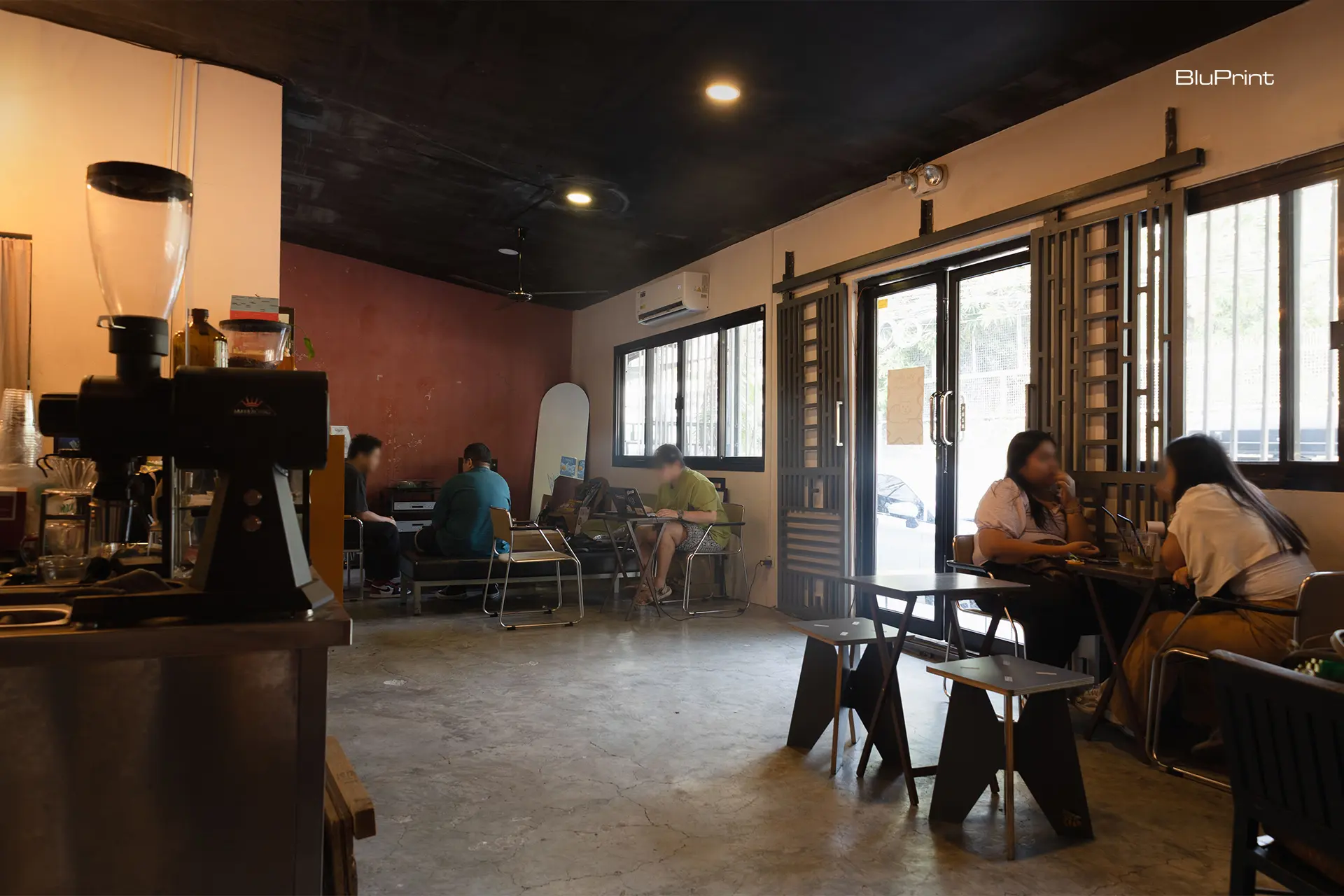
The modular furniture allows for adaptability while enabling visitors to create their own seating arrangements. This casual atmosphere also extends towards its coffee-making process—with the coffee bar allowing for transparency.
By letting the customers witness the preparation, 1C makes specialty coffee less intimidating. Ultimately, the cafe crafts a sense of calm by making coffee a social and casual experience.
Beach House
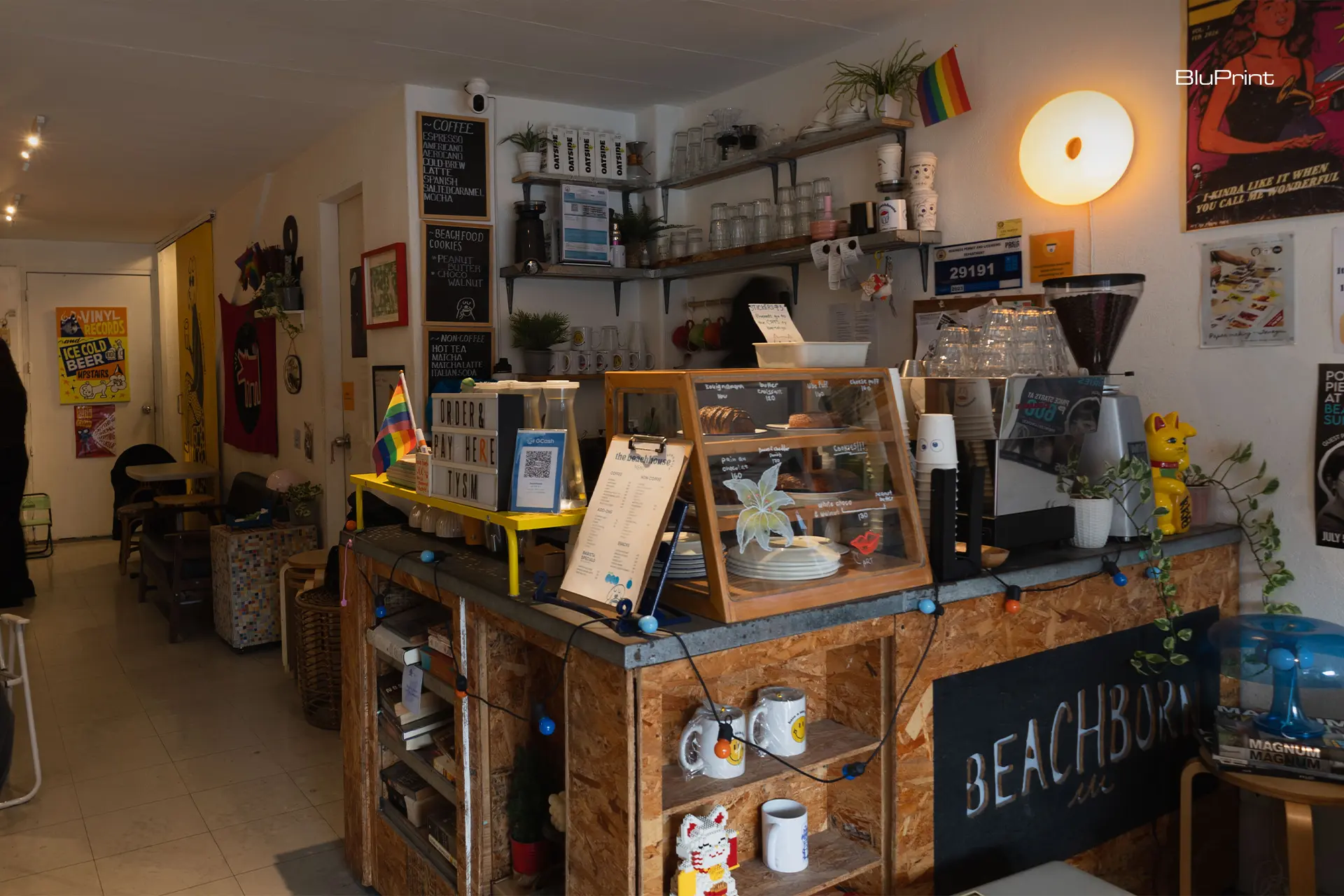
The Beach House is a three-story café that redefines the third space. Offering book and film clubs and workshops, the café is a hub for social interaction and creativity. Blending coffee and community, each floor offers an intimate atmosphere.
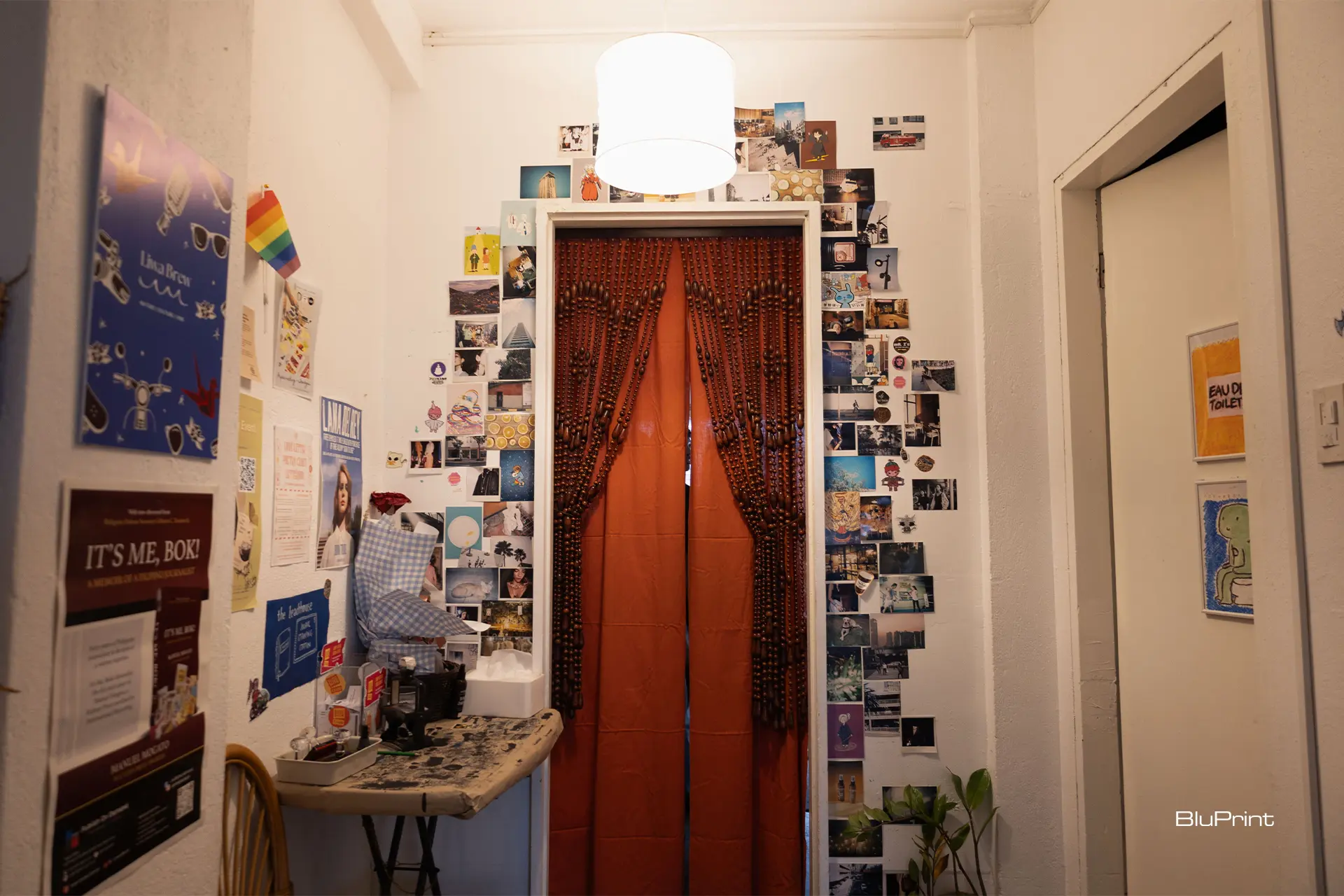
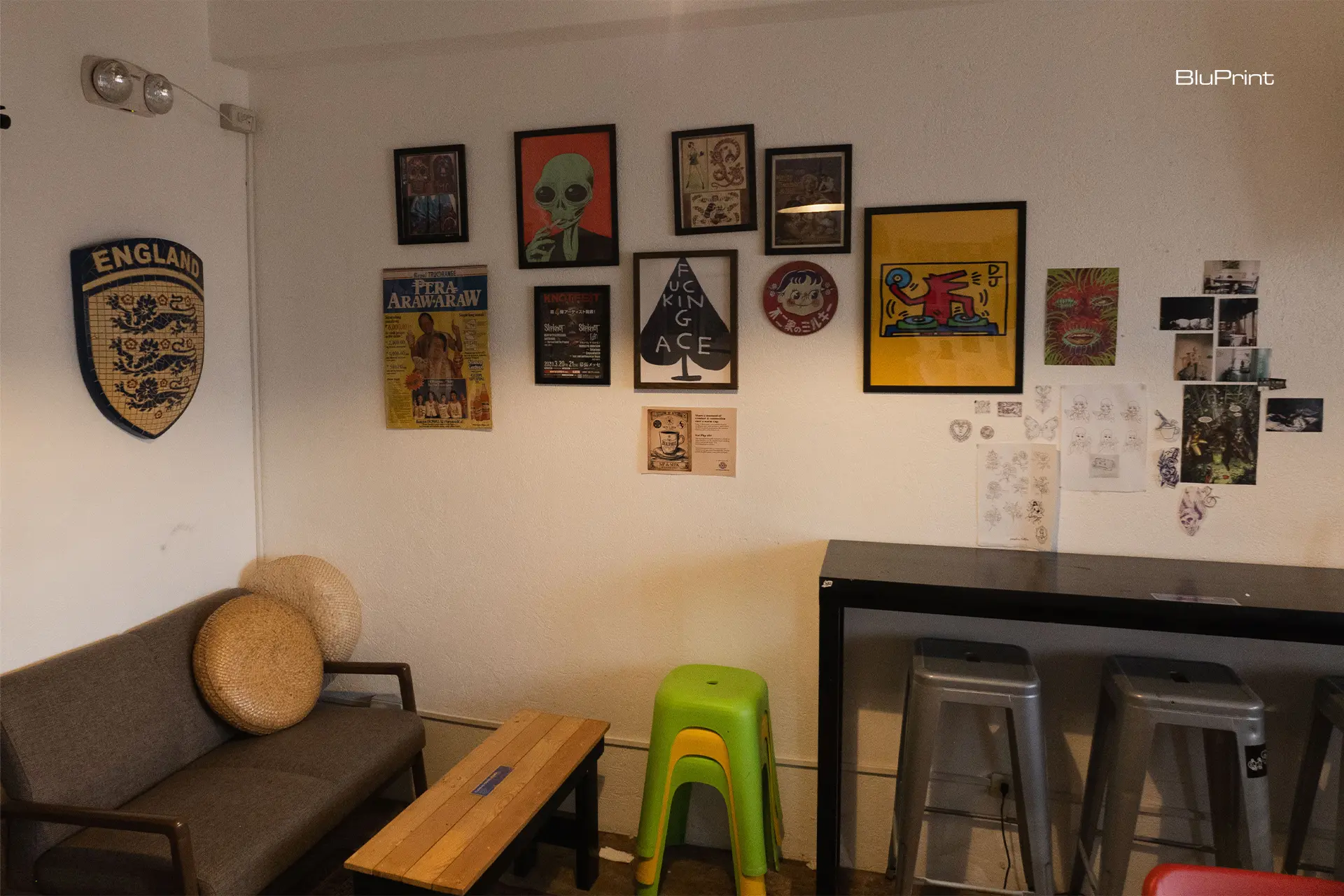
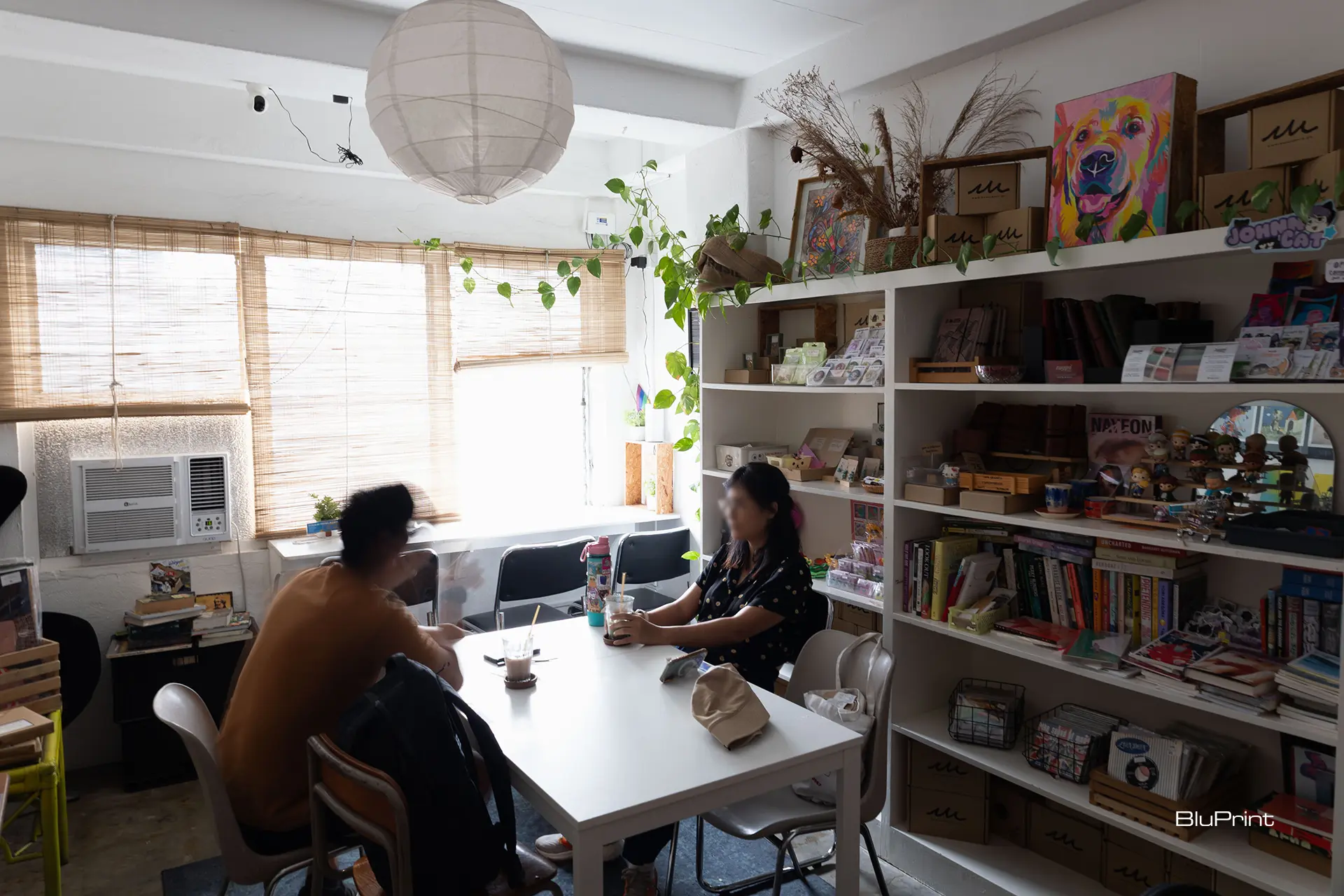
“For the space, I didn’t want the usual ‘sterilized’ setting, so I set out to find an older space with character, and I specifically wanted a vintage-looking frontage with glass doors reminiscent of old roadside establishments,” explained co-owner Sarah.
As a subsidiary of Beachborn, sustainability is also a big component of the café. “I also wanted our carbon footprint to be as minimal as possible, so we reused and reworked as much as we could.”
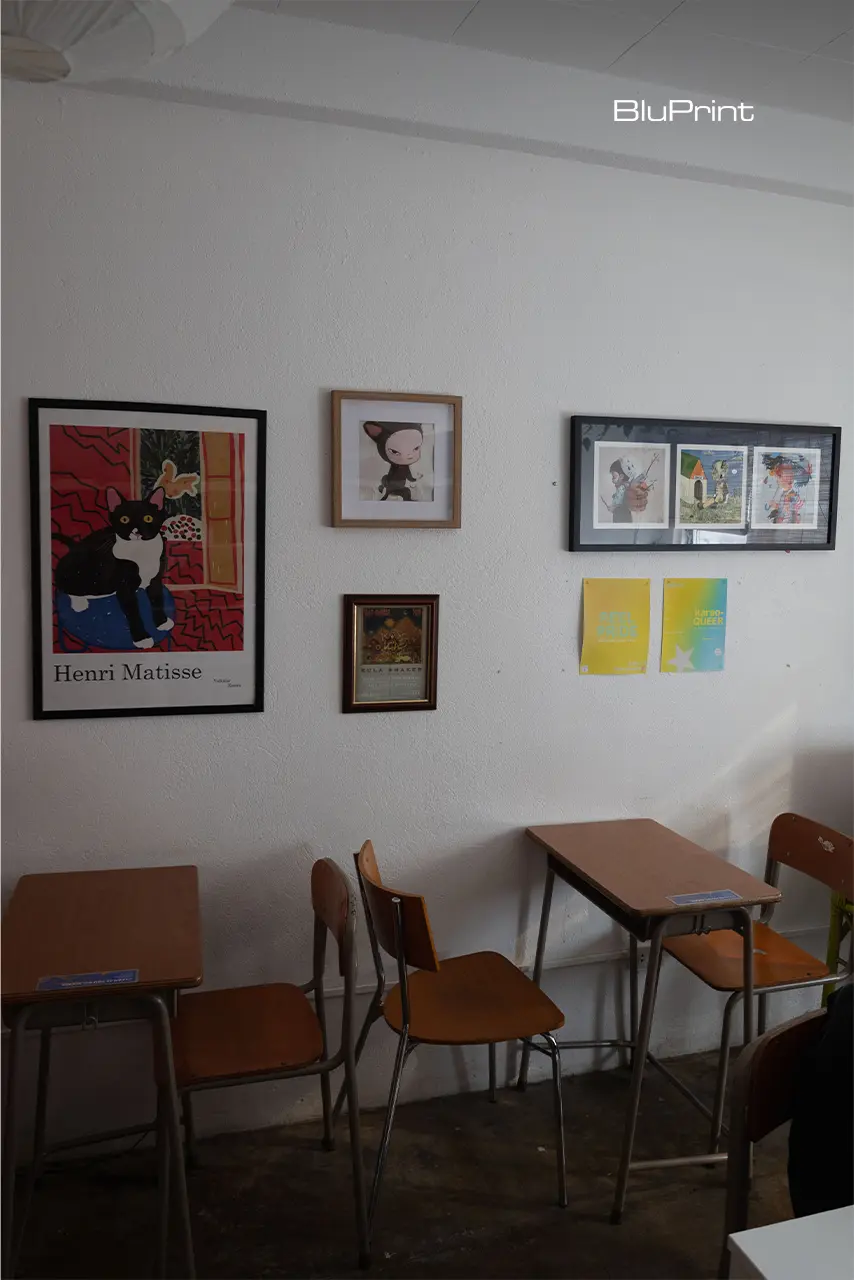
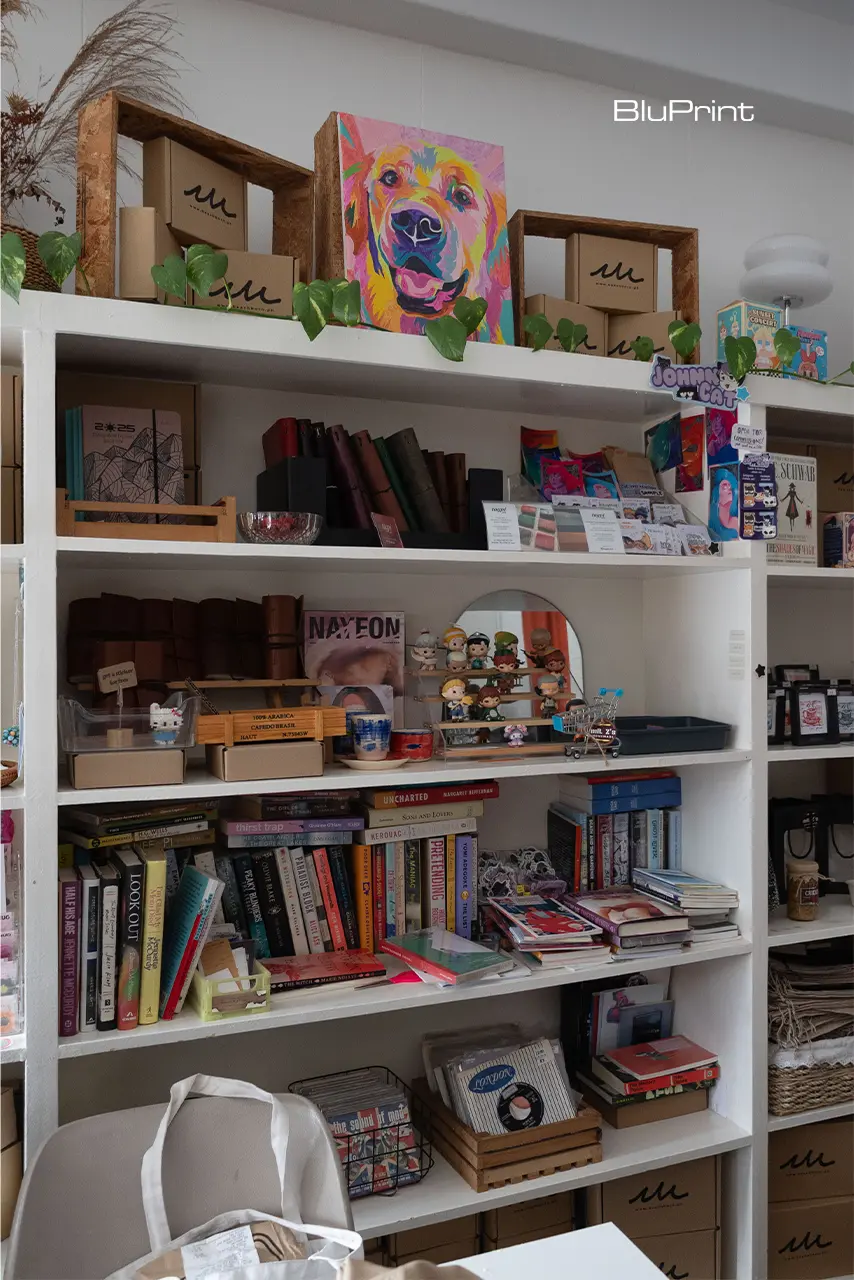
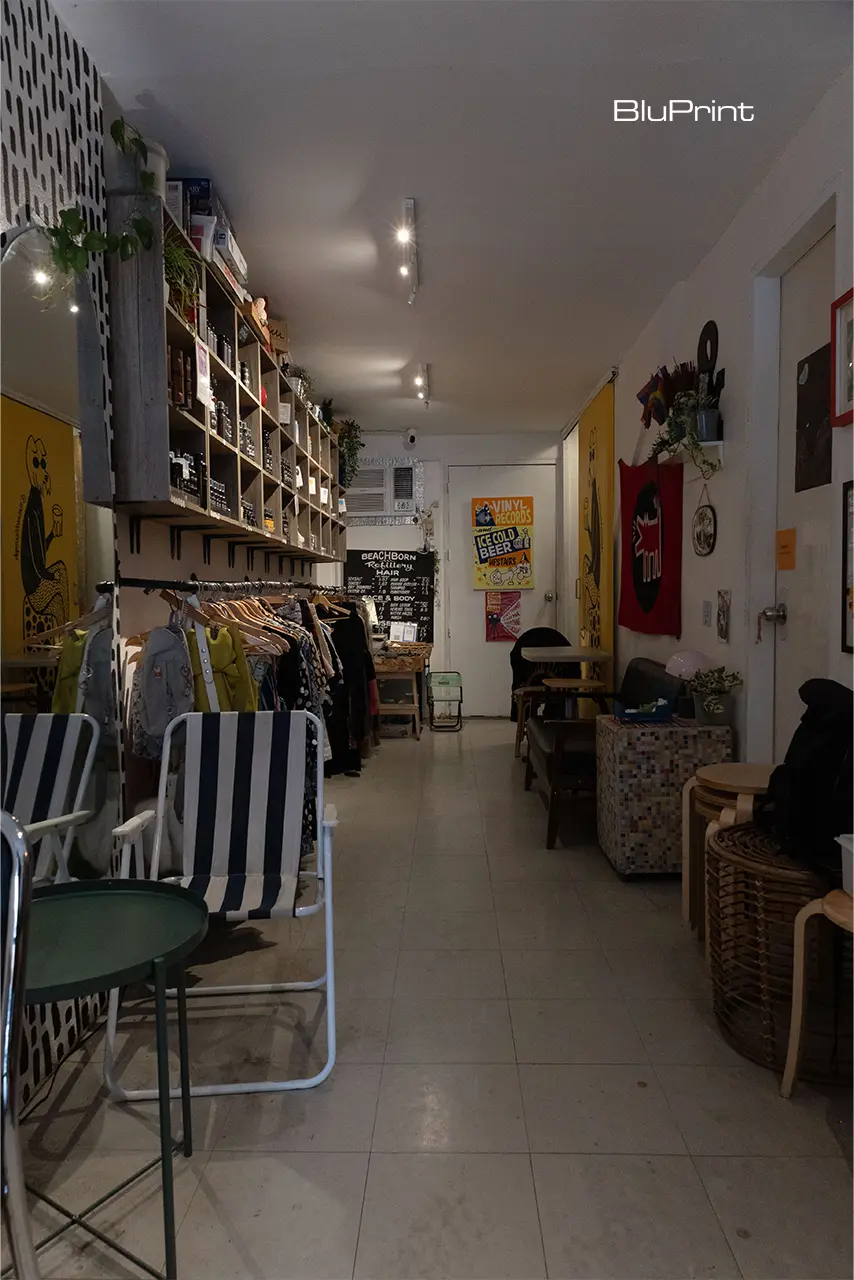
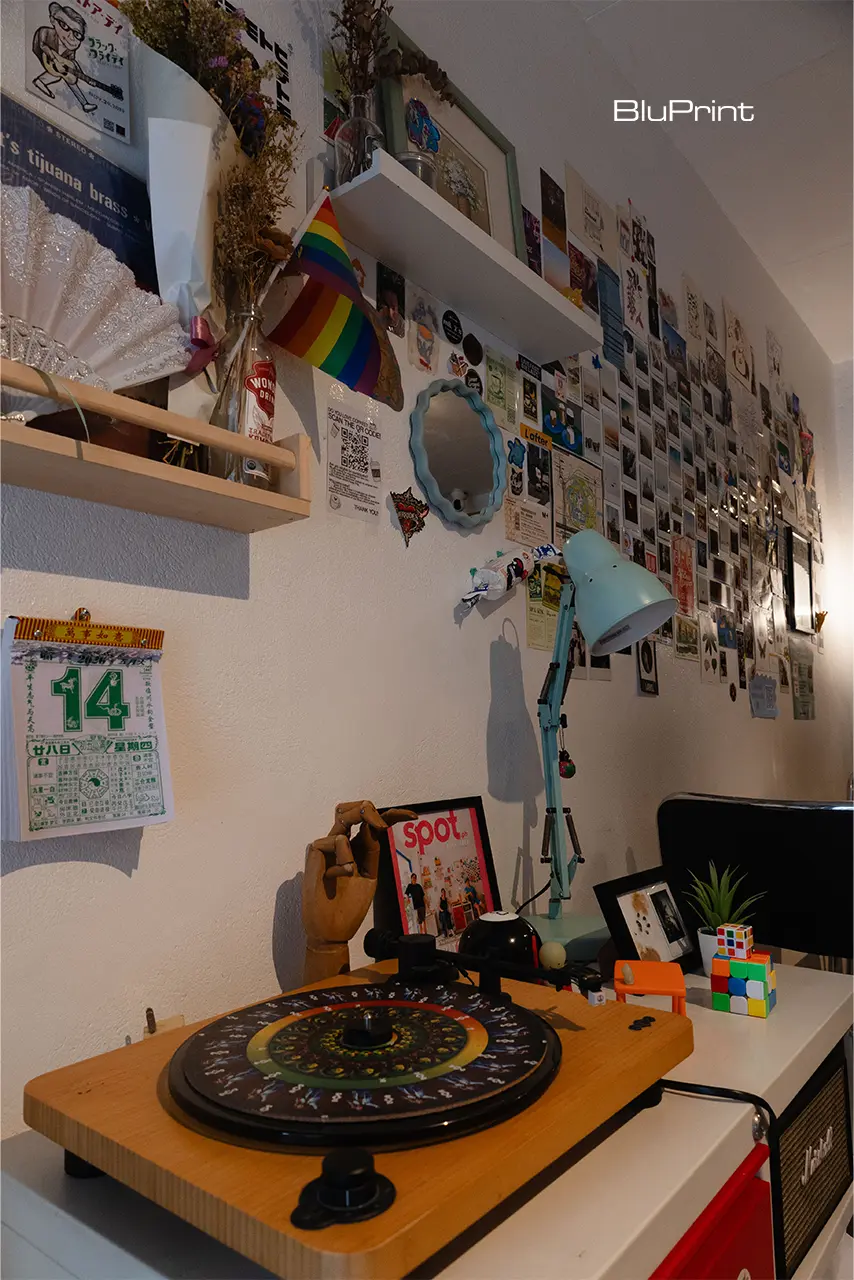
This philosophy explains the hodgepodge nature of the furniture, which was derived from the owners’ old offices and their own homes. The intention was to provide the local community with a welcoming and safe space where like-minded individuals can gather.
Habagat
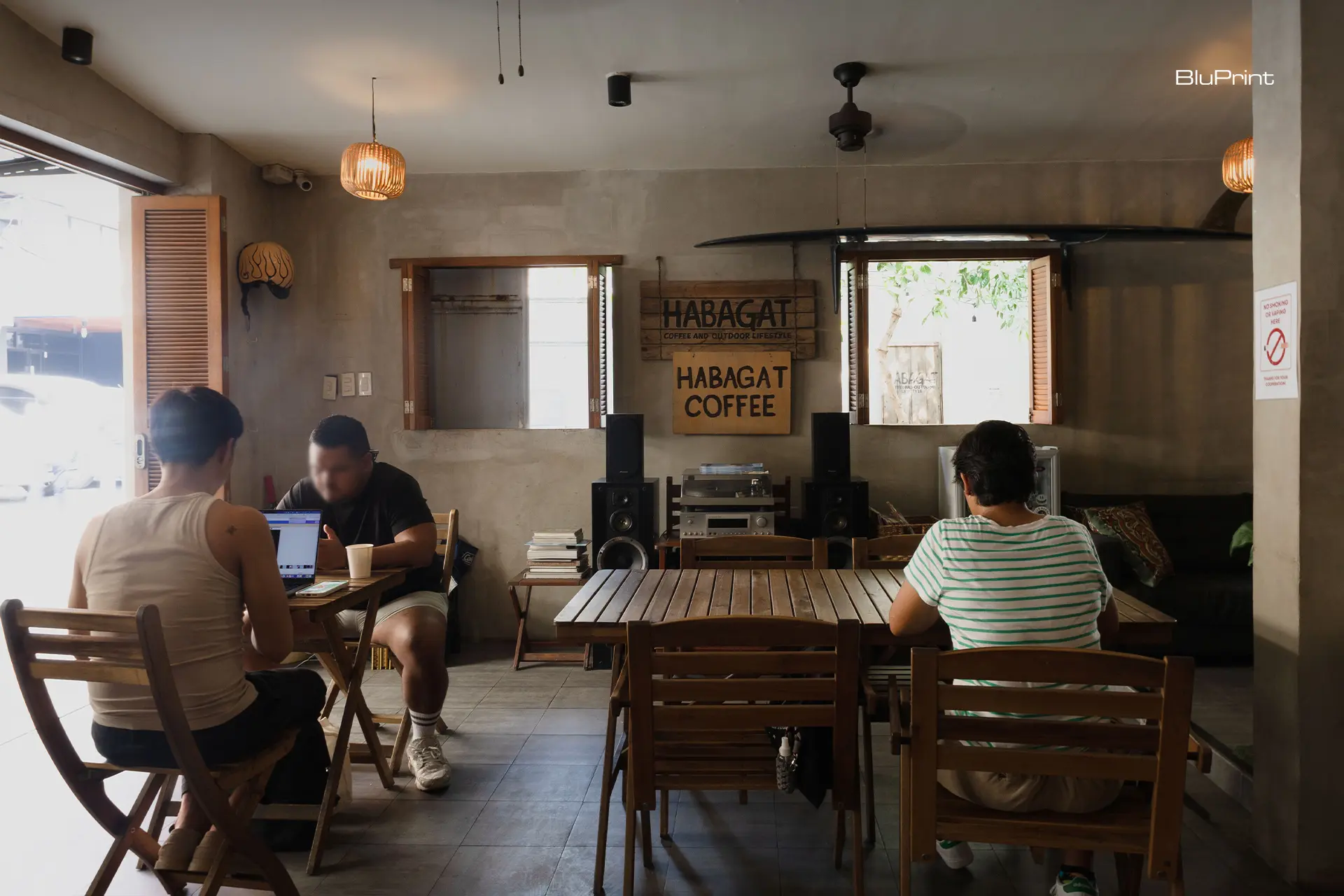
Habagat is a beach-inspired café located within the busy urban area of Kapitolyo. Joy, co-founder of Habagat, shares: “Basically, the design was all about having a space that could make you feel you’re having a break by the beach.”
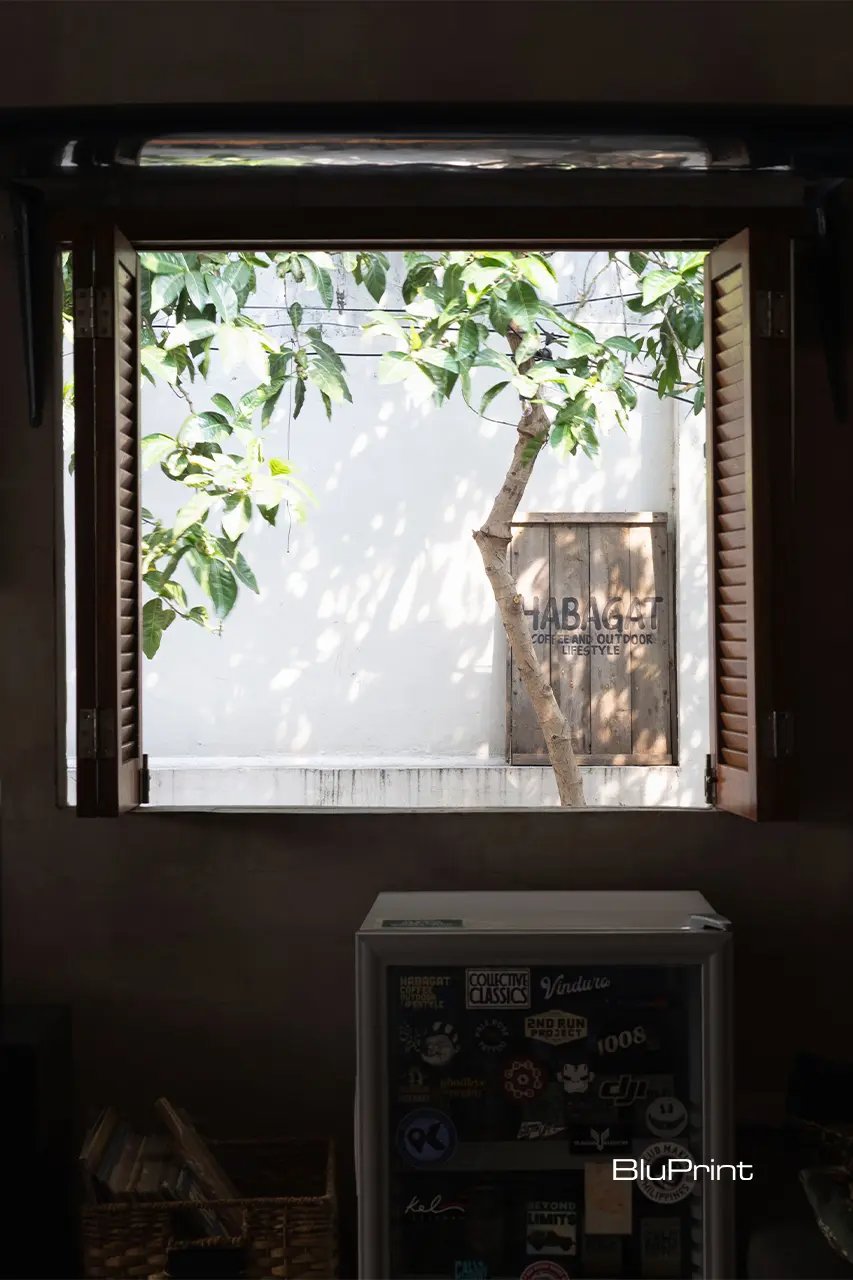
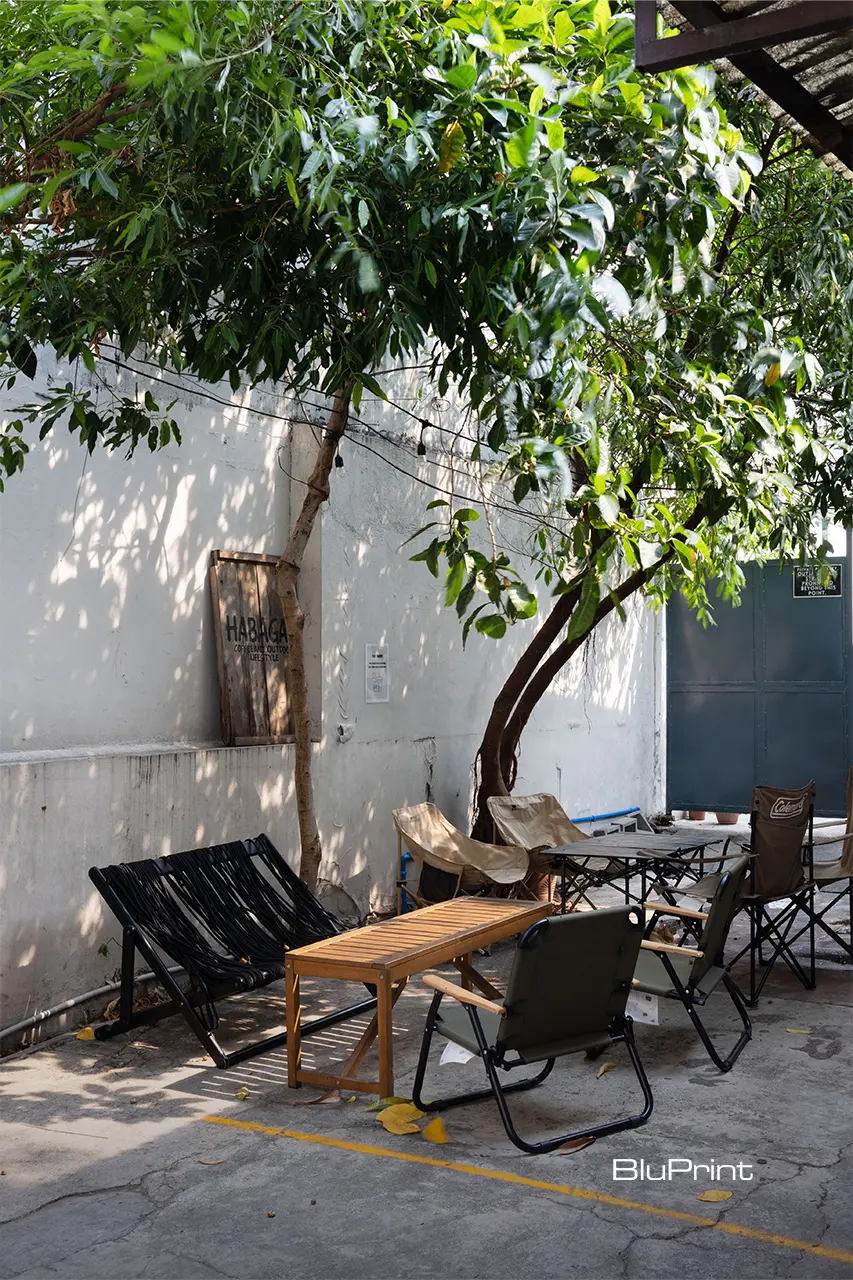
The owners, in collaboration with Architect Catalina Cusi, set out to build a place of calm amid the hustle and bustle of the city. Influenced by Baler and La Union, the café design reflects a typical beachside establishment.
With an al fresco-style layout, the café blends the indoors and outdoors. Wooden tables and chairs are used in the interior, and camping chairs are utilized for outdoor seating.
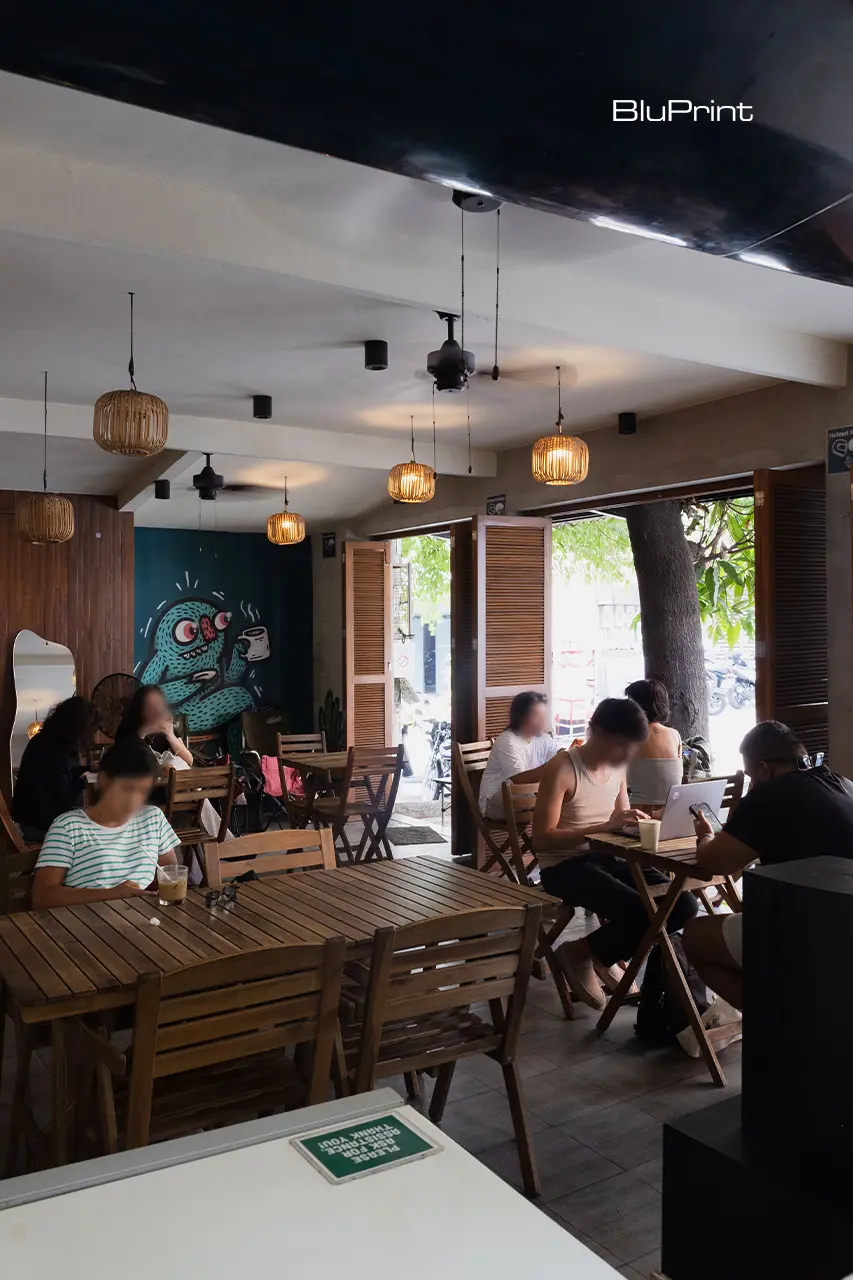
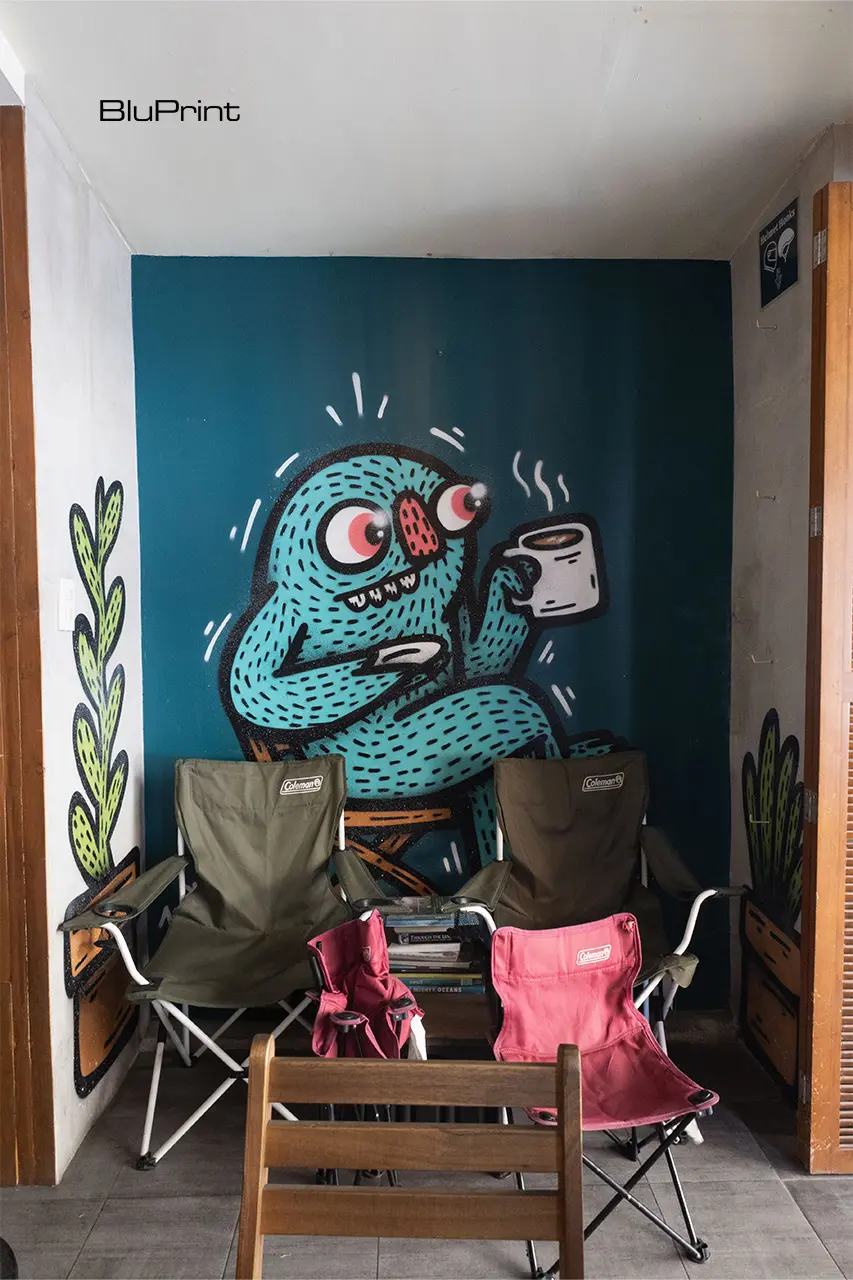
Design elements such as surfboards, a grab-and-go style coffee counter, and tattoo art displays further establish the café’s design language.
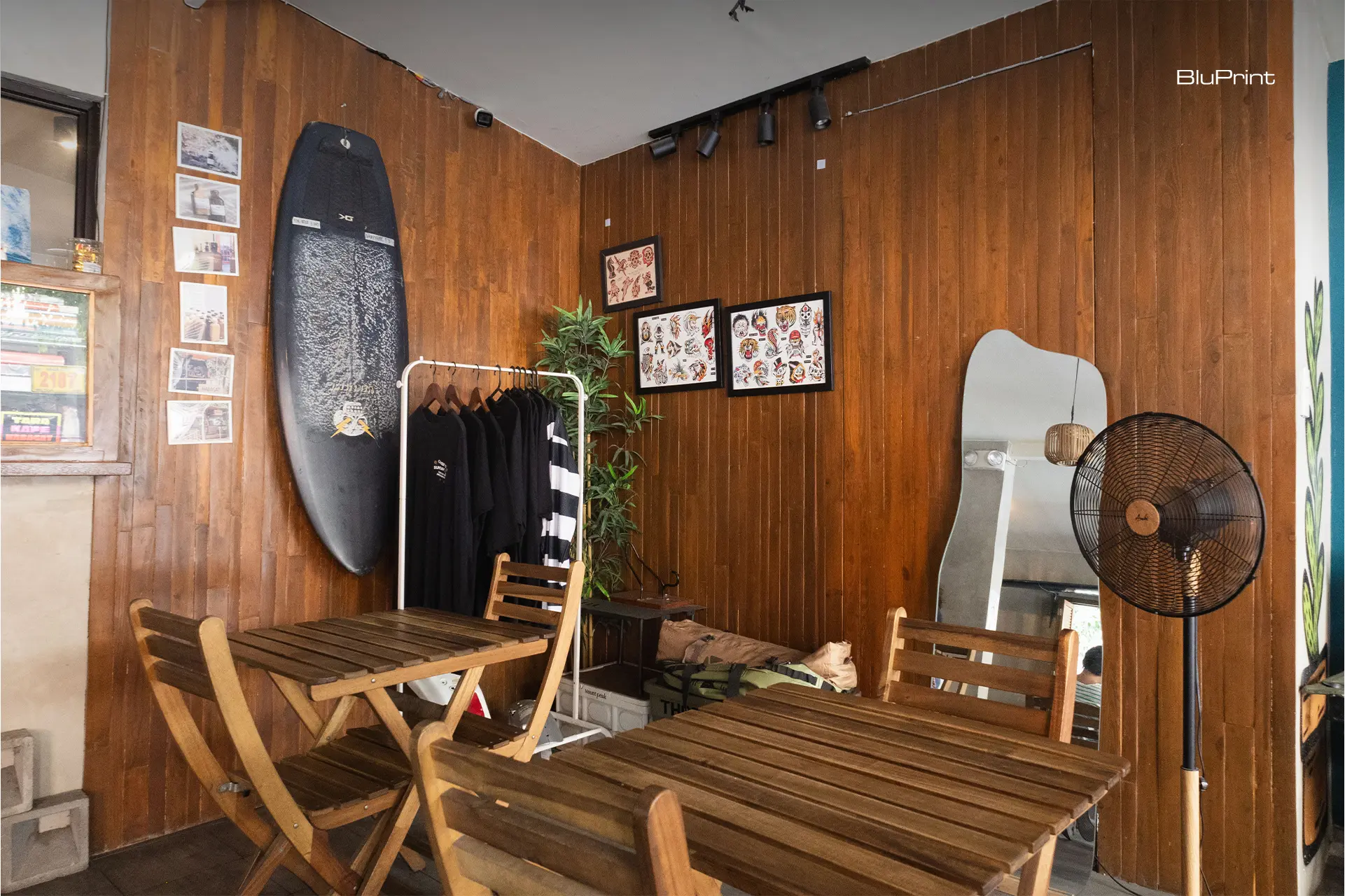
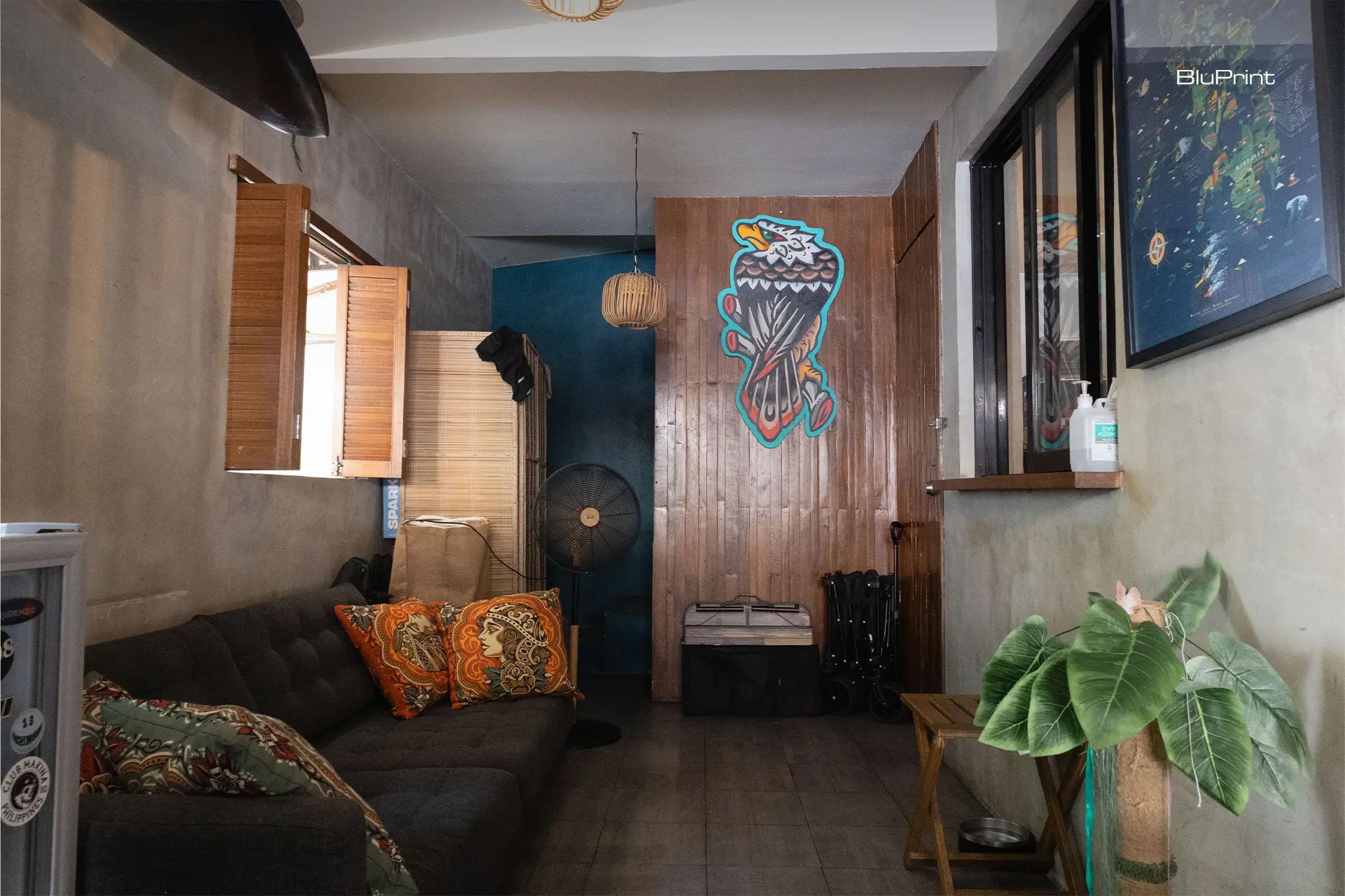
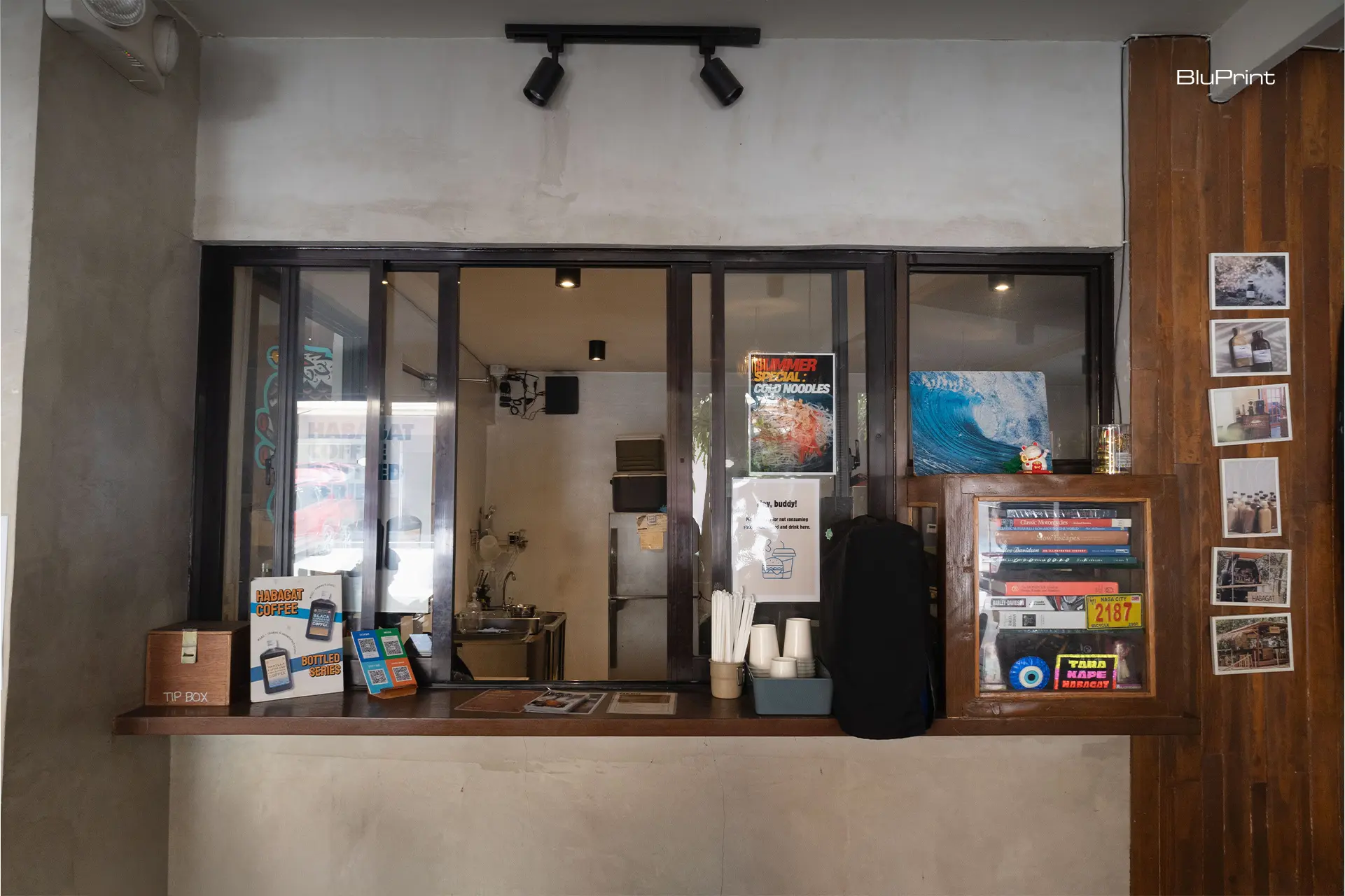
“We wanted to bring the vibes here in Manila so people could also be reminded of those places and feel relaxed even for just a few hours,” states Joy.
Related Reading: Street Kohi: A Small Mid-Century Modern Cafe’s Elevated Revival
Photographs by Gabriel Ramos and Raechel Oro
Frequently Asked Questions (FAQs)
Coined by sociologist Ray Oldenburg, a “third place” refers to a social environment distinct from home (“first place”) and work or school (“second place”). The third place serves as a neutral ground for communities to foster their social connections and well-being.
Adaptive reuse is an architectural approach that involves giving a new purpose to old buildings. It revitalizes structures that are underused or abandoned while preserving their historical and cultural significance.
Couch Club: 11:00 AM to 7 PM, Tuesday to Sunday
1C: 8 AM to 6 PM, Monday to Sunday
Beach House: 9 AM to 9 PM, Monday to Sunday
Habagat: 12 PM to 9 PM, Wednesday to Thursday
9 AM to 9 PM, Thursday to Sunday
Couch Club: 76 San Rafael St, Kapitolyo, Pasig, 1603 Metro Manila
1C: 6 San Francisco St, Pasig, 1603 Metro Manila
Beach House: 11 C E Capitol Dr, Pasig, 1603 Metro Manila
Habagat: 77 San Rafael St, Pasig, Metro Manila
Not all of the coffee shops offer parking spaces, with some offering limited ones.
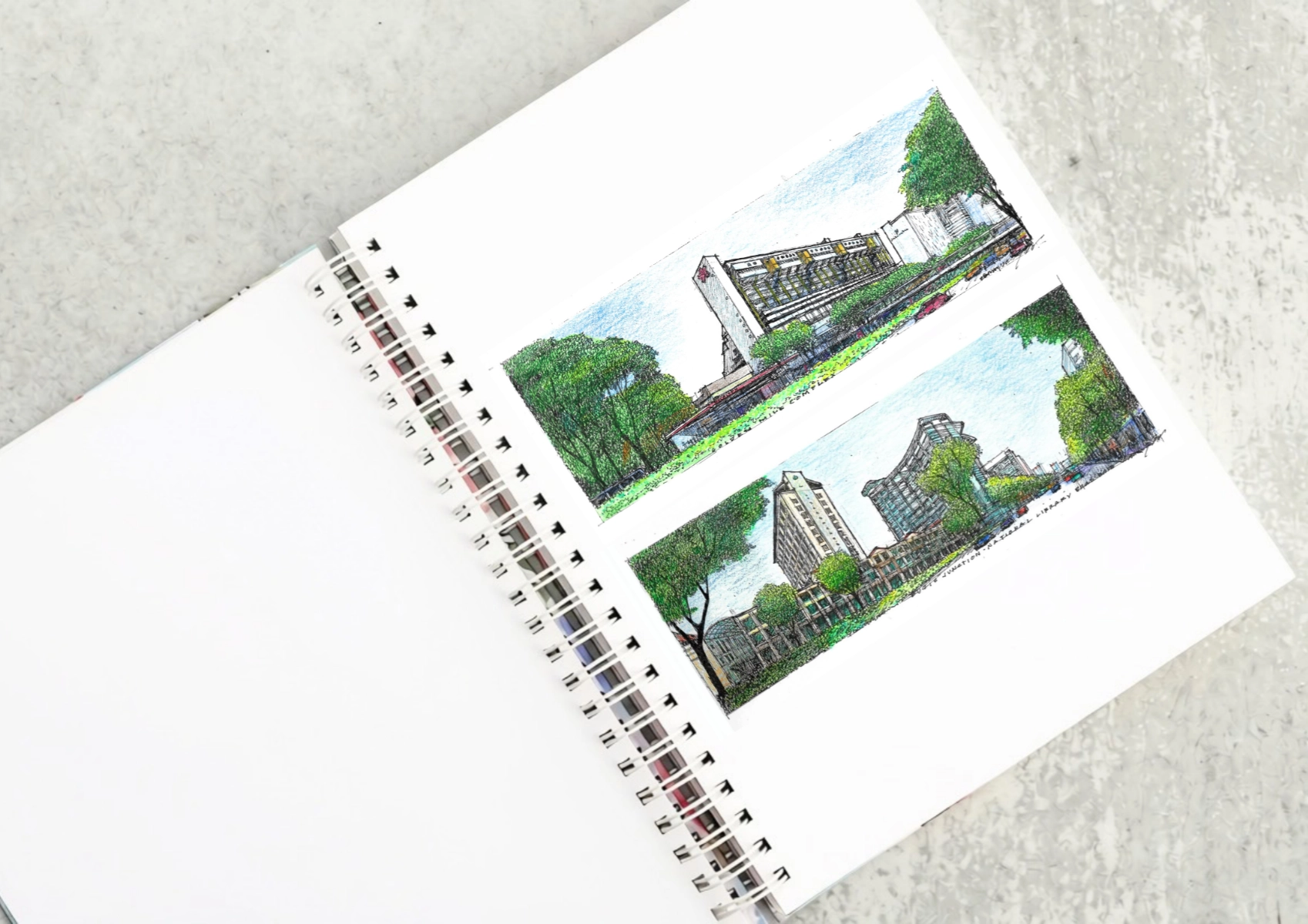
Two sketches of Singapore connect BluPrint Editor in Chief Paulo G. Alcazaren’s personal and professional history with Shared Ground: ArchitectureArchitectureThe art and science of designing and constructing buildings, structures, and spaces that are functional, safe, and aesthetically pleasing. It encompasses the planning, design, materials, and techniques used to createGo to Architecture Glossary of Care, Culture, […]
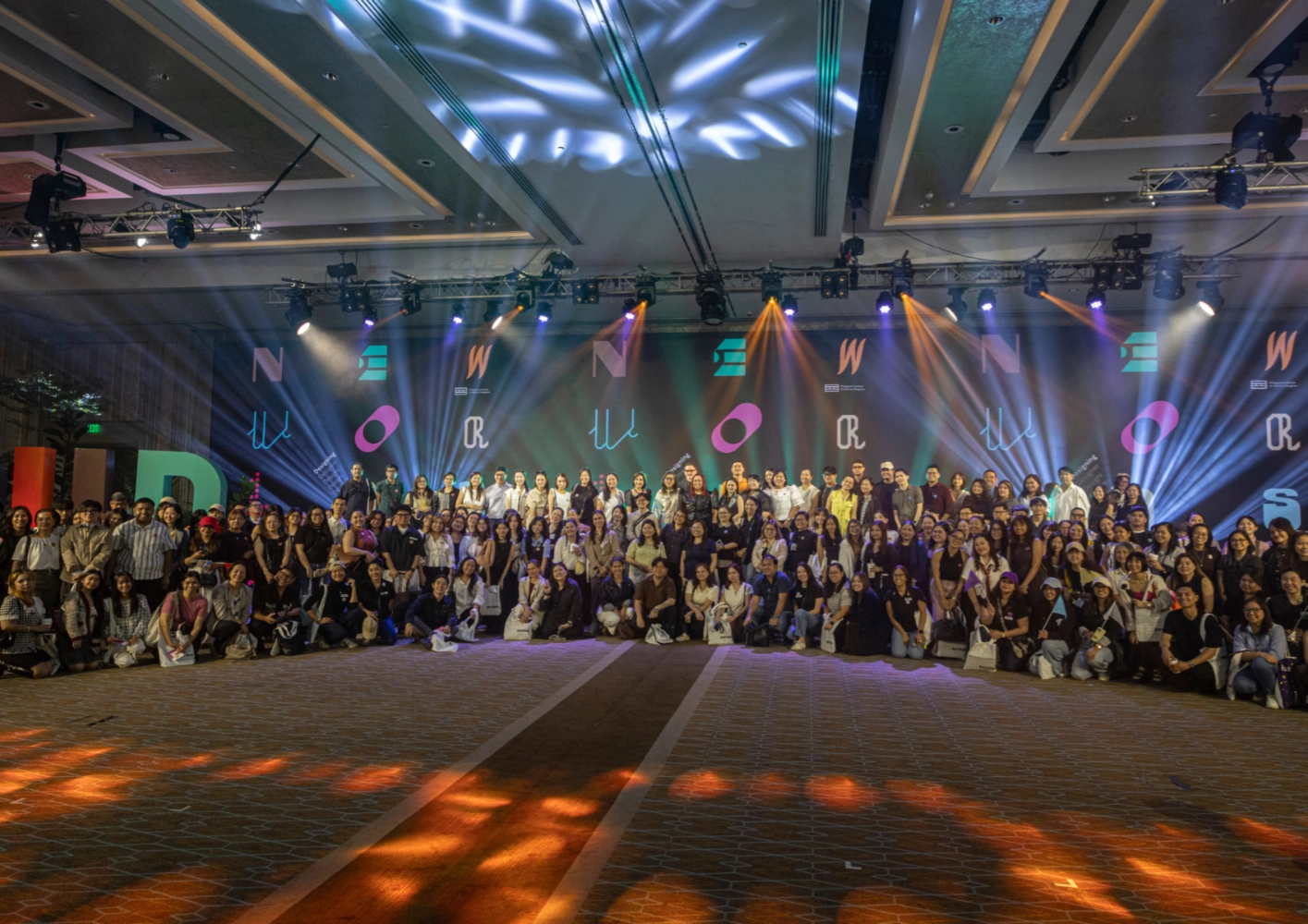
In a way, designers are the modern-day soothsayers and prophets. They design for the future, predicting how a room, a house, a building or a whole city will be used by people. They foresee how users will interact with a space, conjure exact shades of colors to elicit specific behavior and arrange furniture to build […]
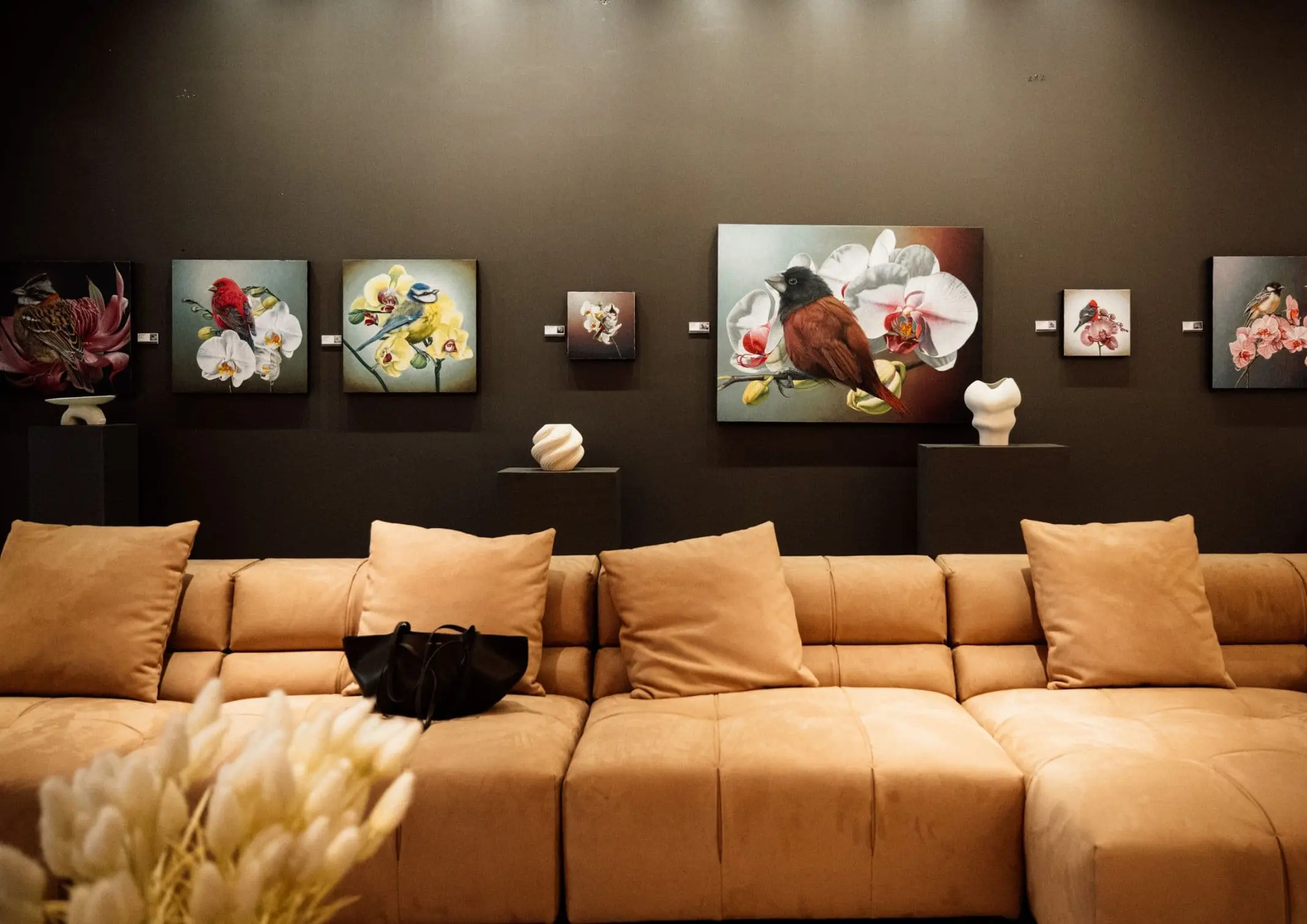
Art and furniture are often selected separately, yet their relationship can shape how a room looks and feels. The collaboration between Hooga and Galerie Joaquin explores how these elements can work together, bringing contemporary artworks into furnished residential settings at Hooga’s showroom in Uptown Mall, Bonifacio Global City. For Hooga, which curates furniture, lighting, and […]
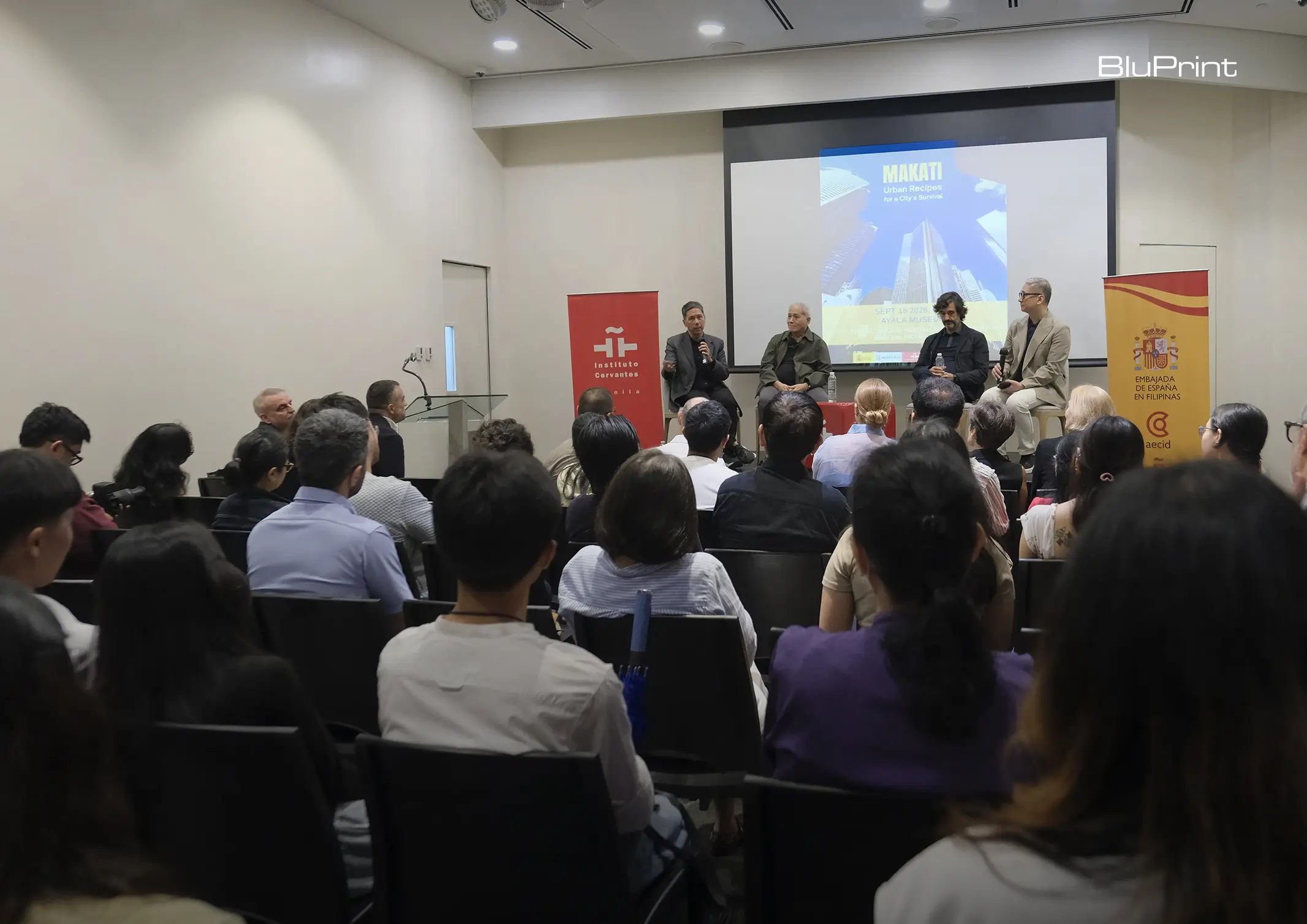
How can better-planned cities create the conditions for more creative, livable, and resilient urban environments? “Makati Urban Recipes for a City’s Survival,” a colloquium held at the Ayala Museum on September 15, brought together architects and practitioners from the fields of urbanism and the creative economy to discuss how design, planning, and collaboration can address […]
Read the issues.

Collect the volumes.

Recommended Video
Tap to Unmute
Unmute
0:00
0:00