Bigkis is the act of binding. In Tagalog, the word can refer to something used to bind or encircle, as well as a bundle formed by tying several separate elements together. Figuratively, it can also mean a bond, union, or unity. The meanings move from the physical act of joining things together to the connection […]
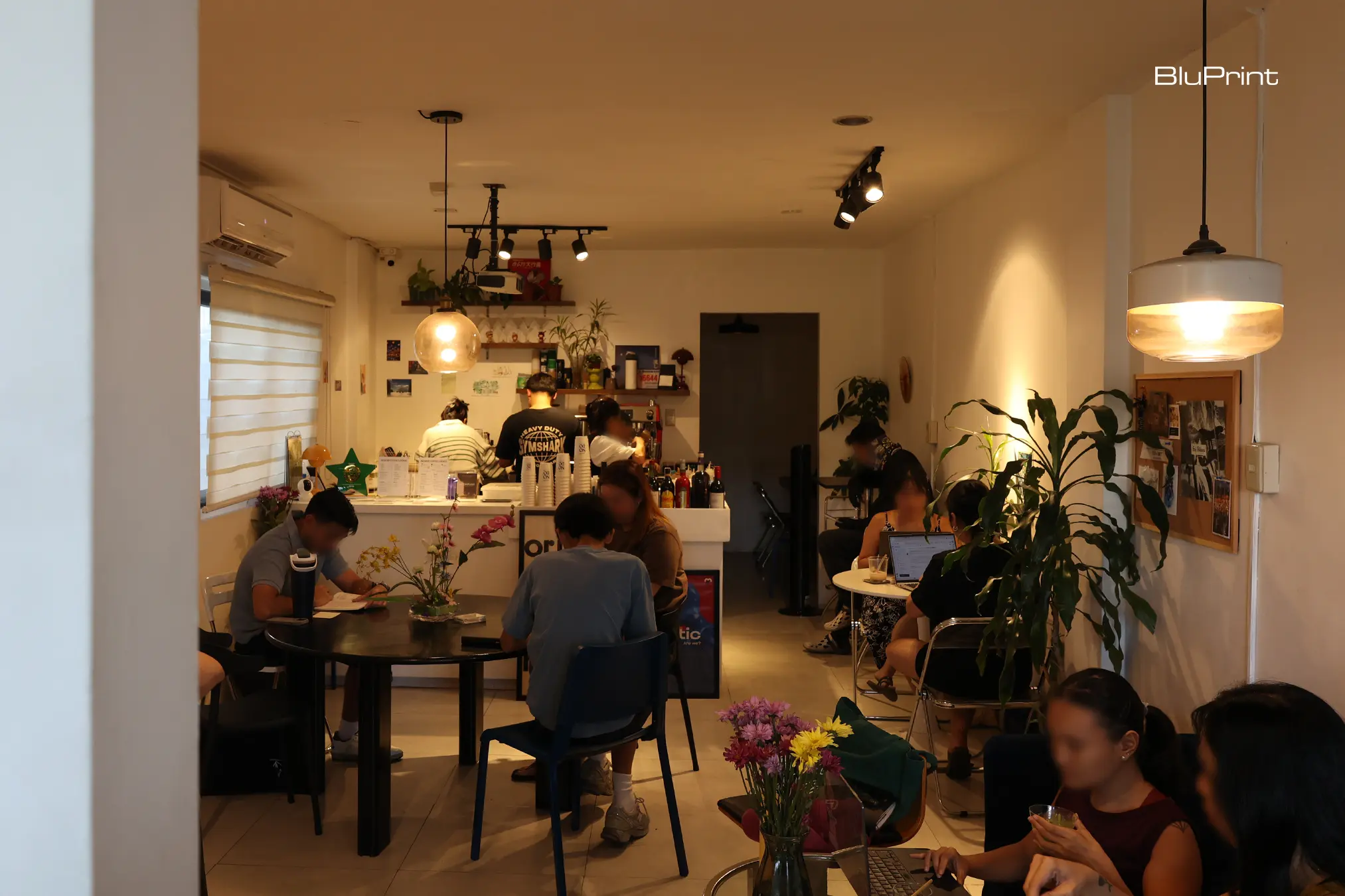
3 Cafés in Katipunan Redefining the Third Space



Cafés are a prominent feature in the social lives of Filipinos. In Katipunan, they are found on almost every corner.
Beyond the mall, the café is one of the most dominant forms of a third place in the Philippines. In Metro Manila, where green spaces and public libraries are sparse, and in-between, cafés have to fill in the gaps.
This lack of diverse third places enabled the café to amalgamate various services. It is no longer a mere dining establishment, but rather a space that functions as a study hub, coworking space, and social sanctuary. In Katipunan, a bustling commercial, academic, and residential district located in Quezon City, cafés offer a place of gathering for the community.
Related Reading: 5 Unique Cafe Interior Designs in the Philippines to Inspire Your Next Hangout
How Are Cafés in Katipunan Redefining Community Spaces?
Resonate Coffee: Reimagining Café Interiors
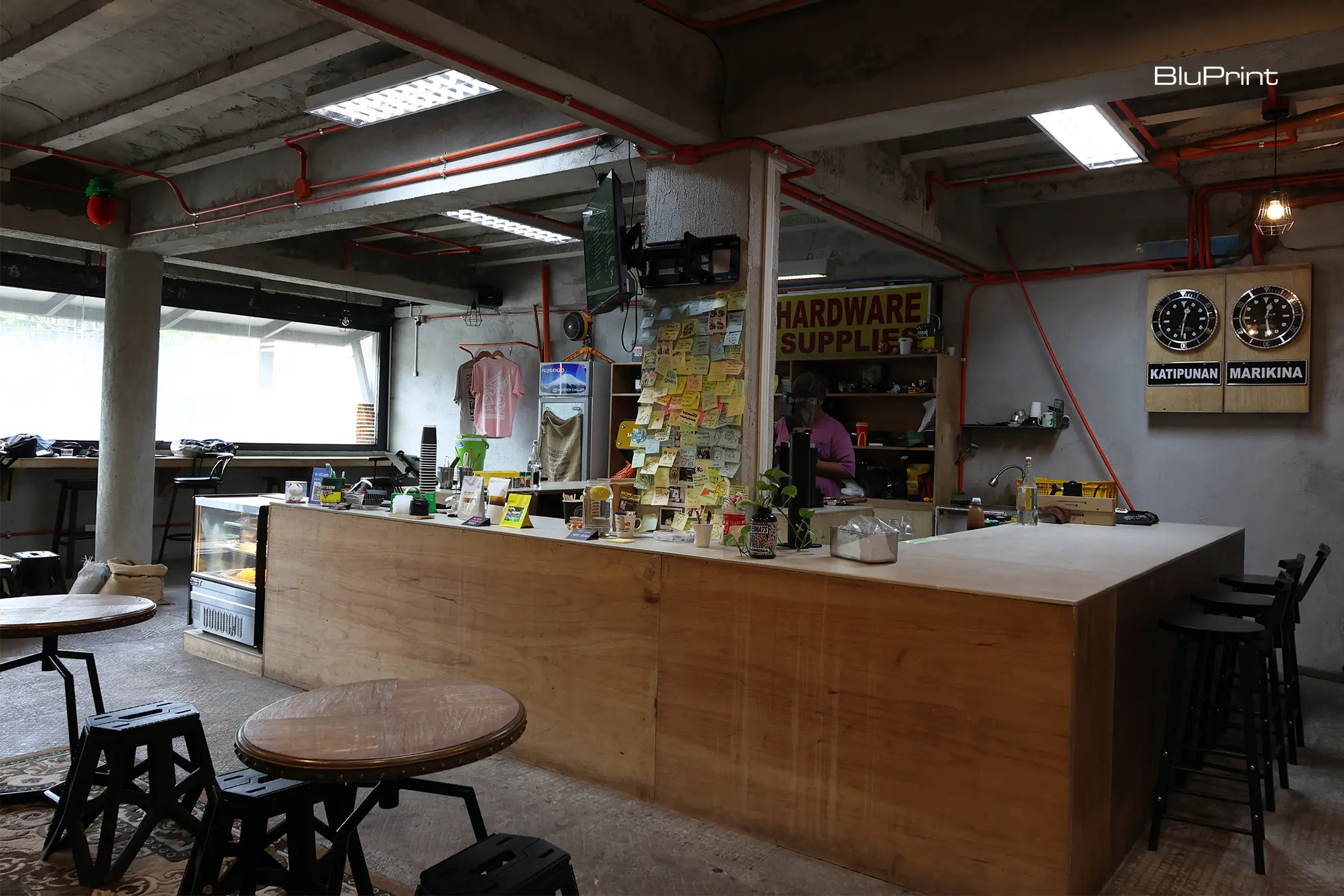
Tucked within Katipunan Avenue, Resonate Coffee brings a fresh perspective on café interiors. Known for its hardware-inspired design language, co-owner John Lawrence Santos shares that he wanted to break away from the traditional interior designInterior DesignThe discipline of planning and shaping interior spaces for function, comfort, safety, and beauty. It covers layout, lighting, materials, finishes, furniture, and color, and in the Philippines is a licensedGo to Interior Design Glossary of food and beverage establishments.
Co-owner Lawrence Santos mentions that he wanted to preserve the original site’s unrefined design. “May mga nakikita na akong café sa ibang bansa, or mga Thai café na parang lahat simento. Nakuha ko ‘yong idea. Sabi ko, ‘What if huwag na nating puliduhin tapos iwan nating ganyan?’” he recounts.
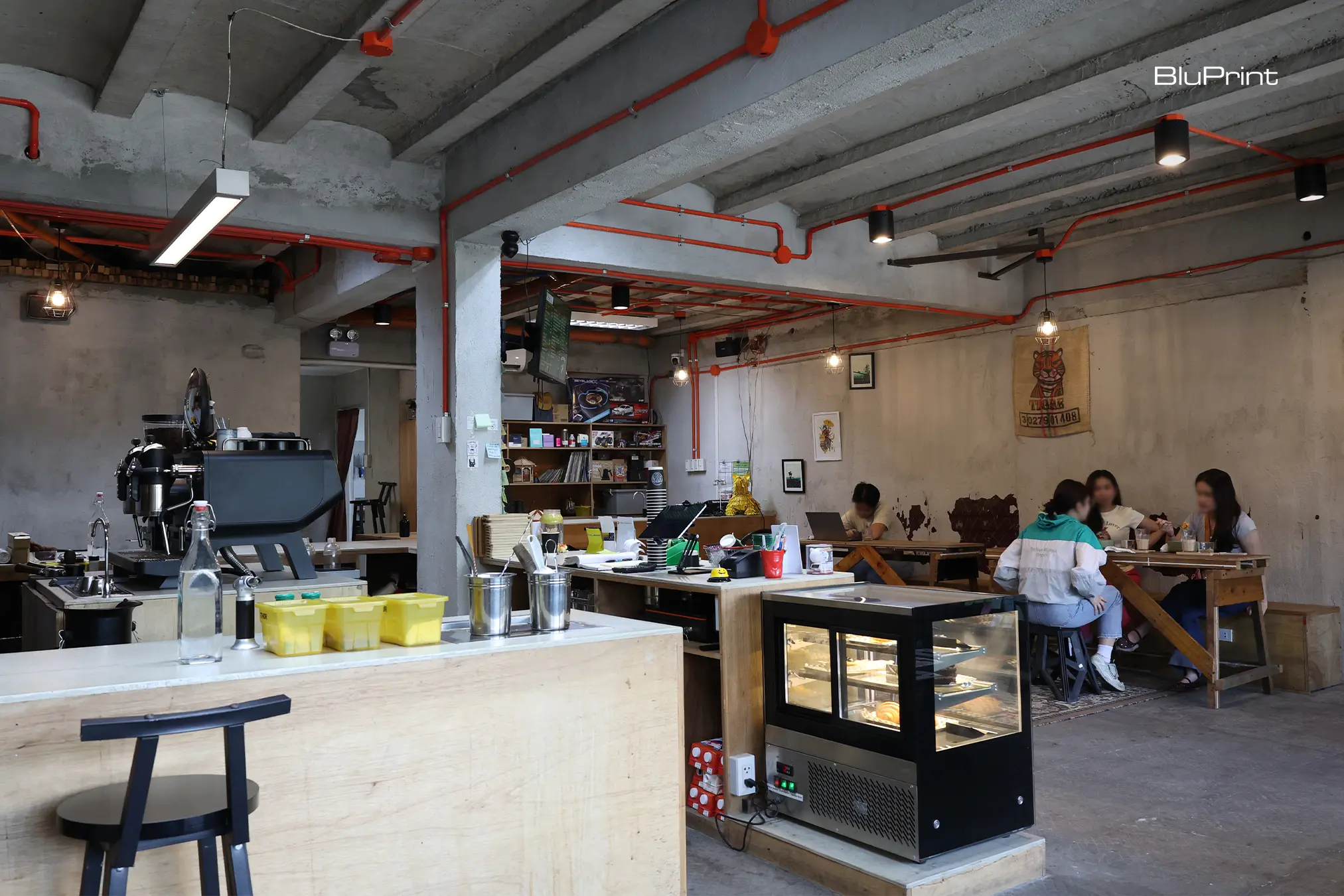
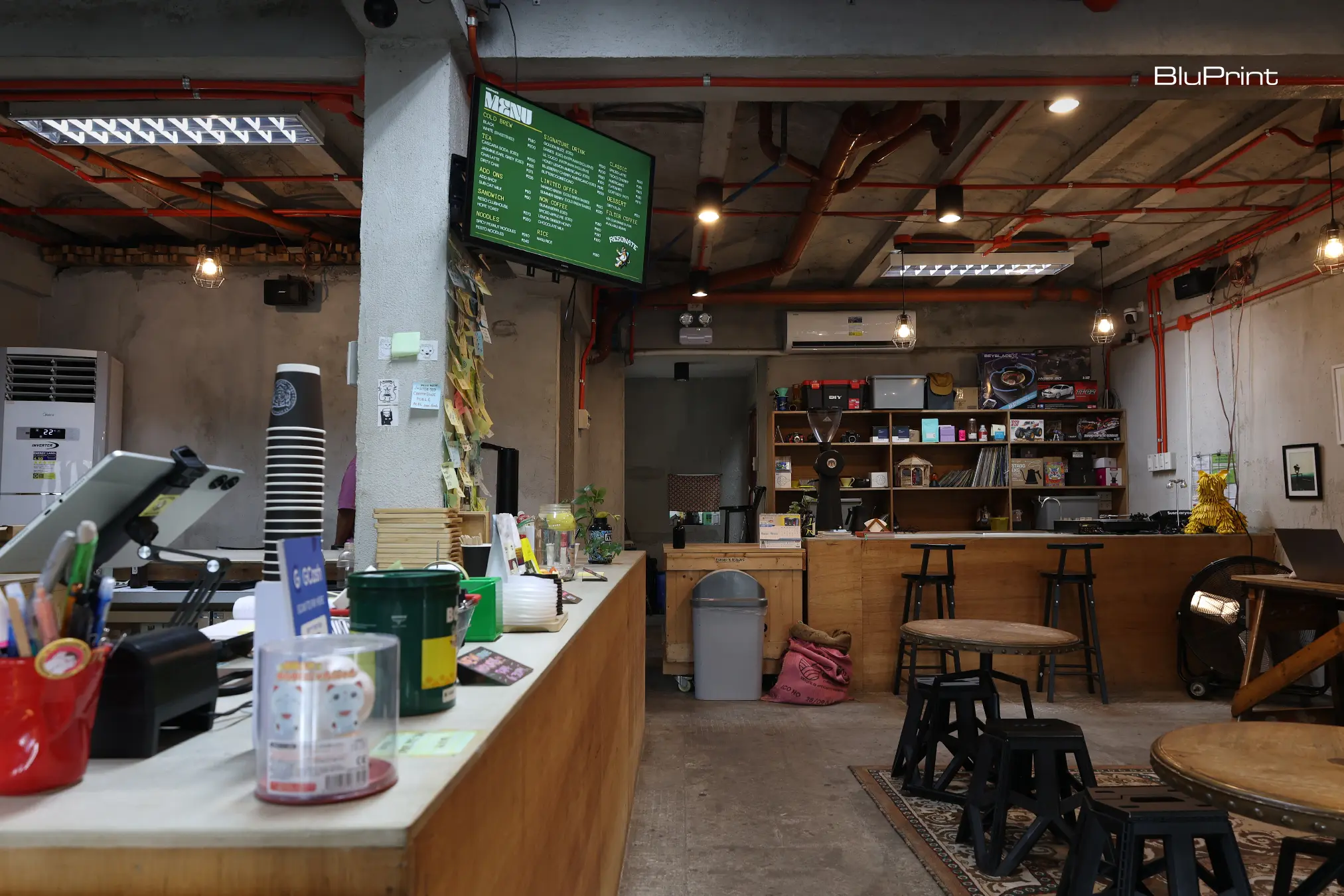
The unique café interior complements its menu, offering specialty coffee to a niche community. “Sinimulan namin noong ginagawa namin ang Resonate is to offer unique coffees and to offer coffees na hindi sobrang hype,” Lawrence shares.
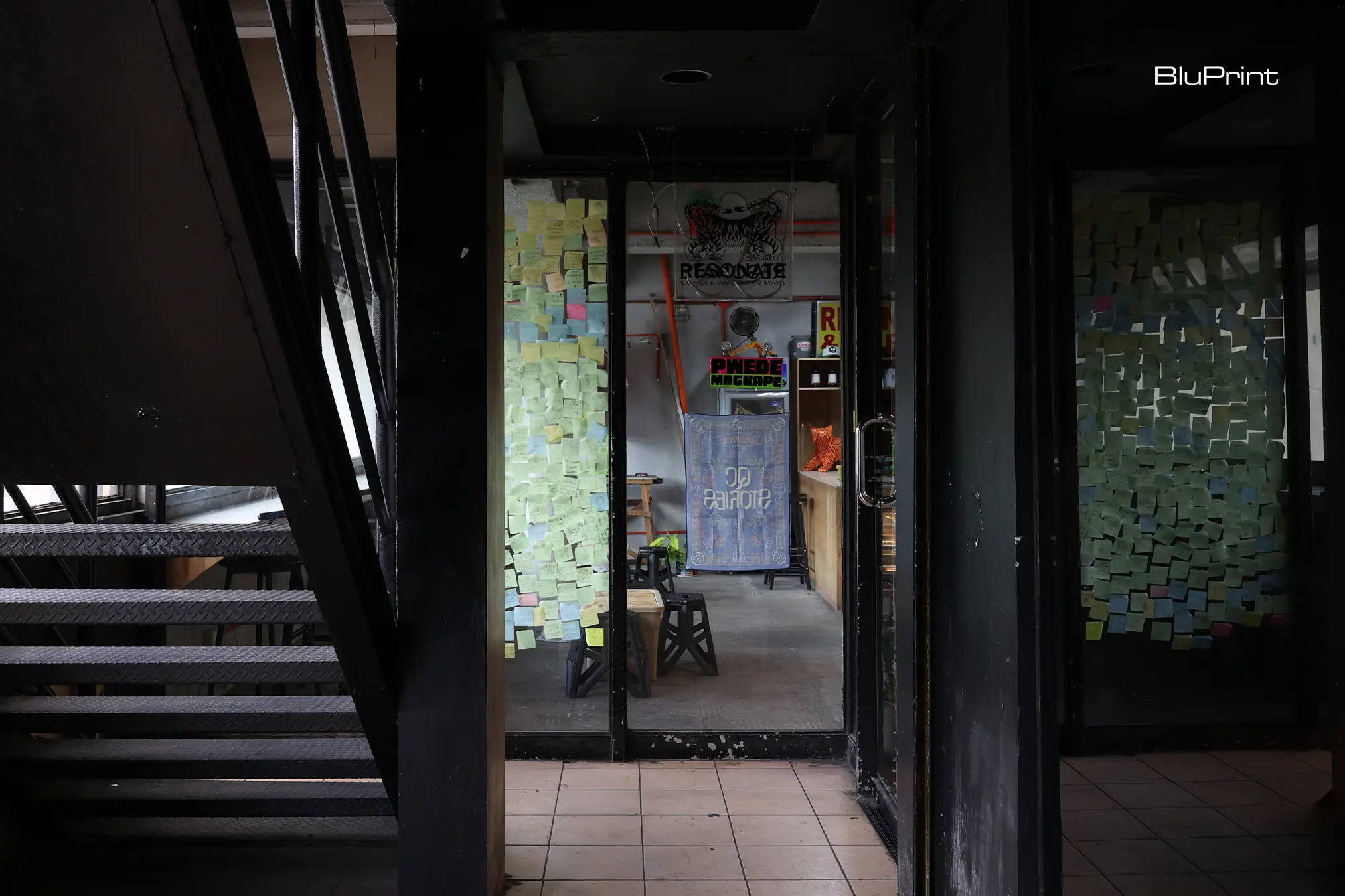
Resonate Coffee is reimagining coffee shops with its second branch in Katipunan. A mix of students and young professionals gather in this café. The space also accommodates events for artists, businesses, and many others. Inside, diners can enjoy its unique design along with a distinctive menu.
Related Reading: 4 Global Coffee Shop Interior Design Ideas Shaped by Community and Tradition
NoDoze Coffee Lounge: Café as Social Hub
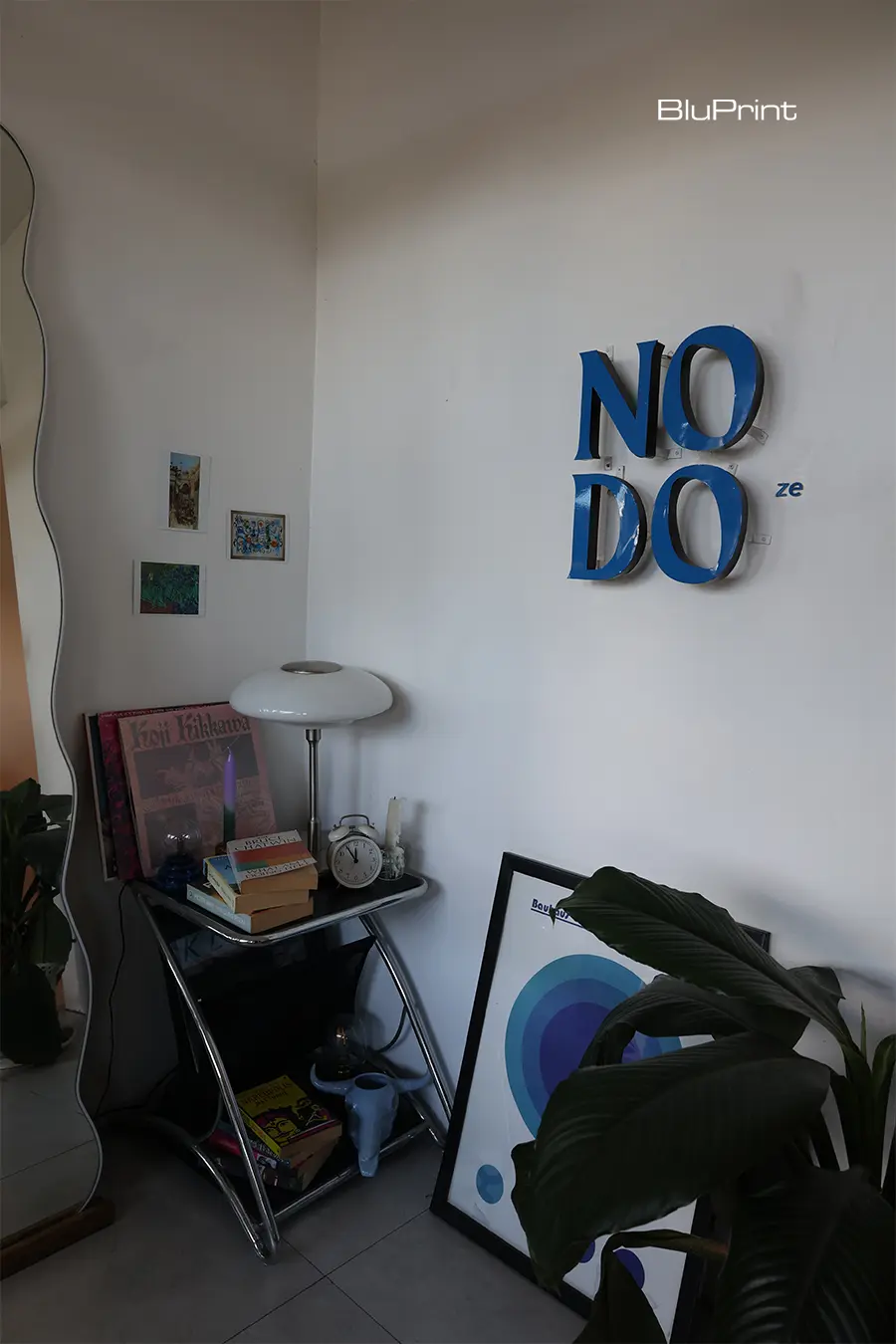
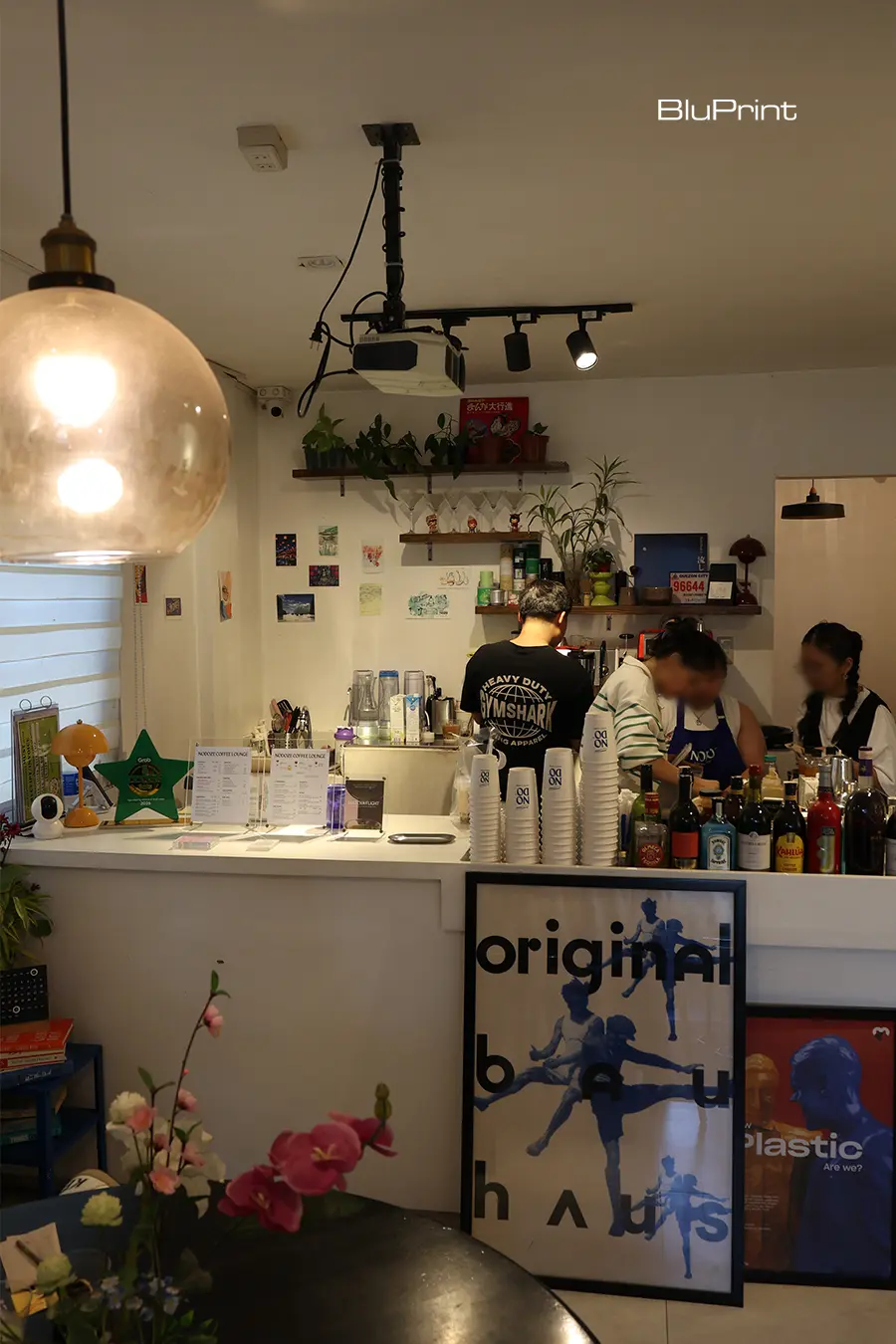
Situated along Katipunan Avenue, NoDoze Coffee Lounge is a mid-century café that offers both coffee and cocktails. The interior is a well-curated space that maximizes its small space. With its welcoming atmosphere, it accommodates students and young professionals looking for a place to socialize and work.
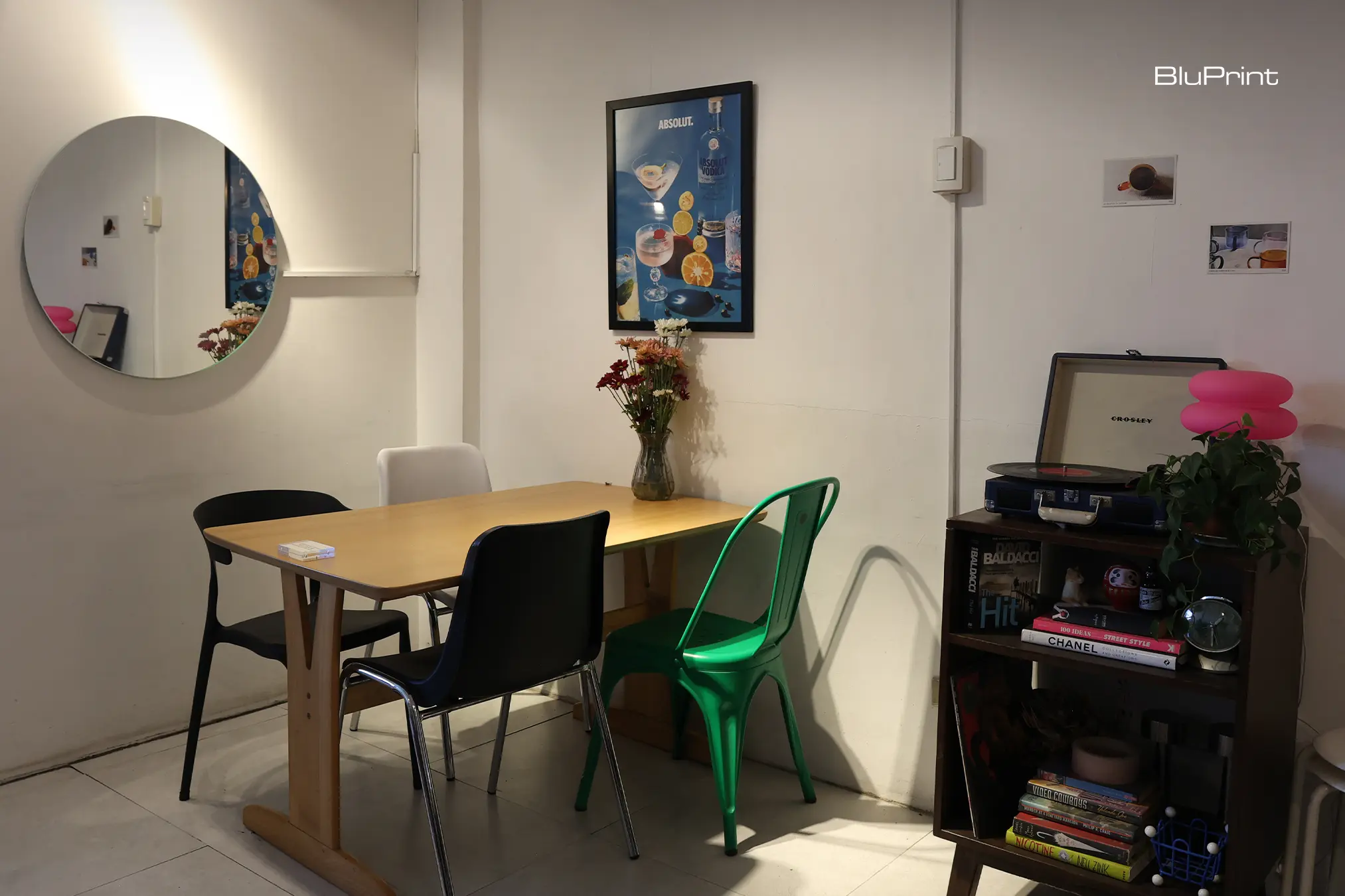
Diverse seating arrangements are utilized to accommodate groups of different sizes. A small, blue couch sits in the middle for small groups seeking comfortable seating. Near the barista station, a shared circular table is available to accommodate additional guests.
NoDoze is also known for its book club, where guests can enjoy their current reads with a drink. This provides guests with the opportunity to share each other’s love for reading. More than just a café, it’s a place where people can unwind with a drink and good company.
Related Reading: Street Kohi: A Small Mid-Century Modern Cafe’s Elevated Revival
What About Coffee: Adaptive Reuse as a Café Design Approach
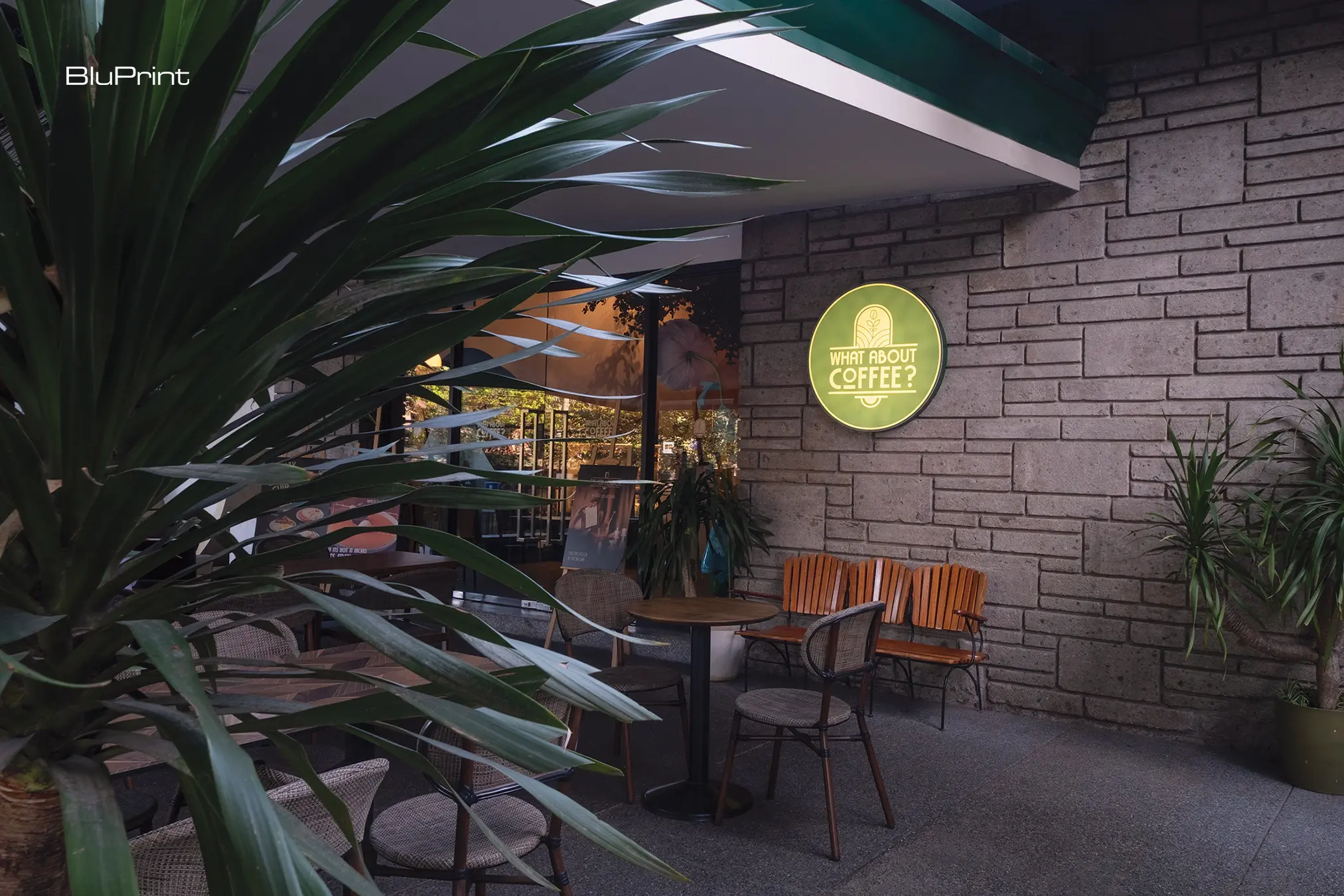
What About Coffee (WaCo) is a residential structure turned dining establishment along Gonzales Street. Architect Joe Juson was at the helm of this adaptive reuseAdaptive ReuseThe practice of converting an old or disused building for a new purpose while keeping its structure and character. In the Philippines, it has turned heritage houses, warehouses, and factoriesGo to Adaptive Reuse Glossary project. Juson brought the owner’s vision to life, establishing the cafe as a green space amid the concrete landscape of Katipunan.
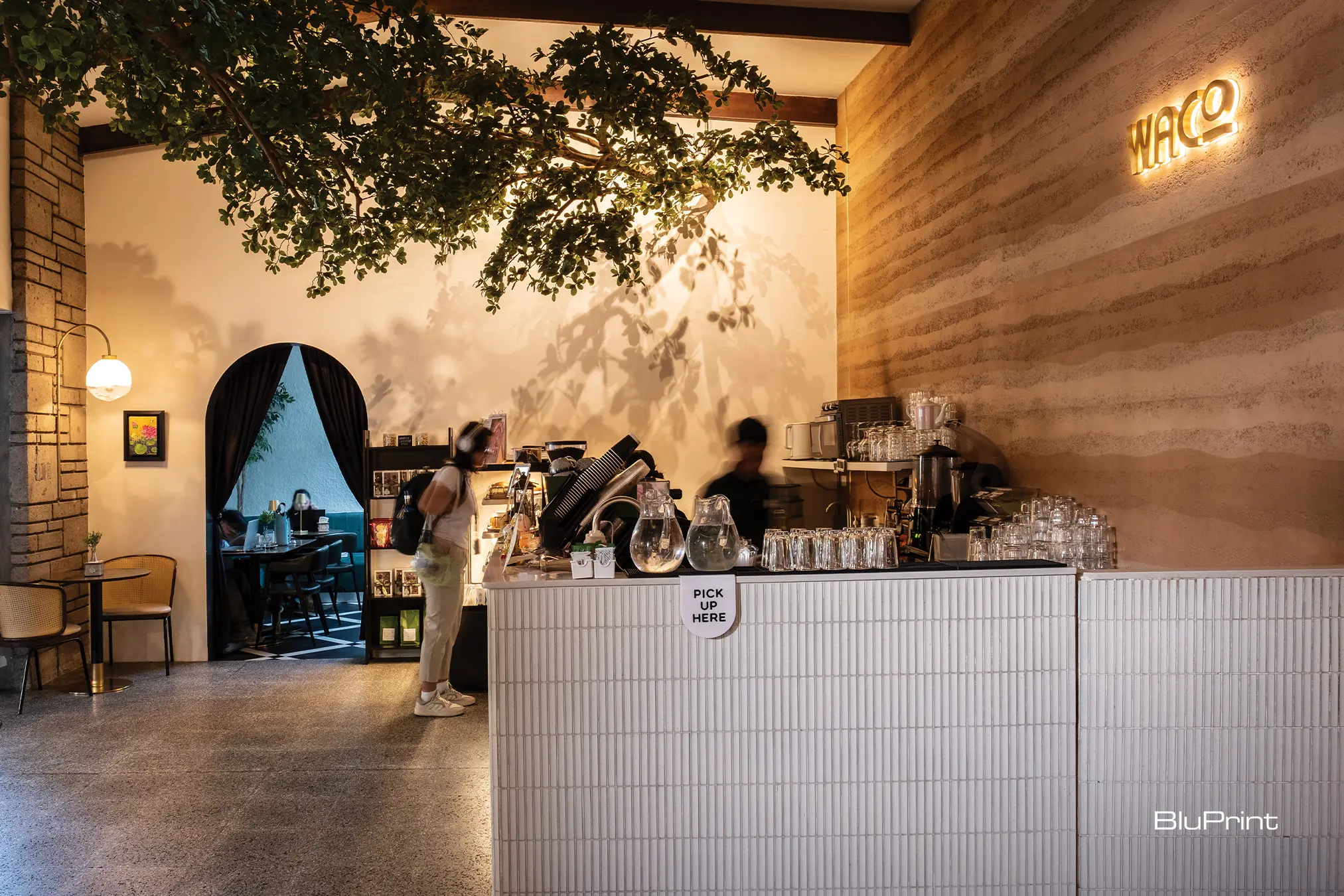
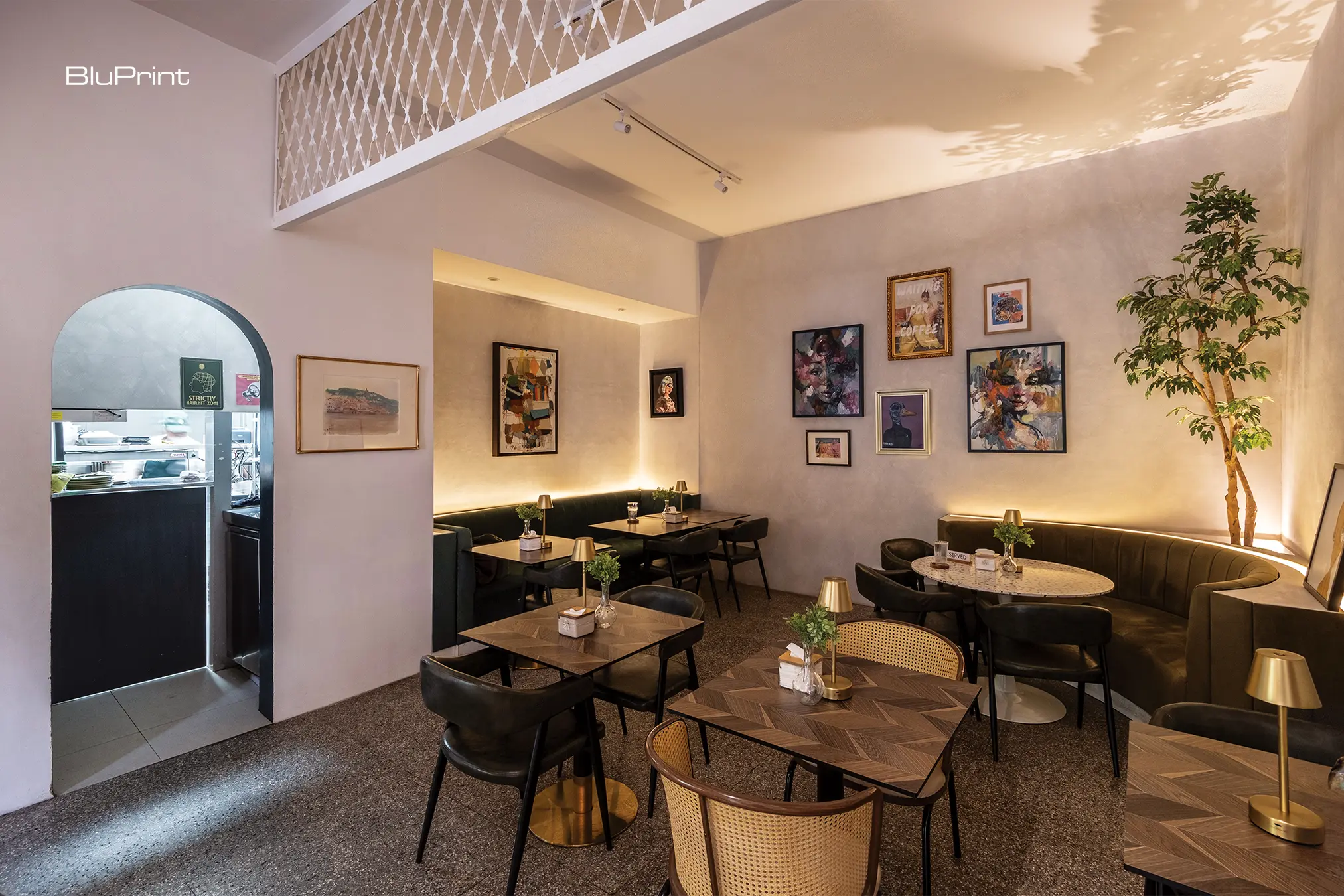
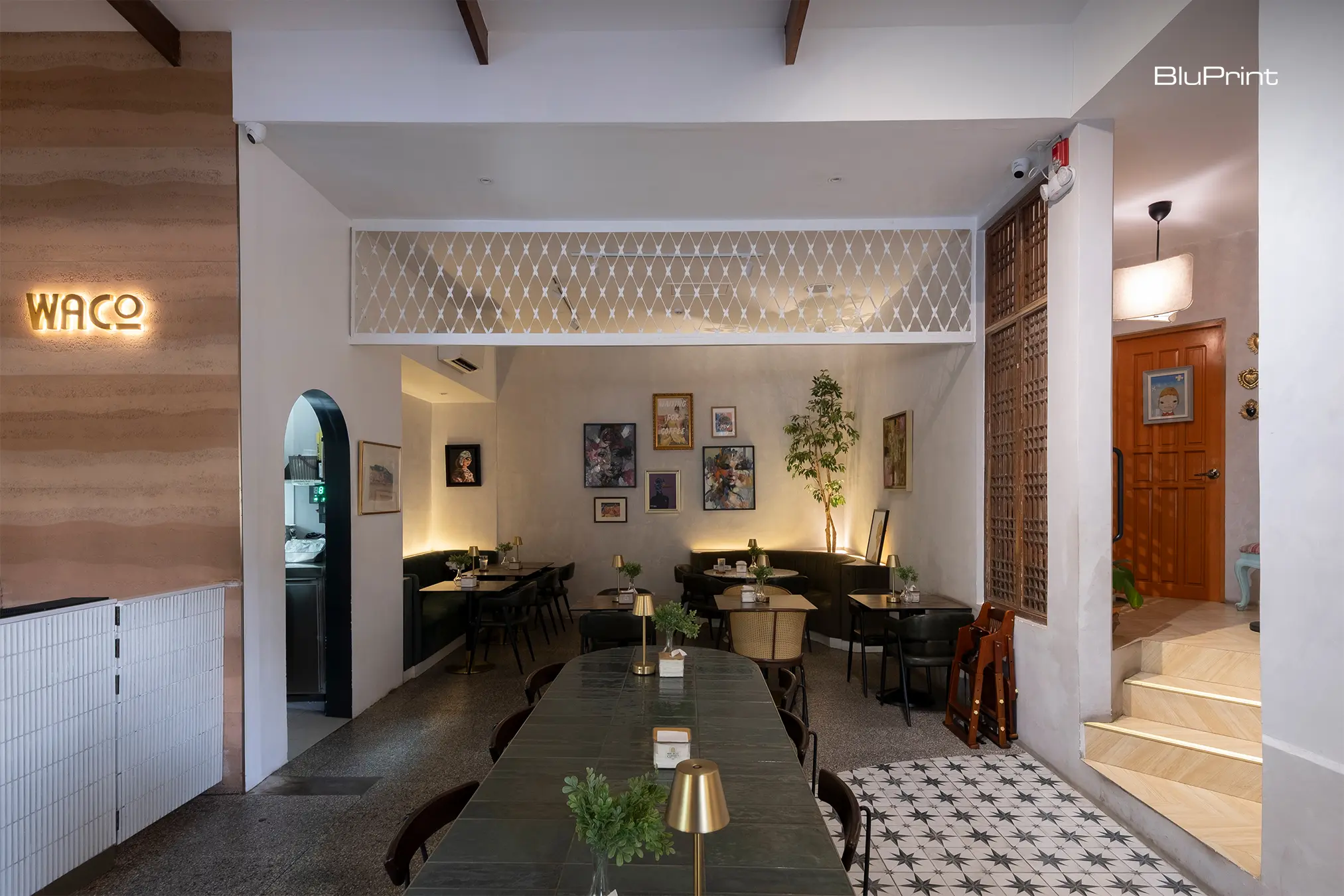
“Our way of ‘balancing’ rests on the idea that a dining establishment and a residential structure are actually no strange bedfellows,” states Juson. Consequently, many features of the original home were kept: large window openings, terrazzoTerrazzoA composite flooring and surface material made from chips of marble, granite, glass, or other aggregates set in cement or resin, then ground and polished smooth. Durable and cool underfoot,Go to Terrazzo Glossary and wood floors, and roof overhangs. Juson also preserved the site’s lush vegetation.
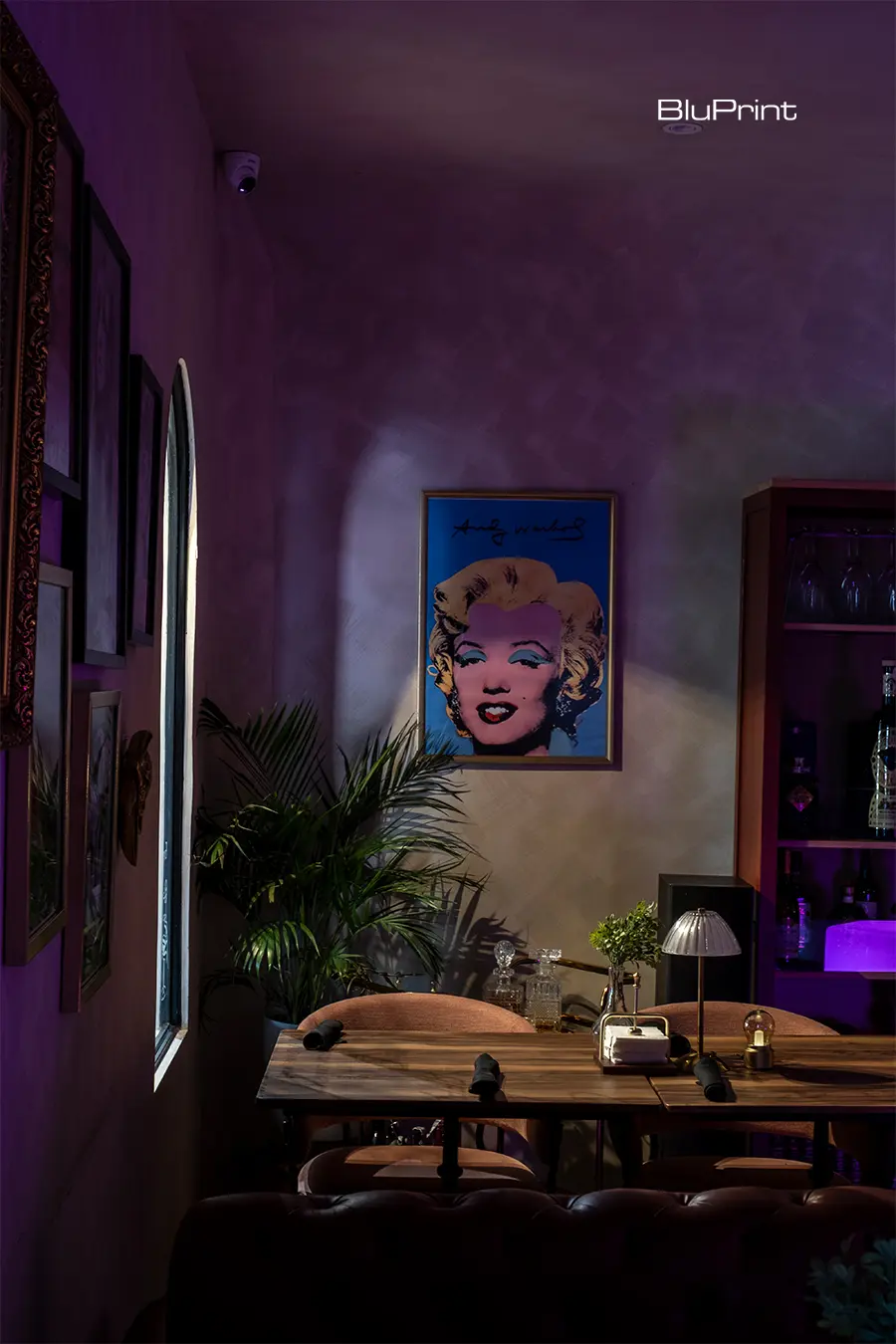
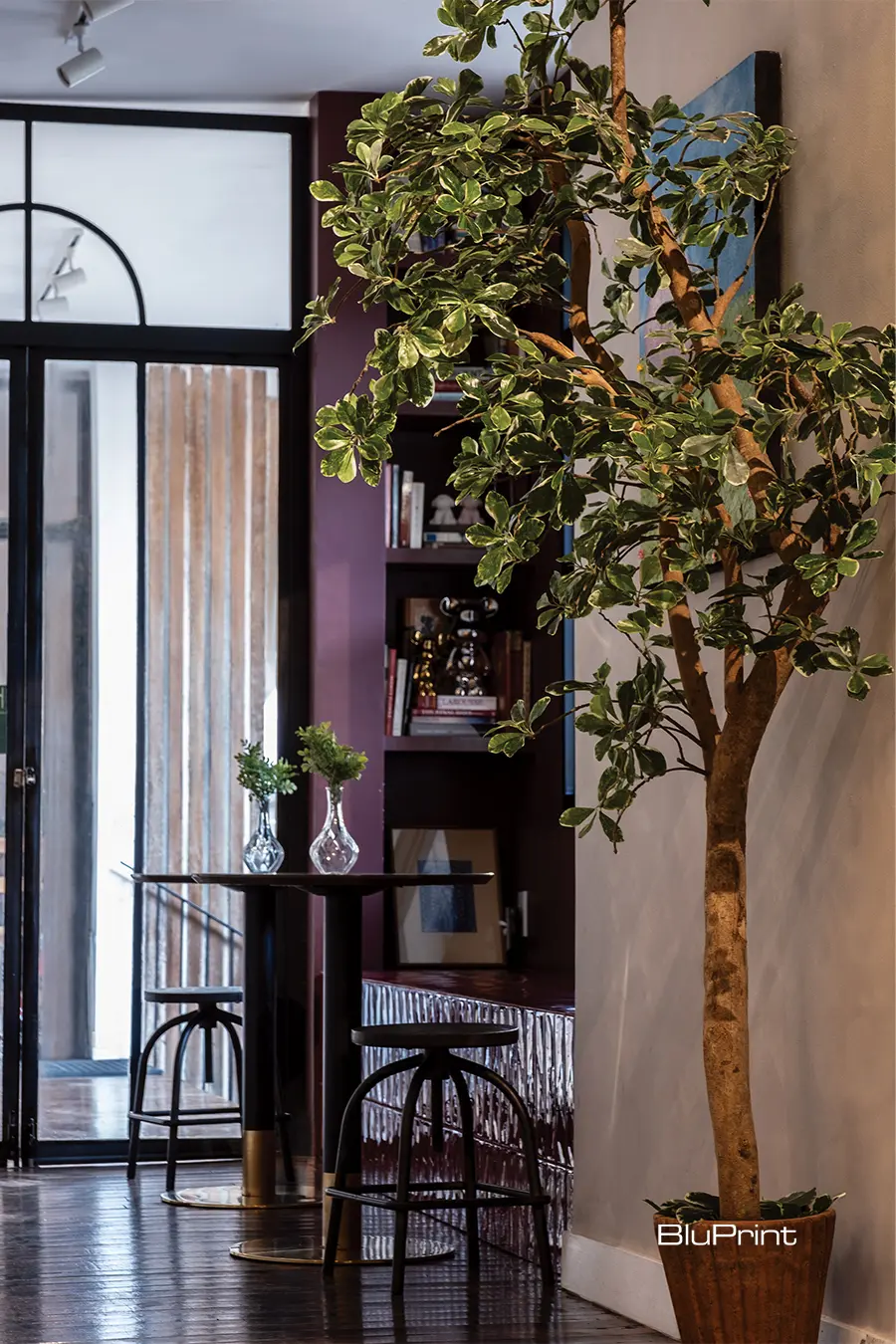
WaCo’s main purpose is to provide the local community with a space for socialization. As such, the space was designed to be unintimidating: a quiet, private space where one can enjoy a cup of coffee. Its integration of adaptive reuseAdaptive ReuseThe practice of converting an old or disused building for a new purpose while keeping its structure and character. In the Philippines, it has turned heritage houses, warehouses, and factoriesGo to Adaptive Reuse Glossary into the local coffee culture scene also places sustainability at the center.
Related Reading: Adaptive Reuse Projects Shaping the Future of Philippine Architecture
Photographed by Gabriel Ramos
Frequently Asked Questions (FAQs)
Coined by sociologist Ray Oldenburg, a “third place” refers to a social environment distinct from home (“first place”) and work or school (“second place”). The third place serves as a neutral ground for communities to foster their social connections and well-being.
Adaptive reuse is an architectural approach that involves giving a new purpose to old buildings. It revitalizes structures that are underused or abandoned while preserving their historical and cultural significance.
What About Coffee: 7:00 AM to 10:00 PM, Monday to Sunday
New Resonate Coffee: 7:00 AM to 6:30 PM, Monday to Sunday
NoDoze Coffee Lounge: 11:00 AM to 8:00 PM, Monday to Sunday
What About Coffee: 149 B. Gonzales, Quezon City, 1800 Kalakhang Maynila
New Resonate Coffee: 2nd Floor, 318 Katipunan Ave. Loyola Heights, Quezon City
NoDoze Coffee Lounge: YDG Building, 219 Katipunan Ave, Project 4, Quezon City, 1109 Metro Manila
Yes, there are available parking spaces in each coffee shop. However, they are limited.
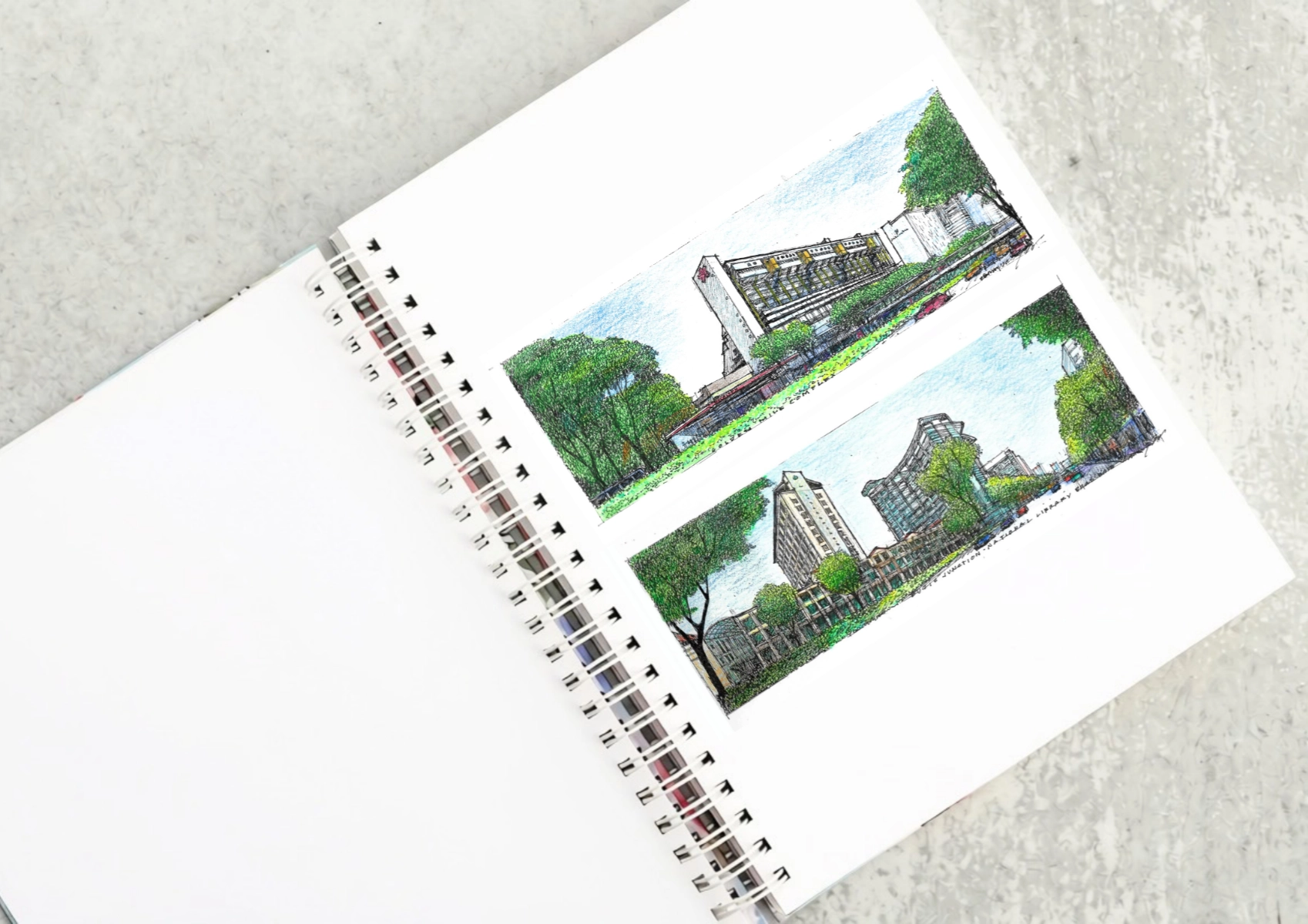
Two sketches of Singapore connect BluPrint Editor in Chief Paulo G. Alcazaren’s personal and professional history with Shared Ground: ArchitectureArchitectureThe art and science of designing and constructing buildings, structures, and spaces that are functional, safe, and aesthetically pleasing. It encompasses the planning, design, materials, and techniques used to createGo to Architecture Glossary of Care, Culture, […]
In a way, designers are the modern-day soothsayers and prophets. They design for the future, predicting how a room, a house, a building or a whole city will be used by people. They foresee how users will interact with a space, conjure exact shades of colors to elicit specific behavior and arrange furniture to build […]
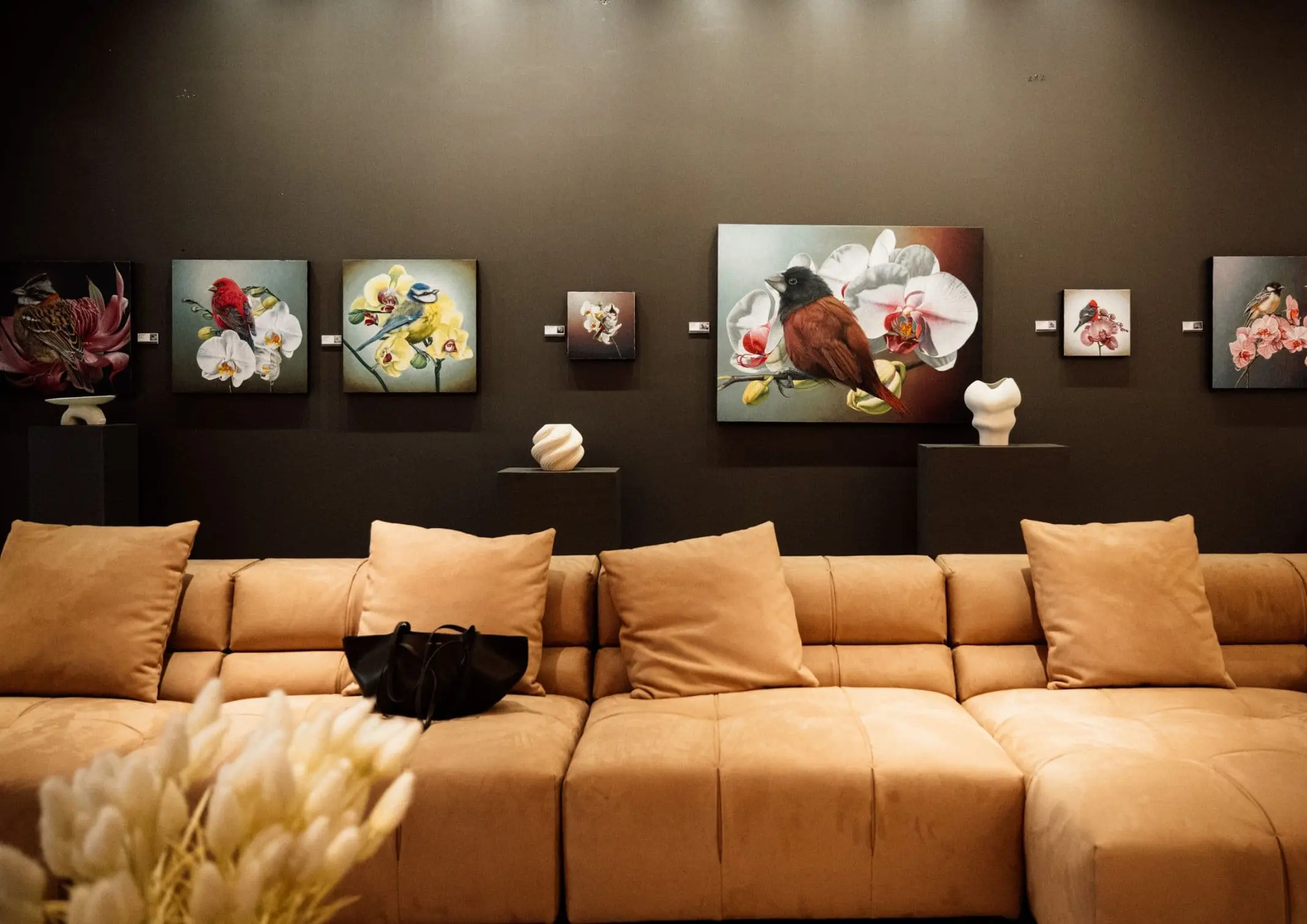
Art and furniture are often selected separately, yet their relationship can shape how a room looks and feels. The collaboration between Hooga and Galerie Joaquin explores how these elements can work together, bringing contemporary artworks into furnished residential settings at Hooga’s showroom in Uptown Mall, Bonifacio Global City. For Hooga, which curates furniture, lighting, and […]
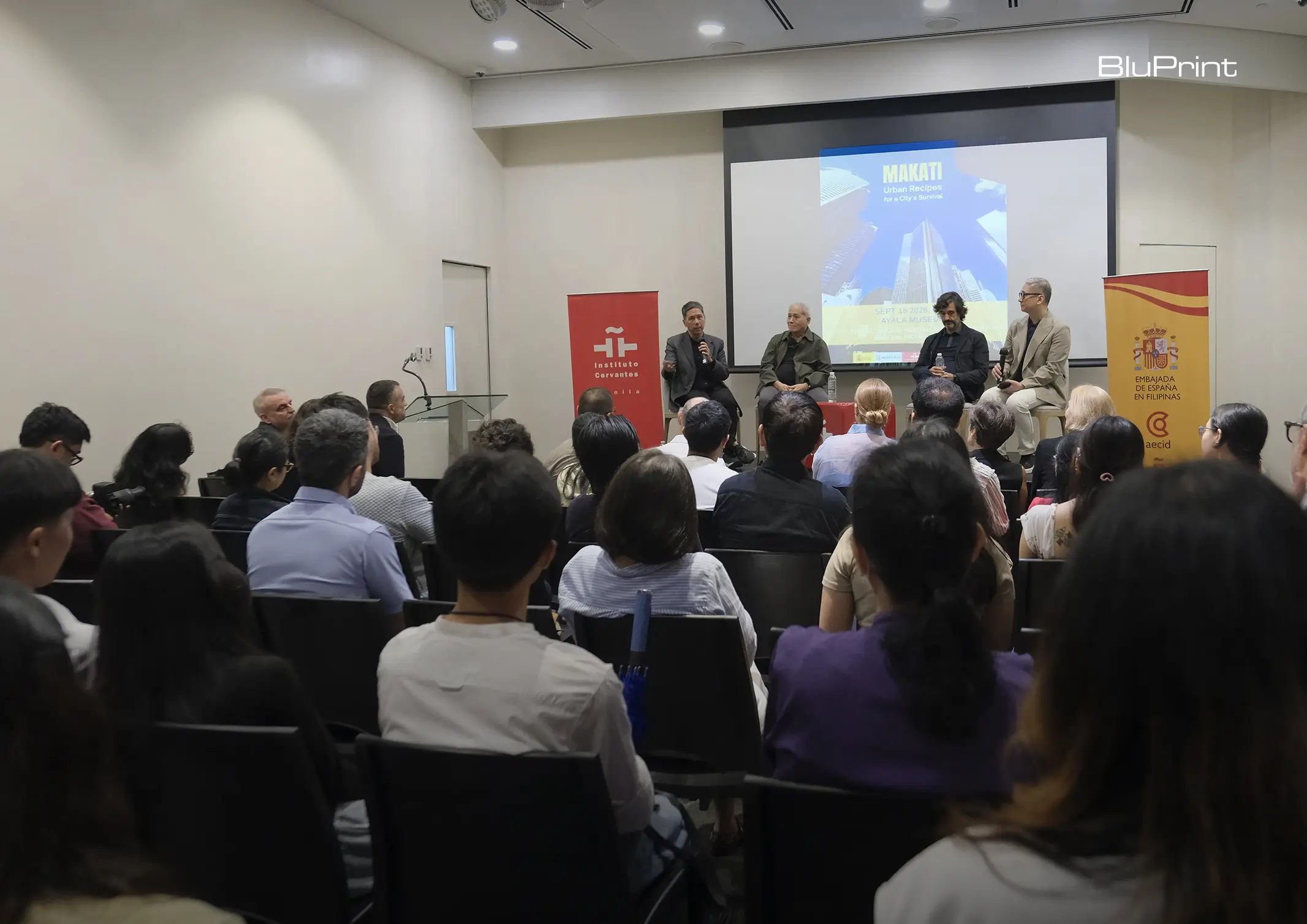
How can better-planned cities create the conditions for more creative, livable, and resilient urban environments? “Makati Urban Recipes for a City’s Survival,” a colloquium held at the Ayala Museum on September 15, brought together architects and practitioners from the fields of urbanism and the creative economy to discuss how design, planning, and collaboration can address […]
Read the issues.

Collect the volumes.

Recommended Video
Tap to Unmute
Unmute
0:00
0:00