In a way, designers are the modern-day soothsayers and prophets. They design for the future, predicting how a room, a house, a building or a whole city will be used by people. They foresee how users will interact with a space, conjure exact shades of colors to elicit specific behavior and arrange furniture to build […]
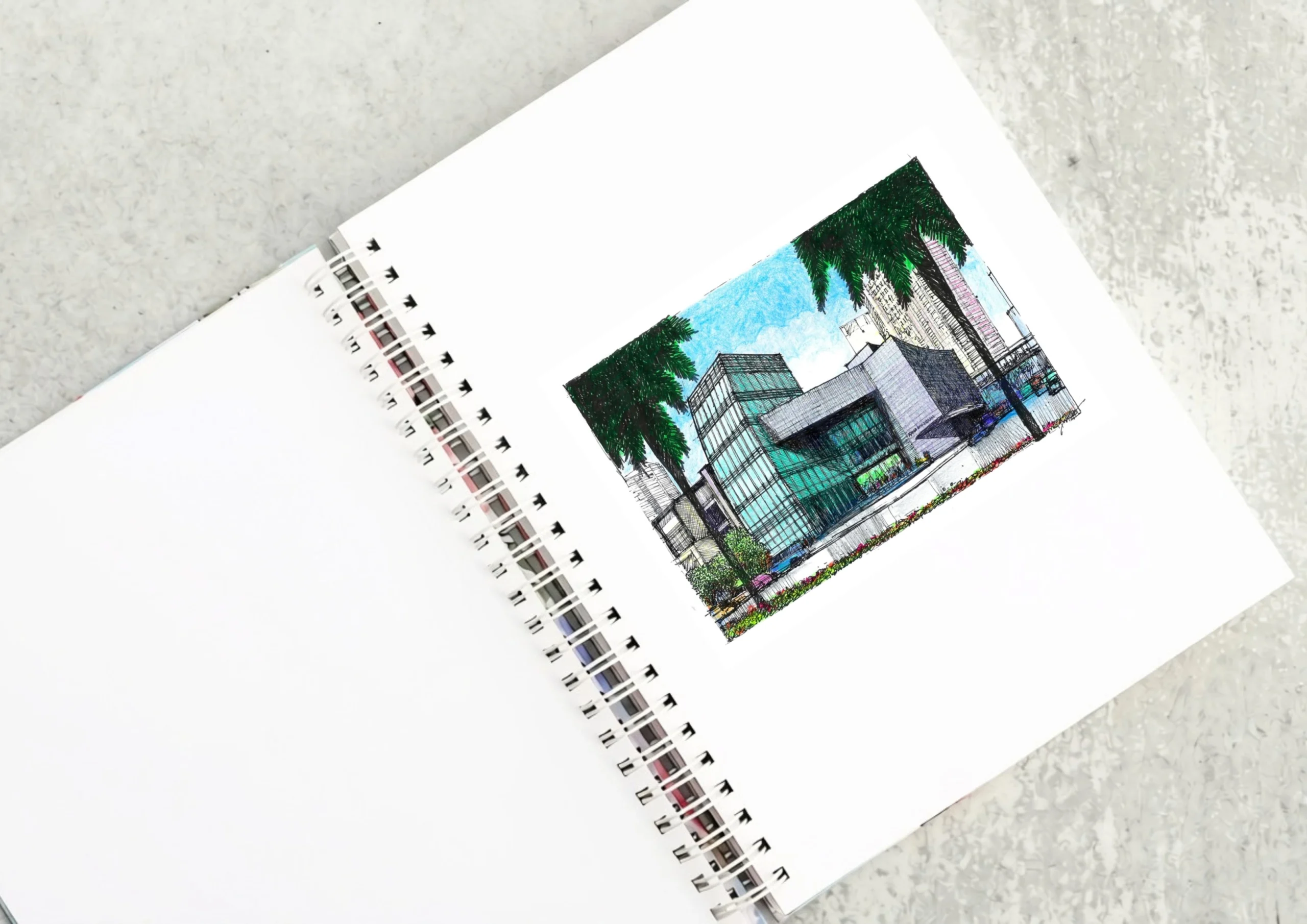
Sketching Modernity 01: Ayala Museum



From Brutalism to Contemporary Modernism
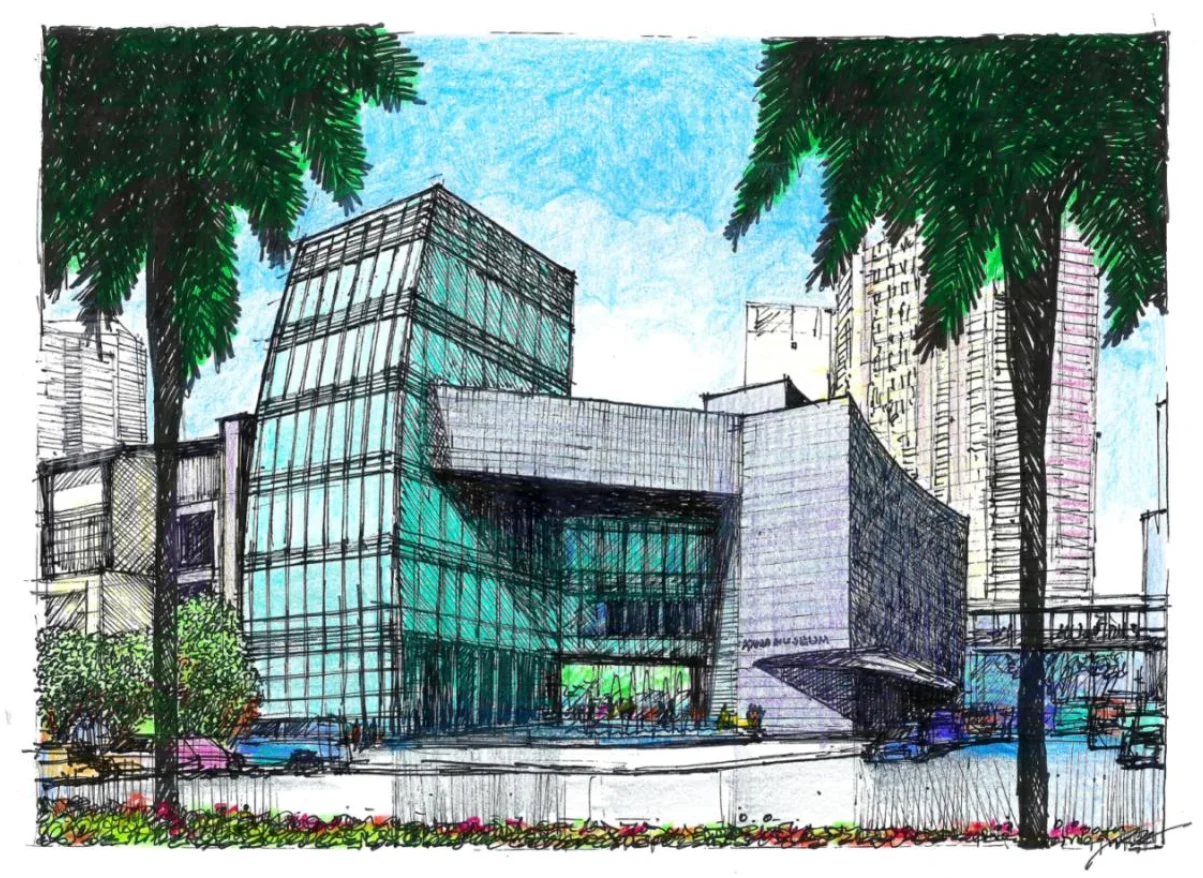
The Ayala Museum designed by the firm of Leandro V. Locsin Partners (LVLP) sits at the corner of Makati Avenue and Dela Rosa Street in Legaspi Village, Makati. This is actually the second museum of the same name in the area. The original, which was designed by National artist for ArchitectureArchitectureThe art and science of designing and constructing buildings, structures, and spaces that are functional, safe, and aesthetically pleasing. It encompasses the planning, design, materials, and techniques used to createGo to Architecture Glossary Leandro V. Locsin in 1967 was located less than a hundred meters down the road. I loved the previous iteration, which was pure brutalist in its massing, and more intimate inside. It possessed a sequence of spaces that compressed and releases as you walked inside; a hallmark of the old maestro’s oeuvre in the 1960s and 1970s. The last time I saw Architect Locsin was at the museum in 1989, at an event marking the launch of a now defunct design magazine that featured him and his work. I wrote my first published article on design for that publication. BluPrint’s first issue would come a decade later.
Unfortunately, as we moved into the new millennium, the structure was demolished to make way for Greenbelt 4. We all shed a tear, but were told that the new structure would have more space for exhibits and serve as a portal to Greenbelt Park inside. The newer structure was completed in 2004, in time for the 170th anniversary of the Ayala Corporation. Compared to the older building, it Is lighter in feeling, and although it still has touches of brutalismBrutalismA modernist architectural style from the 1950s to 1970s defined by raw, exposed concrete, massive geometric forms, and honest expression of structure. In the Philippines, landmarks such as the CulturalGo to Brutalism Glossary, it is more contemporary modern in style.
Related Reading: Ayala Museum Weaves Magic Into a Newly Renovated Building
How the Ayala Museum Connects to Greenbelt Park
Being a gateway to the park beyond, its mass is broken into two, a glass tower and a short three-story granite-clad mass that houses its exhibit galleries and event spaces. The Filipinas Heritage Library, which houses 15,000 books and artifacts, occupies the sixth floor of the tower. The building also provides as link between Greenbelt 4 and Greenbelt 5 on the second level, providing passers-by with views of the park on one side and interior displays of the museum on the other. The ground floor holds the requisite museum shop and a café, which has an al fresco patio serving as pedestrian interface with Greenbelt Park behind.
Related Reading: “Zóbel: The Future of the Past” Celebrates Fernando Zóbel’s Centennial
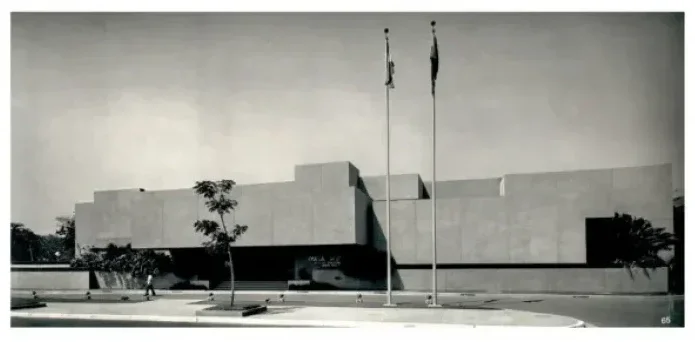
(Photo from omacnicole.wordpress.com)
I still miss the original, along with the old walk-in aviary (yes, there were birds and other fauna to be found inside). I also remember with fondness the old park landscape and its lagoon, designed by National Artist Ildefonso P. Santos, who was heavily influenced by the famous Brazilian landscape architect Roberto Burle Marx. But all this is just the persistence of architectural memory for me.
Sketching Modernity is a series of analog illustrations and reflections on landmark buildings and sites by BluPrint Editor-in-Chief Paulo Alcazaren.
Related Reading: Museums in Makati and Manila you can visit for free (and for a fee)
Frequently Asked Questions
The present Ayala Museum was designed by Leandro V. Locsin and Partners (LVLP) and completed in 2004.
The original Ayala Museum was designed by National Artist for Architecture Leandro V. Locsin in 1967.
The original building was demolished as the Greenbelt complex was redeveloped to make way for Greenbelt 4.
The present building is lighter in character than its Brutalist predecessor. It retains touches of Brutalism while taking on a more contemporary modern style.
The museum serves as a gateway to Greenbelt Park. Its second level provides a connection between Greenbelt 4 and Greenbelt 5, while the building offers views and pedestrian connections to the park.
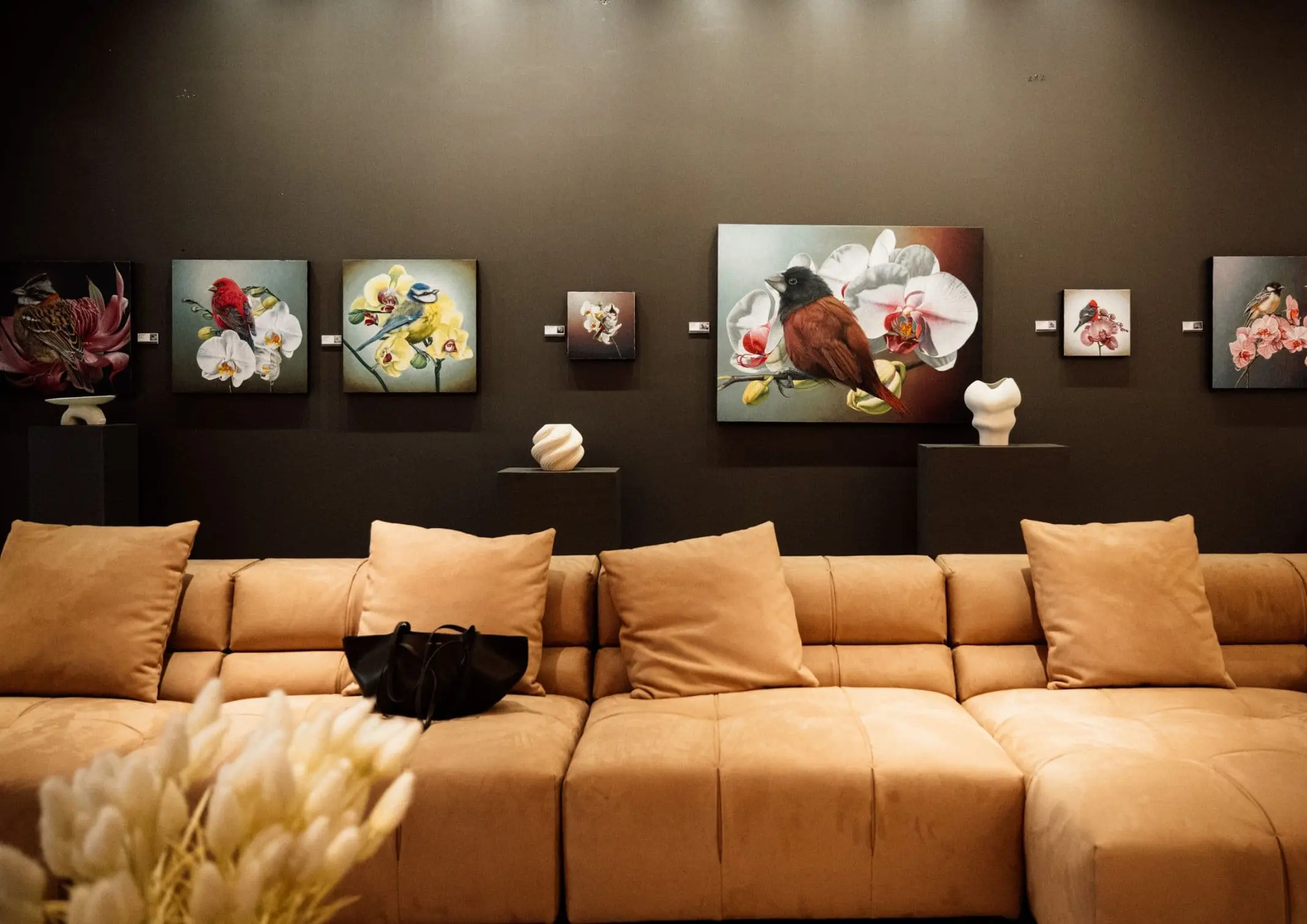
Art and furniture are often selected separately, yet their relationship can shape how a room looks and feels. The collaboration between Hooga and Galerie Joaquin explores how these elements can work together, bringing contemporary artworks into furnished residential settings at Hooga’s showroom in Uptown Mall, Bonifacio Global City. For Hooga, which curates furniture, lighting, and […]
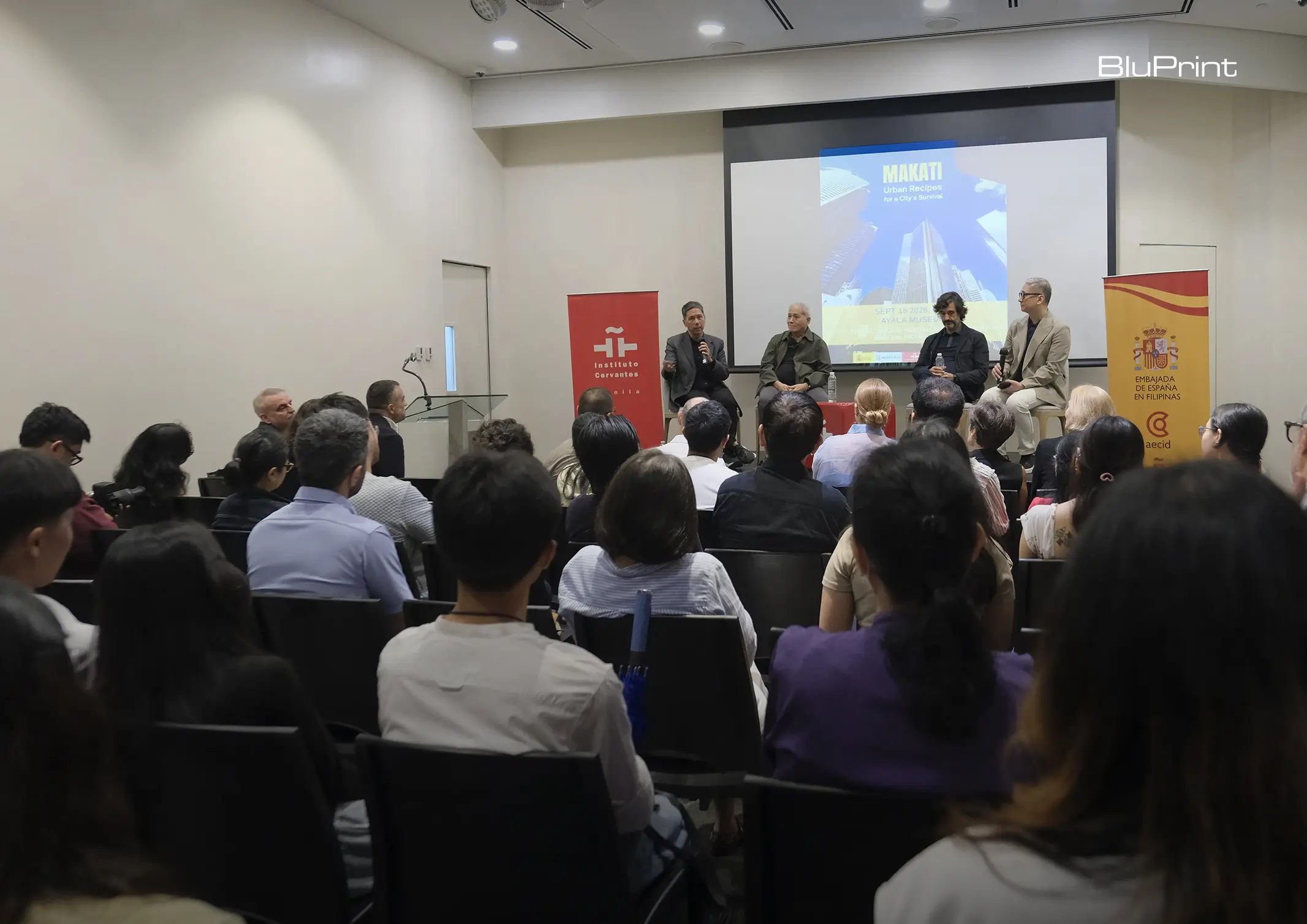
How can better-planned cities create the conditions for more creative, livable, and resilient urban environments? “Makati Urban Recipes for a City’s Survival,” a colloquium held at the Ayala Museum on September 15, brought together architects and practitioners from the fields of urbanism and the creative economy to discuss how design, planning, and collaboration can address […]
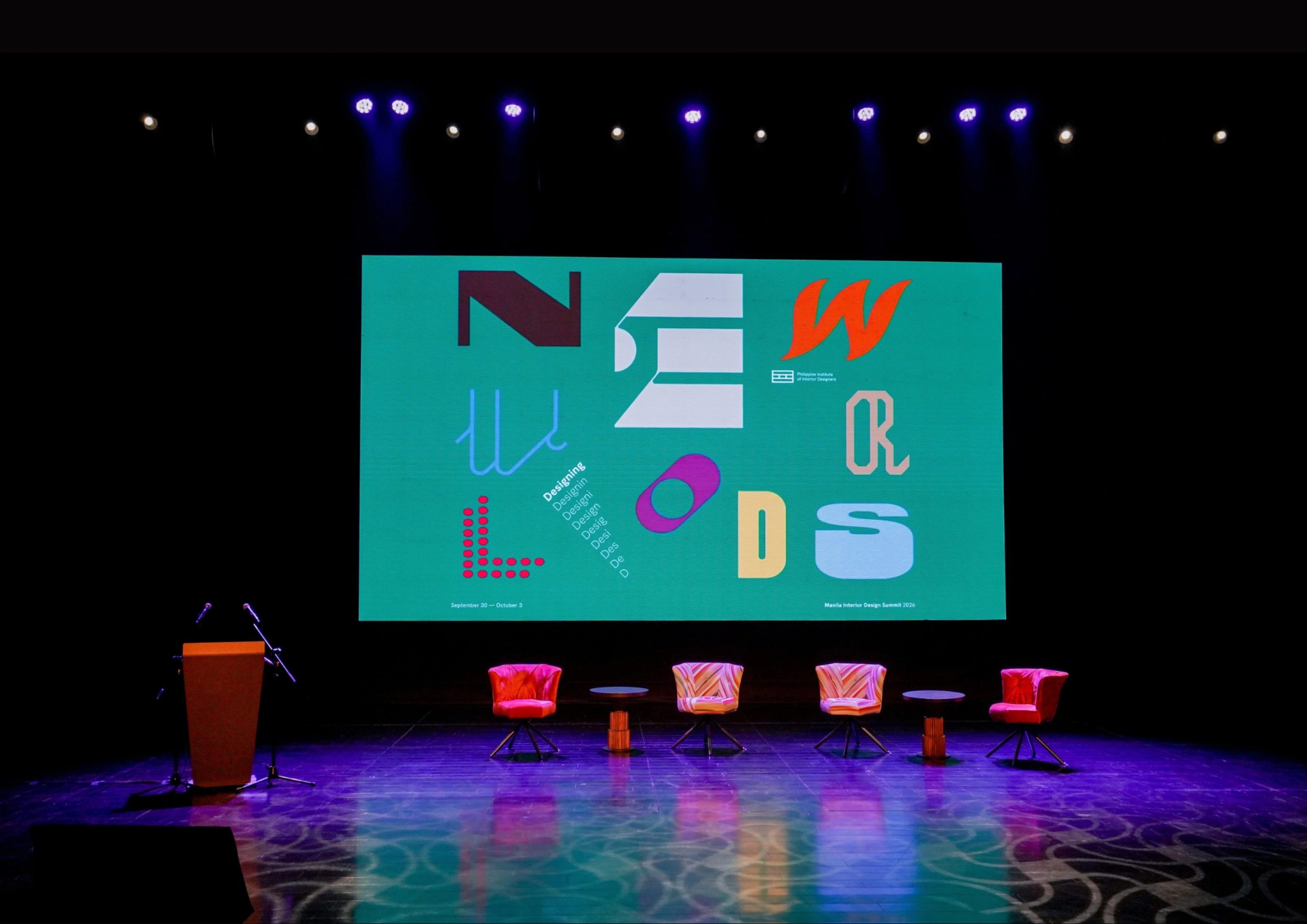
The fourth Manila Interior DesignInterior DesignThe discipline of planning and shaping interior spaces for function, comfort, safety, and beauty. It covers layout, lighting, materials, finishes, furniture, and color, and in the Philippines is a licensedGo to Interior Design Glossary Summit (MIDS) brought together more than 300 delegates for four days of conversations, exhibitions, and design […]
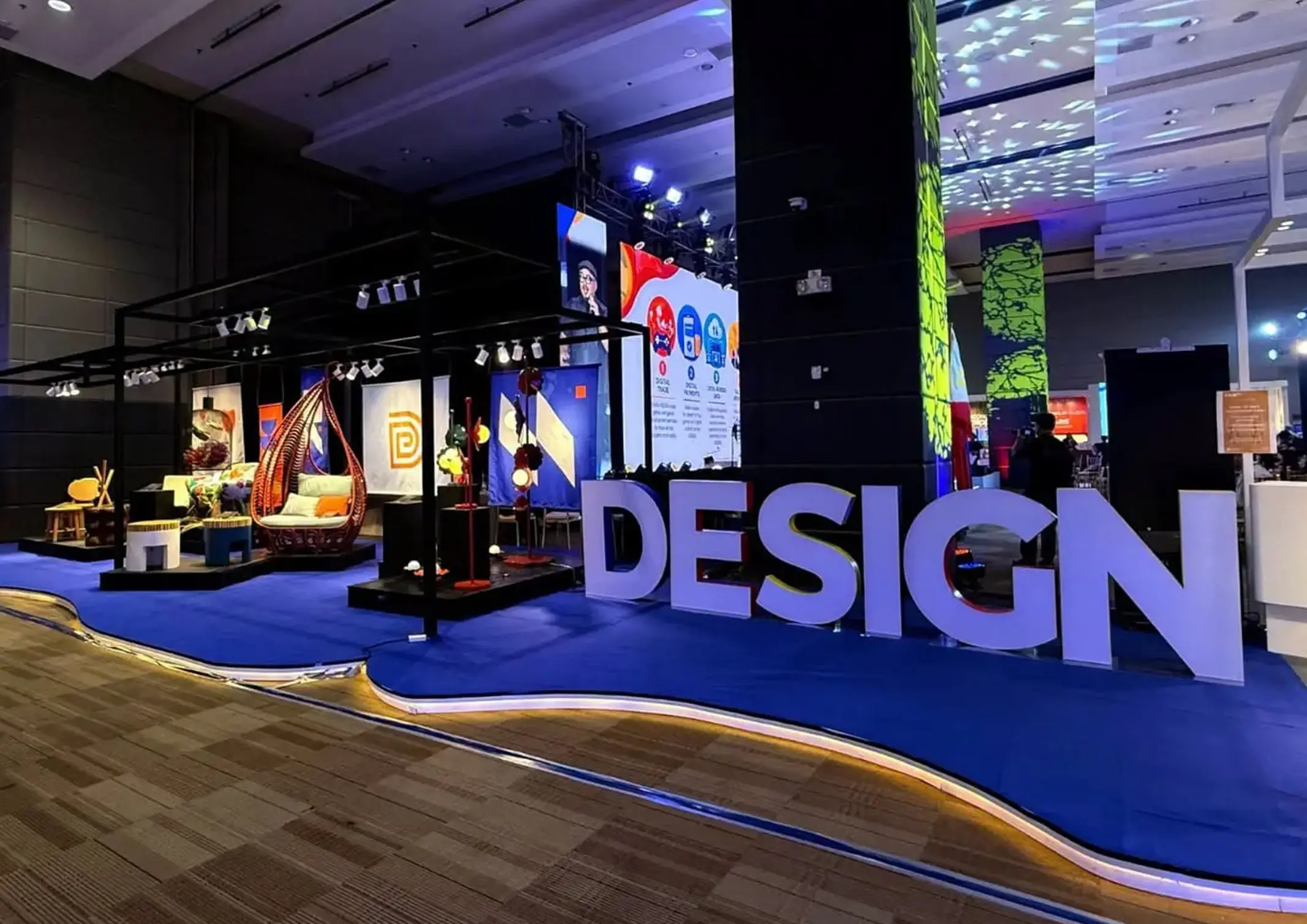
Held at the SMX Convention Center Aura in Taguig City, the first ASEAN Creative Industries Expo by Malikhaing Pinoy (ASEAN MPEx) features nine creative domains, including design, visual arts, digital interactive media, and performing arts. Organized by the Department of Trade and Industry (DTI), the event includes exhibitions, cultural performances, industry talks, and pitching sessions […]
Read the issues.

Collect the volumes.

Recommended Video
Tap to Unmute
Unmute
0:00
0:00