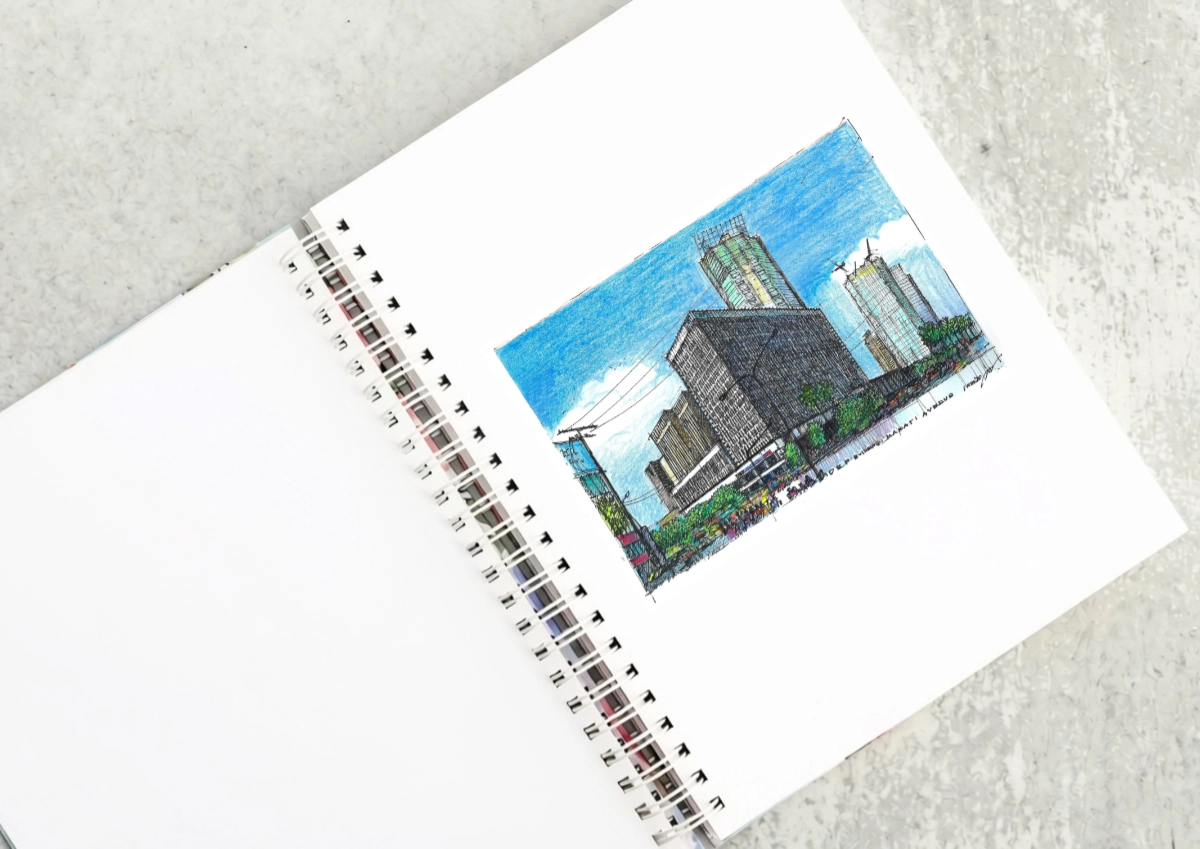
The DBP Building as a Landmark of the International Style At the corner of Sen. Gil Puyat Avenue and Makati Avenue stands a landmark of the Makati Central Business District. It is one of the last still standing that were built in the first wave of construction in district fifty years ago. The Development Bank […]
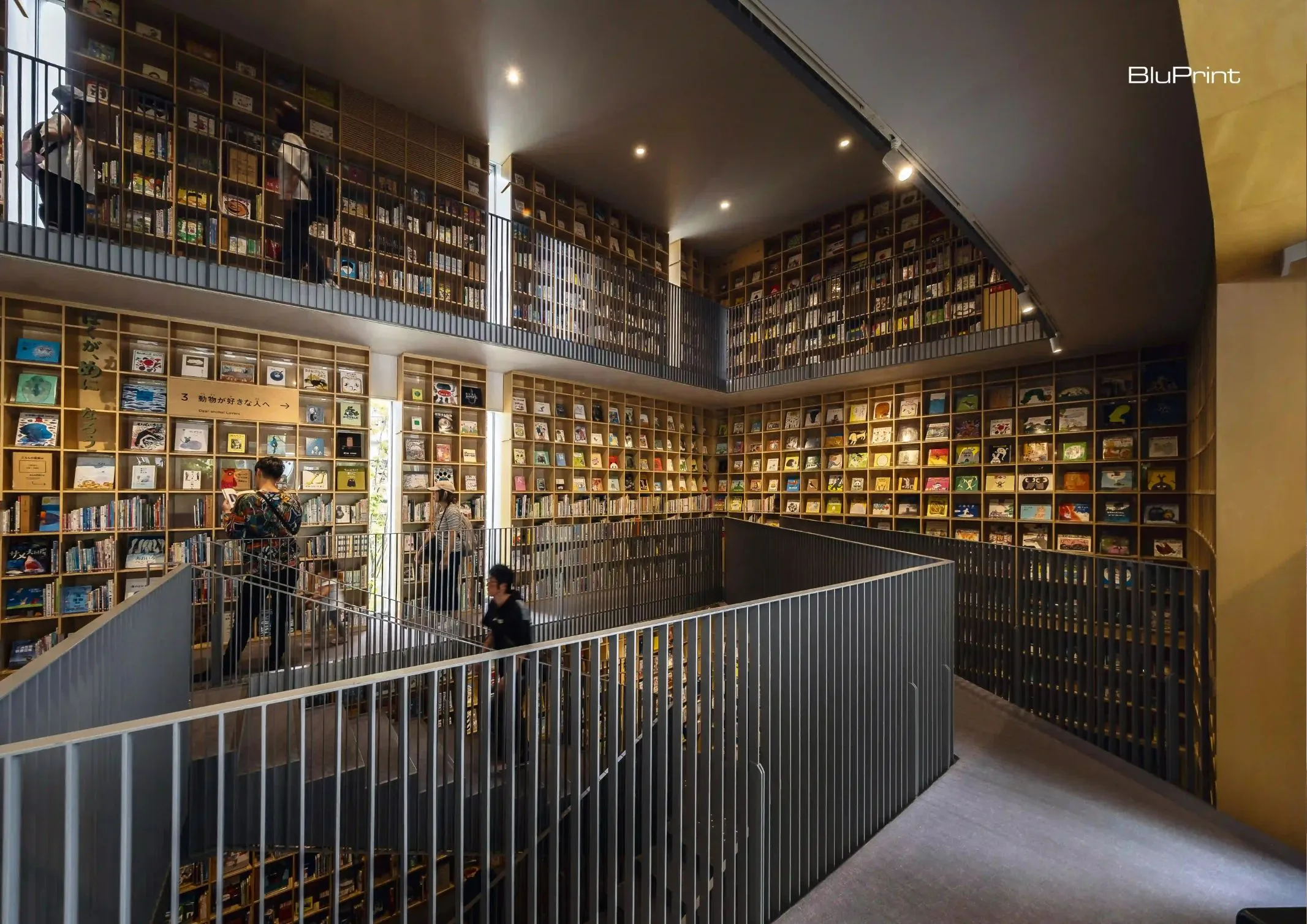
Nakanoshima Children’s Book Forest by Tadao Ando



The Nakanoshima Children’s Book Forest represents a significant and innovative turn in Tadao Ando’s architectural language. Here, the Pritzker Prize-winning architect transforms his signature exposed concrete from a material of monumental austerity into the foundation for a warm, organic, and living ‘forest’. He designed this unique space to physically and intellectually nurture Japan’s next generation, proving that even the most formidable materials can create environments of profound playfulness and wonder.
An Act of Architectural Philanthropy
Opened in 2020, Tadao Ando personally funded the library and then donated the completed facility to his home city of Osaka. This gesture transcends a simple donation, acting as a deeply personal statement on architectureArchitectureThe art and science of designing and constructing buildings, structures, and spaces that are functional, safe, and aesthetically pleasing. It encompasses the planning, design, materials, and techniques used to createGo to Architecture Glossary’s role in civic life. Ando conceived the building as an altruistic gift and a method of passing the torch to the children of the city that shaped him. The core philosophy driving the project is that books provide “nutrition for the developing mind,” and that architecture can serve this need by creating an inspiring vessel for knowledge.
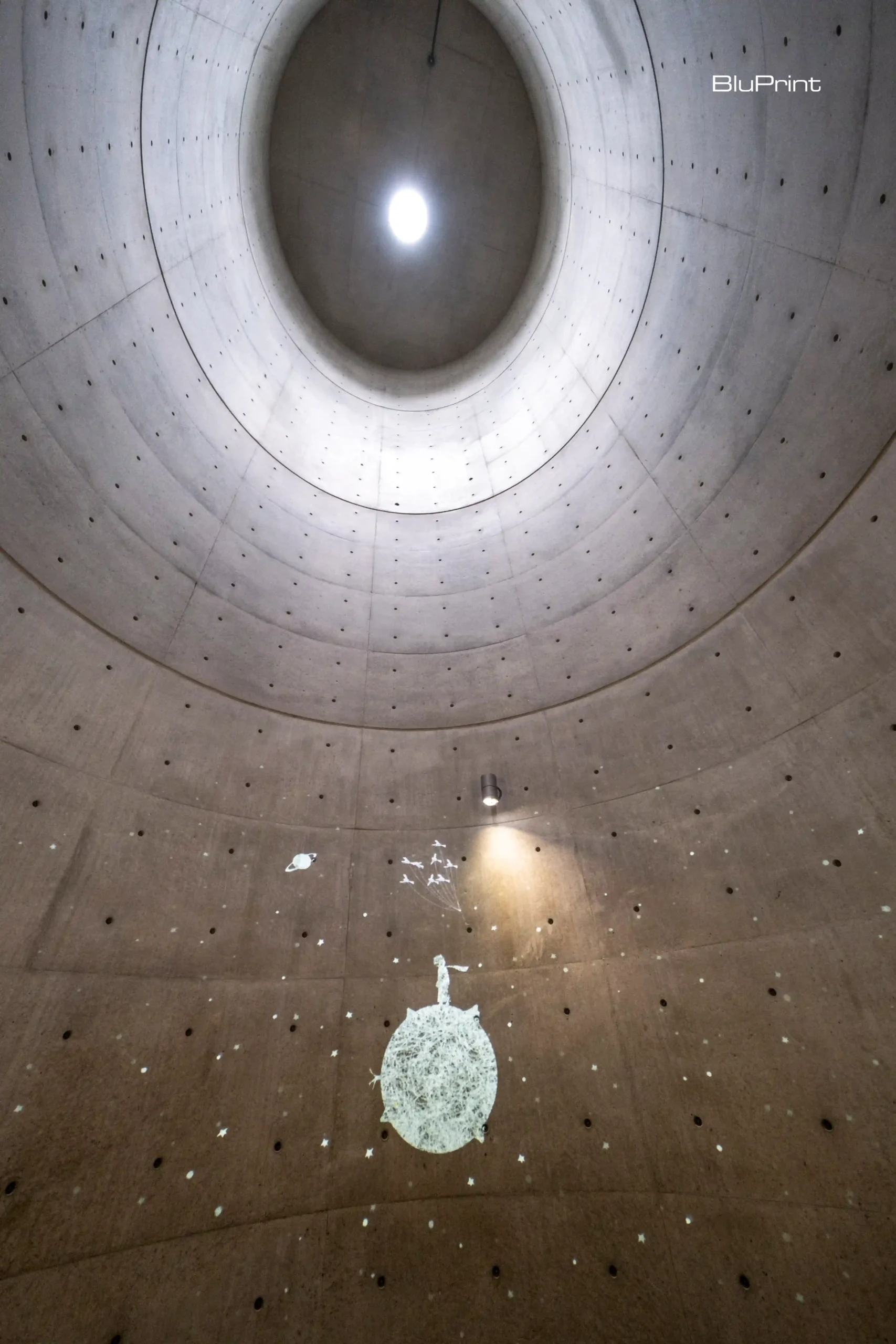
Located on a narrow, crescent-shaped island in Nakanoshima Park, Ando designed the building to be a seamless part of the city’s cultural and natural fabric rather than an isolated object, surrounded by water and greenery among Osaka’s most important cultural landmarks.
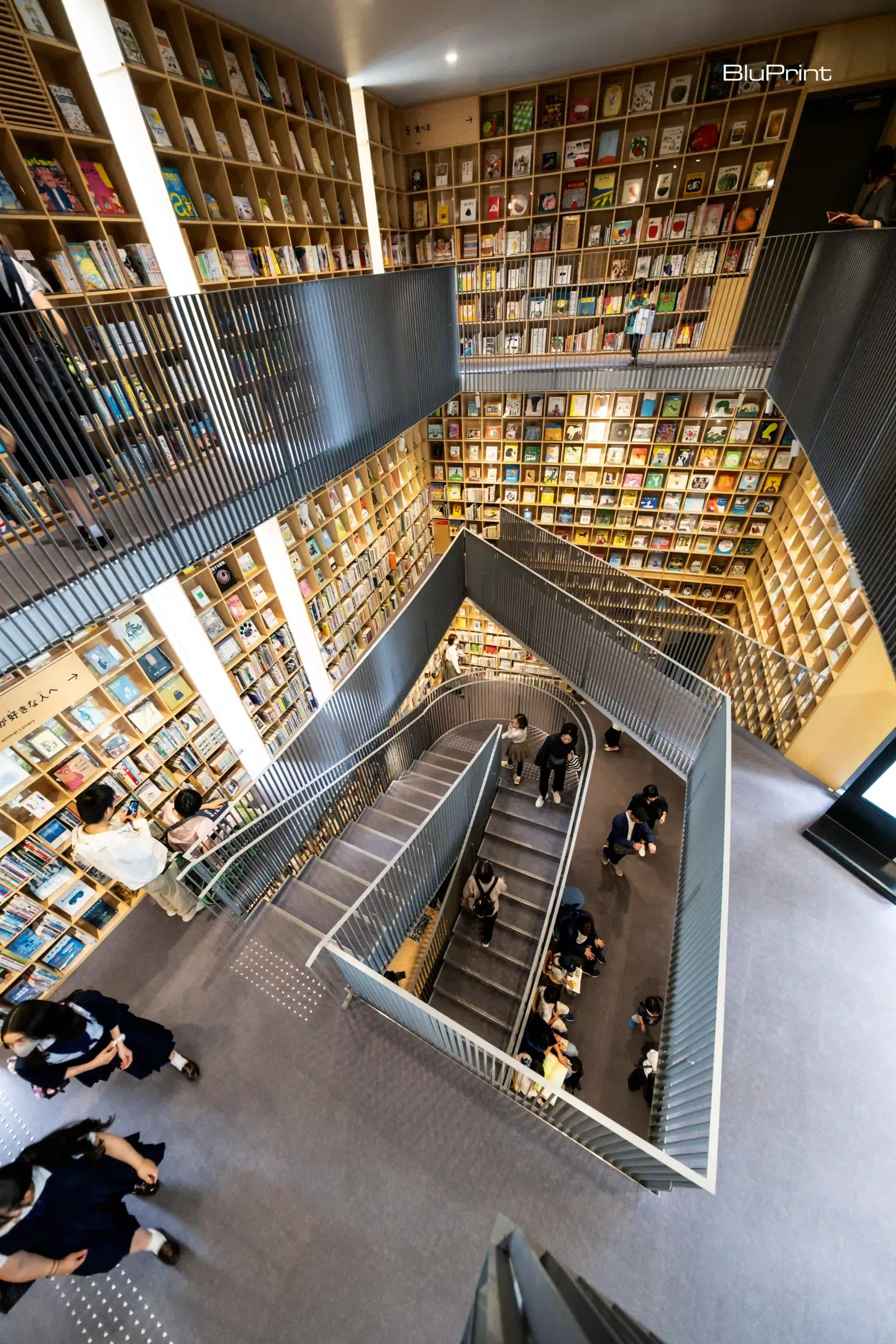
Upon entering, the library’s central, defining feature immediately envelops visitors: a soaring, triple-height atrium lined with floor-to-ceiling bookshelves. These walls of literature curve dynamically to follow the building’s arc along the river, rather than being static or flat. This powerful gesture creates an immersive, all-encompassing environment that lives up to the building’s name. It is a literal forest of books, where the sheer volume and presence of stories, knowledge, and art inspire awe.
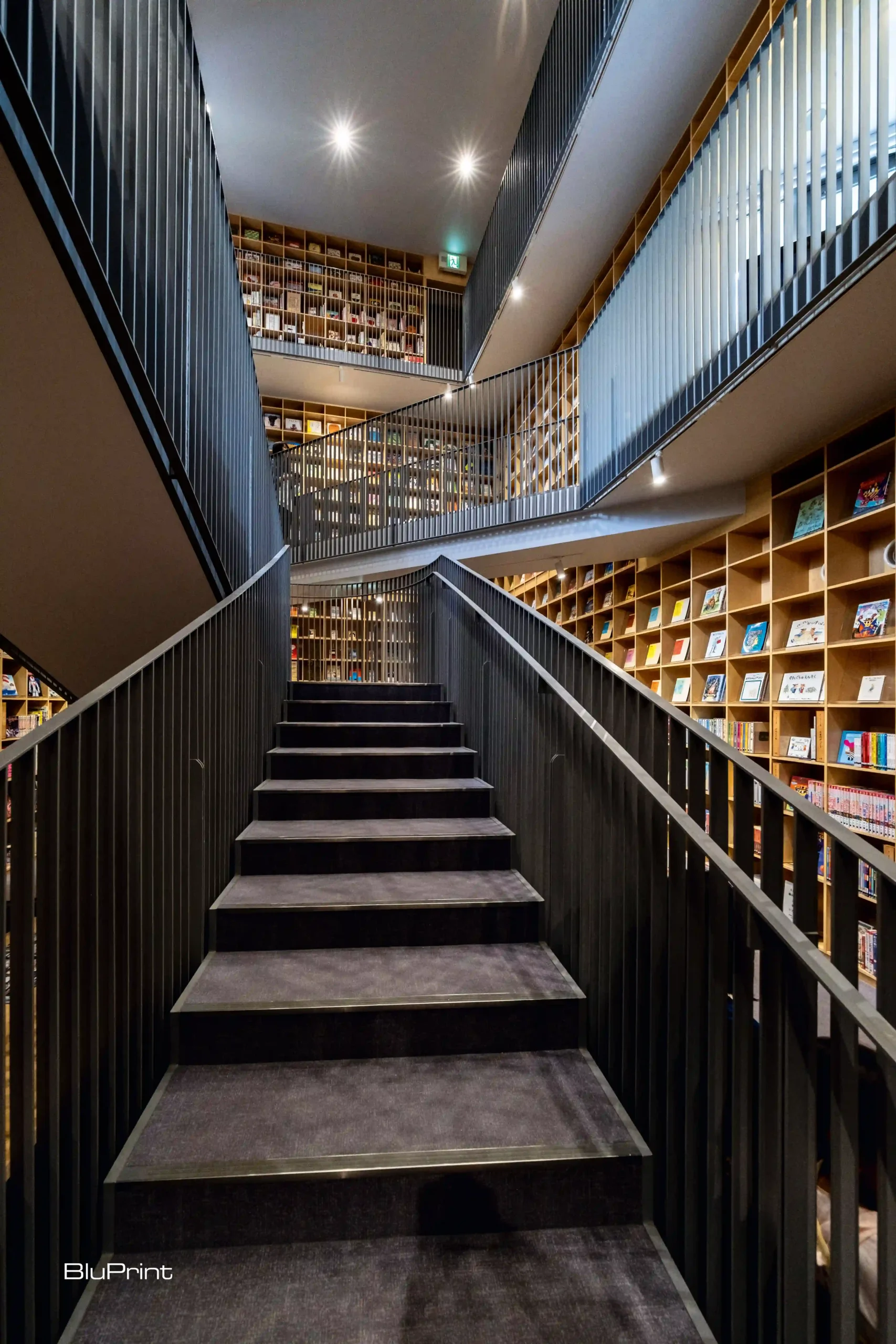
Ultimately, the Nakanoshima Children’s Book Forest makes a powerful case for the enduring value of physical space and tactile experience in a digital age. Visitors cannot check out books; instead, the design encourages them to read within the library or take them into the adjacent park. By insisting on this direct engagement, Ando champions the physical book as a vessel of history and memory. He built this unique institution to foster curiosity and nurture dreams, creating a timeless, concrete gift from one of Osaka’s greatest sons to its most hopeful future.
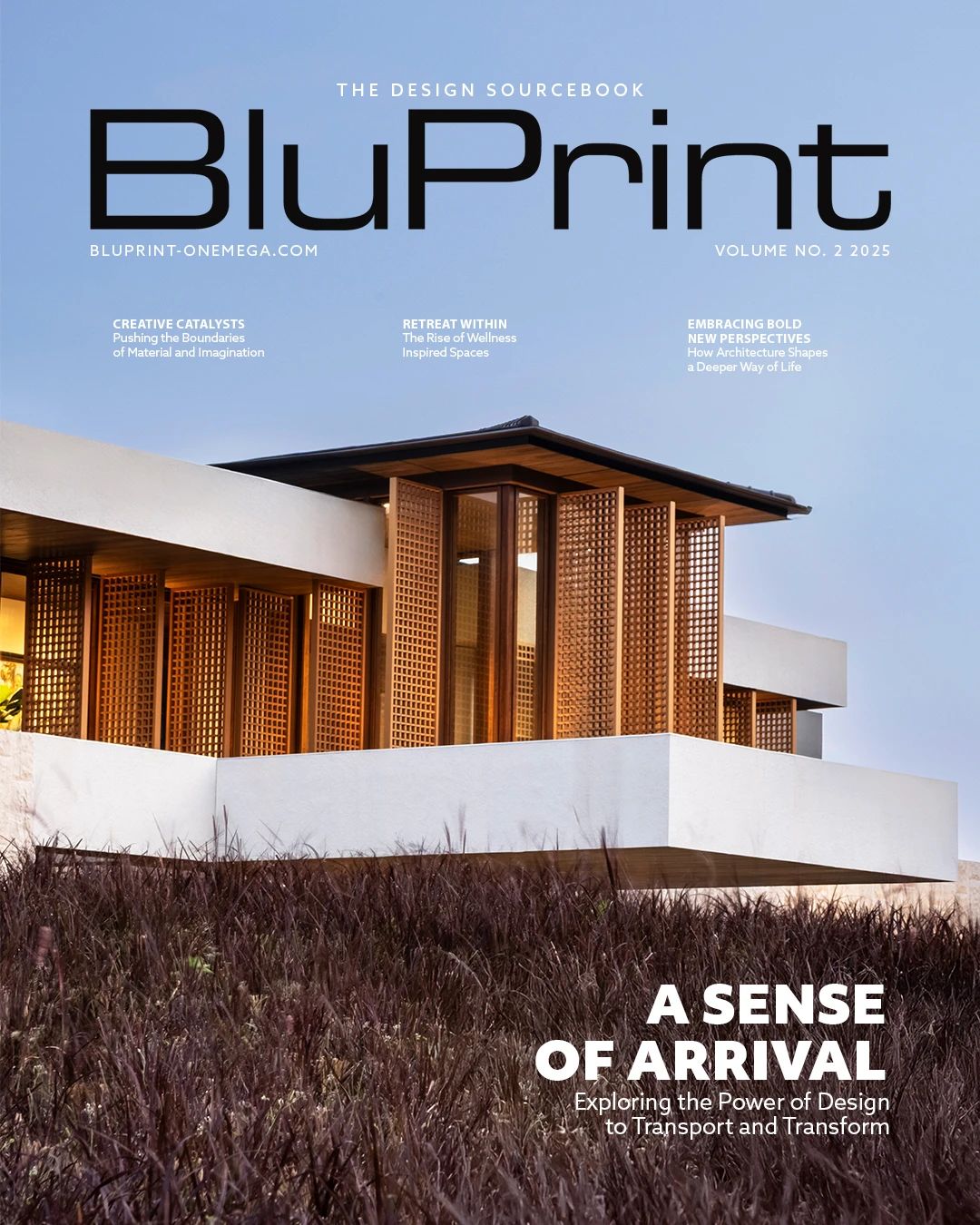
Explore the hallways of the Nakanoshima Children’s Book Forest by ordering your copy of BluPrint Volume 2, 2025 at Sari Sari Shopping, Shopee, and Lazada. E-magazines are also available for download here or through Readly, Press Reader, and Magzter.
Dive into the captivating world of architectureArchitectureThe art and science of designing and constructing buildings, structures, and spaces that are functional, safe, and aesthetically pleasing. It encompasses the planning, design, materials, and techniques used to createGo to Architecture Glossary, interiors, and arts & culture by getting exclusive digital access to BluPrint’s past and upcoming issues. Click here to find out more.
Photographed by Ed Simon
Frequently Asked Questions
In the Children’s Book Forest, Ando transforms his signature exposed concrete from a state of “monumental austerity” into a warm, organic foundation for a playful environment. While still utilizing the clean lines and smooth surfaces he is known for, the material serves as a neutral backdrop that highlights the vibrant colors of thousands of book spines, creating a space that feels like a living forest rather than a cold institution.
The soaring, triple-height atrium is the library’s defining feature, featuring floor-to-ceiling bookshelves that curve dynamically to follow the building’s crescent shape. This immersive “forest of books” is designed to inspire awe in children, surrounding them physically with the sheer volume of available stories and knowledge to encourage intellectual curiosity.
The library is situated on a narrow, crescent-shaped island in Nakanoshima Park, positioned among Osaka’s most important cultural landmarks. Ando designed the structure to be a seamless part of this natural and cultural fabric, using the arc of the river to dictate the building’s geometry and ensuring the library remains connected to the surrounding greenery and water.
The design explicitly encourages visitors to engage with literature within the physical space or in the adjacent park to champion the tactile experience of reading in a digital age. By insisting on this direct engagement, Ando highlights the physical book as a vessel of memory and history, making the act of reading a deliberate and immersive civic ritual.
Tadao Ando personally funded the construction of the library and donated it to his home city of Osaka as a way of giving back to the community that shaped his career. He conceived the project as an altruistic gift to the next generation, believing that architecture should serve as an inspiring vessel for the “nutrition” that books provide to a developing mind.
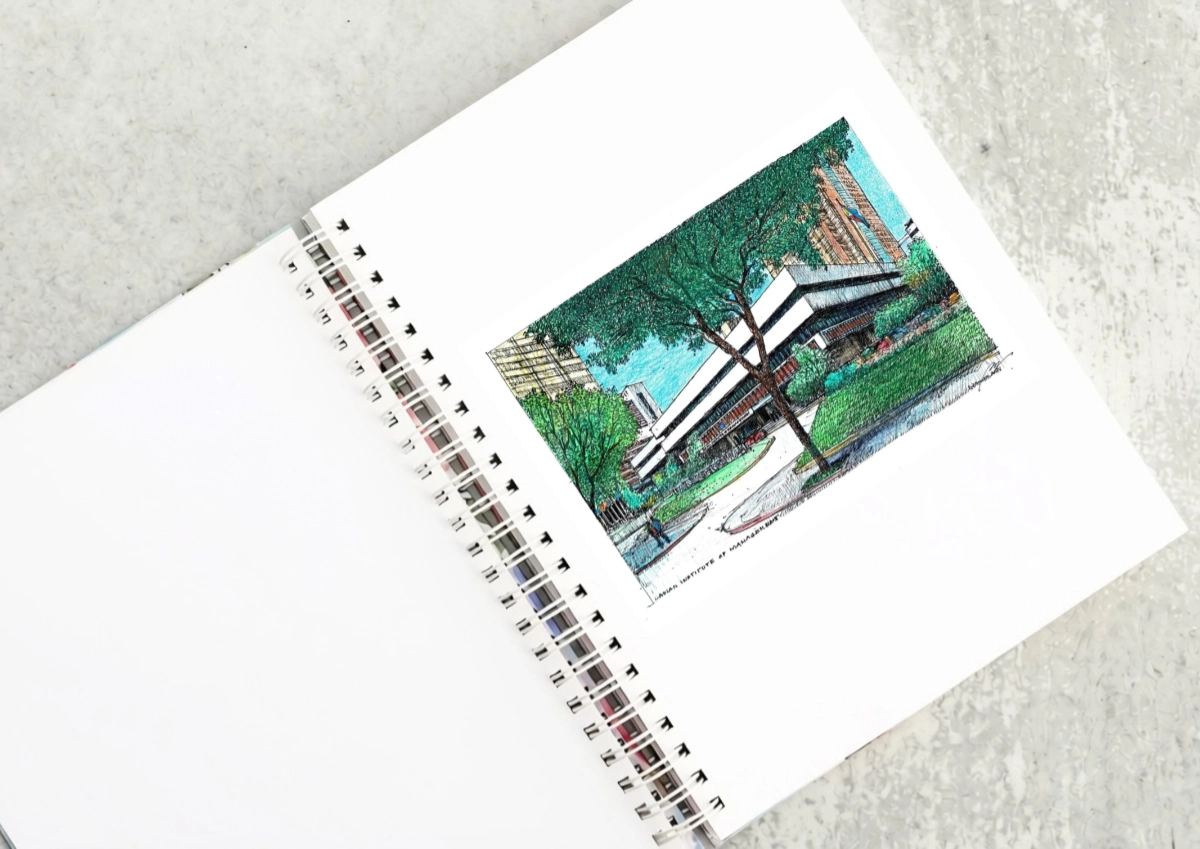
A Filipino Interpretation of Modernist Architecture Unlike the rest of Makati today, the northern end of Paseo de Roxas in Makati is anchored by a low complex rather than a tall skyscraper. This is the elegant Asian Institute of Management, designed by architect Gabriel Formoso and completed in 1971. In my opinion, the building is […]
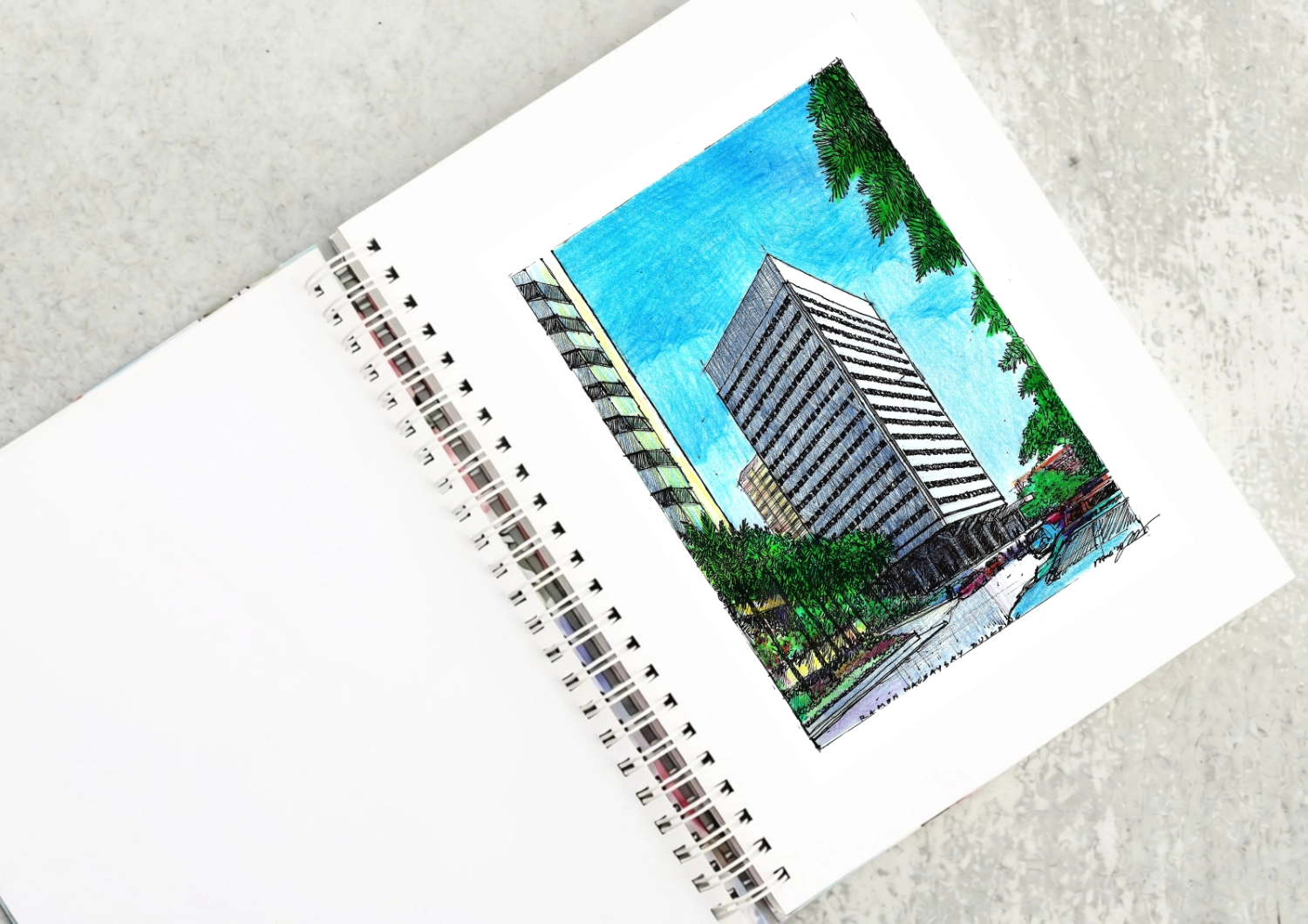
The Ramon Magsaysay Center as a Modernist Landmark Driving down Roxas boulevard from Rizal Park, what will catch your eye is the most elegant modernist structure in the country, the Ramon Magsaysay Center. Most established Filipino architects put it in their top ten lists of favorite buildings. It was designed by Alfredo J. Luz, who […]
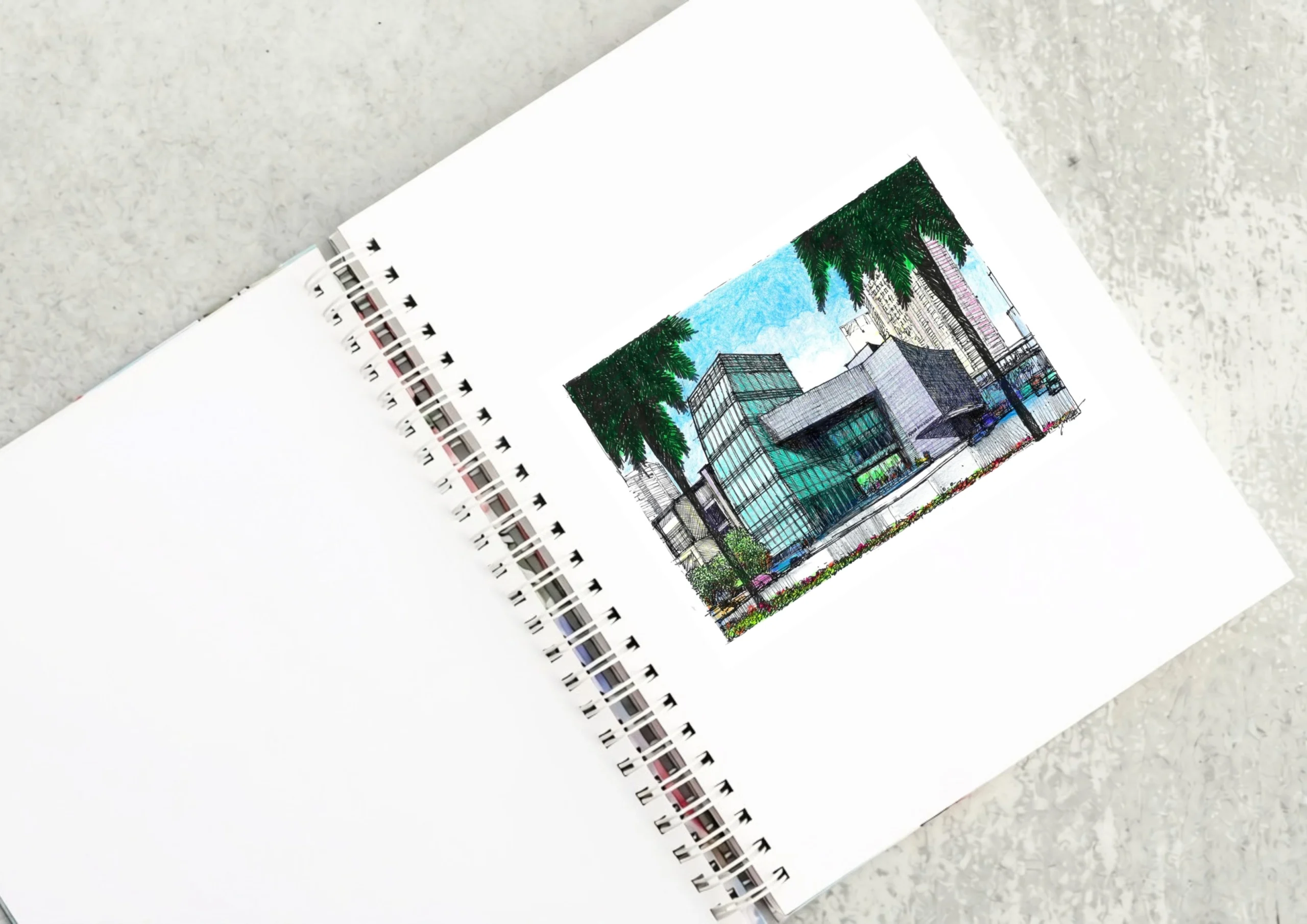
From Brutalism to Contemporary Modernism The Ayala Museum designed by the firm of Leandro V. Locsin Partners (LVLP) sits at the corner of Makati Avenue and Dela Rosa Street in Legaspi Village, Makati. This is actually the second museum of the same name in the area. The original, which was designed by National artist for […]
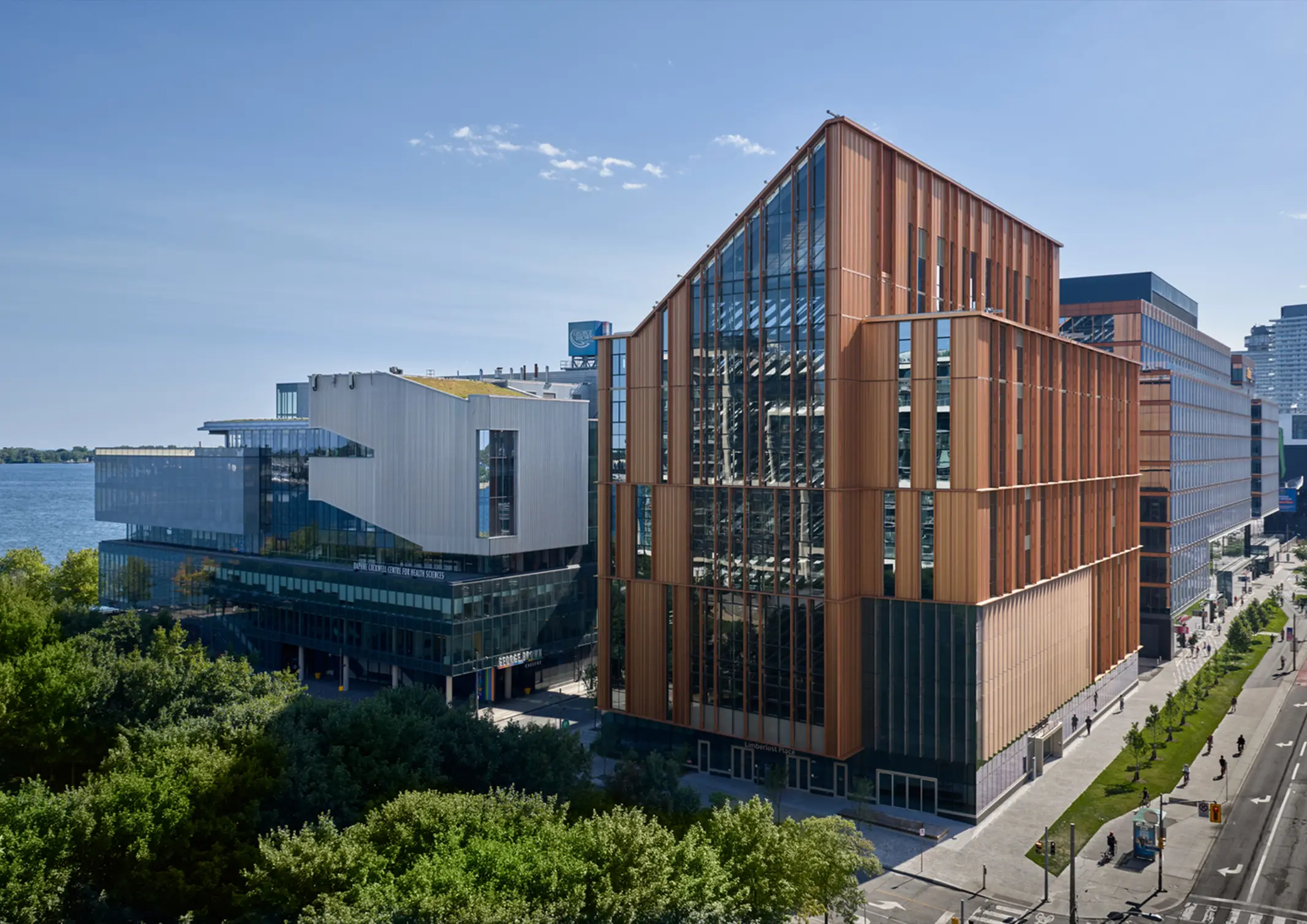
The projects recognized by Architizer’s 14th Annual A+Awards span architectureArchitectureThe art and science of designing and constructing buildings, structures, and spaces that are functional, safe, and aesthetically pleasing. It encompasses the planning, design, materials, and techniques used to createGo to Architecture Glossary, interiors, landscape, urban design, and sustainability. Organized by Architizer, one of the world’s […]
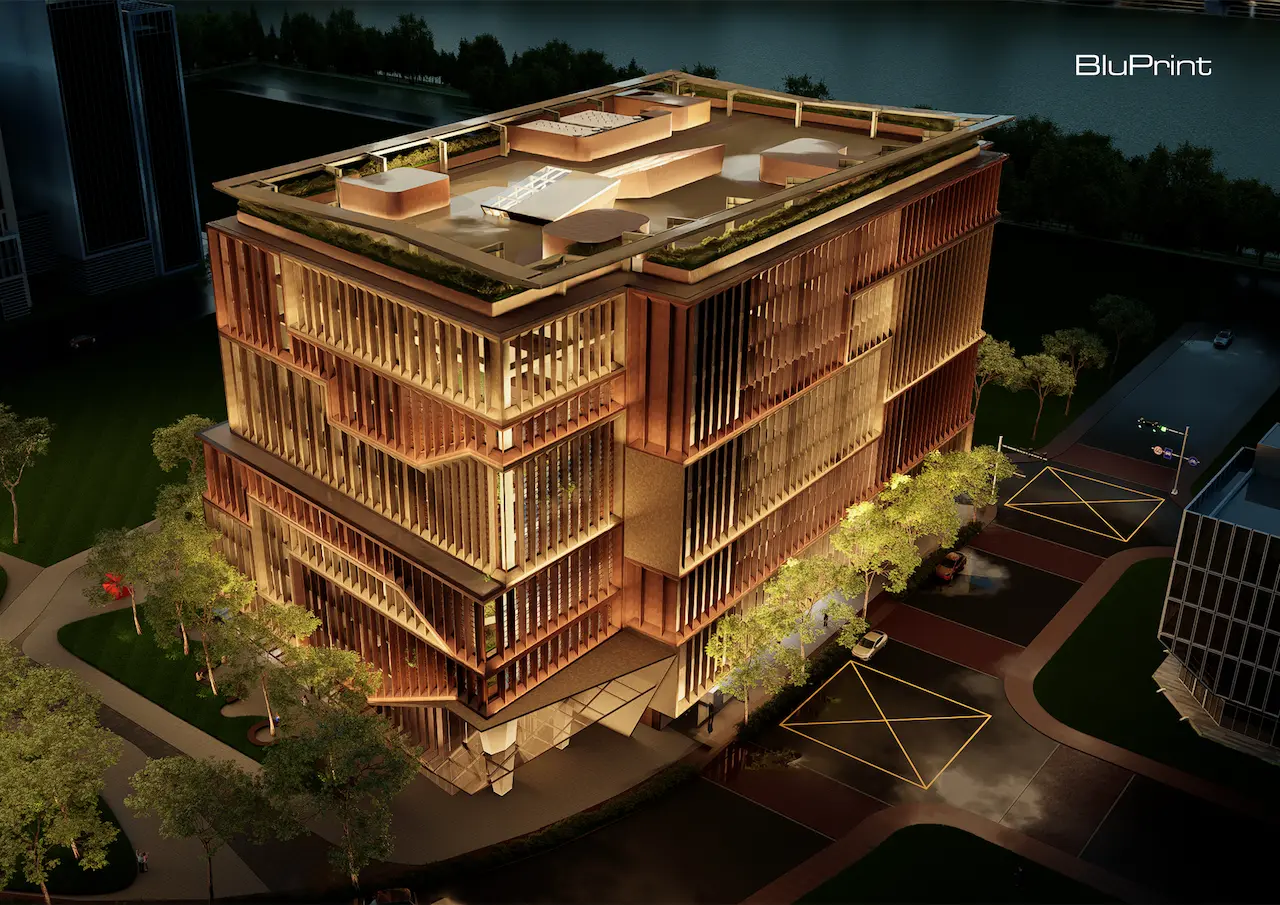
De La Salle-College of Saint Benilde (DLS-CSB) will open its new campus in Aseana City, Parañaque. Occupying a 3,845-square-meter site, the new development signals a fresh chapter for the college, where architectureArchitectureThe art and science of designing and constructing buildings, structures, and spaces that are functional, safe, and aesthetically pleasing. It encompasses the planning, design, […]
Read the issues.

Collect the volumes.

Recommended Video
Tap to Unmute
Unmute
0:00
0:00