In a way, designers are the modern-day soothsayers and prophets. They design for the future, predicting how a room, a house, a building or a whole city will be used by people. They foresee how users will interact with a space, conjure exact shades of colors to elicit specific behavior and arrange furniture to build […]
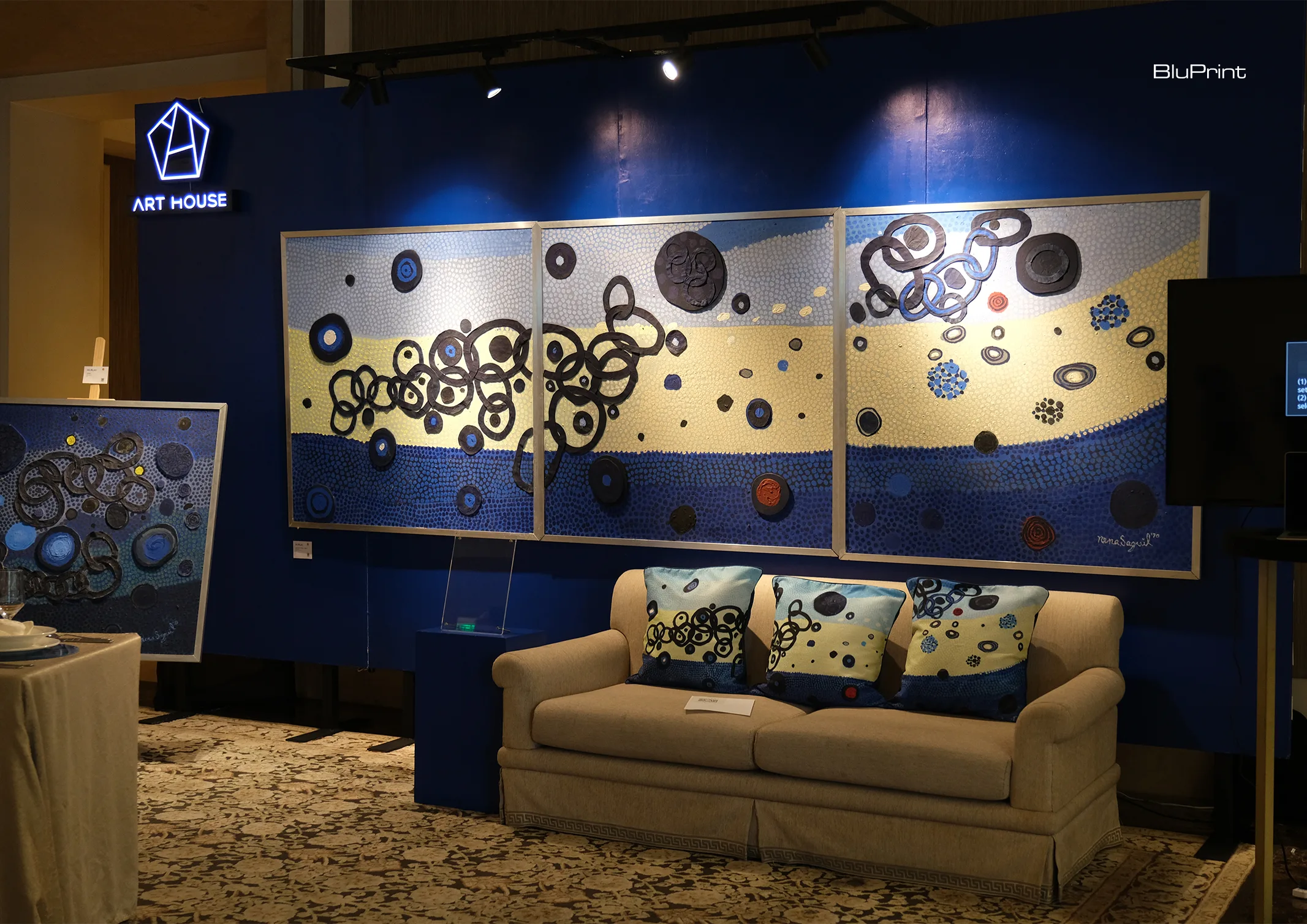
‘SALINLAHI’ Showcases Never-Before Seen Works of Nena Saguil



Arranged by the Art House in collaboration with the Nena Saguil estate, SALINLAHI: Connecting the Dots featured the artist’s paintings from the decades where she was actively working between the 1950s until her death in 1994.
“We wanted to highlight Nena’s Saguil’s resonance across generations,” Carlo Pineda, founder of Art House, said. “In a way, this show will also serve as a platform for bringing together collectors and enthusiasts of Nena Saguil works.”
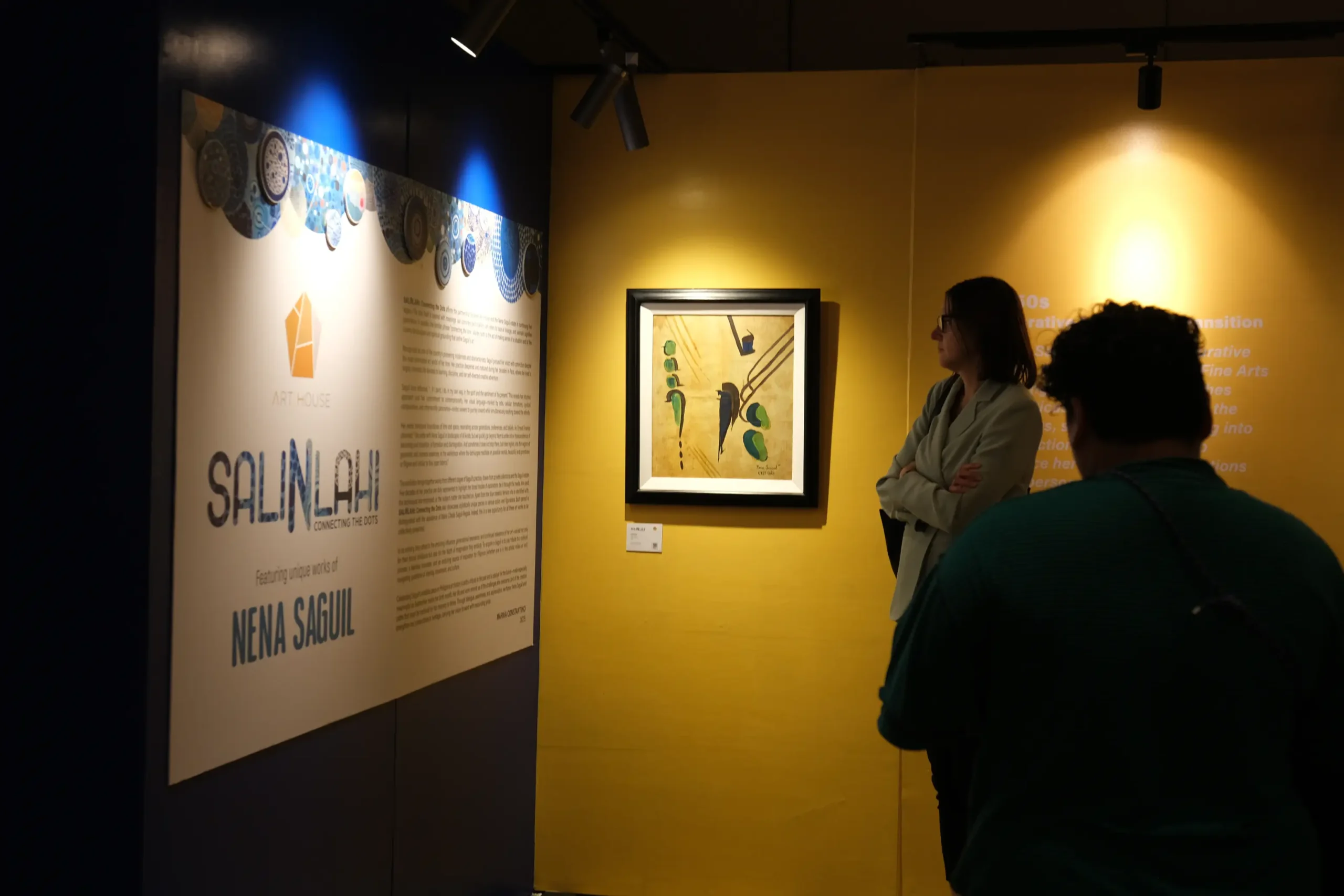
The Art House previously mounted an exhibit around Nena Saguil earlier this year. February’s Lakbay: Voyages into the Absolute, however, was more of a group exhibit centered around Filipino artists born or working abroad who were influenced by her artwork.
Marika Constantino, who curated both exhibits, believes in the necessity of Saguil not just in the Philippines’ art history, but to inspire new artists for the future generations. She jumped into the opportunity to curate this current exhibit. With the help of Art House contacting private collectors, in combination with art from the estate, they were able to showcase works that were never shown to the public before.
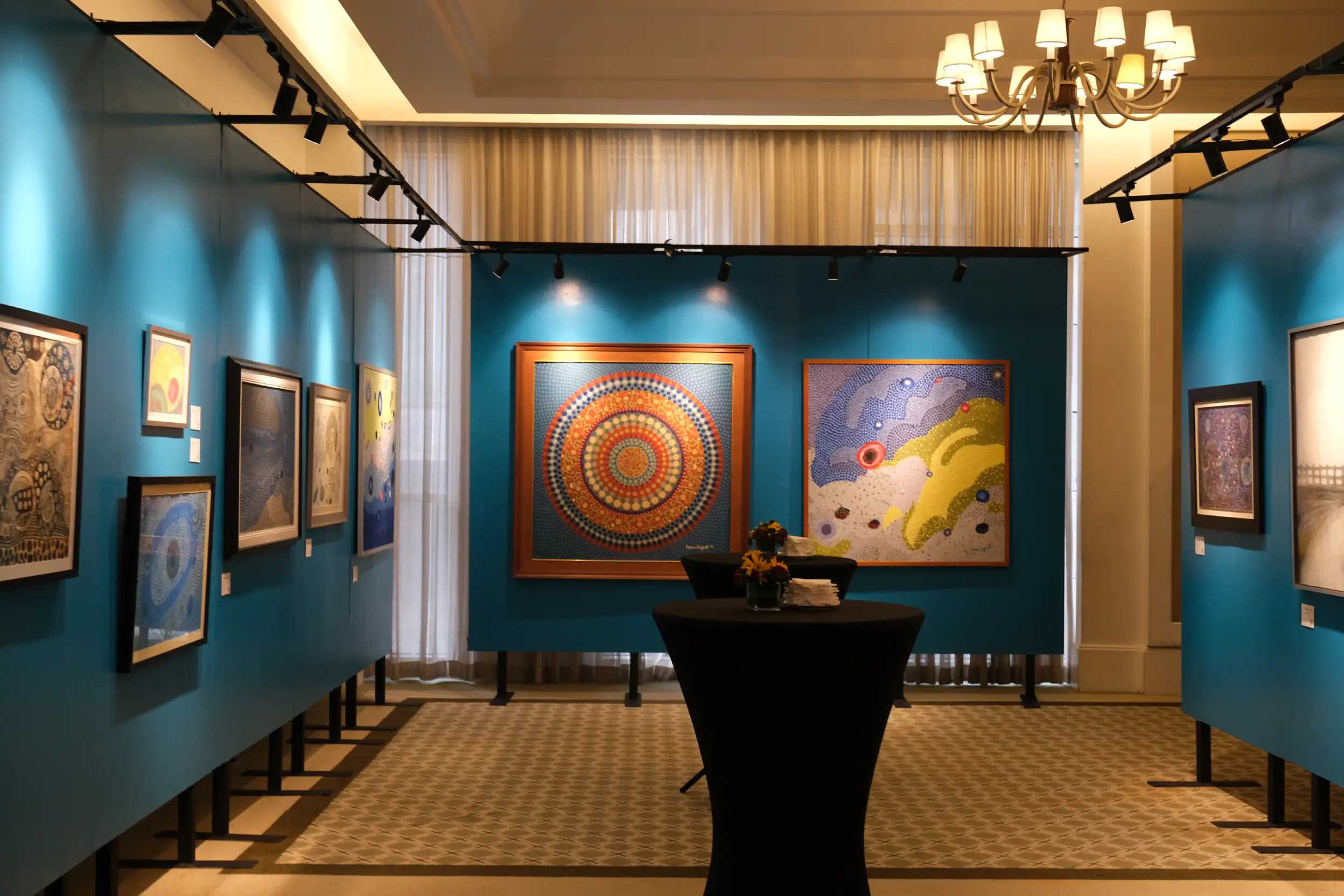
“We will have, from the fifties to the nineties, some representative works of Nena Saguil,” Constantino said during the press launch, “so I think that alone is something to look forward to because I think this will be the first time that all of these different works will come together in one exhibition.”
“In its entirety, they attest to the enduring influence, generational resonance, and continued relevance of her art—valued not only for their formal brilliance but also for the depth of imagination they embody,” Constantino wrote in her curatorial statement.
Landscapes of Abstraction
The artworks by Saguil in SALINLAHI really work to highlight the uniqueness of her style throughout the decades. Working mainly in Paris for most of her life, her art functioned in conversation with the abstractionists at the time, becoming the premiere Filipino abstractionist over the course of her career.
The control she exhibits in her creation of shapes and colors feel astounding. One could compare her dotted and circular landscape to something like the Kirby Krackle, the cosmic art style that artist Jack Kibry used to represent space and which was a style that also exuded a kind of otherworldly vibe to it.
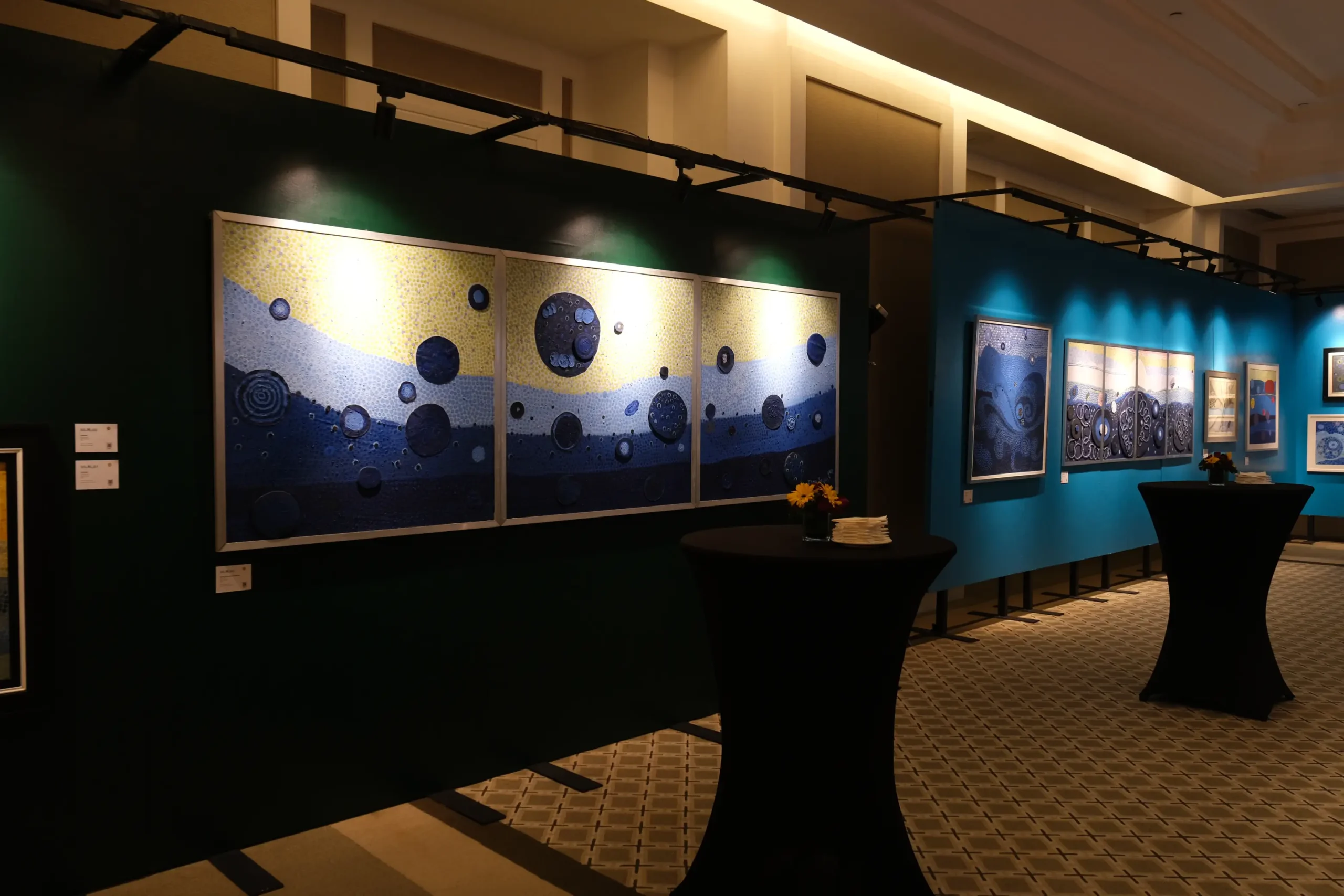
But unlike Kirby, Saguil was always grounded in her approach, taking notes from the natural world and creating more colorful and bountiful landscapes.
“This reveals her intuitive approach and her commitment to contemporaneity,” Constantino wrote. “Her visual language—marked by orbs, cellular formations, cyclical compositions, and otherworldly panoramas—invites viewers to journey inward while simultaneously reaching toward the infinite.”
‘Salinlahi’ and the Importance of Constant Practice
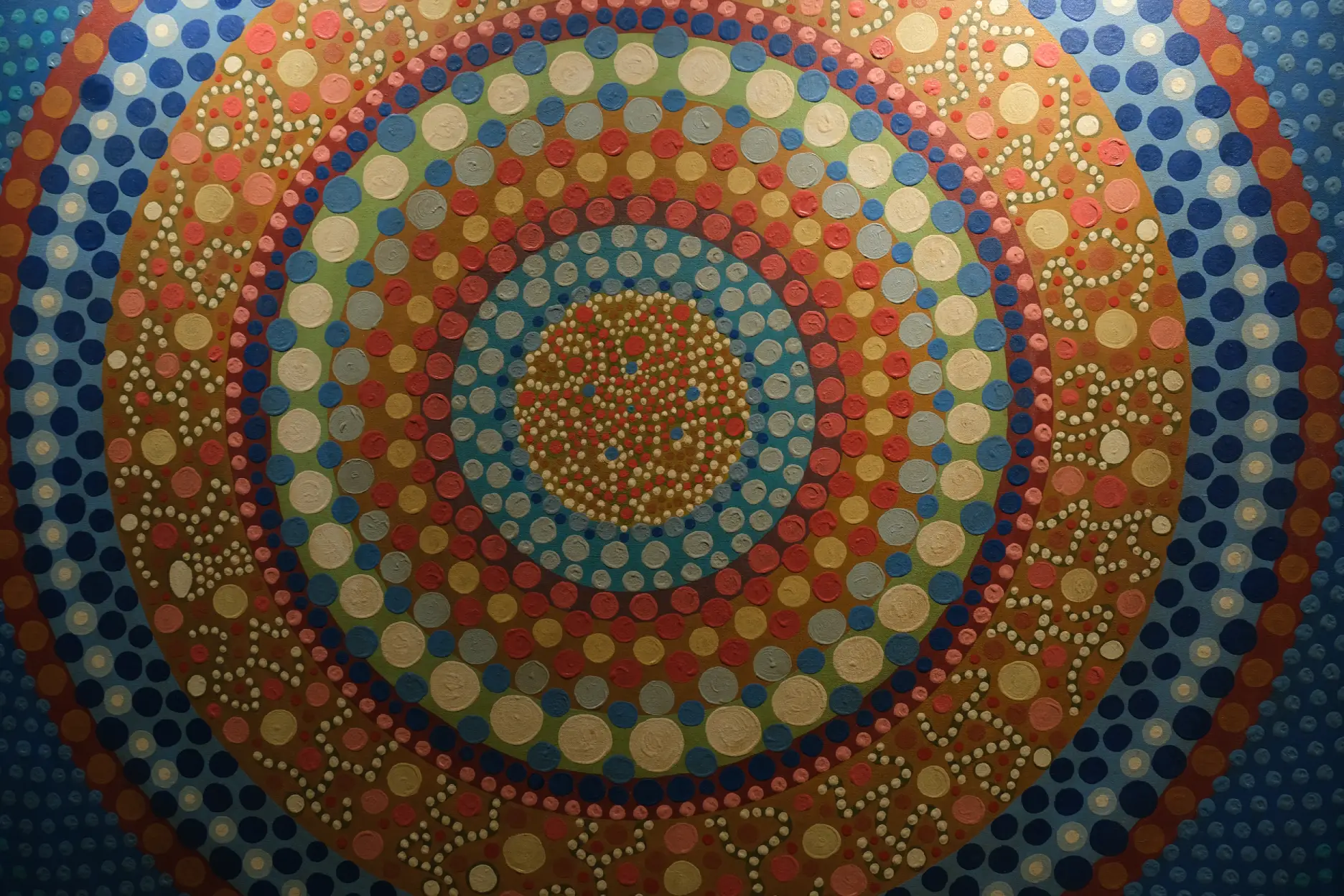
The chronological way that SALINLAHI is shown portrays the rigorous discipline that Saguil had, even in her later years. Constantino observed that the lone artwork from the 1990s revealed a more restrained side of the artist, marked by fainter colors and subtler line work than what is typically seen in her pieces.
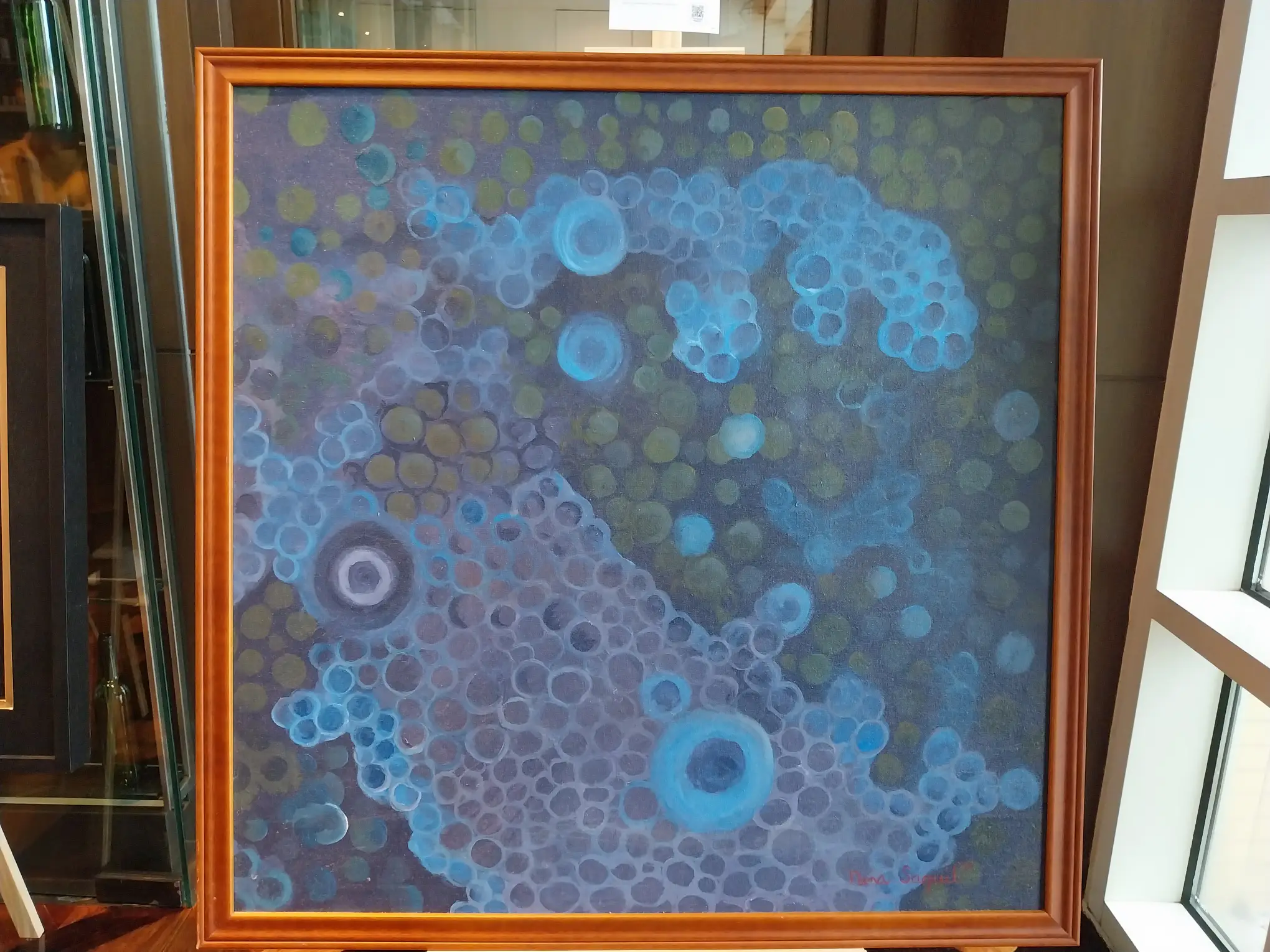
It was still something to admire, Constantino said, because it gave us a look at how skilled Saguil was in crafting her landscapes of circular abstractions in a way that no one else could imitate. Even in her final years, no one could do it like she was able to do.
“Her life and work remind us of the challenges she overcame, and of the creative paths that must be nurtured for her memory to thrive,” Constantino wrote.
Pursuing the Legacy of Nena Saguil
For the curator, she does believe that many artists today can learn more from the dedication and discipline that Nena Saguil displayed all her life. The chronological order in which SALINLAHI shows her devotion to her craft, and her relentless pursuit to forge great artworks of her interests.
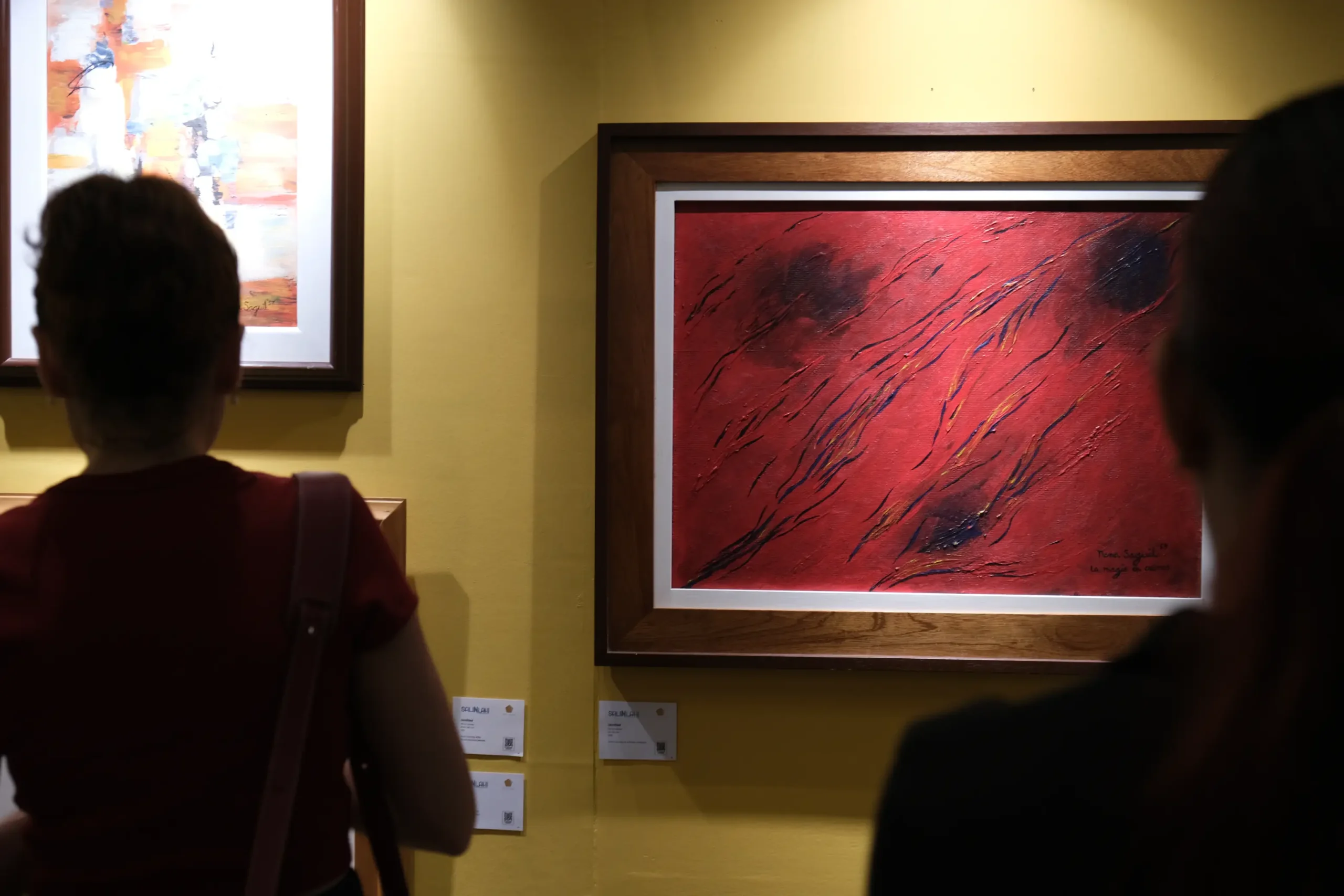
“ I think [the exhibit] should create a certain impact because, as a practicing artist myself, there’s a lot to learn, not just from the artworks per se, but from her practice,” Constantino said. “How she dedicated her life [to art], how committed she was in terms of evolving her practice, the discipline that she put in terms of her artistry and the knowledge—desire for knowledge [where] it was a daily routine for her.”
“As an artist, we should also have that innate ability to live our lives so that we have something to express,” the curator continued. “And with that also comes the discipline, which she super emulated. So I think it’s not just the works that should be admired, but also the dedication that she put into her artistic practice.”
Art House and Nena Saguil Merchandise
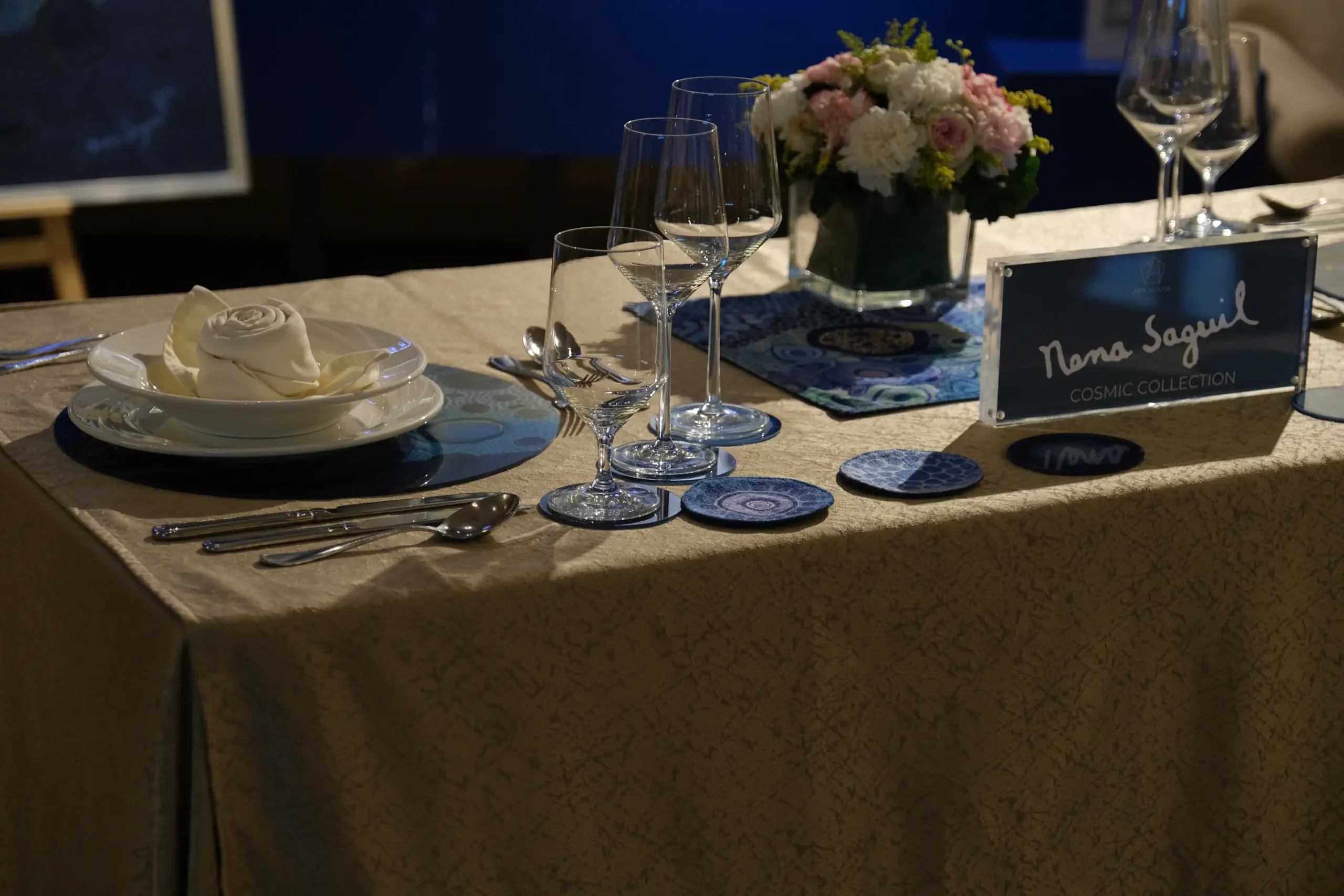
Beyond the never-before-seen artworks from Saguil, her estate and the Art House collaborated to create merchandise based on her art. From throw pillows and luggage tags to coasters and placemats, the new items function as a way to amplify Saguil’s legacy to a new generation of Filipinos through the most accessible ways.
“Ultimately, our goal is to amplify the significant contributions and impact of Nena Saguil on Filipino creativity and identity,” Pineda shared. “For us, Nena Saguil is a master—a pioneering Filipino female artist who pursued her craft independently while staying rooted in her identity.”
Photos by Ed Simon.
Related reading: Tackling the Filipino Diaspora in Today’s Art Scene
Frequently Asked Questions
Nena Saguil (1914–1994) was a pioneering Filipino female abstractionist who spent the majority of her career in Paris. She is celebrated for her formal brilliance and a unique visual language that bridges the natural and cosmic worlds. Saguil is considered a master of Filipino Abstraction, recognized for her independent spirit and her disciplined pursuit of an otherworldly style that continues to resonate across generations of contemporary artists.
Saguil’s visual language is marked by orbs, cellular formations, and cyclical compositions. Her work often features a meticulous dotted technique—sometimes compared to the “Kirby Krackle” of cosmic comic art—to create otherworldly panoramas. Unlike pure space art, however, her abstractions are grounded in nature, mimicking biological structures and organic landscapes that invite viewers to journey “inward while reaching toward the infinite.”
The SALINLAHI exhibit reveals a clear chronological progression in Saguil’s discipline. Her early works from the 1950s and 60s show a mastery of vibrant colors and bold shapes. By the 1990s, her style became more restrained and subtle, characterized by fainter colors and delicate line work. This evolution demonstrates her commitment to refining her craft even in her final years, maintaining a technical precision that remains inimitable in the field of circular abstraction.
Curated by Marika Constantino, the exhibit aims to highlight Saguil’s generational resonance and continued relevance. By showcasing never-before-seen works from both the Saguil estate and private collectors, the show serves as a platform to re-introduce her rigorous artistic discipline to a new audience. It provides a comprehensive, chronological look at how she lived her life as a daily routine of creative pursuit and “knowledge-seeking.”
Beyond traditional gallery viewing, the Art House and the Saguil estate have collaborated on high-quality merchandise to amplify her impact. By integrating her iconic abstract patterns into everyday items like throw pillows, luggage tags, and coasters, the partnership makes her masterful “cellular” aesthetic accessible to a broader demographic. This strategy ensures her contributions to Filipino identity and creativity are woven into the lifestyle of a new generation.
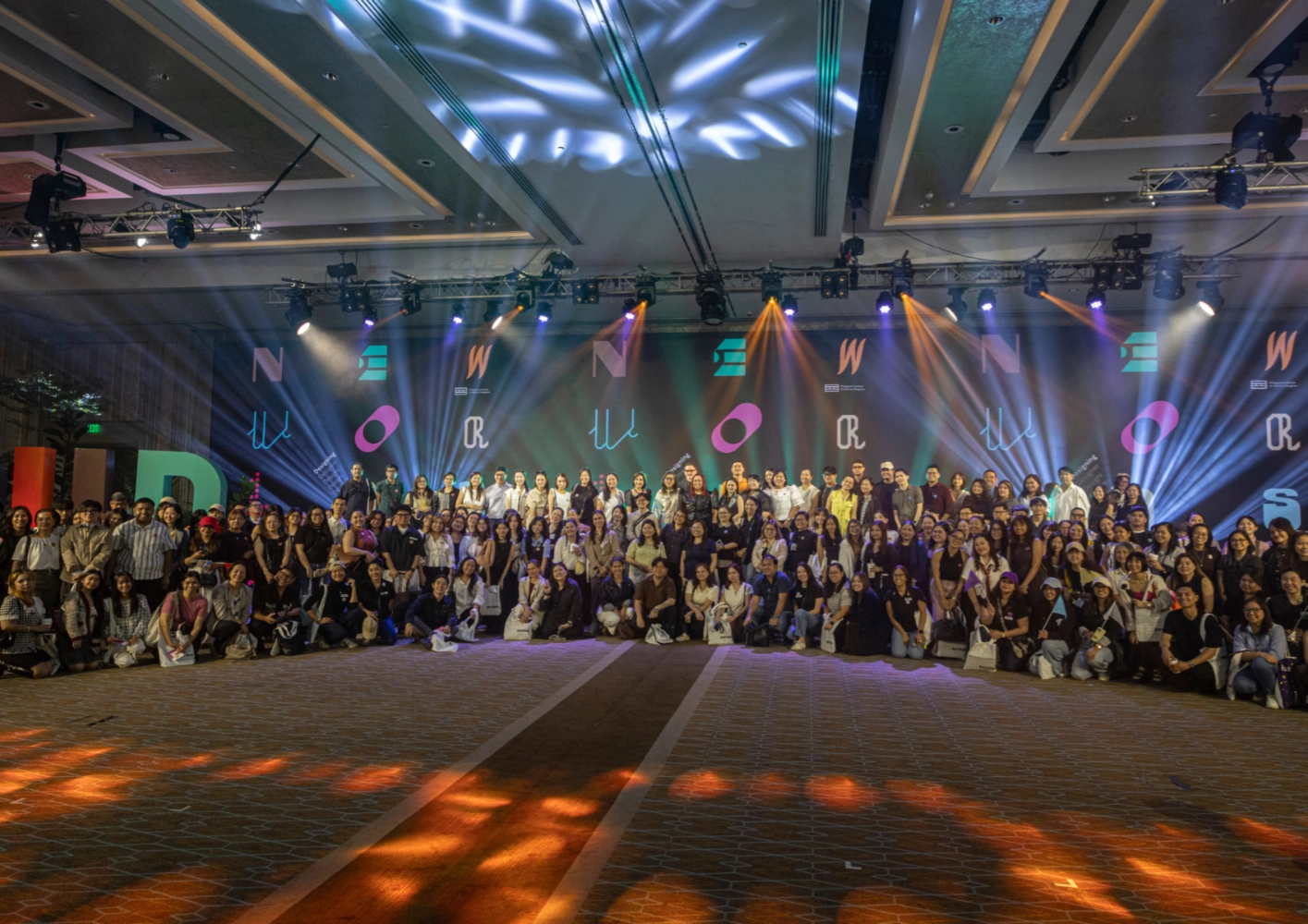

Archie G. Carrasco, Chairman and CEO of AGC Power Holdings Corp. (AGC PHC), has been named to The BoF 500 Class of 2026 under the Media category, joining The Business of Fashion’s global community of individuals shaping the fashion industry. Carrasco is among 100 new members from 33 countries and 48 nationalities selected for the […]
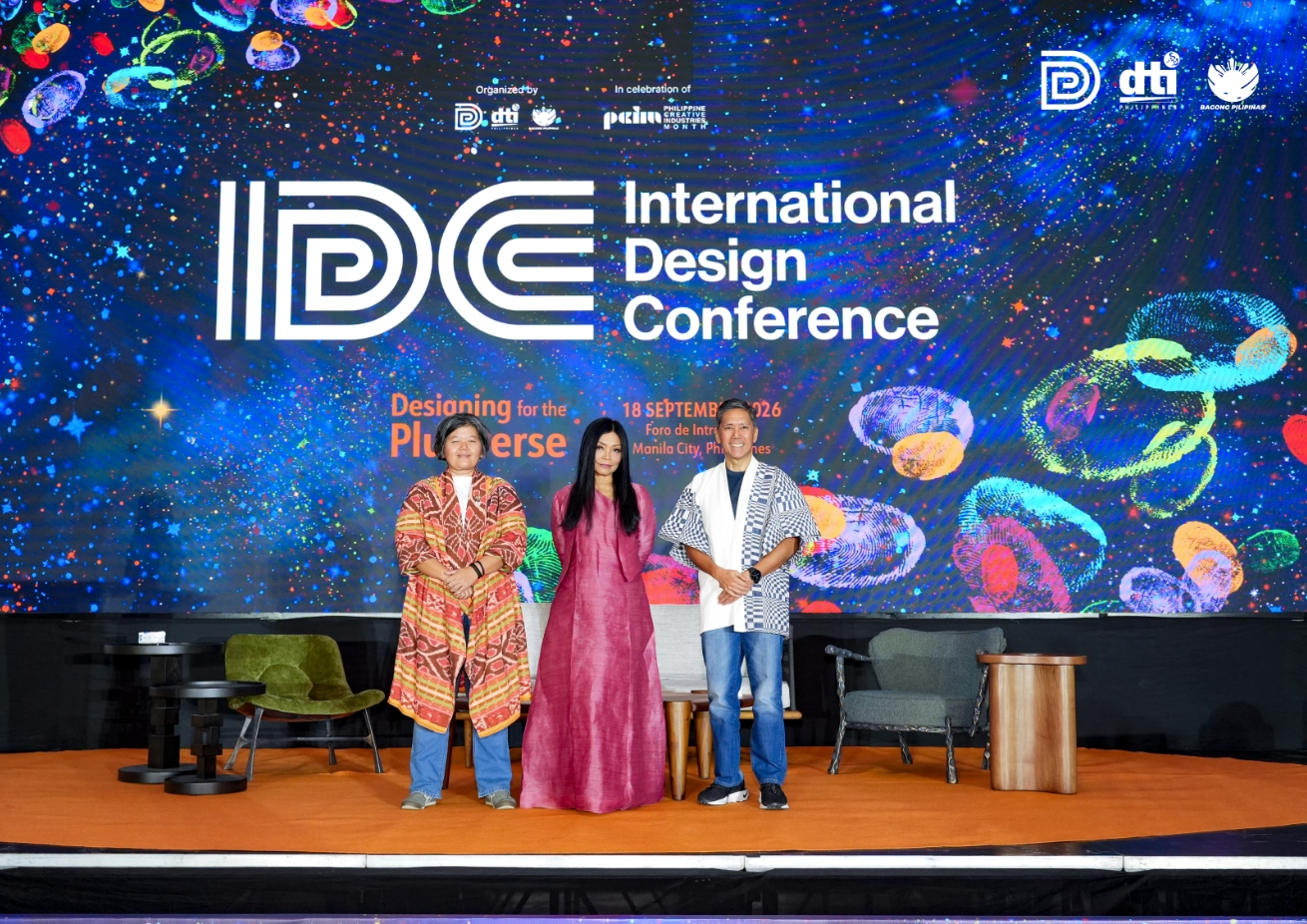
Culture in design does not always announce itself through a recognizable motif, material, or symbol. It can also be embedded in the relationships designers build, the knowledge they listen to, the materials they choose, and the decisions they make in response to communities and their environments. This distinction emerged throughout the 2026 International Design Conference […]
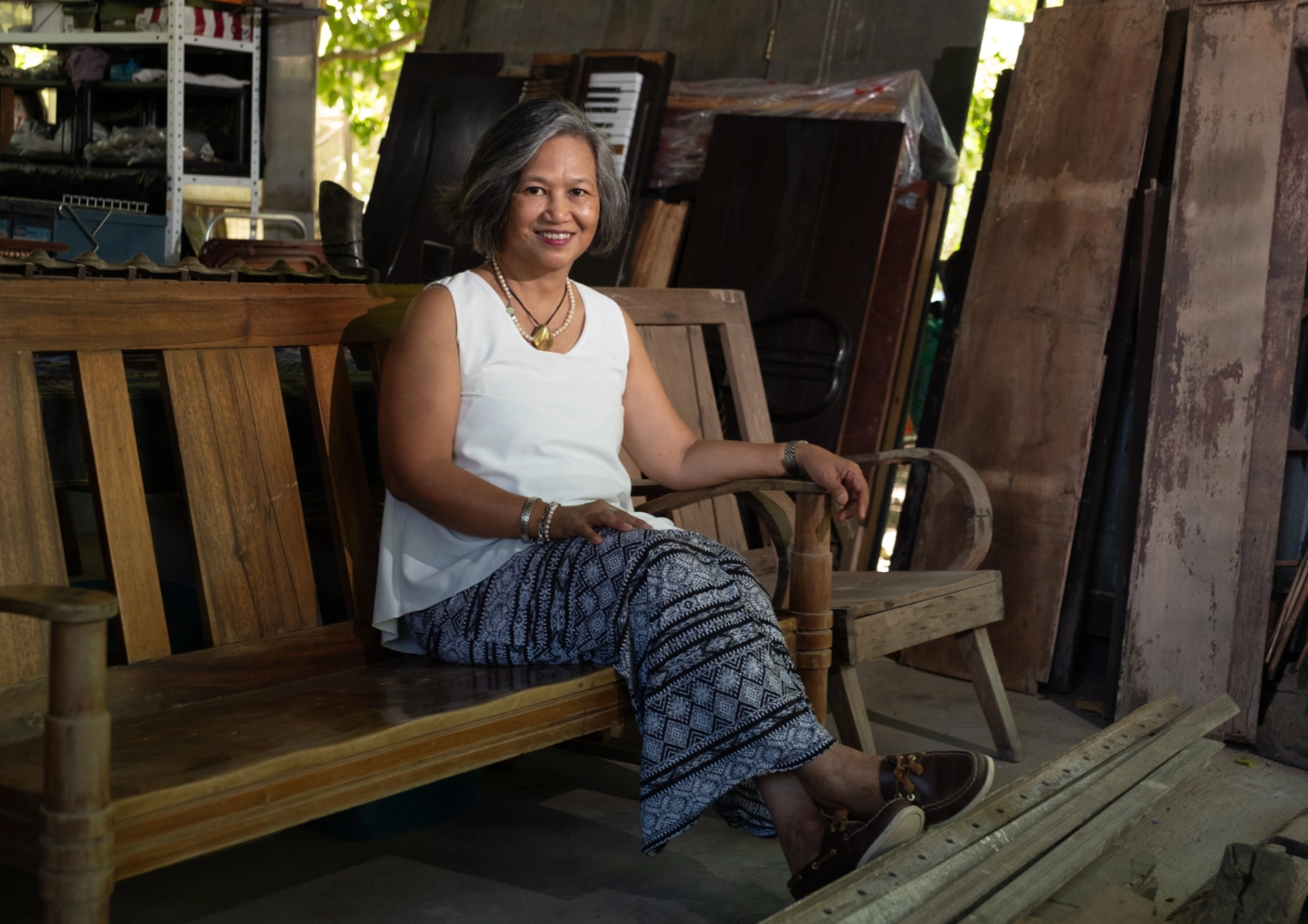
Rinna Soriano’s favorite part of her work is sanding. At her workbench, she stays focused, following the grain, adjusting to changes in its direction. NarraNarraThe national tree of the Philippines, Pterocarpus indicus, prized for its durable, reddish-gold hardwood and handsome grain. Traditionally used for furniture, flooring, and carved panels, narra is now protected fromGo to […]
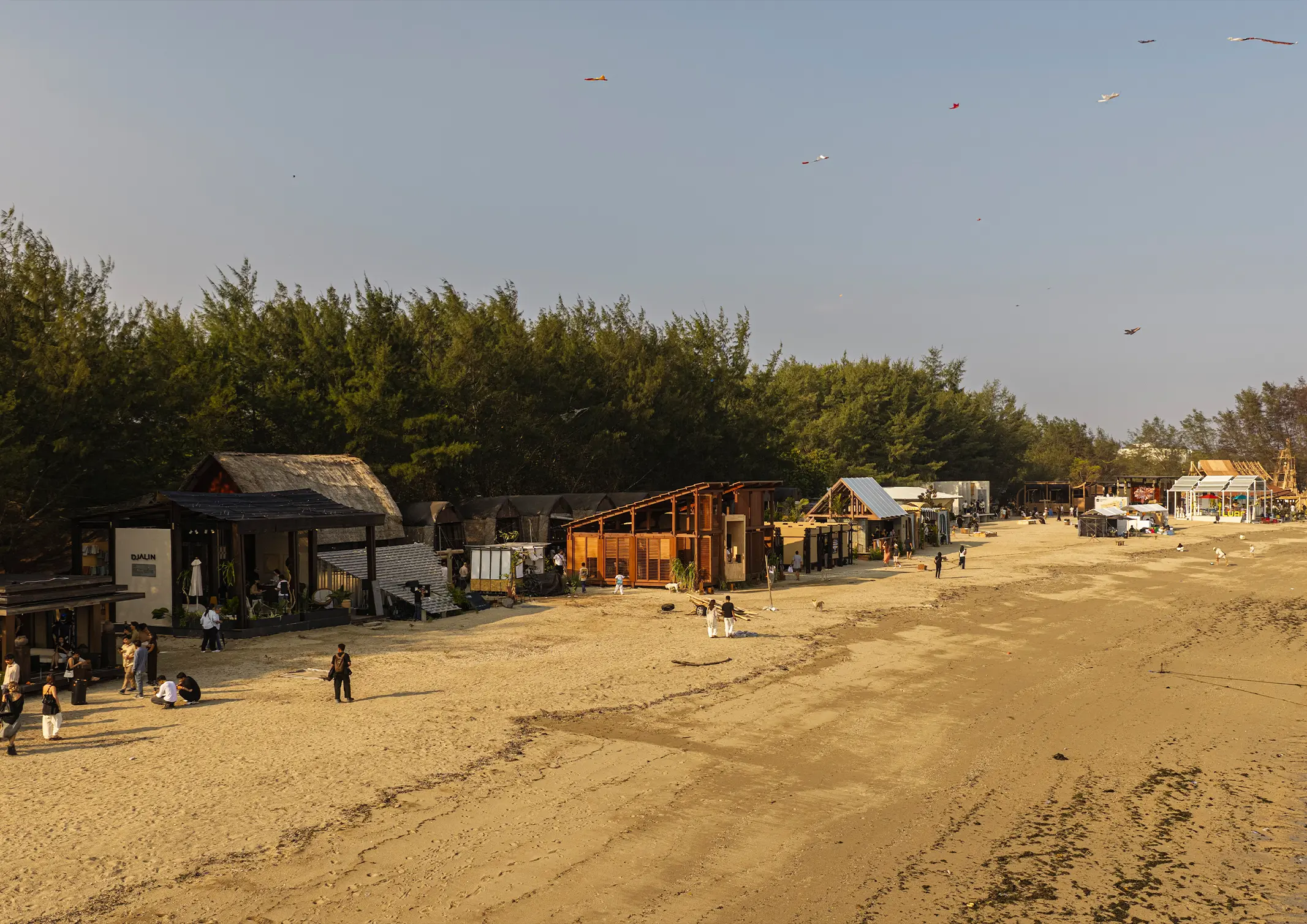
After being set amongst the ruins of an abandoned theme park in the past years, Jia CURATED found a home on the shores of Pengembak Beach, Bali for this year’s installment. It’s a unique location with multiple natural features like Sanur’s coastline, pine and mangrove forests, and a stream—making nature an important participant for how […]
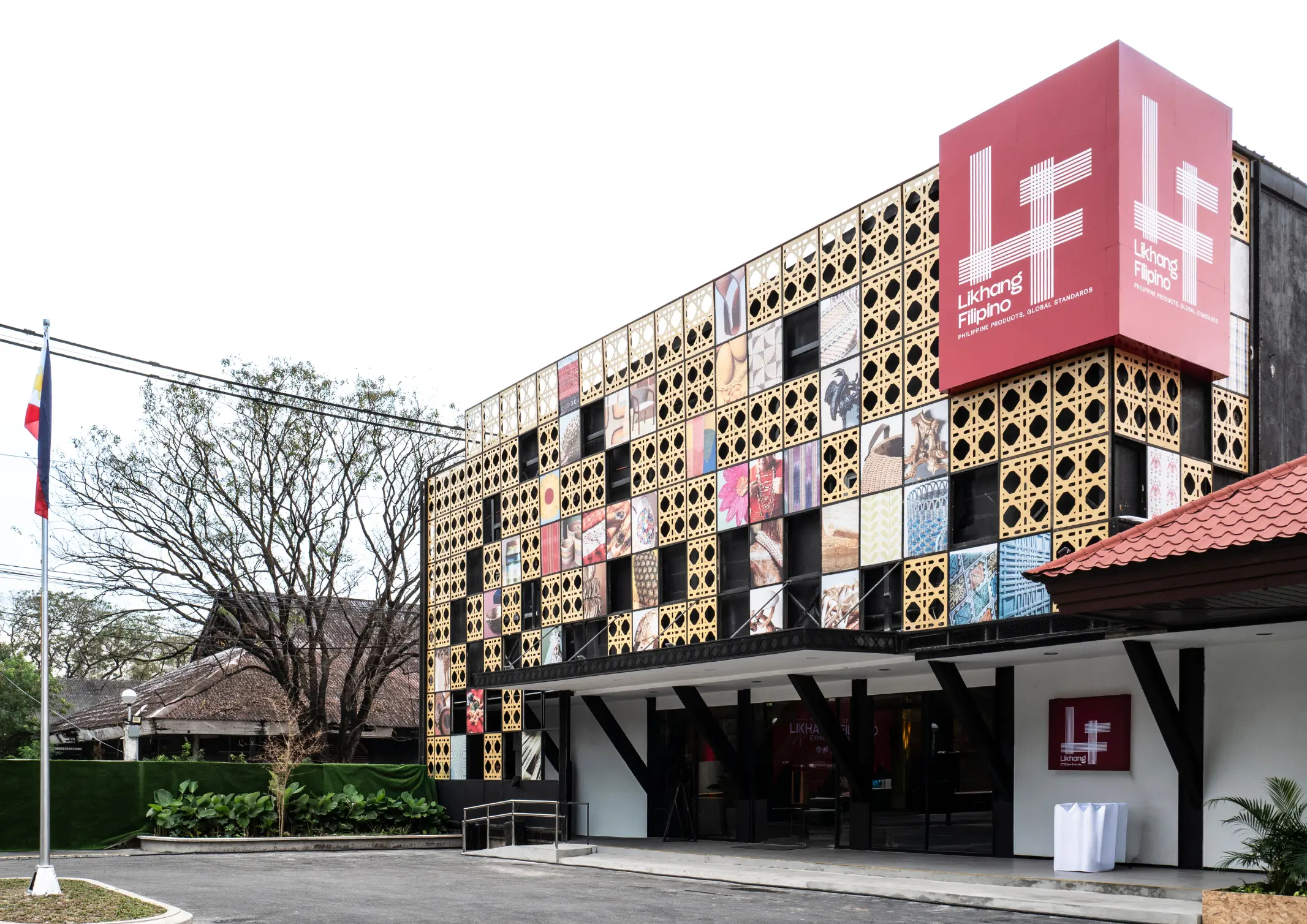
Likhang Filipino stands on the former site of the PhilTrade Center along Roxas Boulevard in Pasay City, a landmark that once symbolized the Philippines’ export ambitions and introduced Filipino craftsmanship to international audiences. Originally inaugurated in 1979, the PhilTrade Center was conceived as a national showcase for Philippine exports, with its longitudinal form and sloping […]
Read the issues.

Collect the volumes.

Recommended Video
Tap to Unmute
Unmute
0:00
0:00