Bigkis is the act of binding. In Tagalog, the word can refer to something used to bind or encircle, as well as a bundle formed by tying several separate elements together. Figuratively, it can also mean a bond, union, or unity. The meanings move from the physical act of joining things together to the connection […]
The New Vanguard of Philippine Art: Five Artists Changing Art Today



The Philippine art scene is in constant motion, shaped by artists who are unafraid to take risks and imagine new ways of seeing. These artists are not only presenting work at home but also abroad, where the Philippines is increasingly recognized as a site of innovation.
What unites them is not a single style or school but a shared curiosity about the world and a commitment to making art that resonates across contexts. Together they trace a landscape that is rooted yet wide-reaching, contemporary yet attuned to history.
Celine Lee
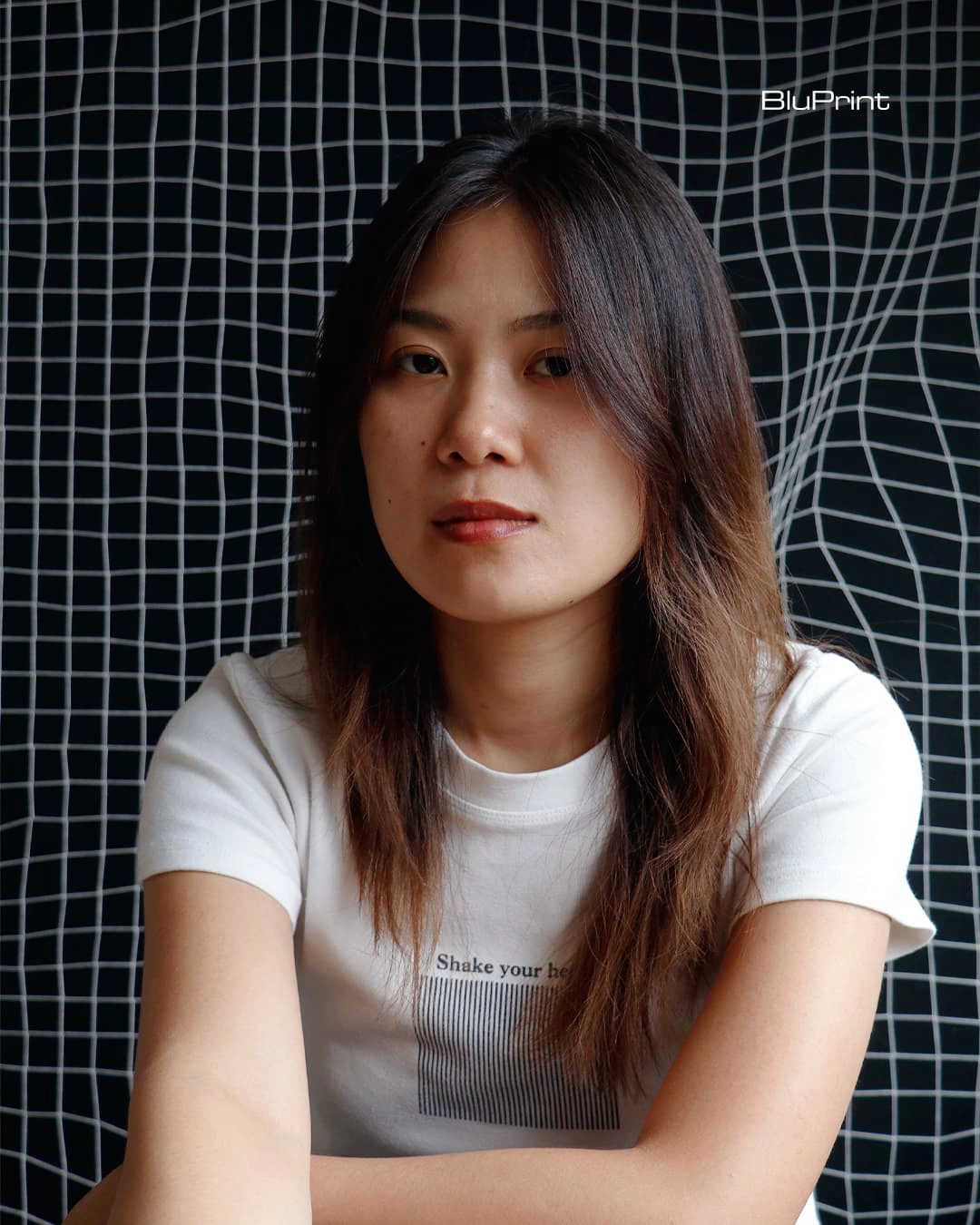
Celine Lee approaches her practice as a way to uncover the invisible structures that shape how we live. Her work spans painting, sculpture, embroidery, and installation, guided by an interest in natural sciences and metaphysical questions. Rather than focusing solely on representation, she treats process and materiality as central to her exploration, letting each medium carry its own weight of meaning. The result is work that feels both grounded and ethereal, inviting viewers to pause and reflect on their own experience of space and form.
Datu Arellano
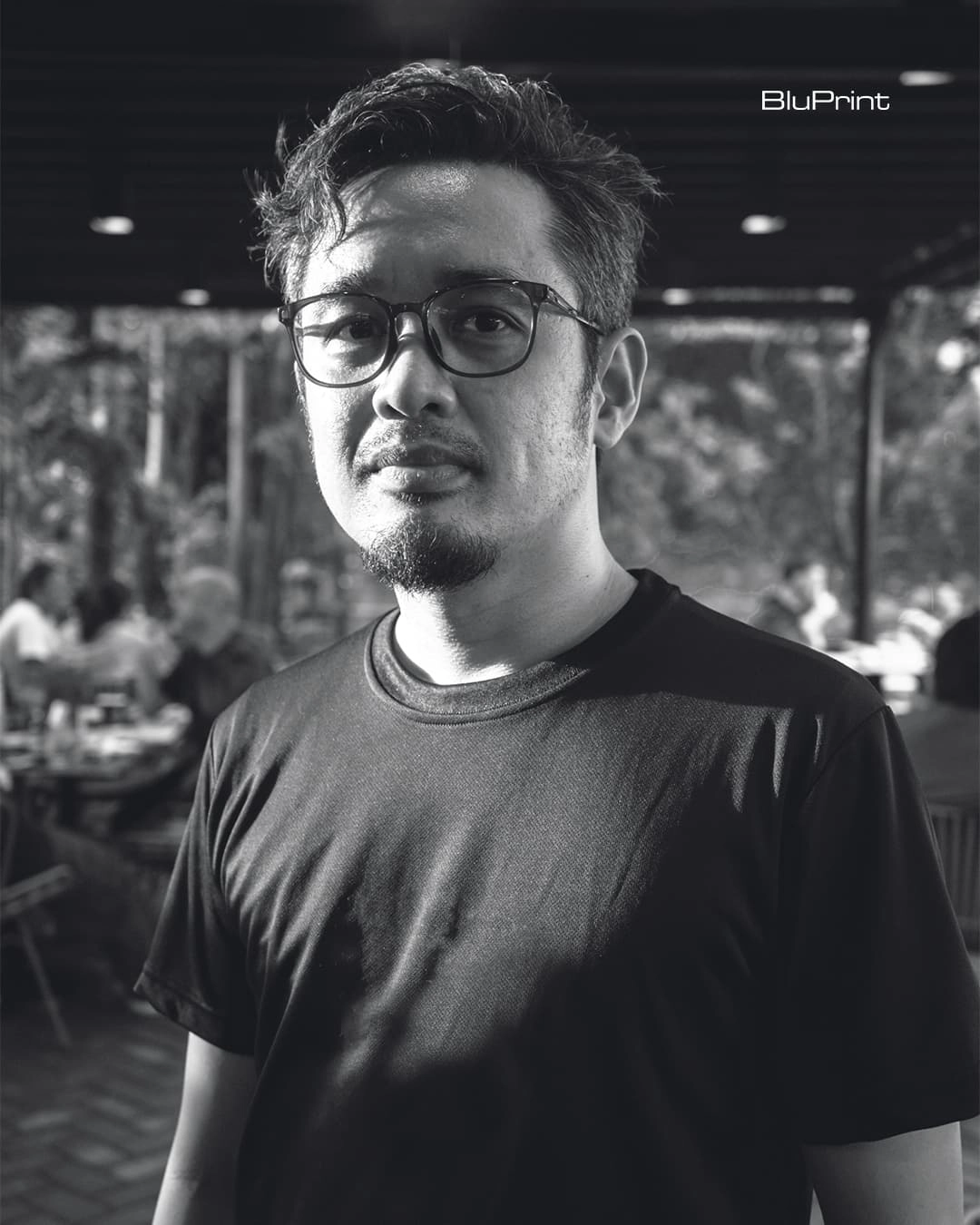
Datu Arrelano is a visual artist, musician, designer, and educator, moving between drawing, painting, sound, video, and performance with remarkable ease. Beyond producing objects or installations, he constructs instruments and sound devices that expand the very vocabulary of artistic creation.
His collaborations with filmmakers, musicians, and institutions highlight the collective dimension of his practice, but his personal projects carry equal weight.
Arellano treats experimentation itself as an outcome, showing that process can be just as important as product. This openness reflects a philosophy where art is alive, always shifting and adapting, always listening and responding.
Kristoffer Ardeña
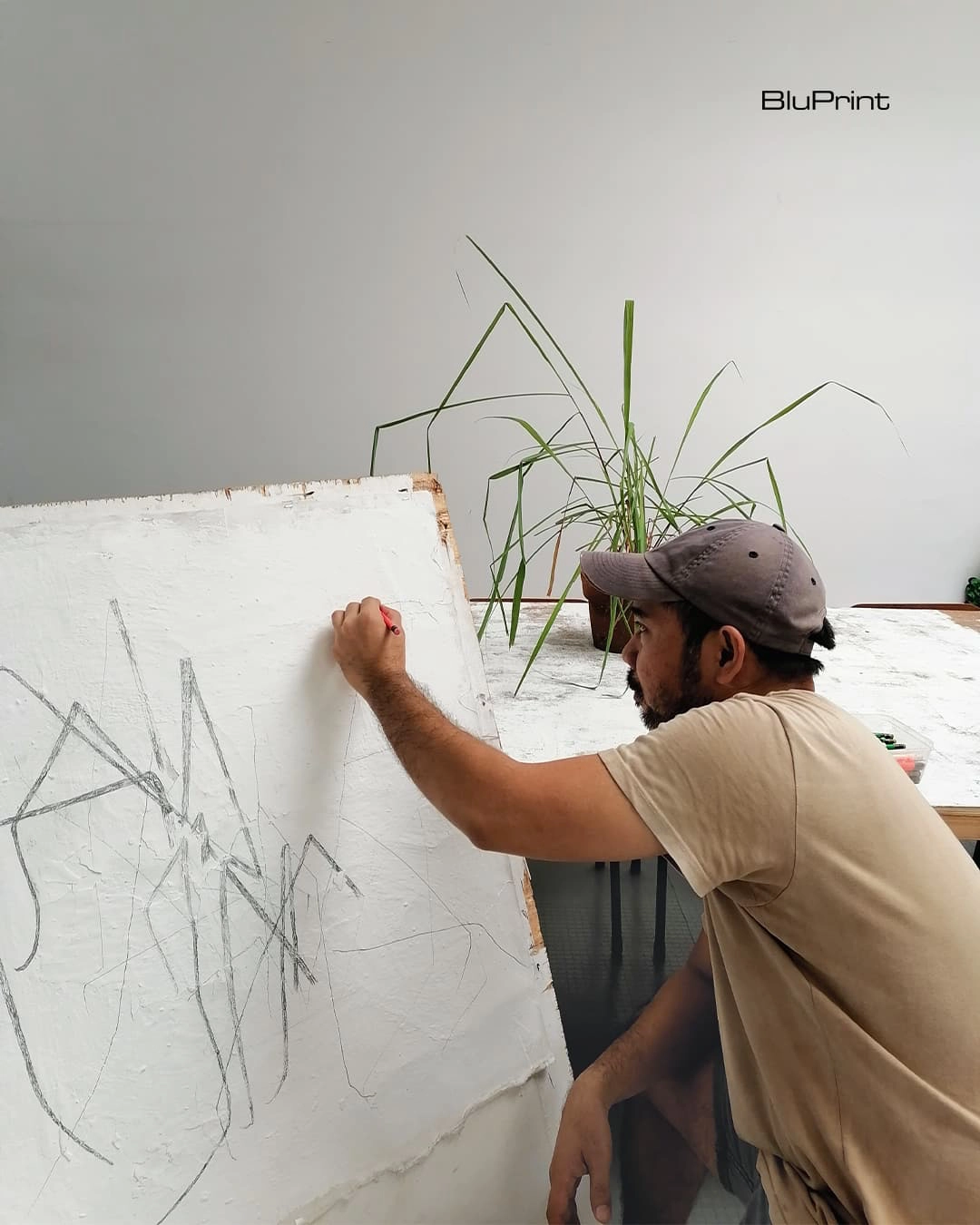
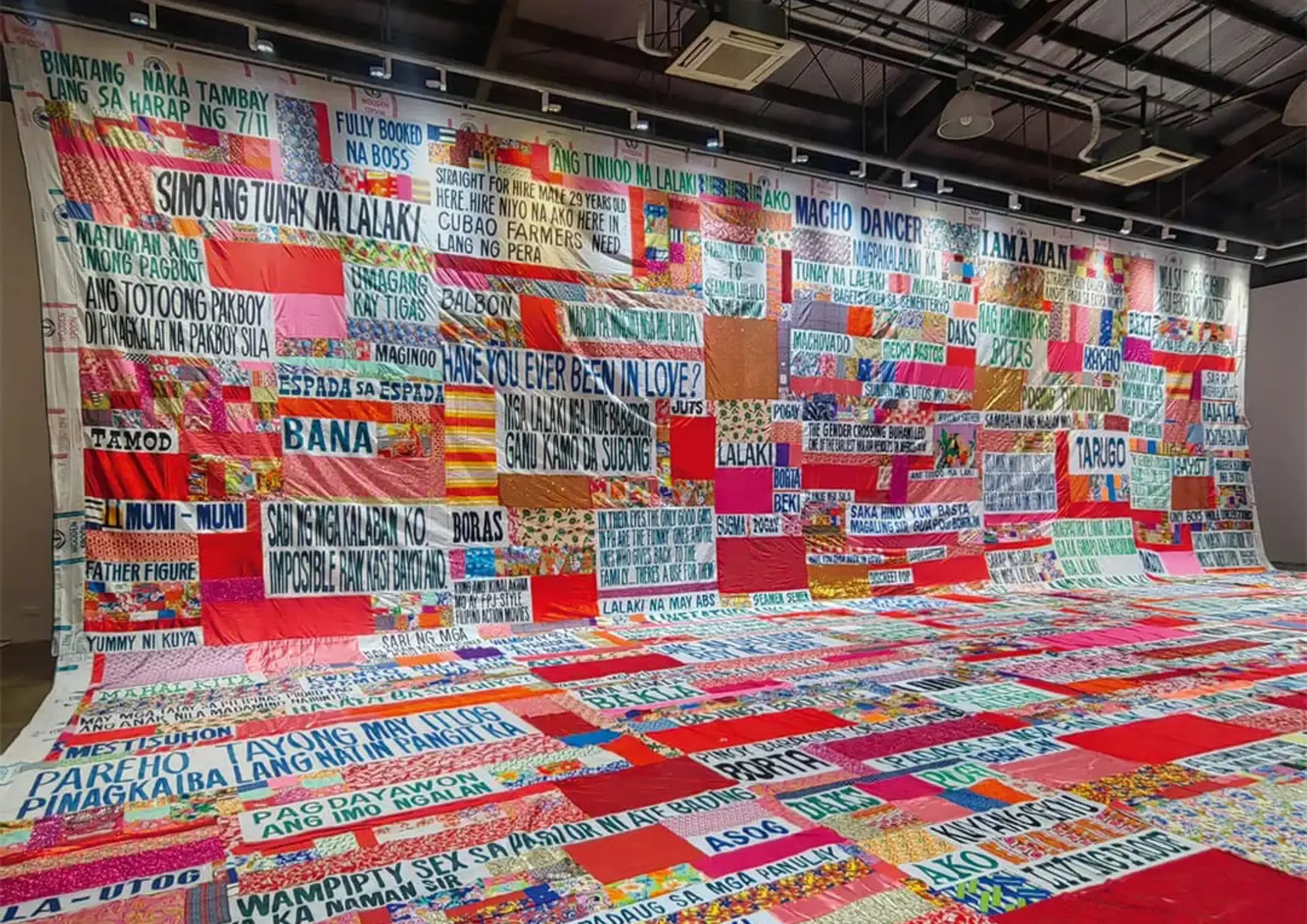
Moving with ease between mediums, Kris Ardeña creates works that can take the form of painting, sculpture, photography, performance, or readymade objects. His projects often transform entire spaces into environments that challenge perception and invite immersion.
Having lived and worked in multiple continents, he carries with him a wide set of references, yet his work remains firmly tied to the Philippines. This fluidity allows him to engage with audiences in Madrid, Mexico, or Manila without losing the distinct perspective of his own cultural roots. Ardeña is a reminder that Philippine art is not confined to the archipelago but exists as part of a larger, global conversation.
Nice Buenaventura
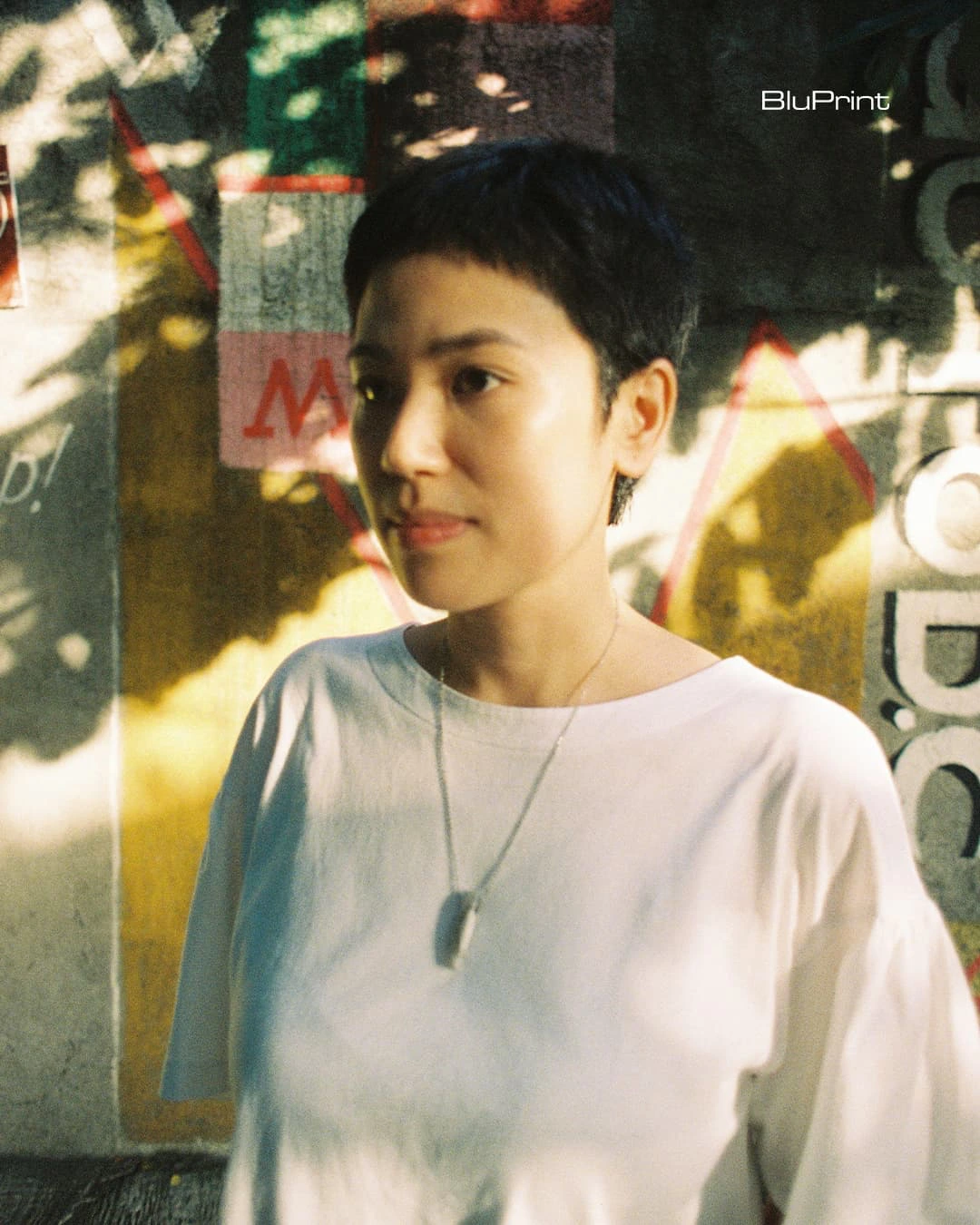
Nice Buenaventura creates art that thrives in tension, where the pull between ethics and aesthetics becomes a space for invention. Working across drawing, painting, installation, new media, and citizen ethnography, she treats her practice as an act of investigation as much as expression.
What makes her practice remarkable is the way it insists on openness, embracing process and dialogue as part of the work itself. She shows that contemporary art can act as a mirror to society while also offering a tool for transformation. In Buenaventura’s hands, art is never static but constantly unfolding, much like the communities and ideas it seeks to reflect.
Nicole Coson
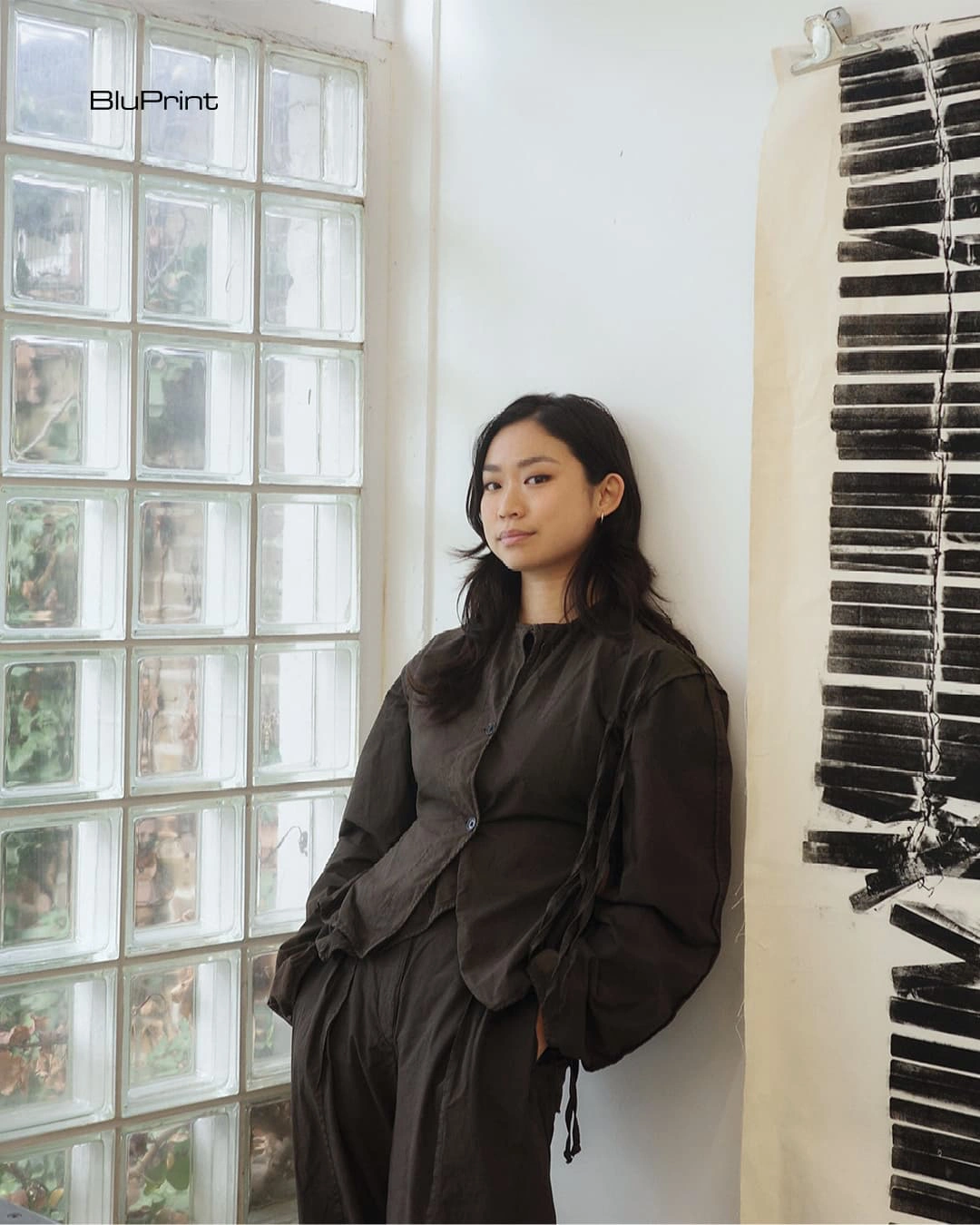
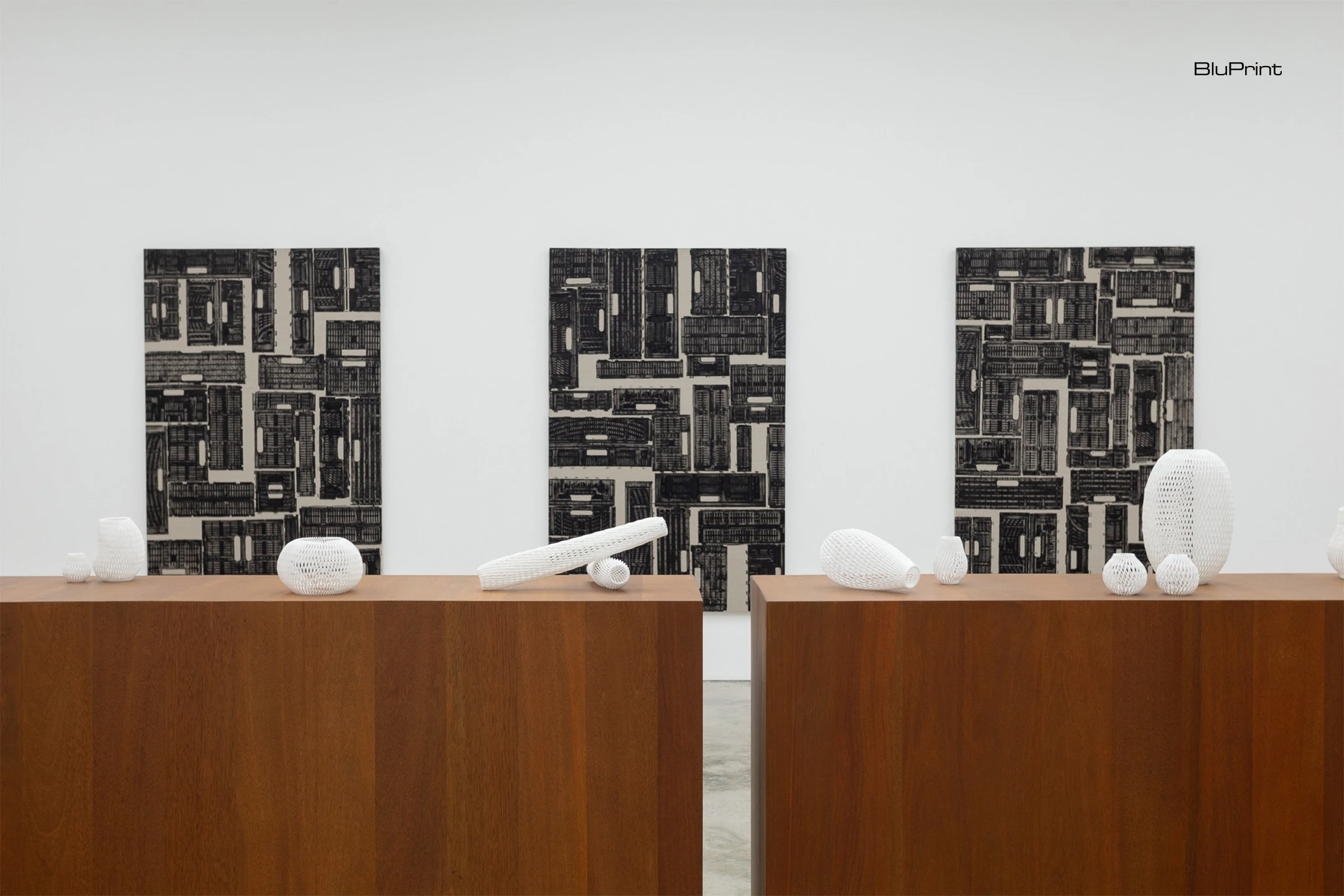
Exploring the delicate space between surface and depth, presence and absence, Nicole Coson works across printmaking, painting, and sculpture. She uses found objects pressed onto canvas to create impressions that are both physical and elusive. These patterns, drawn from everyday material culture, often take the form of camouflage, blinds, or woven textures that resist direct interpretation.
Coson embraces opacity as an aesthetic and political gesture, inviting viewers to reflect on what is concealed as much as what is shown. Her work suggests that memory and history are not linear stories but layered experiences that can be glimpsed through fragments and traces. By choosing to work with barriers rather than transparent images, she creates art that asks audiences to linger, to study, and to confront the unseen.
Diversity and Depth
Together, these five artists offer a portrait of Philippine art that is bold, diverse, and unafraid of complexity. Their works span continents and disciplines, yet remain deeply connected to the cultural and social realities of the Philippines. What they share is not a single aesthetic but a drive to question and to expand, to treat art as both mirror and compass.
This article has been abridged for digital publication. Read the full story behind The New Vanguard of Philippine Artby ordering your copy of BluPrint Art at Sari Sari Shopping, Shopee, and Lazada. E-magazines are also available for download here or through Readly, Press Reader, and Magzter.
Dive into the captivating world of architectureArchitectureThe art and science of designing and constructing buildings, structures, and spaces that are functional, safe, and aesthetically pleasing. It encompasses the planning, design, materials, and techniques used to createGo to Architecture Glossary, interiors, and arts & culture by getting exclusive digital access to BluPrint’s past and upcoming issues. Click here to find out more.
Photos provided by author.
Frequently Asked Questions
Celine Lee treats different mediums—embroidery, sculpture, and painting—not just as tools for representation, but as the subject of the investigation itself. By focusing on the physical properties of her materials (the “weight” of the medium), she uncovers invisible structures within natural sciences and space. This approach shifts the viewer’s focus from what is being shown to how the form exists, bridging the gap between the physical world and abstract metaphysical questions.
Arellano moves beyond traditional visual art by constructing his own instruments and sound devices, effectively expanding the “vocabulary of creation.” This technical choice emphasizes that the process of making and the utility of the object are as important as the final aesthetic. His work frames art as a responsive, living organism—one that listens and adapts through sound, performance, and collective collaboration rather than existing as a static, silent object.
Ardeña utilizes a “readymade” and environmental approach that allows his work to function across different continents (from Madrid to Manila) without losing its Filipino roots. This fluidity is achieved by transforming entire spaces into immersive environments that challenge local perceptions of objects and scale. His practice demonstrates that Philippine contemporary art is not geographically confined but is a mobile, global conversation that adapts its references while maintaining a distinct cultural perspective.
Buenaventura incorporates citizen ethnography—the study of people and cultures from a non-academic, community-based perspective—into her artistic investigation. This creates a tension between ethics (the responsibility of the researcher) and aesthetics (the beauty of the art). Her work acts as a transformative tool for society, treating the act of drawing or installation as an ongoing dialogue with the community rather than a finished, private expression.
Coson uses printmaking to press found objects onto canvas, creating patterns like blinds or camouflage that hide as much as they reveal. By embracing opacity (the quality of being difficult to see through), she rejects the idea that history or memory should be “transparent” or easily consumed. This is a political gesture that asks the viewer to confront the “unseen” and the “concealed,” suggesting that historical truth is a layered, fragmented experience rather than a linear narrative.
Related reading:
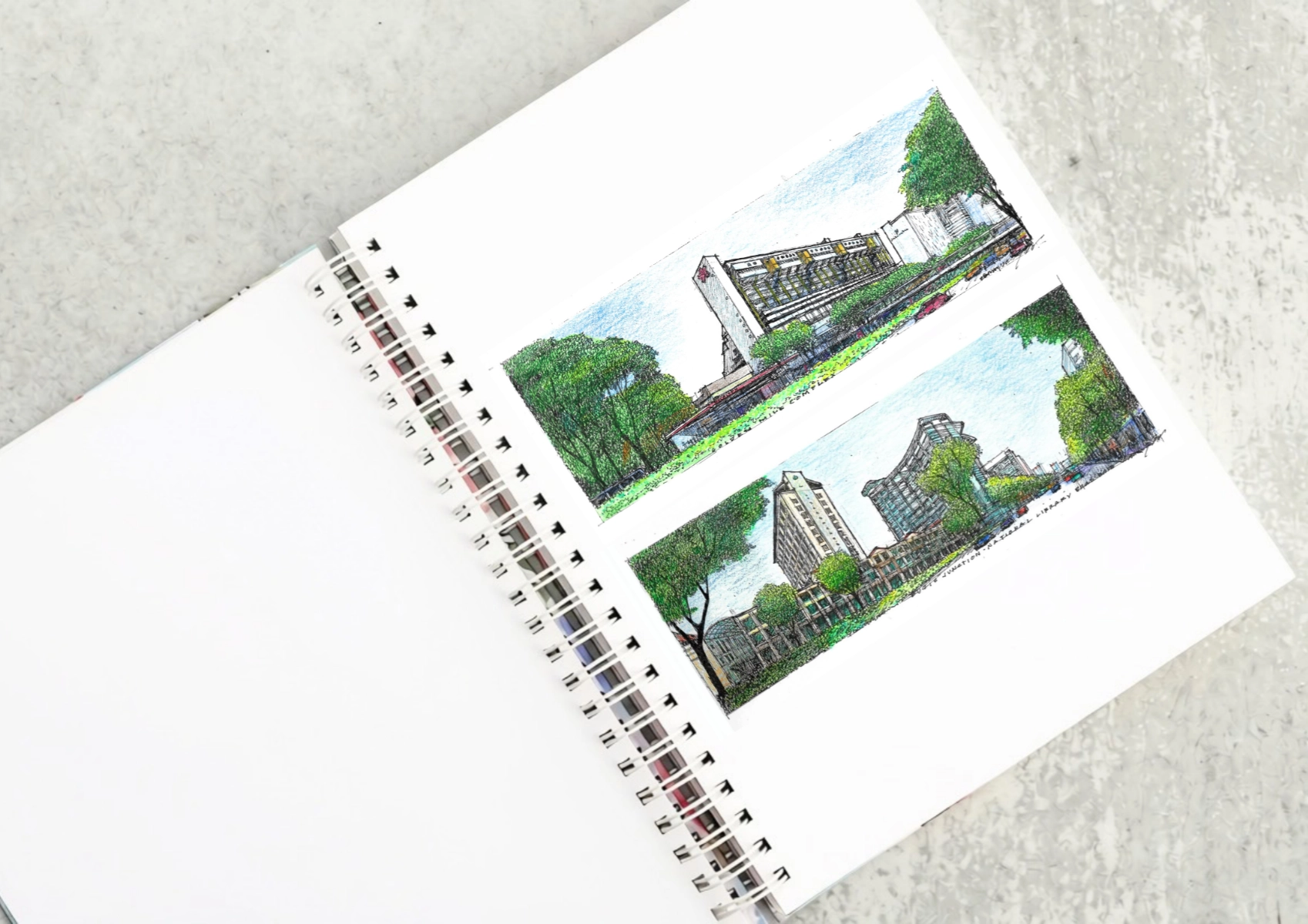
Two sketches of Singapore connect BluPrint Editor in Chief Paulo G. Alcazaren’s personal and professional history with Shared Ground: ArchitectureArchitectureThe art and science of designing and constructing buildings, structures, and spaces that are functional, safe, and aesthetically pleasing. It encompasses the planning, design, materials, and techniques used to createGo to Architecture Glossary of Care, Culture, […]
In a way, designers are the modern-day soothsayers and prophets. They design for the future, predicting how a room, a house, a building or a whole city will be used by people. They foresee how users will interact with a space, conjure exact shades of colors to elicit specific behavior and arrange furniture to build […]
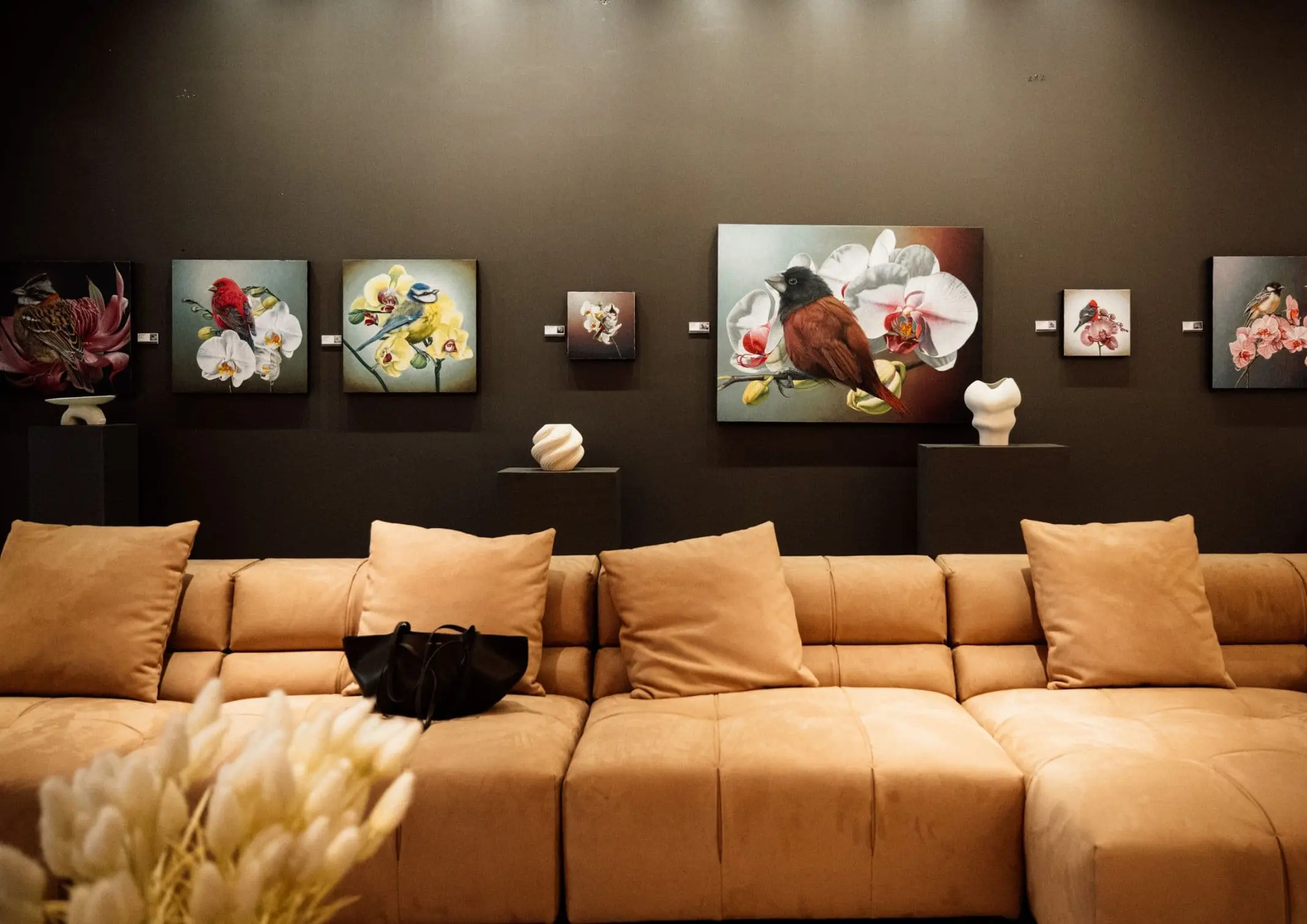
Art and furniture are often selected separately, yet their relationship can shape how a room looks and feels. The collaboration between Hooga and Galerie Joaquin explores how these elements can work together, bringing contemporary artworks into furnished residential settings at Hooga’s showroom in Uptown Mall, Bonifacio Global City. For Hooga, which curates furniture, lighting, and […]
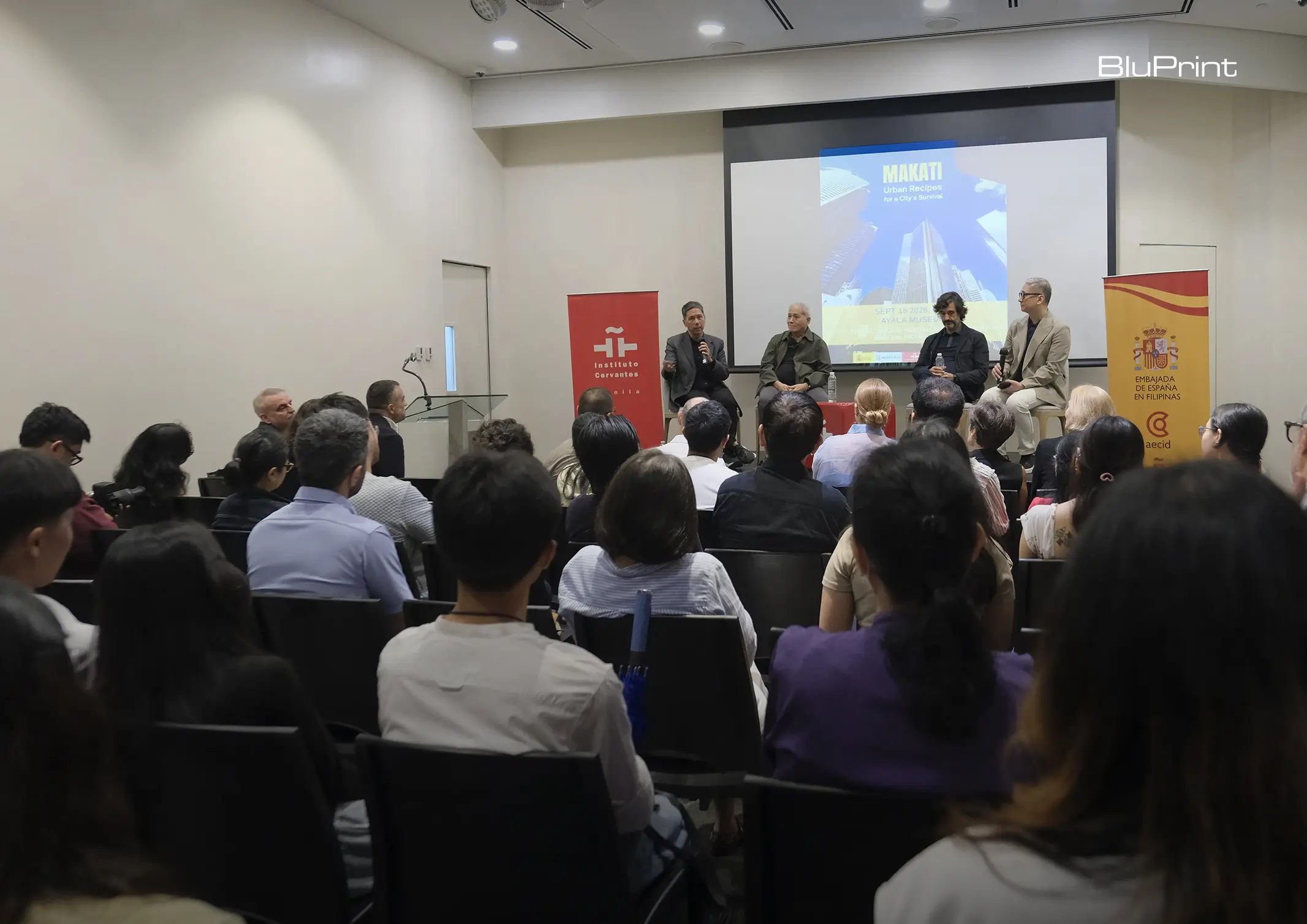
How can better-planned cities create the conditions for more creative, livable, and resilient urban environments? “Makati Urban Recipes for a City’s Survival,” a colloquium held at the Ayala Museum on September 15, brought together architects and practitioners from the fields of urbanism and the creative economy to discuss how design, planning, and collaboration can address […]
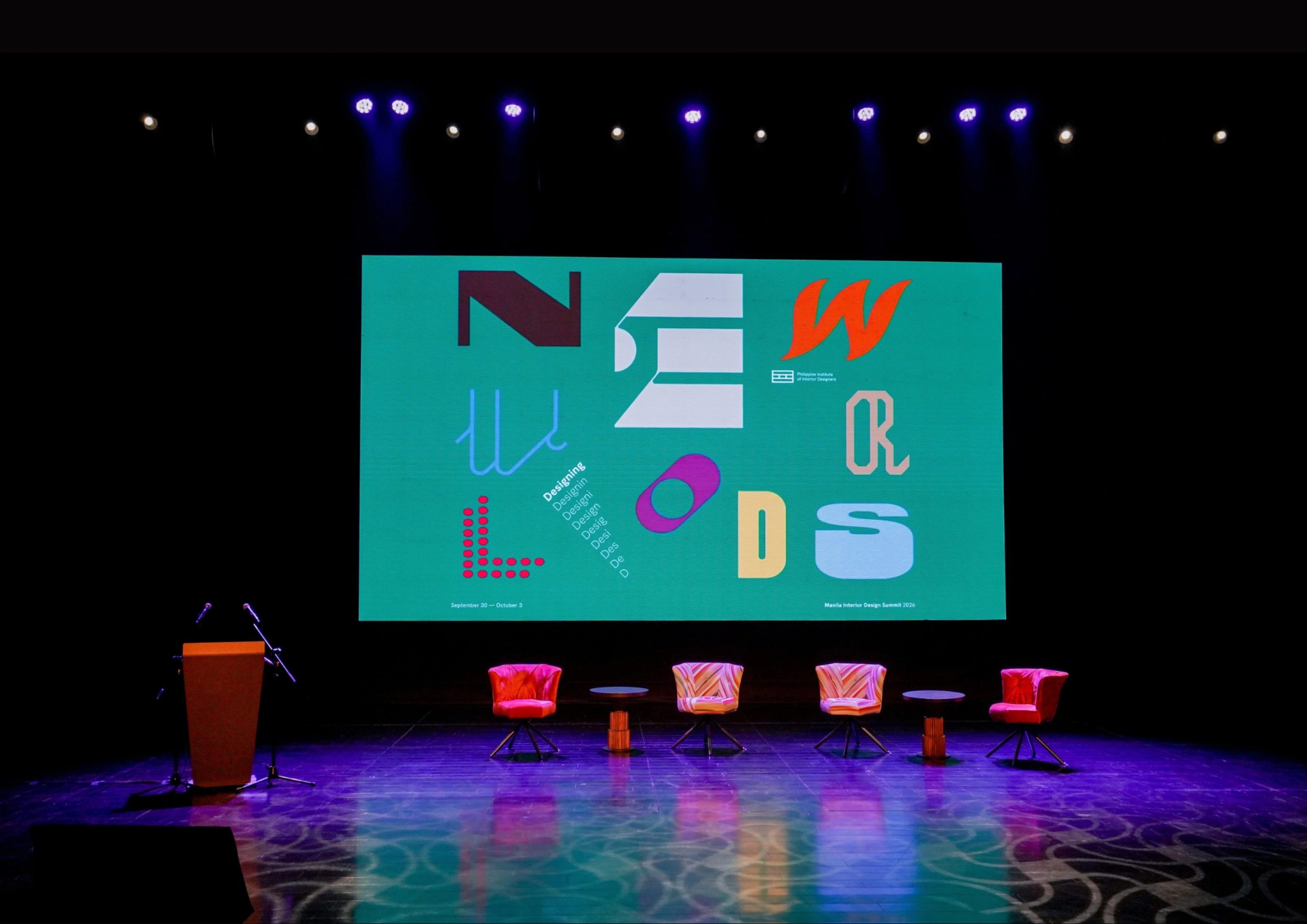
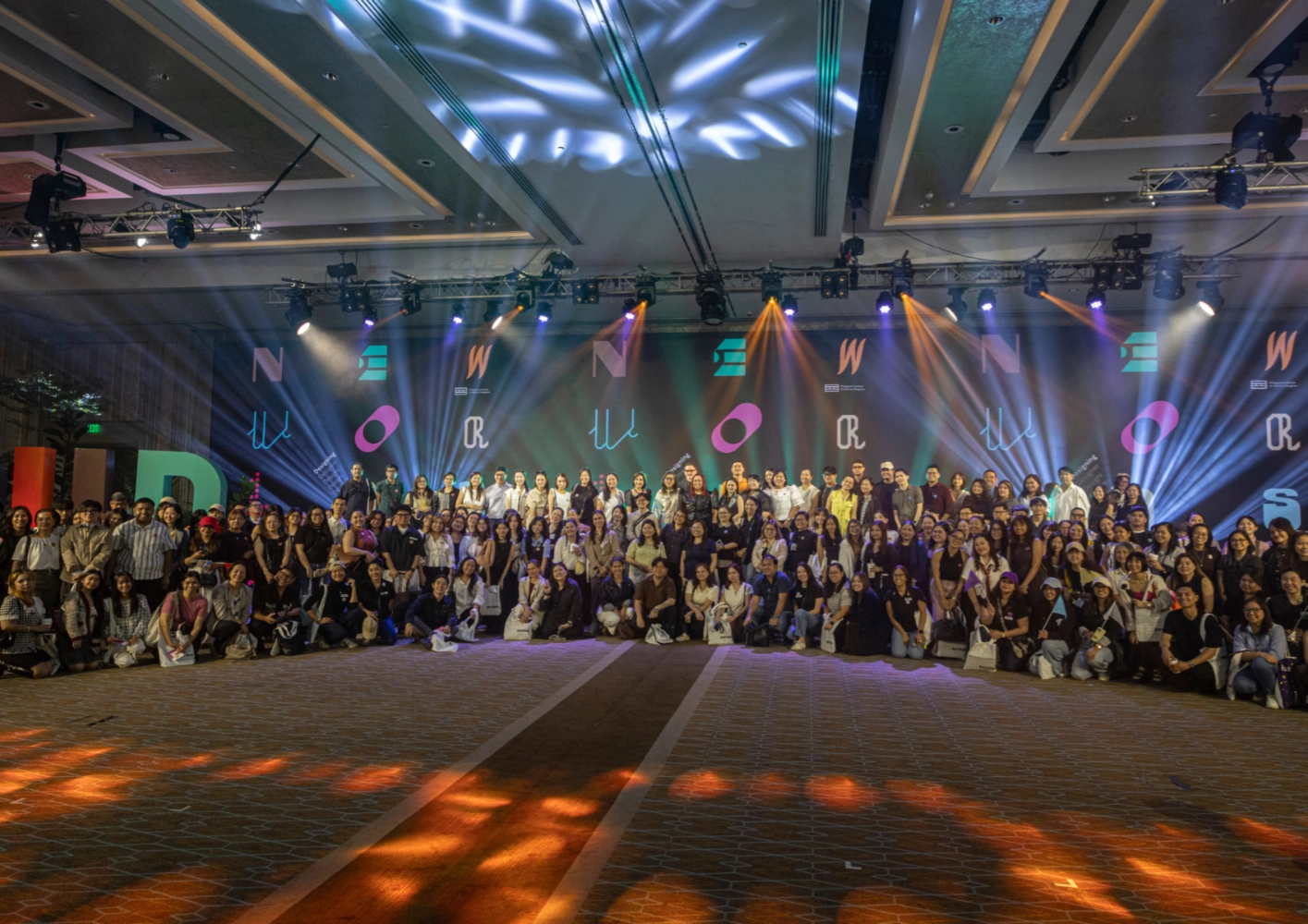
The fourth Manila Interior DesignInterior DesignThe discipline of planning and shaping interior spaces for function, comfort, safety, and beauty. It covers layout, lighting, materials, finishes, furniture, and color, and in the Philippines is a licensedGo to Interior Design Glossary Summit (MIDS) brought together more than 300 delegates for four days of conversations, exhibitions, and design […]
Read the issues.

Collect the volumes.

Recommended Video
Tap to Unmute
Unmute
0:00
0:00