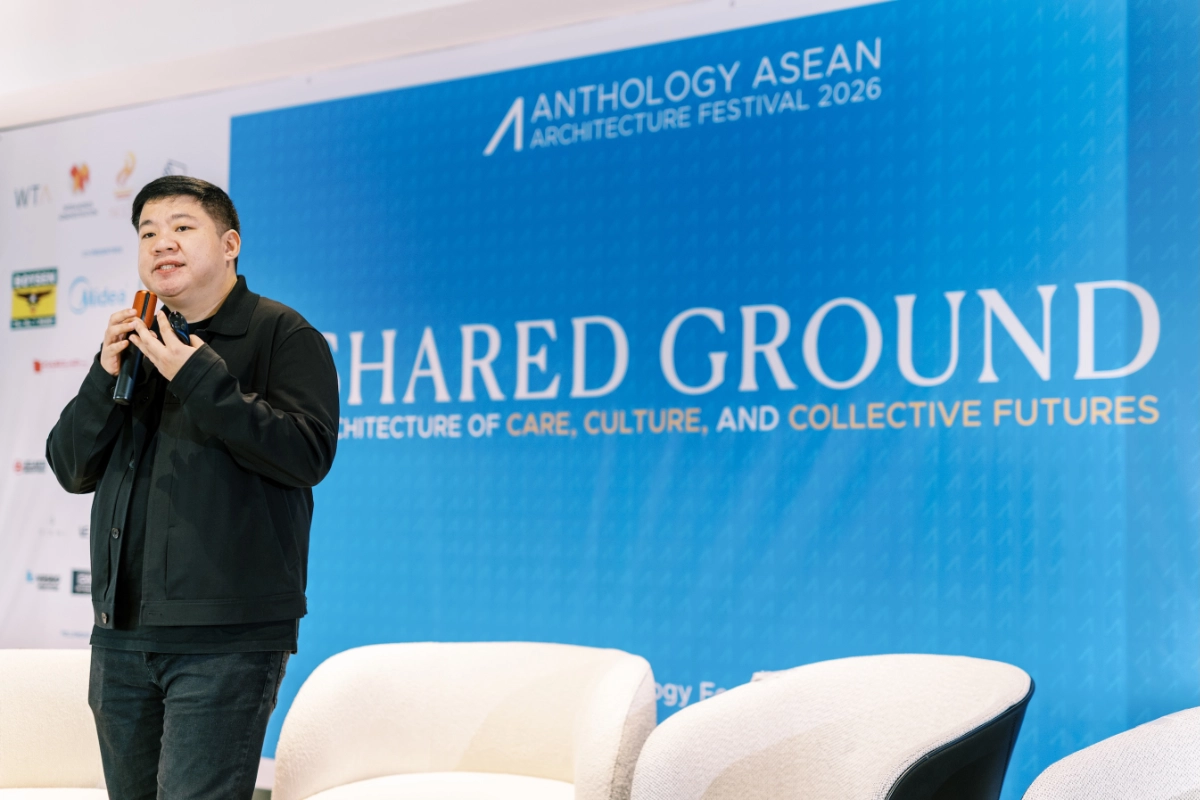
“Buildings only become architectureArchitectureThe art and science of designing and constructing buildings, structures, and spaces that are functional, safe, and aesthetically pleasing. It encompasses the planning, design, materials, and techniques used to createGo to Architecture Glossary when they are shared,” said William Ti Jr., founder of the Anthology Festival and WTA Architecture and Design Studio, […]
In Conversation with the Past: A Look Into Adaptive Reuse



Over the past decades, adaptive reuse has been utilized as a sustainable alternative for the built environment. It involves repurposing existing buildings for a new use, allowing the past to remain while serving a modern purpose. Here, structures facing potential demolition or no longer serviceable are seen as sources of raw materials for new projects.
More than just breathing new life into existing structures, this process also offers environmental and social benefits. In some cases, it also allows us to retain our national heritage. This year, we have witnessed this approach applied in various forms, from residential to civic architectureArchitectureThe art and science of designing and constructing buildings, structures, and spaces that are functional, safe, and aesthetically pleasing. It encompasses the planning, design, materials, and techniques used to createGo to Architecture Glossary. BluPrint summarizes its coverage of adaptive reuse in 2025.
AP House: An 80s Revival
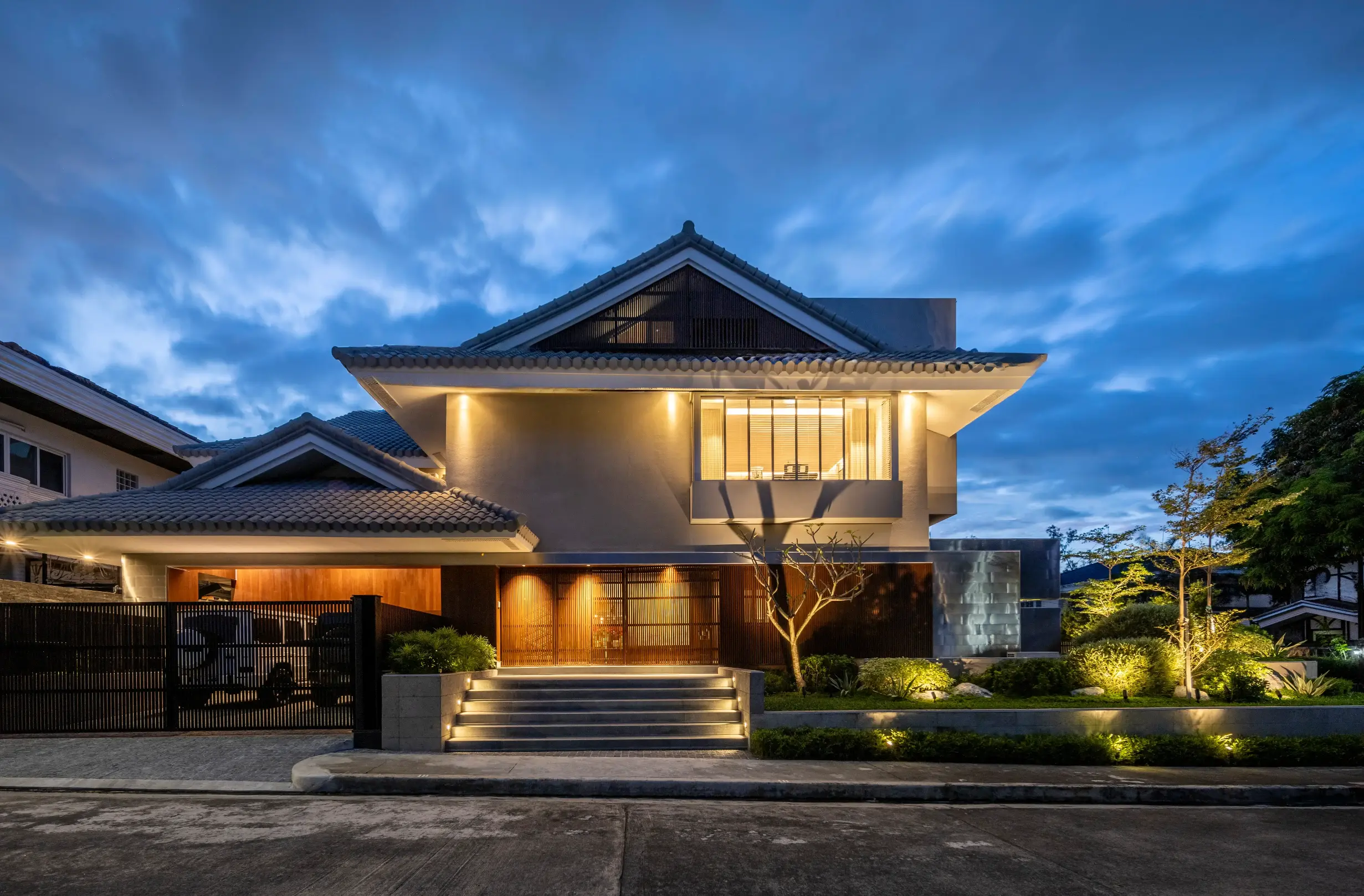
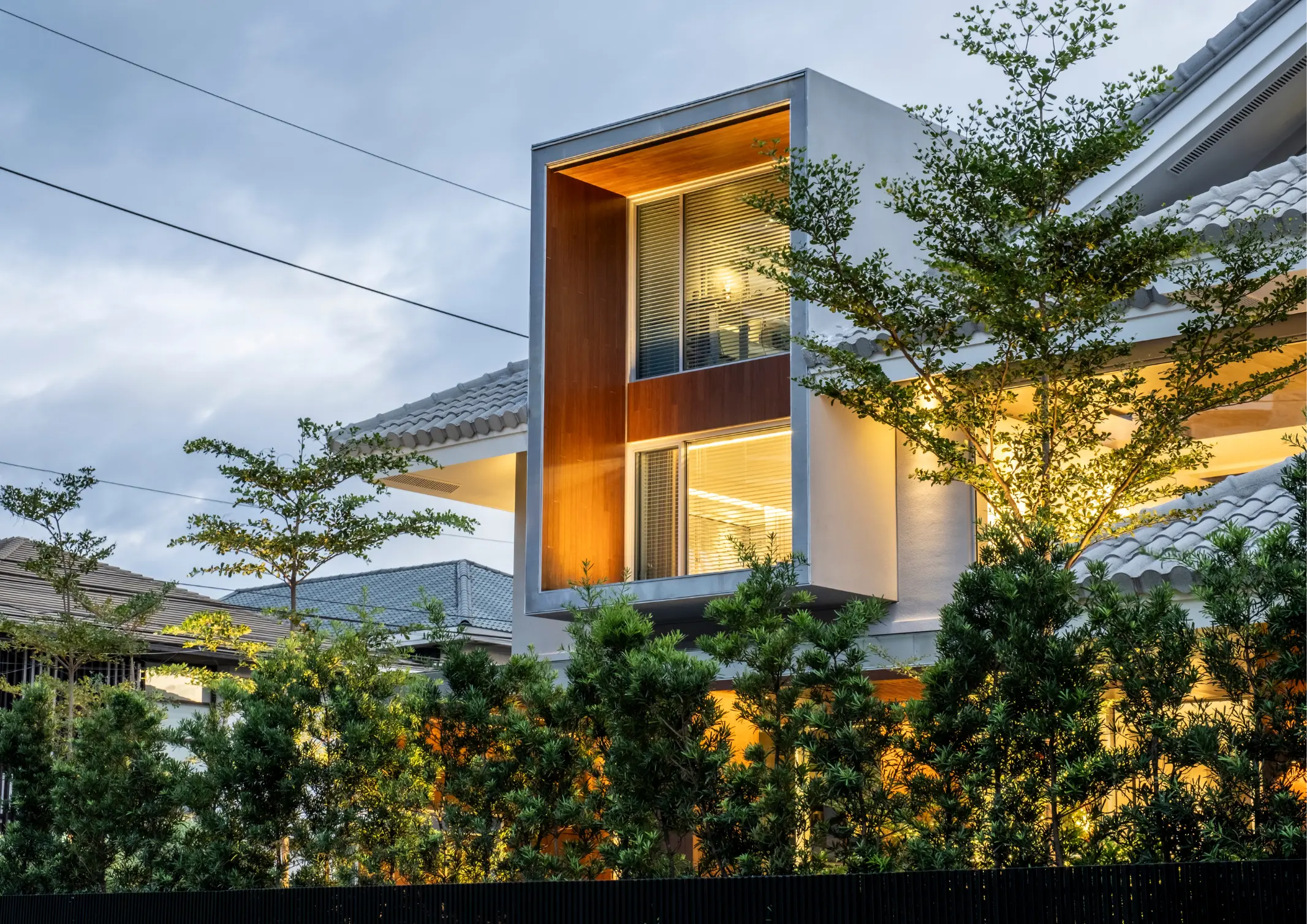
The client of this 1980s 40-year-old home initially considered demolishing the structure. However, Don Lino Architects saw potential in their client’s home. Through adaptive reuse, the architects modernized and revitalized the structure. Envisioning an evolution of the space without erasing its past, the renovations kept the home’s essence while adapting to contemporary living standards.
Situated in Quezon City, the home’s façade is defined by a preserved, pitched tiled roof that contrasts with a modern rectangular volume. Extending from the original structure to represent the home’s evolution, Architect Lino explained that this creates a dialogue between the past and present.
With the clients’ flexibility to explore a major renovation, the architects were able to push architectural boundaries. For instance, material selections further reinforced the contrast between past and present. The architects’ unconventional use of stainless steel cladding added a modern edge, while the monochrome palette created a cohesive and refined aesthetic. From its original 800 square meters to a now 1,100 square meter lot, this four-bedroom home was transformed into a repurposed space fit for contemporary standards.
Embracing Potential: Vessel Hostel
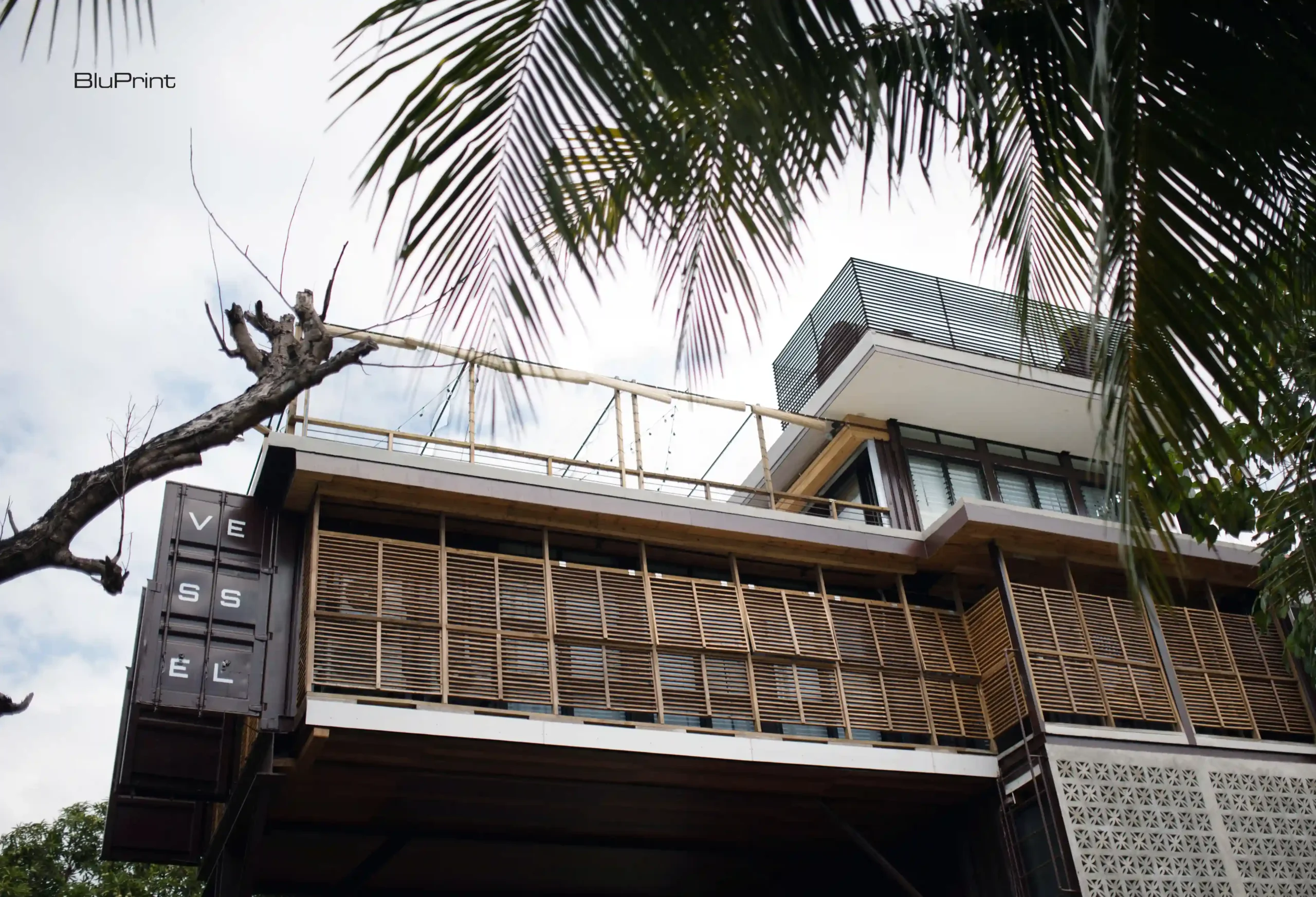
Architects Buji Libarnes and Nikki Dela Paz-Libernes unlock hidden potential in what others might overlook through their works. Tucked in La Union’s coastline, the Vessel Hotel is a masterclass on adaptive reuse. Sourced from the frequent shipping containers arriving at its ports, this material source reflects on its local environment.
The structure used steel boxes designed to withstand long-haul transport. From cargo to comfort, its rigid exterior and sole purpose for function were transformed into a livable space. Blending industrial minimalism with the easygoing spirit of a coastal retreat, the hostel makes for a bustling space for guests. Despite sharing a compact lot with the architects’ private residence, the industrial units went beyond their constraints—letting creativity flourish.
Museo Pambata: A New Chapter of Creativity and Education
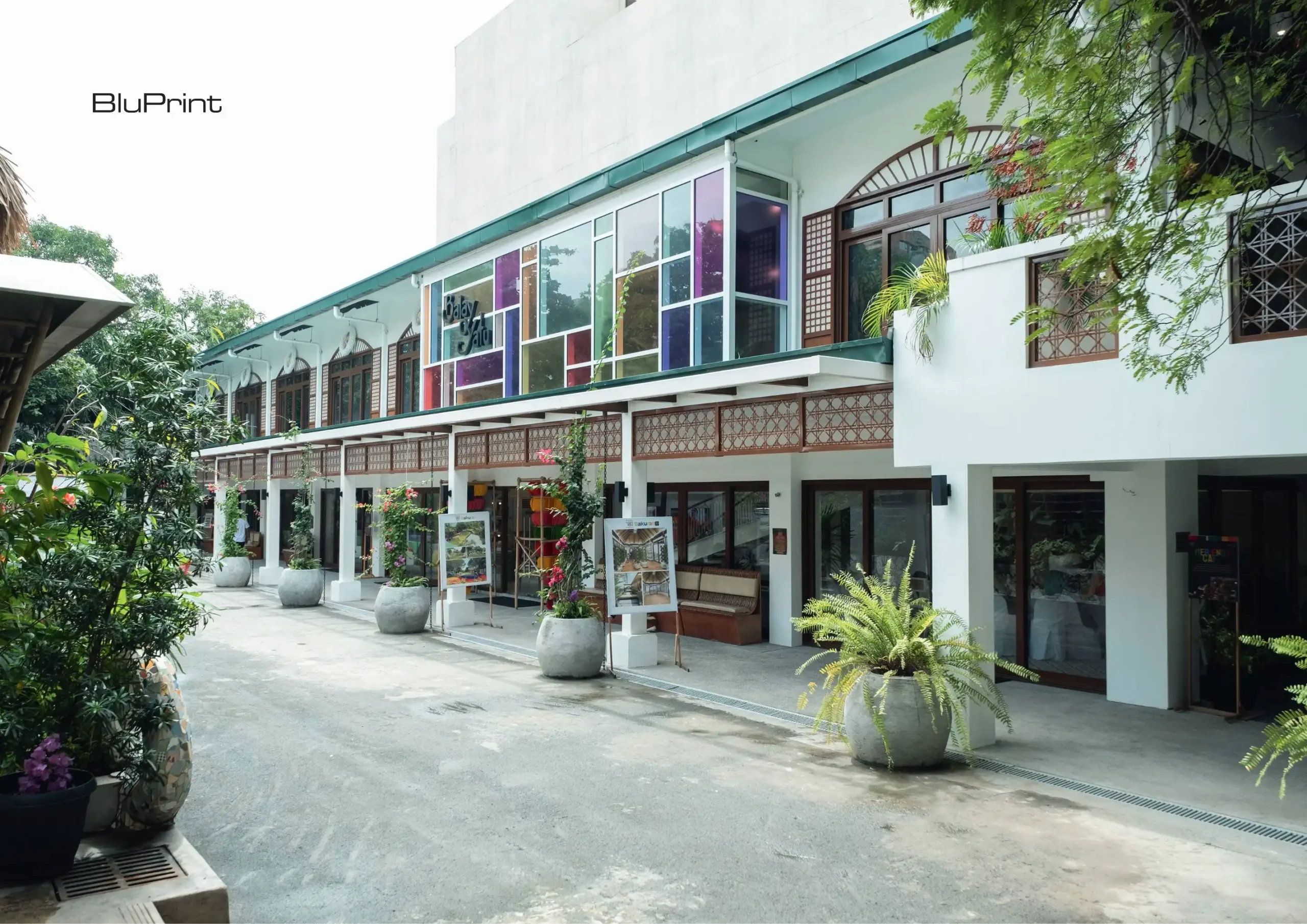
After 30 years of service, Museo Pambata was closed off to the public during the pandemic. Bambi Mañosa-Tanjutco, then President of Museo Pambata, saw this as an opportunity to transform the structure to better meet today’s generation’s needs. The result is the transformation of its annex building into the first youth-curated space in the Philippines and in Asia: the Balay Yatu.
The building was a condemned structure that had sustained severe damage from an earthquake. Under the hands of TAYO Design Studio, it was then reimagined as a youth-led cultural hub through adaptive reuse. Merging creative spaces with climate advocacy, Architect Noel Saraton led the redesign and rebuilding of the structure.
Inside, the space can be rented out for events, children’s conferences, and exhibits. By transforming a space no longer in use into a cultural hub.
National Museum of Natural History
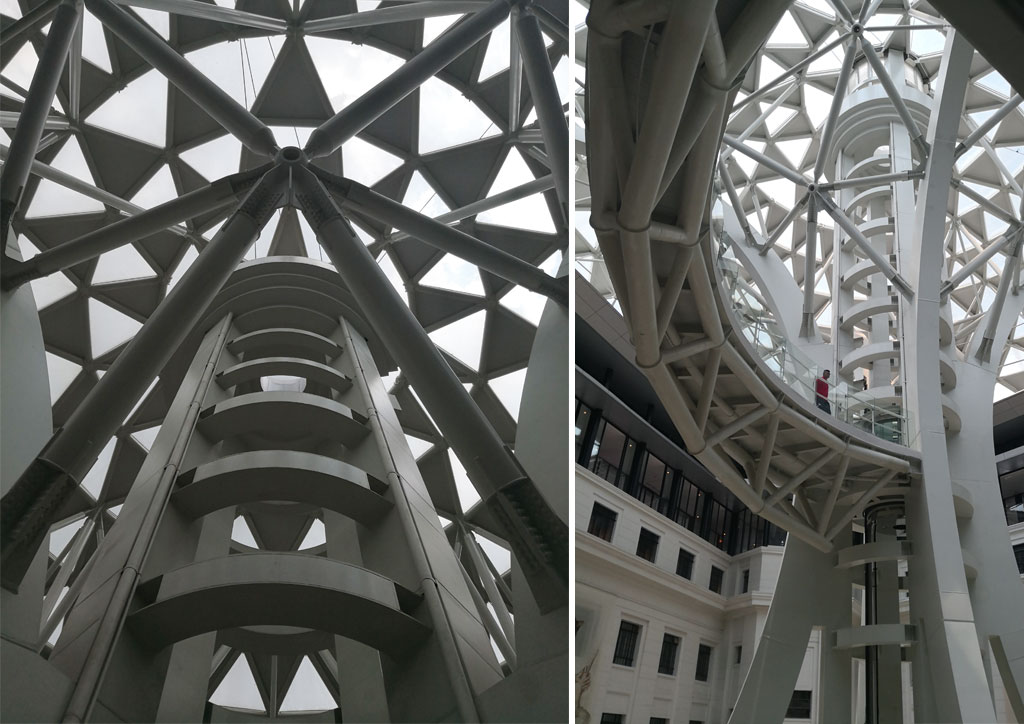
From the 1939 Department of Agriculture into the National Museum of Natural History, Dominic Galicia’s restoration and construction stand out among the rampant destruction of built heritage. The structure is one of the last few vestiges of Daniel Burnham’s 1905 plan for Manila. Tucked within the dense urban landscape of the nation’s capital, the museum offers residents spatial relief as one of the few public spaces.
Founded on man’s expression of trying to understand nature through time, its design language of preservation and innovation is best showcased in the Tree of Life. As the heart of the project, it balances the practical requirement of covering the courtyard while providing the structure with a central narrative core. Acting as a defining design element, it is visually compelling as much as it is pragmatic.
Architect Galicia also took the processional narrative into account, encouraging people to explore the space from top to bottom. Once visitors arrive at the fifth floor, they are welcomed into the first gallery of the curatorial wing. From there, you can take the ramp that takes you down to the lowest floor.
The contrast between old and new is best seen on the sixth floor. What began as a hodgepodge of additions and expansions conducted over the decades has now been renovated. Its clean steel and glass create a mediating band between the patrimonial base from 1939 and the dome of the 21st century.
The Old and the New
Beyond the physical transformation adaptive reuse can bring, it can also revive surrounding communities by breathing life into dilapidated structures. This approach enables our existing buildings to experience time alongside humanity, creating contemporary spaces that echo the past.
Read More: The DNA of the National Museum of Natural History
Frequently Asked Questions
In the AP House project, Don Lino Architects transformed a 40-year-old 1980s home by contrasting its heritage elements with hyper-modern materials. Technically, the architects preserved the original pitched tiled roof (the “past”) and intersected it with a new rectangular modern volume (the “present”). To emphasize this evolution, they used unconventional stainless steel cladding and a monochrome palette, expanding the structure from 800 to 1,100 square meters without losing its original residential essence.
Vessel Hostel in La Union is a masterclass in repurposing shipping containers. These steel boxes are engineered for high-durability long-haul transport, making them structurally sound but thermally challenging. Architects Buji Libarnes and Nikki Dela Paz-Libernes utilized industrial minimalism to transform these rigid functional units into livable hospitality spaces. The project proves that even condemned or surplus industrial materials can be optimized for human habitation within a compact coastal lot.
The Balay Yatu annex was a condemned building that had suffered severe earthquake damage. Through adaptive reuse, TAYO Design Studio and Architect Noel Saraton reimagined the ruins as a youth-curated cultural hub. Technically, the project involved stabilizing the damaged framework and blending colonial architectural influences with local elements. This repurposing successfully pivoted a “safety hazard” into a creative space dedicated to education and climate advocacy.
The National Museum of Natural History (formerly the 1939 Department of Agriculture building) features the “Tree of Life” as its central architectural intervention. Designed by Dominic Galicia, this structure serves three technical roles:
Pragmatism: It provides the structural support for the glass dome covering the central courtyard.
Narrative: It acts as a visual metaphor for man’s relationship with nature.
Logistics: It houses the elevator system that facilitates the “processional narrative,” taking visitors to the top floor so they can descend via ramps through the galleries.
On the sixth floor of the National Museum of Natural History, Architect Galicia used a “mediating band” of steel and glass. This technical choice serves to visually and structurally separate the patrimonial 1939 base from the 21st-century dome. By using clean, modern materials to replace a “hodgepodge” of previous decades’ additions, the architects created a clear distinction between historical layers, allowing the old and new to coexist without architectural confusion.
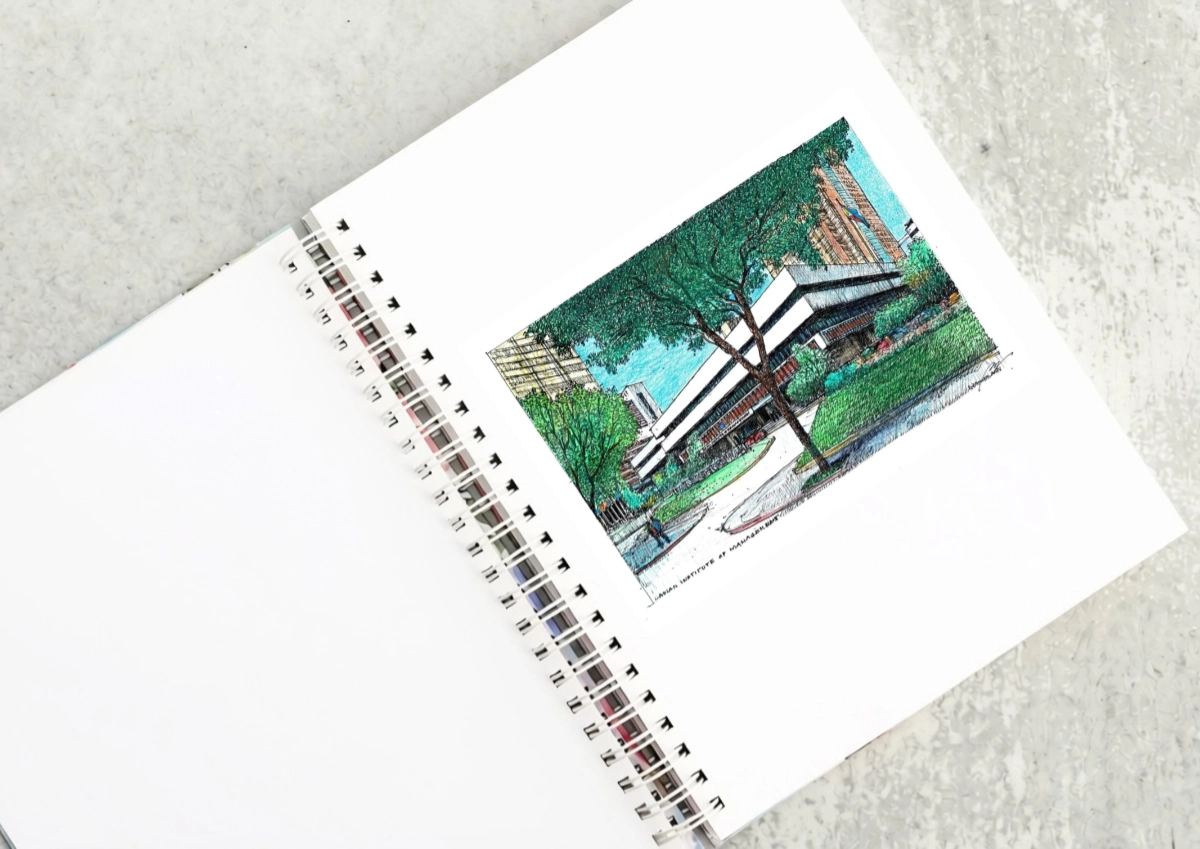
A Filipino Interpretation of Modernist Architecture Unlike the rest of Makati today, the northern end of Paseo de Roxas in Makati is anchored by a low complex rather than a tall skyscraper. This is the elegant Asian Institute of Management, designed by architect Gabriel Formoso and completed in 1971. In my opinion, the building is […]
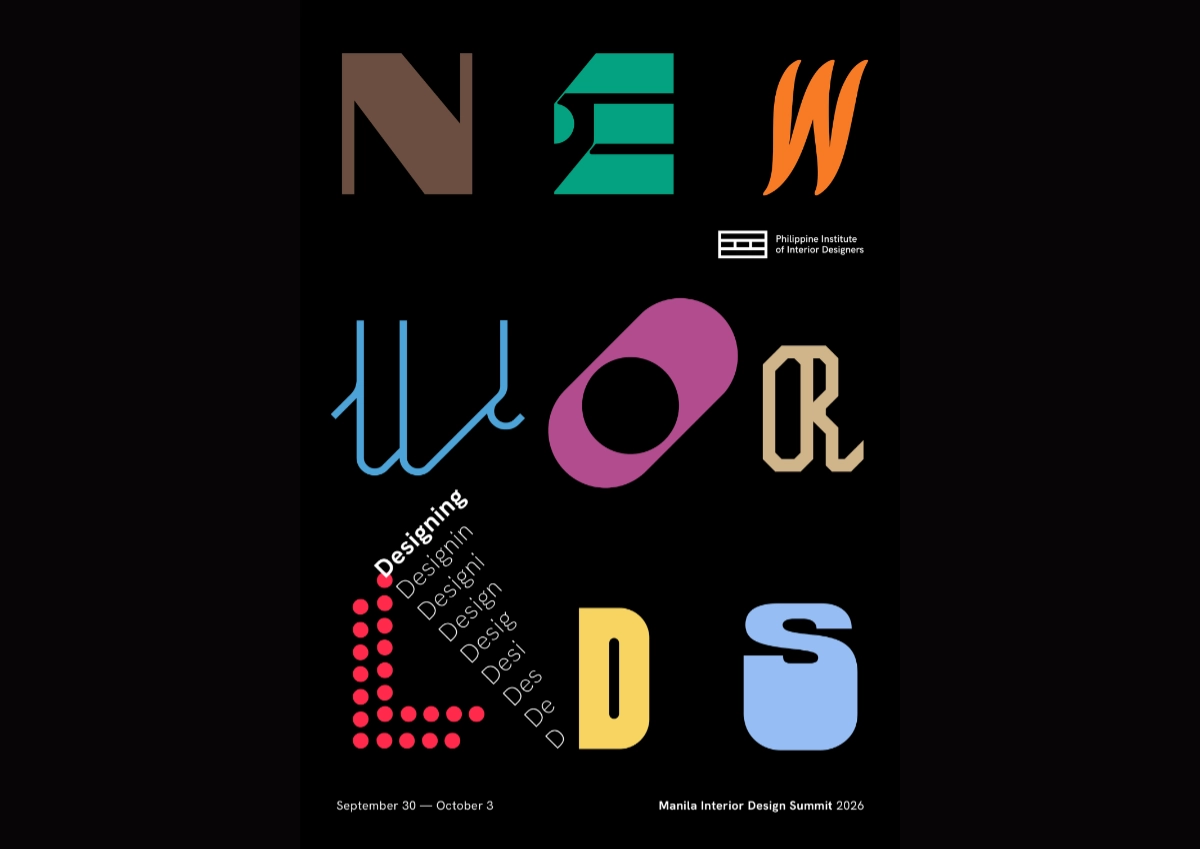
“Thailand has claimed urban creativity and livability. Singapore has institutional design leadership. Indonesia is emerging as a design hub. Vietnam is moving into design innovation. And the Philippines? Its position is not weak. It is simply unclaimed.” For IDr. Cecil Ravelas, National President of the Philippine Institute of Interior Designers (PIID), the challenge is not […]
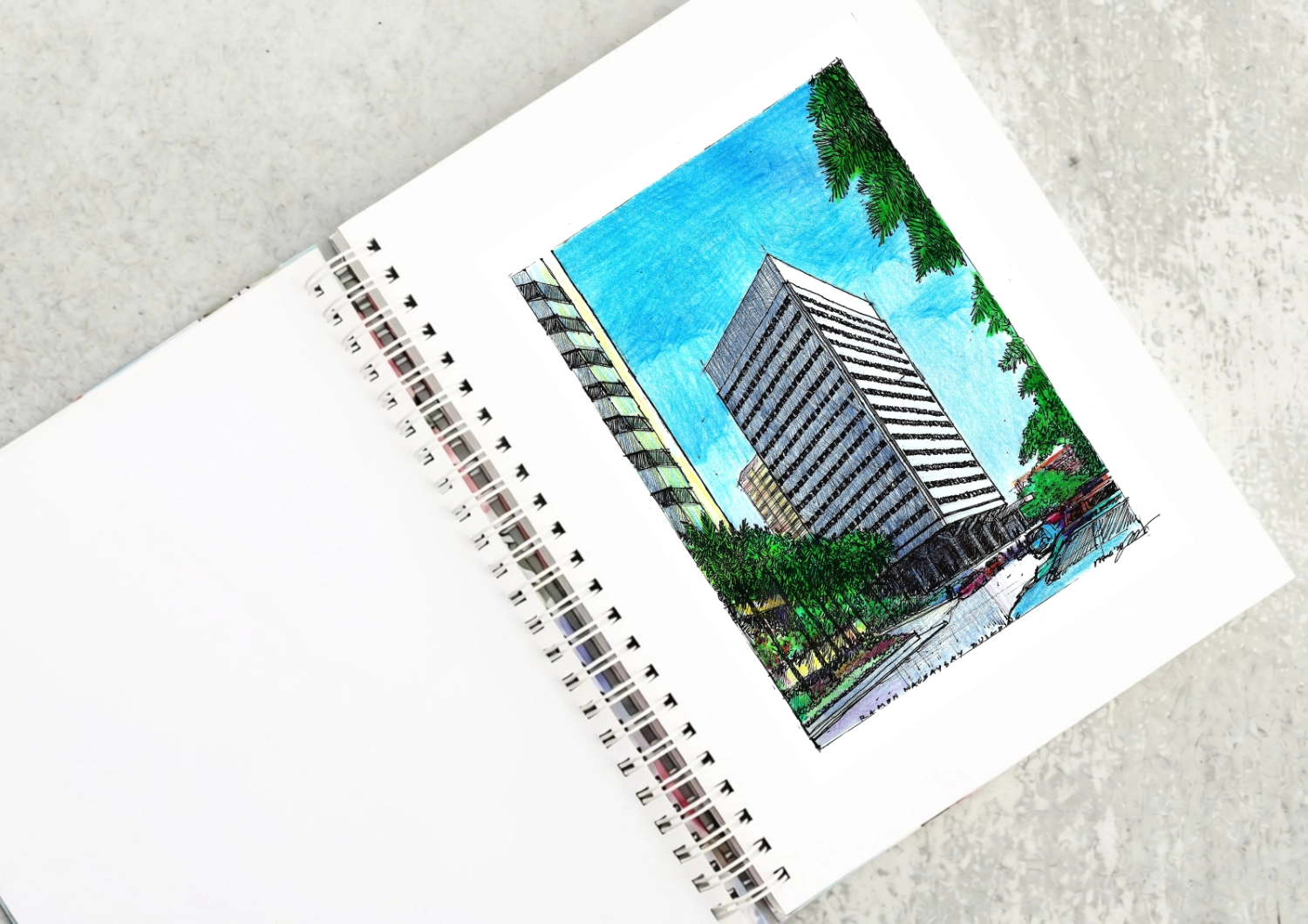
The Ramon Magsaysay Center as a Modernist Landmark Driving down Roxas boulevard from Rizal Park, what will catch your eye is the most elegant modernist structure in the country, the Ramon Magsaysay Center. Most established Filipino architects put it in their top ten lists of favorite buildings. It was designed by Alfredo J. Luz, who […]

Rinna Soriano’s favorite part of her work is sanding. At her workbench, she stays focused, following the grain, adjusting to changes in its direction. Narra, she has learned, can have interlocking grain. A piece of mango once proved particularly difficult until a worker explained that she had reached the point where a branch once grew […]
Read the issues.

Collect the volumes.

Recommended Video
Tap to Unmute
Unmute
0:00
0:00