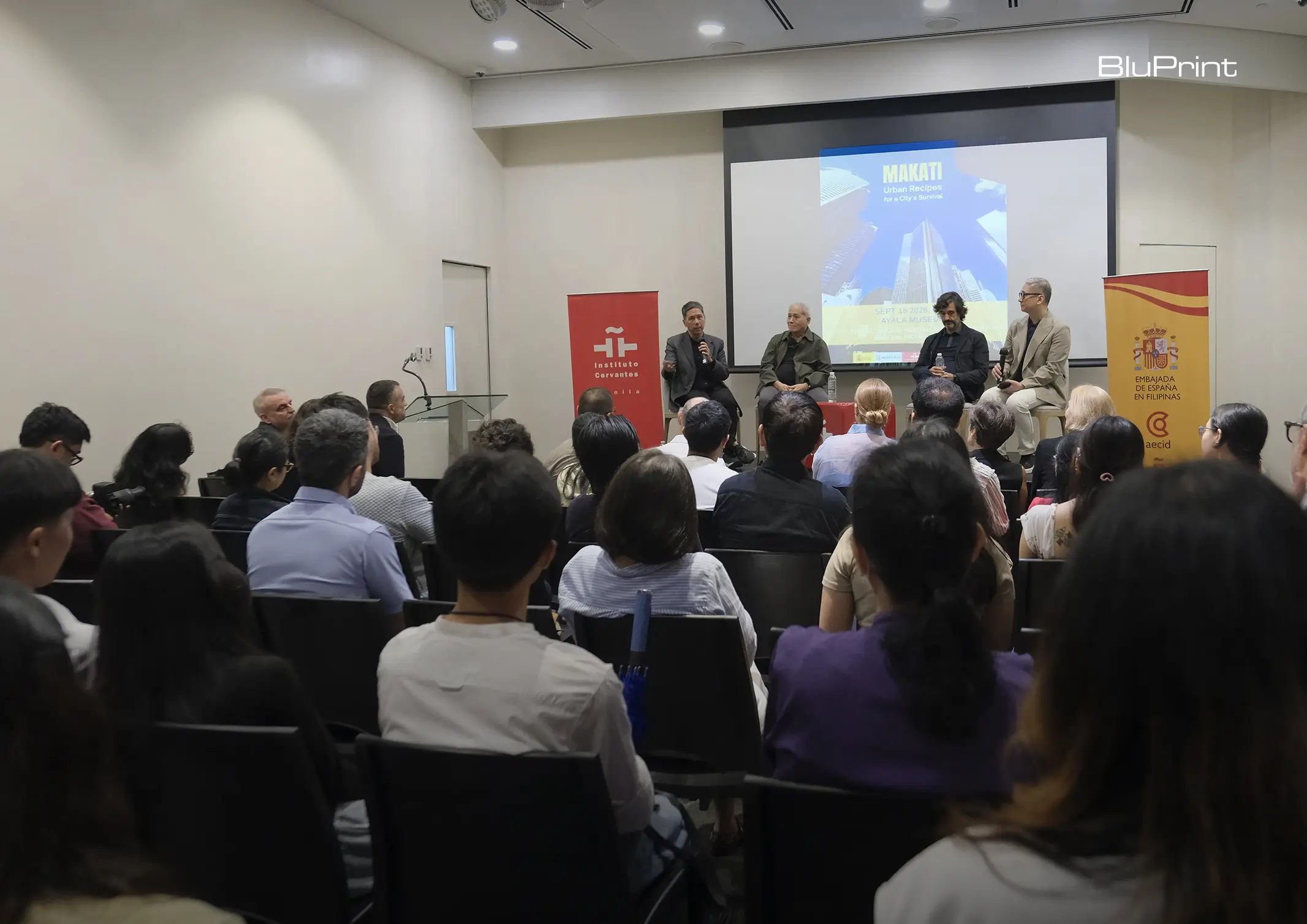
How can better-planned cities create the conditions for more creative, livable, and resilient urban environments? “Makati Urban Recipes for a City’s Survival,” a colloquium held at the Ayala Museum on September 15, brought together architects and practitioners from the fields of urbanism and the creative economy to discuss how design, planning, and collaboration can address […]
‘Sanctuary of Becoming’: Ciane Xavier and Sustainable Breathing Spaces in Design



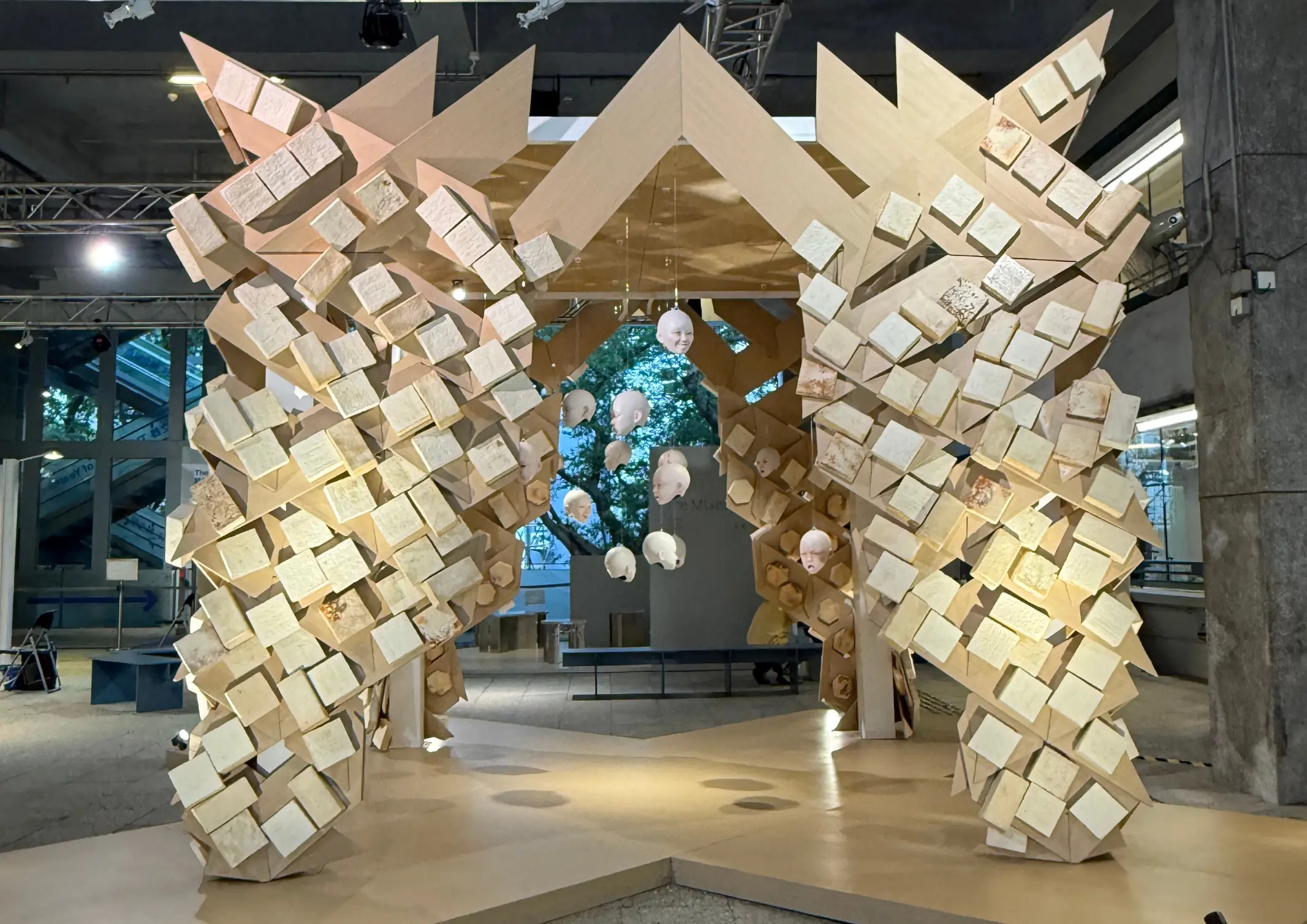
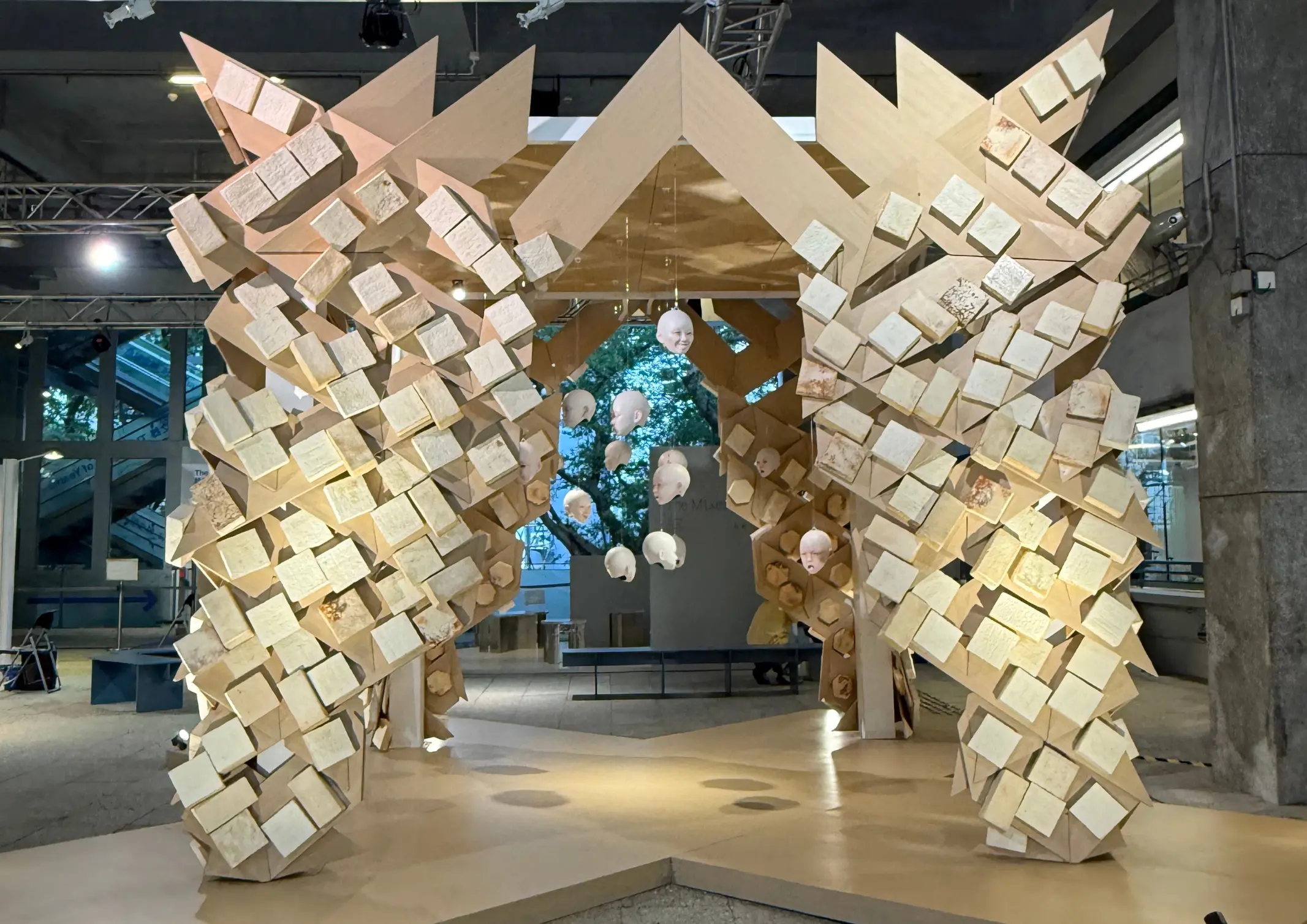
Sanctuary of Becoming is an exhibition by Ciane Xavier at the deTour 2025 Design Festival in Hong Kong. The exhibition was selected by the curatorial team because of its “fusion of mycelium architectureArchitectureThe art and science of designing and constructing buildings, structures, and spaces that are functional, safe, and aesthetically pleasing. It encompasses the planning, design, materials, and techniques used to createGo to Architecture Glossary, emotional robotics, and figurative sculpture,” as they sought more groundbreaking designs for their festival this year.
The deTour 2025’s theme was “The Shape of Yearning,” which invited designers from China, Switzerland, the United States, Italy, and the Philippines to showcase their interpretations of the idea, turning the venue into a “living, responsive canvas” with an “immersive sensory experience,” according to the press release.
“This year’s deTour at PMQ presents an exceptionally impressive lineup, bringing together some of the most innovative voices in design, material research, and interdisciplinary practice,” the curatorial team said about the project.
A Morphing Environment
Xavier developed the exhibition in partnership with Singaporean modular construction company Homeqube, whose models center around sustainable, renewable housing units. Together they created the mycelium-built architectural structure central to the exhibition. The structure, made of wood and other renewable biomaterials, crafted a warm, welcoming space for visitors.
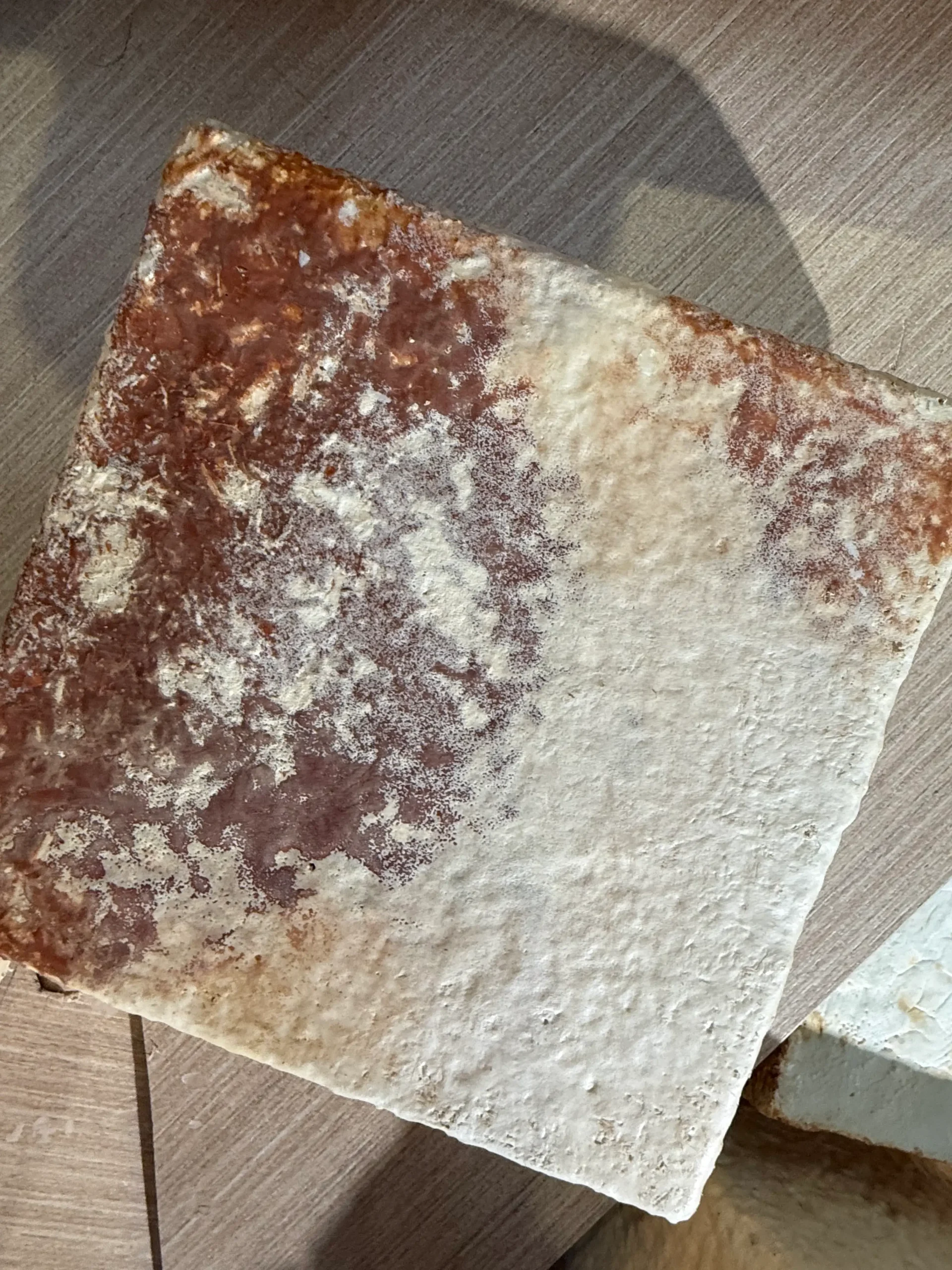
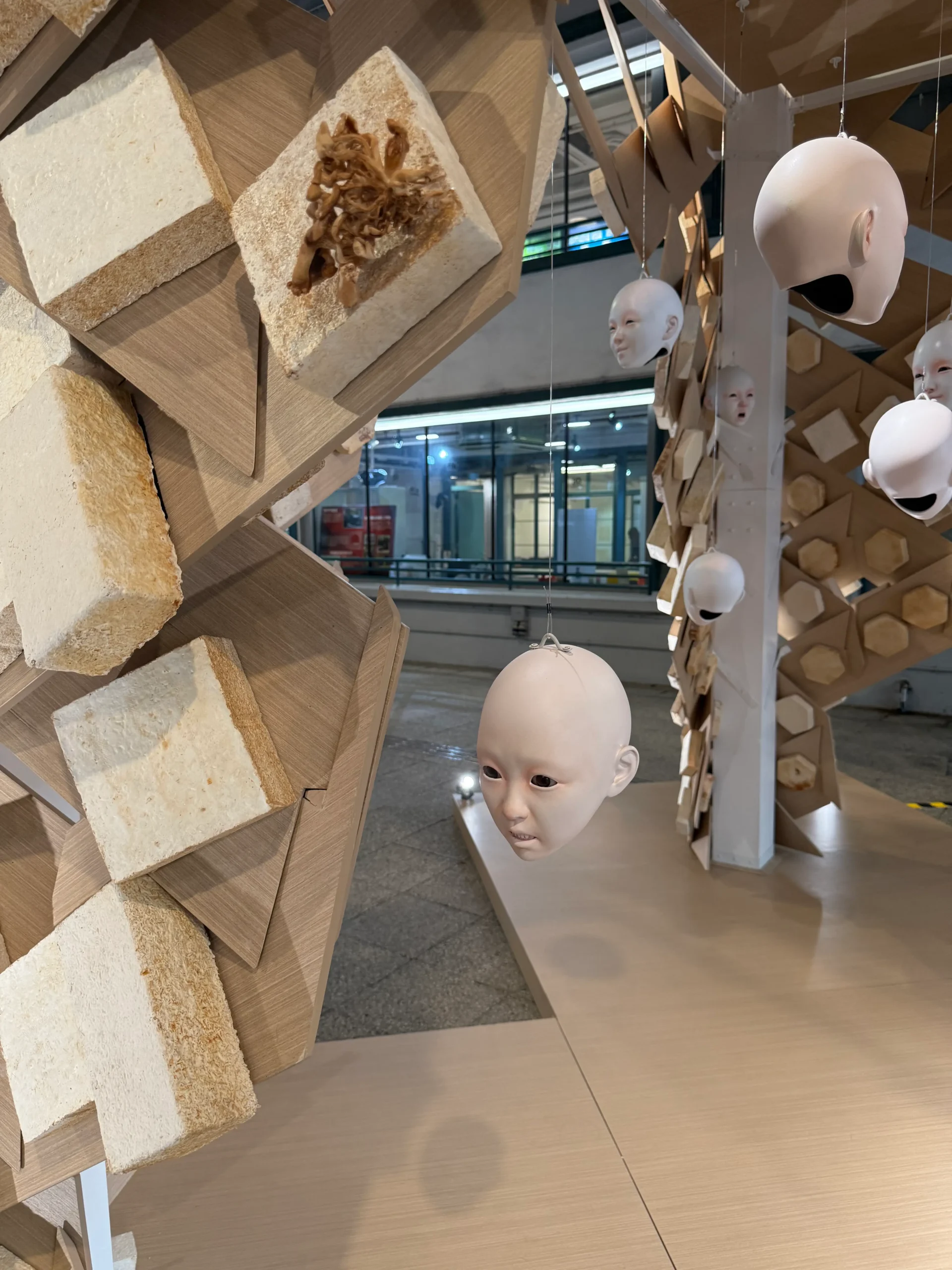
The angular pavilion design allows for multiple wooden shapes to populate the frame of Sanctuary of Becoming. For these small design hallmarks, Xavier added signs of life to the unit, with some areas having small mushroom blooms and other organic objects appearing within it.
“This living, organic architectureArchitectureThe art and science of designing and constructing buildings, structures, and spaces that are functional, safe, and aesthetically pleasing. It encompasses the planning, design, materials, and techniques used to createGo to Architecture Glossary forms a refuge-like pavilion,” the exhibit write-up said. “[P]art shelter [and] part spiritual threshold, the space breathes with texture—grown, sculpted, and assembled by hand—inviting visitors into a world where fragility and transformation are not hidden but honored.”
Honoring Our Emotional Depths
For Ciane Xavier, she wanted Sanctuary of Becoming to be an area that allowed exploration of the self and the identity that hides within. The exhibition “extends Xavier’s long-term artistic inquiry into fragmentation and rebirth, merging craft, sustainability, and post-human tenderness.”
The structure has ceramic heads hanging from the ceiling representing different emotions like grief, longing, and wonder. In the middle of these ceramic heads is one robotic head that mirrors the emotions of the viewer in a “quiet yet uncanny” way. Alongside it are whispered voices “that speak of belonging, memory, and spiritual metamorphosis.”
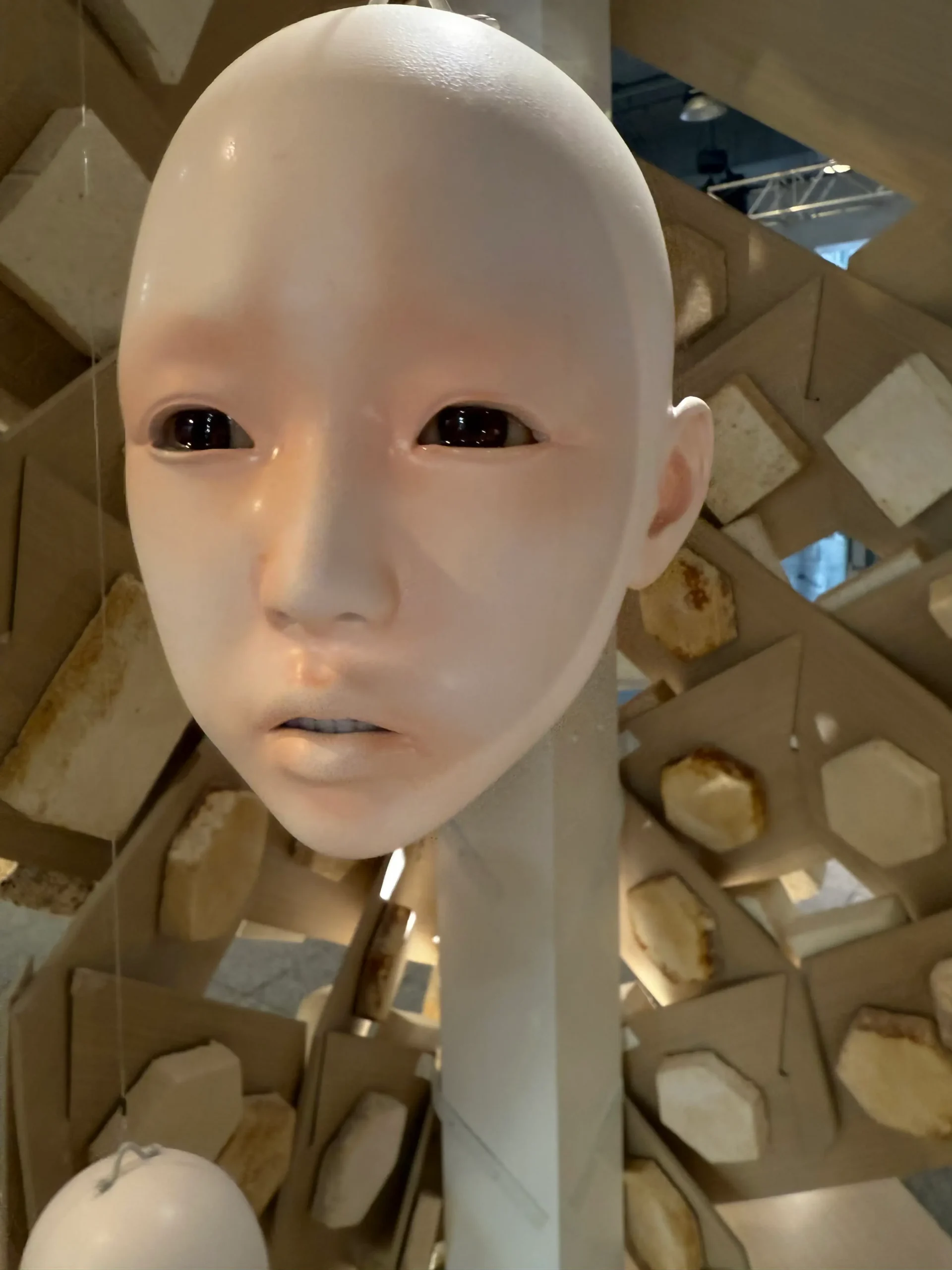
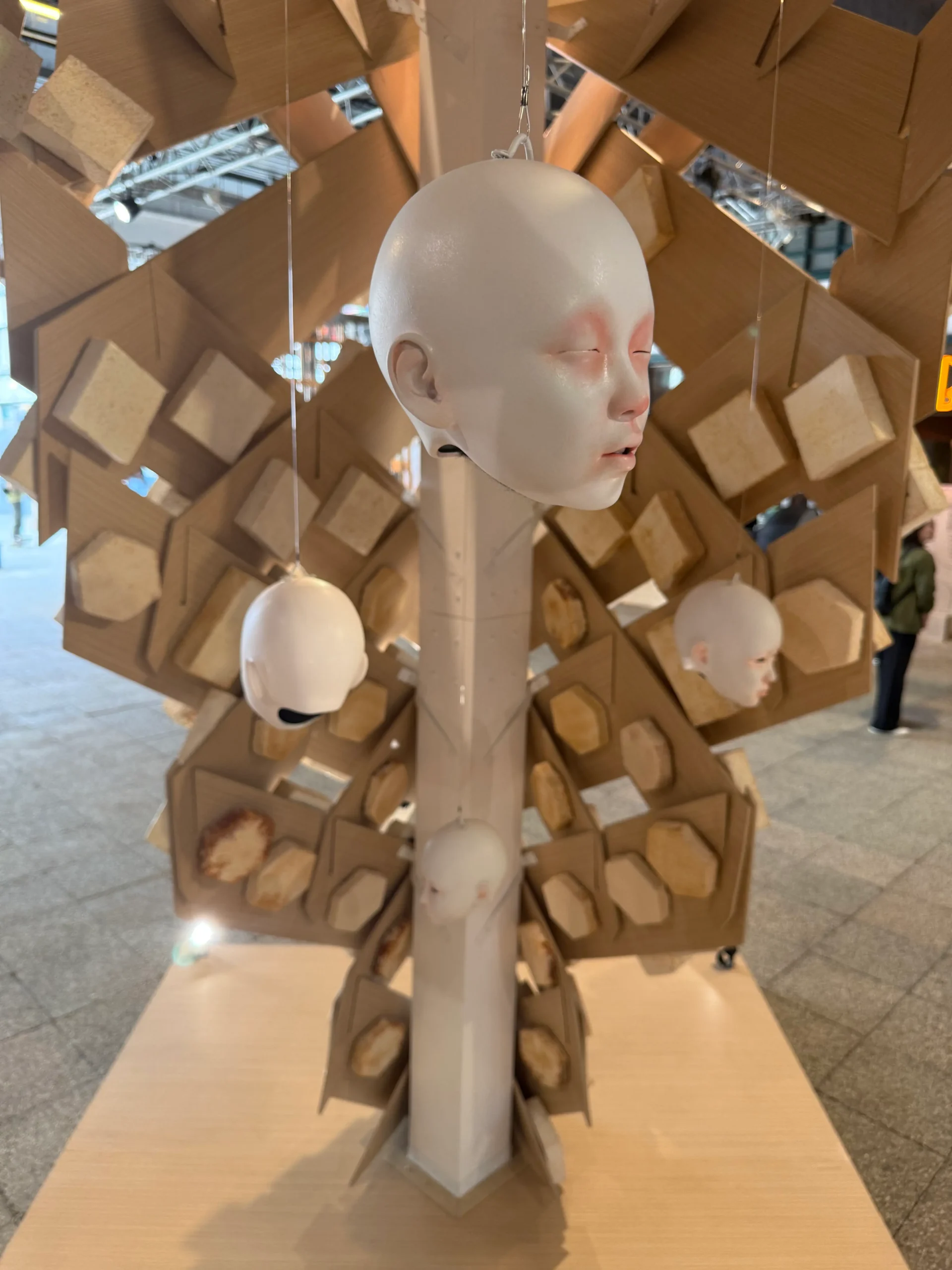
Materially, it all came together as a structure that showed the indefinite possibilities that design has in creating tactile environments that encourage thought rather than kill it. Xavier’s work here proved that a more sustainable world that fuses the humanity of our emotions with the objects used to craft it is workable.
More than that, Sanctuary of Becoming reminded us of the essentiality of the environment to create those human emotions in the first place. Contemplative space is not just being in the woods alone, isolated from the world; it can also be built within the busy surroundings, a breather in a rushed habitat.
Read More: How Activism Proliferated in the Art Scene: BluPrint Year-End 2025
Frequently Asked Questions
The central structure was developed in partnership with the Singaporean modular construction company Homeqube. It utilizes mycelium—the root structure of mushrooms—combined with wood and other renewable biomaterials. Technically, this represents a shift toward “grown” rather than “manufactured” architecture. The structure is part shelter and part spiritual threshold, featuring actual mushroom blooms to demonstrate a living, breathing architectural skin that honors transformation and fragility.
Xavier integrates technology to bridge the gap between inanimate objects and human sentiment. While several ceramic heads representing emotions like grief and wonder hang from the ceiling, a central robotic head acts as the technological core. This robot mirrors the viewer’s emotions in a “quiet yet uncanny” way, creating a responsive environment where the architecture physically reacts to the psychological state of the visitor.
Homeqube’s involvement brings a layer of modular construction logic to the artistic pavilion. The angular design is populated with multiple wooden shapes within a sustainable frame, proving that renewable housing units can be both functional and highly decorative. This partnership demonstrates how modular systems can be used to create high-concept, “living” environments that are easily assembled by hand while maintaining a low carbon footprint.
The installation is designed as a “sensory canvas” that goes beyond visual sculpture. Along with the tactile mycelium and the visual robotics, Xavier incorporates whispered voices throughout the space. These audio elements speak of belonging and memory, creating an auditory layer of “post-human tenderness.” This multisensory approach forces visitors to engage in “inner work,” exploring their own fragmented identities within the sanctuary.
Traditional contemplative spaces are often associated with isolation in nature, but Sanctuary of Becoming proposes that a breather can be engineered within a “rushed habitat.” By combining craft, sustainability, and technology, Xavier proves that design can create a spiritual threshold in the middle of a city. The pavilion serves as a proof-of-concept for living architecture, suggesting that the future of urban design lies in structures that are both emotionally responsive and environmentally regenerative.
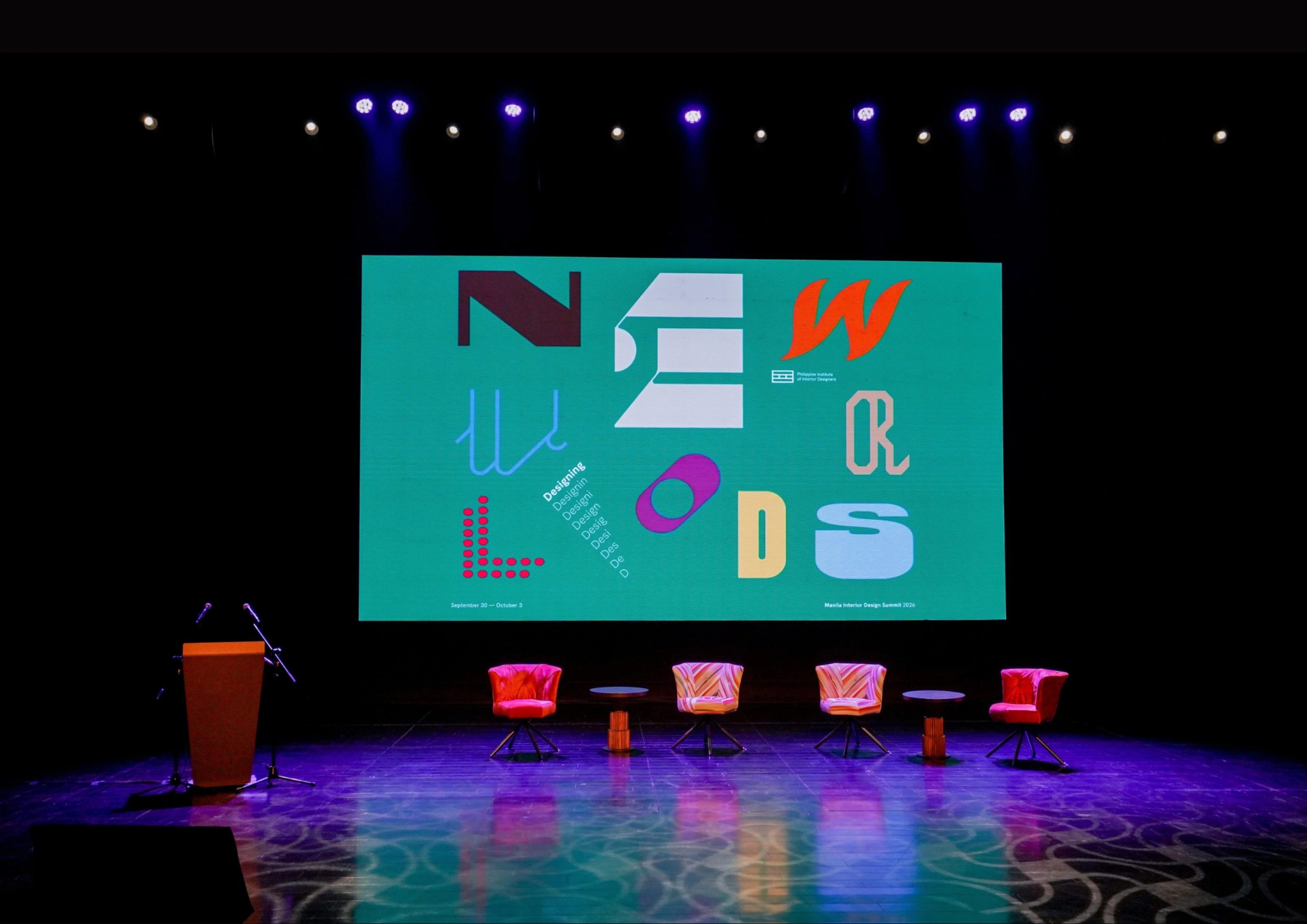
The fourth Manila Interior DesignInterior DesignThe discipline of planning and shaping interior spaces for function, comfort, safety, and beauty. It covers layout, lighting, materials, finishes, furniture, and color, and in the Philippines is a licensedGo to Interior Design Glossary Summit (MIDS) brought together more than 300 delegates for four days of conversations, exhibitions, and design […]
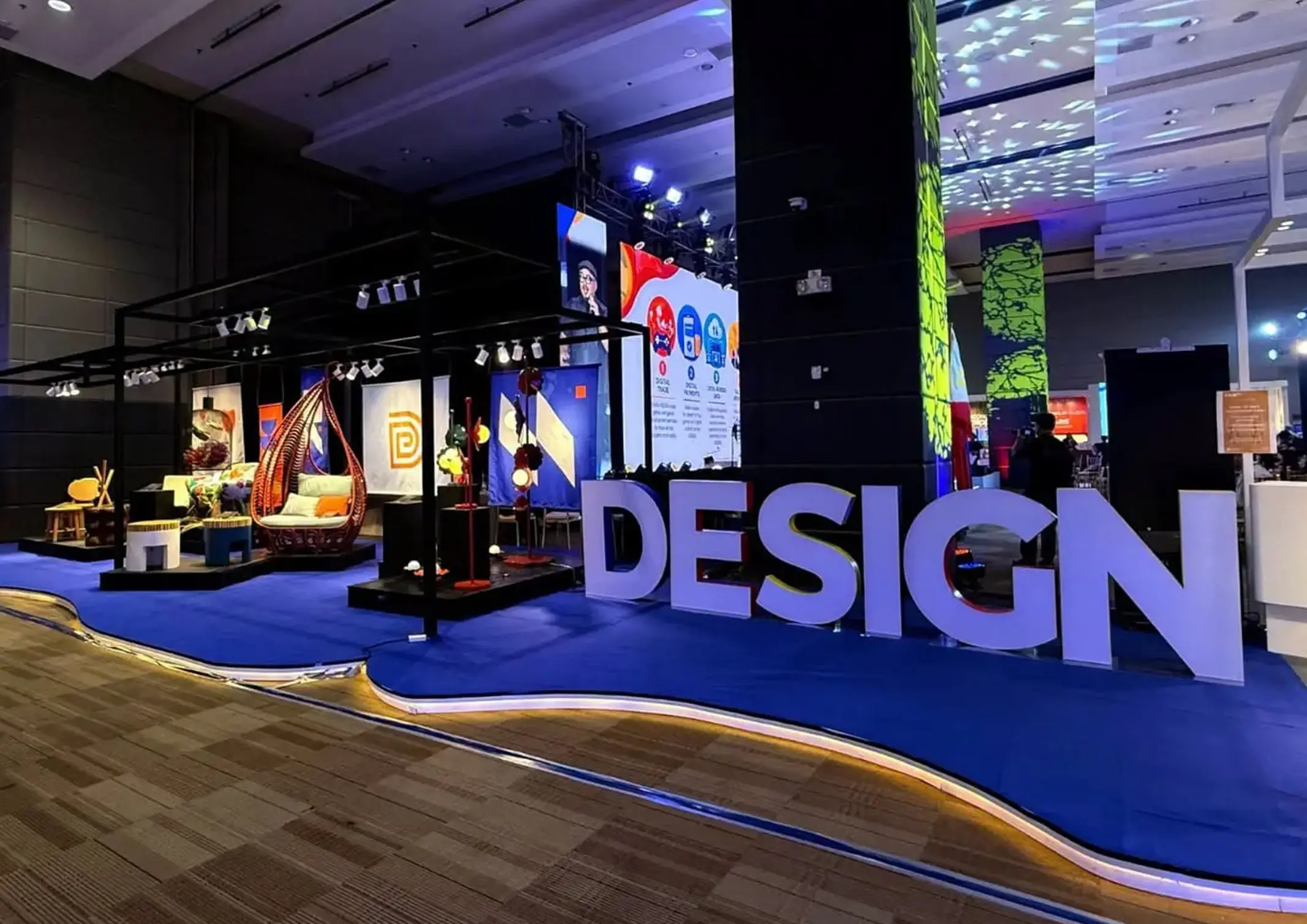
Held at the SMX Convention Center Aura in Taguig City, the first ASEAN Creative Industries Expo by Malikhaing Pinoy (ASEAN MPEx) features nine creative domains, including design, visual arts, digital interactive media, and performing arts. Organized by the Department of Trade and Industry (DTI), the event includes exhibitions, cultural performances, industry talks, and pitching sessions […]
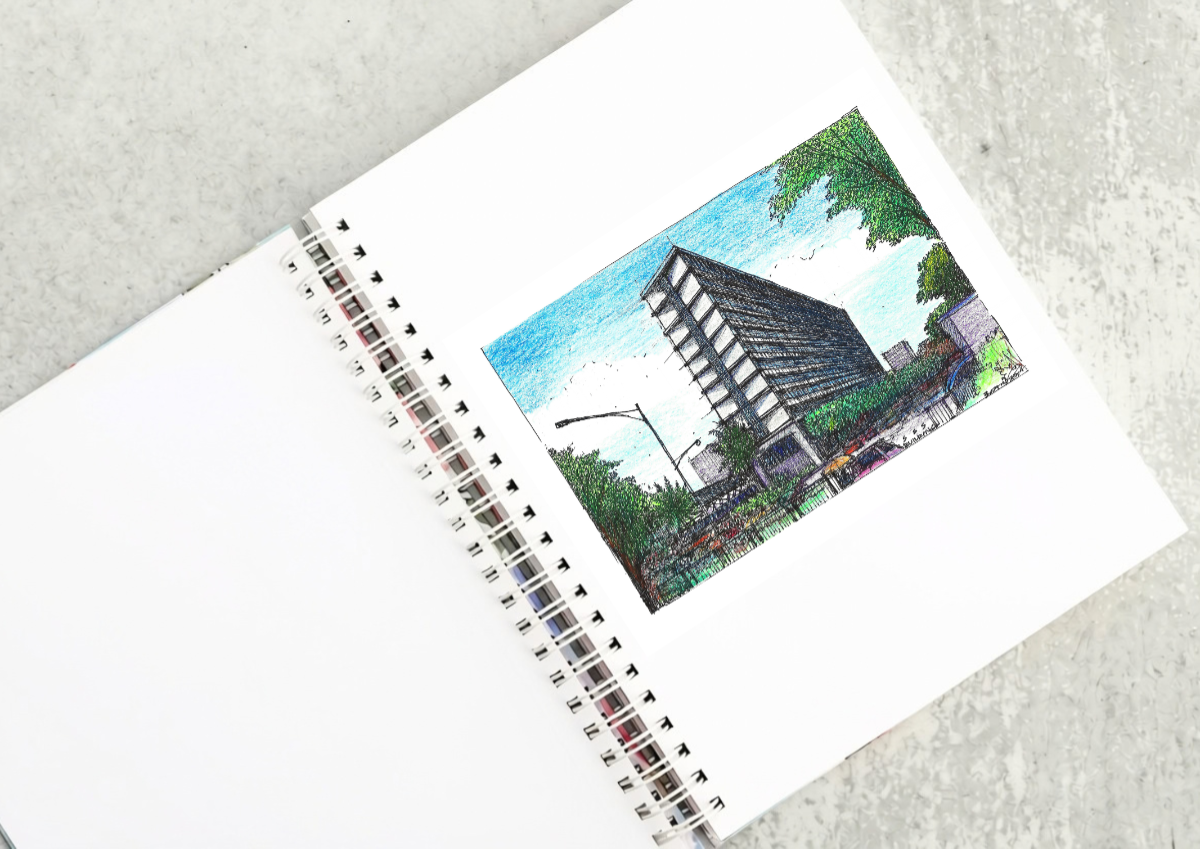
The SSS Building as an Expression of Civic Modernism My favorite modernist landmark in Quezon City is the SSS building on East Avenue. Designed by National Artist for ArchitectureArchitectureThe art and science of designing and constructing buildings, structures, and spaces that are functional, safe, and aesthetically pleasing. It encompasses the planning, design, materials, and techniques […]

Archie G. Carrasco, Chairman and CEO of AGC Power Holdings Corp. (AGC PHC), has been named to The BoF 500 Class of 2026 under the Media category, joining The Business of Fashion’s global community of individuals shaping the fashion industry. Carrasco is among 100 new members from 33 countries and 48 nationalities selected for the […]
Read the issues.

Collect the volumes.

Recommended Video
Tap to Unmute
Unmute
0:00
0:00