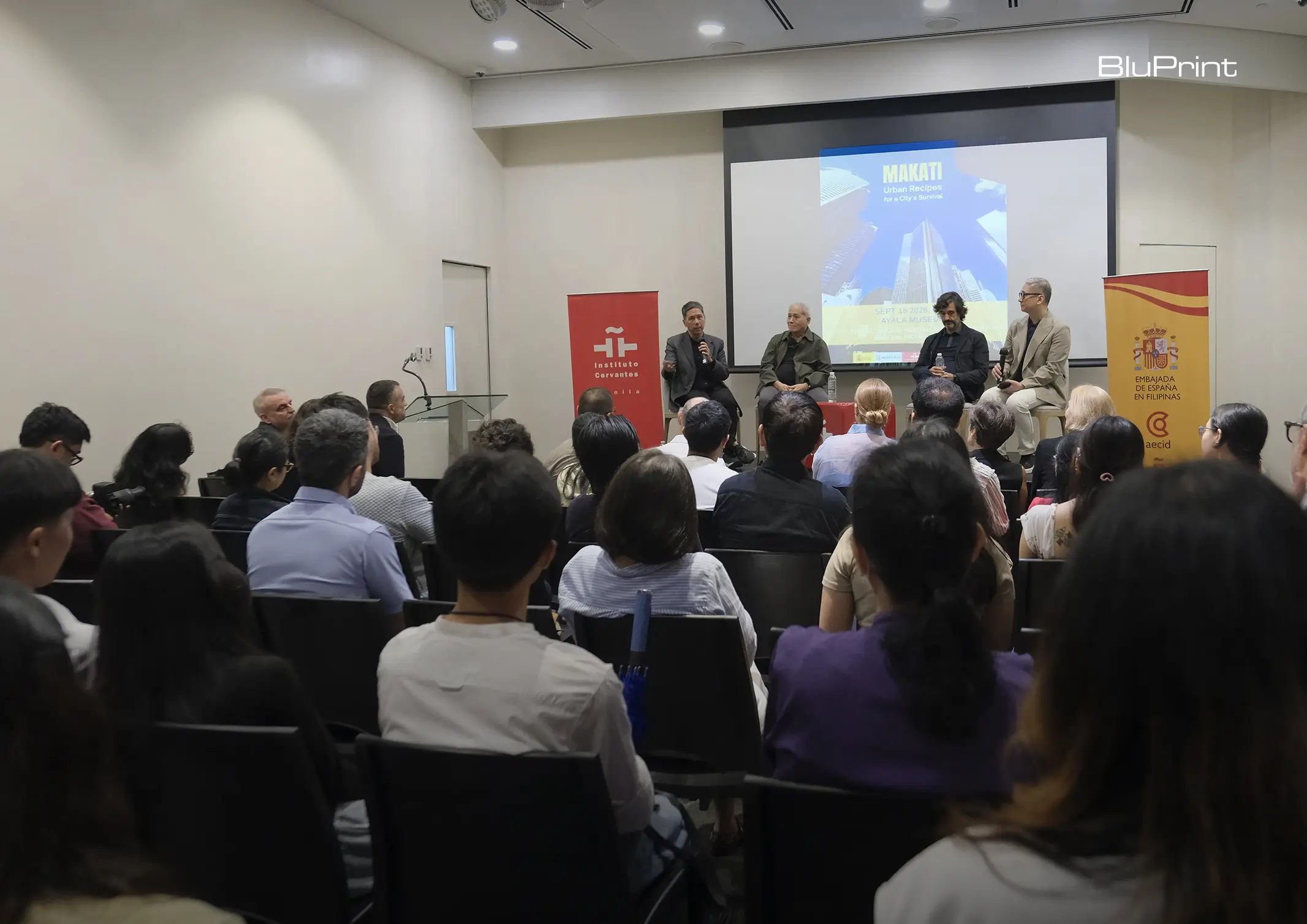
How can better-planned cities create the conditions for more creative, livable, and resilient urban environments? “Makati Urban Recipes for a City’s Survival,” a colloquium held at the Ayala Museum on September 15, brought together architects and practitioners from the fields of urbanism and the creative economy to discuss how design, planning, and collaboration can address […]
How to Elevate Your Space with Cloud Dancer



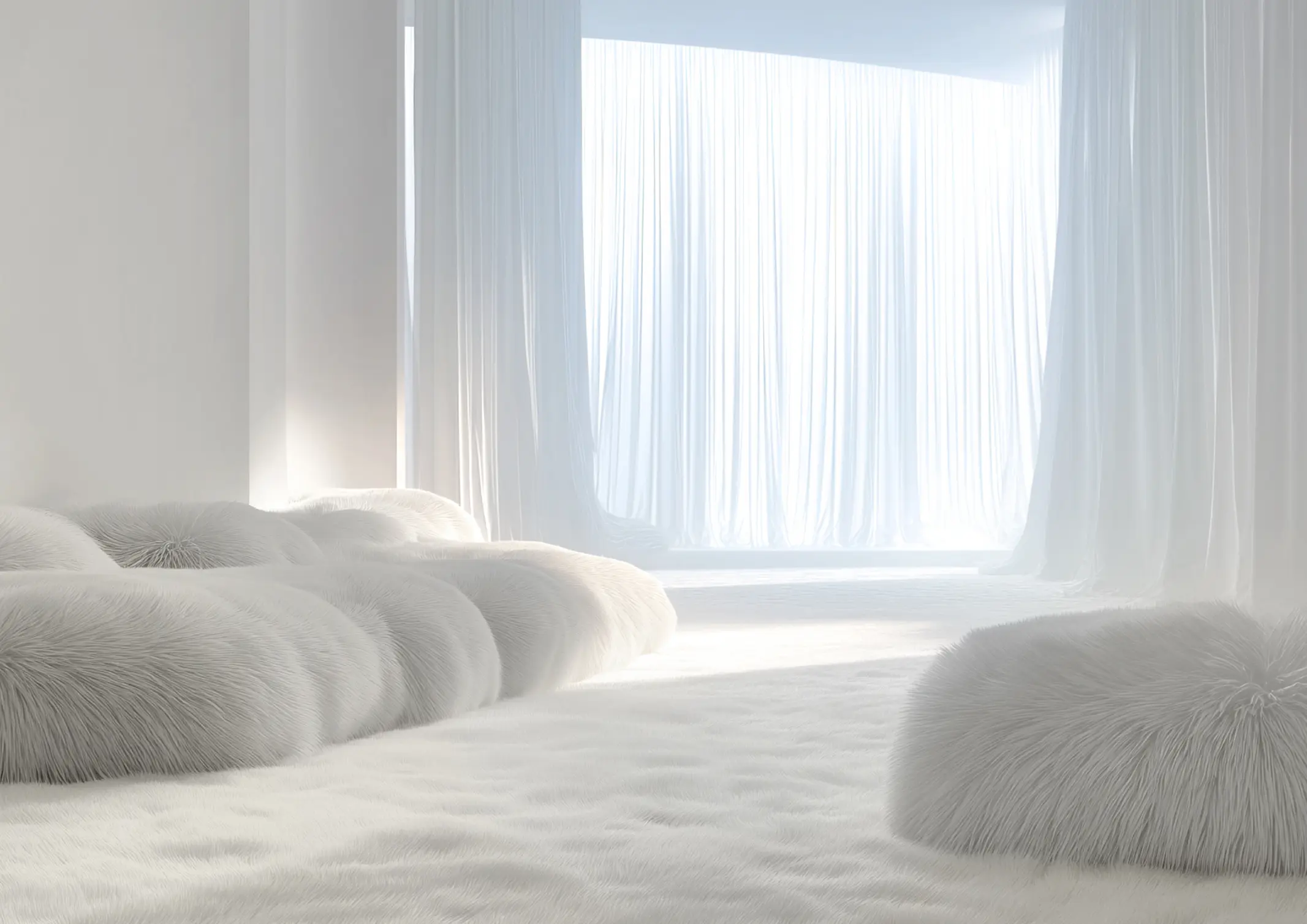
White, when treated with intention, becomes architectureArchitectureThe art and science of designing and constructing buildings, structures, and spaces that are functional, safe, and aesthetically pleasing. It encompasses the planning, design, materials, and techniques used to createGo to Architecture Glossary, atmosphere, and a soul piece. It shapes how we move, how we breathe, and how we feel with a space, quietly supporting life as it unfolds.
In the Philippines, white has always been more than a color choice; it is a response to climate, light, and way of life. We use white because it is ‘maaliwalas.’ It reflects heat, brightens interiors, and allows spaces to feel open even in dense urban settings or compact footprints. From residential homes to hospitality and commercial spaces, white walls and ceilings have become a familiar language in tropical design.
Yet familiarity can also breed complacency. When white is treated merely as a default finish, a flat layer of paint applied without intention loses its power. It becomes invisible, ordinary. The challenge, and the opportunity, lies in transforming white from a background into an experience.
This is where Cloud Dancer redefines what white can be.
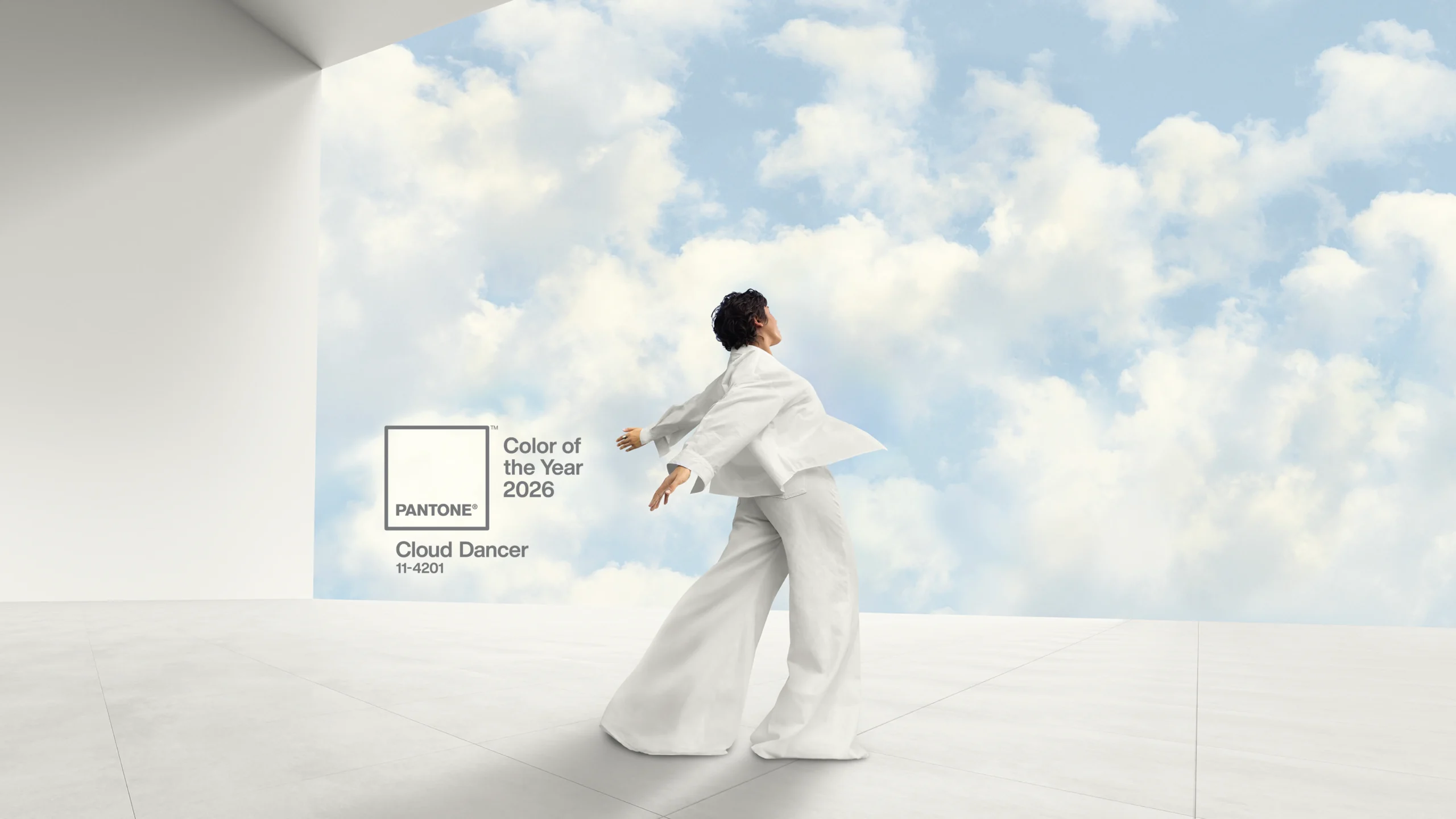
Cloud Dancer is not a stark or clinical white. It is a softened, nuanced white that exists between warmth and coolness, capable of holding light without glare and depth without heaviness. It is a hue that moves with the day, responding to sun, shadow, and texture. When applied thoughtfully, Cloud Dancer elevates space not by adding more, but by allowing more calm, clarity, and presence. In this sense, this year’s Pantone becomes a distinct visual presence.
White that quiets the space
White leaves a unique psychological effect. Our bodies respond to it instinctively. In a well-designed white space, breathing slows. Visual tension eases. The eyes rest.
Cloud Dancer white quiets the room.
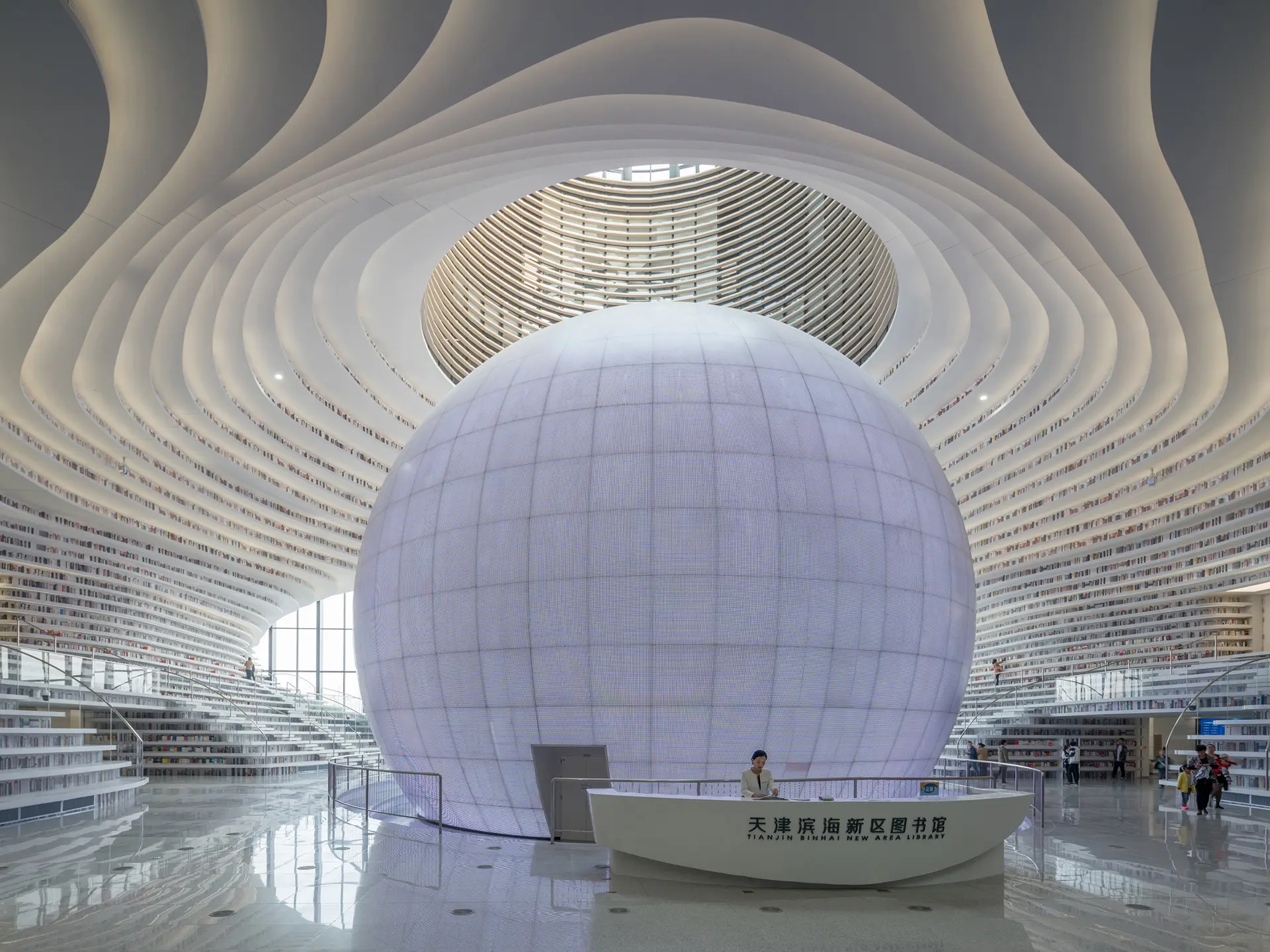
In a world saturated with color, information, and constant stimulation, white offers a pause. It reduces visual noise and allows the nervous system to recalibrate. This is especially significant in contemporary Filipino living, where homes often double as workplaces, gathering spaces, and sanctuaries all at once.
White becomes an act of spatial care. A canvas that supports movement, light and lived experience.
Unlike sharper whites that can feel rigid or unforgiving, Cloud Dancer absorbs light gently. It does not bounce brightness aggressively; instead, it diffuses it. The result is a space that feels calm rather than cold, luminous rather than exposed. Architects experience this as clarity of form. Interior designers experience it as freedom to layer materials. Clients experience it simply as comfort often without knowing why.
This is the soul of white when used with intention.
Texture: Giving White a Voice
The elevationElevationAn architectural drawing that shows one side of a building as a flat, straight-on view, without perspective. Elevations describe heights, openings, materials, and proportions of the façade, and are usedGo to Elevation Glossary of white does not happen through color alone. It happens through texture.
In the Philippine context, smooth white walls are common, but they also come with challenges: they reveal every imperfection, demand frequent repainting, and can feel flat under strong tropical light. Introducing texture particularly through finishes inspired by limewash or mineral-based applications changes everything.
Cloud Dancer, when applied with texture, becomes visually tactile. Subtle variations in tone and movement emerge. Brush strokes soften the surface. Light dances instead of reflects. The wall becomes alive, shifting character throughout the day.
This textural quality does more than add visual interest. It adds emotional resonance. Textured white reminds us of natural surfaces: limestone, plaster, weathered stone, clouds in motion. These associations are deeply human and deeply calming. They tell the body that perfection does not have to be smooth. That imperfection can be beautiful. That time is allowed to leave its mark.
From a practical standpoint, textured white is also forgiving. Minor marks, aging, and wear blend into the surface rather than standing out. Maintenance becomes easier. Longevity improves. What was once purely aesthetic becomes functional, a crucial consideration for both designers and clients.
The Color Theory Behind Cloud Dancer
White is never truly neutral. Every white carries an undertone that shapes the emotional temperature of a space.
Cloud Dancer sits in a delicate balance. It avoids the yellowing warmth that can feel dated or heavy in tropical interiors, while also steering clear of blue-based whites that can feel sterile or cold. This balance allows it to adapt seamlessly to changing daylight conditions, an essential quality in Philippine architecture where natural light is abundant and dynamic.
Psychologically, this balanced white supports clarity without tension. It encourages focus without pressure. It creates an emotional openness that feels both grounding and expansive.
For designers, Cloud Dancer becomes a powerful backdrop. It amplifies materials rather than competing with them. Wood grains appear richer. Stone surfaces feel more grounded. Textiles gain depth. Art becomes more expressive. White, instead of flattening a space, becomes the element that allows everything else to breathe.
Material pairings that elevate white
Cloud Dancer thrives when paired with honest, tactile materials.
Natural woods whether light-toned oak and ash or darker local hardwoods introduce warmth and balance. Against textured white, wood feels more intentional, more refined. The contrast is gentle but grounding.
Stone and mineral surfaces deepen the dialogue. Travertine, limestone, honed marble, and even softened concrete work beautifully with Cloud Dancer, reinforcing its organic quality. These materials share a common language: quiet strength, natural imperfection, and timelessness.
Metals add punctuation. Brushed brass or champagne gold brings warmth and subtle luxury. Blackened steel or matte bronze introduces contrast without overpowering the softness of white.
Textiles complete the composition. Linen, cotton, wool, and handwoven fabrics echo the tactile nature of textured walls. Synthetic, overly glossy materials tend to disrupt the calm; Cloud Dancer favors materials that feel real, breathable, and lived-in.
Furniture as Quiet Architecture
Furniture in a Cloud Dancer space should feel intentional, not performative.
Strong silhouettes matter more than ornament. Sculptural chairs, low-profile sofas, and well-proportioned tables anchor the space without visual clutter. White-on-white works beautifully when tonal variations are respected ivory upholstery, bone-colored fabrics, and pale woods create depth through layering rather than contrast.
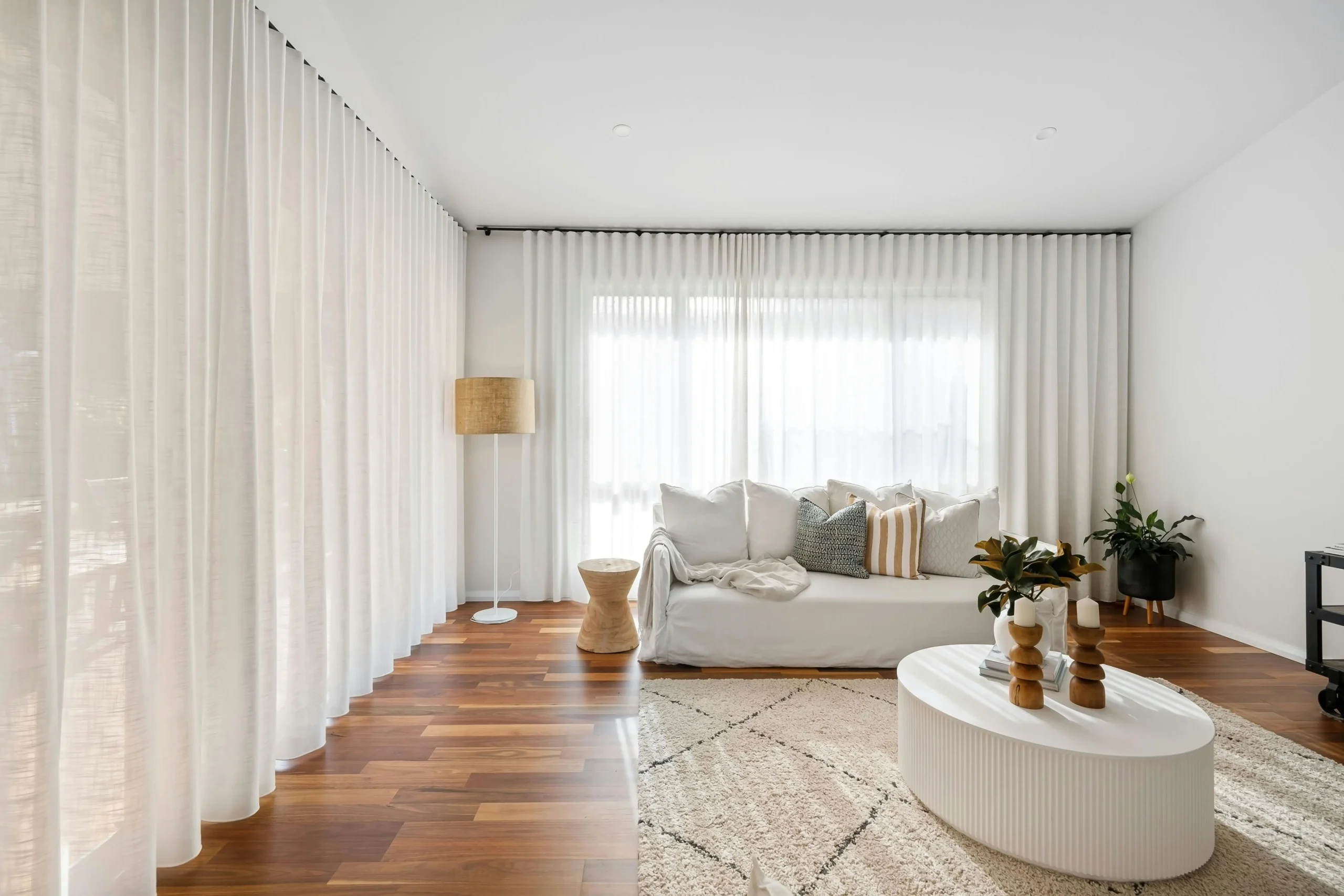
Because Cloud Dancer recedes gracefully, it allows a few statement pieces to shine. A curved lounge chair, a stone dining table, or a handcrafted cabinet can become focal points without overwhelming the room. White does not compete. It supports.
How White Transforms Space and Life Within It
When used with care, white does more than brighten a room. It transforms how space is experienced.
White expands physical boundaries, making rooms feel larger and more breathable. It unifies architecture, creating continuity across spaces. It evolves over time, adapting to patina, use, and life itself.
Most importantly, Cloud Dancer creates emotional spaciousness. Maaliwalas. It allows moments of pause in homes. Tahimik. It supports restoration in wellness and hospitality environments. Magaan. It fosters clarity and focus in workspaces. Maliwanag.
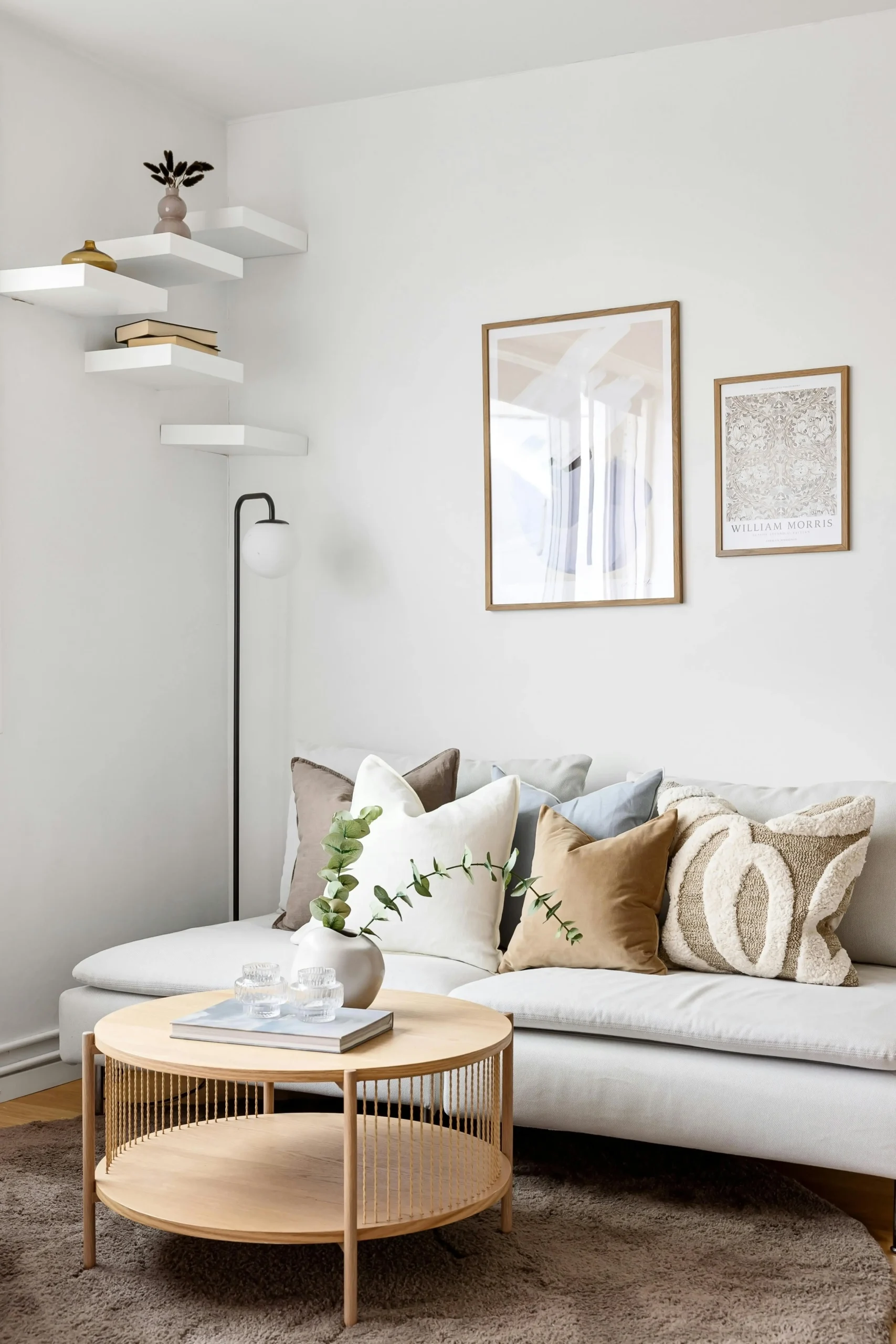
White becomes a container for life, not a constraint.
In the Philippine context, rich in color, culture, and intensity, Cloud Dancer offers balance. It honors tradition while elevating it. It respects climate while introducing refinement. It transforms utility into artistry.
White as Confidence, White as a Soul piece
Designing with Cloud Dancer requires restraint. And restraint is a form of confidence. It asks architects to trust proportion and light. It asks interior designers to trust layering over saturation. It asks clients to trust that calm is not boring, that quiet can be luxurious.
At its best, Cloud Dancer is not immediately noticed. It is felt. It is the exhale when you enter a room. The way light softens instead of blinds. The sense that nothing is demanding your attention.

This is the power of white when it is elevated, not by adding more, but by allowing space for what matters.
With Cloud Dancer, white is not merely a finish. It is architectureArchitectureThe art and science of designing and constructing buildings, structures, and spaces that are functional, safe, and aesthetically pleasing. It encompasses the planning, design, materials, and techniques used to createGo to Architecture Glossary, atmosphere, and a soul piece, a quiet presence that holds space for living.
Read More: Mocha Mousse: JJ Acuña’s Hot Take on Pantone’s 2025 Color of the Year
Frequently Asked Questions
Cloud Dancer is a nuanced white that sits in a delicate balance between warm and cool undertones. Technically, it avoids the heavy yellowing of traditional off-whites and the sterile blue-base of “stark” whites. This allows it to absorb and diffuse tropical light gently rather than reflecting it aggressively, preventing the glare often associated with smooth white walls in the Philippines.
Elevation happens when white moves from a flat finish to a tactile one. Using mineral-based or limewash-inspired finishes creates subtle variations in tone. Technically, textured white is more forgiving as it hides minor structural imperfections and wear-and-tear better than smooth surfaces. Aesthetically, it allows light to “dance” across the surface, creating depth and a sense of “imperfection as beauty” that resonates with natural materials like stone and plaster.
Designing with this specific palette reduces visual noise, allowing the nervous system to recalibrate. In a well-designed white space, the body responds instinctively through slowed breathing and eased visual tension. This is a form of spatial care, particularly relevant for contemporary homes that serve as offices, gyms, and sanctuaries simultaneously, providing a necessary pause in a world of constant stimulation.
Cloud Dancer thrives when paired with honest and tactile materials. Natural woods like light oak or ash provide a seamless look, while dark hardwoods offer a grounding contrast. Stone surfaces such as travertine, limestone, or honed marble reinforce the organic quality of the white. For accents, brushed brass or champagne gold add subtle luxury, while matte black provides architectural punctuation. Textiles should focus on breathable fabrics like linen, cotton, and wool.
Because this shade of white recedes gracefully, it allows the silhouette of furniture to become the focal point. Instead of using heavy ornament, designers are encouraged to use sculptural, well-proportioned pieces to anchor the room. Layering different tones, such as ivory upholstery against bone-colored fabrics, creates depth through subtle shifts in the color spectrum rather than harsh contrast.
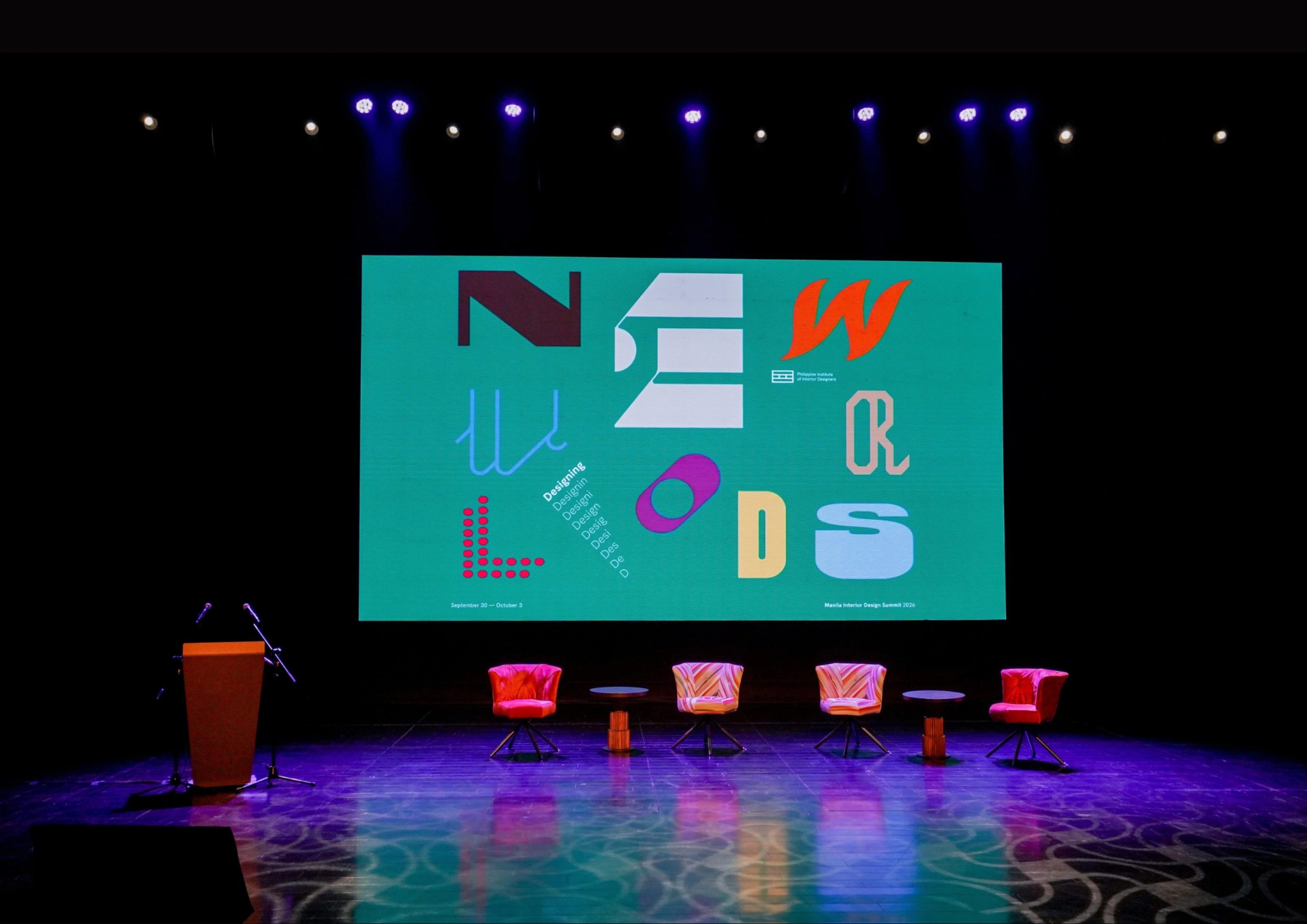
The fourth Manila Interior DesignInterior DesignThe discipline of planning and shaping interior spaces for function, comfort, safety, and beauty. It covers layout, lighting, materials, finishes, furniture, and color, and in the Philippines is a licensedGo to Interior Design Glossary Summit (MIDS) brought together more than 300 delegates for four days of conversations, exhibitions, and design […]

Held at the SMX Convention Center Aura in Taguig City, the first ASEAN Creative Industries Expo by Malikhaing Pinoy (ASEAN MPEx) features nine creative domains, including design, visual arts, digital interactive media, and performing arts. Organized by the Department of Trade and Industry (DTI), the event includes exhibitions, cultural performances, industry talks, and pitching sessions […]
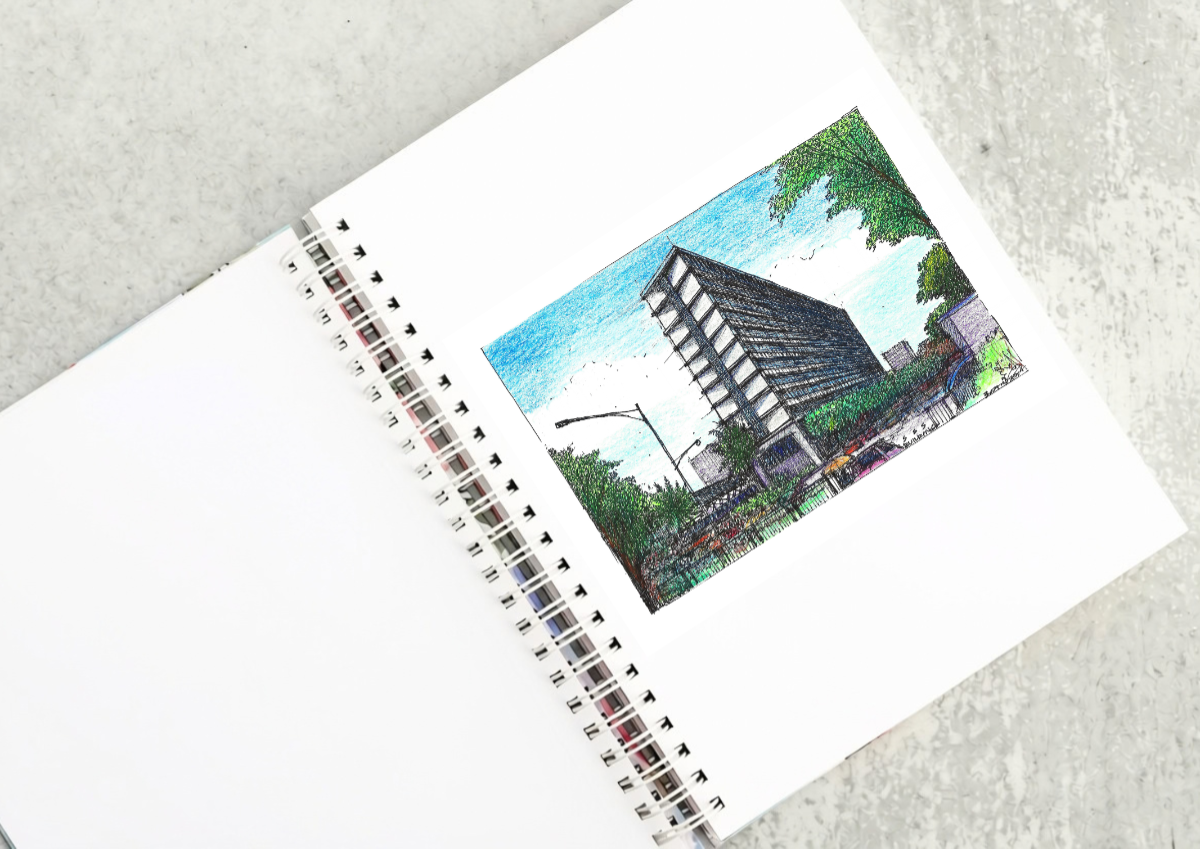
The SSS Building as an Expression of Civic Modernism My favorite modernist landmark in Quezon City is the SSS building on East Avenue. Designed by National Artist for ArchitectureArchitectureThe art and science of designing and constructing buildings, structures, and spaces that are functional, safe, and aesthetically pleasing. It encompasses the planning, design, materials, and techniques […]

Archie G. Carrasco, Chairman and CEO of AGC Power Holdings Corp. (AGC PHC), has been named to The BoF 500 Class of 2026 under the Media category, joining The Business of Fashion’s global community of individuals shaping the fashion industry. Carrasco is among 100 new members from 33 countries and 48 nationalities selected for the […]
Read the issues.

Collect the volumes.

Recommended Video
Tap to Unmute
Unmute
0:00
0:00