The seventh edition of the Anthology ASEAN ArchitectureArchitectureThe art and science of designing and constructing buildings, structures, and spaces that are functional, safe, and aesthetically pleasing. It encompasses the planning, design, materials, and techniques used to createGo to Architecture Glossary Festival brought together over 4,000 delegates from across the Philippines and Southeast Asia for three […]
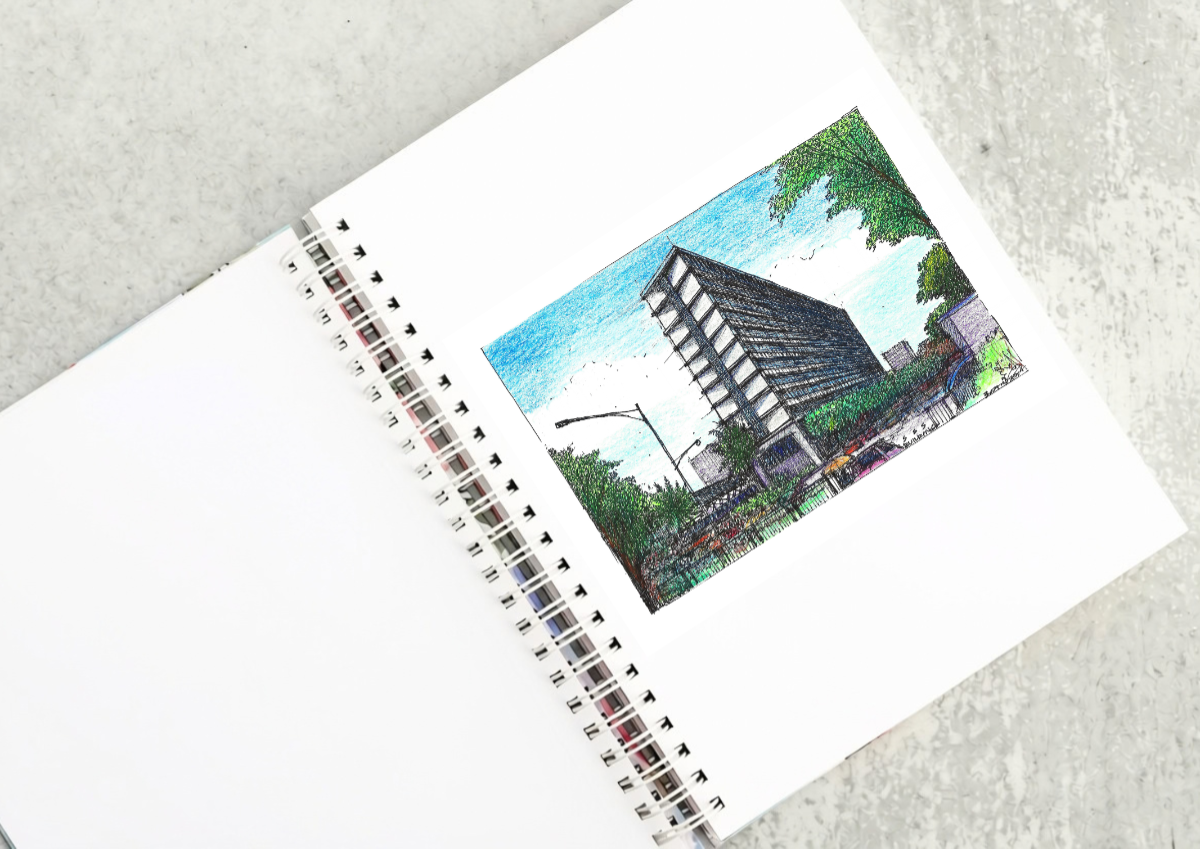
Sketching Modernity 05: The SSS Building



The SSS Building as an Expression of Civic Modernism
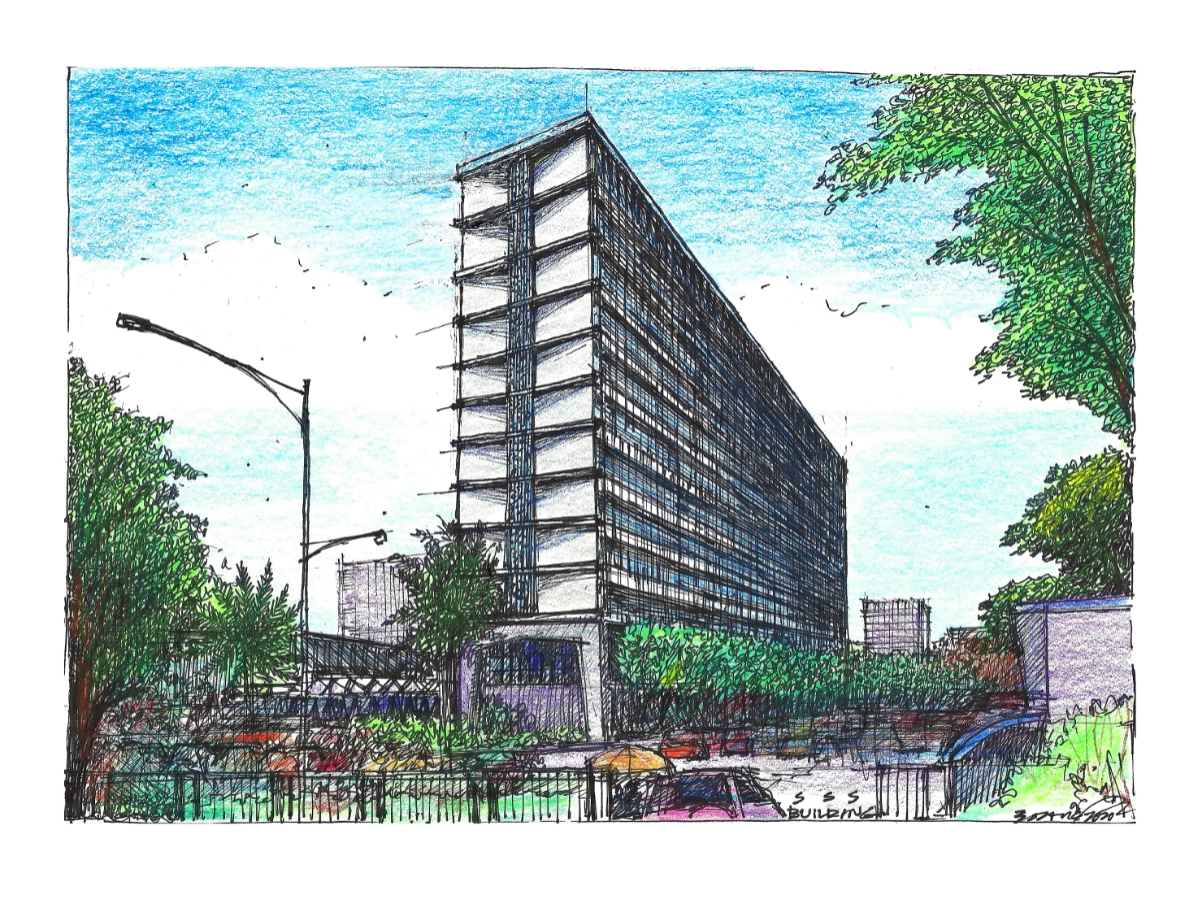
My favorite modernist landmark in Quezon City is the SSS building on East Avenue. Designed by National Artist for ArchitectureArchitectureThe art and science of designing and constructing buildings, structures, and spaces that are functional, safe, and aesthetically pleasing. It encompasses the planning, design, materials, and techniques used to createGo to Architecture Glossary Juan Nakpil, the SSS building was, and still is, one of the best examples of ‘international style’ architecture in the Philippines. At over sixty years old, it has stood the test of time, stylistically and physically. It is well maintained for a government not known for keeping its buildings in shape.
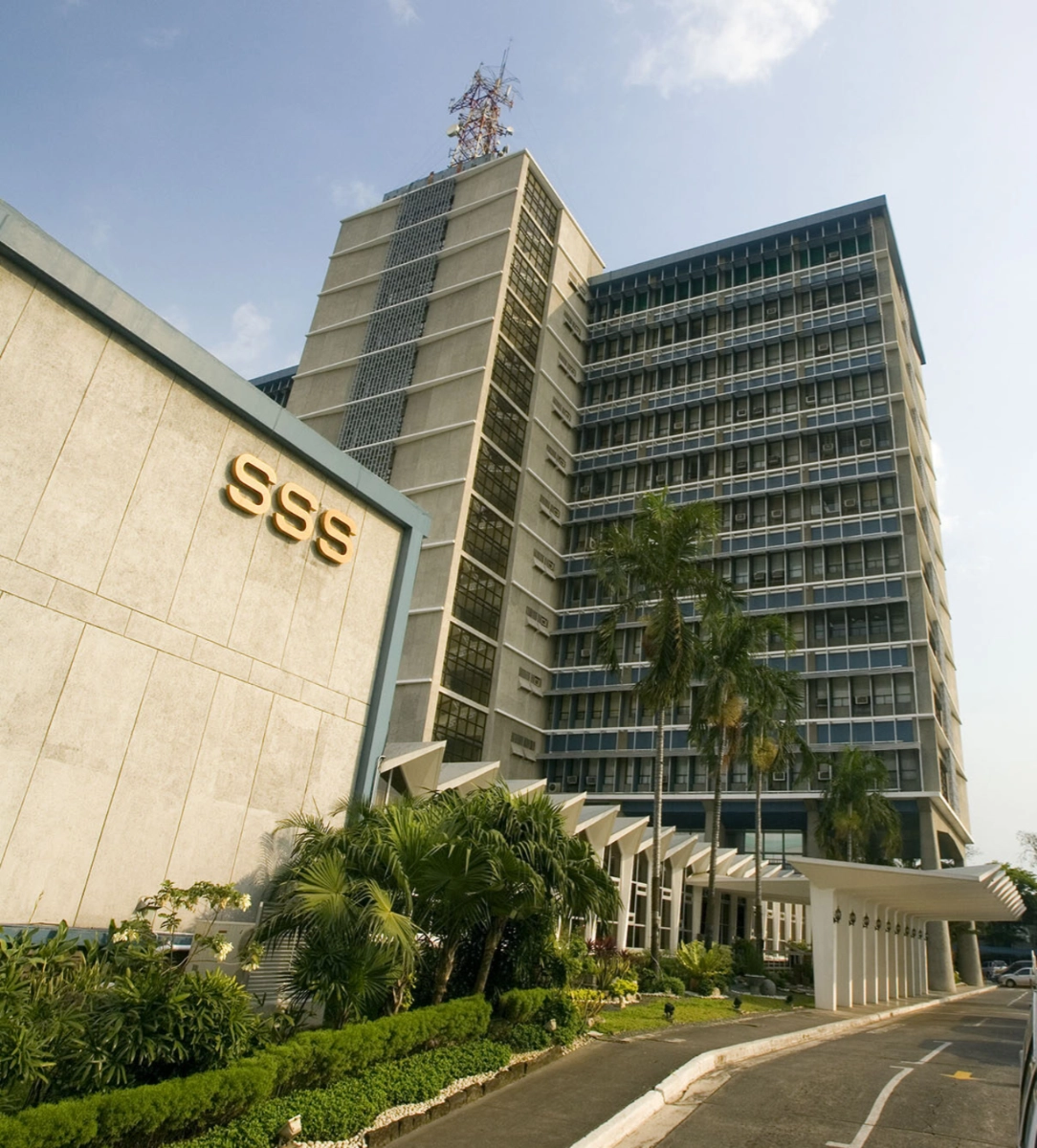
What had always impressed me with the building was its balanced composition, massing, and bearing. It is a handsome structure composed of a low podium and a 12-story slab tower. Due to seismic considerations this was the limit set for buildings in the Philippines until the mid-1960s. On either end, the slab sits on giant piloti of concrete that project stability (literal and figurative—since this is a financial institution). The tower’s windows are protected by brise soleil, a signature of the international style. The orientation is east—west and canopies at ground level are also oriented to provide maximum protection from sun and rain.
Related Read: Visita Iglesia: 7 Unique Churches Designed By National Artists
How Structure Defines the SSS Building
The tower’s floors are serviced by a separate reinforced concrete core, housing the elevators and stairs. This rises above the podium, which holds the main lobby. The main portal is provided with a cantilevered canopy, a fantastic folded plate roof—sheer poetry in concrete. The bus stop across the road was also built to reflect the main building’s canopy, a wonderful touch one rarely finds in today’s urban design. You always experienced the feeling of passing through a special area because of this. Unfortunately this bus stop was mangled when the avenue was widened a few decades ago. Balancing the mass of the tower is the SSS auditorium, a venue that was one of the most modern in Asia; and kept in very good condition despite its age.
The SSS began its physical life in the 1950s on the mezzanine floor of the GSIS building on Arroceros St in Manila (designed by architect Federico Ilustre). It soon needed more space and the government then sought the services of professional architects to design a new complex, which was to be built in the new government district of the capital, Quezon City.
Related Read: The Romantic Architecture of Old Theaters
The Nakpils Bring Filipino References Into Modernism
Chosen for the job was the firm of Juan Nakpil. By the late 1950s he was already near the end of his career and the project appears to have been the collaborative work with his sons Ariston and Francisco. The Nakpils sought to adapt modernist elements in building with abstracted Filipino themes. The vertical brise soleil panels, on either end of the tower, are reminiscent of patterns of the Filipino barong tagalog. The architects also brought Filipino art into the building in the form of murals and understated interior embellishments. The building was completed in 1965.
The SSS building is an exemplar of its style in 20th century Philippine architectureArchitectureThe art and science of designing and constructing buildings, structures, and spaces that are functional, safe, and aesthetically pleasing. It encompasses the planning, design, materials, and techniques used to createGo to Architecture Glossary. It represents an unusual era when Philippine civic buildings were at par with the best commercial structures, in design and presence. Most of today’s government buildings pale in comparison, with many looking like call centers and with as much gravitas. When will we learn to design and build public buildings as good as this again?
Related Read: These are 7 Historic Commercial Landmarks You Should Know About
Sketching Modernity is a series of analog illustrations and reflections on landmark buildings and sites by BluPrint Editor-in-Chief Paulo G. Alcazaren.
Frequently Asked Questions
The SSS Building on East Avenue was designed by the firm of National Artist for Architecture Juan Nakpil. According to Alcazaren, the project appears to have been a collaboration with Nakpil’s sons Ariston and Francisco.
The SSS Building was completed in 1965. The Social Security System had previously occupied space in the GSIS Building on Arroceros Street in Manila before requiring a larger complex
The SSS Building is an example of International Style architecture in the Philippines. Its modernist composition combines a 12-story slab tower with a low podium and incorporates concrete piloti, brise soleil, and a separate reinforced concrete core.
The Nakpils adapted modernist architecture with abstracted Filipino references. The vertical brise soleil panels at the ends of the tower recall patterns of the barong Tagalog, while Filipino art appears in murals and understated interior embellishments.
The complex features a 12-story slab tower, low podium, giant concrete piloti, brise soleil, reinforced concrete core, and a cantilevered folded-plate canopy. The SSS auditorium provides a counterbalance to the tower’s mass.

Bigkis is the act of binding. In Tagalog, the word can refer to something used to bind or encircle, as well as a bundle formed by tying several separate elements together. Figuratively, it can also mean a bond, union, or unity. The meanings move from the physical act of joining things together to the connection […]
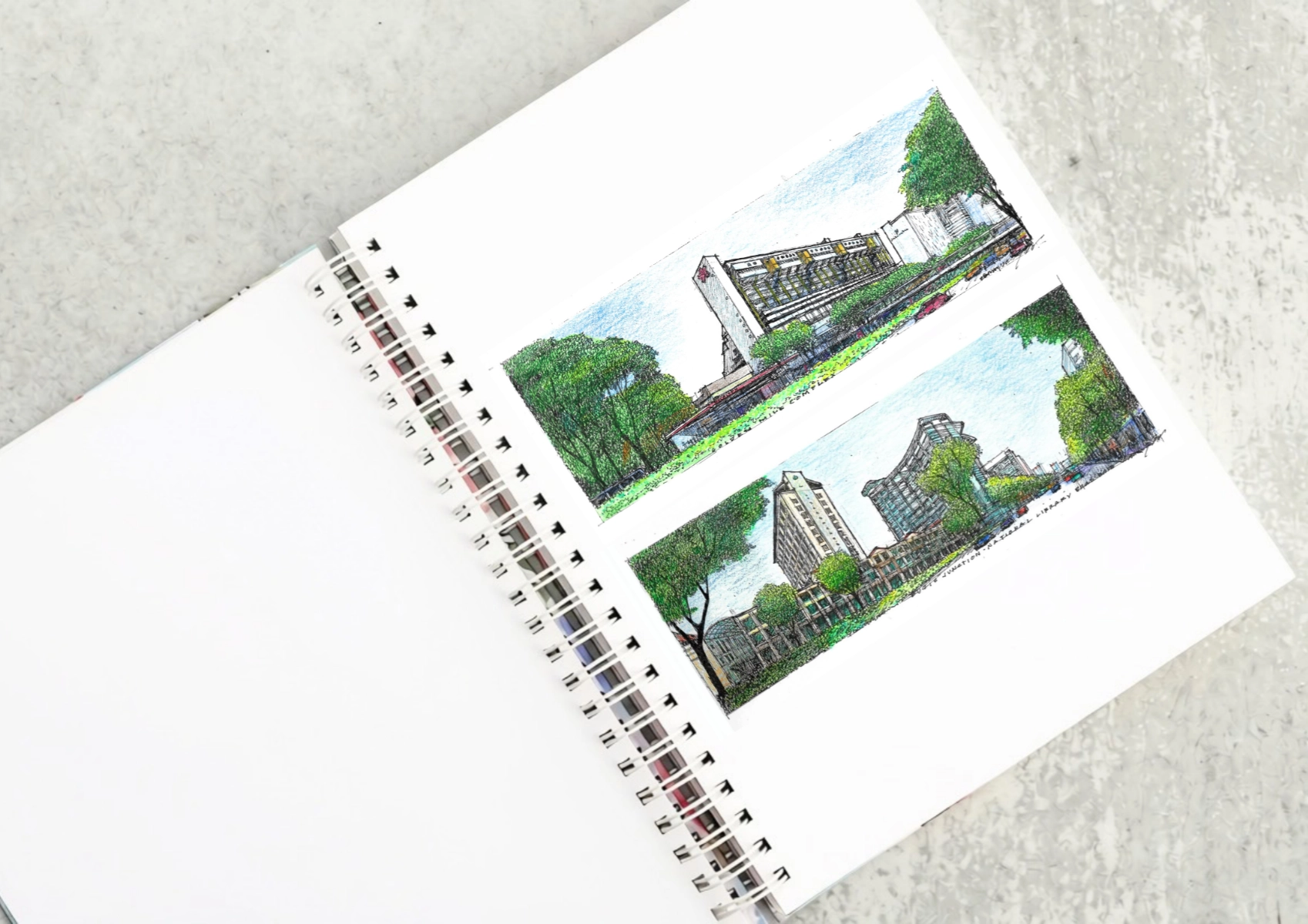
Two sketches of Singapore connect BluPrint Editor in Chief Paulo G. Alcazaren’s personal and professional history with Shared Ground: ArchitectureArchitectureThe art and science of designing and constructing buildings, structures, and spaces that are functional, safe, and aesthetically pleasing. It encompasses the planning, design, materials, and techniques used to createGo to Architecture Glossary of Care, Culture, […]

Some have become household names – Coleman, Oster, and KitchenAid – products that have found their way into Filipino kitchens, homes and family routines. In home furnishings, brands such as B&B Italia, Ethan Allen, Sub-Zero, Miele, SieMatic, Louis Poulsen, Hunter Douglas, Tempur, and Technogym, have helped shape the way Filipinos live. From everyday essentials to […]

In a way, designers are the modern-day soothsayers and prophets. They design for the future, predicting how a room, a house, a building or a whole city will be used by people. They foresee how users will interact with a space, conjure exact shades of colors to elicit specific behavior and arrange furniture to build […]
Read the issues.

Collect the volumes.

Recommended Video
Tap to Unmute
Unmute
0:00
0:00