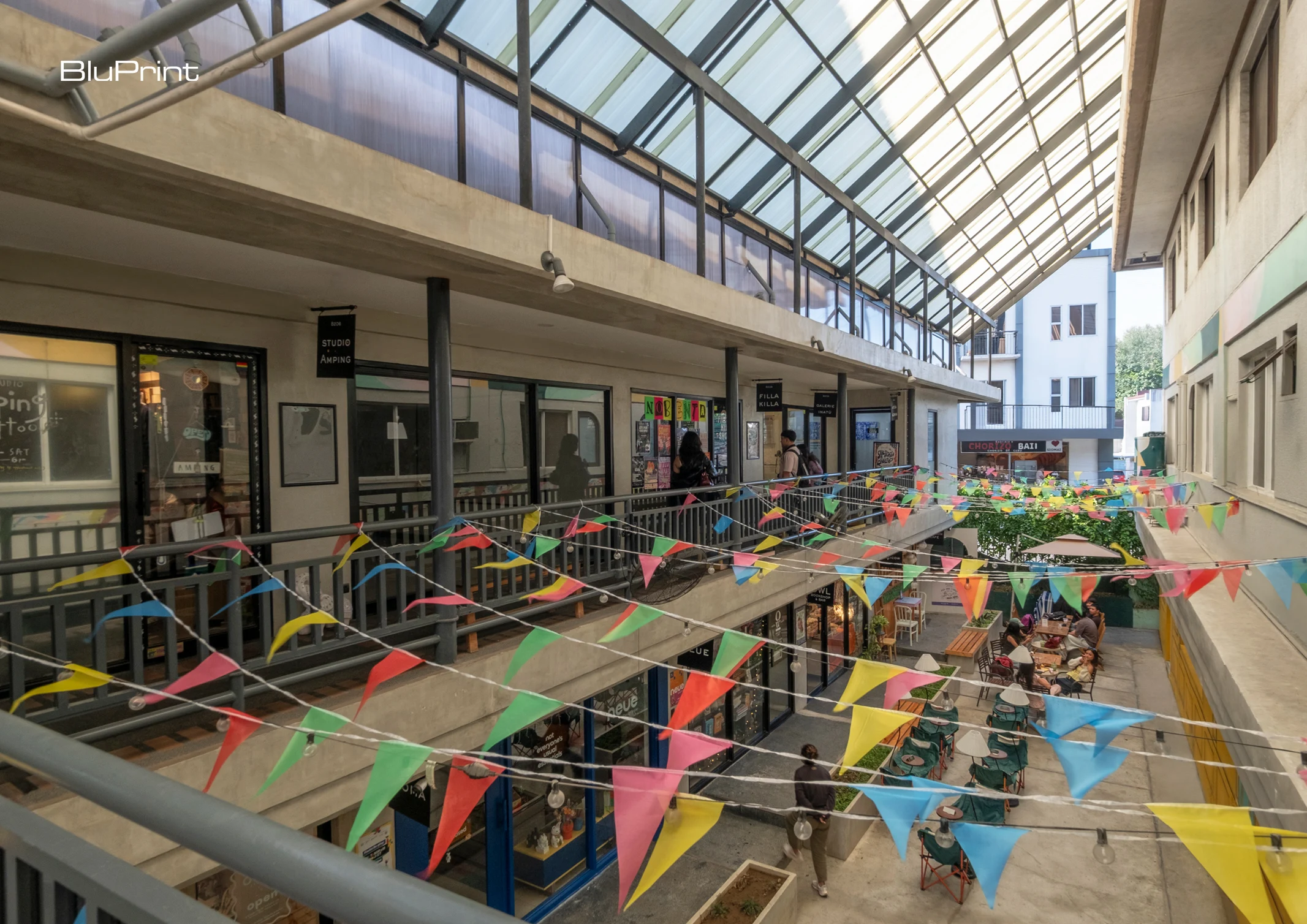
Within a two-building commercial complex organized around a central courtyard, an unexpected layout unfolds. The shops are small and quaint, uniformly sized, and directly face one another like apartment units. This is Atúa. Related Reading: Creative Placemaking: Designing Public Spaces that Reflect Shared Memory What used to be a functioning hotel in the early 1990s, […]
Visita Iglesia: 7 Unique Churches Designed By National Artists



As a country with an overwhelmingly Christian demographic, the Philippines treats the observance of Holy Week as a major event. The days of worship are filled with centuries-old practices that relate to Jesus Christ’s journey to Calvary. Among them is the Visita Iglesia, a pilgrimage involving visits to seven churches, reflecting Jesus’ seven last words. At each church, devotees offer their personal intentions and profess their faith.
Philippine National Artists like Juan Nakpil, Francisco Manosa, and Leandro Locsin express their styles and interpretations of these religious structures. Their architectural designs represent societal customs and the nation’s deep-rooted spirituality.
Parish of the Holy Sacrifice – Leandro Locsin
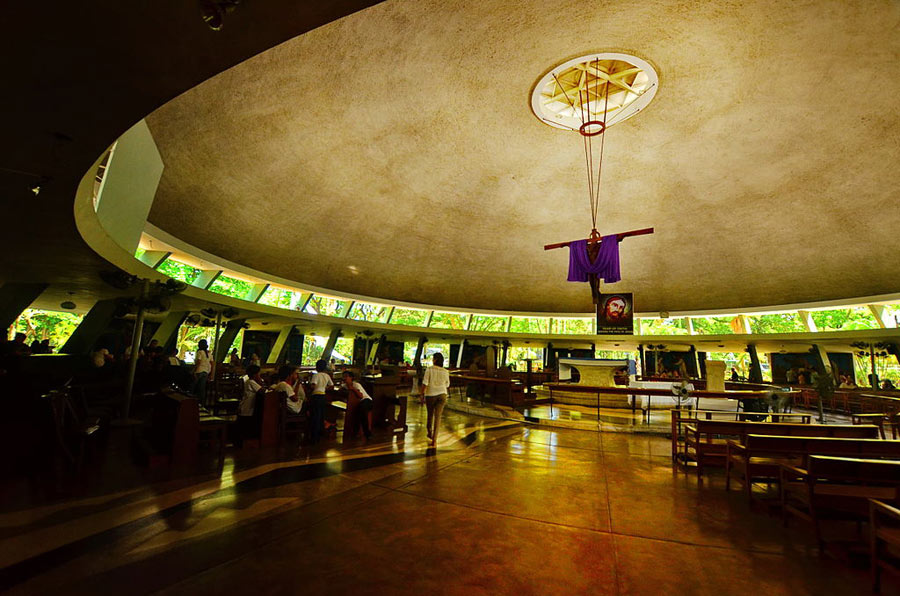
Designed by National Artist Leandro Locsin, the Parish of the Holy Sacrifice is a landmark chapel within the University of the Philippines’ Diliman campus. Additionally, National Artists for Visual Arts Napoleon Abueva, Vicente Manansala, Arturo Luz, and Ang Kiukok also have their work displayed here. Manansala and Kuikok’s murals and Luz’s terrazzoTerrazzoA composite flooring and surface material made from chips of marble, granite, glass, or other aggregates set in cement or resin, then ground and polished smooth. Durable and cool underfoot,Go to Terrazzo Glossary floor mural grace the interiors of the church.
The chapel has a unique circular layout that opens itself up to the outdoors. A continuous gap between the low ceiling and the dome structure circles the form creating an outline of green all throughout. Designed by Abueva, a double sided cross features two images of Christ; one of his crucifixion and the other his resurrection.
The EDSA Shrine – Francisco Mañosa
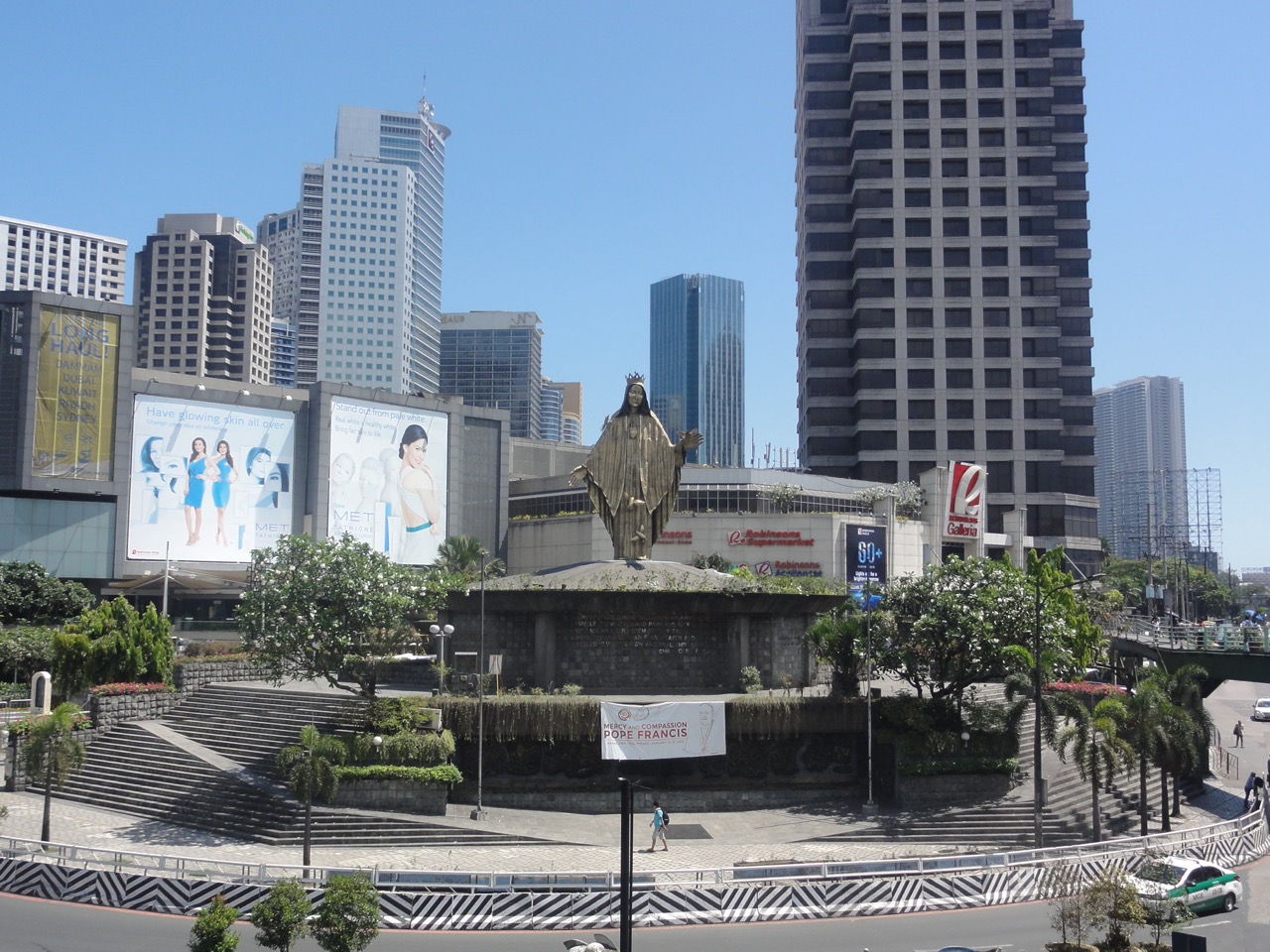
The NCCA declared the EDSA Shrine, designed by Francisco Mañosa, an Important Cultural Property. Constructed to commemorate the 1986 EDSA Revolution, the chapel showcases a neo-vernacular Filipino style. Mañosa used native architectural forms and indigenous materials to frame the massive statue of Mother Mary.
In line with its origins as a commemorative structure to a significant national event, multiple National Artists also contributed their works. Napoleon Abueva crafted the 14 Stations of the Cross displayed throughout the grounds alongside the main altar of the church. Ramon Orlina designed a floating glass sculpture of Christ that also sits by the altar.
Quiapo Church – Juan Nakpil / Jose Maria Zaragoza
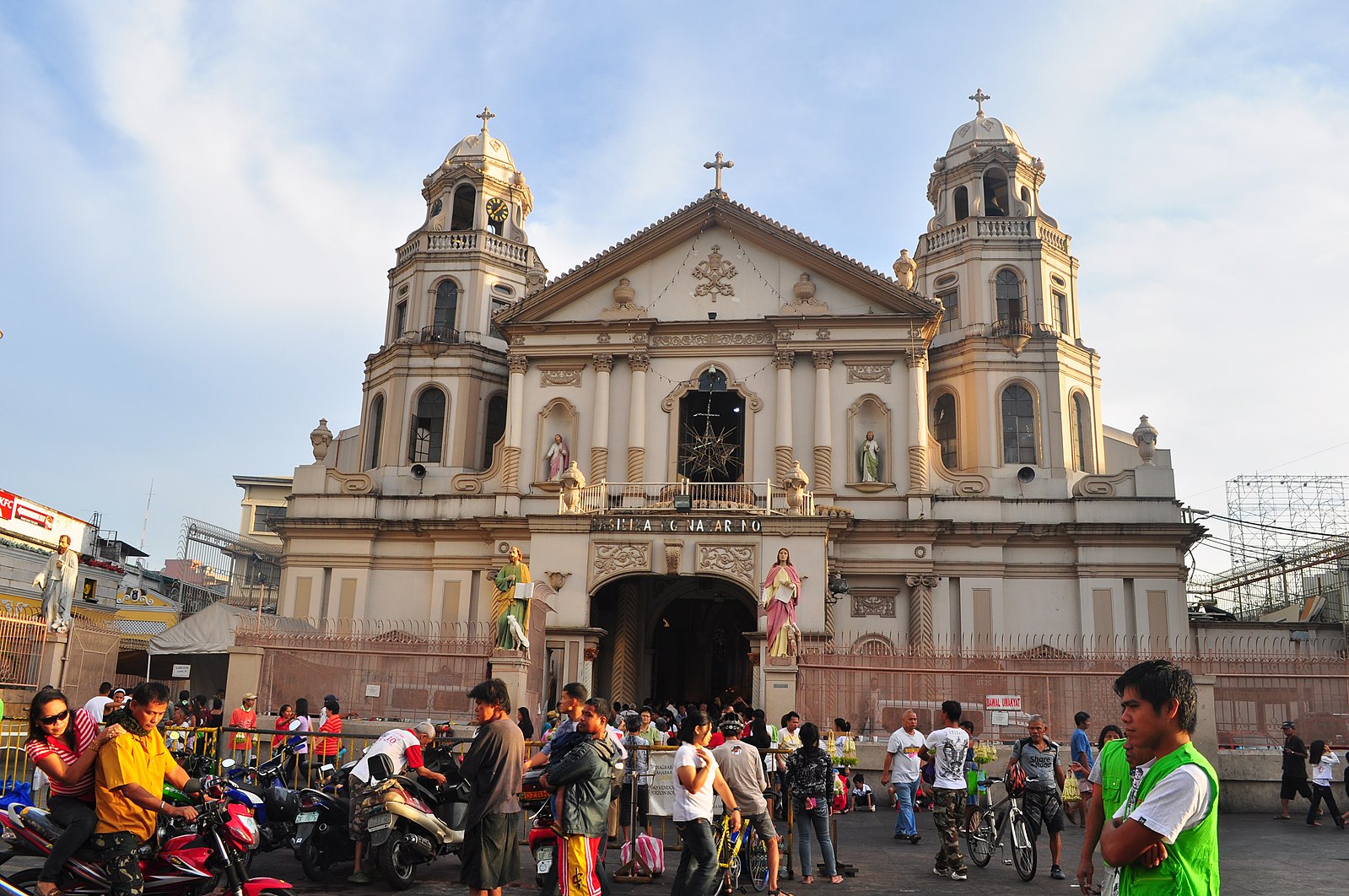
Famously known as the home of the Black Nazarene, the current Quiapo Church is a reconstruction of the previous structure that was razed by a fire in 1929. Juan Nakpil prepared the plan to rebuild it in the image of the Spanish Baroque style with a twist in its construction, navigating logistical and financial constraints by using precast concrete; a novel approach at the time. This made it possible to mass-produce ornamentation, such as moldings, in such a detailed and consistent manner throughout the basilica.
Between 1984 to 1986, renovations headed by Jose Maria Zaragoza took place to expand the interiors of the church. This was primarily achieved through the removal of the inner columns that resulted in a more open and roomier space.
The Old Magallanes Church – Leandro Locsin / Ildefonso P. Santos
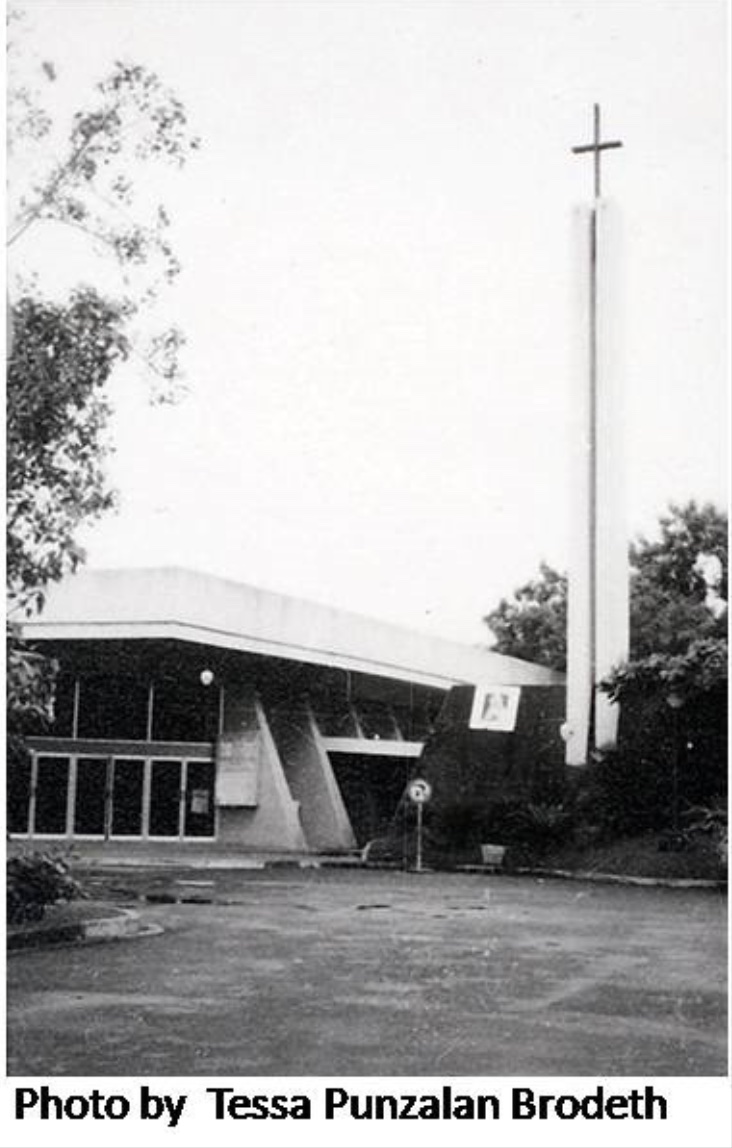
Leandro Locsin’s penchant for large geometries is evident through his famous brutalist designs. It’s no surprise that Magallanes Church was a modernist structure with a perfectly square floor plan, cut through by a diagonal layout. Supplementing this form were rows of concrete buttresses, angled inward, that held up a corrugated metal roof. Alongside the structure, a cross sits upon a tall rectangular landmark that towers over the church complex. Unfortunately, a fire destroyed it in September 2004 but was reconstructed soon after under the supervision of architect Dominic Galicia.
Within the church grounds, Idelfonso P. Santos, National Artist for Landscape ArchitectureLandscape ArchitectureThe design of outdoor environments, including gardens, parks, plazas, campuses, streetscapes, and waterfronts. It integrates plants, water, topography, and built elements to support ecology, recreation, and wellbeing. In the Philippines,Go to Landscape Architecture Glossary, designed “The Garden of the Way of the Cross”. Works by other National Artists such as Napoleon Abueva and Eduardo Castrillo adorn the scenery with murals for worshipers to enjoy. Architect Dominic Galicia incorporated an adoration chapel in 2001, integrating it with Locsin’s original structure.
The Saint Andrew the Apostle Parish – Leandro Locsin
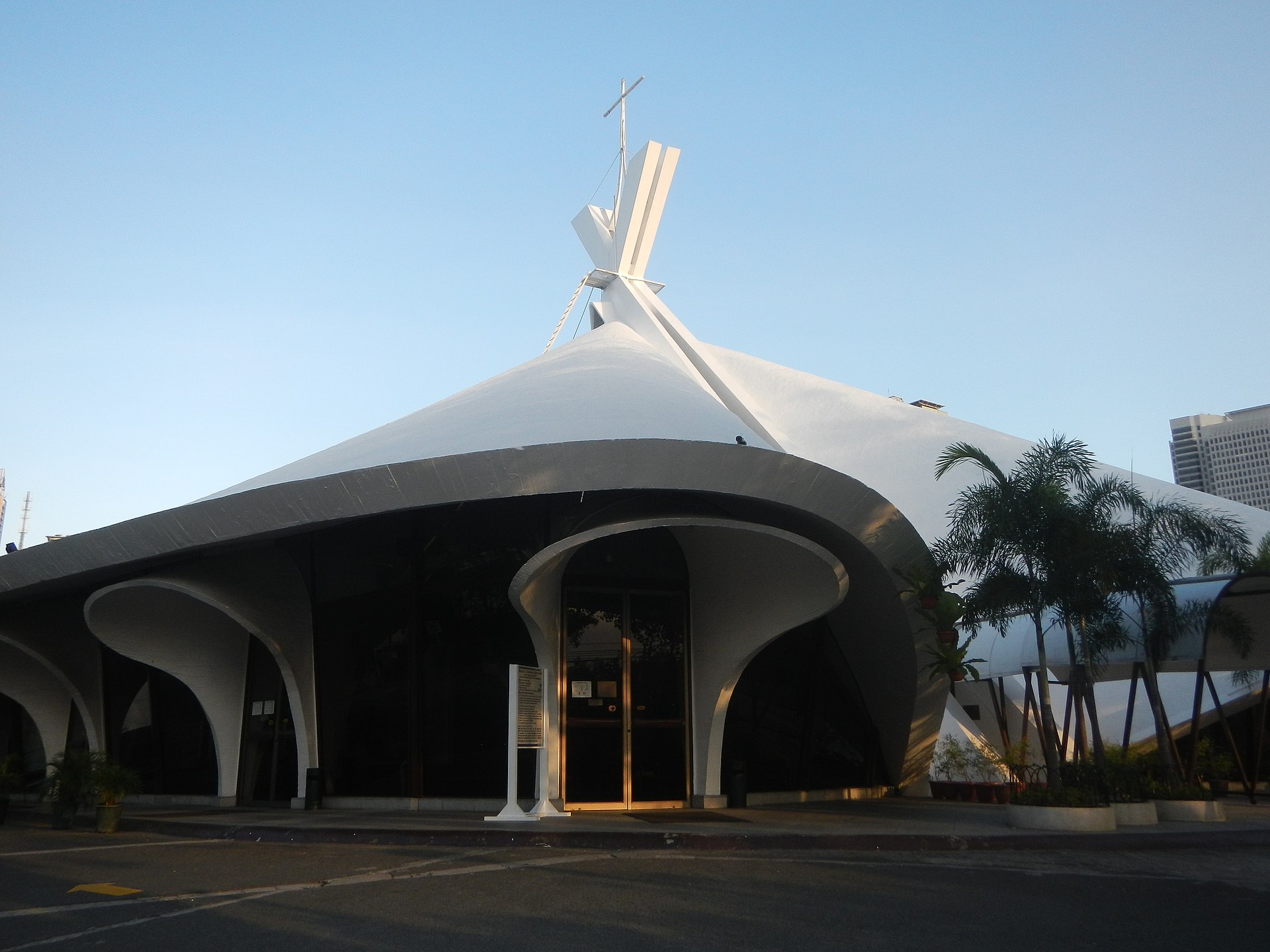
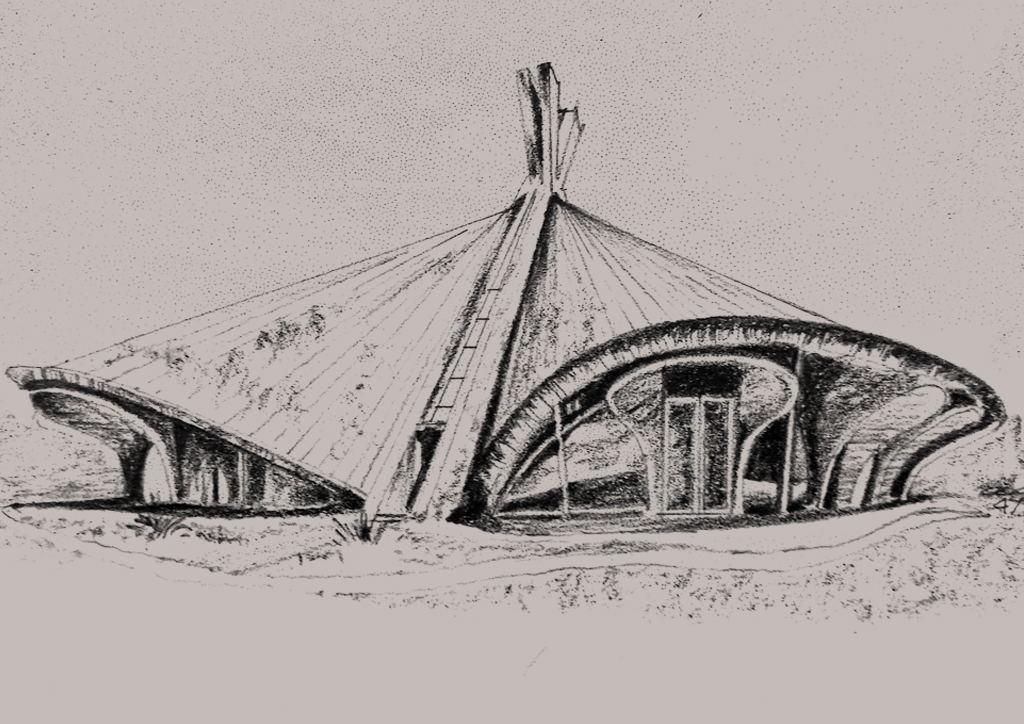
Built for the local communities of Poblacion, Makati , this parish by Leandro Locsin is a charming take on modern design through its use of curves. A distinct feature is the use of an X-shaped cross, known as a Saltire, that sits below a traditional crucifix. This distinct element stretches from the building’s crown onto the ground.
The structure’s curved form gracefully bends to form a fluid flow of concrete. Multiple outward-angled arched entrances , adorned with stained glass windows, hold up this tent-like structure while also acting as openings. Within its circular interior sits a copper cross, designed by Vicente Manansala, that is illuminated by the chandelier hanging above.
Nature Church – Francisco Mañosa
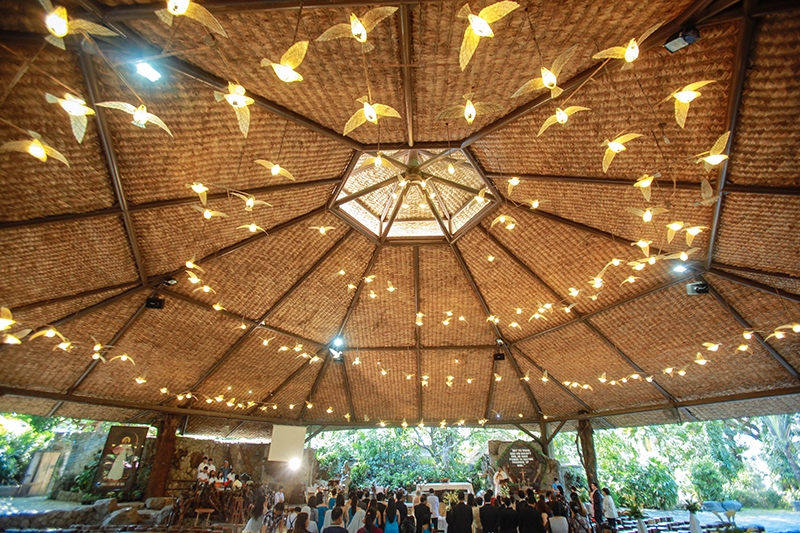
Infusing creation with worship, Franciso Mañosa and Linggoy Alvarez designed this church within a lush mango orchard. A key highlight is the anahaw-covered roof that angles upward to form a high ceiling for its interiors akin to the same form of the traditional bahay kuboBahay KuboThe traditional Filipino house built from bamboo, wood, and nipa palm. Raised on stilts for ventilation and flood protection, with a steep thatched roof to shed heavy rain, it isGo to Bahay Kubo Glossary. Local materials primarily make up the structure as the suspended roof weaves together 40,000 leaves. Alongside this, the surrounding mango trees form the structural components like pillars and beams.
The altar is crafted from rough coral marble complemented by madre cacao driftwood pedestals. The rock garden below the altar, adorned with various plants and water elements, allows the beauty of nature to accompany the practice of faith. Other natural elements are the log-crafted pews and pebble-washed floors that immerse users with an organic atmosphere. A vast assemblage of dove-shaped capizCapizA translucent windowpane oyster shell harvested mainly in the Philippines, named after the province of Capiz. Traditionally set into sliding wooden window grids in the bahay na bato, it softensGo to Capiz Glossary lanterns shine brightly as they encircle the ceiling as if ascending towards the heavens.
Church of St. John Bosco – Jose Maria Zaragoza
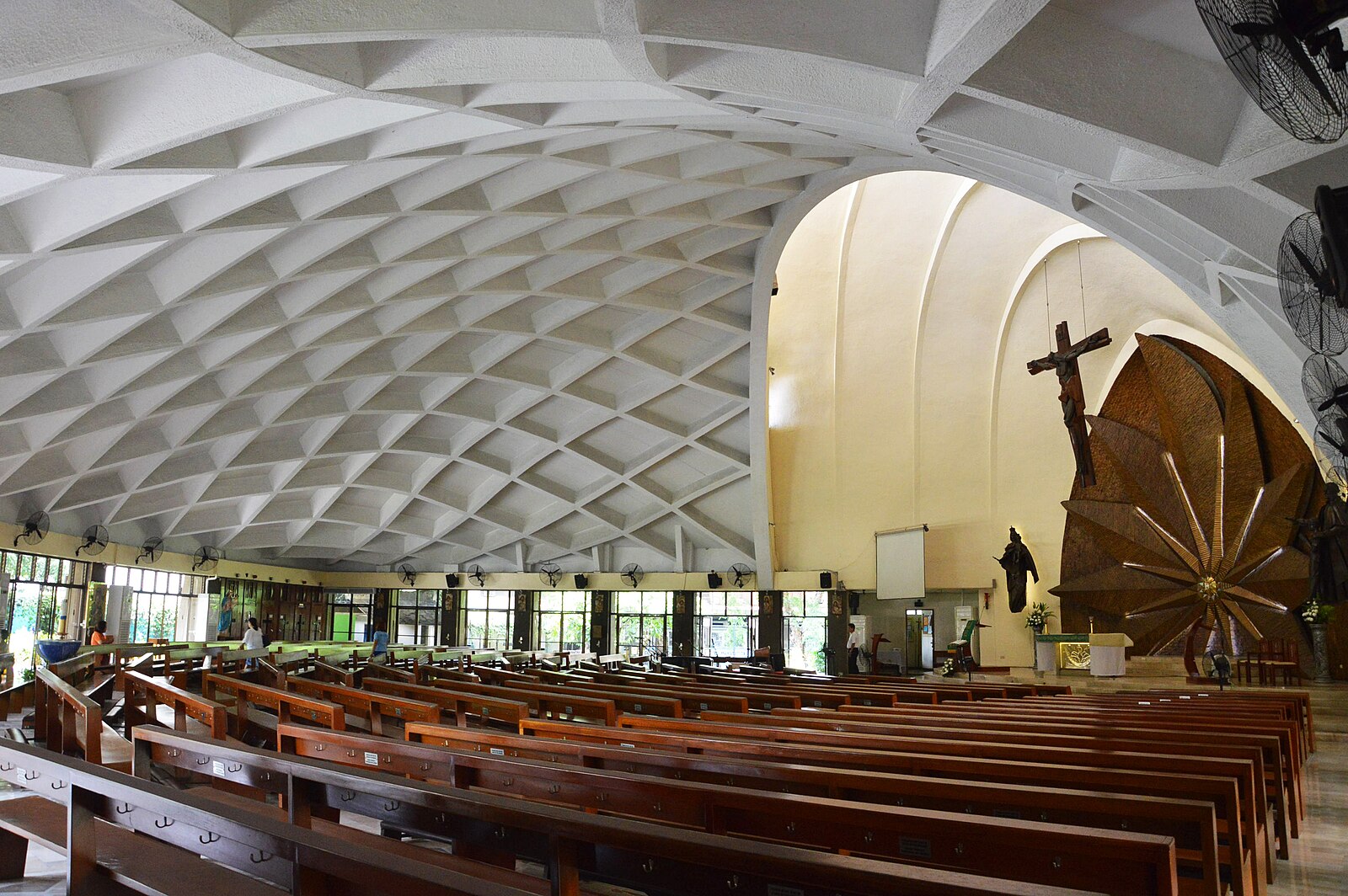
Completed in 1978, Jose Maria Zaragoza’s Church of St. John Bosco is a landmark along Makati’s Arnaiz Avenue. Its clamshell-inspired shape features a large arching roof contrasted by a lower sweeping one. The semicircular interior has a geometric ceiling treatment, with stained-glass clerestory windows between the two roofs illuminating the altar. A dramatically curved volume at the center captures light with a star-like sculptural wall, reinforcing the altar’s focal point.
Designed By Faith
These National Artists’ places of worship harmonize distinctly with the Filipino’s cultural nuances. Each displays architectural excellence translated into the act of worship. Enthusiasts can draw from this list when planning for their Visita Iglesia, adding a unique architectural experience to the practice of this tradition.
Read more: 7 Famous Churches in the Philippines
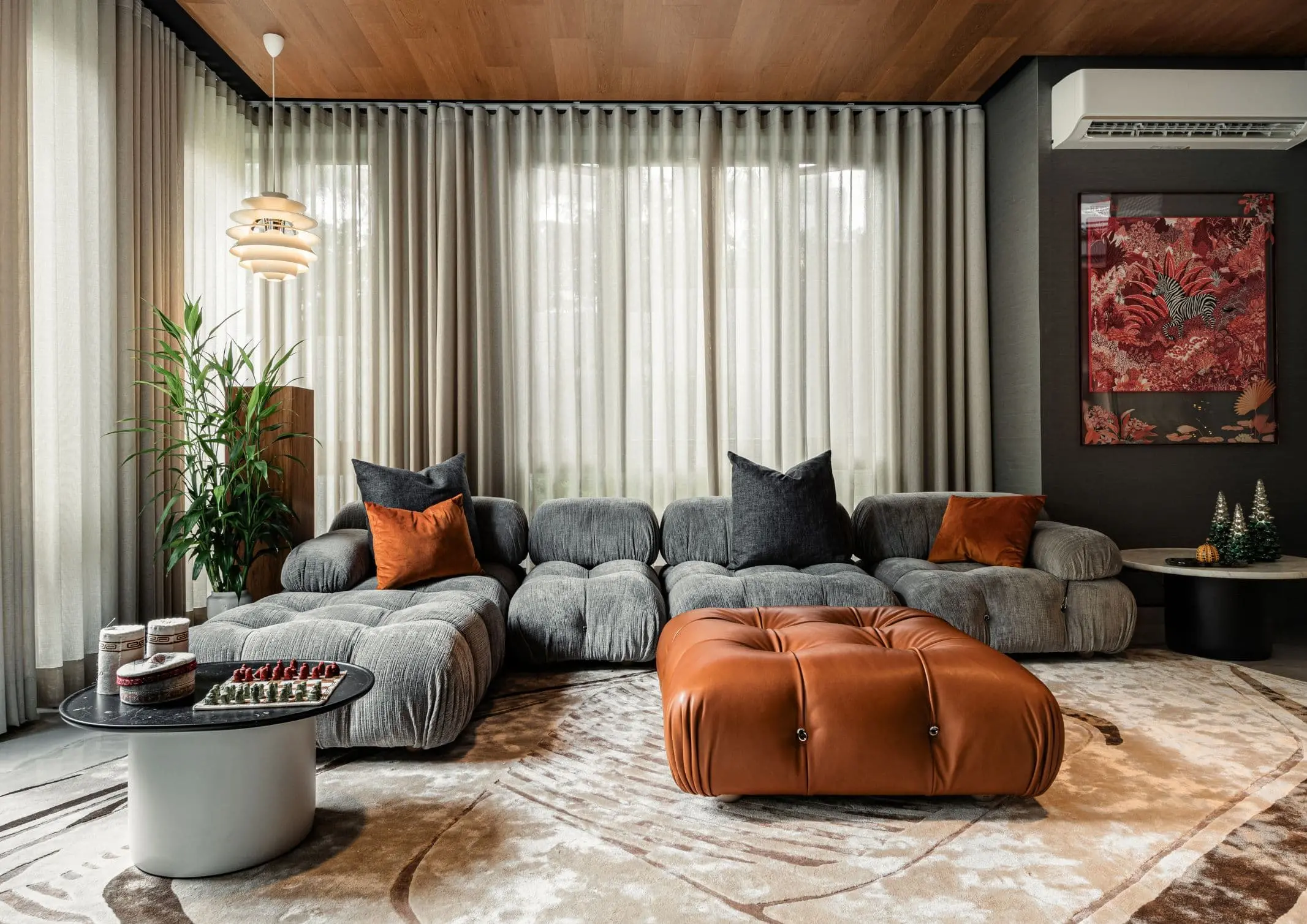
Some have become household names – Coleman, Oster, and KitchenAid – products that have found their way into Filipino kitchens, homes and family routines. In home furnishings, brands such as B&B Italia, Ethan Allen, Sub-Zero, Miele, SieMatic, Louis Poulsen, Hunter Douglas, Tempur, and Technogym, have helped shape the way Filipinos live. From everyday essentials to […]
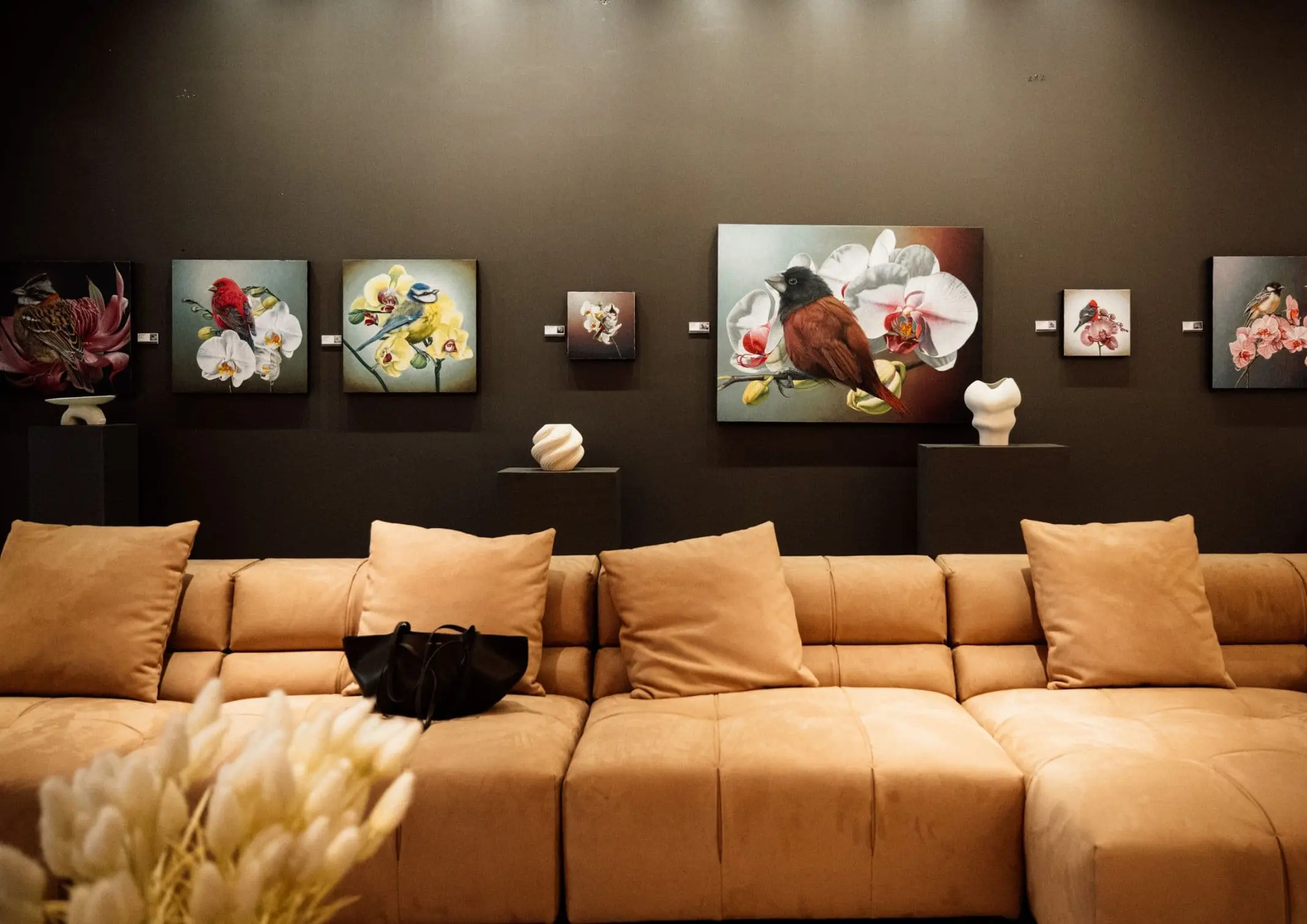
Art and furniture are often selected separately, yet their relationship can shape how a room looks and feels. The collaboration between Hooga and Galerie Joaquin explores how these elements can work together, bringing contemporary artworks into furnished residential settings at Hooga’s showroom in Uptown Mall, Bonifacio Global City. For Hooga, which curates furniture, lighting, and […]
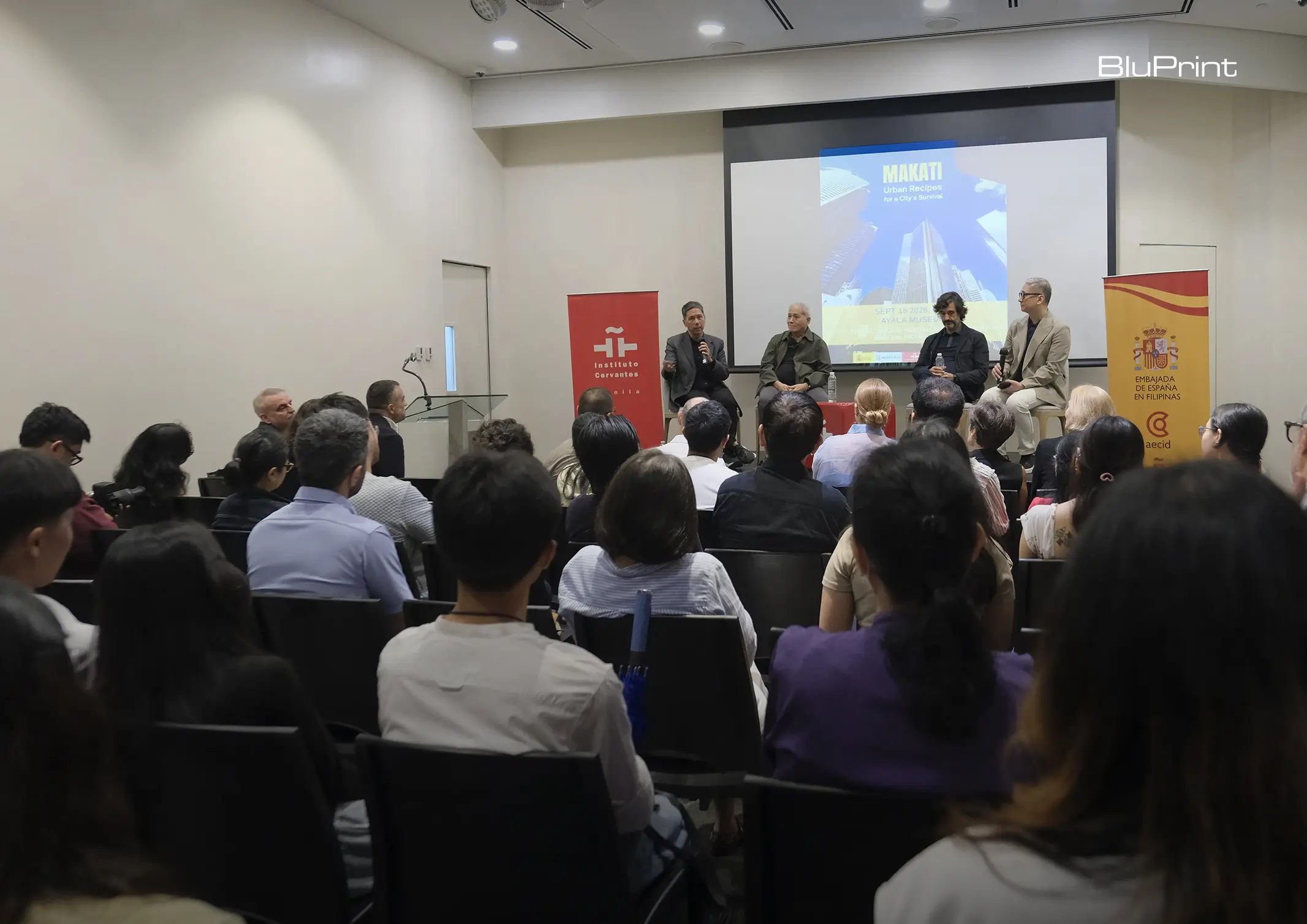
How can better-planned cities create the conditions for more creative, livable, and resilient urban environments? “Makati Urban Recipes for a City’s Survival,” a colloquium held at the Ayala Museum on September 15, brought together architects and practitioners from the fields of urbanism and the creative economy to discuss how design, planning, and collaboration can address […]

Held at the SMX Convention Center Aura in Taguig City, the first ASEAN Creative Industries Expo by Malikhaing Pinoy (ASEAN MPEx) features nine creative domains, including design, visual arts, digital interactive media, and performing arts. Organized by the Department of Trade and Industry (DTI), the event includes exhibitions, cultural performances, industry talks, and pitching sessions […]

Culture in design does not always announce itself through a recognizable motif, material, or symbol. It can also be embedded in the relationships designers build, the knowledge they listen to, the materials they choose, and the decisions they make in response to communities and their environments. This distinction emerged throughout the 2026 International Design Conference […]
Read the issues.

Collect the volumes.

Recommended Video
Tap to Unmute
Unmute
0:00
0:00