A kitchen is one of the hardest-working spaces in a home. It must withstand daily wear, changing routines, evolving technologies, and shifting lifestyle needs while remaining visually coherent within the larger architectural narrative. While every project has its own requirements, experienced designers often return to a similar set of considerations when evaluating a kitchen. Here […]
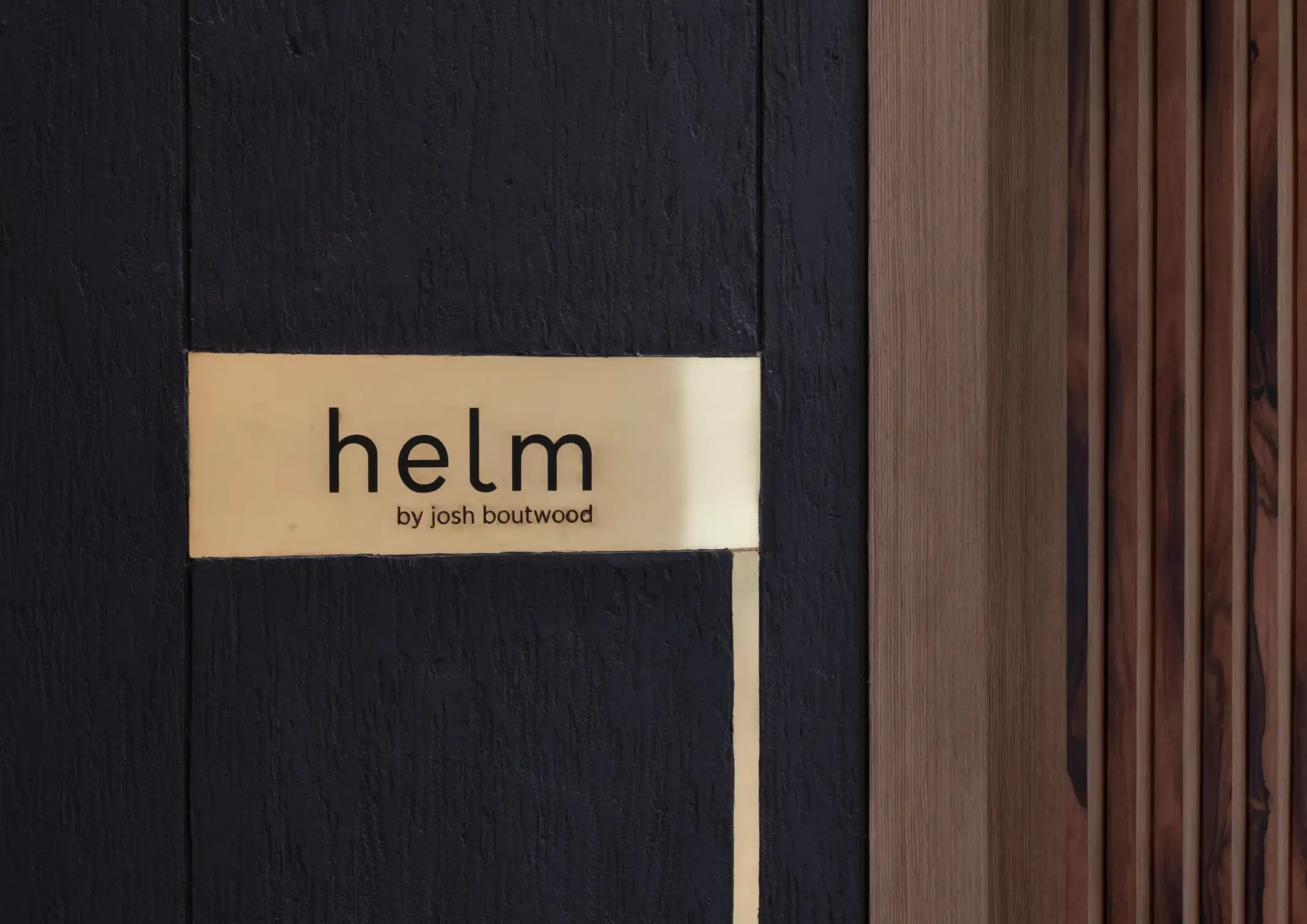
Helm Restaurant: A Culinary Performance



At Helm, dining unfolds as choreography. An open kitchen anchors the room, allowing guests to witness the precision behind its Michelin-starred fine dining menu.
Designed by Kevin Nieves of Headroom, the 24-seat restaurant reflects that same discipline in its interior design. Tucked within Ayala Triangle Gardens in Makati, Helm brings together culinary recognition and architectural intent in equal measure.
Honesty in Cooking: The Kitchen as Theatre
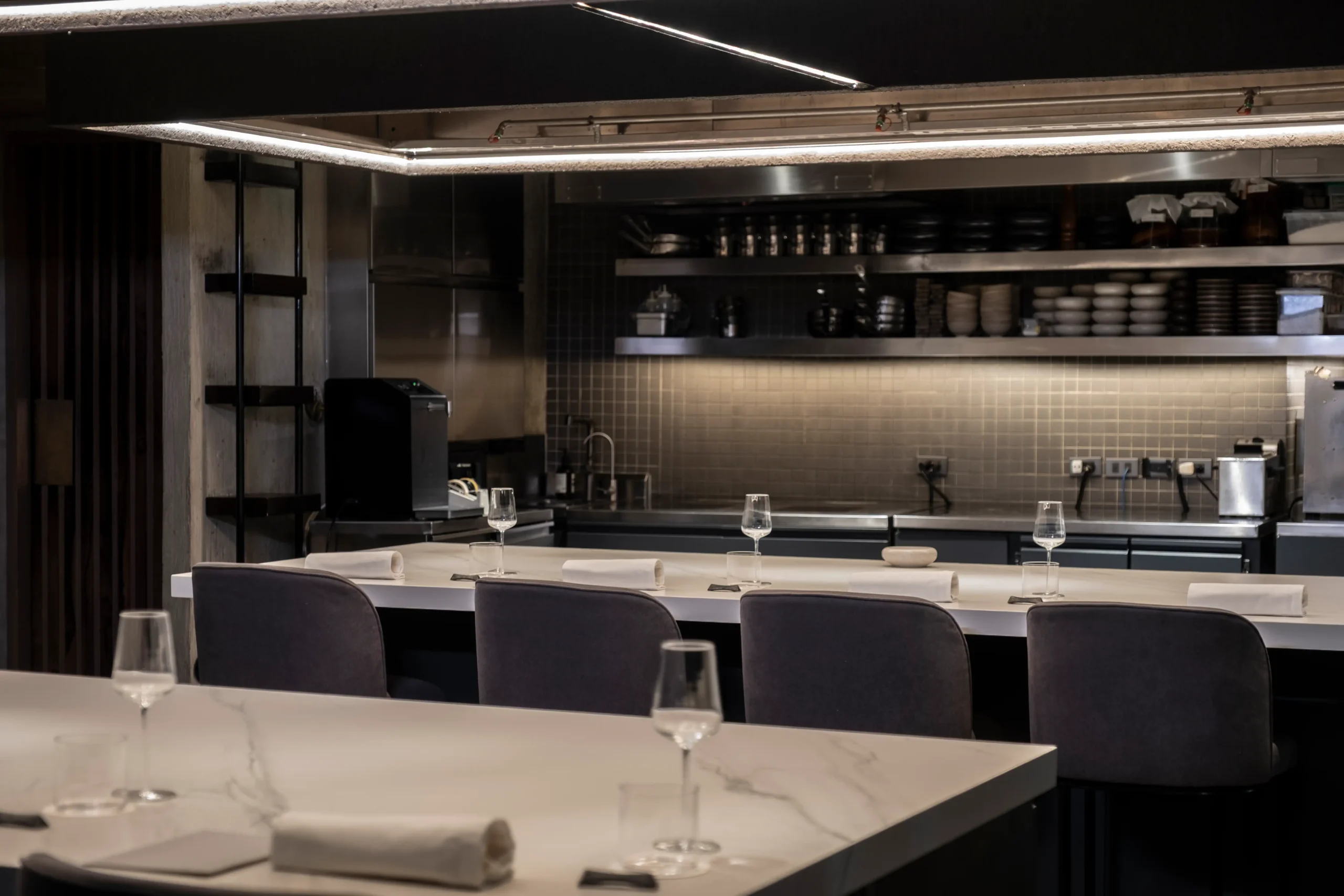
Chef Boutwood wanted an open and intimate layout that would make diners feel as though they were inside the kitchen themselves. “It’s part of his method of serving dishes and cooking that guests are witness to the process. We call it a theatre,” Nieves says.
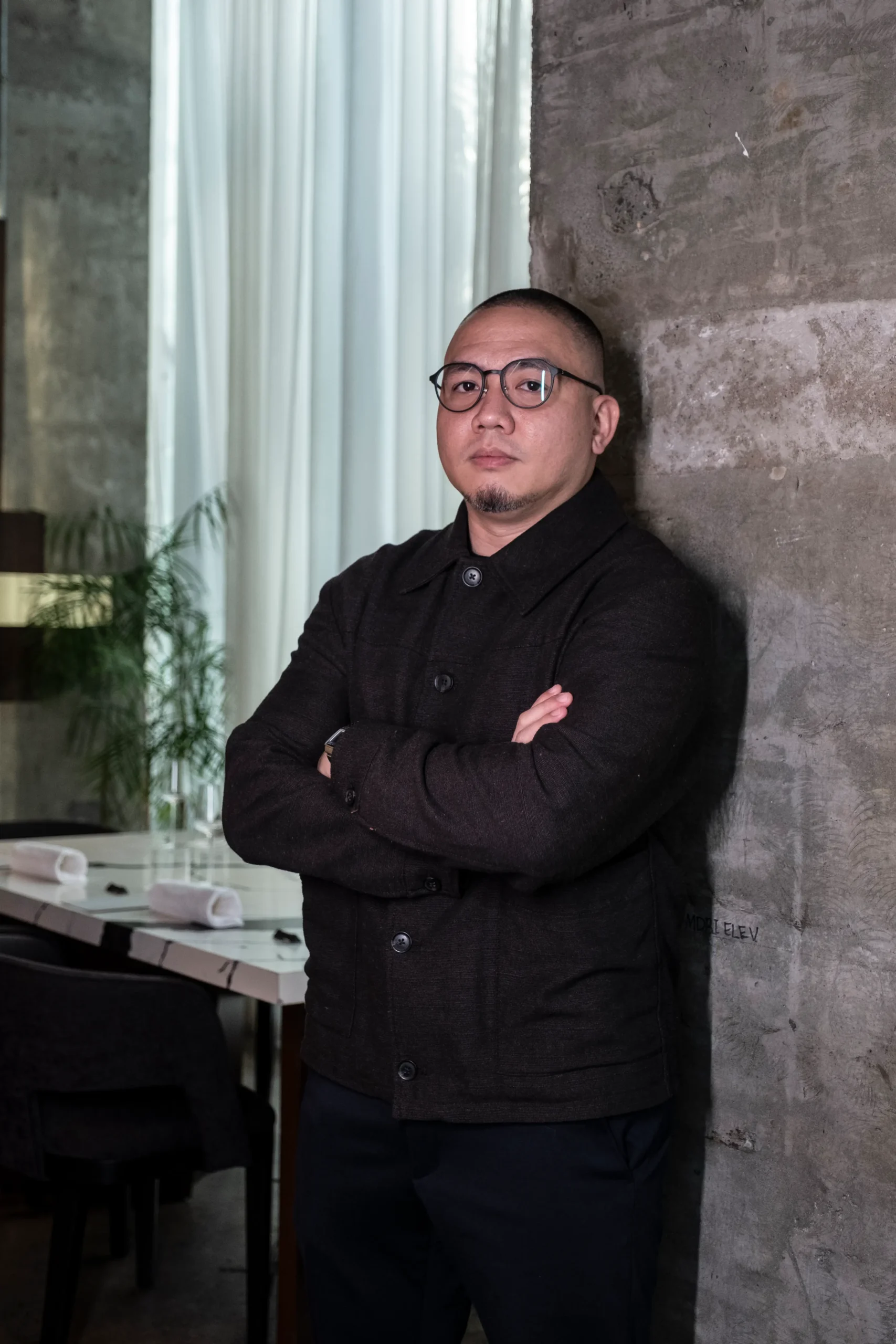
The layout frames dining as performance. The openness reinforces a sense of honesty in the ingredients. Nieves extends this concept into the restaurant’s spatial design. Upon entering, guests are immediately drawn to the raw structural columns. Highlighted by Nieves and the chef himself, the columns serve as a defining element of the space.
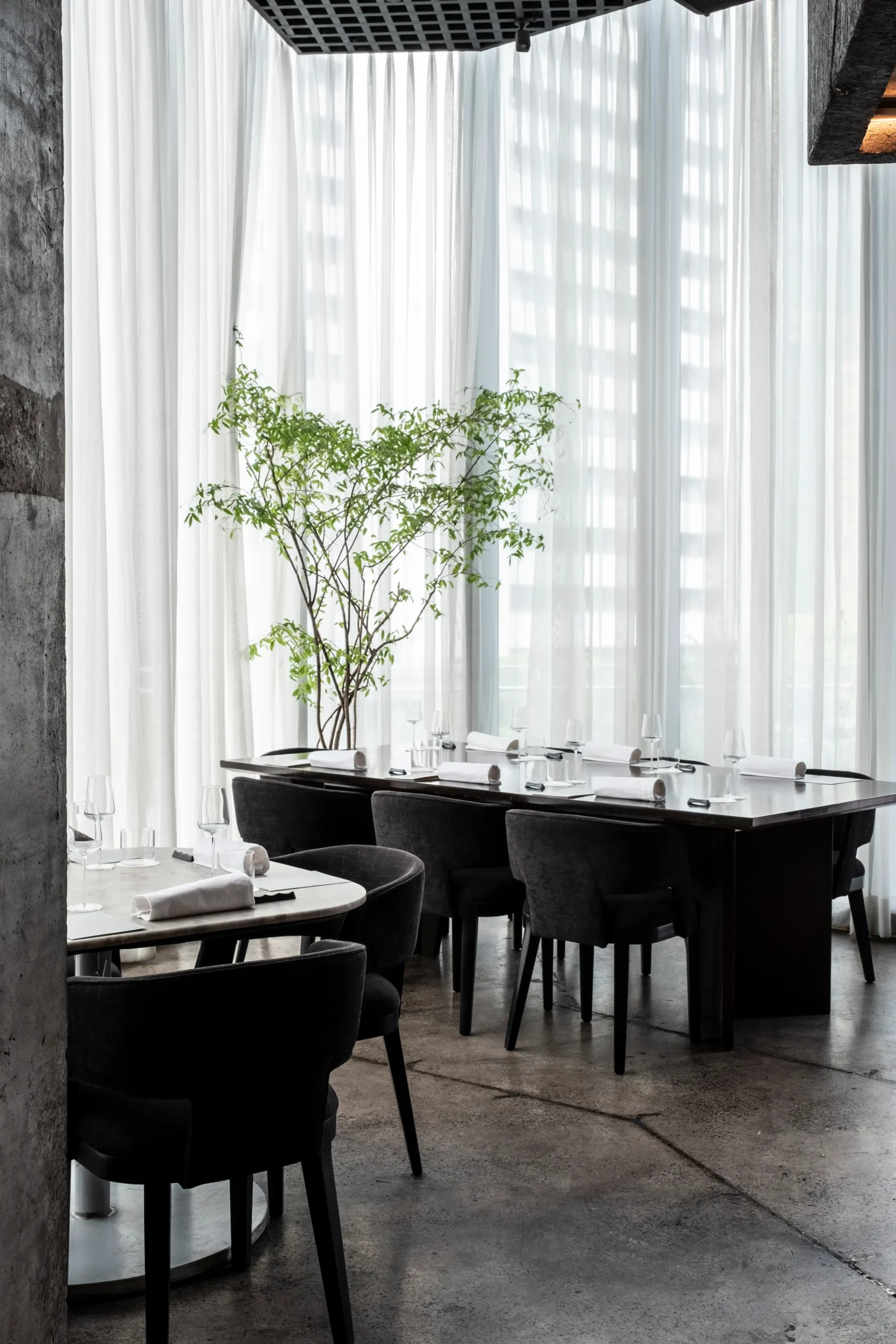
To create a dynamic textural language, the raw column is paired with a sculpture made from reclaimed wood covered with a brass finish. Nieves sought to create a balance between roughness and refinement. “We want them to feel this sort of exclusive peek or sneak inside the chef’s kitchen. So, the space is really designed to be open and embracing at the same time,” Nieves states.
Imperfect Materiality: Beauty in the Unconventional
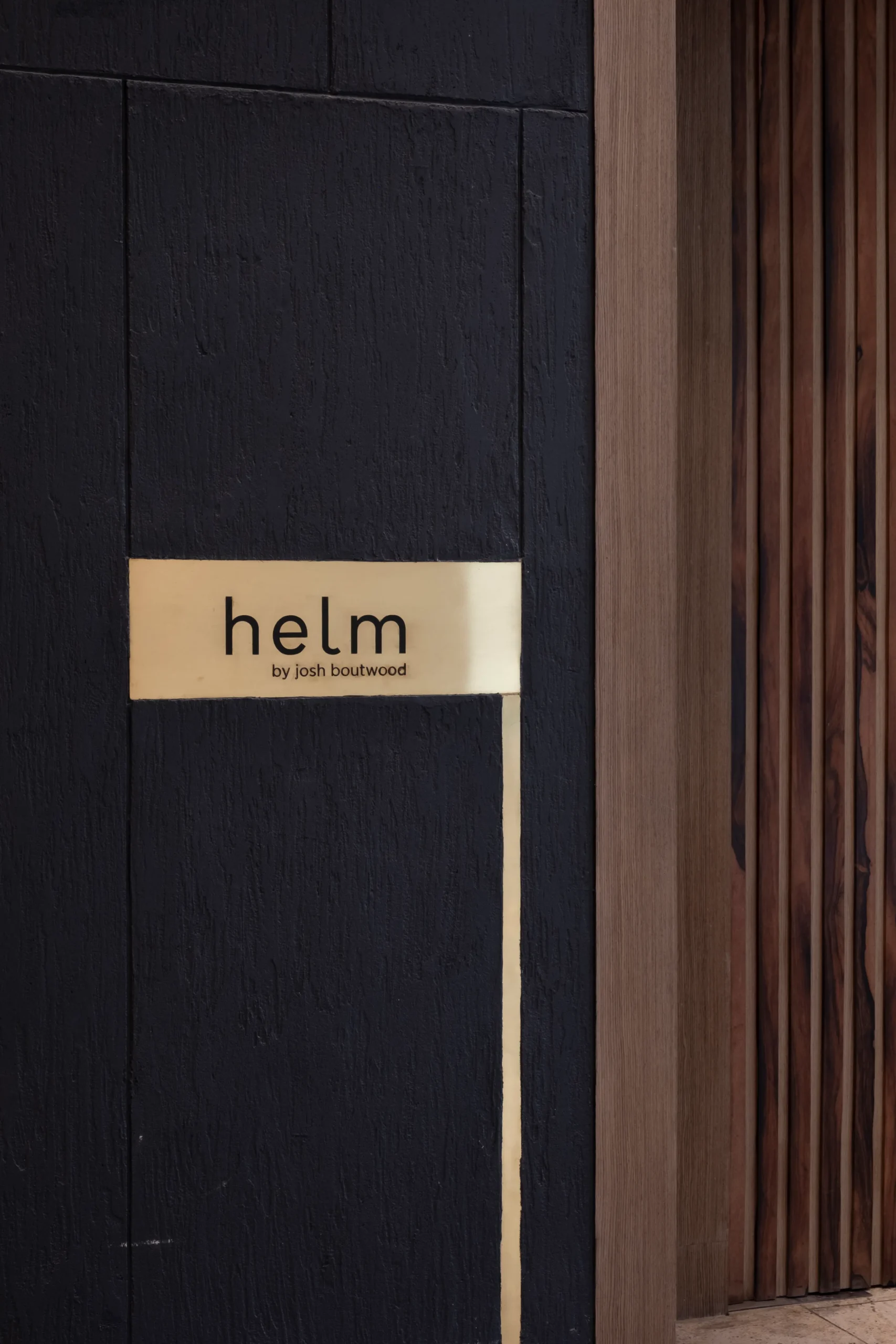
Upon entering, guests are greeted by a concrete wall featuring a central pocket door crafted from reclaimed kamagong wood. The wood’s veining echoes the patterns of the Calacatta marble used for the tables and counter. The use of reclaimed material underscores the restaurant’s embrace of imperfection as part of its design language.
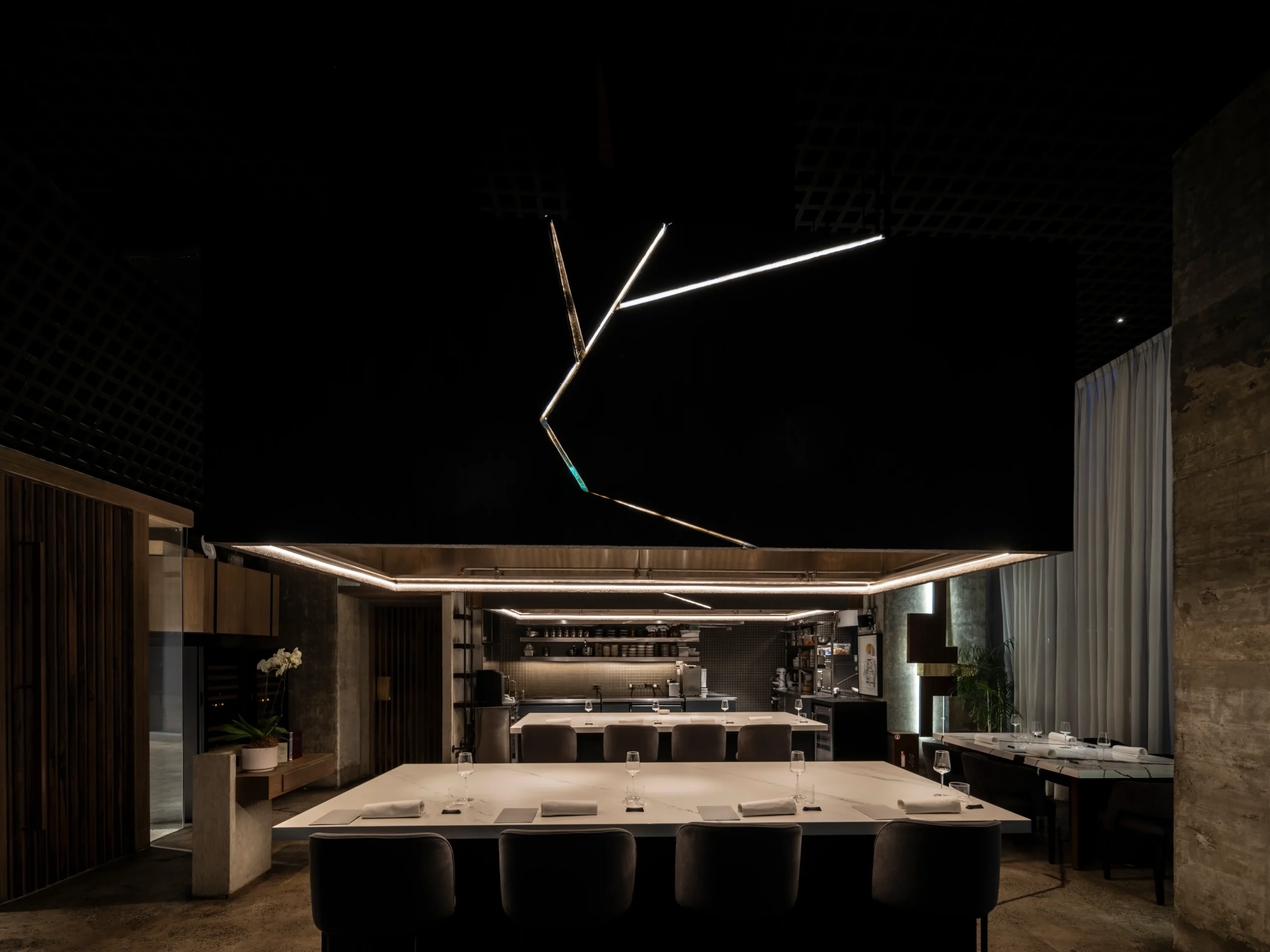
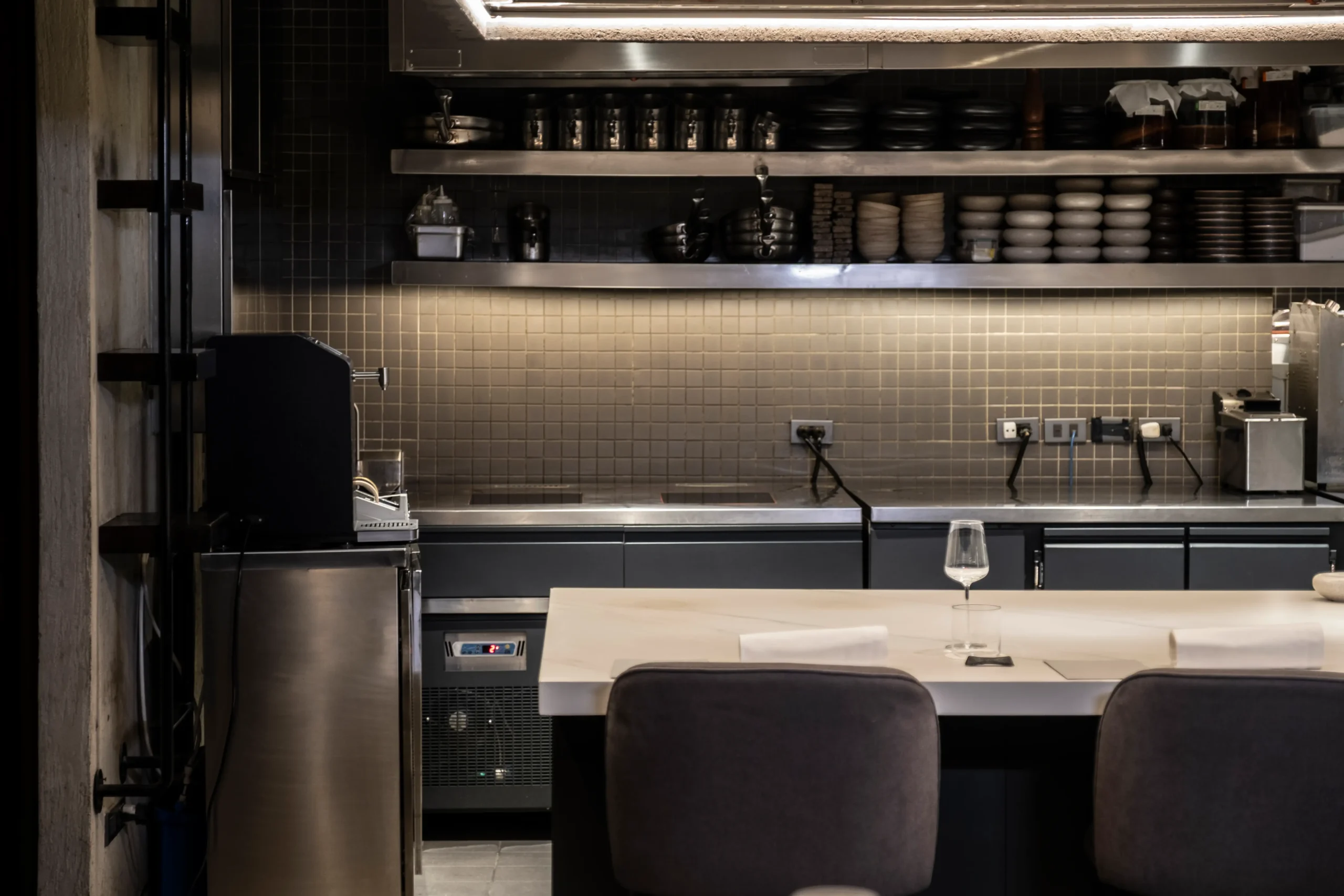
The entrance features two black powder-coated stainless steel central islands: one for hot cooking with invisible cookers and the other for cold preparation with freezers. The black finish allows the white sintered stone countertops to appear to float during dinner service, drawing focus to the food. Adjustable pin lights above the hood give the chef control over the illumination of each dish. The floating stainless hood, clad in rough cement render, contrasts with the smooth countertop and incorporates slashes of light that emphasize the natural stone’s imperfections.

Acoustics and Seating: Designed for Connection
Conversation and connection are integral to the dining experience, making acoustics a paramount design consideration. A waffle ceiling and wood surfaces were used for sound absorption, with curtains added along the glass areas to reduce echo and soften sound reflections. The space was also planned to accommodate different dining sizes, with a focus on couples or groups of four, typical for a tasting menu. The two central counters, where food preparation is visible, are reserved first. Larger tables for six and four-seaters are arranged throughout the room.
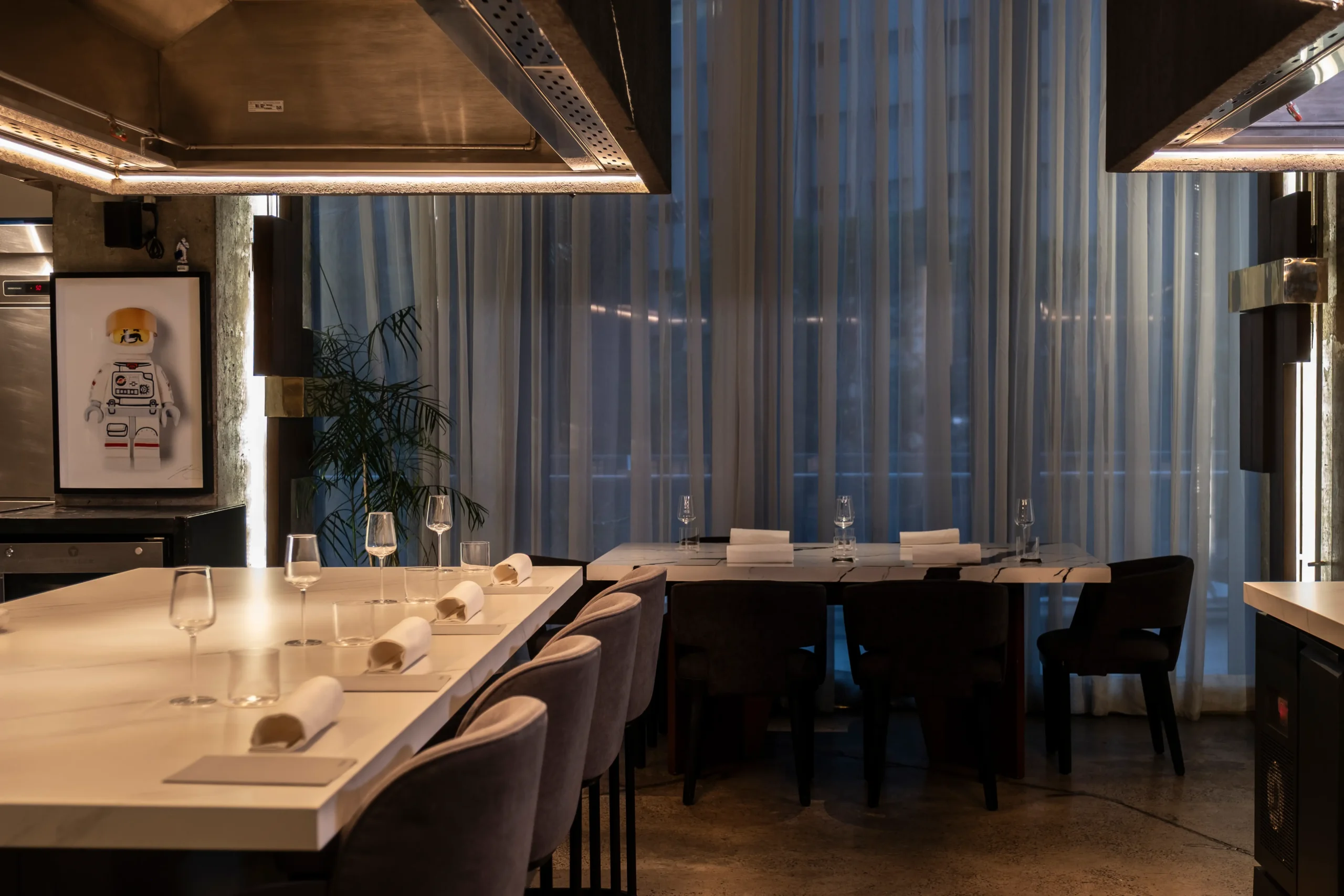
The aim was to make diners feel as though they were truly part of the kitchen environment — not merely seated before it, but immersed in its workings. As Nieves describes, “[the] challenge here is how do we make it look like you’re really inside the kitchen?” He continues, “It’s like seeing behind the curtains of how these chefs, these cooks do their thing. We want them to feel this sort of exclusive peek or sneak inside the chef’s kitchen.”
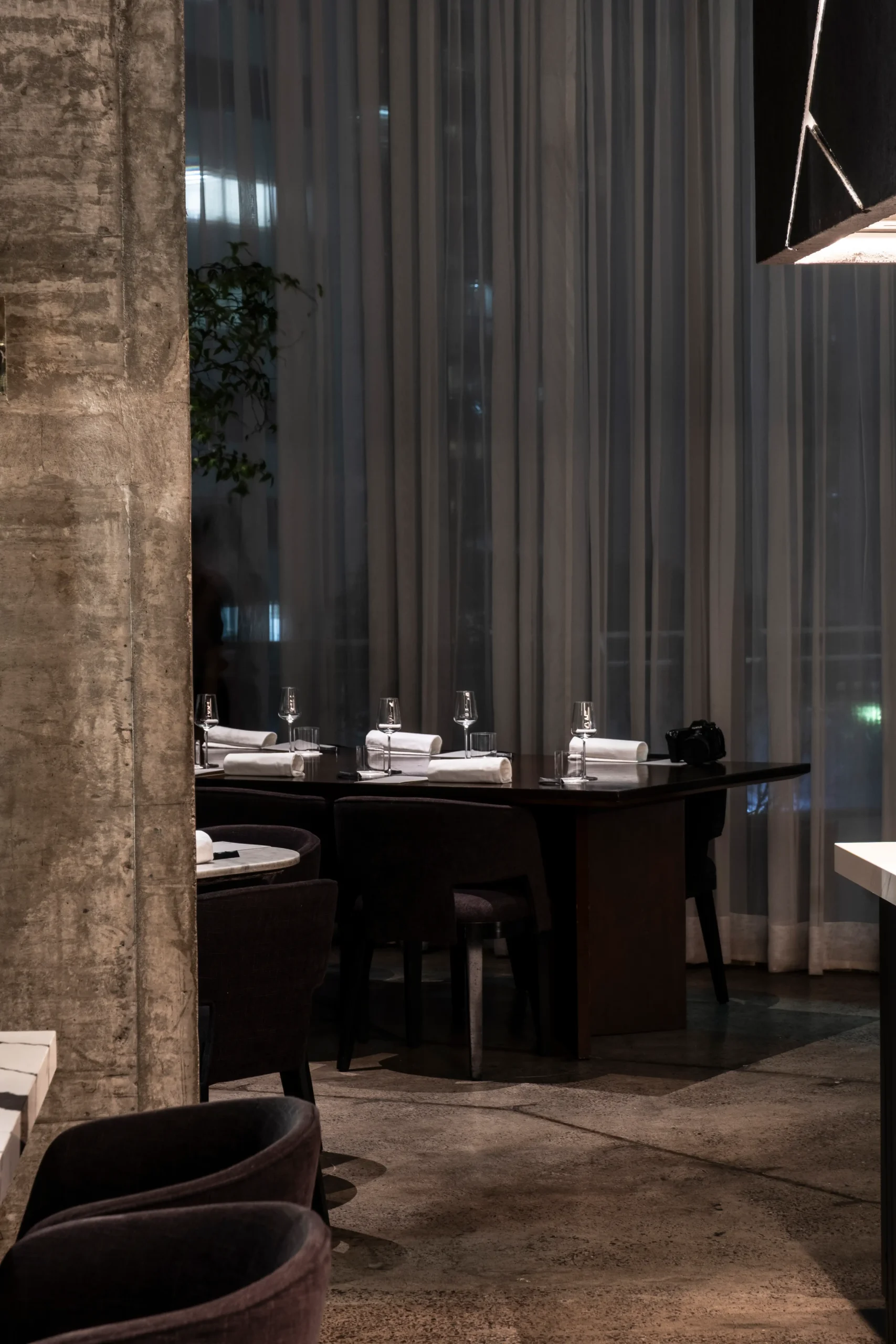
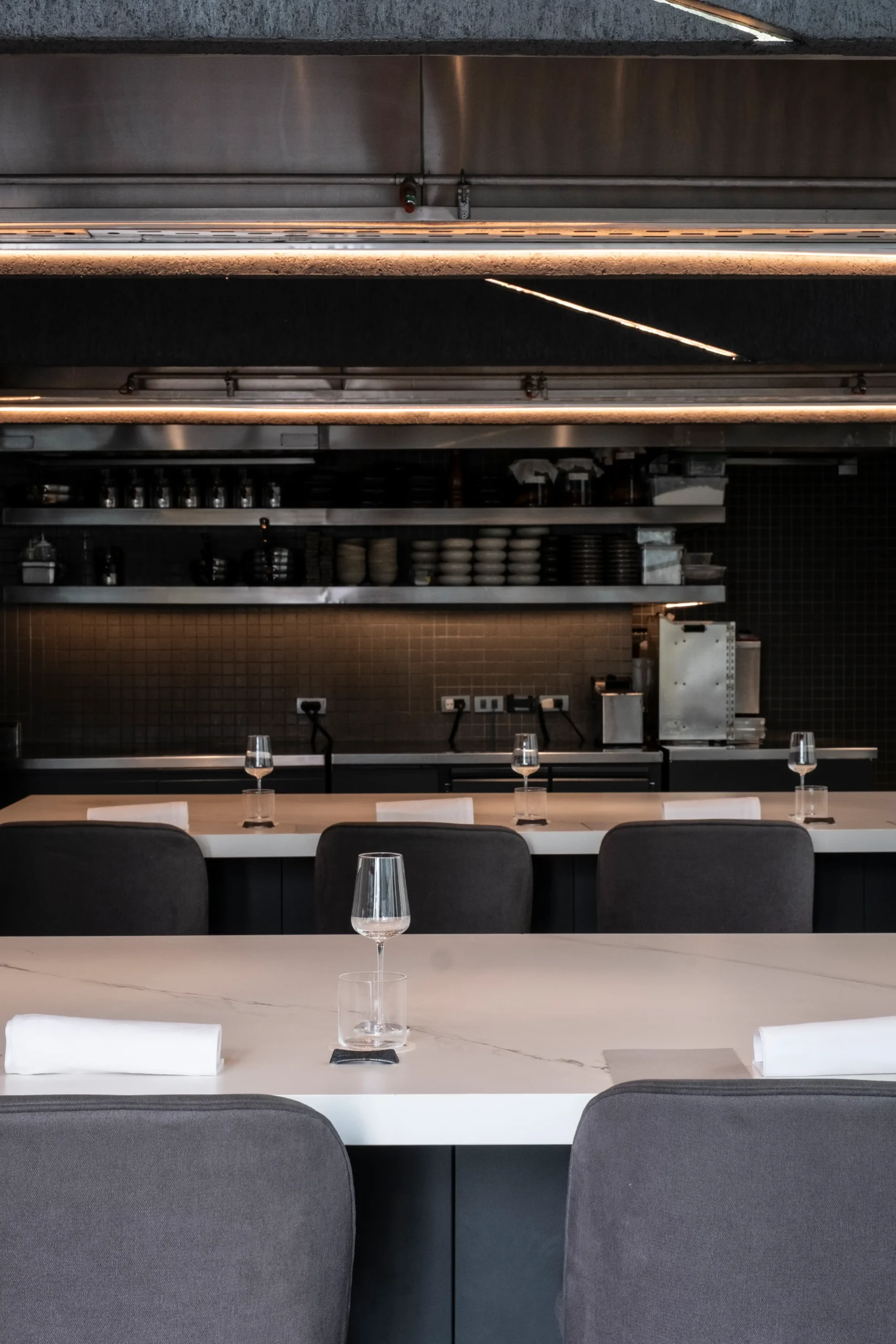
No detail was spared in calibrating the dining experience. Adjustable and dimmable lighting was installed to highlight each course. “Each food served has a different lighting scheme,” Nieves explains.
Since receiving two Michelin stars from the Michelin Guide, Helm has seen an influx of reservations. Its future presents new considerations for growth. Nieves shares: “I think the natural question is, how can we maybe expand Helm without really diluting the experience? So we’re not thinking of it yet, but it’s there up in the air.”
For now, Helm remains defined not by its scale, but by the discipline of its design, where architecture and cuisine operate in alignment.
Photographed by Ed Simon.
Read More: Flow: Where Filipino Craftsmanship Meets Culinary Artistry
Frequently Asked Questions
The design centers on an open and intimate layout where the kitchen acts as the stage. Chef Josh Boutwood and designer Kevin Nieves intended for diners to feel as though they are actually inside the kitchen rather than just observing it. This “honesty in cooking” allows guests to witness the precision of the culinary process, with seating arrangements—particularly the two central counters—prioritizing views of hot cooking and cold preparation.
Helm embraces a balance between roughness and refinement. The design features raw structural columns and concrete walls paired with luxurious materials like Calacatta marble and brass-finished reclaimed wood. A key feature is the reclaimed kamagong wood pocket door, whose natural veining echoes the marble patterns. This mix of smooth stone and rough cement render highlights “beauty in the unconventional,” emphasizing the natural imperfections of the materials.
To ensure that conversation remains intimate despite the open kitchen, Nieves used a waffle ceiling and wood surfaces for sound absorption, along with curtains to soften sound reflections. Lighting is equally technical: adjustable pin lights and dimmable schemes are calibrated for each course. During dinner service, the black powder-coated stainless steel islands make the white sintered stone countertops appear to float, keeping the guest’s visual focus entirely on the food.
The restaurant is designed for 24 guests, primarily accommodating couples or groups of four, which is typical for a tasting menu. The most sought-after spots are the two central counters where preparation is visible. For larger groups, there are tables for six and four-seaters arranged throughout the room. Each area is positioned to maintain a sense of exclusivity and a “sneak peek” into the chef’s workspace.
Since receiving two Michelin stars, Helm has faced an influx of reservations. While expansion is a “question in the air,” the team is cautious about diluting the intimate, disciplined experience that defines the current space. For now, the focus remains on maintaining the alignment between the architecture and the cuisine rather than increasing the scale of the operation.
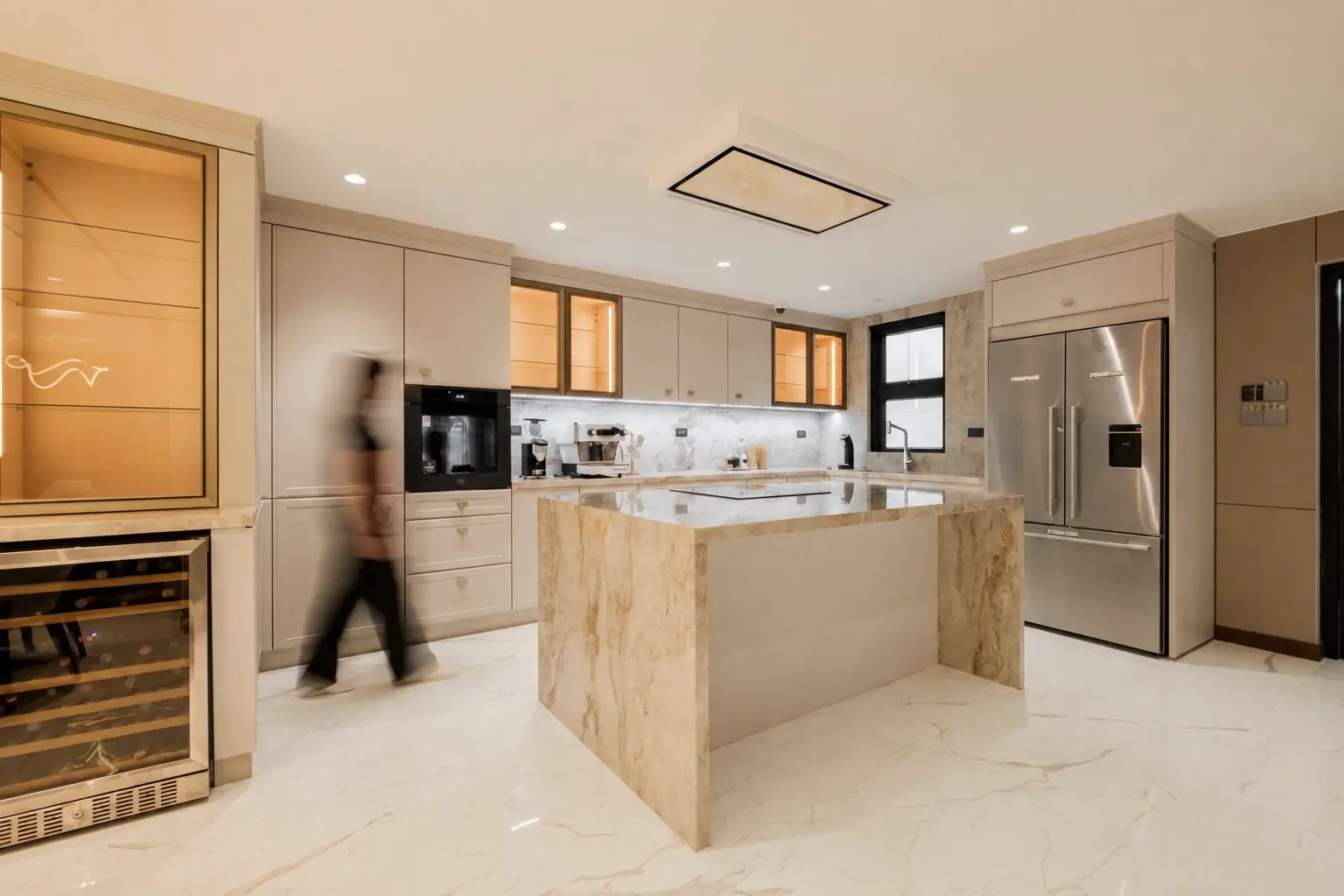
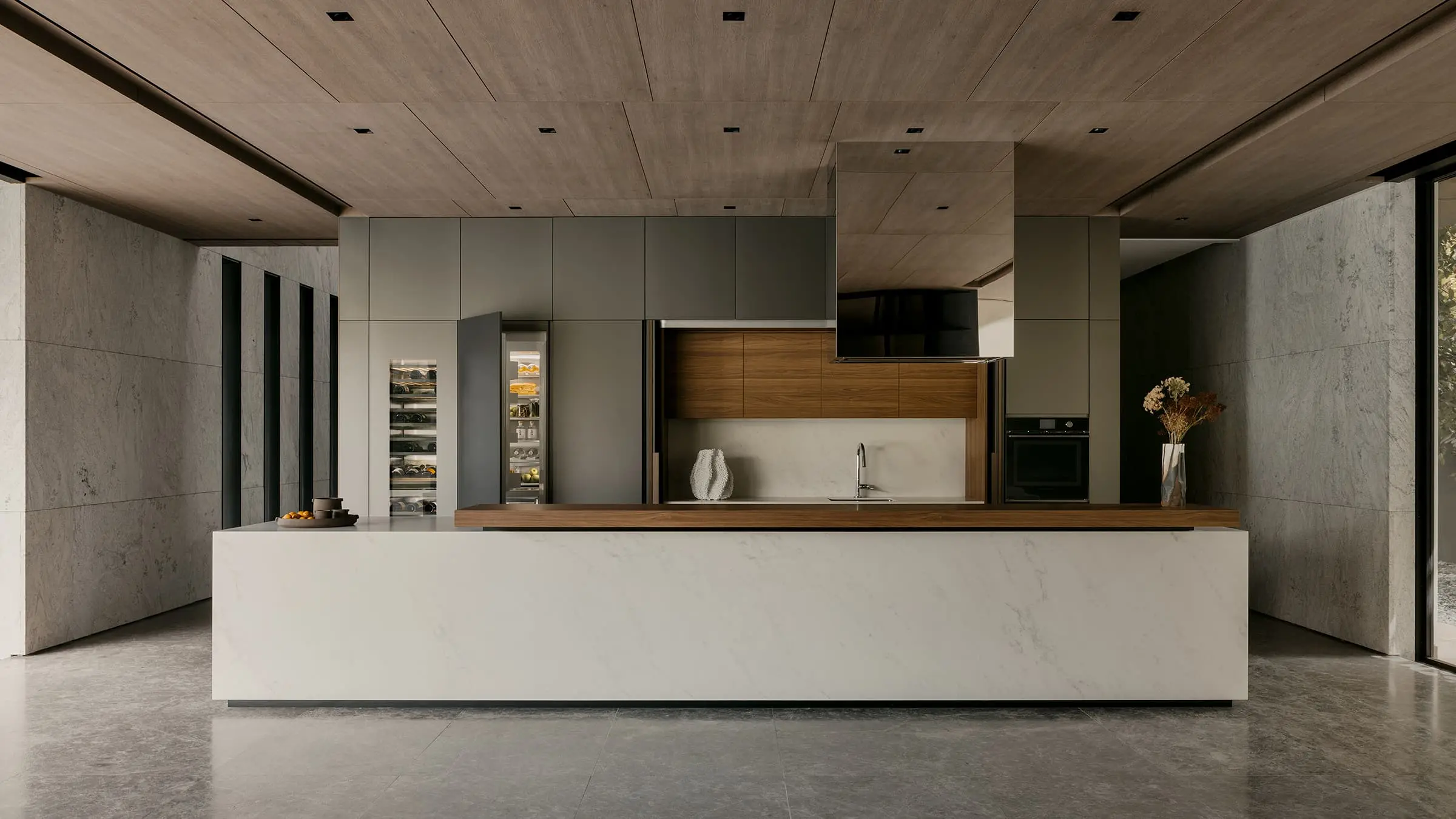
The modern kitchen has evolved beyond its traditional role as a place for preparing meals. It is the heart of the home – a space where daily rituals unfold, conversations linger and the rhythm of everyday life takes shape. As open-plan living continues to redefine residential design, the kitchen is no longer a separate room, […]
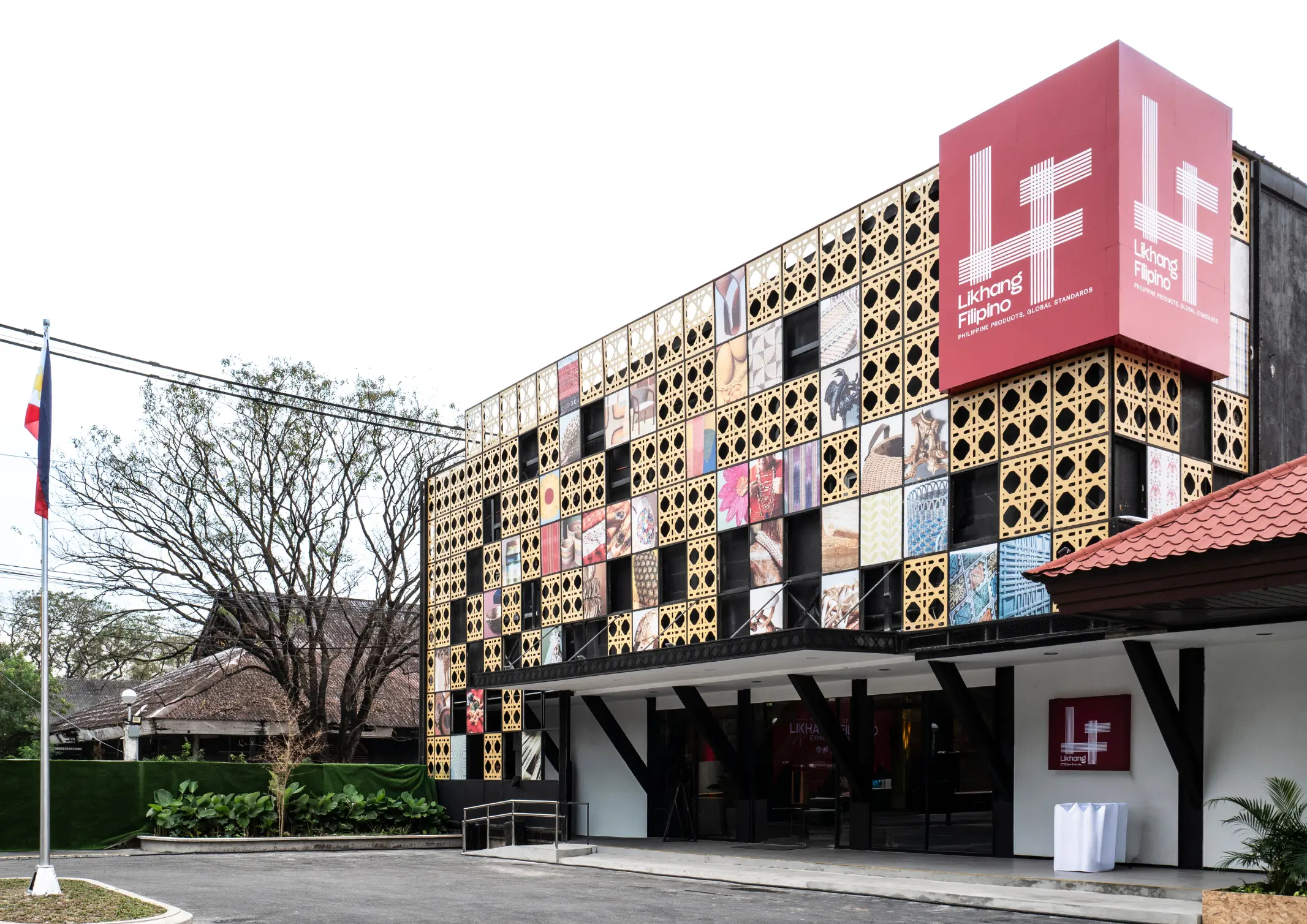
Likhang Filipino stands on the former site of the PhilTrade Center along Roxas Boulevard in Pasay City, a landmark that once symbolized the Philippines’ export ambitions and introduced Filipino craftsmanship to international audiences. Originally inaugurated in 1979, the PhilTrade Center was conceived as a national showcase for Philippine exports, with its longitudinal form and sloping […]
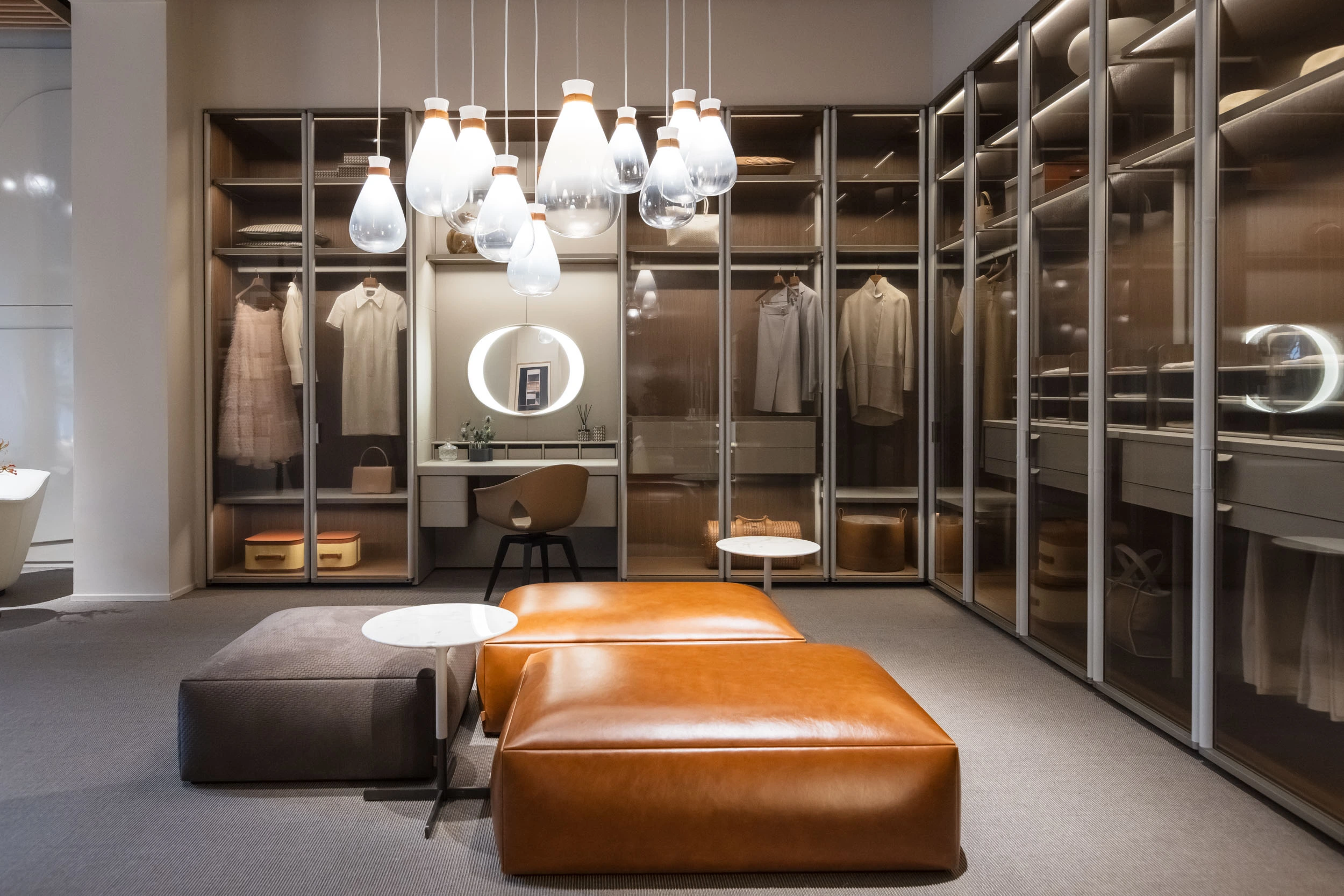
Presented during Milano Design Week 2026 at Palazzo Gallarati Scotti, Poltrona Frau’s flagship store in Milan, the “True Over Time” Collection celebrates one of the brand’s most enduring values: authenticity. More than a matter of craftsmanship or material quality, durability is understood as a design’s ability to preserve its meaning over time, remaining relevant across […]
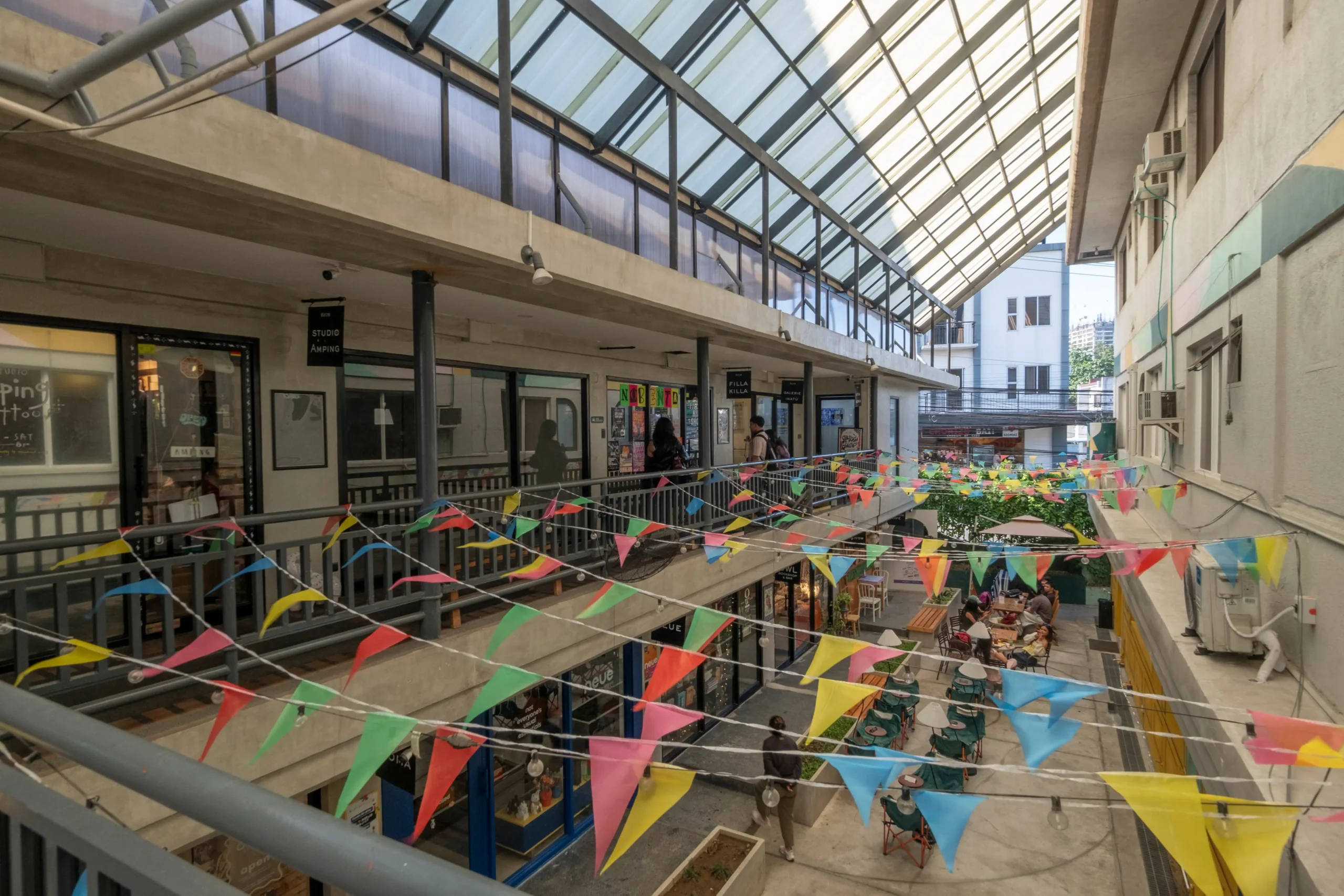
Within a two-building commercial complex organized around a central courtyard, an unexpected layout unfolds. The shops are small and quaint, uniformly sized, and directly face one another like apartment units. This is Atúa. Related Reading: Creative Placemaking: Designing Public Spaces that Reflect Shared Memory What used to be a functioning hotel in the early 1990s, […]
Download this month's BLUPRINT magazine digital copy from:



Subscribe via [email protected]
Recommended Video
Tap to Unmute
Unmute
0:00
0:00