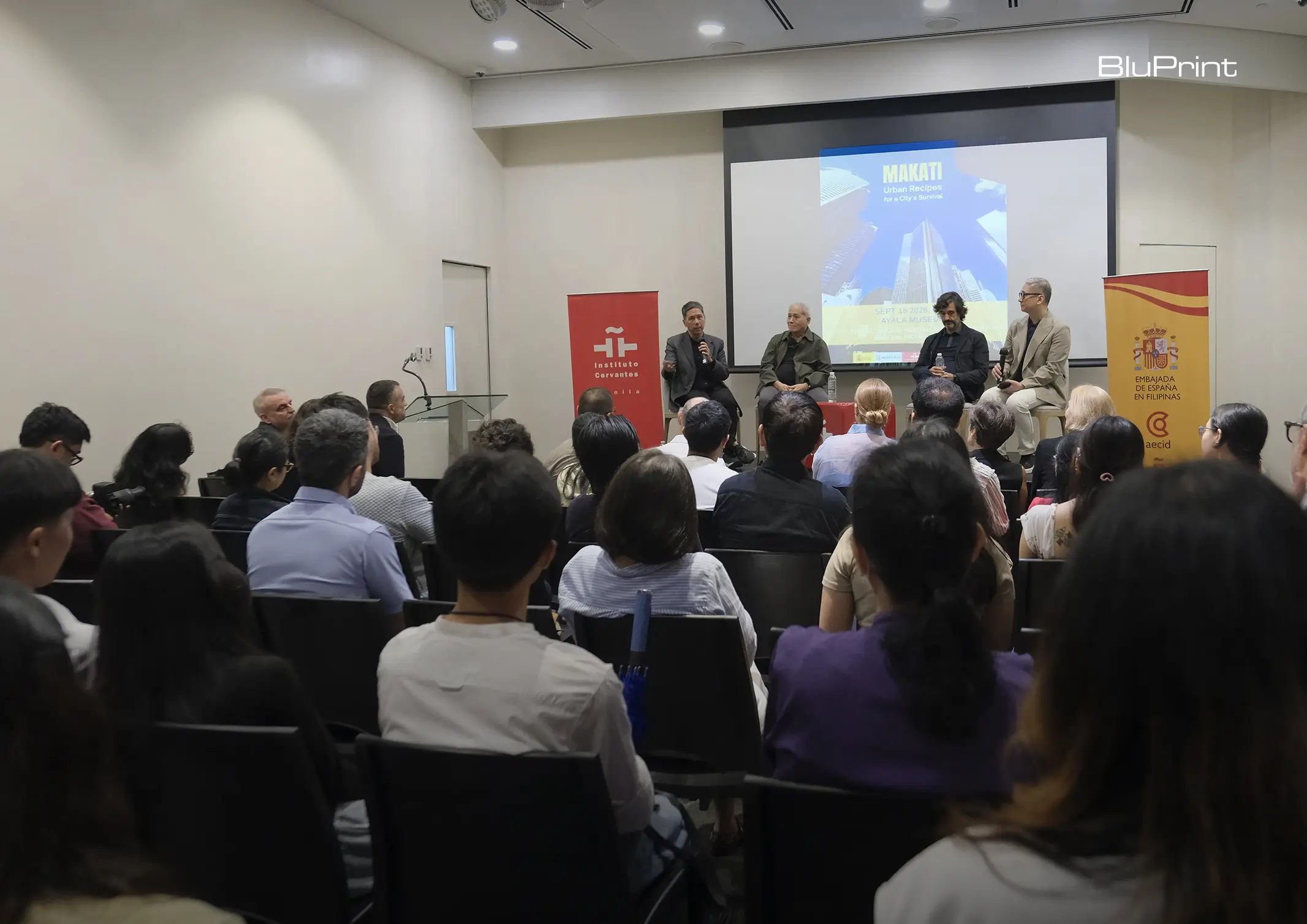
How can better-planned cities create the conditions for more creative, livable, and resilient urban environments? “Makati Urban Recipes for a City’s Survival,” a colloquium held at the Ayala Museum on September 15, brought together architects and practitioners from the fields of urbanism and the creative economy to discuss how design, planning, and collaboration can address […]
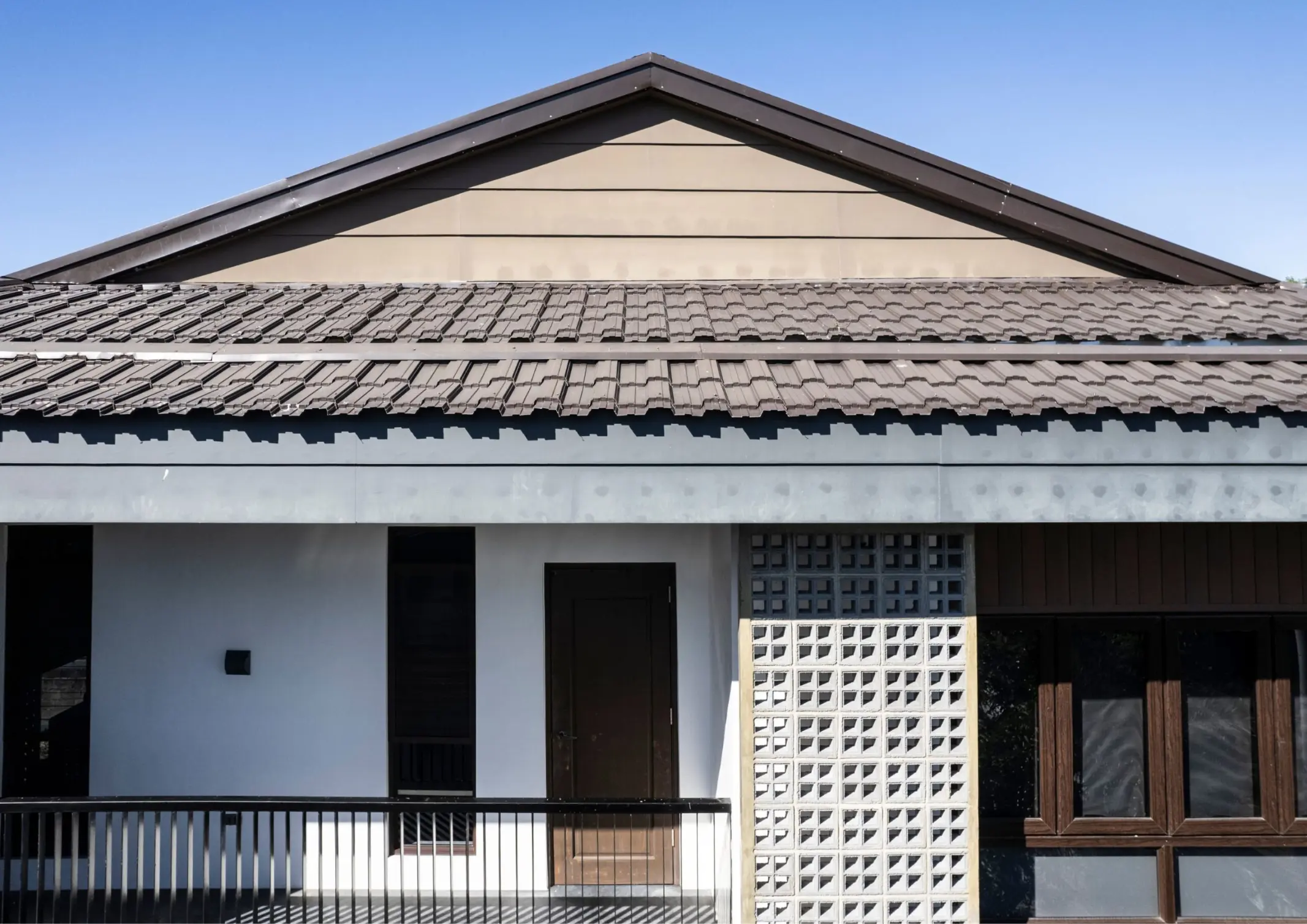
Why Natural Ventilation Still Matters in Philippine Architecture
Natural ventilation in Philippine architecture offers great airflow that counters heat and humidity.



Ventilation involves the introduction of outdoor air into a room, providing occupants with their needs. Proper ventilation allows for the moderation of internal temperatures, the creation of better airflow, the dilution of carbon dioxide to acceptable levels, and the removal of contaminants. This addresses health risks associated with indoor air pollution, such as respiratory problems and allergies. For tropical climates like the Philippines, natural ventilation lessens the impact of heat and humidity.
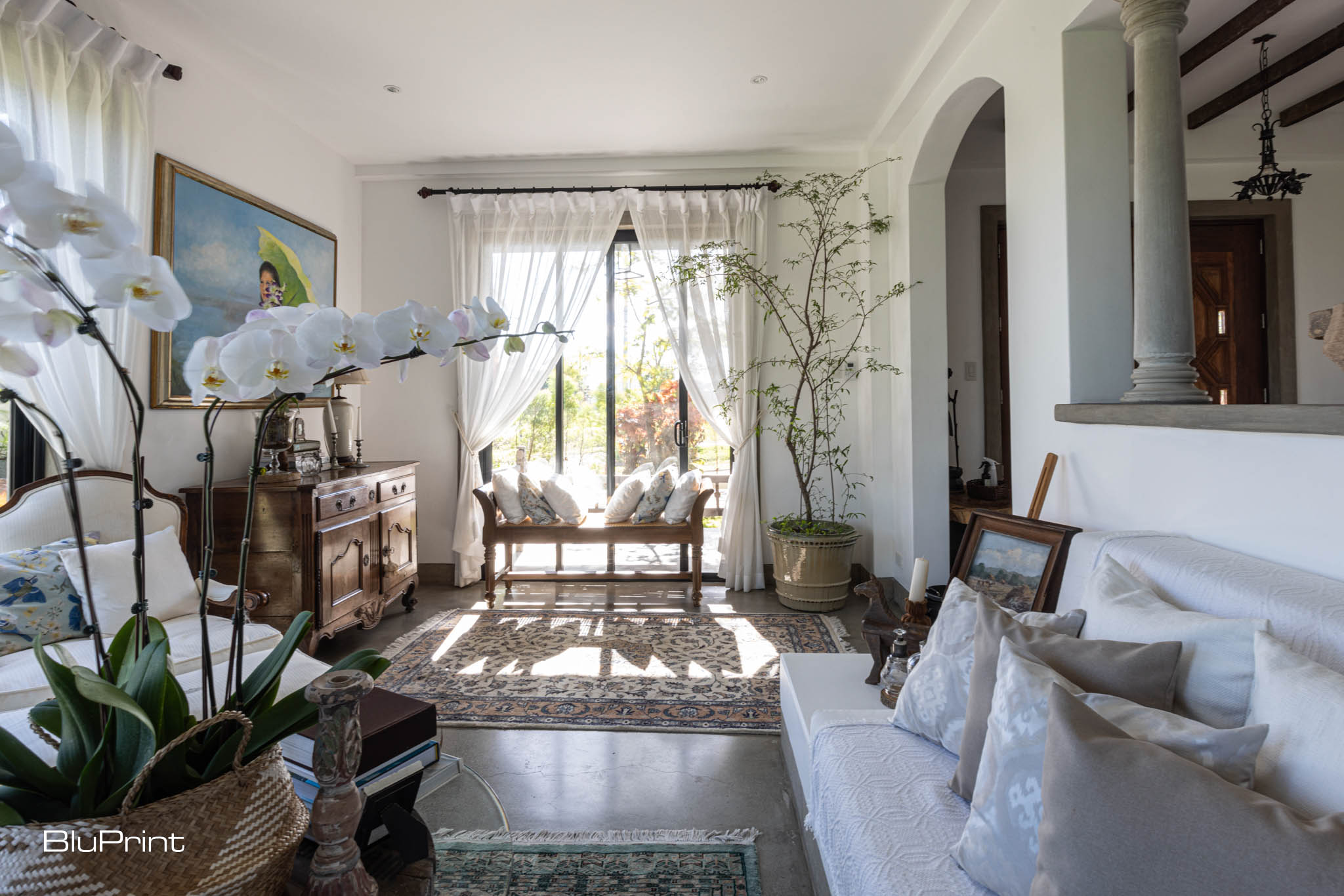
What is Natural Ventilation?
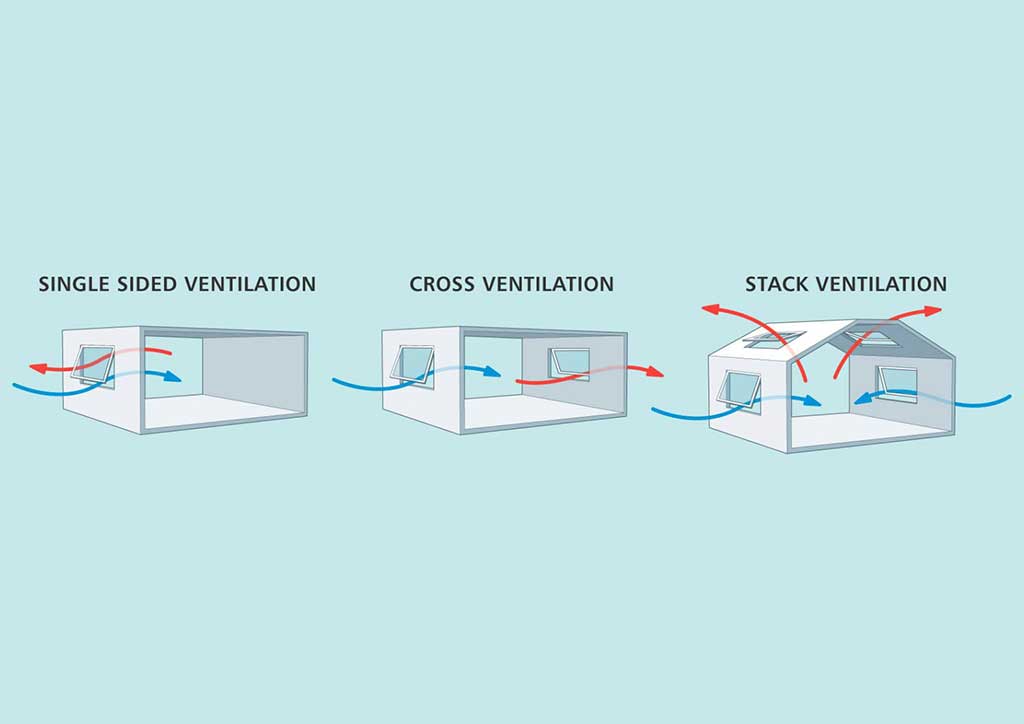
Natural ventilation is a passive coolingPassive CoolingStrategies that lower indoor temperatures without mechanical air-conditioning, relying on building design instead. Techniques include cross-ventilation, stack effect, deep eaves, shading devices, thermal mass, courtyards, and vegetation. Essential in theGo to Passive Cooling Glossary method that supplies fresh air into a structure through wind pressure and thermal buoyancy. Wind-driven ventilation involves single-sided and cross ventilation. Meanwhile, buoyancy-driven ventilation occurs when density differences between indoor and outdoor air cause warm air to rise. In structures with openings high and low, cooler outdoor air pushes the indoor air out and up, creating a cooler interior space.
Related Reading: A Quick Crash Course On Natural Home Ventilation
Examples of Natural Ventilation in Philippine Architecture
In Philippine architecture, natural ventilation is a key feature. The modern bahay na bato, for instance, blends the past and present as it adapts to needs of the 21st century. Malacañang Palace’s design elements addressed the local environment. This includes an elevated and overhanging wooden upper floor, featuring capiz shell windows, that welcomed good ventilation and natural light. Not only does this architectural style serve as a part of the country’s built heritage, it also showcases how Filipinos have adapted to the local weather conditions.
Related Reading: Bahay na Bato Architecture: 10 Amazing Homes
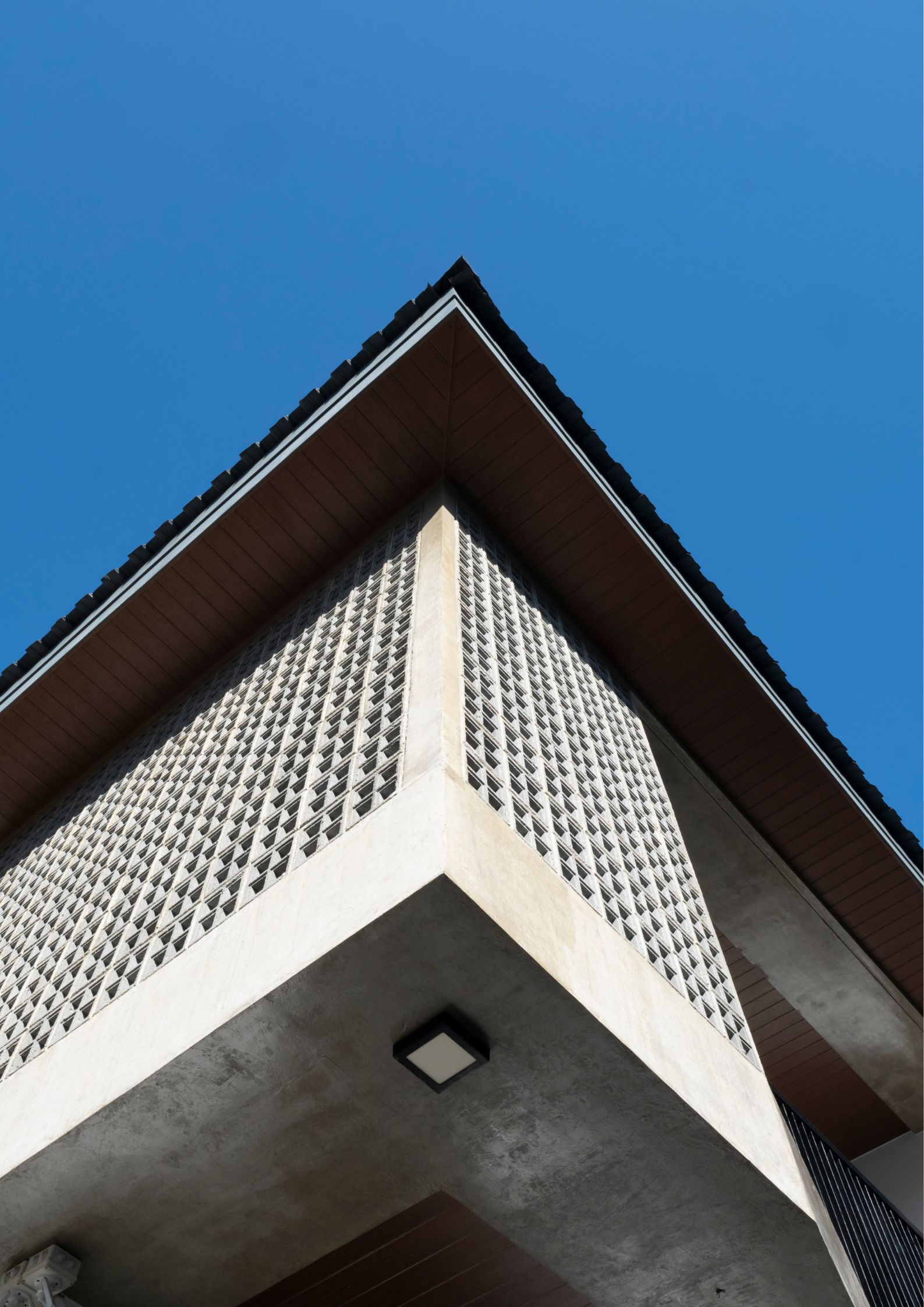
While modern Filipino homes have become reliant on mechanical ventilation, natural ventilation remains a relevant topic. Situated in Nueva Ecija, San Pedro Architects’ Tabing Bahay is a modern interpretation of the bahay na bato. It utilizes a capiz window design that offers both aesthetic appeal and natural ventilation.
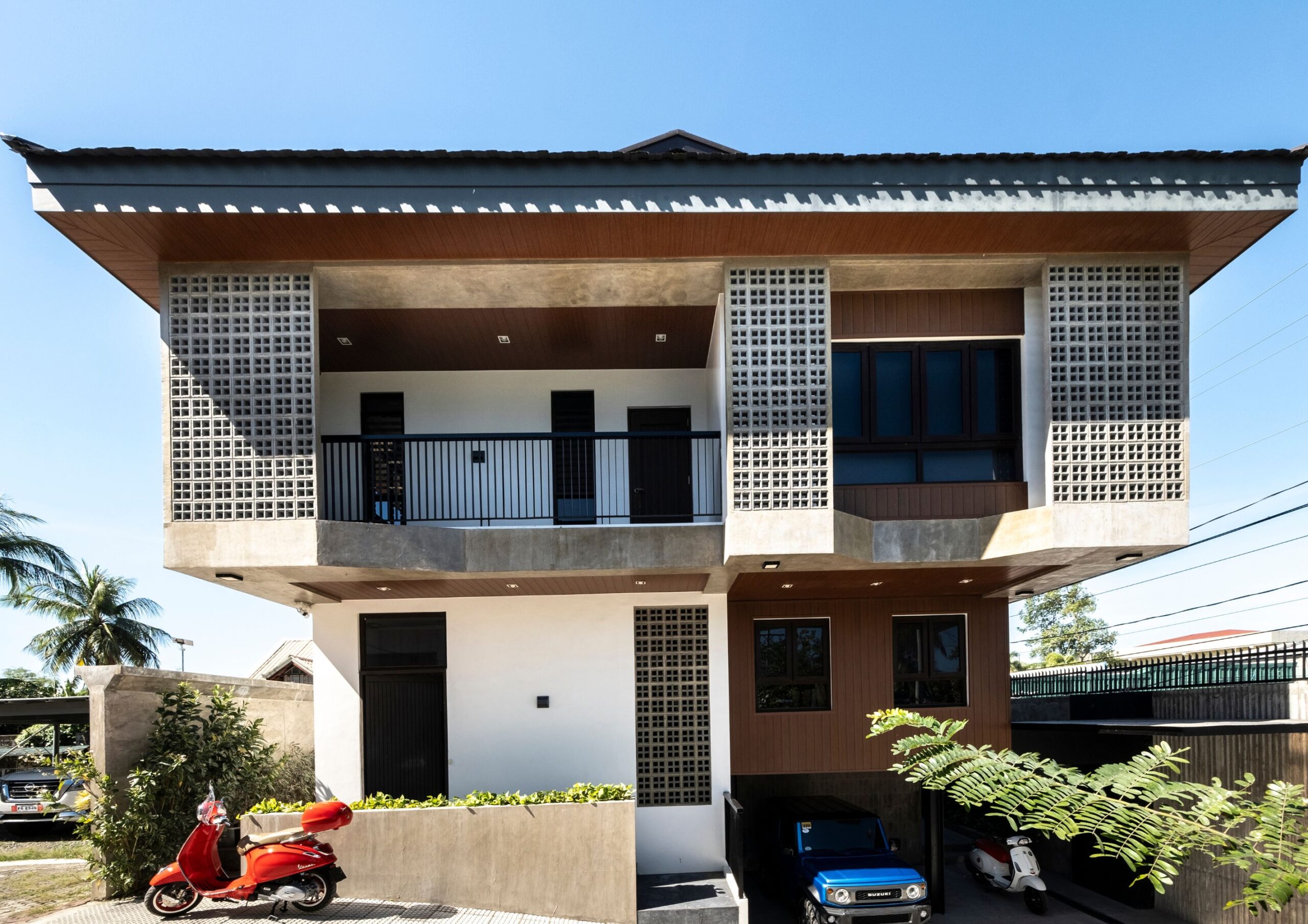
Reimagining traditional materials, its window design introduces natural sunlight and air into the home. Through strategic placement of openings, it decreases the need for artificial cooling systems like air-conditioning. The concrete windows, with their smaller openings, control the wind to make it colder. This layer over the home’s walls provides a barrier that absorbs the tropical heat.
Related Reading: Tabing Bahay: A Modern Take on the Bahay na Bato
Architect Miko delos Reyes advocates for natural light and ventilation: “Hand in hand with natural light of course comes ventilation – particularly natural ventilation. Even if we’re planning to use mechanical supplements to the house, I still think that natural ventilation is still important because it improves the quality of the space.”
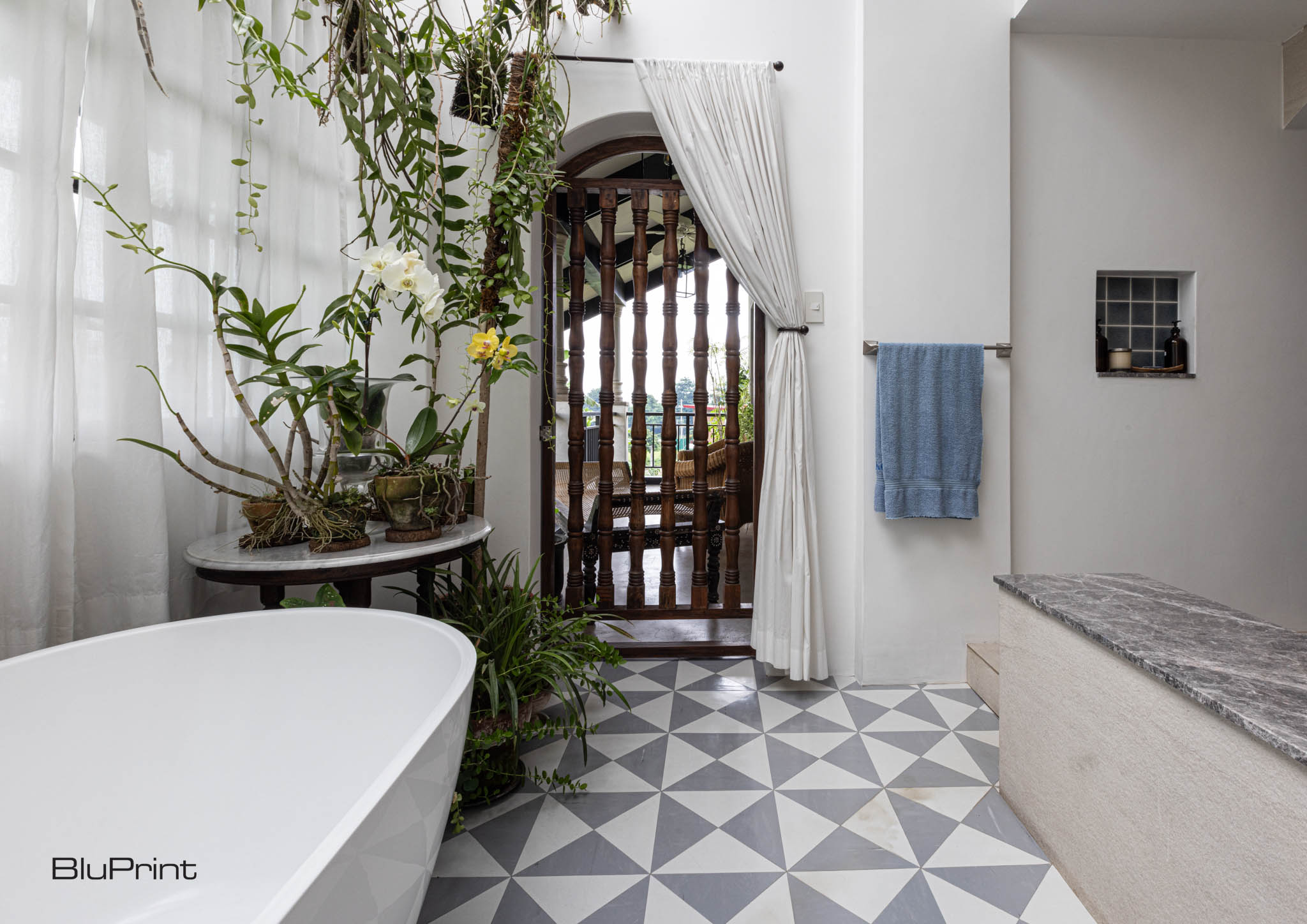
Spaces that are in harmony with the environment create comfort and efficiency for occupants. The design features of natural ventilation enhance the livability of an indoor environment that are suitable for tropical climates.
Breathing fresh air into a space, natural ventilation addresses the local climate and needs. Philippine architectureArchitectureThe art and science of designing and constructing buildings, structures, and spaces that are functional, safe, and aesthetically pleasing. It encompasses the planning, design, materials, and techniques used to createGo to Architecture Glossary, as such, is a tool that can adapt and respond to its tropical environment.
Read More: Modern Filipino Homes That Show How Tropical Architecture Is Evolving
Frequently Asked Questions
Natural ventilation is a passive cooling method that uses wind pressure and thermal buoyancy to circulate fresh outdoor air through a structure without mechanical assistance. In the Philippines, this approach is essential for moderating internal temperatures, diluting indoor air pollutants, and reducing the health risks associated with humidity and indoor air pollution.
Buoyancy-driven ventilation, also known as the stack effect, occurs when density differences between indoor and outdoor air cause warm air to rise and exit through high-level openings. This process creates a vacuum that pulls cooler outdoor air in through lower openings, creating a continuous, self-sustaining cooling cycle within the interior space.
Cross-ventilation provides a consistent flow of air by placing openings on opposite sides of a room, which significantly lessens the impact of tropical heat and humidity. This methodology reduces the reliance on expensive mechanical cooling systems, improves overall air quality, and enhances the daily comfort and well-being of the home’s occupants.
The modern bahay na bato incorporates natural ventilation through elevated wooden floors, overhanging eaves, and traditional capiz shell windows that allow air and light to filter through. Contemporary versions, like the Tabing Bahay, use strategic concrete window layers to act as thermal barriers, absorbing heat while controlling wind speed to naturally lower indoor temperatures.
Natural ventilation remains important because it improves the fundamental quality of a space by introducing fresh air and reducing the buildup of carbon dioxide and contaminants. Even when mechanical supplements are used, integrating natural airflow ensures that the home remains energy-efficient, healthy, and in harmony with the local environment.
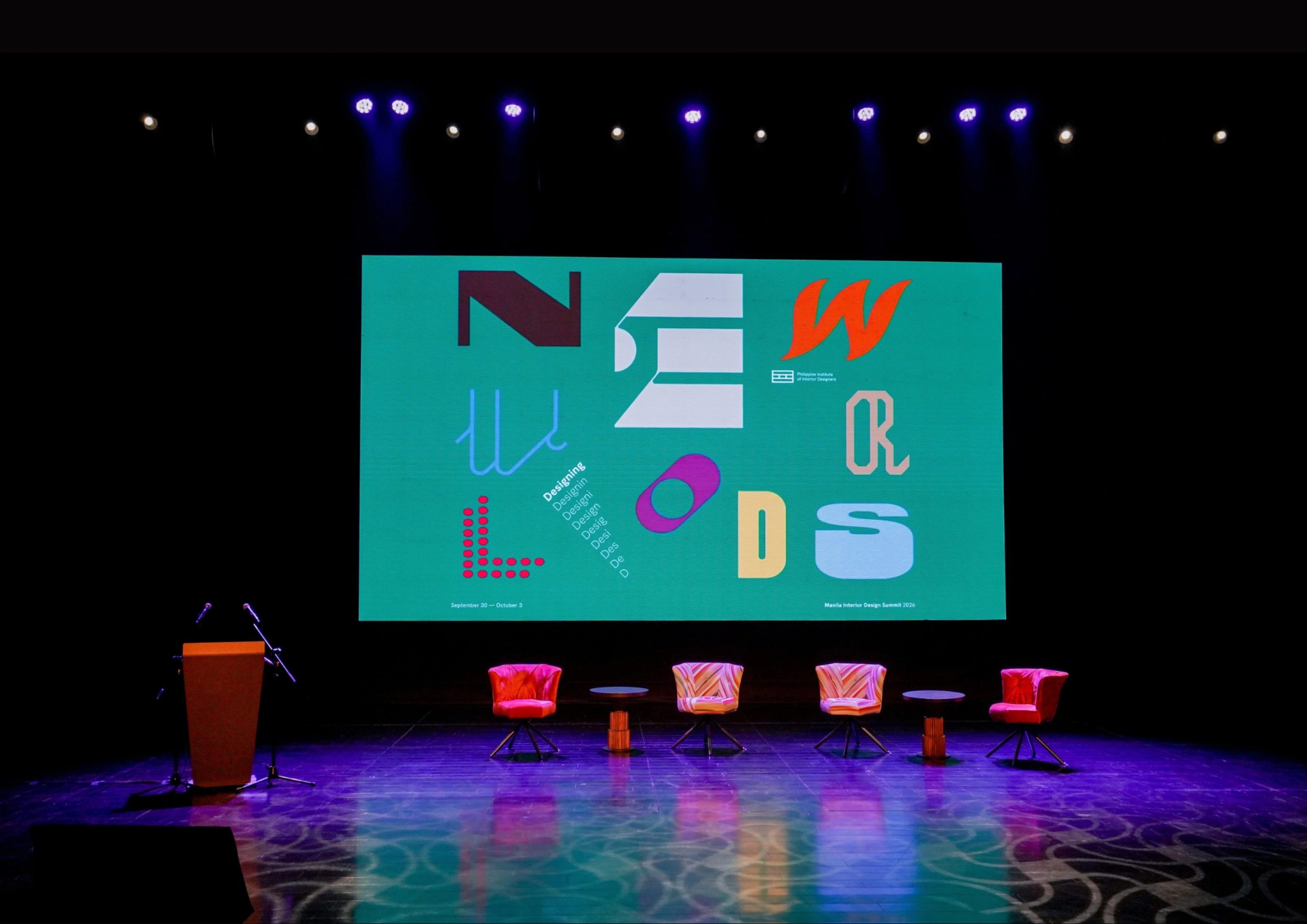
The fourth Manila Interior DesignInterior DesignThe discipline of planning and shaping interior spaces for function, comfort, safety, and beauty. It covers layout, lighting, materials, finishes, furniture, and color, and in the Philippines is a licensedGo to Interior Design Glossary Summit (MIDS) brought together more than 300 delegates for four days of conversations, exhibitions, and design […]

Held at the SMX Convention Center Aura in Taguig City, the first ASEAN Creative Industries Expo by Malikhaing Pinoy (ASEAN MPEx) features nine creative domains, including design, visual arts, digital interactive media, and performing arts. Organized by the Department of Trade and Industry (DTI), the event includes exhibitions, cultural performances, industry talks, and pitching sessions […]
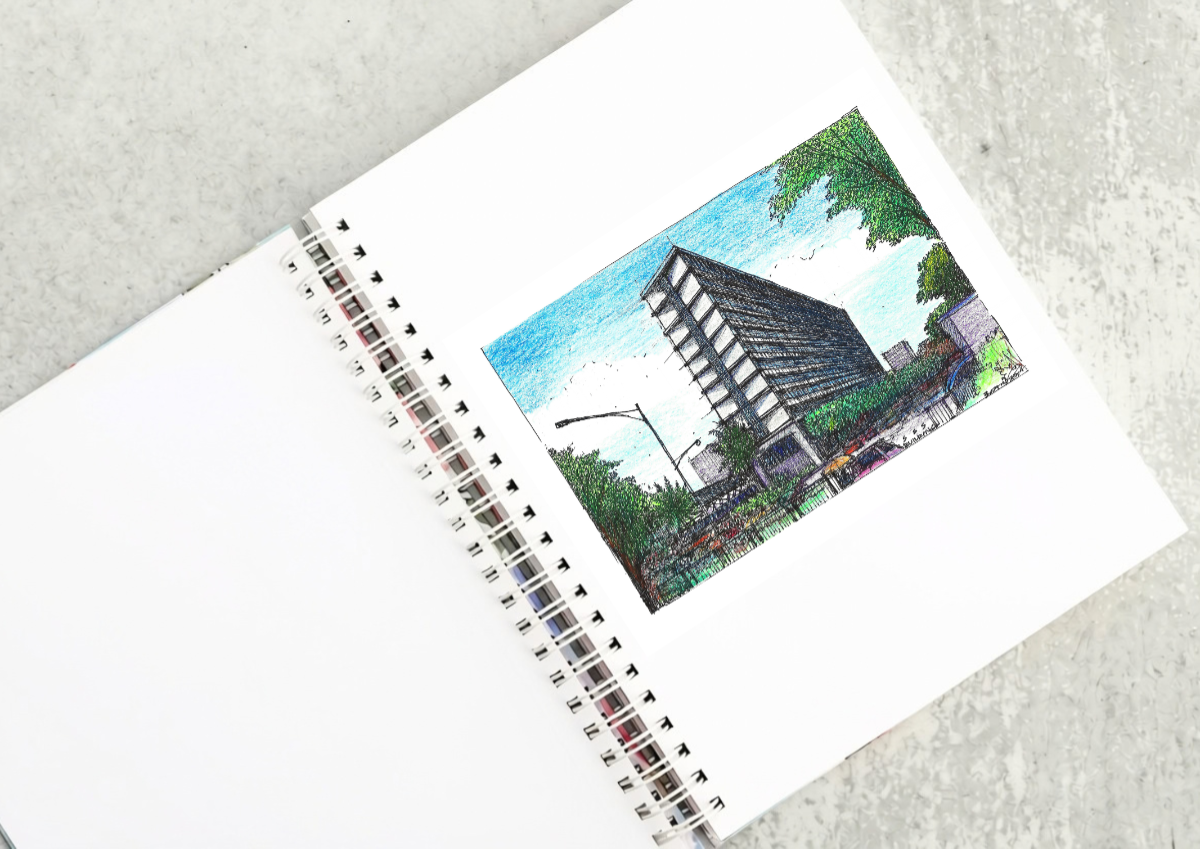
The SSS Building as an Expression of Civic Modernism My favorite modernist landmark in Quezon City is the SSS building on East Avenue. Designed by National Artist for ArchitectureArchitectureThe art and science of designing and constructing buildings, structures, and spaces that are functional, safe, and aesthetically pleasing. It encompasses the planning, design, materials, and techniques […]

Archie G. Carrasco, Chairman and CEO of AGC Power Holdings Corp. (AGC PHC), has been named to The BoF 500 Class of 2026 under the Media category, joining The Business of Fashion’s global community of individuals shaping the fashion industry. Carrasco is among 100 new members from 33 countries and 48 nationalities selected for the […]
Read the issues.

Collect the volumes.

Recommended Video
Tap to Unmute
Unmute
0:00
0:00