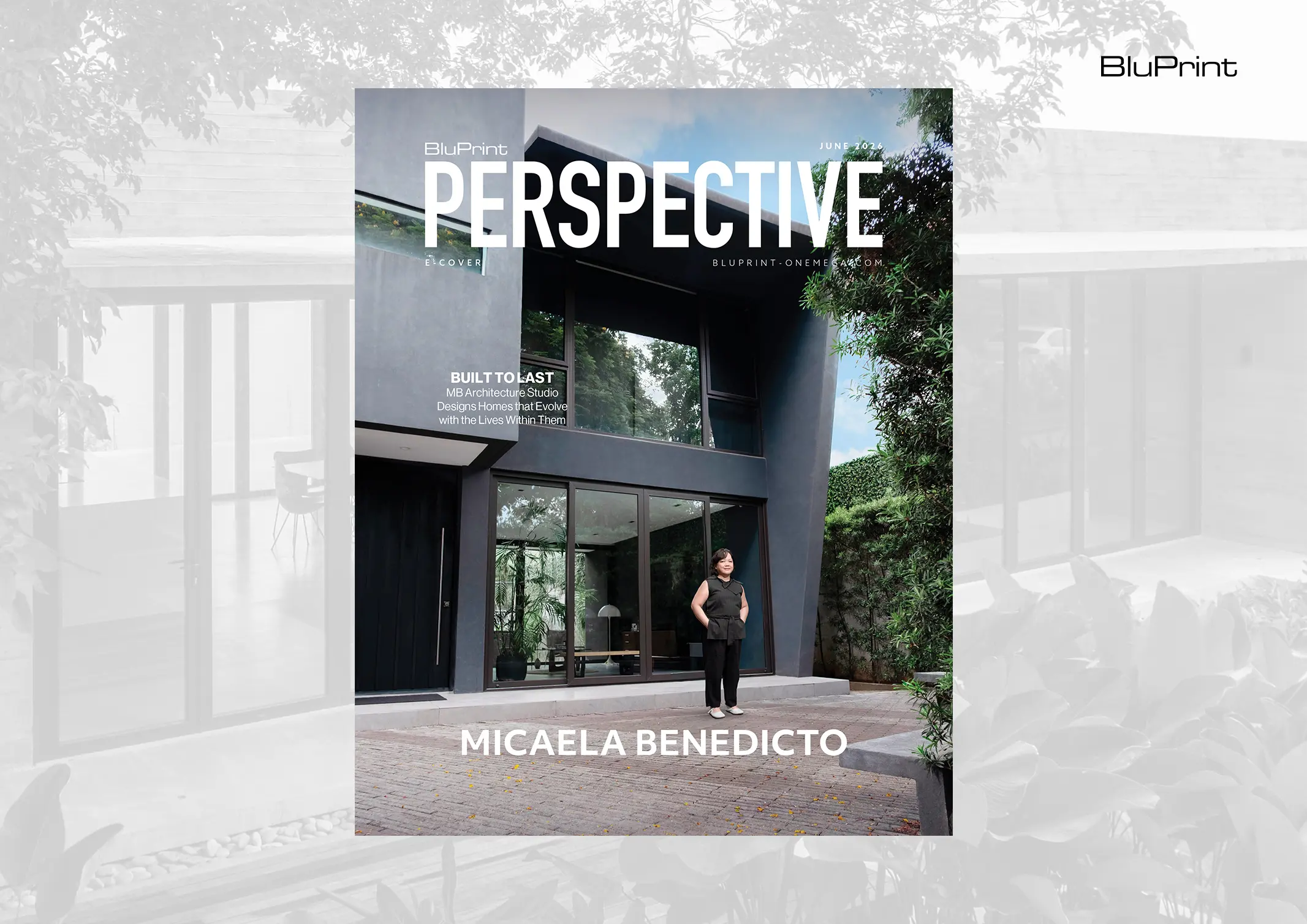
Micaela Benedicto on Designing Homes Built to Last



Since setting up her design firm, MB Architecture Studio, in 2007, Ar. Micaela Benedicto has built a diverse portfolio of architectural projects. Her works, whether residential or commercial, showcase a distinct spatial quality, “I like to create things that can go from something static to something that is alive and reactive,” Benedicto states. “In creating architectureArchitectureThe art and science of designing and constructing buildings, structures, and spaces that are functional, safe, and aesthetically pleasing. It encompasses the planning, design, materials, and techniques used to createGo to Architecture Glossary, I think it’s good to leave some room so that spaces and the meaning of these spaces can transform over time. I think it’s important that the people using them have that agency to create [those] spaces as well, to be part of the making.”
Addressing Site Conditions in a Tropical Country
Benedicto receives her design cues from the site and climate conditions, informing her plan and massing. Rooted in tropical design principles she learned as far back as design school, her approach directly shapes the form and plan of her structures. This includes cross-ventilation strategies, courtyards and shafts, sunshading and overhangs with effective water runoff.
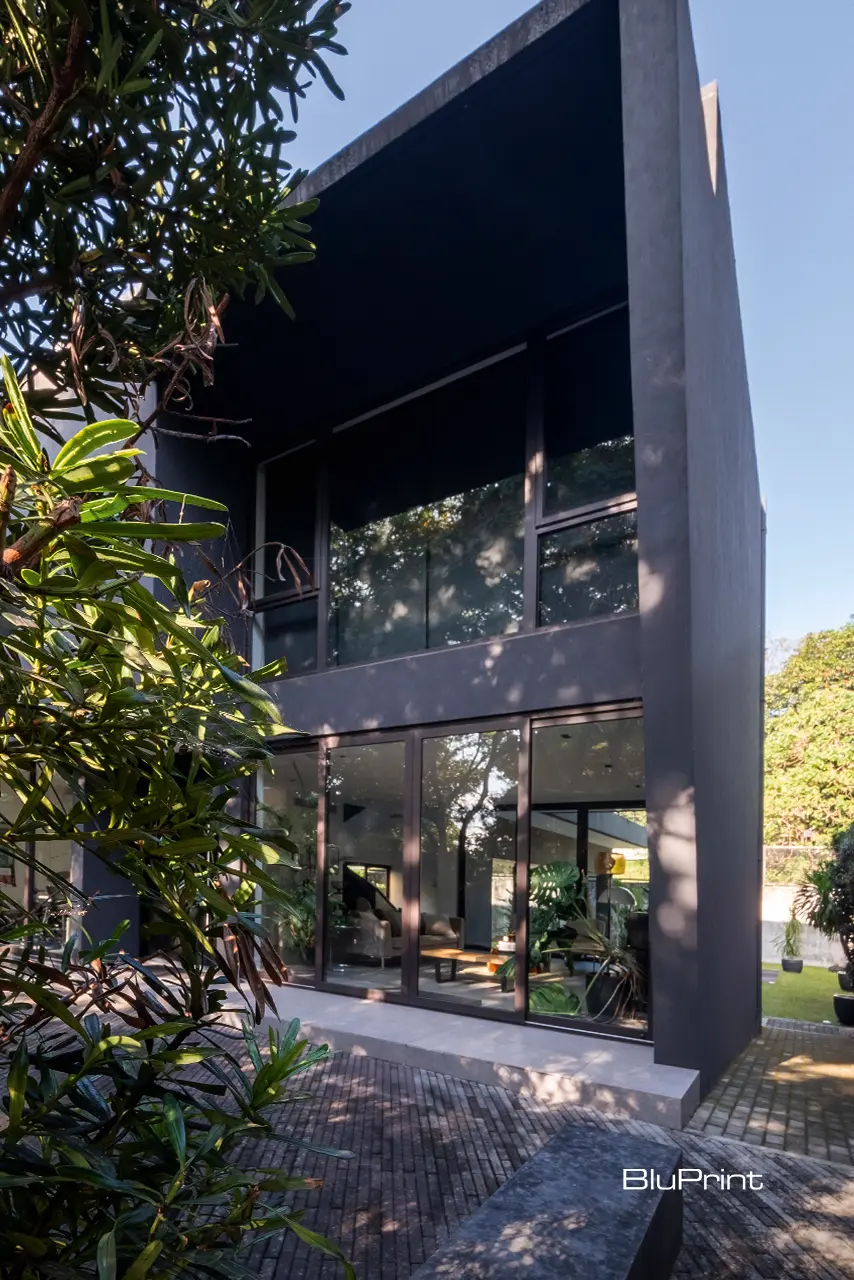
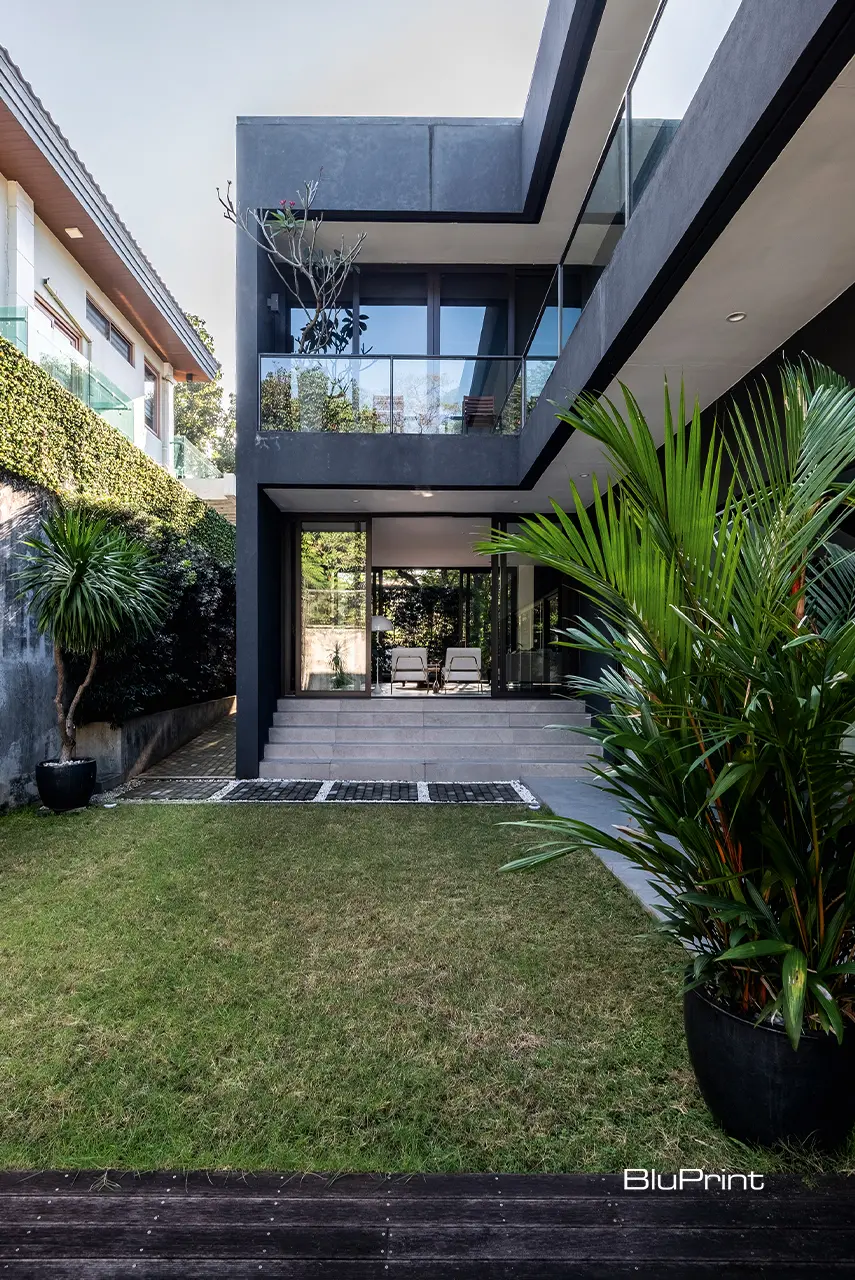
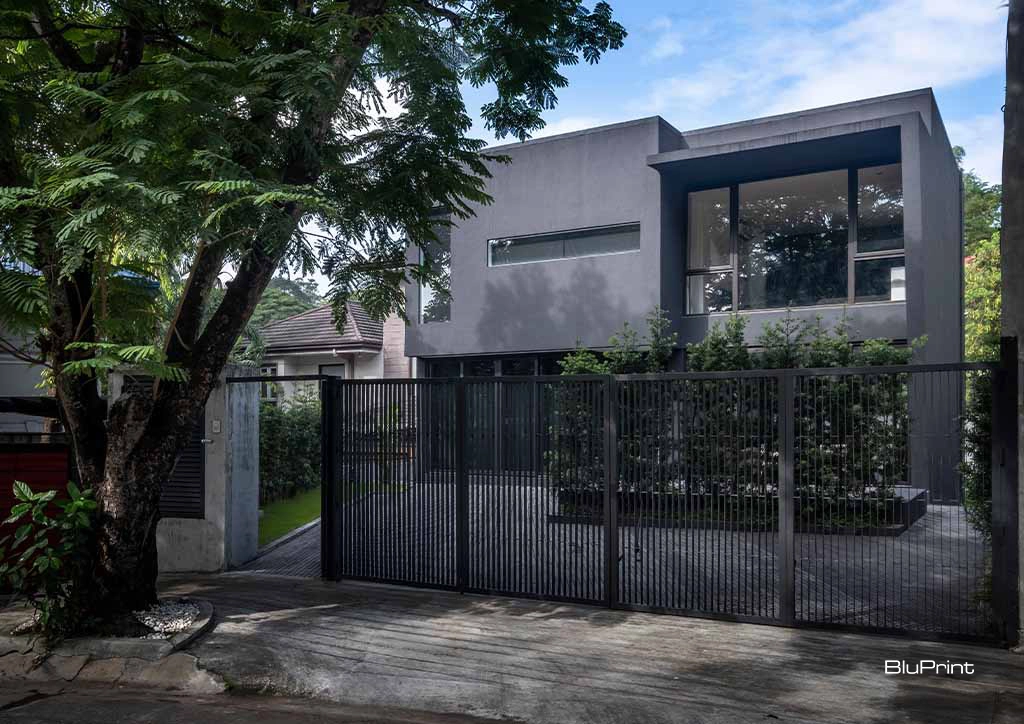
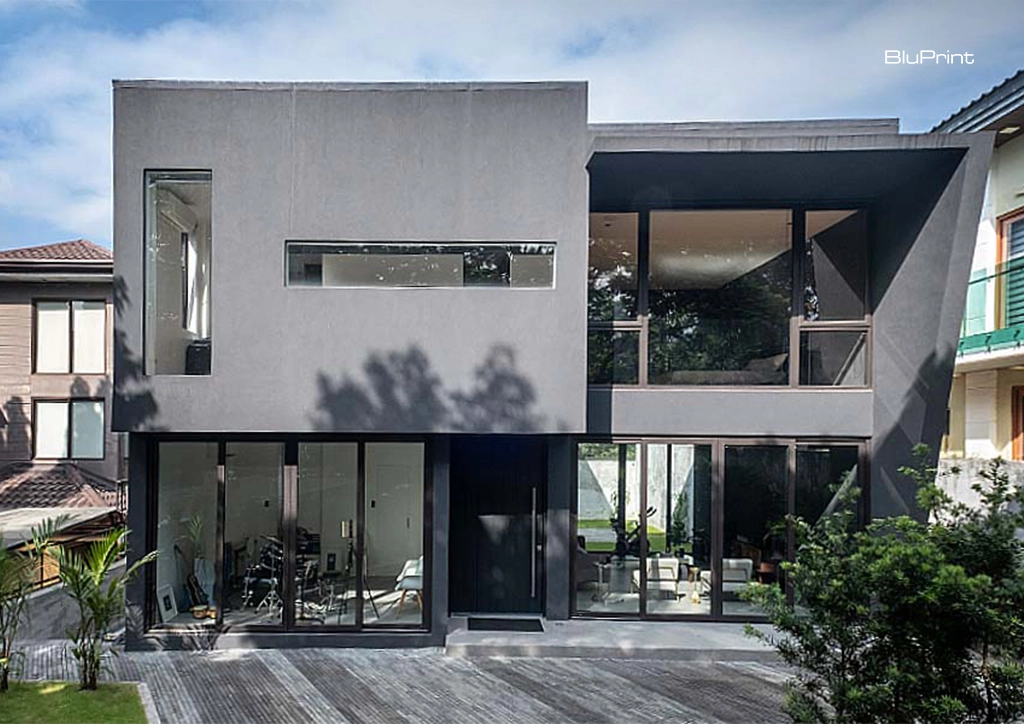
Built for her close college friends who got married and had a son in 2015, the Descending House is a home situated in a private subdivision in Quezon City. The site had an unusual, funnel-like shape, with a narrow opening that slopes downwards to the back of the lot.
For this residential project, she followed the terrain of the land to descend in the back—splitting the lot’s ground level in two. “I think that drop makes for a nice experience entering the house; things feel like they’re opening up,” Benedicto explains.
In addition, Benedicto also believes that passive strategies are the foundation of sustainable tropical design. This reduces the need for costly active interventions that often exist to cancel out the effects of climate-insensitive construction. In Z House, a home that she designed for a couple in the Laguna province, this thinking served as a decision framework.
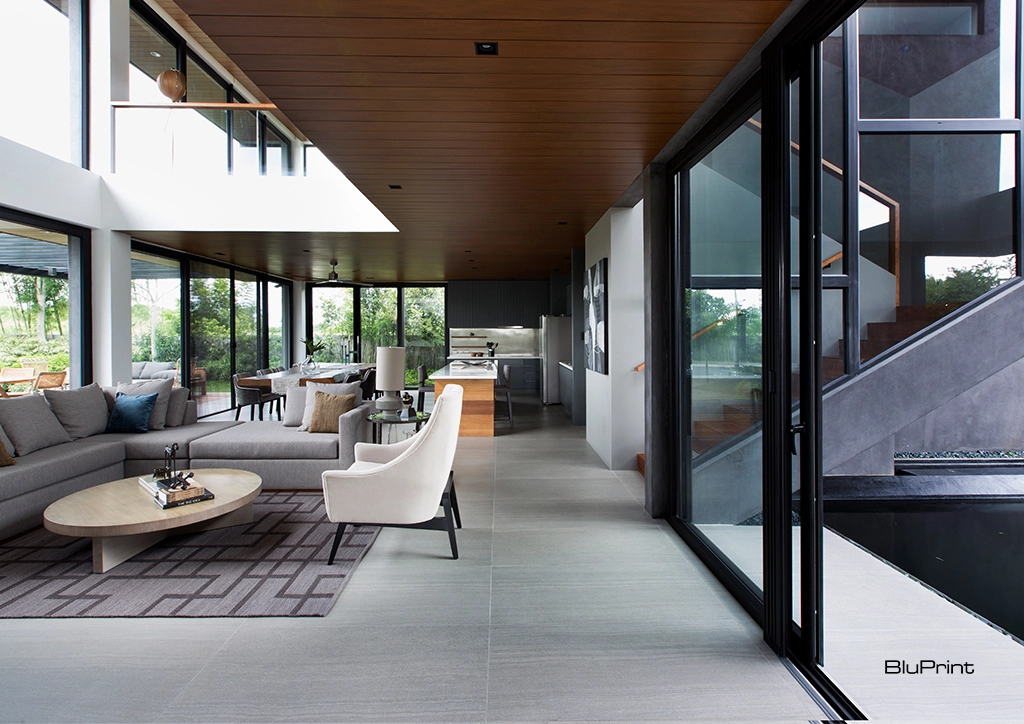
The house was oriented away from the east-west axis to shield living spaces from the afternoon heat. At the same time, its inverted Z-shaped floor plan was designed to open every room to natural cross-ventilation.
On the exterior, Benedicto chose textured concrete over paint or cladding. The material offered a low-maintenance finish while reducing post-construction debris. A concealed parapet hides a gable roofGable RoofA roof with two sloping sides that meet at a central ridge, forming a triangular wall section, or gable, at each end. Simple to build and efficient at shedding rain,Go to Gable Roof Glossary designed for efficient water runoff, while the floor slab is slightly elevated from the ground. This provides the volume with a sense of lightness while protecting it from flooding.
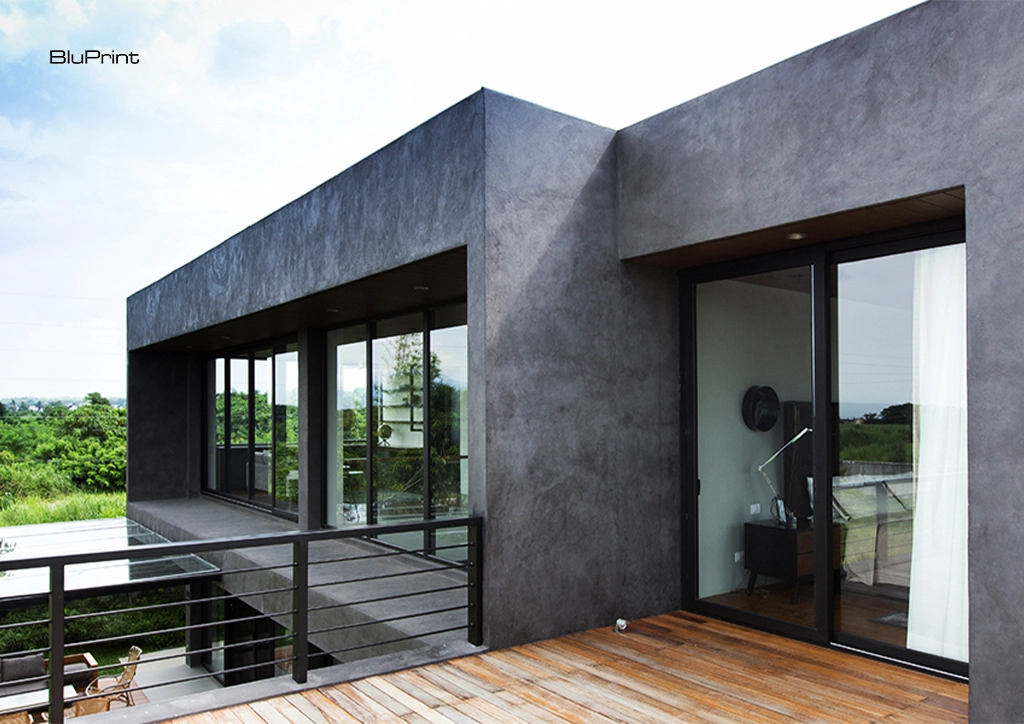
“I’m happy to work with a lot shape that isn’t the usual thing you get—it makes you come up with interesting solutions and come up with a unique form,” Benedicto expresses.
Related Reading: Micaela Benedicto’s Z House speaks the vernacular like a native
Centering the Clients’ Individual Stories
Across her projects, Benedicto’s process begins with listening. “A house doesn’t have to follow the mold of something that already exists. It helps to listen to the client and customize it to their individual needs and patterns, and how I imagine they’ll want to experience the space,” Benedicto stated in a former interview with BluPrint.
This approach is evident in the Kodama House, a project she designed for a Japanese client. The compound is composed of two buildings on a 600-square-meter lot: a three-storey residential block and a separate two-storey recording studio.
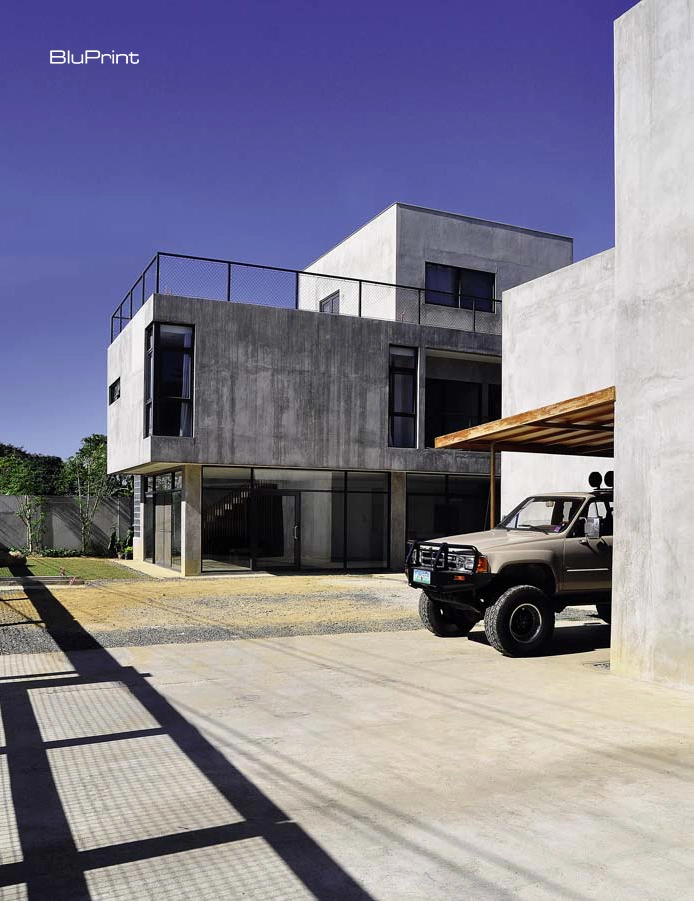
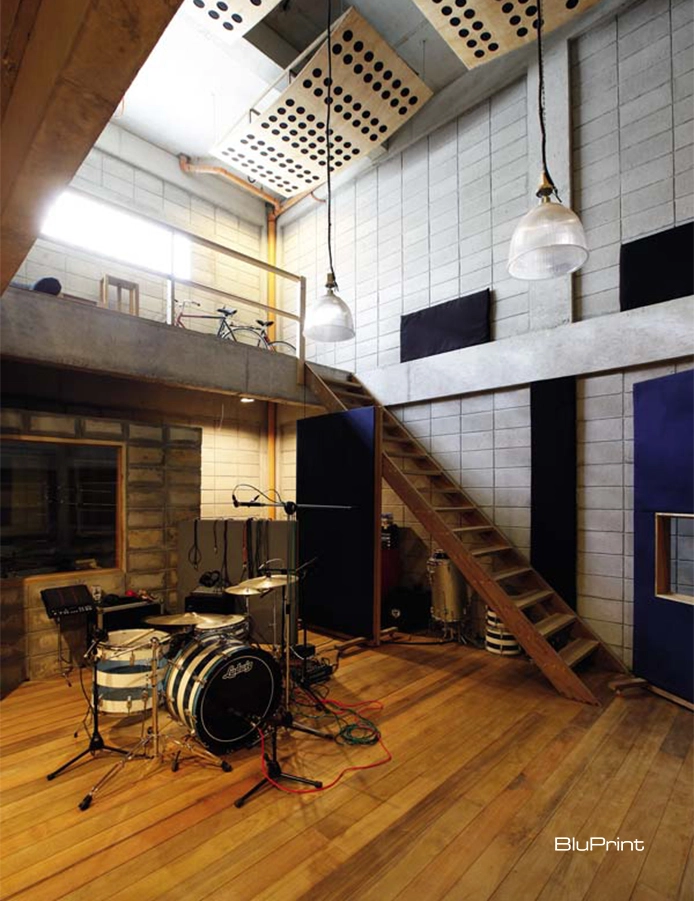
This configuration was born directly from the client’s need to conduct recording sessions without disturbing his wife and son. The residential block was designed around the client’s requirement to implement a Japanese version of feng shui, in which a north orientation served as the basis for the grid. Meanwhile, areas with water were situated at the north corner of the house.
The recording studio, on the other hand, was handed over as an empty shell, giving the client full control over the interior planning and acoustic treatments. “He has very specific needs for these,” Benedicto previously explained to BluPrint, “It’s unlike a conventional studio, and he’s built his own recording studios in the past.”
Related Reading: Micaela Benedicto’s Kodama House goes nude
A Visual Artist and Musician
Beyond being an architect, Benedicto is also a visual artist and a musician. These roles bleed into her work as an architect. She shares, “As an artist and musician, I think a lot about spaces too. Sometimes, they’re physical, in the way sculptures are about spaces as well, how things are made up of both solid and void.”
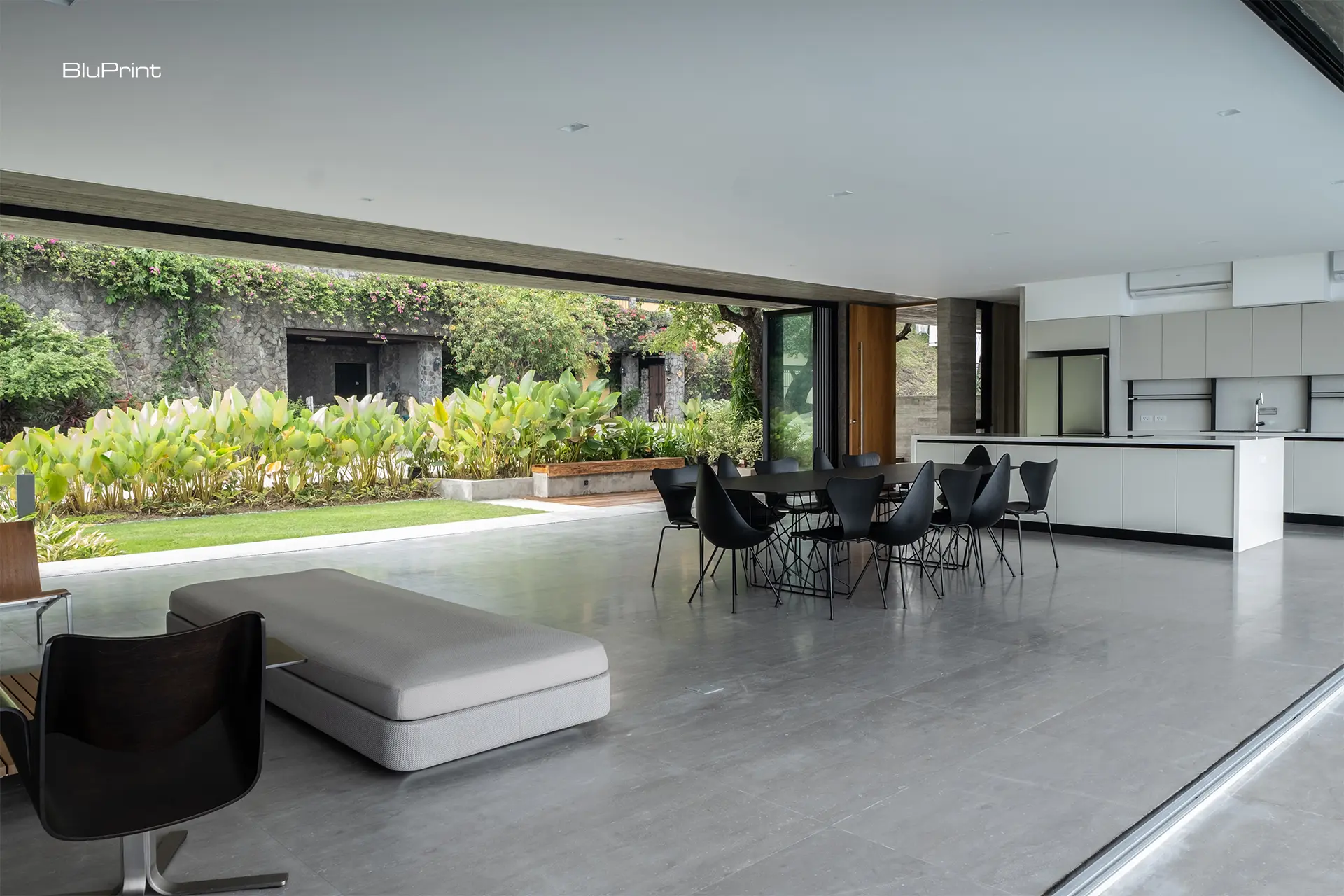
Lanai House
“My work in art is a sustained inquiry into time, material, geometry, and the conditions of visibility in a way that bleeds into my architectureArchitectureThe art and science of designing and constructing buildings, structures, and spaces that are functional, safe, and aesthetically pleasing. It encompasses the planning, design, materials, and techniques used to createGo to Architecture Glossary as well. I think about how we affect the spaces we’re in and how they, in turn, shape us,” Benedicto expresses.
Related Reading: This black home by Micaela Benedicto packs versatility and style minus the excess
Adaptability in Longevity
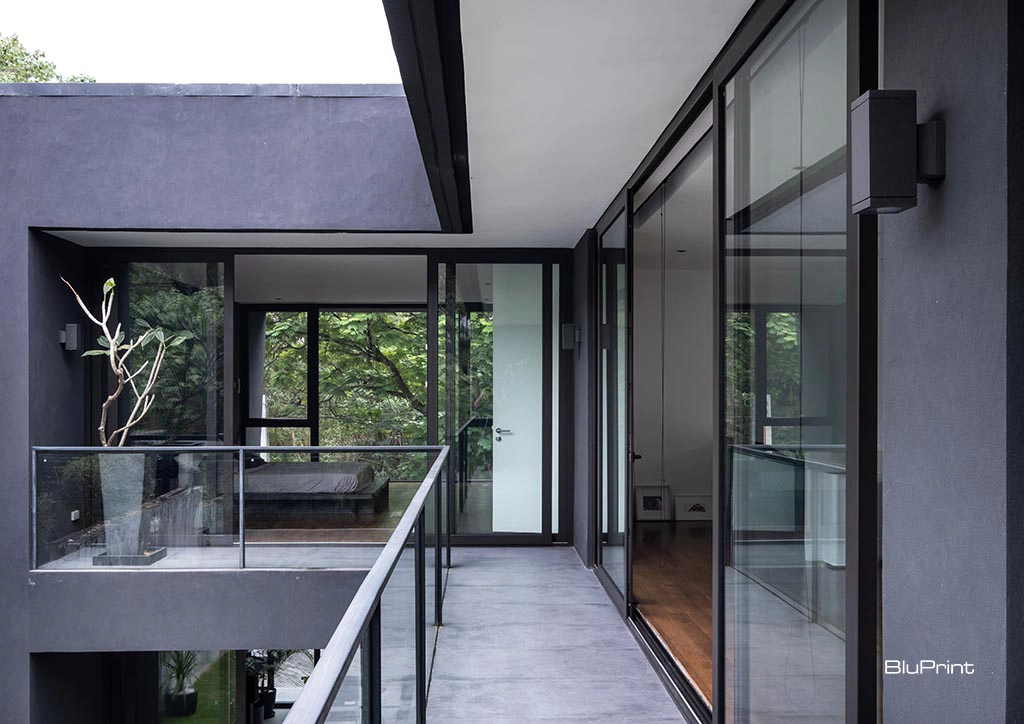
In the Descending House, the spaces are neutral. The second floor has a central space that could be enclosed and turned into another room. Flexible arrangements are placed into the home: the shape of the yard that could accommodate a future pool; the steps from the living room that could continue into the steps going into that pool; and a room downstairs that could be transformed into a guest room or an office.
These features enable the home to grow alongside its owners. Ultimately, Benedicto’s design philosophy is one of openness and adaptability. “In creating architectureArchitectureThe art and science of designing and constructing buildings, structures, and spaces that are functional, safe, and aesthetically pleasing. It encompasses the planning, design, materials, and techniques used to createGo to Architecture Glossary, I think it’s good to leave some room so that spaces and the meaning of these spaces can transform over time. I think it’s important that the people using them have that agency to create that space as well, to be part of the making.”
Photographer: Ed Simon
MMA: Raechel Oro
Videographer: Zoey Tapalgo
Production Associate: Myka Magcamit
Frequently Asked Questions
Micaela Benedicto is a Filipino architect, visual artist, and musician who founded MB Architecture Studio in 2007. Her work is known for its sensitivity to climate, site conditions, and the evolving needs of its users.
Her architecture is grounded in tropical design principles, passive cooling strategies, adaptability, and a close reading of client narratives and site conditions.
Some of her notable residential projects include the Descending House, Z House, and Kodama House.
She uses passive cooling like cross-ventilation, sunshading, and smart orientation to block heat. This reduces energy use while low-maintenance materials like textured concrete lower long-term environmental impact.
She creates flexible, open layouts with convertible rooms that evolve with the owners. This allows the home to grow and change functions naturally over time.