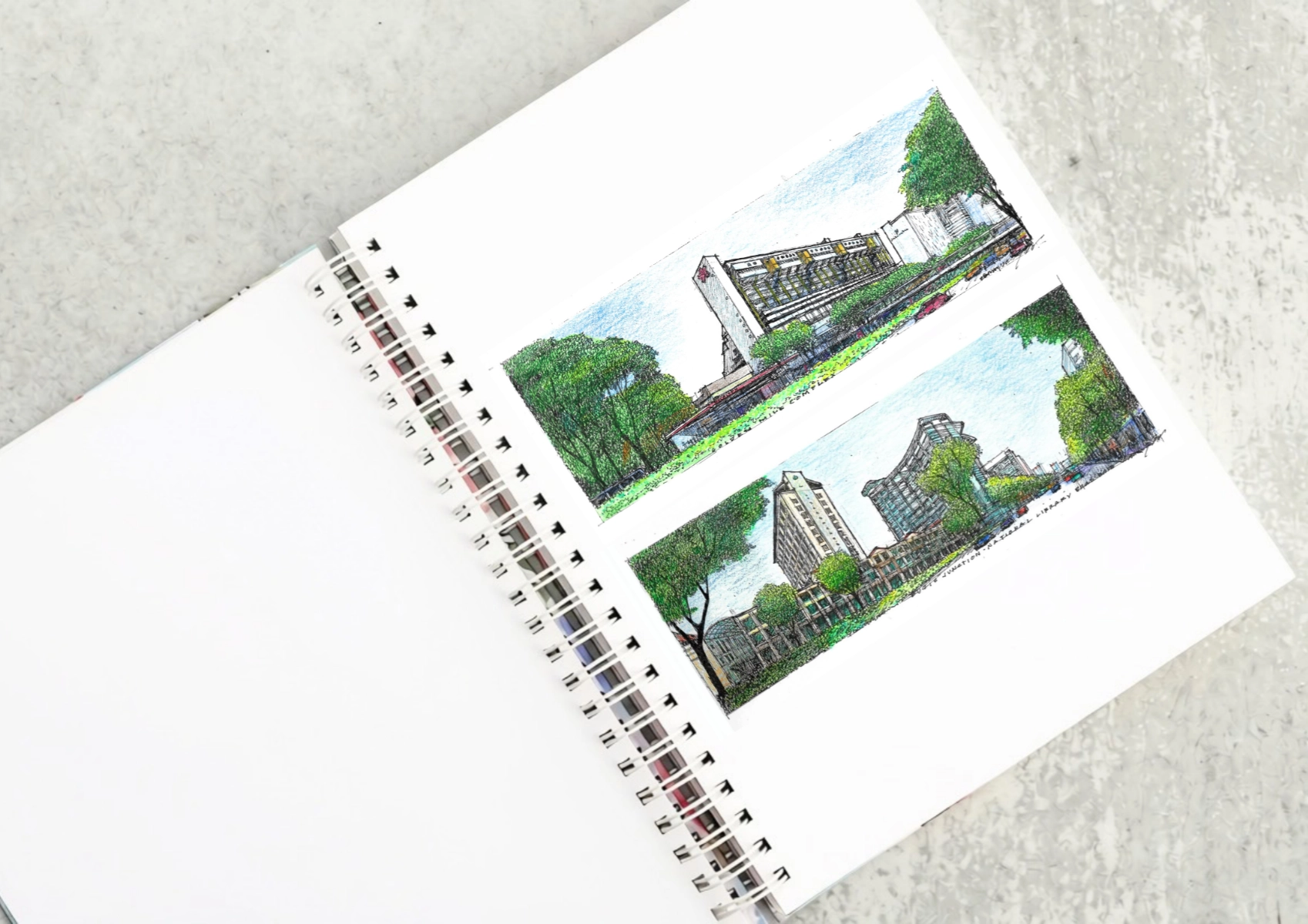
Two sketches of Singapore connect BluPrint Editor in Chief Paulo G. Alcazaren’s personal and professional history with Shared Ground: ArchitectureArchitectureThe art and science of designing and constructing buildings, structures, and spaces that are functional, safe, and aesthetically pleasing. It encompasses the planning, design, materials, and techniques used to createGo to Architecture Glossary of Care, Culture, […]
Inside Atúa Midtown: Cebu’s Creative Community for Artists and Entrepreneurs



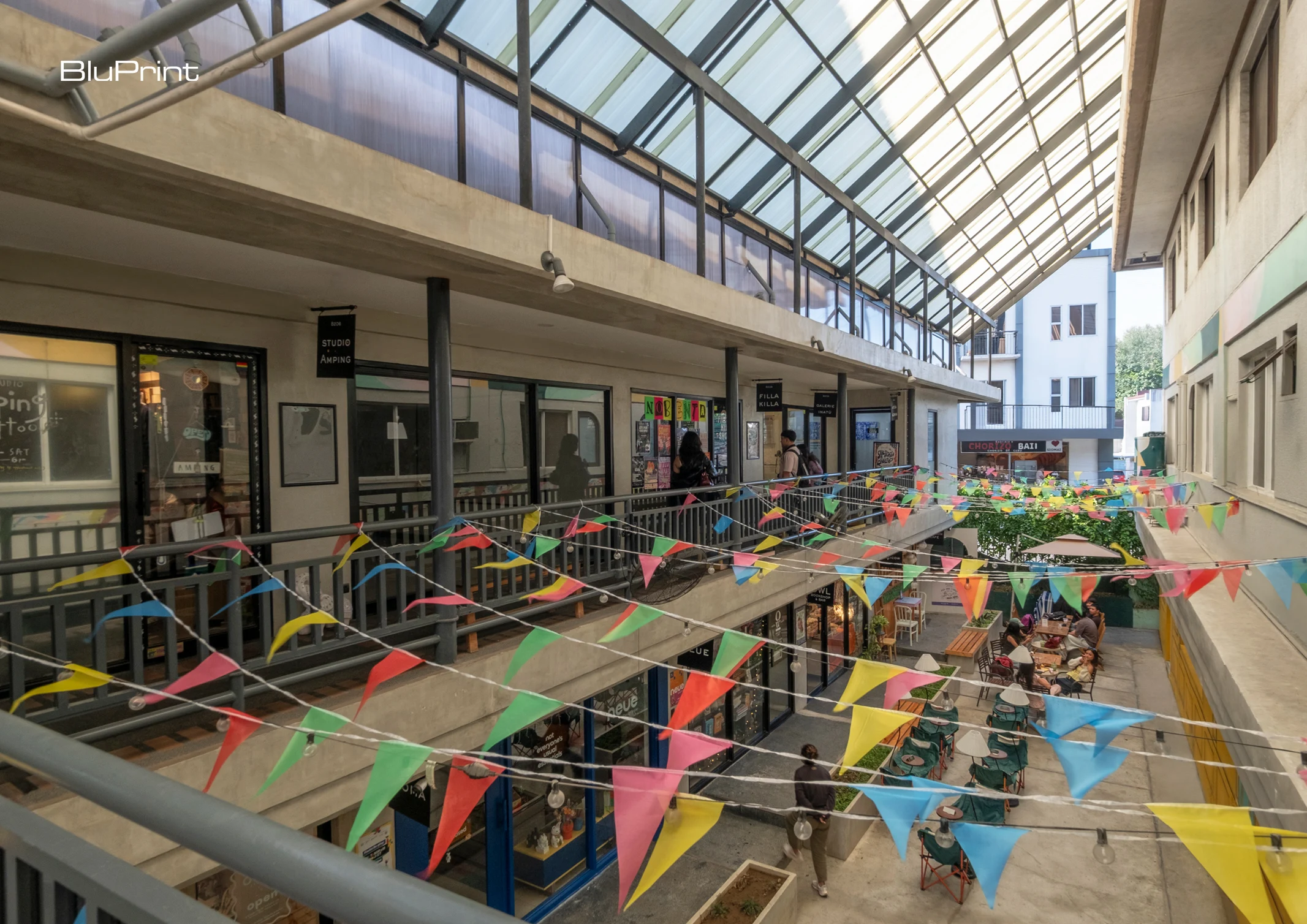
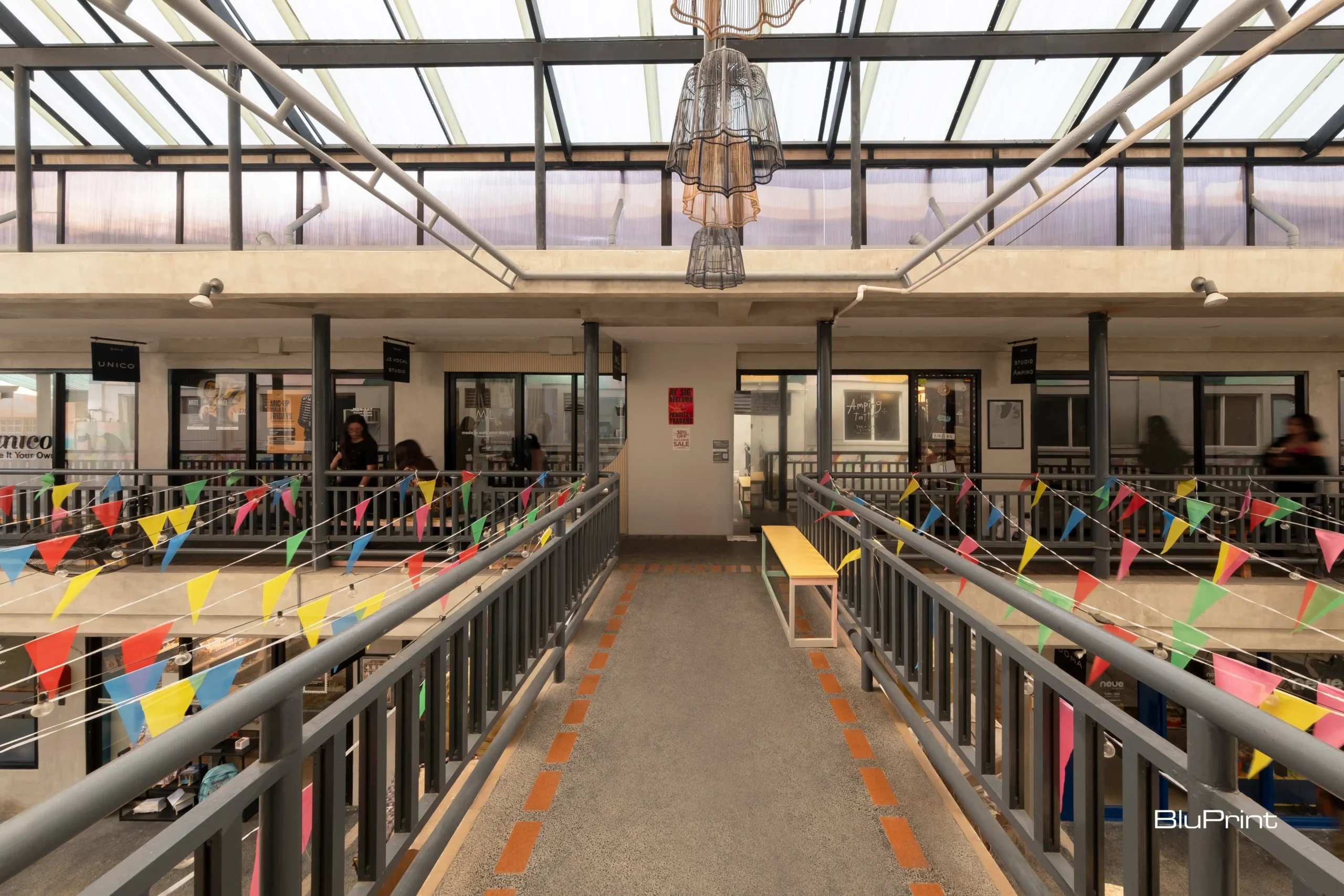
Within a two-building commercial complex organized around a central courtyard, an unexpected layout unfolds. The shops are small and quaint, uniformly sized, and directly face one another like apartment units.
This is Atúa.
Related Reading: Creative Placemaking: Designing Public Spaces that Reflect Shared Memory
What used to be a functioning hotel in the early 1990s, known as the Beverly Boutique Hotel, was transformed into a quarantine space in response to the pandemic. When restrictions were lifted and other business owners started to get back on their feet, the hotel owners decided not to resume hotel operations anymore.
They had two choices: either spend on a massive renovation and invite another hotelier to resume operations or innovate and make something out of what was left. They consulted Allen Tan, himself a successful Cebuano entrepreneur with a heart for the arts. In his youth, he was the youngest president of the Cebu Arts Council. He initiated art fairs and promoted platforms that supported young artists who were incapable of launching big, six-figure shows. Considering Cebu’s 2019 distinction from UNESCO as a “Creative City of Design,” Tan realized that he could develop a creative hub that could fill a void in Cebu—a place where creative entrepreneurs could incubate, hone their craft, and flourish.
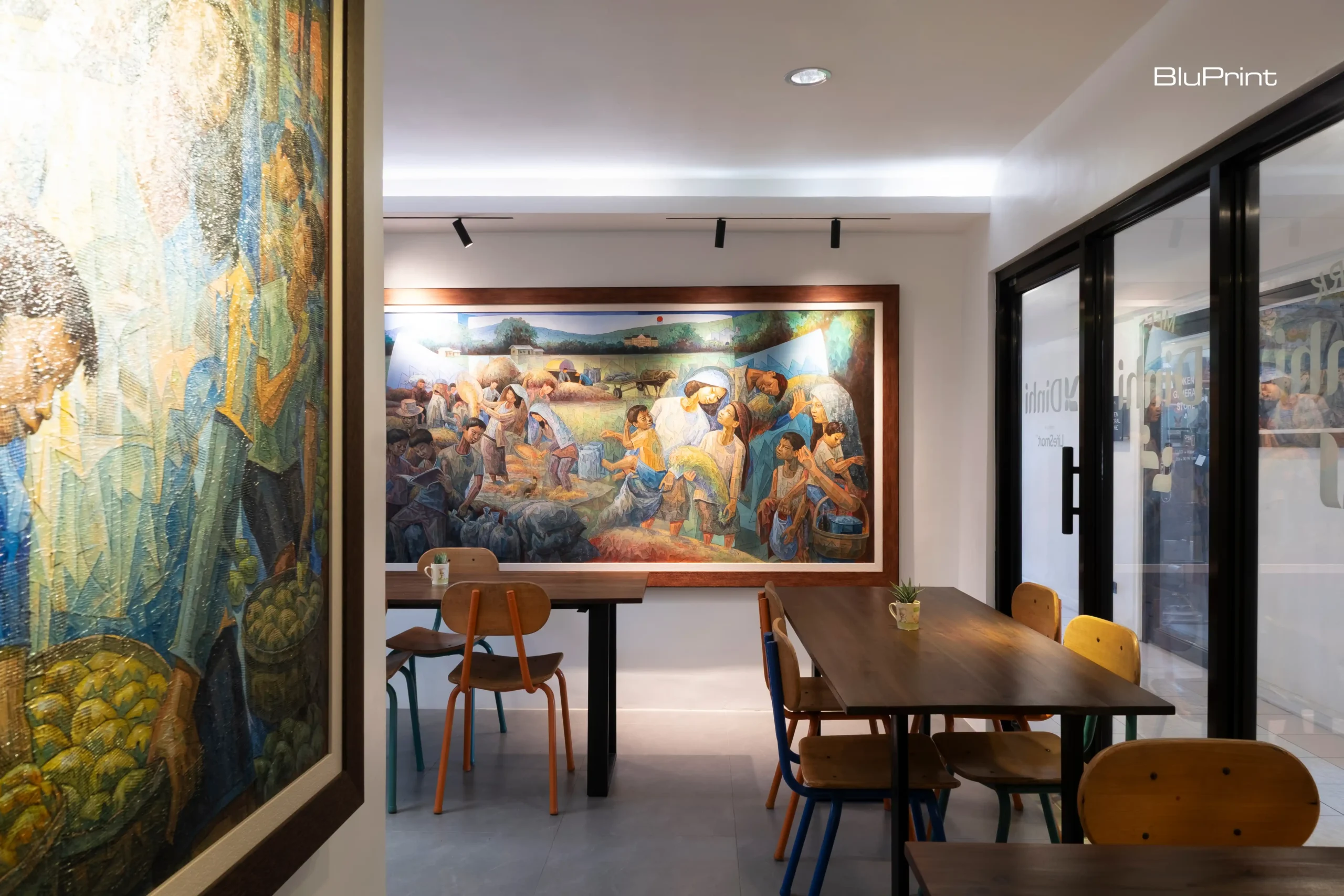
Kae Batiquin, Atúa’s Community Manager, shares, “We thought, since it used to be a hotel, and the floors are already sectioned into uniform occupant-ready rooms, why don’t we make this into a creative hub? The rooms are not big enough to be huge retail spaces but it’s big enough for independent studios.”
A movie phrase comes to mind: “If you build it, they will come.” As word started spreading, the place started to fill up with tenants. “The goal of the complex was to marry art and entrepreneurship. We wanted to build something that shows you could make art and actually make it sustainable…without having it too commercialized that the spirit of the place gets lost,” says Batiquin.
Related Reading: Art in Hand: Design Arena Offers a Comfortable Collaborative Space for Creators
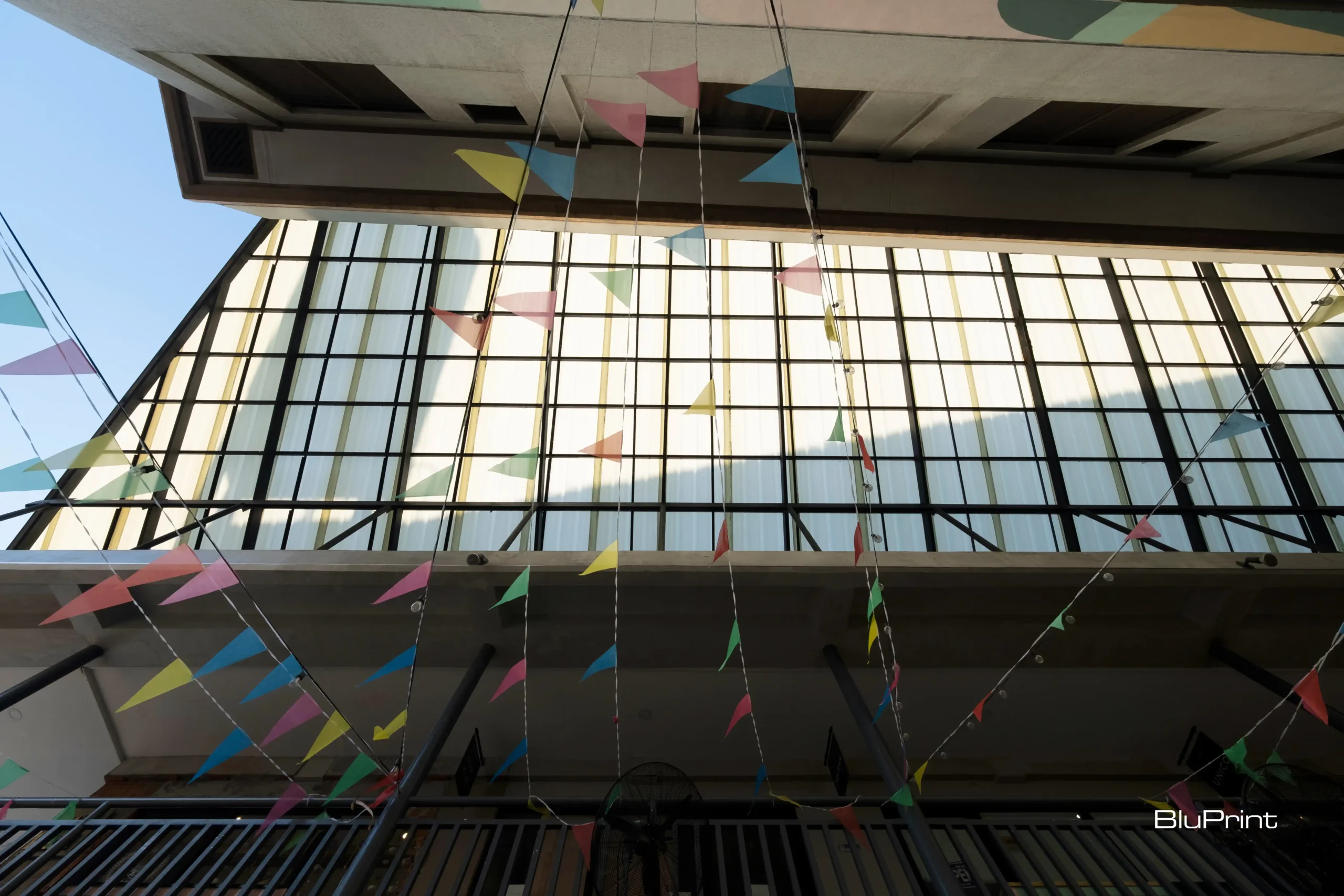
This is why creative expression is encouraged by Tan and his administration, from the interiors to the shopfronts, which playfully display different themes according to the nature of each business. Sometimes one will find windows dressed like a French château, street art on the glass, or a jungle façadeFaçadeThe exterior face of a building, particularly the principal front facing a street or public space. More than decoration, a façade shapes a building's identity and performance, managing light, heat,Go to Façade Glossary with bamboo ladders.
The biggest game changer in this development is the creative grants that Tan gave to artist-tenants looking to start somewhere. By allowing them to pay only a percentage of the rental fee, they could focus their efforts on the creative aspect of their work. At Atúa, most of the shopkeepers are also the shop owners, so it’s not unusual to see signs on doors that say “Off to a bank errand, be back in an hour!”
There are about 34 shops in Atúa. Some of the popular ones include Studio Amping, a tattoo parlor run by an artist and a band frontman, Shepard Life Goods owned by a Design Awardee for brand visuals, Holicow owned by an Awardee for Systems Making in the Visayas, UMA carrying export accessories, FILLAKILLA which is a music shop focusing on the analog nature of indie music, and Happy Garaje whose artworks can be seen on Cebu Pacific airplanes. Even the old hotel guardhouse was converted into a bookshop called Dear Reader. On certain days, students from the music school upstairs can be heard vocalizing and harmonizing in the courtyard while waiting for class.
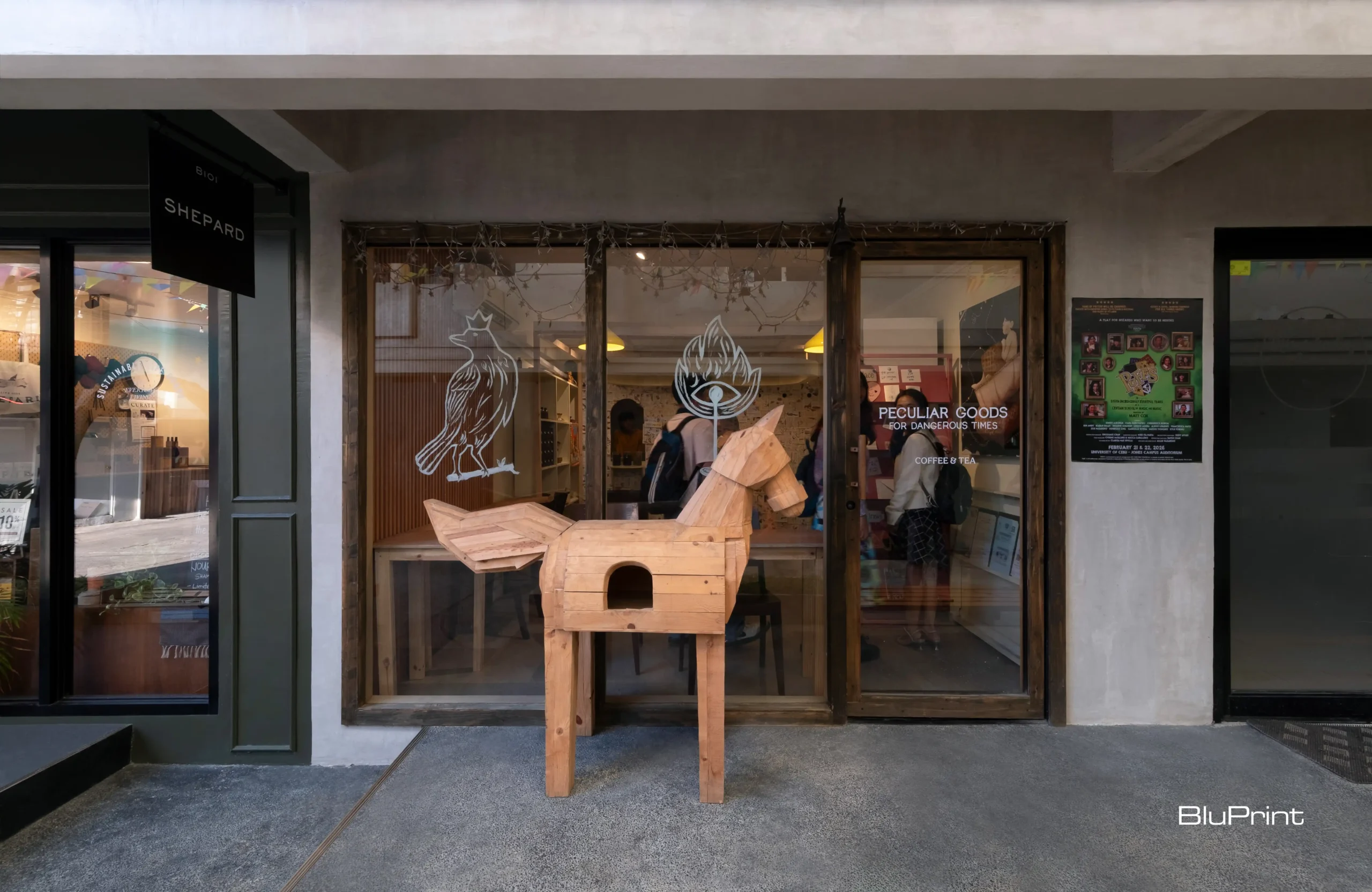
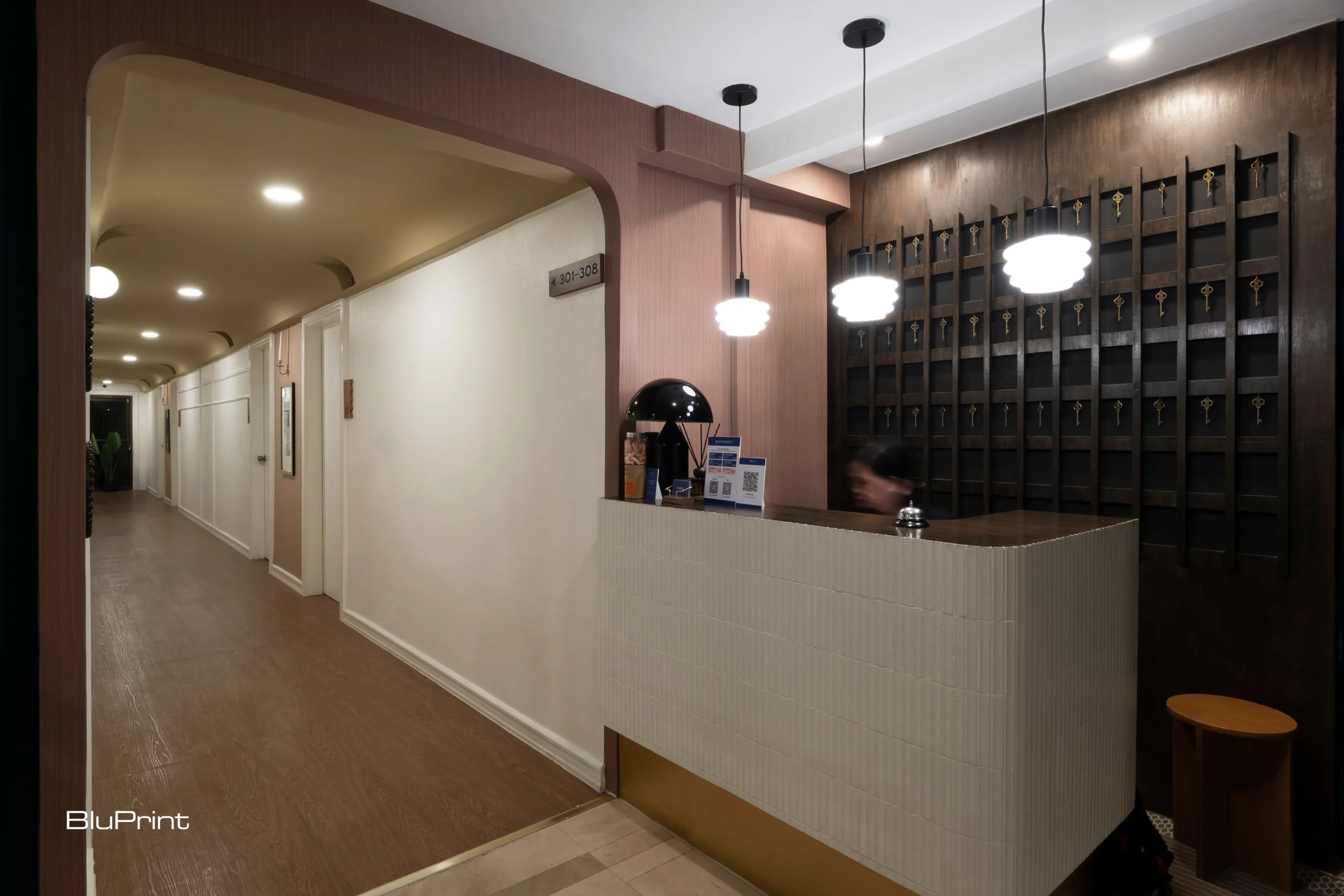
At the top floor is a boutique hotel called Maximo House (formerly The Maximillian Hotel), a respectful nod to the history of the place, with a total of 18 rooms that launched during Christmas of 2025. “We want to grow and evolve organically and still respect the history of the space. Architecturally we want to keep the courtyard as versatile as possible. In the past years it has served as a meeting place, a gathering point, a refuge from the city. When the earthquake and Typhoon Tinio hit Cebu, the courtyard became the repository for donations and repacking happened here,” shares Batiquin.
It is quite inspiring that this vibrant collective not only serves as a third place but is also a meaningful and supportive hub for creatives and entrepreneurs alike, as well as an active community member of Cebu, responding with whatever is needed, whenever it is needed.
Related Reading: The Aranya Art Center: Filling The Need For A Creative Space
Photographed by Ed Simon.
Written by Nina M. Santamaria.
About ATUA Midtown
ATUA Midtown is a mixed-use lifestyle destination in Cebu City that brings together retail, dining, wellness, and creative spaces within the city’s evolving Midtown district. Designed to foster community and urban vitality, it serves as a platform for local entrepreneurs, independent brands, and cultural initiatives, creating opportunities for people to connect, collaborate, and experience Cebu’s dynamic creative scene. As Midtown continues to reinvent itself beyond its nightlife legacy, ATUA Midtown reflects a new chapter for the neighborhood—one that embraces design, culture, and everyday city life.
Frequently Asked Questions
Atúa Midtown is a mixed-use creative hub in Cebu City that transformed a former boutique hotel into a community of independent studios, retail spaces, cafés, creative businesses, and cultural initiatives. It provides affordable spaces where artists, designers, entrepreneurs, and makers can grow their businesses while fostering collaboration within Cebu’s creative community.
Atúa Midtown is located in Cebu City’s Midtown district, near Mango Square. The development is organized around a central courtyard and has become a destination for local design, art, independent retail, food, and creative events.
Unlike conventional malls or retail centers, Atúa was designed specifically for independent creatives and small businesses. It offers compact studio spaces, flexible rental arrangements through creative grants, and encourages tenants to express their own identities through customized storefronts and interiors.
Visitors can discover tattoo studios, design and branding agencies, music stores, artisan shops, cafés, bookstores, fashion retailers, lifestyle brands, and boutique accommodations. Many of the businesses are owned and operated by local artists, designers, and entrepreneurs.
Atúa represents Cebu’s growing creative economy by providing an accessible platform for emerging artists and entrepreneurs. Beyond commerce, it serves as a community gathering place that hosts creative collaborations, cultural activities, and even disaster relief efforts, demonstrating how thoughtful adaptive reuse can strengthen both culture and community.
In a way, designers are the modern-day soothsayers and prophets. They design for the future, predicting how a room, a house, a building or a whole city will be used by people. They foresee how users will interact with a space, conjure exact shades of colors to elicit specific behavior and arrange furniture to build […]
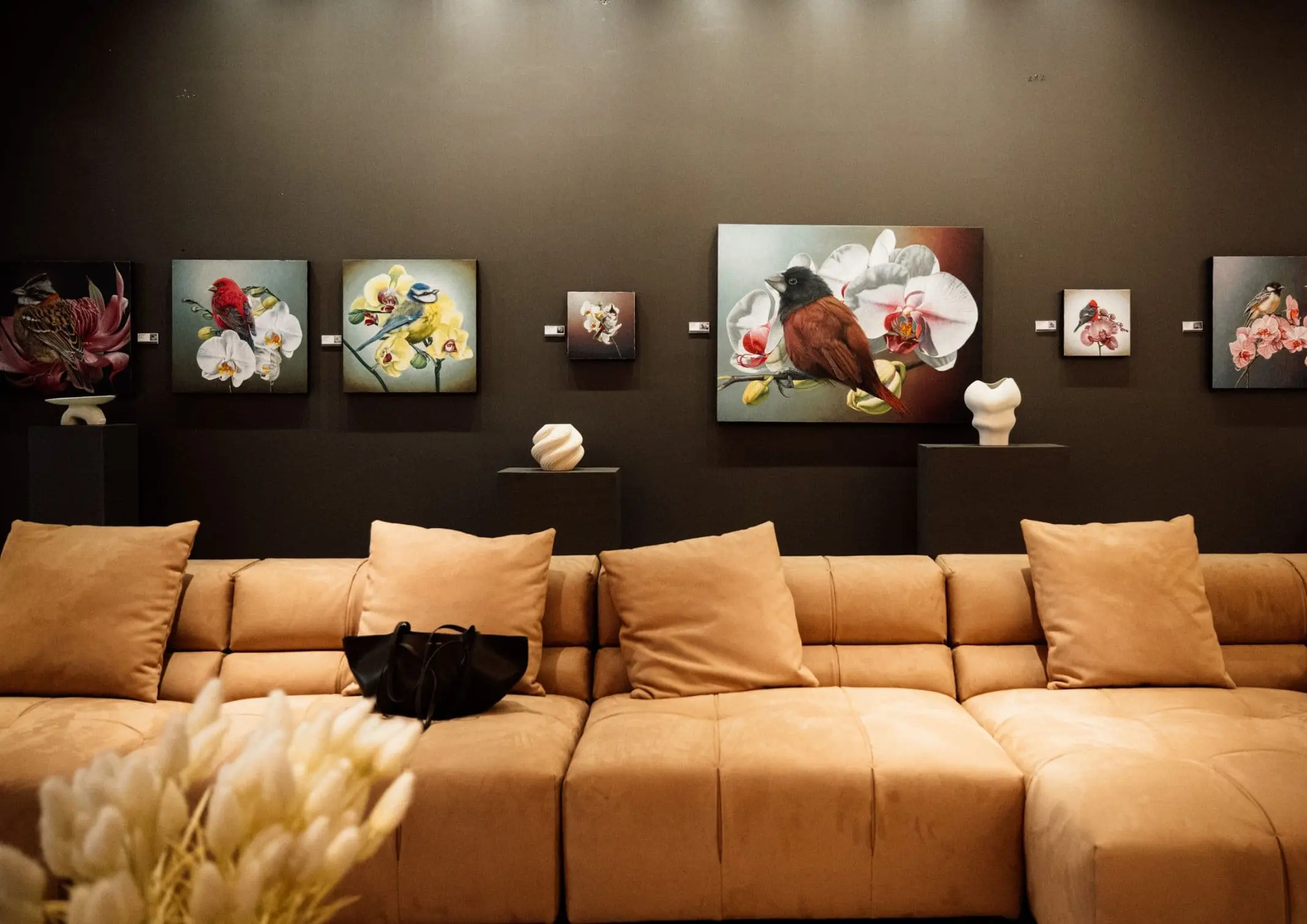
Art and furniture are often selected separately, yet their relationship can shape how a room looks and feels. The collaboration between Hooga and Galerie Joaquin explores how these elements can work together, bringing contemporary artworks into furnished residential settings at Hooga’s showroom in Uptown Mall, Bonifacio Global City. For Hooga, which curates furniture, lighting, and […]
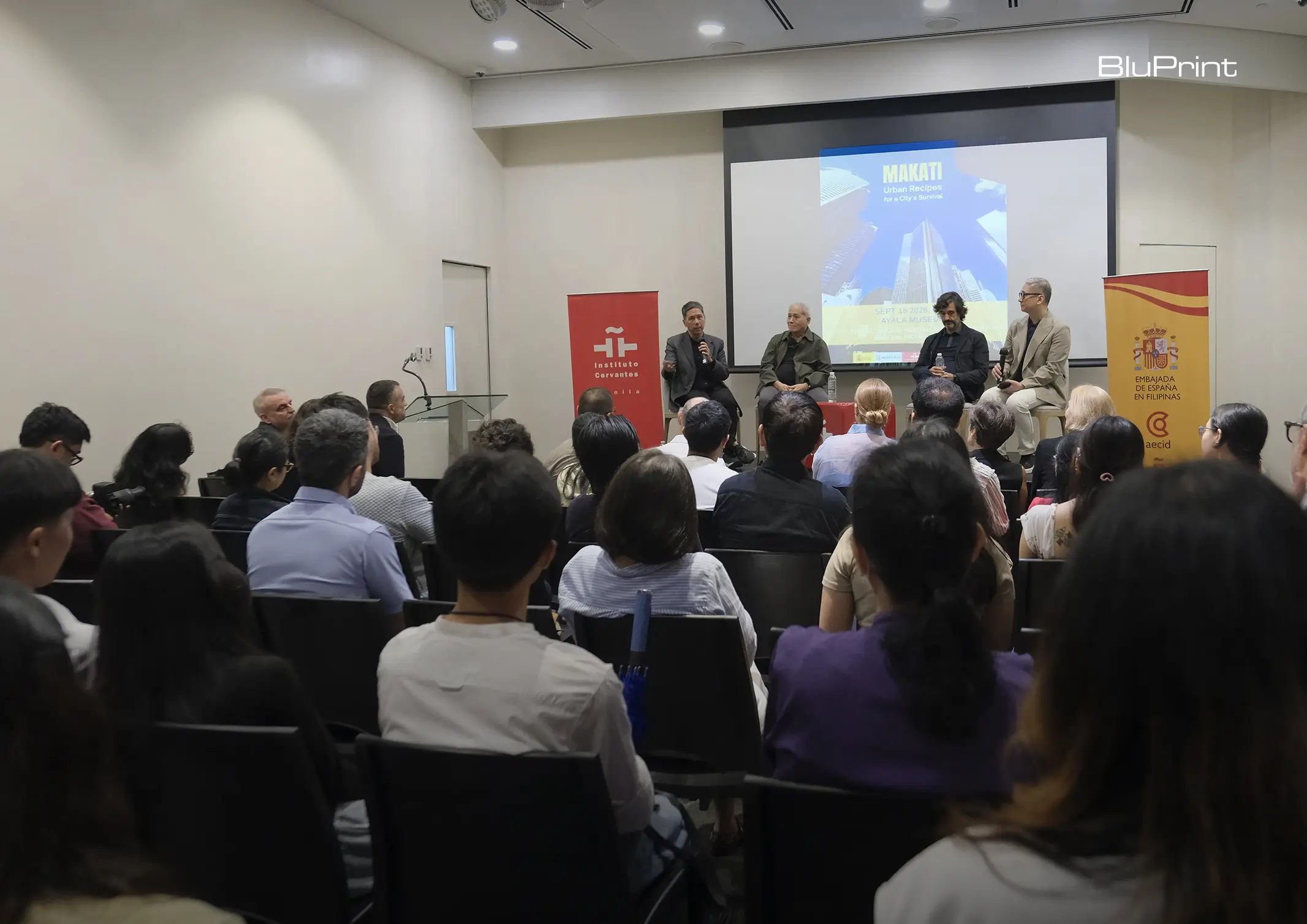
How can better-planned cities create the conditions for more creative, livable, and resilient urban environments? “Makati Urban Recipes for a City’s Survival,” a colloquium held at the Ayala Museum on September 15, brought together architects and practitioners from the fields of urbanism and the creative economy to discuss how design, planning, and collaboration can address […]
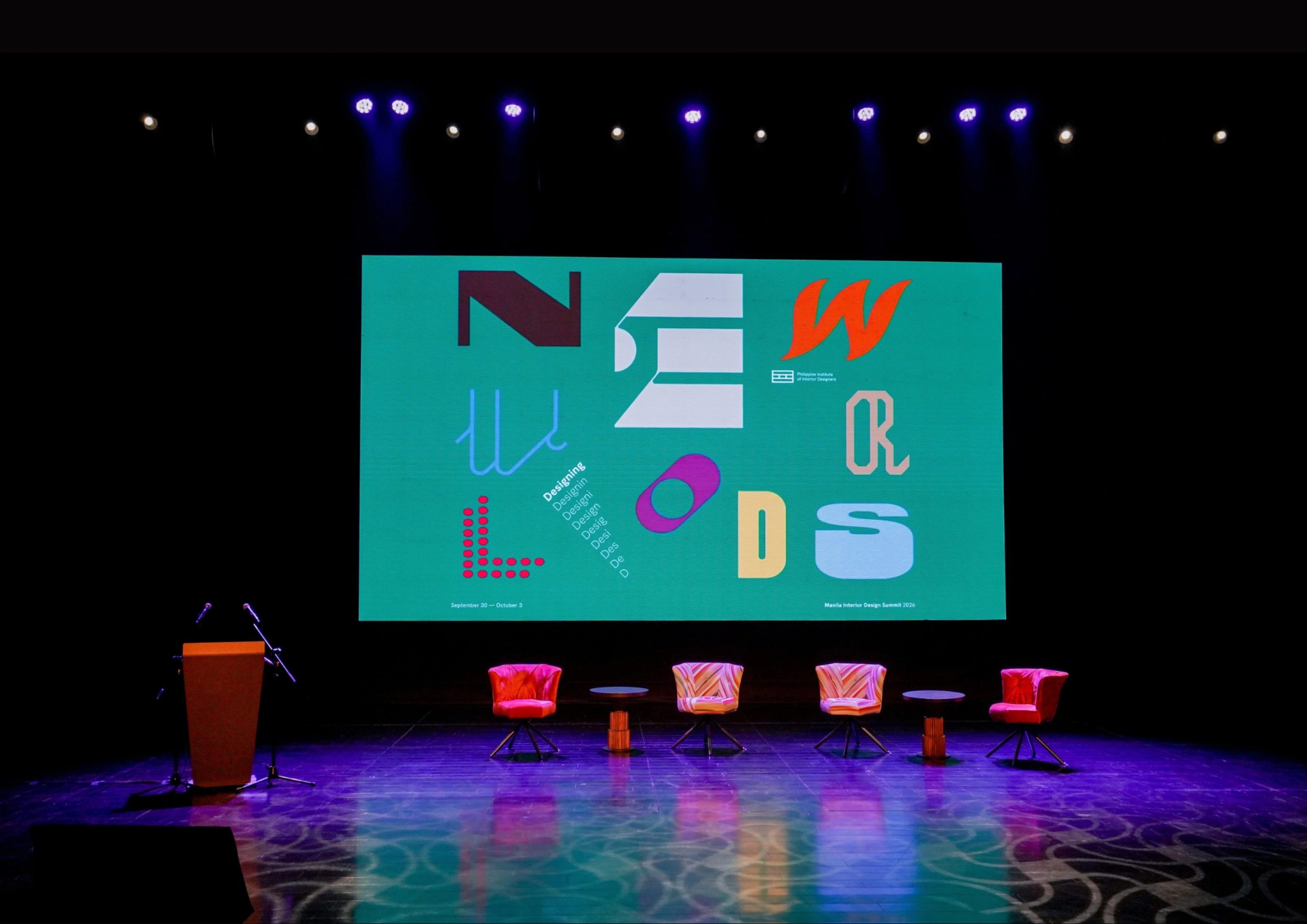
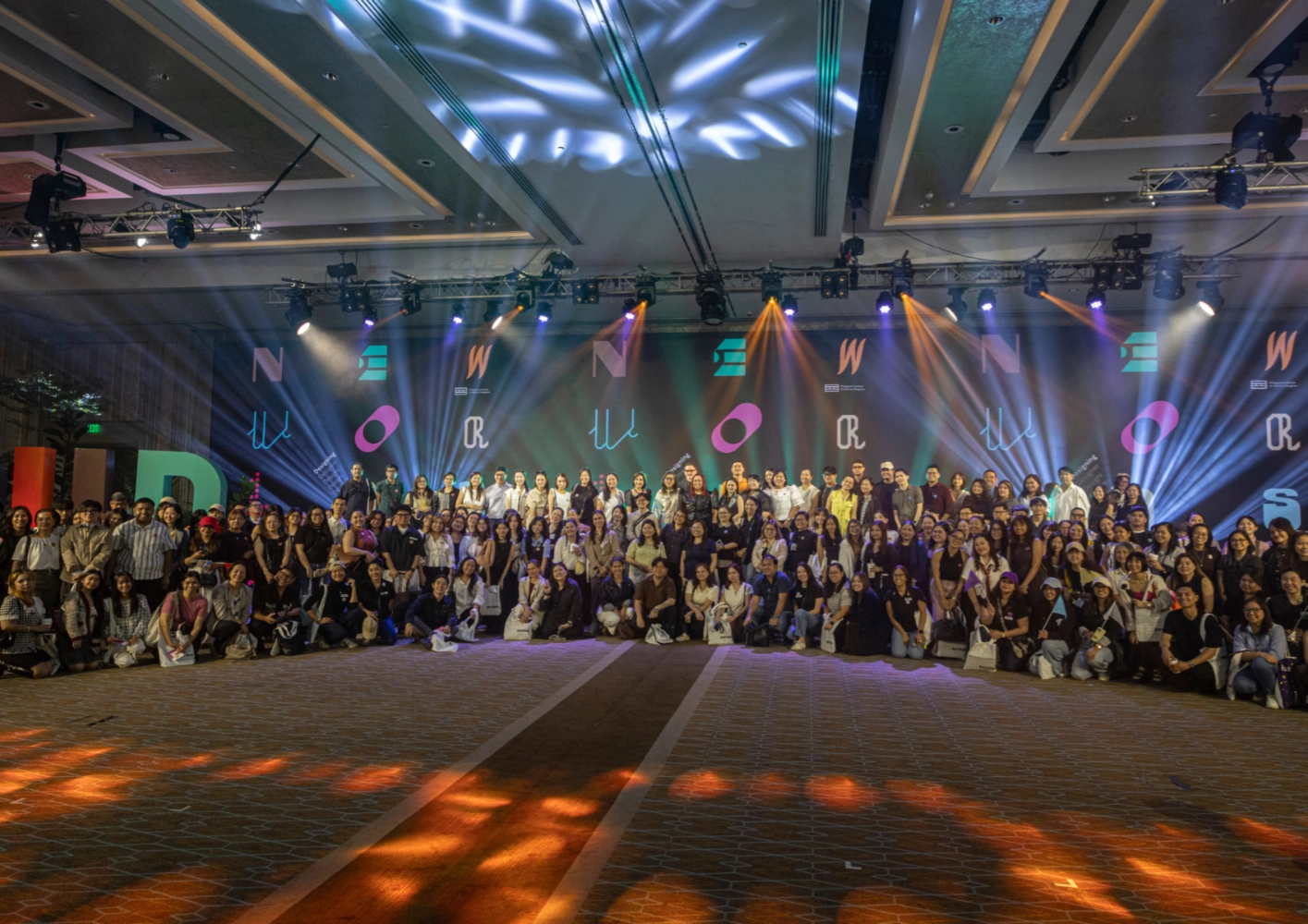
The fourth Manila Interior DesignInterior DesignThe discipline of planning and shaping interior spaces for function, comfort, safety, and beauty. It covers layout, lighting, materials, finishes, furniture, and color, and in the Philippines is a licensedGo to Interior Design Glossary Summit (MIDS) brought together more than 300 delegates for four days of conversations, exhibitions, and design […]
Read the issues.

Collect the volumes.

Recommended Video
Tap to Unmute
Unmute
0:00
0:00