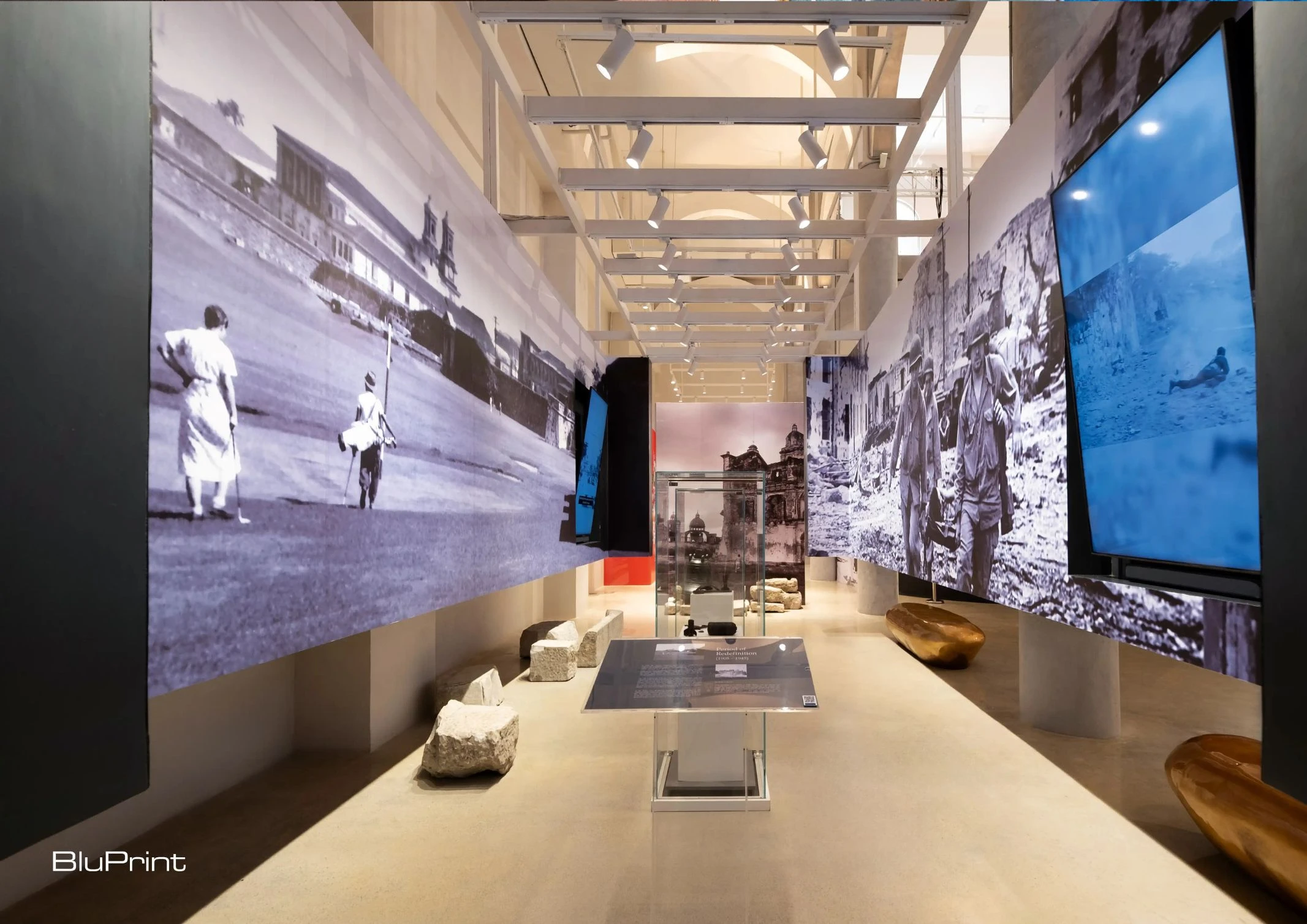



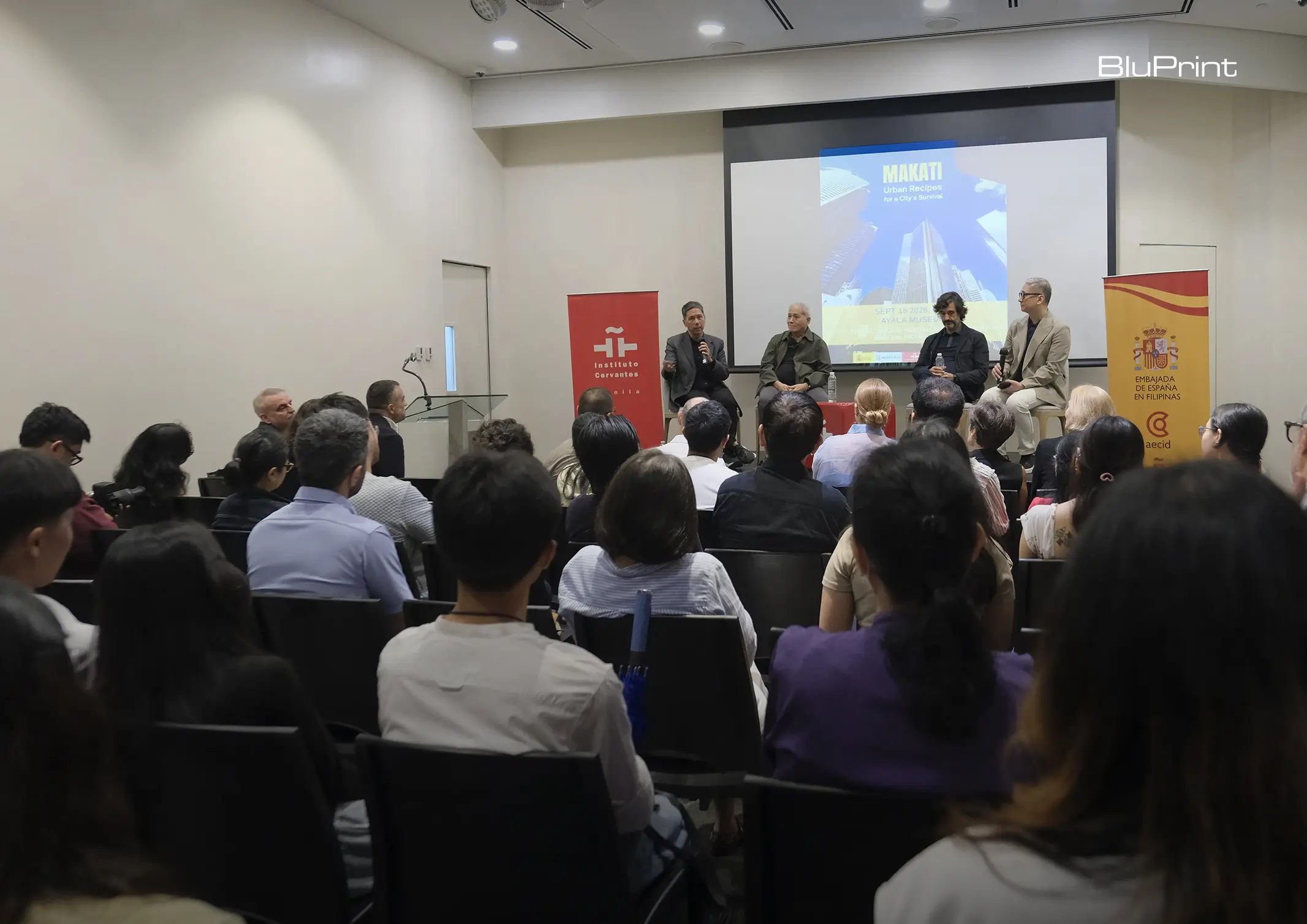
How can better-planned cities create the conditions for more creative, livable, and resilient urban environments? “Makati Urban Recipes for a City’s Survival,” a colloquium held at the Ayala Museum on September 15, brought together architects and practitioners from the fields of urbanism and the creative economy to discuss how design, planning, and collaboration can address […]
In this day and age when cities are rapidly modernizing, public spaces rooted in history risk becoming mere backdrops to development—visited but not lived in, preserved but not felt, slowly becoming static reminders of a once vibrant place that’s suspended in time. Creative placemaking offers an alternative: a way to animate historical sites with contemporary meaning, where design is used to invite participation, and create emotionally resonant, community-shaped experiences.
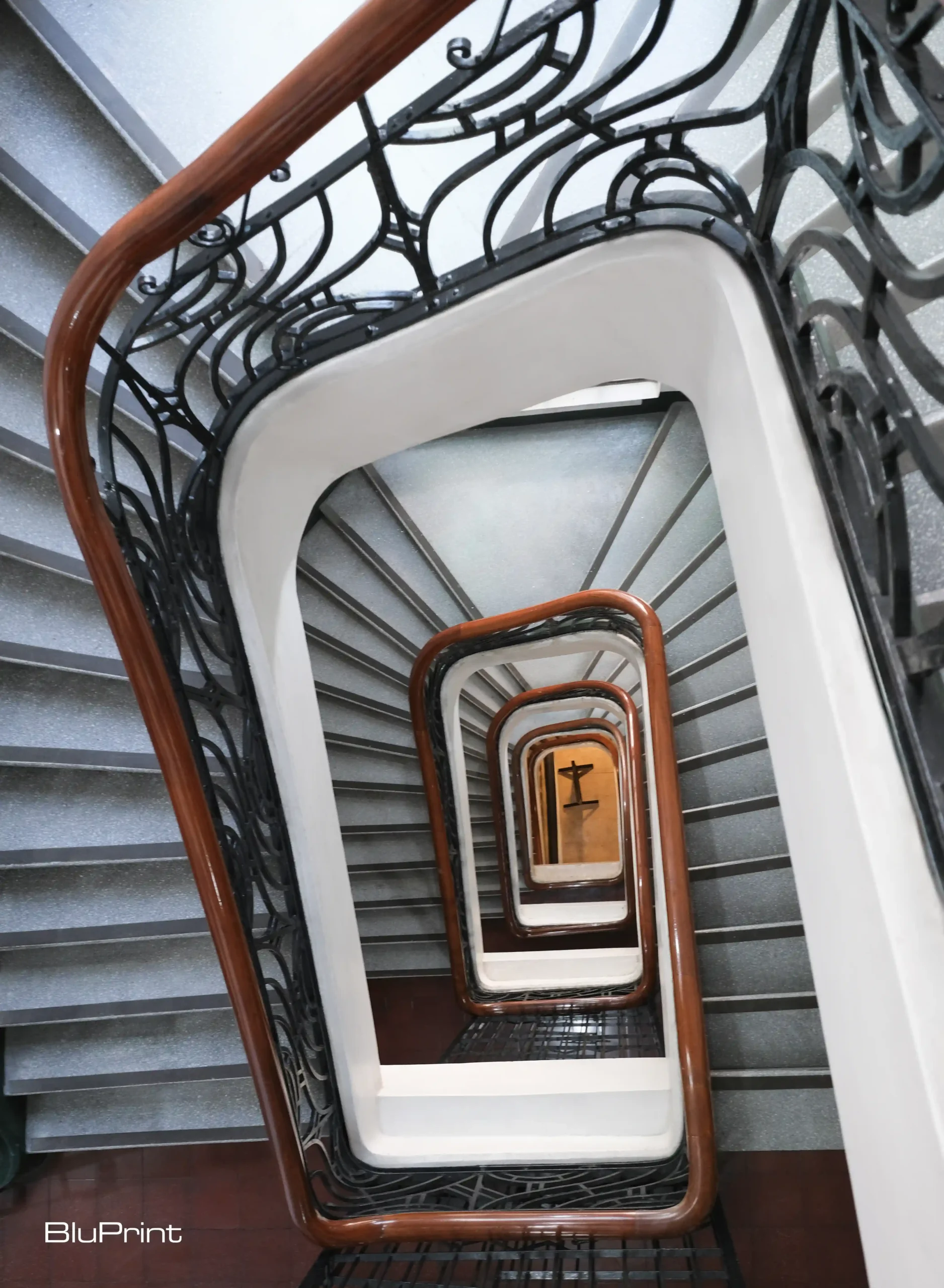
This approach is an integrative practice of interlacing arts, culture, and creativity into community development to drive transformation—socially, economically, and culturally. Going beyond aesthetics, it involves a collaborative exchange between artists, designers, planners, residents, and local leaders to identify ways to reshape public spaces that reflect shared identity and belonging.
In a city like Manila—layered with colonial remnants, post-war reconstruction, and a burgeoning hyperurban sprawl—public spaces like museums and parks carry deep historical weight. Yet, for many locals, these sites feel alien or detached, lacking everyday relevance. The challenge lies not in beautifying or preserving them as relics, but in transforming them into places that blend seamlessly into routines, spark memory, invite agency, and eventually build collective identity — its genius loci, if you will –, the spirit of the place itself.
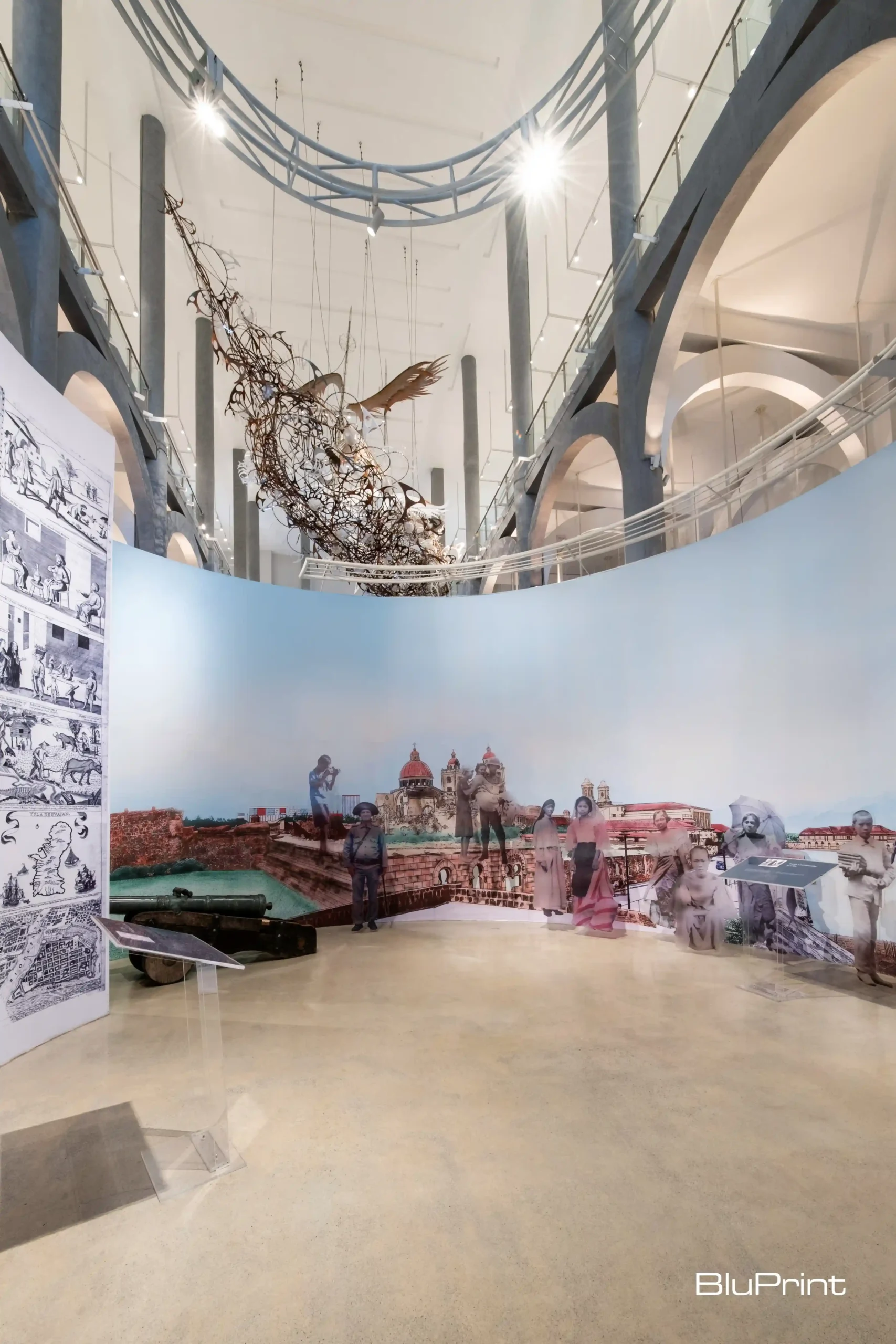
But what do these look like? It becomes more evident in spaces that were designed with the current user in mind, while still anchored on the intent to protect and preserve our history. What creative placemaking does is breathe new life into these institutional and heritage sites by turning them into “story containers”—flexible, people-centered spaces that reflect shared memory, evolving identities, and everyday civic rituals. Inter-generational in nature, these spaces invite interaction but accommodate autonomy, having a strong presence without being imposing. That’s the beauty of co-designed spaces.
Creative Placemaking in the Philippines
Creative placemaking, when done with integrity and vision, has the ability to do more than beautify—it weaves stories into the very fabric of a place. This is a lesson echoed across the world, from Korea’s Bukchon Hanok Village and London’s Hackney Wick, to Manila’s own revitalized landmarks in Intramuros.
Now emerging as a grassroots movement to protect and grow the creative community in the face of rapid urban change, there is a call to work with the community in order to ensure that creativity isn’t pushed out but becomes the very reason a place thrives. This philosophy resonates deeply with the transformation of spaces like Centro de Turismo, First United Building, and Maestranza, where heritage is preserved and activated through inclusive, participatory design.
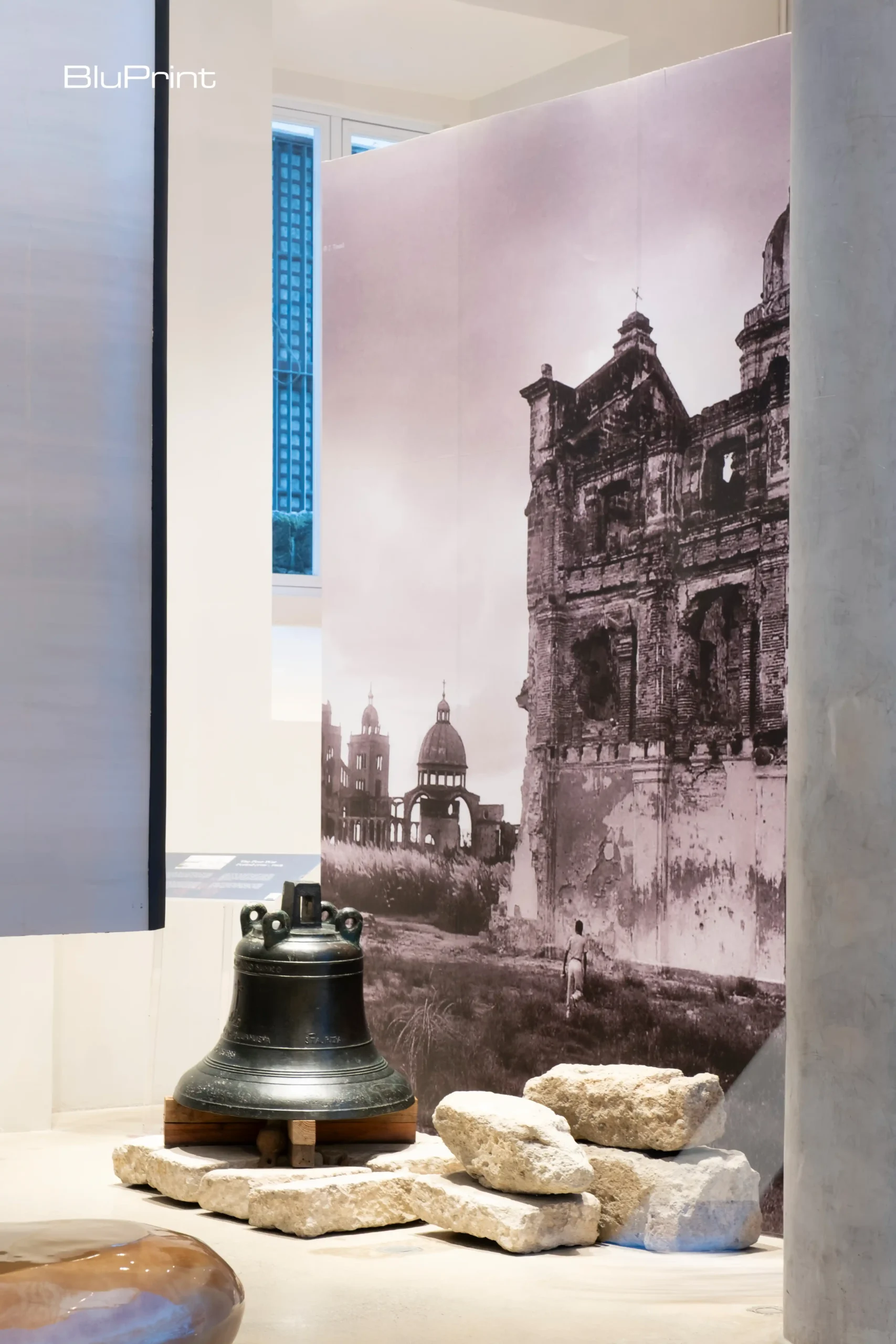
The emergence of such spaces signals a powerful shift: that creative spaces are not limited to gallery districts or private venues, but can emerge from the ruins, open to all. These position creative placemaking as design that transcends aesthetic intervention—but utilized for strategic urban activation. It also highlights design’s ability to transform a colonial vestige into a site of renewed purpose, where the public, the creative, and the historical converge. In doing so, these spaces offer more than revitalization; but models a future where Filipino design and cultural identity thrive not in isolation, but in connection—to place, to people, and to possibility.
In the Philippines particularly, our approach to creative placemaking is more than aesthetic—it is a strategic urban activation that turns our colonial vestiges into living, inclusive, creative and cultural engines.
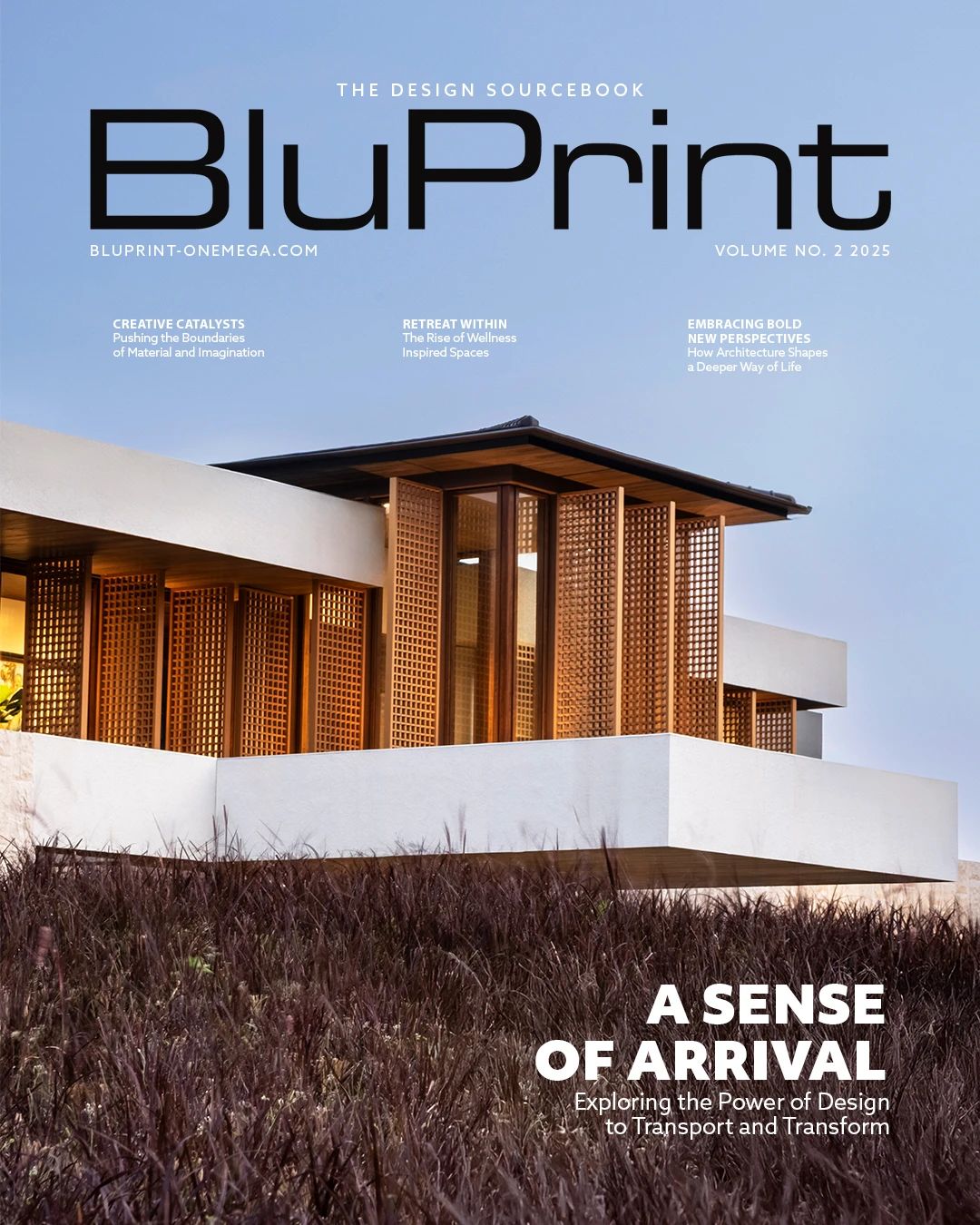
Read the full story on Creative Placemaking by ordering your copy of BluPrint Volume 2, 2025 at Sari Sari Shopping, Shopee, and Lazada. E-magazines are also available for download here or through Readly, Press Reader, and Magzter.
Dive into the captivating world of architectureArchitectureThe art and science of designing and constructing buildings, structures, and spaces that are functional, safe, and aesthetically pleasing. It encompasses the planning, design, materials, and techniques used to createGo to Architecture Glossary, interiors, and arts & culture by getting exclusive digital access to BluPrint’s past and upcoming issues. Click here to find out more.
Photographed by Ed Simon
Read more: Playa Laiya: Modern Tropical Living Inspired by Systems of Nature
Frequently Asked Questions
Creative placemaking is an integrative practice that weaves arts, culture, and creativity into community development to transform public spaces socially and economically. It moves beyond simple aesthetics by fostering a collaborative exchange between designers, local leaders, and residents to create environments that reflect a community’s shared identity and sense of belonging.
Instead of preserving heritage sites as detached monuments, this approach transforms them into “story containers” that are flexible and people-centered. By designing these spaces to accommodate everyday civic rituals and inter-generational interaction, architects ensure that history becomes a living part of the modern urban routine rather than a mere backdrop to development.
In a city layered with colonial and post-war history, capturing the “genius loci” or spirit of the place involves making detached sites feel relevant to the local population again. Creative placemaking seeks to spark memory and invite public agency, turning historical weight into a collective identity that blends seamlessly into the “hyperurban” sprawl of modern Manila.
Co-design involves a participatory approach where the community helps shape the space, resulting in architecture that has a strong presence without being imposing. These spaces accommodate autonomy and invite diverse interactions, ensuring that creativity remains a grassroots force that protects the local community from being pushed out by rapid urban changes.
Sites such as the First United Building, Maestranza, and Centro de Turismo are key examples where heritage is activated through inclusive, strategic urban design. These locations demonstrate how colonial vestiges can be transformed into cultural engines where the public and the historical converge, proving that Filipino design thrives best when connected to both place and people.
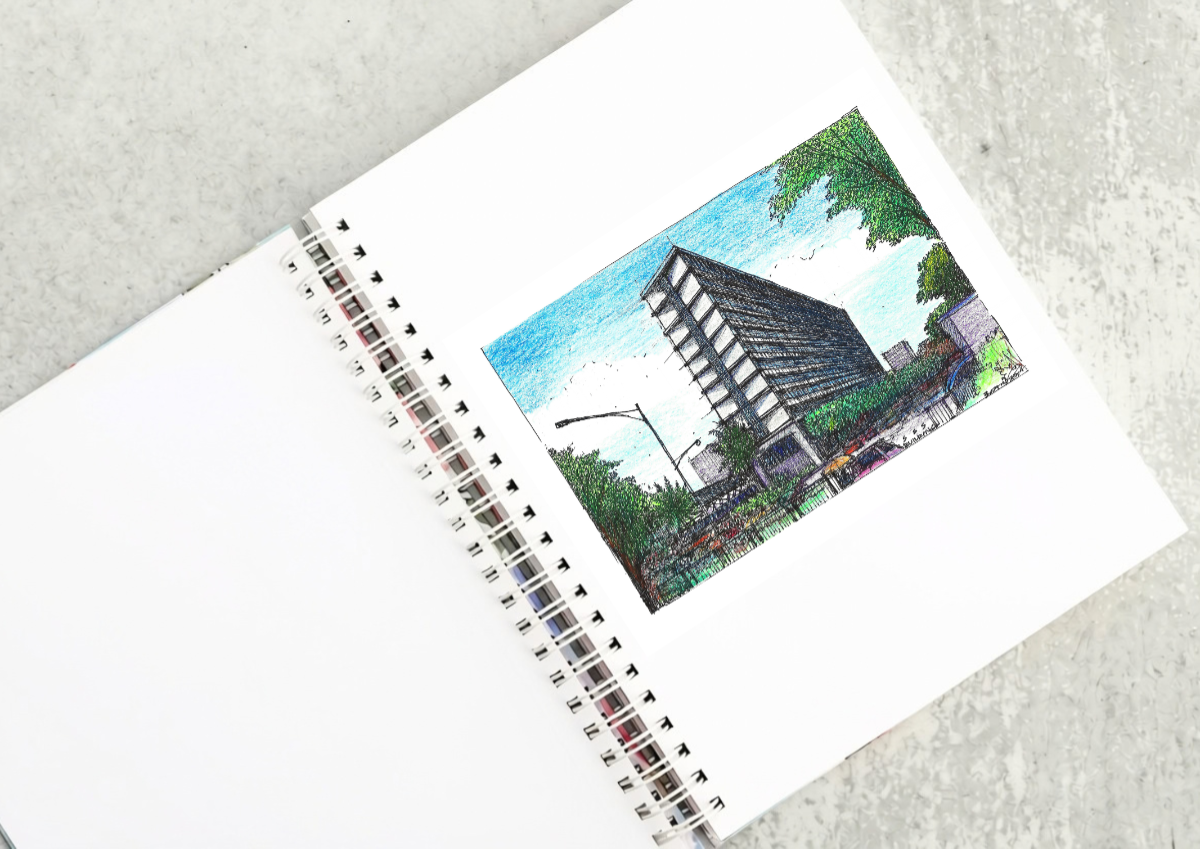
The SSS Building as an Expression of Civic Modernism My favorite modernist landmark in Quezon City is the SSS building on East Avenue. Designed by National Artist for ArchitectureArchitectureThe art and science of designing and constructing buildings, structures, and spaces that are functional, safe, and aesthetically pleasing. It encompasses the planning, design, materials, and techniques […]
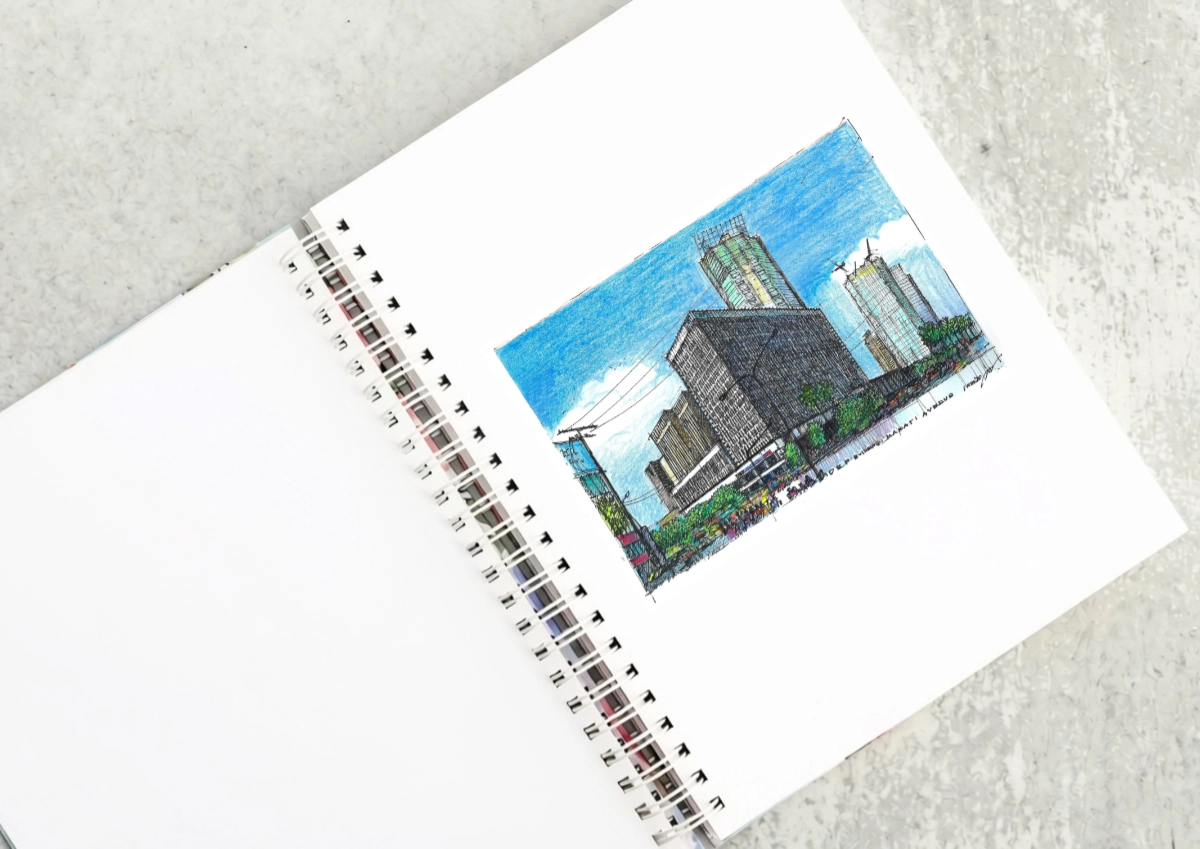
The DBP Building as a Landmark of the International Style At the corner of Sen. Gil Puyat Avenue and Makati Avenue stands a landmark of the Makati Central Business District. It is one of the last still standing that were built in the first wave of construction in district fifty years ago. The Development Bank […]
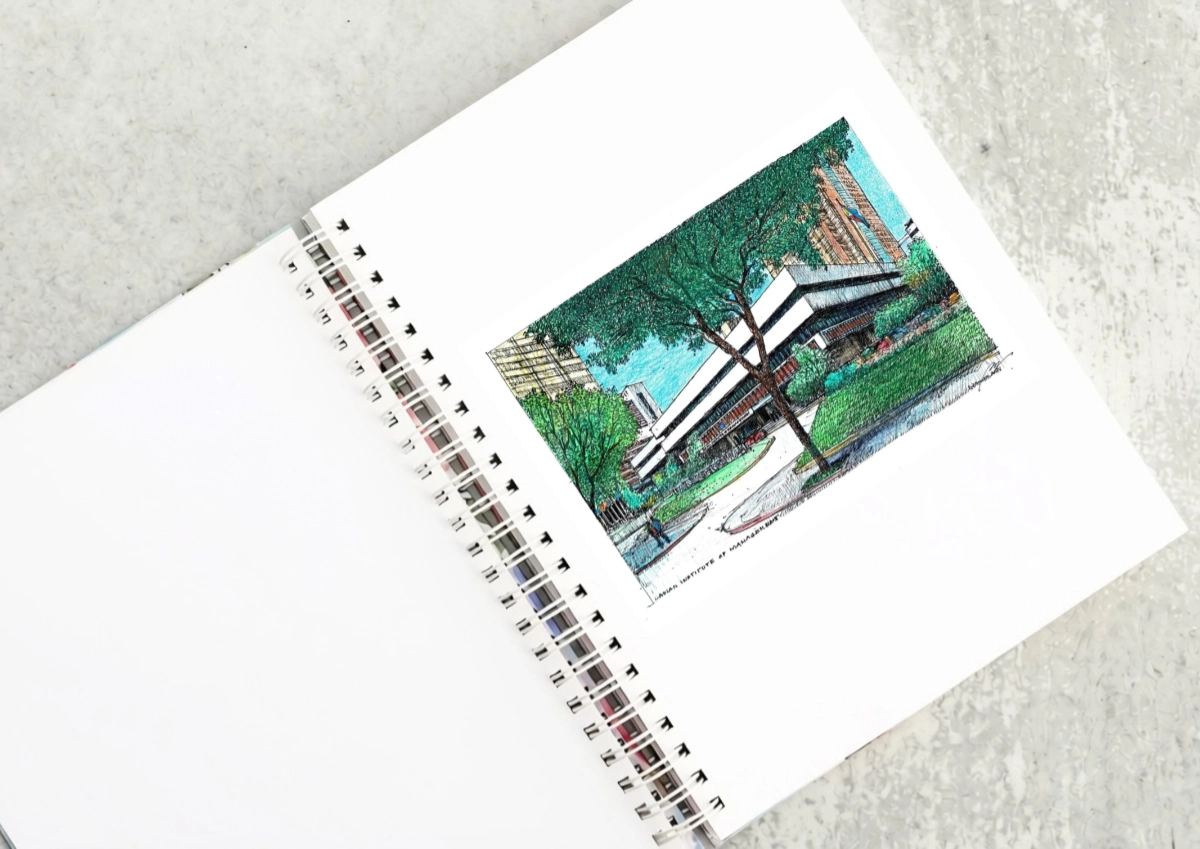
A Filipino Interpretation of Modernist Architecture Unlike the rest of Makati today, the northern end of Paseo de Roxas in Makati is anchored by a low complex rather than a tall skyscraper. This is the elegant Asian Institute of Management, designed by architect Gabriel Formoso and completed in 1971. In my opinion, the building is […]
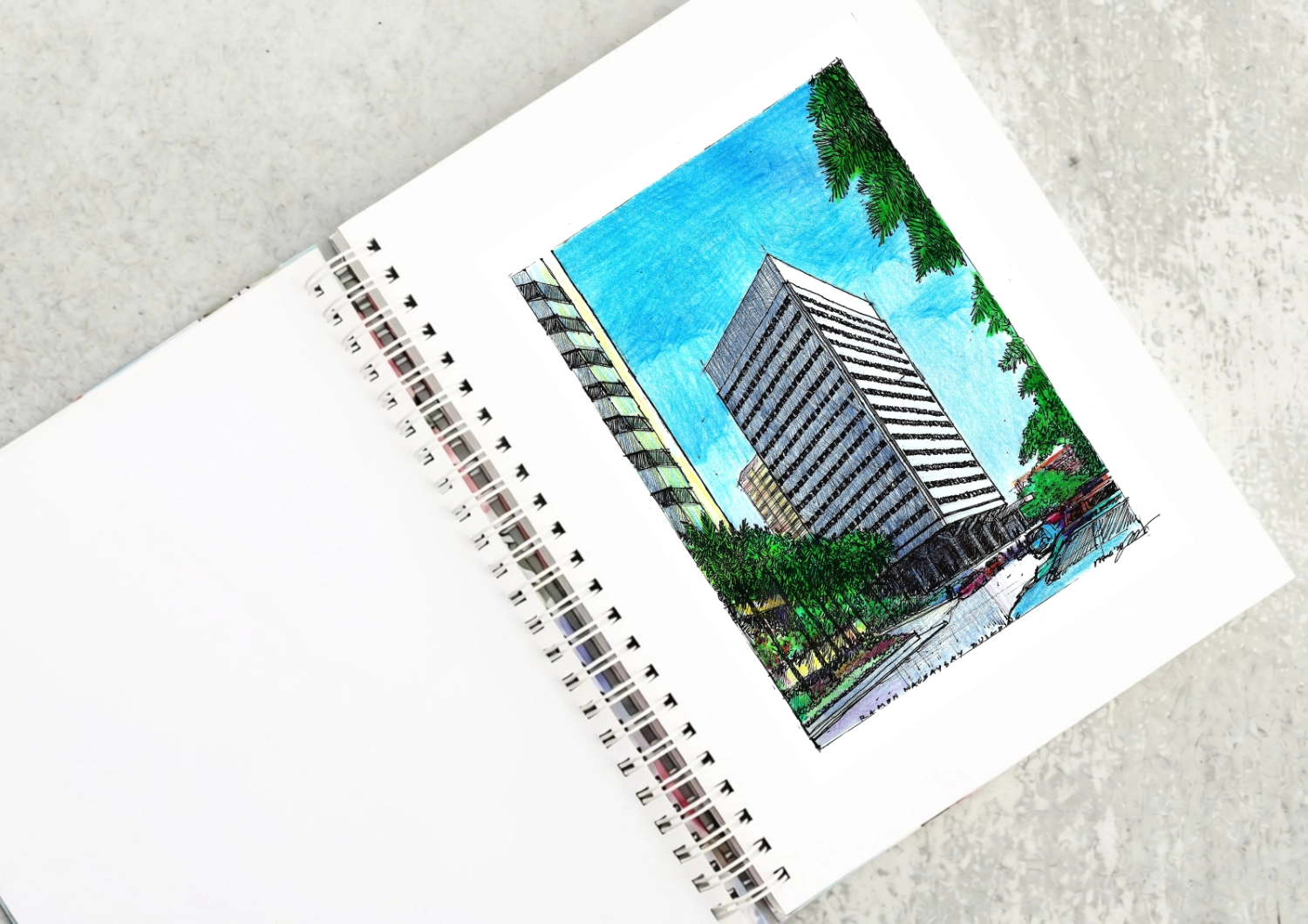
The Ramon Magsaysay Center as a Modernist Landmark Driving down Roxas boulevard from Rizal Park, what will catch your eye is the most elegant modernist structure in the country, the Ramon Magsaysay Center. Most established Filipino architects put it in their top ten lists of favorite buildings. It was designed by Alfredo J. Luz, who […]
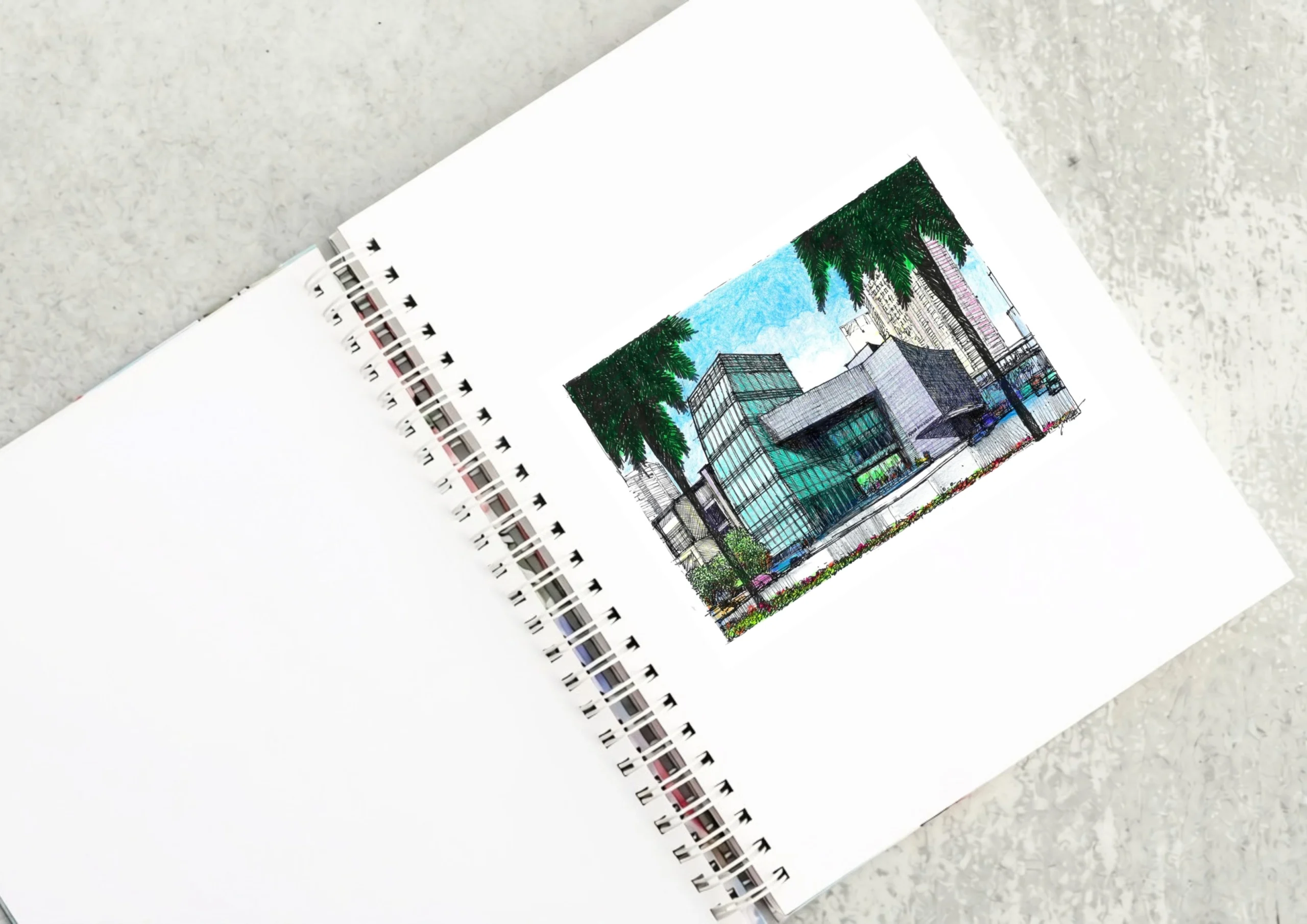
From Brutalism to Contemporary Modernism The Ayala Museum designed by the firm of Leandro V. Locsin Partners (LVLP) sits at the corner of Makati Avenue and Dela Rosa Street in Legaspi Village, Makati. This is actually the second museum of the same name in the area. The original, which was designed by National artist for […]
Read the issues.

Collect the volumes.

Recommended Video
Tap to Unmute
Unmute
0:00
0:00