Bigkis is the act of binding. In Tagalog, the word can refer to something used to bind or encircle, as well as a bundle formed by tying several separate elements together. Figuratively, it can also mean a bond, union, or unity. The meanings move from the physical act of joining things together to the connection […]
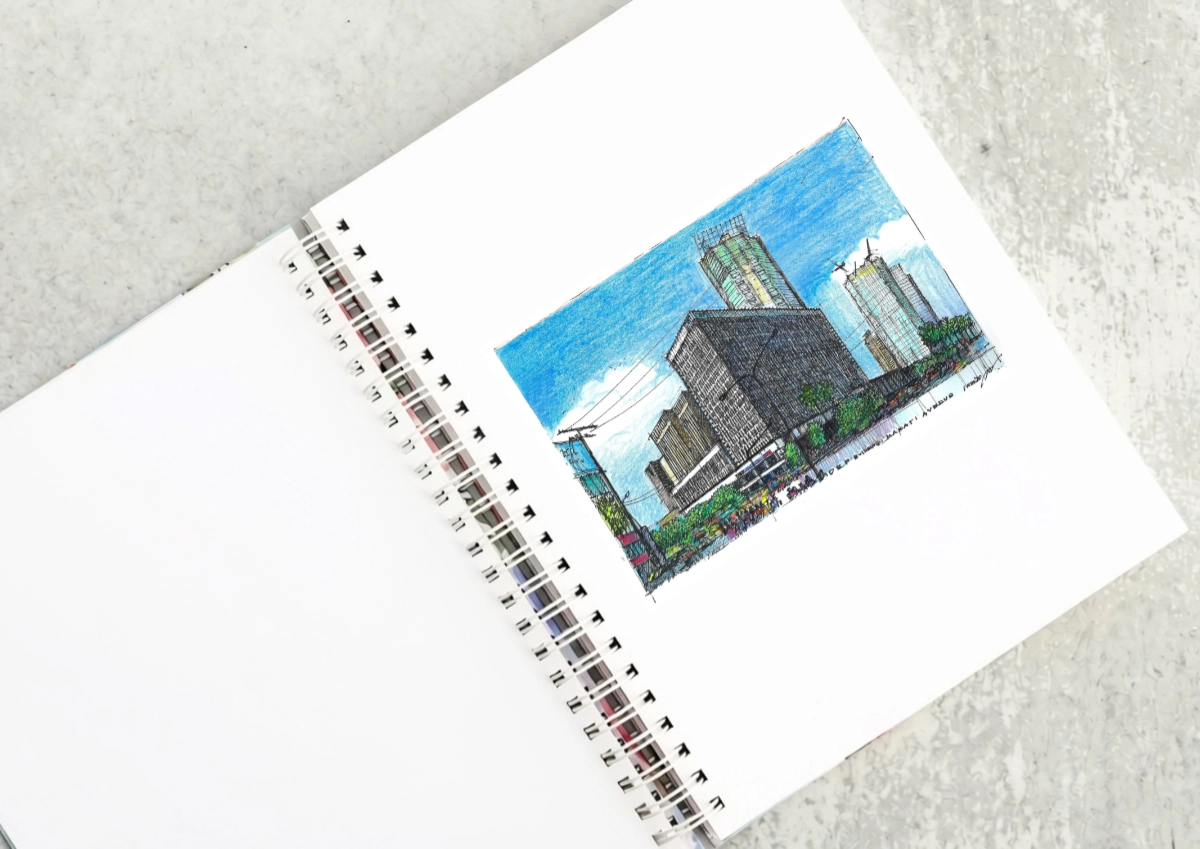
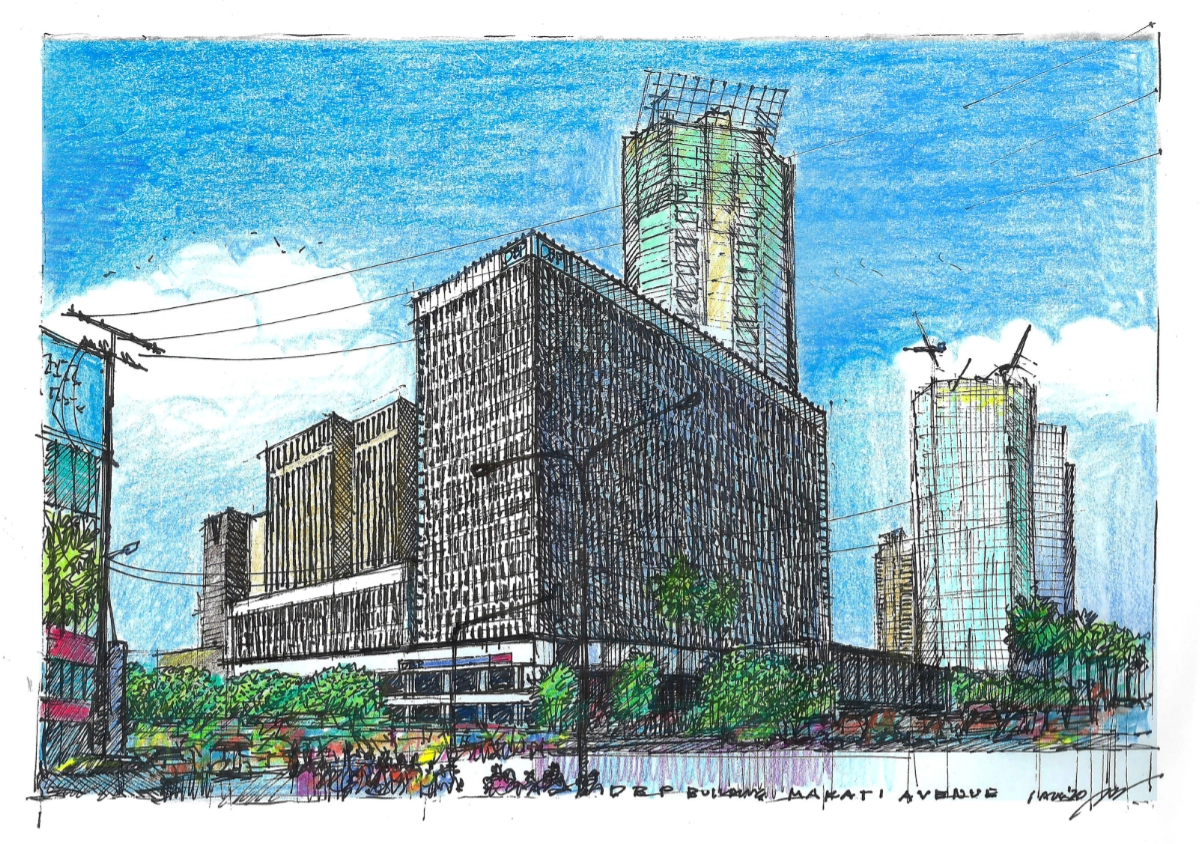
Sketching Modernity 04: The DBP Building



The DBP Building as a Landmark of the International Style
At the corner of Sen. Gil Puyat Avenue and Makati Avenue stands a landmark of the Makati Central Business District. It is one of the last still standing that were built in the first wave of construction in district fifty years ago. The Development Bank of the Philippines Head Office Building was completed in 1971 after just over two years of construction. It is a prime example of the 1960s international style of architectureArchitectureThe art and science of designing and constructing buildings, structures, and spaces that are functional, safe, and aesthetically pleasing. It encompasses the planning, design, materials, and techniques used to createGo to Architecture Glossary that was the choice for corporate towers then. It was designed by Carlos Arguelles, a proponent of that style, which had its beginnings in the Bauhaus school and Rationalist design movements in pre-war Europe. These were transplanted to American schools like MIT, where Arguelles studied architecture before WWII.
Arguelles translated this modernist ideology into buildings that have become landmarks of Philippine architecture. His body of work aside from the DBP building includes the Philamlife headquarters, the PNB on Escolta, as well as the Allied Bank, and Solid Bank buildings in Makati.
The modern skyline of Metro Manila in the ’70s was shaped by Arguelles-designed buildings. Arguelles also pioneered high-rise condominiums with the Urdaneta Apartments and Makati Tuscany on Ayala Avenue. Arguelles was an inspiration to generations of students and professionals whom he guided either as a professor, then as dean of architecture at the UST, or as head of one of the most successful architectural firms in the country—Carlos D Arguelles and Associates (CDAA).
Arguelles first came to prominence as the chief architect of the Philamlife Homes in Quezon City. This was the first “gated” community in the. From that key project, the Philamlife Corporation gave Arguelles his first big office-building commission — the Philamlife headquarters. This he shaped into one of the first international-style buildings in Manila. The medium-rise block used extensive ribbon window glazing and aluminum sunshades.
Related Read: Escolta Maestros: 6 Filipino Architects Who Shaped the Old CBD
Carlos Arguelles Refines the International Style
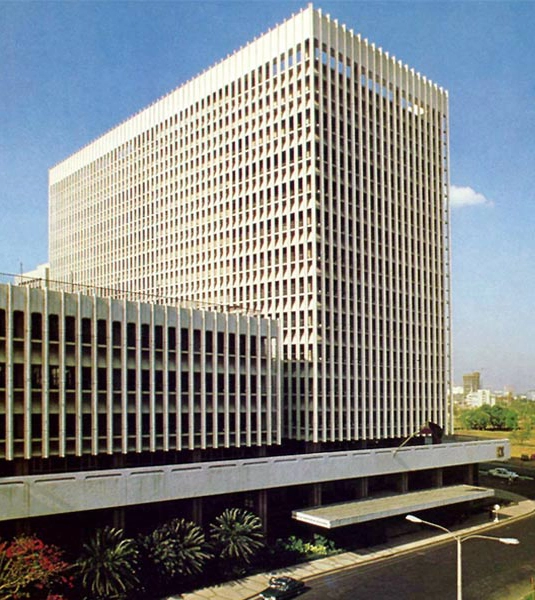
A decade later Arguelles shaped the DBP building, improving on the template. The DBP is the classic international massing of a tall tower balanced by a lower podium building. Both masses were clad with brise soleil made of pre-cast concrete modules. The tall 12-story tower and the shorter three story bustle both sat on a high-ceilinged podium that housed the public banking spaces and a lobby with a cantilevered modernist canopy over the main access. The surrounding landscape was designed by National Artist IP Santos.
Related Read: David Consunji on Working with Arguelles, Nakpil, Zaragoza and More
How Carlos Arguelles Influenced a Generation of Filipino Architects
Other skyscrapers sprouted up in Makati after the DBP opened and many of them were the product of architects who worked in Arguelles’ firm and mentored by him. This include EL Mariano, Dong Abello, Vic Medel, Choy Protomartir, Meloy Casas, Freddie Jurilla, and Raul Locsin. Another famous alumnus of CDAA is sculptor Ramon Orlina. Ramon likes to remind people that he started as an architect and worked for “Carling” Arguelles at the peak of his practice.
Arguelles’ legacy is a body of architectural work that spans four decades. The DBP speaks of an era when the best-designed buildings in Asia were in Manila, and Filipino architects were among the most respected. His and his generation’s legacy of building for the Filipino should be the aim of all Filipino architects and allied professionals.
Related Read: Jason Buensalido and His Search for Contemporary Filipino Identity for Architecture
Sketching Modernity is a series of analog illustrations and reflections on landmark buildings and sites by BluPrint Editor in Chief Paulo G. Alcazaren.
Frequently Asked Questions
The Development Bank of the Philippines Head Office Building in Makati was designed by Filipino architect Carlos Arguelles and completed in 1971.
The DBP Building is an example of the International Style, a modernist architectural movement with roots in European movements including the Bauhaus and Rationalism.
The DBP Building combines a 12-story tower with a lower three-story mass over a high-ceilinged podium. Precast concrete brise soleil clad the taller and lower volumes, while a cantilevered modernist canopy marks the main entrance.
The surrounding landscape was designed by National Artist for Landscape Architecture Ildefonso P. Santos.
Carlos Arguelles helped shape Metro Manila’s modern skyline through projects including the DBP Building, Philamlife headquarters, PNB on Escolta, Urdaneta Apartments, and Makati Tuscany. He also influenced generations of Filipino architects through teaching and his practice, Carlos D. Arguelles and Associates.
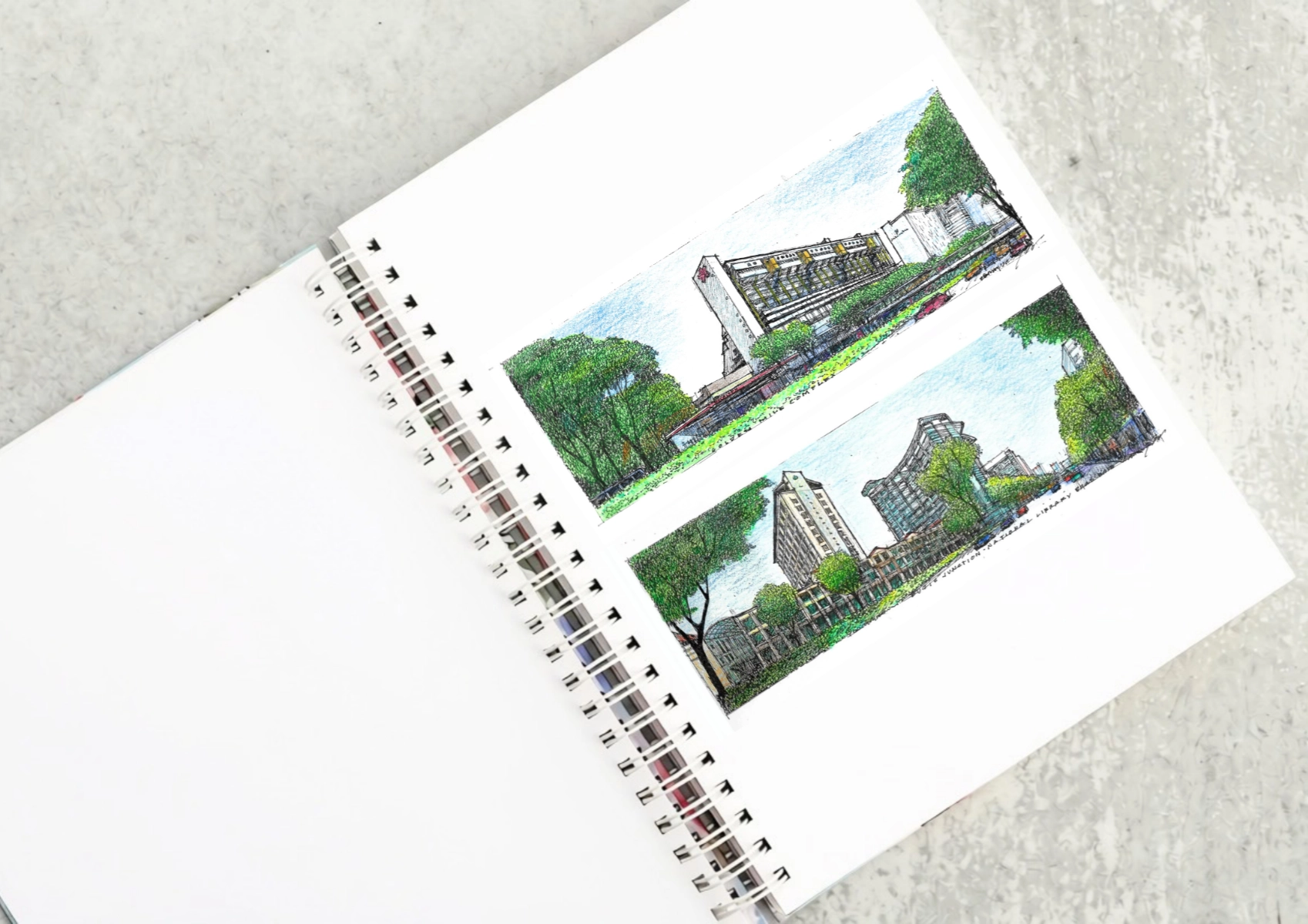
Two sketches of Singapore connect BluPrint Editor in Chief Paulo G. Alcazaren’s personal and professional history with Shared Ground: ArchitectureArchitectureThe art and science of designing and constructing buildings, structures, and spaces that are functional, safe, and aesthetically pleasing. It encompasses the planning, design, materials, and techniques used to createGo to Architecture Glossary of Care, Culture, […]
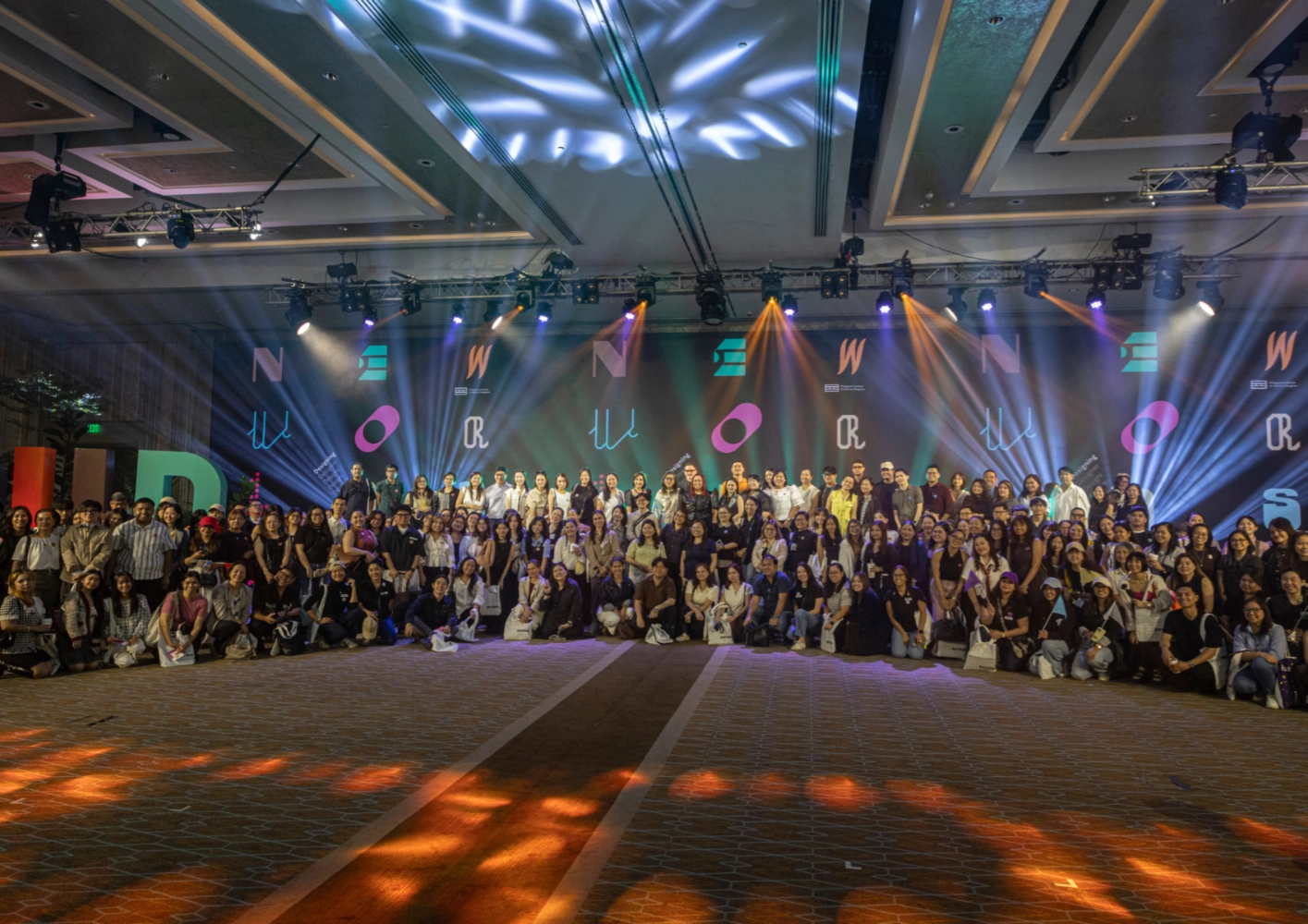
In a way, designers are the modern-day soothsayers and prophets. They design for the future, predicting how a room, a house, a building or a whole city will be used by people. They foresee how users will interact with a space, conjure exact shades of colors to elicit specific behavior and arrange furniture to build […]
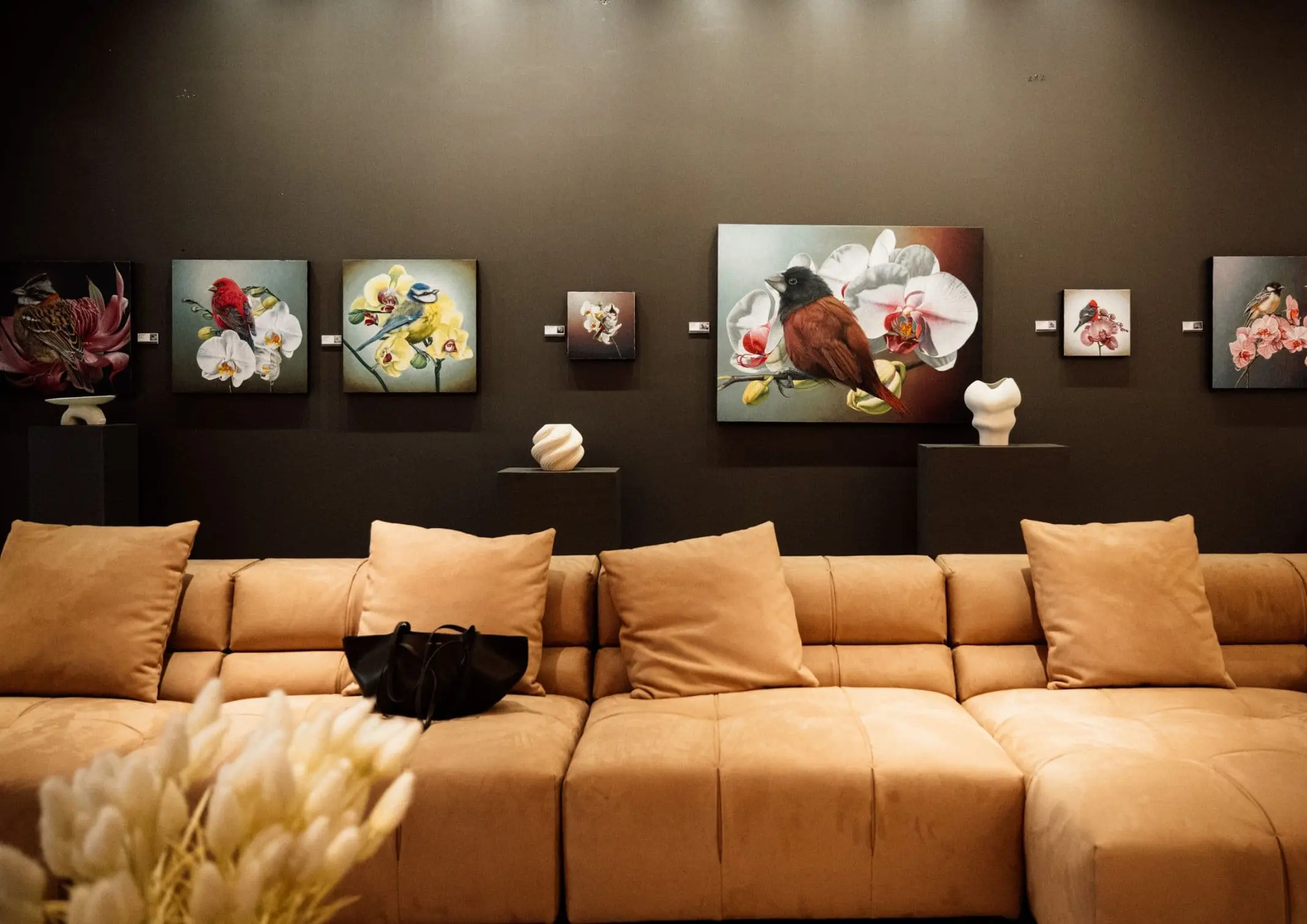
Art and furniture are often selected separately, yet their relationship can shape how a room looks and feels. The collaboration between Hooga and Galerie Joaquin explores how these elements can work together, bringing contemporary artworks into furnished residential settings at Hooga’s showroom in Uptown Mall, Bonifacio Global City. For Hooga, which curates furniture, lighting, and […]
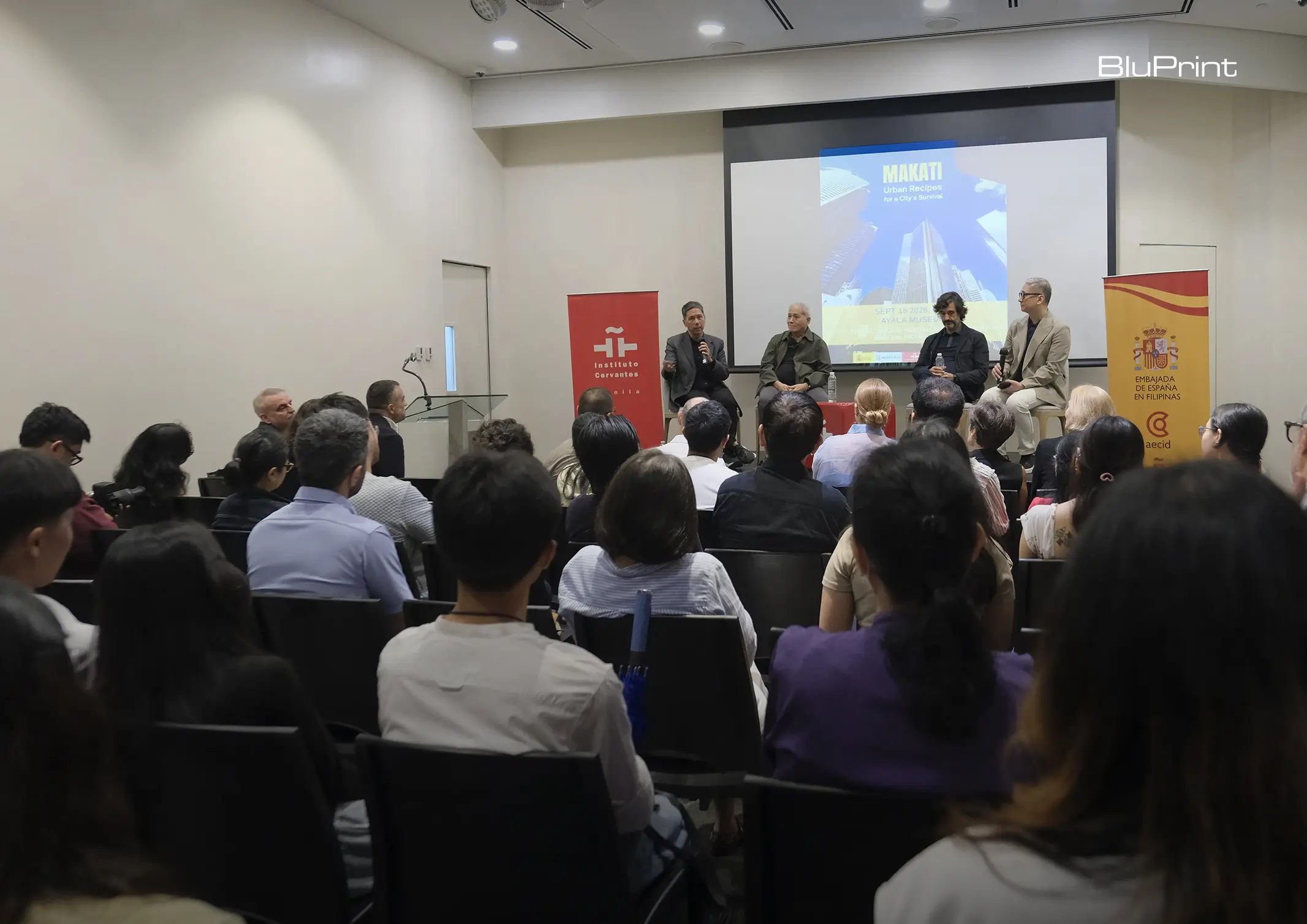
How can better-planned cities create the conditions for more creative, livable, and resilient urban environments? “Makati Urban Recipes for a City’s Survival,” a colloquium held at the Ayala Museum on September 15, brought together architects and practitioners from the fields of urbanism and the creative economy to discuss how design, planning, and collaboration can address […]
Read the issues.

Collect the volumes.

Recommended Video
Tap to Unmute
Unmute
0:00
0:00