Rinna Soriano’s favorite part of her work is sanding. At her workbench, she stays focused, following the grain, adjusting to changes in its direction. Narra, she has learned, can have interlocking grain. A piece of mango once proved particularly difficult until a worker explained that she had reached the point where a branch once grew […]
When Malasakit Is Placed at the Heart of Filipino Design: Good Design Award Philippines 2026



Organized biennially by the Design Center of the Philippines, the Good Design Award Philippines (GDA) champions a distinctly Filipino approach to design rooted in malasakit (caring). It posits that good design goes beyond balancing form, function, and innovation—it creates meaningful solutions that respond to society’s most pressing challenges. The awards also advances the United Nations Sustainable Development Goals (SDGs), positioning Philippine design within a broader global conversation.
Executive Director of the Design Center of the Philippines, Rhea Matute, shares that the GDA’s ambition is to promote a humanity-centered approach to design. “With this core design philosophy, we hope that through those that are being awarded today and as well as the past awardees, [other] people will really see the character of their designs in their execution, but more importantly, their design processes,” Matute said in her closing remarks.
“We are part of a global movement that seeks to shift the conversation and contextual design, from products and communications, through systems, services and strategic solutions, and mobilize designers in the Philippines—to make their presence felt far beyond our borders and far beyond the borders of corporate design departments, [as well as] to tackle ‘wicked problems’ that traditional bureaucracies have been unable to resolve,” she adds.
Related Reading: Revitalized First United Building Bags Malasakit Gran Prix Award at 2024 Good Design Award PH
Design Distinctions that Place Malasakit at the Heart of Design
GDA 2026 showcased more than 20 projects across six categories. Looking across this year’s awardees, a common thread emerges: each project demonstrates a different way of putting malasakit into practice.
The Malasakit Gran Prix, the GDA’s highest recognition, was awarded to Gold Award recipient Studio Impossible Projects Inc. for “The Banwag,” a 15-meter bamboo dome in Parang, Maguindanao, designed as a neutral gathering space for local communities.
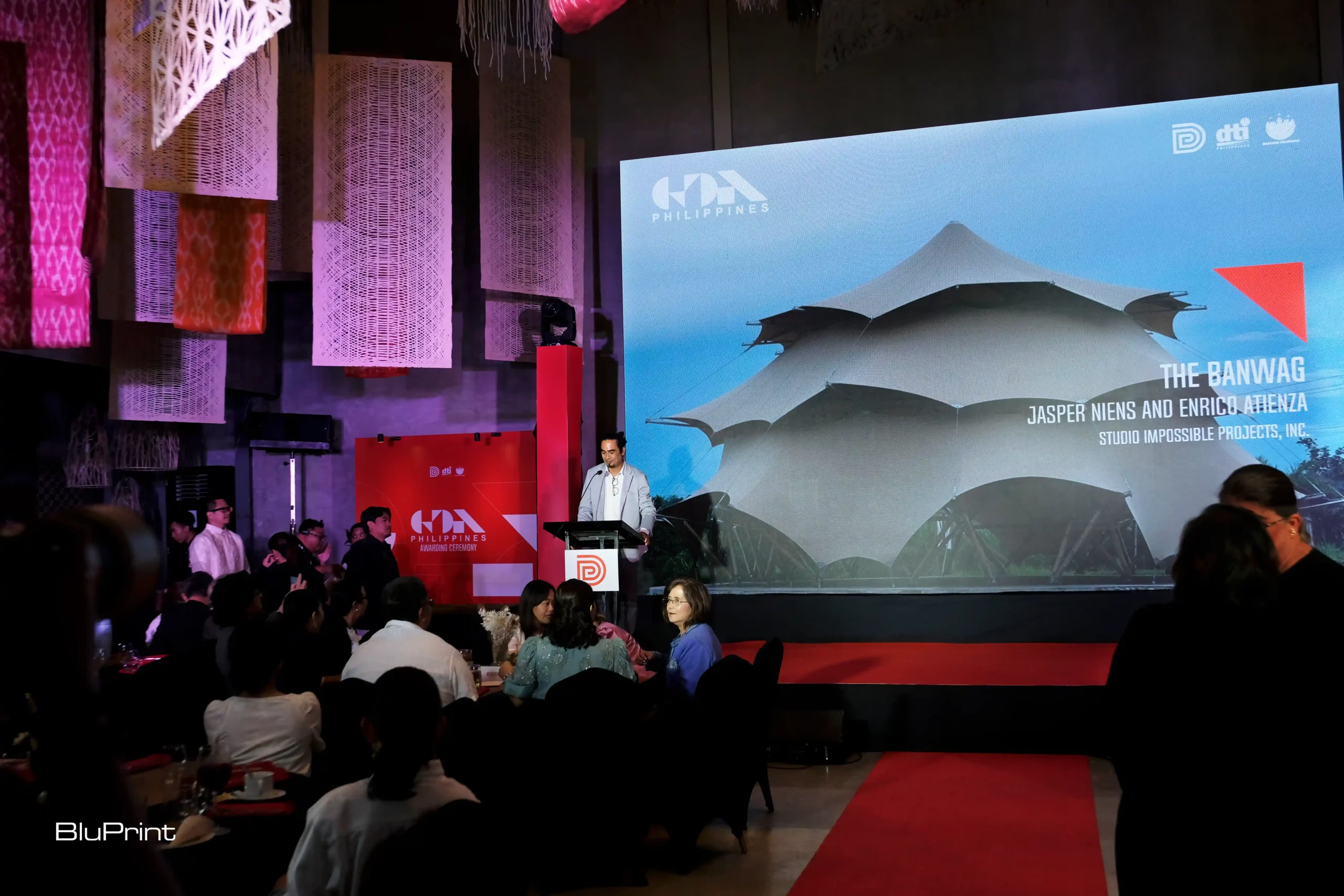
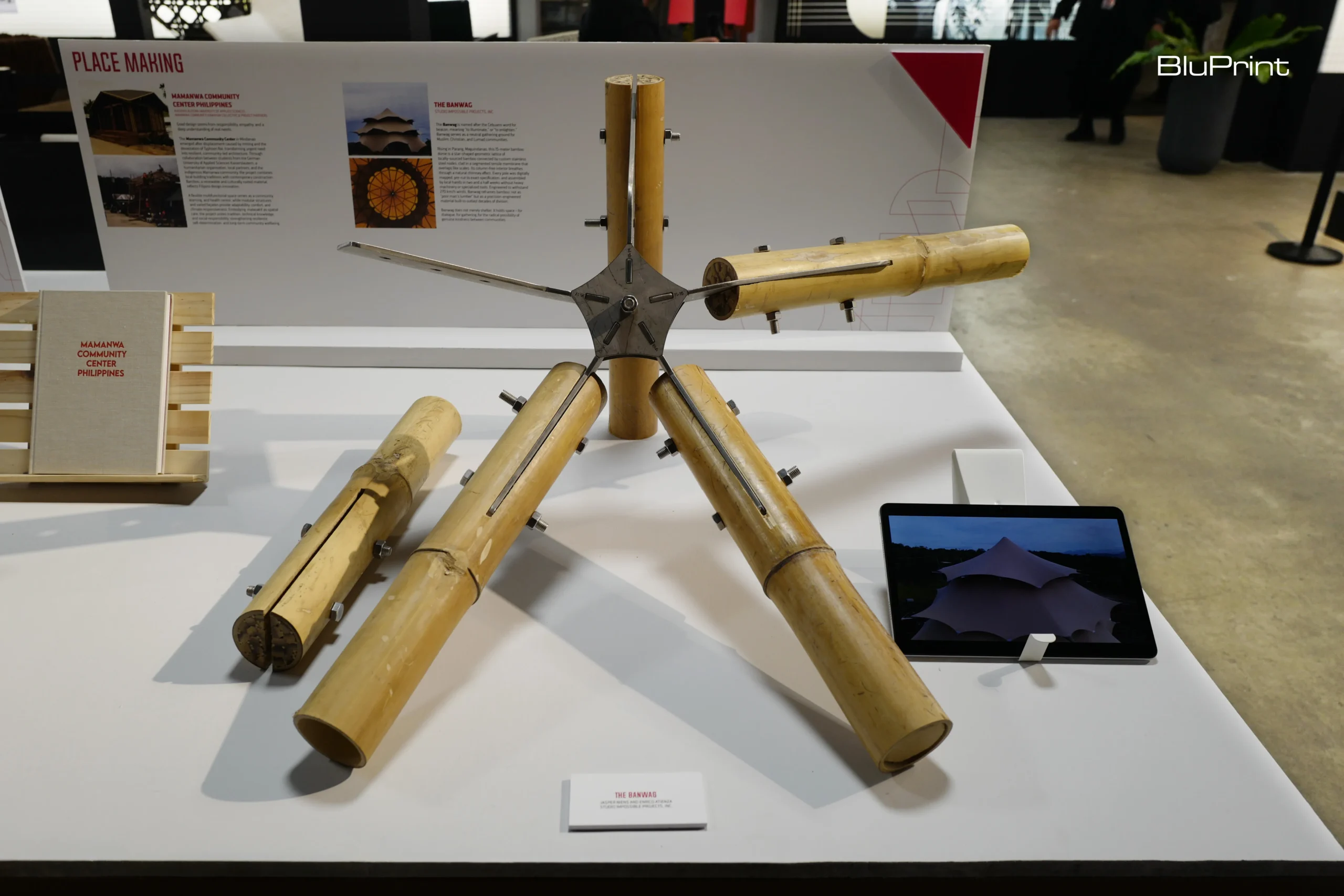
The Banwag is constructed from locally sourced bamboo connected by custom stainless steel nodes. Each component was meticulously mapped and pre-cut to exact specifications. This precision-engineered system enables the structure to be assembled without heavy machinery, demonstrating how bamboo can transcend its traditional applications to become a durable, high-performance building material.
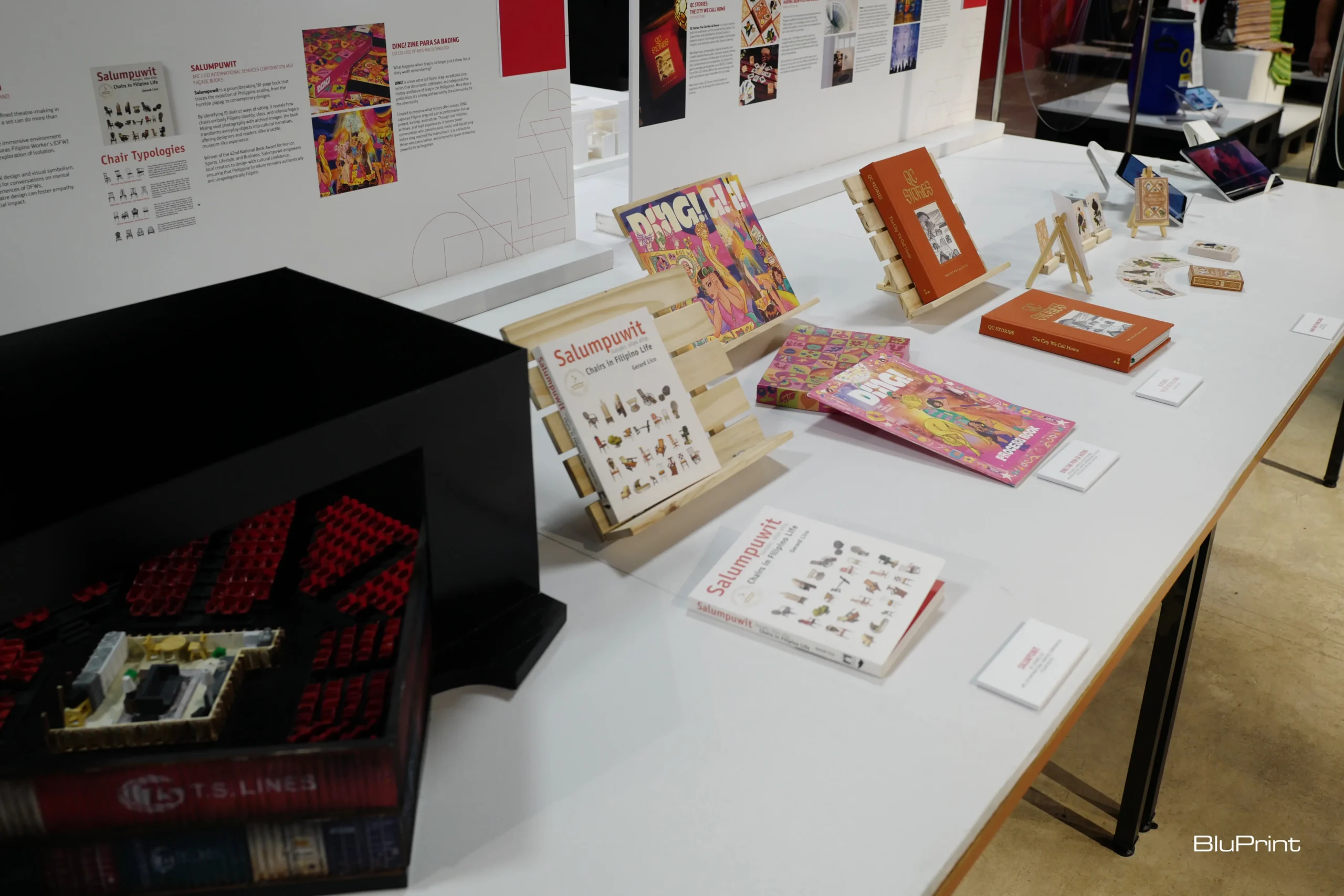
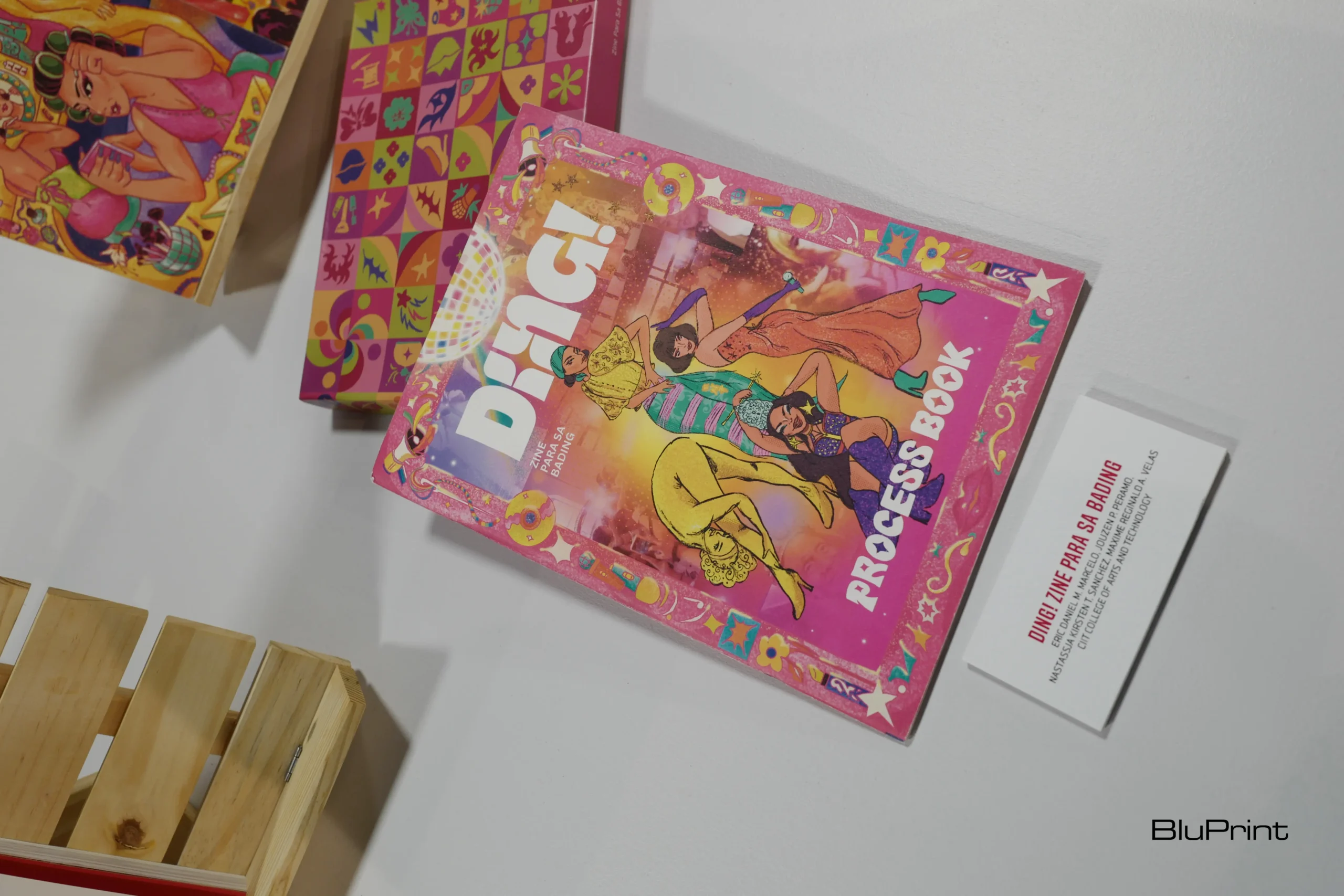
Design’s impact, however, extends beyond the built environment. Under the Image Making category, students from the CIIT College of Arts and Technology received the Red and Gold Awards for “DING! Zine Para sa Bading,” a three-volume editorial publication and living archive that documents the histories, voices, and lived experiences of the Filipino drag and queer community. The zine shows how design can amplify underrepresented narratives and foster greater social understanding.
This year, the awards also broadened its scope with the introduction of the Material Innovation (White Award) and Governance & Civic Design (Blue Award), recognizing that design solutions today go beyond products and spaces. Among the first recipients of the White Award was the Kadlit Firestarter Kit by students from Bohol Island State University. This citation was given for transforming locally available raw materials into a reliable, eco-friendly product for outdoor and environmental use. The Quezon City Disaster Risk Reduction and Management Office’s iRISE-UP system received the Blue Award for demonstrating how design can improve public services. The multi-hazard early warning and climate monitoring system enables local governments to anticipate potential disasters, helping communities prepare for and respond to climate-related risks more effectively.
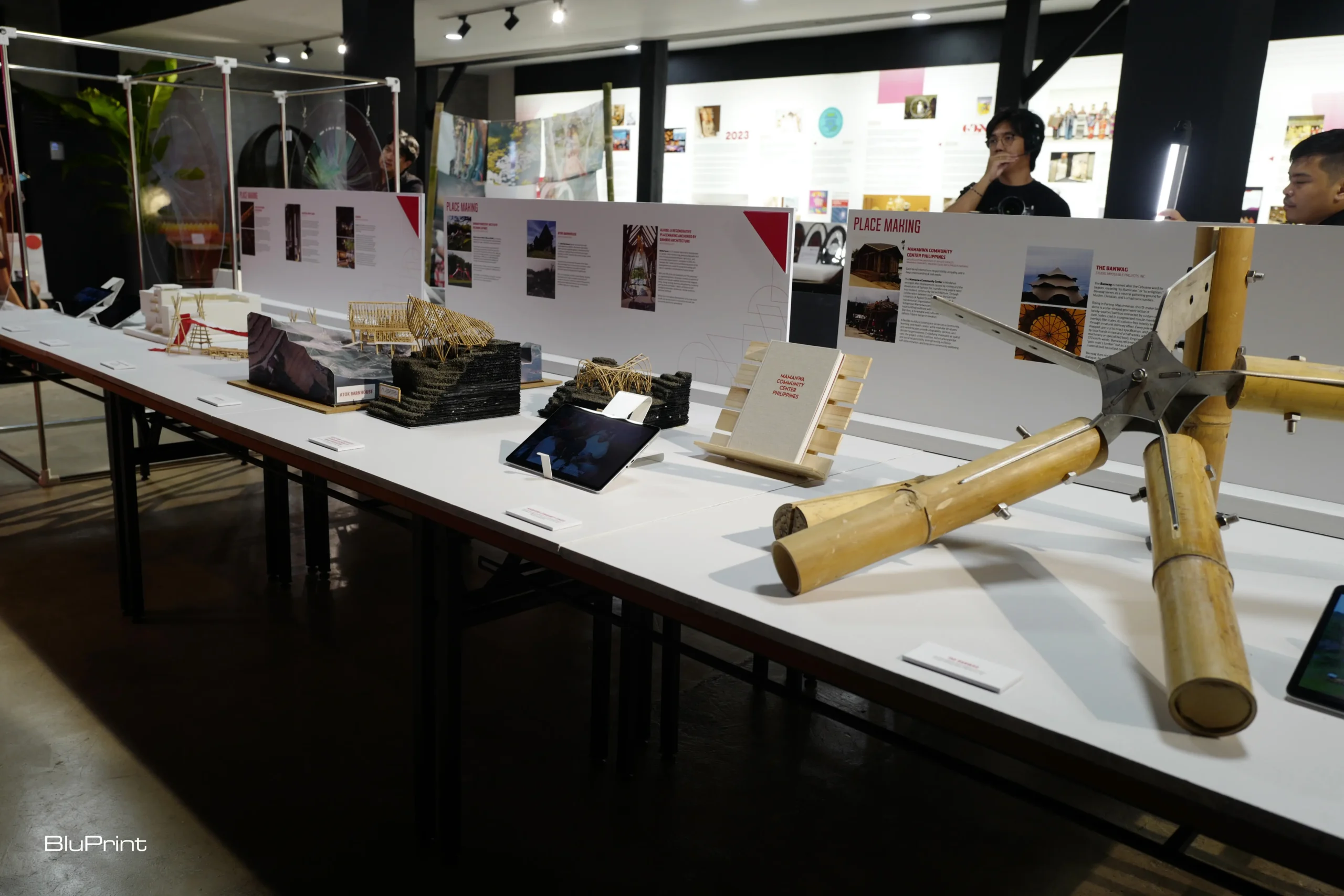
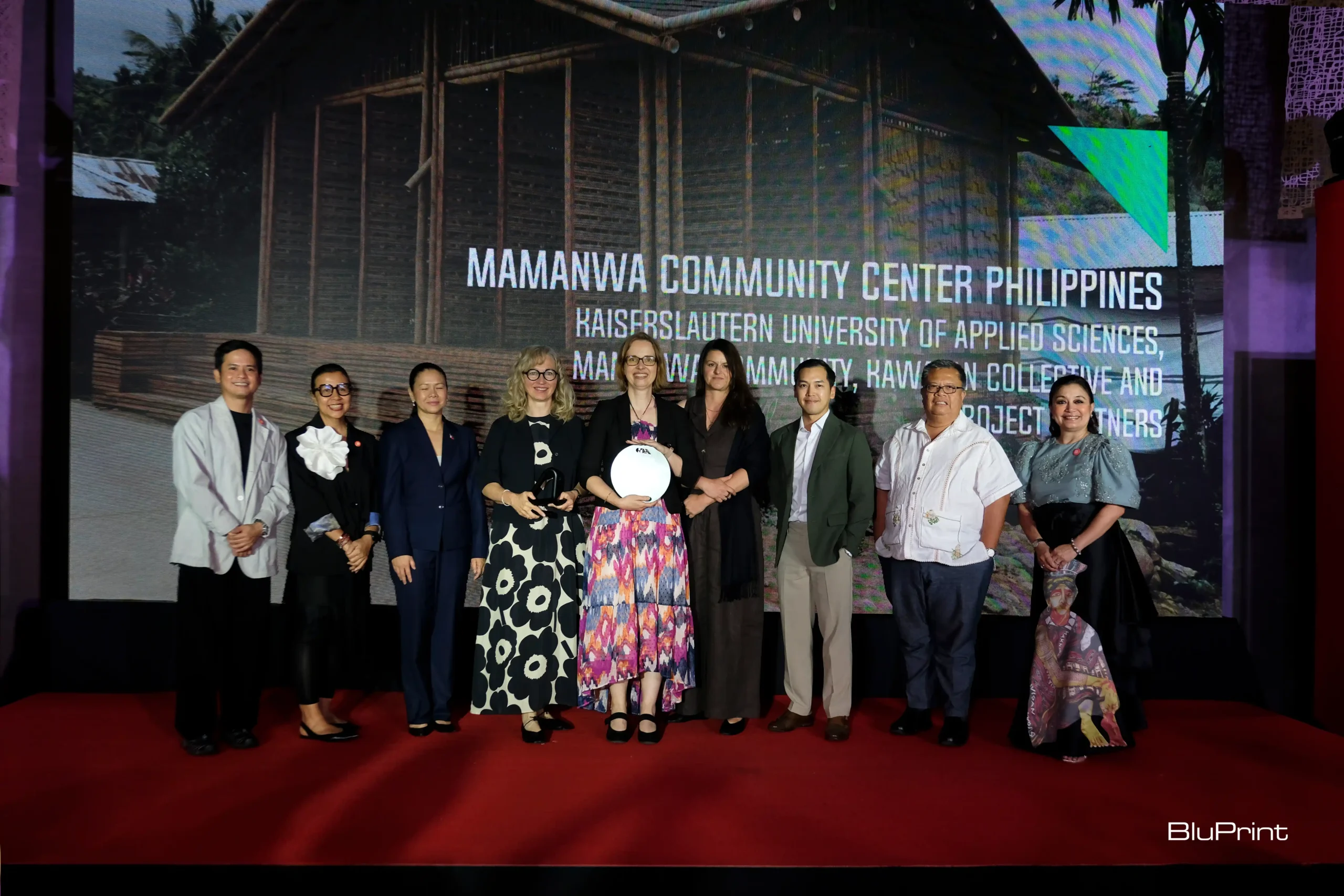
The importance of designing with communities in mind is best exemplified by the Place-Making category. The Mamanwa Community Center—developed through a collaboration between Kaiserslautern University of Applied Sciences, the Mamanwa community, Kawayan Collective, and project partners—received both the Red and Green Awards. Located in Mindanao, the center was conceived in response to displacement caused by mining activities and the devastation of Typhoon Rai in 2021. Today, it serves as a multifunctional hub for community gatherings, education, and healthcare, demonstrating how thoughtful design can foster resilience and support long-term recovery.
Related Reading: Likhang Filipino Exhibition Halls: A New Showcase for Filipino Creativity
Embodying Filipino-ness in Design Making
For Matute, design thinking should be a core capability of every Filipino. Through GDA, the Design Center hopes not only to recognize outstanding work but also to strengthen the country’s design culture by building awareness, developing creative capabilities, and encouraging designers to respond to real-world challenges with empathy and purpose.
More than recognizing exceptional projects, GDA presents a vision for the future of Philippine design—one where “Made in the Philippines” is not simply a mark of origin, but a mark of thoughtful innovation and meaningful impact. In this vision, Filipino-ness is expressed not only through what is made, but through how, and more importantly, why, it is designed.
Related Reading: How “Malasakit” is Future-Proofing Philippine Design Culture
Photographed by Ed Simon.
About the Good Design Award Philippines
The Good Design Award Philippines (GDA) is a biennial design recognition program organized by the Design Center of the Philippines that celebrates outstanding Filipino innovations rooted in malasakit (caring). Launched in 2019, the awards recognize designs across multiple disciplines that improve quality of life, address real-world challenges, and promote Philippine design on the global stage through innovation, sustainability, and meaningful social impact.
Frequently Asked Questions
The Good Design Award Philippines (GDA) is a biennial design recognition program organized by the Design Center of the Philippines. It champions a Filipino approach to design rooted in malasakit—caring—and aligns awarded work with the United Nations Sustainable Development Goals, spanning products, communications, systems, services, and strategic solutions.
The Malasakit Gran Prix, GDA’s highest recognition, went to Studio Impossible Projects Inc. for The Banwag — a 15-meter bamboo dome in Parang, Maguindanao. Locally sourced bamboo joined by custom stainless steel nodes forms a precision-engineered structure assembled without heavy machinery, serving as a neutral community gathering space.
Malasakit translates to caring or compassionate concern, and in Filipino design practice it frames good design as more than form, function, and innovation — it demands meaningful solutions to pressing social challenges. GDA 2026’s awardees applied it through community architecture, civic systems, material innovation, and publications amplifying underrepresented voices.
GDA 2026 introduced two categories: Material Innovation (White Award) and Governance & Civic Design (Blue Award). Early recipients include the Kadlit Firestarter Kit by Bohol Island State University students and the Quezon City DRRMO’s iRISE-UP, a multi-hazard early warning and climate monitoring system for local government disaster response.
The Mamanwa Community Center in Mindanao received both the Red and Green Awards under Place-Making. Developed by Kaiserslautern University of Applied Sciences with the Mamanwa community, Kawayan Collective, and project partners, it responds to mining-related displacement and Typhoon Rai’s devastation, functioning as a hub for gatherings, education, and healthcare.

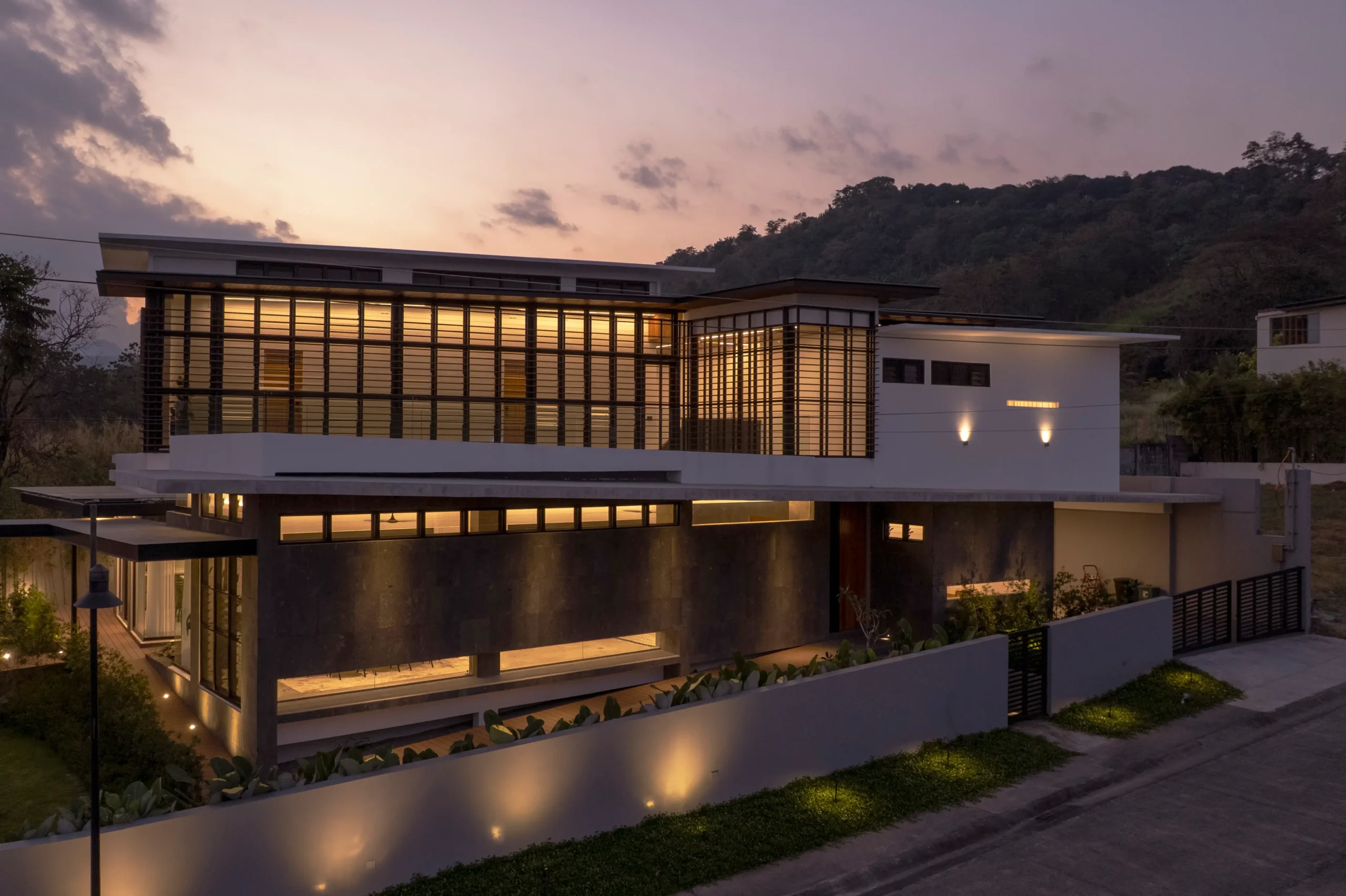
Filipino architectureArchitectureThe art and science of designing and constructing buildings, structures, and spaces that are functional, safe, and aesthetically pleasing. It encompasses the planning, design, materials, and techniques used to createGo to Architecture Glossary has long been associated with indigenous materials and vernacular design strategies, from bamboo and timber construction to jalousie windows, generous spaces, […]
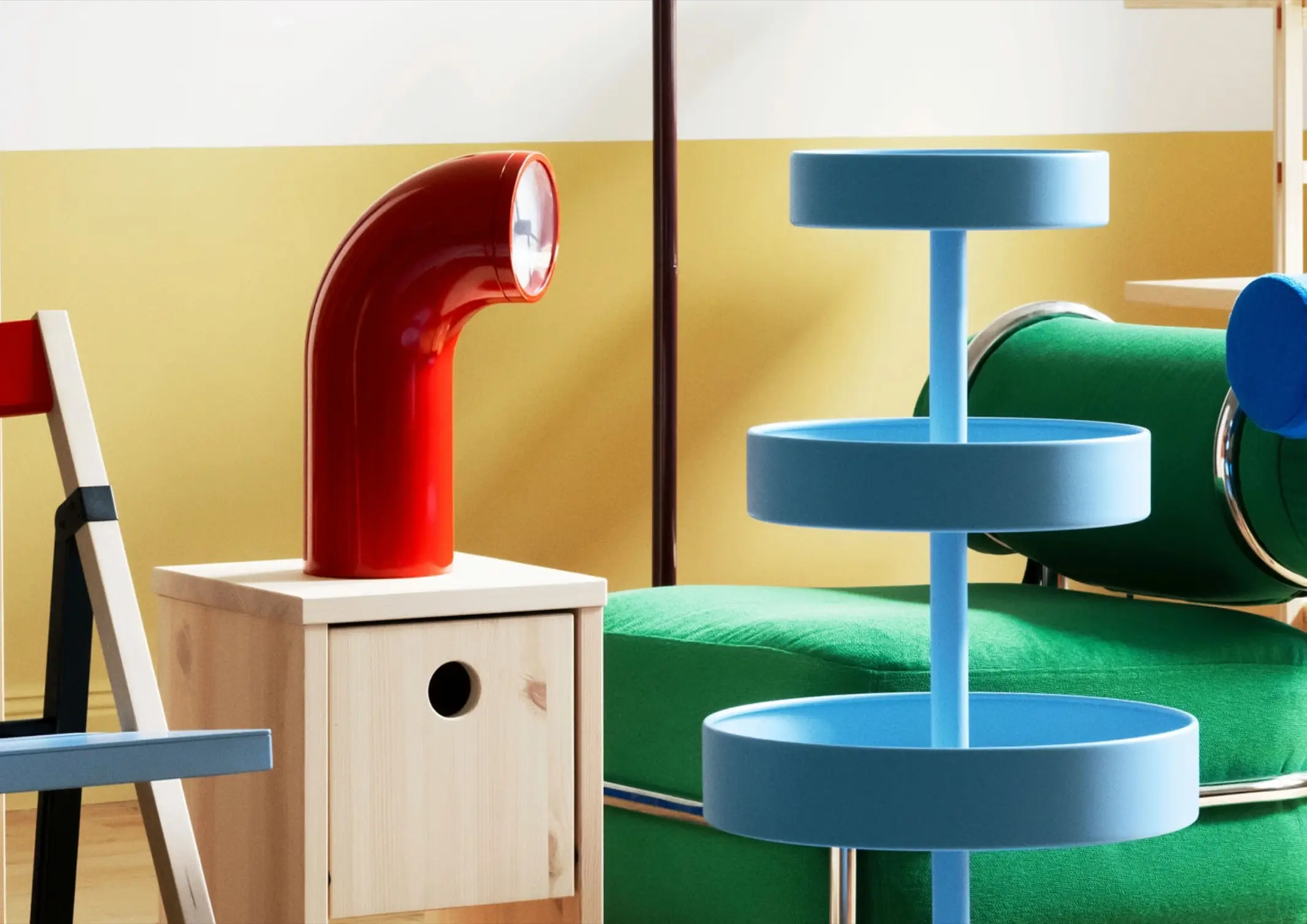
A chair does not always prescribe how to sit in it. A lamp can be more than a source of light. A clock can be more than a way to tell the time.These small departures from convention are at the center of IKEA PS 2026. The latest iteration of IKEA’s experimental PS series comprises more […]

Large-format porcelain is no longer limited to conventional floor and wall applications. Advances in scale, finish, and fabrication have expanded its role across architectureArchitectureThe art and science of designing and constructing buildings, structures, and spaces that are functional, safe, and aesthetically pleasing. It encompasses the planning, design, materials, and techniques used to createGo to Architecture […]
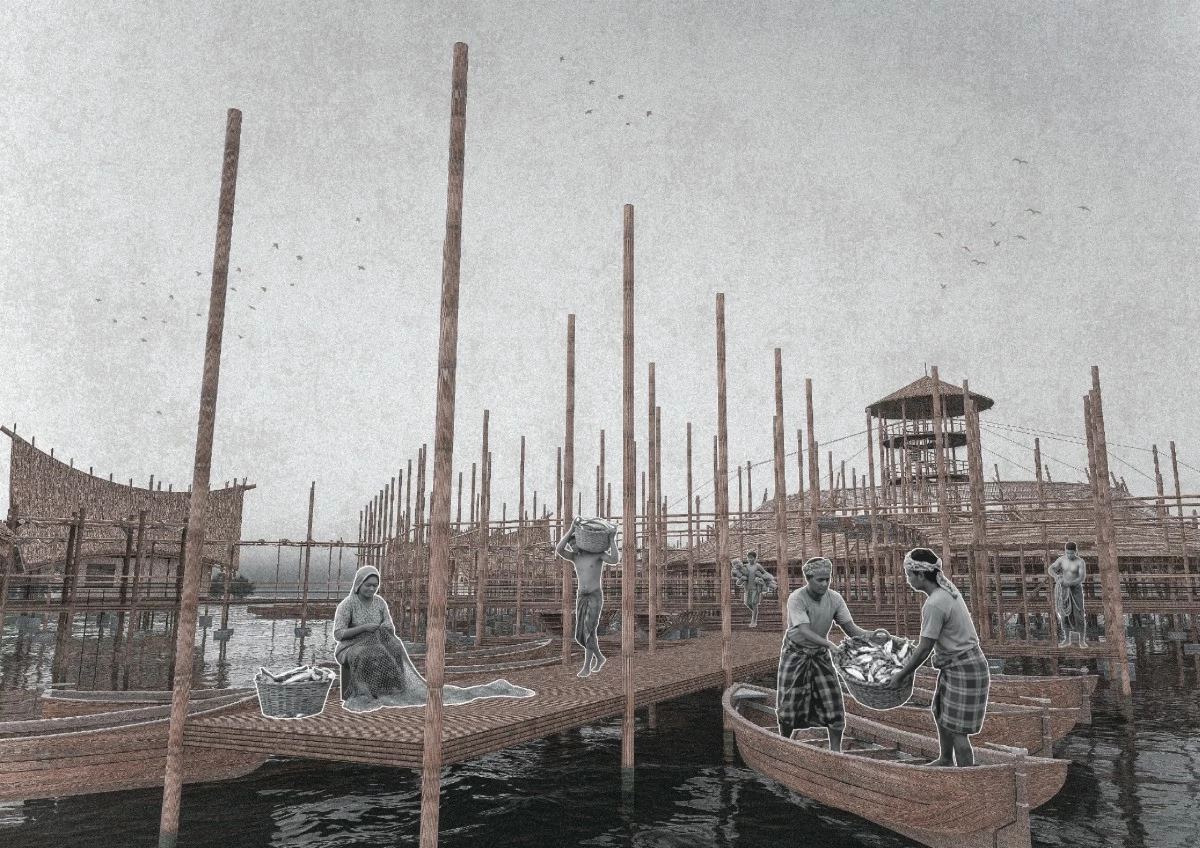
Mindanaoan architectureArchitectureThe art and science of designing and constructing buildings, structures, and spaces that are functional, safe, and aesthetically pleasing. It encompasses the planning, design, materials, and techniques used to createGo to Architecture Glossary student Ejhay L. Durias of the University of Mindanao made history after becoming the first Filipino to receive the AYDA International […]
Read the issues.

Collect the volumes.

Recommended Video
Tap to Unmute
Unmute
0:00
0:00