Rinna Soriano’s favorite part of her work is sanding. At her workbench, she stays focused, following the grain, adjusting to changes in its direction. Narra, she has learned, can have interlocking grain. A piece of mango once proved particularly difficult until a worker explained that she had reached the point where a branch once grew […]
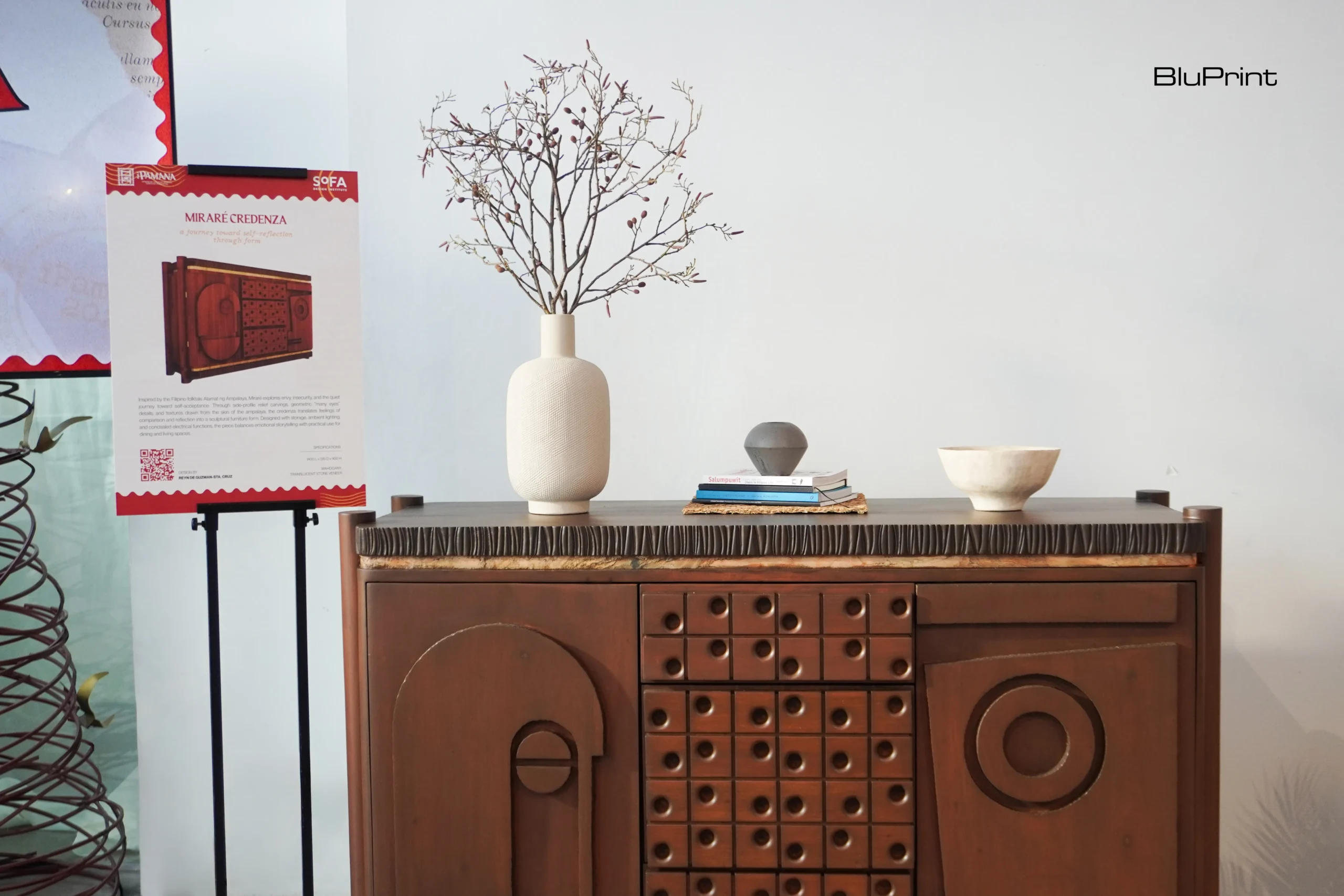
iPAMANA: SoFA Design Institute Students Reinterpret Filipino Heritage Through Furniture



What happens when furniture becomes a medium for preserving culture? At SoFA Design Institute‘s iPAMANA: Honoring Filipino Stories Through Furniture exhibition, thirteen Furniture Design students explored how contemporary design can reinterpret Filipino heritage for a new generation.
Presented on July 5, 2026, the exhibition challenged its emerging designers to look beyond convention, developing furniture rooted in personal narratives and Filipino cultural identity through rigorous research, concept development, prototyping, and craftsmanship.
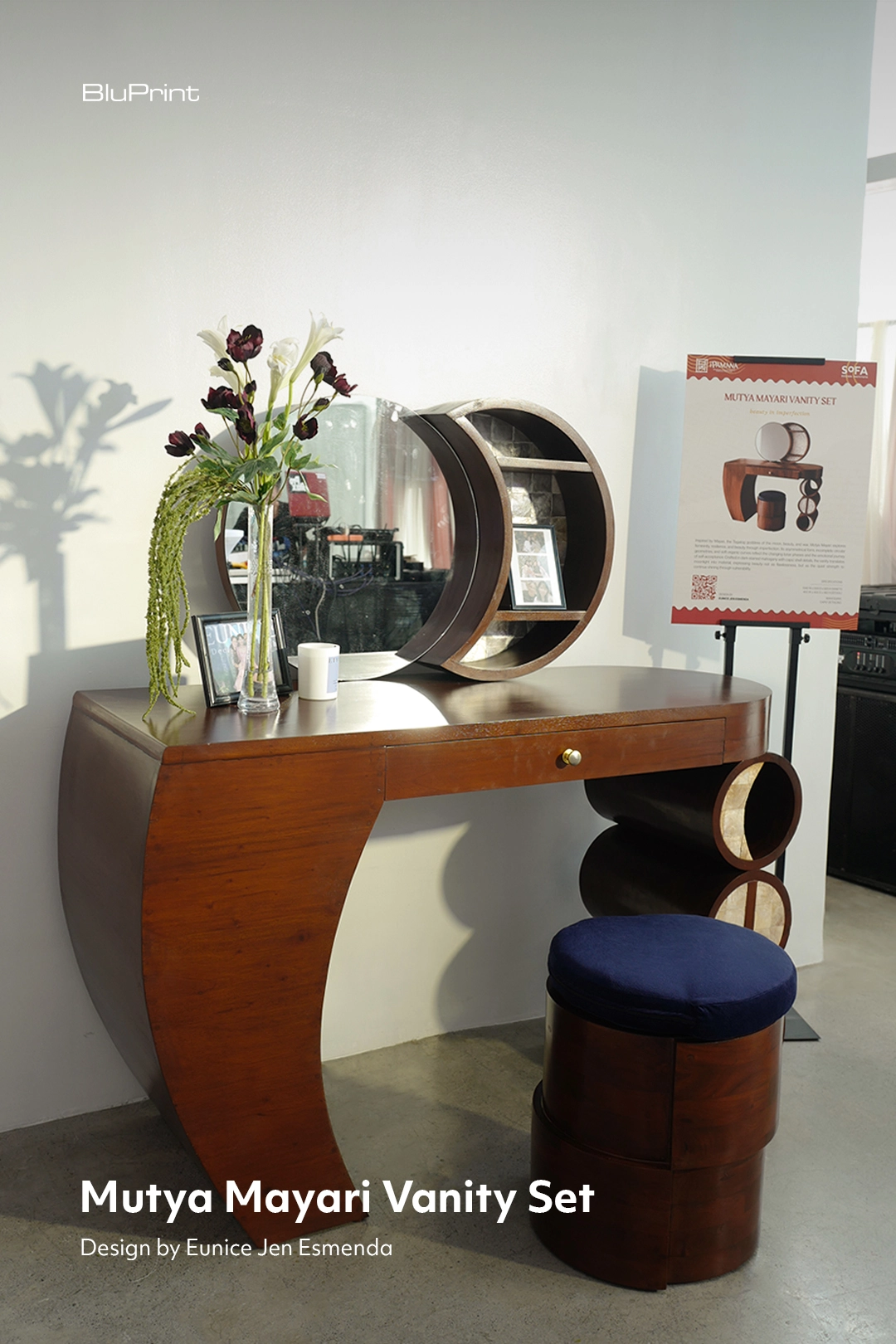
From lounge chairs and floor lamps to vanity sets and coffee tables, each piece transforms everyday furniture into a vessel for storytelling.
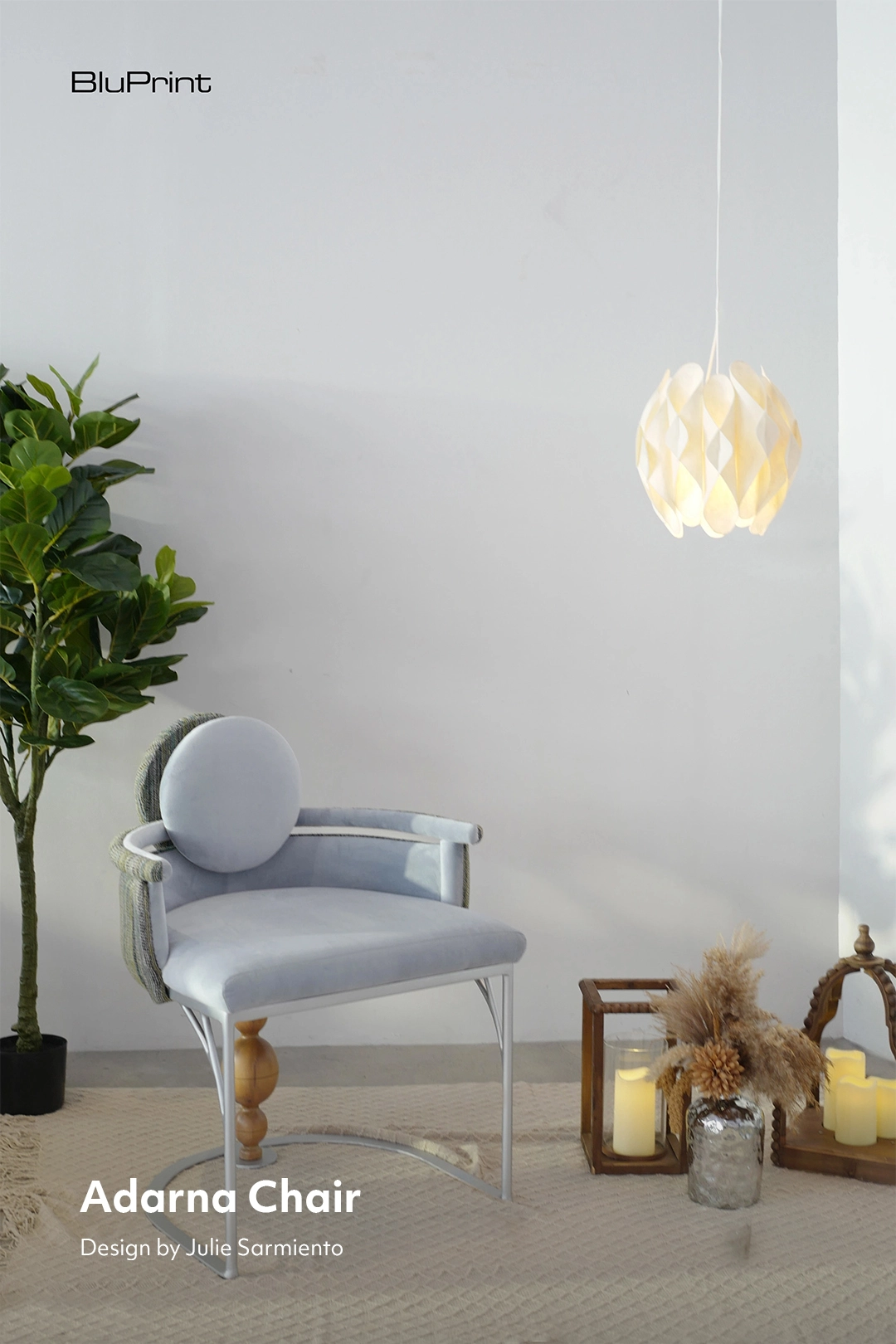
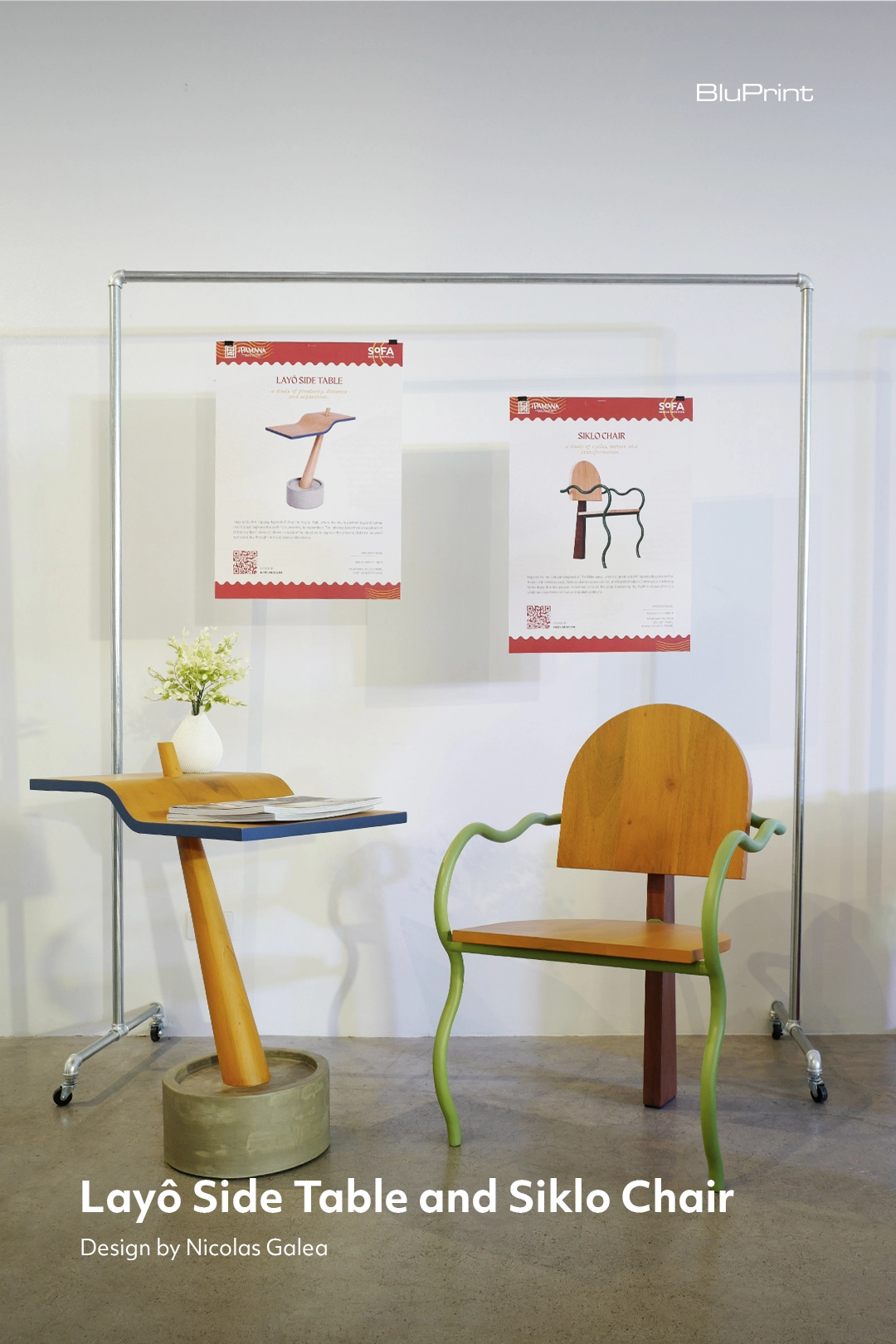
Related Reading: SoFA Design Institute Empowers Students to Design New Campus
Filipino Mythology in Furniture: Four SoFA Student Designs
From the name of the exhibit itself, one can infer that most of the pieces were inspired by Filipino mythology and folktales.
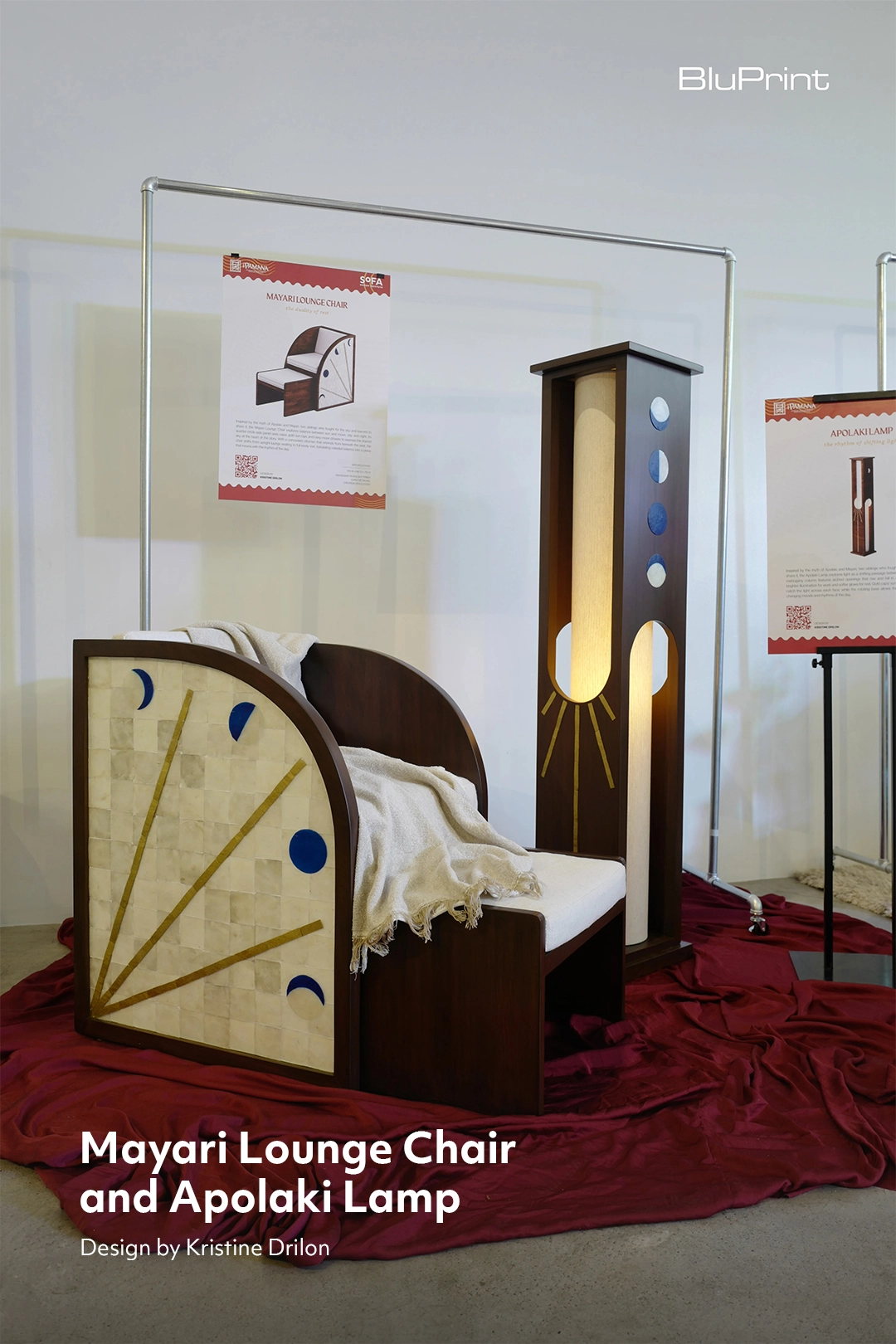
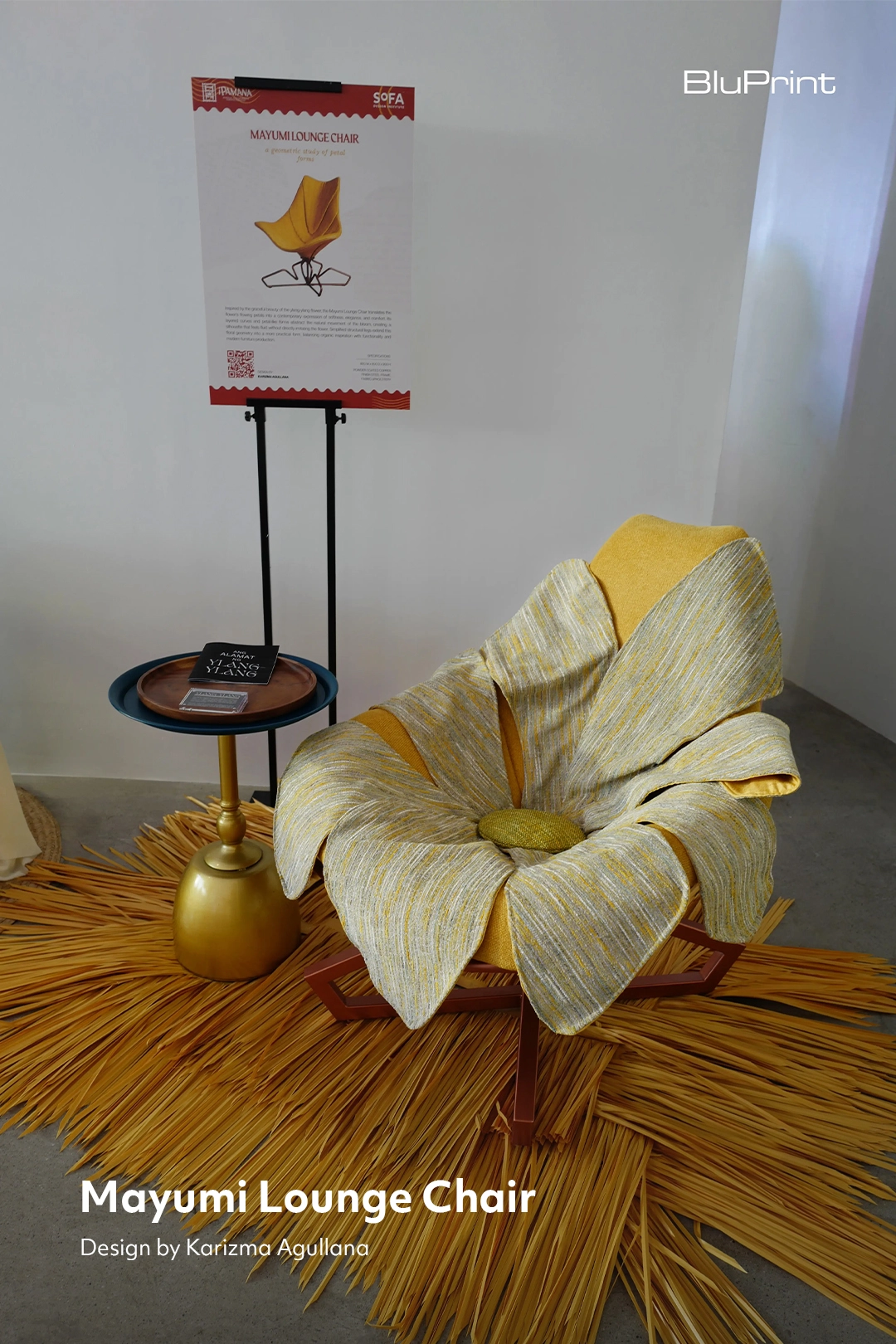
For instance, the Mayari Lounge Chair and Apolaki Lamp, by student designer Kristine Drilon, draw inspiration from the myth of the siblings Apolaki (the sun) and Mayari (the moon), whose decision to share power gave rise to the cycle of day and night. The narrative is reflected in the collection’s design, with capiz shell accents evoking the moon’s phases and radiating details referencing the sun’s rays. Drilon also drew from her love of reading, reinterpreting the lounge chair with chevron-patterned cushions and a concealed ottoman, while incorporating an ambient lighting mode into the floor lamp.
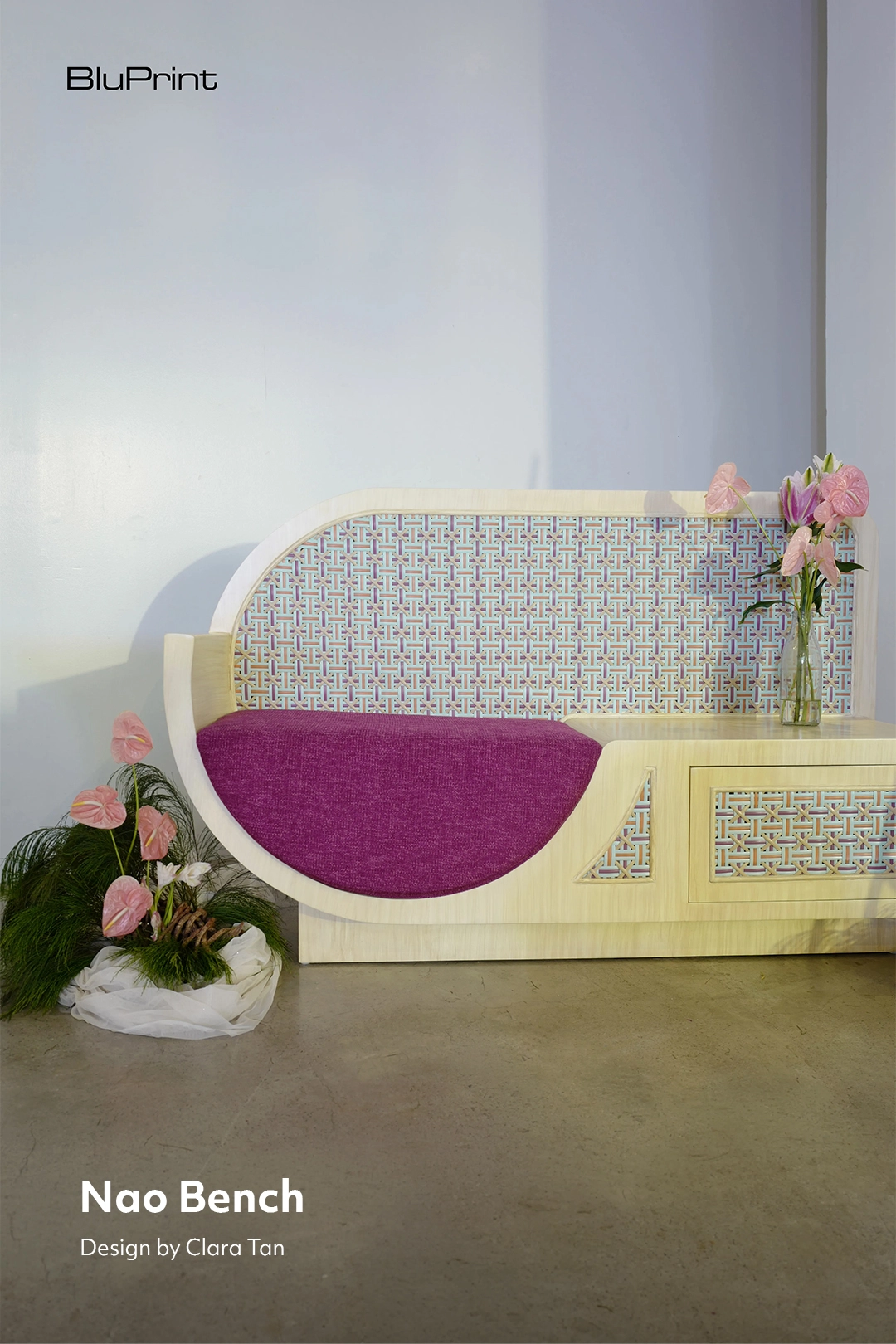
Another piece that transforms storytelling into design is the Nao Bench by student designer Clara Tan. The bench draws inspiration from the Maranao folktale of the unlikely romance between a sparrow and a shrimp. The narrative is expressed through the woven rattan seat, where orange represents the sparrow and purple symbolizes the shrimp. Arranged in a crisscross pattern, the weave signifies the “intersection of two worlds becoming one,” reflecting not only the folktale but also Tan’s own background as an Indonesian who seeks to explore how Filipino heritage could inform her playful yet thoughtful design approach.
Beyond Filipino mythologies and folktales, the exhibition also showcased furniture pieces drawn from the students’ own experiences.
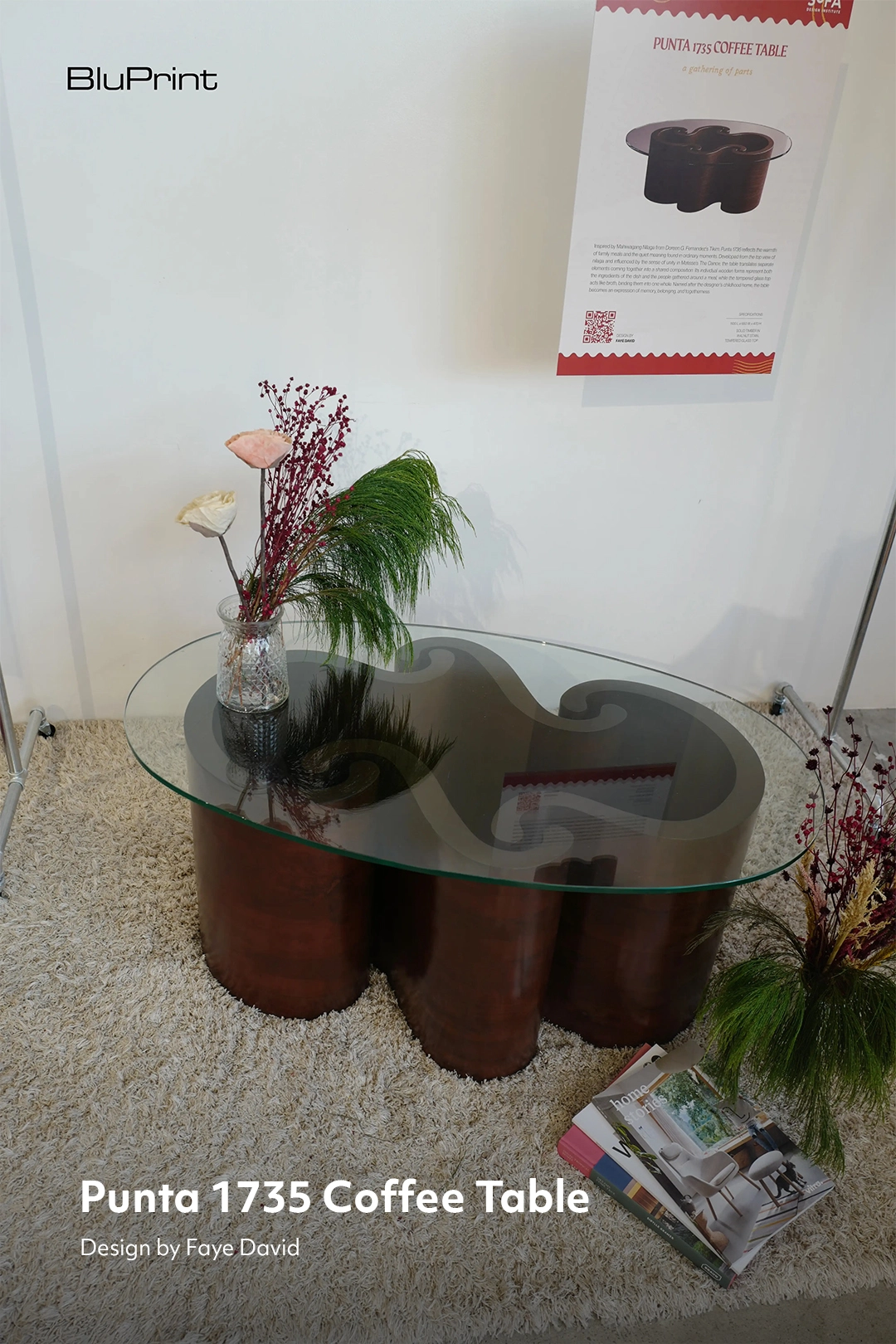
The Punta 1735 Coffee Table, designed by student Faye David, draws inspiration from a bowl of Nilaga. David looked to childhood Sundays spent sharing meals with her family, transforming those memories of home and togetherness into the foundation of the design. The piece takes its name from her childhood home, “Punta 1735.” Made from walnut-stained solid timber, the coffee table features a movable base that can be reconfigured into different compositions. Topped with tempered glass, its layered form resembles a bowl of Nilaga when viewed from above, translating a cherished family ritual into a contemporary piece of furniture.
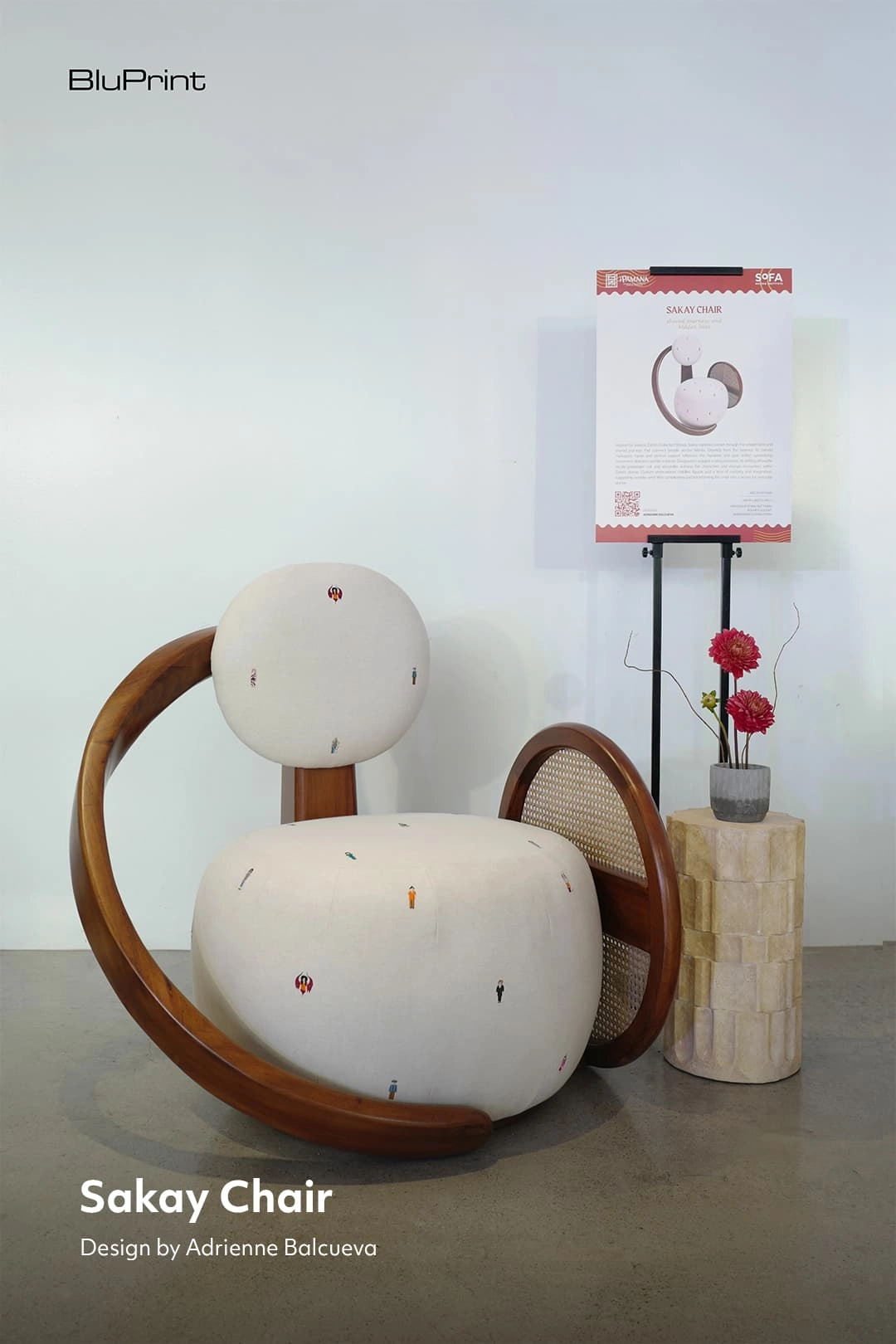
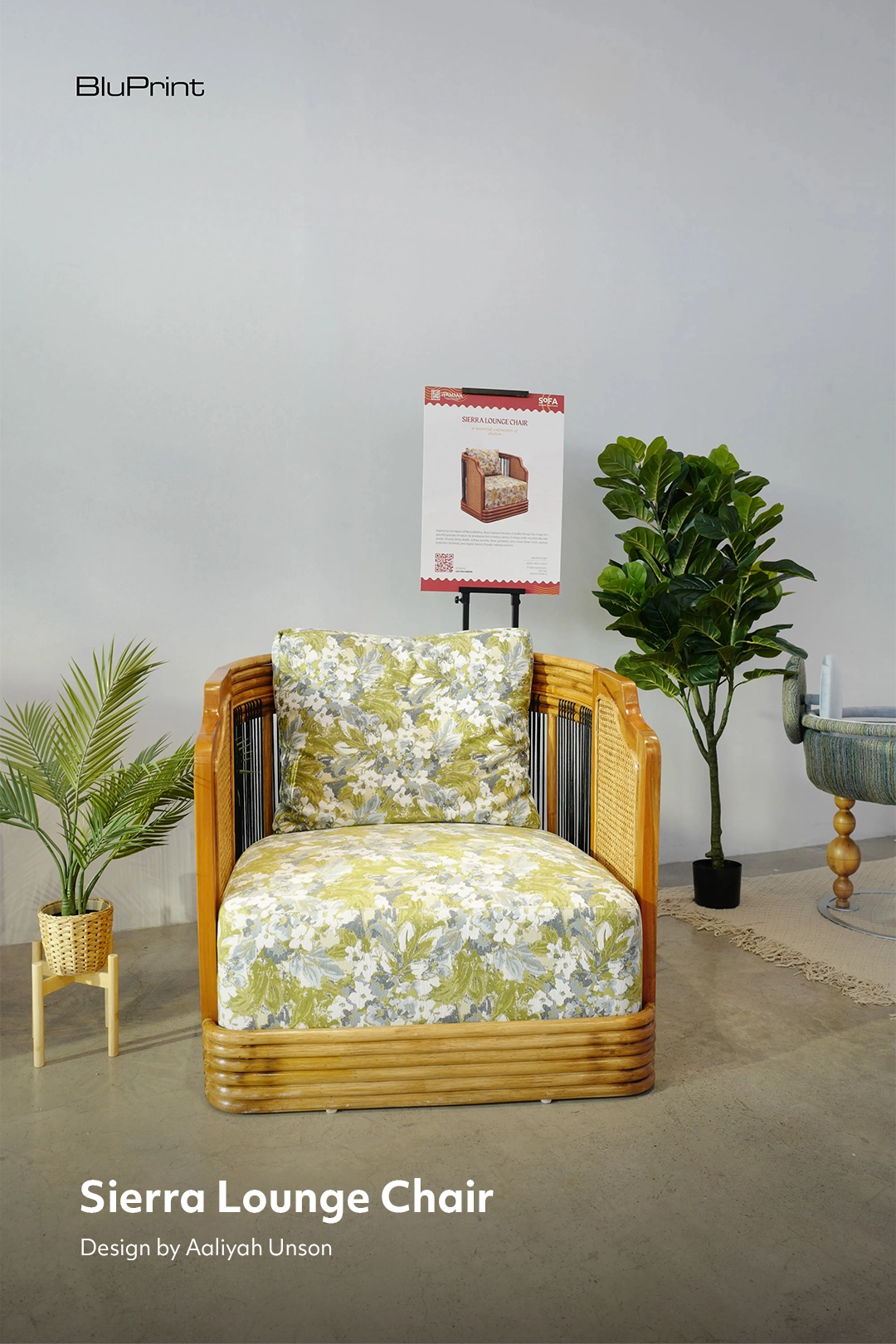
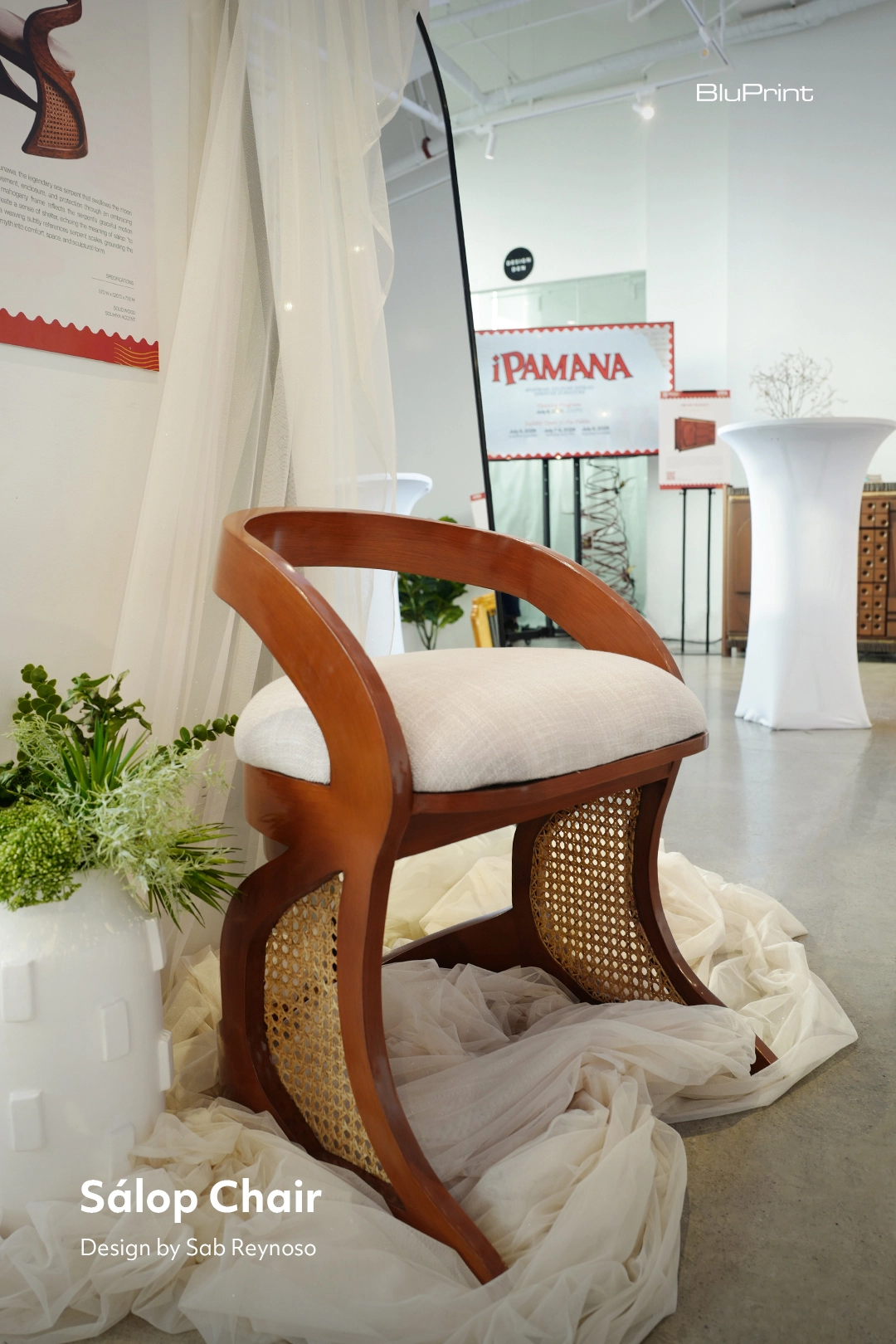
Another notable piece is the Sakay Chair by Adrienne Balcueva. Its silhouette recalls a jeepney’s manibela (steering wheel) and gear shift, while the embroidered cushions reveal a more playful narrative. Depicted in a childlike style are a manananggal and other characters from Jessica Zafra’s Collected Stories, evoking the ghost tales and imagined worlds that often accompany childhood.
These are some of the notable pieces on view at iPamana. Each of the thirteen projects offers a distinct interpretation of Filipino identity through furniture and craftsmanship.
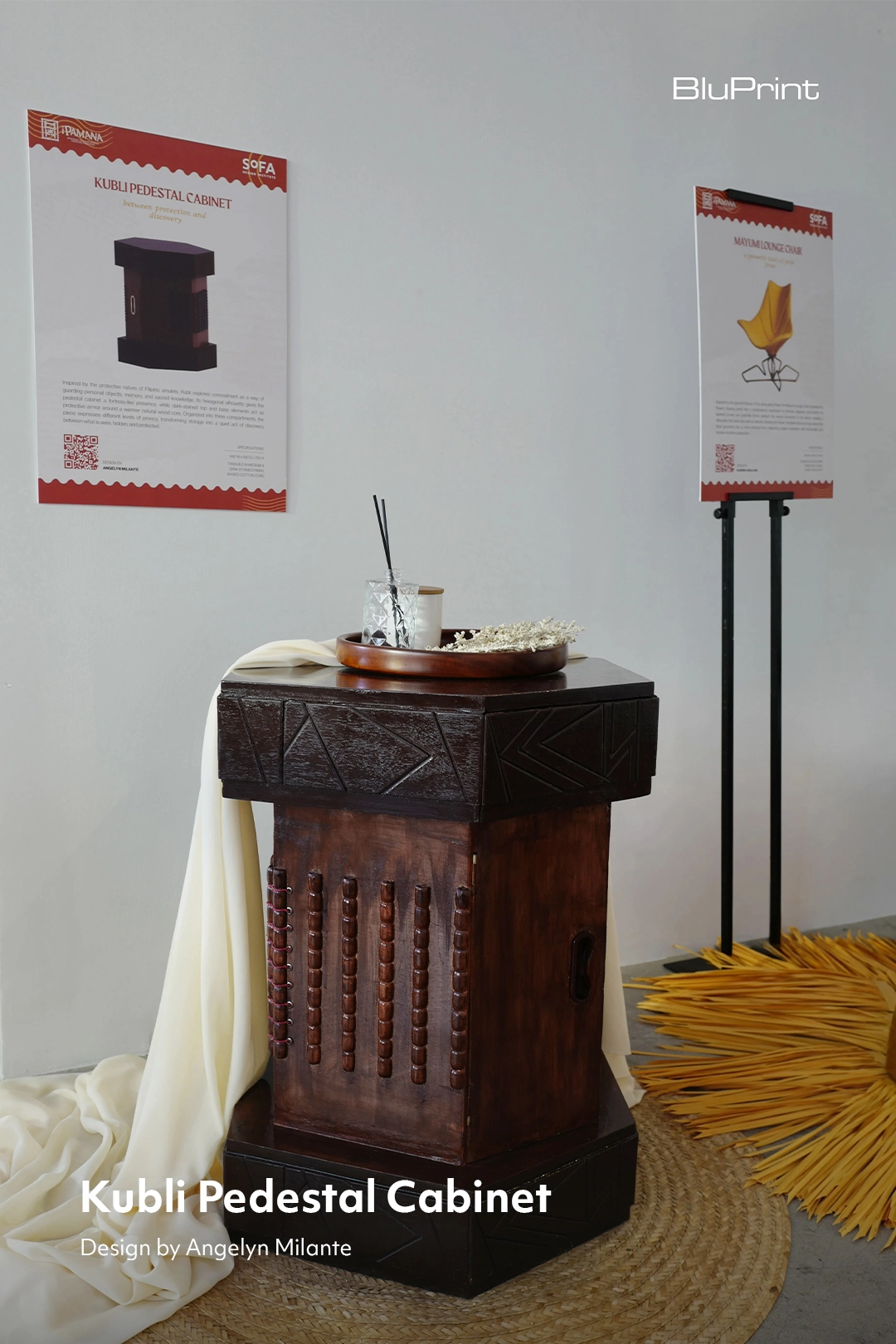
Related Reading: New Year, New Home: 2026 Interior Design Trends for the Filipino Home
Honing Creativity Through Creative Spaces
For SoFA Design Institute, iPAMANA is more than a student exhibition—it reflects the school’s commitment to cultivating creativity through design education. By encouraging students to draw from Filipino heritage and their own lived experiences, the Furniture Design Program provides a space where emerging designers can experiment, refine their craft, and discover their creative voice.
Through furniture design and making, stories become tangible objects that carry meaning, which demonstrates that design is not only about function and aesthetics but also about expressing identity, and shaping the future of Filipino design.
Related Reading: KaPAMANA: ARTEFINO 2024 Shares Philippine Heritage Through Craft and Artistry
Photographed by Ed Simon.
About SoFA Institute
Founded in 2007, SoFA Design Institute is a multidisciplinary design school in the Philippines dedicated to nurturing the next generation of creative professionals. Through programs in interior, furniture, fashion, graphic, and visual communication design, the institute emphasizes design thinking and craftsmanship, while encouraging students to develop socially and culturally relevant work.
Frequently Asked Questions
iPAMANA: Honoring Filipino Stories Through Furniture is a student exhibition by SoFA Design Institute’s Furniture Design Program, presented July 5, 2026. Thirteen students created lounge chairs, floor lamps, coffee tables, and vanity sets reinterpreting Filipino mythology, folktales, and personal narratives through material, form, and craftsmanship.
Several iPAMANA pieces draw directly from Filipino mythology and folktales. Kristine Drilon’s Mayari Lounge Chair and Apolaki Lamp reference the sun-and-moon myth of siblings Apolaki and Mayari, while Clara Tan’s Nao Bench reinterprets a Maranao folktale about a sparrow and a shrimp through a woven rattan seat pattern.
Faye David’s Punta 1735 Coffee Table draws on childhood memories of Sunday family meals, particularly a bowl of Nilaga. Named after her childhood home, the walnut-stained timber piece has a movable base and a tempered glass top whose layered form resembles the dish when viewed from above.
The Sakay Chair by Adrienne Balcueva takes its silhouette from a jeepney’s manibela and gear shift, referencing Filipino public transport culture. Its embroidered cushions depict a manananggal and other characters from Jessica Zafra’s Collected Stories, layering childhood ghost tales into the chair’s narrative.
SoFA Design Institute’s Furniture Design Program encourages students to draw on Filipino heritage and personal lived experience through research, concept development, prototyping, and craftsmanship. The program treats furniture design as a vehicle for cultural storytelling, positioning identity expression alongside function and aesthetics in students’ creative development.


Large-format porcelain is no longer limited to conventional floor and wall applications. Advances in scale, finish, and fabrication have expanded its role across architectureArchitectureThe art and science of designing and constructing buildings, structures, and spaces that are functional, safe, and aesthetically pleasing. It encompasses the planning, design, materials, and techniques used to createGo to Architecture […]
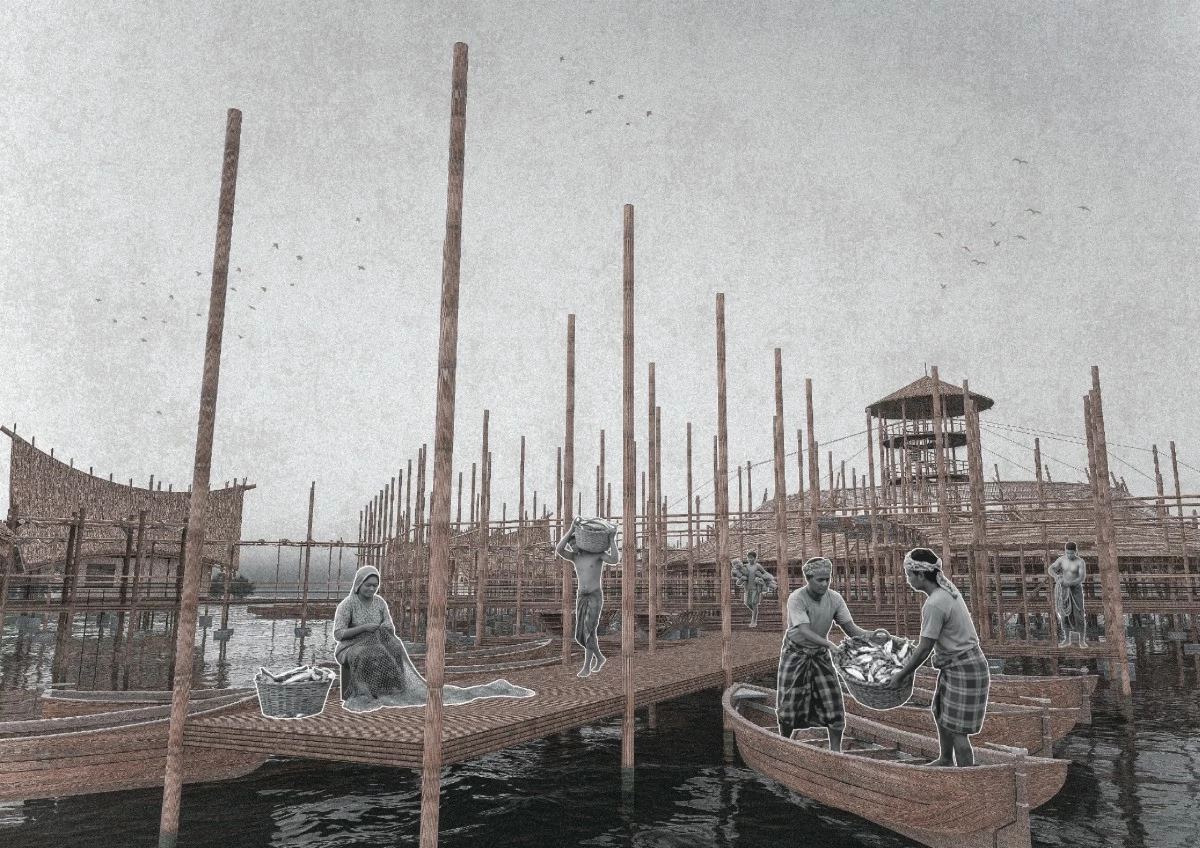
Mindanaoan architectureArchitectureThe art and science of designing and constructing buildings, structures, and spaces that are functional, safe, and aesthetically pleasing. It encompasses the planning, design, materials, and techniques used to createGo to Architecture Glossary student Ejhay L. Durias of the University of Mindanao made history after becoming the first Filipino to receive the AYDA International […]
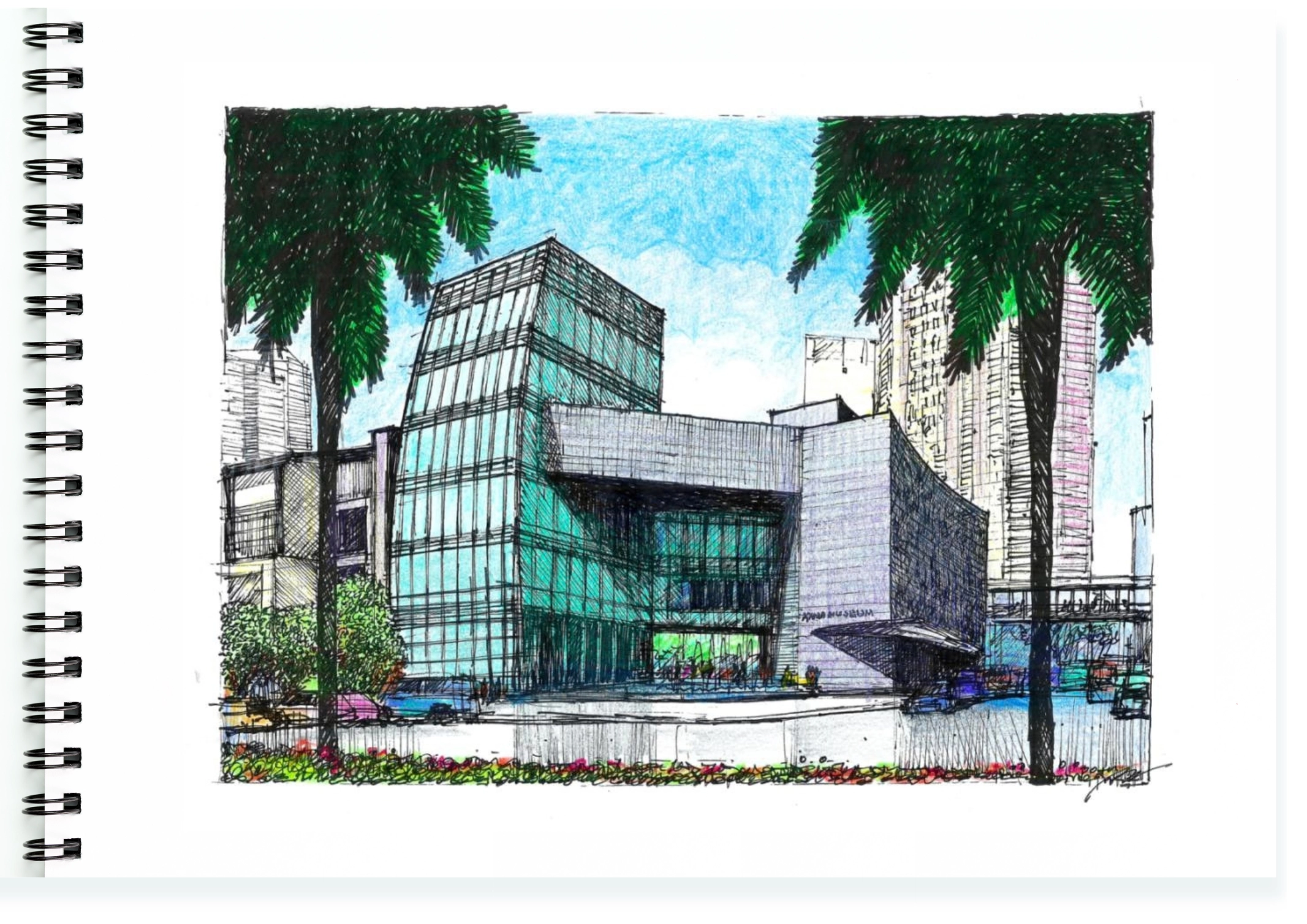
From Brutalism to Contemporary Modernism The Ayala Museum designed by the firm of Leandro V. Locsin Partners (LVLP) sits at the corner of Makati Avenue and Dela Rosa Street in Legaspi Village, Makati. This is actually the second museum of the same name in the area. The original, which was designed by National artist for […]
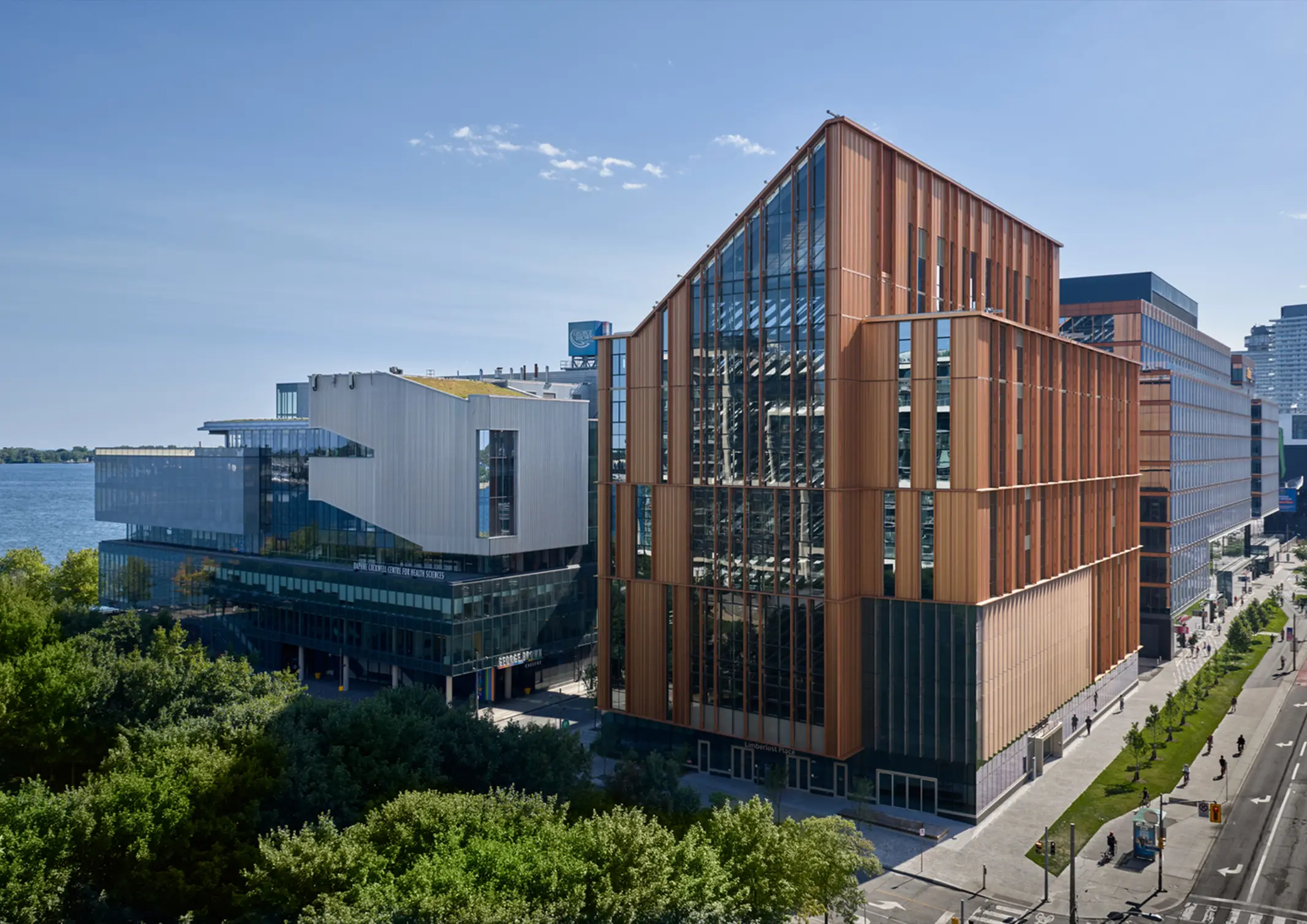
The projects recognized by Architizer’s 14th Annual A+Awards span architectureArchitectureThe art and science of designing and constructing buildings, structures, and spaces that are functional, safe, and aesthetically pleasing. It encompasses the planning, design, materials, and techniques used to createGo to Architecture Glossary, interiors, landscape, urban design, and sustainability. Organized by Architizer, one of the world’s […]
Read the issues.

Collect the volumes.

Recommended Video
Tap to Unmute
Unmute
0:00
0:00