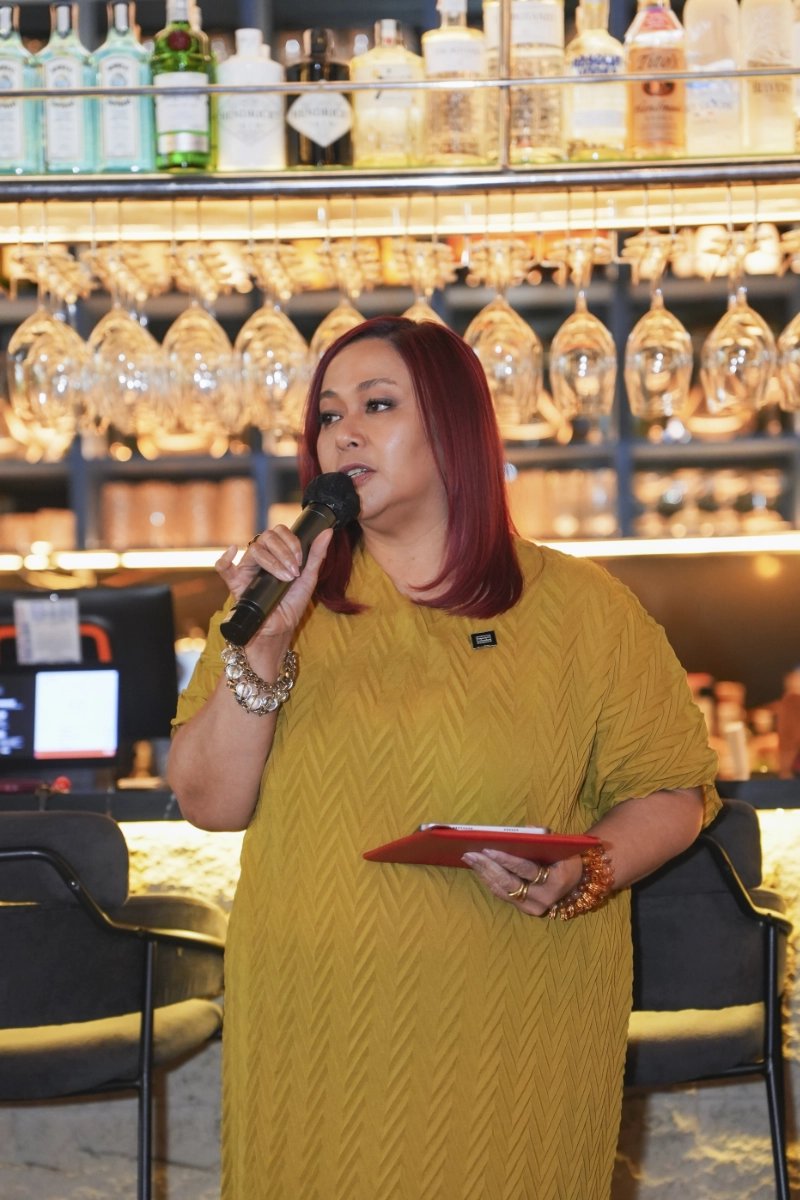
“Thailand has claimed urban creativity and livability. Singapore has institutional design leadership. Indonesia is emerging as a design hub. Vietnam is moving into design innovation. And the Philippines? Its position is not weak. It is simply unclaimed.” For IDr. Cecil Ravelas, National President of the Philippine Institute of Interior Designers (PIID), the challenge is not […]
Philippine Interior Design Claims Its Place in Southeast Asia



“Thailand has claimed urban creativity and livability. Singapore has institutional design leadership. Indonesia is emerging as a design hub. Vietnam is moving into design innovation. And the Philippines? Its position is not weak. It is simply unclaimed.”
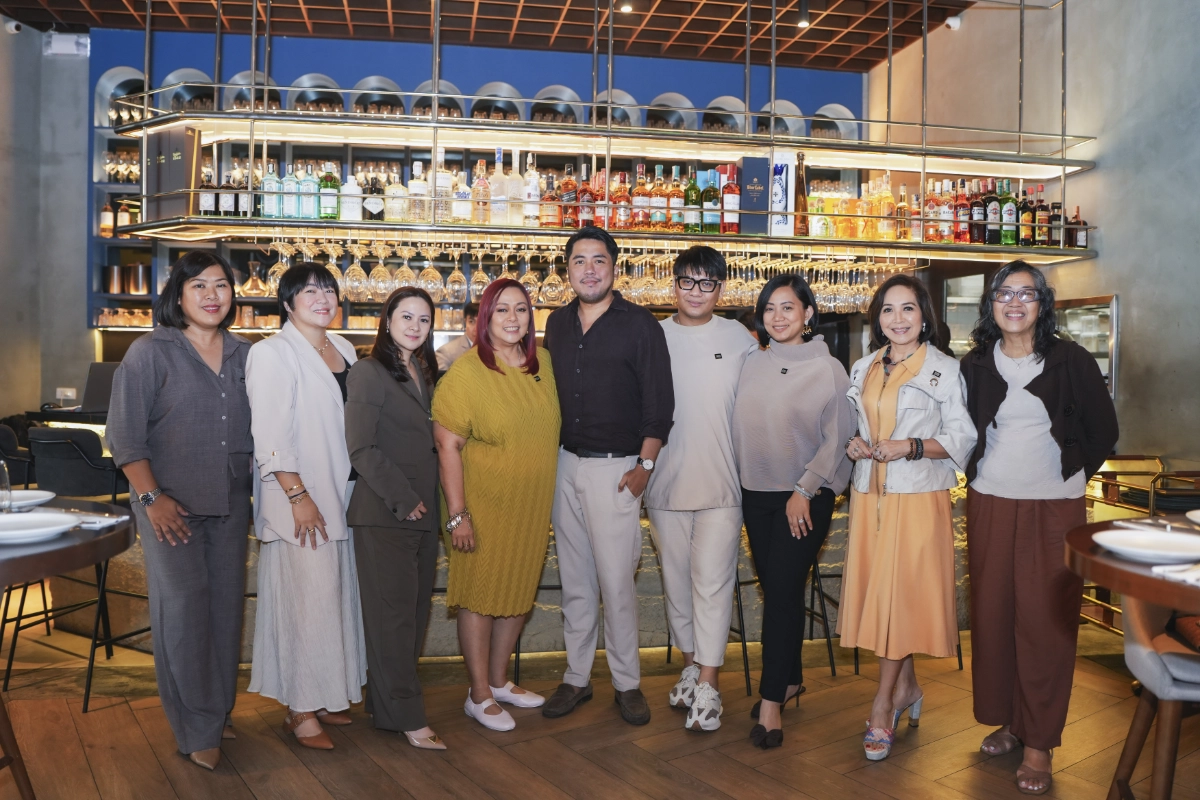
For IDr. Cecil Ravelas, National President of the Philippine Institute of Interior Designers (PIID), the challenge is not a lack of expertise, but to make the Philippines’ position visible. Filipino designers have long contributed their knowledge and skills to international architectureArchitectureThe art and science of designing and constructing buildings, structures, and spaces that are functional, safe, and aesthetically pleasing. It encompasses the planning, design, materials, and techniques used to createGo to Architecture Glossary and design practices, often working behind the scenes of projects and firms beyond the country. The challenge now is to move that experience into the forefront—to articulate what Filipino design brings to the region and to own the voice that comes with it.
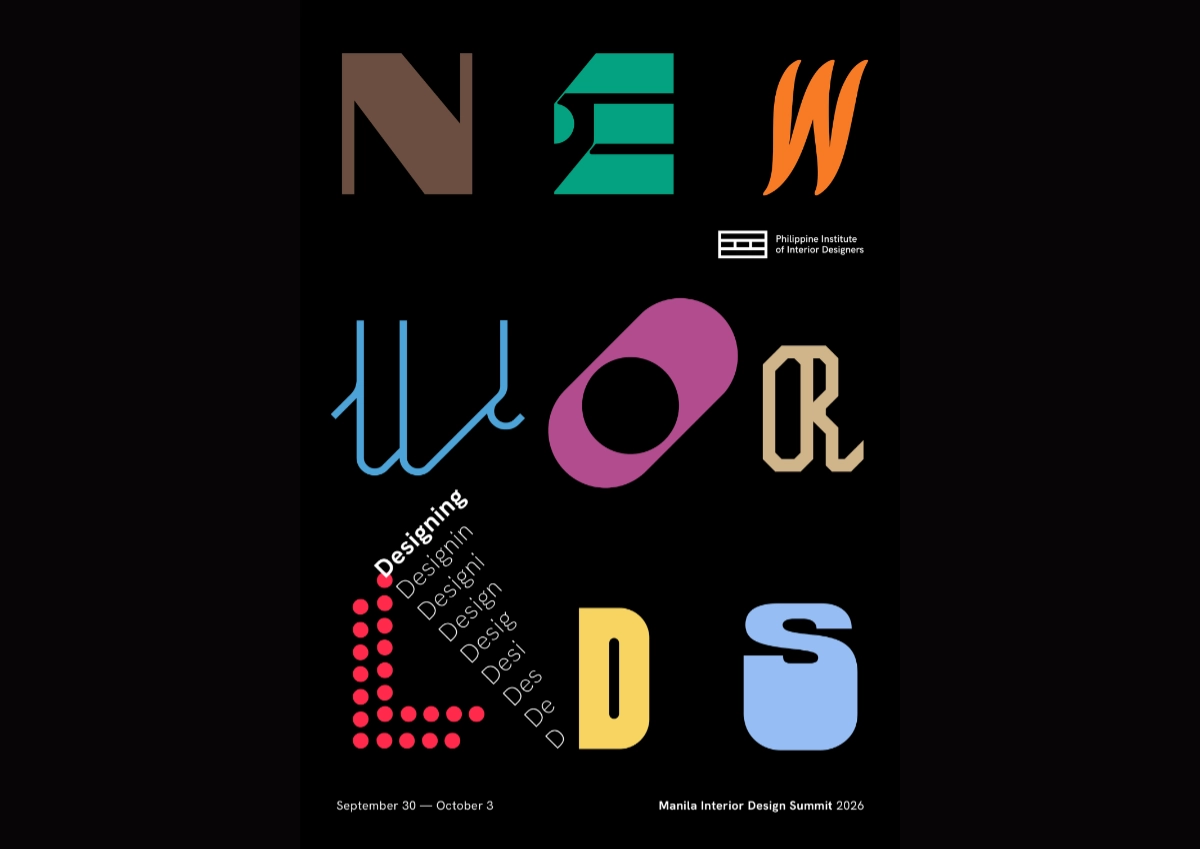
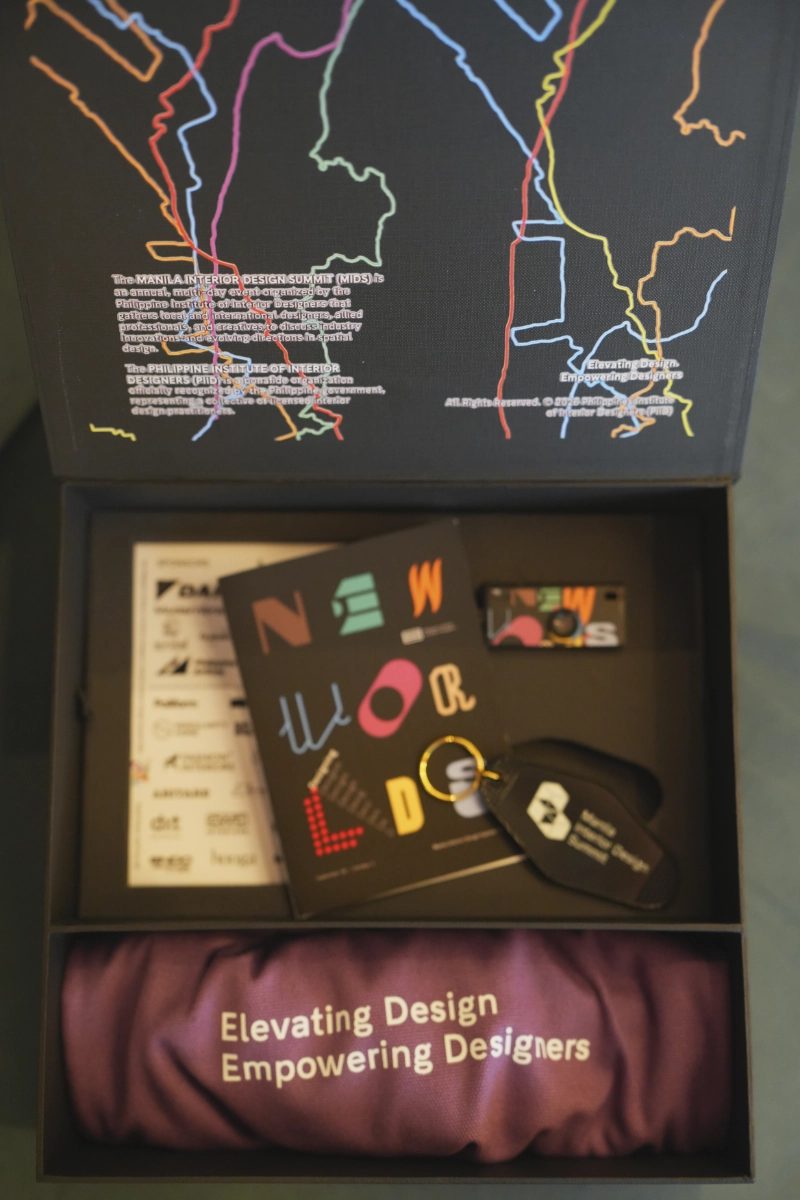
This proposition anchors the Manila Interior Design Summit 2026 (MIDS) with the theme, “Designing New Worlds, Cultures, and Cities in Southeast Asia.” Coinciding with PIID’s 62nd anniversary, the summit turns toward questions of culture, human experience, hospitality, craft, cities, and the future—not only to define what Filipino design looks like, but what it can contribute to Southeast Asia and beyond.
Related Reading: Manila Interior Design Summit 2025: Breaking Boundaries and the Future of Design
From Building a Profession to Establishing Philippine Interior Design
In 1964, PIID started out as a small circle of practitioners, headed by renowned designers such as Antonio Zamora as President, Wili Fernandez as Vice President, Lor Calma as Secretary, and Ched Berenguer Topacio as Treasurer. Since then, it has been hosting annual shows that introduce design trends and educate the public.
In 1992, PIID was recognized by the Professional Regulation Commission as the official Accredited Professional Organization for licensed interior designers, cementing its place as a regulated and nationally organized discipline.
In 2020, when the organization could have easily closed during the pandemic, PIID rebuilt its philosophy and foundation, opening a gateway for interior designers to be recognized on a national and global platform. The first MIDS was mounted in 2023, with the theme “Designing the Future,” which became the springboard for the terms that followed.
Marking the organization’s 62nd anniversary, MIDS 2026 reflects a profession with more than six decades of history, one that is looking not only inward but also outward toward the ASEAN region and the international design community.
Designing New Worlds Through Human Experience at MIDS 2026
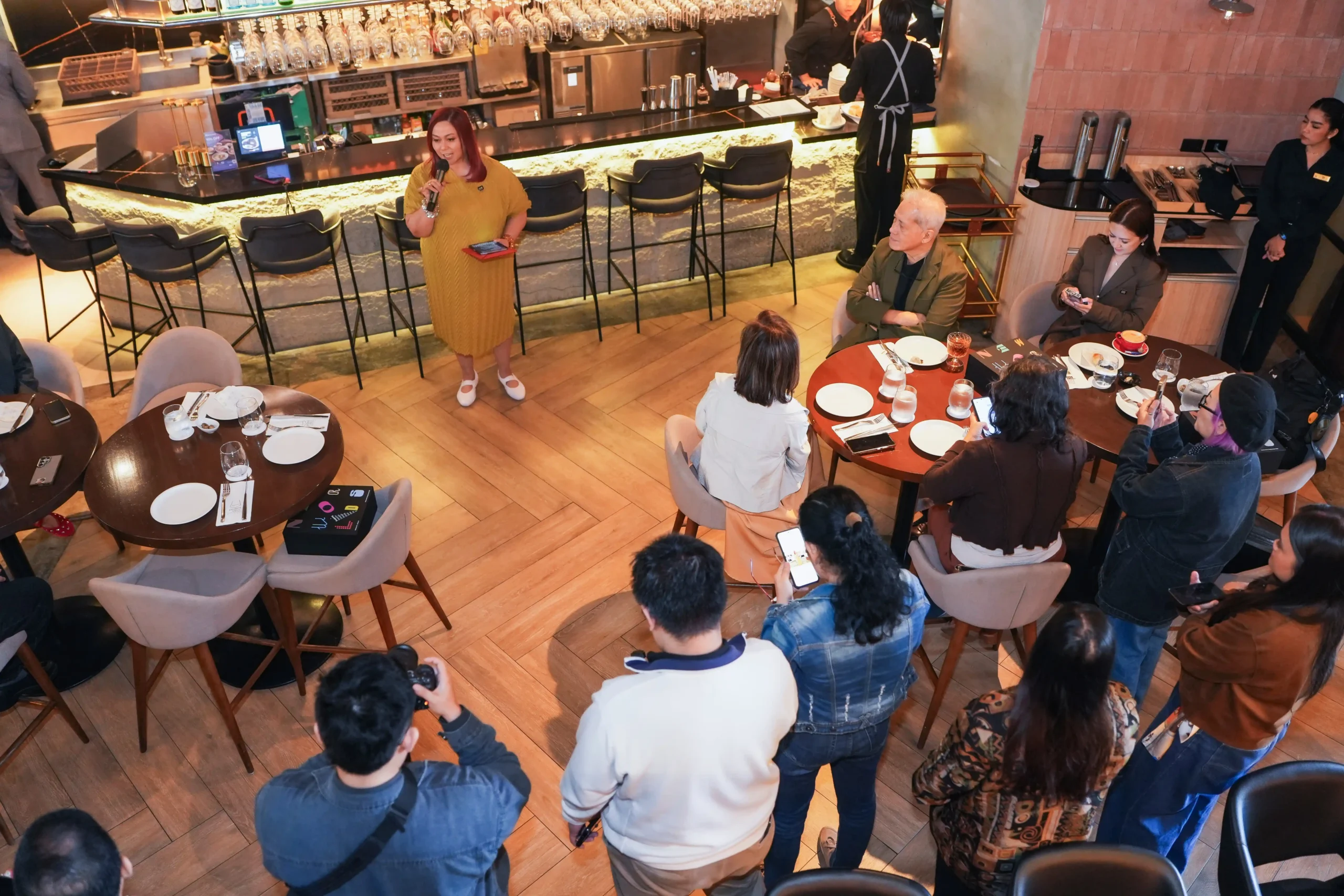
MIDS serves as a major platform for professional dialogue, sharing best practices, and discussing future design strategies in sustainable and forward-thinking space planning. What sets the 2026 edition apart from previous years is its objective to raise the Philippine design voice of warmth, hospitality, and humanity beyond the region and across ASEAN, using showroom activations, exhibitions, industry conversations, and a full-day symposium.
With the theme, “Designing New Worlds: Culture, Cities, and the Future of Southeast Asia,” the summit is structured across four days, each having its own focus.
The first day explores how space receives people through PIID’s special anniversary exhibition called Collective8. It will feature eight Filipino design voices—including Vito Selma, JB Woodcraft, Leeroy New, Rita Nazareno + Gabby Lichauco, Milo Naval, Jed Yabut, JJ Acuña for Venzon, and Iñigo Elizalde—who are shaping the future through craft. In the evening, a gala will be held to commemorate PIID’s anniversary, marking the organization’s 62nd year.
The second day unfolds across Manila’s design destinations, with guests beginning at different locations before rotating through the day’s experiences. Symposiums and intimate conversations, as well as walking tours and interactive experiences, explore how space holds individuals.
The third day emphasizes how space carries people forward and into the future through immersive tours around Bonifacio Global City’s design hubs.
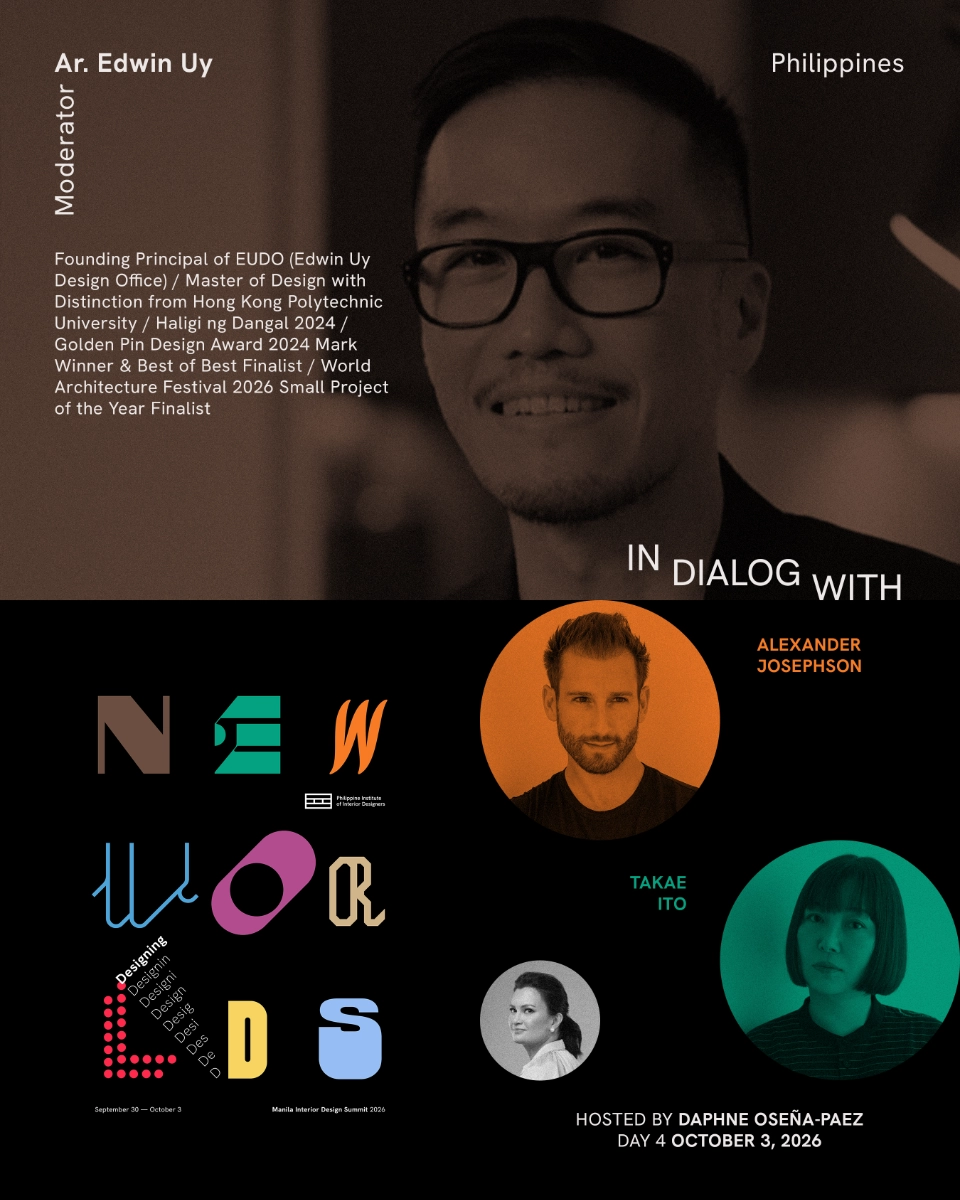
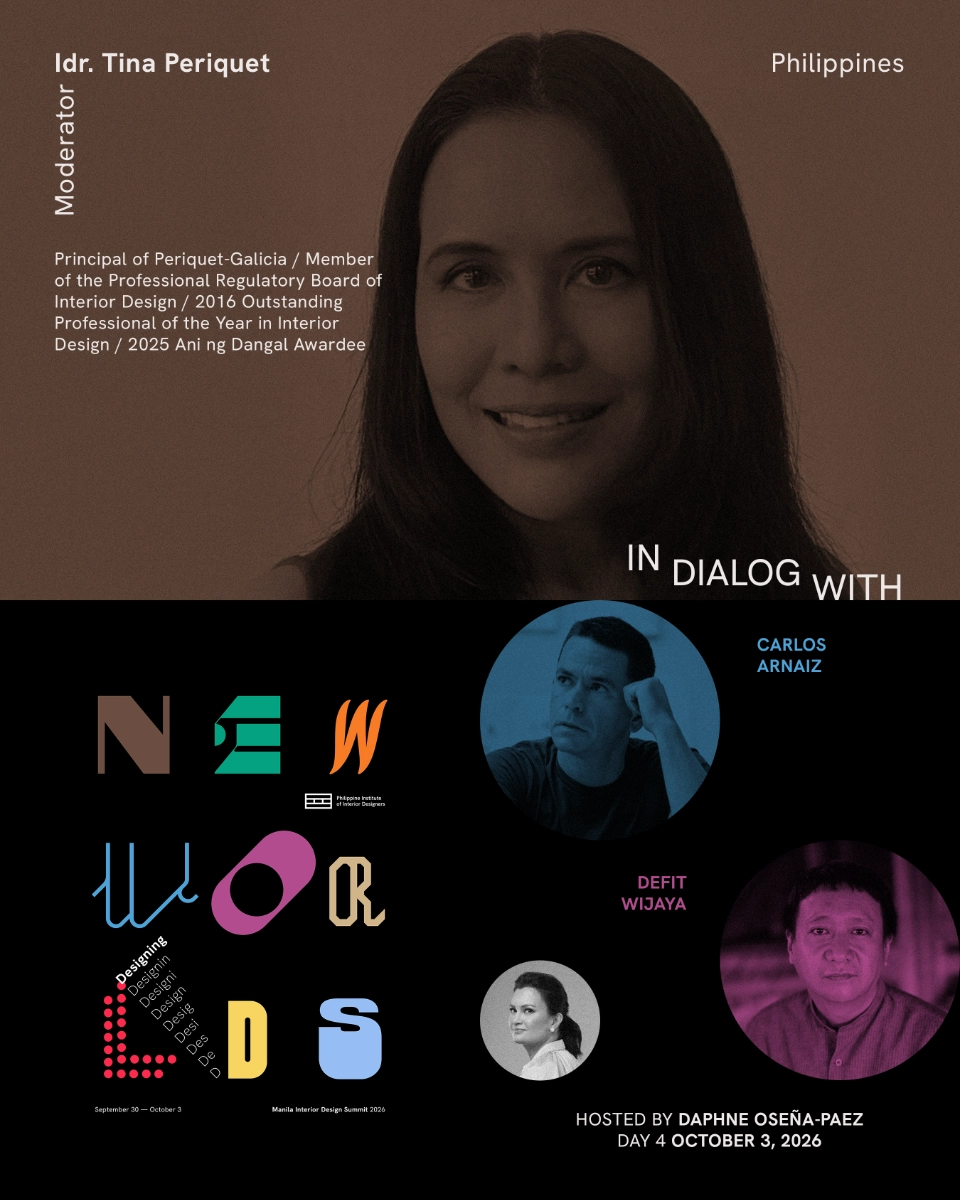
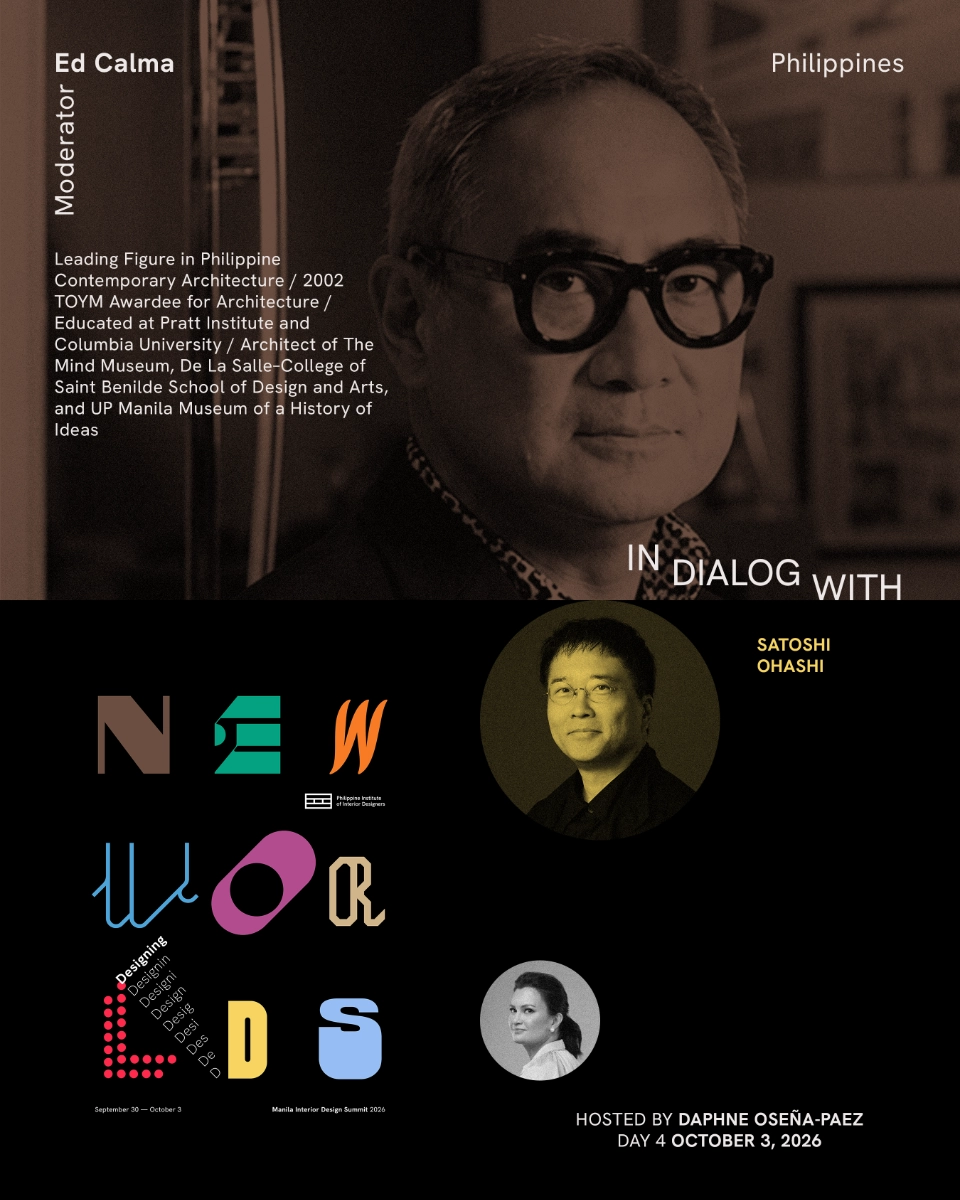
Finally, the fourth day closes the Summit by exploring how space makes people feel, featuring a roster of industry leaders from the Philippines and around the globe.
Related Reading: Alignment in the Boardroom: The Philippine Institute of Interior Designers (PIID) Introduces Its New Board of Trustees
Claiming the Filipino Design Voice
The Philippines has been contributing to the global design industry for years. What has been missing is visibility, authorship, and ownership of that voice.
Ravelas points out that Filipino creatives are already deeply embedded in design practices across places such as the Middle East, Hong Kong, and Singapore. However, they are often behind the scenes rather than the names leading the work.
“We have been building other people’s design reputations for decades. It is time we took the lead and owned our voice,” she says.
Through MIDS, the Philippines is claiming its position based on what Filipinos have always understood about space—a felt experience shaped by emotion and memory; hospitality as a philosophy, shaped by warmth, gathering, and the care of others; home as the primary unit, where a person finds restoration and healing after a long day at work; and wellbeing as a regional answer to density, climate, and how people now live.
She adds that this philosophy stems from how the world sees Filipinos—as natural caregivers.
“We are the ones other people trust with the person they love most. That is not an accident of labor migration. It is an instinct. We are natural nurturers,” Ravelas says.
This natural instinct, if combined with the proper training, licensing, and expertise of interior designers, becomes a spatial practice that allows designers to create homes that support families, environments that restore, spaces designed around wellbeing, and interiors that understand emotion, memory, and human experience.
Putting Filipino and International Design Voices in Conversation
More than just a collection of showcases, design installations, and spatial experiences, MIDS brings together international design professionals with strong voices in cultural identity. These include Carlos Arnaiz from New York, Takae Ito from Tokyo, Alexander Josephson from Toronto, Satoshi Ohashi from Beijing, and Defit Wijaya of IBUKU from Bali.
The Summit is not just positioning the Philippines as a passive recipient of these international voices. It also brings them together with progressive, multigenerational Filipino designers to converse with the region and create a cultural exchange, including Ed Calma, Tina Periquet, Anthony Nazareno, Anton Mendoza, Carlo Calma, Ramon Antonio, Chat Fores, Alex Co, and Edwin Uy.
Ravelas notes that the international speakers are invited not just to provide insights from their own design contexts, but so that they could also understand who Filipinos are. When they leave, they will have a deeper and truer insight into what the Philippines has to offer the industry.
“They are not here to be admired. They are here to be argued with. And they are here to learn from us,” she says.
An Open Position for Philippine Interior Design
It is true that the Philippines is yet to claim its voice. And while a four-day summit will not be able to completely establish the country’s position in the region, MIDS becomes a springboard for Filipino industry leaders to articulate what the profession can contribute beyond its borders.
More importantly, the summit creates a space for that conversation to continue beyond the event itself. Claiming a position is not simply about establishing a recognizable Filipino design style, but about articulating the values, experiences, and expertise that Filipino designers can bring into a wider regional conversation. The warmth, hospitality, humanity, and understanding of space that Ravelas identifies are not endpoints, but starting points for a design practice that can continue to evolve alongside Southeast Asia.
For Ravelas, the opportunity lies precisely in that openness: “A position that is unclaimed is also a position that is open.”
MIDS 2026, then, is less a declaration of an established position than a beginning—a moment for Philippine interior design to move from contributing to the conversation to actively shaping it.
Related Reading: Divine Mandate: Meet Cecil Ravelas, the Newly-Elected National President of the Philippine Institute of Interior Designers (PIID)
The Manila Interior Design Summit 2026 will be held from September 30 to October 3, 2026, across Makati and Bonifacio Global City, Philippines. The fourth edition of MIDS features a four-day program of exhibitions, showroom activations, design destinations, walking tours, industry conversations, interactive experiences, and a full-day symposium bringing together Filipino and international design voices.
About the Manila Interior Design Summit 2026
The Manila Interior Design Summit (MIDS) is a major platform for professional dialogue, knowledge exchange, and industry engagement in Philippine interior design. Organized by the Philippine Institute of Interior Designers (PIID), the summit brings together Filipino and international designers, architects, industry professionals, and creative voices to explore emerging ideas in design, culture, human experience, cities, and the future of the built environment.
The 2026 edition marks MIDS’ fourth edition and coincides with PIID’s 62nd anniversary, expanding its program across four days of exhibitions, showroom activations, design destinations, conversations, tours, and a full-day symposium.
About the Philippine Institute of Interior Designers (PIID)
The Philippine Institute of Interior Designers (PIID) is a professional organization representing licensed interior designers in the Philippines. Established in 1964, PIID has contributed to the development and recognition of interior design as a regulated profession while providing platforms for professional development, public education, and industry exchange. In 1992, the organization was recognized by the Professional Regulation Commission as the official Accredited Professional Organization for licensed interior designers.
Frequently Asked Questions
The Manila Interior Design Summit 2026 (MIDS 2026) is the fourth edition of the Philippine Institute of Interior Designers’ design summit. It brings together Filipino and international design professionals for exhibitions, showroom activations, industry conversations, tours, interactive experiences, and a full-day symposium.
The Manila Interior Design Summit 2026 will take place from September 30 to October 3, 2026, across design destinations in Makati and Bonifacio Global City, Philippines.
MIDS 2026 explores the theme “Designing New Worlds: Culture, Cities, and the Future of Southeast Asia.” The program examines how culture, human experience, hospitality, craft, cities, and emerging design practices can shape the future of the region.
The Philippine Institute of Interior Designers (PIID) organizes and develops the Manila Interior Design Summit. The 2026 edition coincides with PIID’s 62nd anniversary.
MIDS 2026 brings together international design voices including Carlos Arnaiz from New York, Takae Ito from Tokyo, Alexander Josephson from Toronto, Satoshi Ohashi from Beijing, and Defit Wijaya of IBUKU from Bali, alongside Filipino designers and industry leaders.
MIDS 2026 focuses on articulating a Filipino design voice rooted in warmth, hospitality, humanity, craft, culture, and human experience. The summit considers how these values can contribute to broader conversations about interior design in Southeast Asia and beyond.
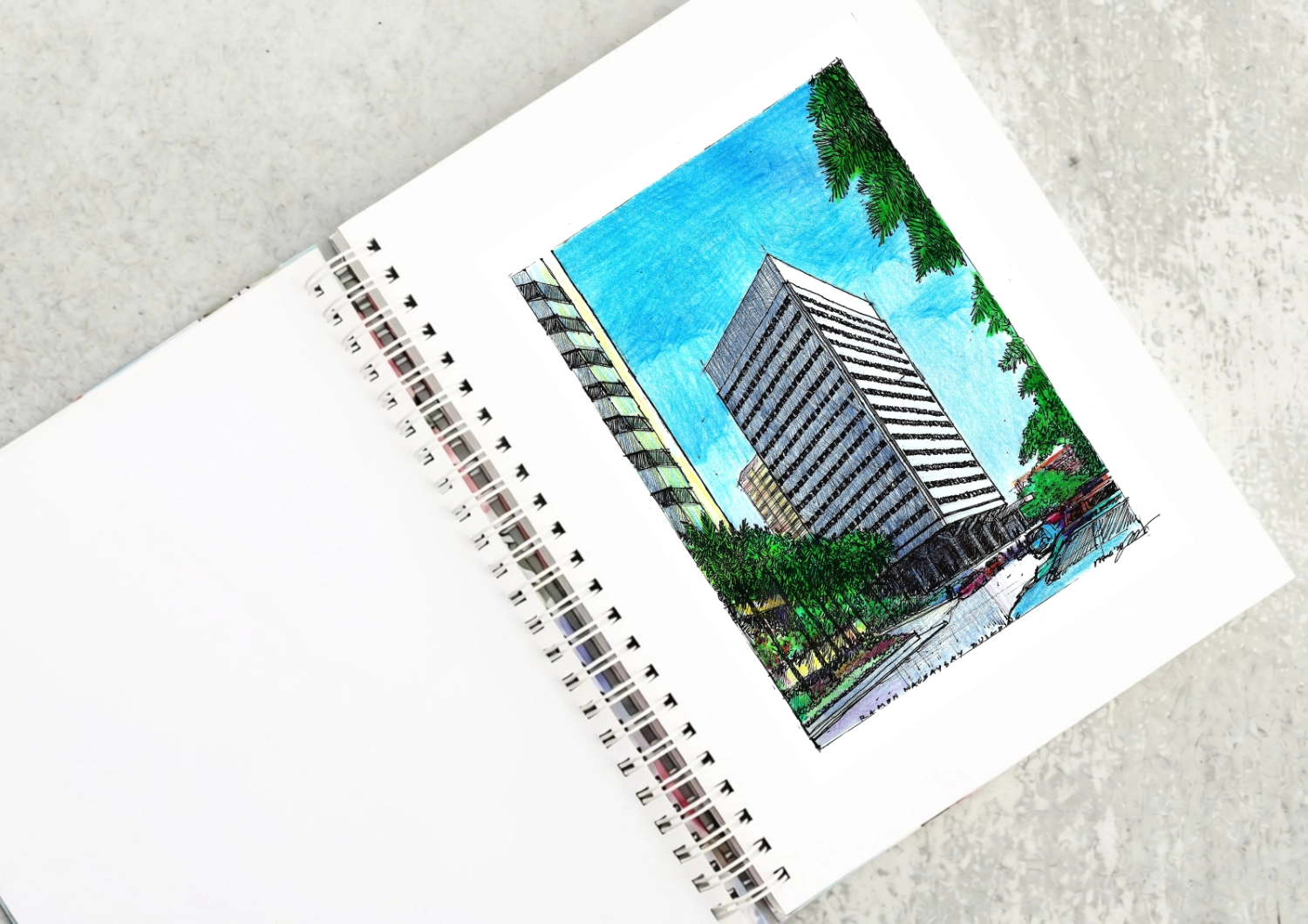
The Ramon Magsaysay Center as a Modernist Landmark Driving down Roxas boulevard from Rizal Park, what will catch your eye is the most elegant modernist structure in the country, the Ramon Magsaysay Center. Most established Filipino architects put it in their top ten lists of favorite buildings. It was designed by Alfredo J. Luz, who […]

Rinna Soriano’s favorite part of her work is sanding. At her workbench, she stays focused, following the grain, adjusting to changes in its direction. Narra, she has learned, can have interlocking grain. A piece of mango once proved particularly difficult until a worker explained that she had reached the point where a branch once grew […]
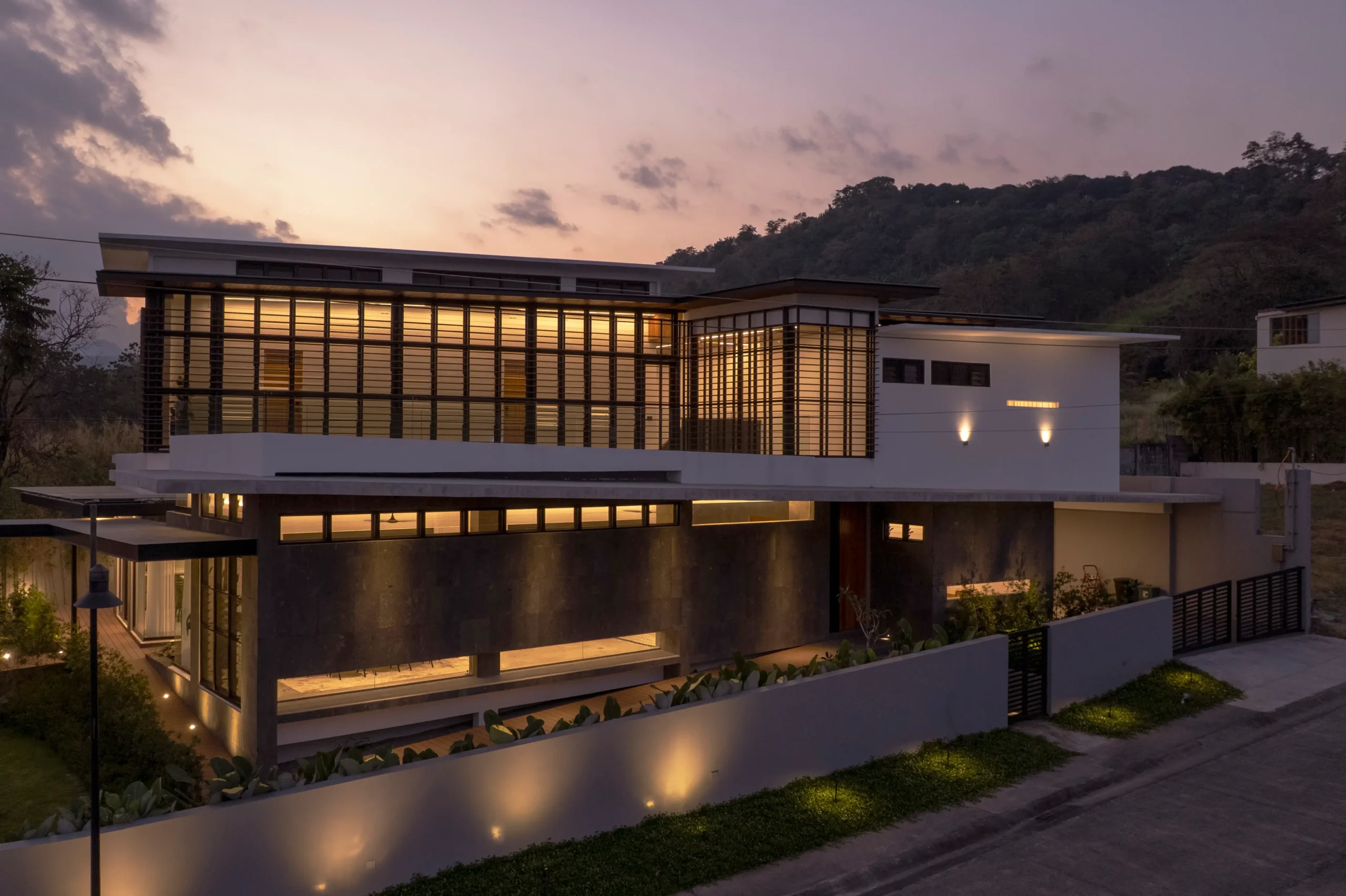
Filipino architectureArchitectureThe art and science of designing and constructing buildings, structures, and spaces that are functional, safe, and aesthetically pleasing. It encompasses the planning, design, materials, and techniques used to createGo to Architecture Glossary has long been associated with indigenous materials and vernacular design strategies, from bamboo and timber construction to jalousie windows, generous spaces, […]
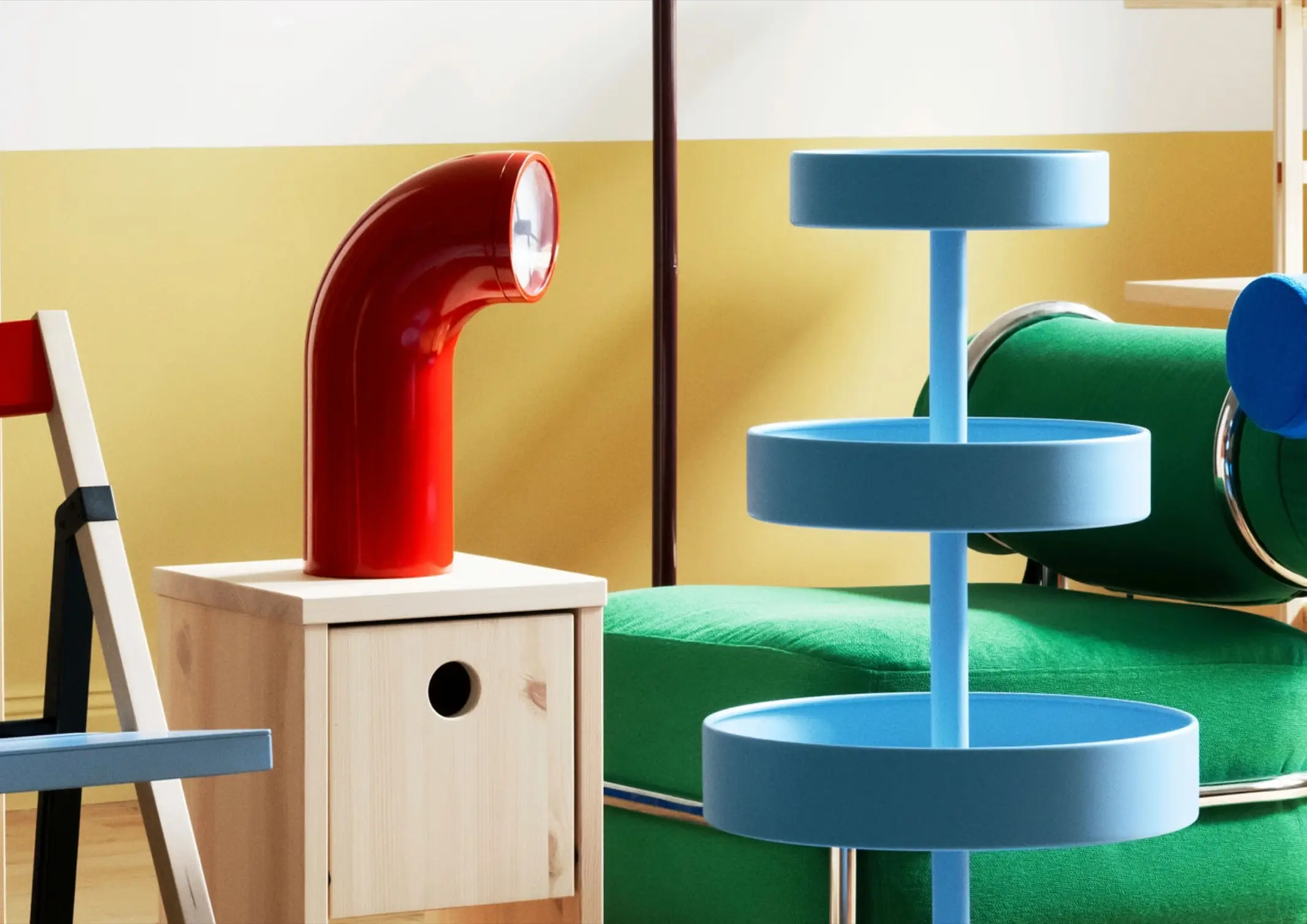
A chair does not always prescribe how to sit in it. A lamp can be more than a source of light. A clock can be more than a way to tell the time.These small departures from convention are at the center of IKEA PS 2026. The latest iteration of IKEA’s experimental PS series comprises more […]
Read the issues.

Collect the volumes.

Recommended Video
Tap to Unmute
Unmute
0:00
0:00