Held at the SMX Convention Center Aura in Taguig City, the first ASEAN Creative Industries Expo by Malikhaing Pinoy (ASEAN MPEx) features nine creative domains, including design, visual arts, digital interactive media, and performing arts. Organized by the Department of Trade and Industry (DTI), the event includes exhibitions, cultural performances, industry talks, and pitching sessions […]
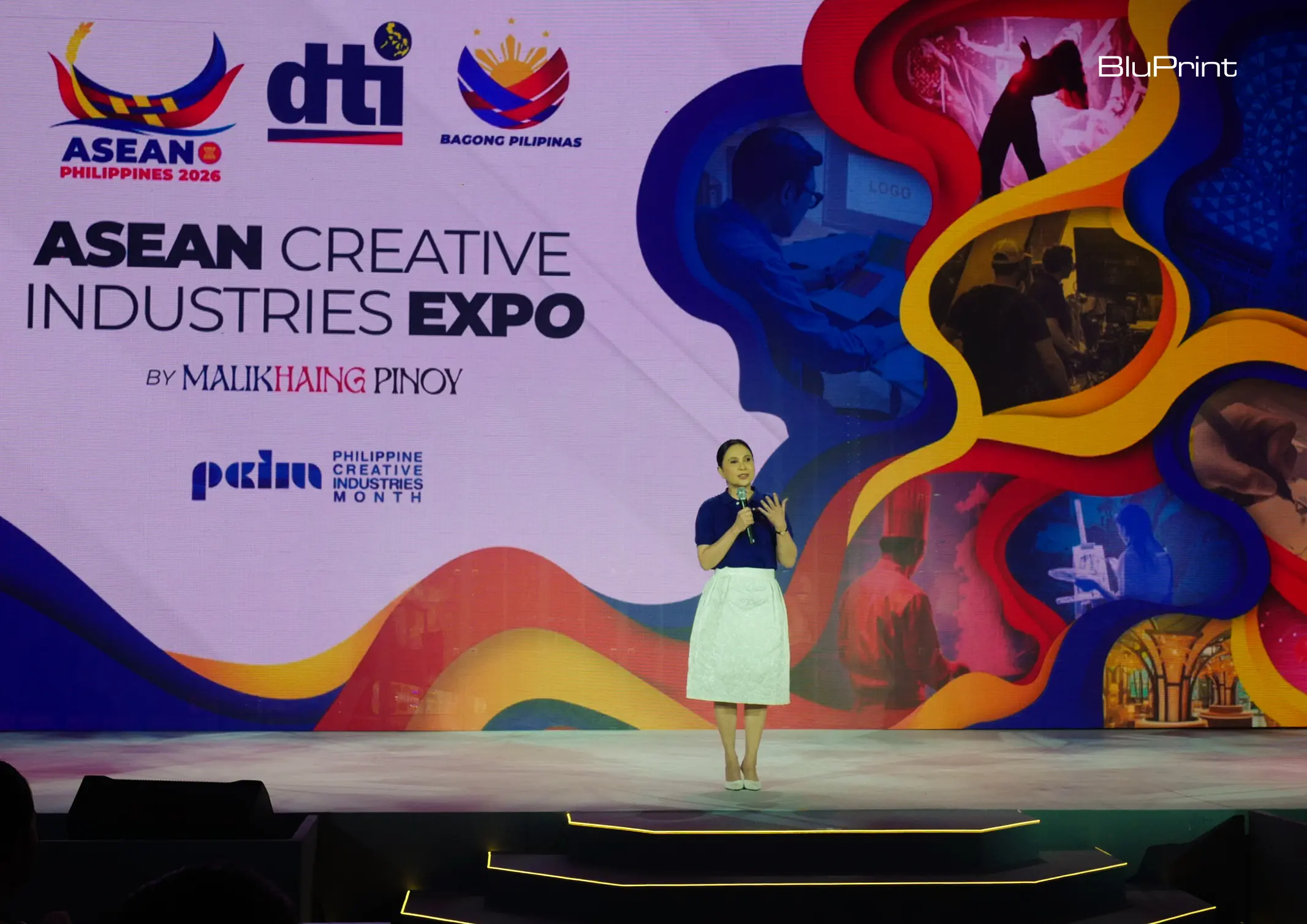
Filipino Design Finds a Platform at ASEAN Creative Industries Expo



Held at the SMX Convention Center Aura in Taguig City, the first ASEAN Creative Industries Expo by Malikhaing Pinoy (ASEAN MPEx) features nine creative domains, including design, visual arts, digital interactive media, and performing arts. Organized by the Department of Trade and Industry (DTI), the event includes exhibitions, cultural performances, industry talks, and pitching sessions connecting creative practitioners with potential investors and regional markets.
Related Reading: Anthology Expands the Conversation Around Philippine Architecture
Filipino Designers and Their Distinctive Approaches to Craftsmanship
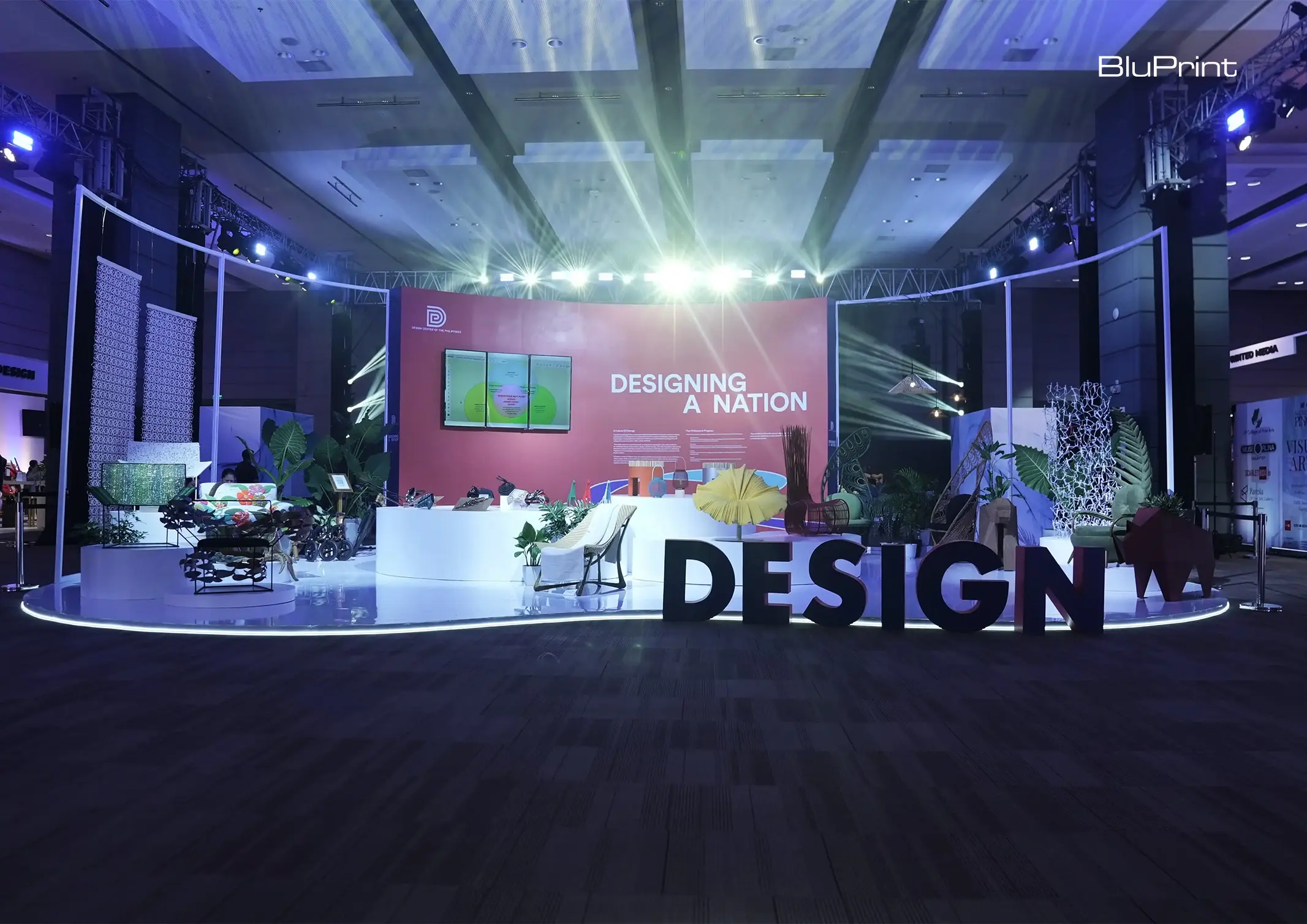
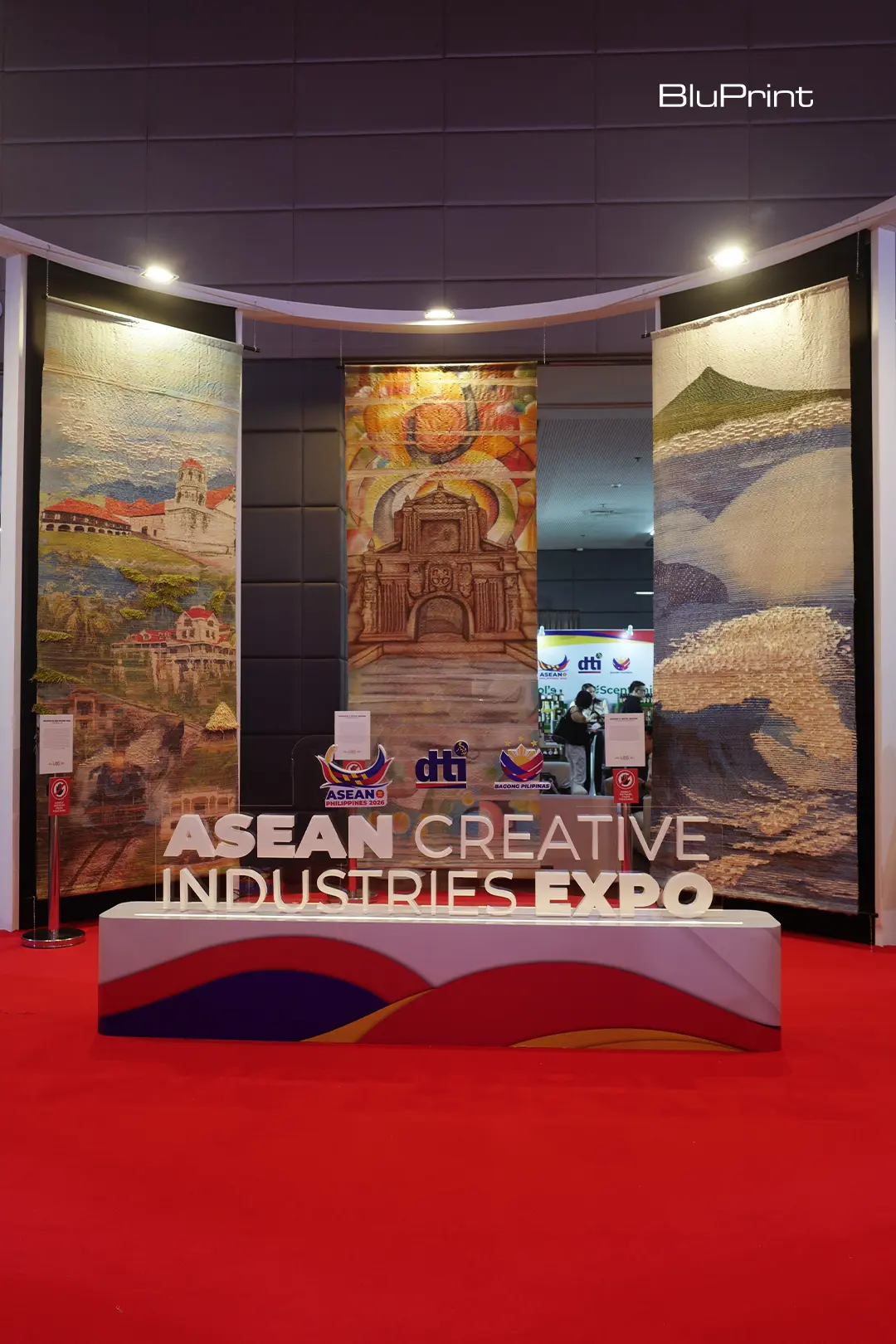
From handwoven textiles to thoughtfully designed furniture, the expo presents Filipino crafts and works by established designers at the Design Domain pavilion. The selection highlights different approaches to material exploration, technical skill, and contemporary design.
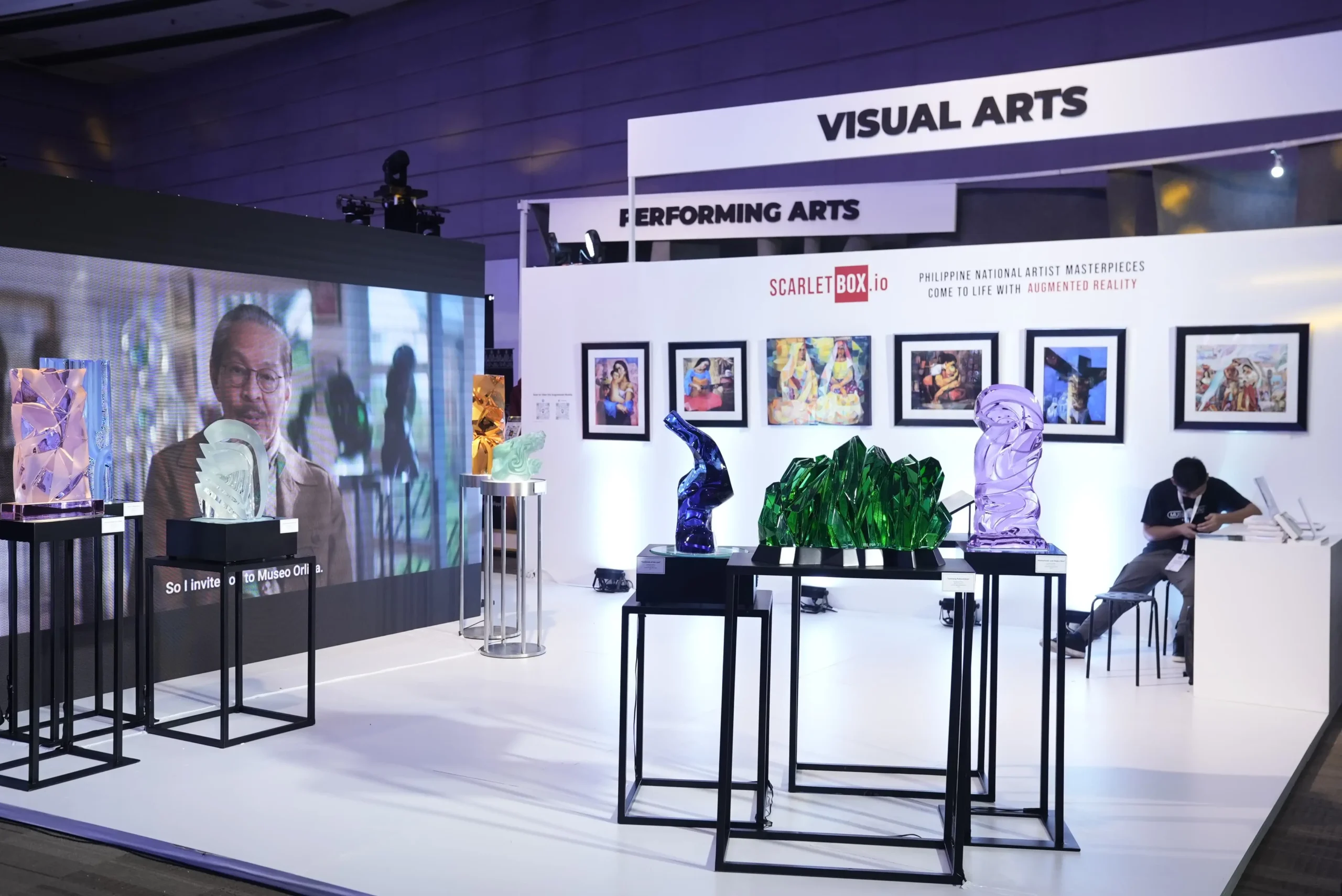
Among the featured works are pieces by Ramon Orlina, the father of Philippine glass sculpture, whose undulating forms reflect light and highlight the material’s expressive qualities. Orlina is known for using the cold-glass method—meticulously carving, cutting, and grinding solid blocks of glass without heat or thermal manipulation.
The expo also features a collaboration between designers Rita Nazareno and Gabriel Lichauco, which explores the relationship between storage and sculpture. Their collection includes Op-Art cabinets, Havee panels, and Stella pieces, combining functional storage with distinctive forms and graphic details.
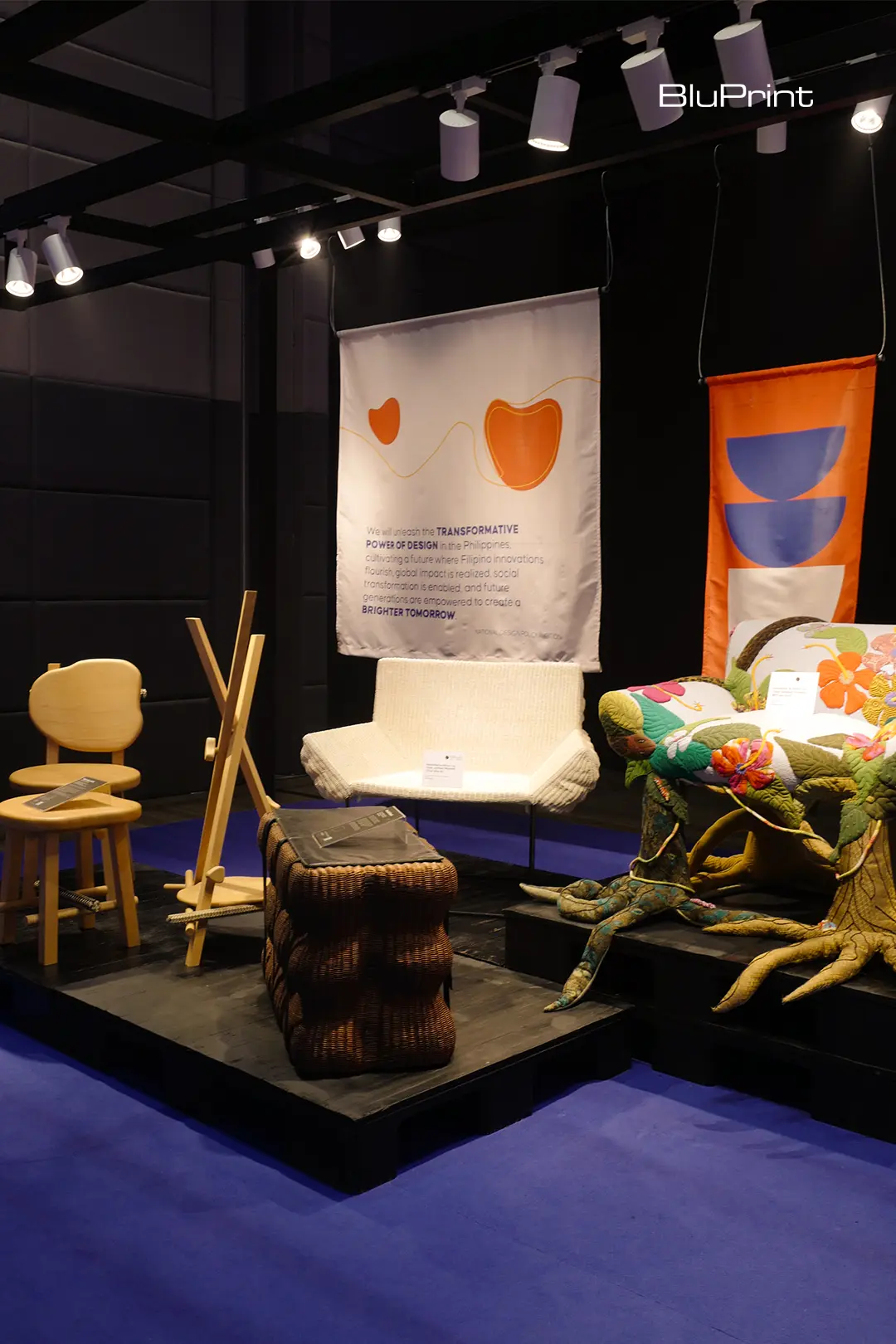
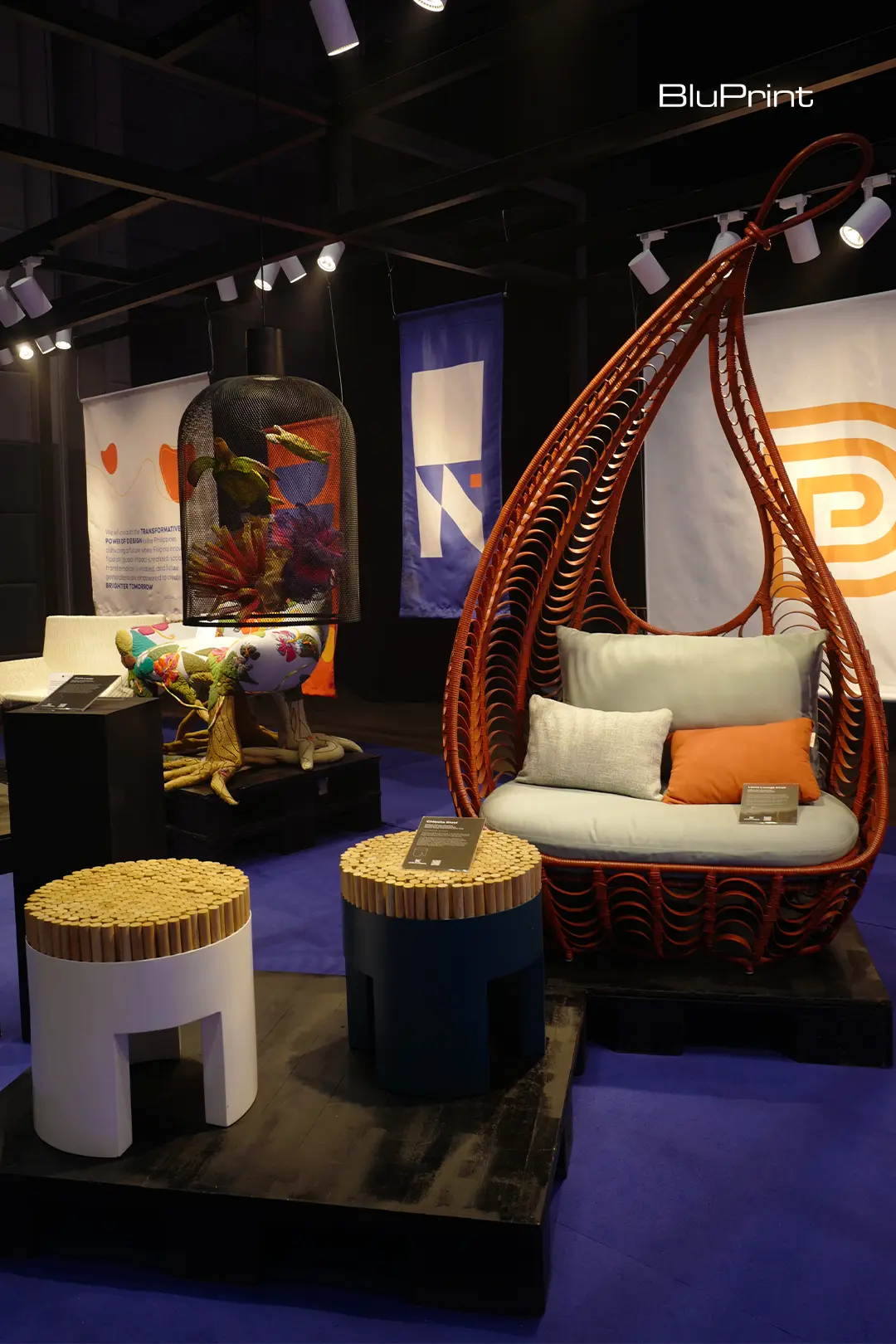
Industrial designer Kenneth Cobonpue’s handcrafted furniture is also on display. The Lasso chair draws inspiration from the image of a stork carrying babies in a basket. Its sculptural form uses rattanRattanA flexible, climbing palm native to tropical Asia, whose strong, lightweight canes are woven and bent into furniture, baskets, and lighting. The Philippines, especially Cebu, is renowned for rattan craftsmanship,Go to Rattan Glossary and polyethylene strips of varying widths, carefully bent and wrapped around a steel frame to evoke the movement of wind. Another notable work is Cobonpue’s Curio light installation, inspired by 18th-century curio cabinets filled with unusual collections. Hollowed shelves feature wire-mesh forms resembling flora and fauna, illuminated from below by LED lights. Meanwhile, the Chiquita stool takes the shape of an open box of crayons, made from 350 wooden dowels.
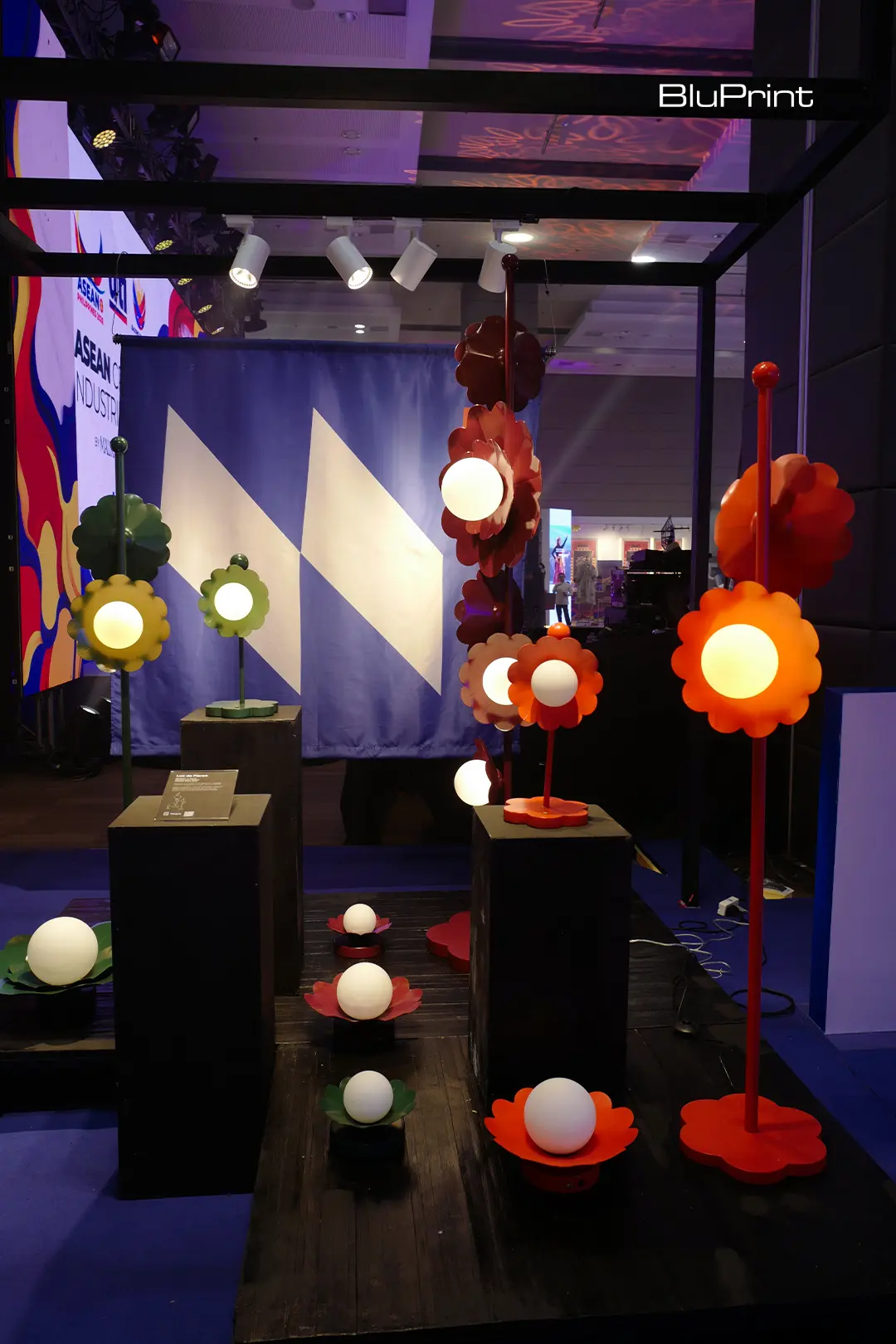
Also featured is Luz de Flores, a garden of lights created through a collaboration between VENZON Lighting and JJ Acuña. Inspired by lotus flowers in full bloom, the floor lamps are laser-cut, welded, hand-finished, assembled, and painted by craftsmen at VENZON’s workshop in Pampanga.
Related Reading: When Malasakit Is Placed at the Heart of Filipino Design: Good Design Award Philippines 2026
How the ASEAN Creative Industries Expo Supports Filipino Creative Industries
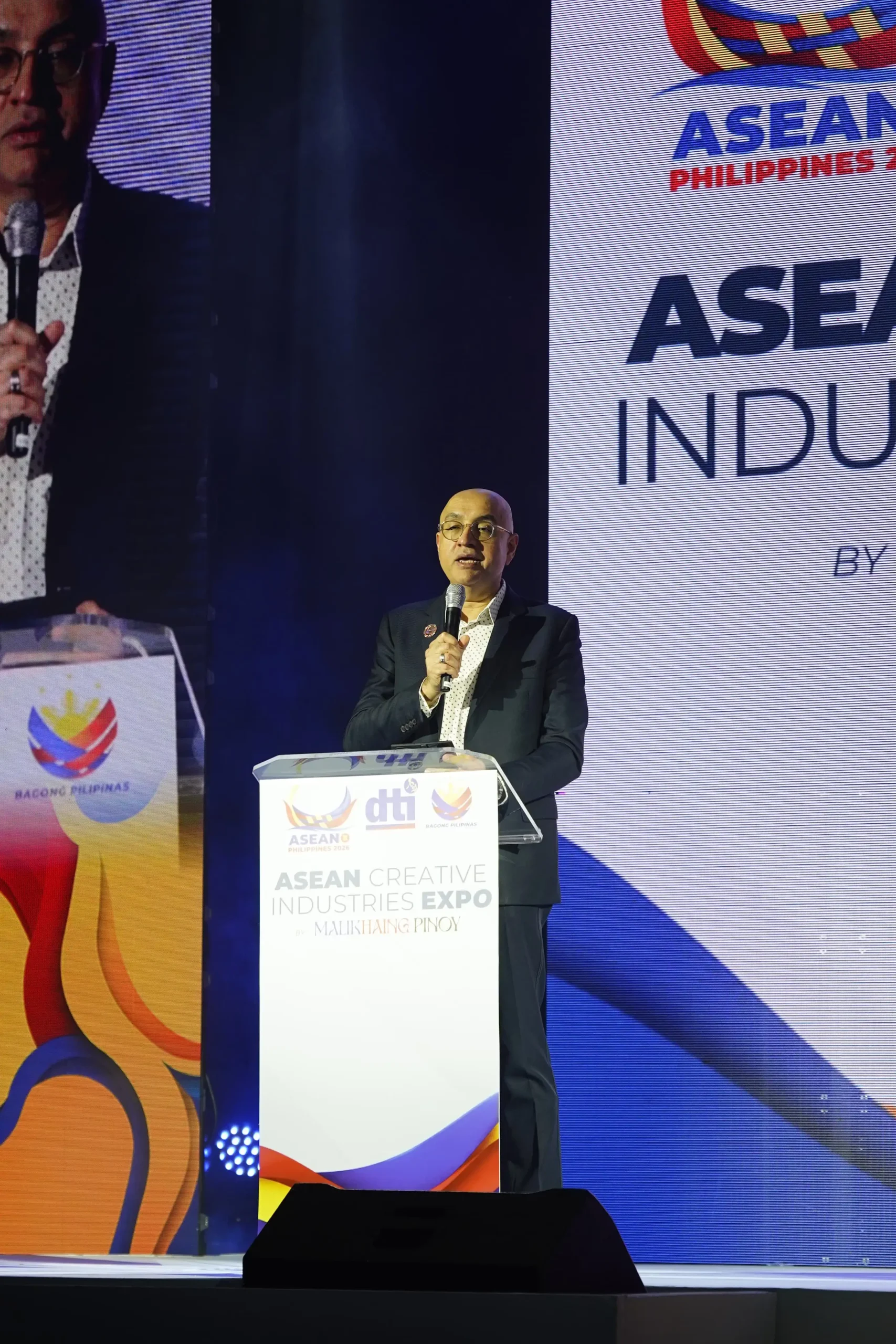
The ASEAN Creative Industries Expo is part of the DTI’s broader efforts to develop the country’s creative sector through its flagship Malikhaing Pinoy program. The initiative aims to strengthen local creative industries, expand market access for Filipino talent, and position the Philippines as a competitive player in the global creative economy. Through the expo, the DTI seeks to foster connections between local creative enterprises and regional markets, while creating opportunities for trade, digital innovation, and cultural exchange.
“At the heart of any great nation lies its culture and heritage, and under the Malikhaing Pinoy initiative, our creative industries generate a cultural ‘currency’ that draws the world to our shores,” DTI Secretary Cristina A. Roque said.
Roque also underscored the country’s ambition to become Asia’s Premier Creative Hub by 2030. Among the initiatives supporting this goal is the proposed ASEAN Center of Excellence for Creative Industries, envisioned as a regional hub for policy research, capacity-building, and market development.
By placing Filipino design and creative enterprise within a regional context, the expo provides a platform for local practitioners to present their work and engage with the wider ASEAN creative industries sector.
Related Reading: How Cultural Knowledge Can Move Design Beyond Cultural References
Photography by Ed Simon and the Department of Trade and Industry.
About the ASEAN Creative Industries Expo
The ASEAN Creative Industries Expo by Malikhaing Pinoy (ASEAN MPEx) is an initiative of the Department of Trade and Industry (DTI) that brings together creative practitioners, enterprises, and industry stakeholders from across Southeast Asia. Featuring nine creative domains, the expo provides a platform for Filipino design, craftsmanship, and creative products while fostering regional collaboration, market access, and cultural exchange. Through exhibitions, industry talks, cultural performances, and business pitching sessions, the event supports the development of the Philippine creative economy and the country’s ambition to become Asia’s Premier Creative Hub by 2030.
Frequently Asked Questions
The ASEAN Creative Industries Expo by Malikhaing Pinoy (ASEAN MPEx) is the first regional creative industries expo organized by the Department of Trade and Industry. It brings together creative enterprises and practitioners to showcase their work, encourage cultural exchange, and explore opportunities in regional markets.
The inaugural ASEAN Creative Industries Expo was held at the SMX Convention Center Aura in Taguig City, Philippines, featuring exhibitions, cultural performances, industry talks, and pitching sessions.
The Design Domain pavilion featured works by Filipino designers and creatives, including glass sculptures by Ramon Orlina, furniture by Kenneth Cobonpue, a collaboration between Rita Nazareno and Gabriel Lichauco, and Luz de Flores, a lighting collaboration between VENZON Lighting and JJ Acuña.
The Malikhaing Pinoy Program is the DTI’s flagship initiative for developing and strengthening the Philippine creative industries. It aims to expand opportunities for Filipino creative talent, improve market access, and position the Philippines as a competitive player in the global creative economy.
The expo provides Filipino designers and creative enterprises with a platform to present their work to a regional audience, build industry connections, and explore opportunities for trade, investment, and collaboration across ASEAN. It also supports broader efforts to expand the reach of Philippine creative products and services.
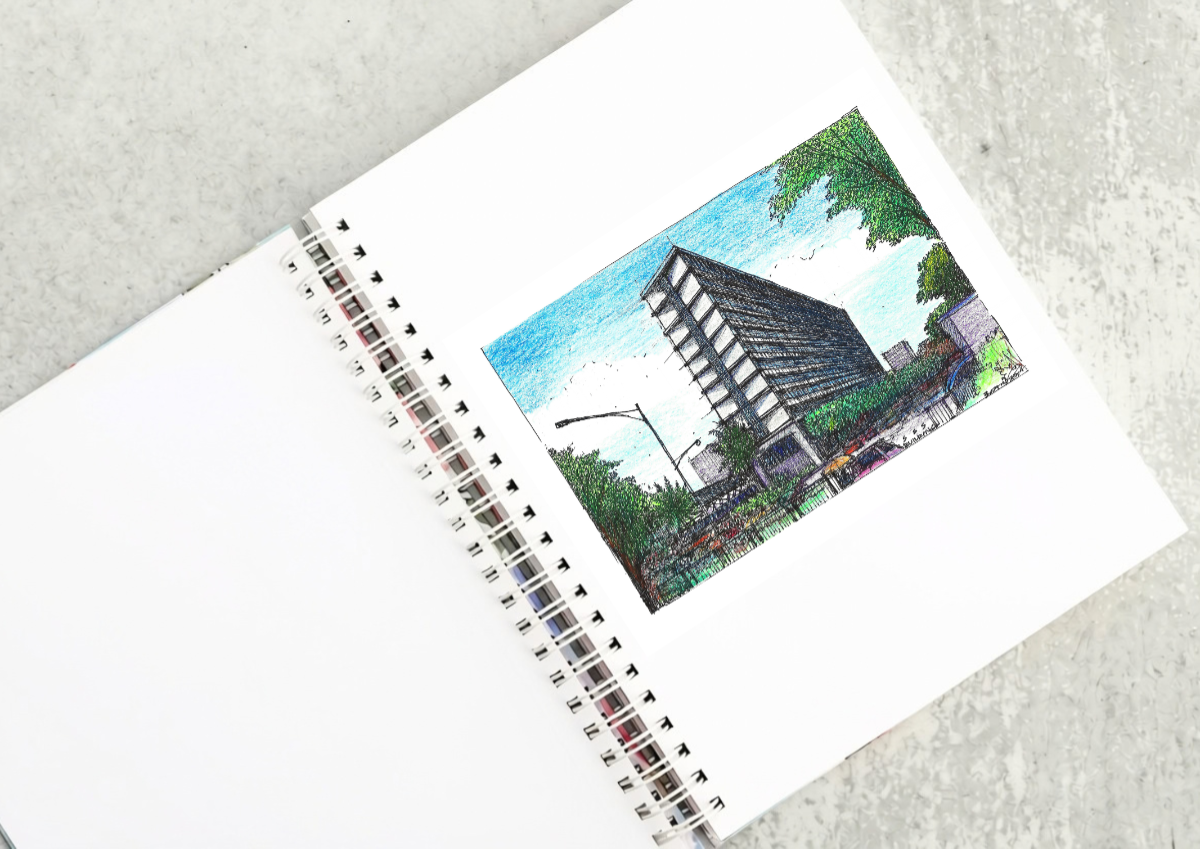
The SSS Building as an Expression of Civic Modernism My favorite modernist landmark in Quezon City is the SSS building on East Avenue. Designed by National Artist for ArchitectureArchitectureThe art and science of designing and constructing buildings, structures, and spaces that are functional, safe, and aesthetically pleasing. It encompasses the planning, design, materials, and techniques […]

Archie G. Carrasco, Chairman and CEO of AGC Power Holdings Corp. (AGC PHC), has been named to The BoF 500 Class of 2026 under the Media category, joining The Business of Fashion’s global community of individuals shaping the fashion industry. Carrasco is among 100 new members from 33 countries and 48 nationalities selected for the […]
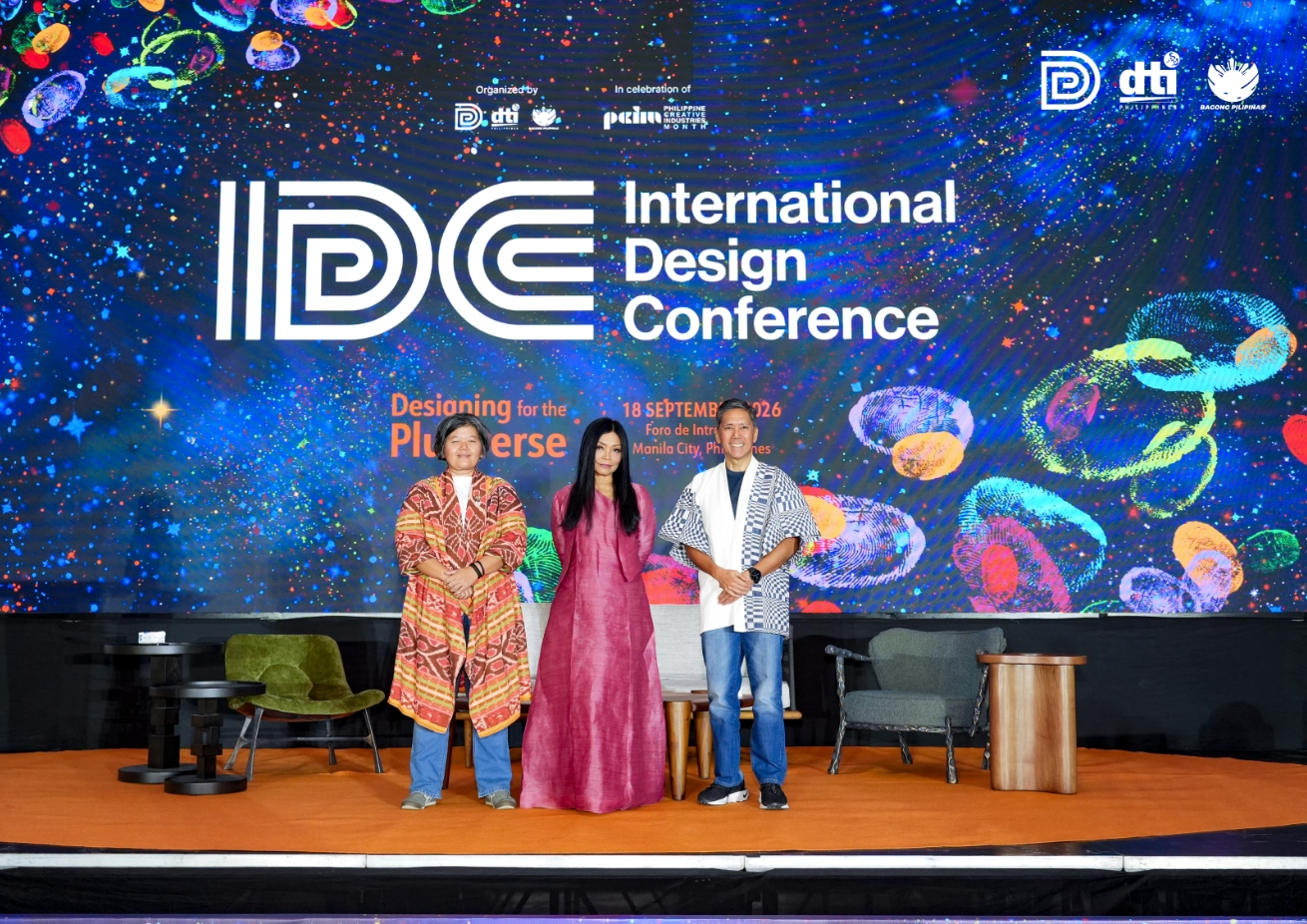
Culture in design does not always announce itself through a recognizable motif, material, or symbol. It can also be embedded in the relationships designers build, the knowledge they listen to, the materials they choose, and the decisions they make in response to communities and their environments. This distinction emerged throughout the 2026 International Design Conference […]
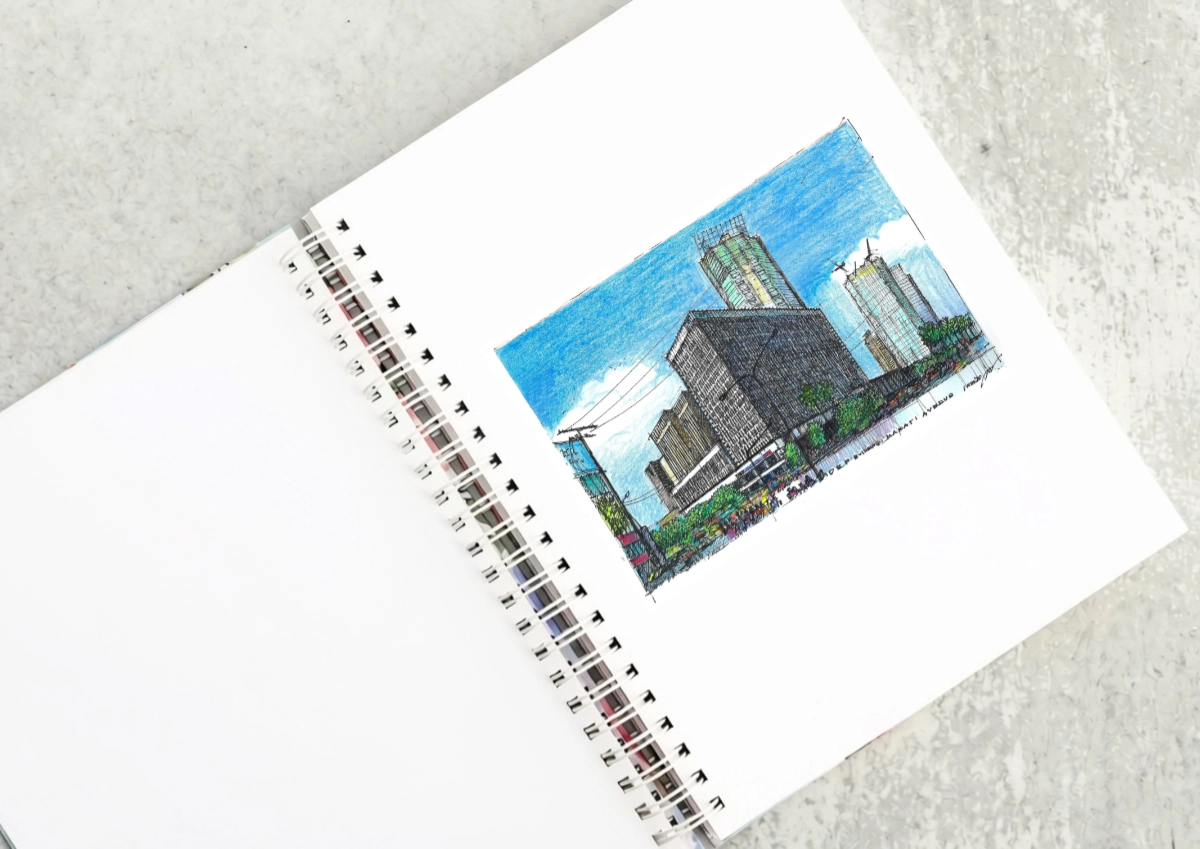
The DBP Building as a Landmark of the International Style At the corner of Sen. Gil Puyat Avenue and Makati Avenue stands a landmark of the Makati Central Business District. It is one of the last still standing that were built in the first wave of construction in district fifty years ago. The Development Bank […]
Read the issues.

Collect the volumes.

Recommended Video
Tap to Unmute
Unmute
0:00
0:00