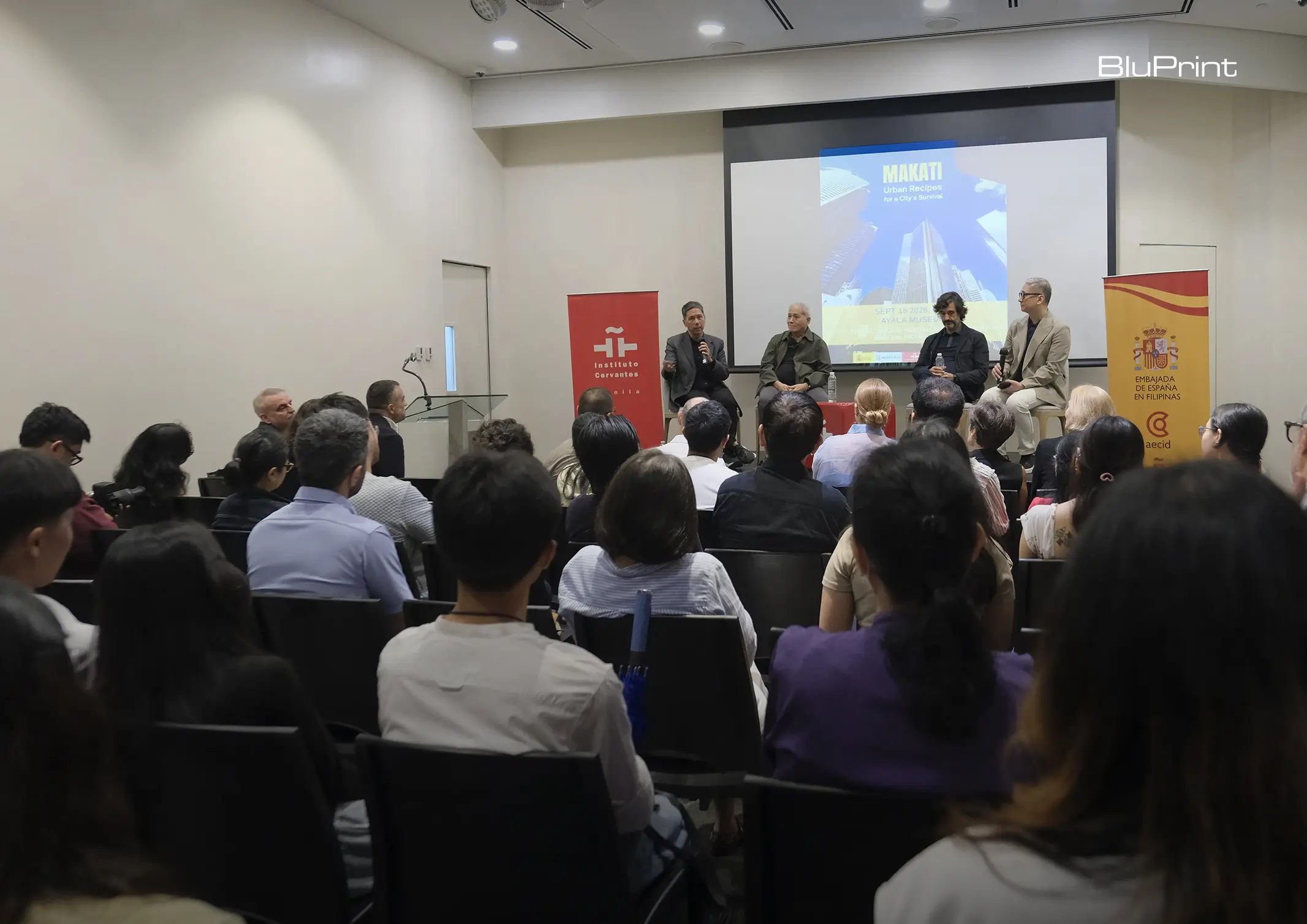
How can better-planned cities create the conditions for more creative, livable, and resilient urban environments? “Makati Urban Recipes for a City’s Survival,” a colloquium held at the Ayala Museum on September 15, brought together architects and practitioners from the fields of urbanism and the creative economy to discuss how design, planning, and collaboration can address […]
Anthology Expands the Conversation Around Philippine Architecture



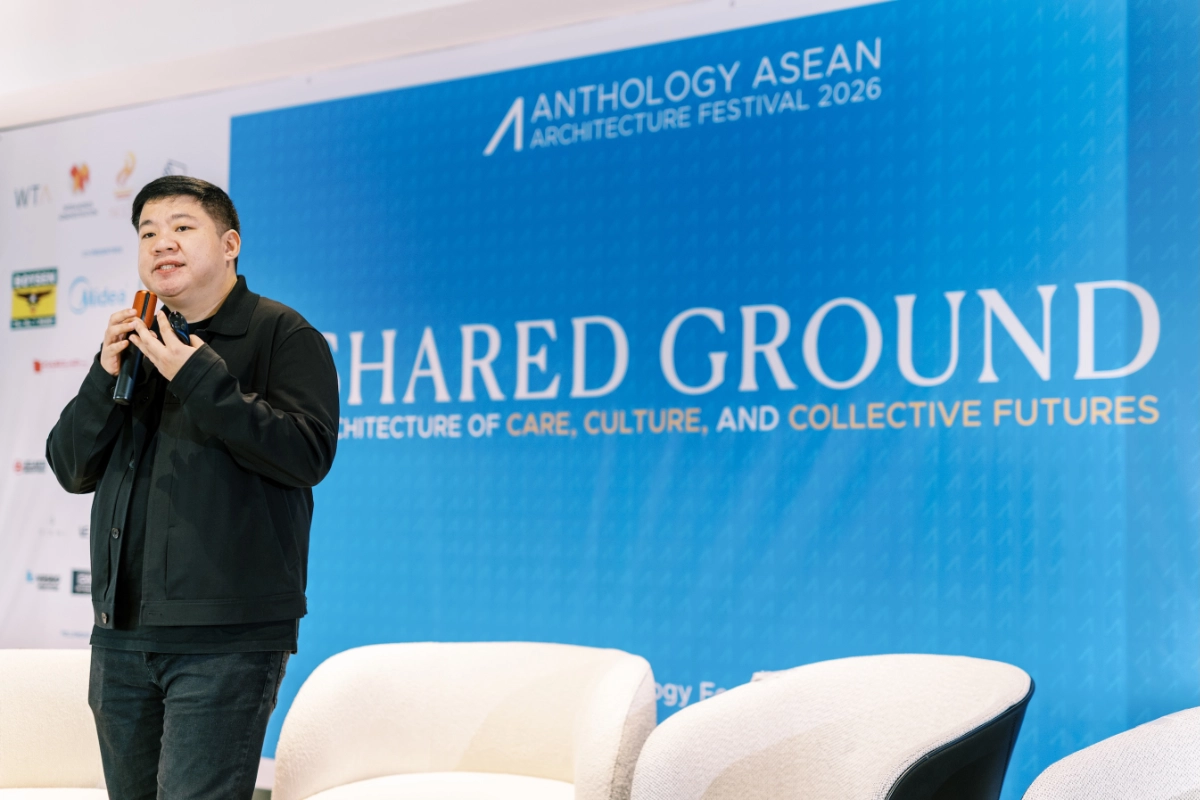
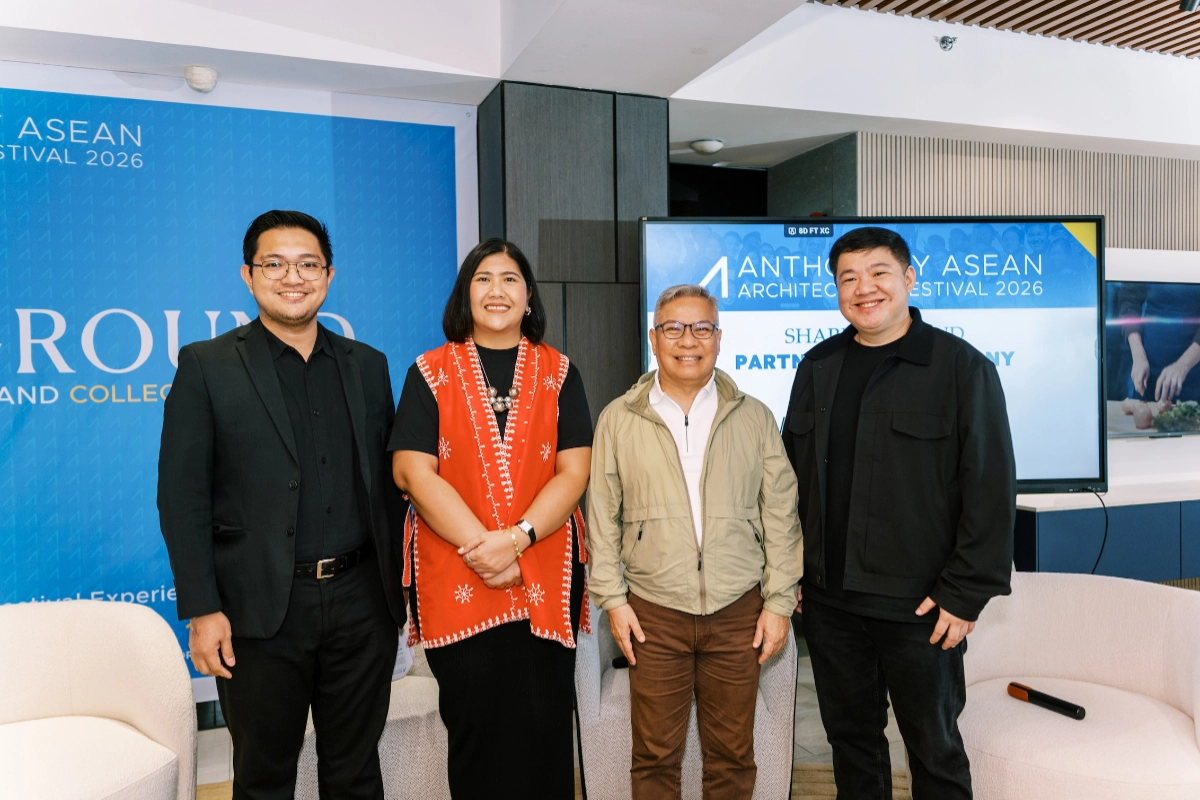
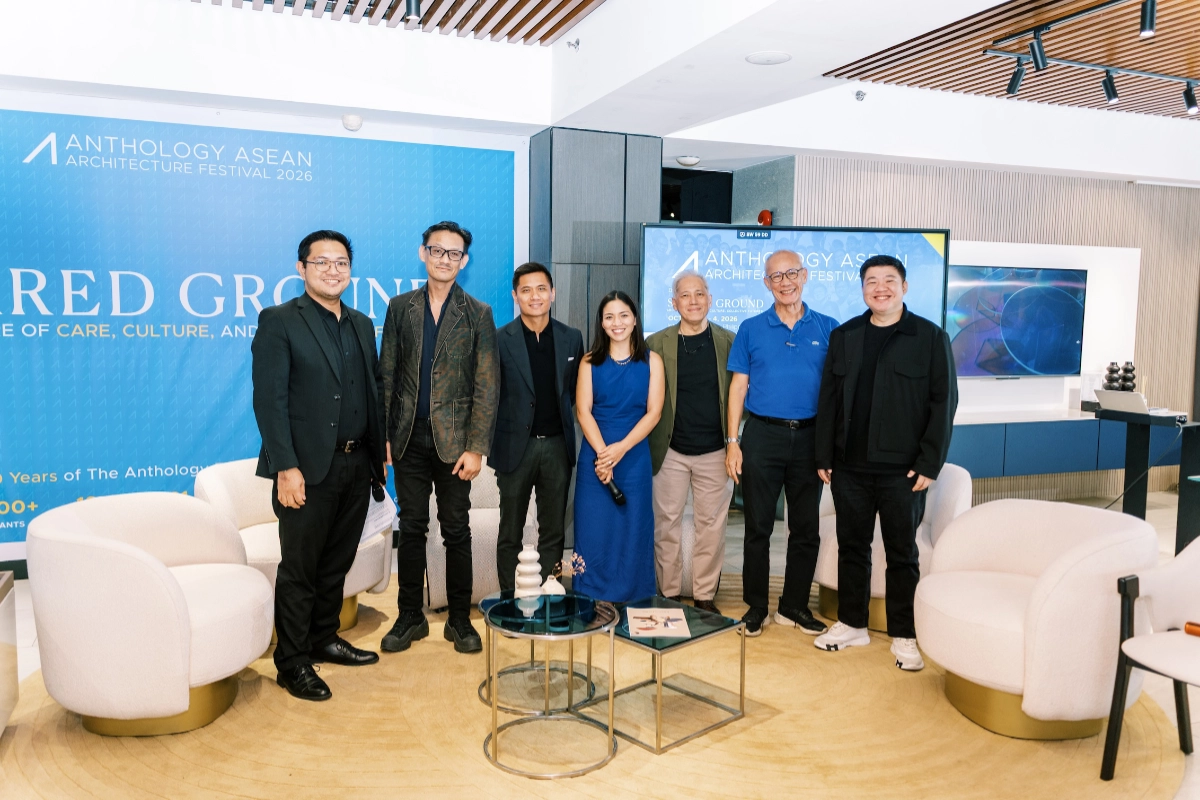
“Buildings only become architectureArchitectureThe art and science of designing and constructing buildings, structures, and spaces that are functional, safe, and aesthetically pleasing. It encompasses the planning, design, materials, and techniques used to createGo to Architecture Glossary when they are shared,” said William Ti Jr., founder of the Anthology Festival and WTA Architecture and Design Studio, as he introduced the latest edition of the Anthology ASEAN Architecture Festival.
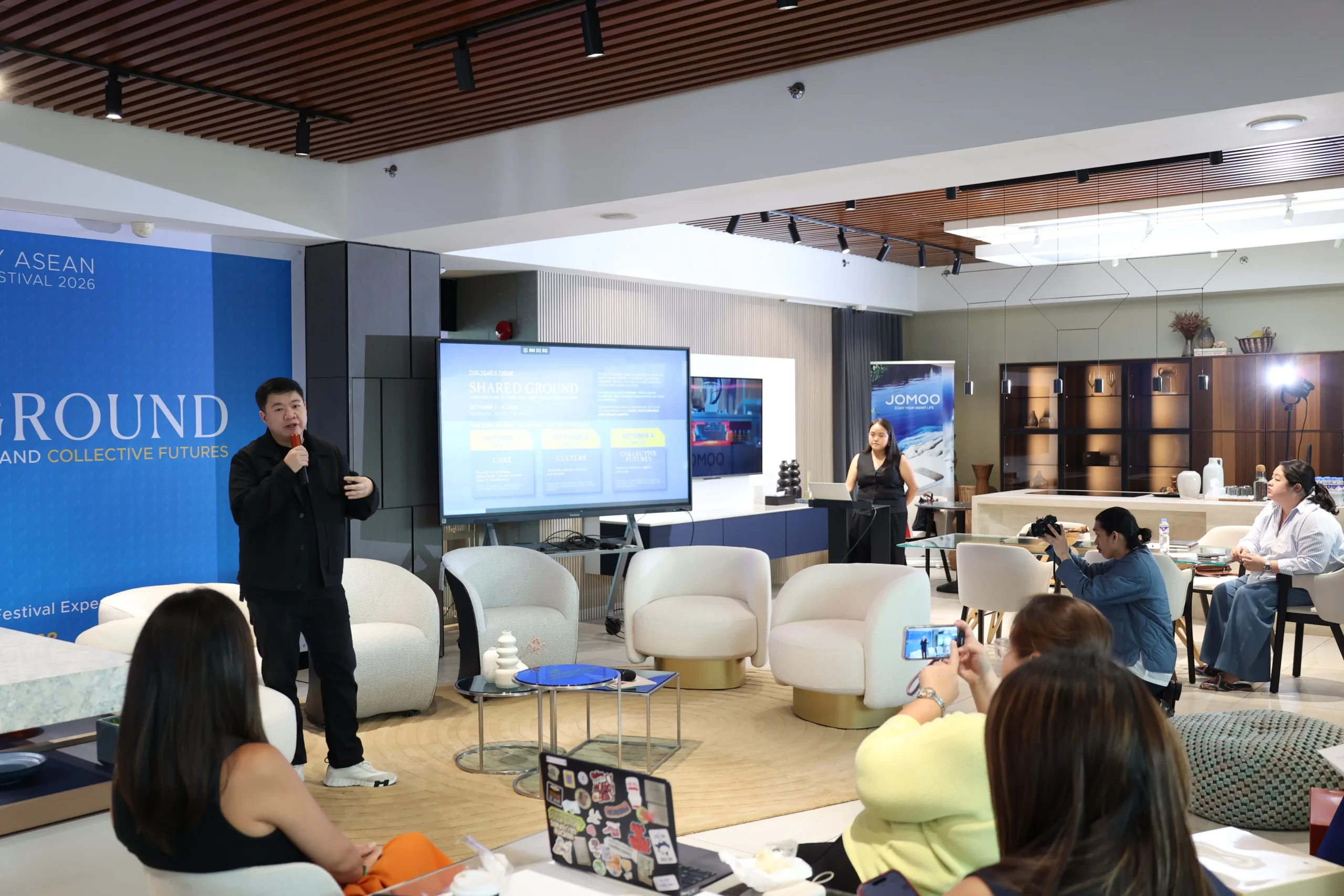
Over the past decade, Anthology has developed from an architectureArchitectureThe art and science of designing and constructing buildings, structures, and spaces that are functional, safe, and aesthetically pleasing. It encompasses the planning, design, materials, and techniques used to createGo to Architecture Glossary festival into a platform for exchange among designers in the Philippines. Its seventh edition expands that conversation across Southeast Asia, bringing regional perspectives into dialogue through the central theme of “Shared Ground: Architecture of Care, Culture, and Collective Futures.”
Related Reading: Anthology Architecture and Design Festival 2020 promotes design-influenced policymaking
From Local Dialogue to Regional Exchange
Anthology’s development in the last ten years reflects a broader understanding of what an architectural festival can do. It does not only function as a showcase of completed projects, it has also become a setting for architects, designers, and even the public to exchange ideas around a built environment.
Its pilot edition took place in 2016, bringing together more than 2,000 guests and 65 built environment practitioners from seven countries, including the Philippines, Hong Kong, South Korea, France, the Netherlands, the United Kingdom, and Canada. Held at Plaza de Roma, in front of the centuries-old Manila Cathedral, the festival centered on the theme “Stories About ArchitectureArchitectureThe art and science of designing and constructing buildings, structures, and spaces that are functional, safe, and aesthetically pleasing. It encompasses the planning, design, materials, and techniques used to createGo to Architecture Glossary,” establishing a platform for conversations across different architectural contexts.
The following year, Anthology 2017 expanded both its audience and its roster of participants. More than 4,000 guests attended the festival, alongside 83 lecturers, speakers, and exhibitors from 11 countries. The lineup also grew to include practitioners from Japan, Singapore, China, Thailand, Belgium, Denmark, and Vietnam, broadening the exchange beyond the countries represented in its inaugural edition. The increase marked an early indication of Anthology’s potential as a regional platform, bringing architectural perspectives from different parts of Asia and beyond into conversation in Manila.
In 2018, the festival moved to Fort Santiago and turned its attention toward the central theme of “Social Architecture,” placing greater emphasis on the relationship between the built environment and the communities that inhabit it. The shift in theme reflected Anthology’s expanding scope, moving the conversation beyond architecture as a discipline or profession and toward its social implications.
From there, Anthology continued to develop its programming and broaden the ways in which architectureArchitectureThe art and science of designing and constructing buildings, structures, and spaces that are functional, safe, and aesthetically pleasing. It encompasses the planning, design, materials, and techniques used to createGo to Architecture Glossary could be discussed, exhibited, and experienced.
Its latest edition marks another shift in this trajectory. Rather than simply bringing architectural practices and perspectives from Southeast Asia into the Philippines, the Anthology ASEAN ArchitectureArchitectureThe art and science of designing and constructing buildings, structures, and spaces that are functional, safe, and aesthetically pleasing. It encompasses the planning, design, materials, and techniques used to createGo to Architecture Glossary Festival positions Philippine architecture within a wider regional exchange. The festival looks outward as much as it looks inward, creating a platform where Filipino architects and ideas can engage with—and contribute to—conversations taking place across Southeast Asia.
Related Reading: Lessons from Anthology: Never forget the basics of architecture
Care, Culture, and Collective Futures Define the 2026 Theme
At the center of the 2026 festival is a question of how architecture can respond to people and places beyond the physical requirements of a building. Its themes of care, culture, and collective futures frame architecture as a practice shaped by the communities it serves, the contexts in which it operates, and the people involved in making it.
The idea of care, in particular, begins with an attentiveness to the people and circumstances that architectureArchitectureThe art and science of designing and constructing buildings, structures, and spaces that are functional, safe, and aesthetically pleasing. It encompasses the planning, design, materials, and techniques used to createGo to Architecture Glossary is intended to serve. Co-Founder and Principal Architect of BAAD Studio Benjee Mendoza describes it as an ever-present part of design, emphasizing that one cannot be a good designer without it. “It’s always omnipresent. It doesn’t always have to be literally translated or vocalized, [but] you [should] feel it in a space.”
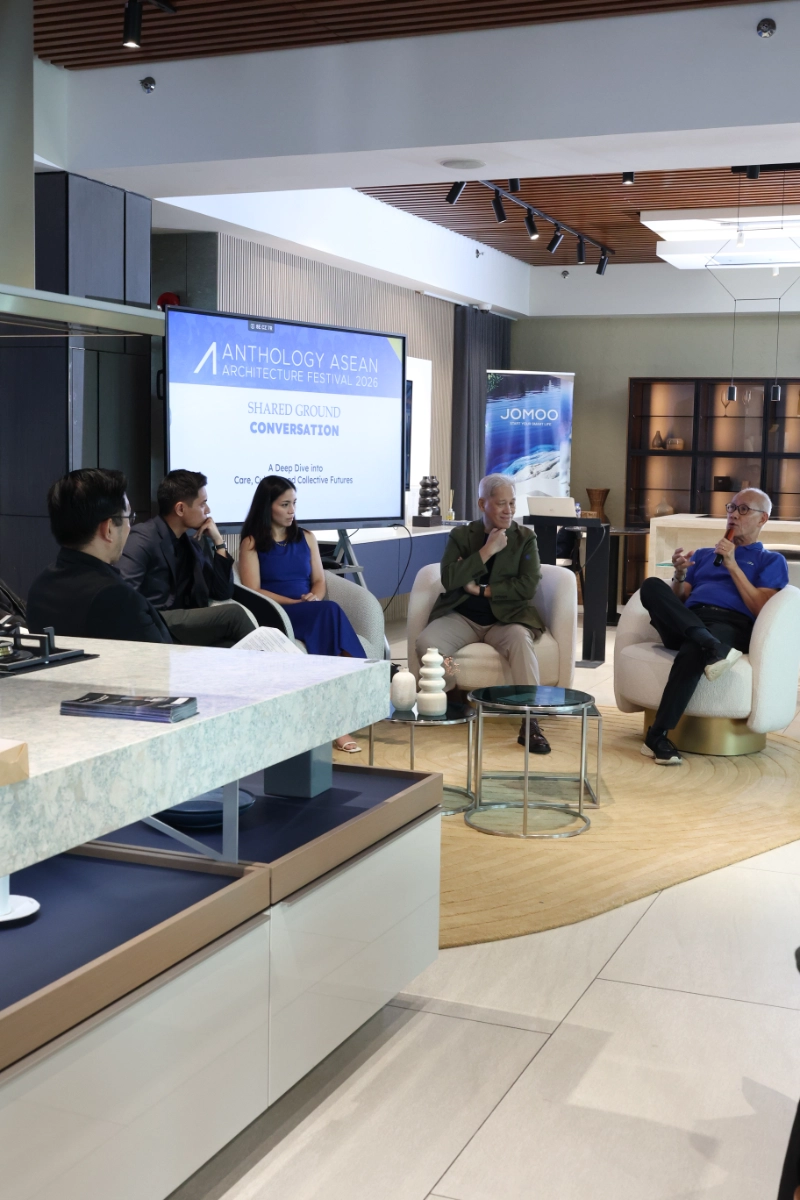
Rebecca Plaza Ti, Managing Director of WTA ArchitectureArchitectureThe art and science of designing and constructing buildings, structures, and spaces that are functional, safe, and aesthetically pleasing. It encompasses the planning, design, materials, and techniques used to createGo to Architecture Glossary and Design Studio, echoed this philosophy, highlighting that architecture should be measured successfully not just by how cost-efficient it is, but also by how it affects the people who use it. This shifts the consideration of a project beyond its physical or economic requirements and toward the experience and needs of those it is designed for.
Research and empathy are therefore part of the design process, rather than additions to it. AJ Javier of Javier Design Studio Manila emphasized this connection, describing care as the source value of empathy, or the Filipino value of malasakit.
For Mendoza, this begins with understanding the people and communities for whom a project is being designed. “Every designer needs to have a deep understanding of the community of people they’re building to,” he adds. Care, in this sense, is not only a principle applied to a finished building, but an approach that informs how designers respond to the conditions of a particular community.
If care asks architects to understand the people who inhabit a space, culture asks them to look more closely at the contexts in which those spaces are used.
Ti explains that designing for culture goes beyond architectural motifs, and should be more about how people use the space and how it impacts their lives. “Culture is really about how people interact with each other,” she says.
This understanding of culture also extends beyond the boundaries of a single project or country. Paulo Alcazaren, Head and Co-Founder of PGAA Creative Design, encourages architects and designers to look toward neighboring countries and observe the cultures they share.
In a Southeast Asian context, where histories, traditions, and ways of living often overlap, this broader view allows culture to be considered not simply as something represented in architecture, but as something experienced, exchanged, and continually shaped by people. It also reinforces the value of looking outward, where understanding architecture through the relationships between communities and cultures rather than treating each context as isolated.
This broader understanding of architectureArchitectureThe art and science of designing and constructing buildings, structures, and spaces that are functional, safe, and aesthetically pleasing. It encompasses the planning, design, materials, and techniques used to createGo to Architecture Glossary sets up the third theme of the festival, collective futures. If care calls for a deeper understanding of people, and culture calls for greater attention to shared experience, then imagining future spaces and communities also requires looking beyond the architect as a sole author.
Alcazaren explains that for cultural authorship to be fruitfully realized, it needs to stem from collaboration. “Architecture often is an individual project, but collaboration often [is] fostered by planning with the community or consulting with fellow architects and stakeholders.”
Jose Pedro “Bong” Recio, Principal Architect of RCHITECTS Inc., echoes this emphasis on understanding and collaboration, stating, “You really have to boil it down to the essentials. And once you have it recognized, that’s where you’ll establish your project. How you will design in the community will transform people’s lives for the better.”
Anthology 2026 Programming Across Intramuros
The ideas of care, culture, and collective futures extend beyond the discussions themselves, taking shape across the 2026 festival’s installations, exhibitions, dialogues, and gatherings.
Over 4,000 participants are expected to attend, joined by 128 speakers from around the world. Together, they expand Anthology’s scope as a regional platform for conversations on architecture, urbanism, and the built environment, bringing different perspectives into dialogue over the course of three days.
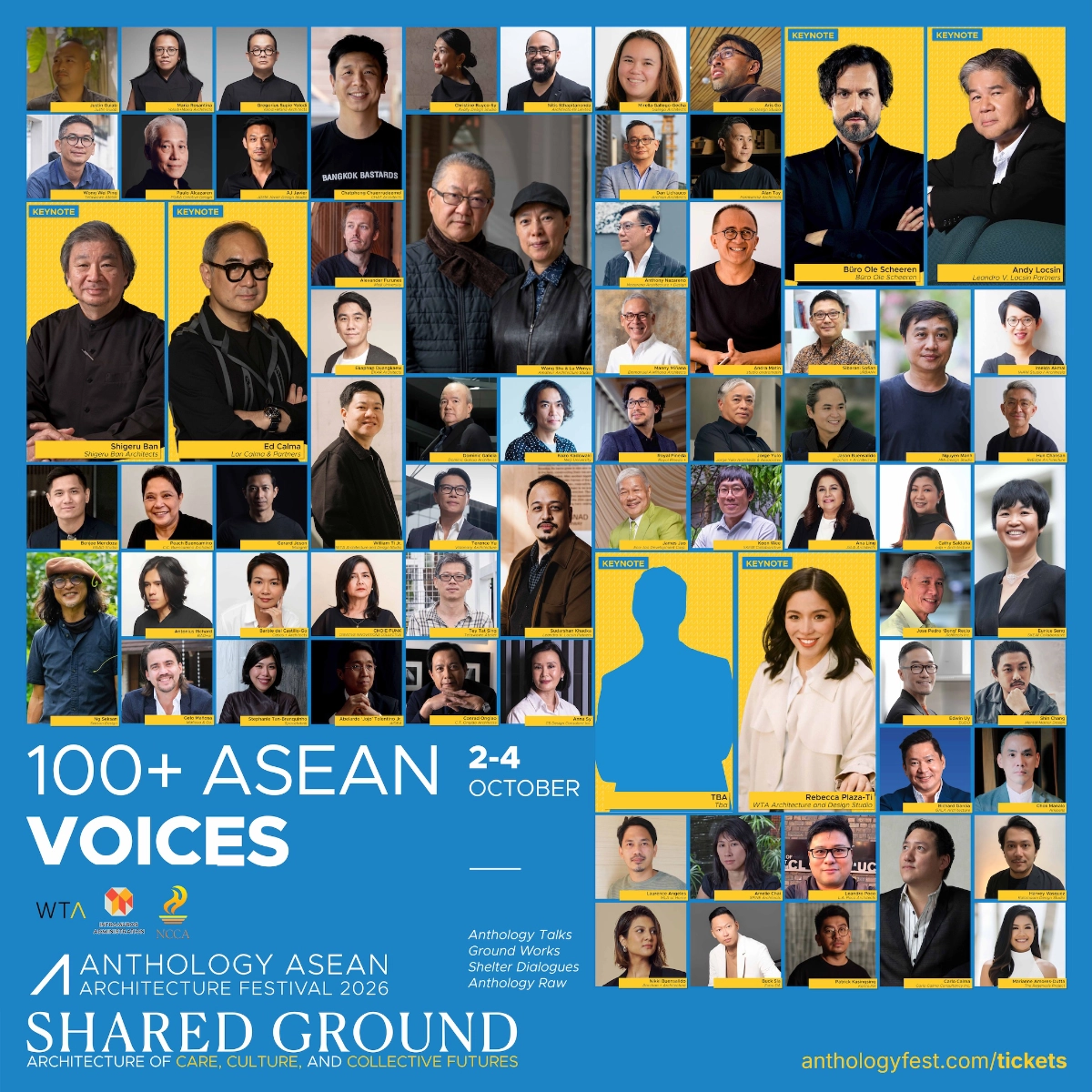
The festival unfolds through a range of programs, including Ground Works, Anthology Talks, Shelter Dialogue, Anthology Raw, Living Anthology, The Anthology Gathering, Anthology After Dark, and Shared Ground Assembly. For the first time, the festival will also take place across the whole walled city of Intramuros, with events distributed throughout the area.
The festival is no longer concentrated within a single venue, with a new format that places its conversations, installations, and gatherings within the historic fabric of the city. This also extends the experience of Anthology into the public spaces and architectural settings of Intramuros.
Related Reading: Shelter dialogue recap: Architecture as a global practice
The Anthology ASEAN ArchitectureArchitectureThe art and science of designing and constructing buildings, structures, and spaces that are functional, safe, and aesthetically pleasing. It encompasses the planning, design, materials, and techniques used to createGo to Architecture Glossary Festival will be held from October 2 to 4, 2026, with general admissions at Intramuros, Manila City, Philippines. The festival features a curated program of talk series, lectures, panel discussions, open forums, exhibitions, and interactive installations.
About Anthology ASEAN Architecture Festival
Anthology ASEAN Architecture Festival is an architecture festival founded by William Ti Jr. and organized by WTA Architecture and Design Studio. Established in 2016, the festival brings together architects, designers, and built environment practitioners through talks, lectures, exhibitions, installations, and public discussions. Over the years, Anthology has expanded its scope from a platform for architectural exchange in the Philippines to a regional forum connecting practitioners and ideas across Southeast Asia.
Frequently Asked Questions
The Anthology ASEAN Architecture Festival 2026 is a three-day architecture festival that brings together architects, designers, and built environment practitioners for talks, lectures, panel discussions, exhibitions, open forums, and interactive installations.
The festival will be held from October 2 to 4, 2026, in Intramuros, Manila City, Philippines. For the first time, events will take place across the historic walled city rather than being concentrated in a single venue.
The 2026 festival is centered on the themes “Care, Culture, and Collective Futures,” exploring how architecture can respond to communities, cultural contexts, and collective ways of shaping the built environment.
The festival features Ground Works, Anthology Talks, Shelter Dialogue, Anthology Raw, Living Anthology, The Anthology Gathering, Anthology After Dark, and Shared Ground Assembly, alongside exhibitions, lectures, panel discussions, and interactive installations.
The festival is expected to bring together more than 4,000 participants and 128 speakers from the Philippines, Southeast Asia, and other parts of the world, creating a platform for conversations around architecture, urbanism, and the built environment.
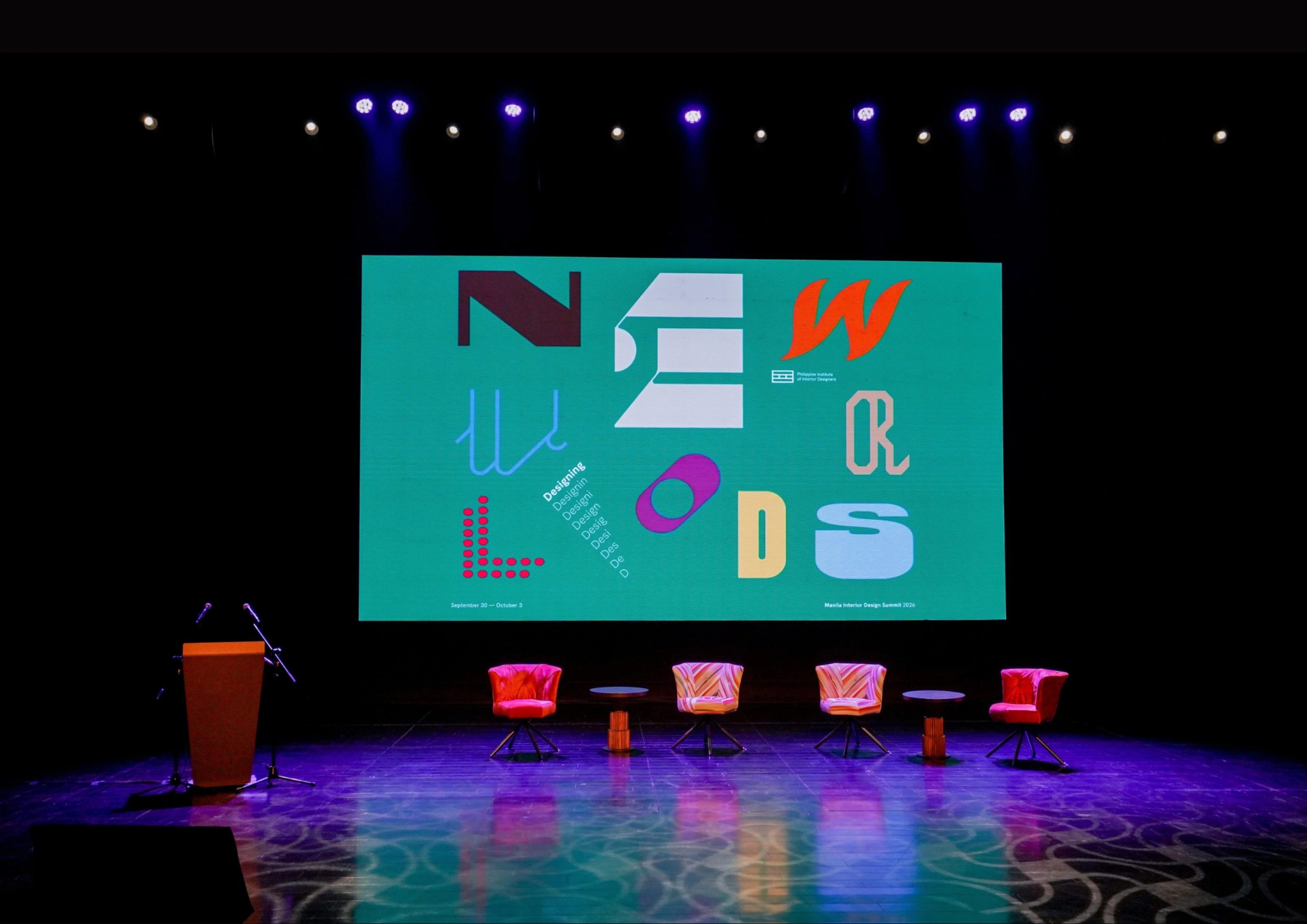
The fourth Manila Interior DesignInterior DesignThe discipline of planning and shaping interior spaces for function, comfort, safety, and beauty. It covers layout, lighting, materials, finishes, furniture, and color, and in the Philippines is a licensedGo to Interior Design Glossary Summit (MIDS) brought together more than 300 delegates for four days of conversations, exhibitions, and design […]
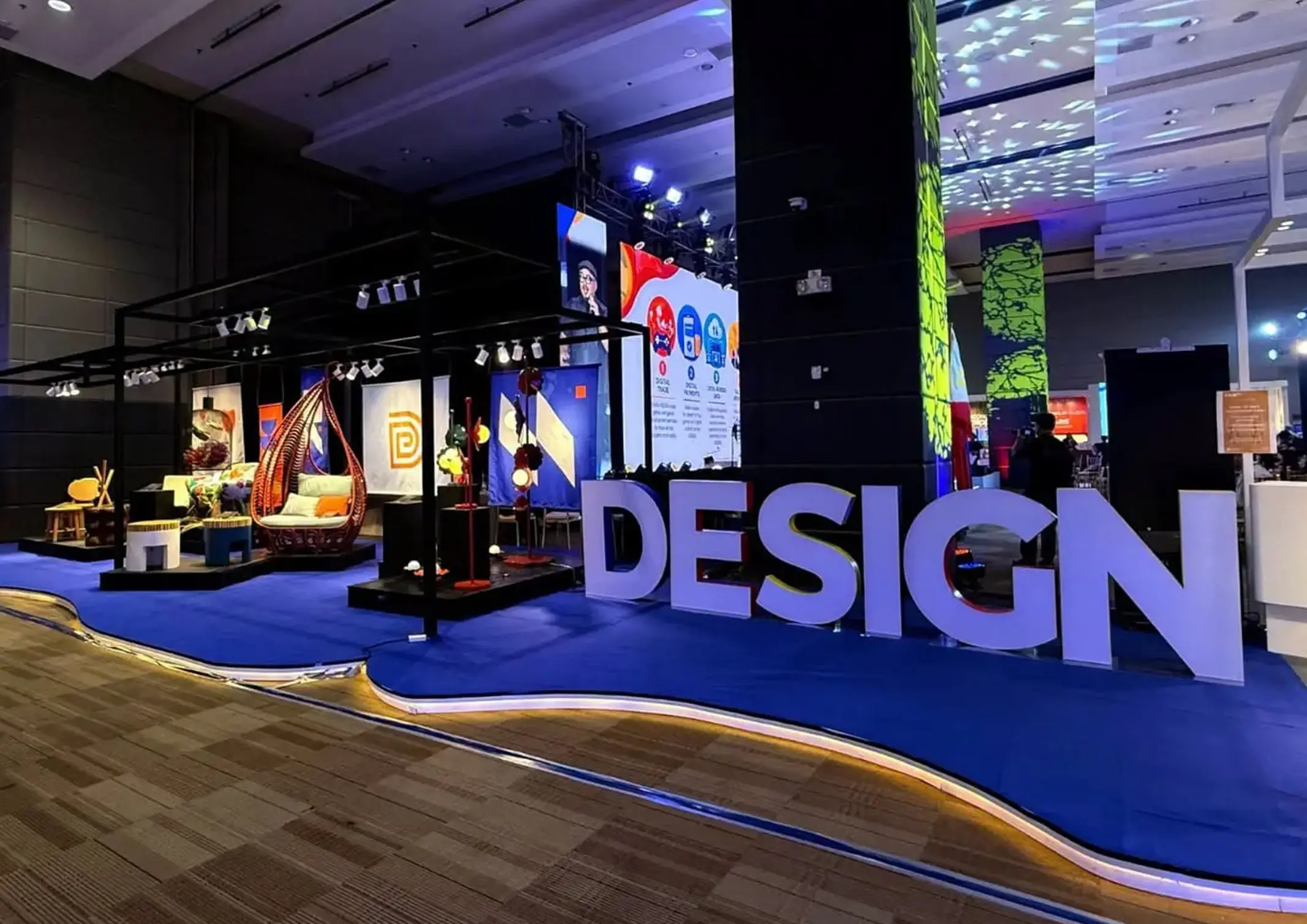
Held at the SMX Convention Center Aura in Taguig City, the first ASEAN Creative Industries Expo by Malikhaing Pinoy (ASEAN MPEx) features nine creative domains, including design, visual arts, digital interactive media, and performing arts. Organized by the Department of Trade and Industry (DTI), the event includes exhibitions, cultural performances, industry talks, and pitching sessions […]
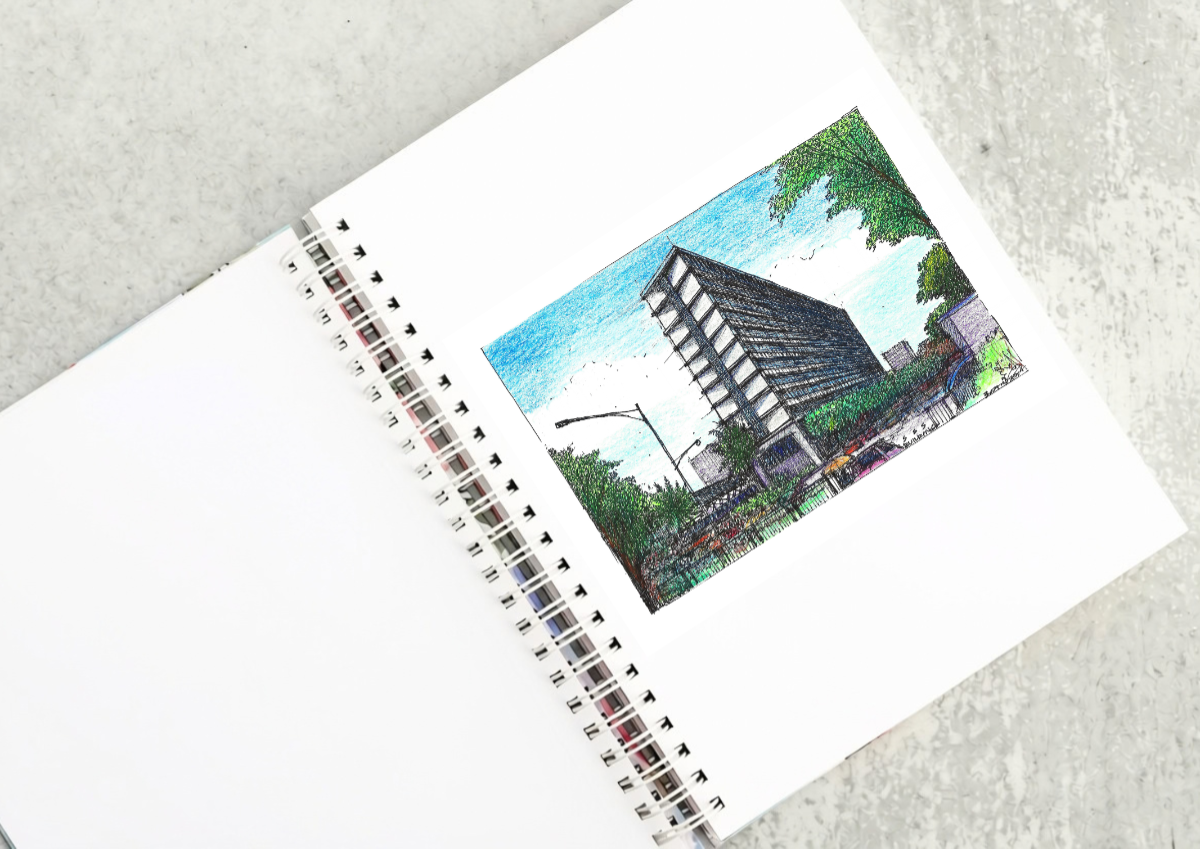
The SSS Building as an Expression of Civic Modernism My favorite modernist landmark in Quezon City is the SSS building on East Avenue. Designed by National Artist for ArchitectureArchitectureThe art and science of designing and constructing buildings, structures, and spaces that are functional, safe, and aesthetically pleasing. It encompasses the planning, design, materials, and techniques […]

Archie G. Carrasco, Chairman and CEO of AGC Power Holdings Corp. (AGC PHC), has been named to The BoF 500 Class of 2026 under the Media category, joining The Business of Fashion’s global community of individuals shaping the fashion industry. Carrasco is among 100 new members from 33 countries and 48 nationalities selected for the […]
Read the issues.

Collect the volumes.

Recommended Video
Tap to Unmute
Unmute
0:00
0:00