


How can better-planned cities create the conditions for more creative, livable, and resilient urban environments? “Makati Urban Recipes for a City’s Survival,” a colloquium held at the Ayala Museum on September 15, brought together architects and practitioners from the fields of urbanism and the creative economy to discuss how design, planning, and collaboration can address […]
How can better-planned cities create the conditions for more creative, livable, and resilient urban environments?
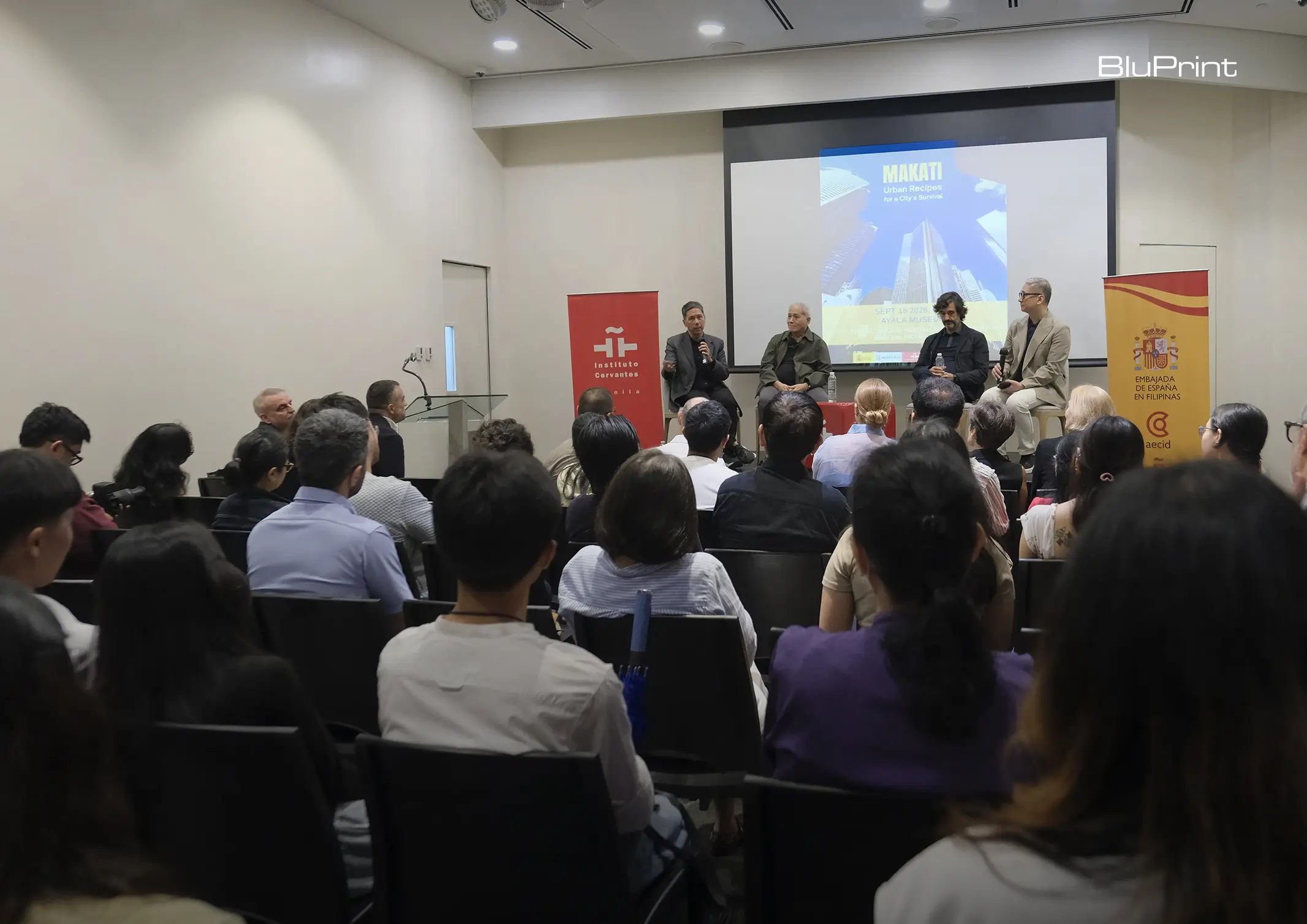
“Makati Urban Recipes for a City’s Survival,” a colloquium held at the Ayala Museum on September 15, brought together architects and practitioners from the fields of urbanism and the creative economy to discuss how design, planning, and collaboration can address the challenges facing contemporary cities. It also explored approaches to sustainable architectureArchitectureThe art and science of designing and constructing buildings, structures, and spaces that are functional, safe, and aesthetically pleasing. It encompasses the planning, design, materials, and techniques used to createGo to Architecture Glossary, public spaces, and urban resilience.
The event featured PGAA Creative Design Founder and BluPrint Editor-in-Chief Ar. Paulo Alcazaren, Creative Economy Council Founder and President Paolo Mercado, and Ecosistema Urbano Founder Ar. José Luis Vallejo in a panel discussion moderated by Ar. Mico Manalo. Their conversations examined how cities can respond to issues such as rapid urbanization, environmental pressures, and the need for more inclusive and adaptable urban environments, while considering how design and creative thinking can inform these responses.
One immediate concern emerged throughout the conversations: how existing urban environments serve the people who move through them every day.
Related Reading: The Rights to the City: Public Cities, Private Enclaves
Rethinking Philippine Cities Through Everyday Urban Experiences
Rethinking Philippine cities begins with examining how their urban environments serve the people who move through them every day. For Alcazaren, this means confronting fundamental gaps in Philippine urban planning. During his presentation, he humorously illustrated how these shortcomings manifest in everyday spaces. Sidewalks, for instance, can be obstructed by electrical posts, forcing pedestrians to walk along the road or navigate around these obstacles just to get by.
Public spaces and transportation networks present similar challenges. Roads congested with heavy traffic reflect not only the volume of vehicles but also broader gaps in urban planningUrban PlanningThe discipline of shaping how cities and towns grow, balancing land use, housing, transport, infrastructure, public space, and the environment. In rapidly urbanizing Philippine areas like Metro Manila, Cebu, andGo to Urban Planning Glossary and mobility systems. These everyday inconveniences point to a larger systemic issue.
“Traffic is just a symptom of the larger problem of not having an integrated, comprehensive, mass-transit-based transport system,” he says.
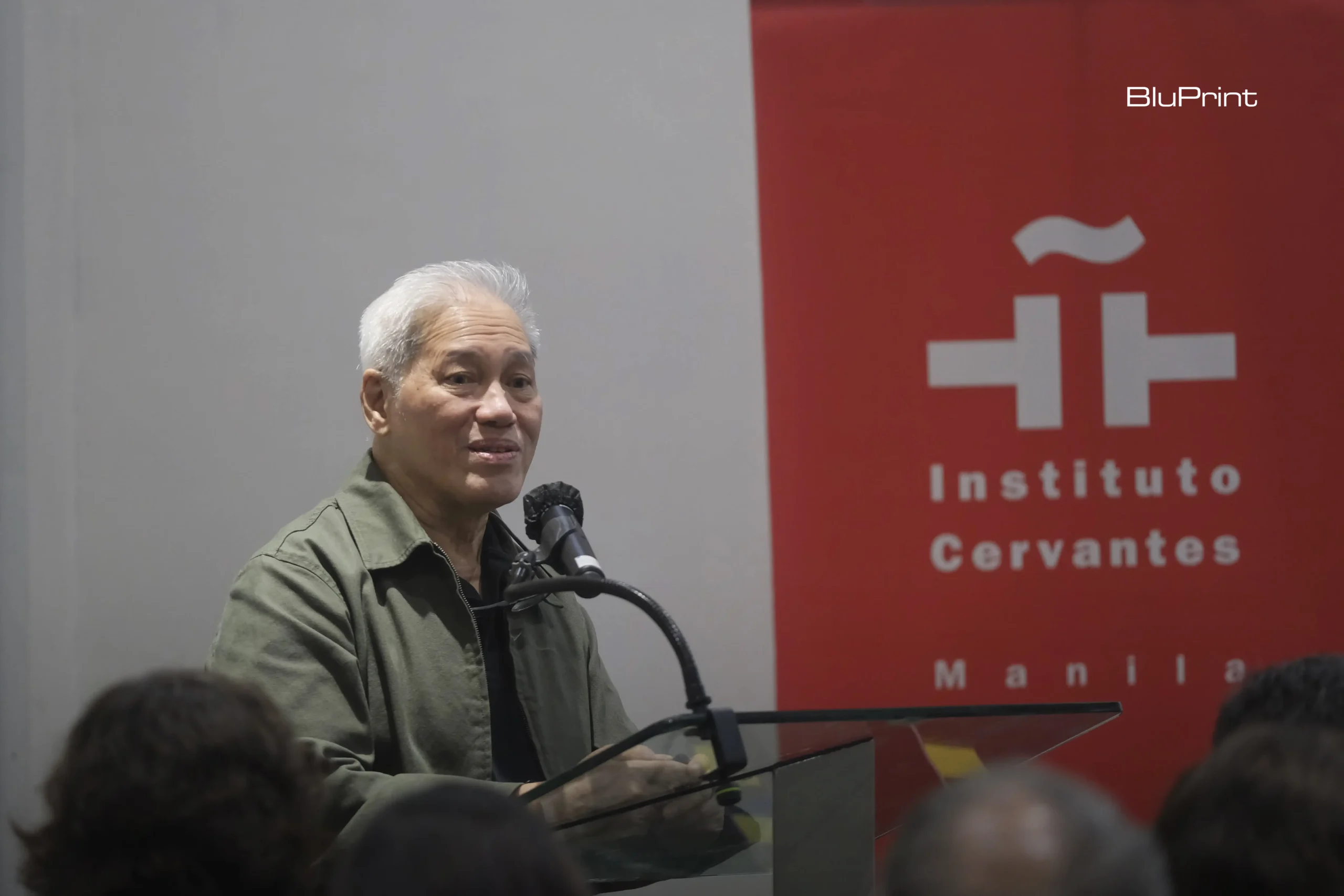
Alcazaren also pointed to how Filipinos have been encouraged to find ways to ease congestion, including through carpooling. Yet he pointed out the limitations of solutions that focus primarily on individual behavior: during heavy typhoons, some cars may even end up flooded, leaving them unable to get from point A to point B.
Making Makati more people-friendly also means looking at spaces that already exist but remain underused. He cited proposals to transform leftover urban spaces, including areas around Plaza Cristo Rey and Polaris, into open and civic spaces that could connect different parts of the city. These interventions build on the broader experience of pedestrianization and placemaking in Makati, where streets and intersections have been retrofitted to make walking more comfortable and accessible.
But beyond improving mobility, these spaces can also support another aspect of urban life: the formation of creative communities. Some of Makati’s most interesting places, Alcazaren observed, are emerging not from its newest high-rises, but from older buildings and lower-rent spaces adapted into studios, galleries, cafés, and other creative hubs.
Building Creative Communities Through Urban Spaces
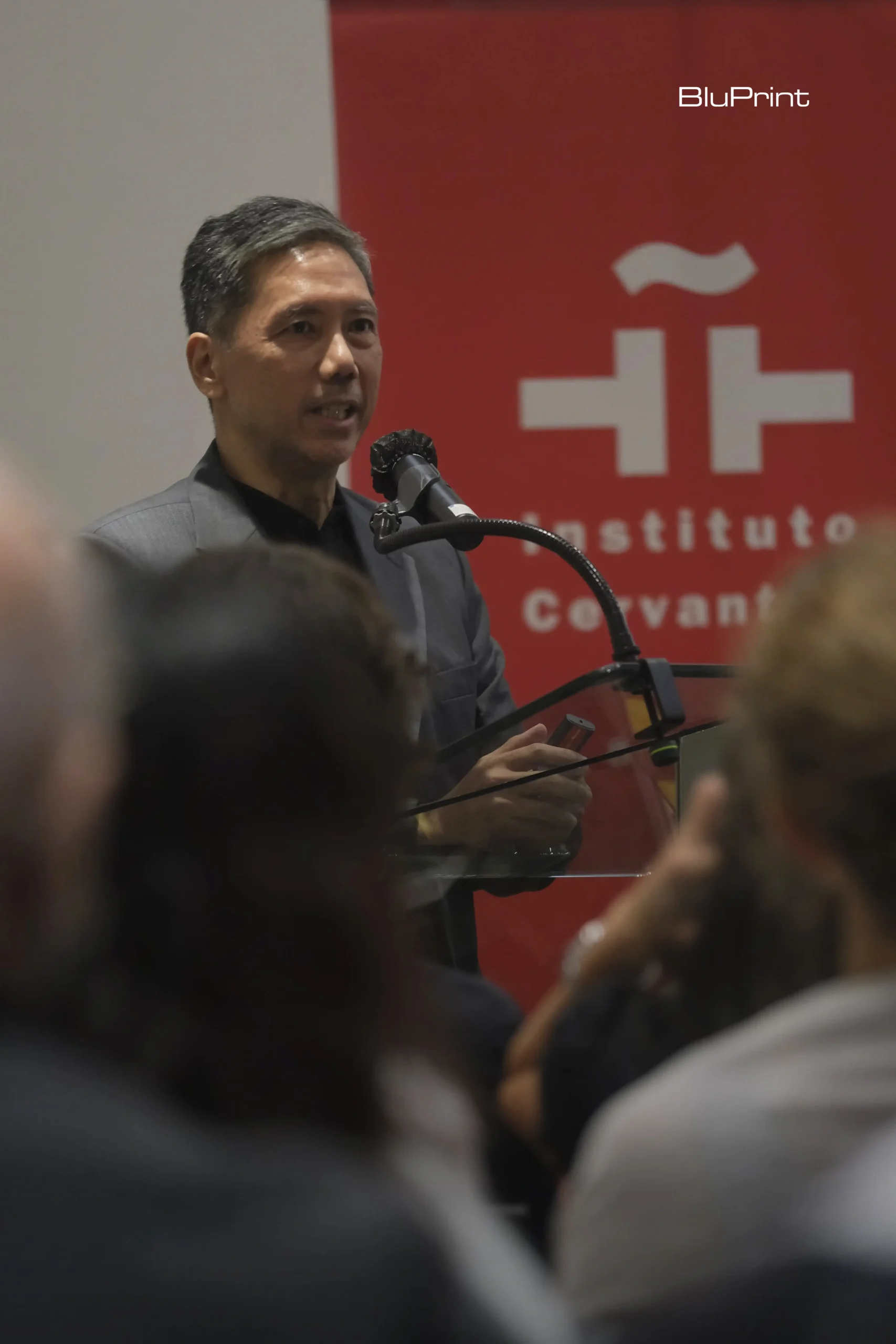
The relationship between urban spaces and creative activity also emerged in Paolo Mercado’s discussion of the creative economy. As founder and president of the Creative Economy Council, Mercado works to advance the role of creative industries in the country’s economic and urban development. The council supports the growth of creative communities and explores how cities can create environments where creative industries can connect and thrive.
This perspective is particularly relevant to the discourse of how cities can create spaces for creative activity. Mercado noted that the Philippines is already home to five cities in the UNESCO Creative Cities Network: Baguio, Cebu City, Iloilo City, Quezon City, and Dumaguete. The global network promotes cooperation among cities that recognize culture and creativity as drivers of sustainable urban development.
The Creative Economy Council, Mercado said, is looking to expand this network. Yet while the Philippines has cities recognized for their creative potential, it has yet to establish formal creative zones—districts that strategically cluster creative industries and related activities to support economic and urban development.
This connects with Alcazaren’s observation that creative communities often emerge in existing buildings and lower-rent spaces. Together, their presentations point to a broader question for Philippine cities: how can urban planning create the physical conditions for creative communities to emerge, connect, and thrive?
Related Reading: Reimagining the heart of Manila through the visions of our future architects
Designing Cities With, Not Only For, People
While Alcazaren and Mercado highlighted the physical and economic conditions that can support urban and creative life, Vallejo offered another way of looking at urban transformation: not only through what is built, but through how people participate in shaping it.
As founder of Ecosistema Urbano, Vallejo described the firm’s approach as “urban social design,” where architectureArchitectureThe art and science of designing and constructing buildings, structures, and spaces that are functional, safe, and aesthetically pleasing. It encompasses the planning, design, materials, and techniques used to createGo to Architecture Glossary and urbanism are developed alongside social processes. Rather than designing spaces only for people, he emphasized the importance of transforming them with people.
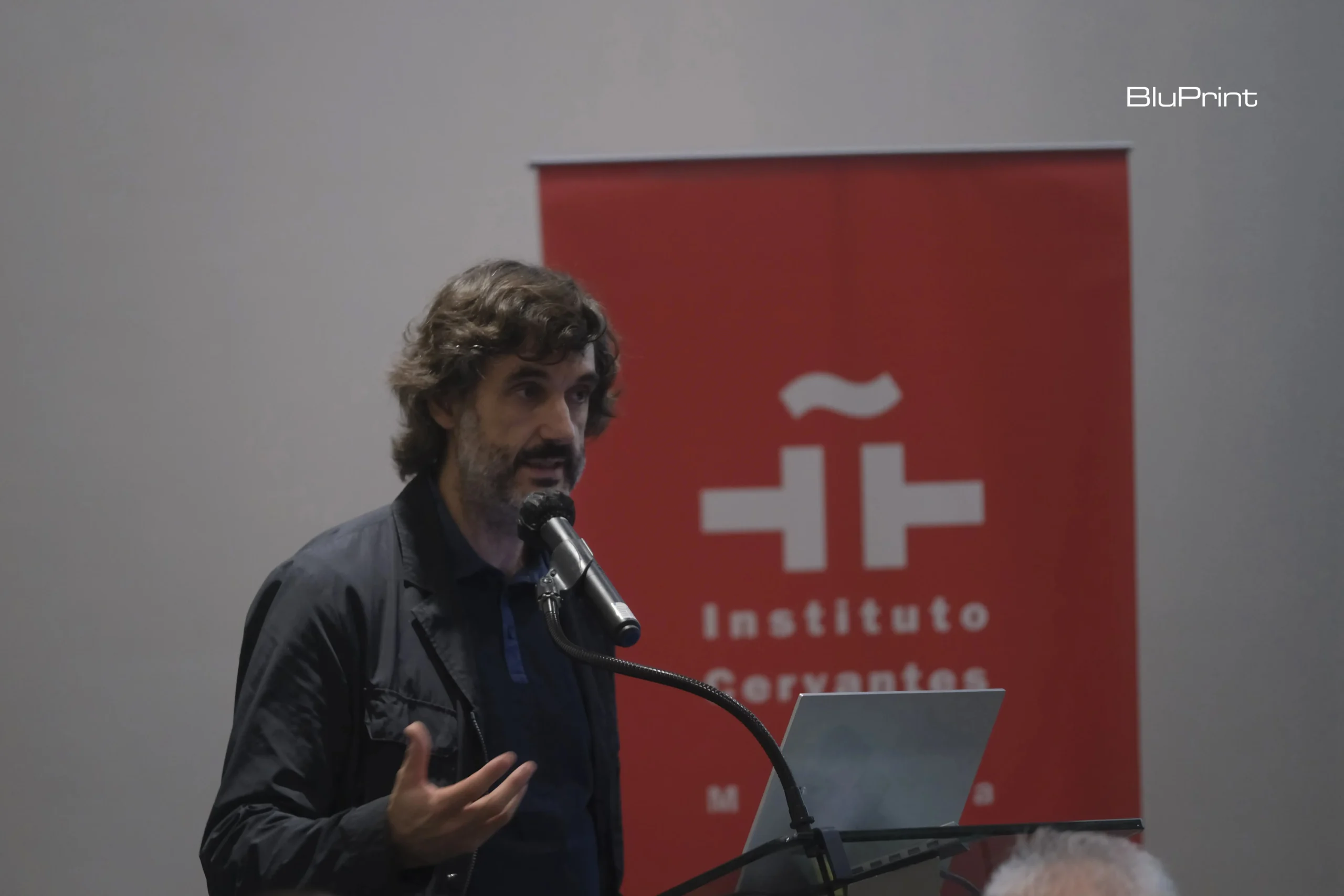
One example he presented was Dreamhamar, a project that transformed a parking area in Hamar, Norway, into a civic space. The team established a temporary physical lab on site where residents could meet, exchange ideas, and participate in the design process. Public events and creative interventions allowed people to test ideas at full scale, while graffiti artists helped transform the parking area and existing stones were repurposed as benches. Over several months, these activities informed the permanent redesign of the square into a flexible “social ring” that could function as an auditorium, a play space, and an ice rink during winter.
For Vallejo, the project demonstrates how urban spaces can become social hubs through a process that combines design, participation, and creativity. His projects suggest that transformation does not always have to begin with large-scale construction; existing buildings, streets, and leftover spaces can also be activated to create new possibilities for public life.
In the context of Philippine cities, where underused spaces and gaps in public infrastructure coexist with active communities and creative networks, this approach offers a different way to consider urban transformation. The challenge—and possibility—may lie in adapting these ways of involving communities in the design process to local conditions, allowing people to help determine how existing spaces can serve as civic, cultural, and creative places.
Reconnecting the City
The roundtable discussion returned to a question at the heart of the colloquium: how can cities evolve without losing the people, places, and memories that give them character? Vallejo emphasized the importance of working with what already exists rather than trying to create new cities from scratch, while Alcazaren pointed to Makati’s historic buildings, pedestrian networks, and connection to the Pasig River as opportunities to reconnect the city with its past.
The discussion also brought participation into focus. Alcazaren cited projects such as the Iloilo Esplanade, Naga’s urban planningUrban PlanningThe discipline of shaping how cities and towns grow, balancing land use, housing, transport, infrastructure, public space, and the environment. In rapidly urbanizing Philippine areas like Metro Manila, Cebu, andGo to Urban Planning Glossary workshops, and Pasig’s floating parks, where stakeholder consultations helped shape the design and implementation of public spaces. These examples suggest that public participation can move beyond consultation as a formality and become part of how urban spaces are designed, tested, and adapted.
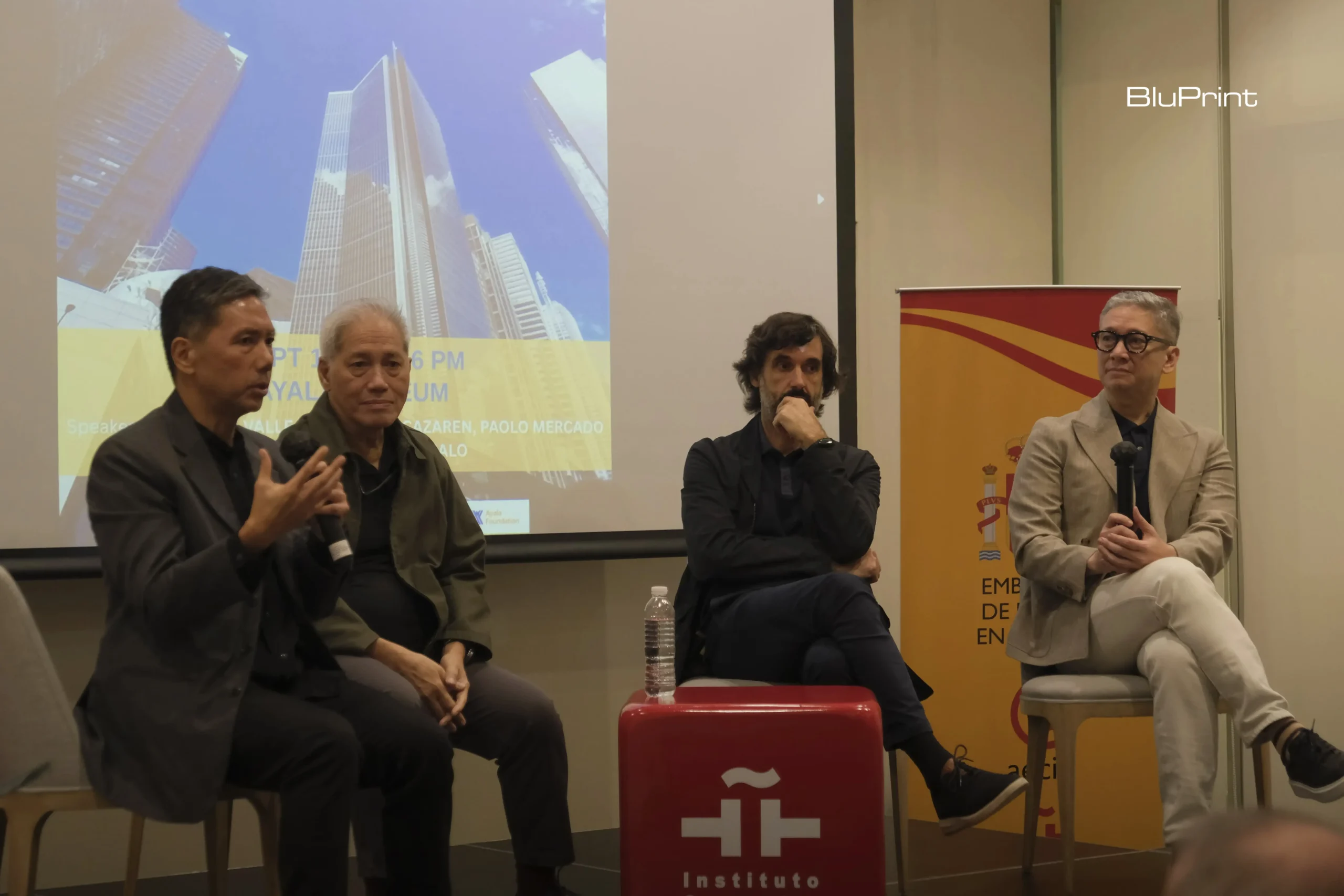
For Mercado, this also means creating public spaces that encourage people to use and share the city. He pointed to the role of active streets and public spaces in creating safer and more vibrant urban environments, while Alcazaren argued for bringing back plazas and other shared spaces where people from different social groups can interact.
Across the discussions, the city emerges not as a fixed collection of buildings and infrastructure, but as an evolving network of spaces, communities, and relationships. For Philippine cities, the question may be less about starting over and more about how existing places can be reconnected, adapted, and shaped with the people who already call them home.
“Makati Urban Recipes for a City’s Survival” is a colloquium organized by Instituto Cervantes, the Embassy of Spain in the Philippines, and the Spanish Agency for International Development Cooperation (AECID), in collaboration with the Ayala Museum and Ayala Foundation.
Related Reading: Resilience by Design: The CWC Design Center and the Urban Land Institute Philippines Discuss Strengthening Cities, Buildings, and Communities
Photographed by Ed Simon.
About Instituto Cervantes
Instituto Cervantes is a Spanish public institution dedicated to promoting the teaching of Spanish and the dissemination of Spanish and Hispanic cultures worldwide. Through cultural programs, exhibitions, conferences, and other initiatives, it fosters cultural exchange and dialogue between Spain and other countries, including the Philippines.
Frequently Asked Questions
The colloquium explored how urban planning, design, and creative collaboration can address challenges facing contemporary cities. Speakers discussed issues such as pedestrian infrastructure, traffic congestion, underused public spaces, creative communities, and participatory approaches to urban development.
Paulo Alcazaren highlighted gaps in pedestrian infrastructure, integrated mass transportation, and accessible public spaces. He pointed to obstructed sidewalks and traffic congestion as examples of how broader planning issues affect everyday urban life.
According to Alcazaren, underused spaces and older, lower-rent buildings can be adapted into studios, galleries, cafés, and other creative hubs. These spaces can support creative activity while giving existing urban areas new civic and cultural uses.
Creative zones are districts that cluster creative industries and related activities to support economic and urban development. At the colloquium, Paolo Mercado discussed the Philippines’ five cities in the UNESCO Creative Cities Network and the potential to expand creative activity through more formal creative zones.
Dreamhamar is a project in Hamar, Norway, that transformed a parking area into a civic space through community participation. Ecosistema Urbano established a temporary on-site lab and organized public activities to gather ideas from residents, helping shape the square’s redesign as a flexible social space for events, play, and seasonal activities.
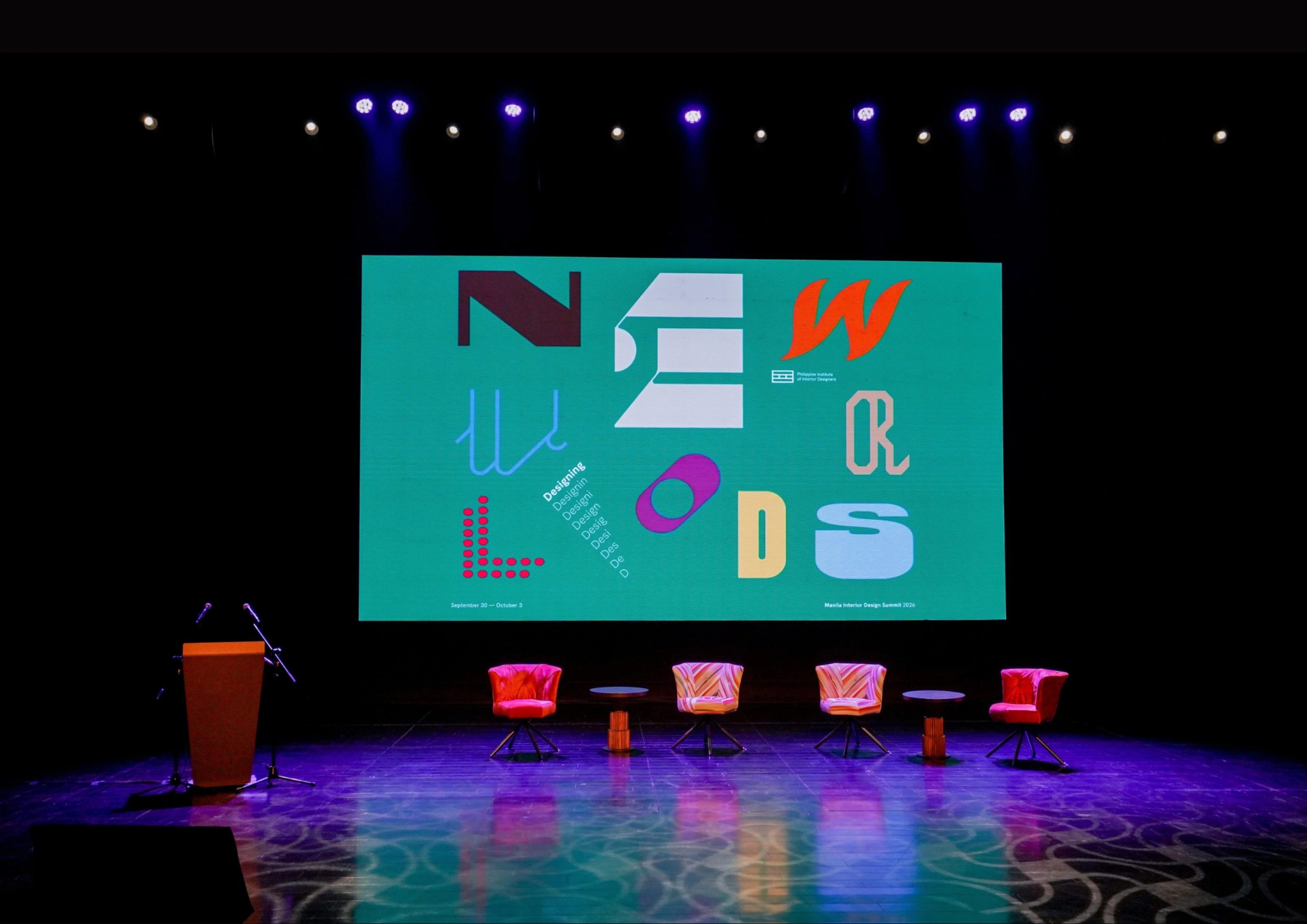
The fourth Manila Interior DesignInterior DesignThe discipline of planning and shaping interior spaces for function, comfort, safety, and beauty. It covers layout, lighting, materials, finishes, furniture, and color, and in the Philippines is a licensedGo to Interior Design Glossary Summit (MIDS) brought together more than 300 delegates for four days of conversations, exhibitions, and design […]
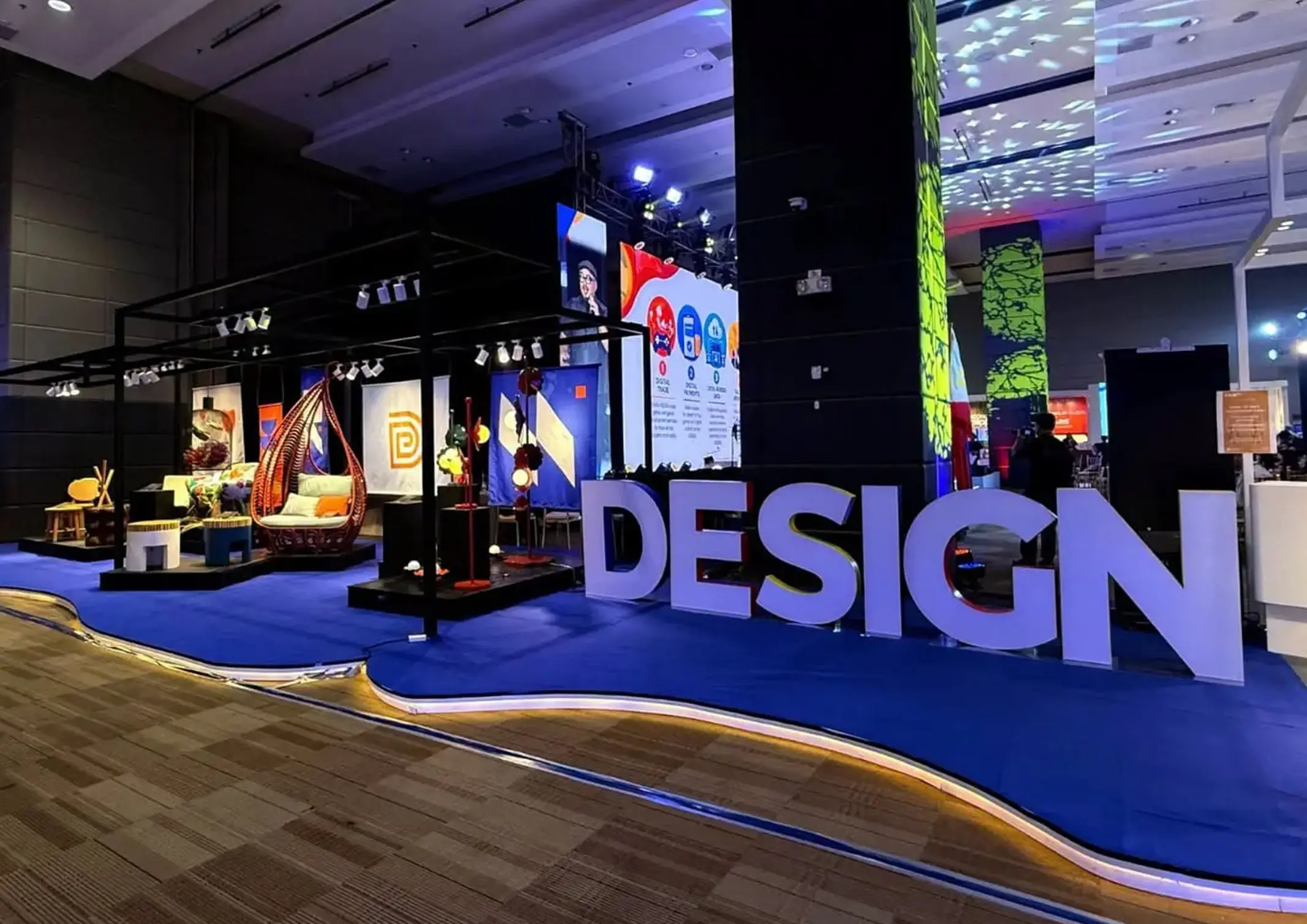
Held at the SMX Convention Center Aura in Taguig City, the first ASEAN Creative Industries Expo by Malikhaing Pinoy (ASEAN MPEx) features nine creative domains, including design, visual arts, digital interactive media, and performing arts. Organized by the Department of Trade and Industry (DTI), the event includes exhibitions, cultural performances, industry talks, and pitching sessions […]
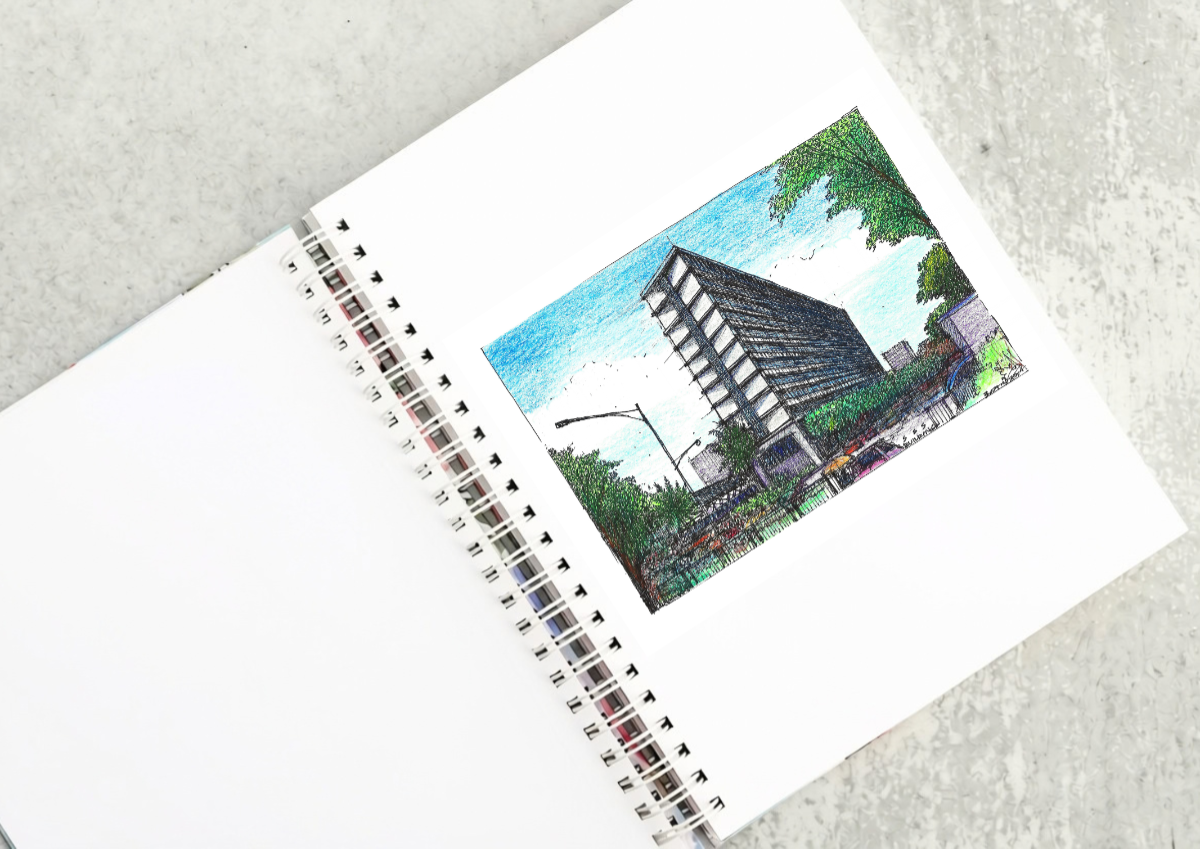
The SSS Building as an Expression of Civic Modernism My favorite modernist landmark in Quezon City is the SSS building on East Avenue. Designed by National Artist for ArchitectureArchitectureThe art and science of designing and constructing buildings, structures, and spaces that are functional, safe, and aesthetically pleasing. It encompasses the planning, design, materials, and techniques […]

Archie G. Carrasco, Chairman and CEO of AGC Power Holdings Corp. (AGC PHC), has been named to The BoF 500 Class of 2026 under the Media category, joining The Business of Fashion’s global community of individuals shaping the fashion industry. Carrasco is among 100 new members from 33 countries and 48 nationalities selected for the […]
Read the issues.

Collect the volumes.

Recommended Video
Tap to Unmute
Unmute
0:00
0:00