


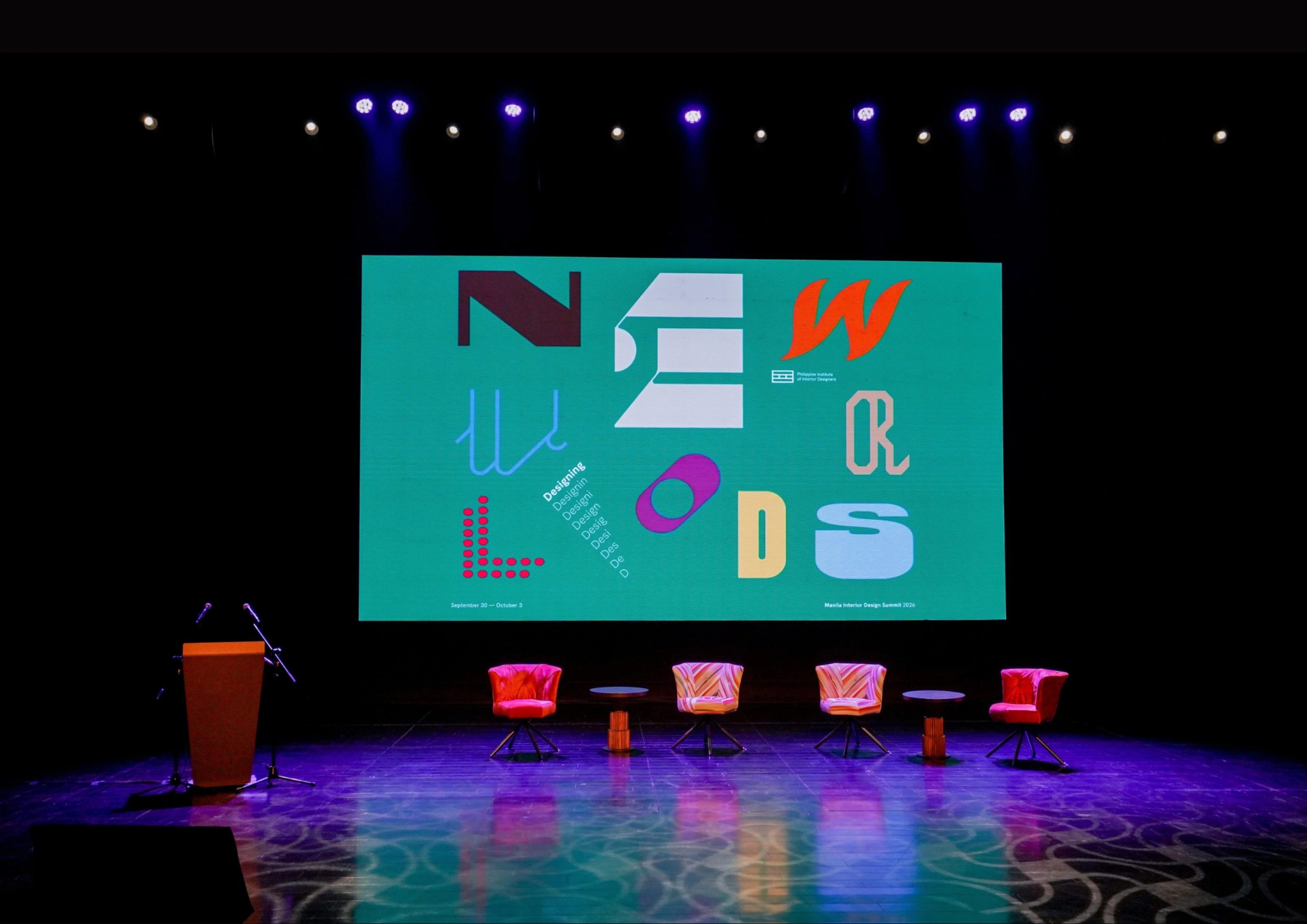
The fourth Manila Interior DesignInterior DesignThe discipline of planning and shaping interior spaces for function, comfort, safety, and beauty. It covers layout, lighting, materials, finishes, furniture, and color, and in the Philippines is a licensedGo to Interior Design Glossary Summit (MIDS) brought together more than 300 delegates for four days of conversations, exhibitions, and design […]
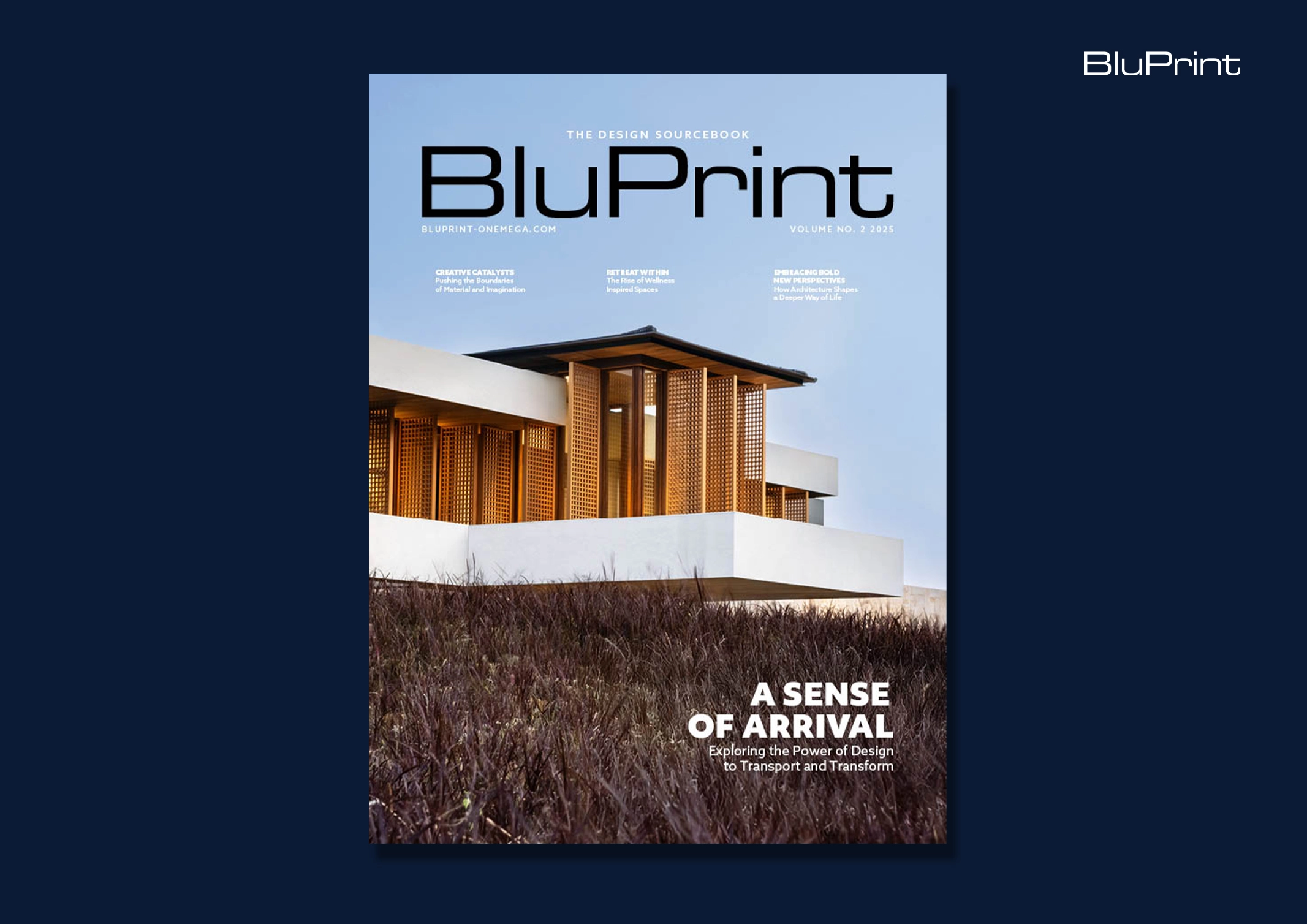
What makes a place a destination? It isn’t merely distance, but a profound sense of arrival—a feeling of being transported, whether to a remote cliffside sanctuary or a quiet corner within the city. BluPrint Volume 2, 2025 embarks on a journey to discover these remarkable spaces, exploring projects that are designed not just to be occupied, but to be experienced.
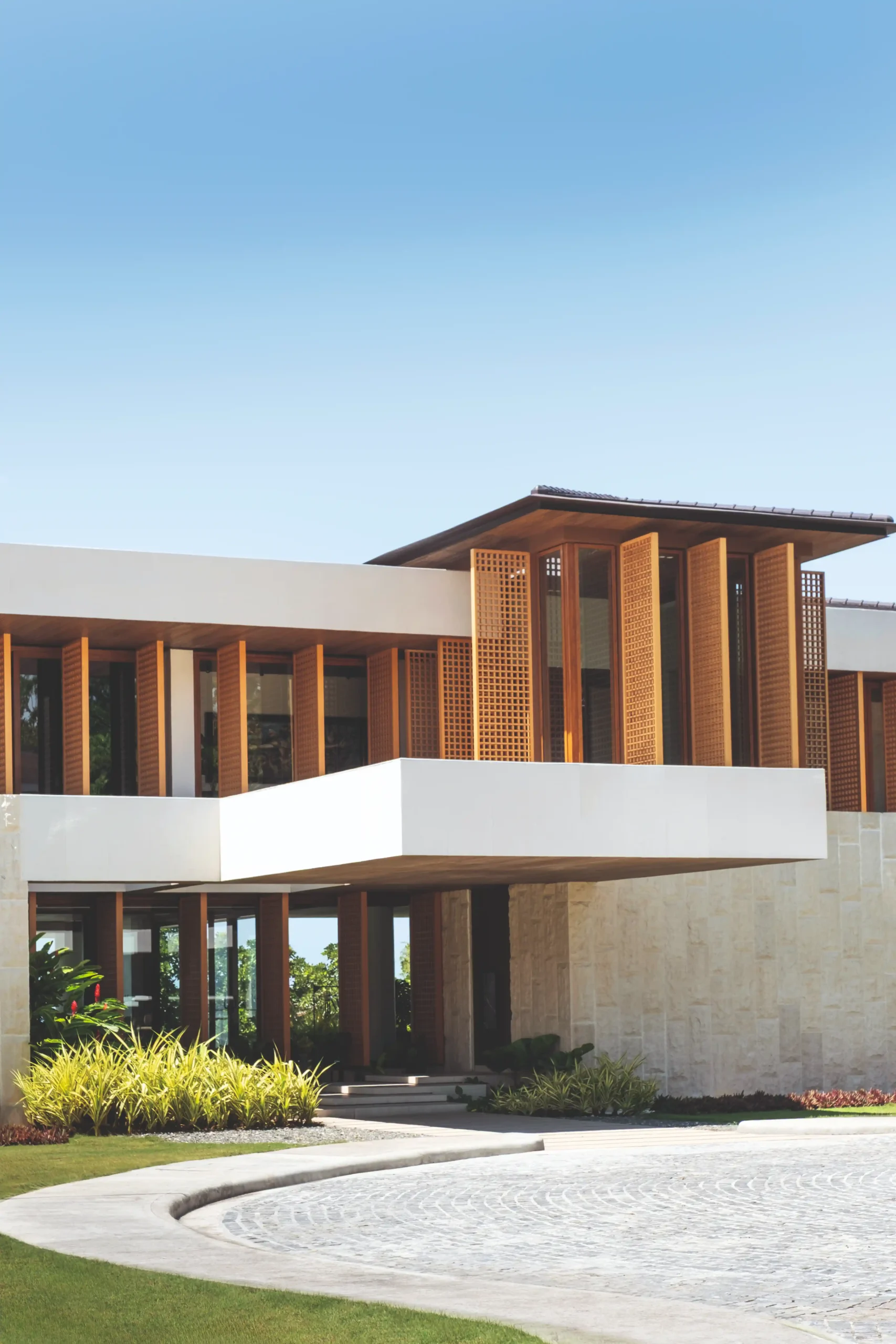
Leading the exploration is our cover story, “A Sense of Arrival,” featuring a breathtaking cliffside retreat in Samal Island by architect Anthony Nazareno. Masterfully integrated with its rugged coastal landscape, the villa serves as the ultimate sanctuary, where architectureArchitectureThe art and science of designing and constructing buildings, structures, and spaces that are functional, safe, and aesthetically pleasing. It encompasses the planning, design, materials, and techniques used to createGo to Architecture Glossary and nature become one, offering solace with panoramic views of the Davao Gulf.
The issue travels onward to showcase other escapes from the everyday. In the cool climes of Tagaytay, we step inside a boutique hotel where eight carefully curated rooms, each with a unique personality, offer an intimate and bespoke form of luxury. Down south in Laiya, Batangas, a sprawling clubhouse by Barchan + ArchitectureArchitectureThe art and science of designing and constructing buildings, structures, and spaces that are functional, safe, and aesthetically pleasing. It encompasses the planning, design, materials, and techniques used to createGo to Architecture Glossary proves that the best structures don’t impose on the environment but defer to it, seamlessly blending with the sand and sea to create a destination in perfect harmony with its locale.
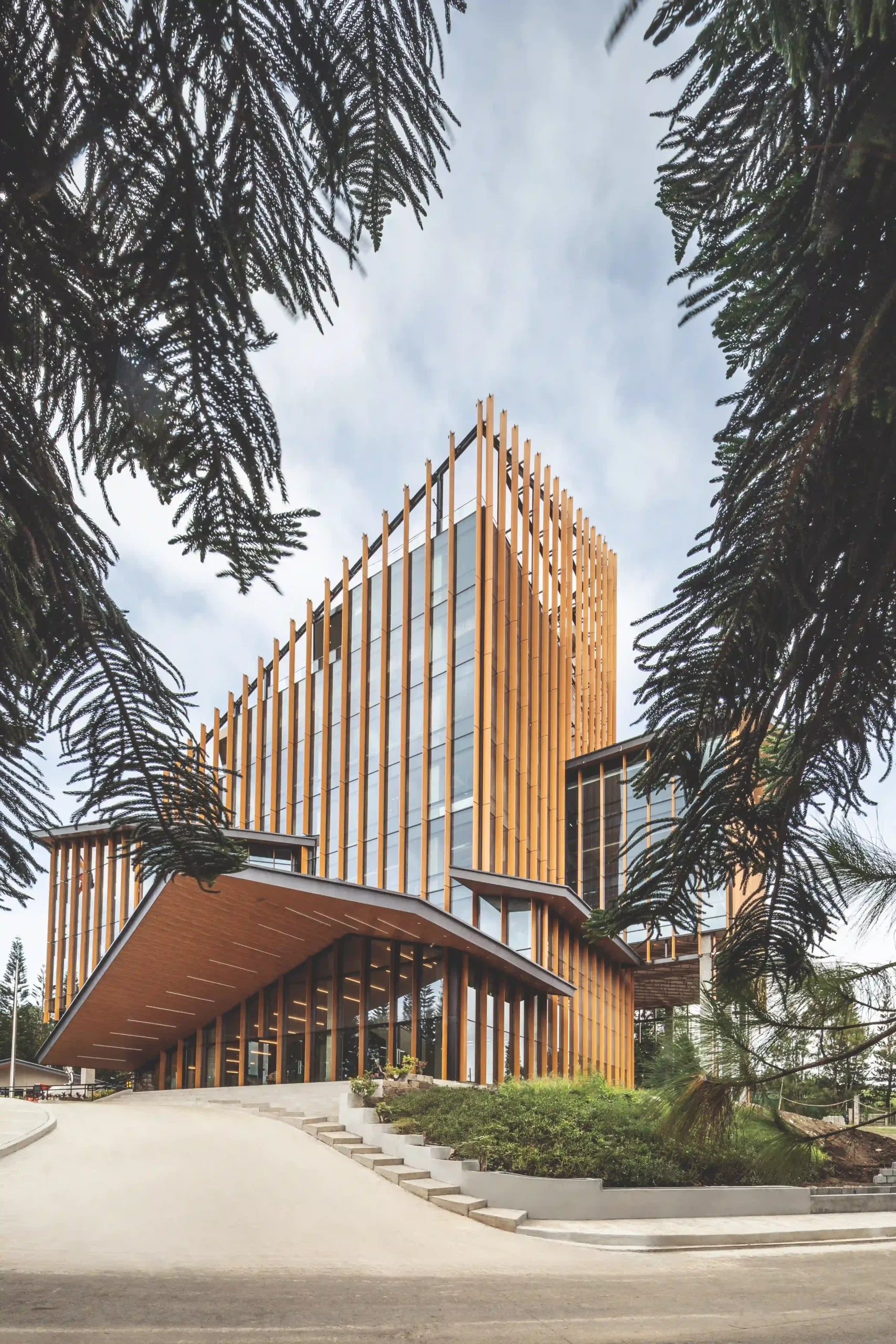
Yet, a destination need not be a remote escape. BluPrint also examines how thoughtful design can create sanctuaries and landmarks within our communities. We look at the new Tagaytay City Hall, a civic building designed to celebrate its natural surroundings while championing transparency in governance through its very form. In the heart of the metro, we uncover urban retreats that provide quiet refuge and tranquility for their residents, proving that sanctuary is a state of mind designed into a space.
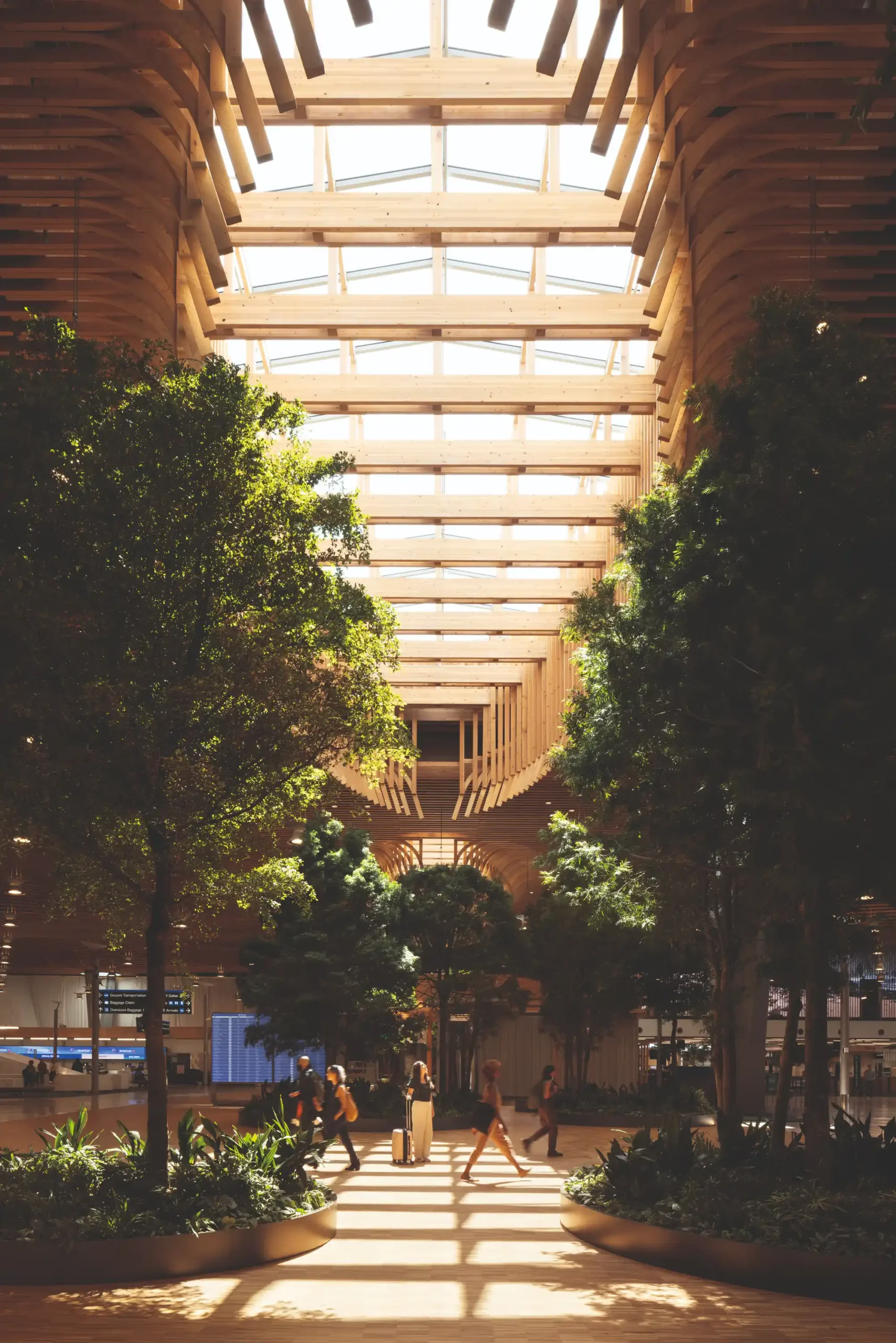
Taking this vision to the global stage, we feature the monumental revitalization of the Portland International Airport, a project co-designed by Filipino architect Gene Sandoval. The design remarkably espouses the value of Bayanihan—the Filipino spirit of communal unity—translating a core cultural concept into a world-class public space.
Finally, we bring the journey home. A special trends feature shows you how to transform your personal space into a destination for wellness, curating a sense of sanctuary with a few choice pieces that nourish the spirit.
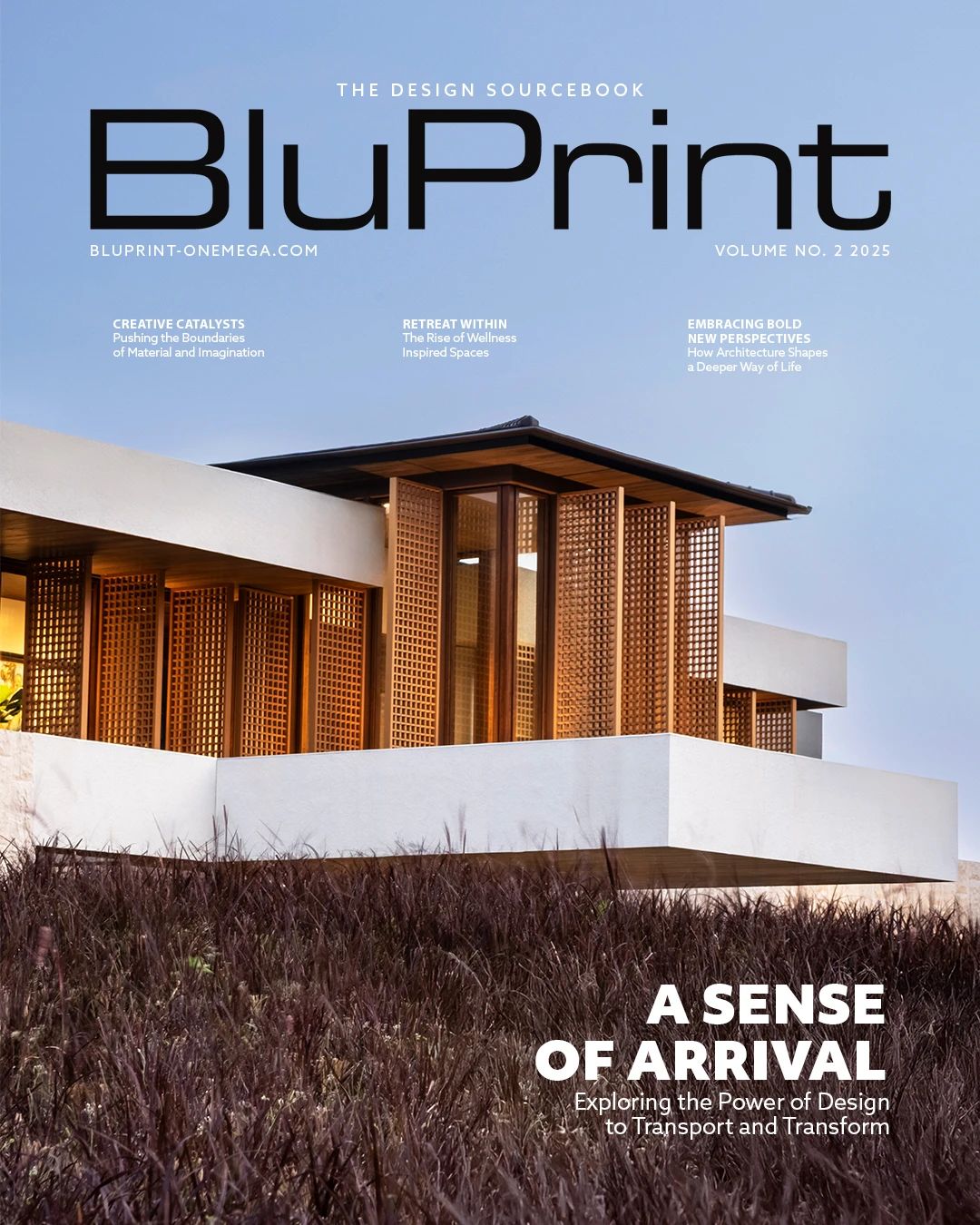
Embark on a journey through these inspiring spaces by ordering your copy of BluPrint Volume 2, 2025 at Sari Sari Shopping, Shopee, and Lazada. E-magazines are also available for download here or through Readly, Press Reader, and Magzter.
Dive into the captivating world of architectureArchitectureThe art and science of designing and constructing buildings, structures, and spaces that are functional, safe, and aesthetically pleasing. It encompasses the planning, design, materials, and techniques used to createGo to Architecture Glossary, interiors, and arts & culture by getting exclusive digital access to BluPrint’s past and upcoming issues. Click here to find out more.
Read more: BluPrint Celebrates 25 Years with “Design Conversations”
Frequently Asked Questions
A sense of arrival is a profound feeling of being transported, where the architecture serves as a transition from the everyday into a specific experience or sanctuary. In projects like Anthony Nazareno’s cliffside villa in Samal, this is achieved by masterfully integrating the structure with the rugged coastal landscape. The design ensures that the moment one enters the space, the panoramic views and natural elements provide an immediate sense of solace and connection to the environment.
Civic buildings, such as the new Tagaytay City Hall, use their physical form to reflect the values of the community and the state. By designing structures that prioritize open layouts and celebrate their natural surroundings, architects create an atmosphere of accessibility rather than intimidation. This approach translates the abstract concept of transparent governance into a literal architectural landmark that is grounded in its locale and open to the public it serves.
The revitalization of the Portland International Airport, co-designed by Filipino architect Gene Sandoval, proves that cultural concepts like Bayanihan can be translated into world-class public spaces. By emphasizing communal unity and shared experiences, the design creates a sense of belonging for travelers, showing that architecture can act as a global bridge for cultural identity. This project highlights how regional values of teamwork and support can inform the functionality and feeling of a major transportation hub.
In the heart of a busy city, destination architecture focuses on creating “urban retreats” that provide a state of mind rather than physical distance. These sanctuaries use thoughtful interior design and spatial planning to offer quiet refuge and tranquility amidst urban noise. By curating specific zones for wellness and nourishment of the spirit, a resident’s personal home can be transformed into a destination that provides the same restorative benefits as a remote cliffside escape.
In coastal areas like Laiya, Batangas, successful destination architecture “defers” to the environment rather than imposing on it. This involves using organic materials and low-profile silhouettes that follow the natural lines of the sand and sea. By seamlessly blending the clubhouse with its surroundings, the architecture ensures that the landscape remains the primary focus, creating a destination that feels like a natural extension of the beach rather than a foreign addition.

Archie G. Carrasco, Chairman and CEO of AGC Power Holdings Corp. (AGC PHC), has been named to The BoF 500 Class of 2026 under the Media category, joining The Business of Fashion’s global community of individuals shaping the fashion industry. Carrasco is among 100 new members from 33 countries and 48 nationalities selected for the […]
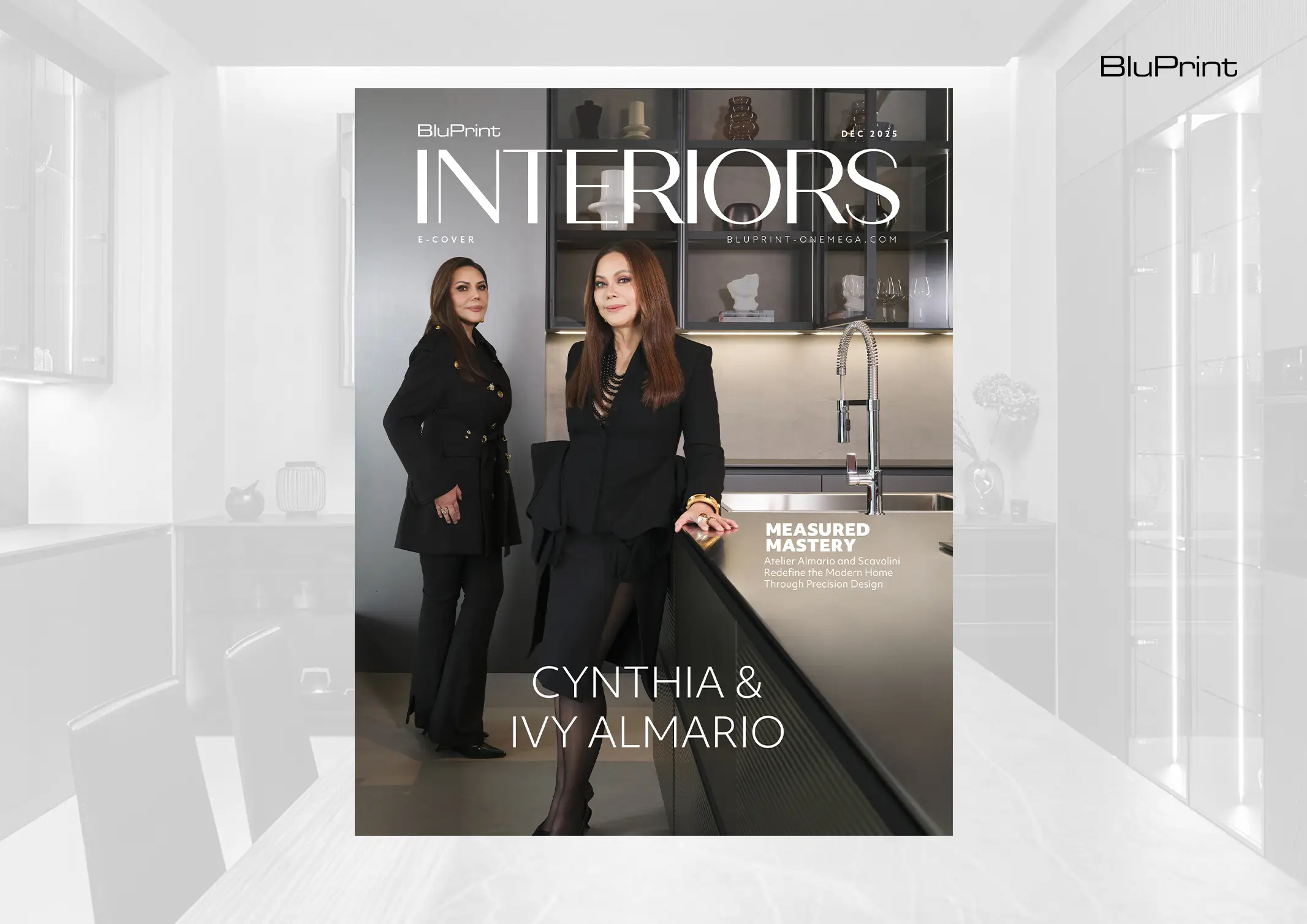
Atelier Almario, led by powerhouse siblings Ivy and Cynthia Almario, have the vision of fully realizing the design of your dream home. Their dedication and expertise are seen with every decision they make, from the basic measurements that allow a space to be harnessed efficiently, to their use of trusted companies like the Italian design […]
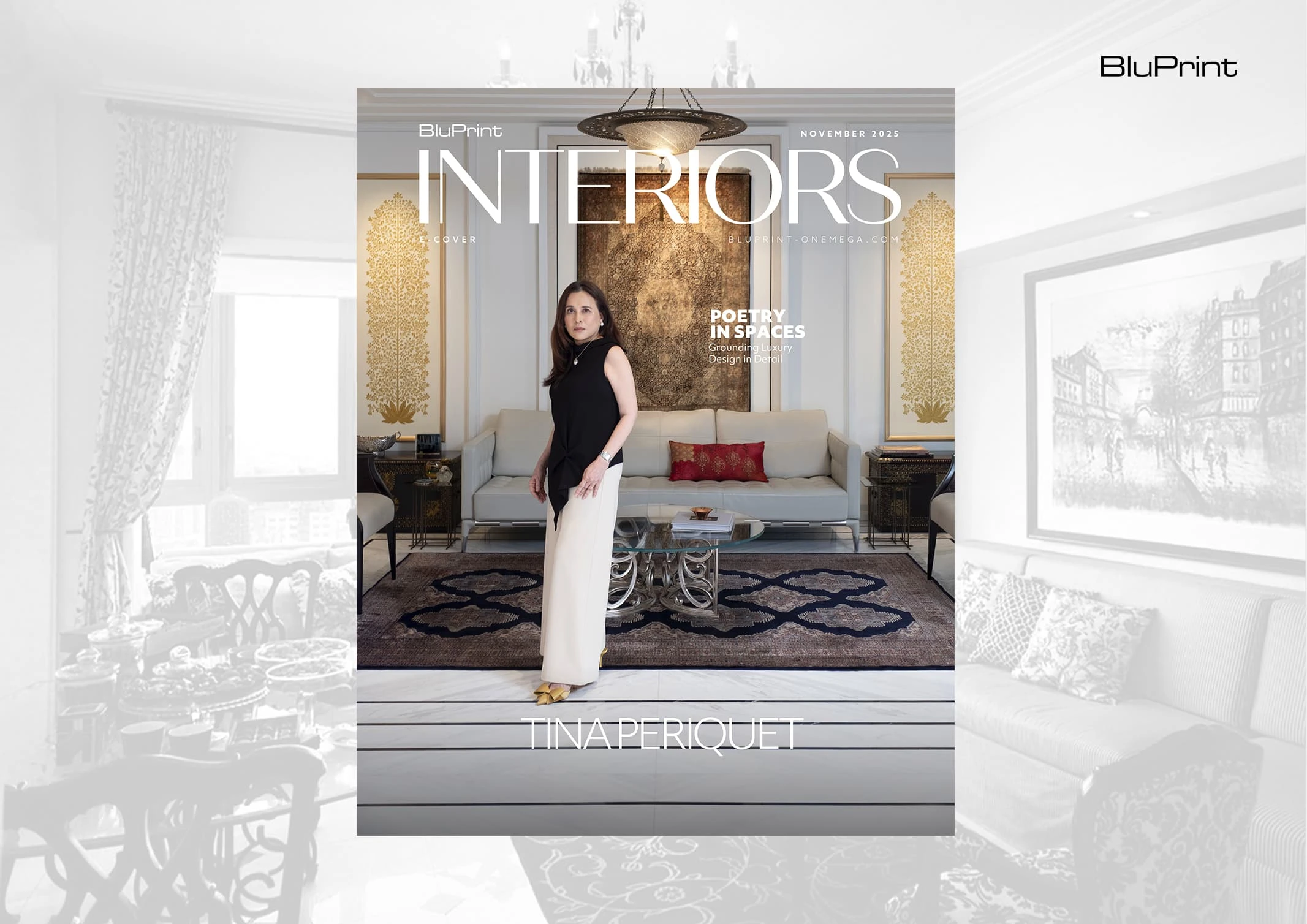
At her core, Tina Periquet is a storyteller. Hers is a unique methodology that makes her stand out from the world of designers, both here and abroad. She posses a keen understanding of the intricate grammar of design; how the details of a space flow together to create a habitat for her clients that tells […]
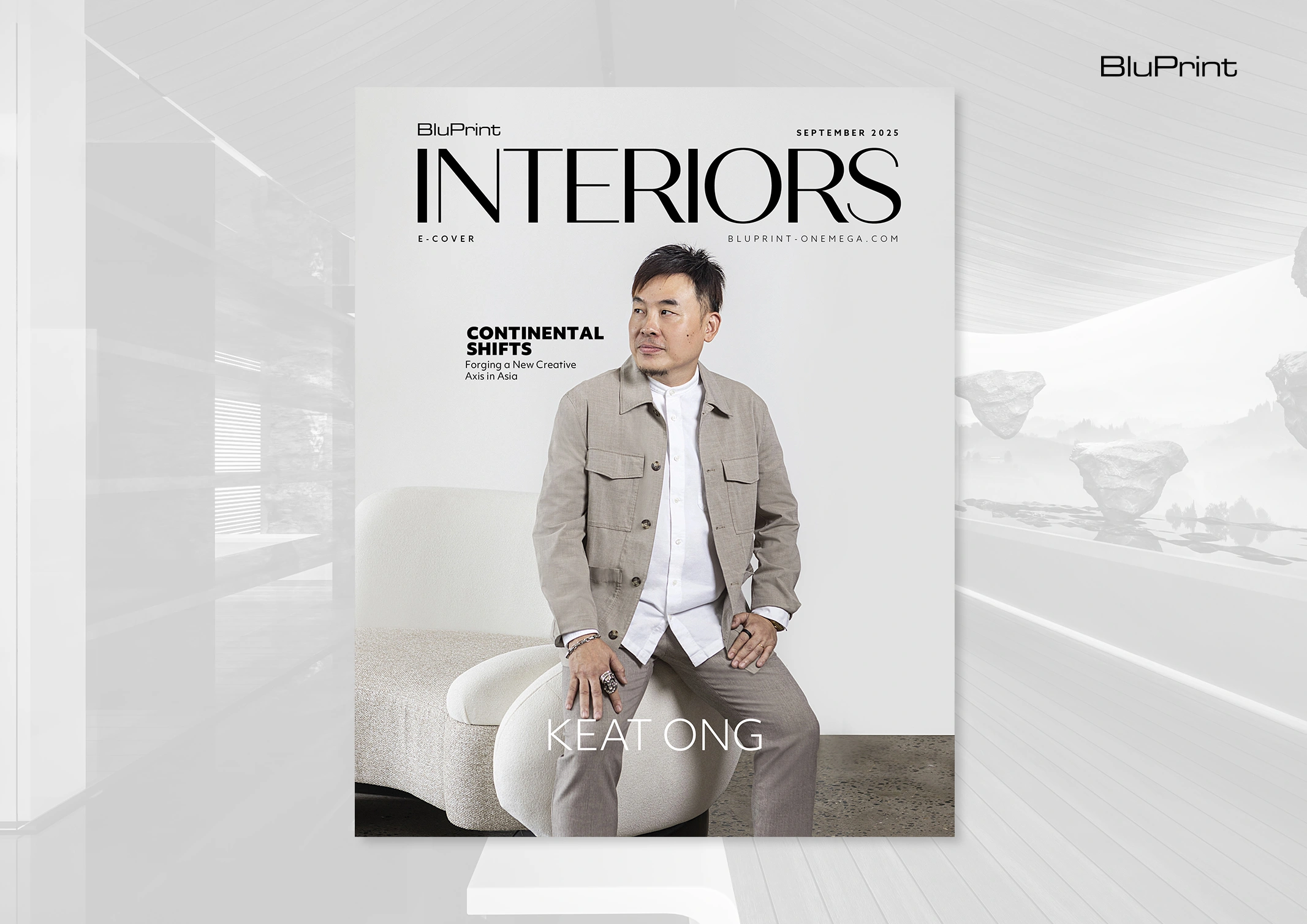
In the discourse of design, few figures manage to master both the creative and commercial realms with equal authority. For over a quarter-century, Professor Keat Ong has not just built a portfolio of award-winning projects; he has architected the very profession itself. As a creative director, a tireless advocate, and an educator, Ong has become […]

A new vision for design and living makes its debut as BluPrint Homes launches its maiden issue, dedicated to exploring “The New Era of Conscious Living.” This magazine embraces a holistic approach to design, focusing on concepts that excel not only in function and beauty but also prioritize sustainability and ethical considerations. For its first […]
Read the issues.

Collect the volumes.

Recommended Video
Tap to Unmute
Unmute
0:00
0:00