


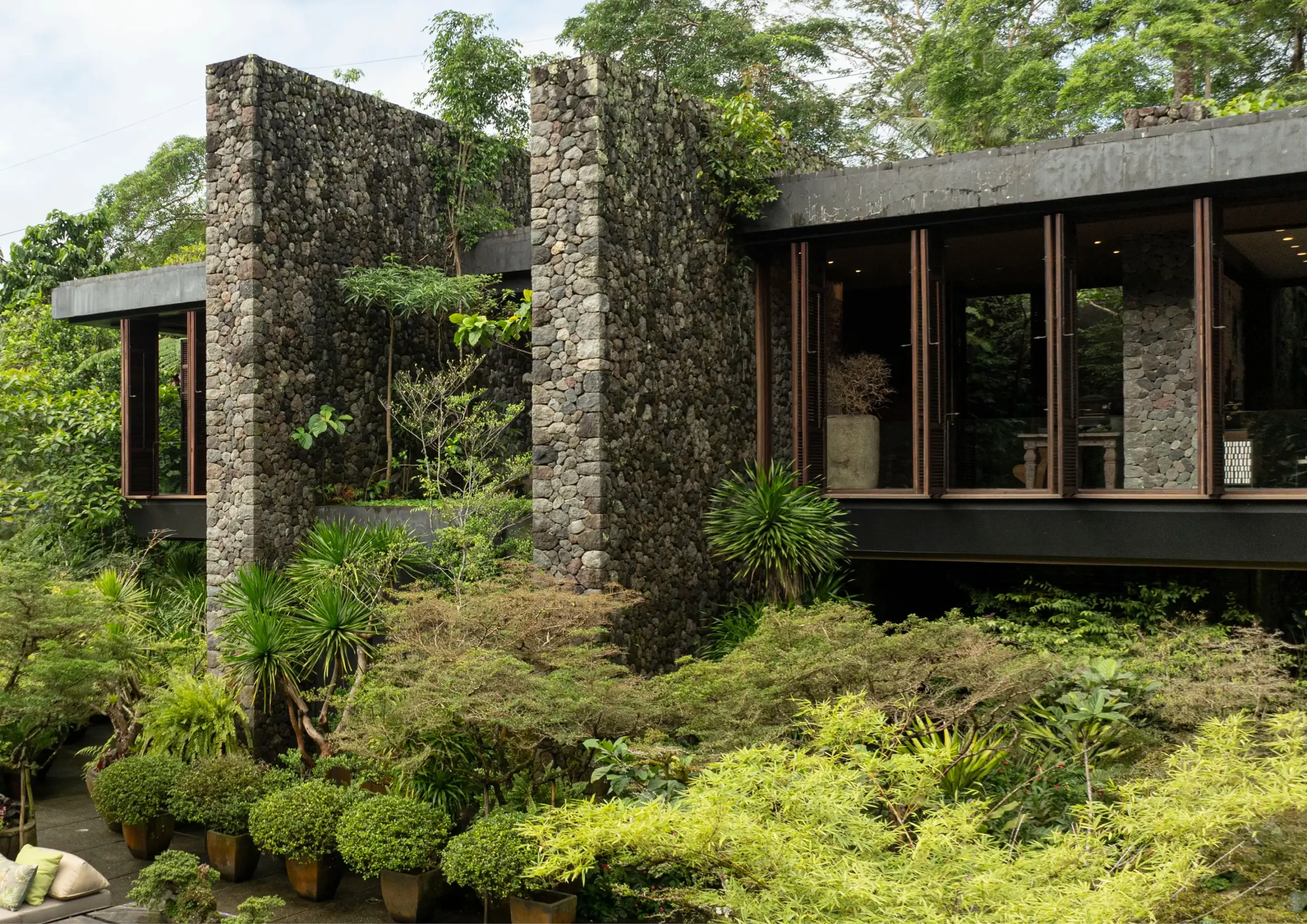
Located near the equator, factors such as heat and humidity are the norm in the Philippines. This tropical climate has shaped the development of architecture in the country. As Leandro V. Locsin stated: “The first consideration of the Filipino builder and certainly the most evident in his architecture, which is after all an outgrowth of […]
The Bauhaus interior design style was the merging of artistic craftsmanship with the prevalence of industry from the 1920s to the 1930s. Birthed from the aftermath and widespread impact of the industrial revolution, this movement birthed and influenced the sleek and minimalist tropes we liken to modern design aesthetics.
The History of Bauhaus
The Bauhaus was a German art school that operated during the early 20th century. Among these groups of artisans was Walter Gropius, who began this iconic movement in 1919 right after World War 1. As Germany was rebuilding, Gropius saw the opportunity to introduce an engineered approach to the fine arts. The objective was to form a Gesamtkunstwerk (total work of art) wherein each component of the building worked and performed together harmoniously.
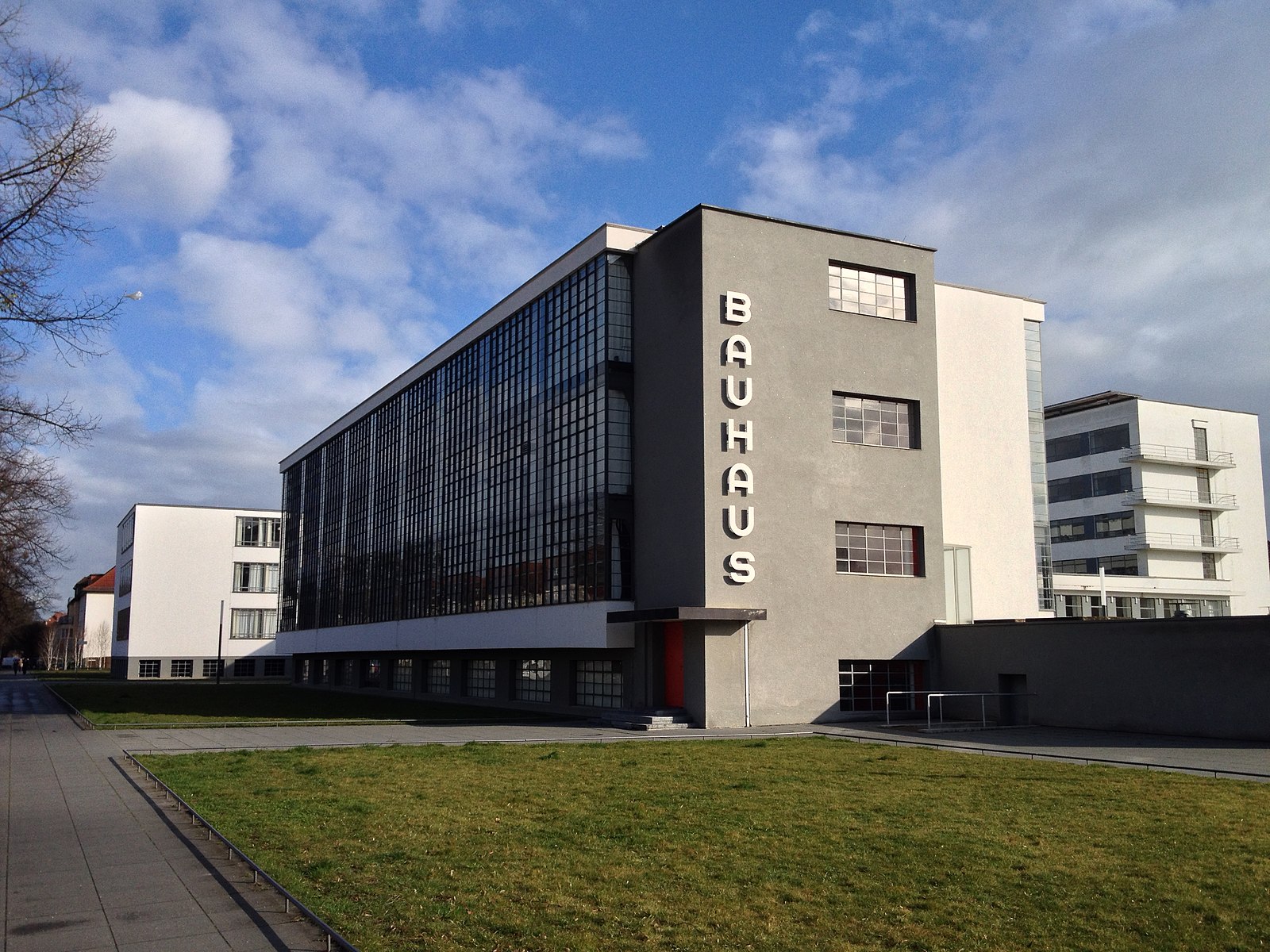
Image sourced from Wikimedia Commons
As World War II was brewing, designers fled to other countries, and the ideals of the movement became widespread globally. László Moholy-Nagy established the New Bauhaus in Chicago while Gropius was involved in the formation of modern architecture as we know it today.
Advertisement
Forms Follows Function
The premise of the aesthetic was the principle of “form follows function”. The object’s design should be based on its intended purpose in an engineered manner, rather than the symbolic and painstaking details of extraneous ornamentation for the sake of appearances. Designers that followed this trend stripped away these excesses in exchange for simplicity that focused on geometric forms.
This resulted in the prevalent use of basic shapes and primary colors. Bold hues accented asymmetrical compositions of circles, squares, and triangles. he Bauhaus mainly uses industrial materials such as steel, glass, and concrete. The consistency and control of manufacturing allows for a higher quality that designers can use to craft furniture.
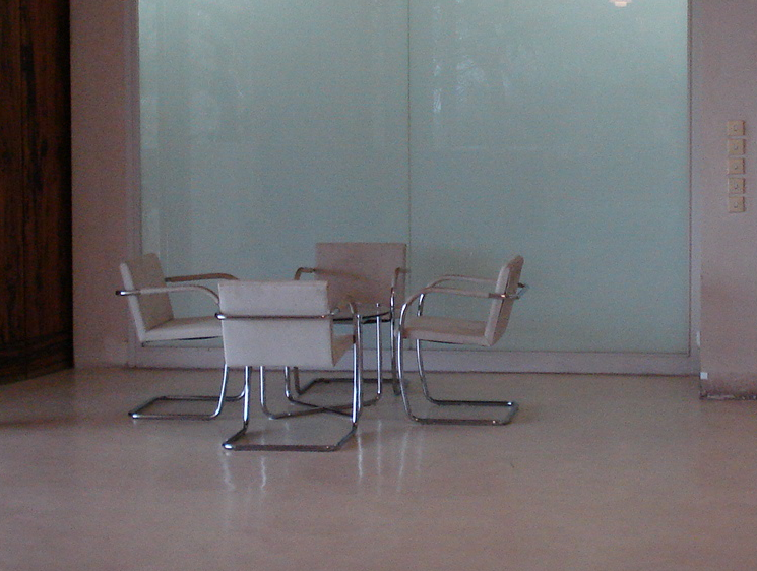
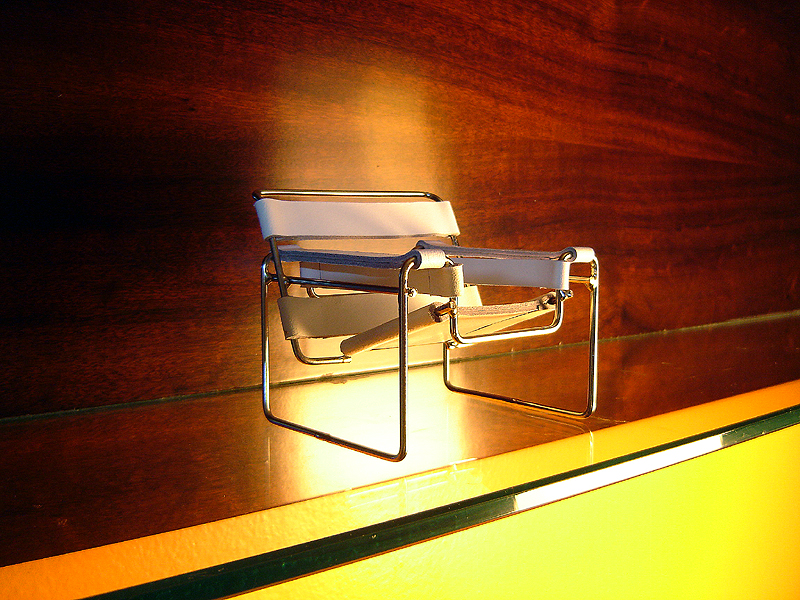
Image sourced from Wikimedia Commons
Designs such as Marcel Breuer’s Wassily Chair illustrates this with its sleek tubular steel frame that holds up the minimal leather upholstery. The exposure and raw use of these materials can be described as honest and elegant in their composition. Another example of this would be the Brno Chair by Mies van der Rohe, a modernist architect who favors a flatter but wider chrome frame with a thick leather seat. Lastly, the Baby Cradle by Peter Keler showcases a complete array of Bauhaus elements with its primary colors and form factor.
Advertisement
A Timeless Class
The lean design of the Bauhaus movement and its bare materiality makes it a strong choice if timelessness is something one looks for in their interiors. Although it may not be as detailed as compared to chiseled wood and casted plaster, it instead focused on the quality of the materials and production. To this day you’ll find that furniture and items made almost 100 years ago still fit in with contemporary fashions of industrial design. A prime example of this is Marianne Brant’s teapots with its chrome roundness. Another example are Josef Albers’ Nested Tables which features a rectilinear composition filled in with an array of primary palettes.
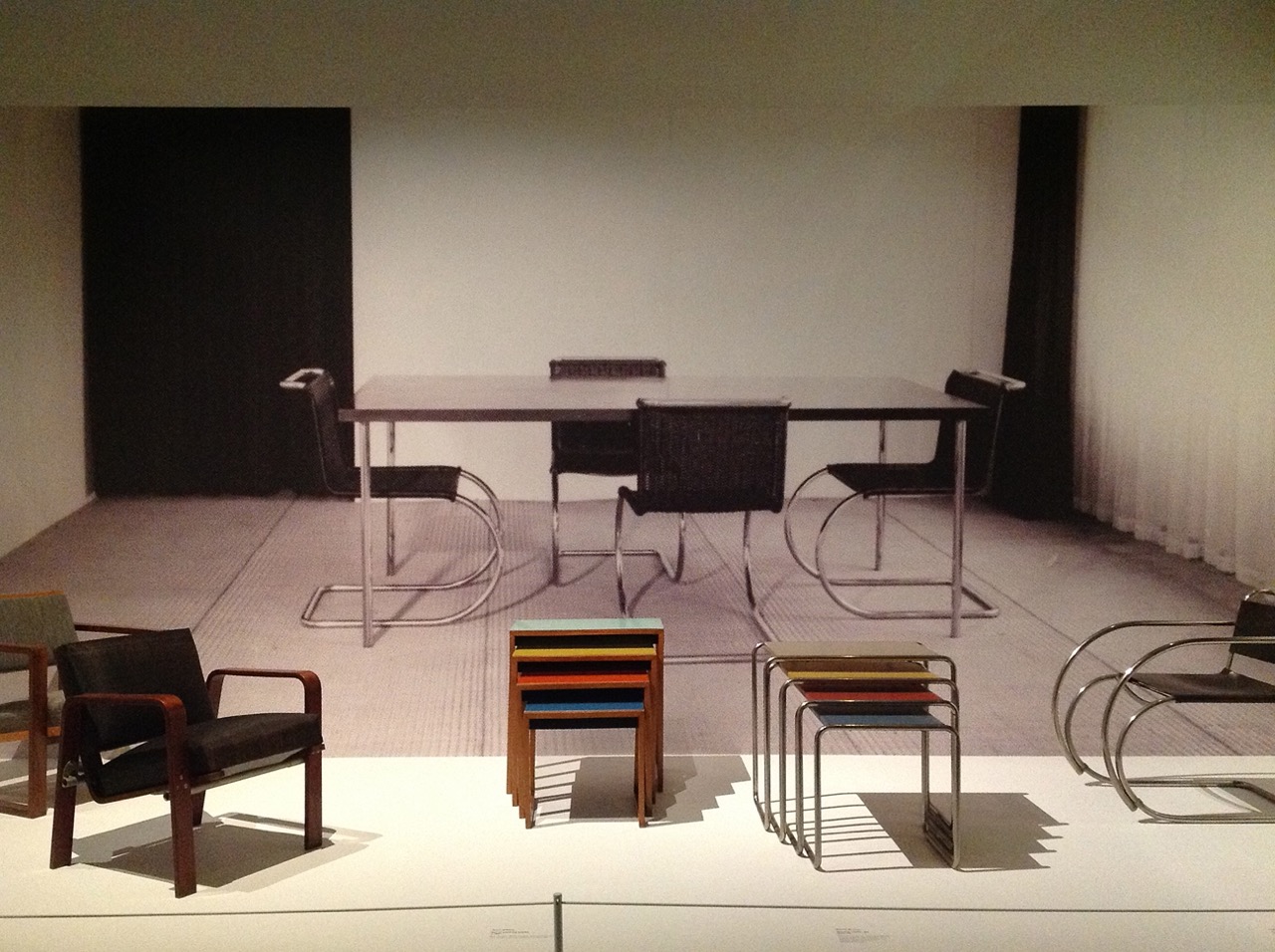
Image sourced from https://flic.kr/p/bDRvQm
The principles of the Bauhaus movement continue to inspire and inform how designers shape our objects and spaces till this day. Its context, designers harnessing mass production, is a relevant setting that the industry grapples with today. More so than ever, the function and simplicity that the style espouses tempers the unity of art and technology.
Advertisement
Read more: 5 One of a Kind Modern Two Storey House Designs

Art in the Park returned this year to Jaime Velasquez Park in Salcedo Village, Makati City, to celebrate its 20th anniversary. This year’s edition featured a curated selection of works from 55 exhibitors representing galleries, art collectives, independent art spaces, and student groups. With all artworks capped at Php 70,000, the fair continued its mission […]
Advertisement
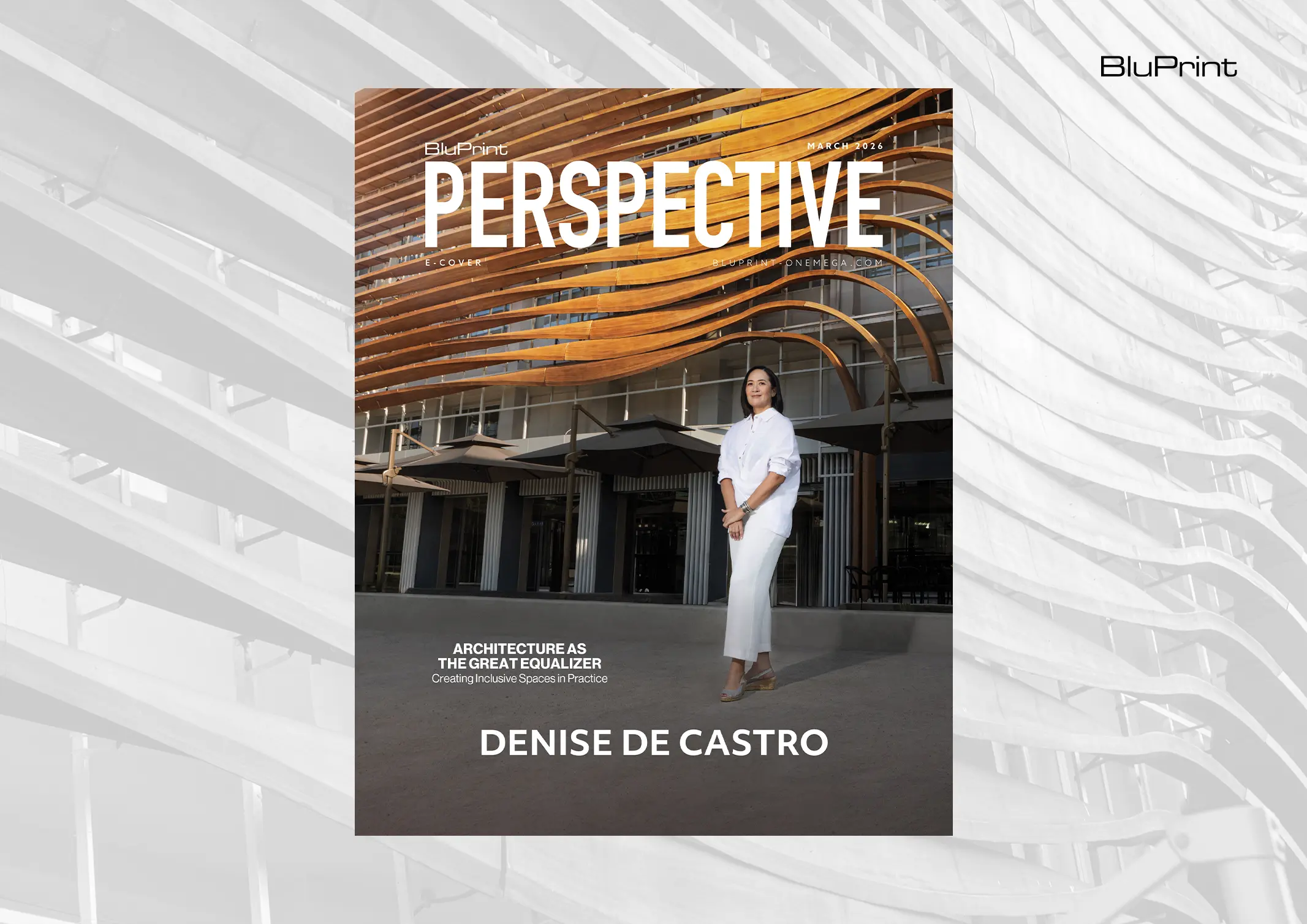
Denise de Castro, Principal Architect of DEQA Design Collaborative, believes that designing with equity in mind means starting at the workplace. Values and practices that your studio or office espouse inevitably filter down to the work that you do. Equitable design ensures that people with different needs and different backgrounds are supported through fair access, […]
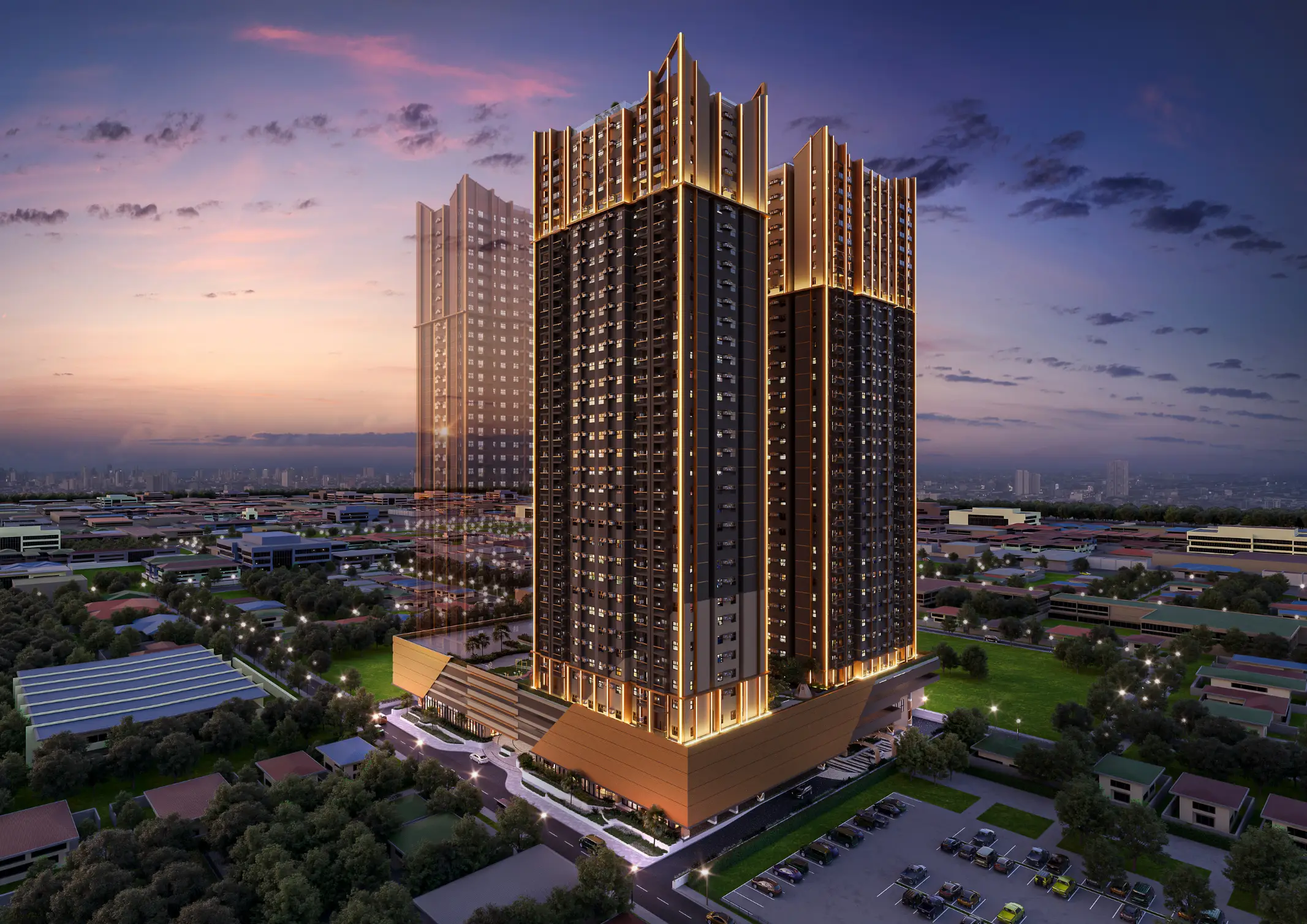
Across Metro Manila, residential developments are increasingly designed around proximity. As cities grow denser and mobility becomes more complex, new housing is often positioned near transport nodes, commercial districts, and educational institutions. This approach reflects a broader shift in urban planning. Mixed-use environments allow residents to live closer to daily necessities—reducing commute times while supporting […]
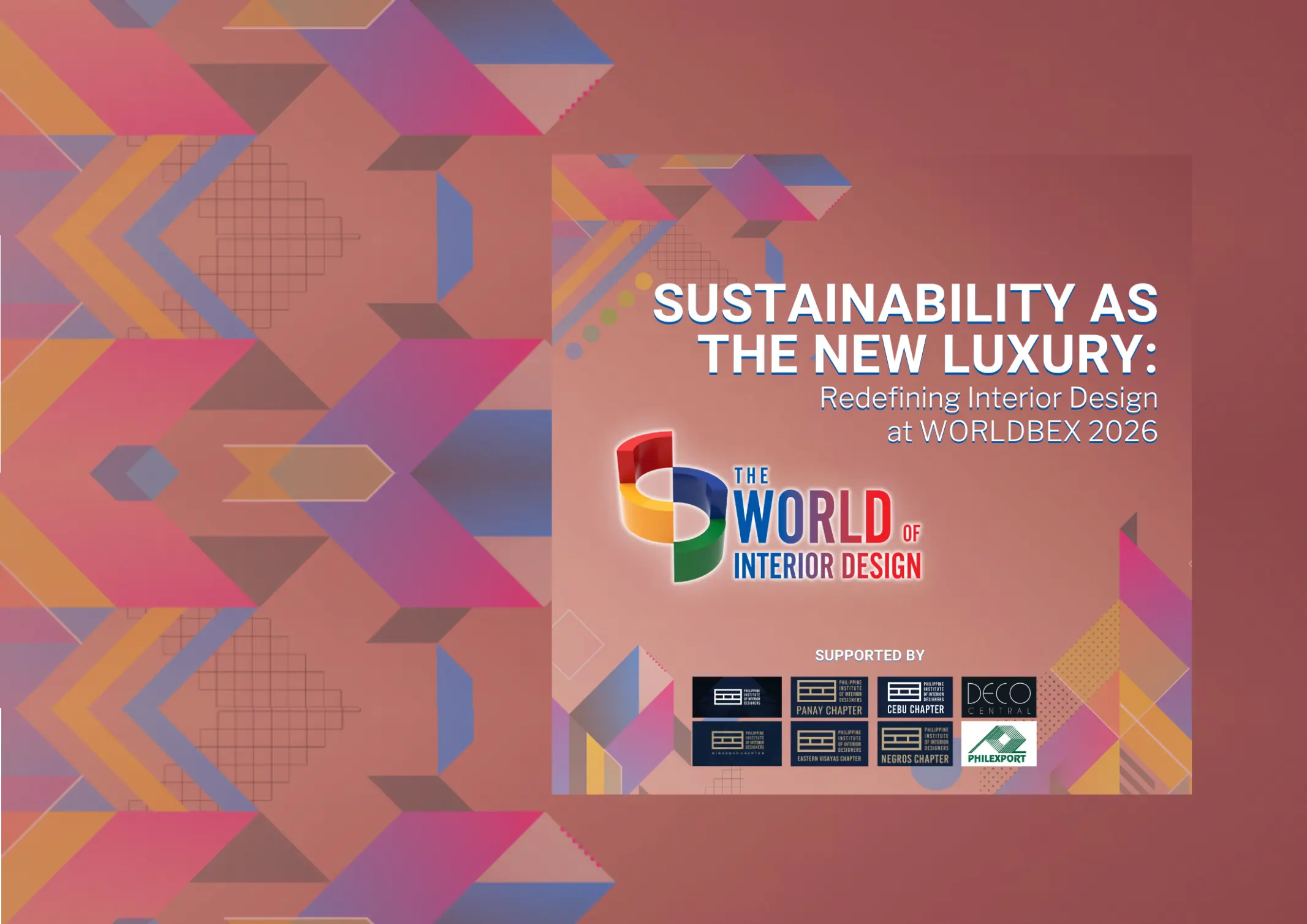
Luxury in design is undergoing a quiet shift. Where once luxury was measured primarily through visual opulence, today it is increasingly defined by responsibility—through the way spaces are built, the materials selected, and the impact those decisions leave behind. At the Philippine World Building and Construction Expo (WORLDBEX) 2026, this evolving definition of luxury takes […]
Advertisement
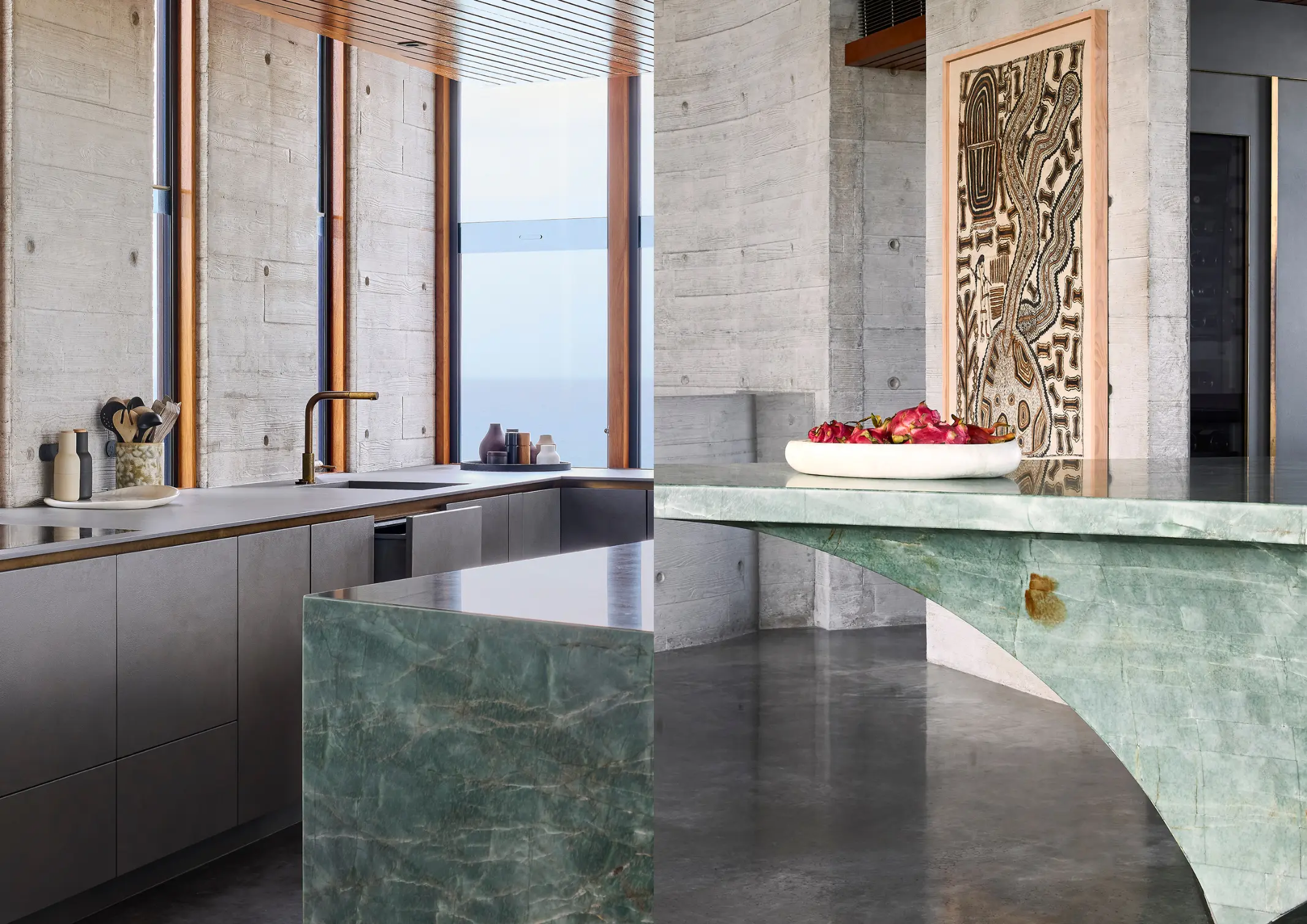
For more than nine decades, Fisher & Paykel has approached design with a simple but exacting belief: that the best living environments are those shaped by people, place, and purpose. Rooted in New Zealand and deeply attuned to island and coastal living, the brand’s philosophy centres on quiet performance, material honesty, and appliances that integrate […]

Download this month's BLUPRINT magazine digital copy from:



Subscribe via [email protected]