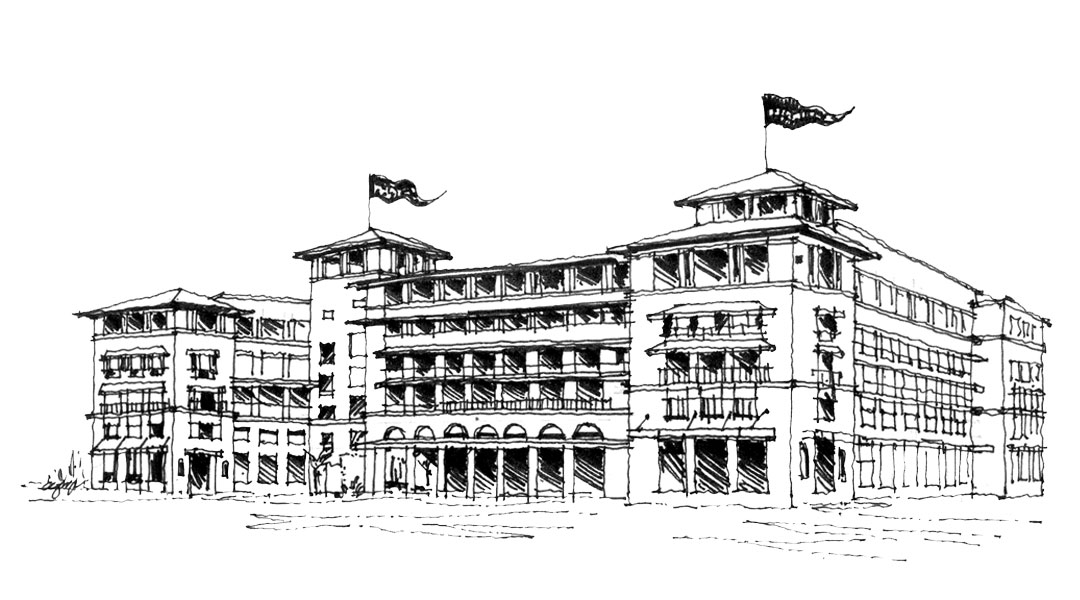
7 Historic hotels in Metro Manila that served guests more than just room service



If walls could speak and if only the walls still stood today, these local hotels would be among our historians’ best friends. Few stood the test of Philippine politics and greed, and fewer still remain glorious today. Even so, the events that occurred within the confines of these seven historic hotels designed by notable architects, Filipino and foreign, live on in whispered and recorded accounts by guests, both welcome and unwelcome.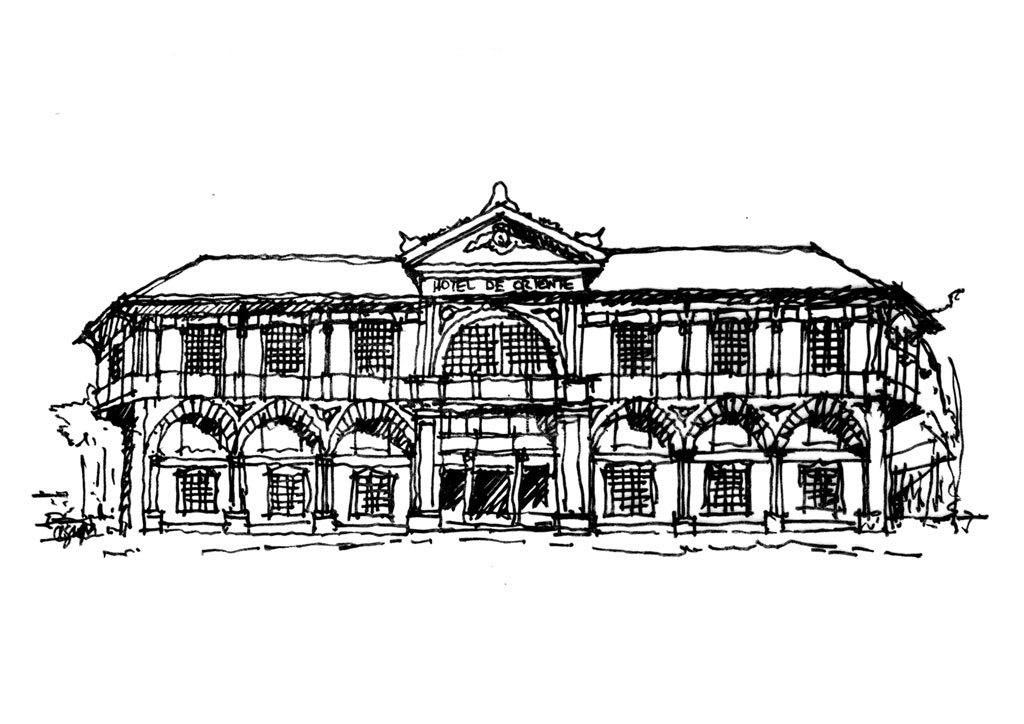
1 | Hotel de Oriente by Juan Jose Huervas y Arizmendi
Known as the country’s first luxury hotel, the Hotel de Oriente designed by Juan Jose Huervas y Arizmendi, occupied a prime spot in Binondo, Manila in 1889. It fronted Binondo Church and stood next to La Insular Cigarette and Cigar Factory (also designed by the hotel’s architect). One distinguished guest of the hotel was Dr. Jose Rizal, who stayed at Room No. 22 in 1892. It served different institutional functions during the American occupation until it met its end during the Japanese invasion of Manila. The hotel was resurrected as a replica in the Las Casas Filipinas de Acuzar in Bataan and served as a conference venue for the delegates of the APEC last June 2015.
READ MORE: For Whom the Bell Tolls: PH heritage landmarks left in ruins
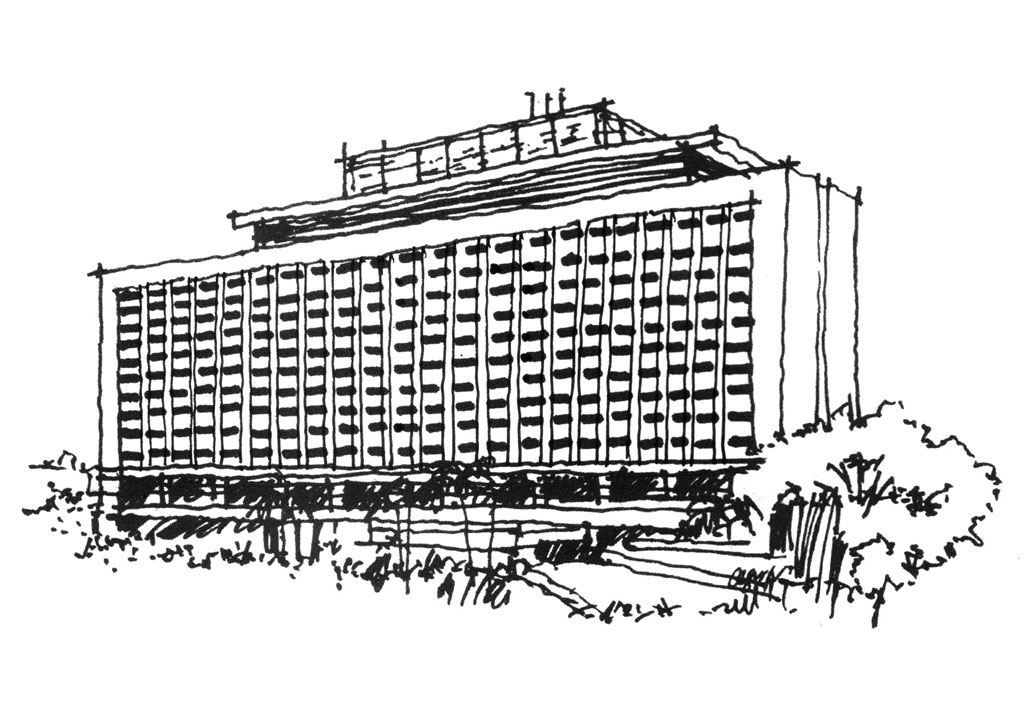
2 | The Intercontinental by Leandro Locsin
Holding the distinguished “No. 1, Ayala Avenue” address is The Intercontinental Manila, one of the oldest five-star hotels in the country, and only the second Asian branch of the Intercontinental chain when it opened in 1969. In yet another example of how local luxury hotels seem to attract rebellion attempts, army troopers made use of the hotel’s strategic location to fend off rebels in an attempted coup d’etat in 1989. Sadly, like the Mandarin Oriental, the owners have decided to close the aging hotel designed by National Artist for Architecture Leandro Locsin.
READ MORE: Forging Modernism: The early years of Leandro Locsin
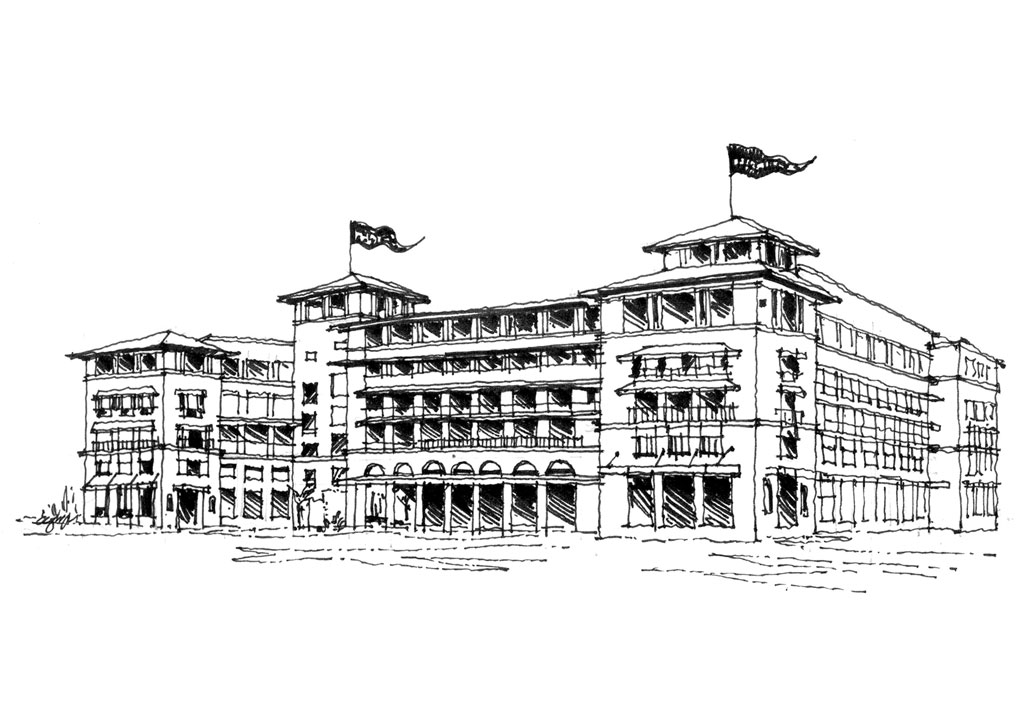
3 | Manila Hotel by William Parsons, Andres Luna de San Pedro, and Leandro Locsin
The Manila Hotel has a history as storied and colorful as the city it was named after. It famously served as General MacArthur’s residence during his tenure as a military advisor to the Commonwealth and was the lodging of choice for personalities such as writer Ernest Hemingway, the Beatles, and former US President John F. Kennedy. The Grand Dame, designed by William Parsons, Andres Luna de San Pedro, and Leandro Locsin, survived being razed by the Japanese in the Battle of Manila and was lavishly renovated under the Marcos administration, which greatly expanded its size. It was also ground zero for a short-lived coup d’etat attempt by Marcos loyalists in 1986.
READ MORE: Here’s how 5 architects designed their first mark in architecture
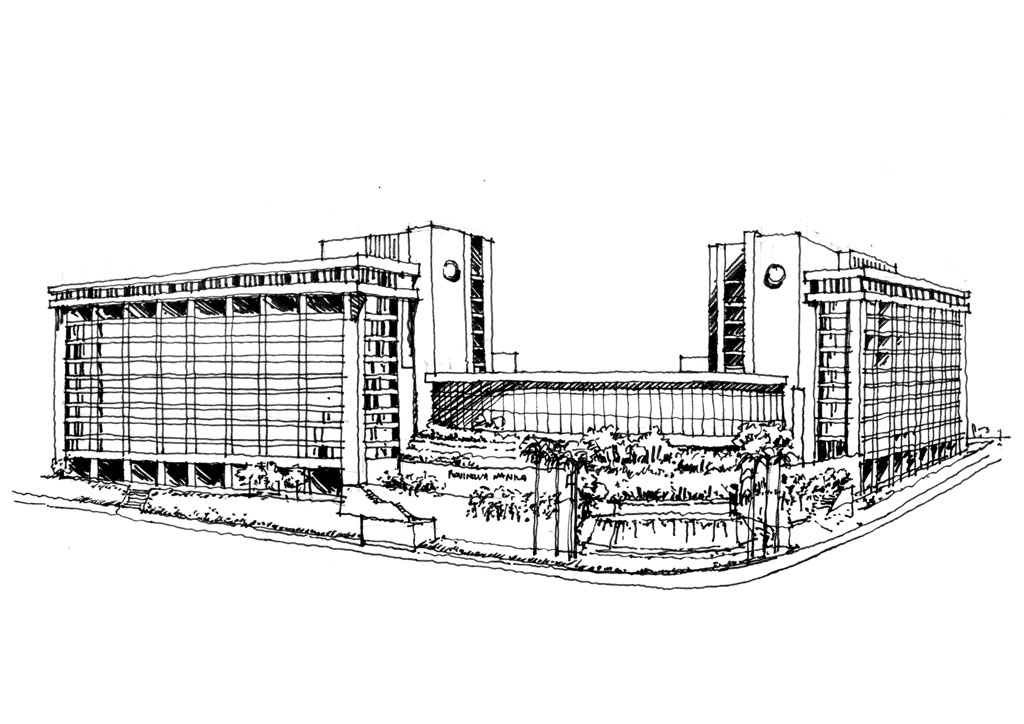
4 | The Peninsula Manila by Gabriel Formoso
The first branch of this distinguished hotel chain outside of Hong Kong, The Manila Peninsula needed no introduction when it opened in 1967. The Brutalist building designed by Gabriel Formoso has two wings, with an iconic fountain upfront. The lobby was picturesque, with a large ceiling sculpture by National Artist Napoleon Abueva. In 2007, Senator Antonio Trillanes IV and his supporters stormed the hotel and demanded the resignation of then-President Gloria Macapagal-Arroyo. An armored personnel carrier broke through the lobby doors and windows during the siege, which resulted in pricey damage to the hotel and a damage suit filed by its manager.
READ MORE: The Bayleaf – from rundown building to four-star hotel
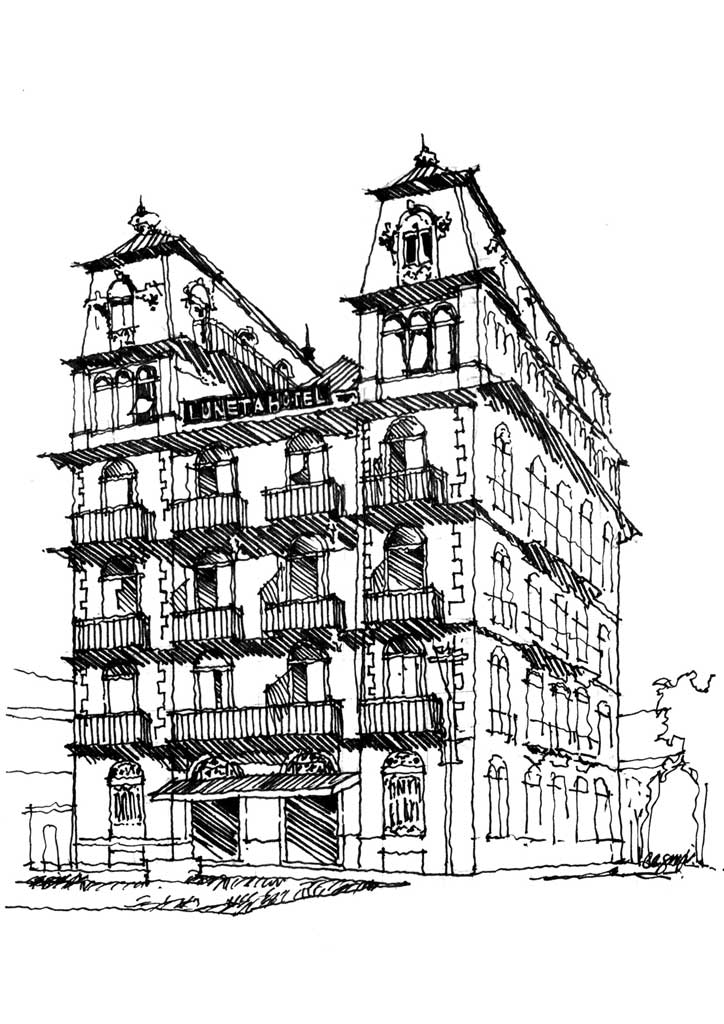
5 | Luneta Hotel by Salvador Farre
The Luneta Hotel‘s beautiful French Renaissance architecture and romantic location betrays a tumultuous past. After the hotel survived heavy bombardment in World War II, it served as a brothel and makeshift ward for the American G.I.s. After the war, the hotel designed by Salvador Farre was unable to regain its reputation, falling into despair and closing down in 1987. It was restored and re-opened in 2014.
READ MORE: Playing Favorites: 5 architects and their favorite materials
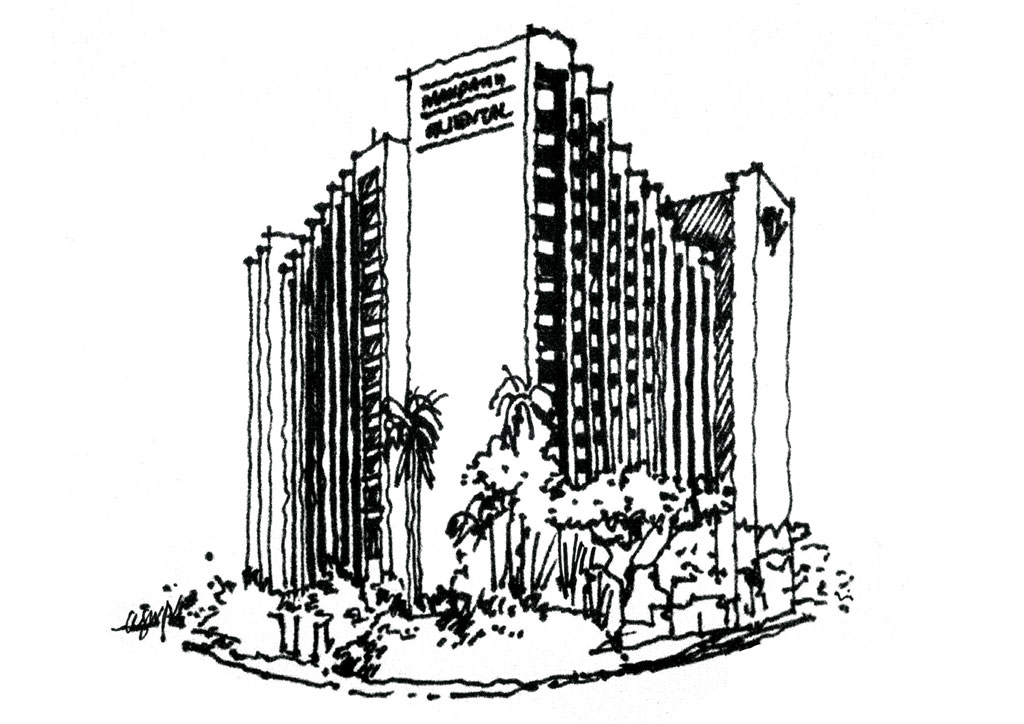
6 | Mandarin Oriental by Leandro Locsin
The Mandarin Oriental designed by Leandro Locsin has been turning heads since opening in 1976 to host the IMF and World Bank annual meet. A Brutalist “fortress” in a prominent Makati lot, its form appears to be inspired by the folds of a fan. It also played host to the 1998 Presidential Debates that pitted Joseph Estrada, Imelda Marcos, Miriam Defensor-Santiago, and other candidates against each other. After four decades of service, the hotel was closed and demolished, despite the protests of heritage and architecture enthusiasts. A new Mandarin, however, will reopen in a new location at the northern tip of the Ayala Triangle by 2020.
READ MORE: Here are the new phases and faces of 8 structures
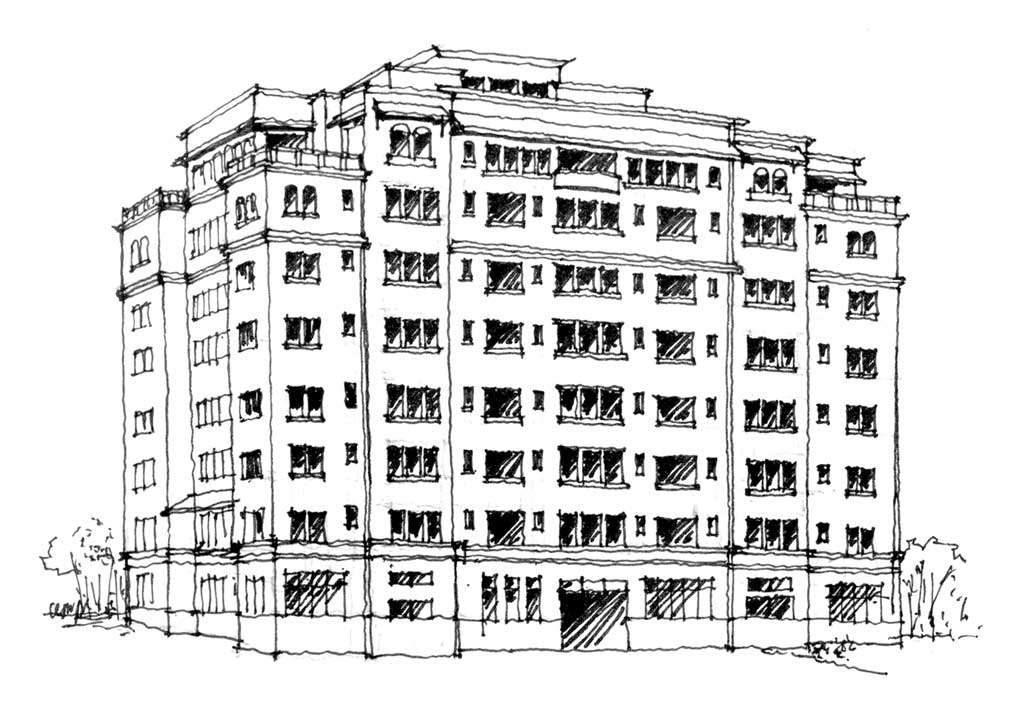
7 | Admiral Hotel by Fernando Ocampo
The Admiral Hotel designed by Fernando Ocampo was the place to be for the Manila elite back in its heyday. It opened as the Admiral Apartments in 1939 with former President Manuel L. Quezon as guest-of-honor. For a time, it was the tallest building in Manila, even used as a landmark by sailors entering Manila Bay. Like the neighboring Luneta Hotel, it had multiple functions, serving as the headquarters for the Japanese and Americans at different points during the war. The building was sold by its owners, the Lopez-Aranetas, to a condominium developer in 2009, and was promptly demolished in 2014 because of structural integrity issues. It was rebuilt as a boutique hotel managed by the Accor chain, completed in 2017.
READ MORE: These are 7 historic commercial landmarks you should know about
This article is first published in BluPrint Volume 1 2016. Edits were made for BluPrint online.
Article Credits:
Introduction by Denny Mata
Illustrations by Cesar G. Ramirez, Jr.
Frequently Asked Questions
The Hotel de Oriente, designed by Juan Jose Huervas y Arizmendi and opened in 1889 in Binondo, Manila, is considered the country’s first luxury hotel. Dr. Jose Rizal famously stayed in Room 22 in 1892. The original was destroyed during the Japanese invasion of Manila.
National Artist Leandro Locsin designed three historic Manila hotels: The Intercontinental Manila (1969), the Mandarin Oriental Manila (1976), and he also contributed to the Manila Hotel alongside William Parsons and Andres Luna de San Pedro. His Brutalist forms became signatures of mid-century Philippine luxury hospitality.
The Mandarin Oriental Manila, opened in 1976 and designed by Leandro Locsin, was closed and demolished after four decades despite protests from heritage advocates. A new Mandarin Oriental is planned for the northern tip of the Ayala Triangle, with reopening originally targeted for 2020.
In 2007, Senator Antonio Trillanes IV and his supporters staged the Manila Peninsula Siege, demanding the resignation of then-President Gloria Macapagal-Arroyo. An armored personnel carrier breached the lobby, causing significant damage to the Gabriel Formoso-designed Brutalist hotel and prompting a lawsuit from its management.
The Manila Hotel hosted General Douglas MacArthur as his official residence during his time as military advisor to the Commonwealth. Other notable guests include writer Ernest Hemingway, The Beatles, and former US President John F. Kennedy, cementing its reputation as the Grand Dame of Philippine hospitality.