Ventilation involves the introduction of outdoor air into a room, providing occupants with their needs. Proper ventilation allows for the moderation of internal temperatures, the creation of better airflow, the dilution of carbon dioxide to acceptable levels, and the removal of contaminants. This addresses health risks associated with indoor air pollution, such as respiratory problems and allergies. For tropical climates like the Philippines, natural ventilation lessens the impact of heat and humidity.
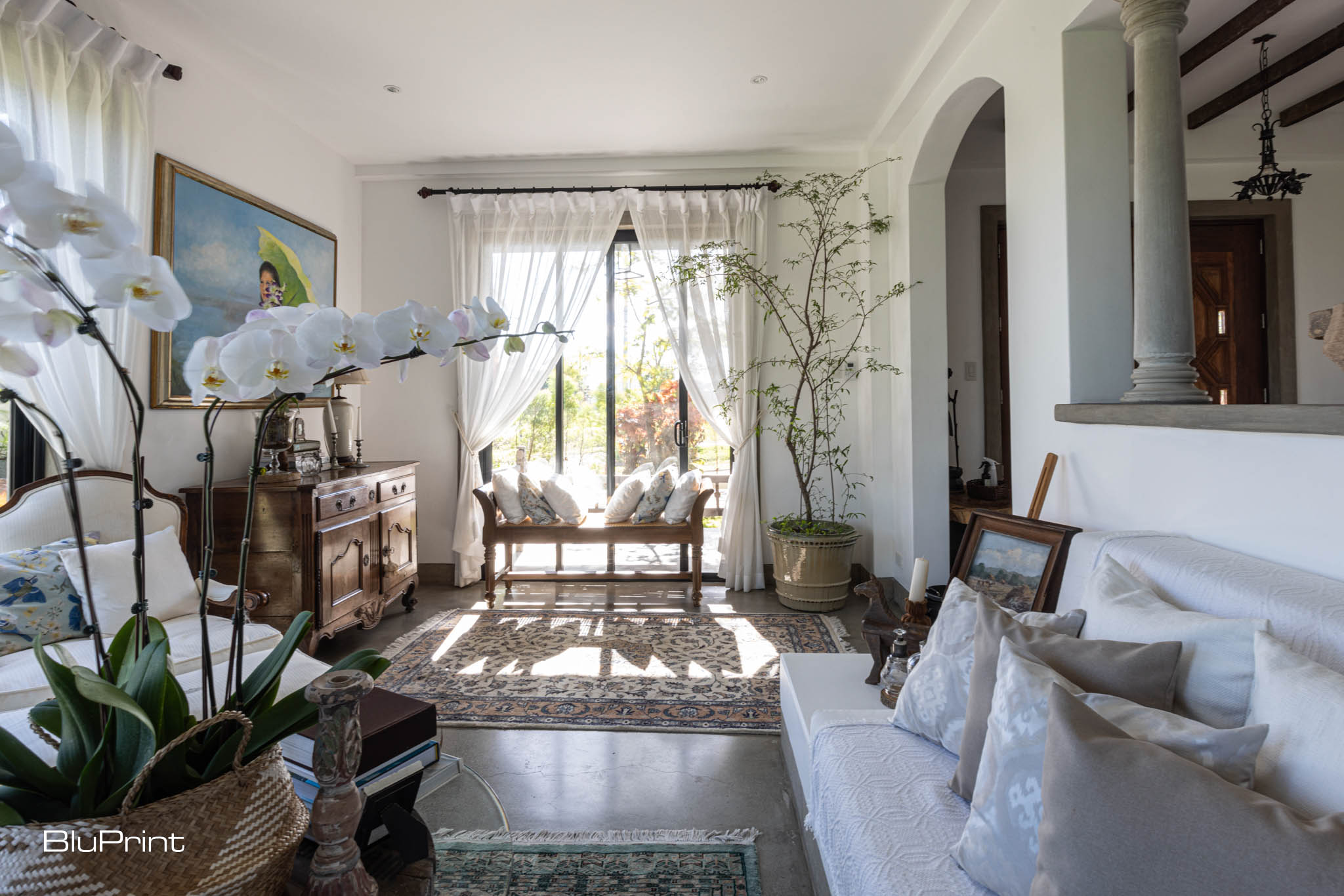
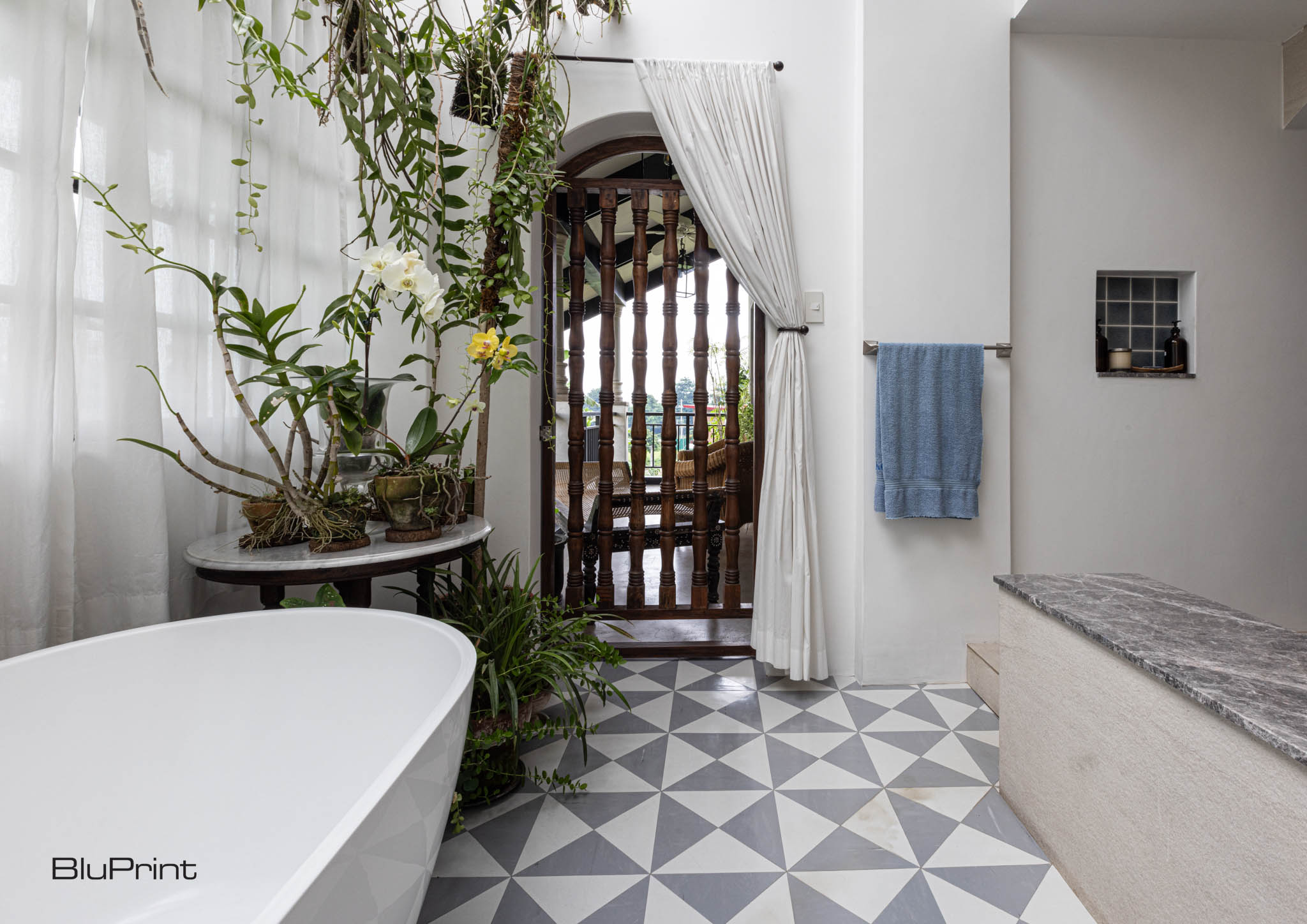
The bright and airy living area welcomes guests into the home. Photographed by Jar Concengco.
What is Natural Ventilation?
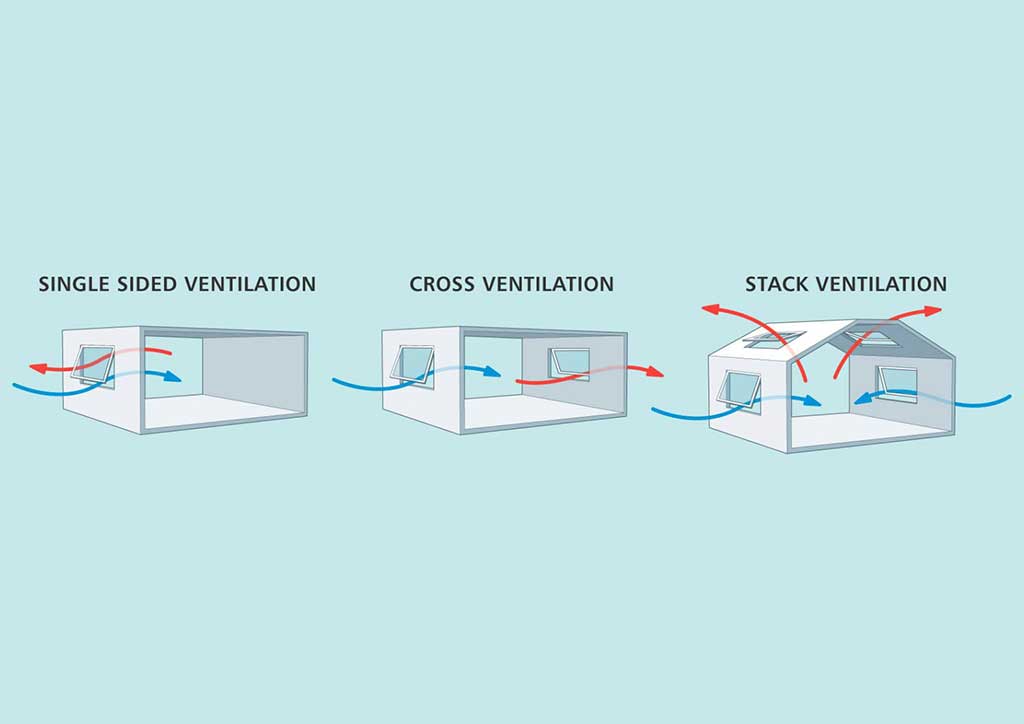
Natural ventilation is a passive cooling method that supplies fresh air into a structure through wind pressure and thermal buoyancy. Wind-driven ventilation involves single-sided and cross ventilation. Meanwhile, buoyancy-driven ventilation occurs when density differences between indoor and outdoor air cause warm air to rise. In structures with openings high and low, cooler outdoor air pushes the indoor air out and up, creating a cooler interior space.
Examples of Natural Ventilation in Philippine Architecture
In Philippine architecture, natural ventilation is a key feature. The modern bahay na bato, for instance, blends the past and present as it adapts to needs of the 21st century. Malacañang Palace’s design elements addressed the local environment. This includes an elevated and overhanging wooden upper floor, featuring capiz shell windows, that welcomed good ventilation and natural light. Not only does this architectural style serve as a part of the country’s built heritage, it also showcases how Filipinos have adapted to the local weather conditions.
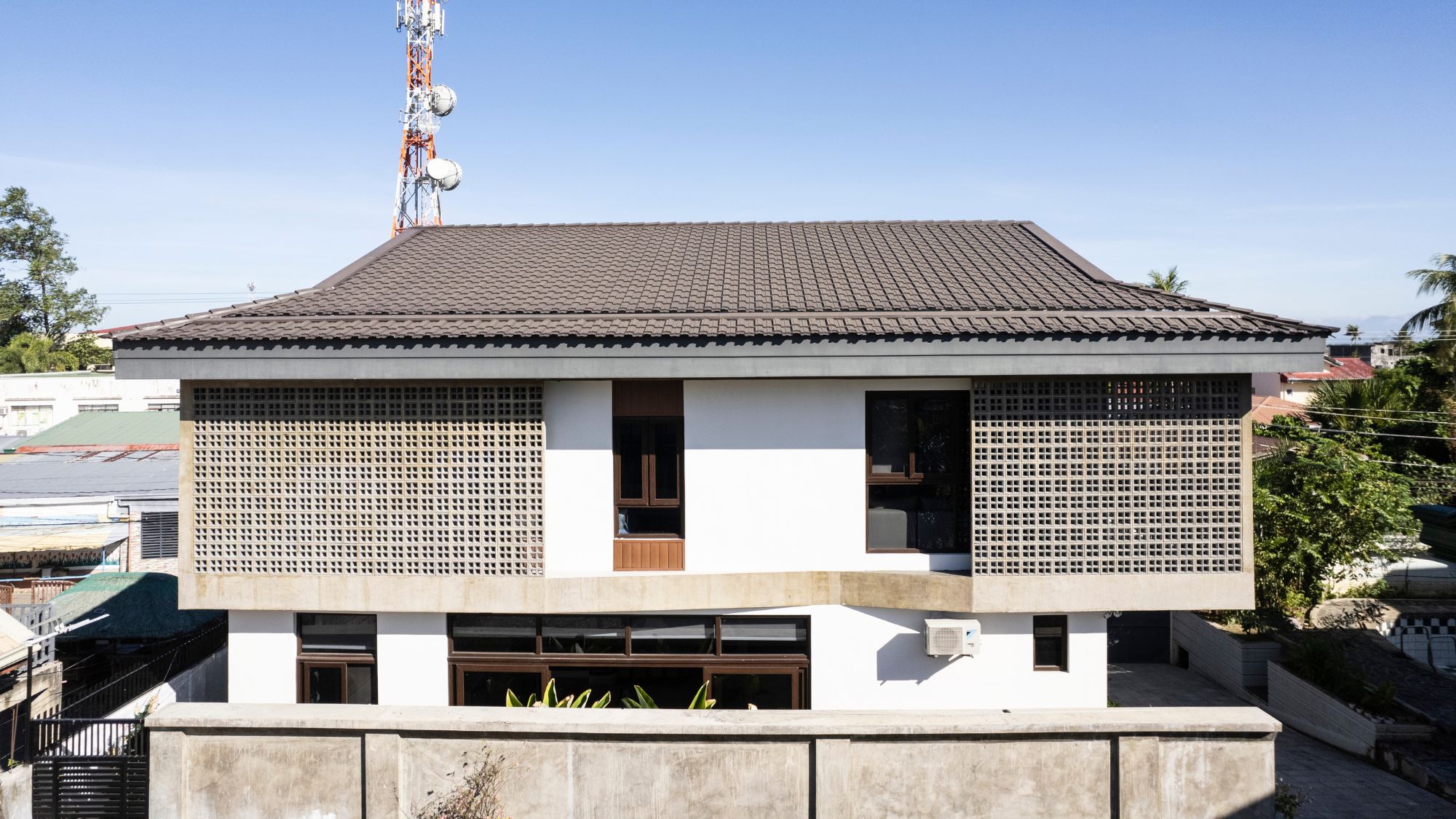
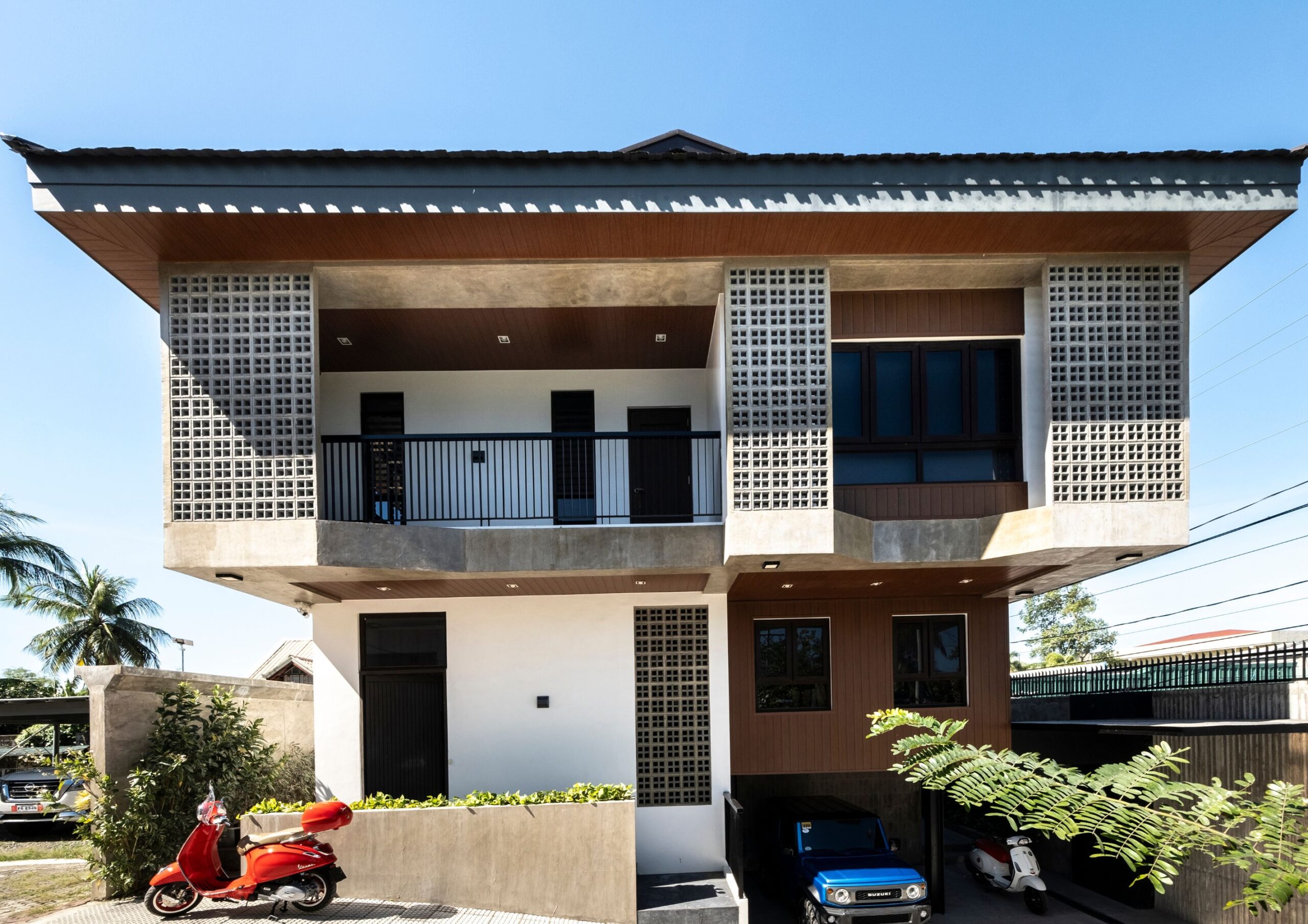
While modern Filipino homes have become reliant on mechanical ventilation, natural ventilation remains a relevant topic. Situated in Nueva Ecija, San Pedro Architects’ Tabing Bahay is a modern interpretation of the bahay na bato. It utilizes a capiz window design that offers both aesthetic appeal and natural ventilation.
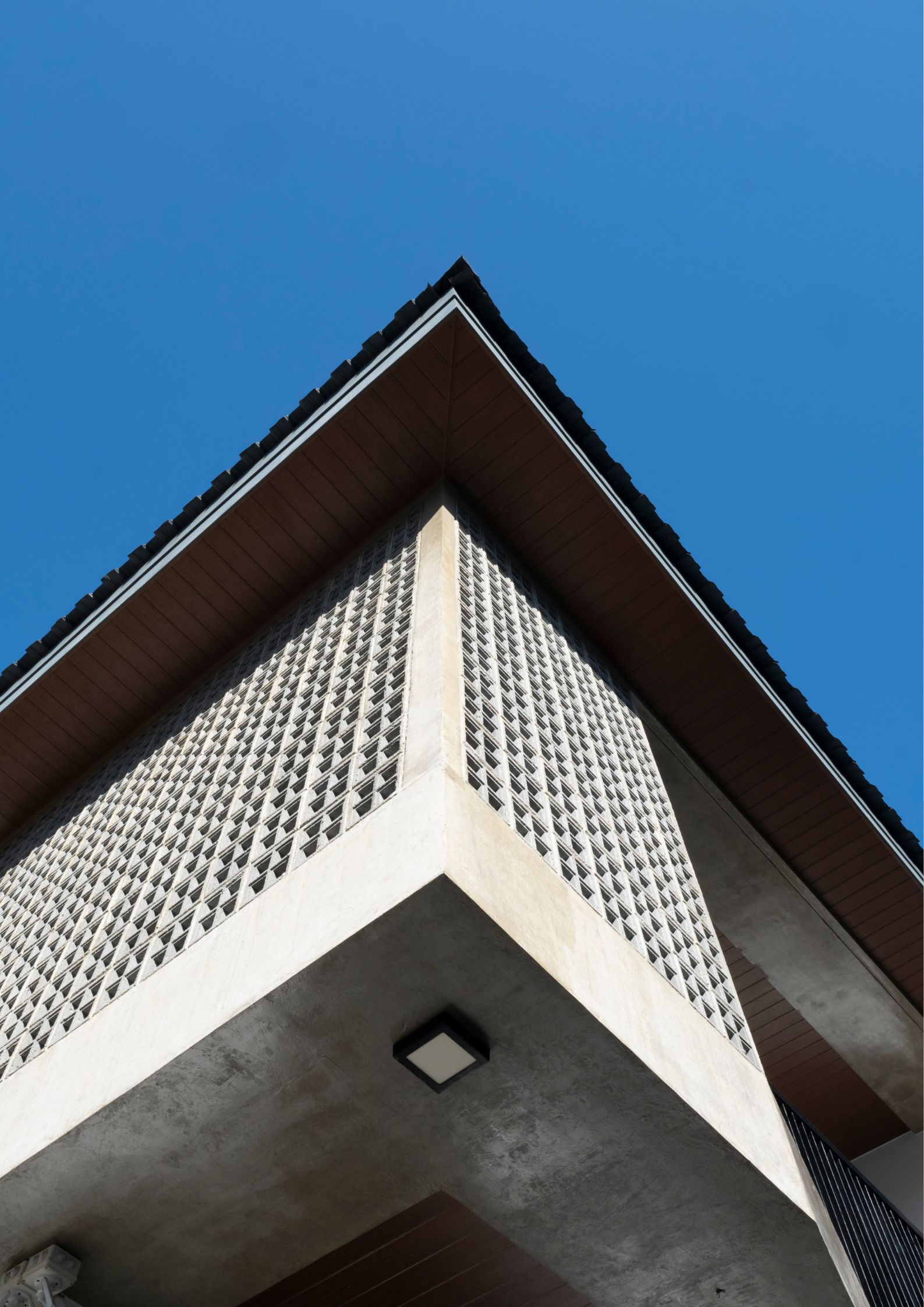
Photographed by Ed Simon.
Reimagining traditional materials, its window design introduces natural sunlight and air into the home. Through strategic placement of openings, it decreases the need for artificial cooling systems like air-conditioning. The concrete windows, with their smaller openings, control the wind to make it colder. This layer over the home’s walls provides a barrier that absorbs the tropical heat.
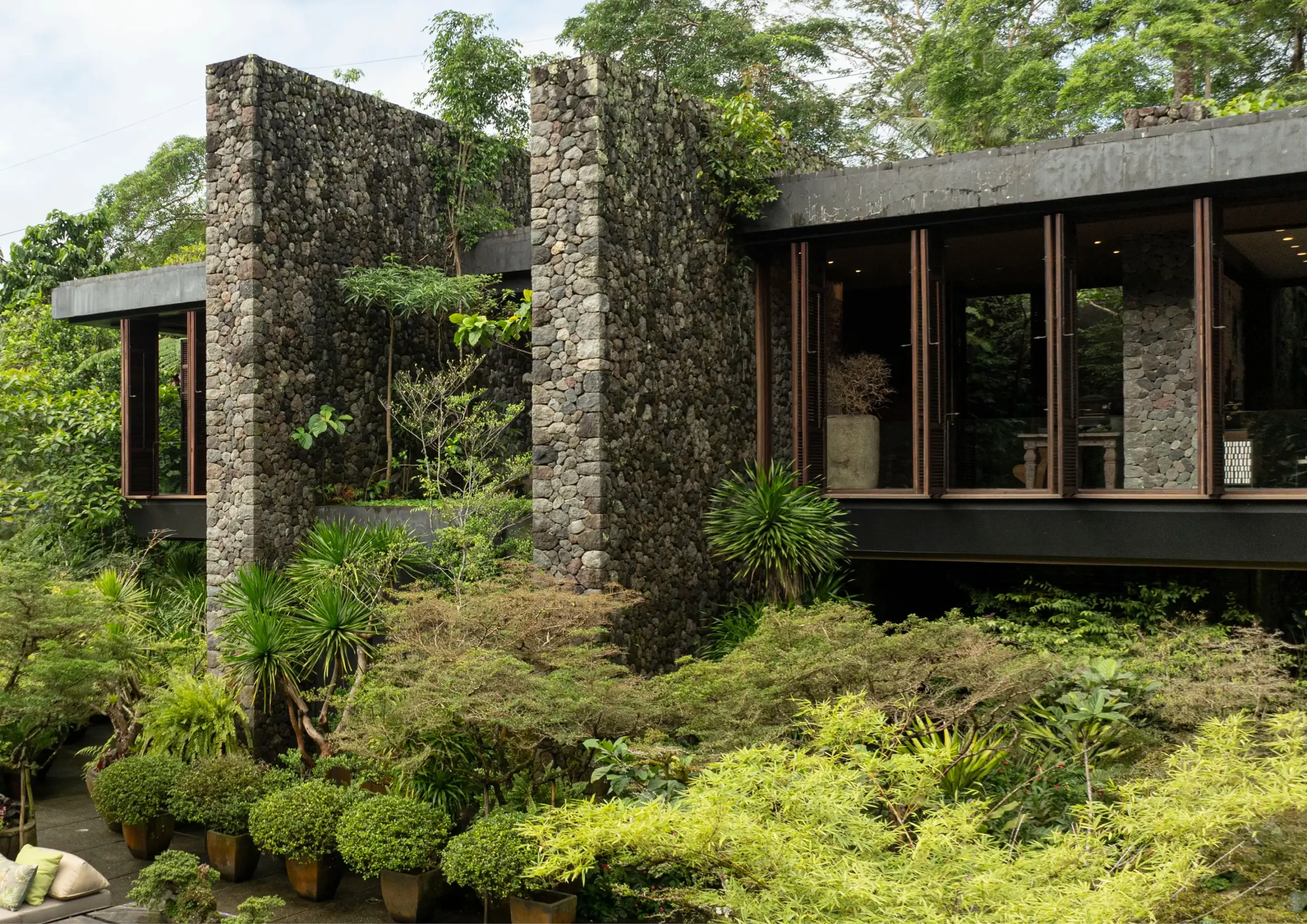
Architect Miko delos Reyes advocates for natural light and ventilation: “Hand in hand with natural light of course comes ventilation – particularly natural ventilation. Even if we’re planning to use mechanical supplements to the house, I still think that natural ventilation is still important because it improves the quality of the space.”
Modern home designed by Architect Miko delos Reyes. Photographed by Jar Concengco.
Spaces that are in harmony with the environment create comfort and efficiency for occupants. The design features of natural ventilation enhance the livability of an indoor environment that are suitable for tropical climates.
Advertisement
Breathing fresh air into a space, natural ventilation addresses the local climate and needs. Philippine architecture, as such, is a tool that can adapt and respond to its tropical environment.
Ventilation involves the introduction of outdoor air into a room, providing occupants with their needs. Proper ventilation allows for the moderation of internal temperatures, the creation of better airflow, the dilution of carbon dioxide to acceptable levels, and the removal of contaminants. This addresses health risks associated with indoor air pollution, such as respiratory problems […]
WORLDBEX 2026, running from March 12 to 15, 2026, proves itself as the Philippines’ leading construction and design expo as it wrapped its 29th edition. It drew together 1,000 local and international exhibitors under one theme, “Building Opportunities: Sustaining Lives.” Organized by Worldbex Services International (WSI), in support of the ABS-CBN Foundation Inc., the event […]
Located near the equator, factors such as heat and humidity are the norm in the Philippines. This tropical climate has shaped the development of architecture in the country. As Leandro V. Locsin stated: “The first consideration of the Filipino builder and certainly the most evident in his architecture, which is after all an outgrowth of […]
Art in the Park returned this year to Jaime Velasquez Park in Salcedo Village, Makati City, to celebrate its 20th anniversary. This year’s edition featured a curated selection of works from 55 exhibitors representing galleries, art collectives, independent art spaces, and student groups. With all artworks capped at Php 70,000, the fair continued its mission […]
Denise de Castro, Principal Architect of DEQA Design Collaborative, believes that designing with equity in mind means starting at the workplace. Values and practices that your studio or office espouse inevitably filter down to the work that you do. Equitable design ensures that people with different needs and different backgrounds are supported through fair access, […]