Bigkis is the act of binding. In Tagalog, the word can refer to something used to bind or encircle, as well as a bundle formed by tying several separate elements together. Figuratively, it can also mean a bond, union, or unity. The meanings move from the physical act of joining things together to the connection […]
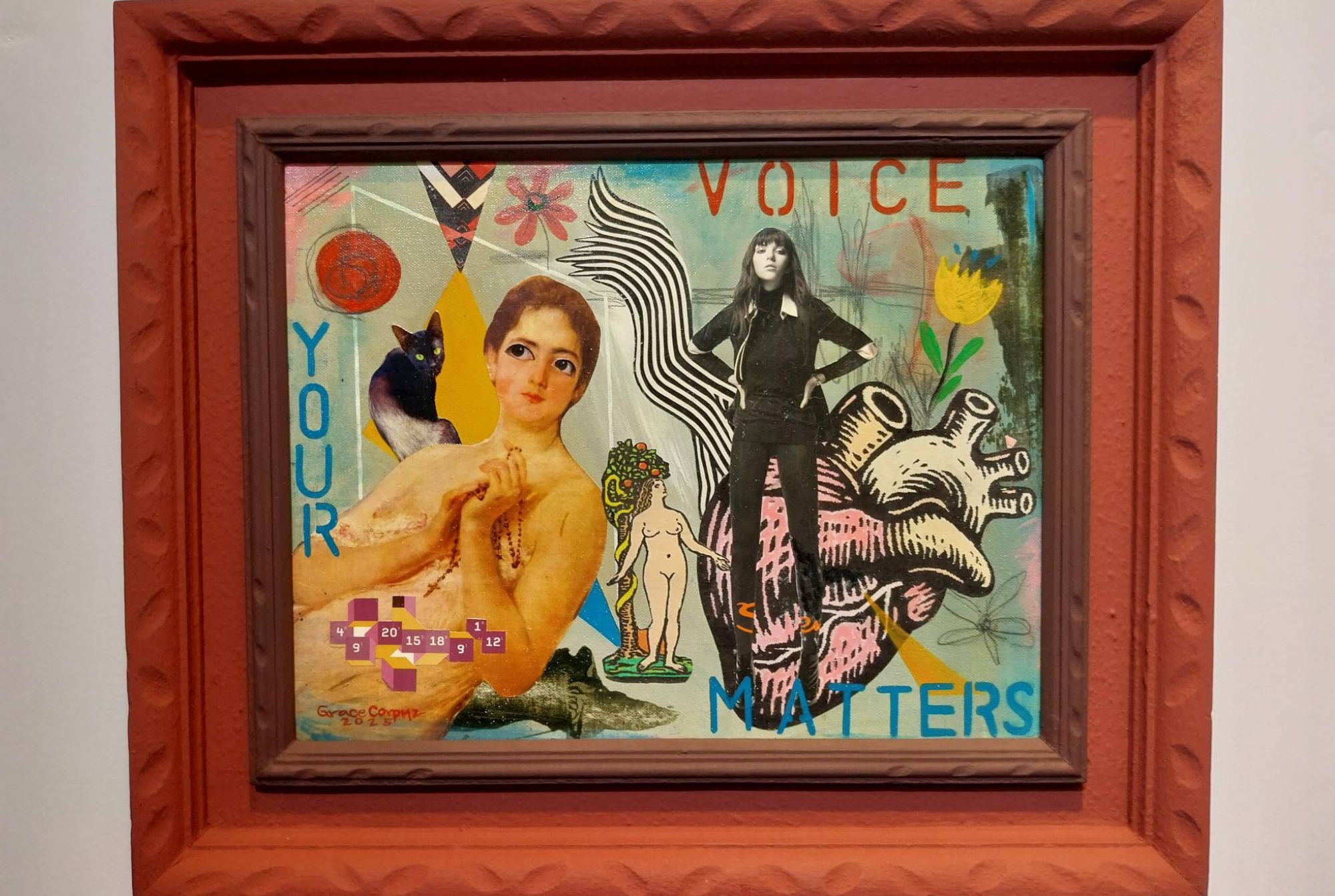
‘Bloom’ Celebrates the Vibrant Freedom of Individuality



Running from March 15 to April 5 at Kapitolyo Art Space, Bloom explores individuality as a form of freedom. This group exhibit gathers thirteen women artists from various disciplines, each offering a distinct perspective. Together, their works celebrate the depth and diversity of artistic expression, inviting viewers to reflect on the many ways creativity shapes identity and experience.
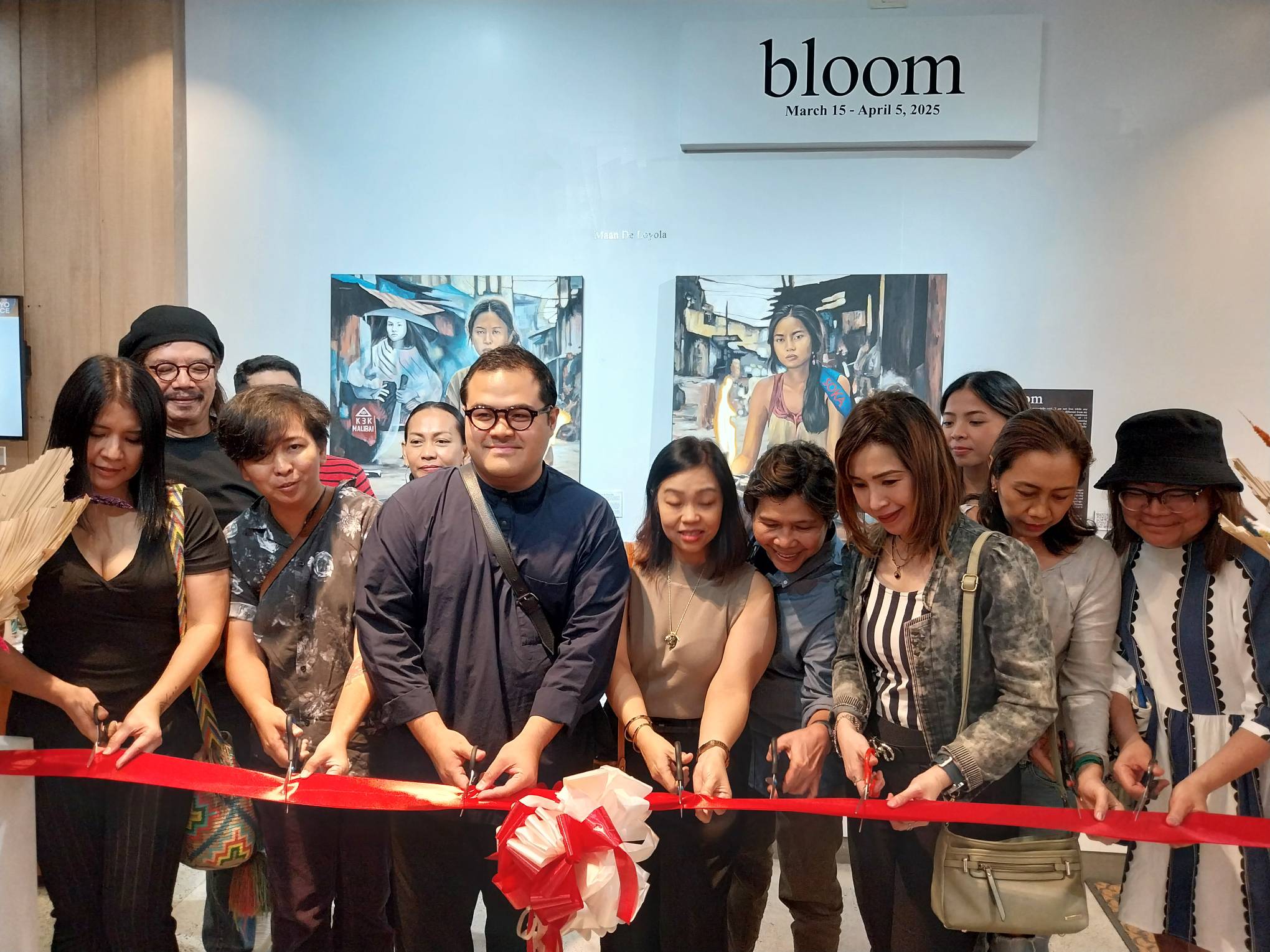
“The women in this exhibition capture these complexities in their work,” the exhibit write-up said. “[This exhibit is] reflecting not only the personal but also the collective journeys of women throughout history. Each piece speaks to a woman’s ability to persist, challenge, and embrace change, while boldly asserting her place in the world.”
‘Bloom’ and International Women’s Month
Curated in honor of International Women’s Month, the exhibit celebrates the progress of women’s rights over the past century while underscoring the ongoing challenges in achieving true gender equality.
During the opening reception, artist Eghai Roxas paid tribute to the continued struggle of women for equality, and their importance for a flourishing Philippine art scene.
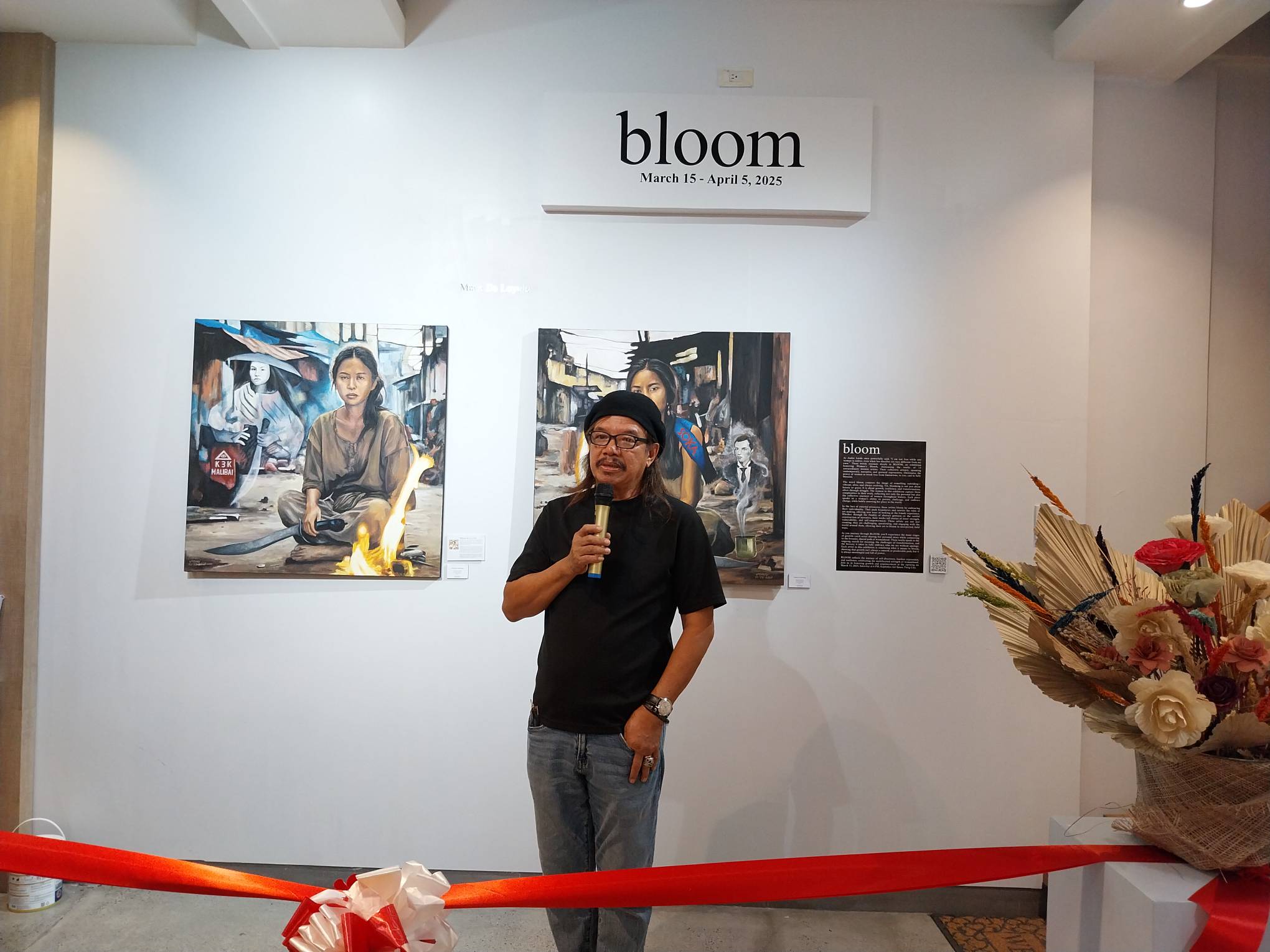
“Pinakita ang mga isyu at hamon sa kinakaharap ng mga kababaihan [sa] kabila ng pagtaas ng kaso ng karahasan sa tahanan at ang mga oportunidad na nawawala sa trabaho dahil sa pagbabago ng ekonomiya,” Roxas said. “Sa kabila ng hamon nito, nanatiling matatag at nakikibaka ang mga kababaihan, at patuloy nilang ipinaglalaban ang kanilang mga karapatan, pagkilala sa kanilang kontribusyon sa lipunan.
“Napakalaking bahagi ng ating mga kababaihan sa lipunan. Sa ating kabayan natin sa Pilipinas ay marami na ring anak ng sining. Lalo na mga kababaihan sa sculpture, painting, at simpleng papamaraan sa sining.”
(“It showed the issues and harms women face as the cases of domestic violence rise and a lack of job opportunities abound due to the changing market. Yet despite the harms, they continue steadfast in fighting for their rights and for recognition in society. Women are a big part of our society; in the Philippines many of them are artists. Lots of women work in sculpture, paintings and other forms of art.”)
‘Pakikibaka’ of Women in the Society’s Struggles
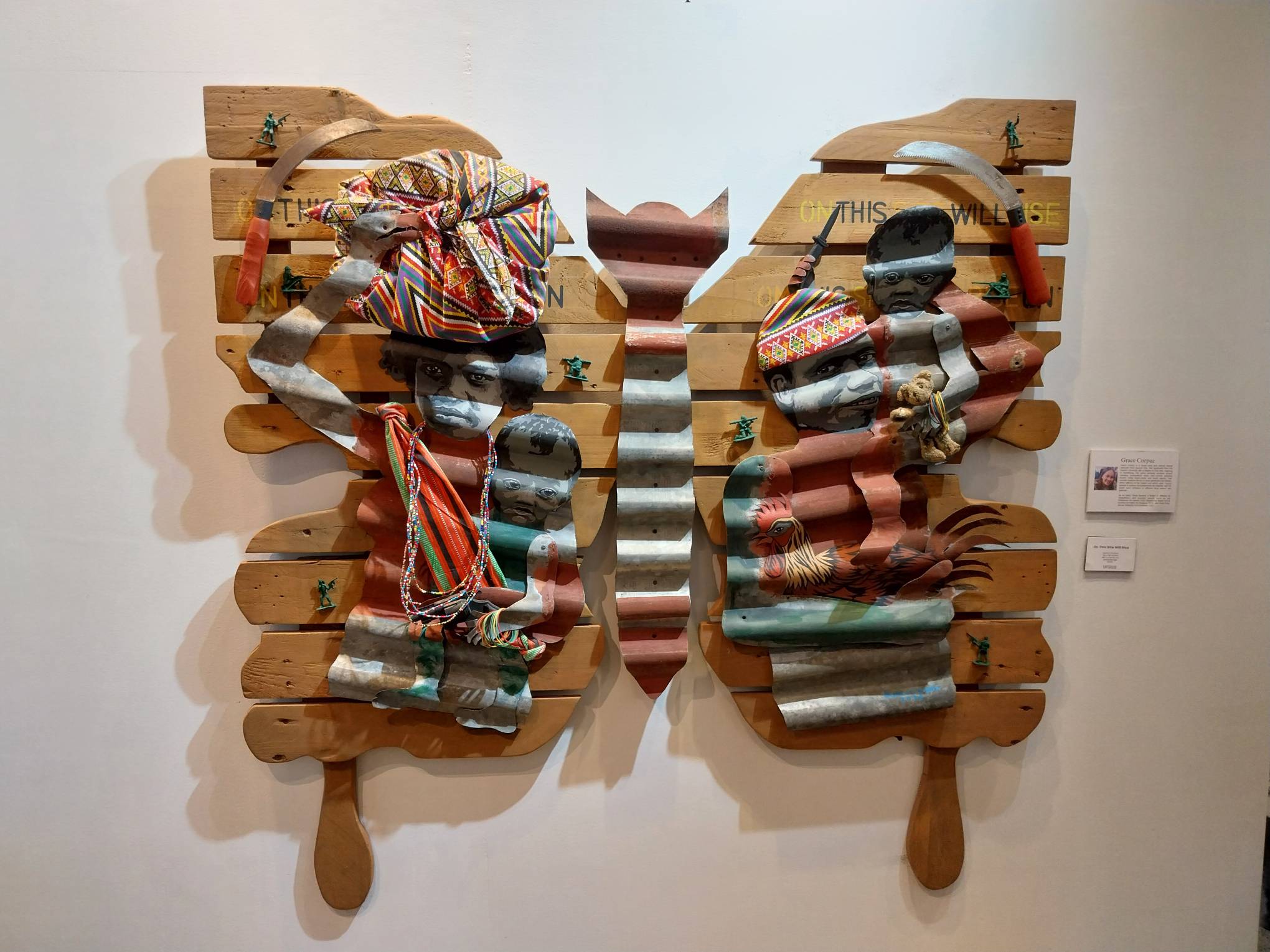
That spirit of change and individuality exists in every work in Bloom. Many of the works revolve around a societal issue that the artist feels strongly about. Works like Grace Corpus’s “On This Site Will Rise” uses wood and corrugated steel to create sculptural assemblages. The piece critiques the way society inflicts violence against indigenous people in the name of progress.
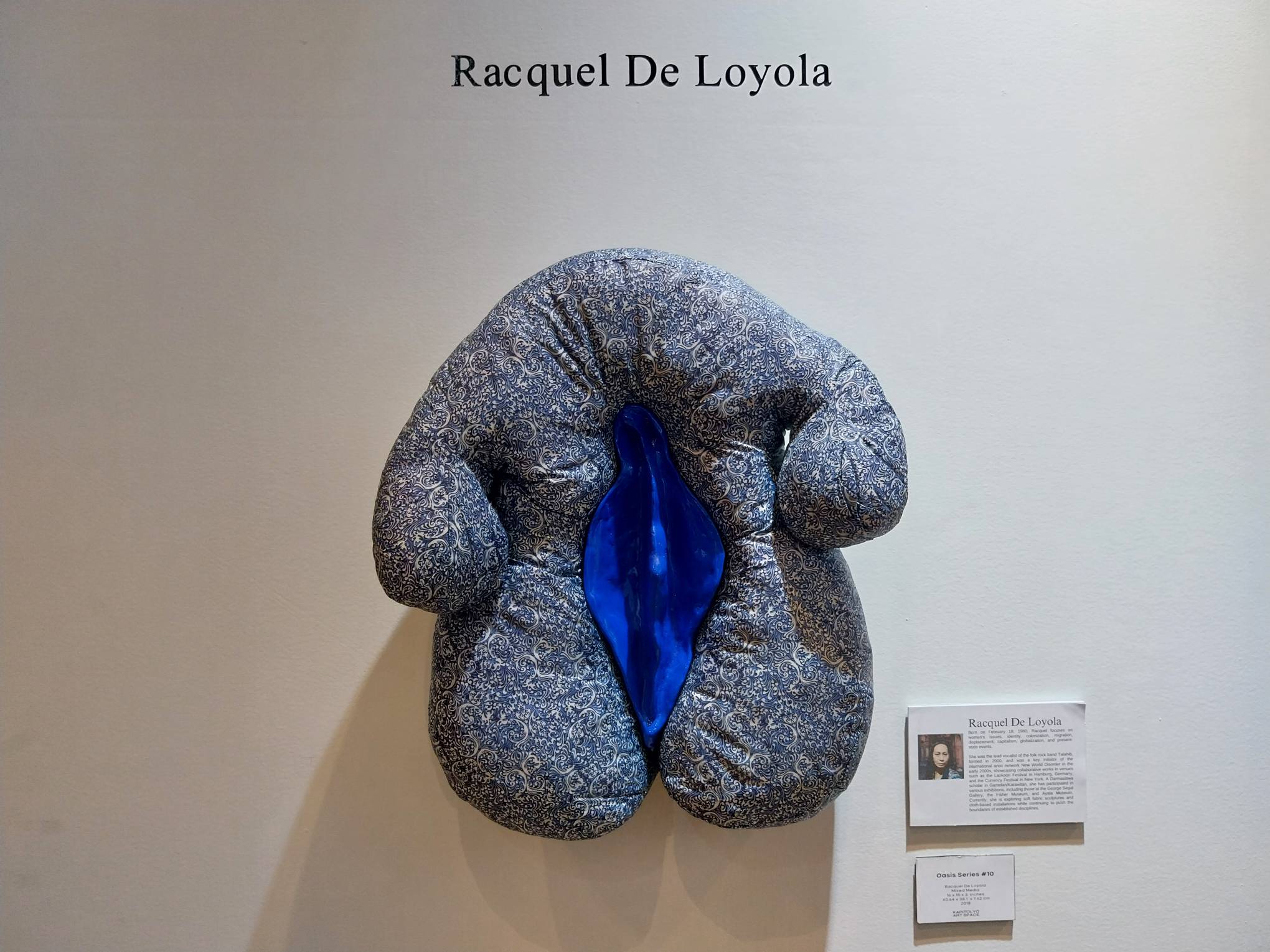
Racquel de Loyola contributed a piece from her “Oasis Series”, which is a fabric pillow shaped like a uterus with a vulva made of blue resin. “It’s basically inspired from the Baybayin form and symbol,” she explained. “It also represents [the] womb, and a home or a house or a sanctuary.”
The artist shares that it’s a commentary of women’s roles in society today. “Basically, that’s how I [see] this work. I think women have a very crucial role in changing our society as well,” she elaborated. “Women embody nurturers and the same value [of] sustenance as well. So, it’s very much related to how home reflects [in] this work.”
Encouraging One’s Interest
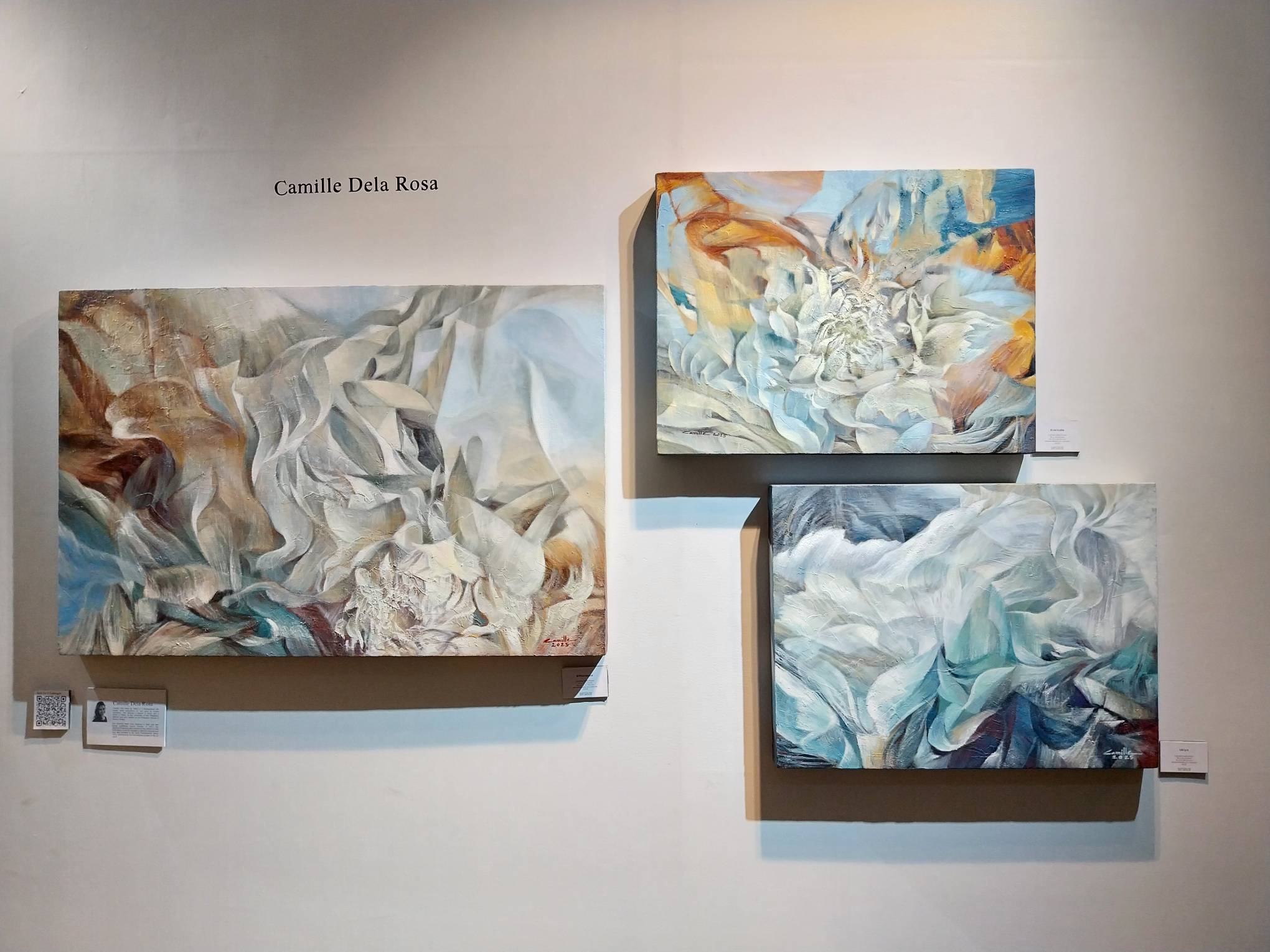
Others are not so overtly political, but they show an exploratory spirit in their artistic endeavors that wouldn’t be possible in a more repressive society. Artists like Lala Jara Tuazon, Camille Dela Rosa, and Katelyn Miñoso contribute colorful and flowery landscapes. These paintings find small notes of introspection through their impressionistic stylistic choices that highlight their moodiness to their surroundings.
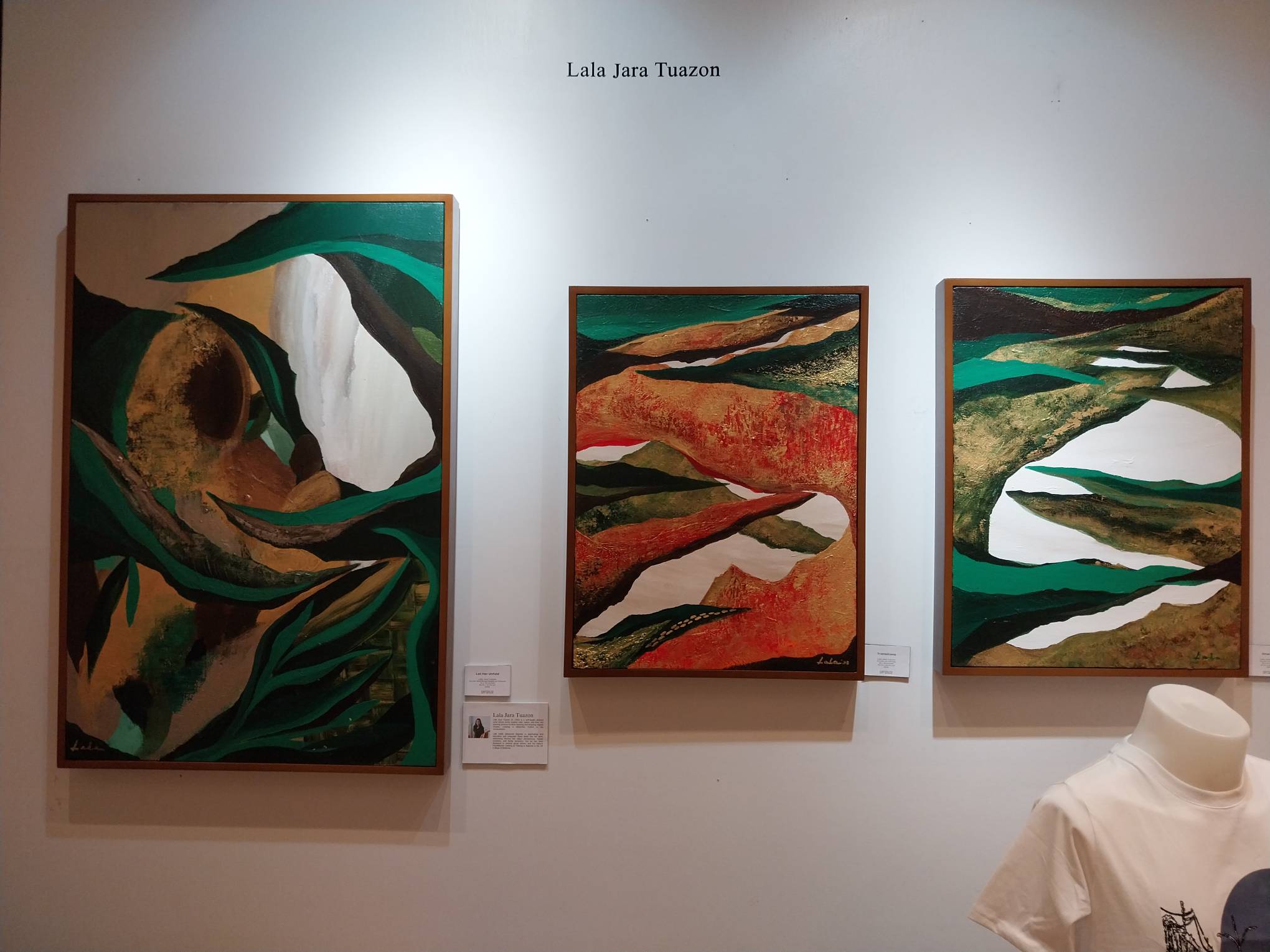
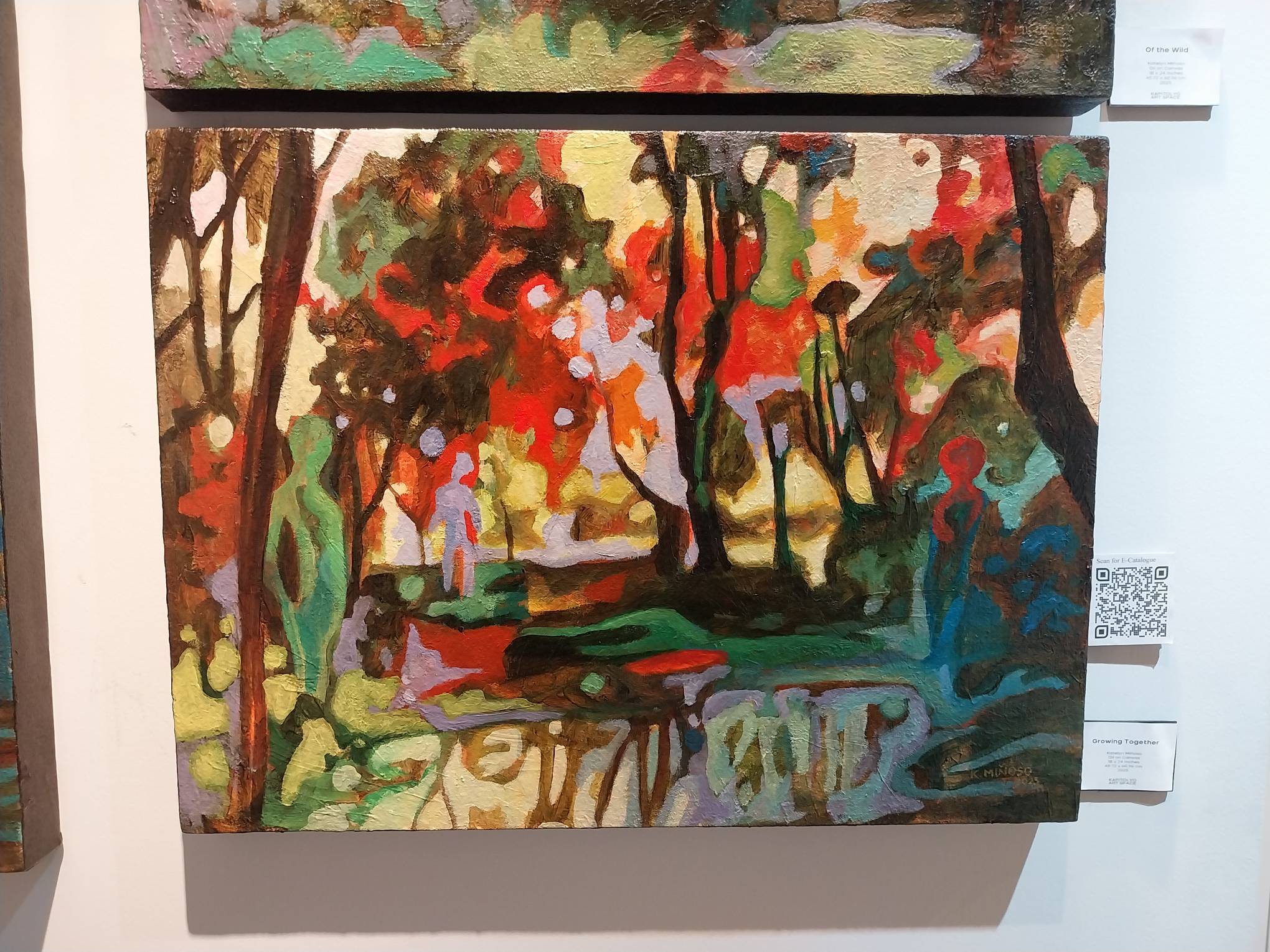
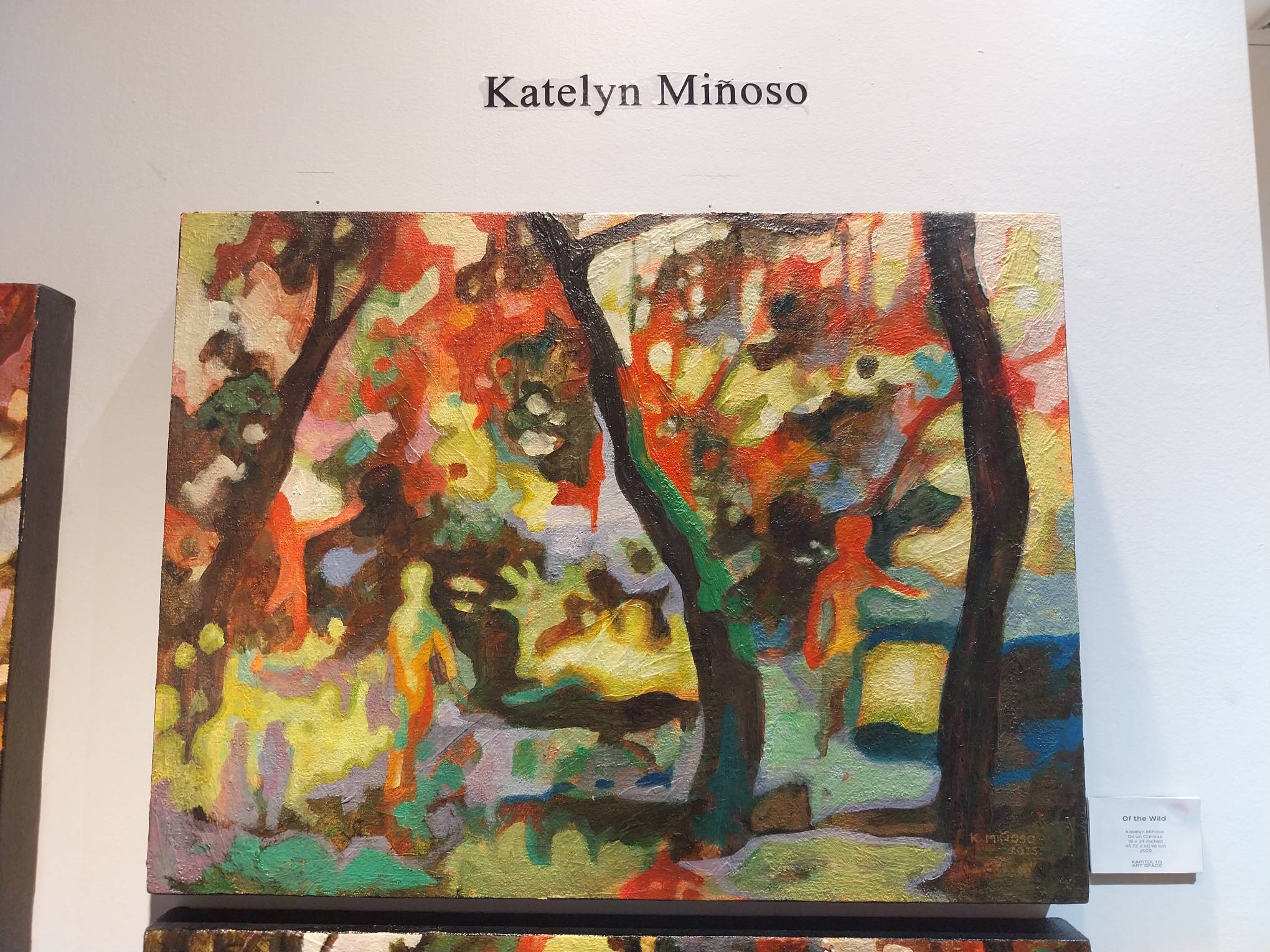
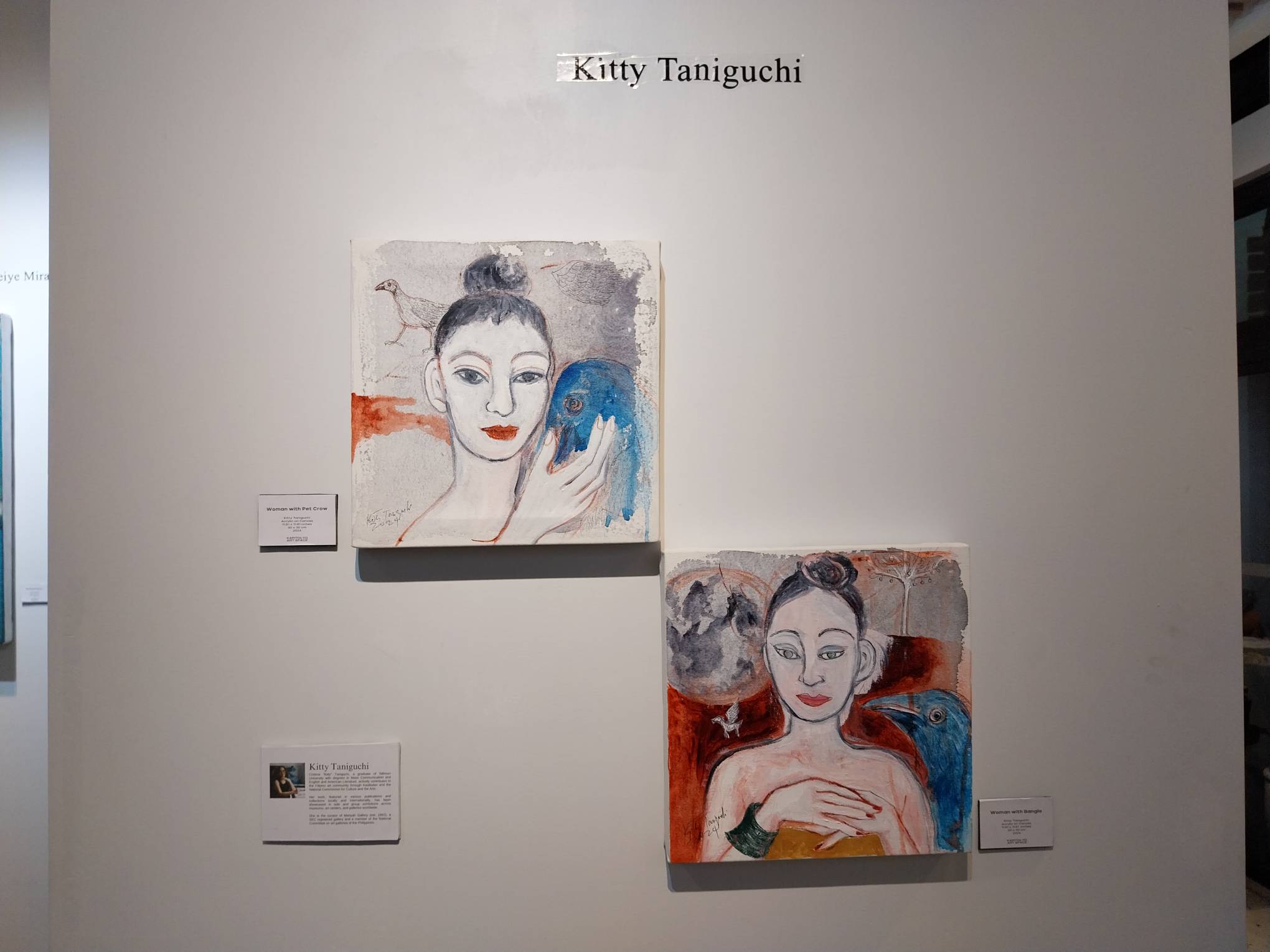
Stylistic differences abound in Bloom. Kitty Taniguchi contributed the portraits “Woman with Bangles” and “Woman with Pet Crow.” Both of them have this abstract aesthetic that envisions something both expressive and simplified with the way it renders its subject.
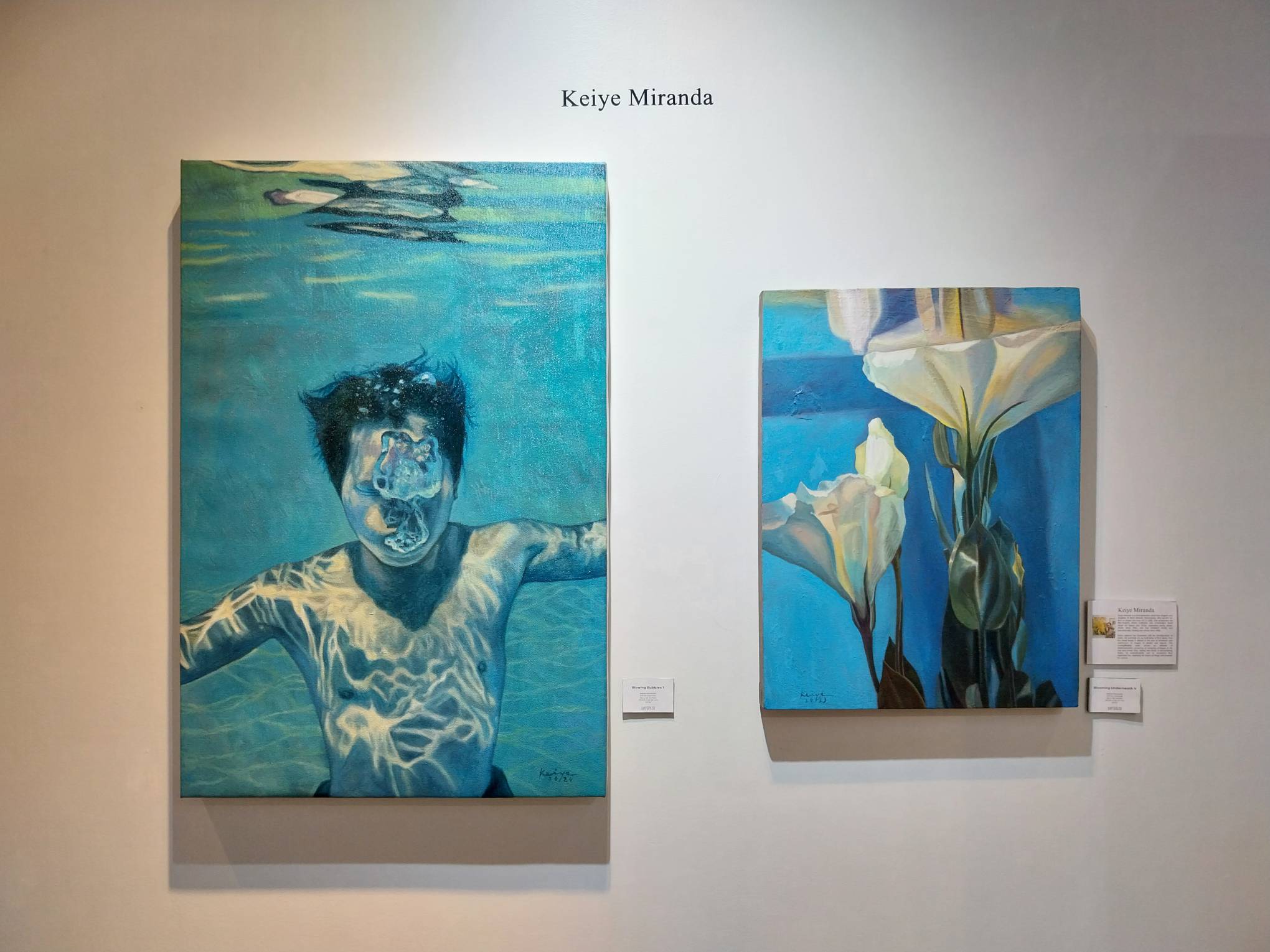
Keiye Miranda, meanwhile, has two paintings in the exhibit, “Blowing Bubbles 1” and “Blooming Underneath V.” These paintings, made from the perspective of being underground, have a realist sensibility that immerses you in the surroundings.
Interactivity at Play
Melanie Libatique provided three tactile sculptural works on canvas. These works utilize a more interactive model of art creation, informed by Libatique’s years of experience as an art teacher for children. It uses toys, metronomes, xylophones, and other objects in motion that give children something to engage with.
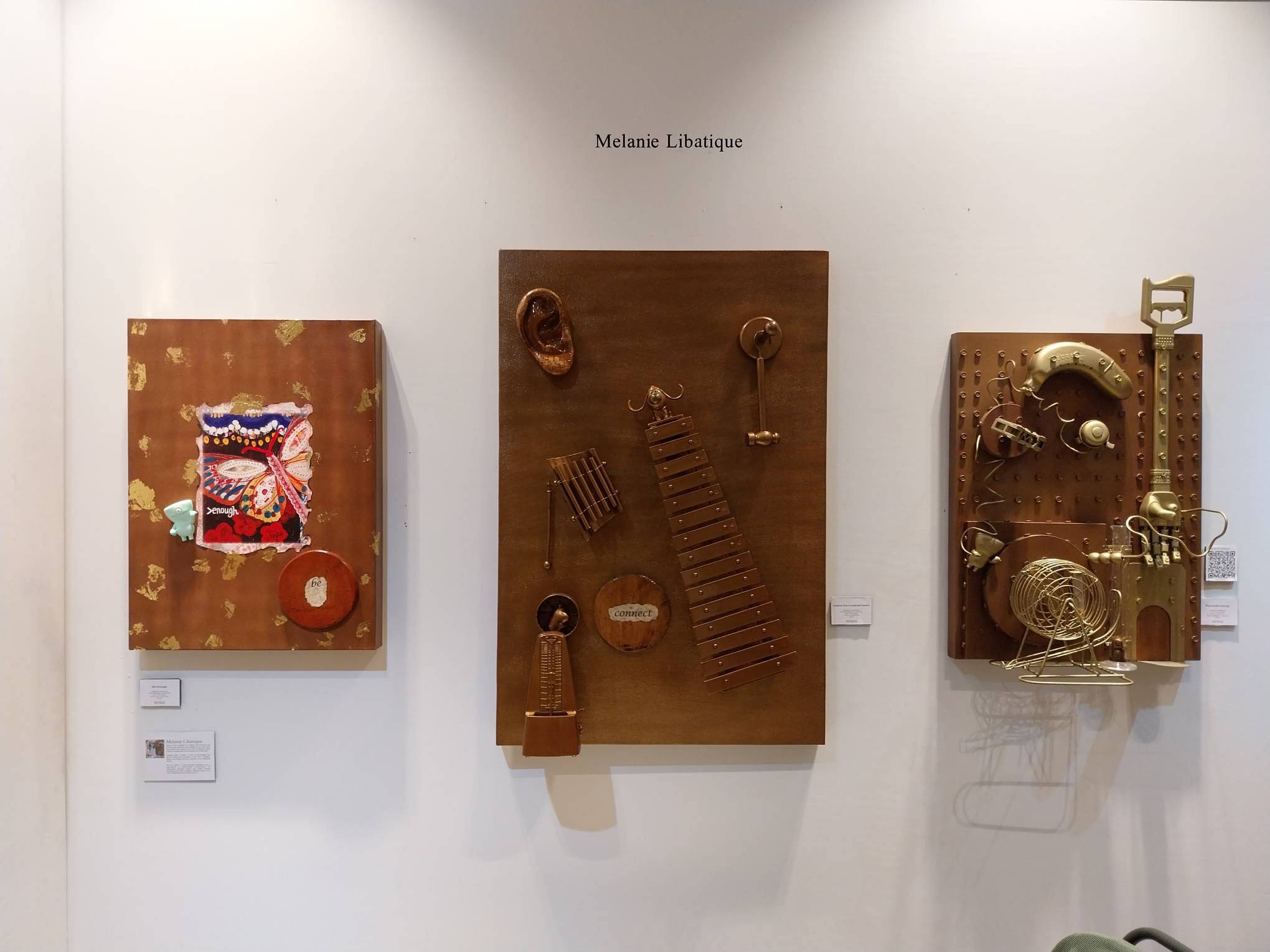
“I want the people to be able to manipulate [the art],” she said. “Sa gallery kasi, they put ‘do not touch’ [signs on the works. But in these ones], you can touch it, you can feel, and then you can see na art pala is not too abstract. What’s wrong with touching the [work] if it’s designed that way?”
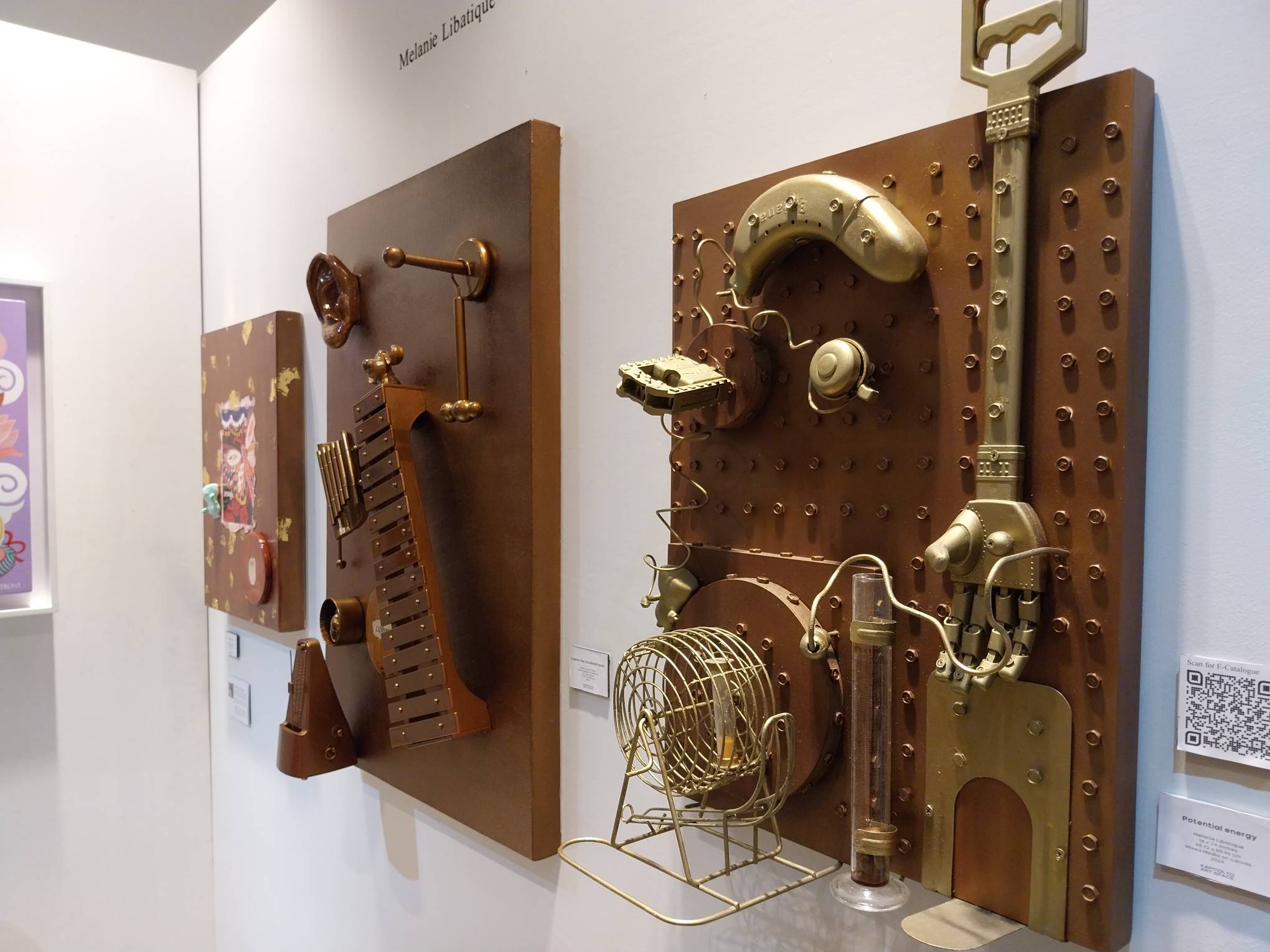
“My background in play, I taught kids for 15 years,” she continued. “And so I think that […] I would want [to have] play things in the gallery. [It goes] back to the same idea that artwork can be also a source of play and pleasure, and good memories can happen anyway.”
Revolutionary Spirit of Taking Control
One of the more provocative and eye-catching works in Bloom is the work of Maan de Loyola, whose work is likely the most explicitly political of the thirteen. She places national heroines like Oriang (Gregoria de Jesus) and Selang Bagsik (Marcela Marcelo) in the modern context of informal settlements.
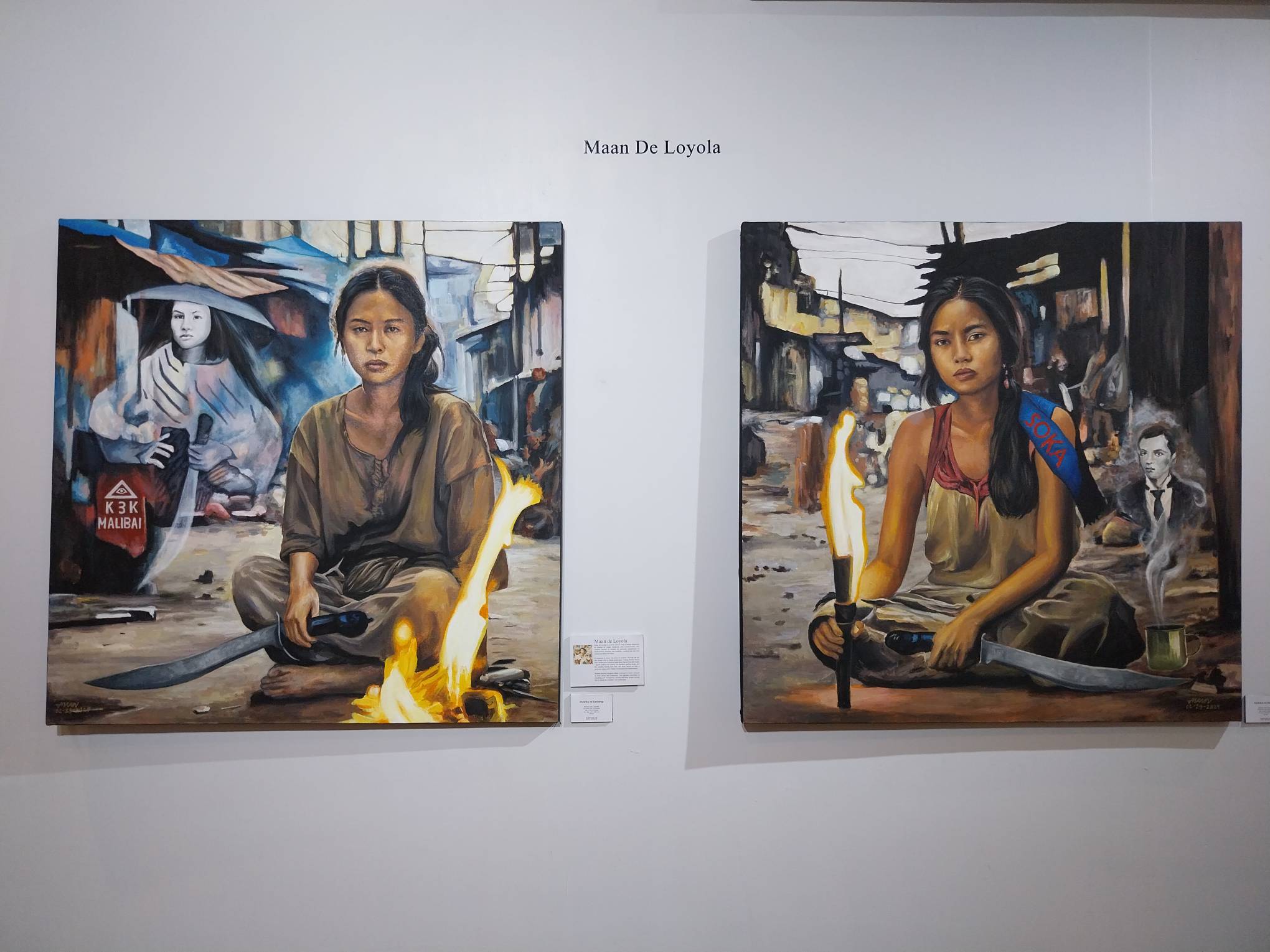
De Loyola’s portraits depict the revolutionary figures challenging viewers to confront the ongoing struggle for gender and income equality.
“I think women have [a] responsibility,” she said. “Hindi lang sa loob ng bahay; I think, ayun yung nangyayari ngayon na nakikita ko sa mga kababaihan hanggang ngayon [ay] patuloy yung paglalaban.
“Kasi ngayon nagreflect na, like, what happened to the EJK (extra-judicial killings), diba? Karamihan diyan, majority women ang nagkipaglaban. So ang laki ng parte ng babae na para magbago ang ating lipunan. Kaya I think these women ngayon are a symbol na sila yung light at sila yung way [para sa] pagbabago ng ating lipunan.”
(“Women have a responsibility beyond the home; I think, I see what’s happening today with women is that they continue to fight. We can see that today reflected with what happened to the EJK, right? Most of the people who fought for that were women. So women have a big part to change society, and that’s why I chose these women as a symbol of our role as the light and change of our society.”)
Women Charting Their Own Futures
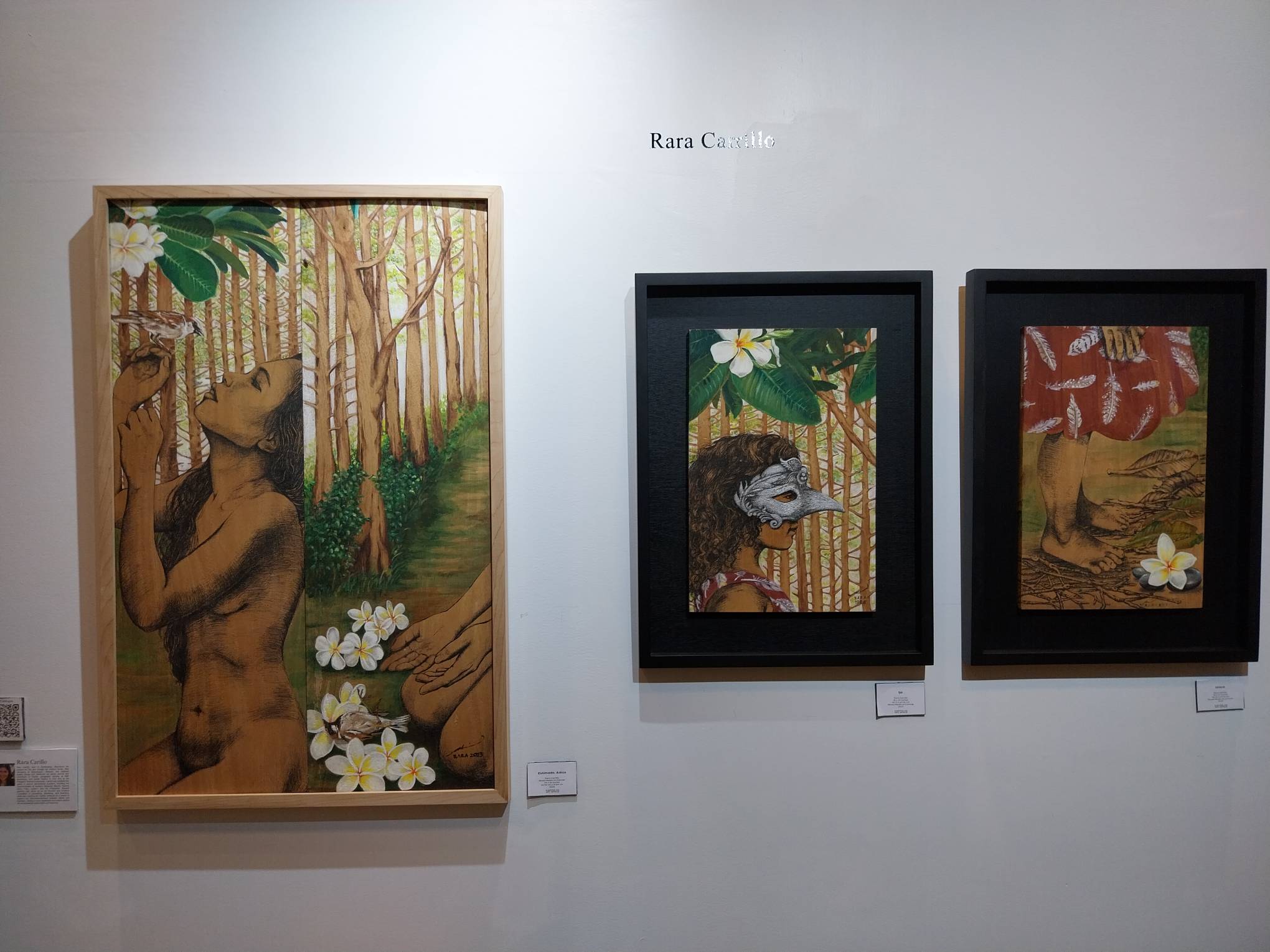
Bloom showcases womanhood in the context of freedom and independence. It challenges the patriarchal belief that women—or any gender—should be confined to subservience within hierarchical structures. True progress lies in breaking these constraints, allowing everyone the freedom to explore, create, and achieve without limitation.
Photos by Elle Yap.
Related reading: Kapitolyo Art Space Celebrates New Building with ‘Projekt Kapitolyo’
Frequently Asked Questions
The exhibit explores individuality as a fundamental form of freedom, celebrating the diverse ways women artists express their unique identities and narratives. Running from March 15 to April 5, 2025, it honors International Women’s Month by gathering thirteen artists who reflect on both personal and collective journeys. The showcase invites viewers to witness how bold self-expression serves as a tool for women to persist, challenge societal norms, and assert their place in the world.
Several pieces in the exhibit serve as critiques of systemic violence and inequality, such as Grace Corpus’s sculptures regarding indigenous rights and Racquel de Loyola’s commentary on women’s nurturing roles. Maan de Loyola contributes explicitly political portraits, placing Philippine national heroines in modern informal settlements to highlight the ongoing struggle for income and gender equality. These works symbolize the revolutionary spirit of women as primary agents of change and resistance against historical and modern injustices.
Artist and long-time educator Melanie Libatique challenges traditional gallery norms by presenting tactile sculptural works on canvas that encourage visitors to touch and manipulate the art. Her pieces incorporate toys, metronomes, and xylophones, drawing from her background in childhood education to foster a sense of play and pleasure. By removing the “do not touch” barrier, Libatique aims to make art more accessible and grounded in the joy of physical engagement.
Artists like Lala Jara Tuazon, Camille Dela Rosa, and Katelyn Miñoso utilize impressionistic styles in their flowery landscapes to capture specific moods and internal reflections. Meanwhile, Kitty Taniguchi’s abstract portraits and Keiye Miranda’s underground-perspective paintings offer contrasting ways of rendering the human experience and surroundings. These stylistic choices highlight the “exploratory spirit” available to women in a free society, allowing for diverse aesthetic interpretations of identity and nature.
The exhibition frames womanhood through the lens of freedom and independence, directly challenging patriarchal structures that seek to confine any gender to subservience. By showcasing a wide array of disciplines—from sculpture to interactive media—the show illustrates that true progress is achieved when constraints are broken. It asserts that everyone should have the unhampered right to explore their passions and chart their own futures without the limitations imposed by traditional hierarchies.
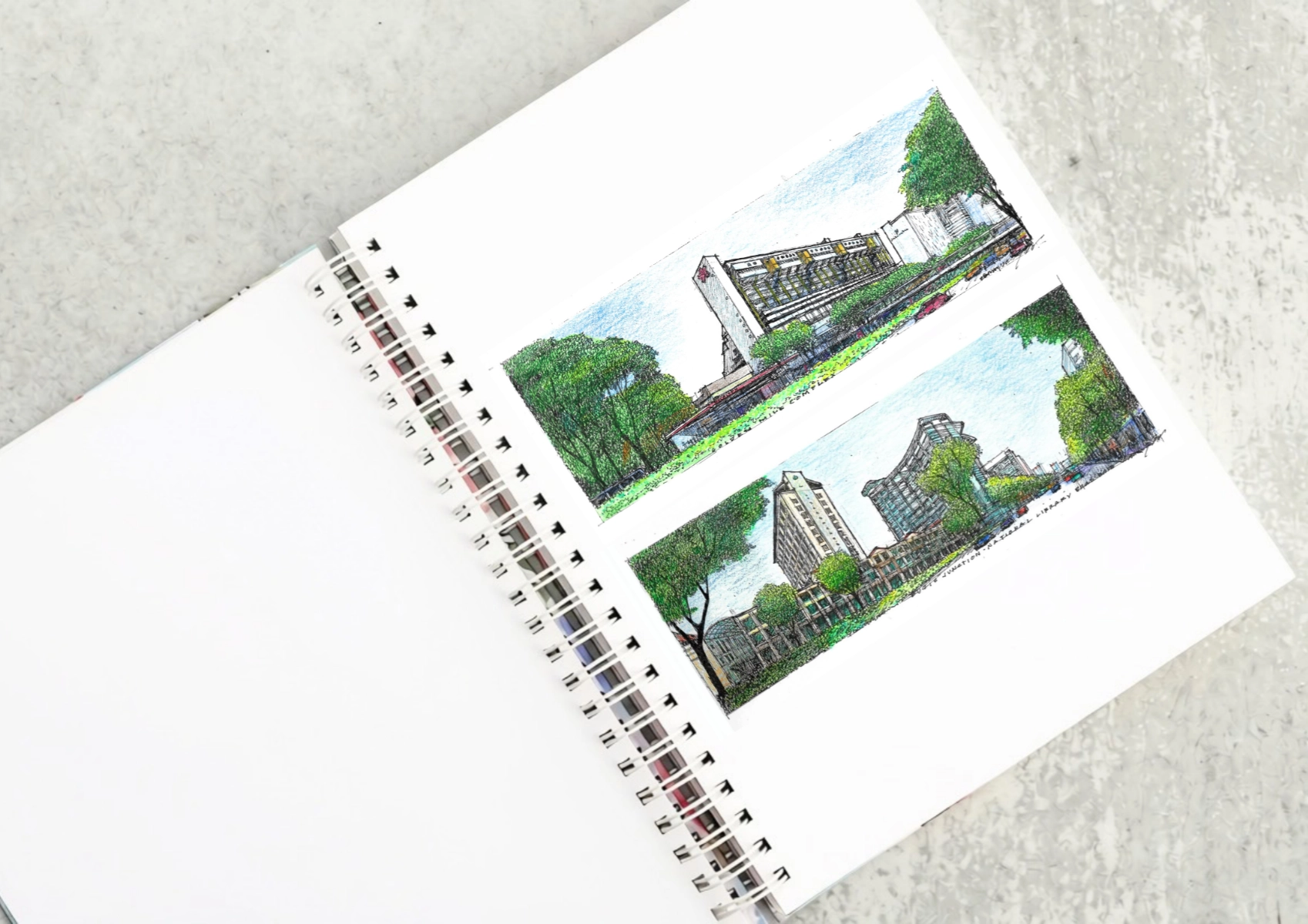
Two sketches of Singapore connect BluPrint Editor in Chief Paulo G. Alcazaren’s personal and professional history with Shared Ground: ArchitectureArchitectureThe art and science of designing and constructing buildings, structures, and spaces that are functional, safe, and aesthetically pleasing. It encompasses the planning, design, materials, and techniques used to createGo to Architecture Glossary of Care, Culture, […]
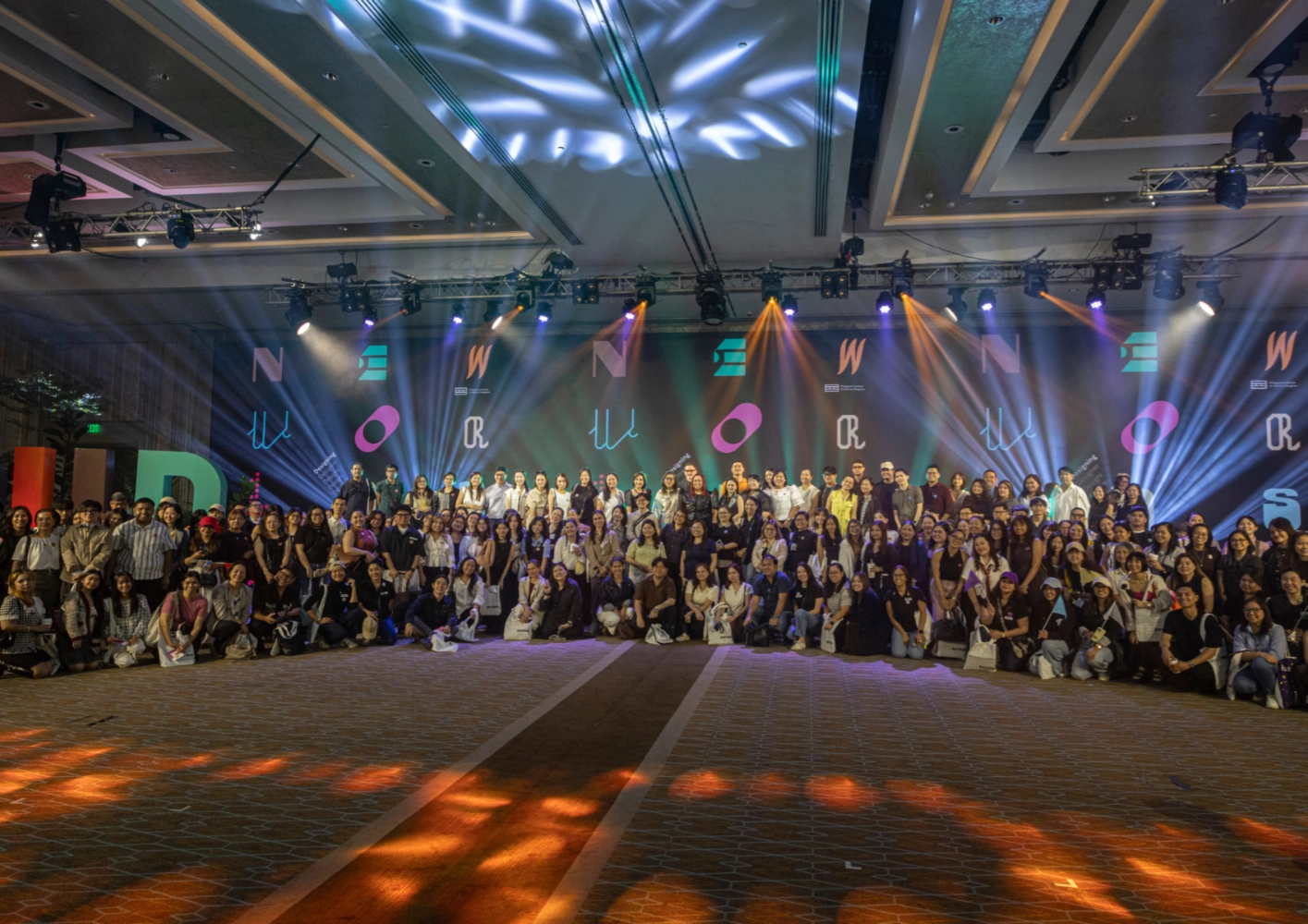
In a way, designers are the modern-day soothsayers and prophets. They design for the future, predicting how a room, a house, a building or a whole city will be used by people. They foresee how users will interact with a space, conjure exact shades of colors to elicit specific behavior and arrange furniture to build […]
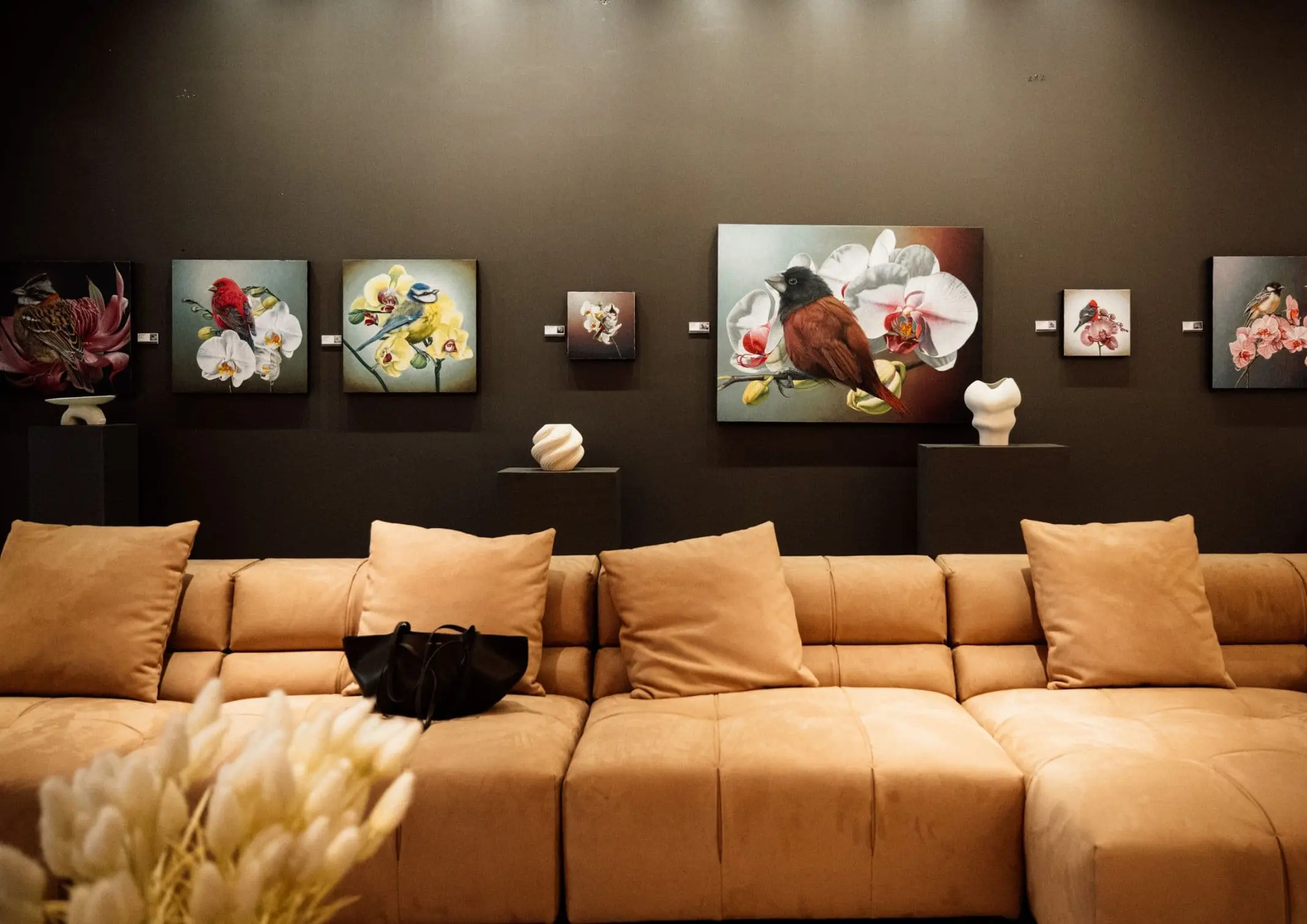
Art and furniture are often selected separately, yet their relationship can shape how a room looks and feels. The collaboration between Hooga and Galerie Joaquin explores how these elements can work together, bringing contemporary artworks into furnished residential settings at Hooga’s showroom in Uptown Mall, Bonifacio Global City. For Hooga, which curates furniture, lighting, and […]
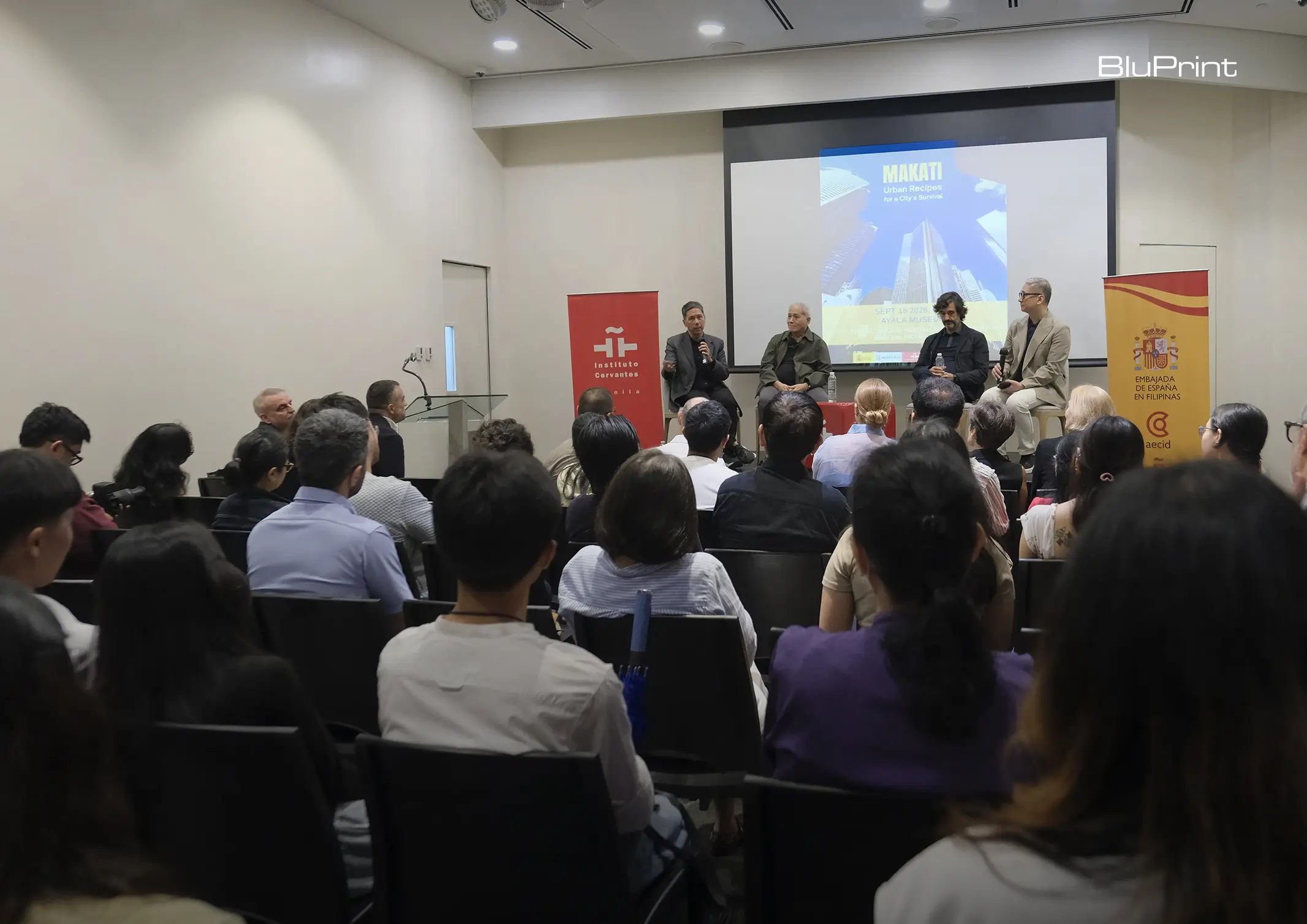
How can better-planned cities create the conditions for more creative, livable, and resilient urban environments? “Makati Urban Recipes for a City’s Survival,” a colloquium held at the Ayala Museum on September 15, brought together architects and practitioners from the fields of urbanism and the creative economy to discuss how design, planning, and collaboration can address […]
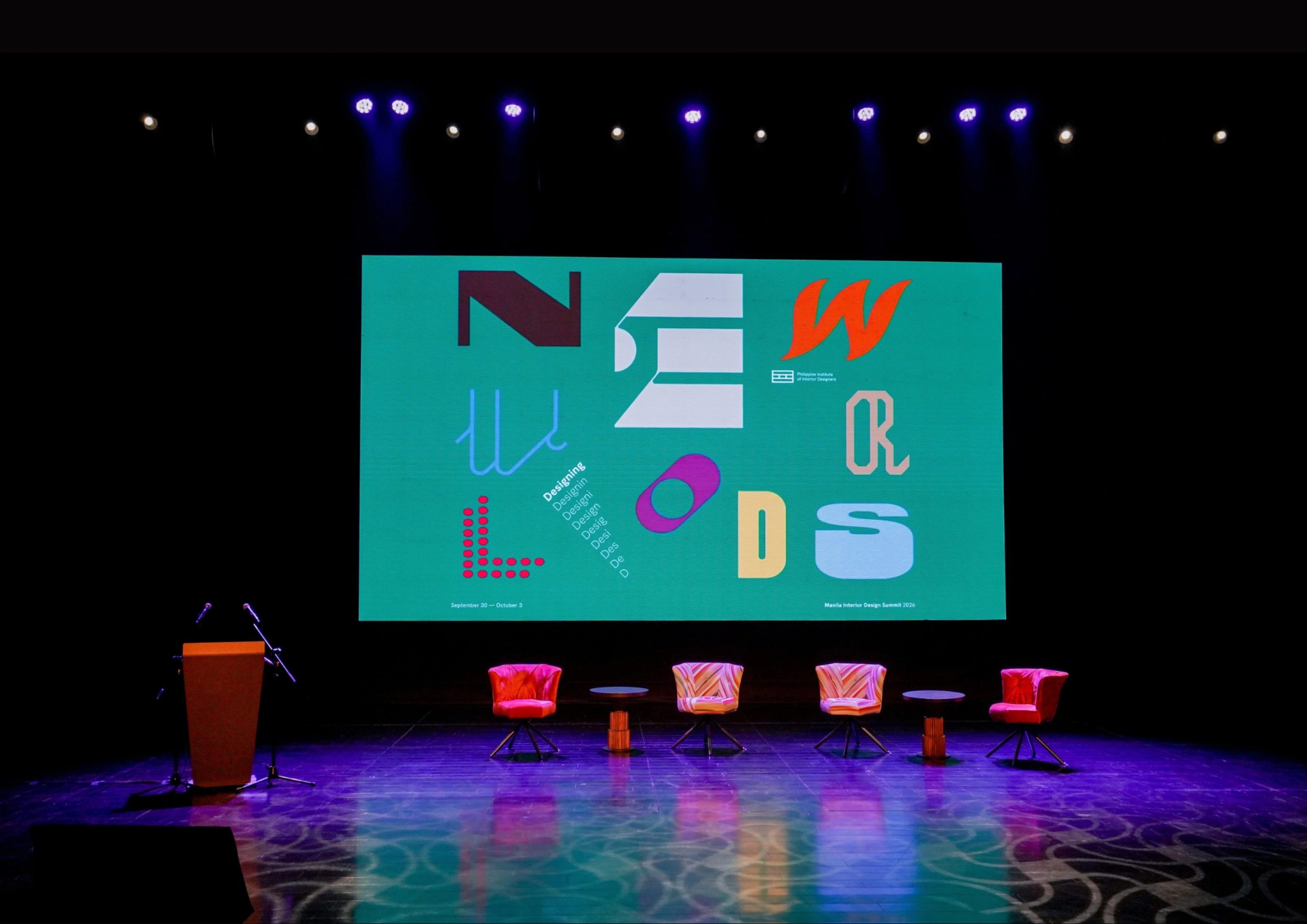
The fourth Manila Interior DesignInterior DesignThe discipline of planning and shaping interior spaces for function, comfort, safety, and beauty. It covers layout, lighting, materials, finishes, furniture, and color, and in the Philippines is a licensedGo to Interior Design Glossary Summit (MIDS) brought together more than 300 delegates for four days of conversations, exhibitions, and design […]
Read the issues.

Collect the volumes.

Recommended Video
Tap to Unmute
Unmute
0:00
0:00