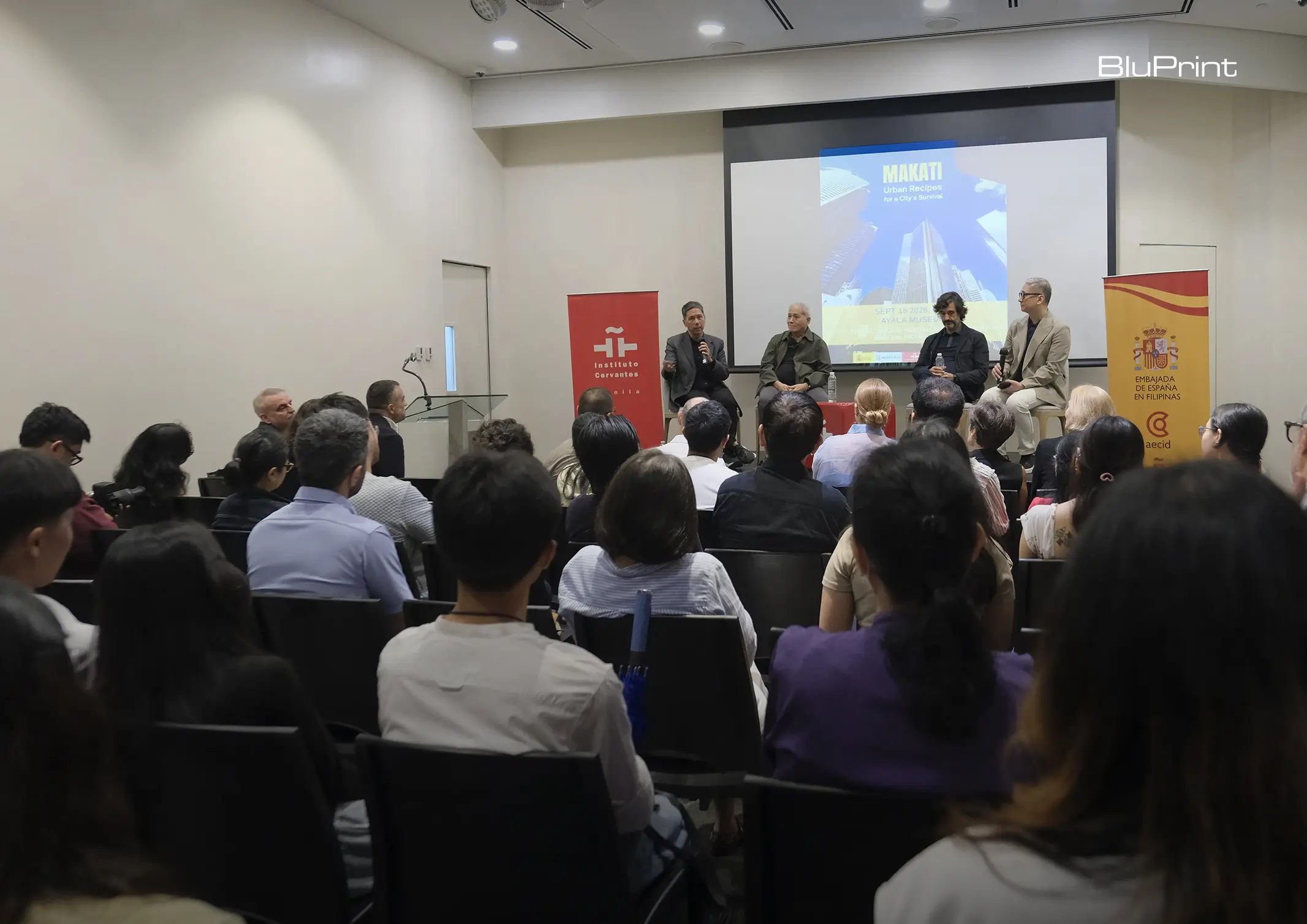
How can better-planned cities create the conditions for more creative, livable, and resilient urban environments? “Makati Urban Recipes for a City’s Survival,” a colloquium held at the Ayala Museum on September 15, brought together architects and practitioners from the fields of urbanism and the creative economy to discuss how design, planning, and collaboration can address […]
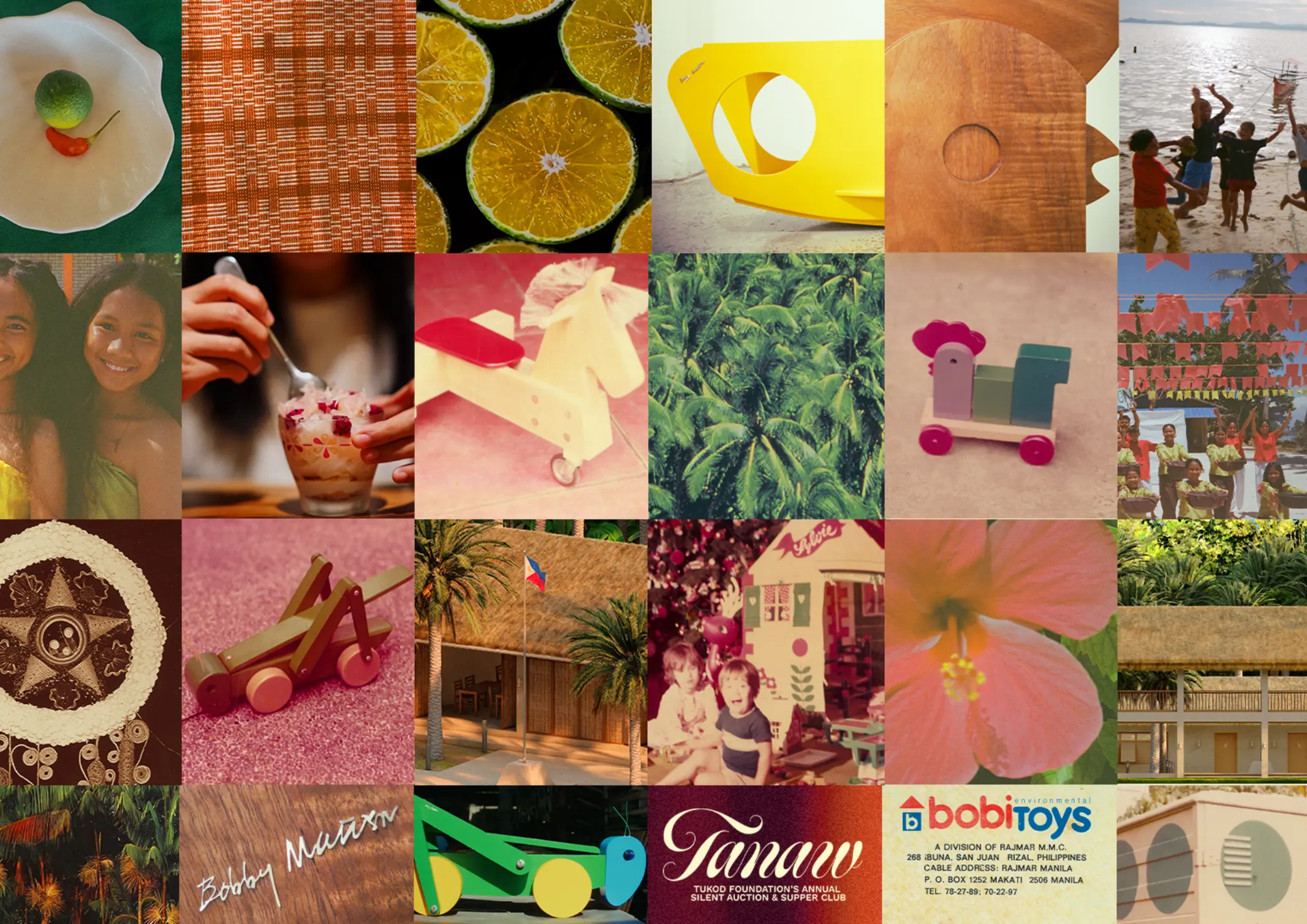
Bobby Mañosa’s Iconic ‘Bobi Toys’ Become Sculptures in ‘Tanaw’



Not many people know this, but during the Martial Law era, National Artist for ArchitectureArchitectureThe art and science of designing and constructing buildings, structures, and spaces that are functional, safe, and aesthetically pleasing. It encompasses the planning, design, materials, and techniques used to createGo to Architecture Glossary Bobby Mañosa was also a toy designer. He had an iconic line of toys, called “Bobi Toys,” that he sold in Makati during the 1970s and 1980s, which he discontinued as his own kids grew older.
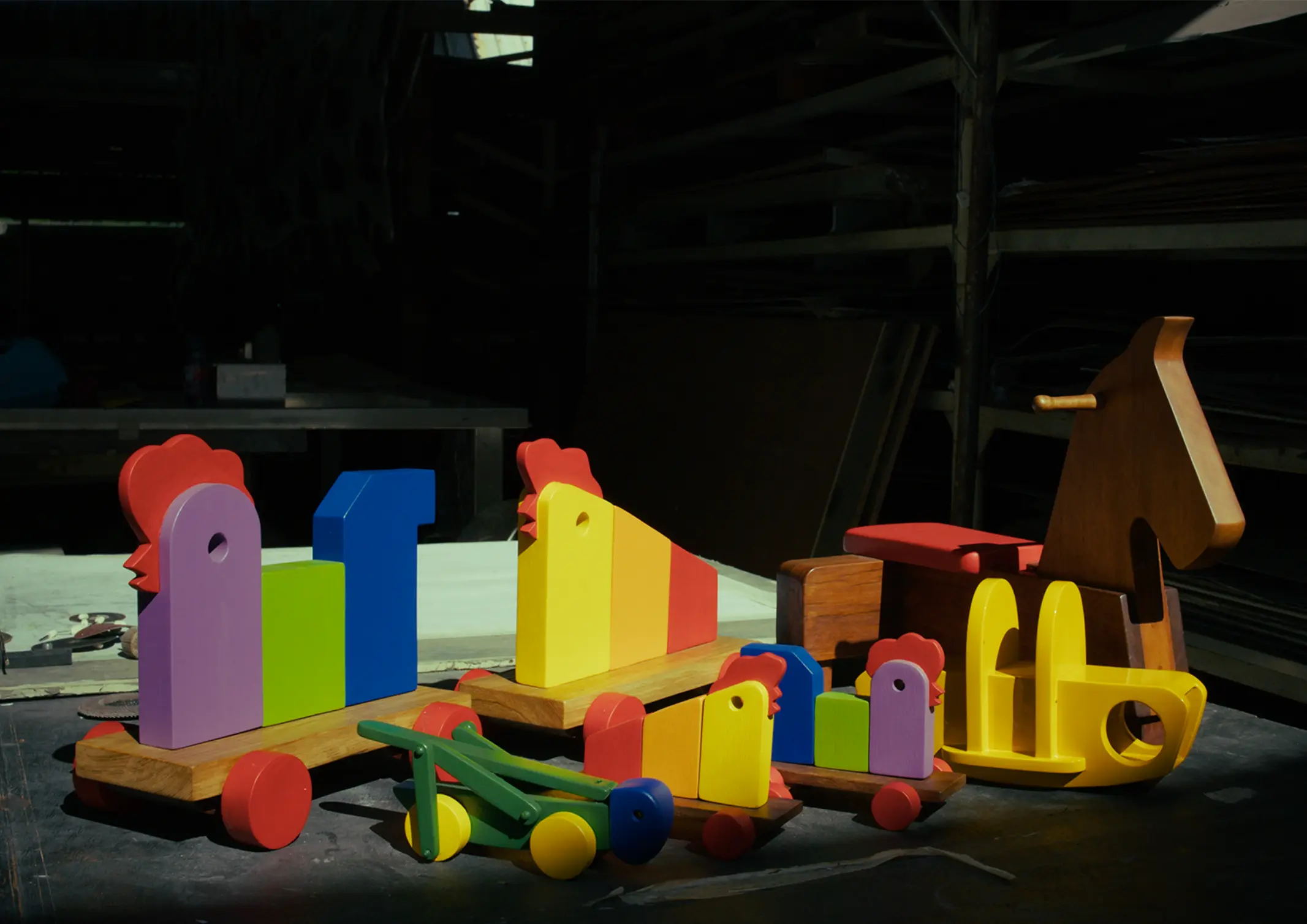
His toys have not been mass-produced in recent decades, but his grandchildren now aim to use that legacy of innovative ideas to help marginalized children in the Visayas region. Five one-of-a-kind signed art pieces based on the popular “Bobi Toys” were auctioned off during Tanaw, a fundraising initiative by the Tukod Foundation.
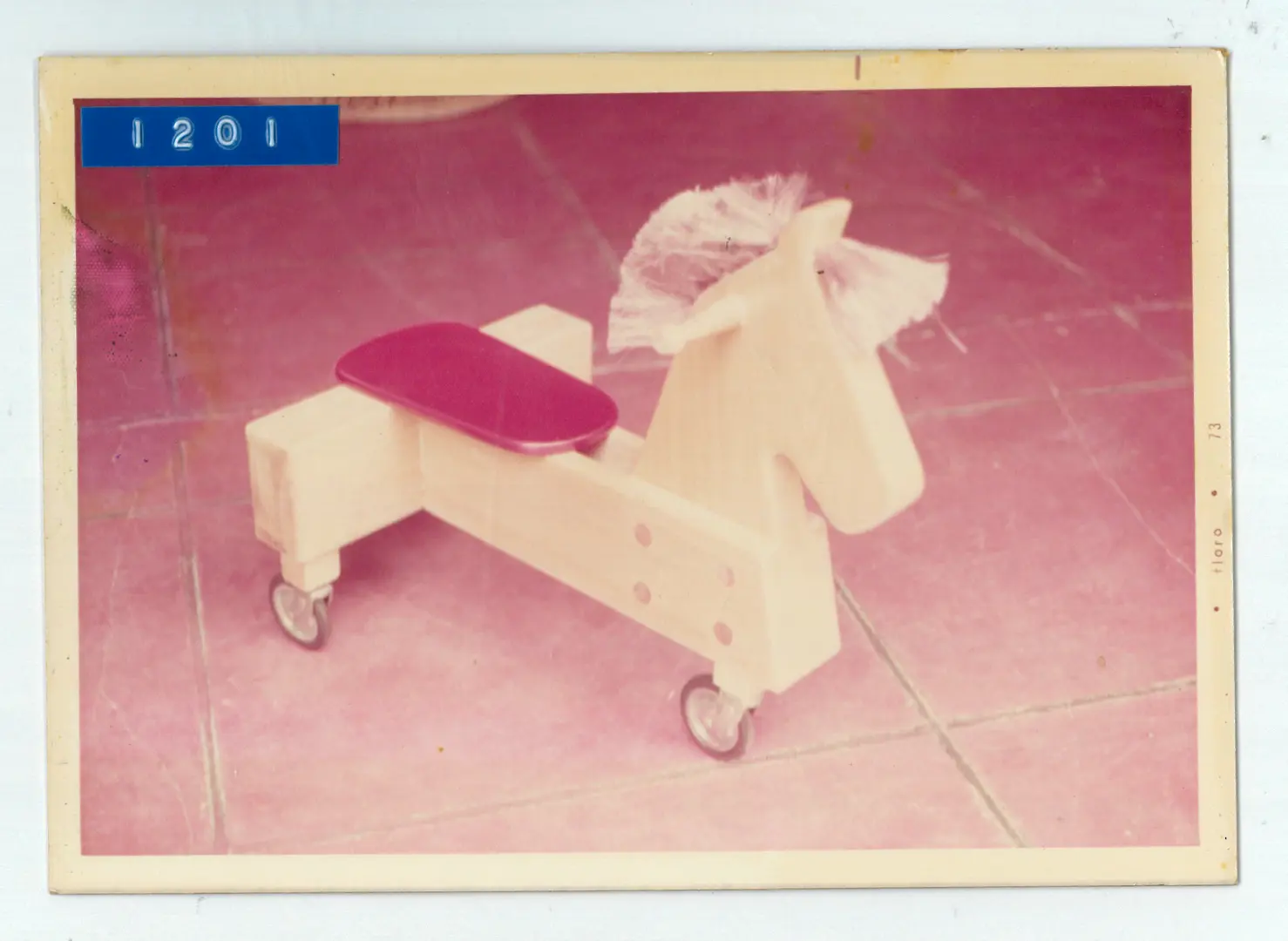
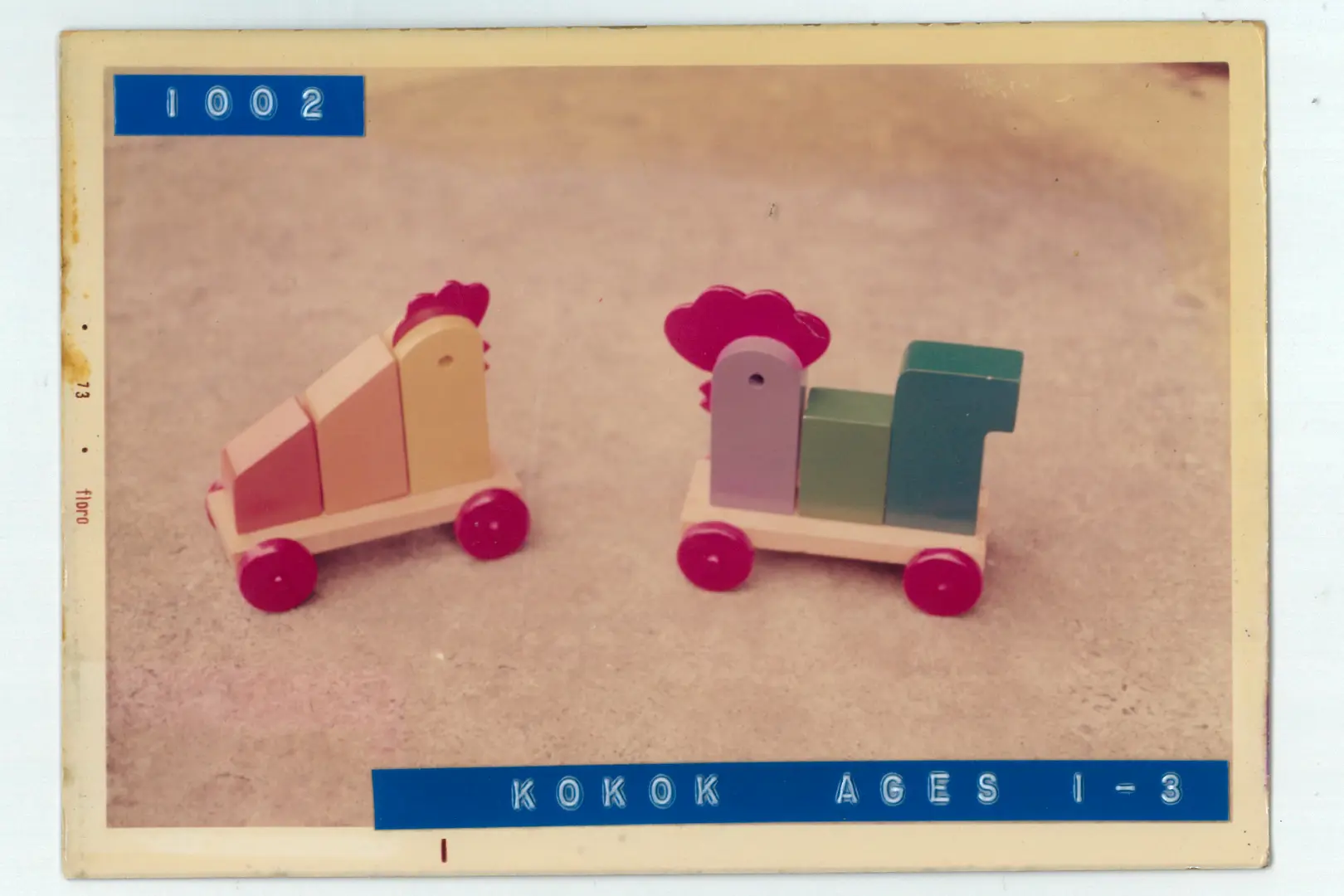
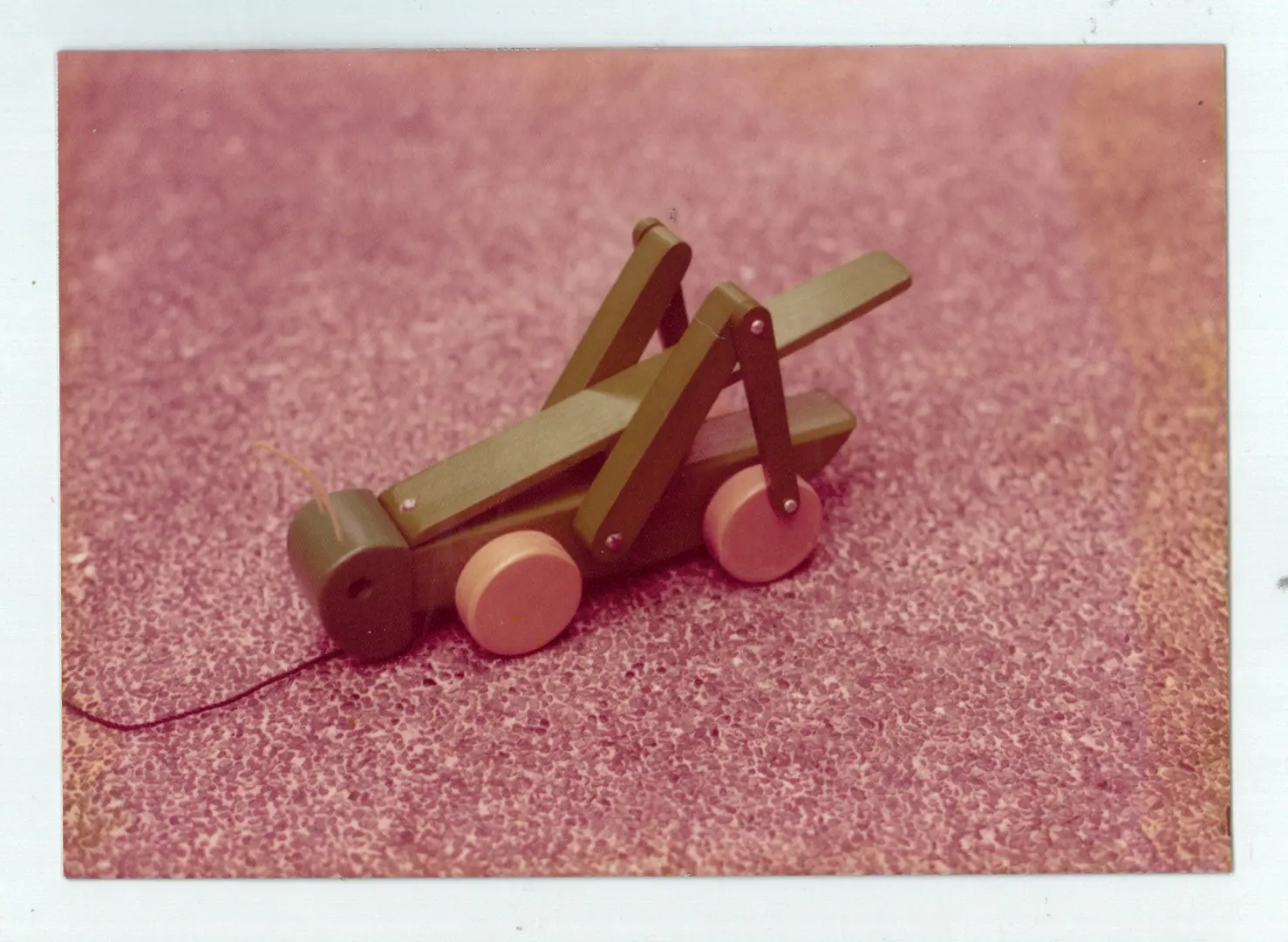
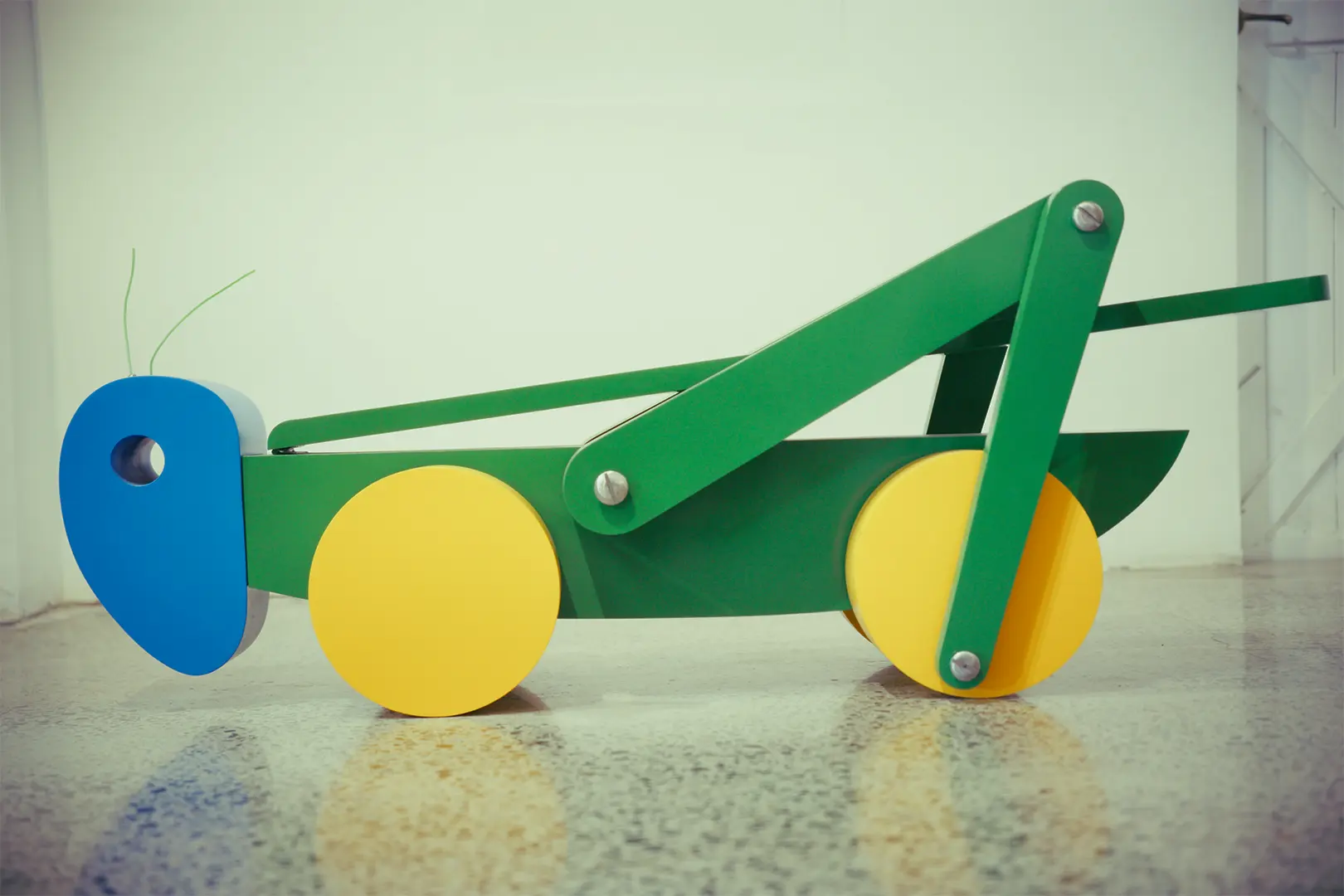
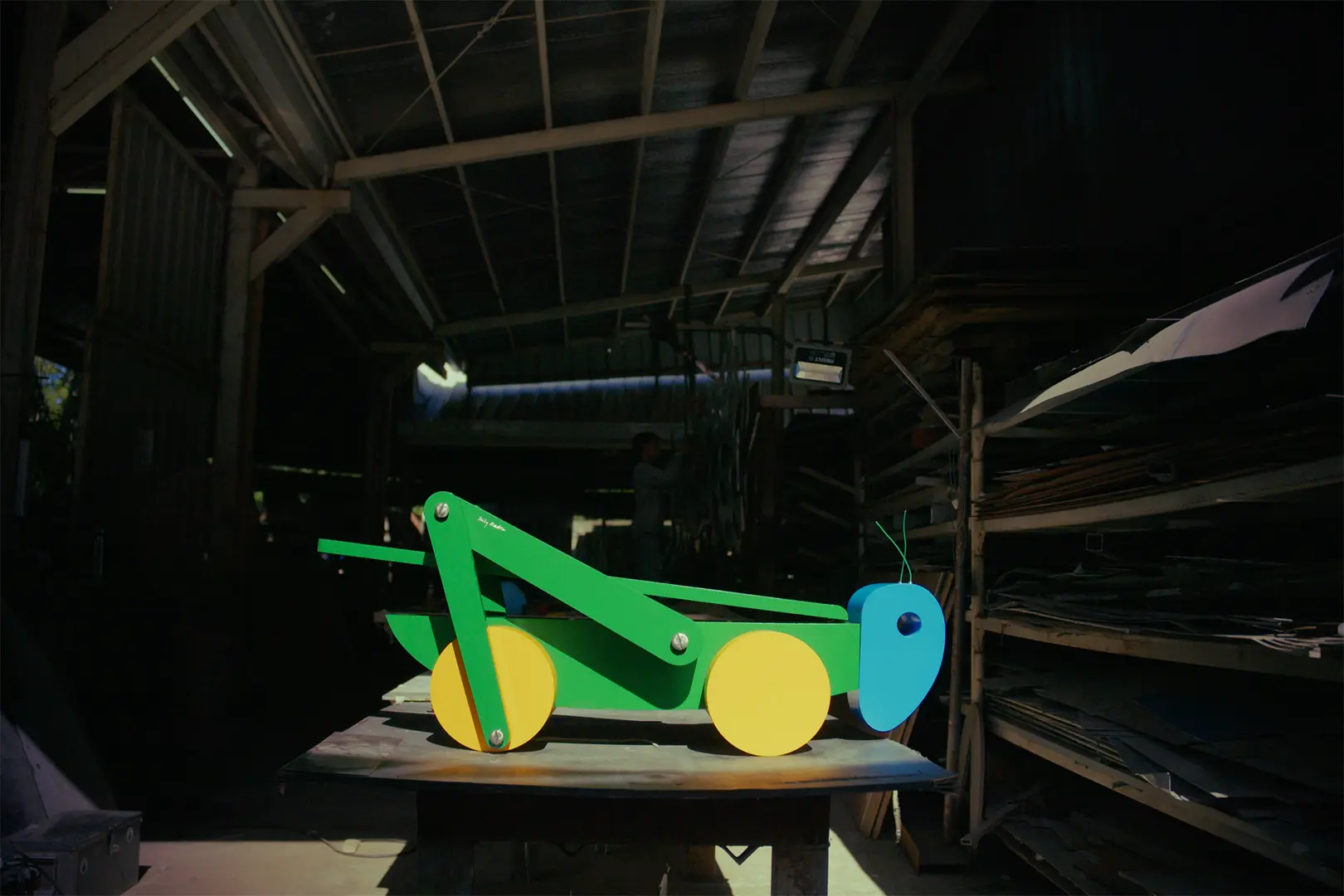
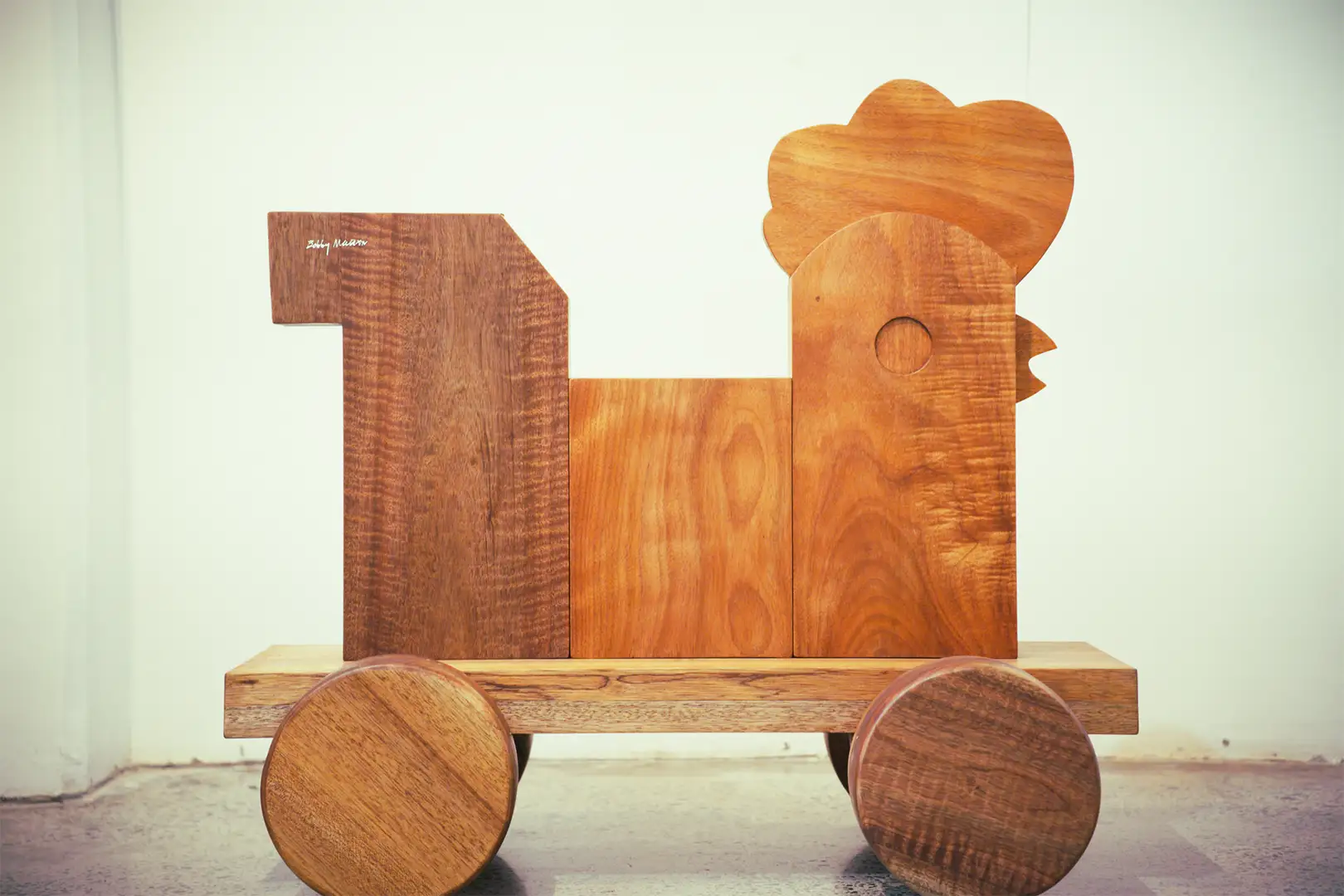
Tanaw consisted of a fundraiser auctioning off unique items from Bobby Mañosa’s personal archive, including the “Bobi Horse” and the “Tipaklong” designs, as well as a supper club and dinner at TOYO. Tukod Foundation partnered with Leon Gallery to better facilitate the auction of the art pieces.
The Tukod Foundation is a non-profit organization seeking to strengthen the legacy of Bobby Mañosa, currently run by his granddaughters, Isabella Tanjutco and Sabina Mañosa. The two have broad plans to host fundraisers and other activities to secure backing for their projects to build climate-resistant infrastructure for island communities across the country.
Building Stable Schools for Marginalized Communities
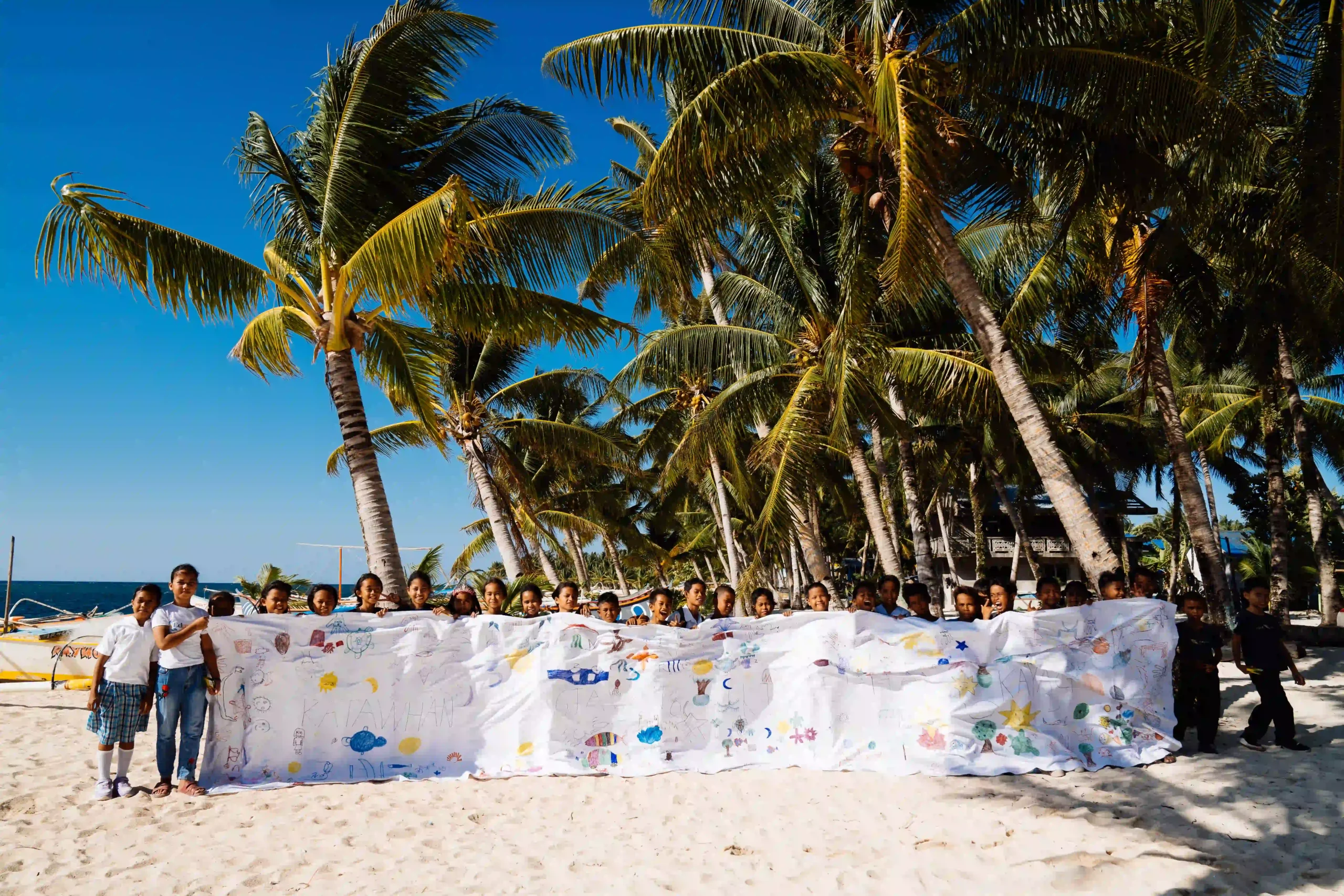
Tanjutco and Mañosa’s current focus for the Tukod Foundation is Halian Island in the Visayas region. Typhoon Odette damaged the classrooms and local infrastructure, with the classrooms remaining in a state of disrepair for more than 3 years.
“The challenge of building lasting infrastructure in this climate is stark,” the press release said about the matter. “A new government-built facility [in the area], completed as recently as August 2024, is already in disrepair. By July 2025, leaks and mold had spread across its ceilings.”
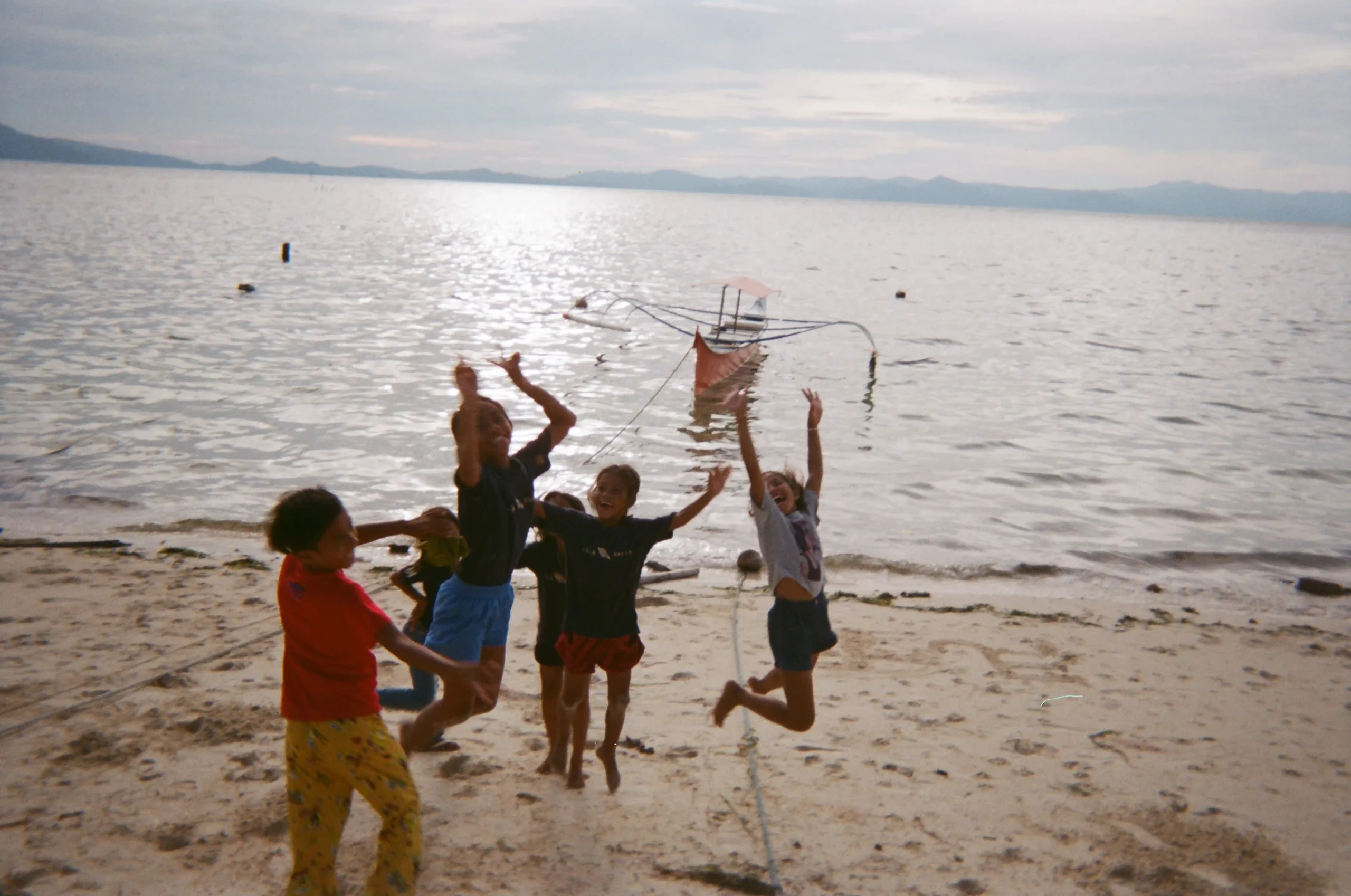
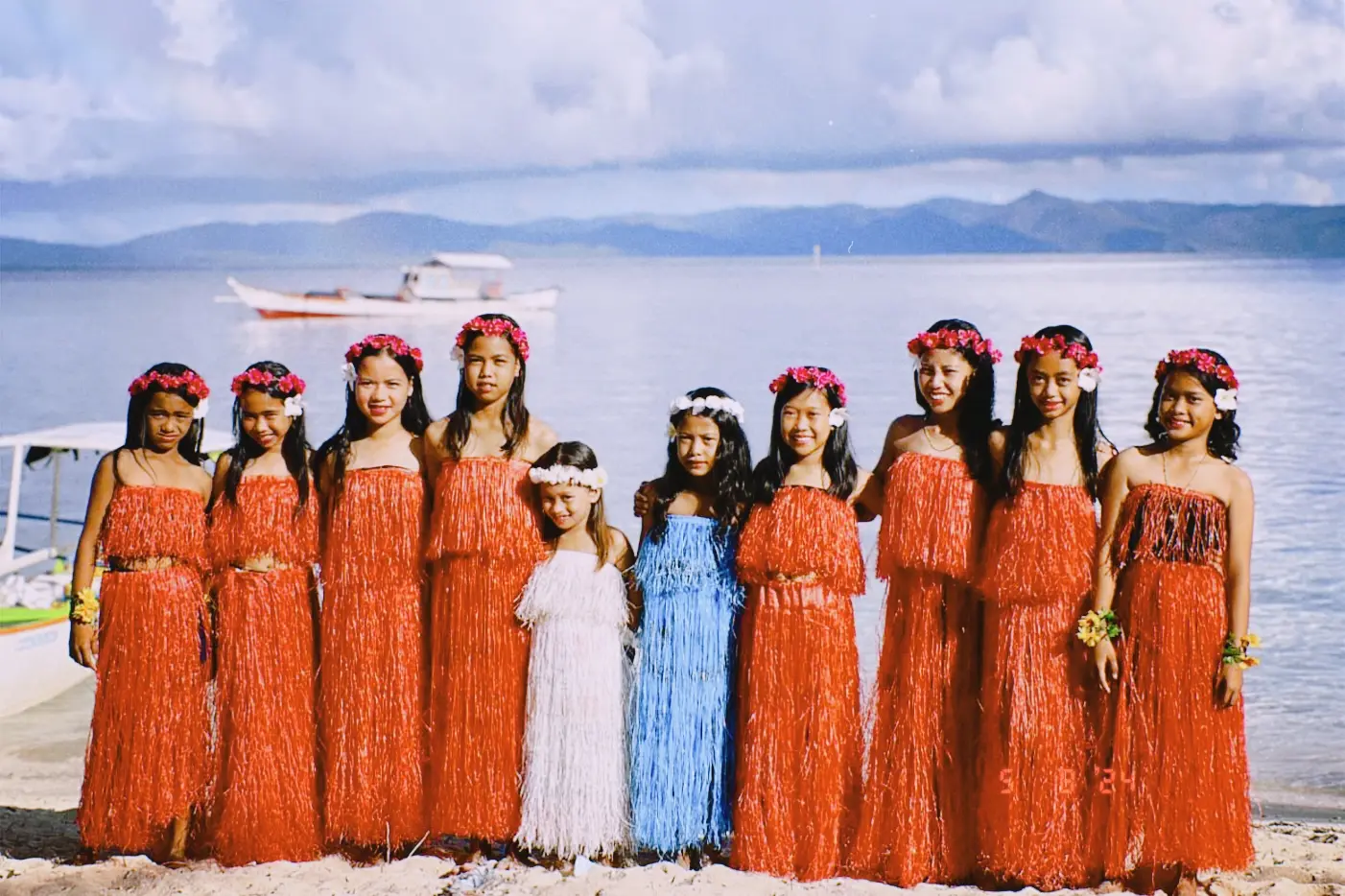
Tukod Foundation has designs for a new classroom, called Bayay Halian, that utilizes local materials and is adaptive to the changing climate and environmental conditions of our time. Its design was spearheaded by Bea Rodriguez, Bea Carague, Janelle Gan, and the teacher of Halian Island. Architects Angelo Mañosa and Dong Ping Wong mentored and guided them along the process.
“Bayay Halian is intended to serve as a model for climate-centric school design and to prove that it is possible to design good spaces for the future generations of Filipinos,” the organization said in a press release.
The Legacy of Bobby Mañosa
For Tanjutco and Mañosa, the legacy of their grandfather went beyond the nationalist architecture he fostered and his artistry and craftsmanship. It also came from his care for the Filipino people and a desire to use architecture to benefit their daily lives.
With Tukod Foundation and Tanaw, they seek to foster the kind of creativity and architectureArchitectureThe art and science of designing and constructing buildings, structures, and spaces that are functional, safe, and aesthetically pleasing. It encompasses the planning, design, materials, and techniques used to createGo to Architecture Glossary that builds communities and allows a lasting footprint for the betterment of Filipino lives across the country.
“It is about time designers, creatives, and artists come together to change this system,” Tuko Foundation said in a press release, “and Tanaw is envisioning this possible creative future when we work together.”
Photographs from Tanaw.
Frequently Asked Questions
Originally sold in Makati during the 1970s and 1980s, Bobi Toys were designed by Mañosa when international toy imports were restricted. For the Tanaw auction, held in partnership with Leon Gallery, five iconic designs—including the “Bobi Horse” and the “Tipaklong” (grasshopper)—were scaled up into one-of-a-kind, signed sculptures. These pieces were crafted using a mix of fabricated metal and upcycled wood, transitioning from functional childhood objects into high-concept sculptural art while maintaining the organic, Philippine-inspired forms of the originals.
The proceeds from the Tanaw auction are dedicated to constructing Bayay Halian, a culture and climate-centric school on Halian Island. The island’s infrastructure was devastated by Typhoon Odette, and existing government repairs proved insufficient, with facilities failing within a year due to mold and leaks. The Tukod Foundation’s technical goal is to create a prototype classroom that utilizes local, salt-resistant materials and a design specifically engineered to survive the high-salinity and extreme weather cycles of the Philippine islands.
The design of Bayay Halian was a collaborative effort spearheaded by a youth-led team—including Bea Rodriguez, Bea Carague, and Janelle Gan—with mentorship from Angelo Mañosa and New York-based architect Dong Ping Wong. Technically, the building prioritizes passive cooling and moisture-resistant ceiling structures to prevent the mold growth seen in standard government facilities. It is designed to be a “model of stability,” proving that sustainable, high-quality spaces can be built for marginalized communities using local ingenuity rather than just standard, one-size-fits-all construction.
The “Tipaklong” or grasshopper toy is a prime example of Mañosa’s ability to find geometric beauty in Filipino fauna. In its sculptural form, the piece uses metal fabrication to highlight the articulation of limbs and the sleek silhouette of the insect. This reflects Mañosa’s broader architectural philosophy where form always follows the context of the environment, whether he was designing a toy grasshopper or the Coconut Palace.
By auctioning items from Bobby Mañosa’s personal archive, his granddaughters are bridging the gap between his nationalist architecture of the past and the environmental activism of the present. The foundation views architecture as a tool for social care rather than just aesthetics. Through events like Tanaw, they are securing the backing needed to build “lasting footprints” in areas like Halian, ensuring that the next generation of Filipinos has access to safe, dignified, and typhoon-proof learning environments.
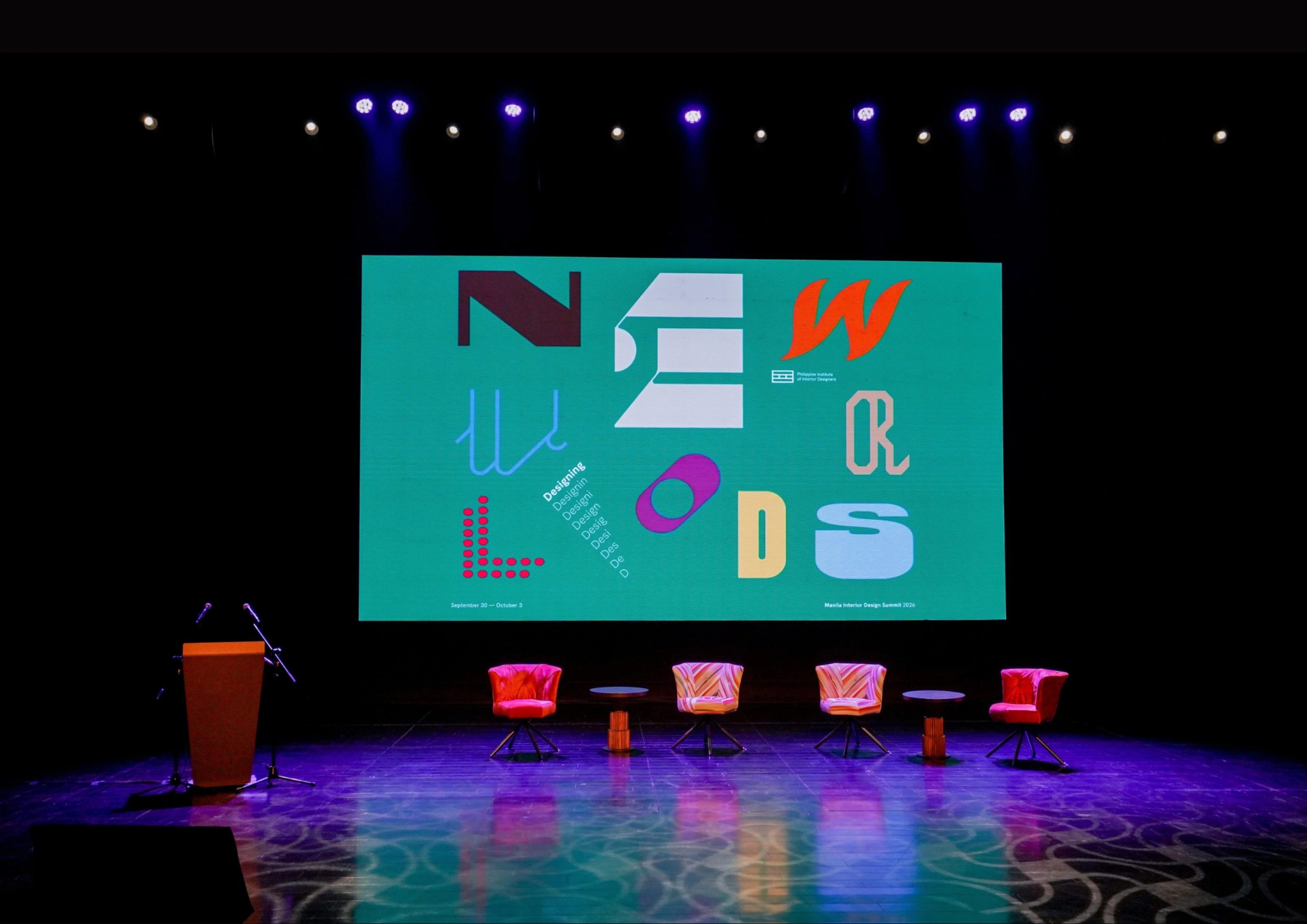
The fourth Manila Interior DesignInterior DesignThe discipline of planning and shaping interior spaces for function, comfort, safety, and beauty. It covers layout, lighting, materials, finishes, furniture, and color, and in the Philippines is a licensedGo to Interior Design Glossary Summit (MIDS) brought together more than 300 delegates for four days of conversations, exhibitions, and design […]
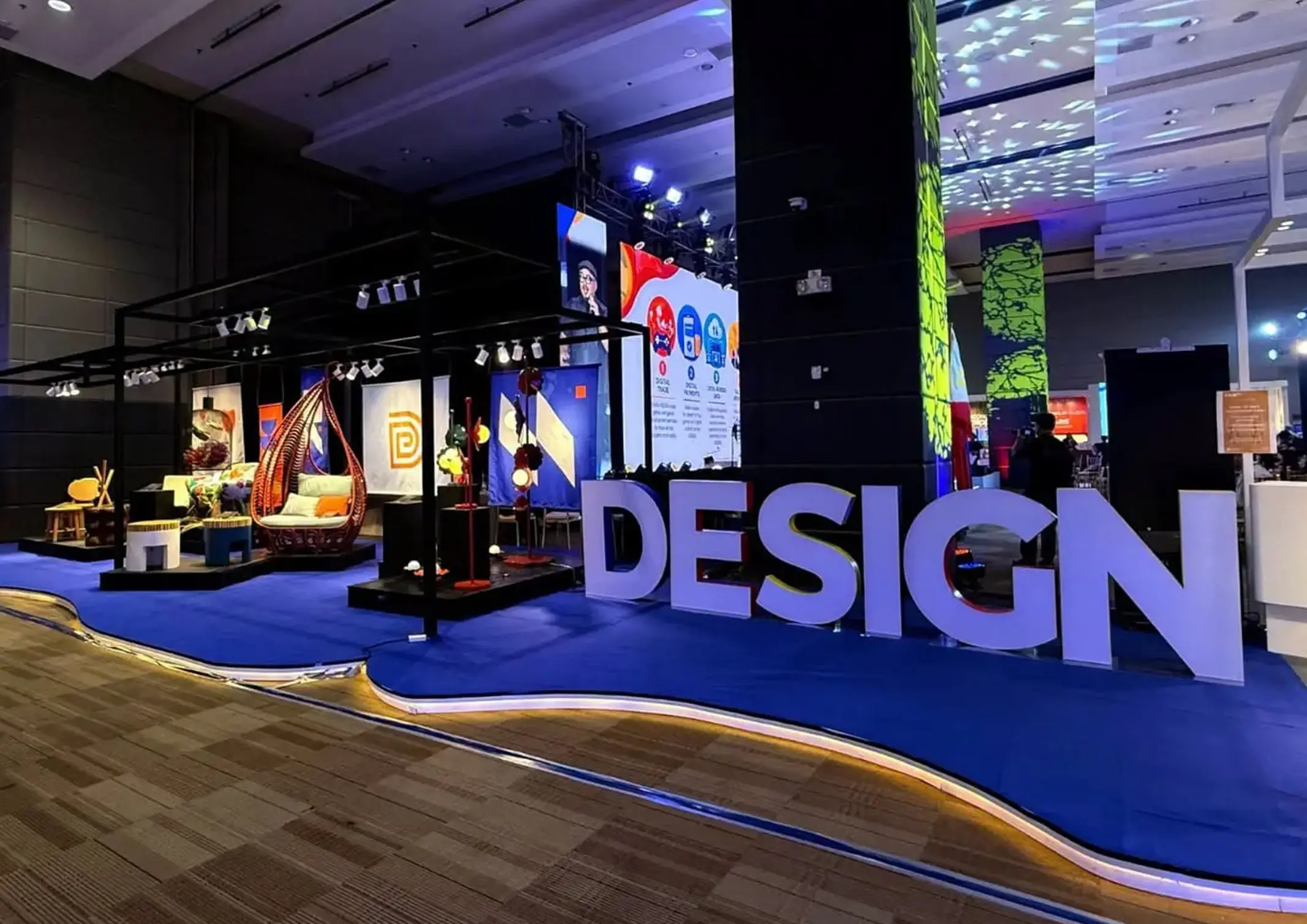
Held at the SMX Convention Center Aura in Taguig City, the first ASEAN Creative Industries Expo by Malikhaing Pinoy (ASEAN MPEx) features nine creative domains, including design, visual arts, digital interactive media, and performing arts. Organized by the Department of Trade and Industry (DTI), the event includes exhibitions, cultural performances, industry talks, and pitching sessions […]
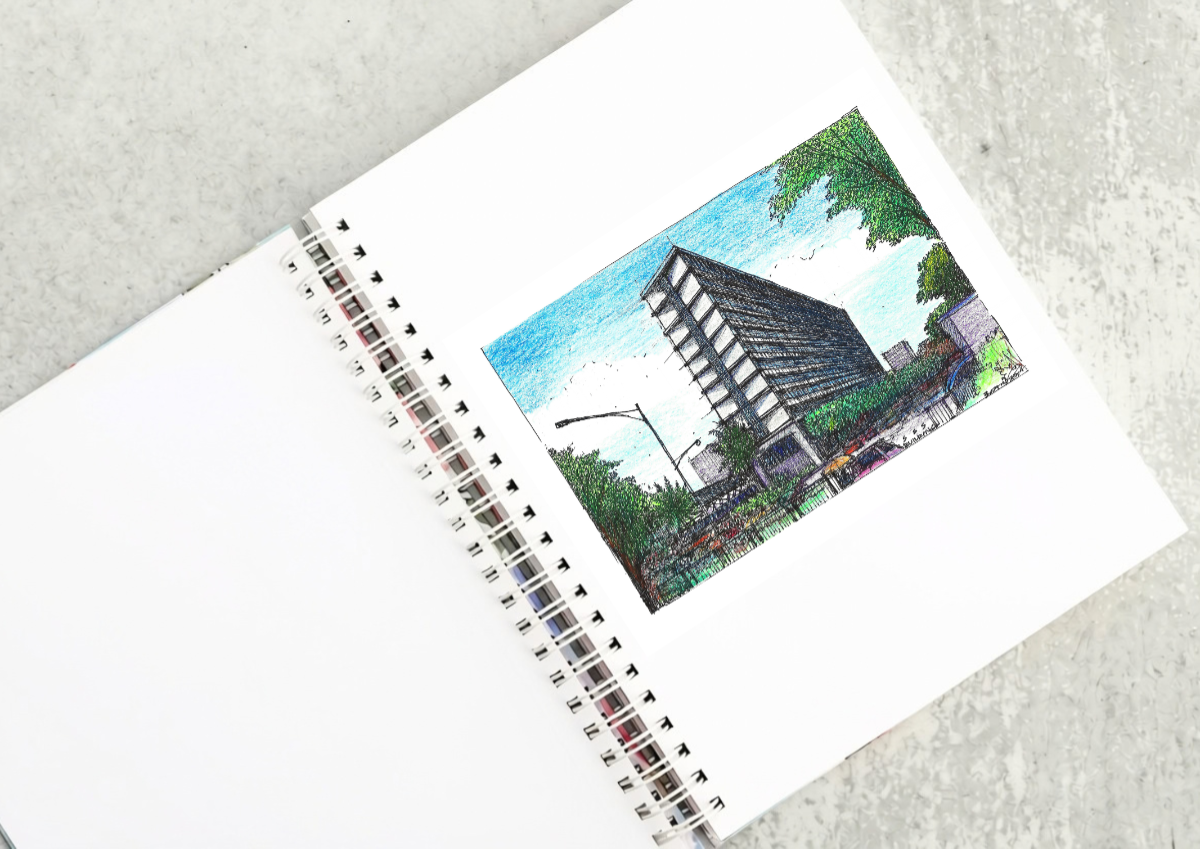
The SSS Building as an Expression of Civic Modernism My favorite modernist landmark in Quezon City is the SSS building on East Avenue. Designed by National Artist for ArchitectureArchitectureThe art and science of designing and constructing buildings, structures, and spaces that are functional, safe, and aesthetically pleasing. It encompasses the planning, design, materials, and techniques […]
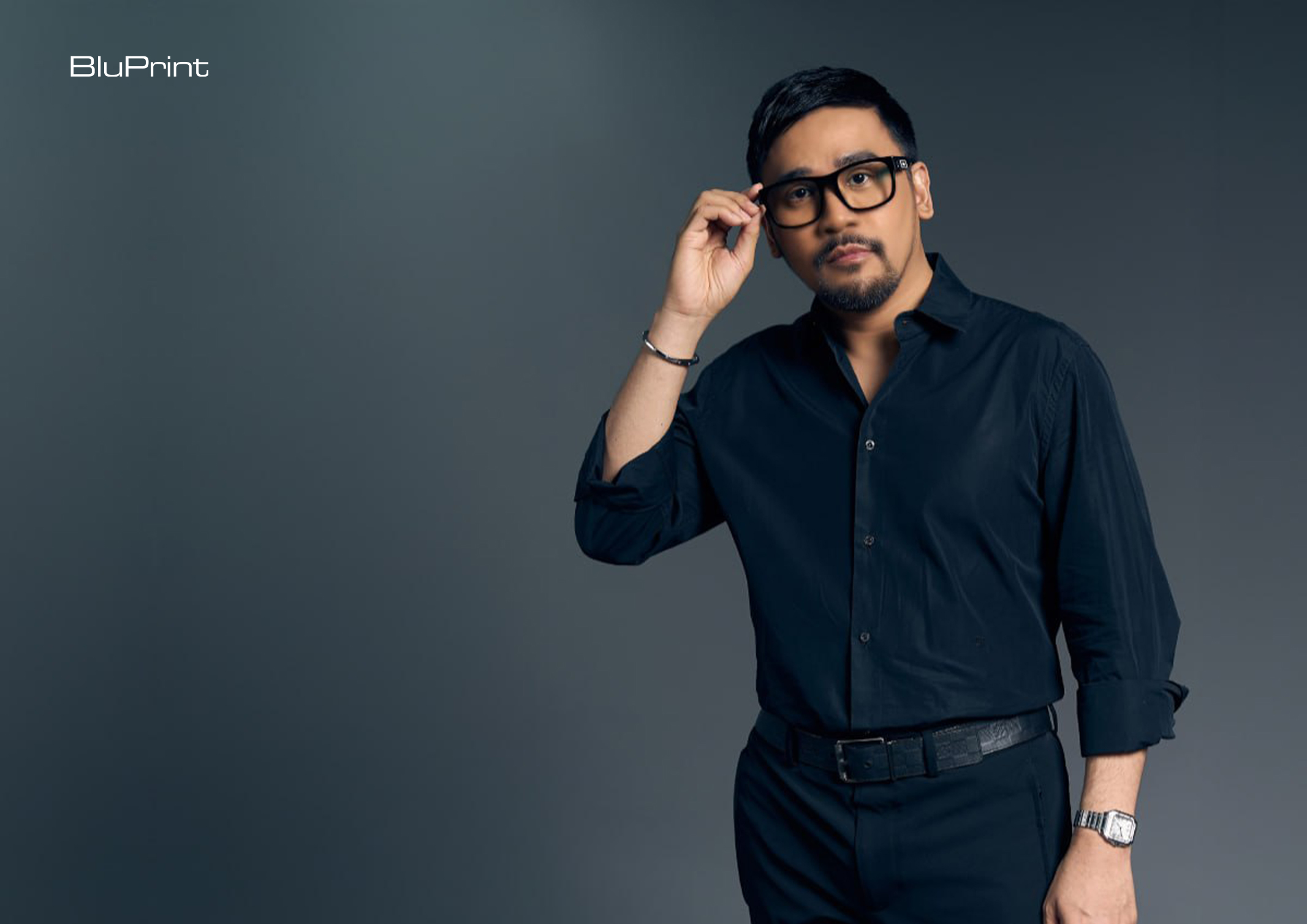
Archie G. Carrasco, Chairman and CEO of AGC Power Holdings Corp. (AGC PHC), has been named to The BoF 500 Class of 2026 under the Media category, joining The Business of Fashion’s global community of individuals shaping the fashion industry. Carrasco is among 100 new members from 33 countries and 48 nationalities selected for the […]
Read the issues.

Collect the volumes.

Recommended Video
Tap to Unmute
Unmute
0:00
0:00