Modern bathrooms are no longer purely functional spaces. Increasingly, they are being designed as environments that support cleanliness, ease, and quiet restoration within the home. As daily life becomes more demanding and health awareness continues to rise, homeowners are beginning to expect more from the spaces where daily rituals begin and end. For architects and […]
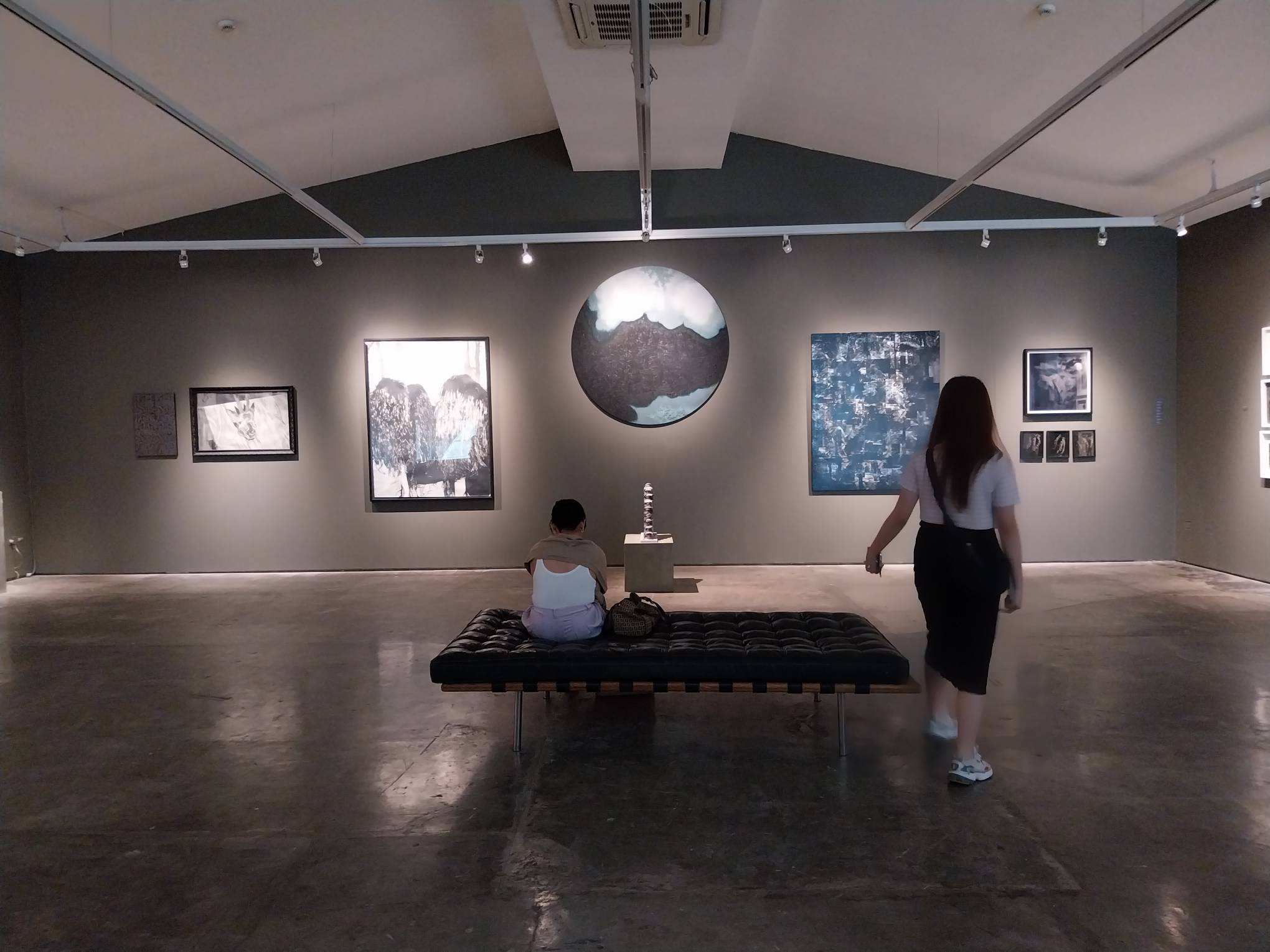
“Eclipse: The Strange and the Familiar” Offers a New Spin on a Retrospective



The new Artinformal group exhibition, Eclipse: The Strange and the Familiar curated by Stephanie Frondoso, builds selected artists’ past works—some of which are decades old. Of course, artist retrospectives aren’t new. But the stated goals here carries the idea of finding meaning in art beyond producing works. The exhibit concerns itself with evolution, graphing the past and the exploration of the artist’s identity, even with perceived “lesser” works from an earlier time.
“By recontextualizing the works through presentation, Artinformal highlights the educational aspect of art, as it has done since the gallery’s origin, by considering artists as more than incessant producers, and instead by inquiring more holistically on how artworks had imperceptibly come to be,” Frondoso wrote in their artist note.
Portraits in Monochrome
Thematically, Eclipse: The Strange and the Familiar puts together a slew of monochrome works from different artists. Many exhibited with Artinformal in the past, and one of them, Salvador Joel Alonday, worked as a curator for the gallery. Frondoso believes that the choice allows one to focus on the progression of the artist, instead of focusing on “the numerous distractions of a robust and busting art scene.”
Advertisement
The works differ from artist to artist just enough that you start noticing different motifs and ideas. The output even varies between artists, from sketches and abstract drawings to photographs and sculptures.
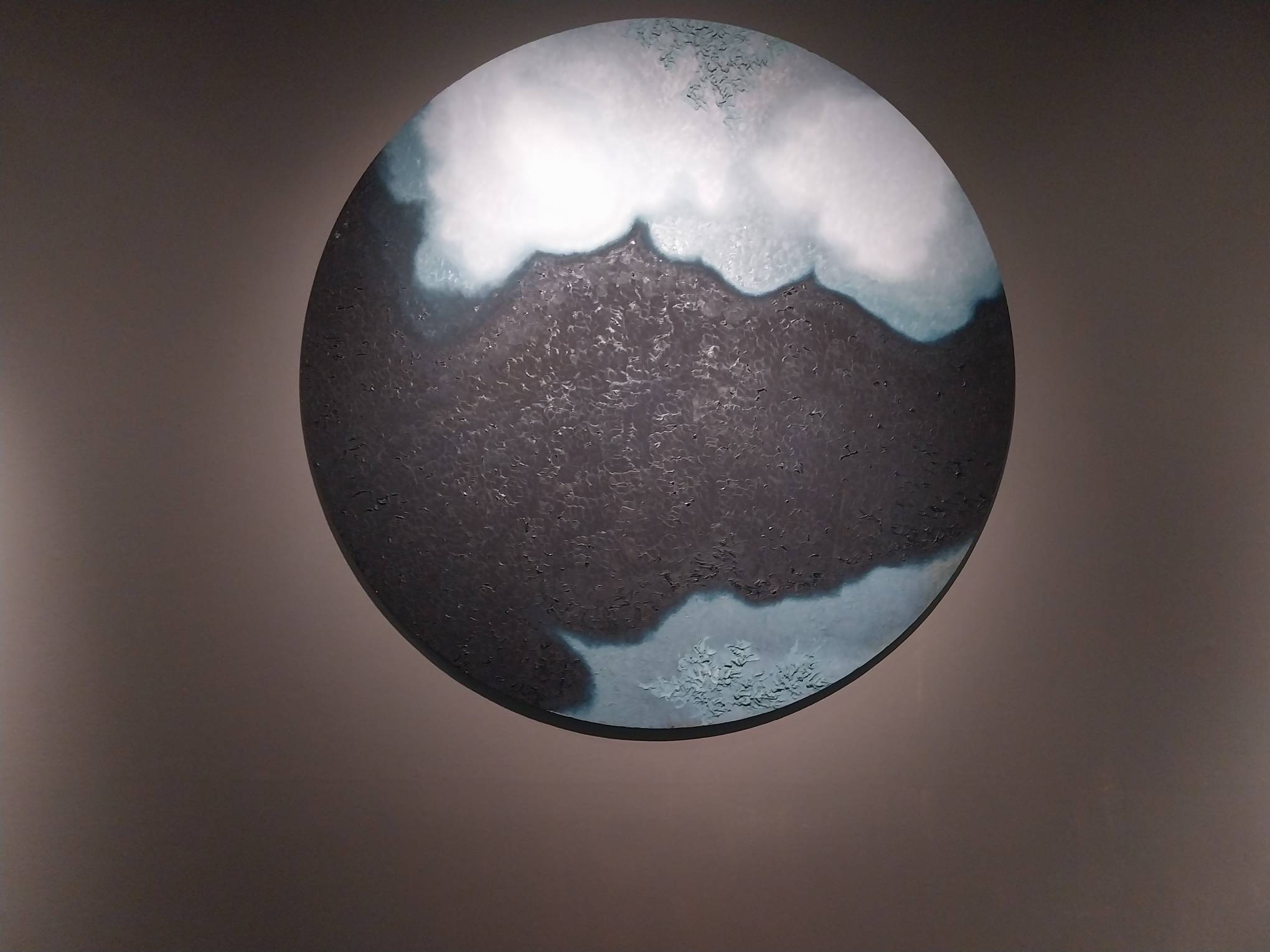
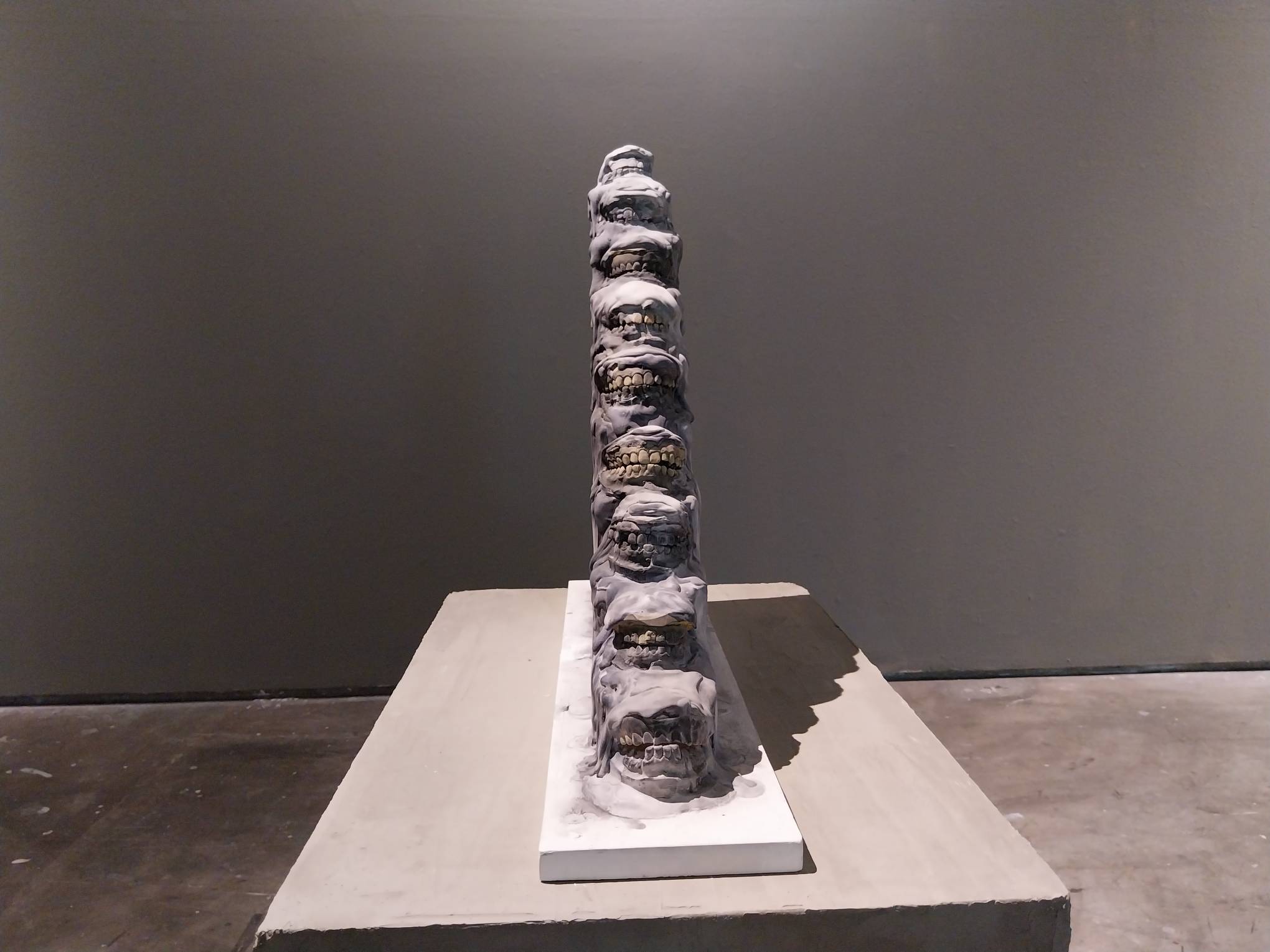
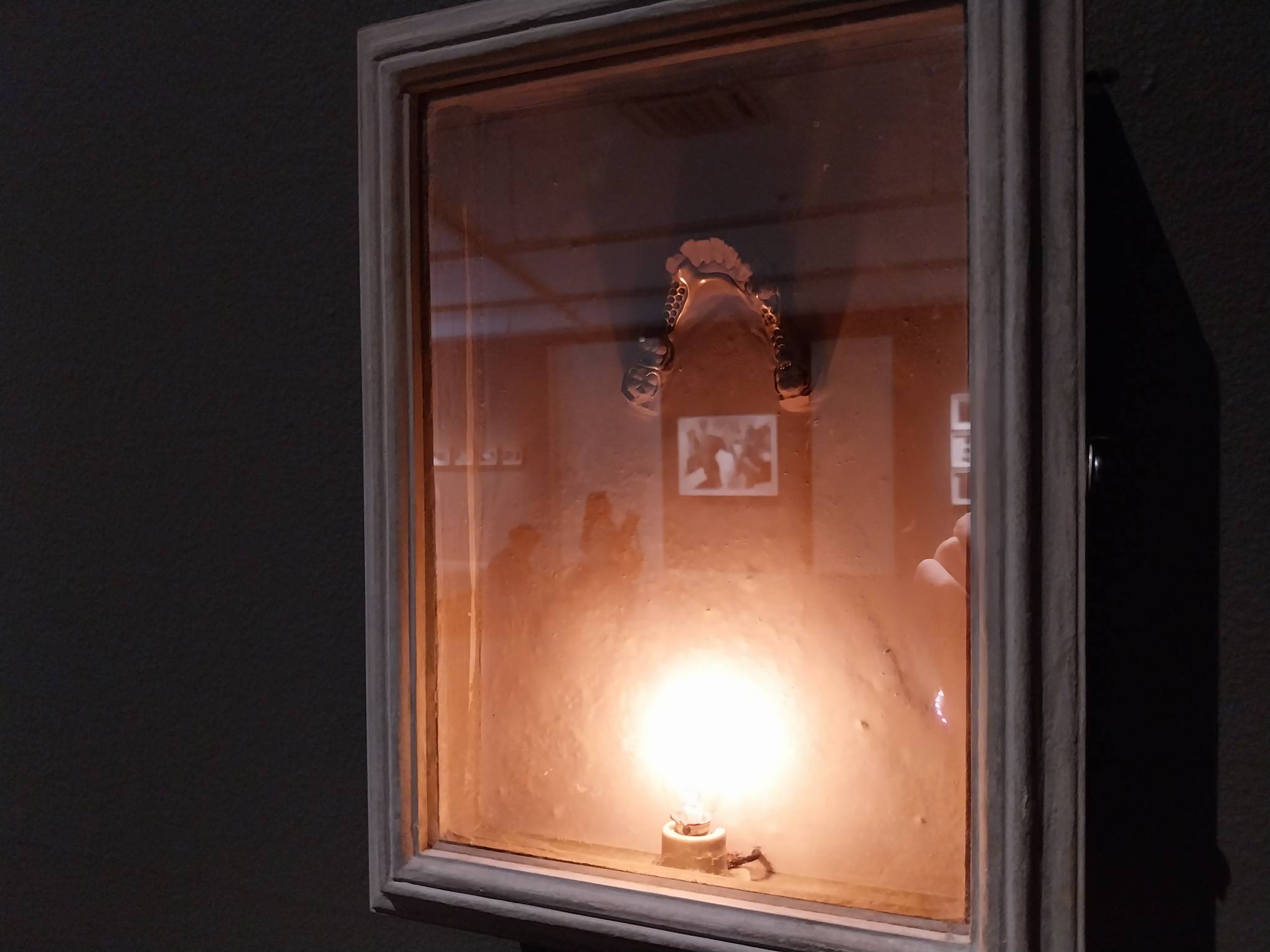
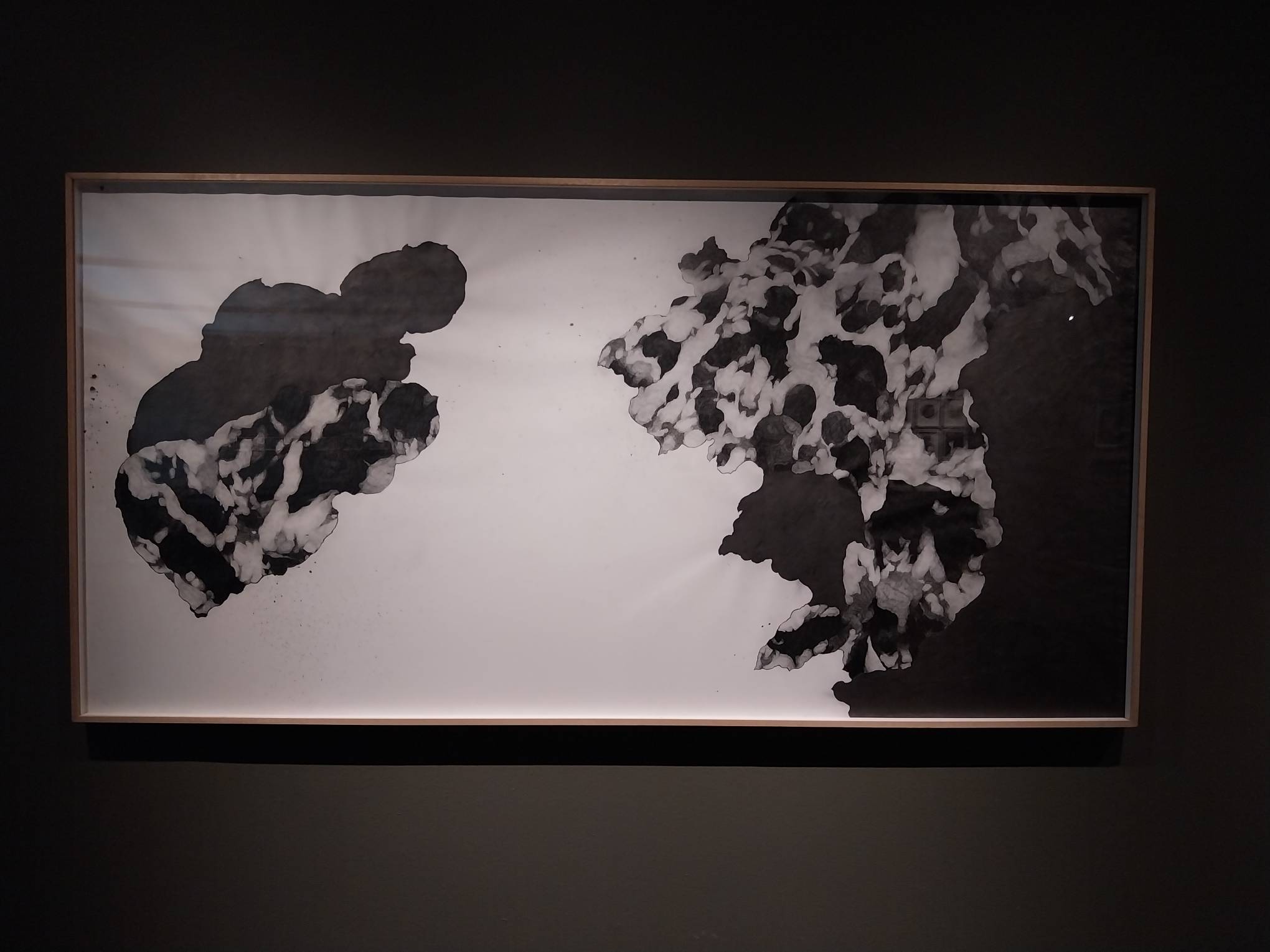
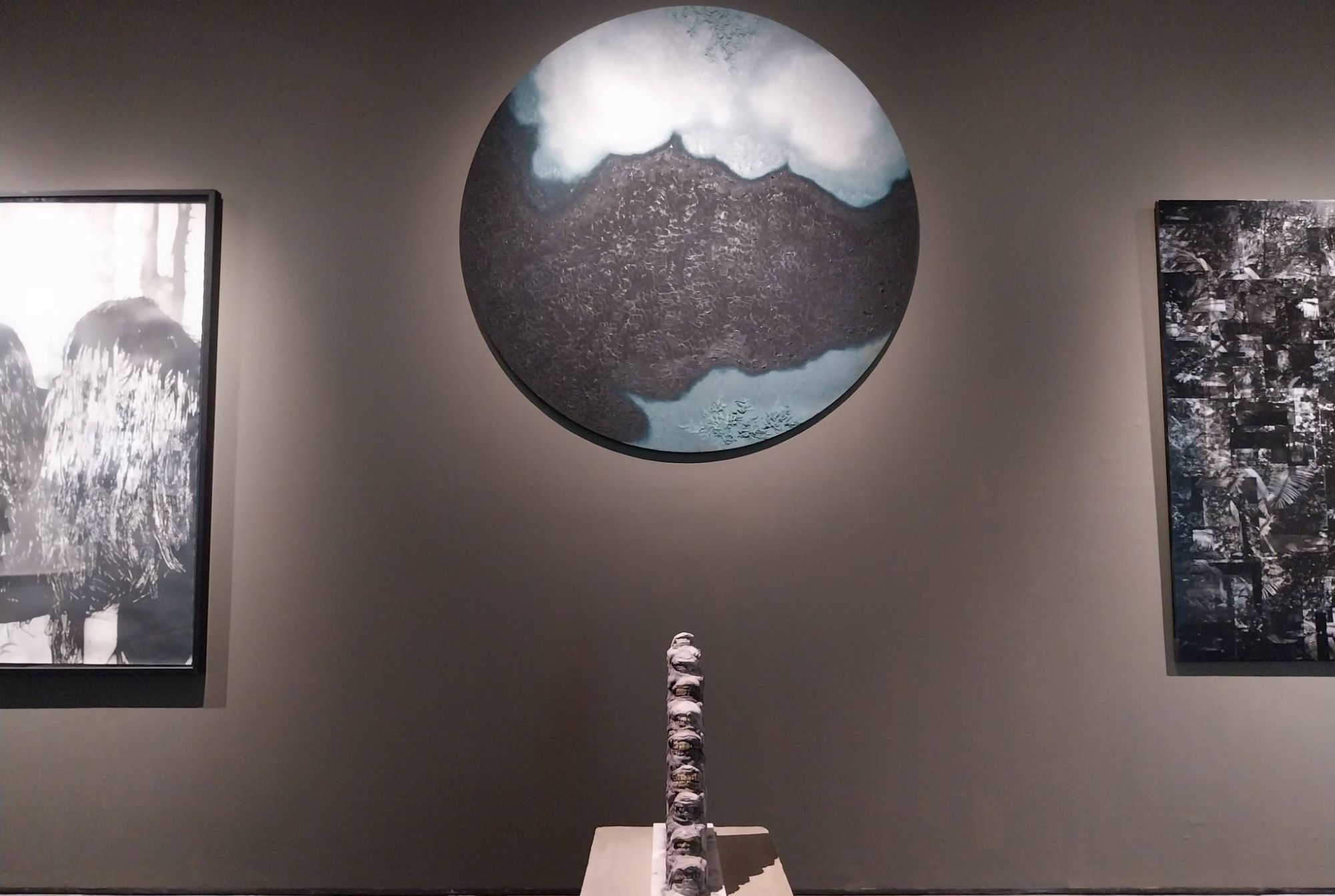
Visually, the centerpiece of the exhibit combines Lui Medina’s painting “Untitled (After Metamorphic Histories) III” and Christina Quisumbing Ramilo’s “Slaughter of the Innocents” together to create an image of a stairway to a planetary body. It certainly catches one’s eyes when entering the exhibition room.
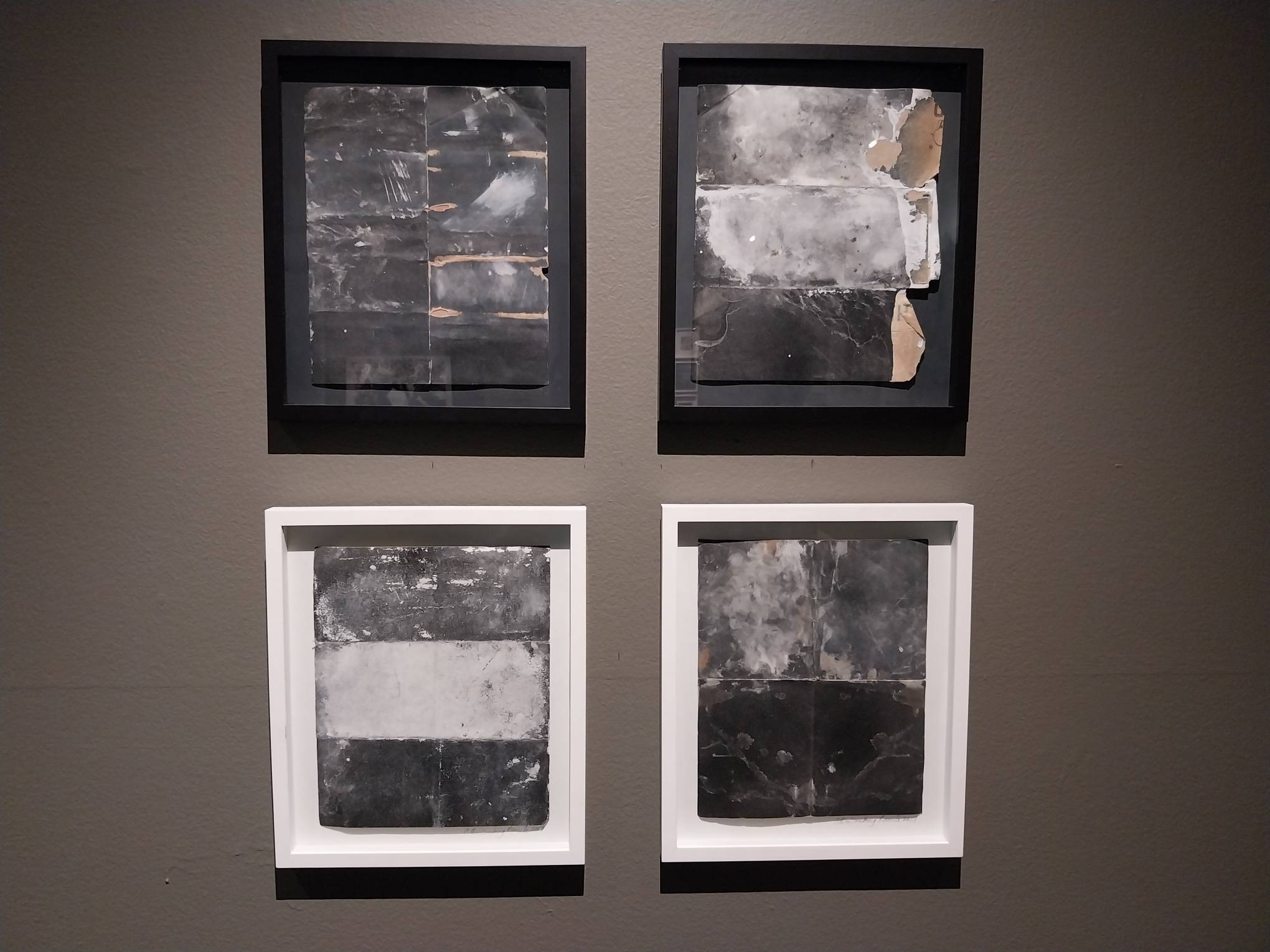
Each of the artist’s works Frondoso showcases tells a story about their evolution as artists. Ramilo’s sculptures, for example, focus on dentures, while her “Ruminations” series shown here uses sandpaper to illustrate decay. Both of these play within the same idea of preserving the rotting object, possibly as a commentary on the way we tend to discard things when they lose any utility for us.
Advertisement
Beyond the Past
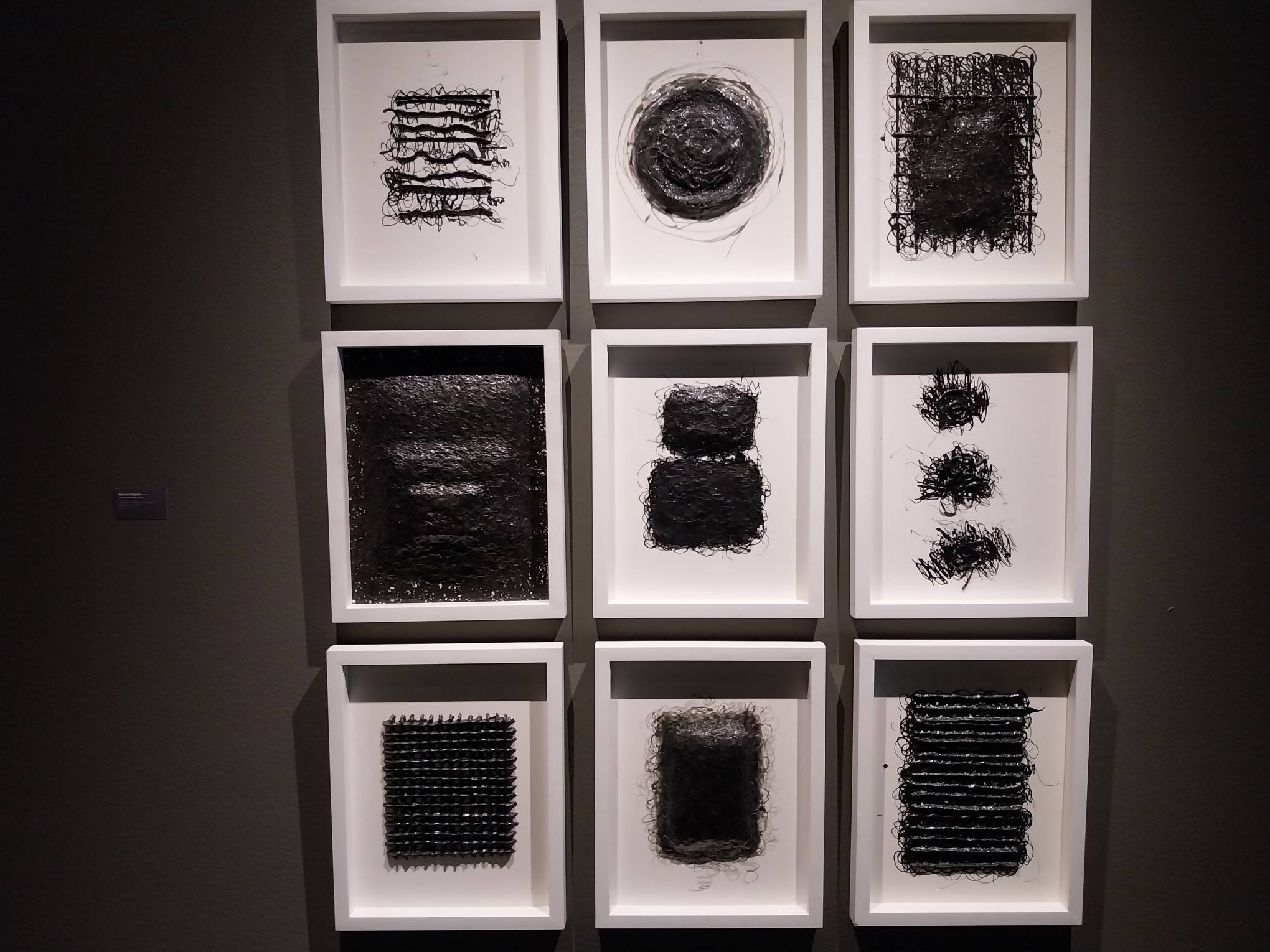
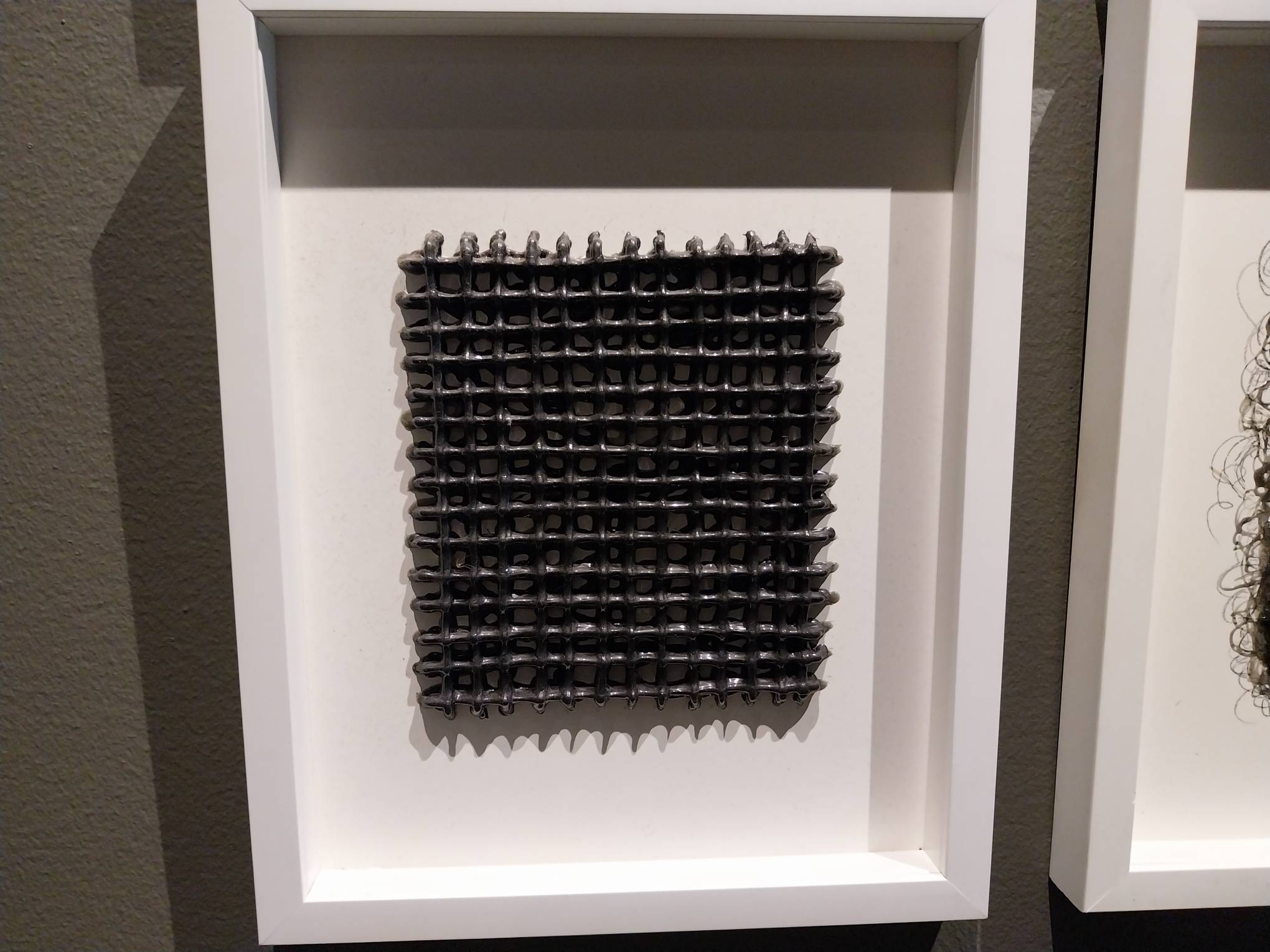
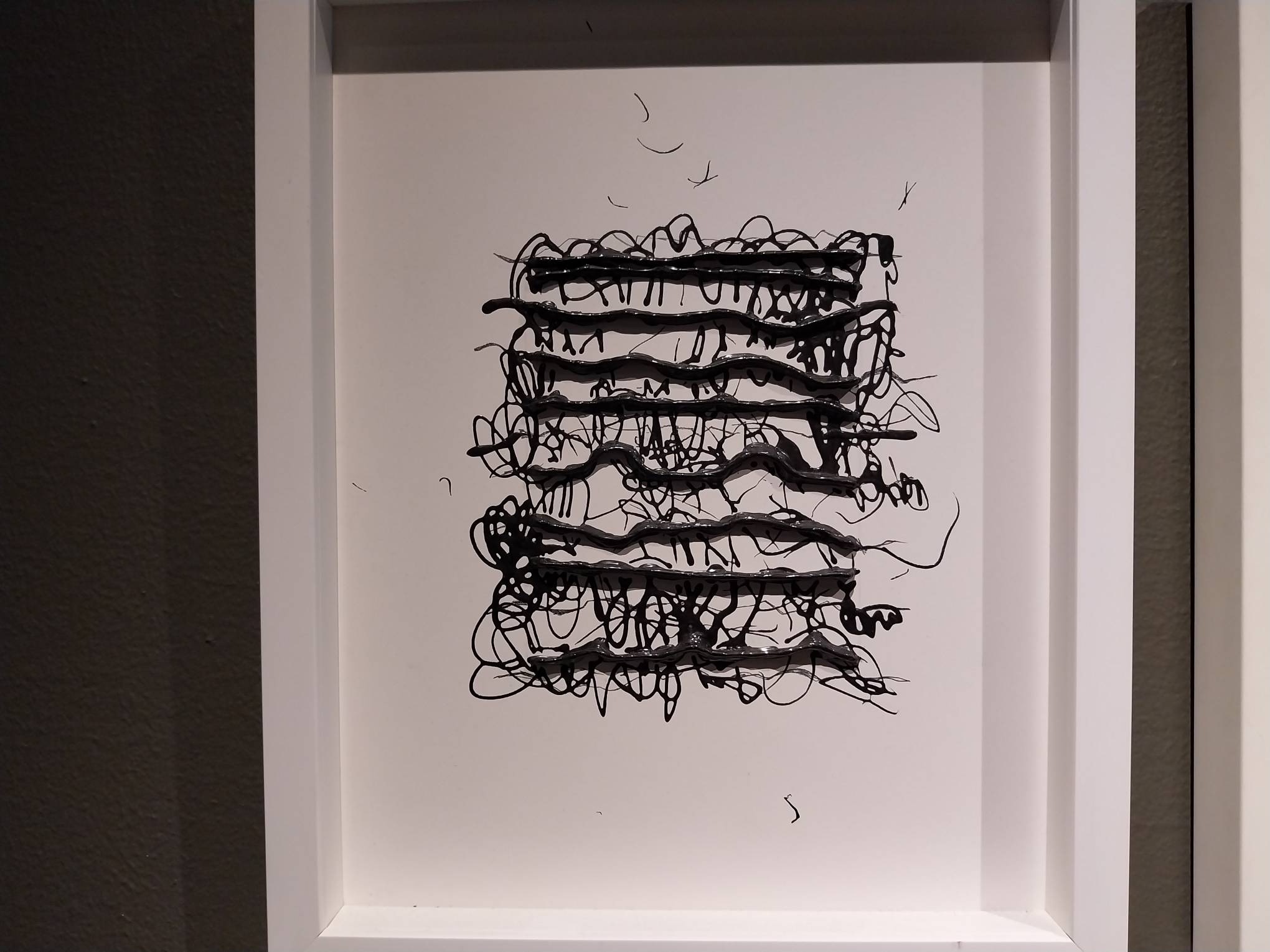
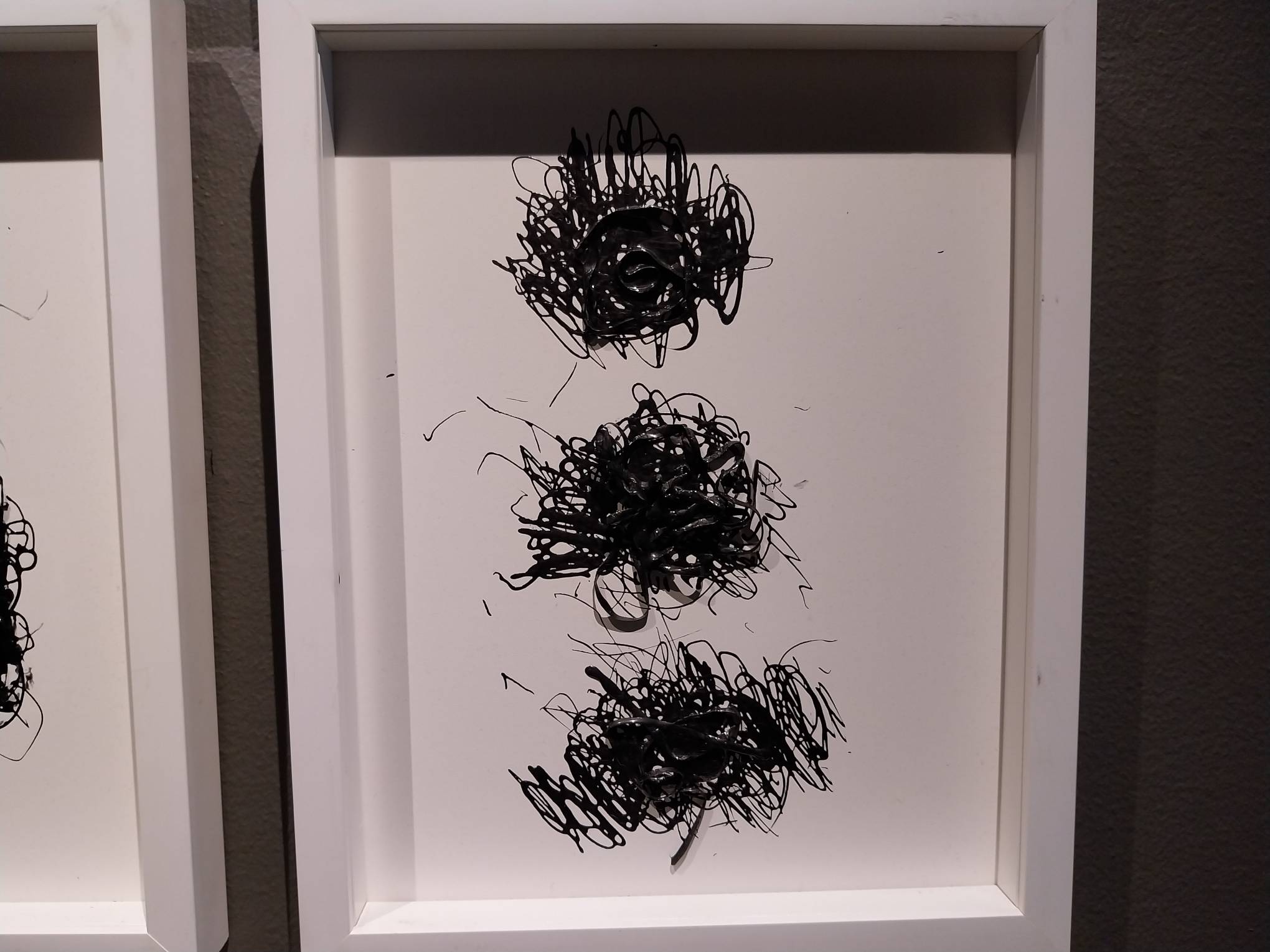
A lot of the works here feel exciting to look at even without the context of the artist’s past. Monica Delgado’s nine “I used to hate drawing” paintings uses graphite and gel to create these abstract constructions that feel very precise in their placing even with how it uses the language of drip painting.
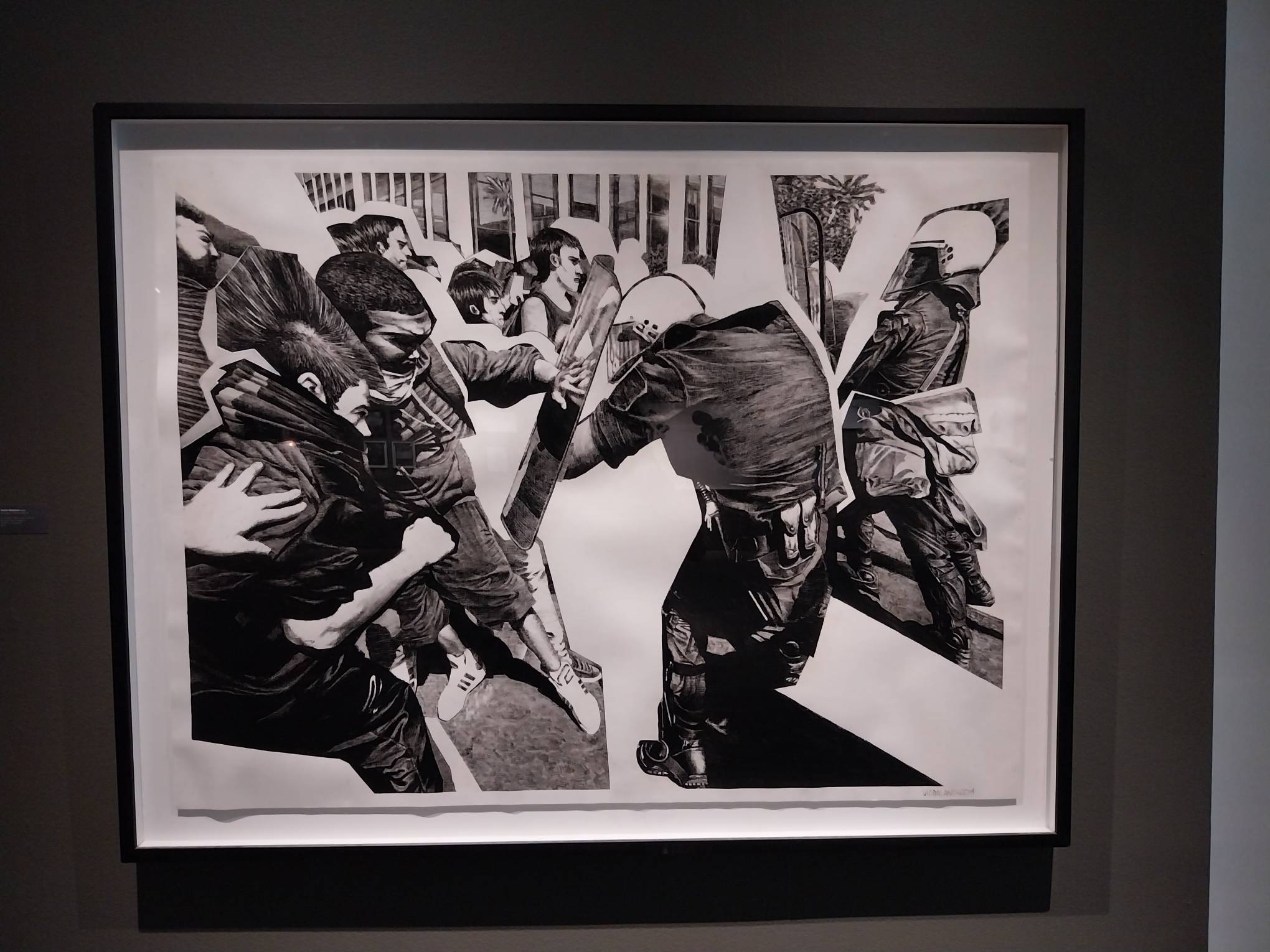
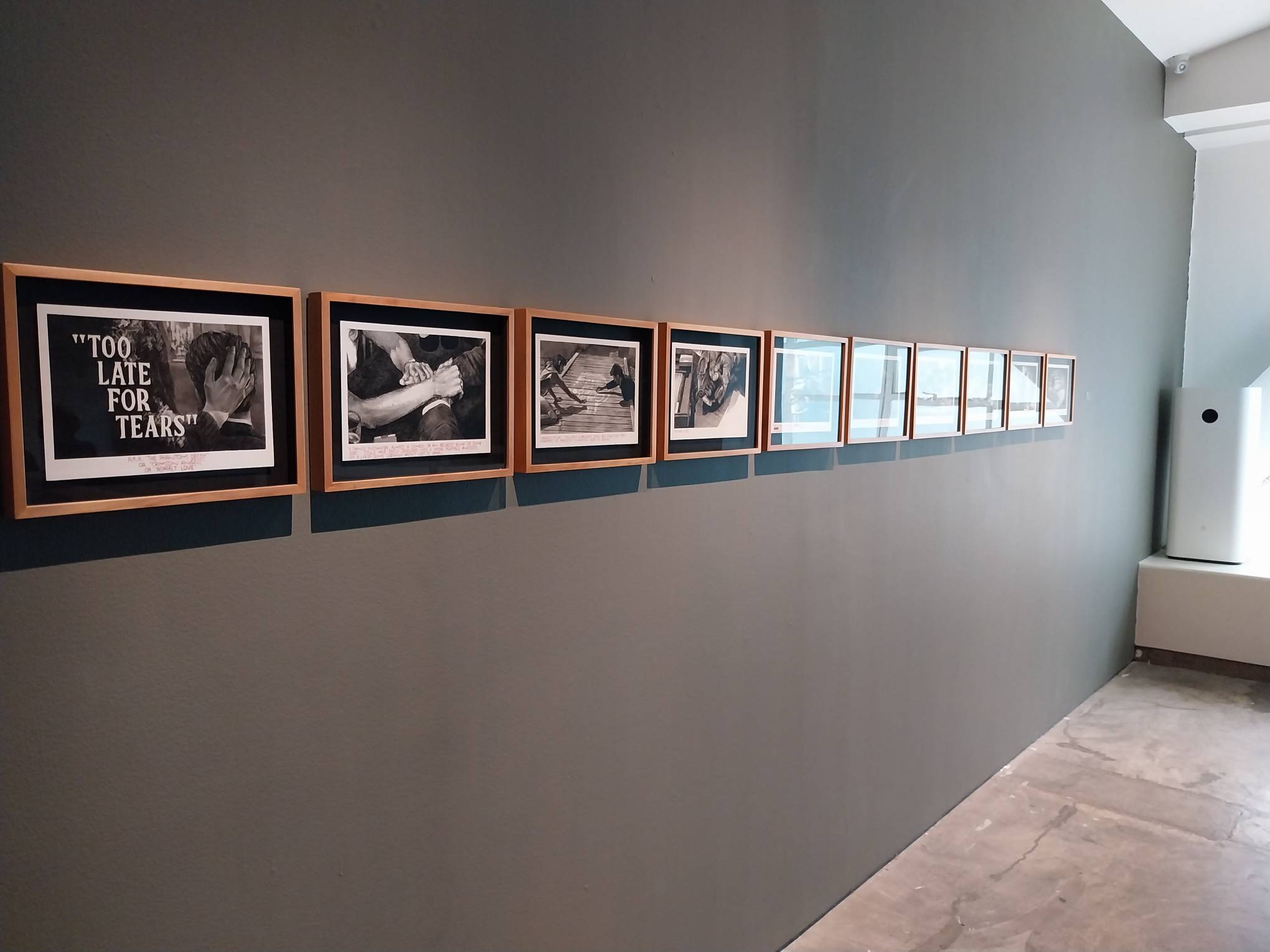
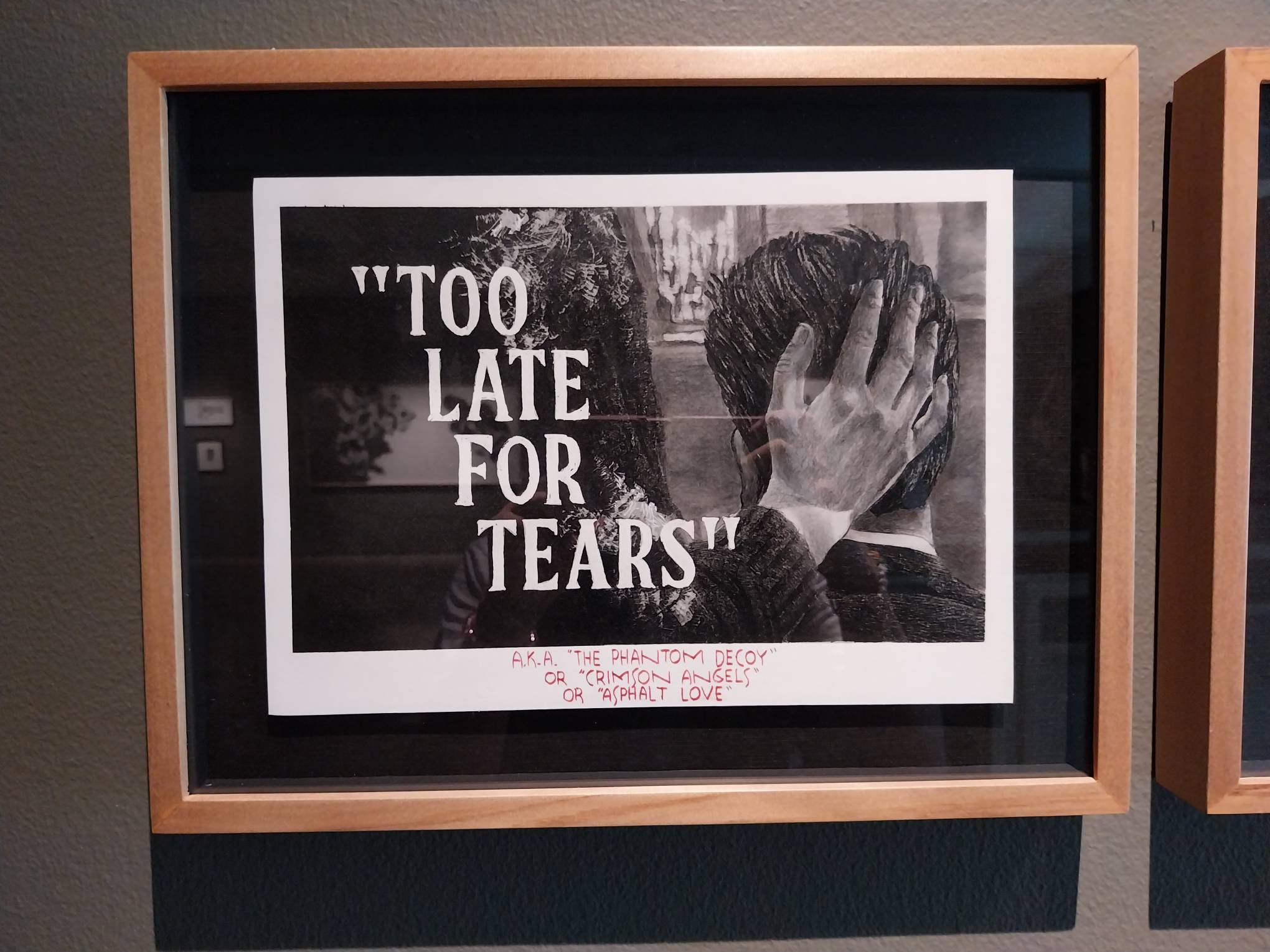
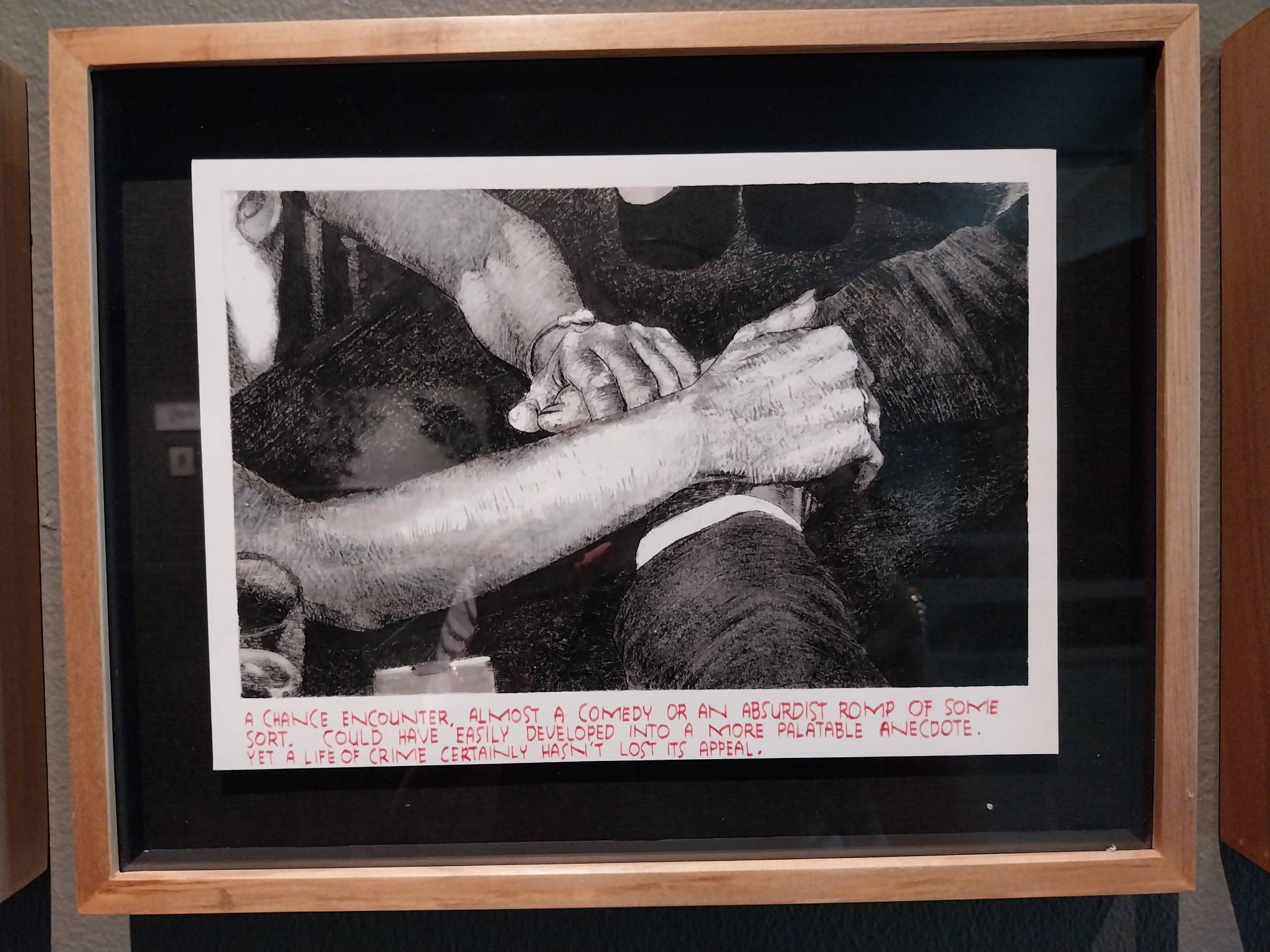
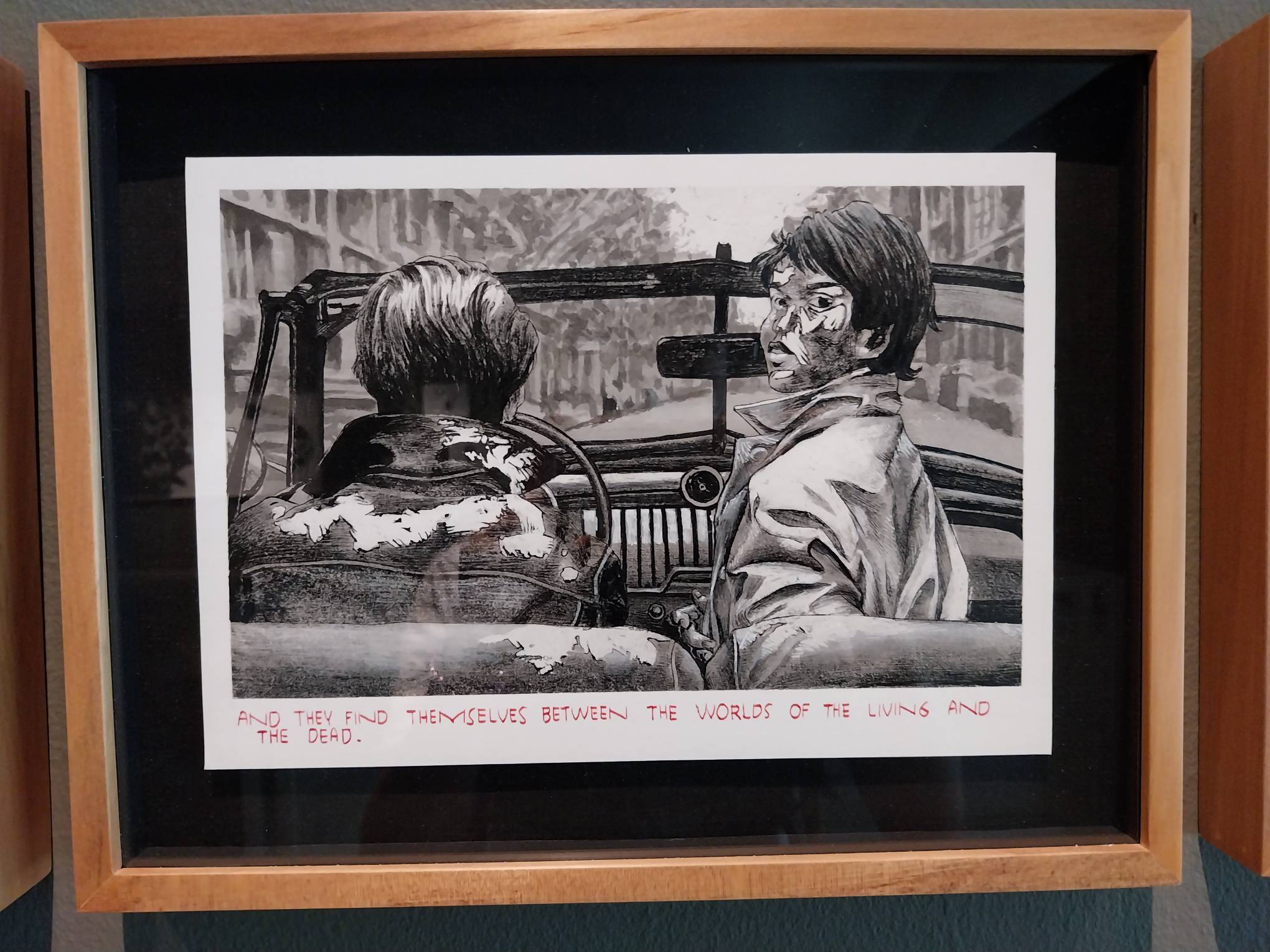
And Victor Balanon’s detailed inkworks “Waking Babylon Babylon Waking 08” and “Phantom Decoy” capture a sense of motion in how they portray our daily lives. “Phantom Decoy,” especially, feels like storyboards compiled together with how each image contributes to an actual storyline building up to the present.
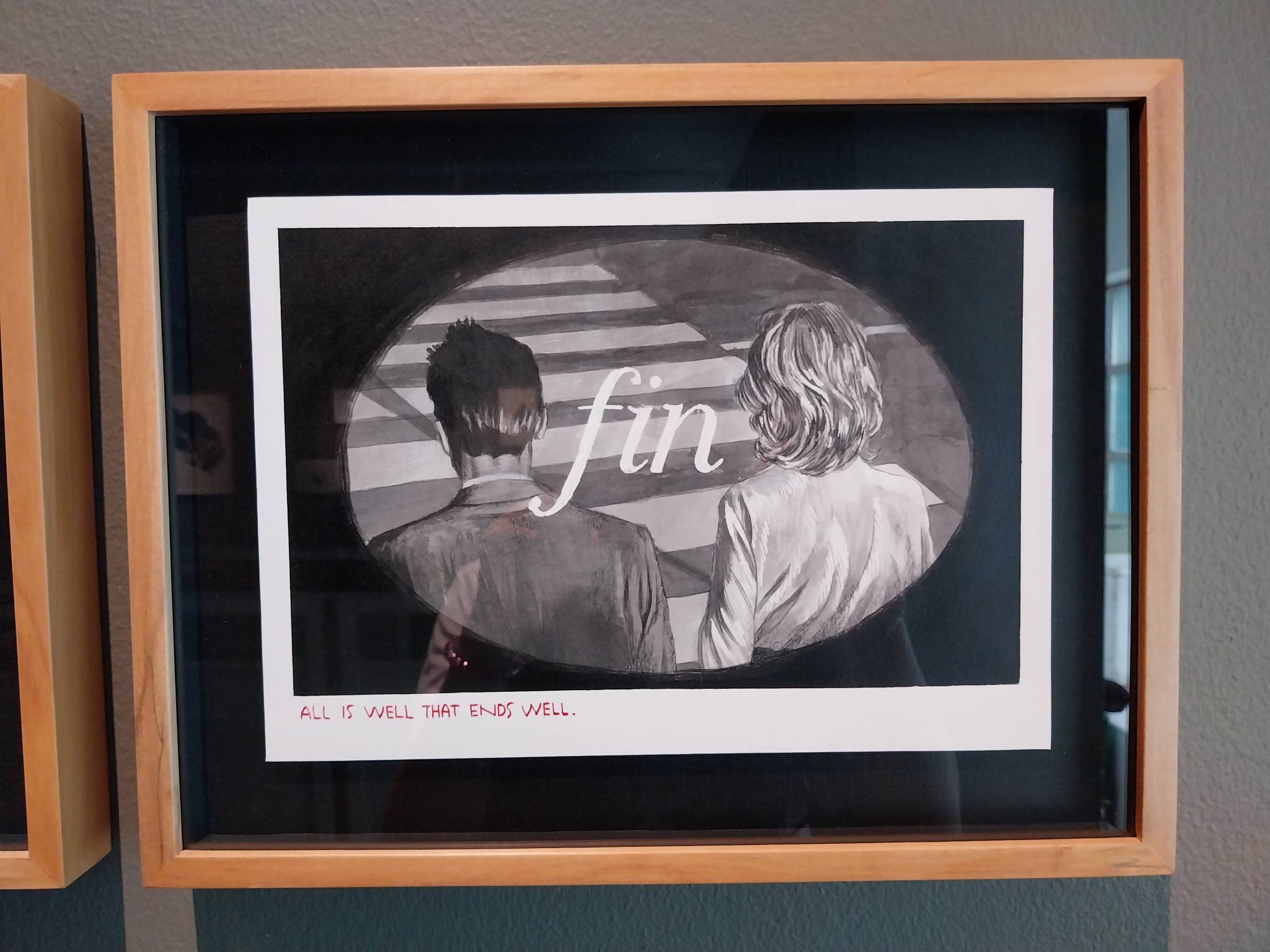
The Artist’s Evolution as Changing Approaches
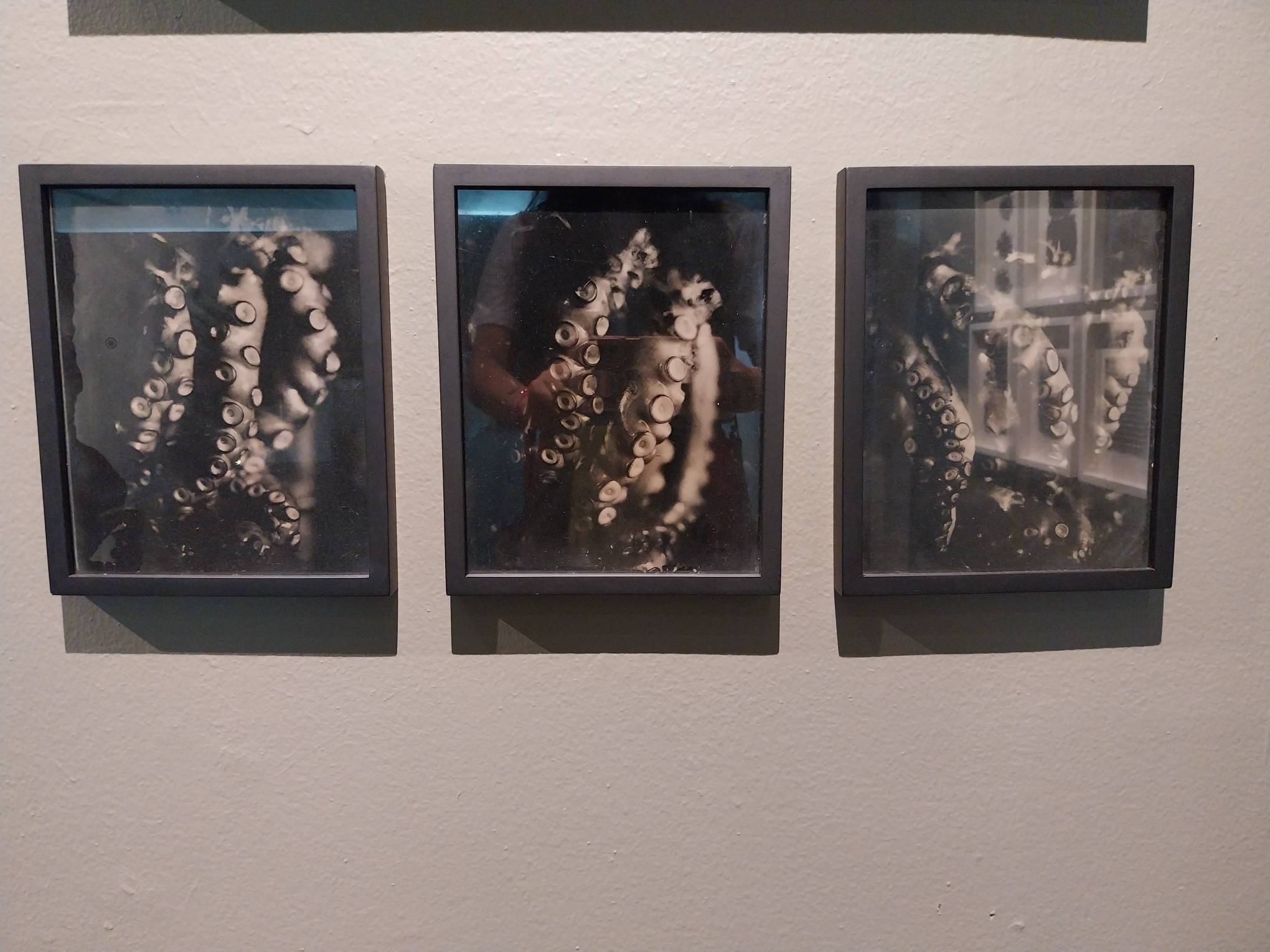
Exemplifying the subtitle “strange and familiar” are Raena Abella Abella’s “Trois Couers” wetplate collection. The works capture images of an octopus’s arm so surreal that it harkens back to the 2019 movie The Lighthouse. It certainly previews some of her works in the future, which are just as dark and meditative as the “Trois Couers” collection suggests.
Eclipse: The Strange and the Familiar captivates even if you aren’t familiar with the artists’ works, as great art often does. And for those who wish to delve deeper into the artists’ backgrounds, it adds a new dimension to understanding their artistic evolution. The Artinformal exhibit illustrates that while style and craft can improve over time, the core essence of the artists is present from the beginning, driving their growth and development into something greater.
Advertisement
Related reading: ‘Eclipse: a Forecast’: Light and Darkness of the Urban Landscapes
From the moment a diner steps through the door, each detail shapes how a meal is experienced. Restaurant design has evolved, with architects and culinary professionals collaborating to create built spaces that are as intentional as the menu itself. The spatial atmosphere acts as an additional ingredient that can define the culinary experience. Taupe and […]
Advertisement
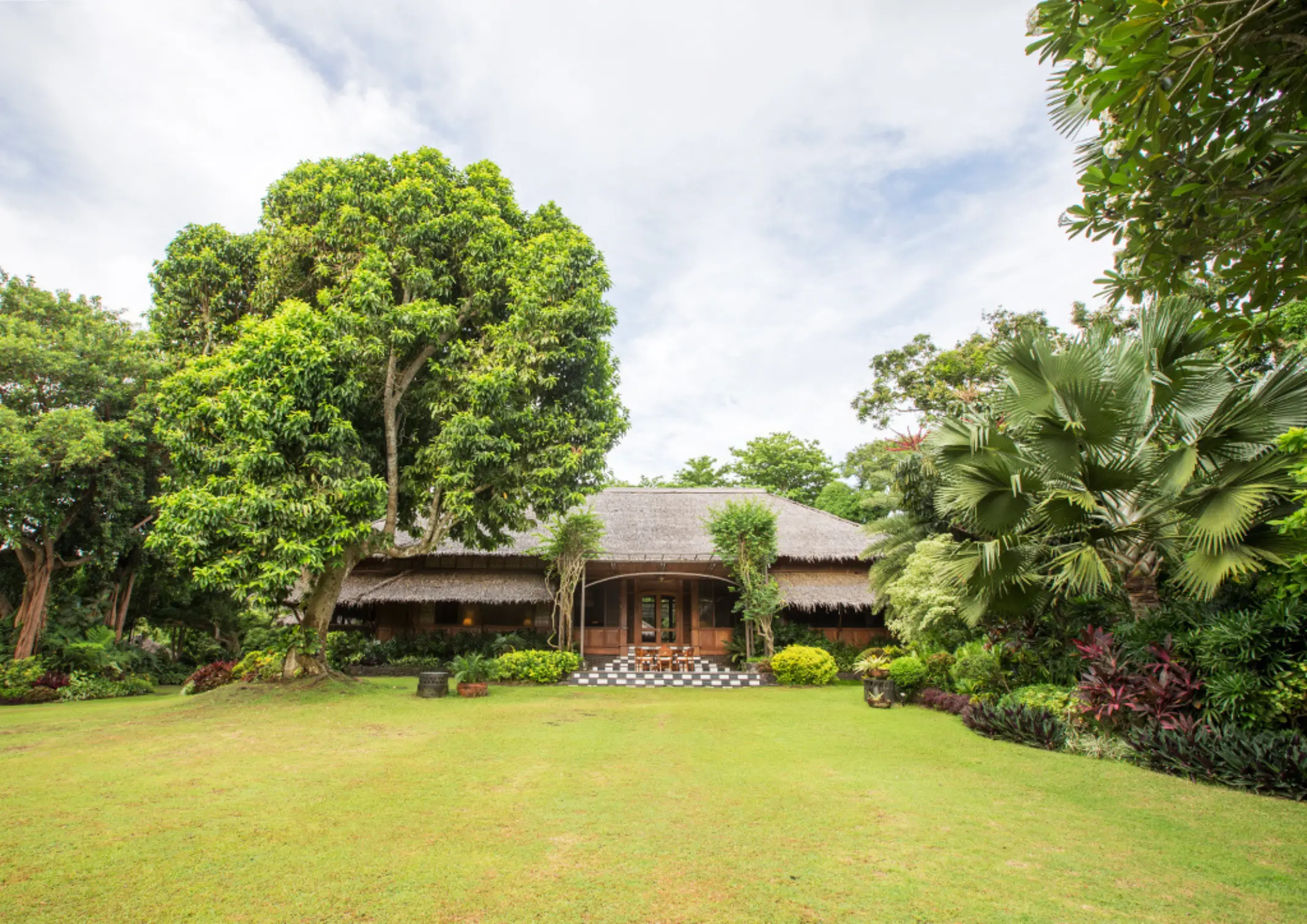
With climate change and global warming, the Philippine climate is in constant evolution. Consequently, it is important for Filipinos to have living spaces that respond to the local environment. In this article, BluPrint lists down Filipino architects who are reimagining the tropical house, aligning the built and natural environment. BAAD Studio Principal architects Benjee Mendoza […]
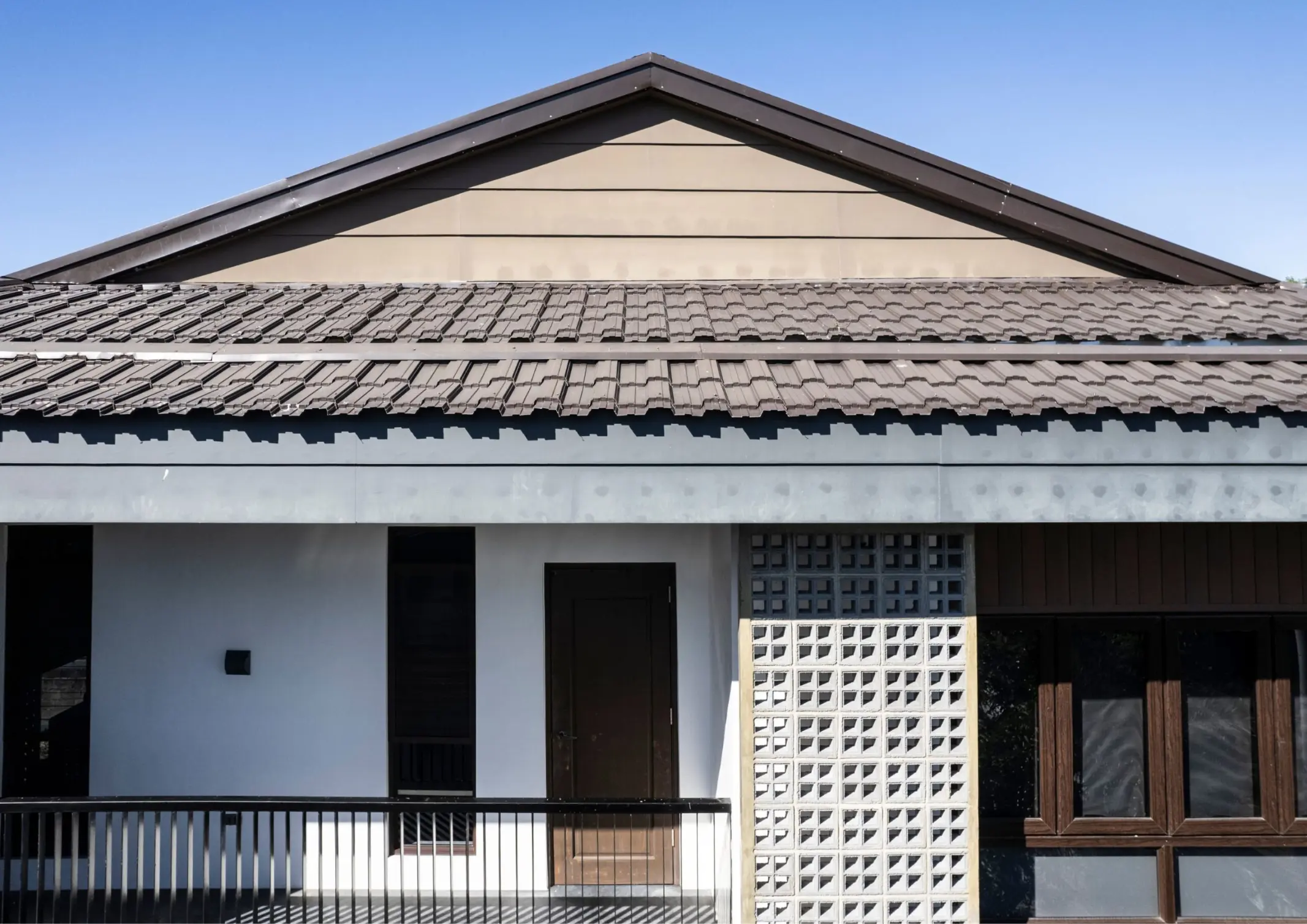
Ventilation involves the introduction of outdoor air into a room, providing occupants with their needs. Proper ventilation allows for the moderation of internal temperatures, the creation of better airflow, the dilution of carbon dioxide to acceptable levels, and the removal of contaminants. This addresses health risks associated with indoor air pollution, such as respiratory problems […]
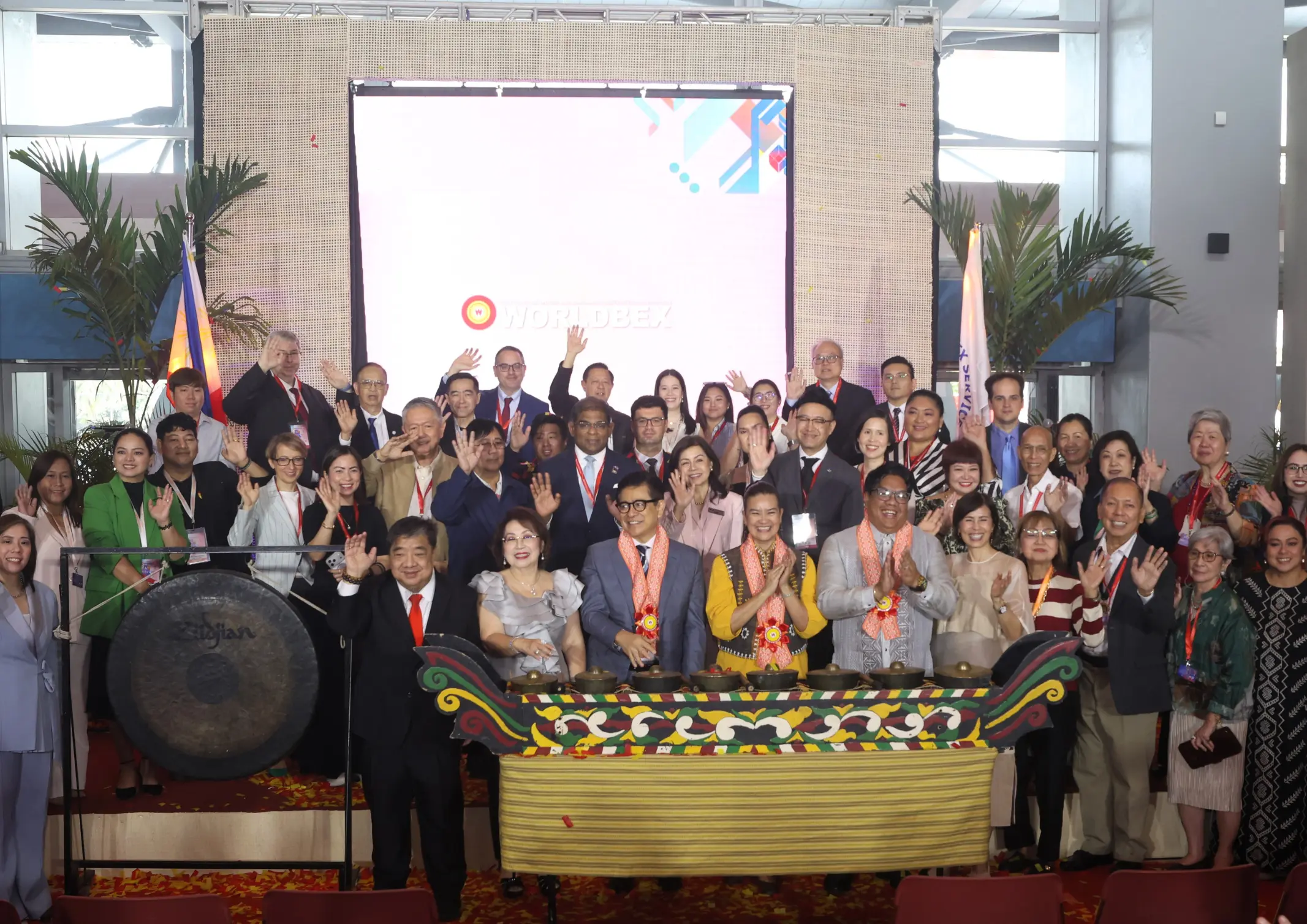
WORLDBEX 2026, running from March 12 to 15, 2026, proves itself as the Philippines’ leading construction and design expo as it wrapped its 29th edition. It drew together 1,000 local and international exhibitors under one theme, “Building Opportunities: Sustaining Lives.” Organized by Worldbex Services International (WSI), in support of the ABS-CBN Foundation Inc., the event […]
Advertisement
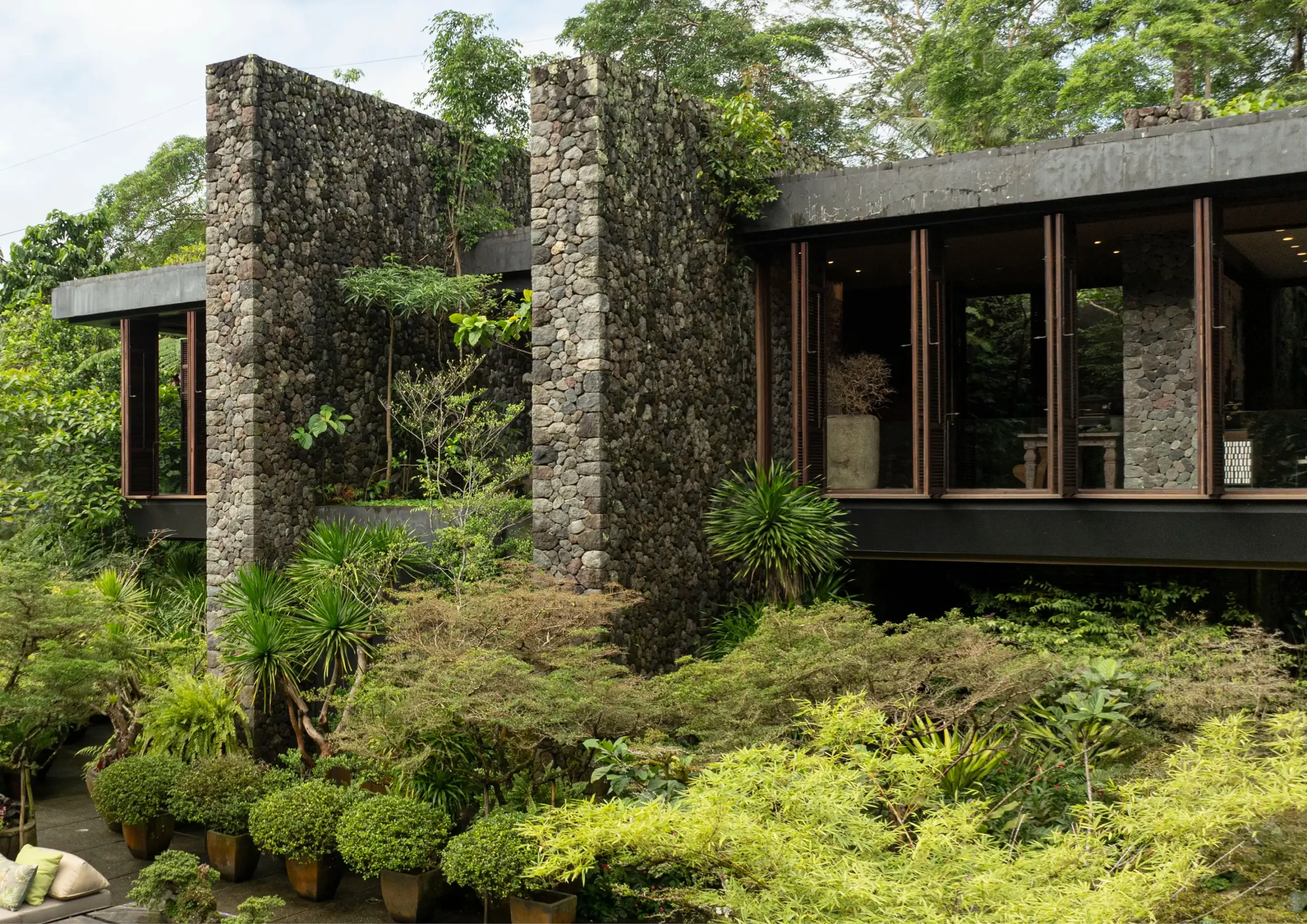
Located near the equator, factors such as heat and humidity are the norm in the Philippines. This tropical climate has shaped the development of architecture in the country. As Leandro V. Locsin stated: “The first consideration of the Filipino builder and certainly the most evident in his architecture, which is after all an outgrowth of […]

Download this month's BLUPRINT magazine digital copy from:



Subscribe via [email protected]