Bigkis is the act of binding. In Tagalog, the word can refer to something used to bind or encircle, as well as a bundle formed by tying several separate elements together. Figuratively, it can also mean a bond, union, or unity. The meanings move from the physical act of joining things together to the connection […]
How Philippine Ceramic Art Continues Its Evolution in 2025



Ceramic art is a practice that spans centuries, a combination of functionality and stylistic creativity that has been passed down for generations. Whether merely decorative or serving a bigger purpose in the household, ceramics have existed for as long as civilization has in different forms within the community. This long cultural history especially exists for Philippine ceramic art.
The Philippines has its own vibrant traditions, rooted in indigenous culture, though its current form today takes influence from other countries and their practices. Its most distinctive feature is how it continues to evolve to meet the needs of today; even modernity and industrialization has failed to fully snuff out the practice as its practitioners find ways to survive.
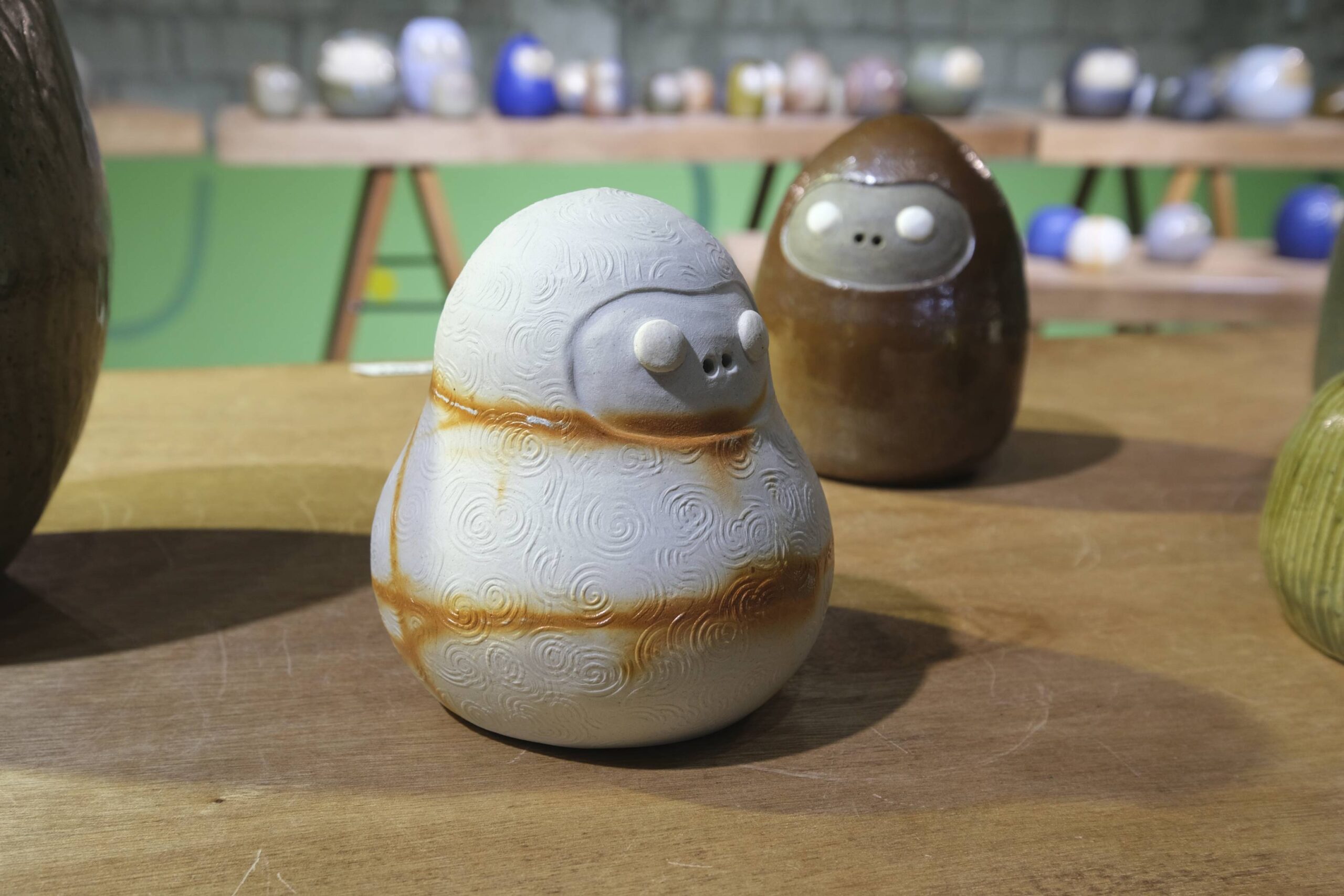
“The history of crafts always continually absorbs what’s [the] new available techniques and materials,” Jon Pettyjohn said on the evolution of the craft. “That’s important. If you try to keep anything [the same], anytime you talk about purity, or keeping something, the traditional art, like, pure, that’s a very deadly thing because then it dies. If it cannot evolve, it’s finished.”
Some recent exhibitions centered on Philippine ceramic art challenges what we see as its important aspects. How do we evolve an art form that’s basically centuries old? How much can the form be evolved before it stops being what it once was?
BluPrint looks into how ceramic artists today explore that question, and some of the conclusions that they have found.
Painting and Ceramic Art
Painting and ceramics art have been entrenched together since civilization has existed. It’s the nature of the work: people desire to personalize the objects they see daily. And since both artforms have existed, there have been opinions on painting’s place in ceramics. Potters and ceramic artists like Jon Pettyjohn have specific opinions on the artform: the necessity that it adds something new to the form and not just to be used as a new sort of canvas for painters.
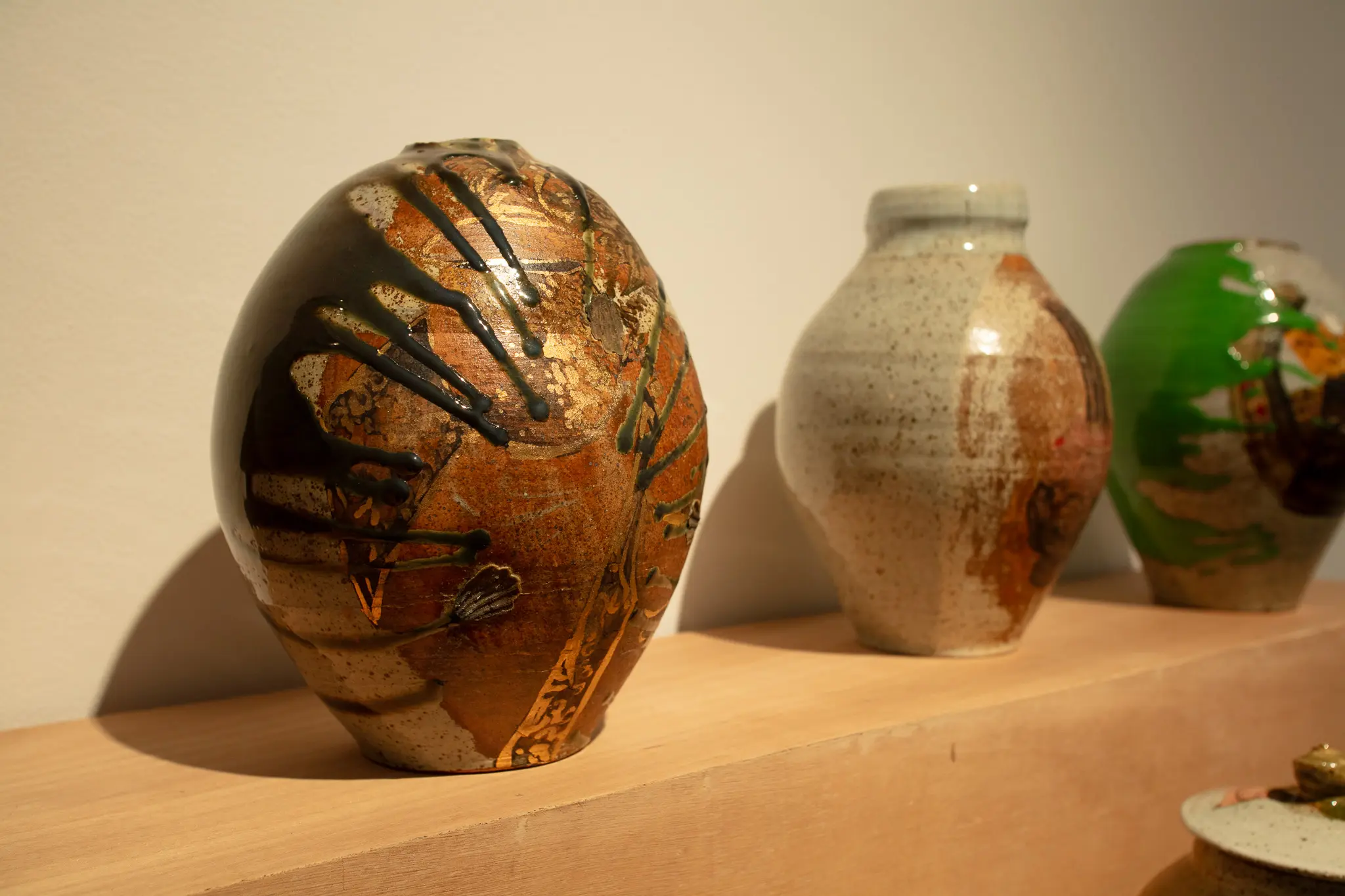
“I mean, the painting on pottery form is an ancient art,” Jon Pettyjohn said. “For thousands of years potters have thought about how to paint on a thing. Like, where do you put it? What is the pattern, the shape of it? What is the focal point? Things like that. In the world of pottery, there’s quite a canon about how that’s done.
“Often painters will approach—I mean a painter will get a plate, and then just do a painting as if it was a canvas. Which is kind of like, when potters see this, it’s like you haven’t said any[thing or] contributed anything except you’ve put your painting on a piece of clay, you know what I mean?”
Looking for Something New
With that in mind, an interesting recent exhibition related to Philippine ceramic art is Reflections, in situ from Jon and Hanna Pettyjohn. The exhibition in Silverlens Manila finds these potent points that meld the practices of ceramics and painting together to create a uniquely-singular work that even Jon, a master of the form, admitted was something he has not seen before.
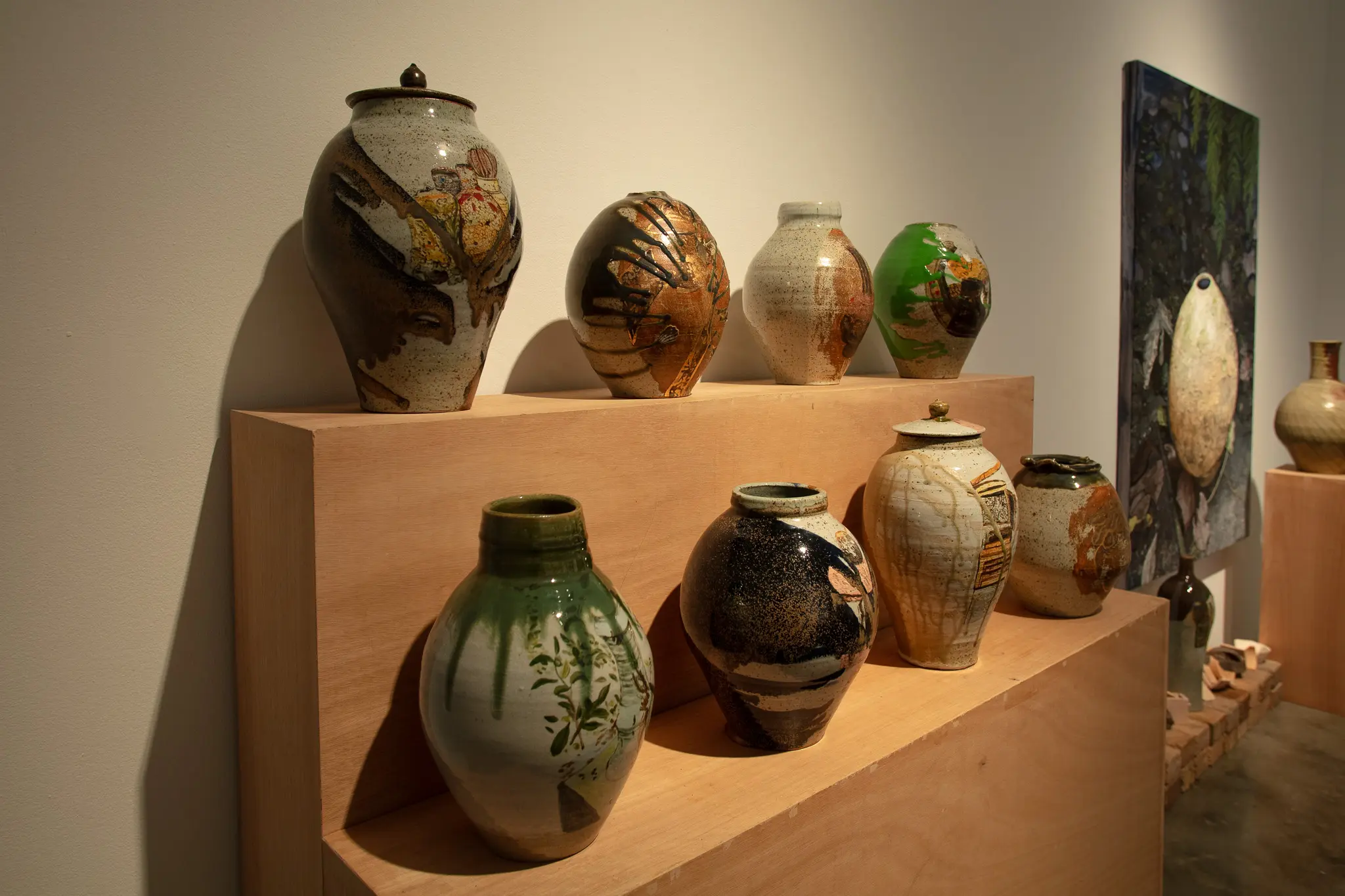
The unique aspect of the work is how the glaze just runs over the paintings that Hanna created for the pottery made by her father. It’s an interesting method that partially covers the artwork at times, crafting unpredictable patterns to the end product.
These differentiating patterns create a new characteristic that allow a new inclusion to the long history of ceramic arts and the way it works in the medium. It adds more to the question and tradition of the place of painting in ceramics art as a whole.
Defining Your Art For Yourself
In other places of the Philippine ceramic art scene, the artist challenges some of the more basic parts of the artform itself. Grip/Pulse by Sam Feleo functions in an uncommon capacity, the artist finding this sense of alienness through the way it combines an organic feel through a sculptural, inorganic medium.
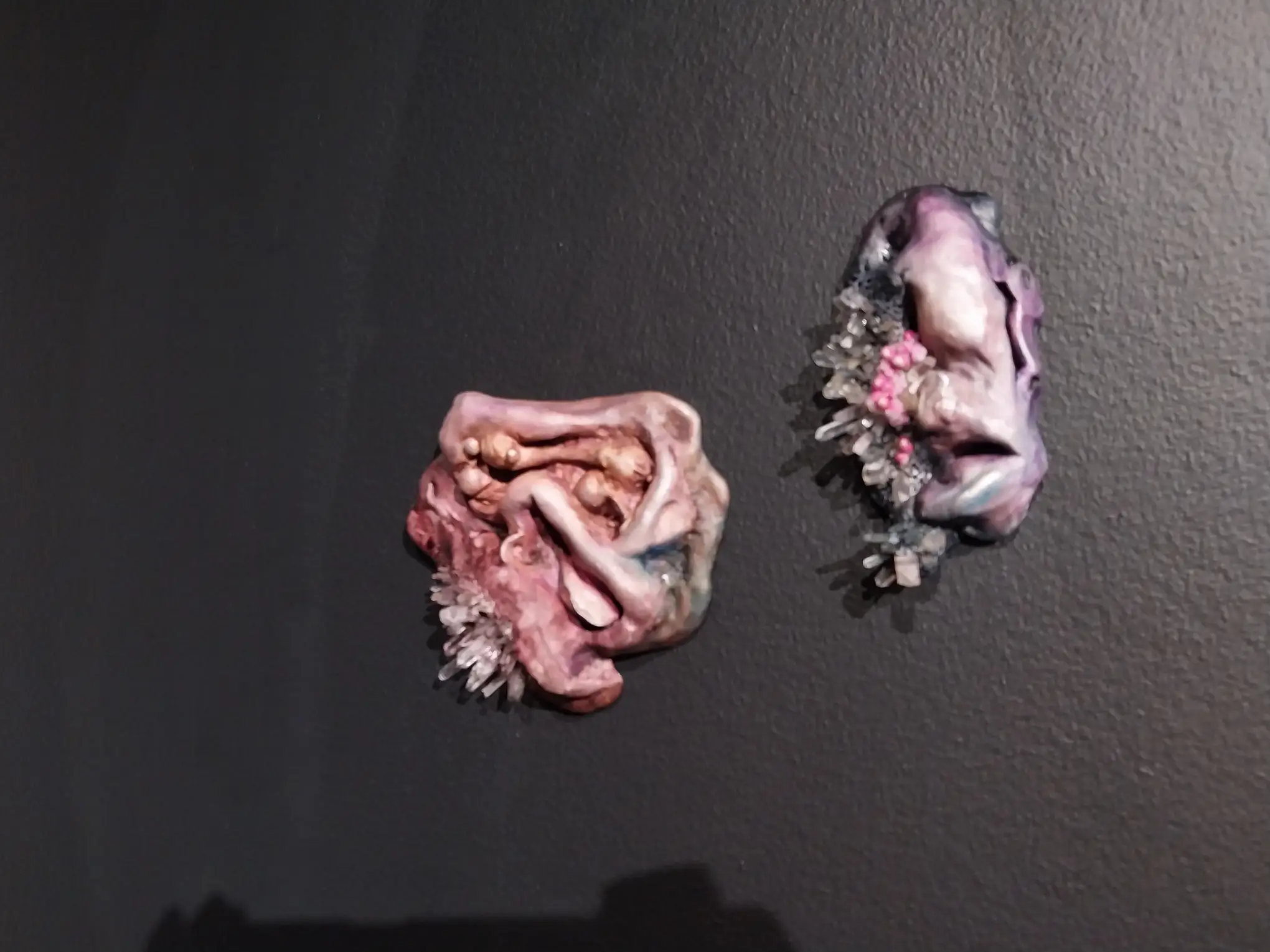
In something that bucks the conventional wisdom of ceramic art, Feleo’s style does not glaze the pottery. Rather, she fires them through the kiln once to remove the moisture in the work before immersing them in a crystal growing kit. This allows her to really redefine the meaning of “organic,” probing the way we look at life forms and cycles in our own society.
“Weird talaga ang aesthetic ko,” she said. “I mean, never akong gumawa ng pretty pictures. [This works with] the idea of transforming or generating art, that challenges our preconceived notions of art as being a static object.”
It’s also an exhibit that questions the meaning of functionality in ceramic art. Historically, clayworks tend to be lauded for their use in daily life as much as for their creativity. Pots tell stories, and they can be used to store food and other objects.
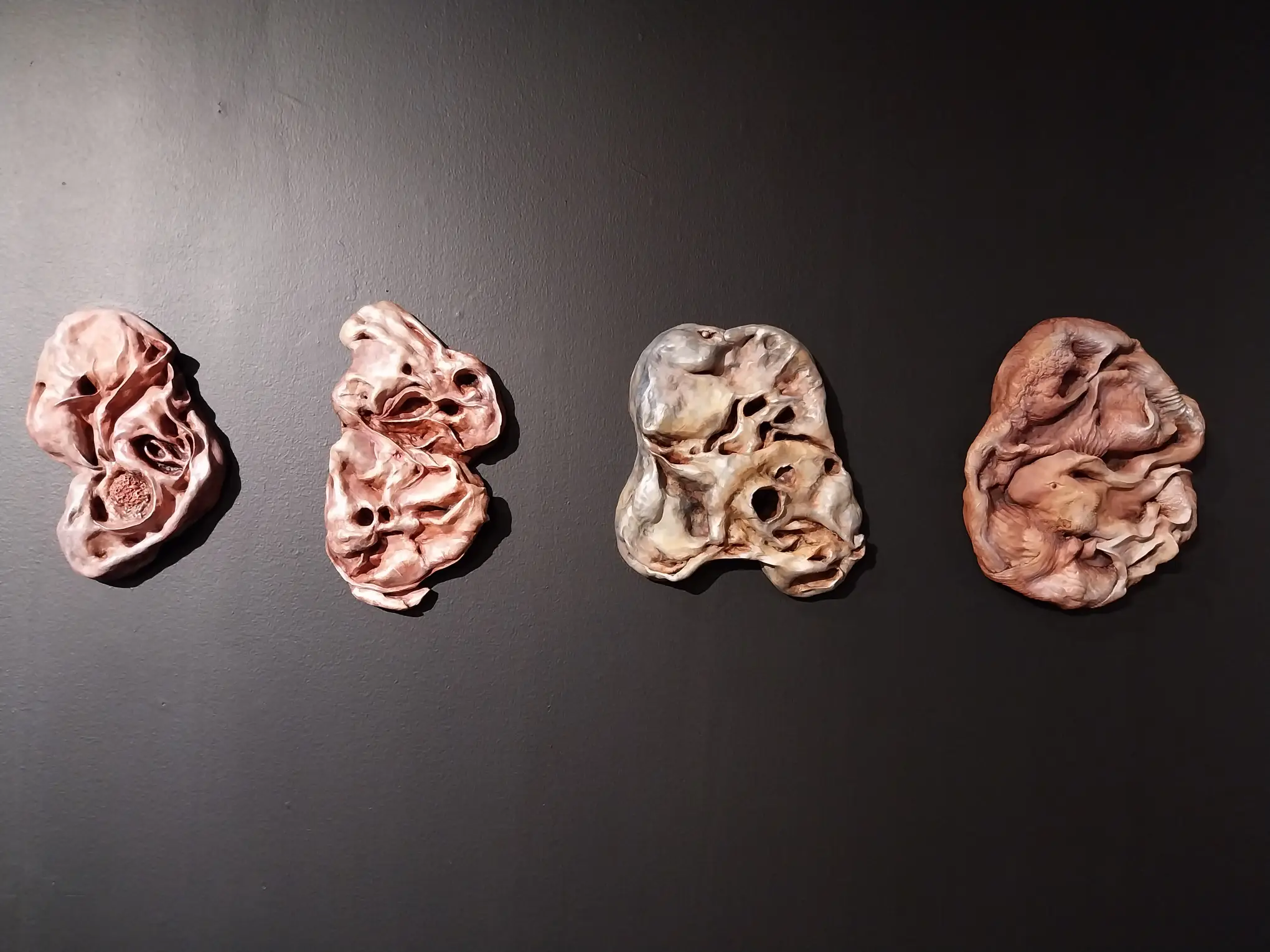
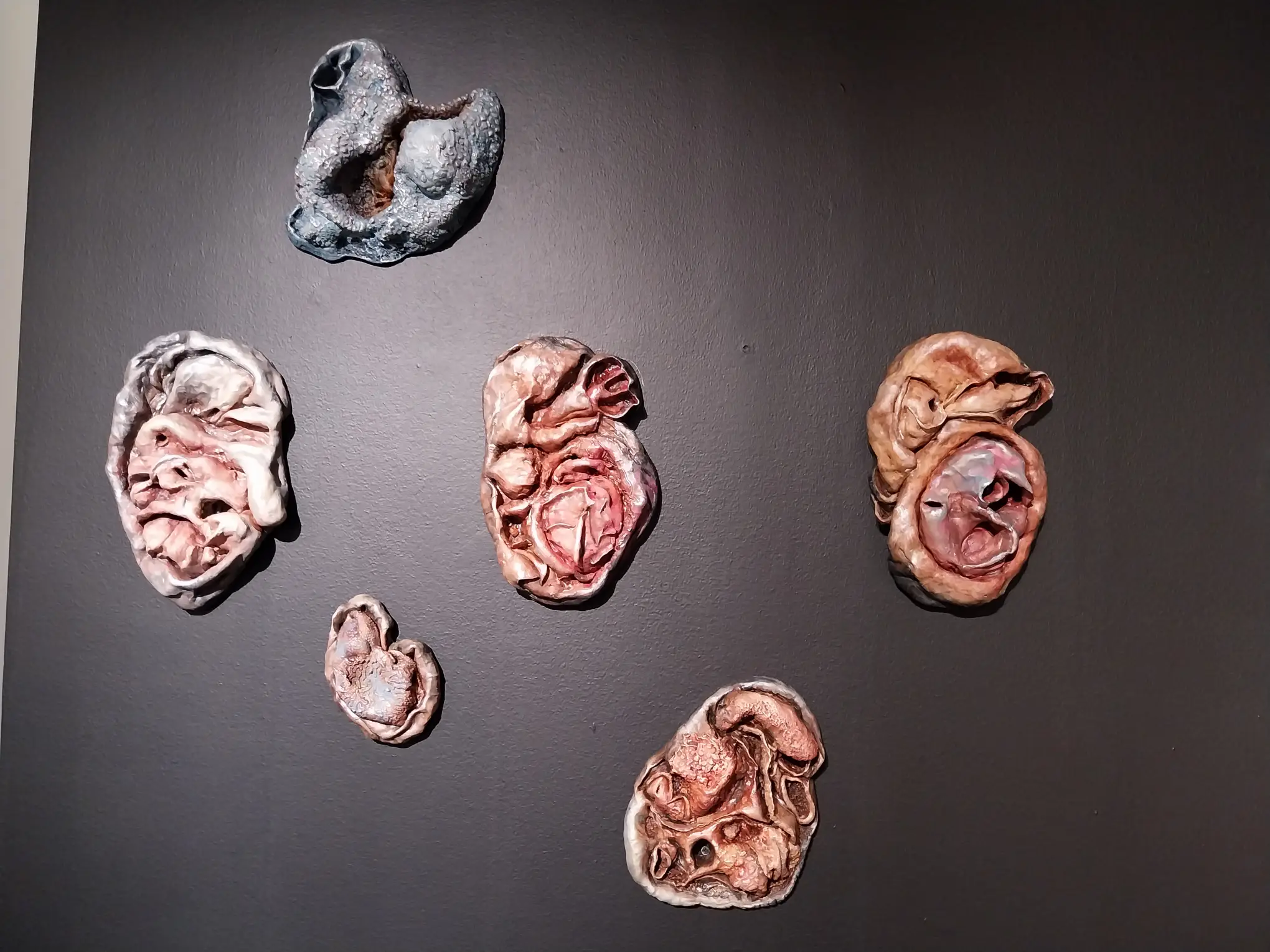
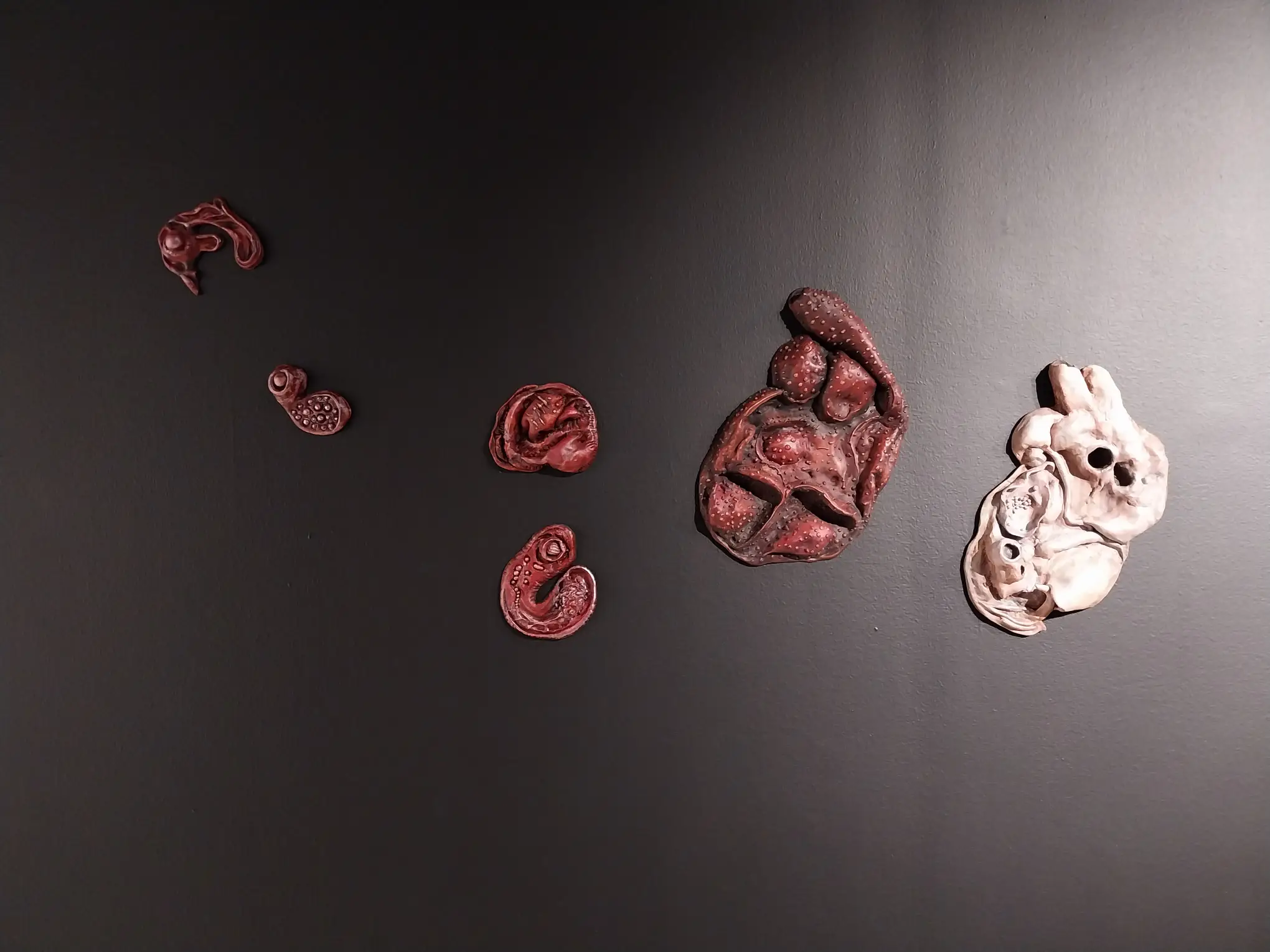
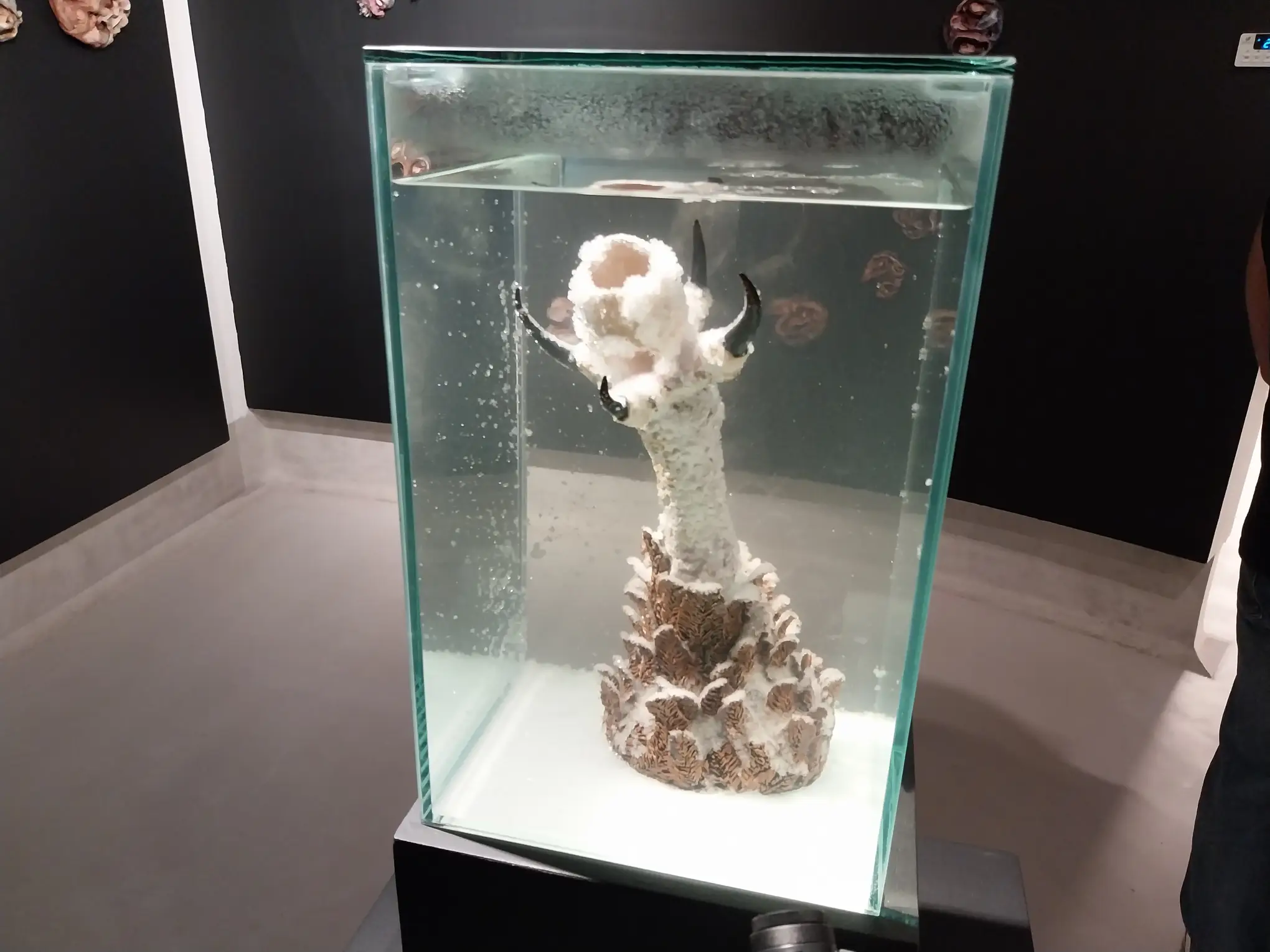
But in Grip/Pulse, the artworks that Feleo creates can’t really be used in any other way than art. That aspect is interesting, and though it might not be intentional, it presents the idea of art just existing without the need for meaning from humanity.
The organicness of the works serves as a metaphor for the independence of life, its ability to just exist even without humanity’s intervention. We may have created it, but it lives on even without us, adrift in the background, serving as its own justification for being. Humanity creates artworks and inscribes meaning to them, but art can live on beyond that, even stripped of its meaning.
Incorporating Influences in Your Artworks
Speaking of functionality, other ceramic art exhibits function as a bridge between the creativity of the artist and the functionality of the works. Nerikomi by Winnie Go is interesting because the products that she created are still very useful in one’s day-to-day life. These are plates, tea cups, coasters, and other objects that tend to blend in our environment.
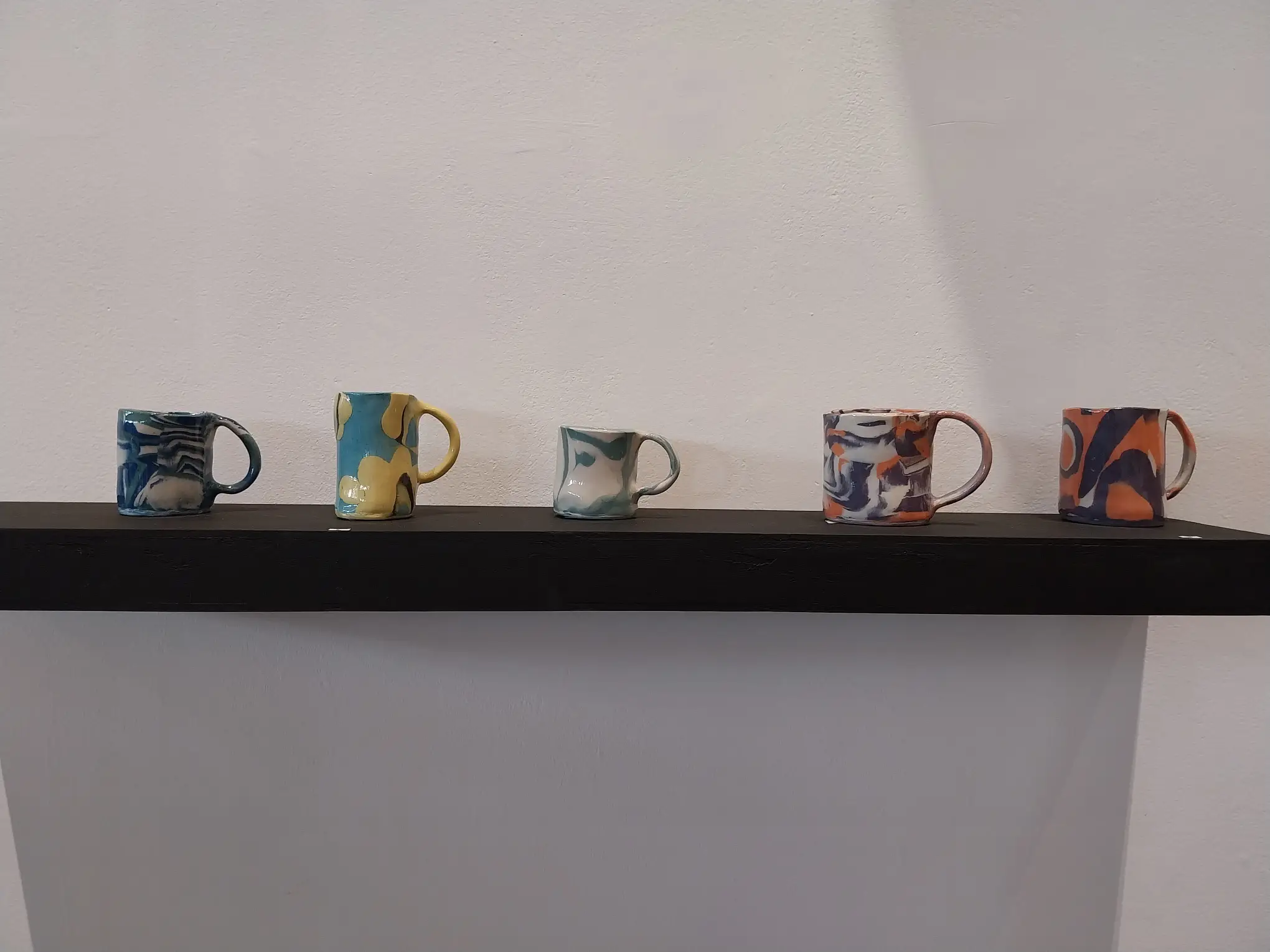
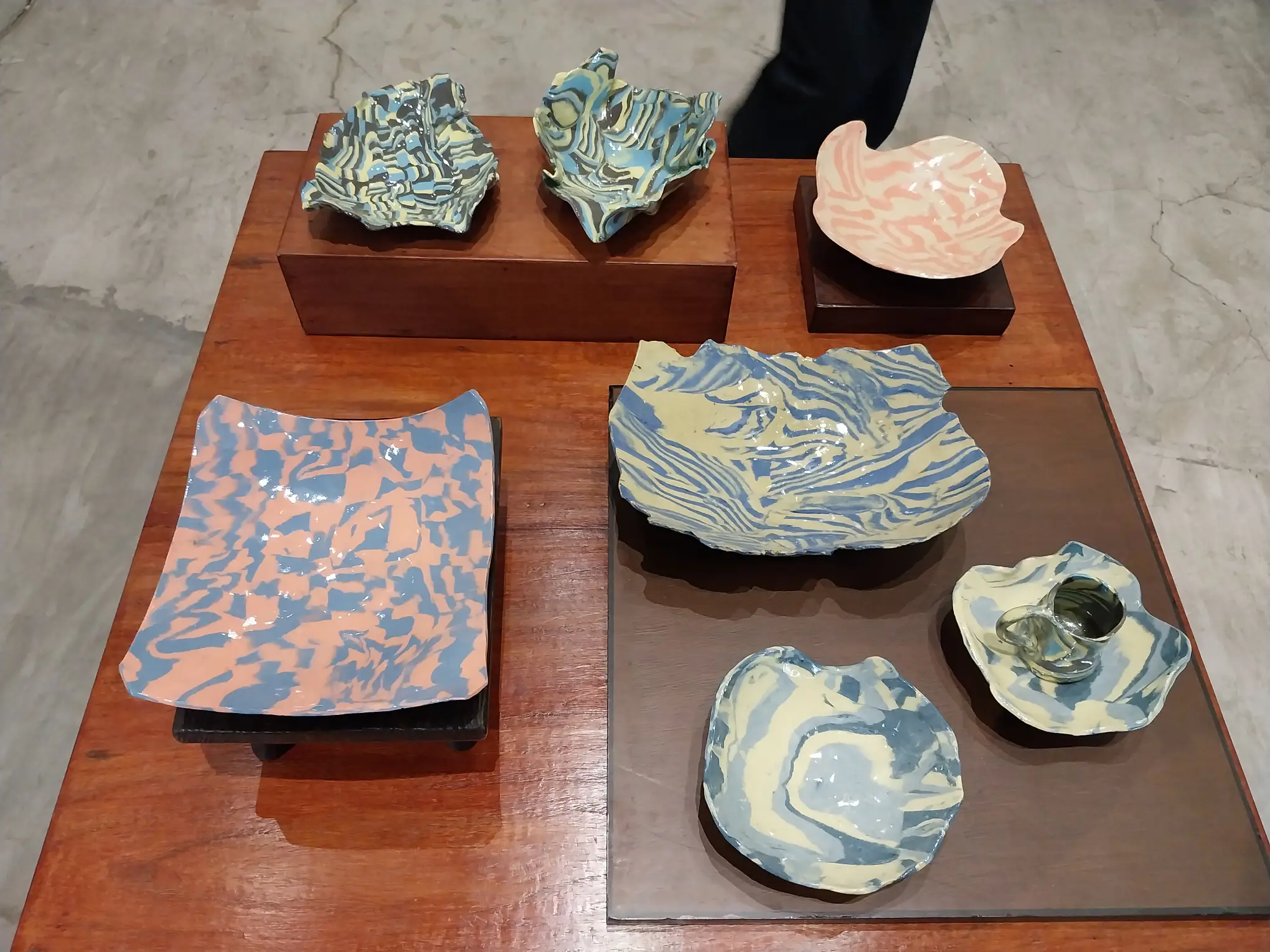
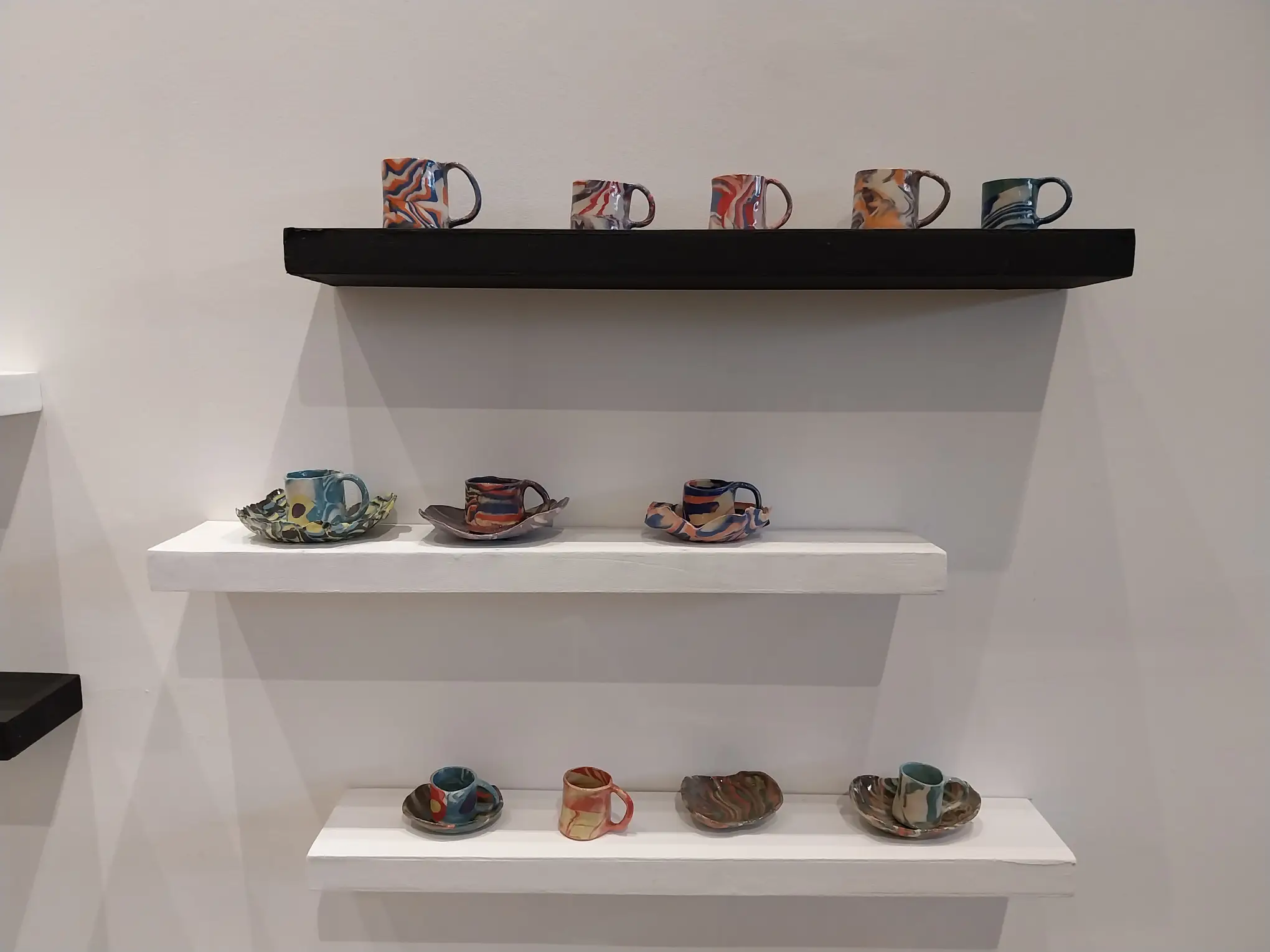
And yet, she finds a certain zing in their execution that differentiates her current outputs from her past oeuvre. She tried a new style of ceramics technique, nerikomi, and integrated her own interests into the process. It allowed her to experiment with showcasing her other interests, from abstract art to traditional ikat weavings, really blossoming her ideas into the forefront of the ceramics’ design.
“For me, it was a very playful process, which I really love so much,” she said. “And that’s why I love this body of work: in that way, it’s very unpredictable.”
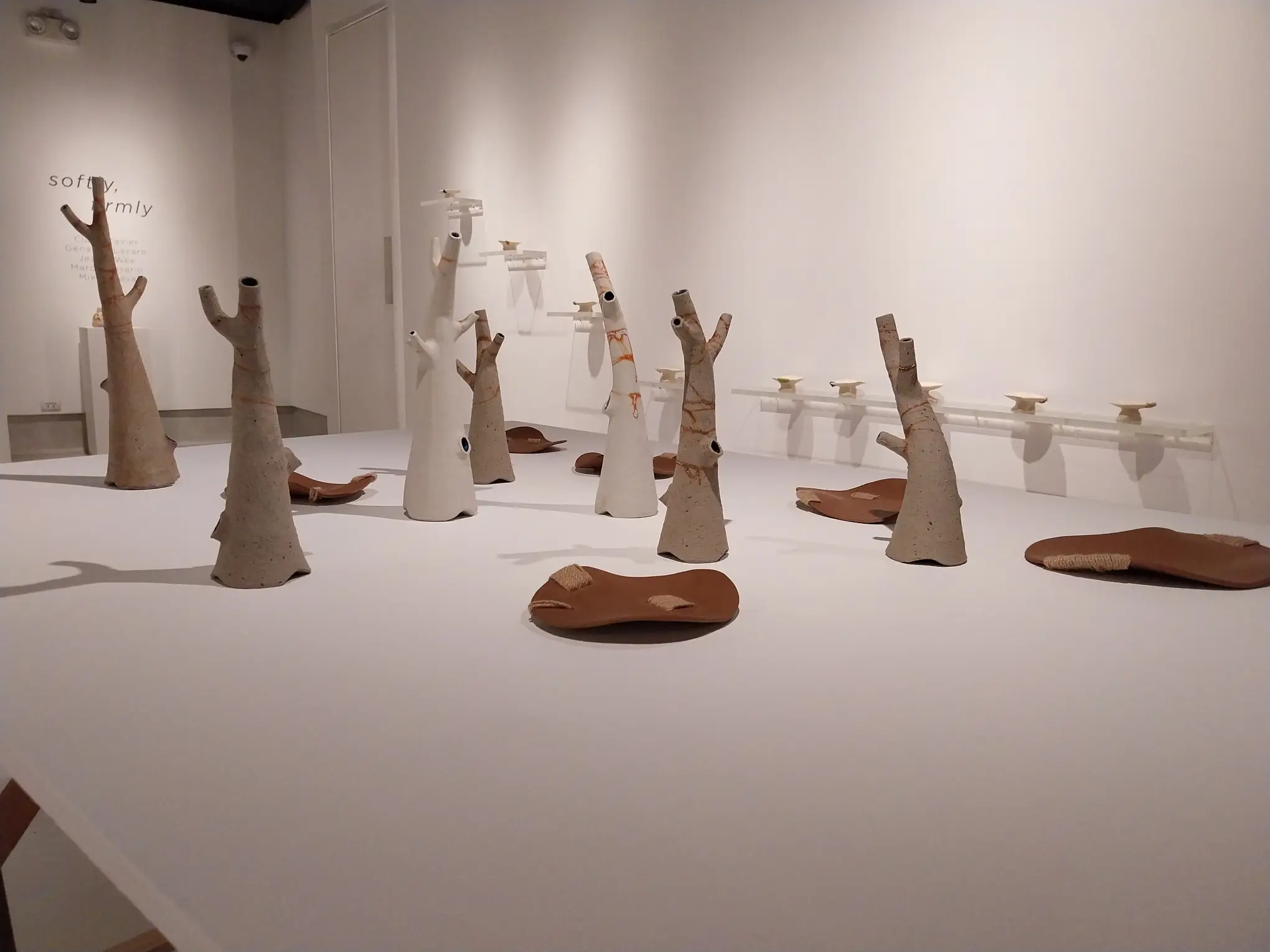
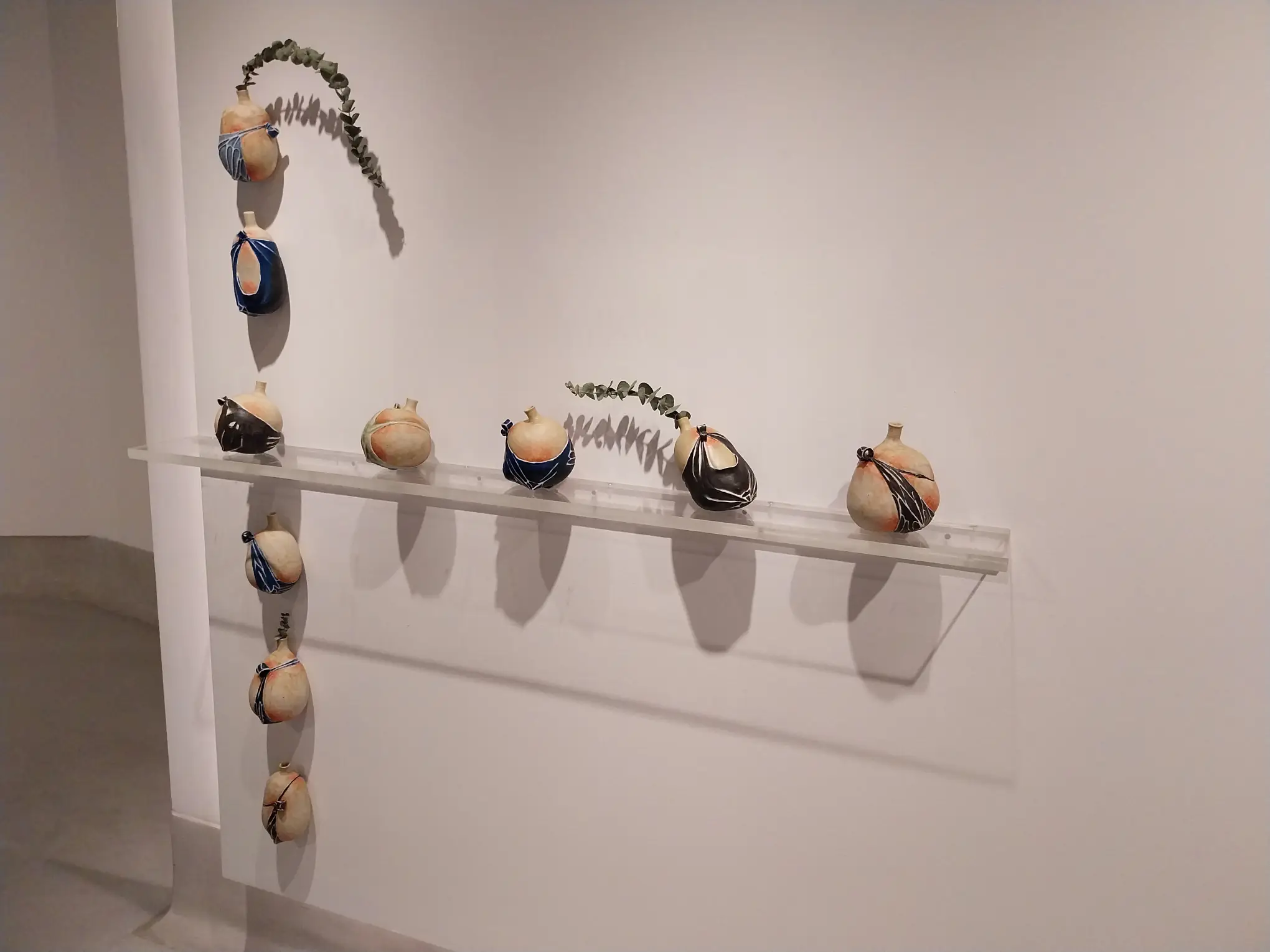
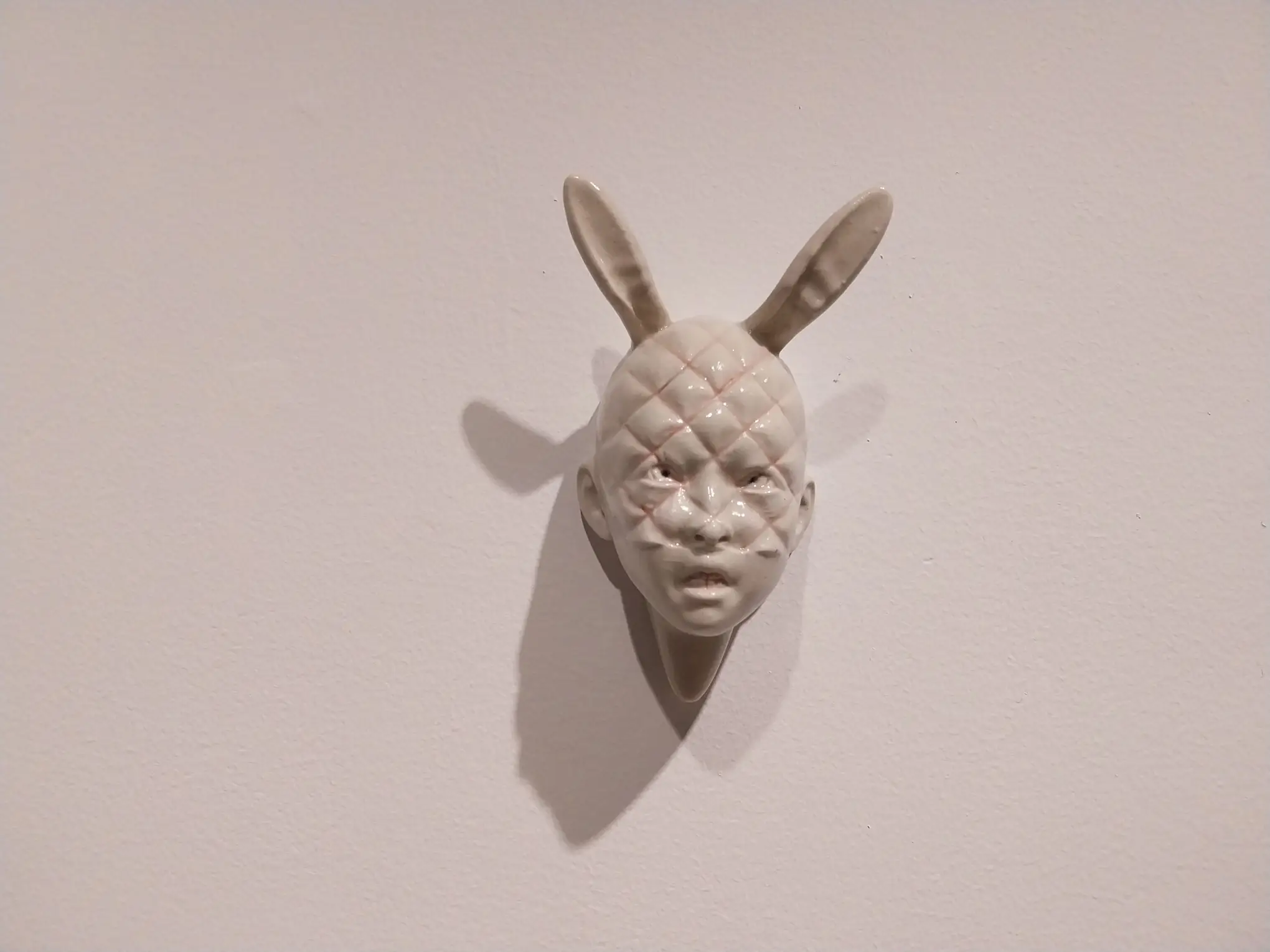
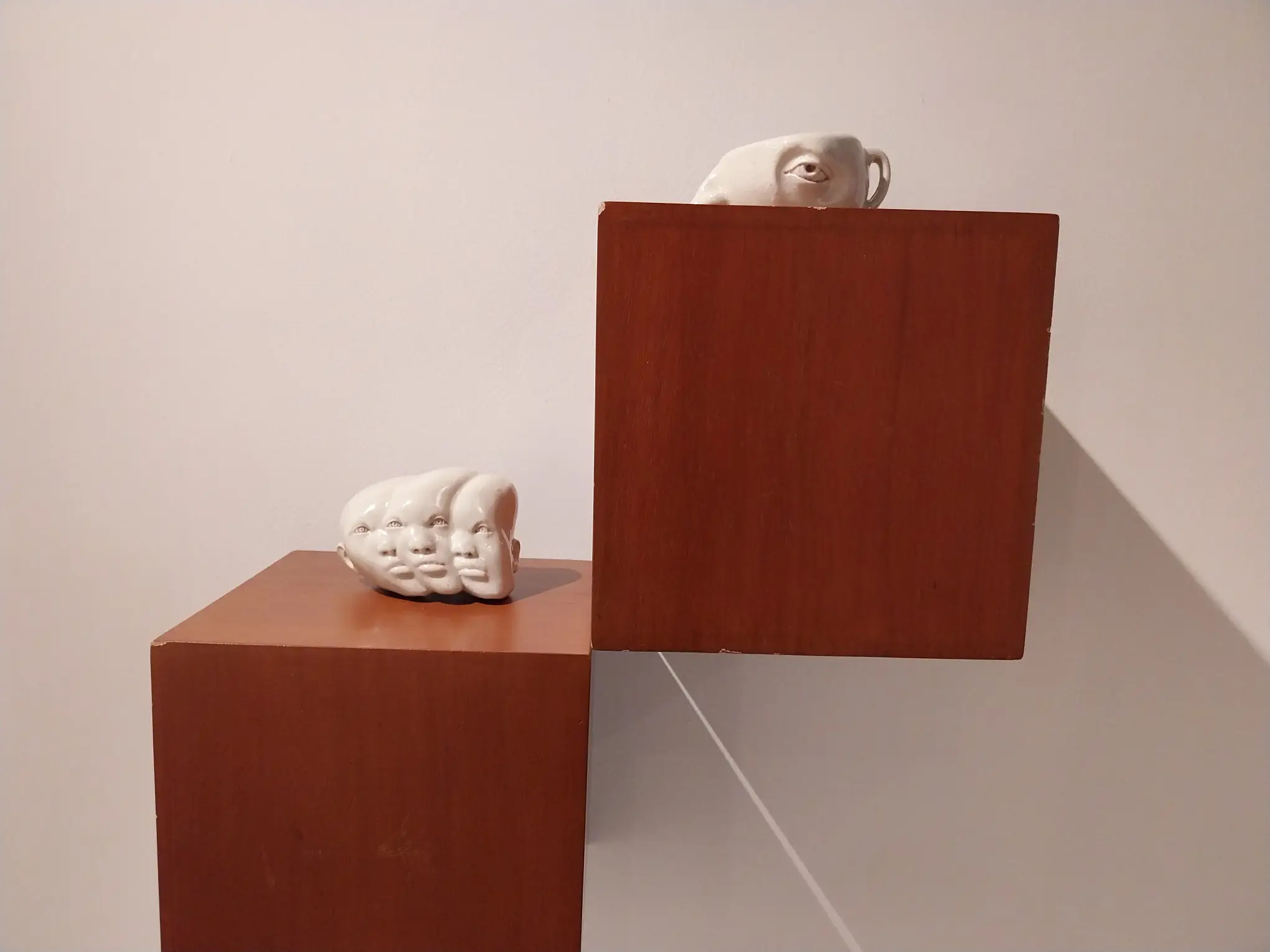
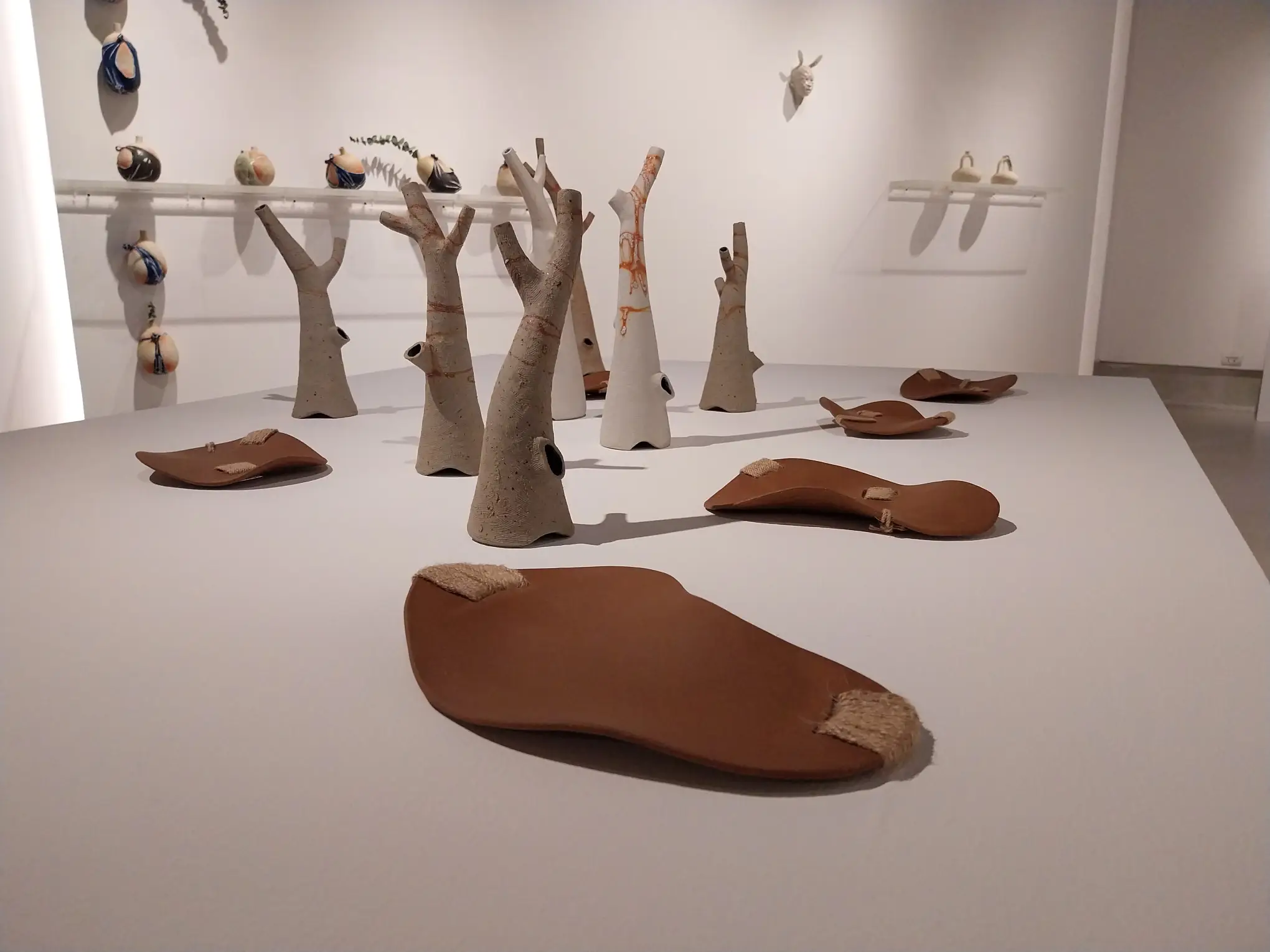
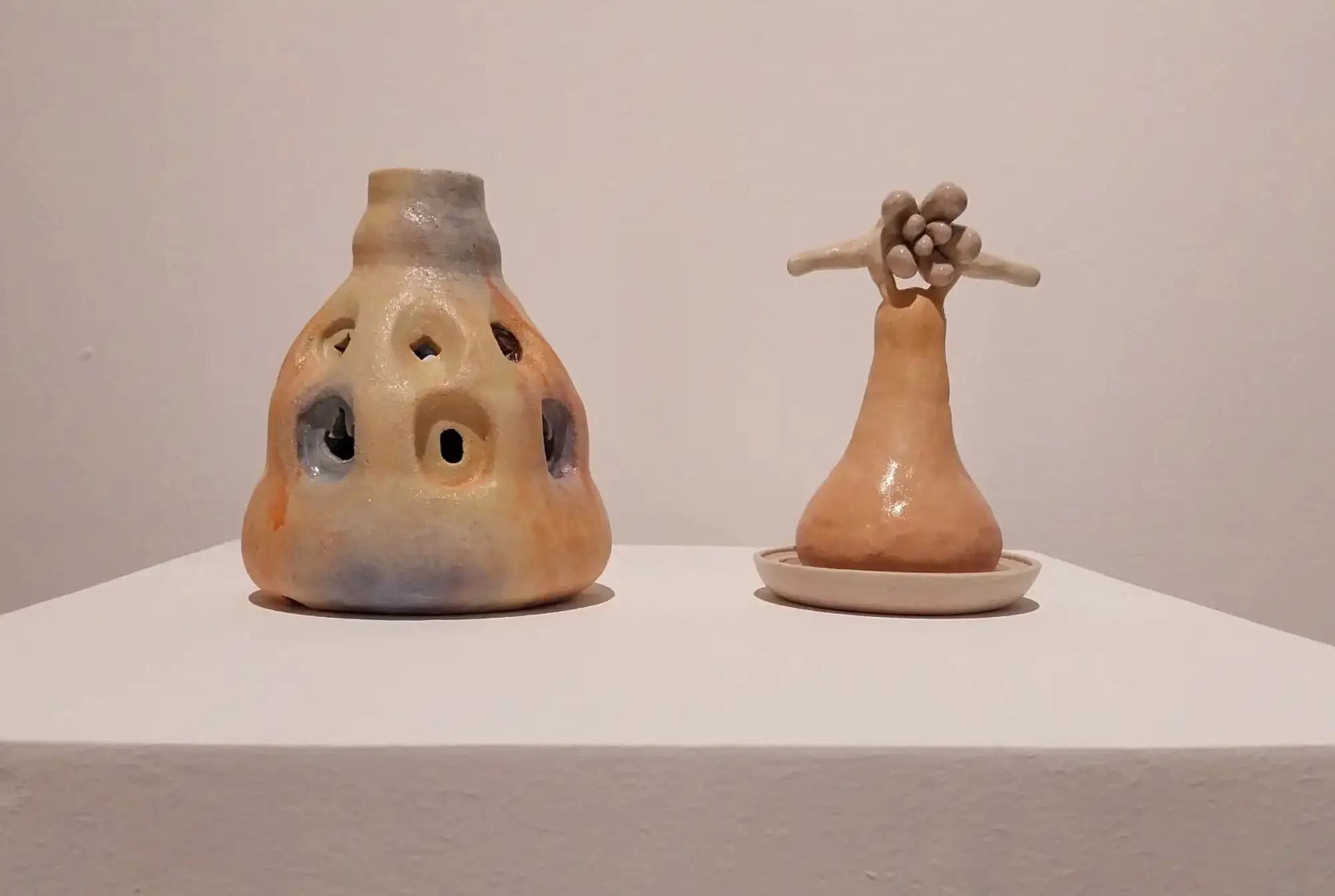
Another recent exhibit of ceramic art, softly, firmly at Galerie Stephanie, also exemplified this process. A group exhibition, it showcased the way functionality and artistry can coexist within the medium. The pliability of the clay allowed the artists to experiment and express themselves while still creating useful products like “ritual paraphernalia, flower vessels, incense cones, and trinket plates.”
“The collection through its functional turn casts a paradoxical appraisal of the nature of clay that is malleable in its possibilities yet rigid in its ability to uphold form and intent,” the exhibit write-up said.
Evolution Comes with Many Paths
Philippine ceramic art is an ever-fluctuating field. There’s always going to be collisions and confluences between artists and movements as they take their ideas and influences from different places. Tradition battles with ideas considered sacrilegious in the past as they create conversation on where the form can go from here.
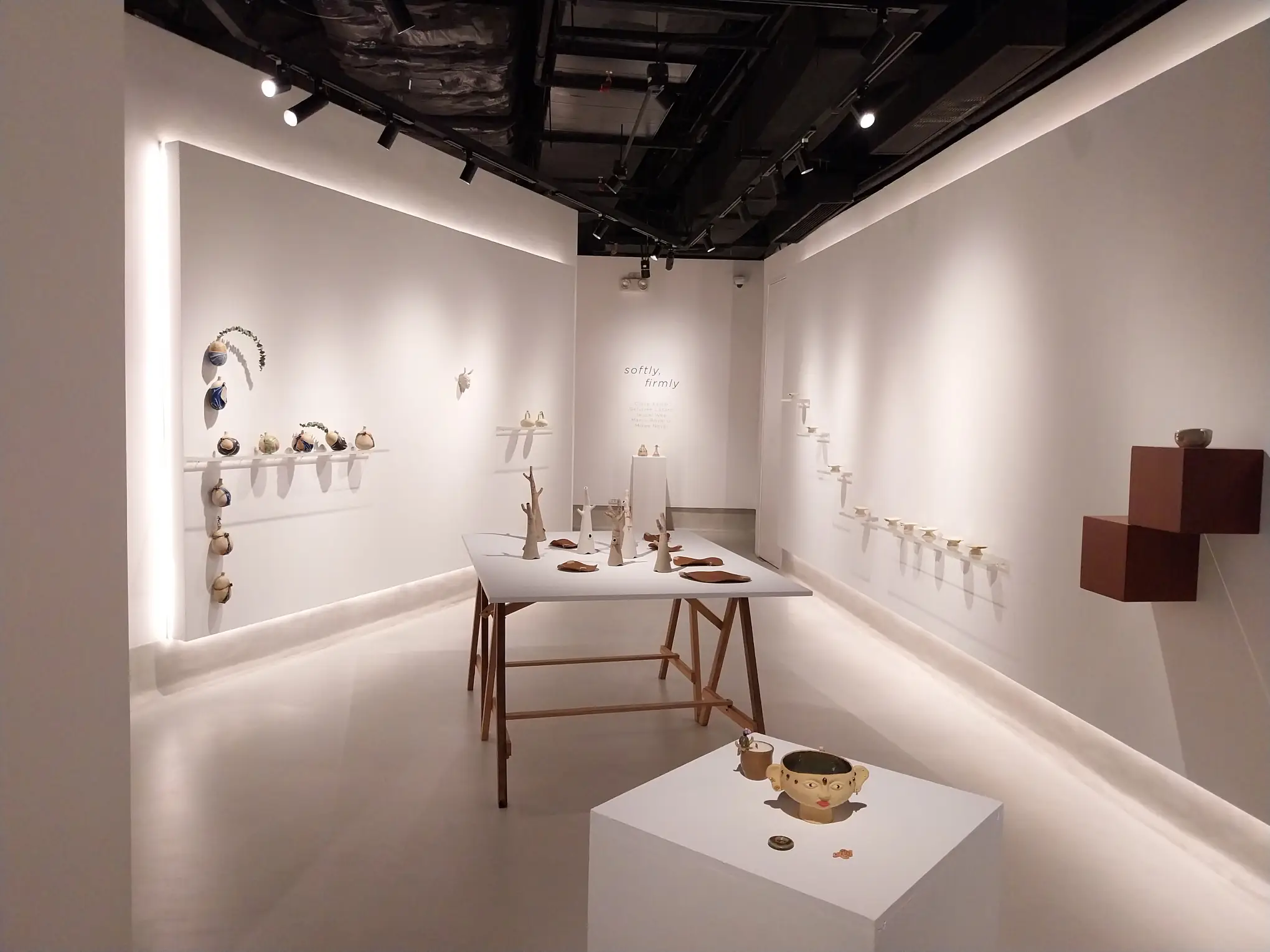
In the end, it creates our present state of evolution, reminding artists within the medium and beyond that ideas can never really stay static for long. Unlike ceramics, putting ideas under the fire doesn’t make them rigid and hard; it makes them more malleable as it rushes to meet the present.
Photos by Elle Yap.
Related reading: ‘A Light in Everything’: Finding Harmony in the Seas
Frequently Asked Questions
Evolution in Philippine ceramics is driven by the absorption of new techniques and materials rather than a strict adherence to “purity,” which master potter Jon Pettyjohn warns can lead to the death of the craft. Artists today are moving beyond traditional boundaries by integrating painting, crystal growth, and indigenous weaving patterns into their clay work. This refusal to stay static allows the medium to survive industrialization and modernity, ensuring that centuries-old traditions meet the aesthetic and functional needs of contemporary society.
Jon Pettyjohn argues that painting on pottery should be an integrated art form that contributes something new to the structure, rather than using clay simply as a circular canvas. In his collaboration with Hanna Pettyjohn, Reflections, in situ, they evolved this concept by allowing glaze to run over the paintings, creating unpredictable patterns. This method challenges the “canon” of pottery painting by making the artwork and the ceramic form inseparable, resulting in a singular, multi-layered object.
In her exhibition Grip/Pulse, Sam Feleo bypasses traditional glazing in favor of immersing fired clay into crystal-growing kits. This process allows the artwork to continue “generating” itself, challenging the notion of art as a static, human-controlled object. By creating sculptural pieces that appear alien or biological, she probes the cycles of life and suggests that art can exist independently of human intervention, moving the medium from functional household objects to pure, self-justifying life forms.
Yes, many artists continue to bridge the gap between high artistry and daily utility, as seen in Winnie Go’s Nerikomi exhibition and the group show softly, firmly. These collections feature functional items like tea cups, ritual paraphernalia, and flower vessels that utilize the “nerikomi” technique to incorporate complex patterns like traditional ikat weaving. This approach proves that the pliability of clay allows for deep personal expression without sacrificing the object’s role in household or ritual life.
Integrating indigenous motifs, such as traditional ikat patterns, into ceramic design serves as a way to preserve and promote Filipino heritage within a modern context. Artists like Winnie Go use these influences to add a “playful and unpredictable” layer to their work, transforming standard domestic objects into cultural statements. This practice ensures that the evolution of Philippine ceramic art remains rooted in its vibrant history while exploring new, globalized stylistic confluences.
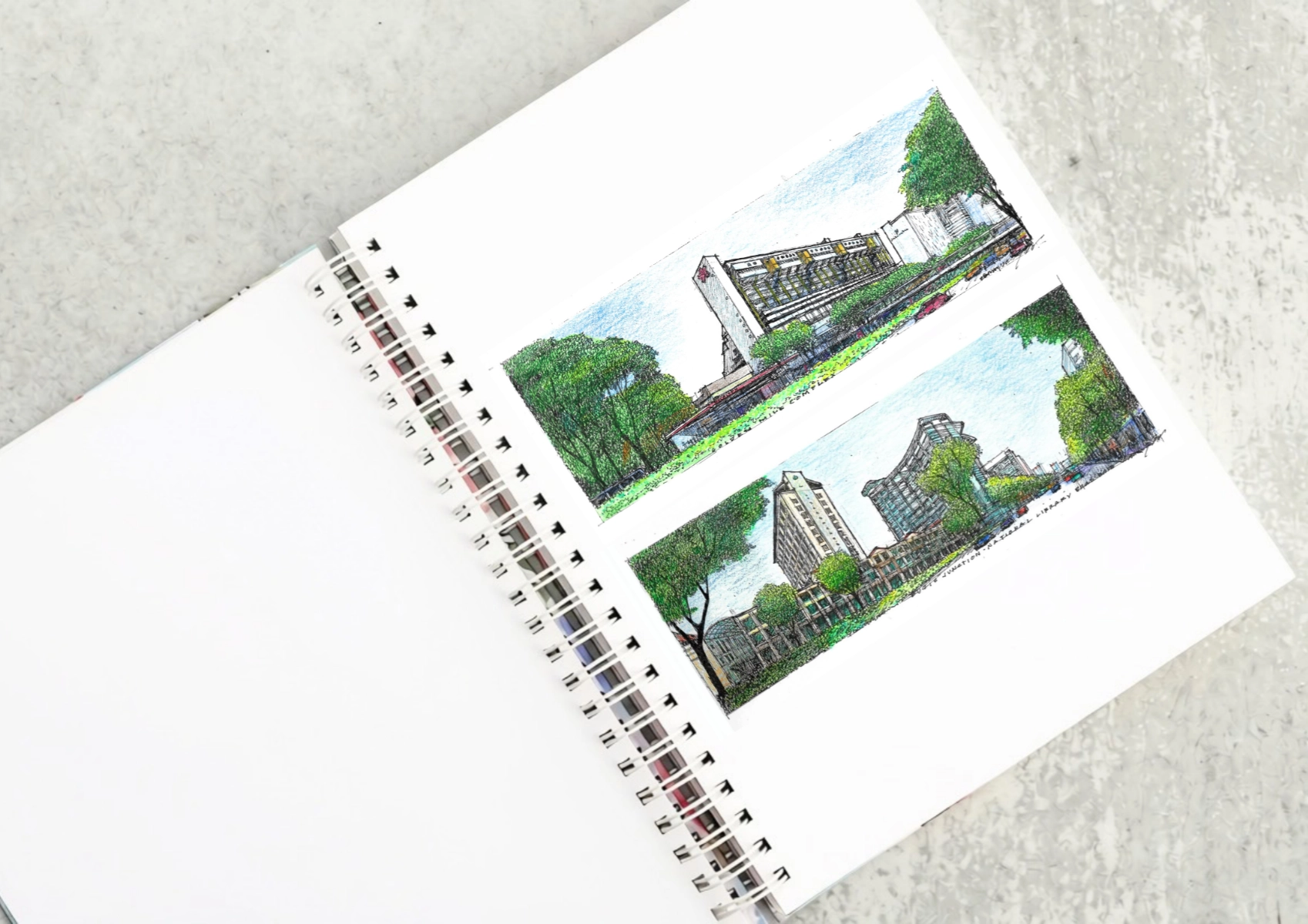
Two sketches of Singapore connect BluPrint Editor in Chief Paulo G. Alcazaren’s personal and professional history with Shared Ground: ArchitectureArchitectureThe art and science of designing and constructing buildings, structures, and spaces that are functional, safe, and aesthetically pleasing. It encompasses the planning, design, materials, and techniques used to createGo to Architecture Glossary of Care, Culture, […]
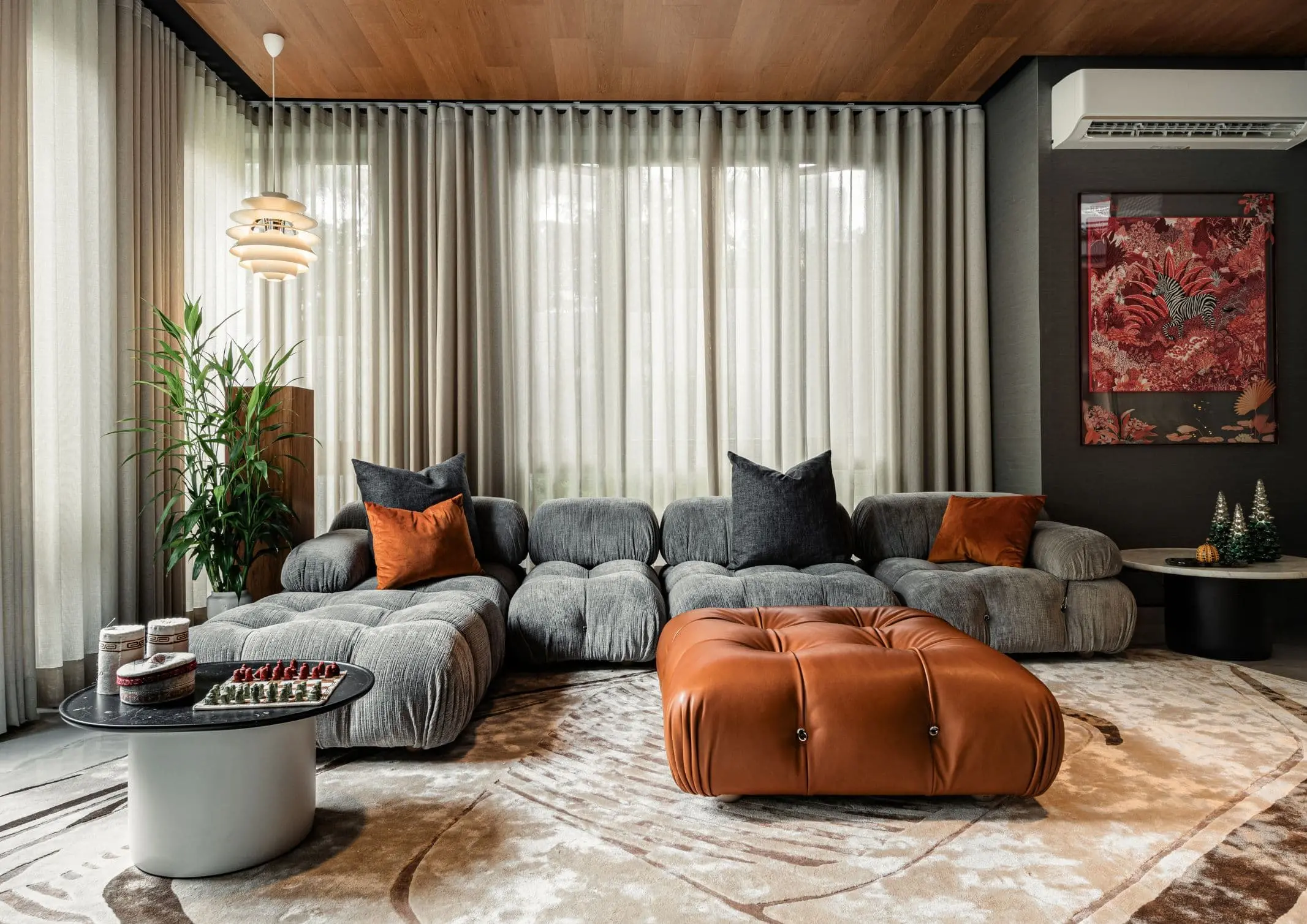
Some have become household names – Coleman, Oster, and KitchenAid – products that have found their way into Filipino kitchens, homes and family routines. In home furnishings, brands such as B&B Italia, Ethan Allen, Sub-Zero, Miele, SieMatic, Louis Poulsen, Hunter Douglas, Tempur, and Technogym, have helped shape the way Filipinos live. From everyday essentials to […]
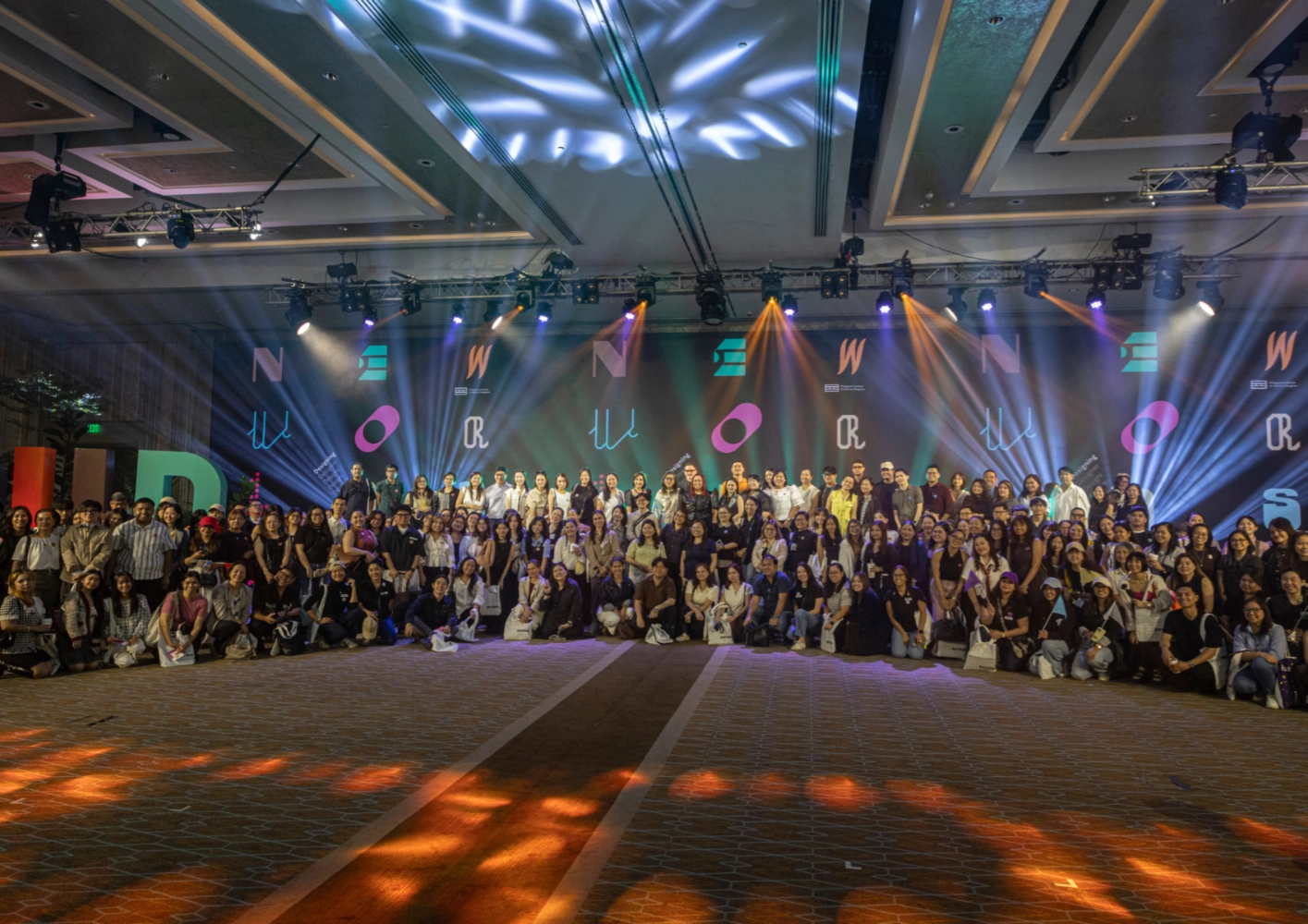
In a way, designers are the modern-day soothsayers and prophets. They design for the future, predicting how a room, a house, a building or a whole city will be used by people. They foresee how users will interact with a space, conjure exact shades of colors to elicit specific behavior and arrange furniture to build […]
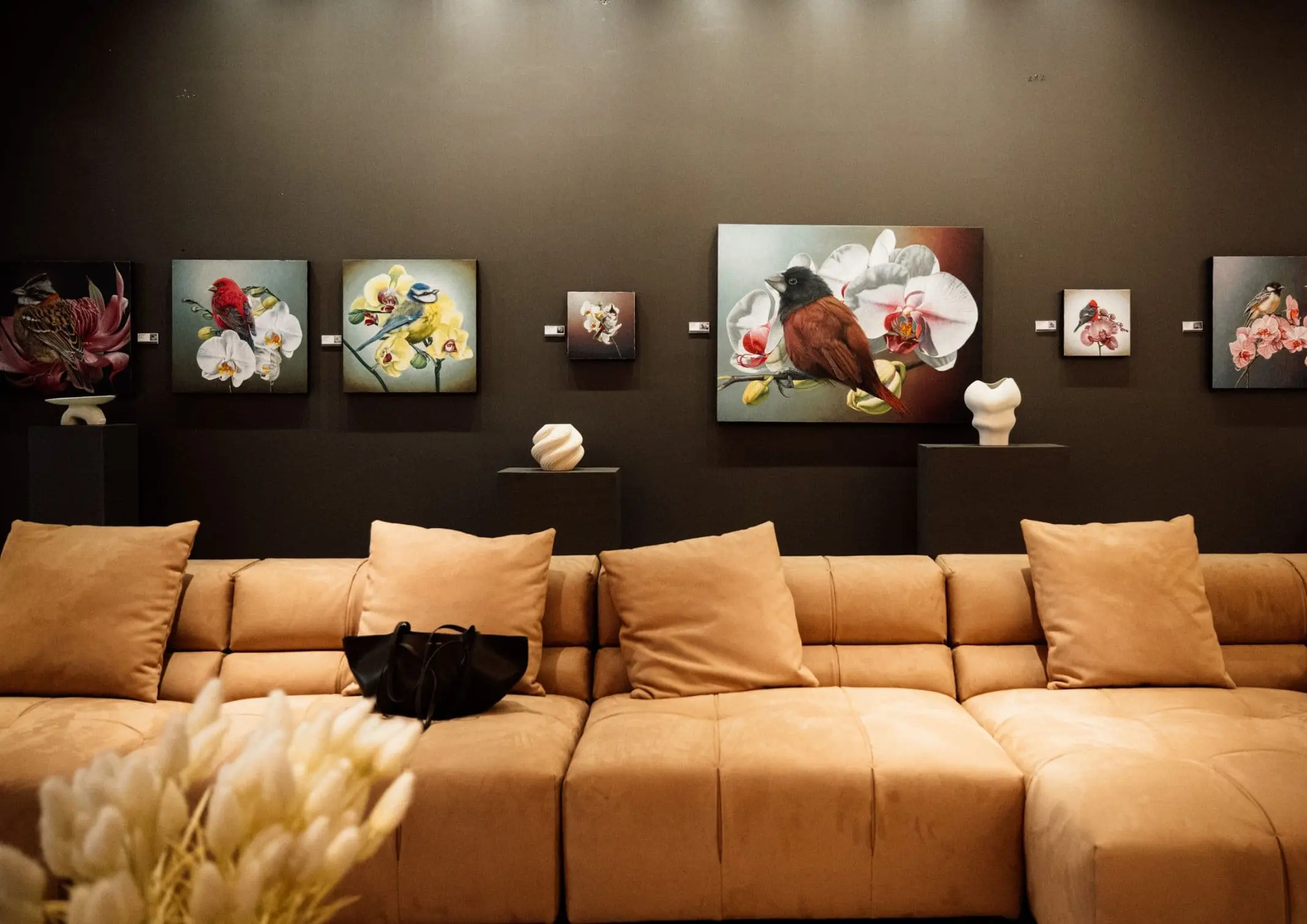
Art and furniture are often selected separately, yet their relationship can shape how a room looks and feels. The collaboration between Hooga and Galerie Joaquin explores how these elements can work together, bringing contemporary artworks into furnished residential settings at Hooga’s showroom in Uptown Mall, Bonifacio Global City. For Hooga, which curates furniture, lighting, and […]
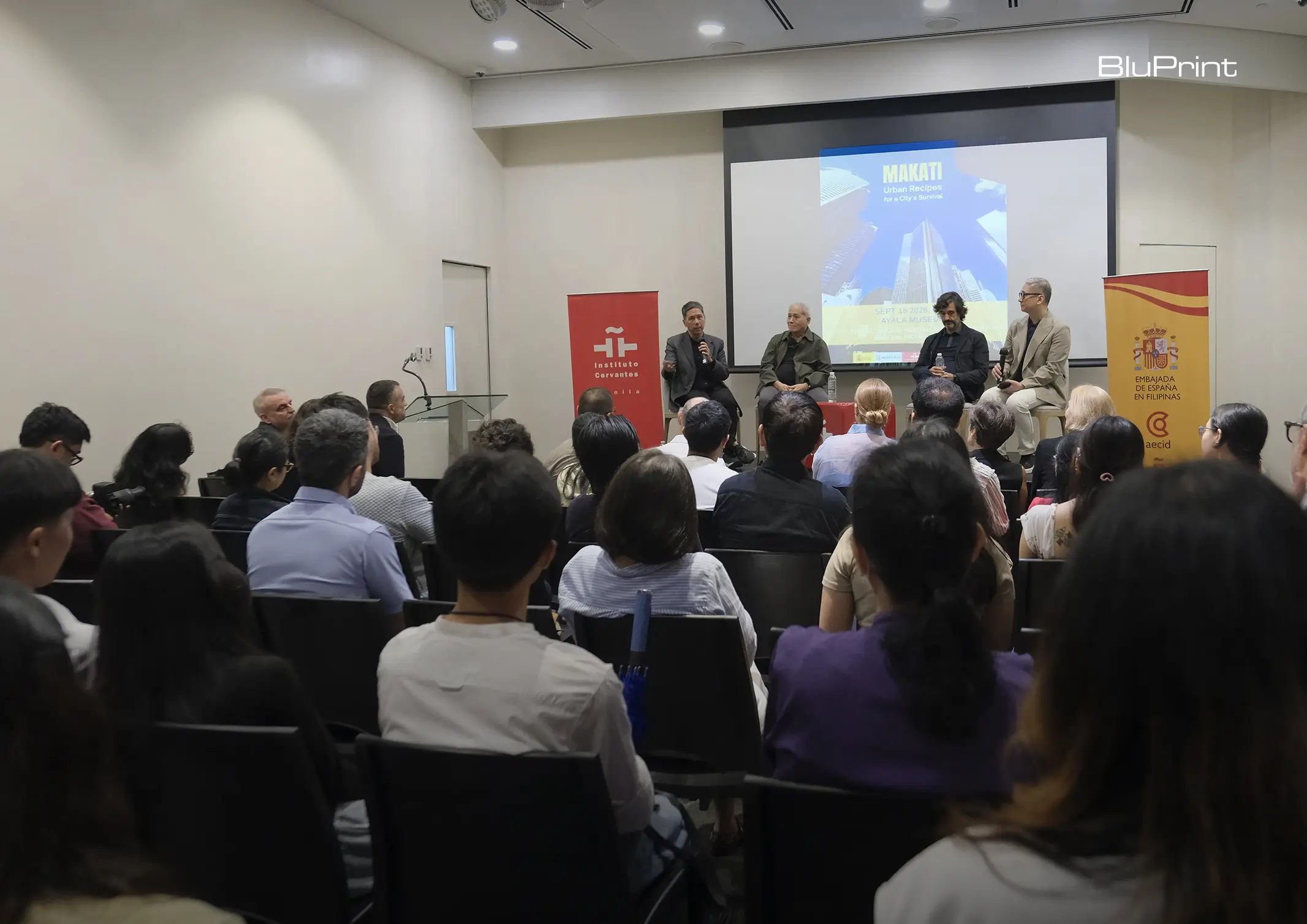
How can better-planned cities create the conditions for more creative, livable, and resilient urban environments? “Makati Urban Recipes for a City’s Survival,” a colloquium held at the Ayala Museum on September 15, brought together architects and practitioners from the fields of urbanism and the creative economy to discuss how design, planning, and collaboration can address […]
Read the issues.

Collect the volumes.

Recommended Video
Tap to Unmute
Unmute
0:00
0:00