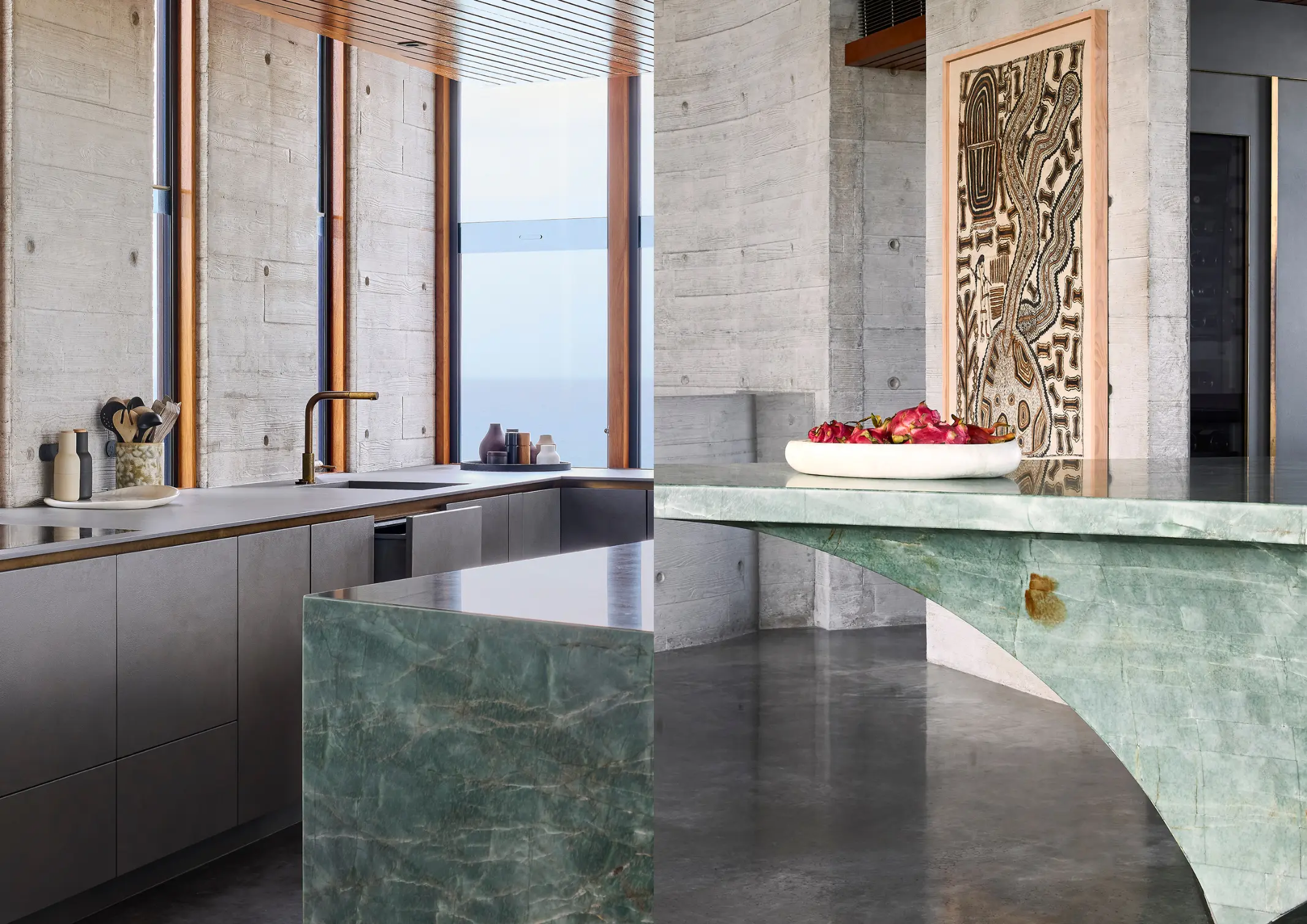
At Helm, dining unfolds as choreography. An open kitchen anchors the room, allowing guests to witness the precision behind its Michelin-starred fine dining menu. Designed by Kevin Nieves of Headroom, the 24-seat restaurant reflects that same discipline in its interior design. Tucked within Ayala Triangle Gardens in Makati, Helm brings together culinary recognition and architectural […]
‘Hungkag’: Khavn Abstracts Nostalgia With Black and White Photos



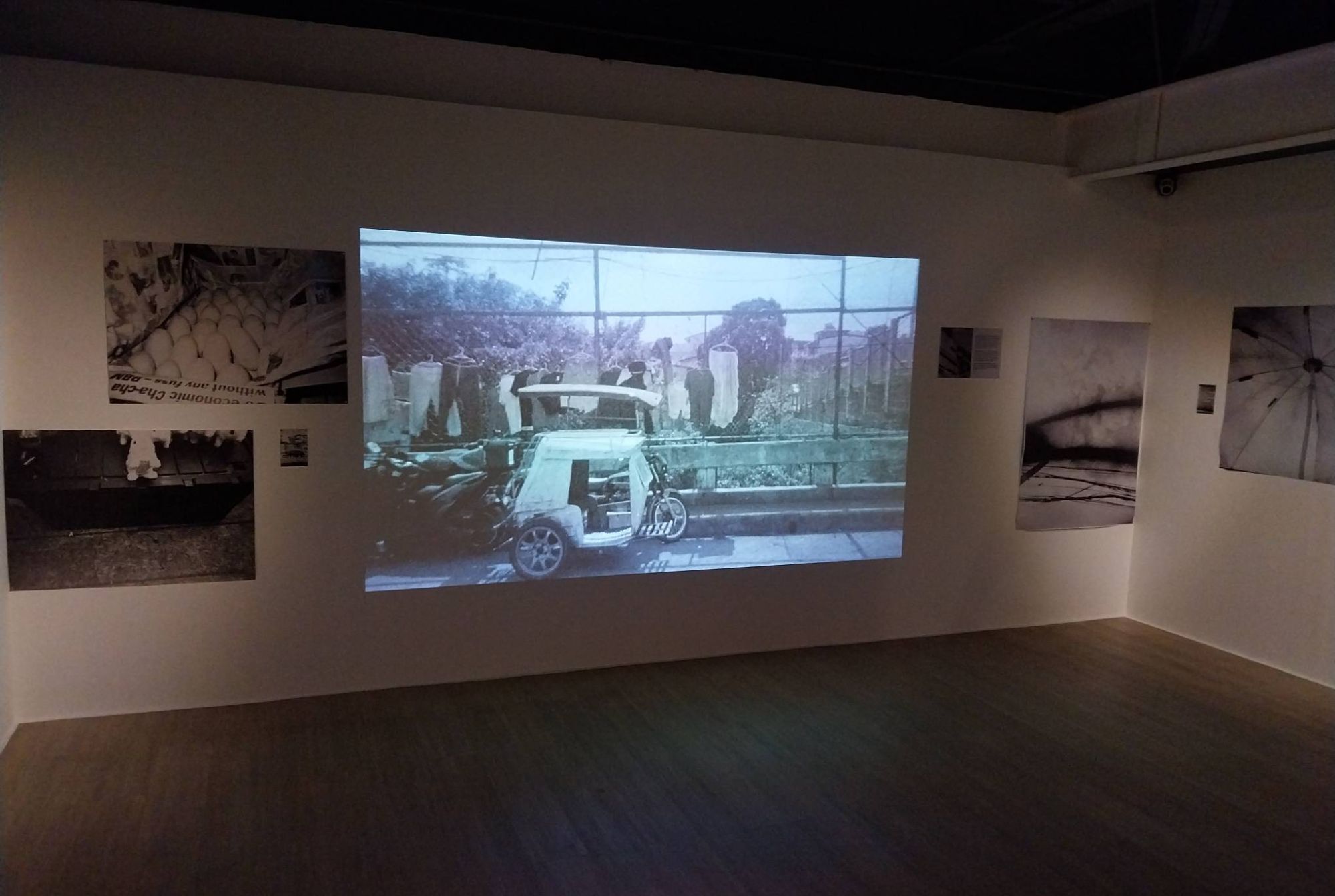
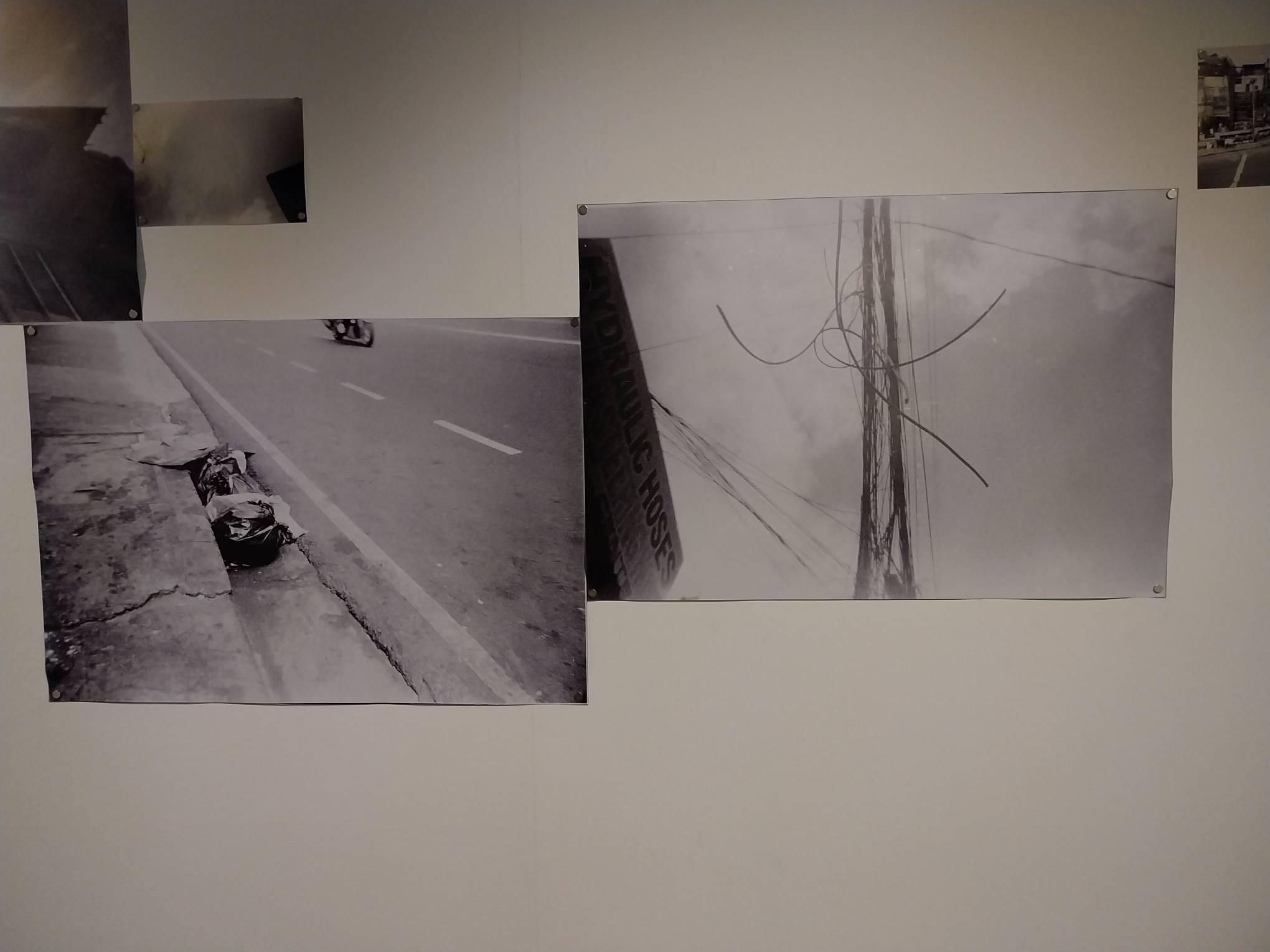
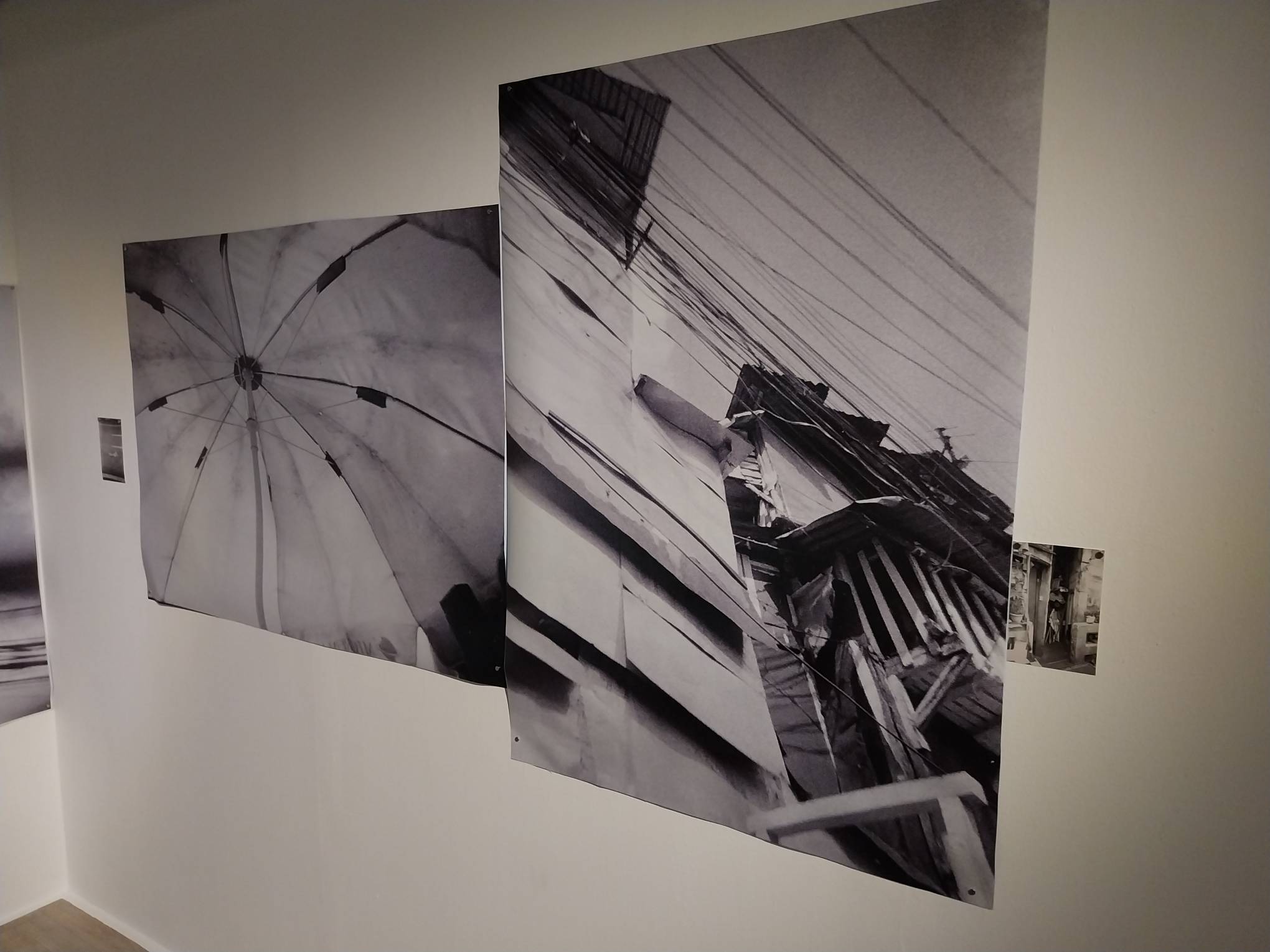
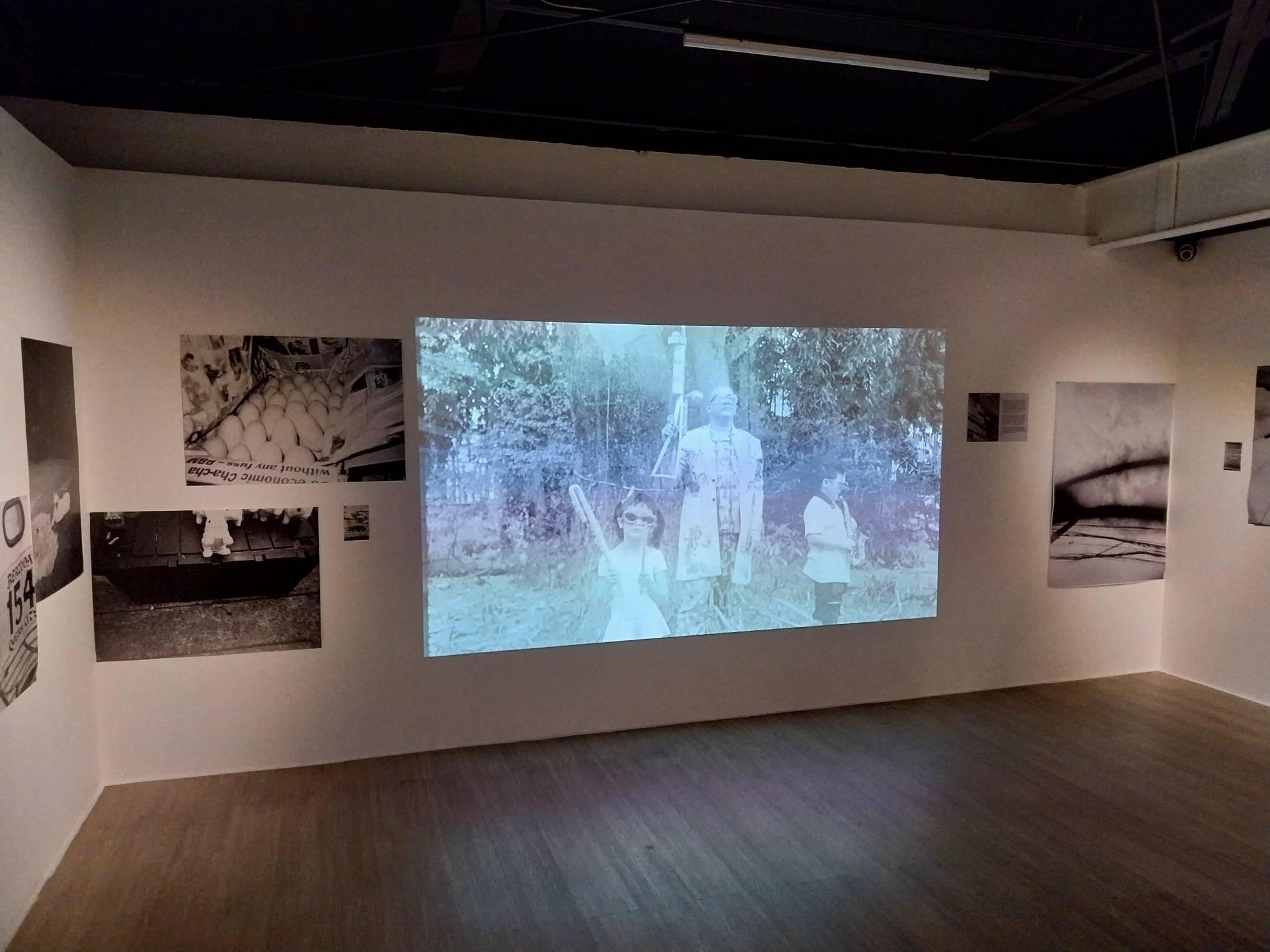
Hungkag is the new exhibit at Gravity Art Space that opened on May 3. Made by filmmaker and poet Khavn, with help from featured artists and jazz band Babel Gun, the exhibit consists of black and white film photographs of the metropolis’ alleyways and eskinitas, away from the giant malls and luxury highrises.
“Hungkag” means empty or hollow, and the exhibit was partially inspired by the 1925 poem “The Hollow Men” by TS Eliot. Khavn’s photographs of an area just outside Cubao works as a way of capturing the crushing apathy that seems to follow one’s existence in the city.
“Habang sa pagkakakilanlan natin noon pa na ang Maynila ay isang halimbawa ng isang gubat na lungsod. Saan ka man lumingon ay may tao. May mamamataan sa gilid papasok ng trabaho, may nakatambay, may pumapasada, at may iilang andiyan lang. Ito ang pakay: ang makunan ang lungsod sa isang perpektong hungkag na estado nito,” the exhibit’s write-up said.
Advertisement
(“Even in our collective past, Manila has always been an example of an urban jungle. Wherever you look there are people. You can find one in the corner going to work, vagrants, those passing by, and others that merely exist there. The aim of the exhibit is to capture the city as a perfect hollow state.”)
Nostalgia of the Concrete Jungle
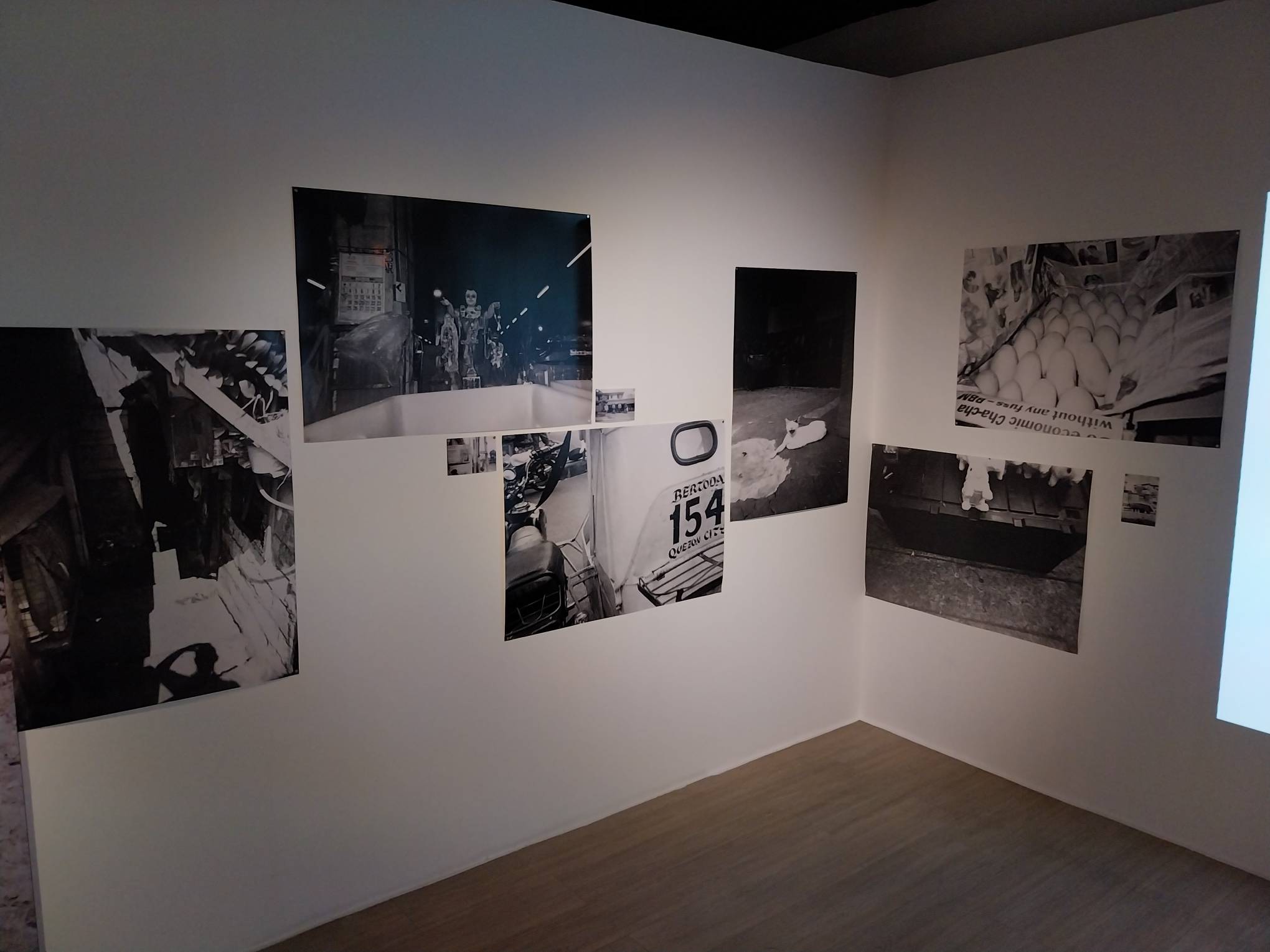
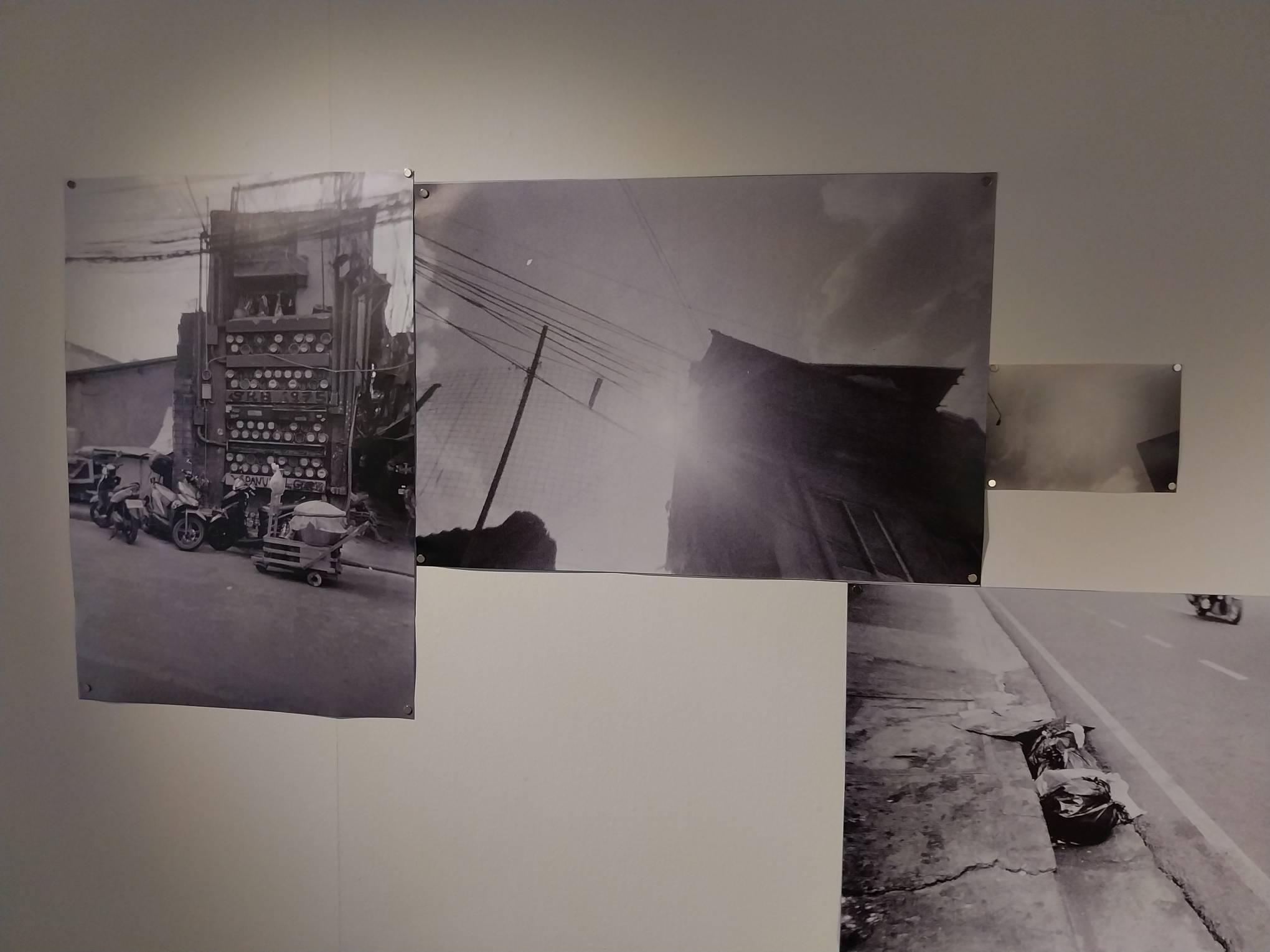
Khavn captures the mundane, like frayed electric wires or the inside of an umbrella. The use of black and white immediately evokes a sense of nostalgia in the proceedings. The assemblage of photos intrigues as Khavn states the desire to show the hollowness of city life, and yet the focus on the detritus of our everyday living feels more lived-in and honest to the lives of the people there.
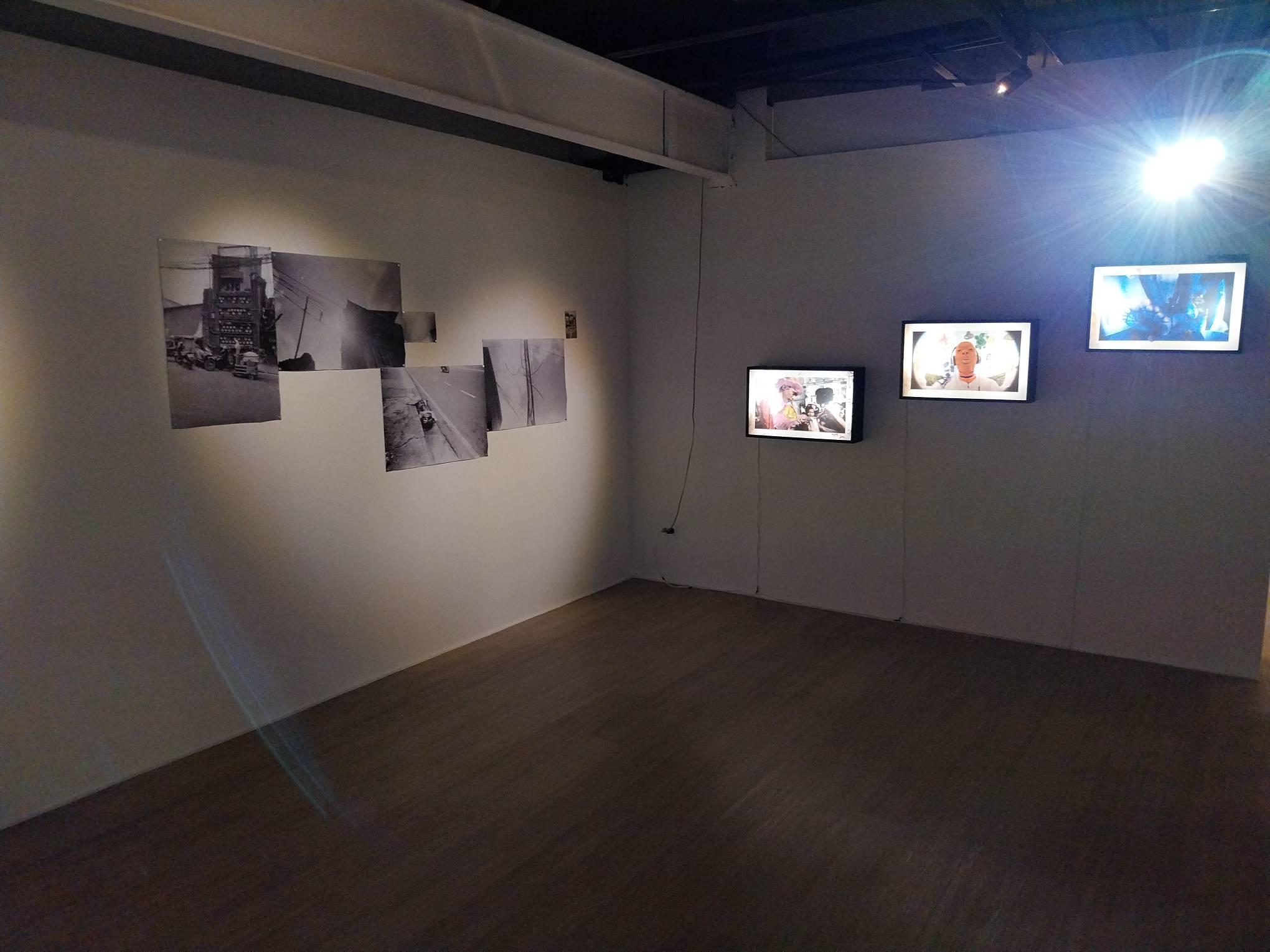
The artist’s focus creates a sort of personal reverence that seems to cherish this world we live in. There are photographs of hollow block buildings with their steel roofs, a cat lounging in the corner, or a statue of a child Jesus. Others build on this feeling of home, or at least the loose, idealistic notion of home that exists in the heart of every person.
Advertisement
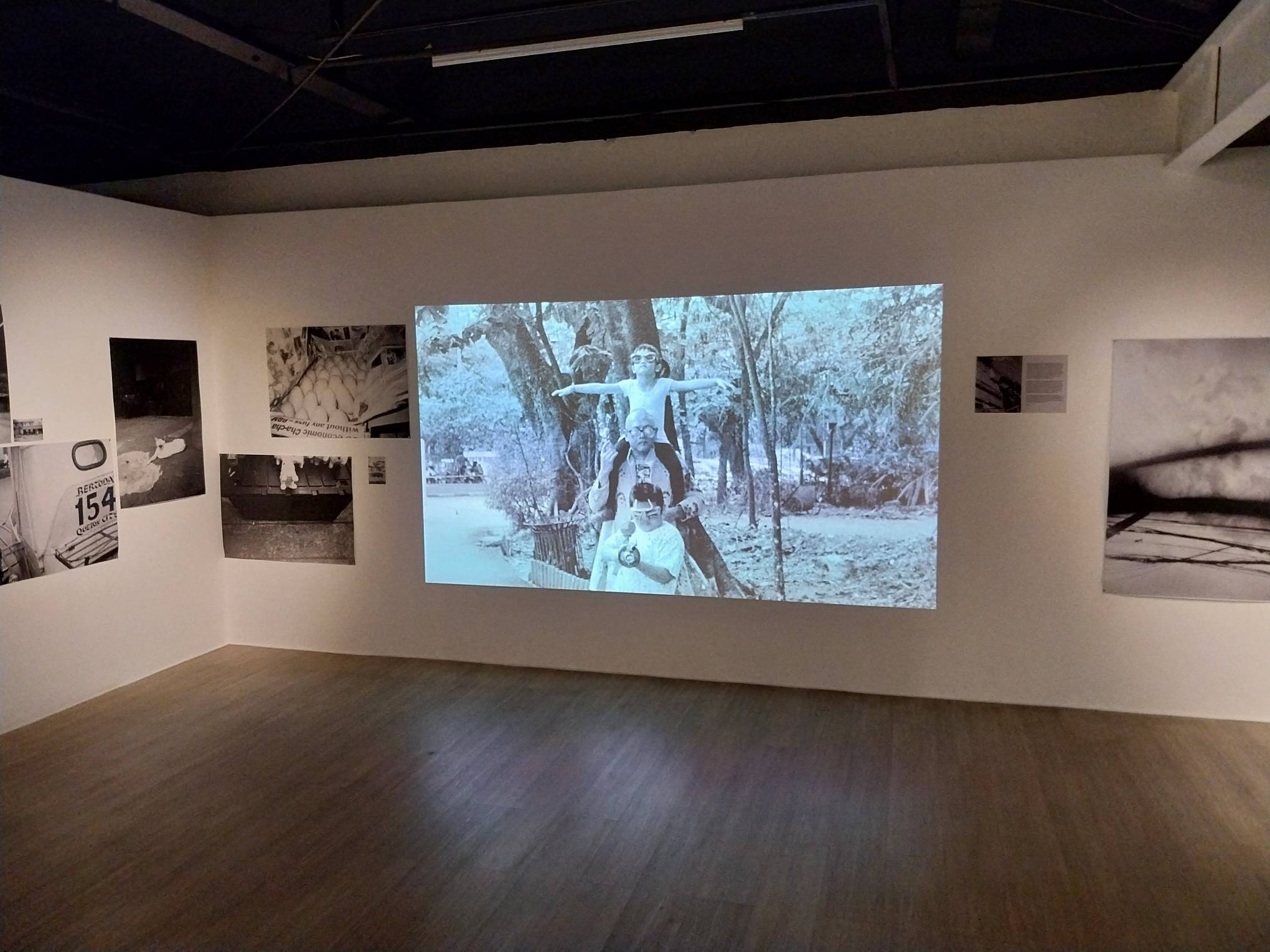
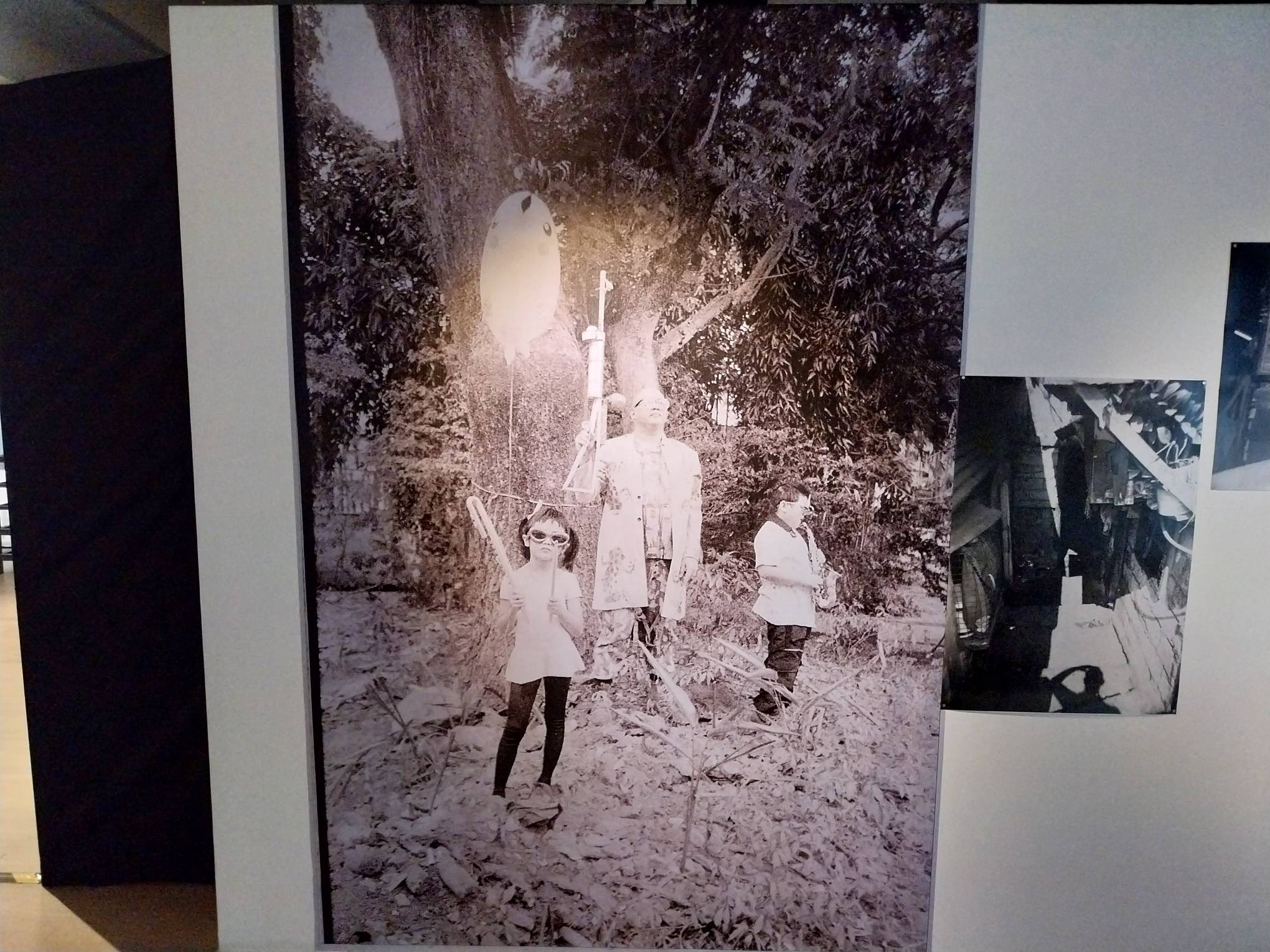
It’s also punctuated with photographs of two children and an elderly man playing in a park. The children, holding a saxophone and drum sticks, provide an eccentric and playful tone to the rest of work. They look happy in those photos, doing rock star poses innocuously that builds on the feeling of home and nostalgia.
Finding the Ideal in an Unideal World
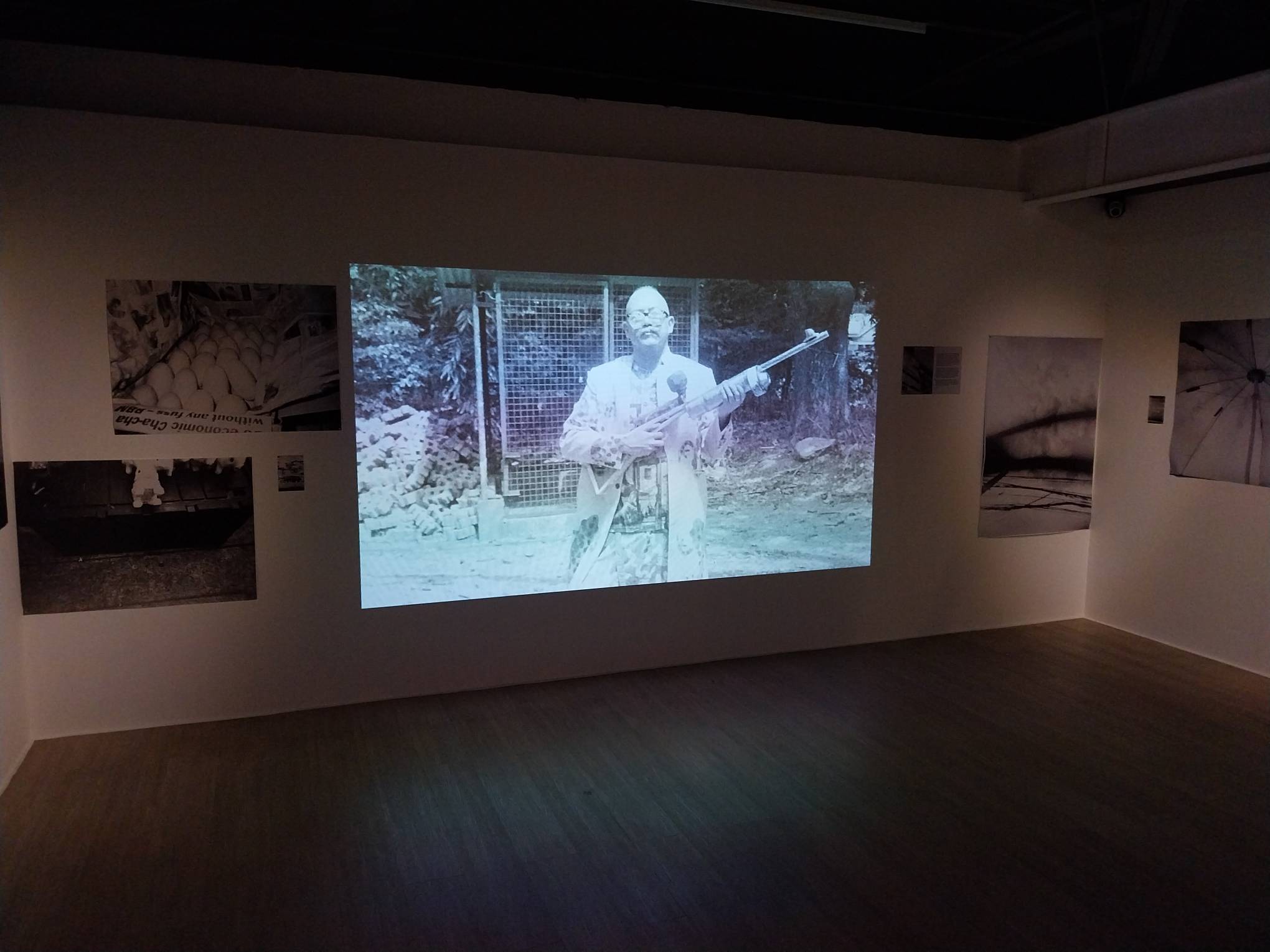
The exhibit immerses its audience by projecting the photographs on the gallery walls. Loud jazz music, presumably by Babel Gun, provide the soundtrack for the slideshow. It makes for a fascinating approach because as you watch it, the projections feel like home movies or vacation pictures shown by a close friend. It feels intimate, plunging you into the world Khavn portrays.
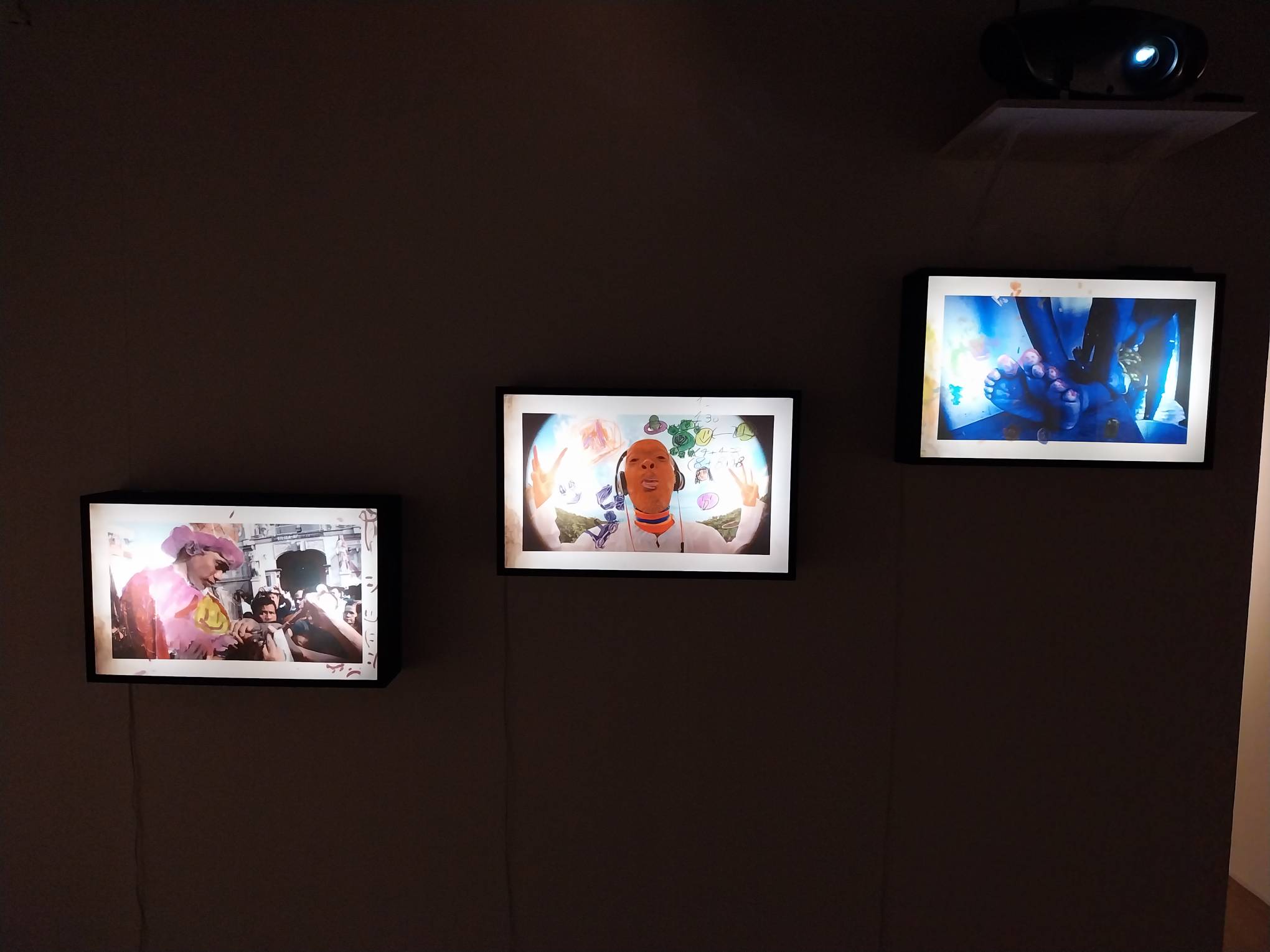
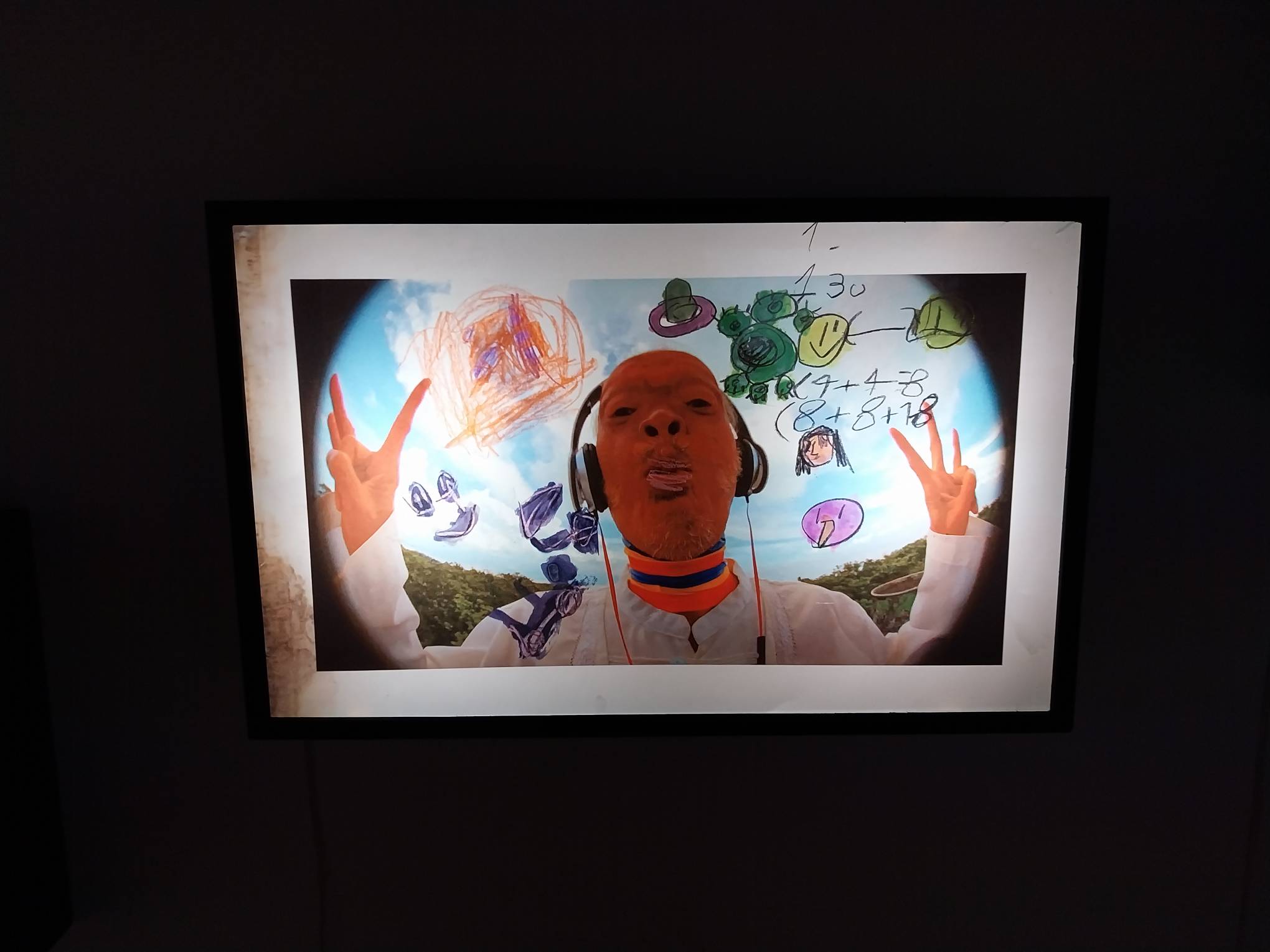
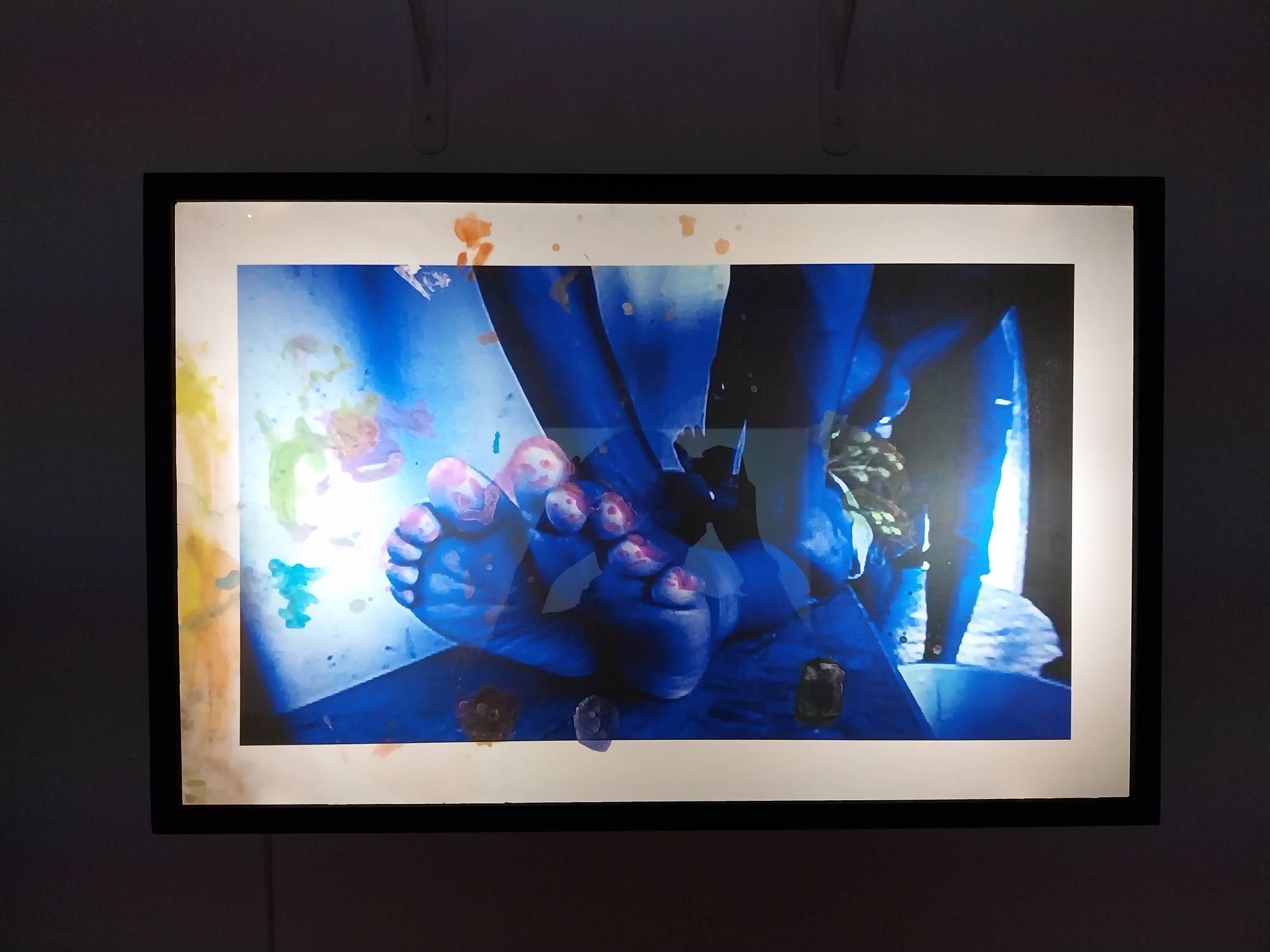
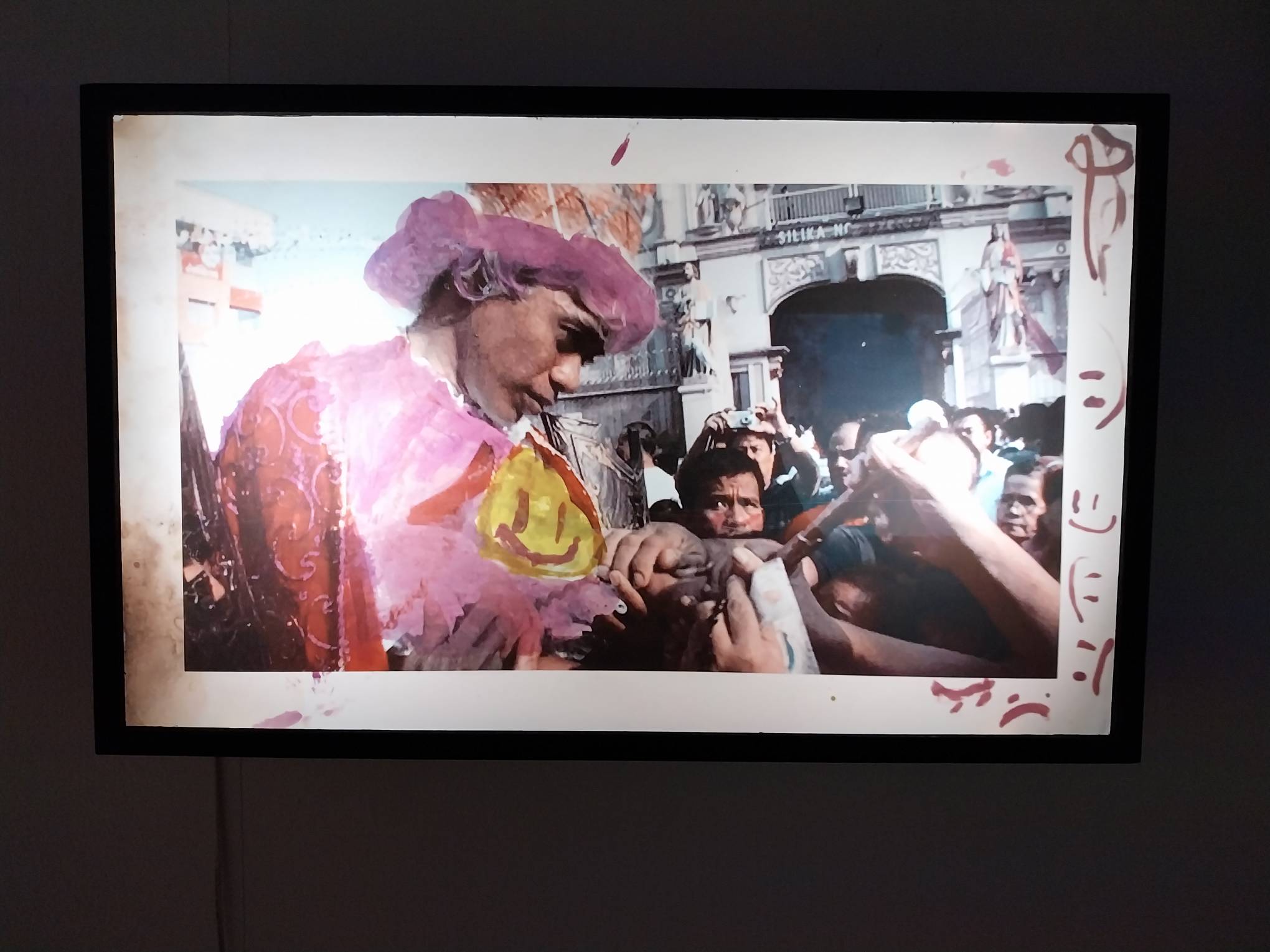
An additional part of the exhibit are the light boxes below the projector that pop with color and goofiness, especially in comparison to the black and white photographs. The light boxes are slightly vandalized with crayons and paint, creating a strange feeling of contrast because of its refusal to evoke any nostalgic feelings. Rather, it pushes the audience towards the multicolored tone of the world; that nothing in it is fully black or white as the other photographs portray.
Advertisement
Analyzing Our Stylistic Choices
In a world of misinformation where people might be attempting to use your feelings for their own purpose, Khavn’s exhibit utilizes nostalgia as a stylistic choice, portraying the messiness of the world in the same reverence as a family picture. And yet, the approach yields interesting results anyways. When bags of garbage on a sidewalk can have the same sort of reverence as a photograph of a religious figure, it makes us question what nostalgia ultimately means for people.
Hungkag shows the deceptive nature of nostalgia, but it also shows that maybe what we feel fondness for does not have to make sense. There’s always someone, somewhere, who will see the beauty of frayed wires or garbage bags on the sidewalk. If the world portrayed is hollow enough, we fill up our own meanings for it.
Related reading: Reinventing Heritage: Revolutionizing the Future Through Nostalgia
Advertisement
There is no excerpt because this is a protected post.
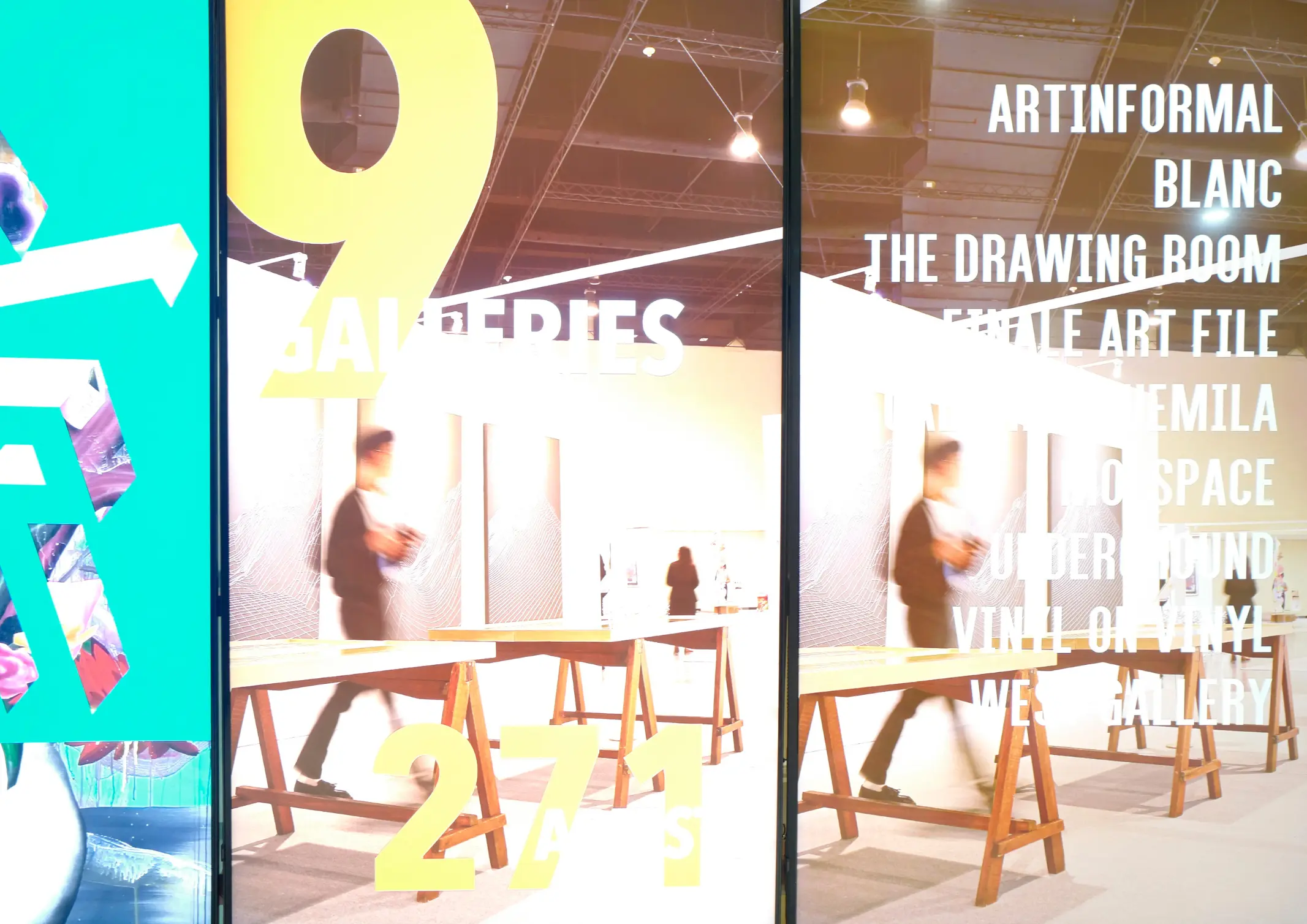
Exhibition designer Baby Imperial of All At Once shaped the spatial strategy of ALT ART 2026, its largest edition to date. The fair occupied Halls 1 and 2 of SMX Convention Center Manila, expanding in both footprint and ambition. Organized by the ALT Collective—Artinformal, Blanc, The Drawing Room, Galleria Duemila, Finale Art File, MO_Space, Underground, […]
Advertisement
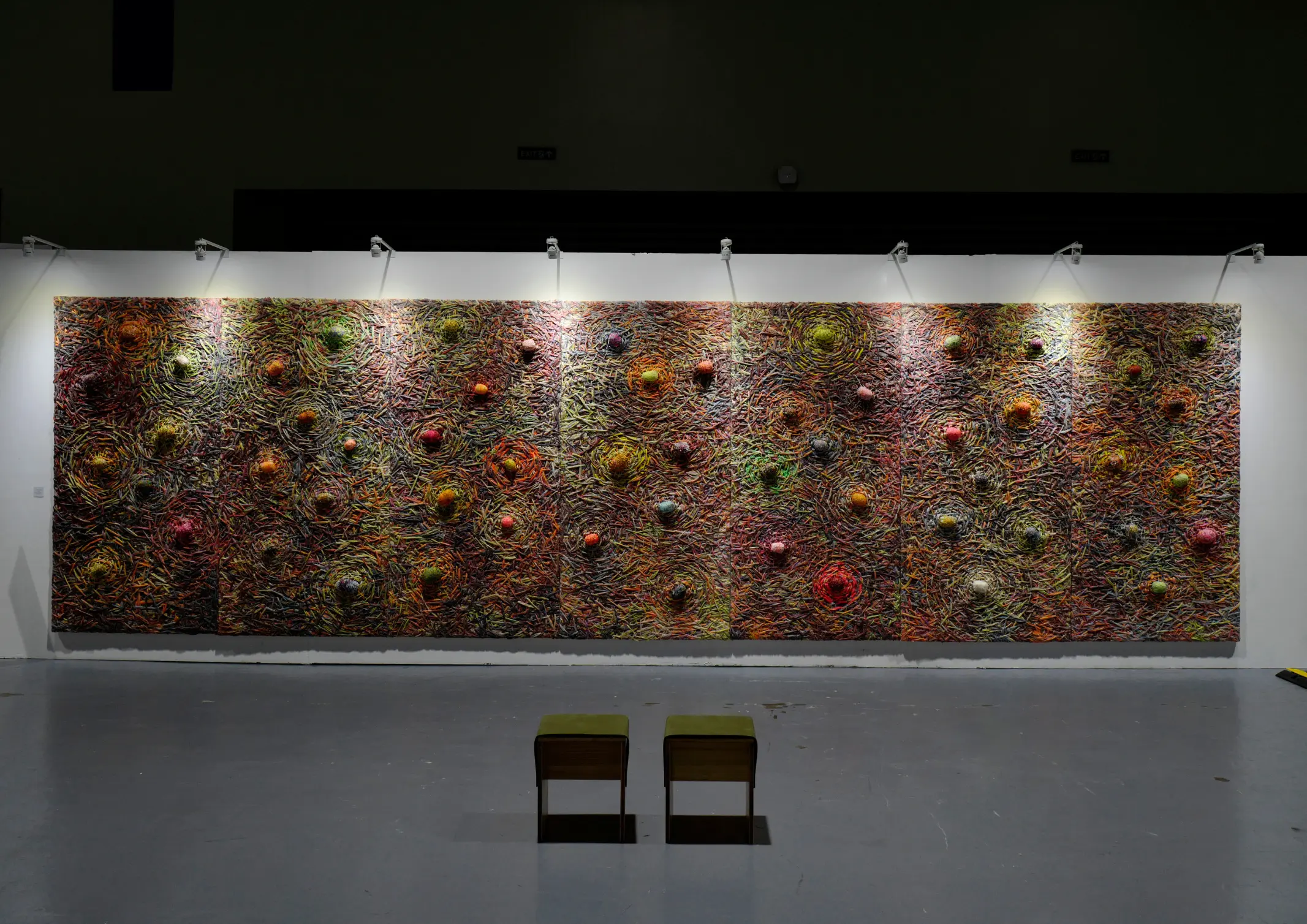
ALT ART, organized by the ALT Collective—Artinformal, Blanc, The Drawing Room, Galleria Duemila, Finale Art File, MO_Space, Underground, Vinyl on Vinyl, and West Gallery—presents a focused platform for Philippine contemporary art. As the fair continues to evolve, it expands its scale and curatorial scope, reinforcing its growing presence within the Philippine art scene. Creative Practices […]
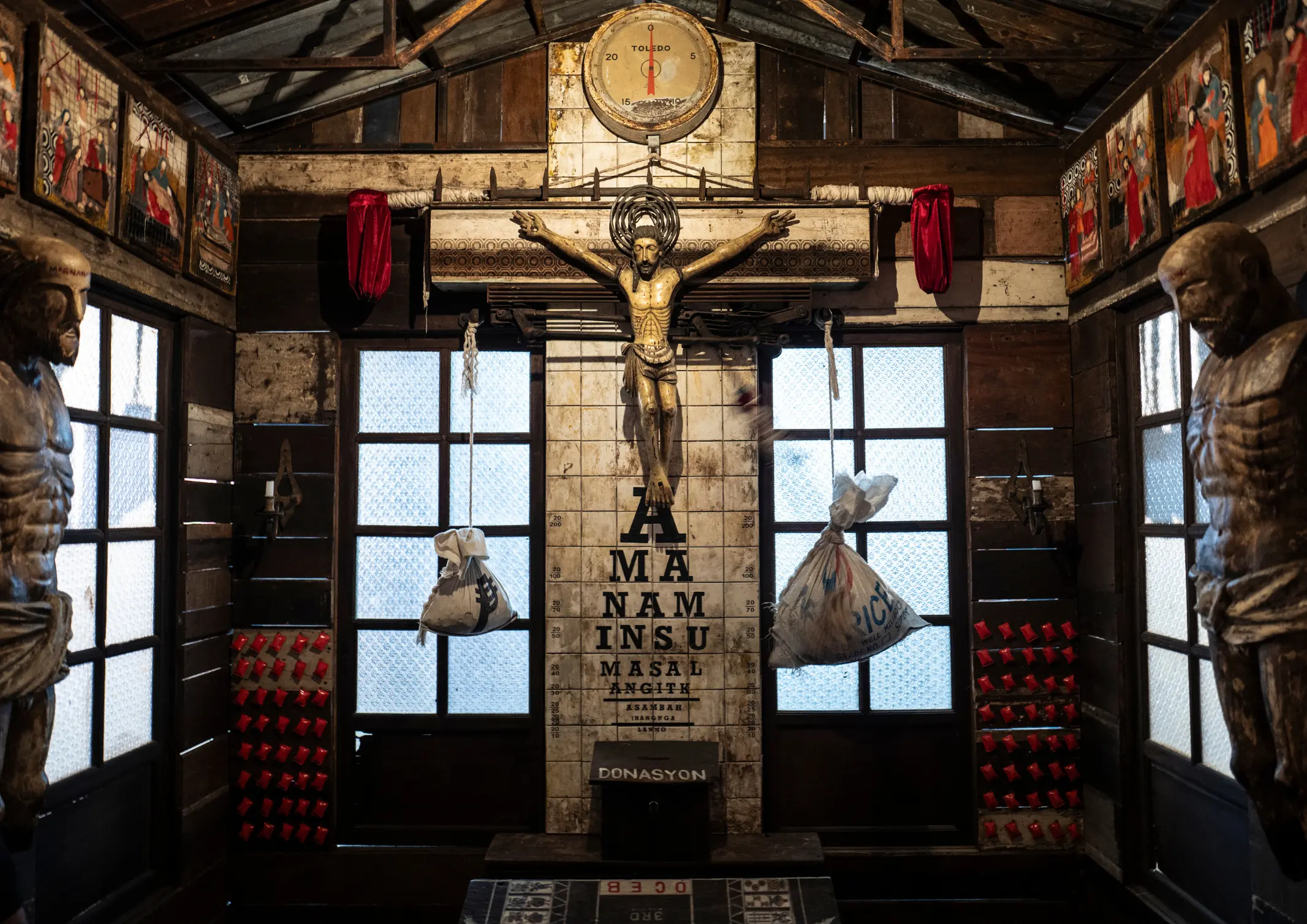
Inside Art Fair Philippines 2026: Religious Imagery, Material Experimentation, and Social Commentary
Art Fair Philippines 2026 gathered art enthusiasts and collectors in Makati for one of the country’s leading showcases of contemporary Philippine art. Designed by Nazareno/Lichauco, the fair moved to Circuit Corporate Center One in Ayala Circuit, marking a new chapter in its spatial identity. Across its booths and projects, the fair positioned contemporary Philippine art […]
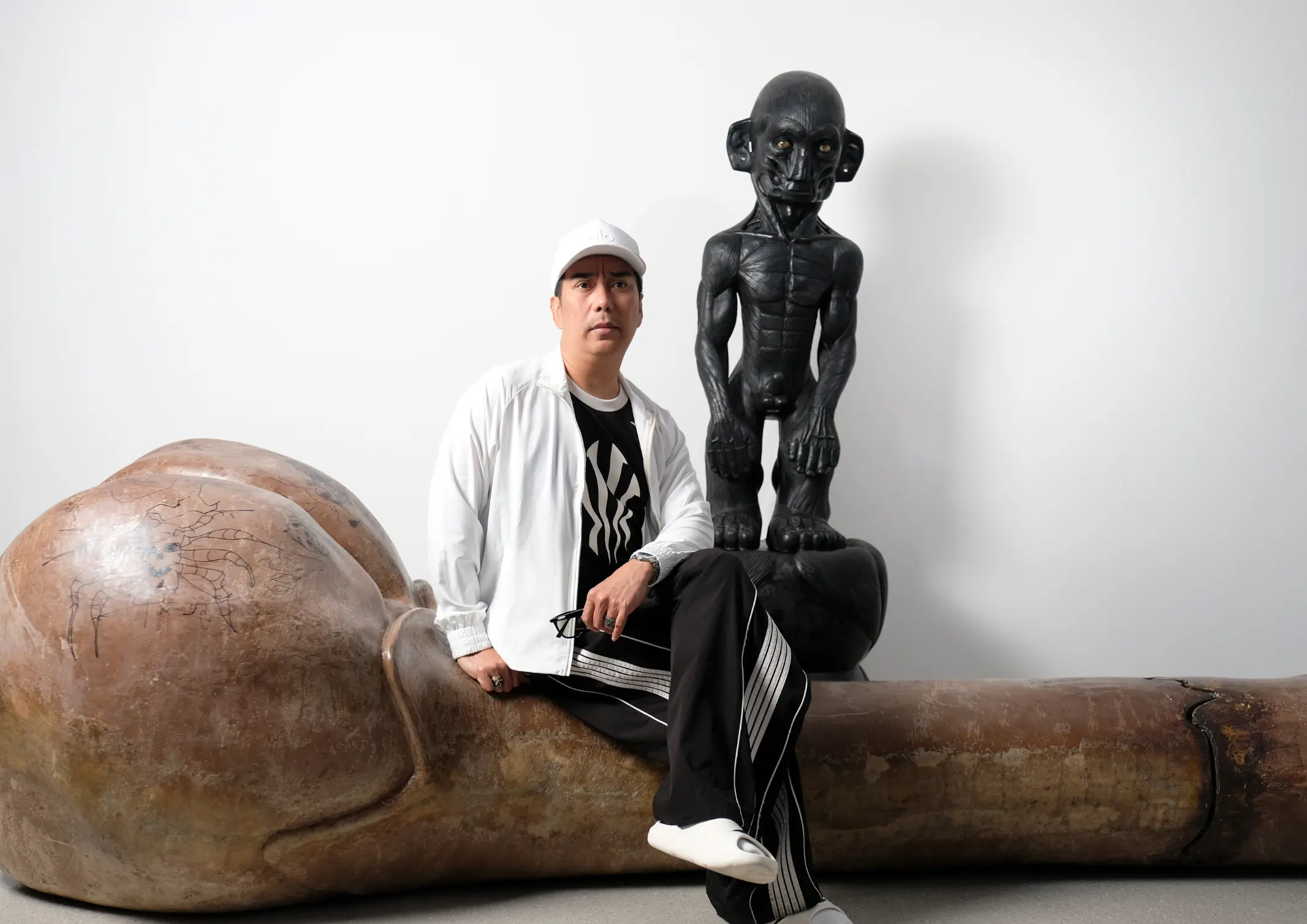
Ronald Ventura is one of the most recognizable figures in Southeast Asian contemporary art. Since his first solo exhibitions in the 2000s, Ventura has become known for his signature multi-layered paintings. Featuring hyperrealism, cartoons, graffiti, and other recurring motifs, hisworks—from paintings to sculptures—are pluralistic in both form and material. Throughout his career, his art has […]
Advertisement
Download this month's BLUPRINT magazine digital copy from:



Subscribe via [email protected]