In a curated event presented by Focus Global Inc. and co-hosted by BluPrint, Technogym unveiled its Sand Stone Collection to the Philippine market at Bigger Pictures in Mandaluyong City. The launch brought together over 100 guests, including architects, designers, and media representatives, for an introduction to the collection and its approach to fitness equipment. The […]
Gelo Montiero’s New Exhibit Explores the Loneliness of the Self


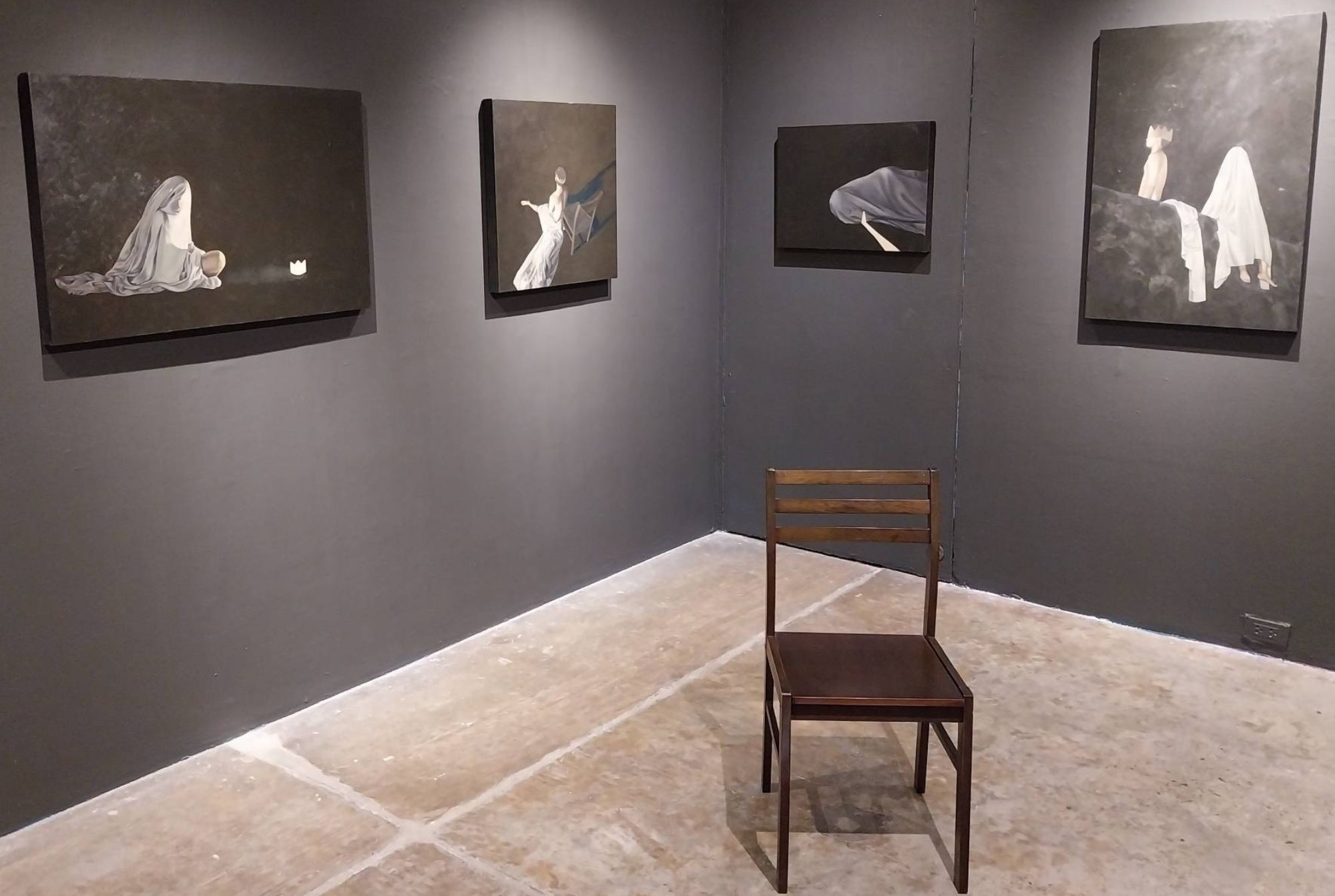
I, Us, We is Gelo Montiero’s new exhibit currently being shown at the Vinyl on Vinyl gallery in Makati. It contains multiple paintings of people, their faces hidden, sitting in chairs with a black backdrop behind them.
The paintings are presented in this dark, gloomy space—bare black walls paired with a concrete floor. In the middle of the exhibit is a simple wooden chair, like what one sees presented in the paintings. It has the atmosphere of an abandoned room, the aura of loneliness and forsakenness emanating from it.
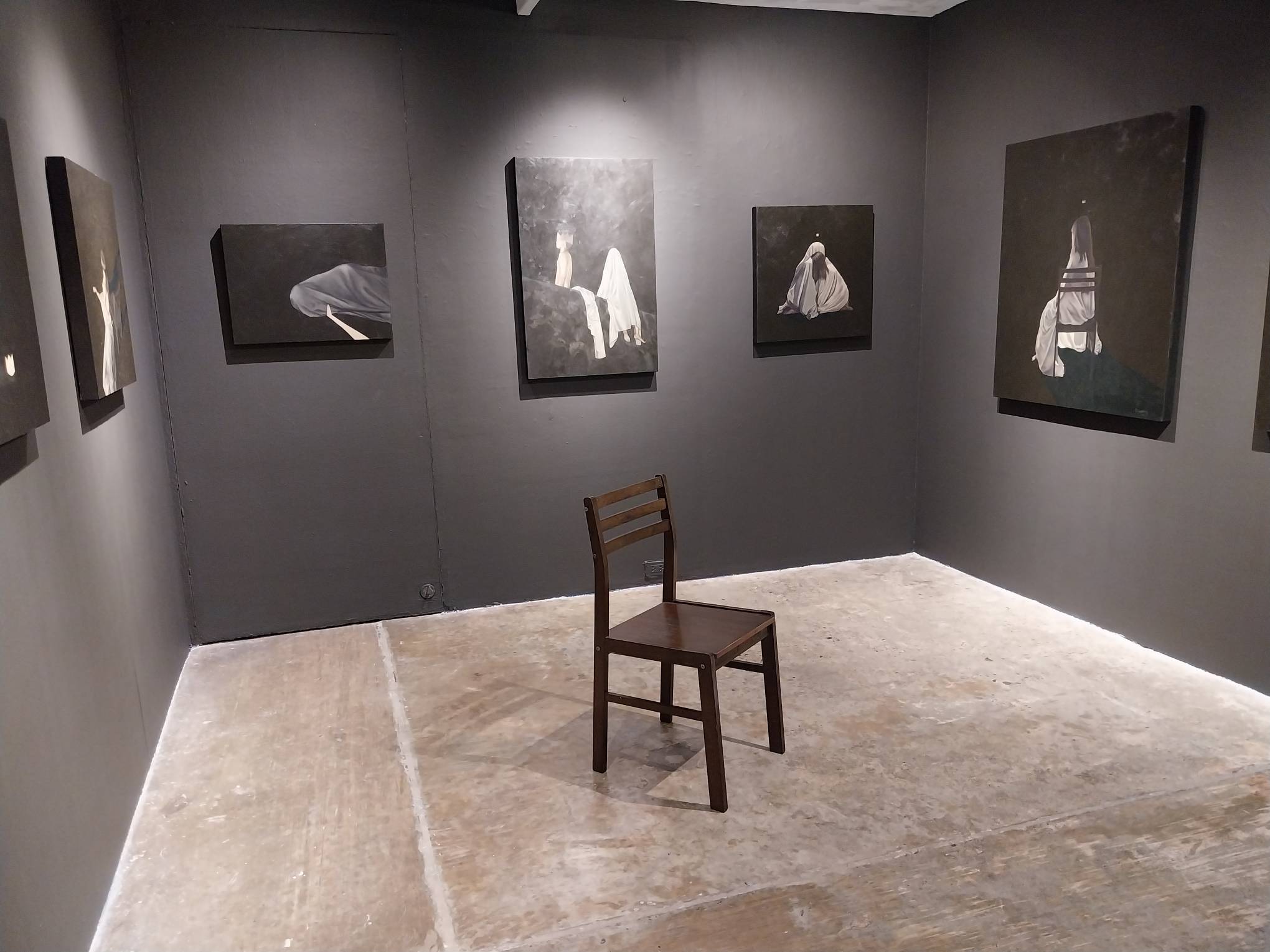
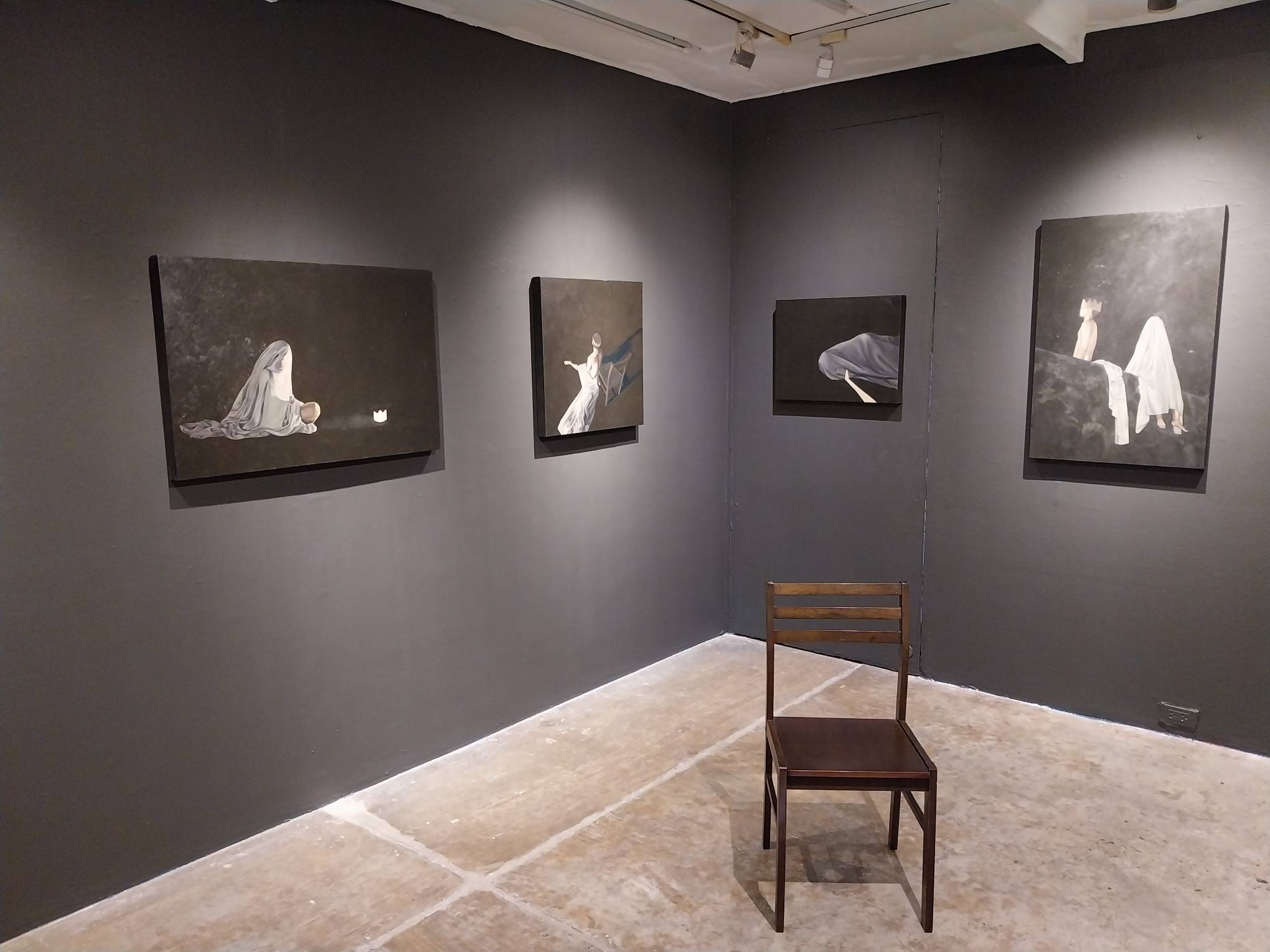
The exhibit evokes a pervasive sense of sadness, much like the settings in ghost stories, mirroring the paintings’ melancholy. It shows us isolation in the most visually-arresting way possible: a box of darkness surrounded by figures trapped in their boxes of darkness.
In the gallery’s marketing materials, they call this exhibit Montiero’s attempt to explore the inner self. “Montiero’s figures embody his vulnerability and courage all while shrouded in cloth, his safe space. As the viewer sits on the chair, the duality of his and our experiences become an invitation for connection, tugging at our vulnerability.”
Ghosts of Ourselves
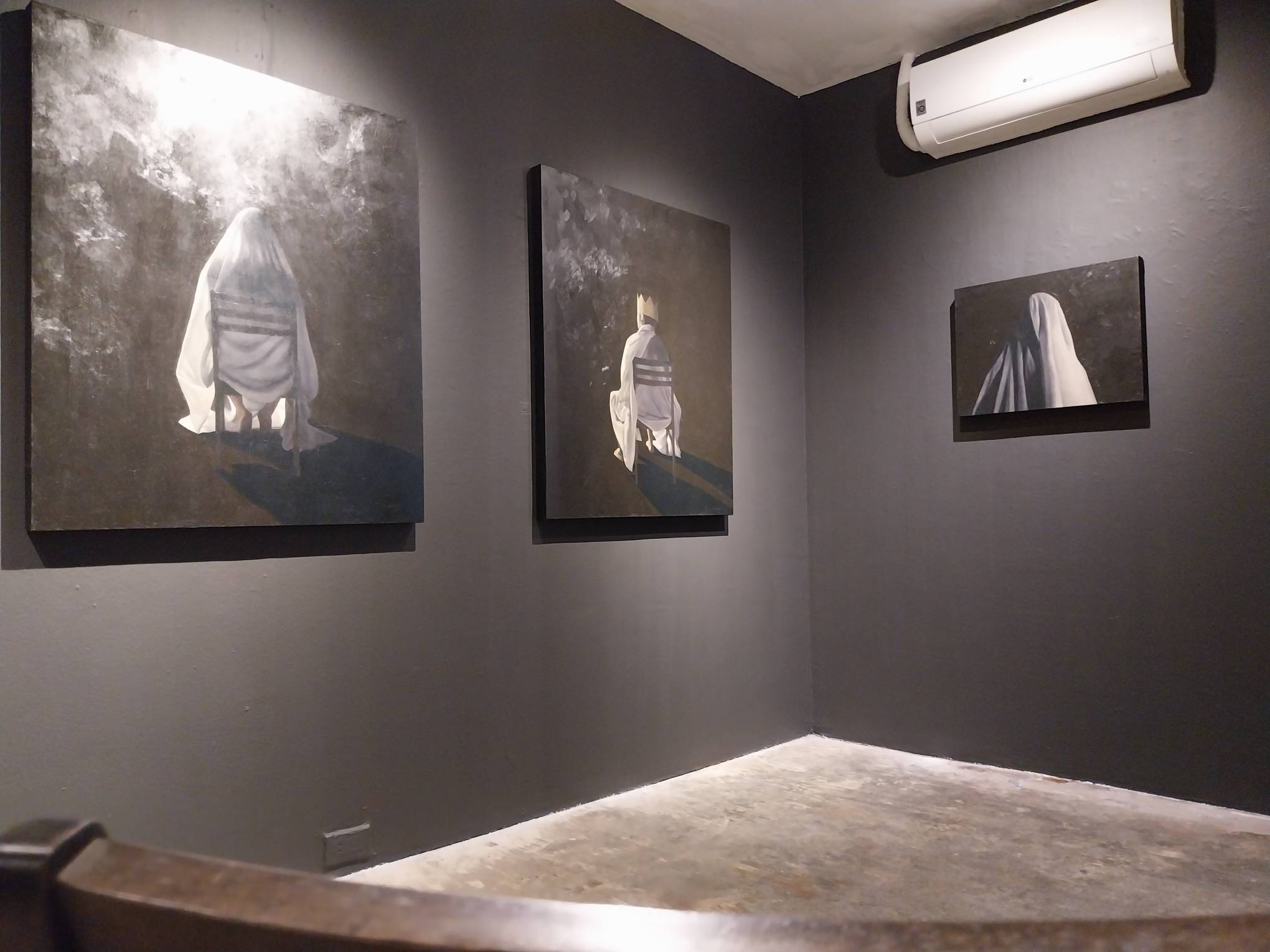
Many of the paintings contain this figure that exhibits ghost-like qualities due their face and body being covered by a white sheet. The paintings’ backdrops are black, yes, but they’re not fully black: smoke floats up in the air in some of them, and what appears to be non-diegetic light appears towards the sides and the top of the paintings.
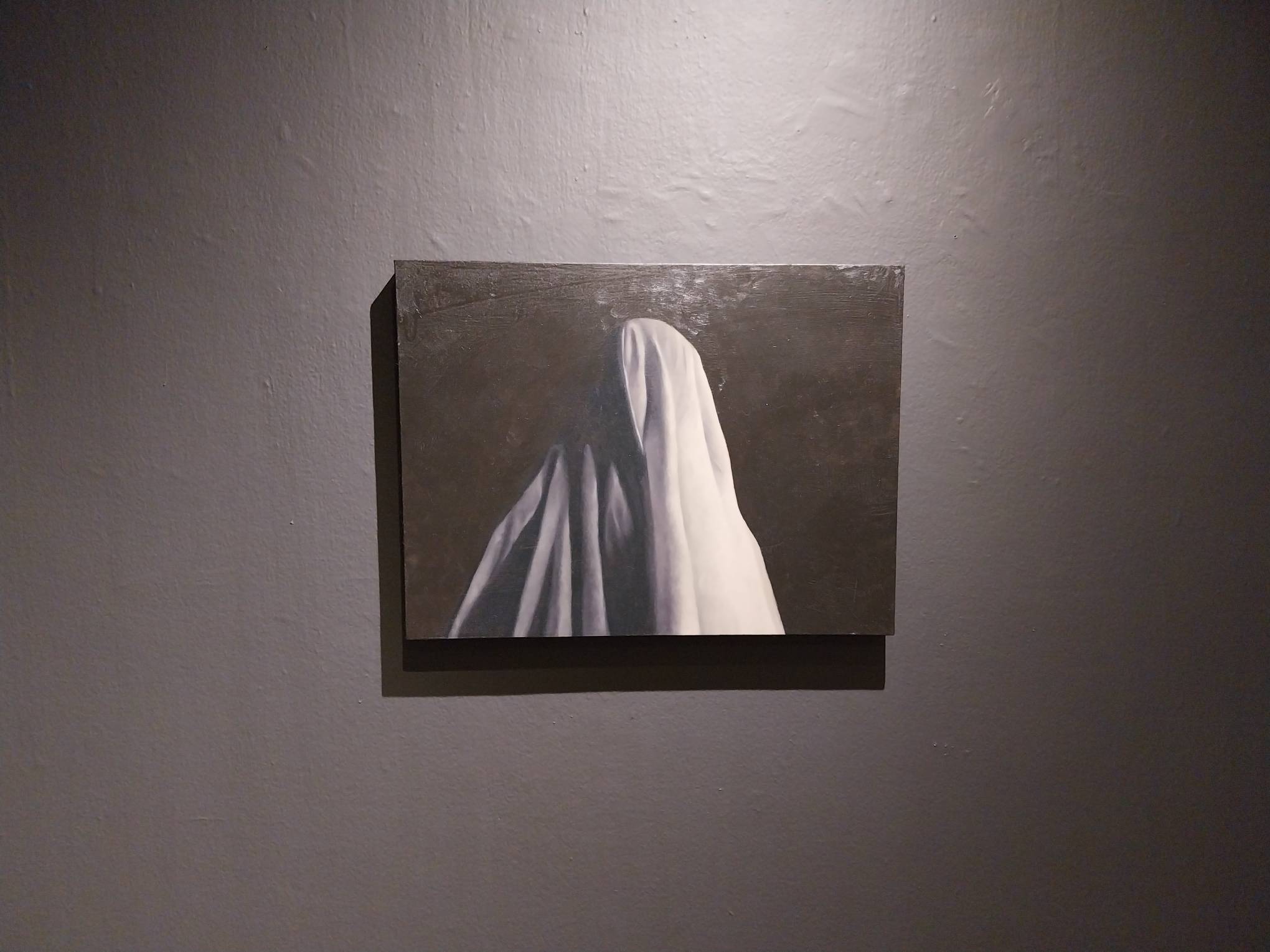
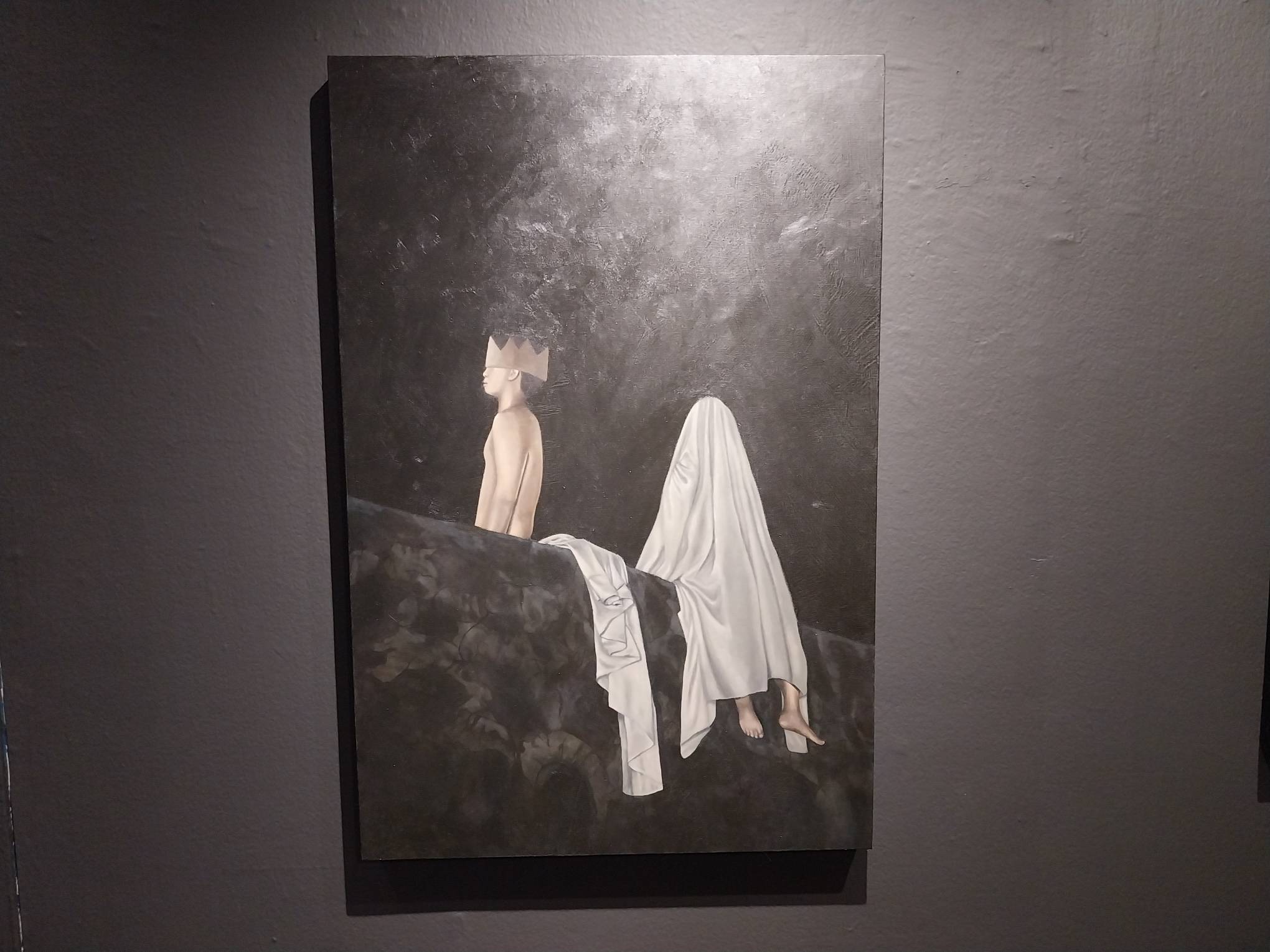
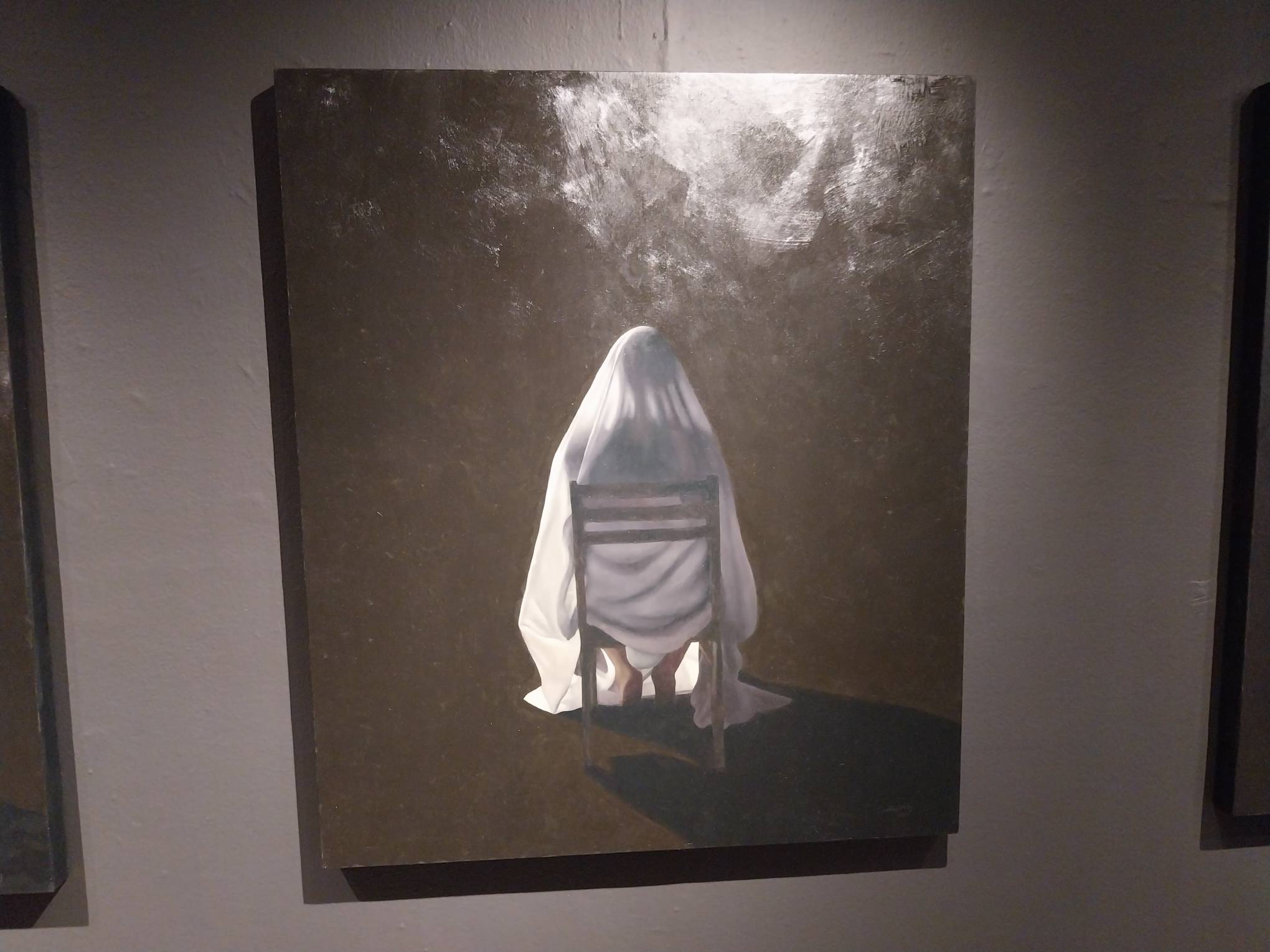
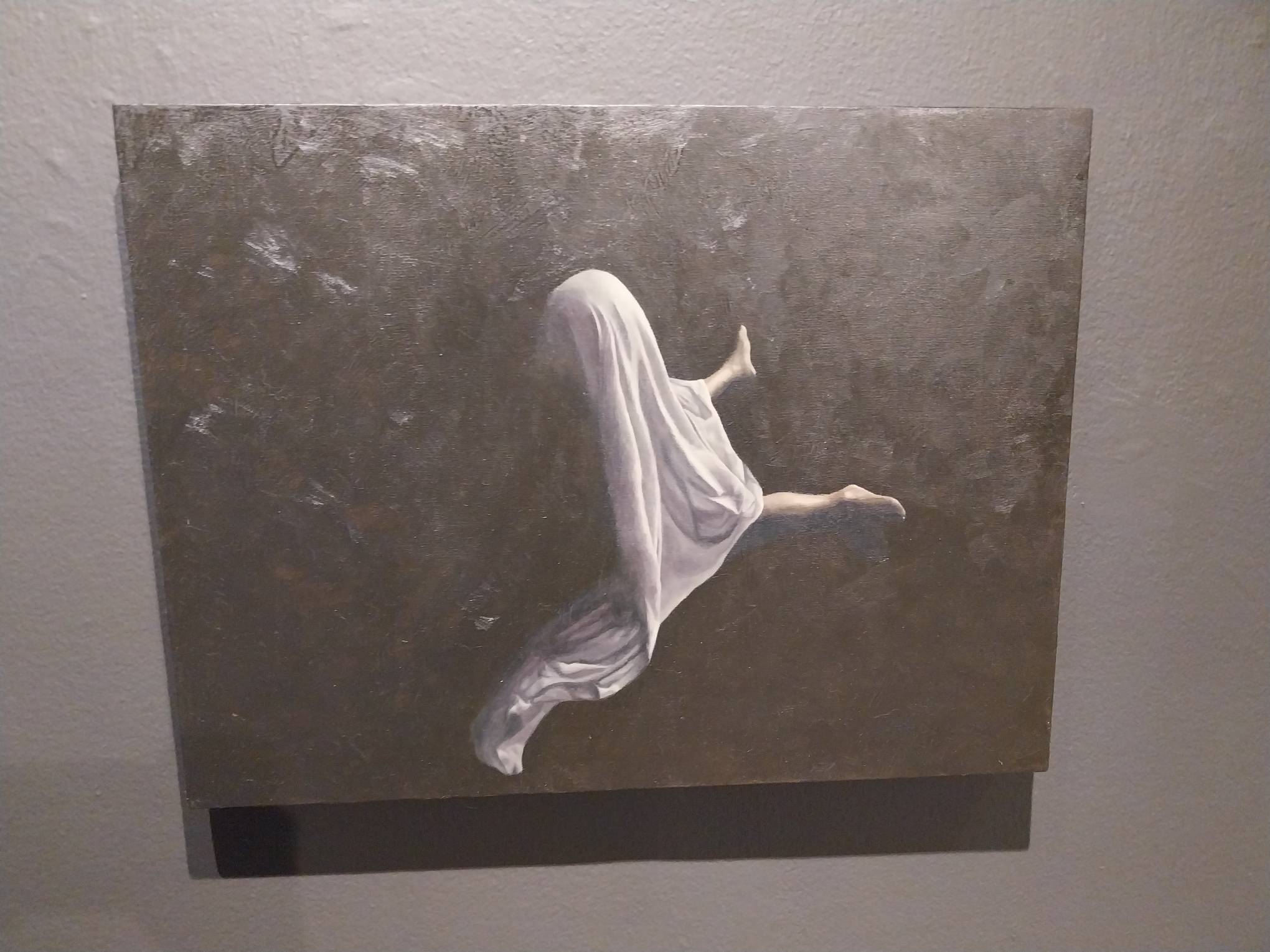
The sheets covering the people’s faces create a compelling aura between the audience and the works, a way of maintaining a sense of mystery and unrelatability to the figures. They mostly sit in silent contemplation, their expressions unknown, forcing audiences to contemplate its meaning just based on what little they see.
It’s interesting, really, because for what is mostly back profiles with no faces, Montiero does a good job at drawing the dejection and contemplation happening in their heads. The dynamic positions show their unease, from the child-like splat of the legs in one painting to the slouch of one figure as they sit looking at the background. It’s visually effective even in its minimalismMinimalismA design philosophy centered on simplicity, restraint, and the idea that less is more. Minimalist spaces reduce ornament and clutter, favoring clean lines, open space, limited palettes, and carefully chosenGo to Minimalism Glossary.
The Crown and the Chair
Beyond the sheets, Gelo Montiero uses a crown and the wooden chair as repeating motifs. Marketing materials for the exhibit said that the chair represents the uncertainties of reality, while the crown represents the way we find ourselves even in the isolation and busyness of the world.
And yet, it is also easy to see these motifs as sort of mockery of the figure. Especially with the dejected body expressions throughout the piece, the combination of the wooden chair and the crown feel like derision for these lonely figures. The set-up looks like purgatory, and these paintings seem to put us in a perspective where these people are stuck in their sadness, unable to escape.
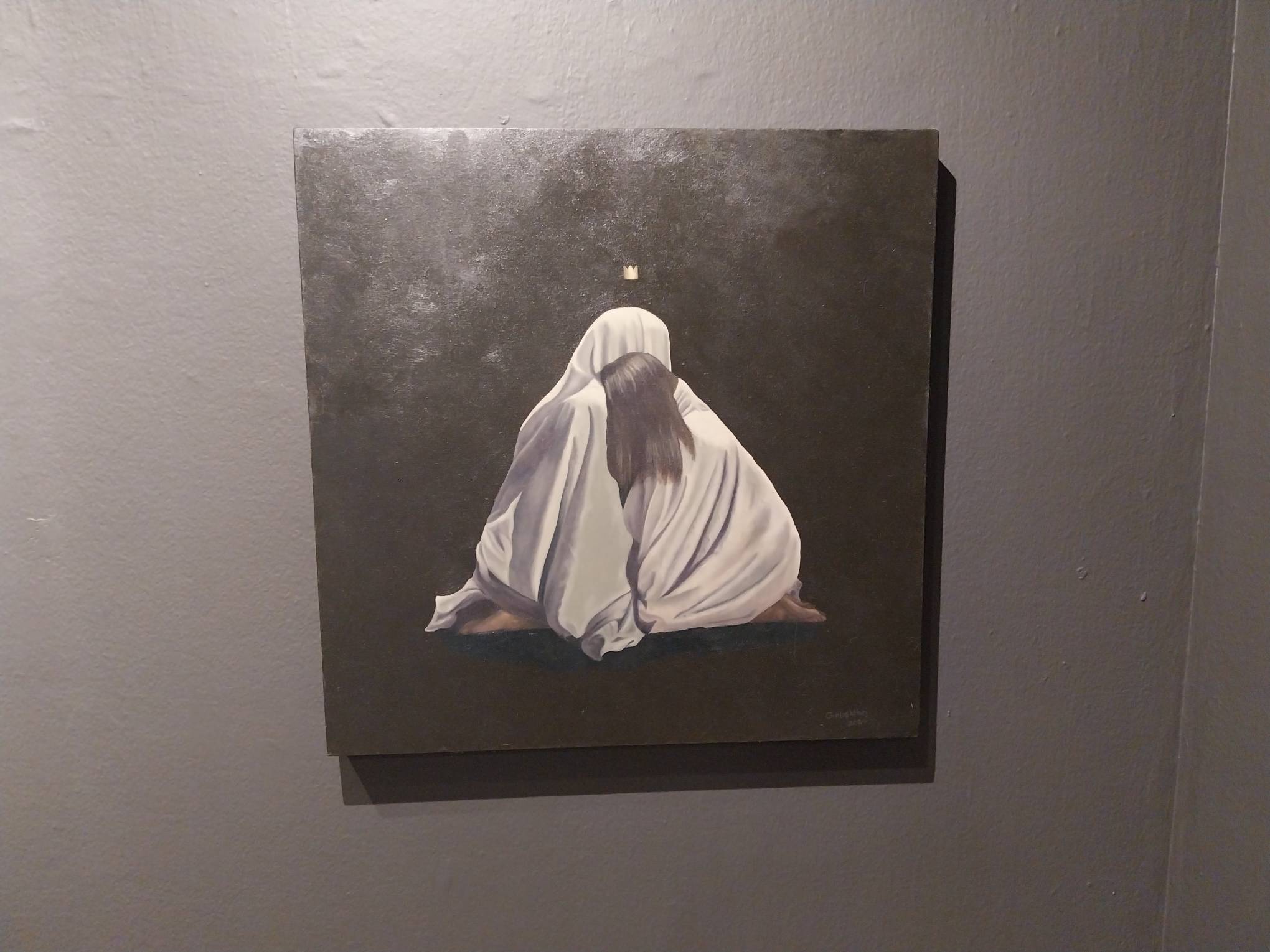
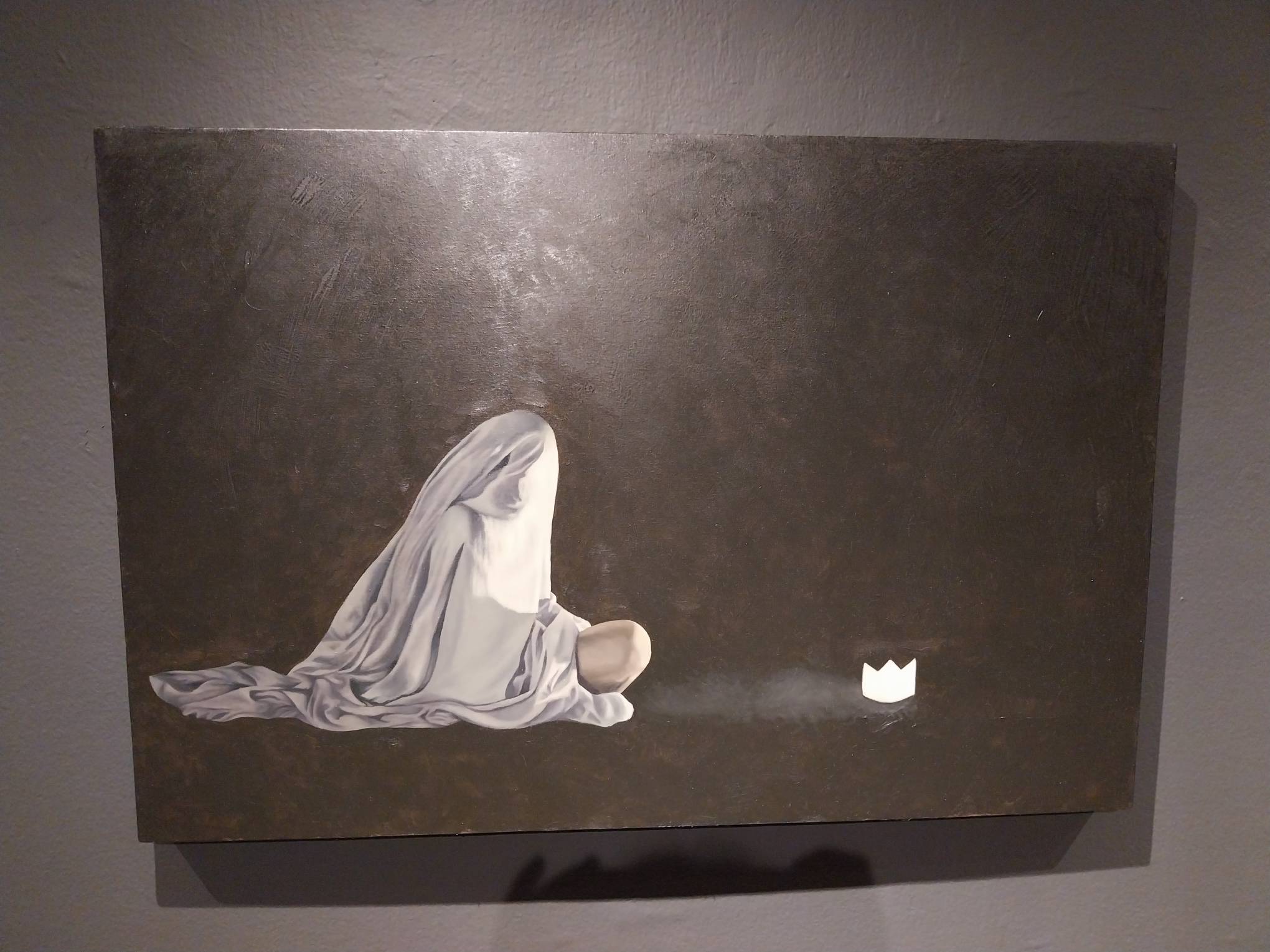
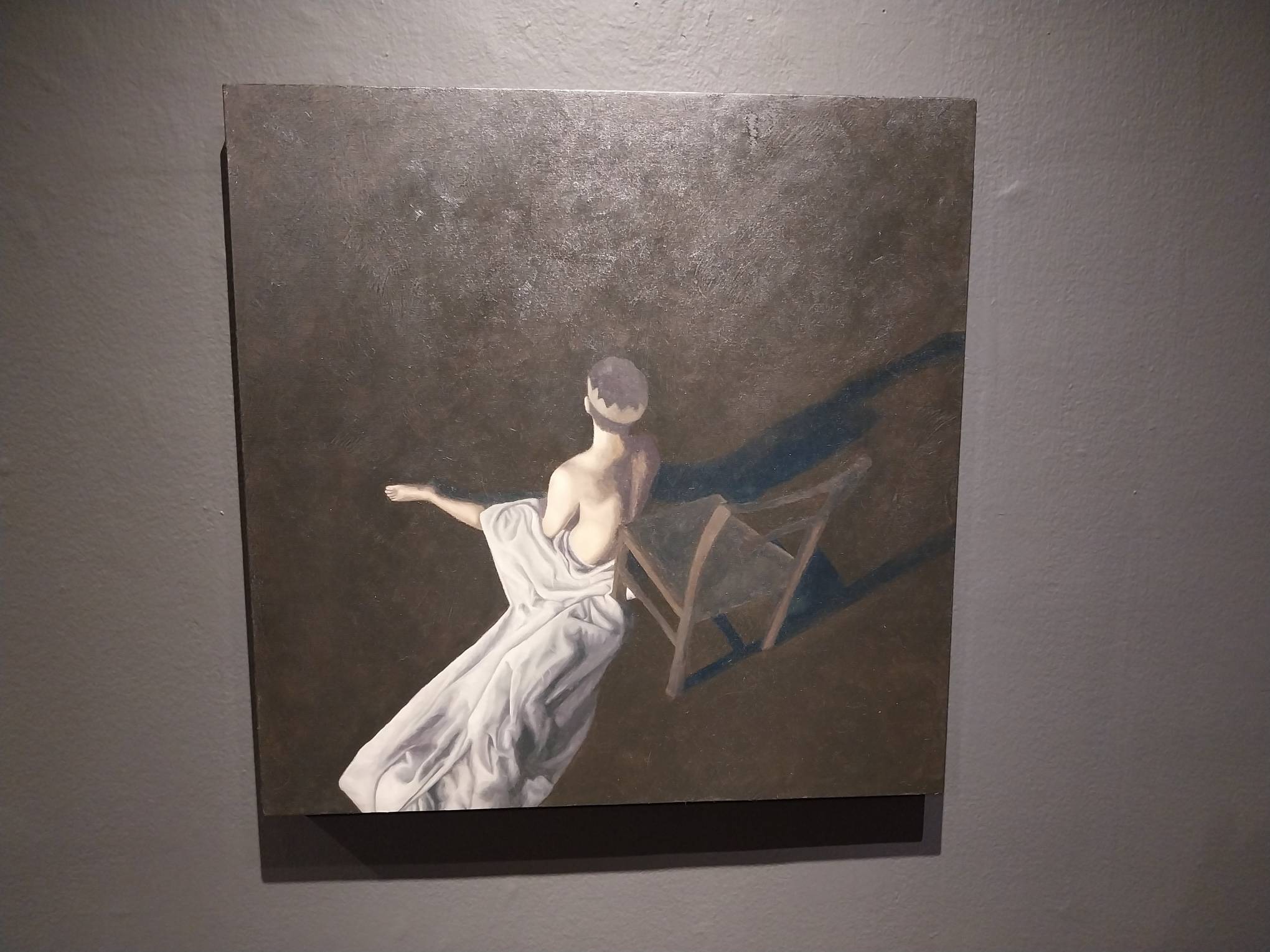
The painting that exemplifies this best is one where the figure sits dejected on the floor as their face is covered by a sheet, and there’s a small crown floating just above their head. They don’t even have the wooden chair! Many of the paintings have similar tones to their use of these motifs, and it seems to emphasize the hopelessness of the moment.
Gelo Montiero allows the darkness to overcome them for I, Us, We, and reflects our own insecurities back at us. It does make one wonder about that one Sartre quote, “Hell is other people.” Is it? Or can our own hell be just us alone in the void, with no one to share anything with?
Related reading: ‘Rituals of Recovery’: Honing into the Practices of Self-Care

The principles behind a well-designed home are not unlike those behind a tailored garment. Both begin with an understanding of the individual, balancing proportion, material, and function to create something suited to its user. This shared approach informed “The Art of Bespoke,” an event hosted by Boffi | DePadova and Focus Global Inc., in collaboration […]
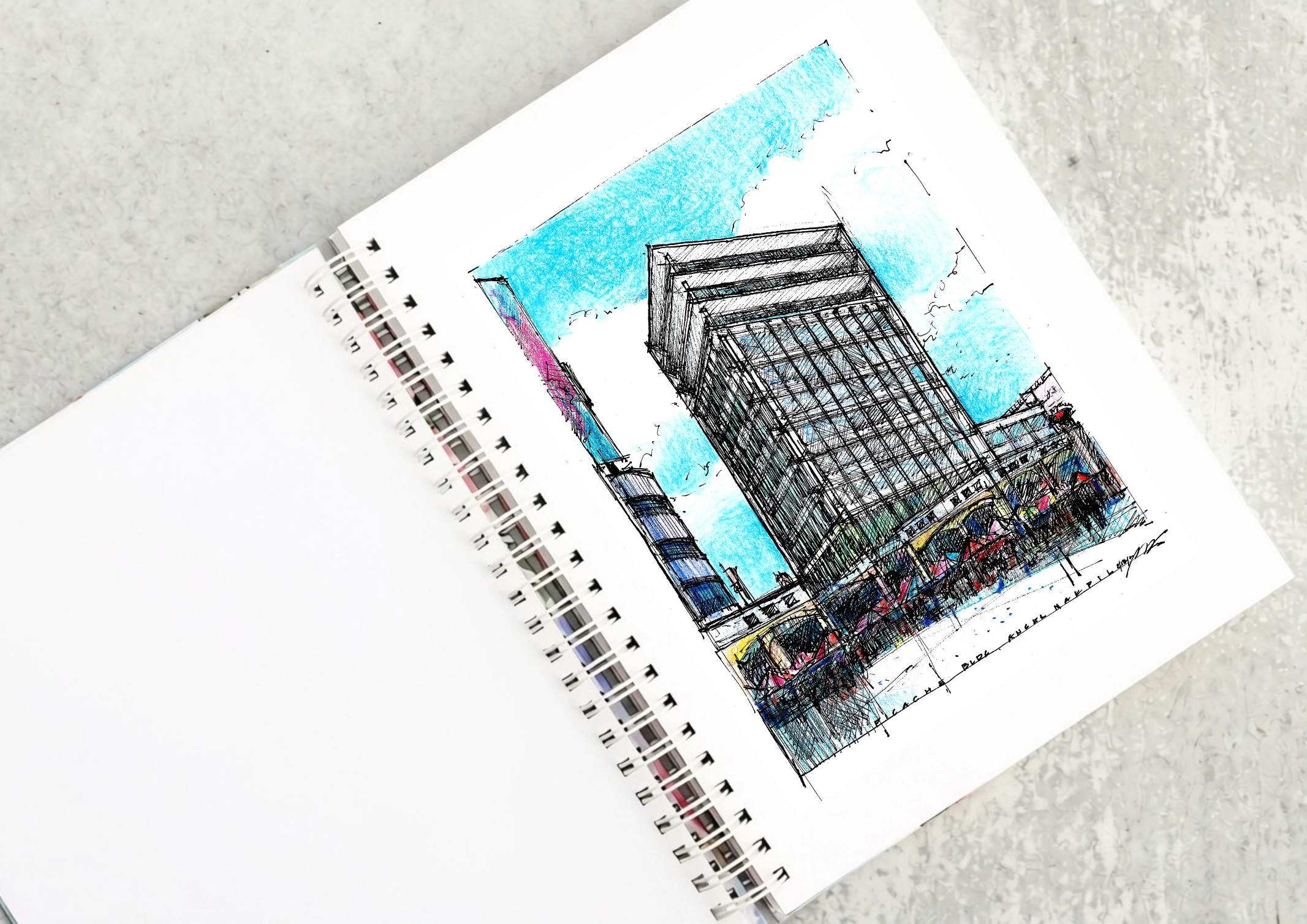
The Picache Building and the Rise of Manila’s First Skyscrapers Until Makati emerged as Metro Manila’s premier business, shopping, and entertainment district in the 1970s, downtown meant Quiapo in central Manila. From the Spanish colonial period to the late 1950s, the district was anchored by its historic Plaza Miranda and its eponymous church. It was […]

Architect Brian Ver was all set with the design for restaurateurs Dwight Co and Charlie Paw’s latest concept, National Bakeshop, when the contractor halted demolition. Brixter Builders, the general contractor of the project, discovered the original coffered ceilings after demolishing the drop ceiling of the previous tenant. The restaurant is located on the ground floor […]

Back for its third edition, the Philippine ArchitectureArchitectureThe art and science of designing and constructing buildings, structures, and spaces that are functional, safe, and aesthetically pleasing. It encompasses the planning, design, materials, and techniques used to createGo to Architecture Glossary and Allied Arts Festival (PAAAF) brought conversations around architecture and its related creative fields to […]
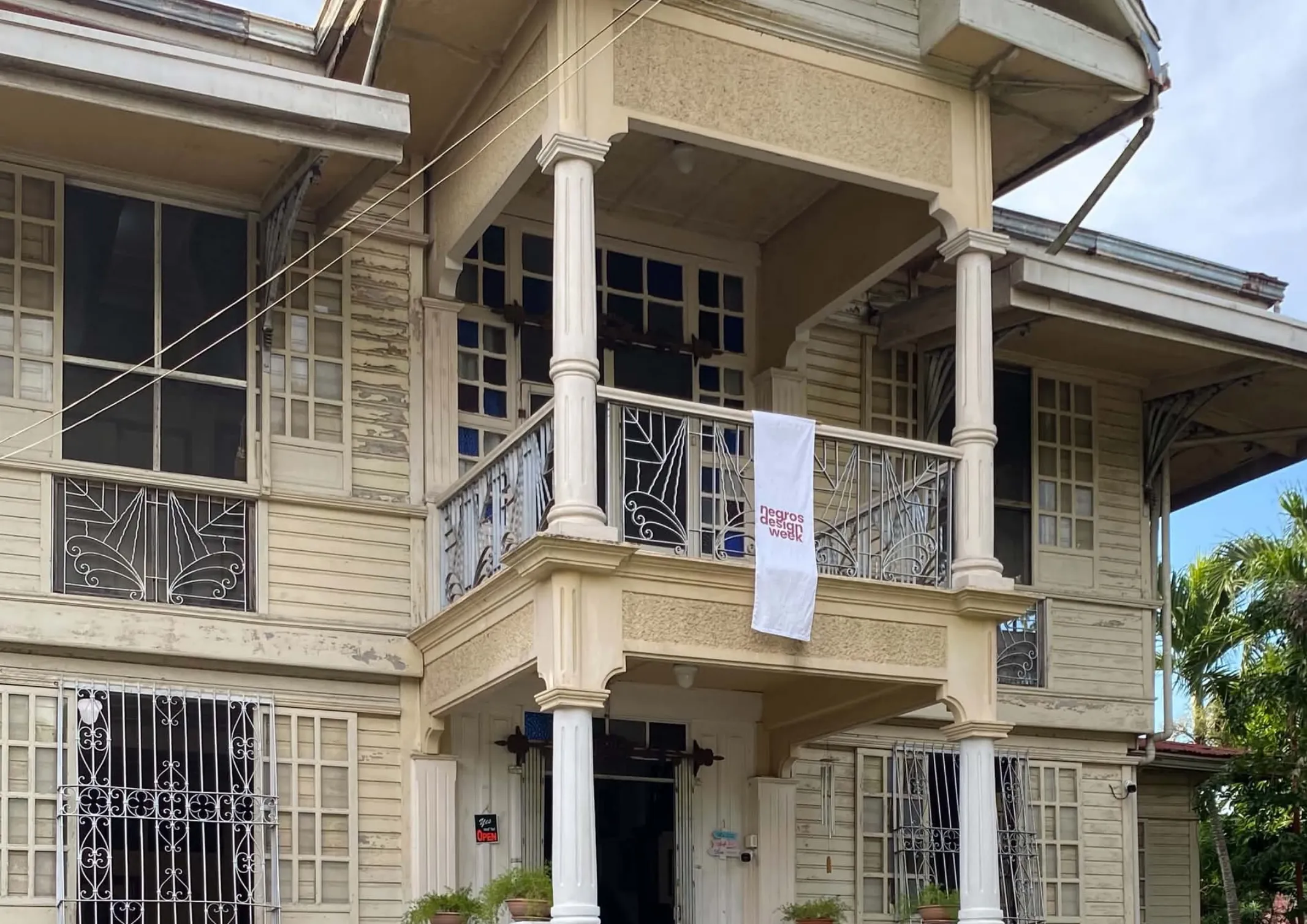
The future of design is not necessarily built by looking forward alone. Sometimes, it begins by looking back at the objects, traditions, and creative practices that have shaped generations. For Negros Design Week 2026, this relationship between the past and the future informed its theme, “50/50: A Hundred Years of Design.” The third edition of […]
Read the issues.

Collect the volumes.

Recommended Video
Tap to Unmute
Unmute
0:00
0:00