In a way, designers are the modern-day soothsayers and prophets. They design for the future, predicting how a room, a house, a building or a whole city will be used by people. They foresee how users will interact with a space, conjure exact shades of colors to elicit specific behavior and arrange furniture to build […]
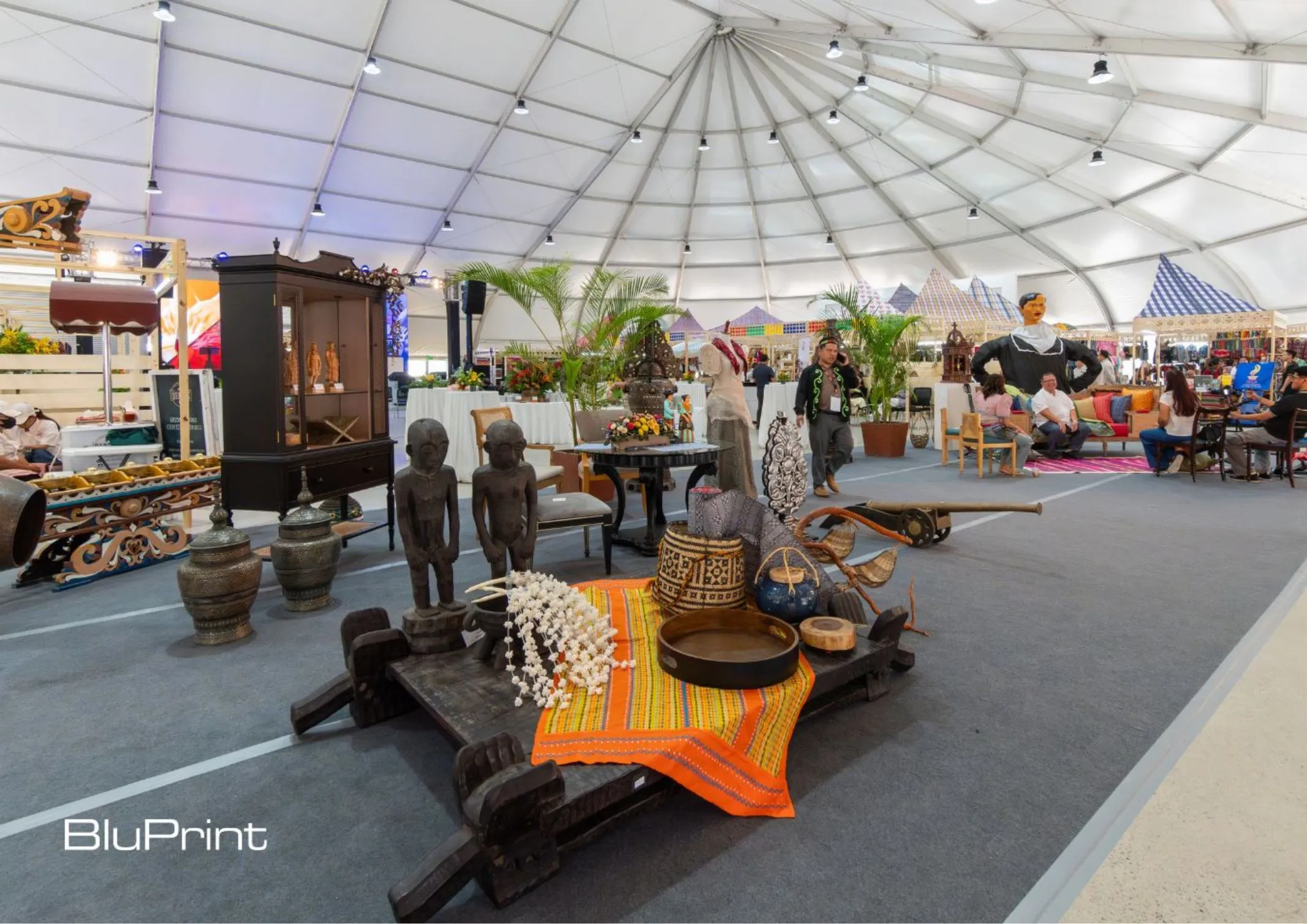
Likha 4 Champions Filipino Heritage as Independence Day Highlight



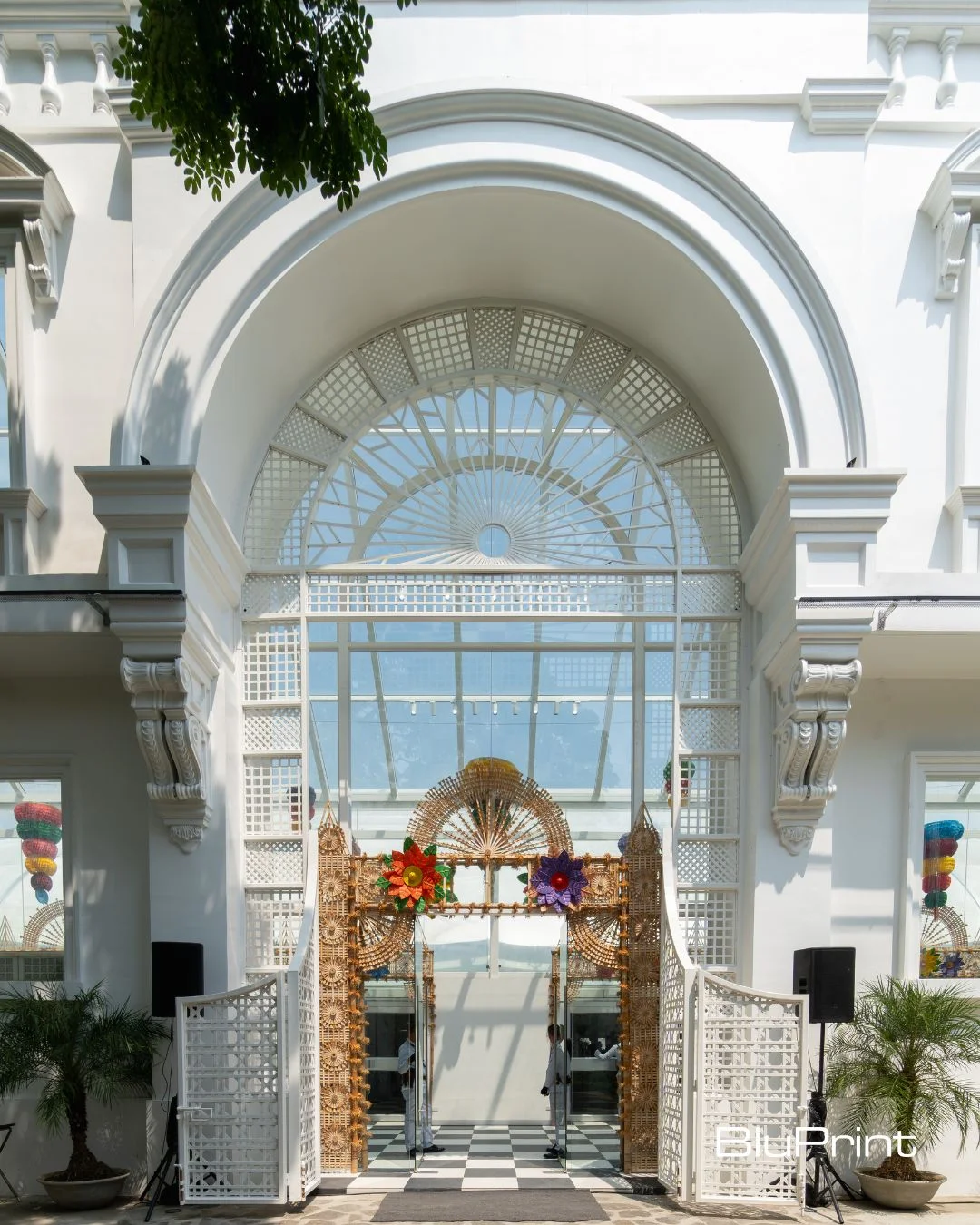
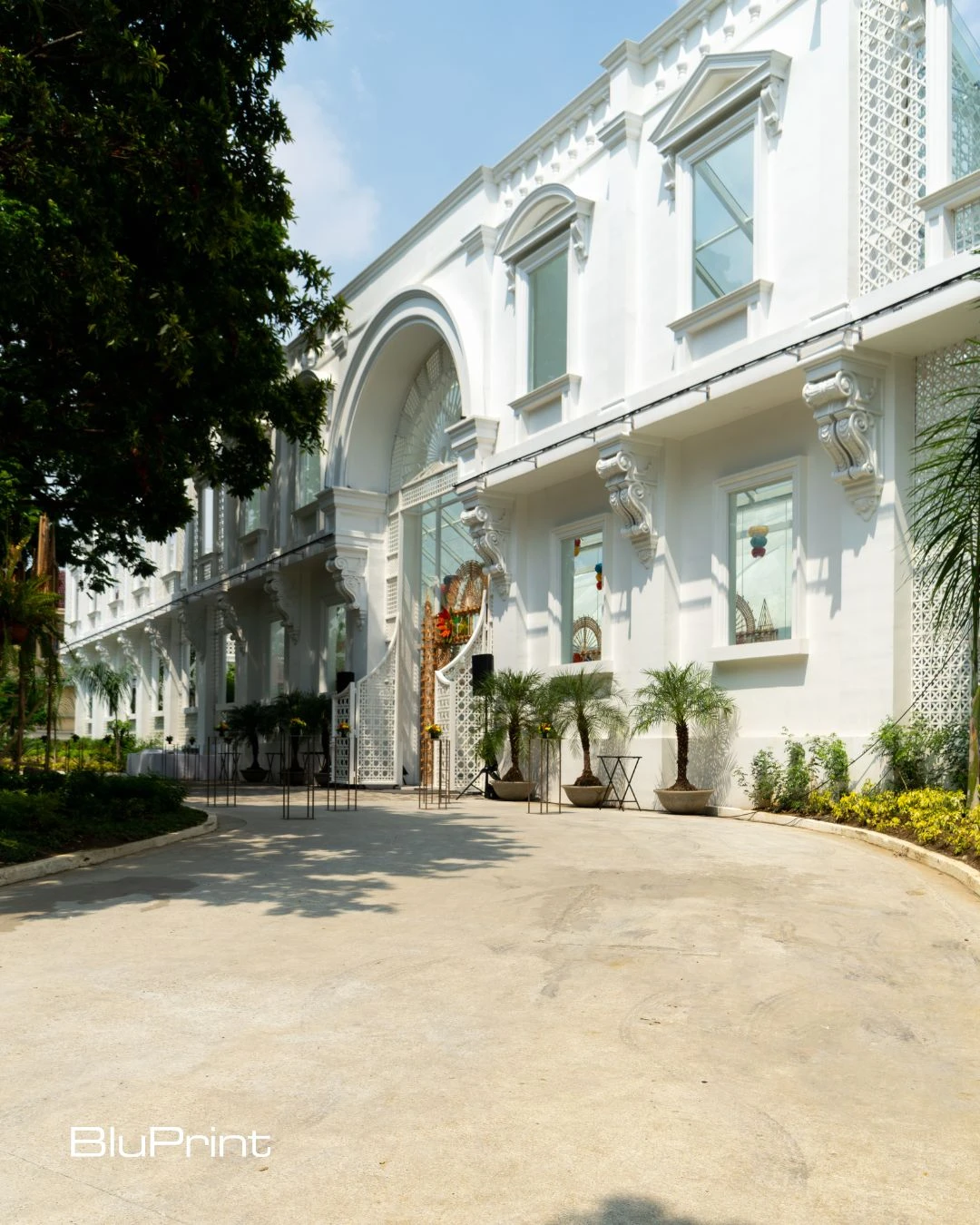
Spearheaded by the Office of the First Lady as a key highlight of this year’s Independence Day celebration, Likha 4 concluded its vibrant three-day run on June 9. The much-anticipated event, formally opened with a ribbon-cutting ceremony led by First Lady Liza Araneta-Marcos, was held at the newly opened Foro de Intramuros.
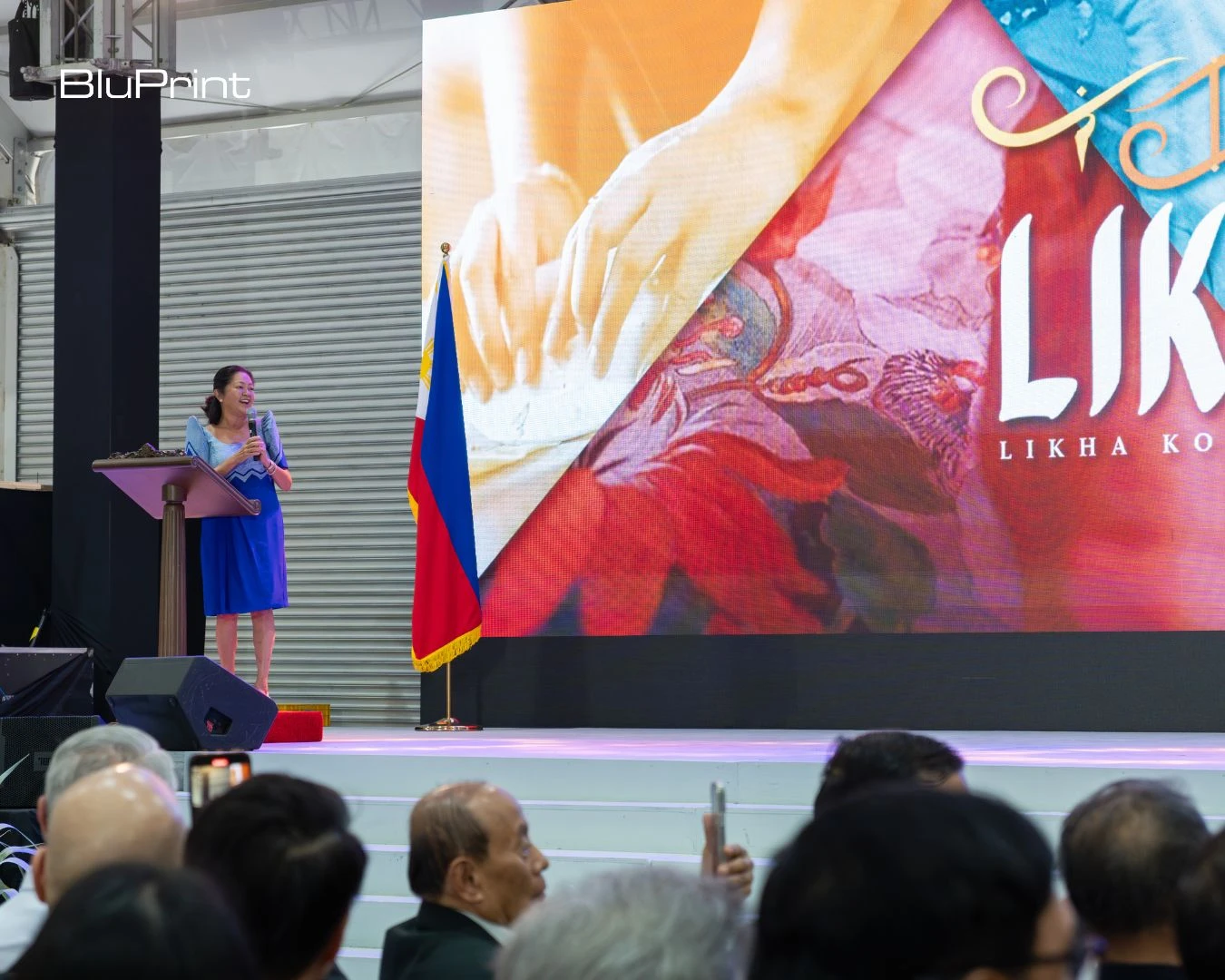
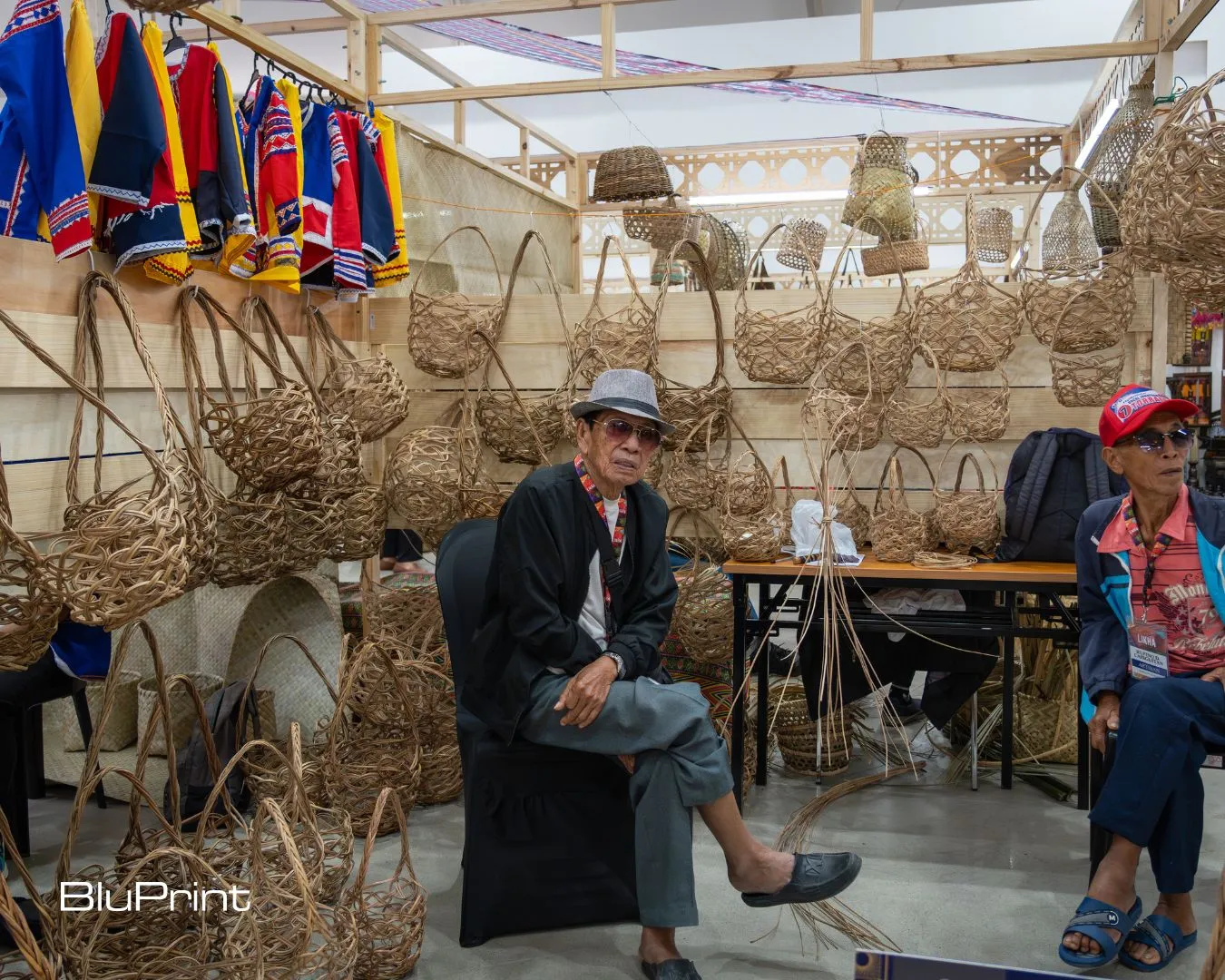
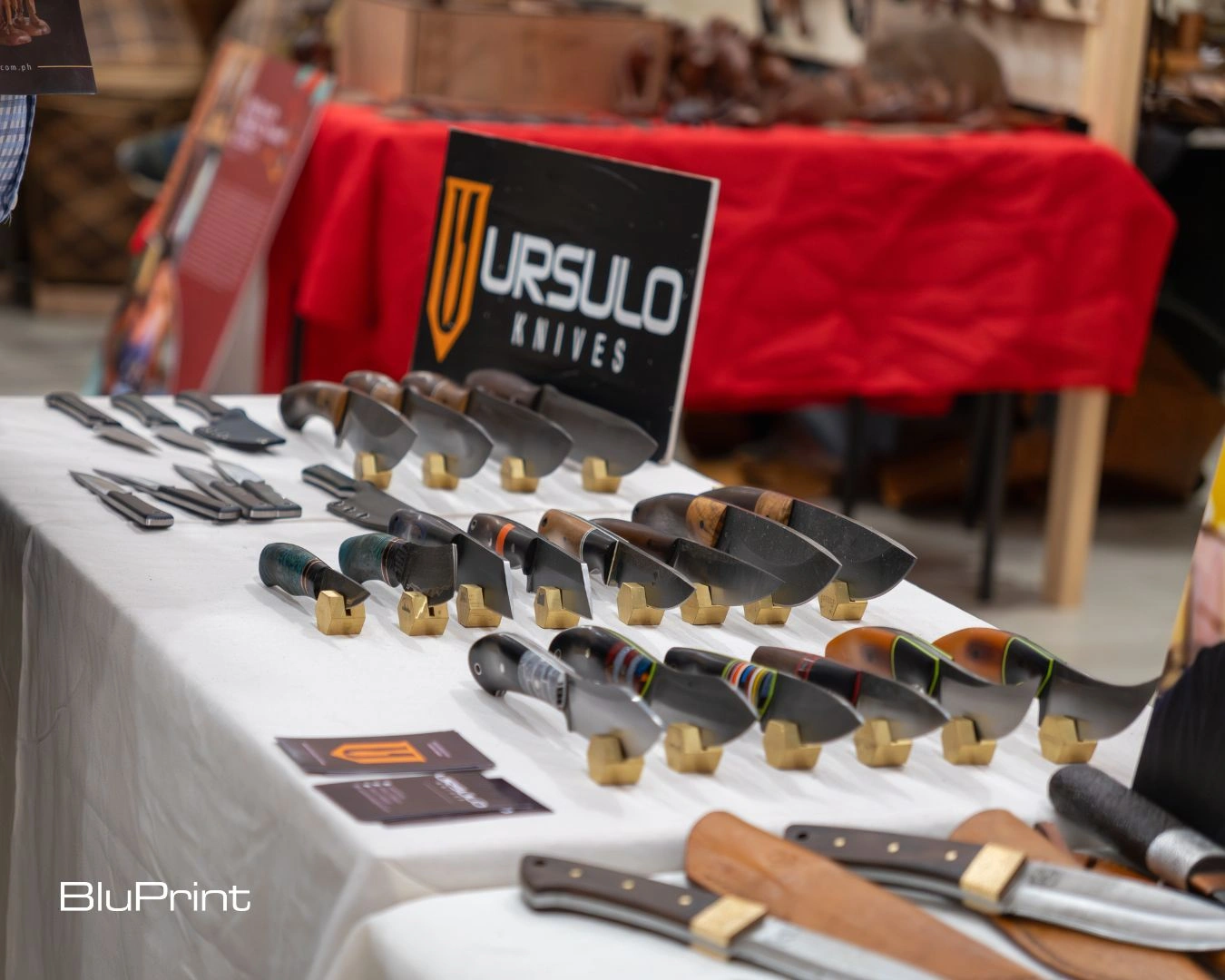
Organized with the National Commission for Culture and a half (NCCA), the fair brought together traditional artists—including 30 new artisans mixed with ‘Likha Graduates’ and local designers—to preserve and promote the nation’s rich, living heritage.
Preserving Heritage Through Support and Awareness
At a press conference held during the event, key figures emphasized the profound importance of documenting, understanding, and celebrating the intricate work of Filipino craftspeople. NCCA Chairperson Eric Zerrudo highlighted the multifaceted approach required to support these cultural bearers.
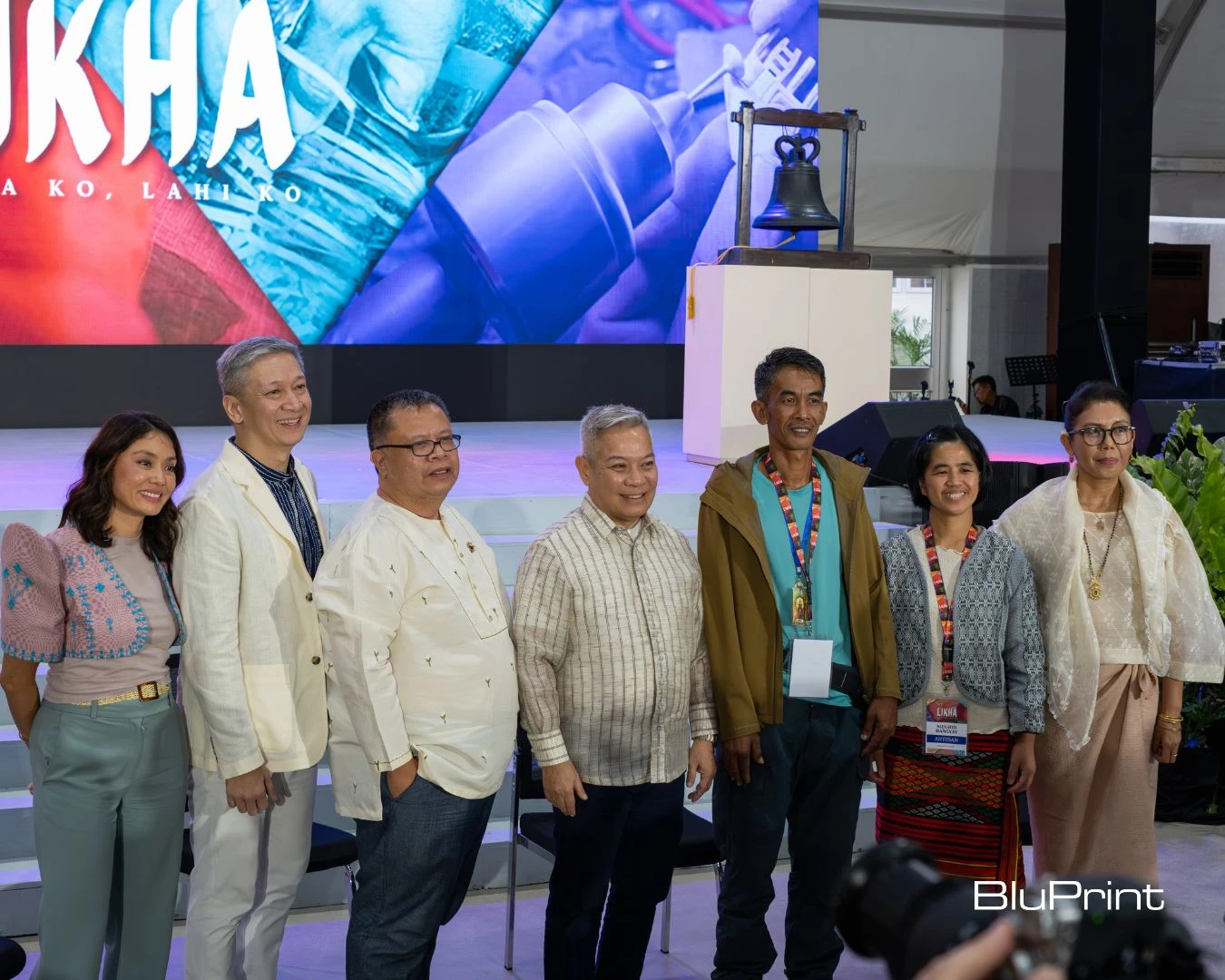
He spoke of the need for formal institutions alongside practical aid for artisans. “People who would like to understand and study the particular expression… they can go to the institute because it’s already under a formal setup,” Zerrudo stated, while also acknowledging their economic realities. He explained that many artisans operate on a small scale without access to capital. Therefore, the NCCA is working to connect them with support systems, such as the SEC’s small-scale grant program.
Zerrudo stressed that creating a comprehensive profile of the nation’s cultural assets is a critical first step. The NCCA’s foundational strategy is to profile the nation’s communities and provinces to build a comprehensive awareness of existing cultural assets. He further elaborated that this awareness is crucial for determining which traditions to protect, which are endangered, and which should be allowed to evolve.
Celebrating the Intangible Heritage of Filipino Craft
The creative process itself was a central theme, with Zerrudo describing it as an “intangible heritage” and a force that defines the Filipino identity. “When you talk of creativity, it’s always intangible heritage, it’s always a process,” he said. He pointed to the incredible techniques on display at Likha as a source of humility and wonder. “This is one way for us, not only to understand, but to be humbled by the genius of these people who have worked for so many decades, along with their ancestors. And that is a very identity defining exercise.”
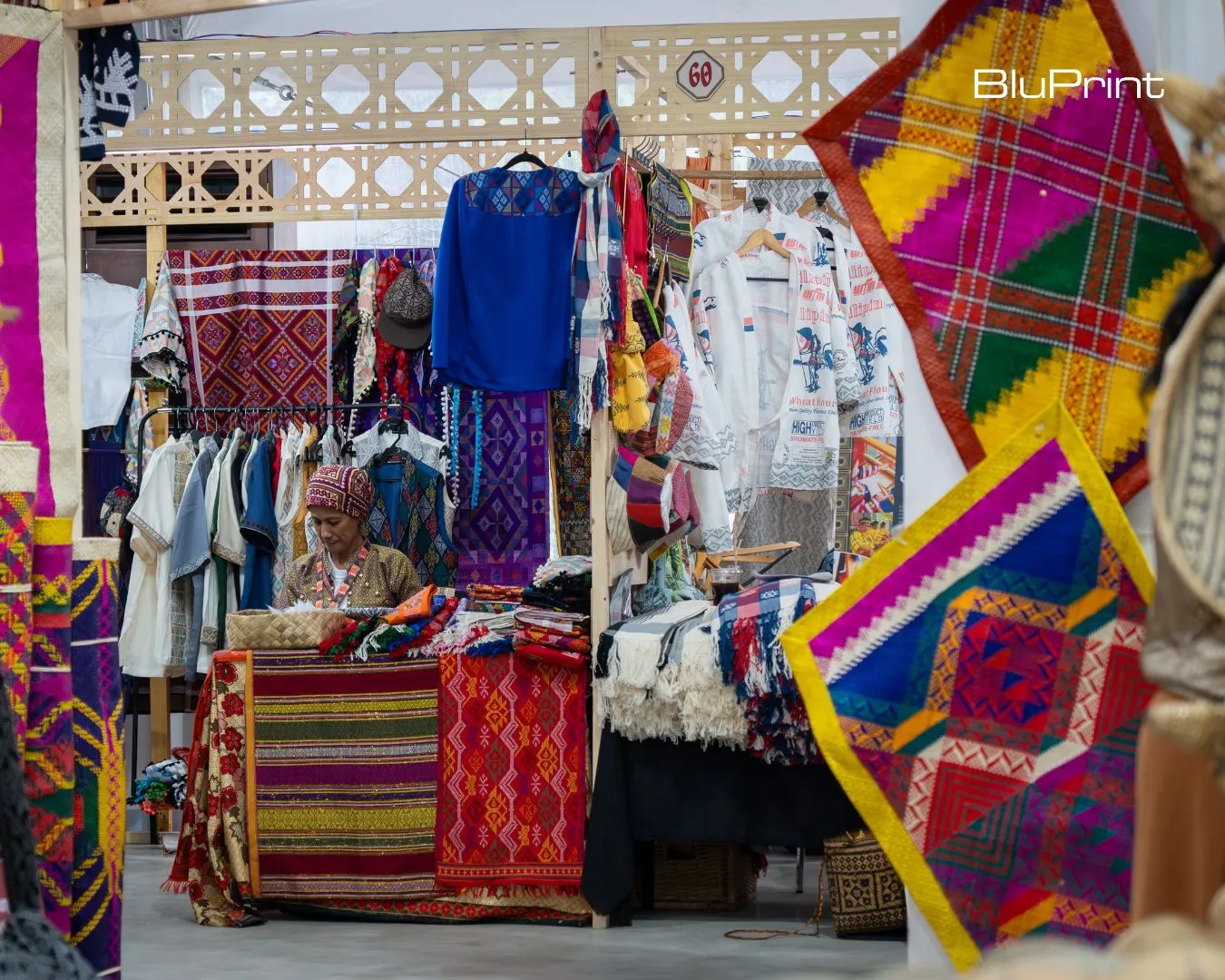
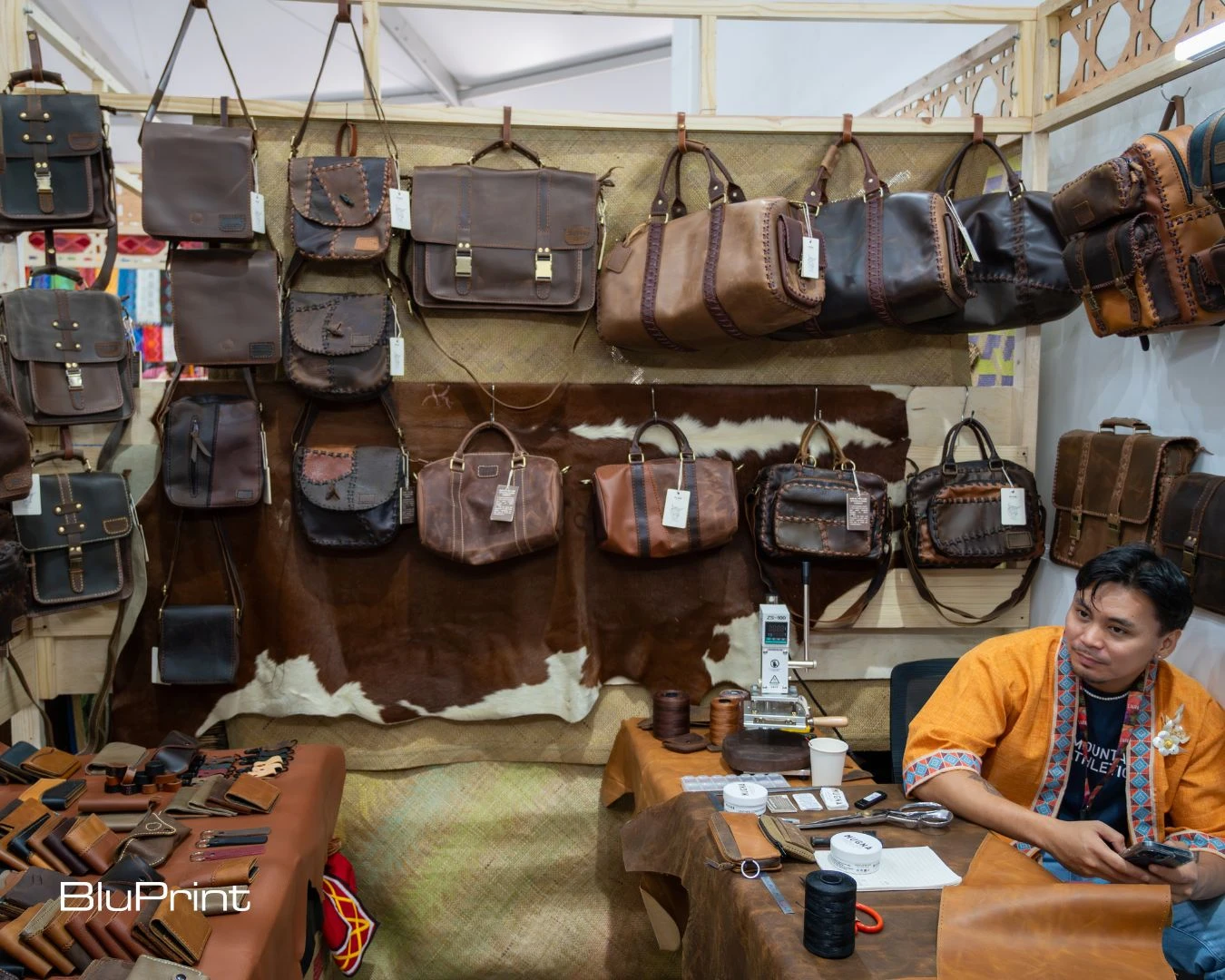
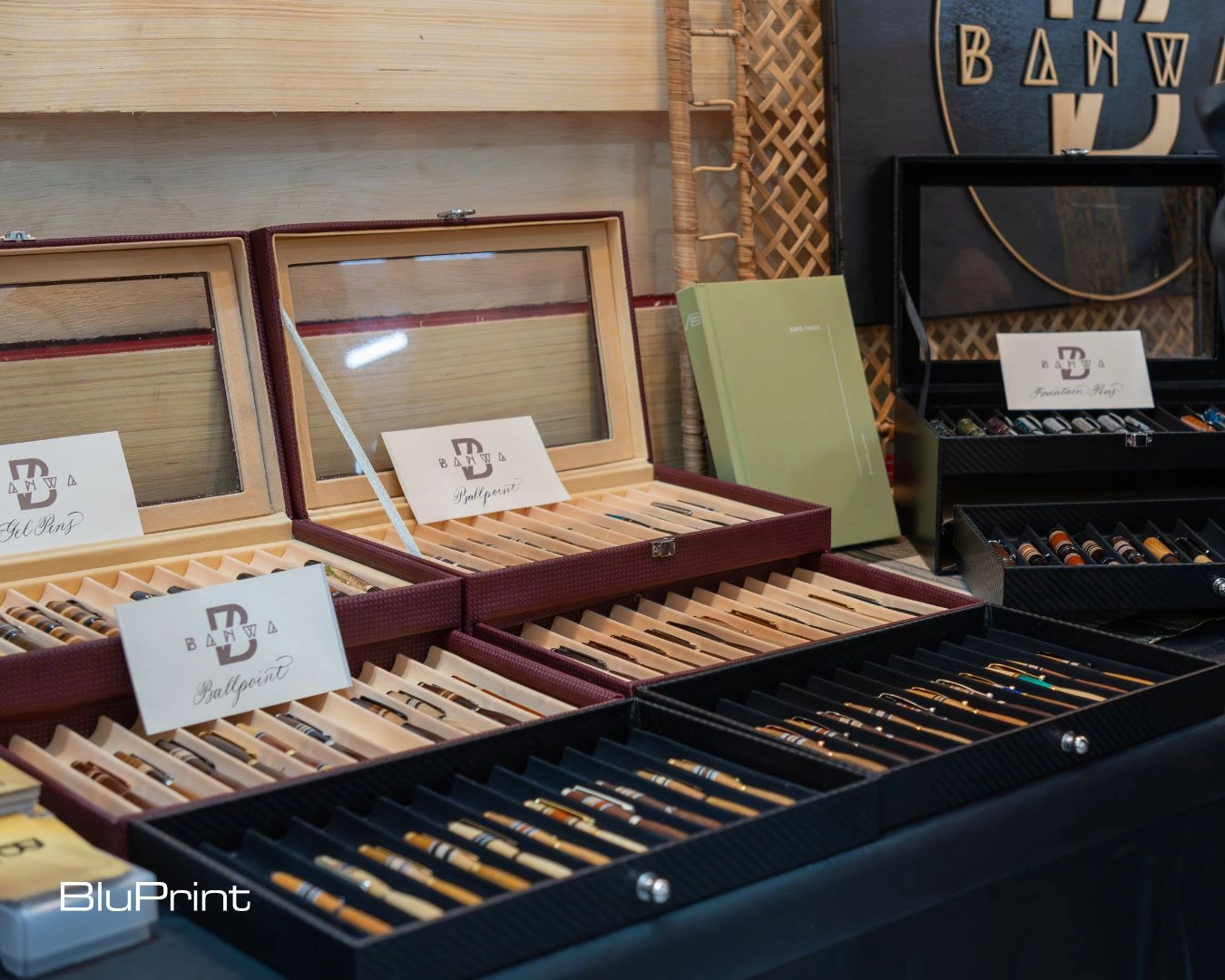
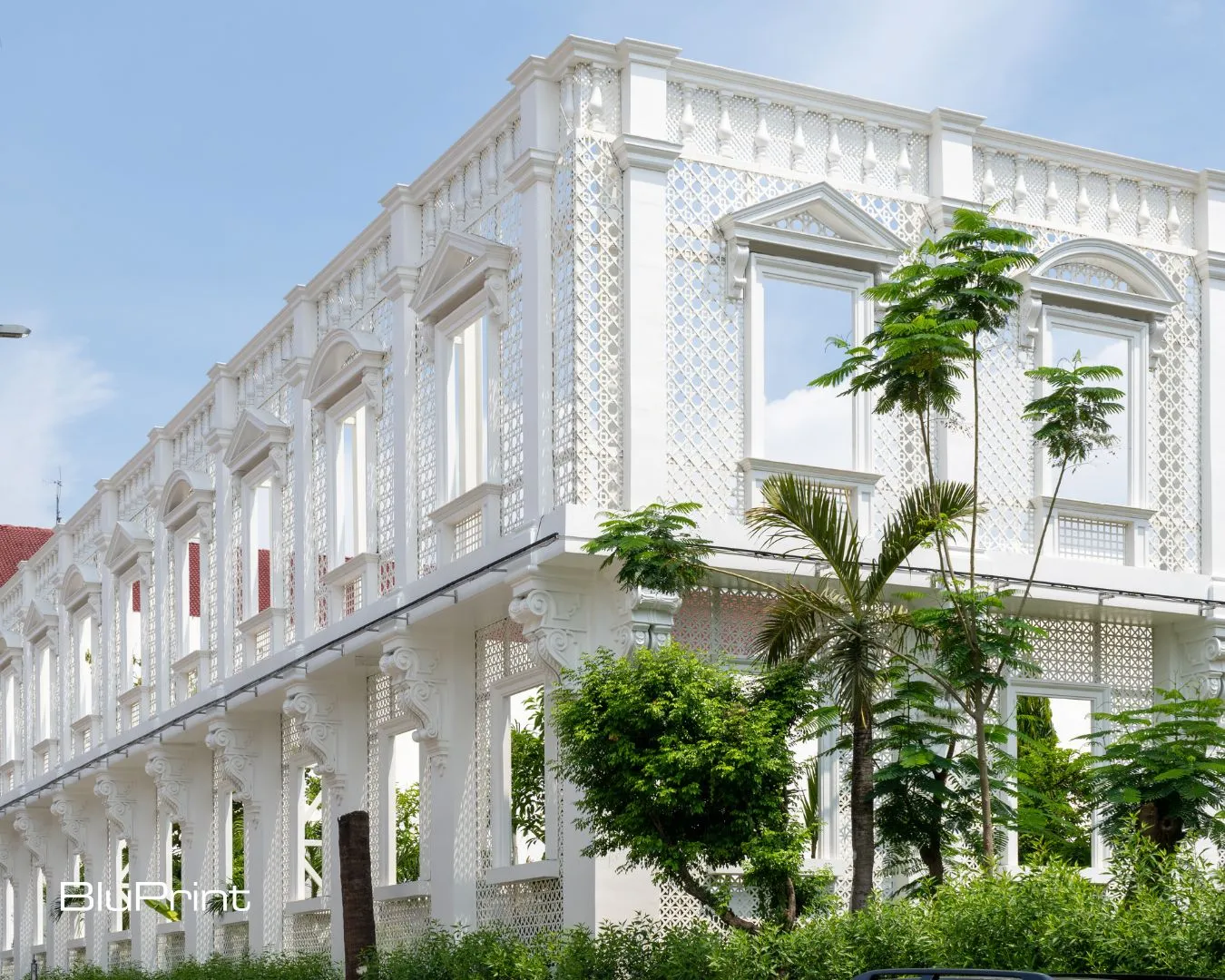
This sentiment was strongly echoed by architect Miko Manalo, the architect behind the Foro de Intramuros’ striking facade. He described visiting the fair as “a very humbling experience.” He shared a personal lesson in cultural sensitivity.
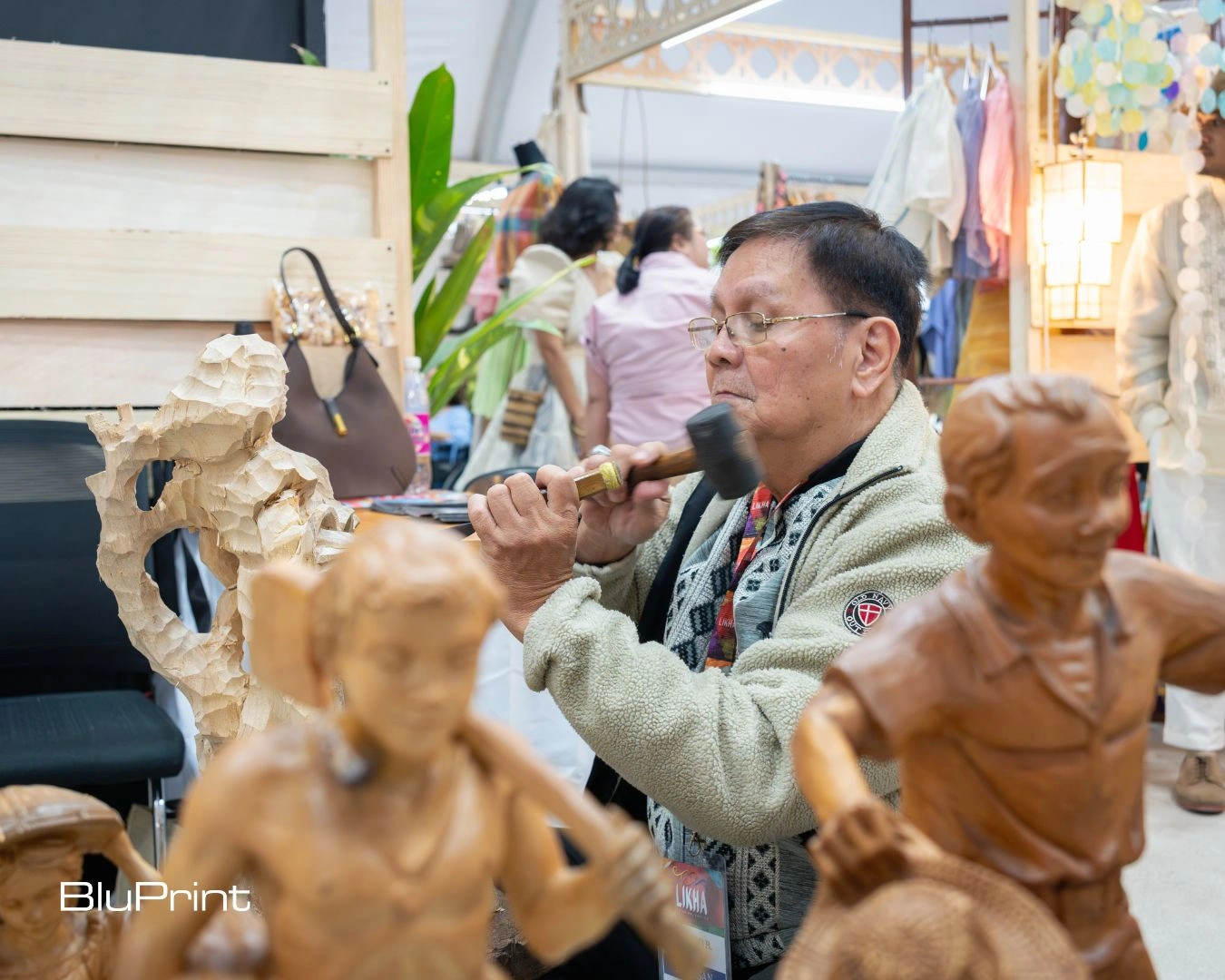
“I’m an architect… and you thought that you had all of the ideas and all of the processes sorted out, until I would ask Hal, how can I use this piece of law for a curtain? And he’d say, of course not. Number one, it is inappropriate, because that’s something that they use to cover the debt.”
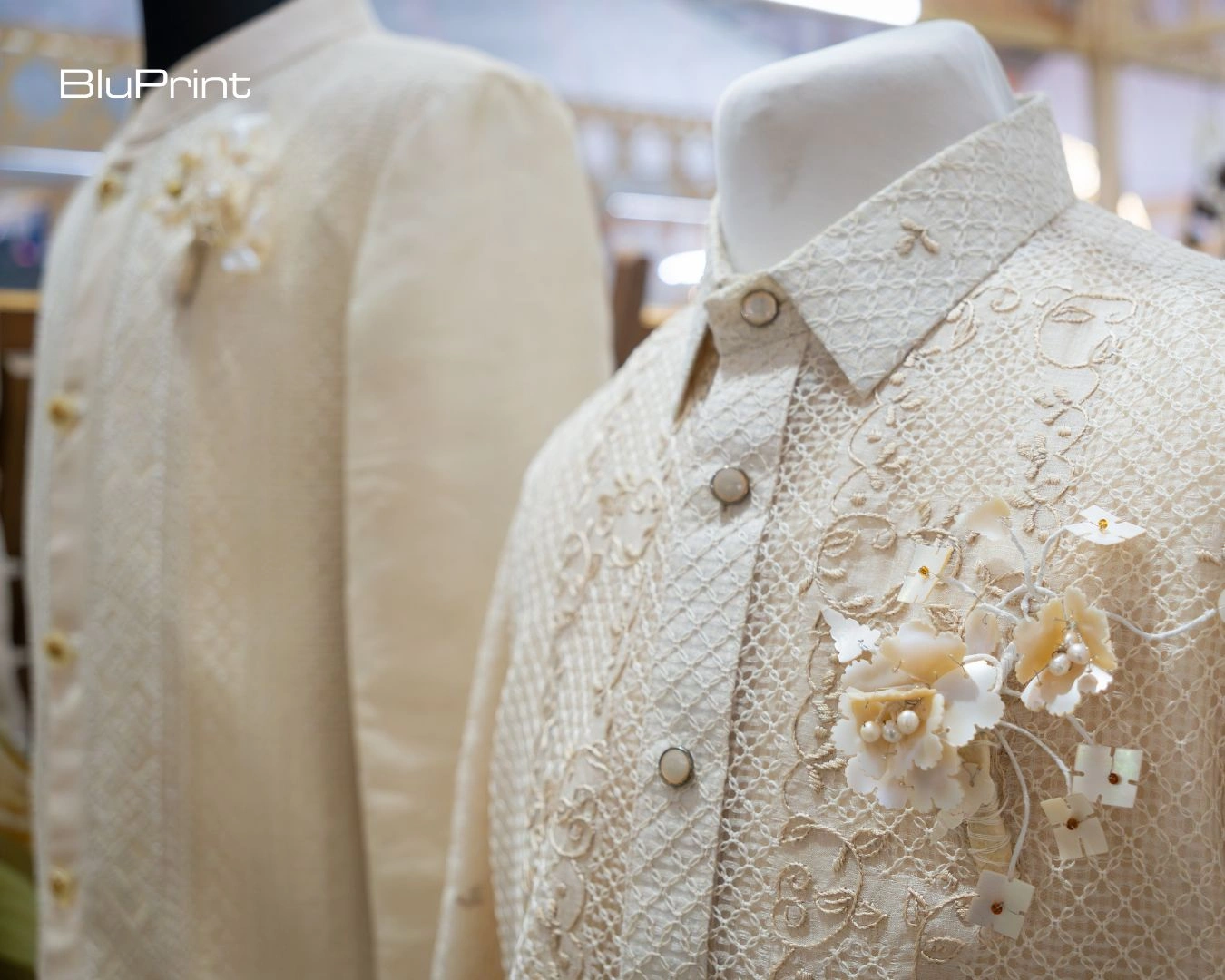
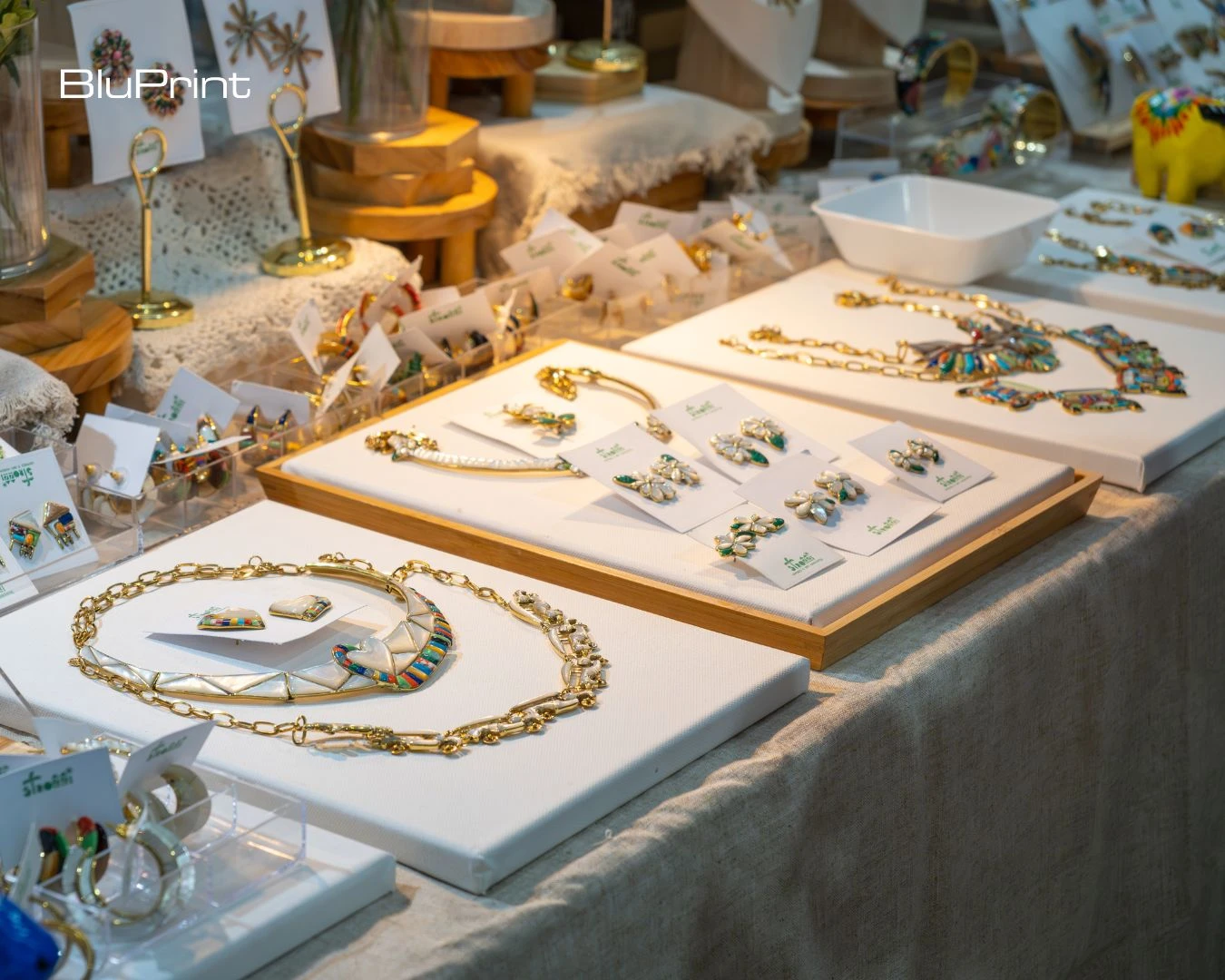
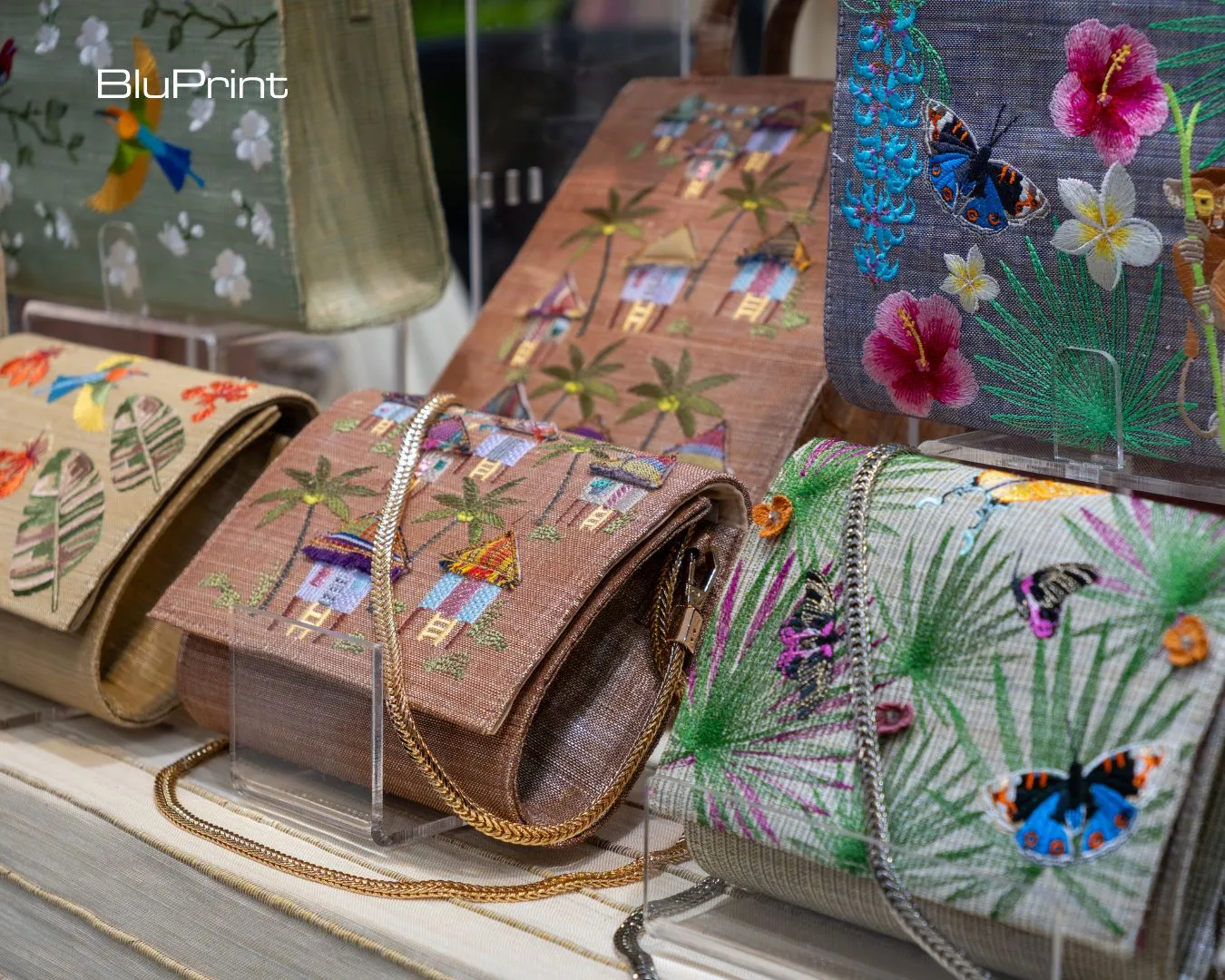
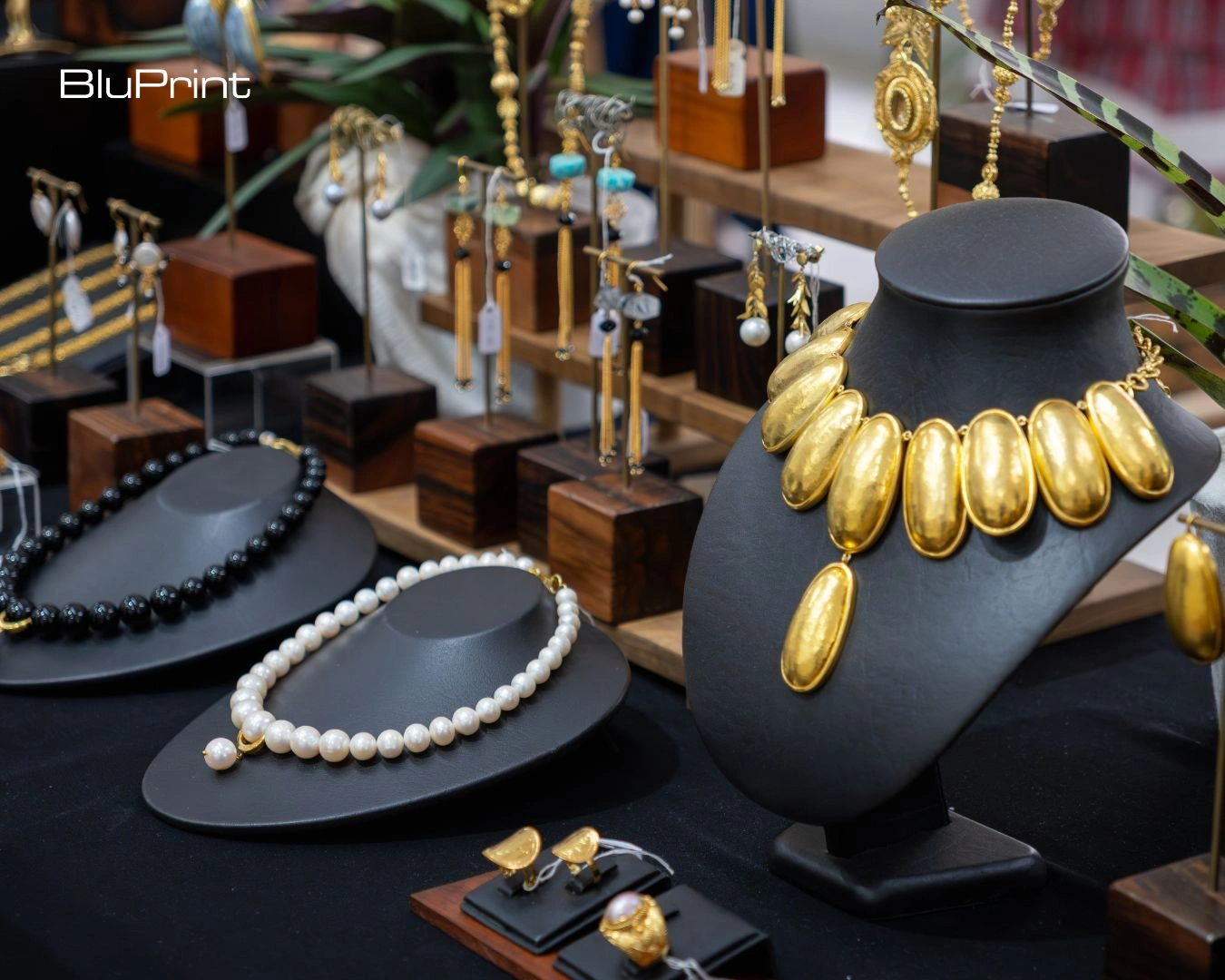
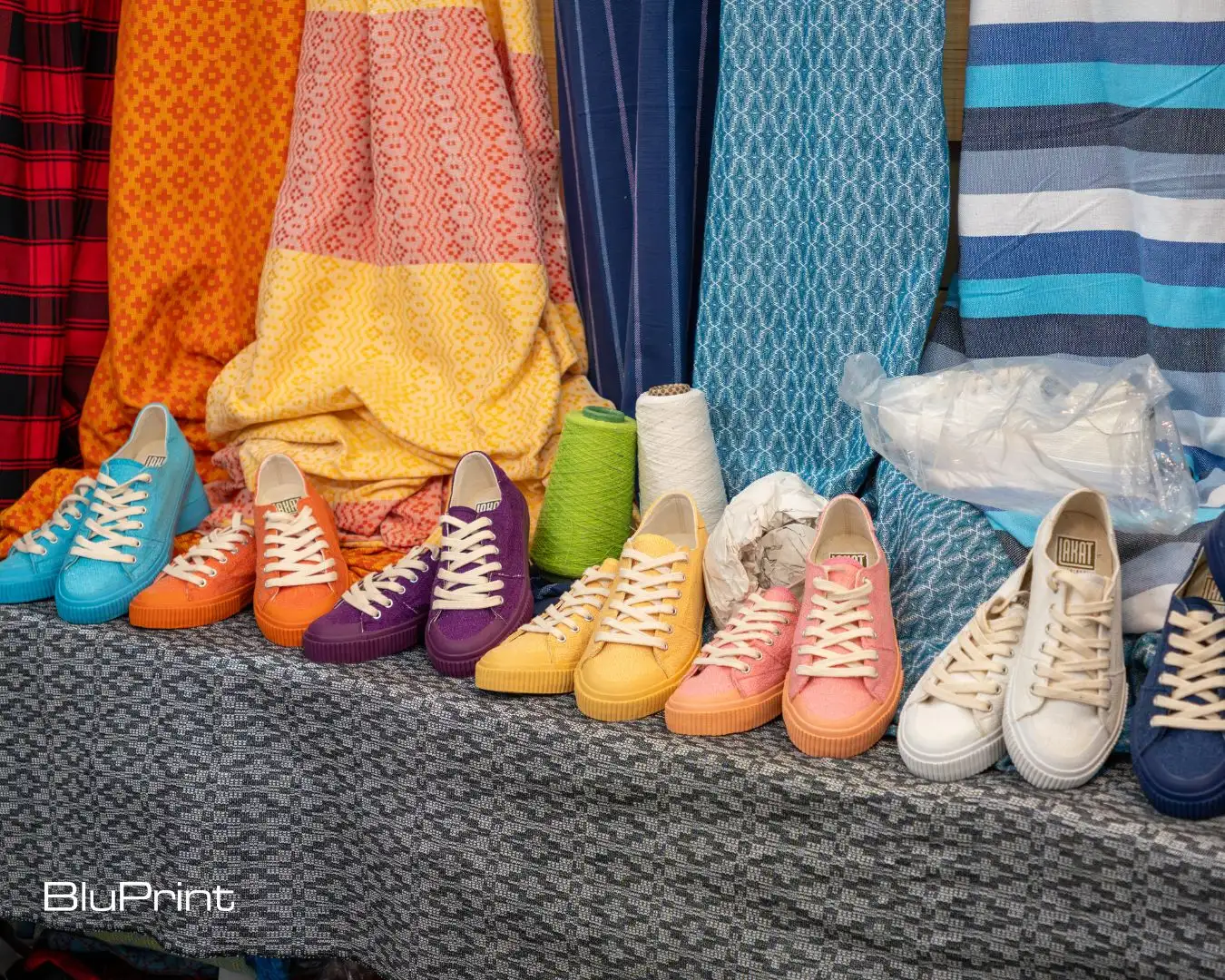
For Manalo, Likha is a crucial space for reciprocal education and collaboration. “When you actually immerse yourself in all of this, then you learn. And I think that’s really what we’re here for,” he said. “We learn from each other, they learn from each other, it’s one ginormous laboratory.”
The Global Appeal of Local Craft
Len Cabili of Filip + Inna explained that the global appeal of Filipino craftsmanship stems from its uniqueness. She noted that international audiences consistently describe the pieces as “something different” and “something we have never seen before.” Cabili emphasized that she attributes this success solely to “the work of the artisans, nothing else,” stating that it is the skill in the hands of Filipino craftspeople that shines through. She concluded that an event like Likha is the perfect way to celebrate this achievement.
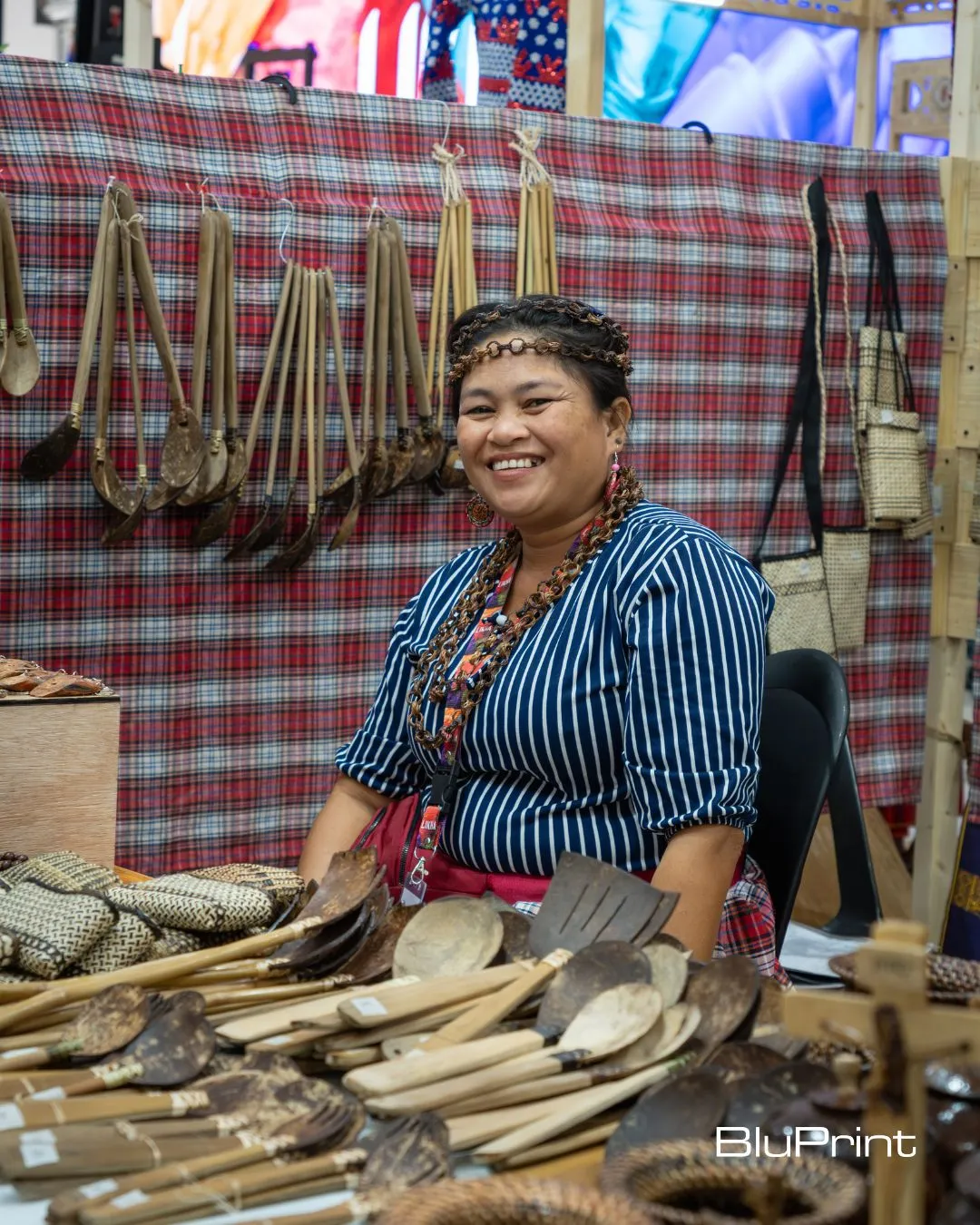
She praised Likha for facilitating direct, meaningful interactions that go beyond commerce. “I personally appreciate a venue like likha, where you get to talk to the artisans personally…and have the opportunity to not even just to buy, but really spend time with them and to talk to,” she said, reinforcing the idea of artisans as “custodians of the cultural expressions that that we are working with.”
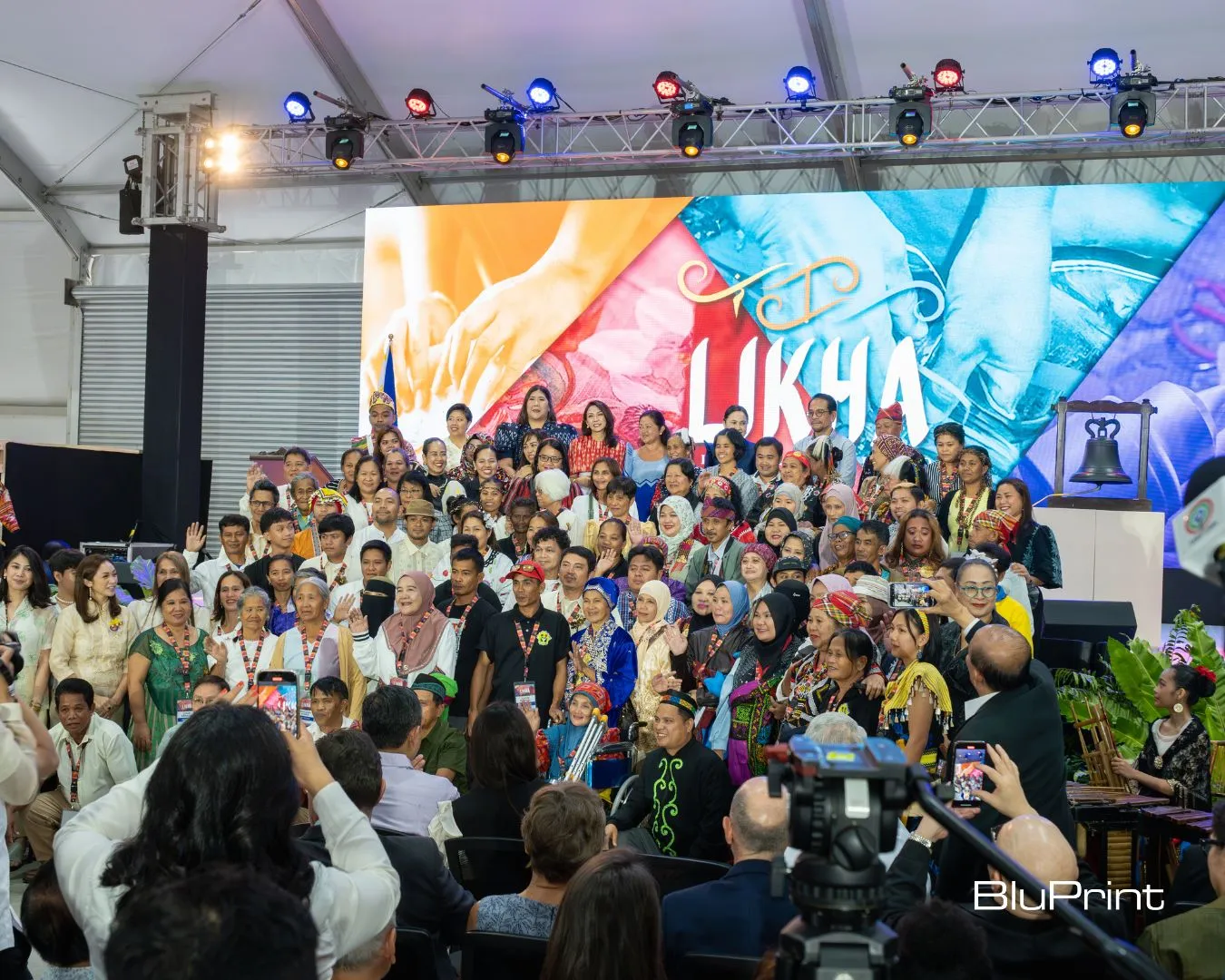
As its fourth successful staging comes to a close, Likha has solidified its role as more than just a market. It is a vibrant celebration of Filipino identity, a critical platform for cultural education, and a powerful testament to the enduring, irreplaceable genius of the nation’s traditional artists.
Photos by Luigi Mendoza.
Read more: Le Banquet des Philippines: A Feast of Filipino Craftsmanship at Paris’s Révélations Biennale
Frequently Asked Questions
Likha 4 was a three-day heritage fair organized by the Office of the First Lady and the National Commission for Culture and the Arts (NCCA). Held at the Foro de Intramuros as a highlight of the 2025 Independence Day celebration, its goal was to serve as a “laboratory for collaboration.” It connected 30 new artisans and “Likha Graduates” with local designers to preserve, innovate, and promote the nation’s living heritage.
Zerrudo defines creativity and the craft process itself as intangible heritage. Rather than just focusing on the finished product, Likha 4 celebrated the techniques and ancestral genius passed down through decades. This process-oriented view is considered “identity-defining,” as it highlights the unique intellectual and manual labor of the Filipino people.
Architect Miko Manalo described the fair as a place for “reciprocal education.” Designers and architects used the venue to learn about the cultural sensitivity and appropriate use of traditional materials. For instance, Manalo noted that certain textiles have specific sacred or somber uses (such as covering the deceased) that an outside designer might not realize without direct immersion and dialogue with the master artisans.
According to Len Cabili of Filip + Inna, the appeal lies in the sheer uniqueness and skill of the artisans. International audiences are often drawn to the work because it represents “something they have never seen before.” Cabili emphasized that the success of Filipino design on the world stage is attributed solely to the “skill in the hands” of the traditional craftspeople who serve as custodians of these expressions.
Likha 4 was designed to be more than a commercial marketplace. It provided a venue for visitors to spend time talking with the artisans personally. This direct interaction helps the public understand the cultural narratives behind the crafts and elevates the status of the artisans from mere vendors to revered cultural guardians.

Archie G. Carrasco, Chairman and CEO of AGC Power Holdings Corp. (AGC PHC), has been named to The BoF 500 Class of 2026 under the Media category, joining The Business of Fashion’s global community of individuals shaping the fashion industry. Carrasco is among 100 new members from 33 countries and 48 nationalities selected for the […]
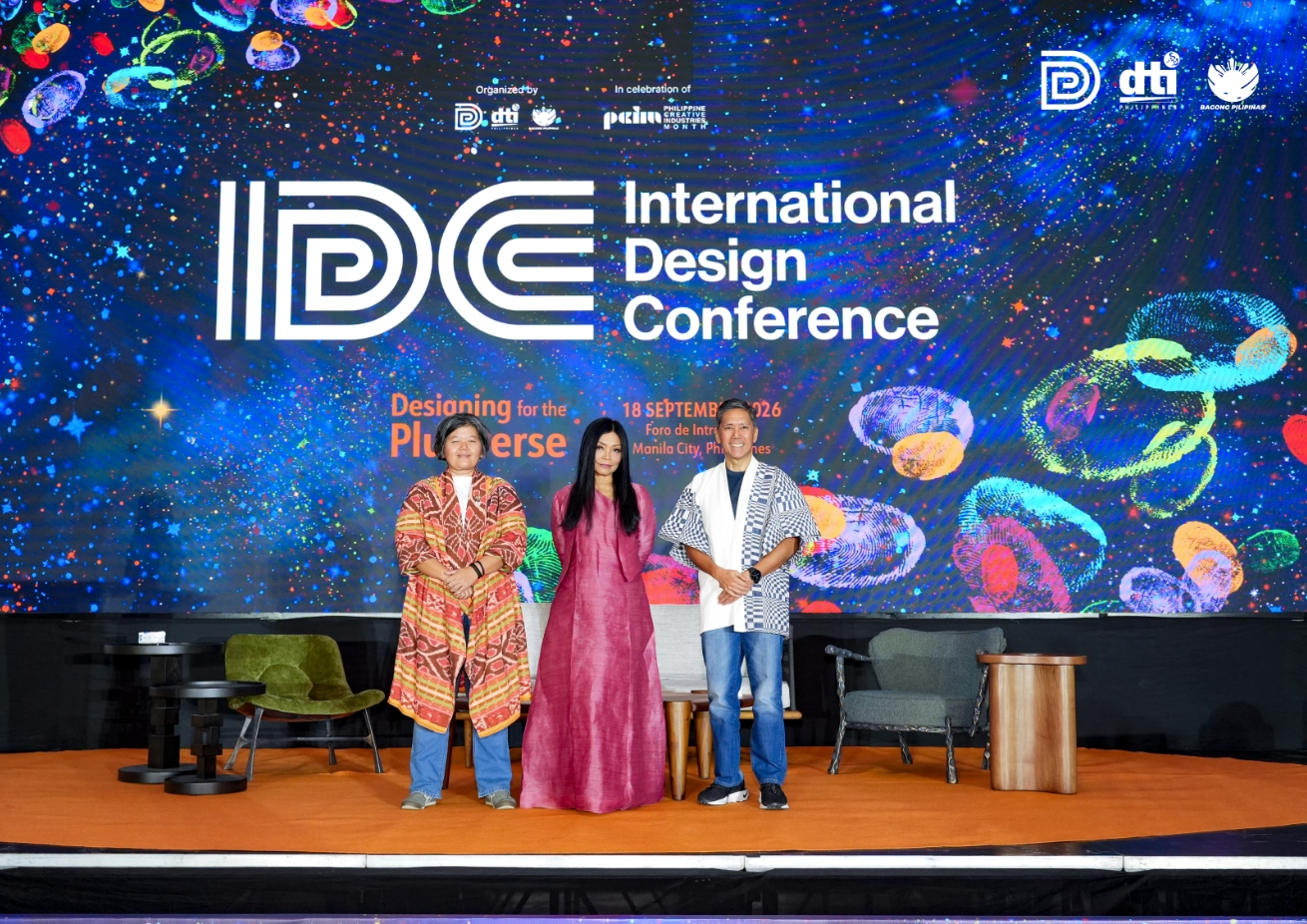
Culture in design does not always announce itself through a recognizable motif, material, or symbol. It can also be embedded in the relationships designers build, the knowledge they listen to, the materials they choose, and the decisions they make in response to communities and their environments. This distinction emerged throughout the 2026 International Design Conference […]
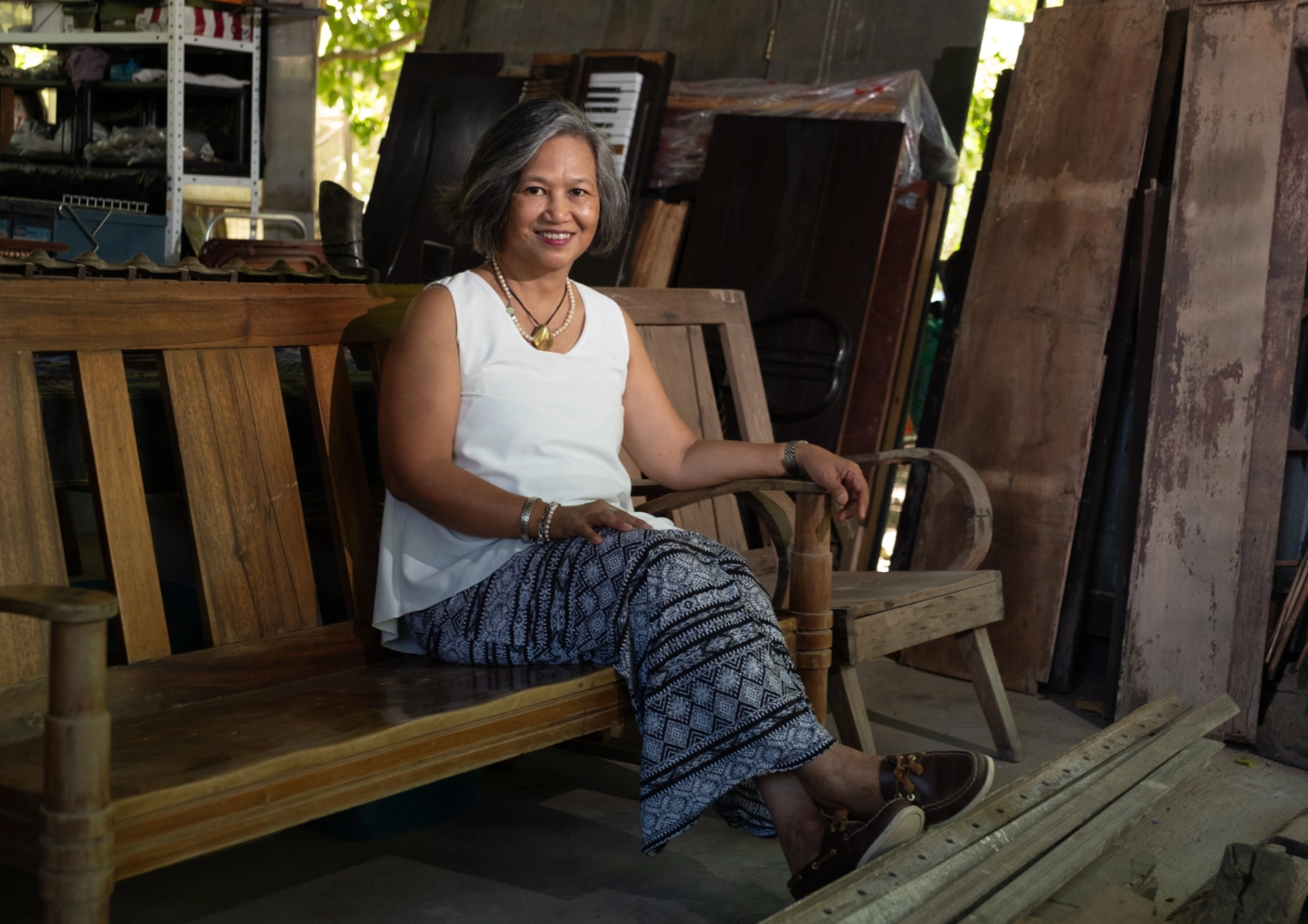
Rinna Soriano’s favorite part of her work is sanding. At her workbench, she stays focused, following the grain, adjusting to changes in its direction. NarraNarraThe national tree of the Philippines, Pterocarpus indicus, prized for its durable, reddish-gold hardwood and handsome grain. Traditionally used for furniture, flooring, and carved panels, narra is now protected fromGo to […]
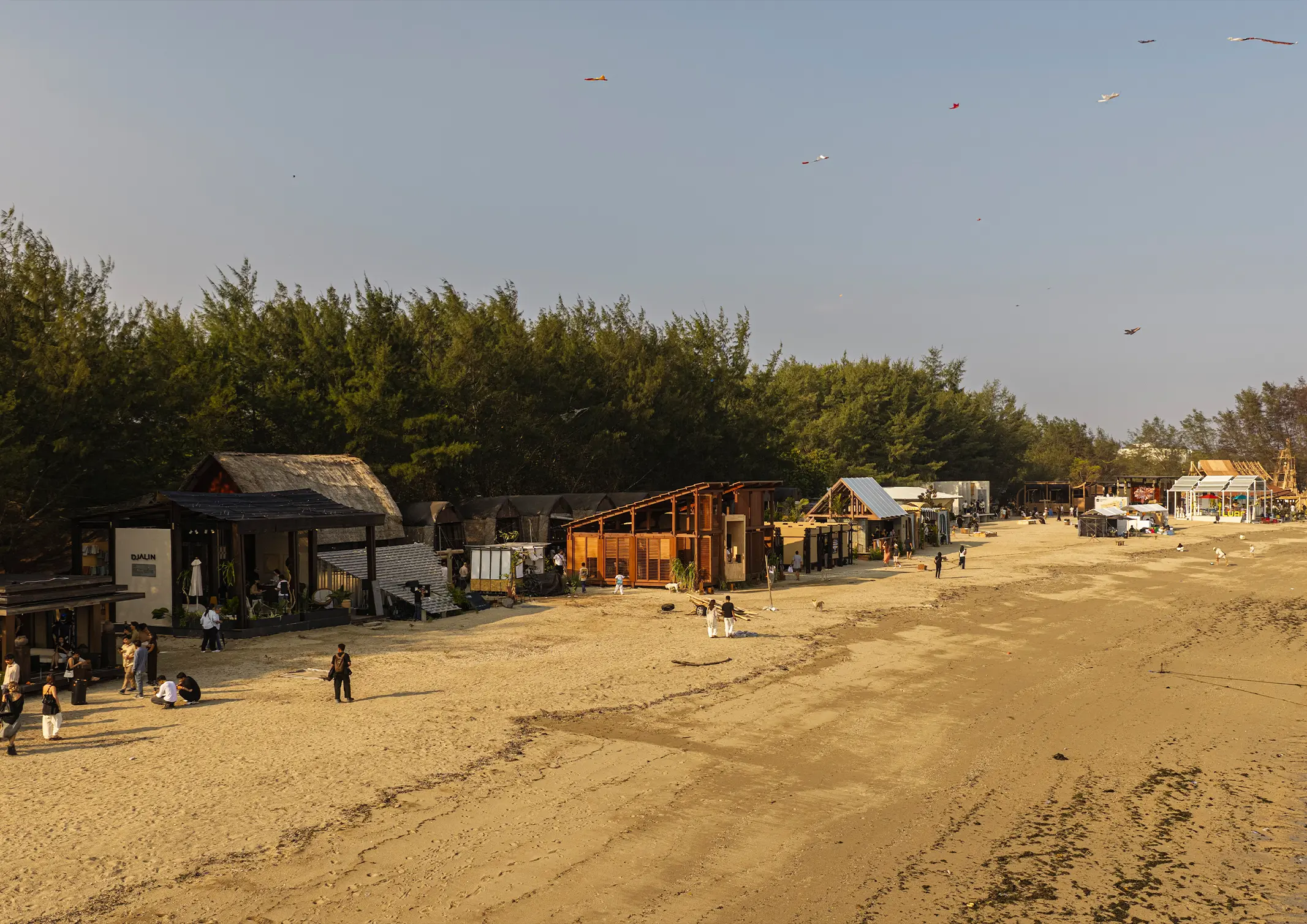
After being set amongst the ruins of an abandoned theme park in the past years, Jia CURATED found a home on the shores of Pengembak Beach, Bali for this year’s installment. It’s a unique location with multiple natural features like Sanur’s coastline, pine and mangrove forests, and a stream—making nature an important participant for how […]
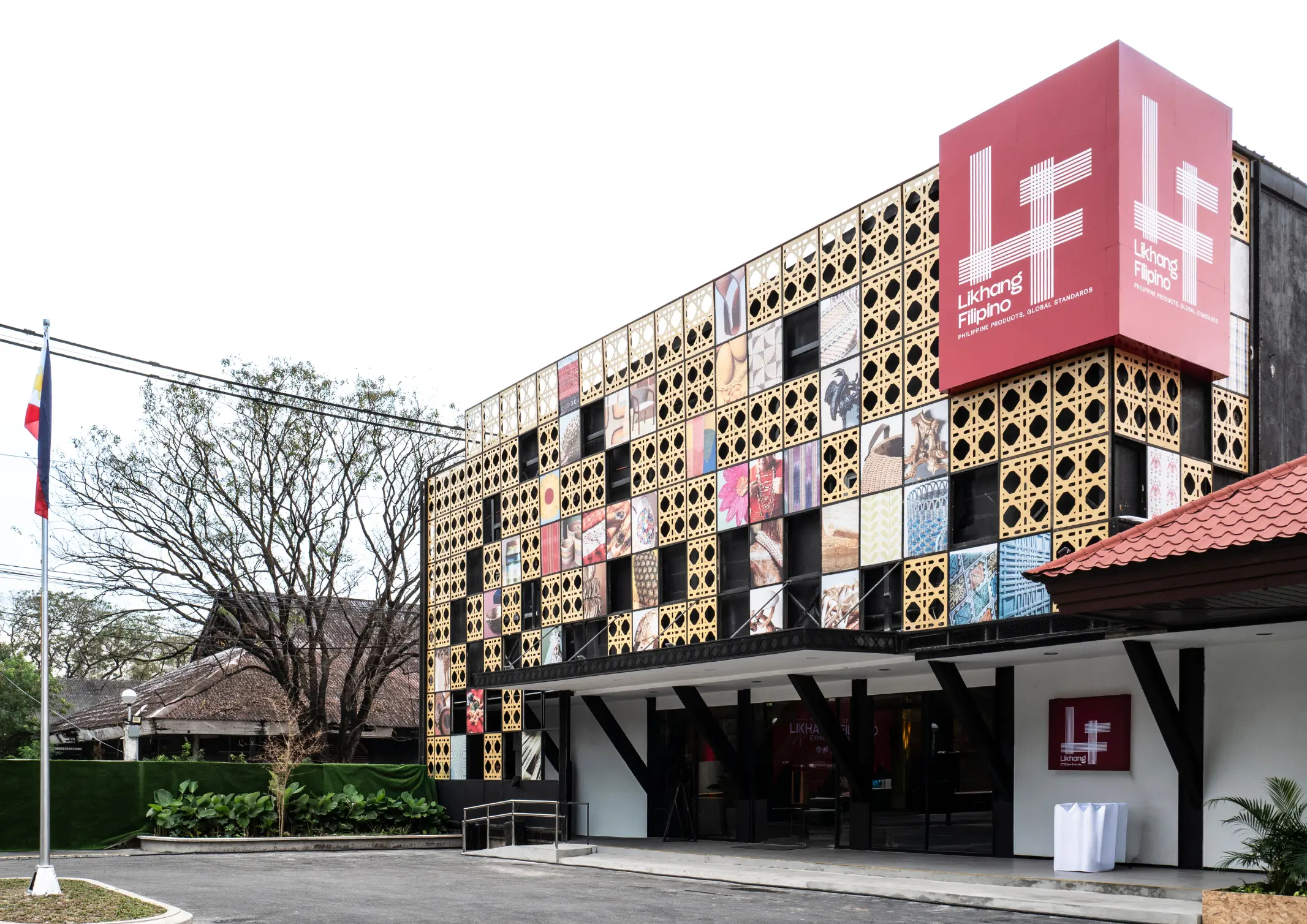
Likhang Filipino stands on the former site of the PhilTrade Center along Roxas Boulevard in Pasay City, a landmark that once symbolized the Philippines’ export ambitions and introduced Filipino craftsmanship to international audiences. Originally inaugurated in 1979, the PhilTrade Center was conceived as a national showcase for Philippine exports, with its longitudinal form and sloping […]
Read the issues.

Collect the volumes.

Recommended Video
Tap to Unmute
Unmute
0:00
0:00