Bigkis is the act of binding. In Tagalog, the word can refer to something used to bind or encircle, as well as a bundle formed by tying several separate elements together. Figuratively, it can also mean a bond, union, or unity. The meanings move from the physical act of joining things together to the connection […]
‘Manila Medley’: Putimbulak Finds Beauty in the Violence of the City



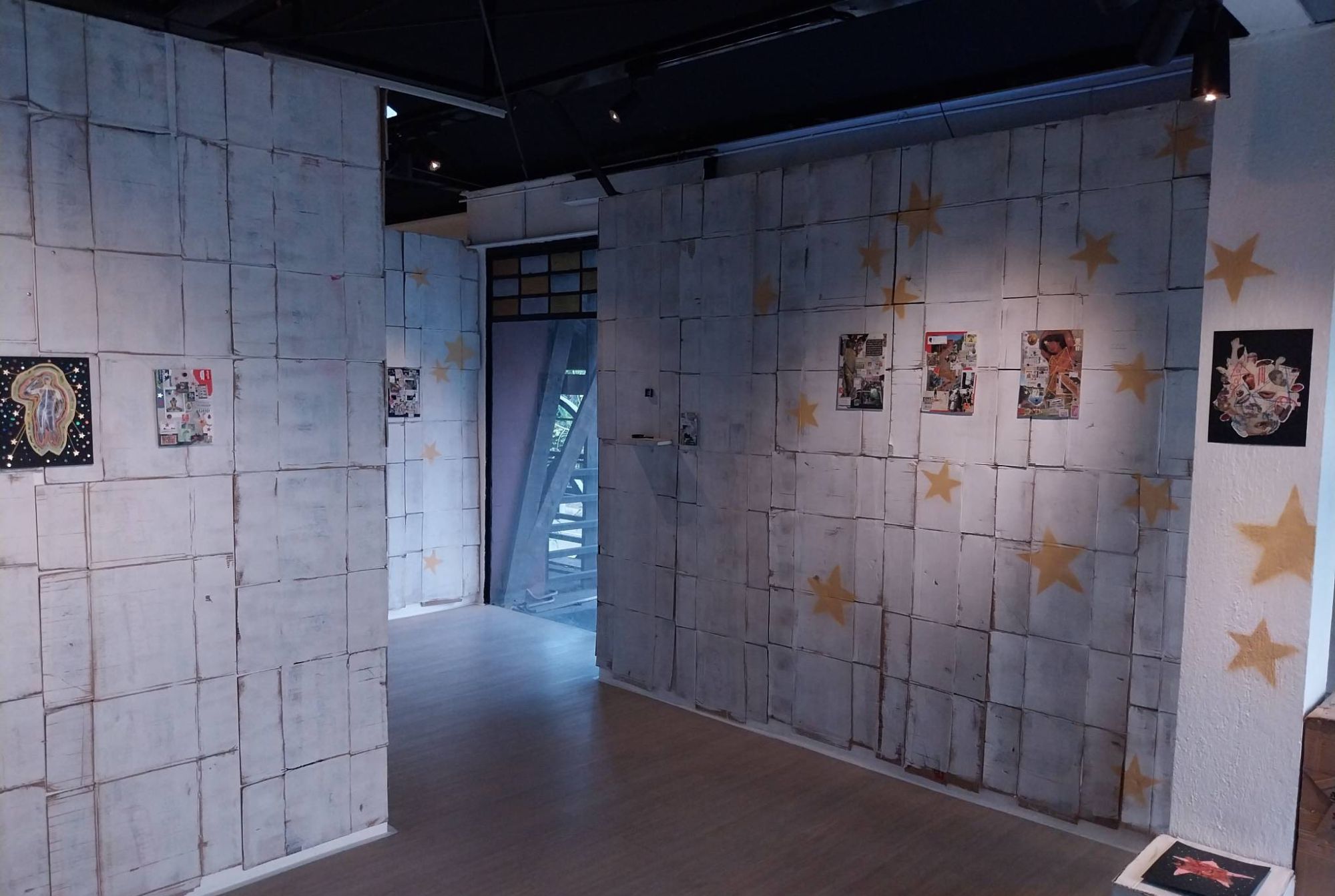
Manila Medley, exhibited at Gravity Art Space in collaboration with Satchel Project from February 21 to March 21, puts the experiences of artist Putimbulak center stage. The artist finds no veneer of shine to the city’s bright lights and grandeur, but instead highlights its underbelly, the chaotic environment that exists to keep the urban surroundings running.
“Despite being the country’s land of opportunities, it has been plagued with […] crime and pollution for so long,” E.M.V. Limbaga wrote in the exhibit write-up. “Finding beauty and silver linings amidst Manila madness is daunting, yet alluring to some.”
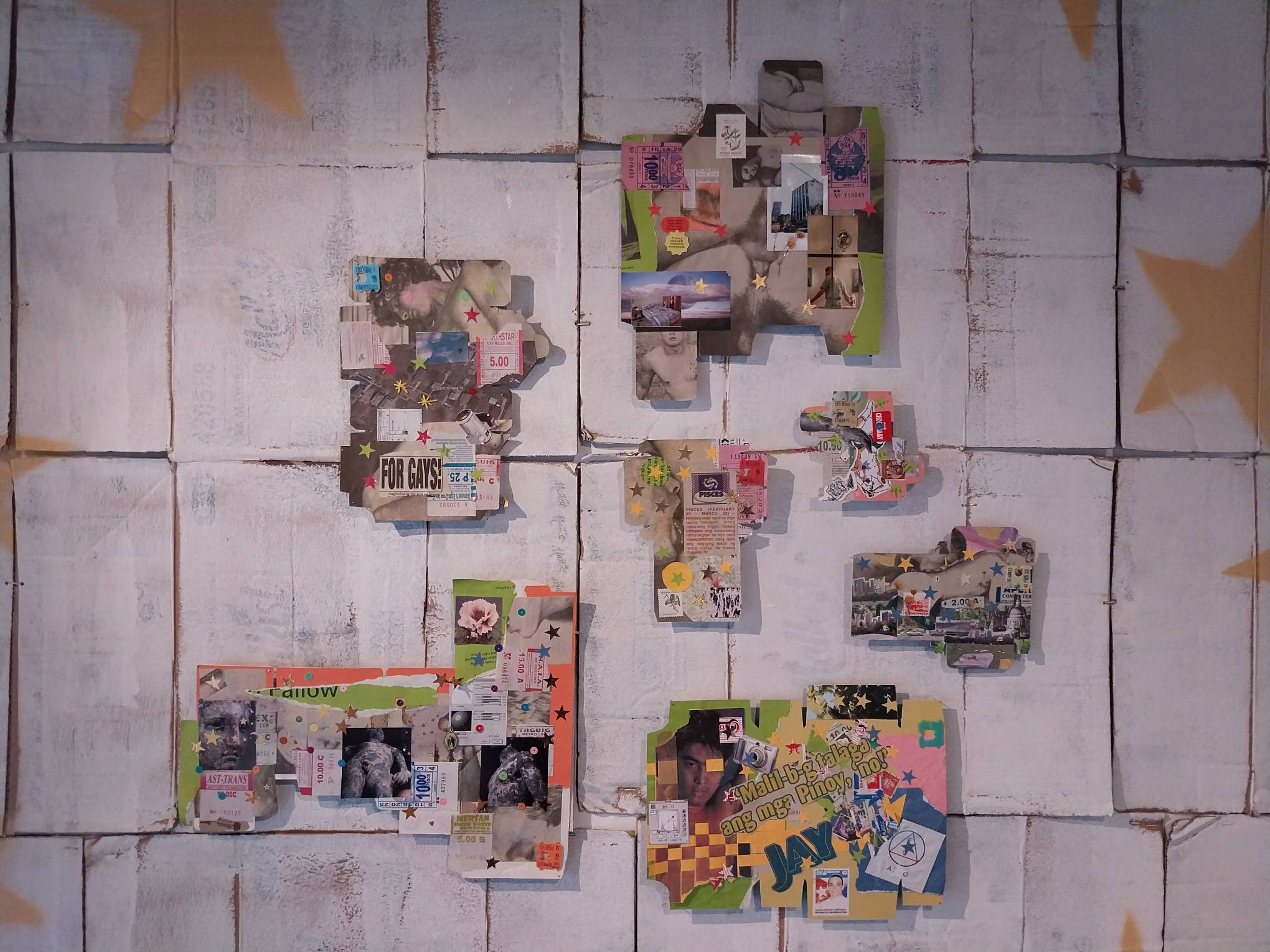
Here, Putimbulak found violence in every street corner of Manila through the hierarchical structures in the city that exist to marginalize specific groups. But beyond that, he also found a sense of harmony in that exploration, the vulnerability that exists in every act of violence, no matter how mundane.
There’s a sense of genuine appreciation of it by the artist, how this chaos can shape the way we see the intimacy of city life from this perspective— to “see the beauty in brutality.”
Evoking City Life
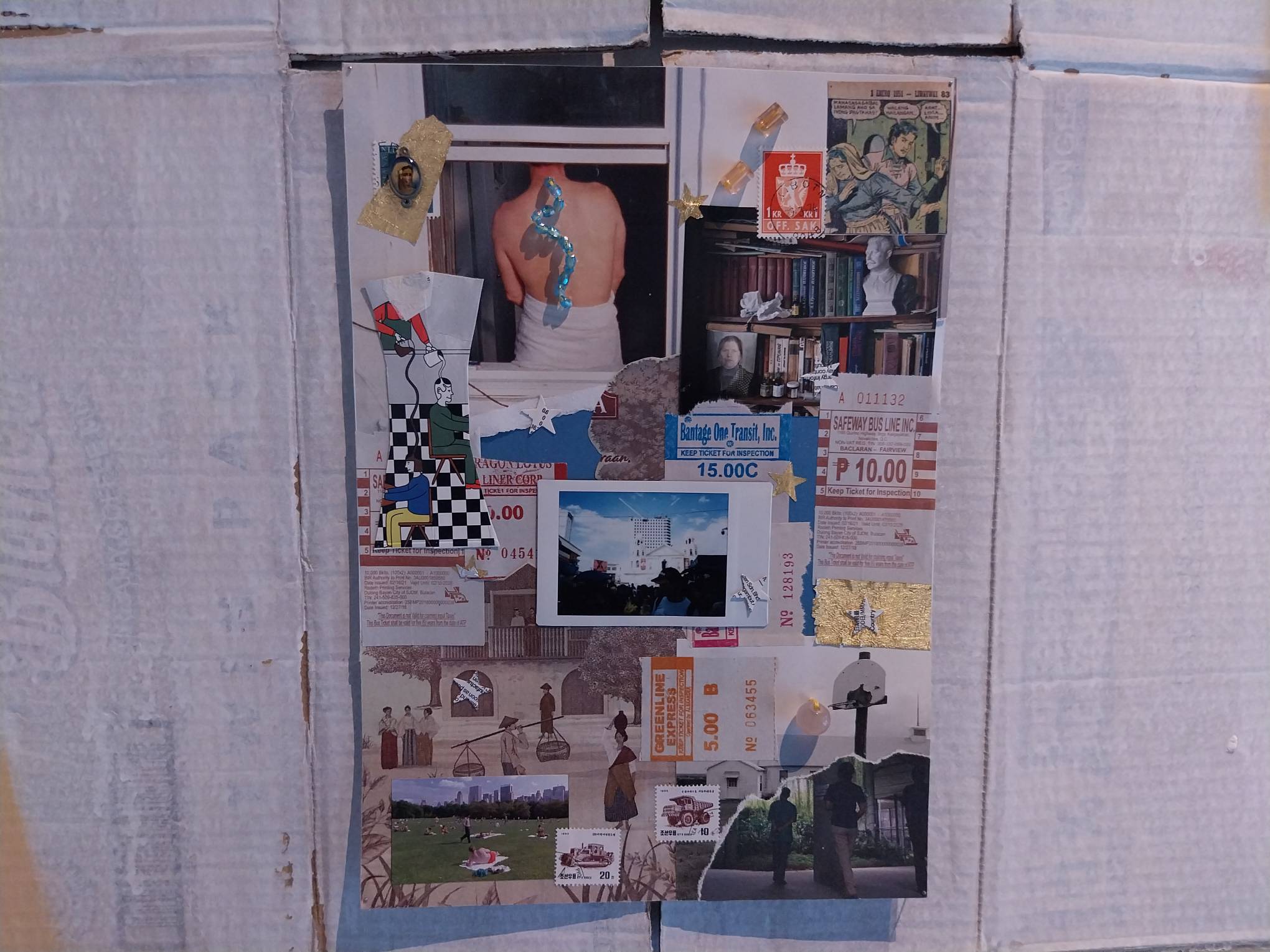
Manila Medley started as a habit by Putimbulak of taking bus tickets he found around the city. The act of taking the abandoned tickets from the bus windows and chairs felt therapeutic to the artist. From there, it moved towards a bigger idea, one that centered around the violence of marginalization that he both experienced and did to the world around him.
From the small acts of unlodging bus tickets from their perch, he extrapolated it to different actions. Violence as it pertains to hierarchical structures in our society became the theme that the exhibit revolved to.
And so, Manila Medley provides us with a repurposing of urban brutality through collage works, which the artist saw as a “a form of assault itself, by being neither delicate nor controllable,” which.
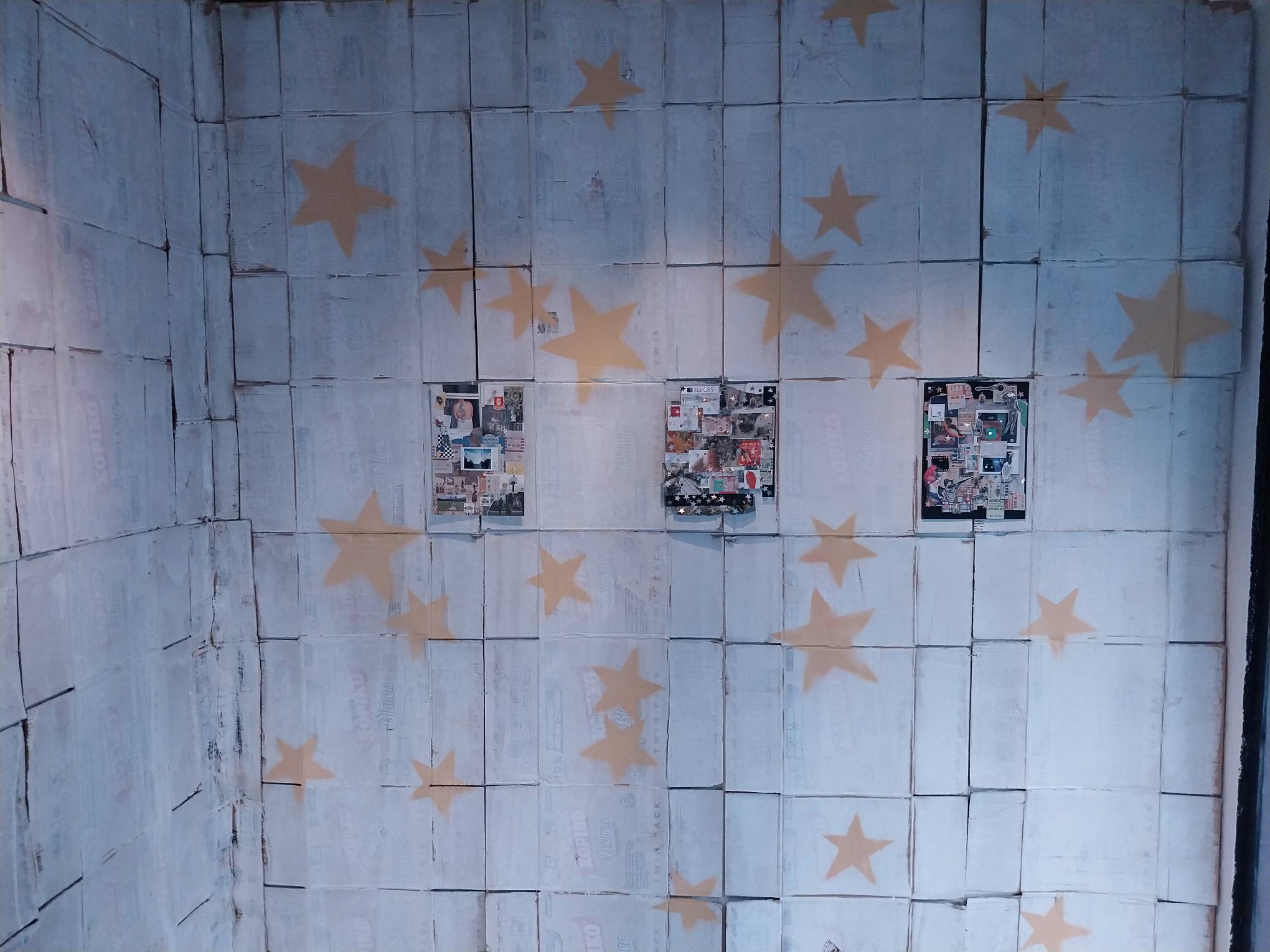
The exhibit space, for example, is filled with flattened cardboard boxes covering the walls from floor to ceiling. They’re painted a ghostly white with stars appearing in it. Though not the stated intent, the execution feels provocative and purposeful because it seems to mimic the walls that are built to cover up informal communities as the government tries to hide any trace of poverty.
What Do We See in the Shadows of the City?
The mixed-media collage work by Putimbulak functions as a repurposing of the city’s supposed-ugliness. It combines the pilfered bus tickets alongside religious trinkets, erotic pictures of men, computer pop-up windows, newspaper quote clippings, and other elements that meld together to showcase every negative vice and stereotype of city life.
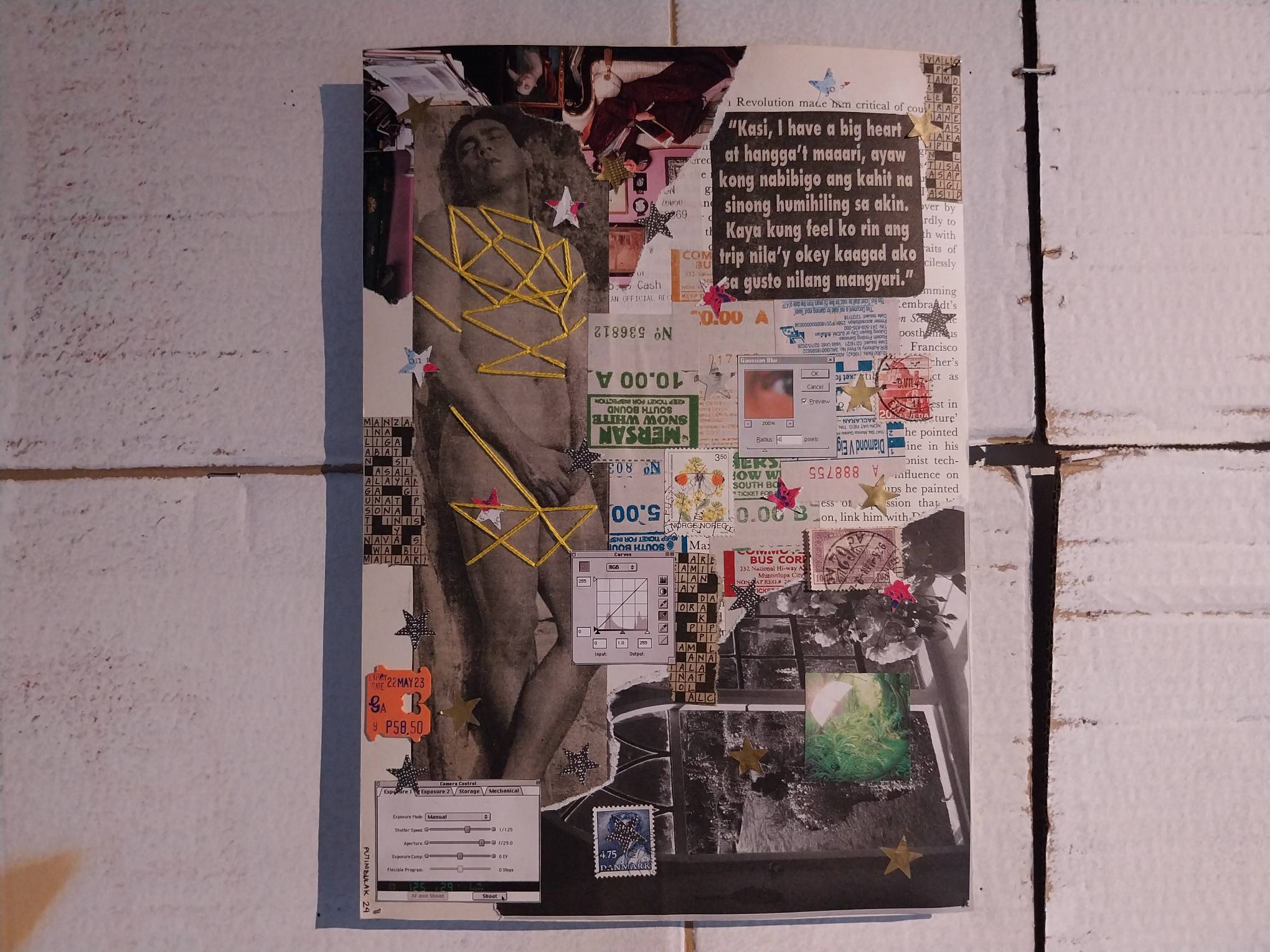
These are all aspects of the underbelly that many bemoan of city life, from the gay nightlife to the 24-hour computer shops filled with gamers and ne’er-do-wells.
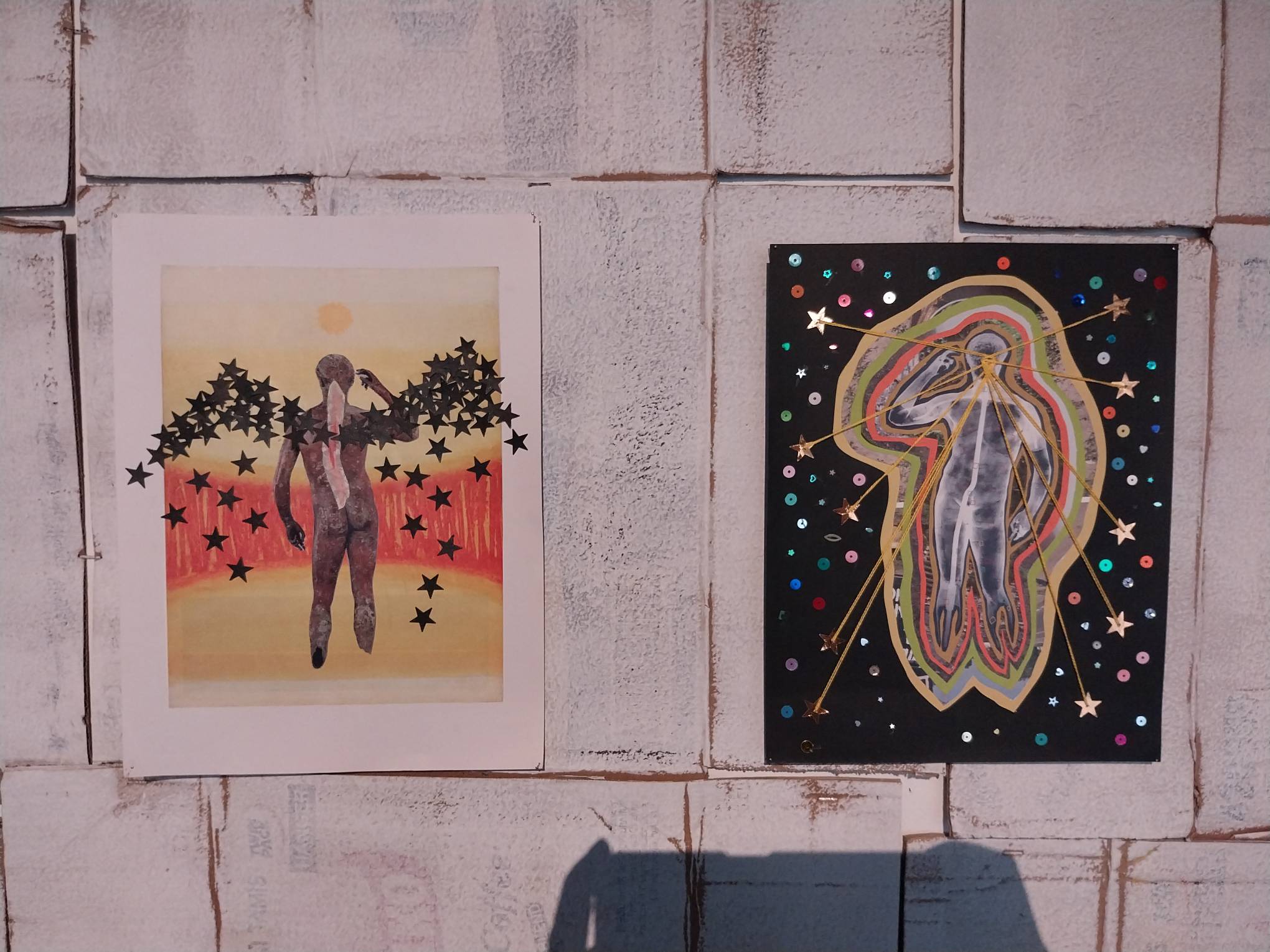
Altogether, these collages come together with their own internal logic of beauty that mixes campy gaudiness and early-2000s Internet culture with a kind of photocopier punk-show poster logic that assembles the different elements by cutting and pasting them together on a piece of paper.
Looking for Community
But not only do they exist, but they are a repudiation of the status of marginalization. They serve the community in their own ways, as outlets of creativity, frustration, and function. More than that, as subcultures, they provide a sense of freedom to the otherwise regimented and stilted living conditions of the city—a way for humans to keep their humanity while they work and live in such cramped conditions.
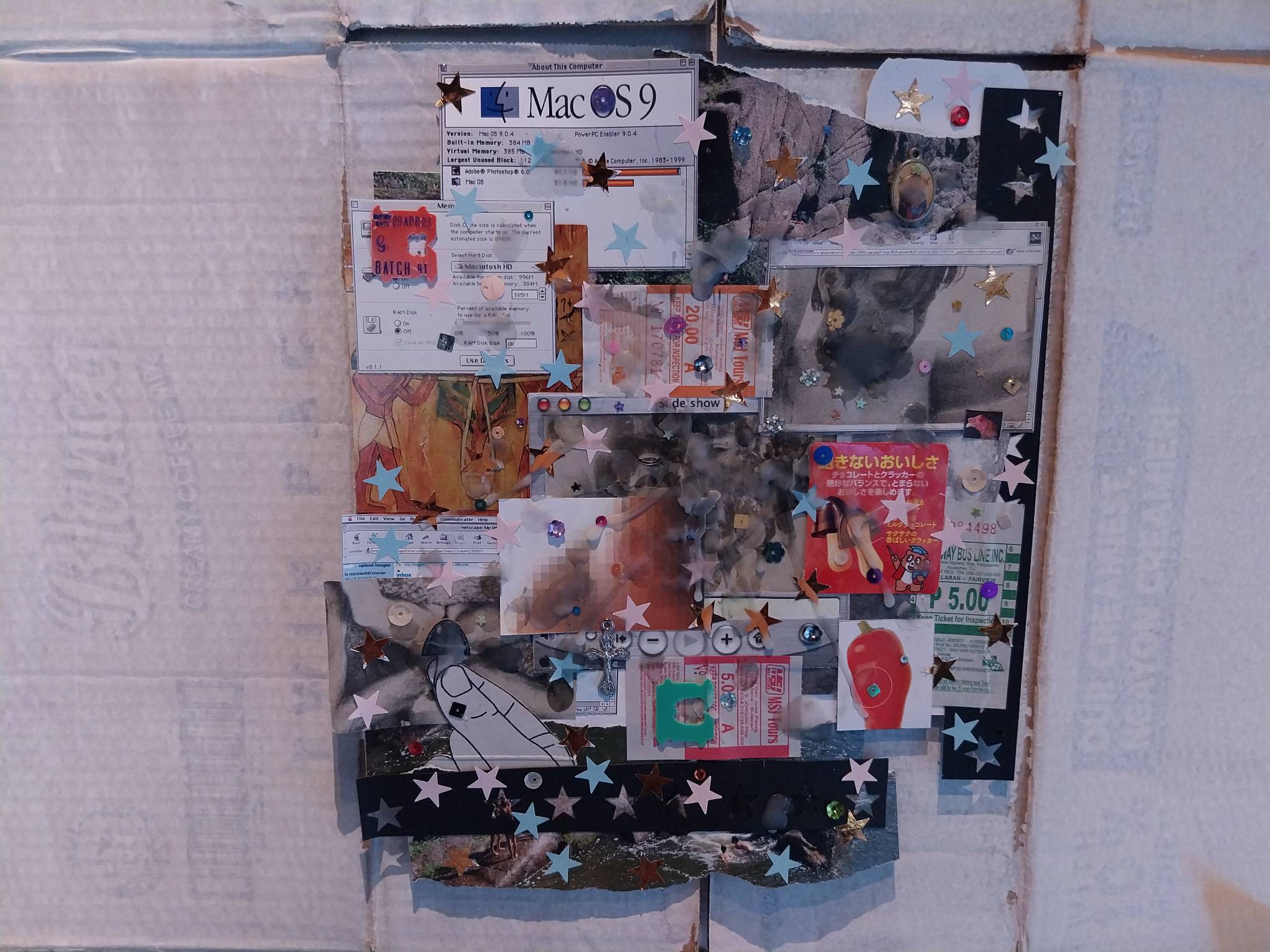
“At the same time, the symphonic element of every aspect adds tenderness,” Limbaga wrote. “The harmony created by the various images and themes selected by Putimbulak acts like a recollection of Manila, as if we are traversing the metro as he sees it. By willingly surrendering himself to Manila’s violence, grime, and shamelessness, Putimbulak has created works that eclectically mirror those qualities.”
The Harmony of the Disempowered
Manila Medley is described as finding “beauty in brutality.” But it also works as a way of freeing the mind to the possibilities that beauty can exist in more than one dimension of standards. Maybe the things that moralists claim spoils society can also be a home for the rejected and disenfranchised.
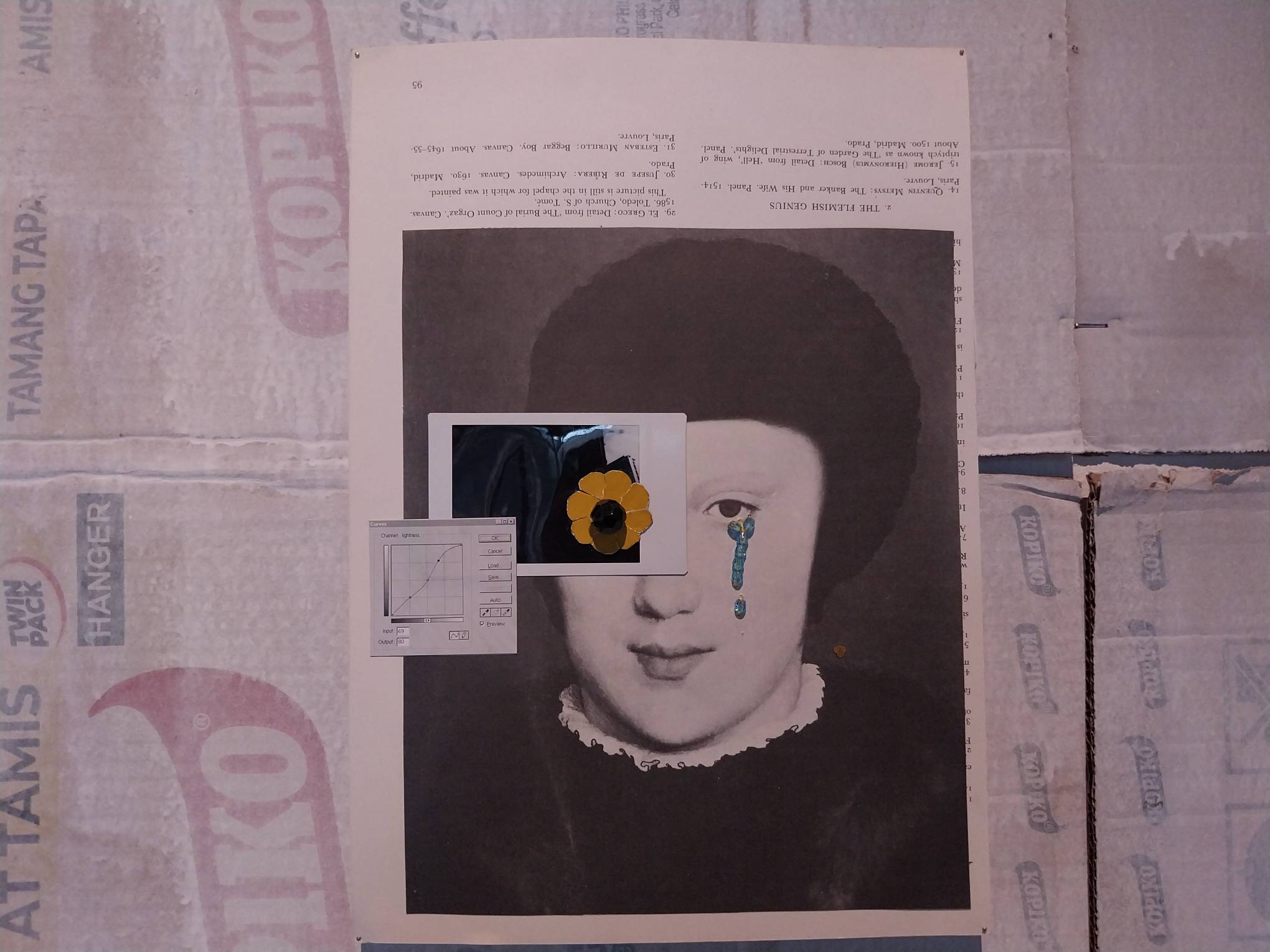
These things have their own kind of allure and beauty, and this exhibit redefines the shadows in a way that accommodates those shunned by society.
Photos by Elle Yap.
Related reading: Gravity Art Space’s Artist Talks Demystify the Creative Process
Frequently Asked Questions
The exhibit explores the parallel relationship between beauty and urban brutality within the chaotic environment of Manila. Rather than focusing on the city’s grandeur, Putimbulak highlights its “underbelly”—the marginalized subcultures, pollution, and systemic violence that keep the urban engine running. By finding harmony in this madness, the artist invites viewers to redefine their standards of beauty and recognize the intimacy found in the city’s most mundane or shunned corners.
The artist utilizes found materials to ground his work in the reality of city life, starting with a therapeutic habit of collecting abandoned bus tickets. For the exhibit space, he covered the walls from floor to ceiling with flattened, white-painted cardboard boxes. This choice serves as a provocative commentary on the physical walls often erected by authorities to hide informal communities, effectively repurposing urban “trash” into a powerful medium for social critique.
Putimbulak views collage as a form of assault because the medium is neither delicate nor fully controllable, mirroring the rough nature of Manila itself. His mixed-media pieces combine religious trinkets, erotic imagery, computer pop-up windows, and newspaper clippings to reflect the city’s vices and stereotypes. This “photocopier punk” logic allows him to assemble disparate elements into an eclectic mirror of urban grime, creating a new, internal logic of beauty.
The collection celebrates the “un-lodged” aspects of city life, from gay nightlife to 24-hour computer shops, viewing them as vital outlets for creativity and freedom. These subcultures represent a repudiation of marginalization, providing a way for residents to maintain their humanity within cramped and regimented living conditions. By showcasing these themes, Putimbulak suggests that the very things moralists claim spoil society actually offer a sanctuary for the rejected and disenfranchised.
The exhibition challenges traditional standards by arguing that beauty can exist in “more than one dimension,” specifically within the “symphonic” chaos of the disempowered. Through the harmonious arrangement of various gritty images, Putimbulak creates a “tender” recollection of the metro as he sees it. Ultimately, the work encourages a surrender to the city’s shamelessness, finding an alluring silver lining in the very brutality that defines the modern Manila experience.
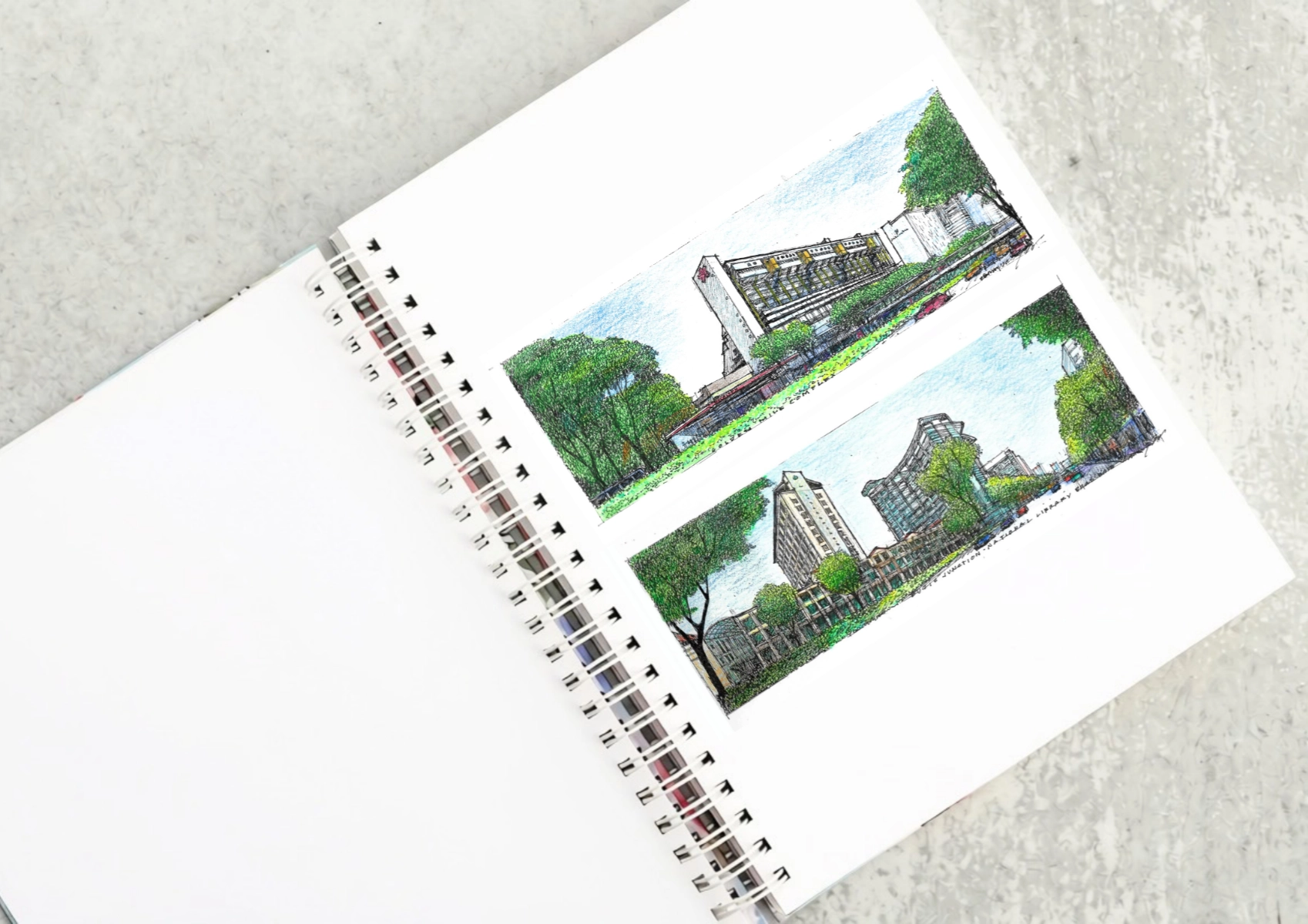
Two sketches of Singapore connect BluPrint Editor in Chief Paulo G. Alcazaren’s personal and professional history with Shared Ground: ArchitectureArchitectureThe art and science of designing and constructing buildings, structures, and spaces that are functional, safe, and aesthetically pleasing. It encompasses the planning, design, materials, and techniques used to createGo to Architecture Glossary of Care, Culture, […]
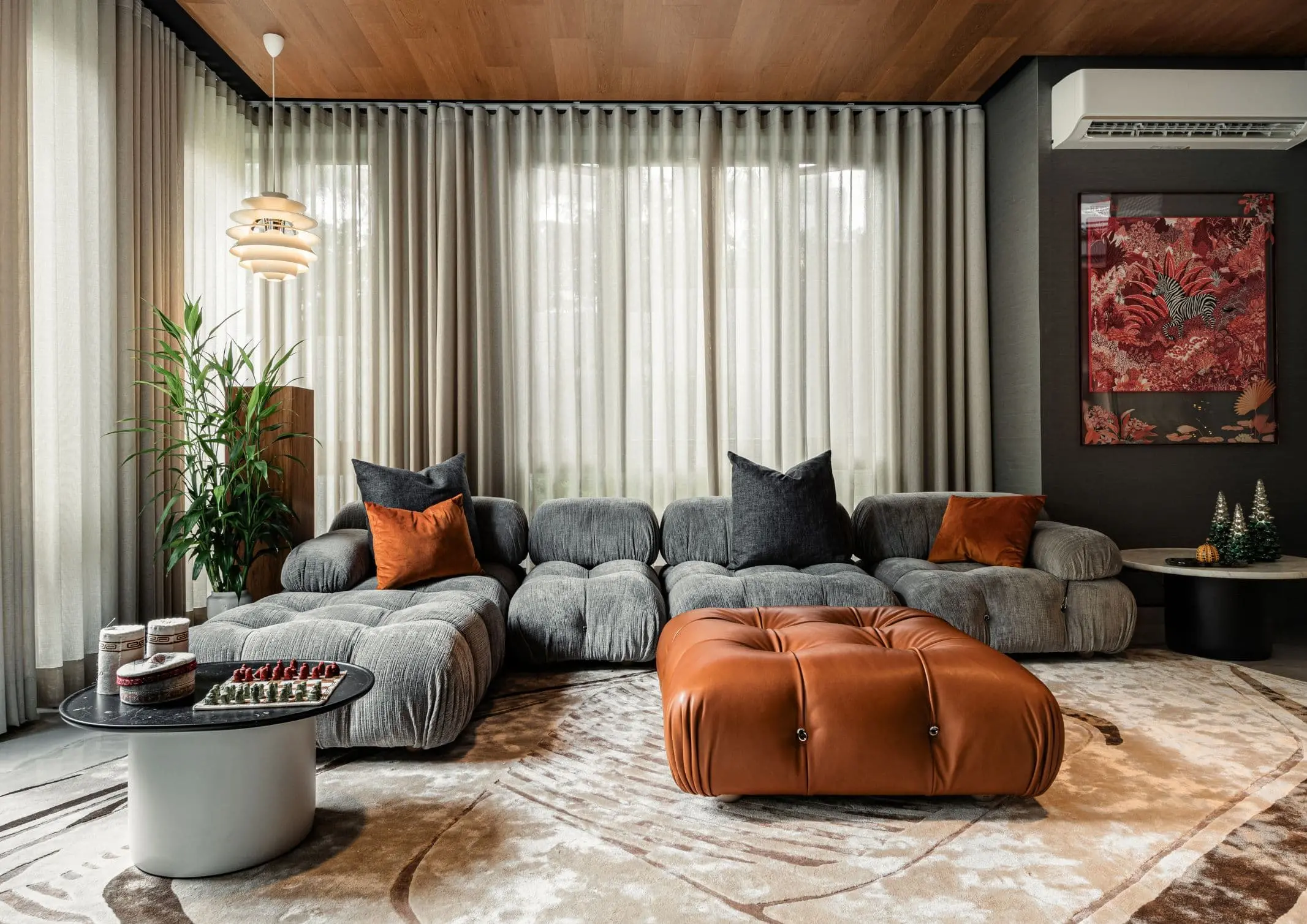
Some have become household names – Coleman, Oster, and KitchenAid – products that have found their way into Filipino kitchens, homes and family routines. In home furnishings, brands such as B&B Italia, Ethan Allen, Sub-Zero, Miele, SieMatic, Louis Poulsen, Hunter Douglas, Tempur, and Technogym, have helped shape the way Filipinos live. From everyday essentials to […]
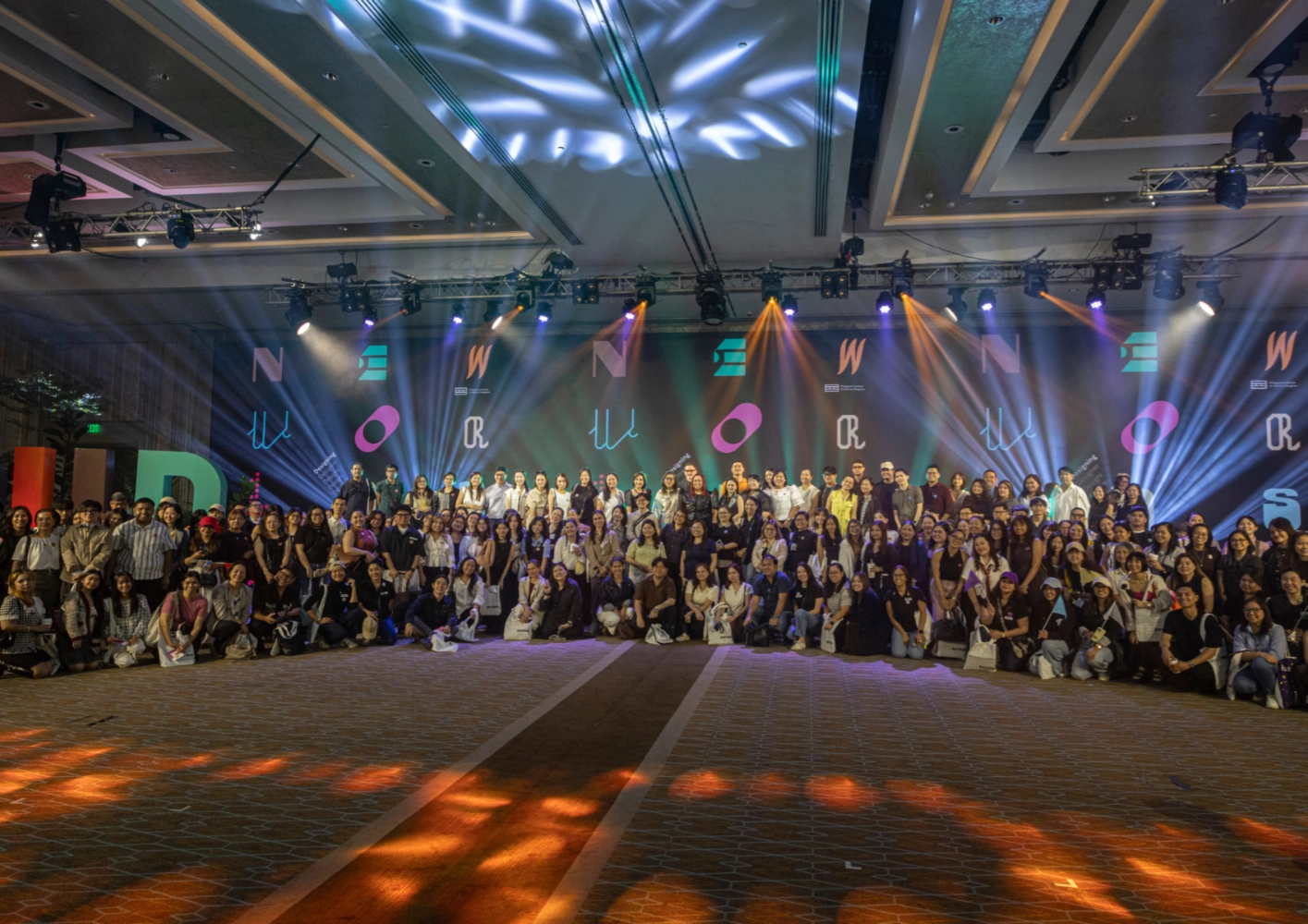
In a way, designers are the modern-day soothsayers and prophets. They design for the future, predicting how a room, a house, a building or a whole city will be used by people. They foresee how users will interact with a space, conjure exact shades of colors to elicit specific behavior and arrange furniture to build […]
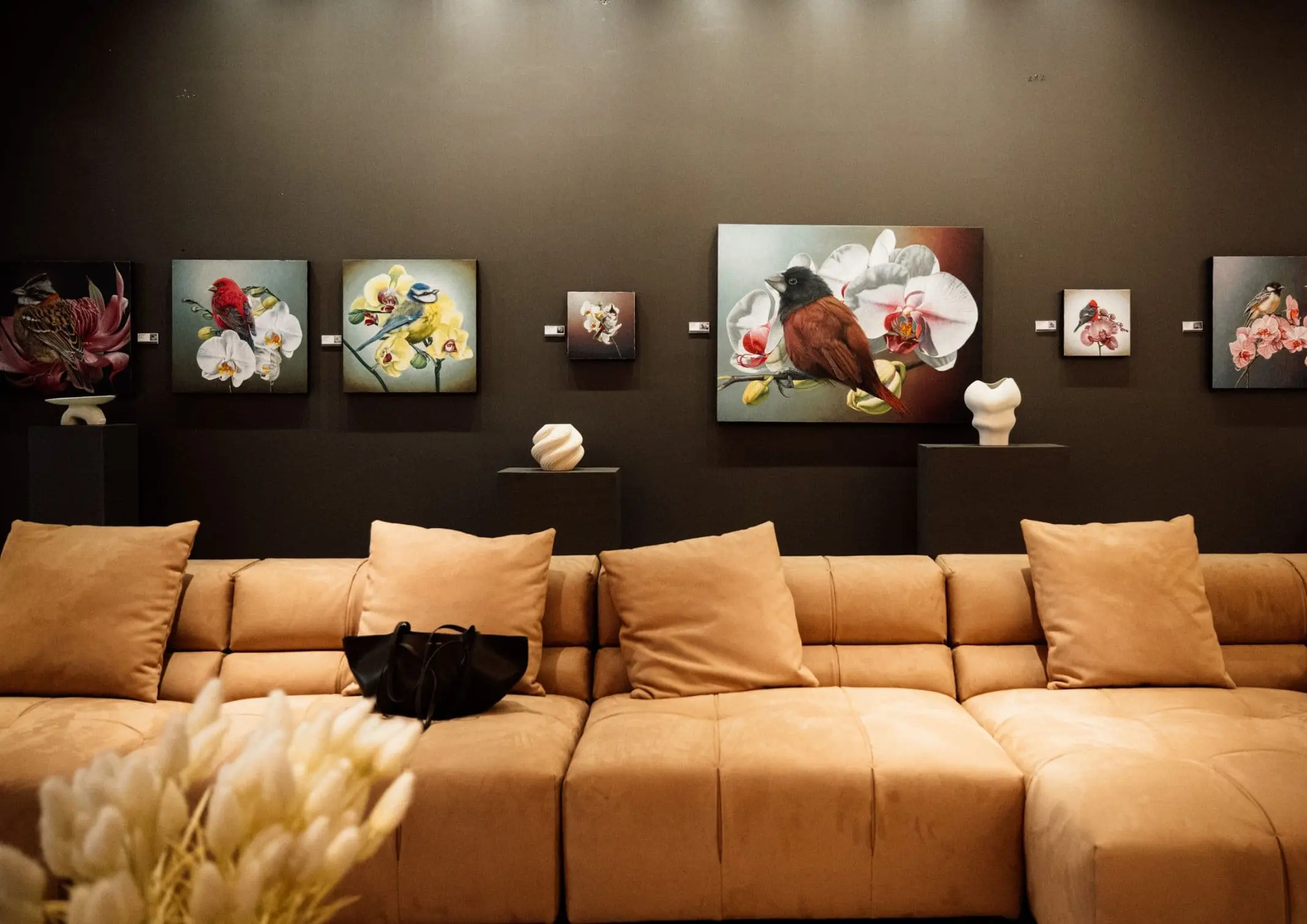
Art and furniture are often selected separately, yet their relationship can shape how a room looks and feels. The collaboration between Hooga and Galerie Joaquin explores how these elements can work together, bringing contemporary artworks into furnished residential settings at Hooga’s showroom in Uptown Mall, Bonifacio Global City. For Hooga, which curates furniture, lighting, and […]
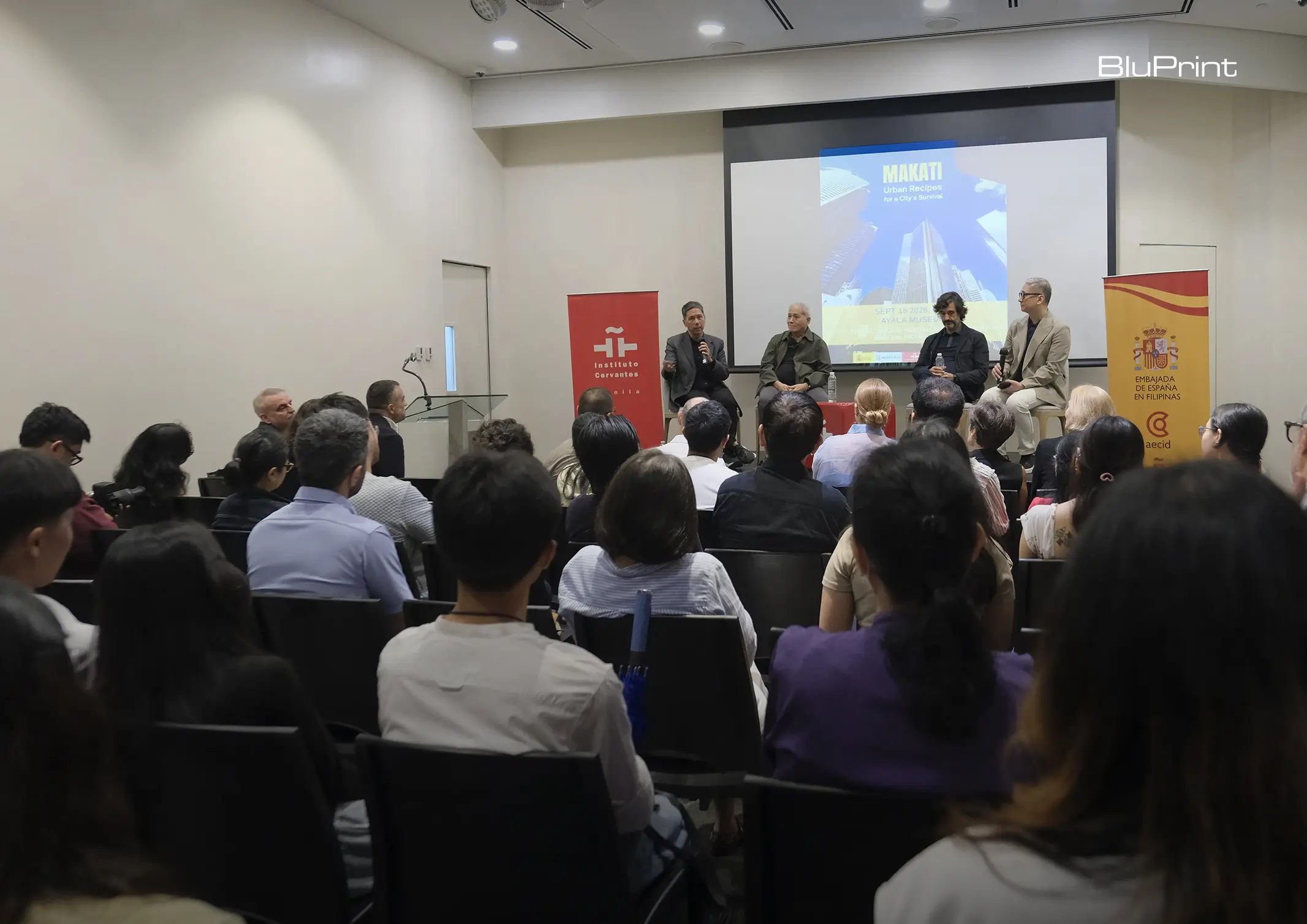
How can better-planned cities create the conditions for more creative, livable, and resilient urban environments? “Makati Urban Recipes for a City’s Survival,” a colloquium held at the Ayala Museum on September 15, brought together architects and practitioners from the fields of urbanism and the creative economy to discuss how design, planning, and collaboration can address […]
Read the issues.

Collect the volumes.

Recommended Video
Tap to Unmute
Unmute
0:00
0:00