Bigkis is the act of binding. In Tagalog, the word can refer to something used to bind or encircle, as well as a bundle formed by tying several separate elements together. Figuratively, it can also mean a bond, union, or unity. The meanings move from the physical act of joining things together to the connection […]
‘reNOWn x Isabel Reyes Santos’ Melds the Culinary with Contemporary Art



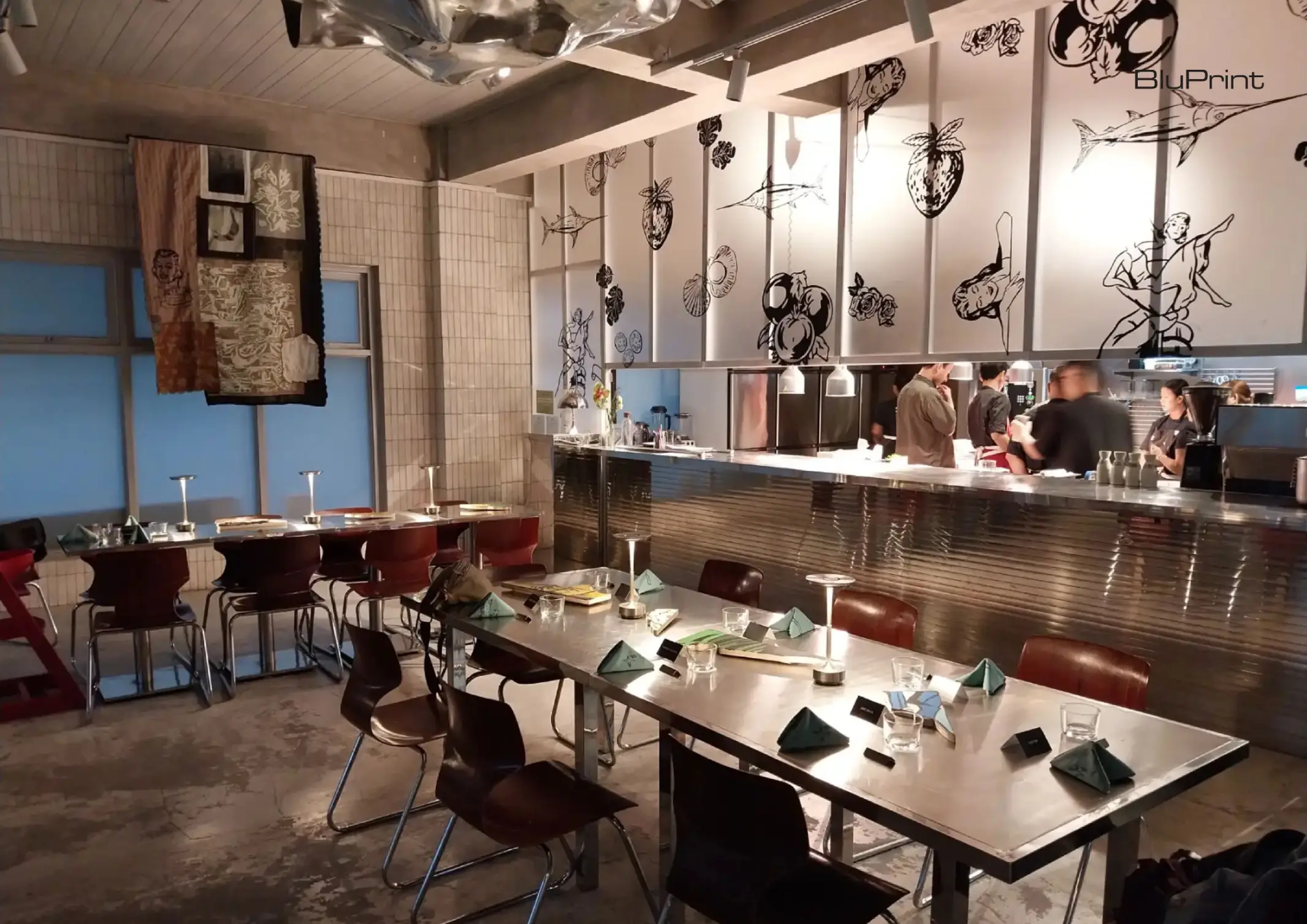
Now Now Canteen is seeking to challenge the way we perceive food and art, uniting them in their new artist residency program. For their inaugural exhibit-slash-degustation, reNOWn x Isabel Reyes Santos utilizes the artistic style and culinary taste of the aforementioned artist for a unique seven-course dining experience.
The idea was conceptualized as a way of making the implicit connections between fine art and fine dining explicit. reNOWn as an artist residency would give an artist full access to the kitchen and staff as they plan a menu that fully represents the artists and their work.
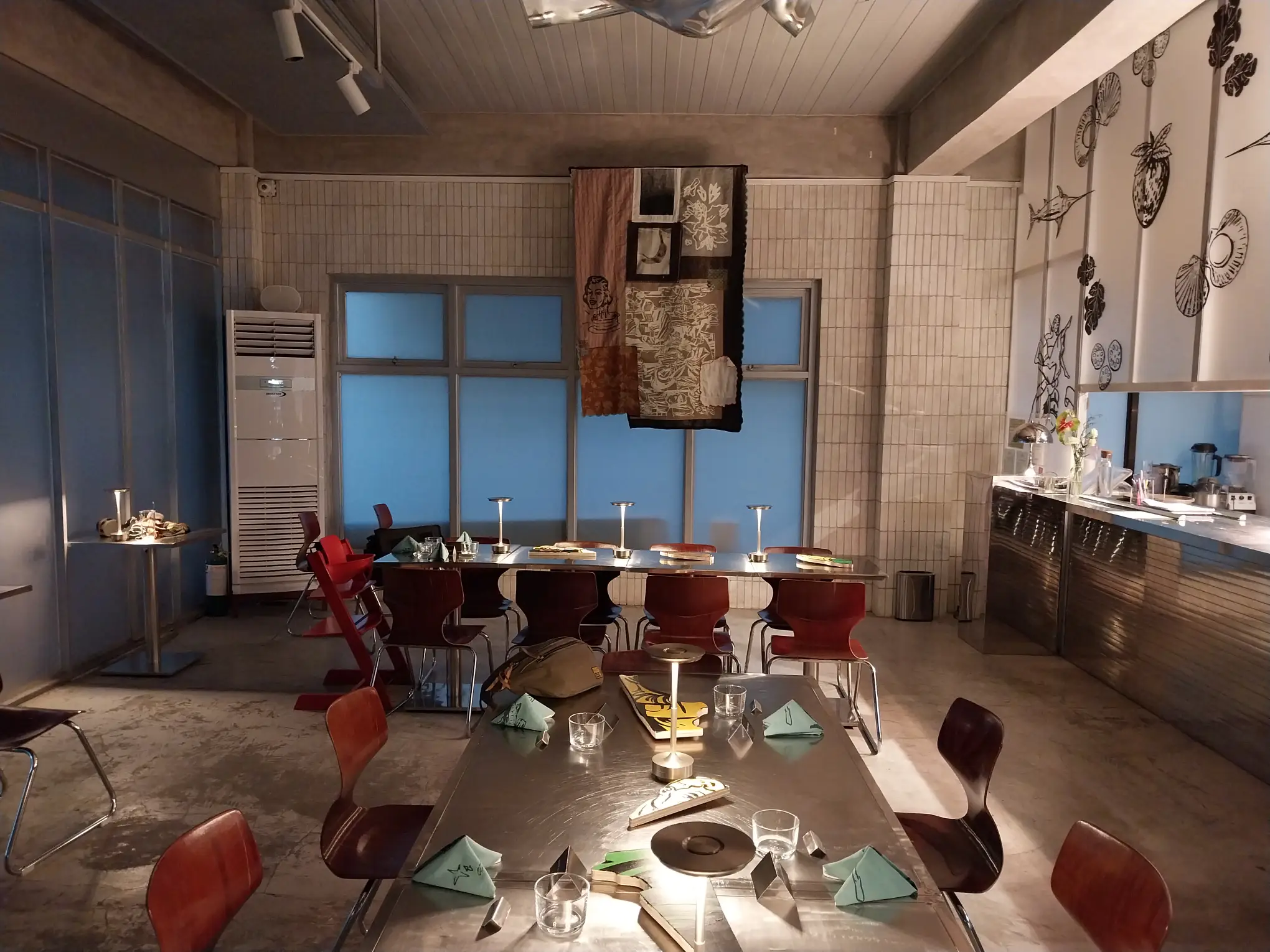
Now Now Canteen’s co-founder Bryan Kong assembled a curatorial team for reNOWn, led by artist Patrick de Veyra and which includes Kong, Zoilo “Chino” Recto, and Now Now’s CEO and co-founder Maxine Kong. de Veyra said that reNOWn reflects Now Now’s “art-forward DNA” and sensibilities, functioning as an exploration of both fields to bring out something inventive and fresh forward.
“We feel that when you bring together art forms, or disciplines that are seemingly, distantly related, something energizing happens,” he said. “And that’s why for reNOWn, the simple idea is that the work of the artist—meaning to say, the body of work of Isabel [Santos], the visual language, the aesthetic sensibility, the conceptual framework—everything that defines her work would be the core of the food.”
Meeting Culinary and Artistic Minds
The choice of Isabel Reyes Santos as the first reNOWn was justified by de Veyra due to her extensive history of combining art with other fields and mediums. Among her collaborations, she won the 15th UT Grand Prix, described as “a global design competition presented by Uniqlo in collaboration with the Museum of Modern Art in New York City.”
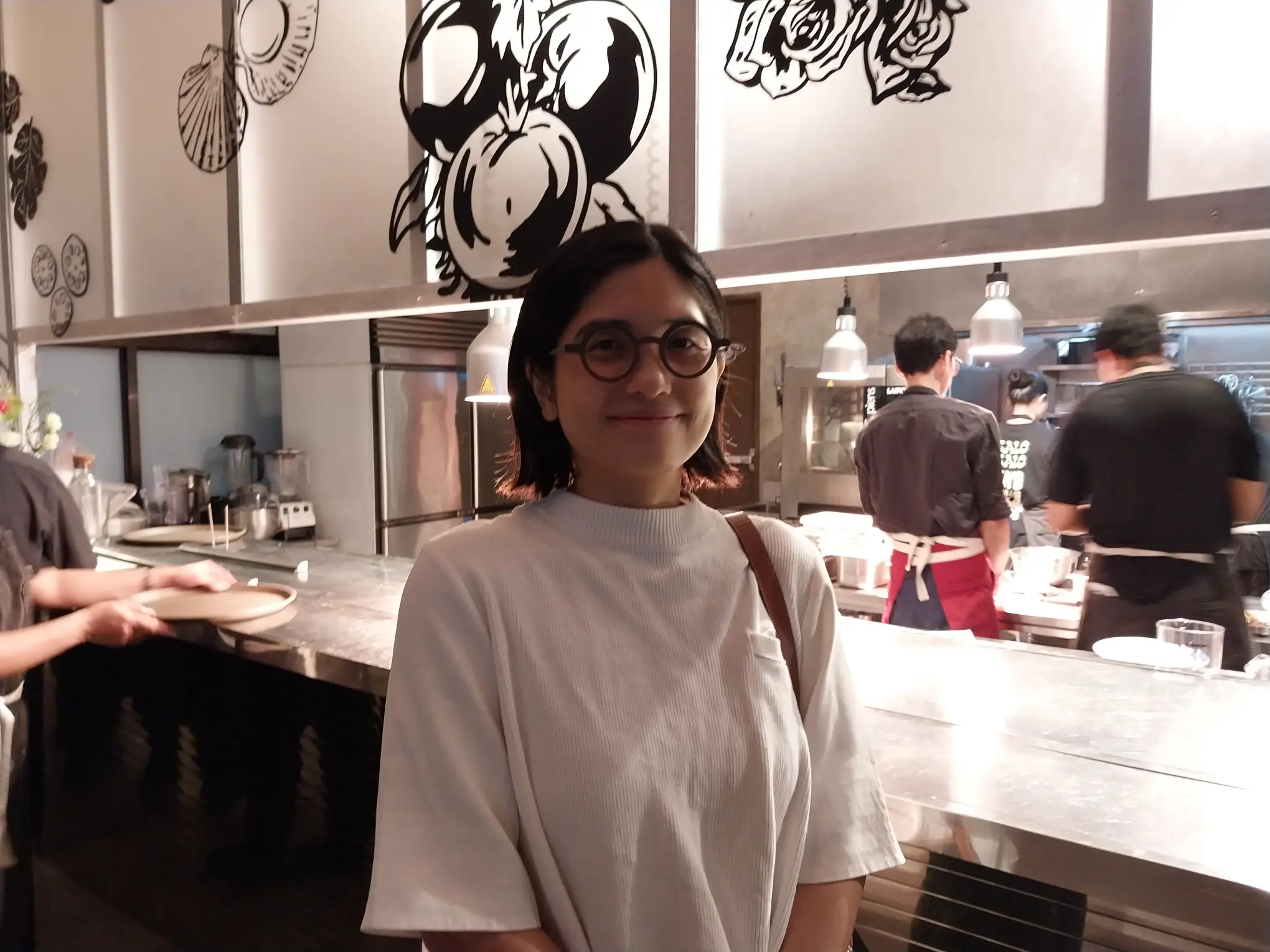
“We chose Isabel as our first artist for reNOWn because of how her body of work has been defined by a lot of collaborative projects,” he said. “She’s one artist who enjoys crossing those creative barriers. We felt that we could start with someone who likes collaborating since this is a collab between two disparate art forms.”
On her part, Santos said that she was attracted to the artist residency due to the combination of two mediums in the process. “Hindi ako nakapag-aral formally ng art, so I want to look at other mediums,” she said. “Nag-e-explore ako ng ibang mediums recently like [fabrics]. And now, na-curious ako [about] how they can interpret myself and my artwork through food.”
Collaborative Efforts
Isabel Reyes Santos spent months with the gastronomy team, led by chef Kelvin Pundavela, to figure out how to reflect her artistry to a food-slash-degustation experience. She describes her art style as a reconstruction of Old Hollywood and Western pop culture iconography, fragmenting and dissociating them enough from the image to create “something uncanny.”
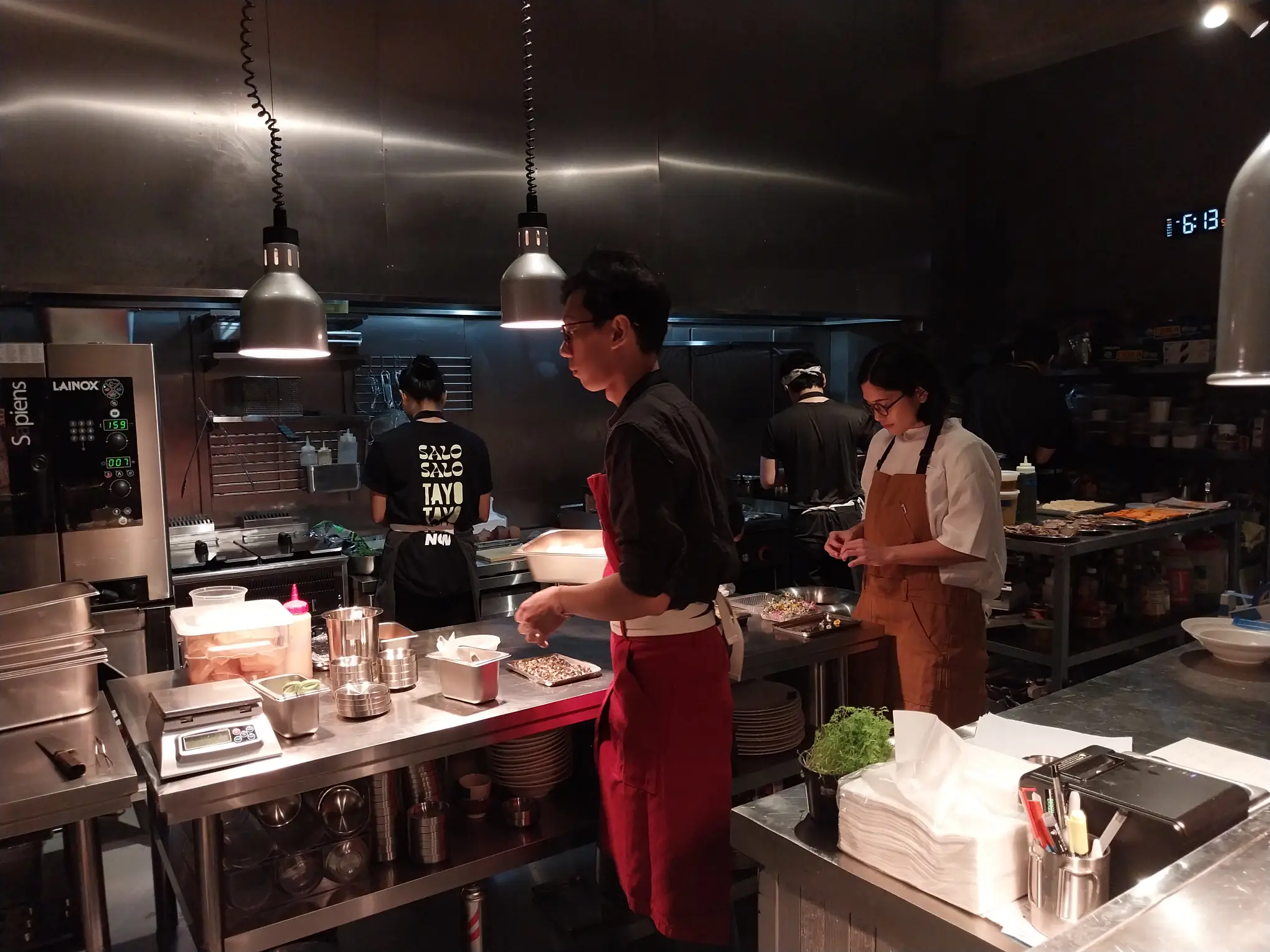
The team, which also includes Now Now Executive Chef Mateusz Łuczaj, Executive Pastry Chef Lisane Łuczaj, and sous chef Keona Liuson, worked to incorporate that fragmentation to the menu. They also ended up utilizing some of the artist’s own personal tastes to the choices.
“It’s not just my artwork kasi, [Kelvin] asked about my preferences on food,” she said, describing the menu. “So minsan, hindi siya super overly obvious yung connection sa art pero part din ng personality ko.”
The Culinary Experience
reNOWn x Isabel Reyes Santos provides interested parties with a creative mix of Now Now Canteen’s signature fermentation-first approach to a menu filled with Italian and Japanese elements—a preference of the artist.
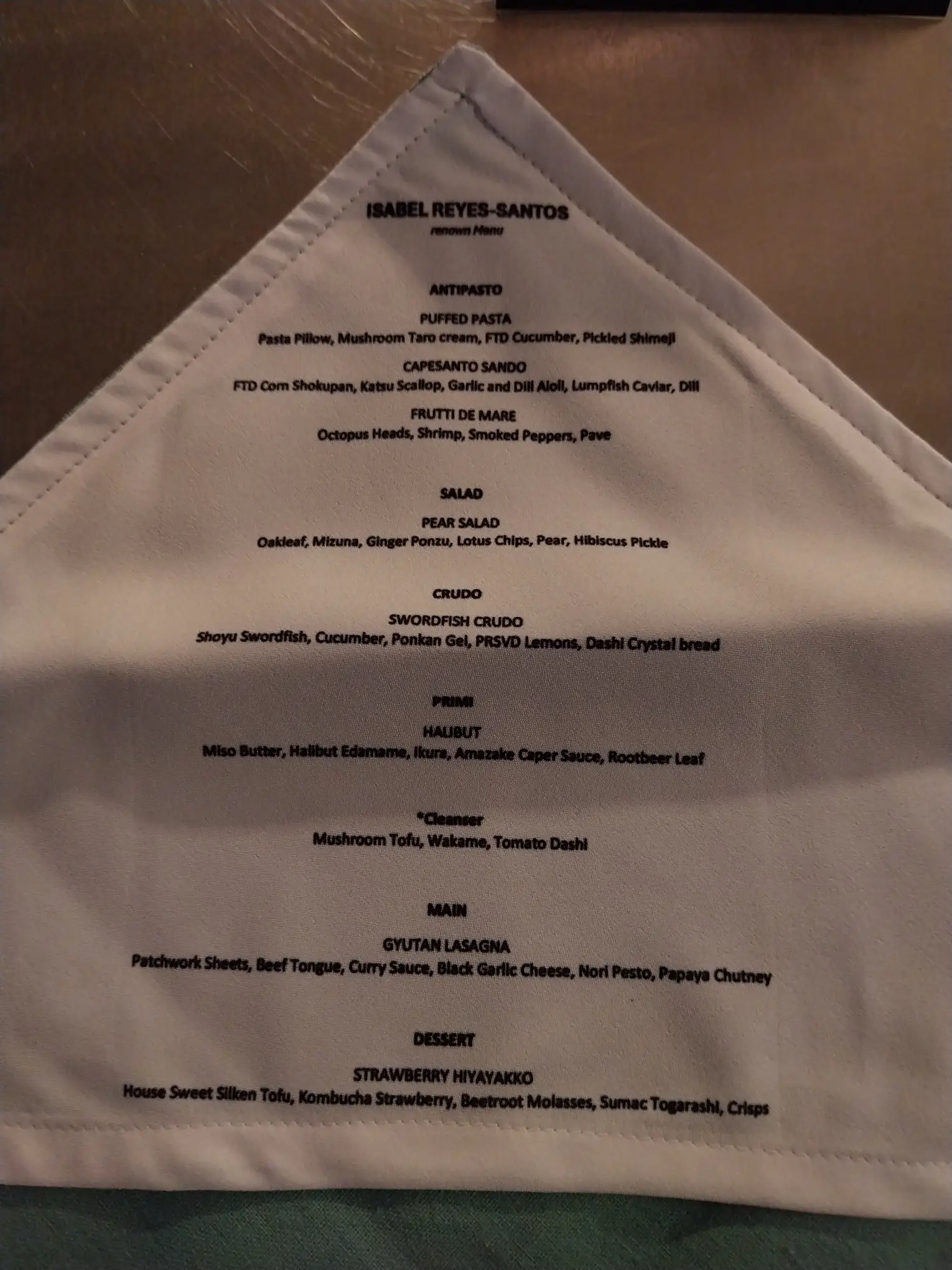
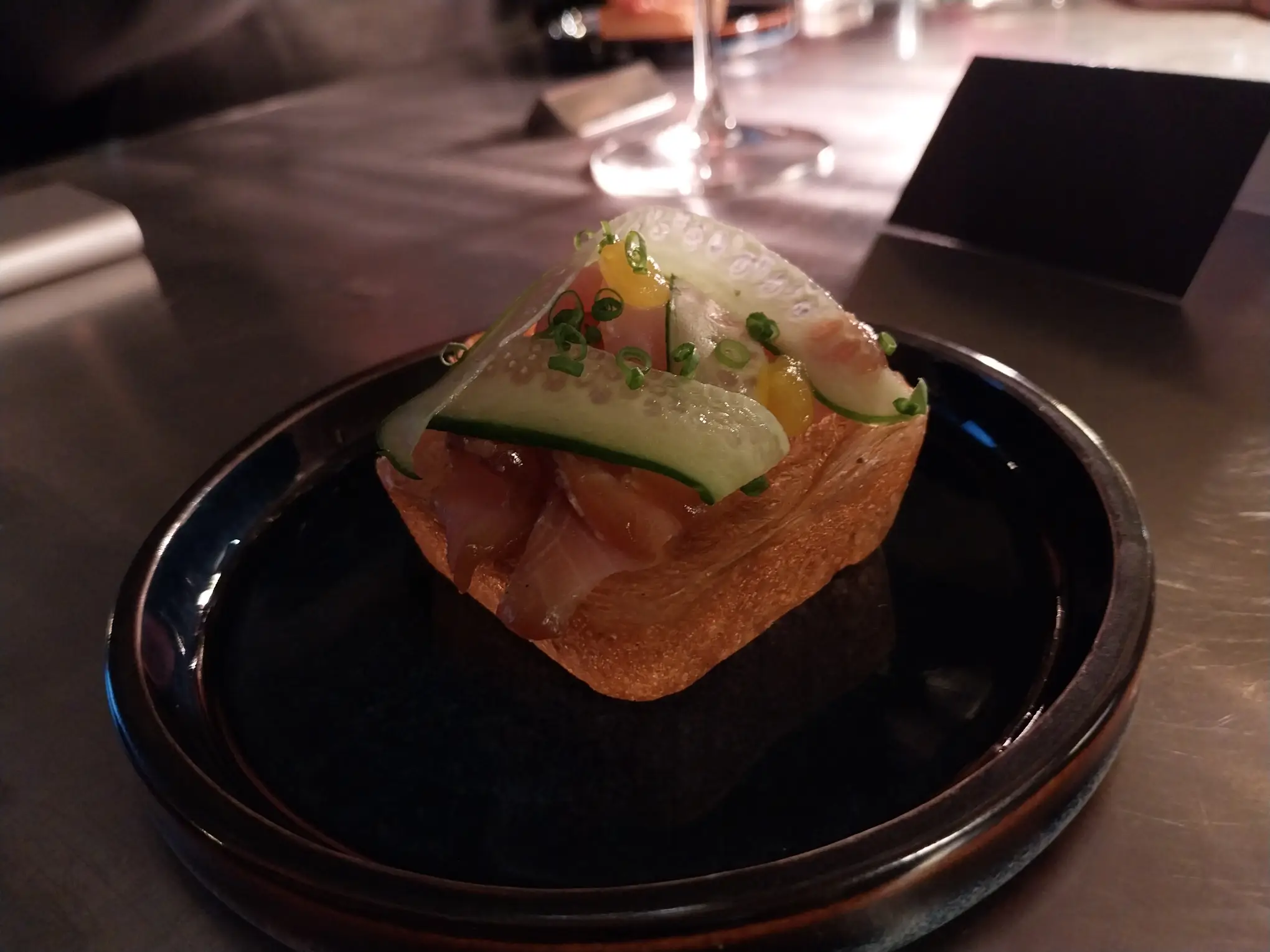
Because of the way Santos utilizes fragmentation in her artwork, the dishes are also partially deconstructed. This ideal manifests itself in different ways throughout the degustation. The crudo portion of the meal, for example, utilizes shoyu swordfish and dashi crystal bread with a semi-transparent quality. This shows off all the ingredients used without fully separating them from each other.
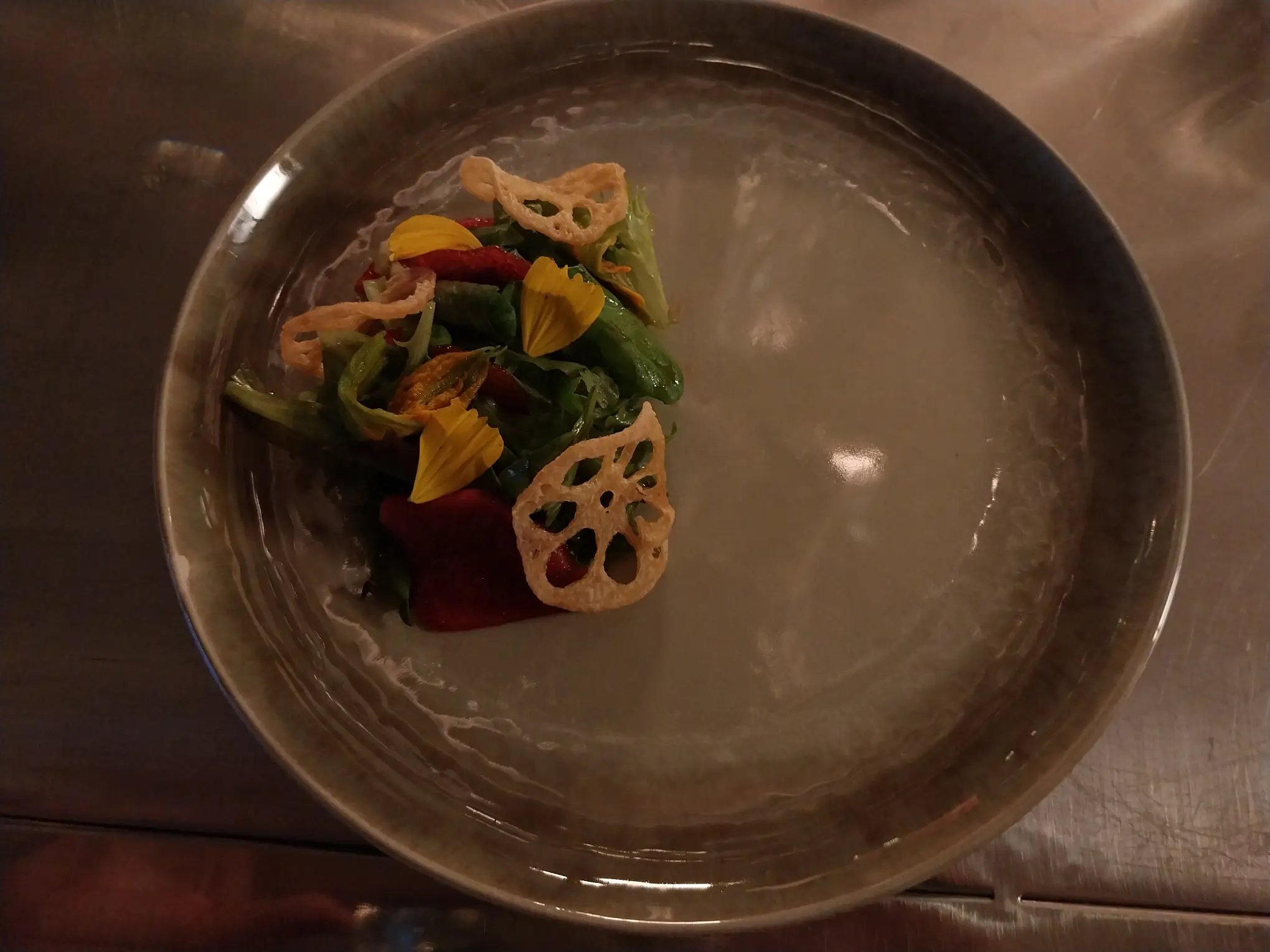
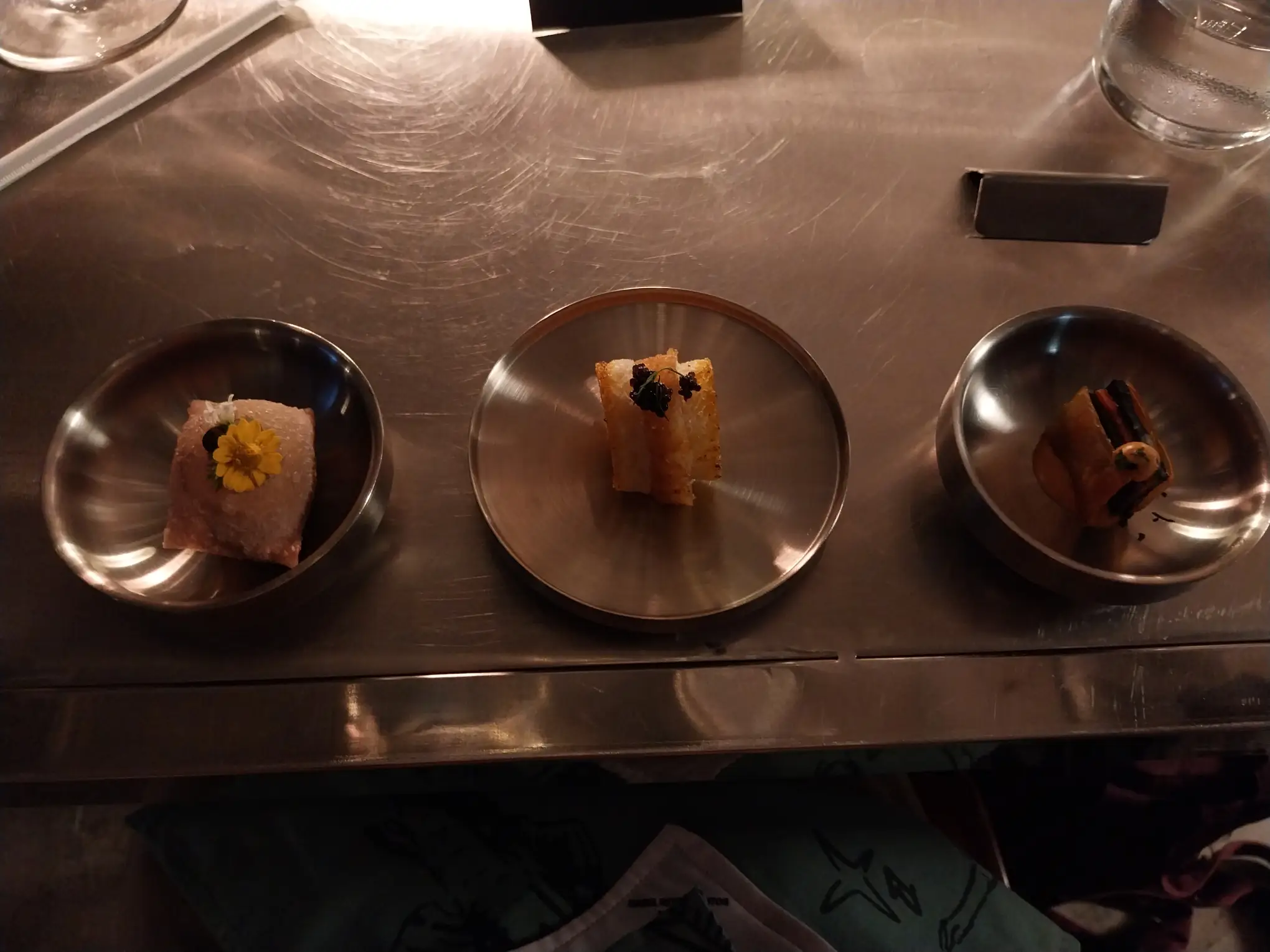
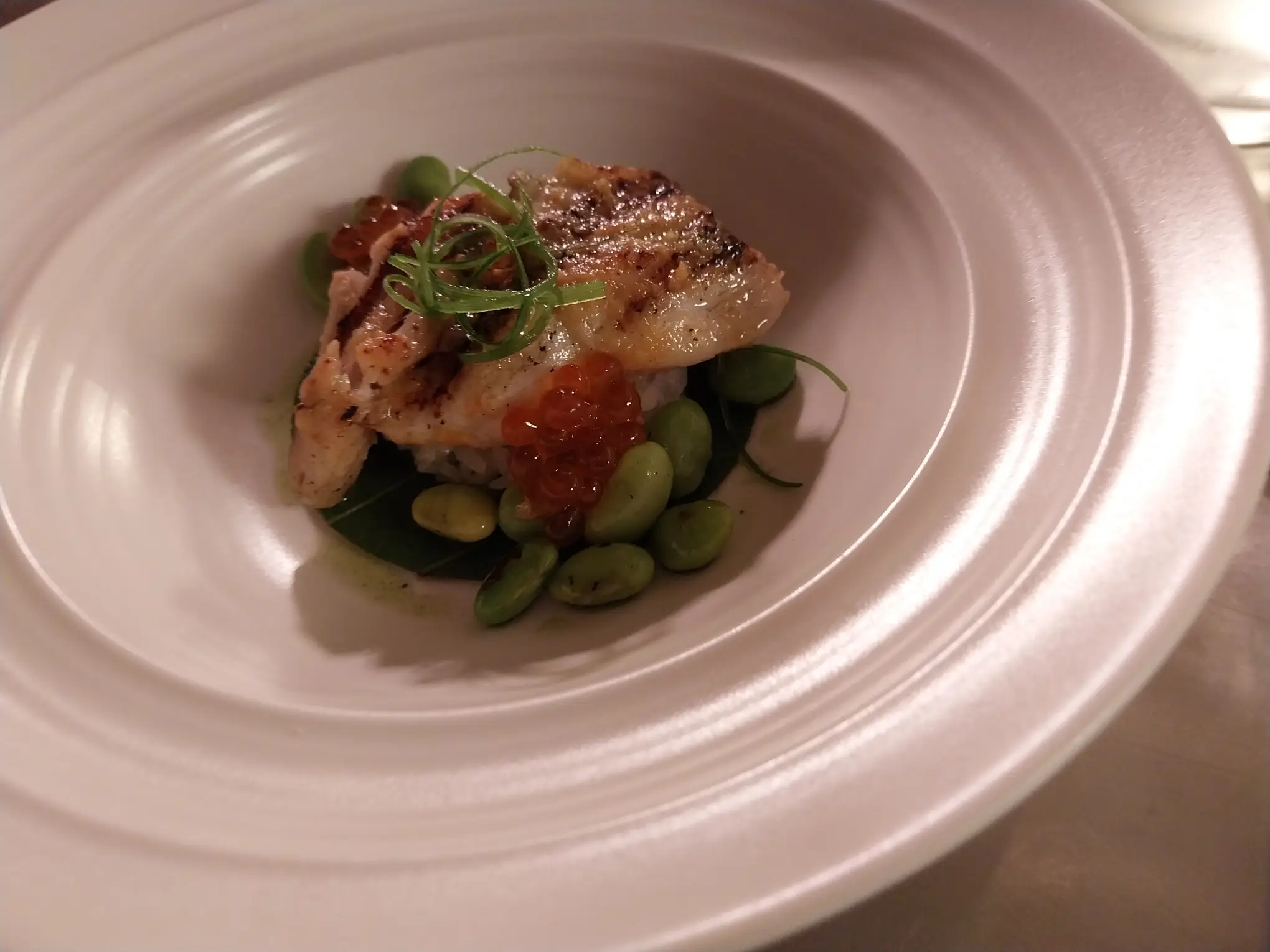
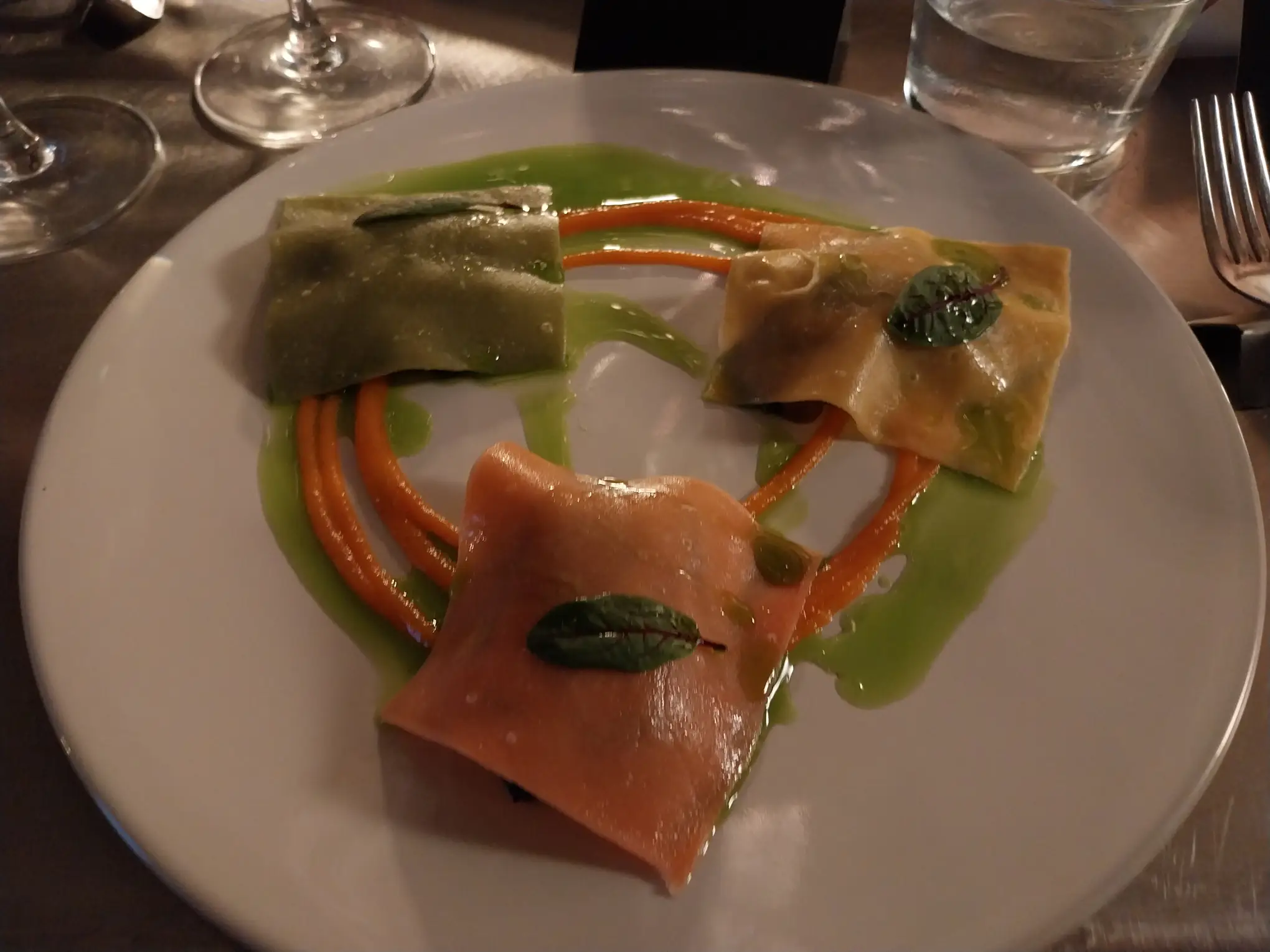
Pretty much all the other courses follow a similar pattern of mixing fragmentation and togetherness. The gyutan lasagna in the main course serves up the pasta and the sauces separately while arranged in such a fashion that they still look interconnected; the pear salad is arranged to emphasize the space in the plate. Even the halibut served in the primo course of the degustation floats above the sauce in pillars of edamame and ikura.
Linking it Back to Isabel Reyes Santos’s Art
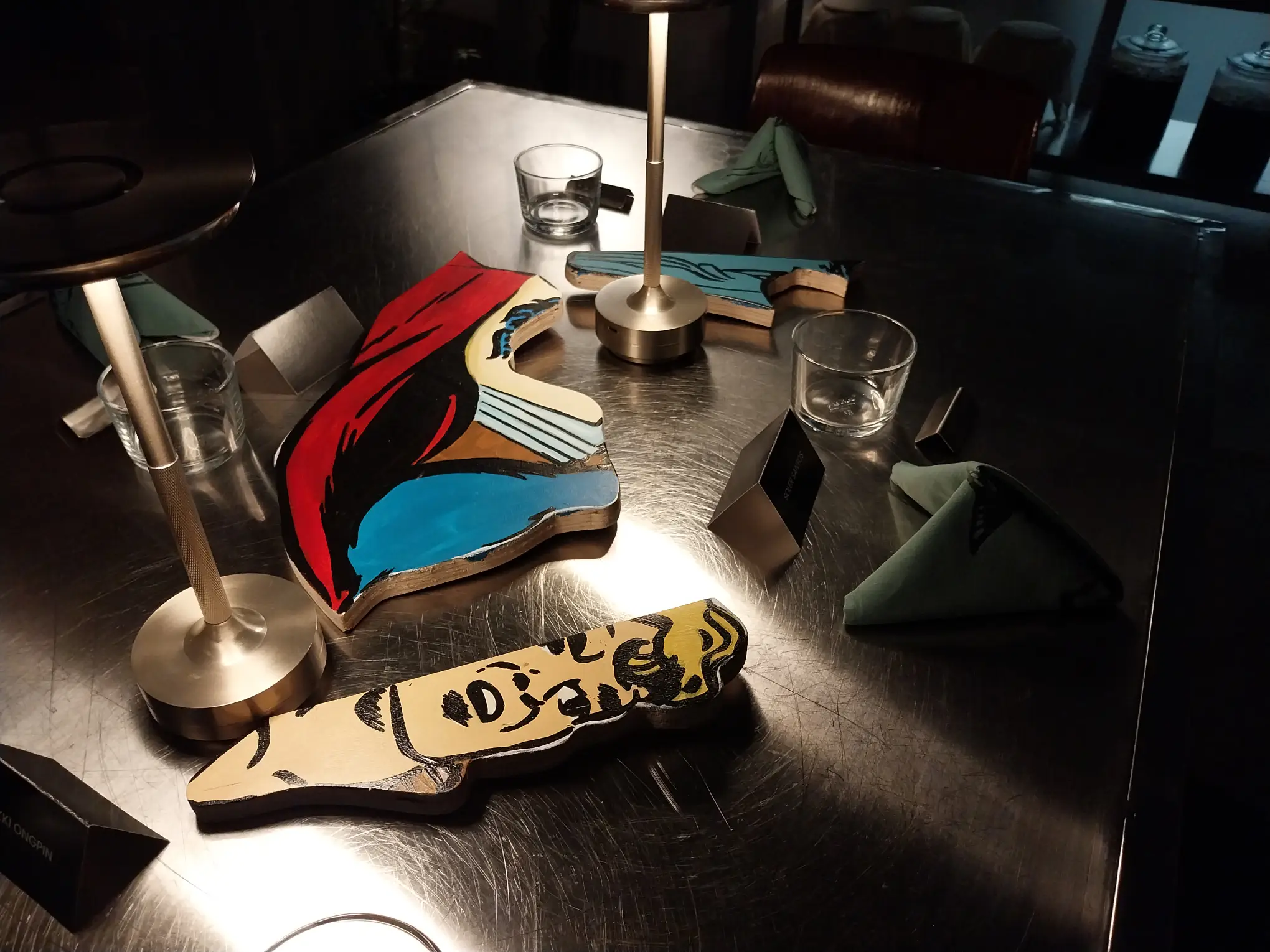
It’s interesting because it really forces the person eating the food to, at times, break the precarity of the arrangement to find the full flavor profile of the dish. That allows them a glimpse of how Isabel Reyes Santos works as an artist, working to defamiliarize the commonplace symbols of our times.
“From the kind of textures, colors, natural dyes, even to the point of using ingredients that are nostalgic to the artist; basically the entire ebb and flow of the entire degustation speaks to the artist’s identity, not just as a creative but as a human being,” Patrick de Veyra said about the culinary experience behind the meal.
“I don’t know, kahit hindi ako ang gumawa ng food, it’s personal pa rin,” Santos shared about the menu. “It’s like how I feel when people look at my artwork. May personal [connection] pa rin ito na parang, ‘magugustohan kaya nila?’ Medyo attached na rin; sana magustuhan nila and sana other people na hindi pa familiar sa art ko and mas familiar sa food scene, maintroduce din ng konti sa artworks ko.”
‘reNOWn’ for the Future
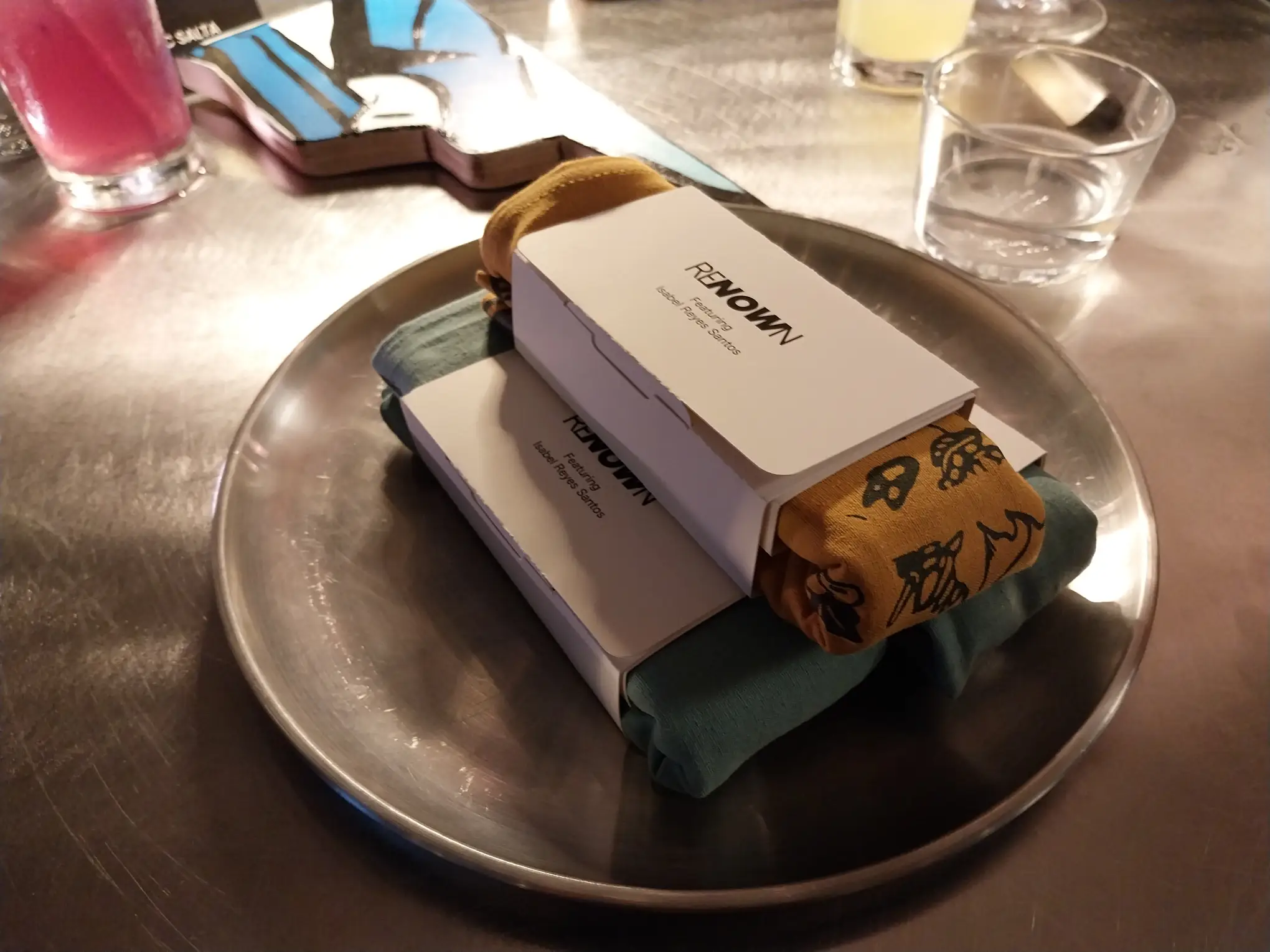
The program also includes a limited-edition original artwork by Santos that they can take home. She has nothing but positive things to say about the experience, declaring that collaborating with people from a different field gave her a new perspective about how she makes her art.
“I want to be open to a lot of different things that can help my practice din,” she explained. “So, feeling ko nadagdagan ang practice ko kasi I got more opinions from people who aren’t really in the art scene.”
Seven artists have already been scheduled to participate in reNOWn for the next two years, with a new exhibit-slash-degustation planned for every quarter in 2025 and 2026. de Veyra said that it will be a mix of photographers, painters, installation artists, and conceptual artists involved in the program.
He believes that the variety of art types involved will allow for new interpretations of what fine dining and edible art can become. Ultimately, he hopes the program will let people see the interconnected concepts found at the core of both practices.
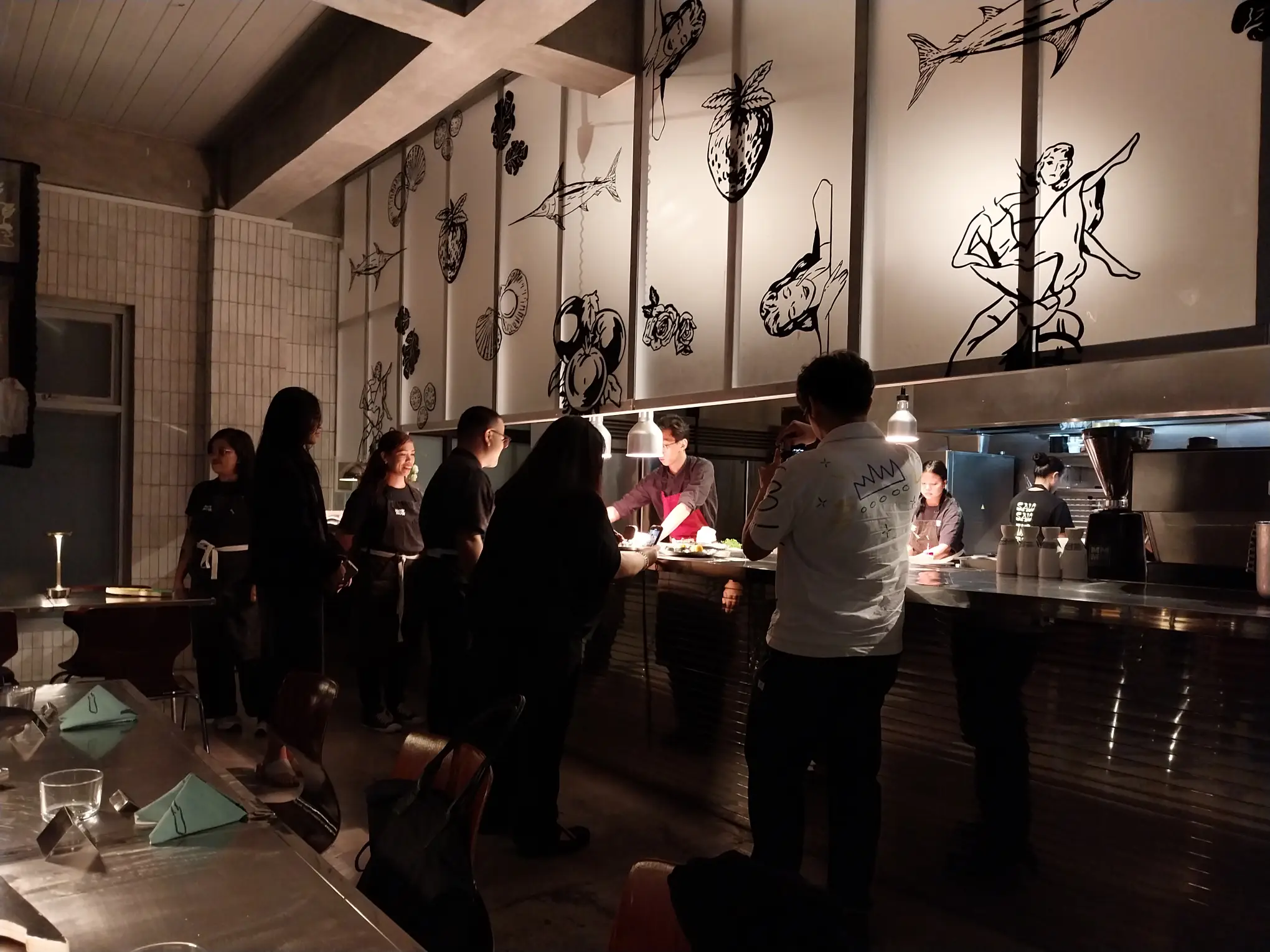
“Both are just so visceral; food is loaded with emotions,” he said. “It really brings out so many layers of emotions, memories, whatever. Somehow, I feel that, as an artist, it’s a very healthy thing to explore. The things that make you more human, make you feel more, make you play more, make you innovate more—I think it’s fun [to explore], so I think those two fields mesh well together.”
Photos by Elle Yap.
Related reading: Santos Family Debuts New Collaborative Exhibit at Silverlens Manila
Frequently Asked Questions
The ‘reNOWn’ program is a unique artist residency that bridges the gap between fine art and fine dining through a themed degustation. By giving artists like Isabel Reyes Santos full access to the kitchen, the program translates an artist’s visual language and aesthetic sensibility into a seven-course menu. This collaborative approach allows diners to experience art through taste, scent, and texture, making the implicit connections between creative disciplines explicit.
The menu mirrors Santos’s artistic technique of fragmentation and deconstruction, where she breaks down pop culture iconography to create something “uncanny.” For instance, the gyutan lasagna serves pasta and sauces separately but interconnectedly, forcing the diner to engage with the dish’s structure. These culinary choices reflect her method of defamiliarizing common symbols, allowing guests to consume a physical representation of her artistic process.
The experience utilizes Now Now Canteen’s signature fermentation-first approach combined with Italian and Japanese elements preferred by the artist. Key dishes include shoyu swordfish with dashi crystal bread and halibut served atop pillars of edamame and ikura. By using natural dyes and specific textures that resonate with the artist’s history, the gastronomy team ensures every course aligns with both her personal palate and her professional identity.
The dining environment is physically transformed with Santos’s artwork on tables and walls, accompanied by limited-edition fabric pieces that guests can take home. This immersive setting ensures that the “ebb and flow” of the meal is consistently tied back to the visual art surrounding the diner. The goal is to make the experience visceral, using the emotional power of food to introduce those in the culinary scene to contemporary art.
A common mistake in art-food collaborations is making the connection too literal or surface-level, such as simply printing an image on a plate. The ‘reNOWn’ project avoids this by integrating the artist’s conceptual framework—such as fragmentation and nostalgia—directly into the cooking techniques and flavor profiles. By focusing on the “art-forward DNA” of the ingredients rather than just aesthetics, the collaboration achieves a deeper, more meaningful narrative for the diner.
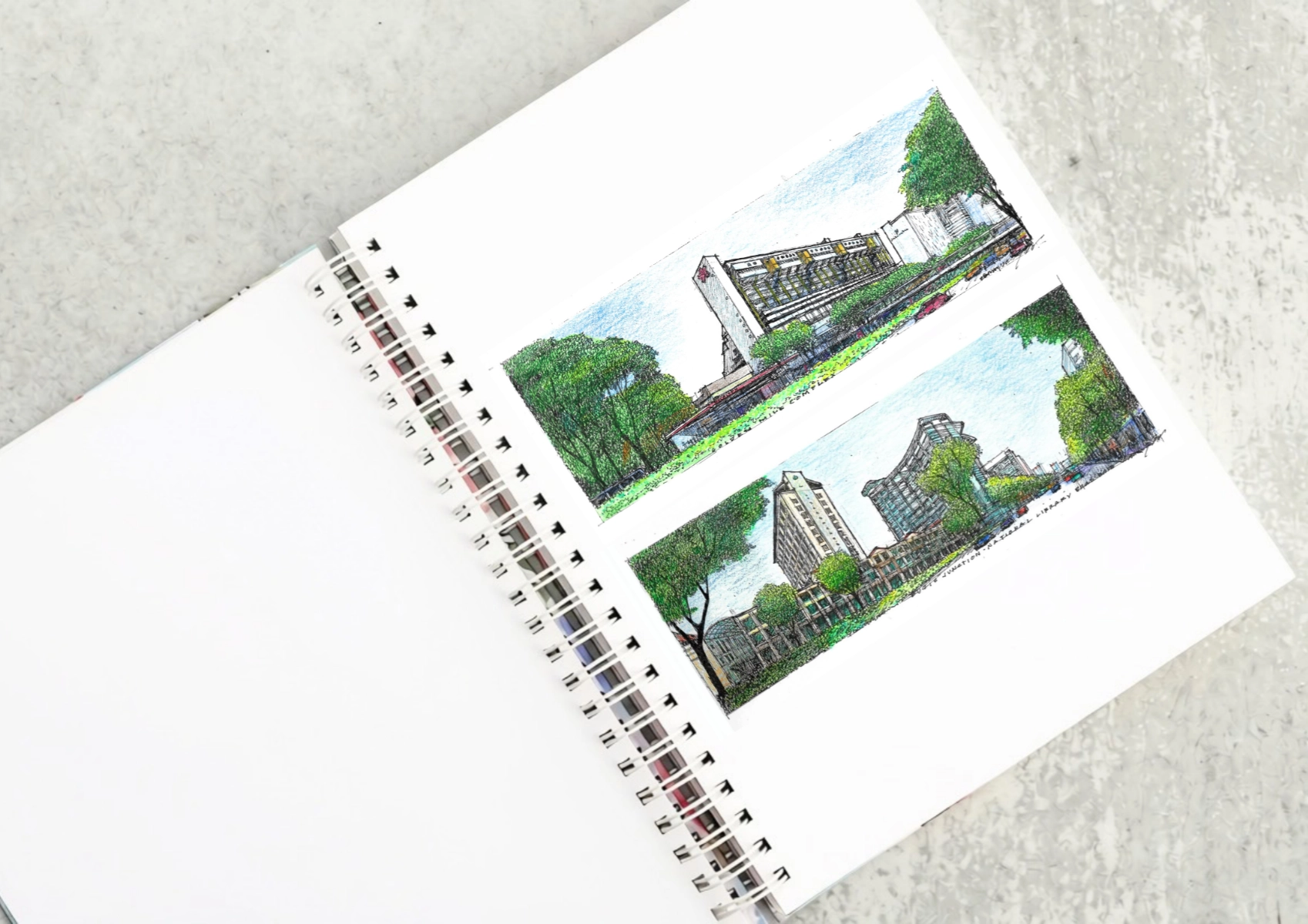
Two sketches of Singapore connect BluPrint Editor in Chief Paulo G. Alcazaren’s personal and professional history with Shared Ground: ArchitectureArchitectureThe art and science of designing and constructing buildings, structures, and spaces that are functional, safe, and aesthetically pleasing. It encompasses the planning, design, materials, and techniques used to createGo to Architecture Glossary of Care, Culture, […]
In a way, designers are the modern-day soothsayers and prophets. They design for the future, predicting how a room, a house, a building or a whole city will be used by people. They foresee how users will interact with a space, conjure exact shades of colors to elicit specific behavior and arrange furniture to build […]
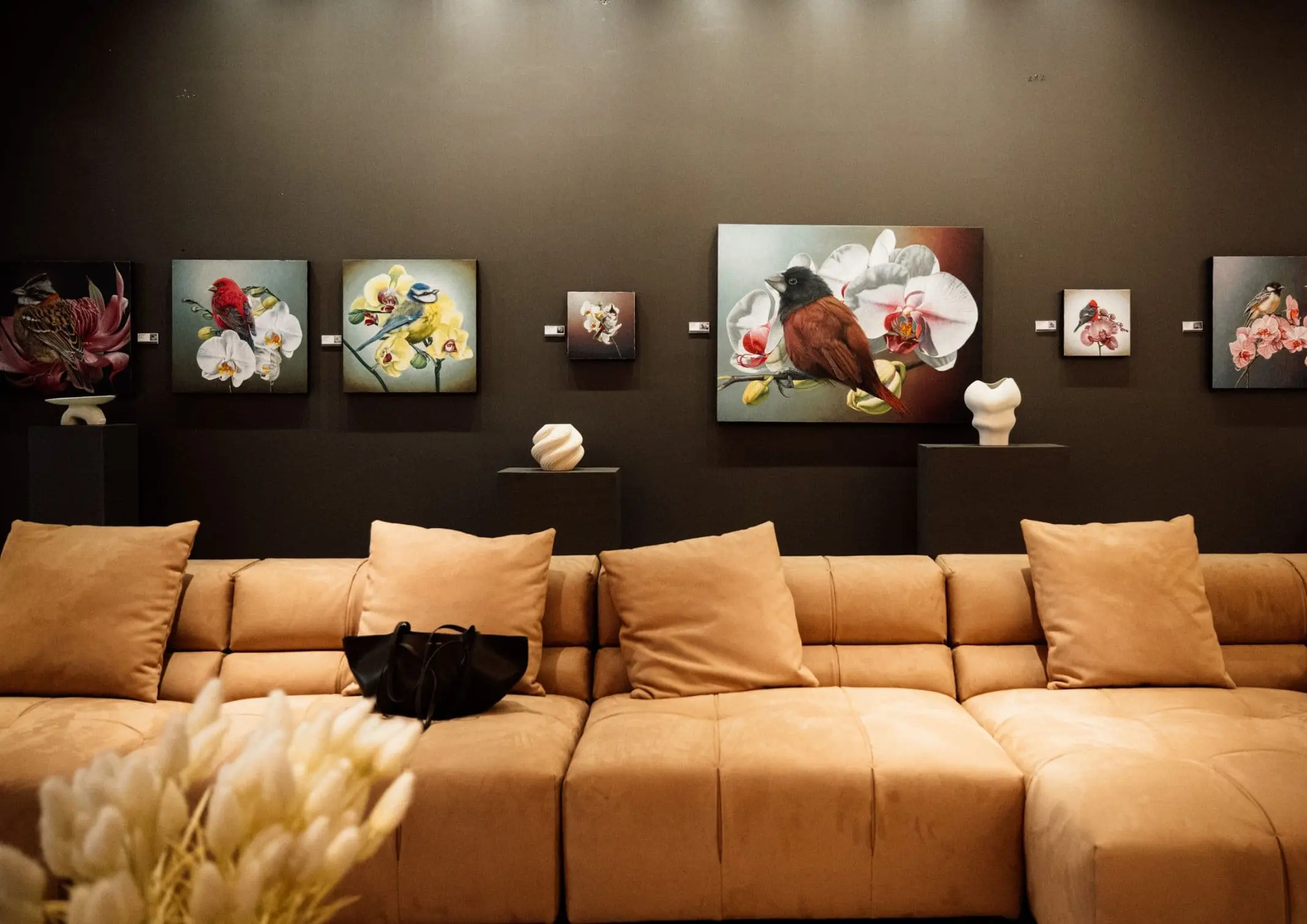
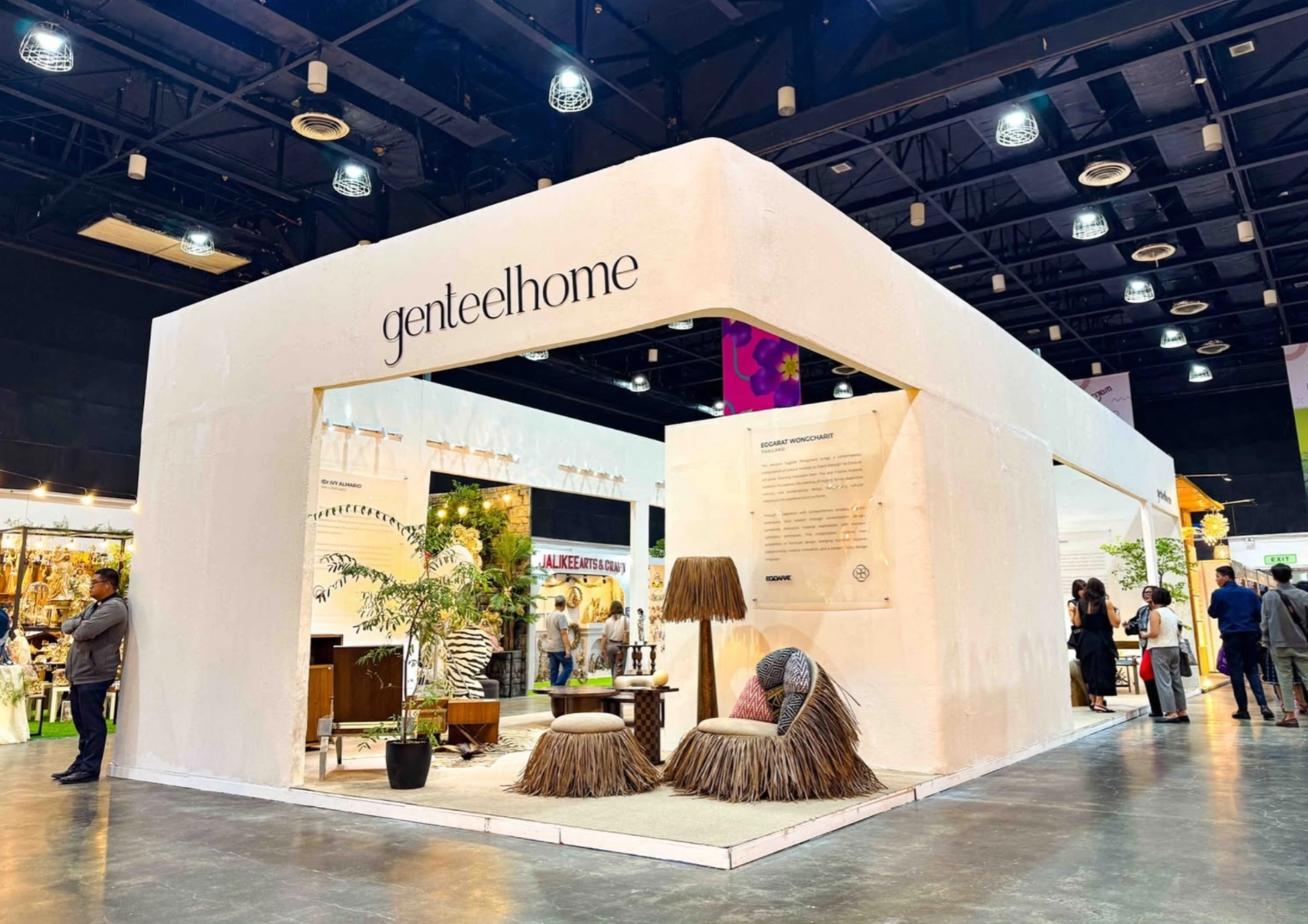
Art and furniture are often selected separately, yet their relationship can shape how a room looks and feels. The collaboration between Hooga and Galerie Joaquin explores how these elements can work together, bringing contemporary artworks into furnished residential settings at Hooga’s showroom in Uptown Mall, Bonifacio Global City. For Hooga, which curates furniture, lighting, and […]
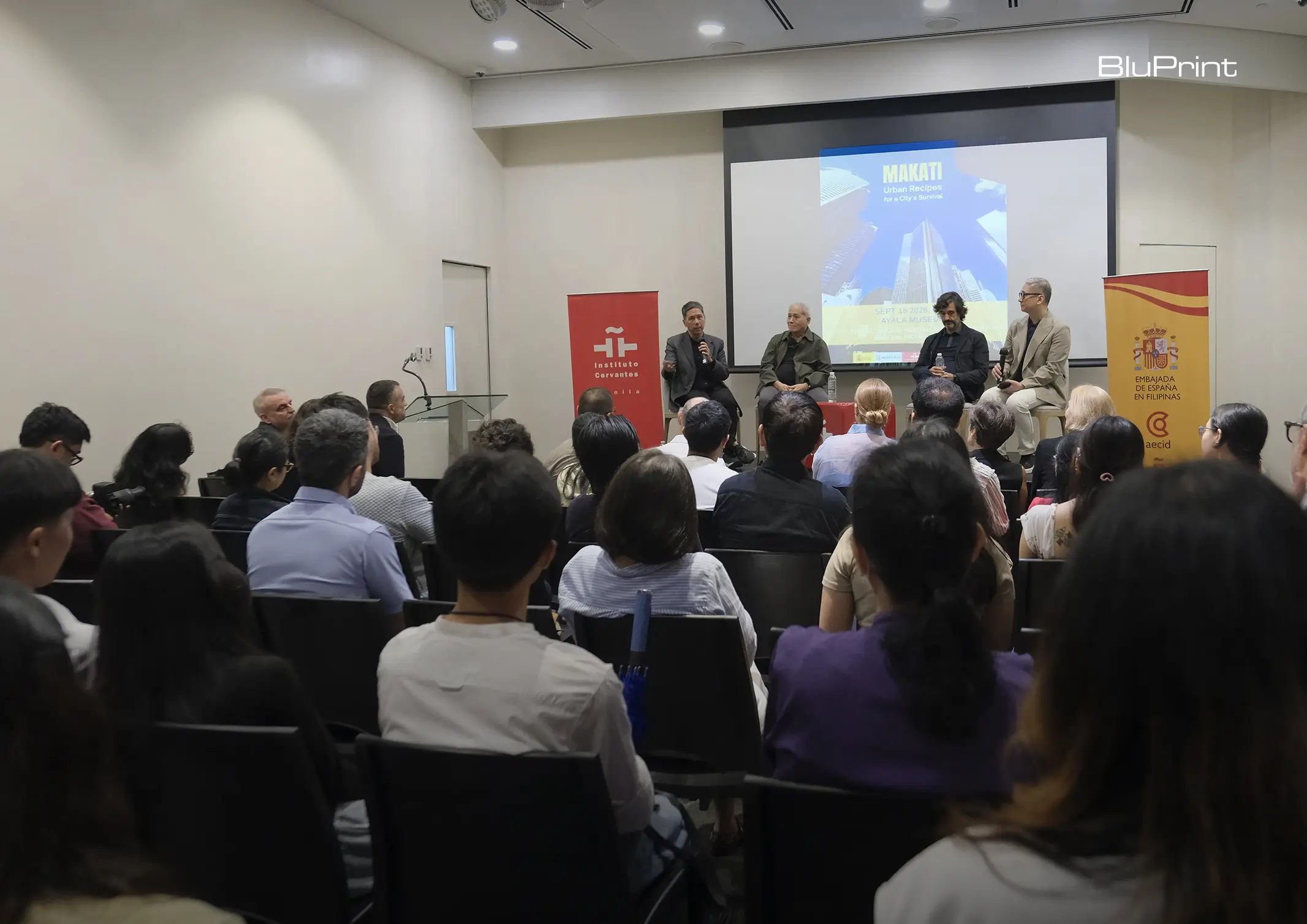
How can better-planned cities create the conditions for more creative, livable, and resilient urban environments? “Makati Urban Recipes for a City’s Survival,” a colloquium held at the Ayala Museum on September 15, brought together architects and practitioners from the fields of urbanism and the creative economy to discuss how design, planning, and collaboration can address […]
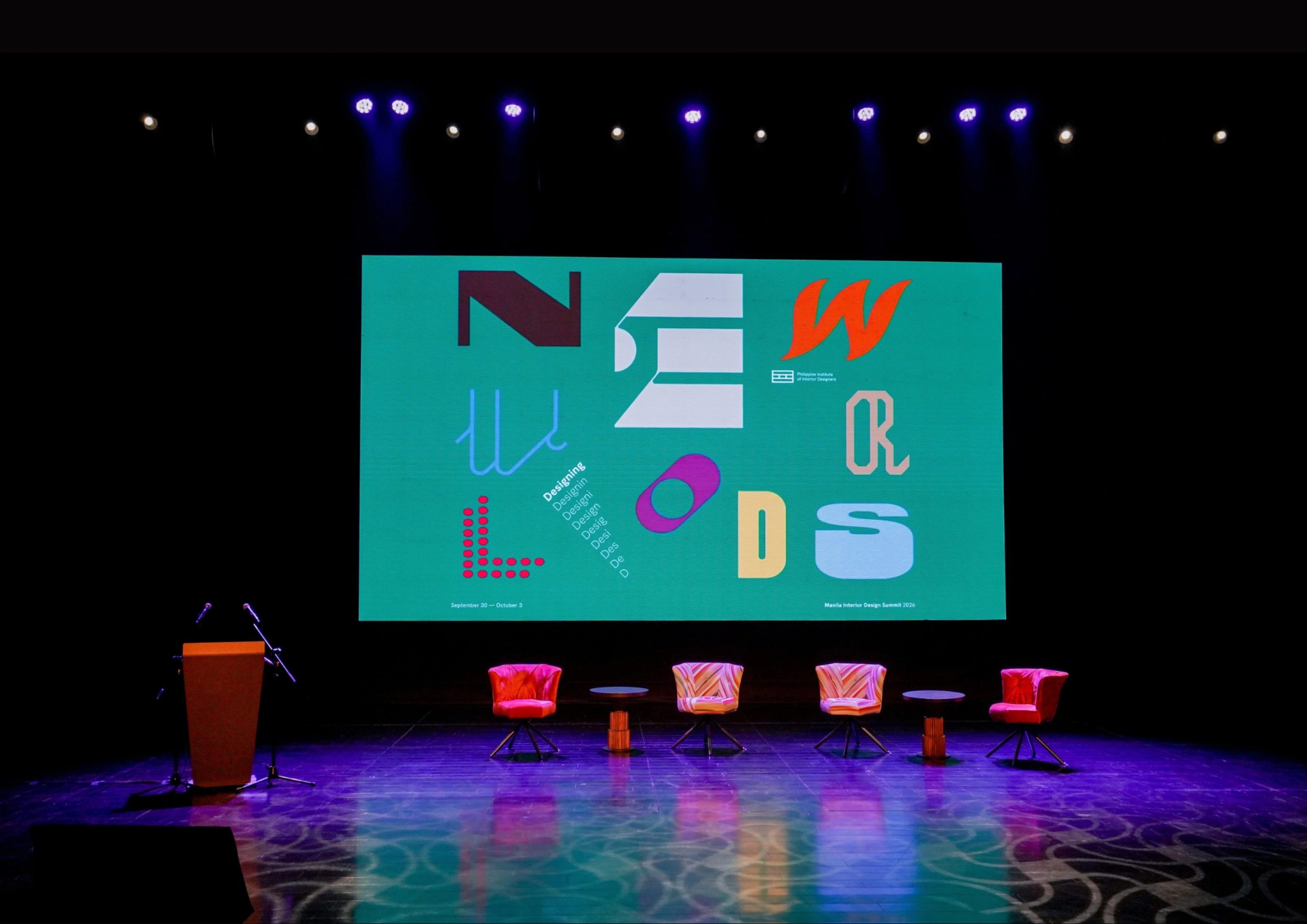
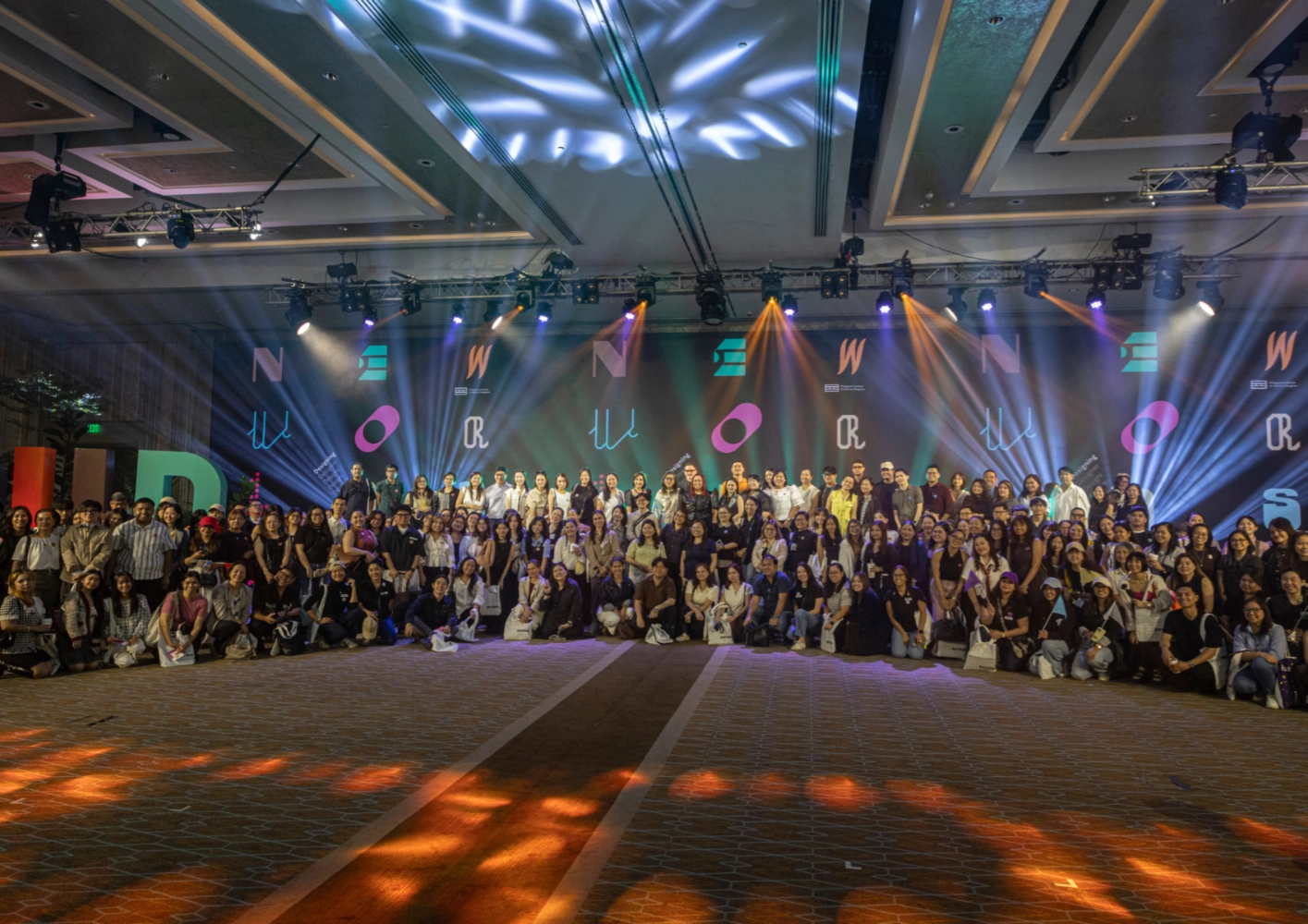
The fourth Manila Interior DesignInterior DesignThe discipline of planning and shaping interior spaces for function, comfort, safety, and beauty. It covers layout, lighting, materials, finishes, furniture, and color, and in the Philippines is a licensedGo to Interior Design Glossary Summit (MIDS) brought together more than 300 delegates for four days of conversations, exhibitions, and design […]
Read the issues.

Collect the volumes.

Recommended Video
Tap to Unmute
Unmute
0:00
0:00