The fourth Manila Interior DesignInterior DesignThe discipline of planning and shaping interior spaces for function, comfort, safety, and beauty. It covers layout, lighting, materials, finishes, furniture, and color, and in the Philippines is a licensedGo to Interior Design Glossary Summit (MIDS) brought together more than 300 delegates for four days of conversations, exhibitions, and design […]
‘Causal Loops’: Bernardo Pacquing Creates Spectacle With Found Items



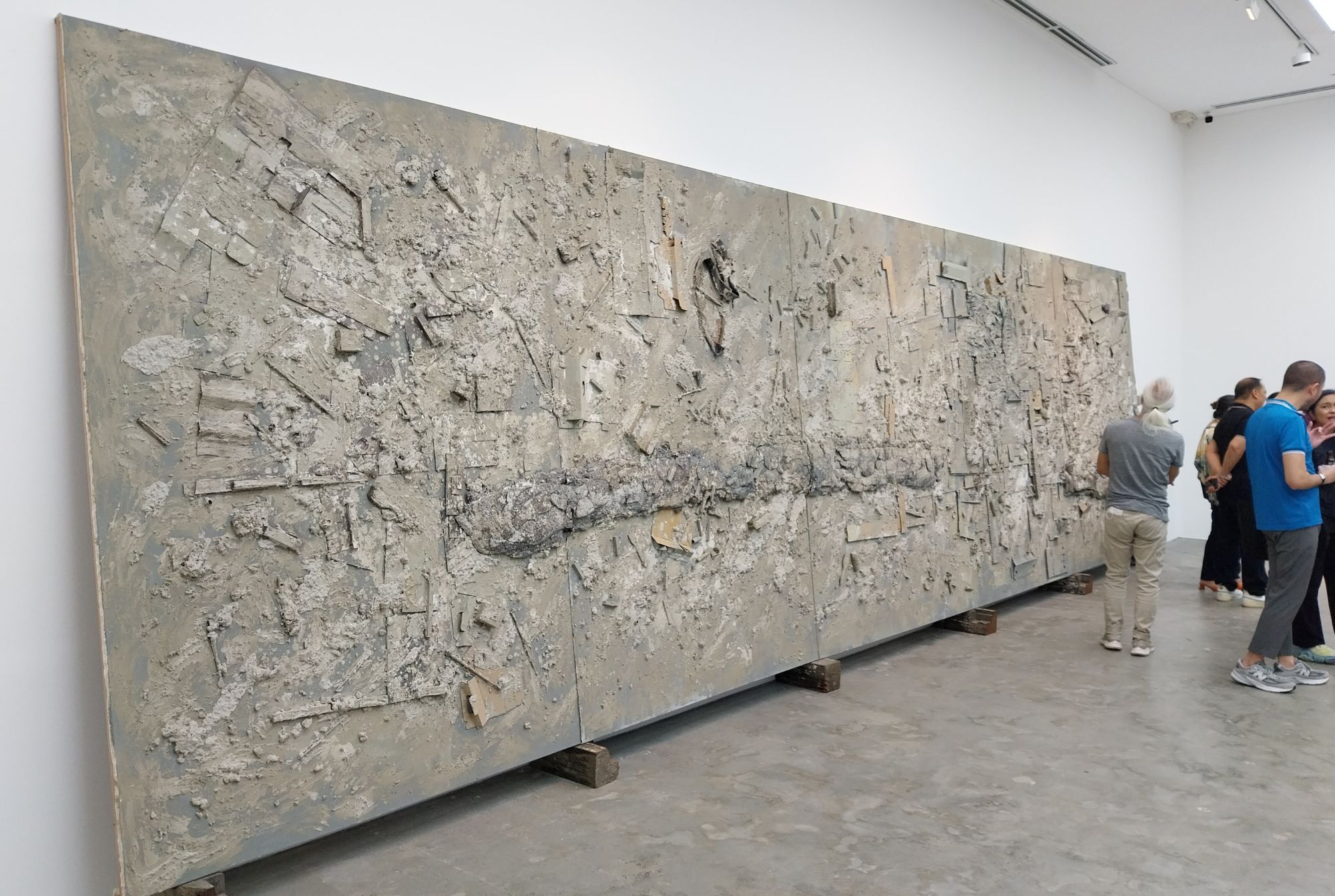
Causal Loops is a sight to behold. The new exhibit by artist Bernardo Pacquing, showing in Silverlens Manila from June 11 to July 13, showcases a messy, overwhelming grandness that one would be hard-pressed to see anywhere else. Bernardo Pacquing created an exhibit with a sense of scale to it that makes one feel like they’re walking through the ruins of a city.
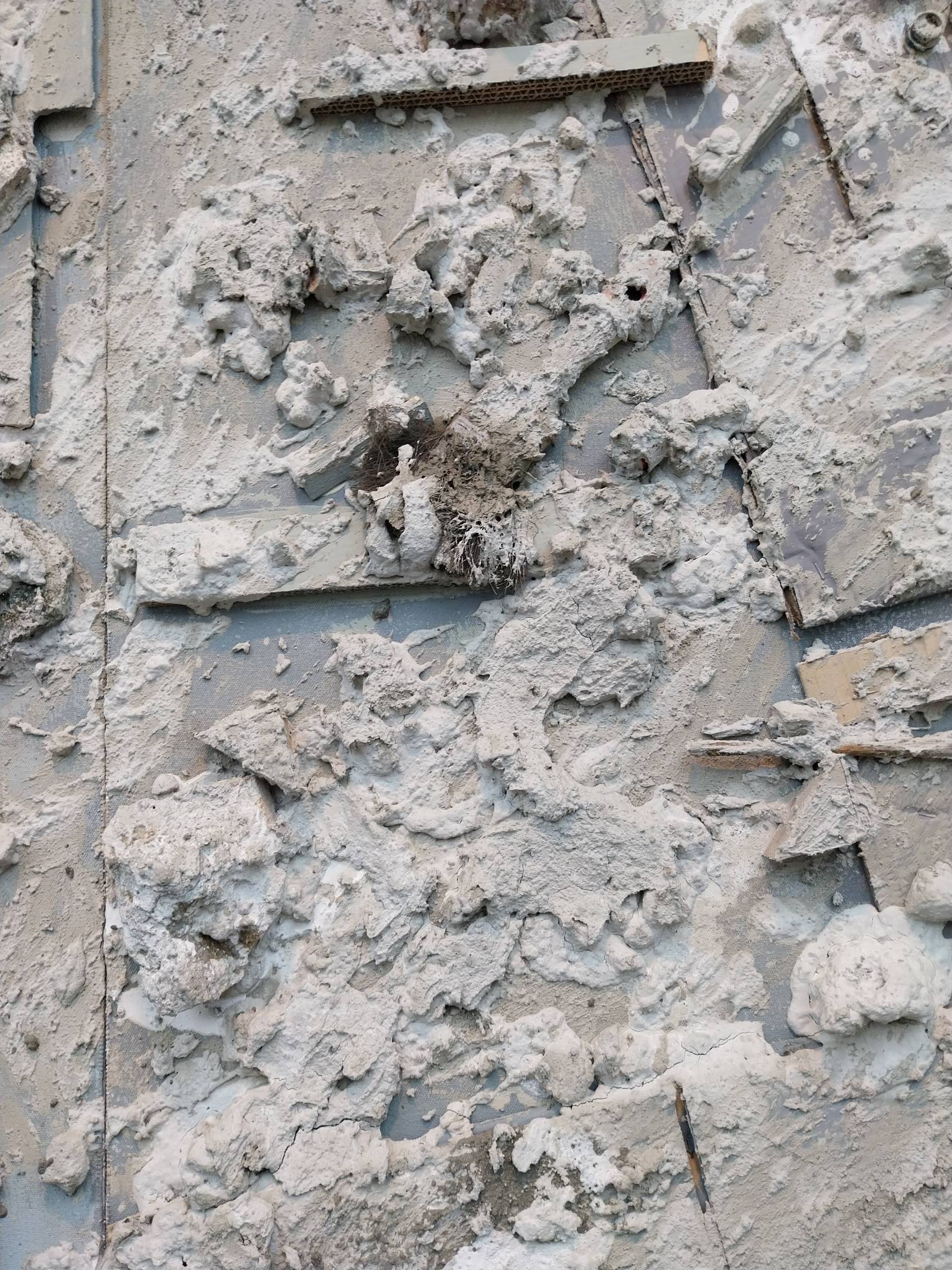
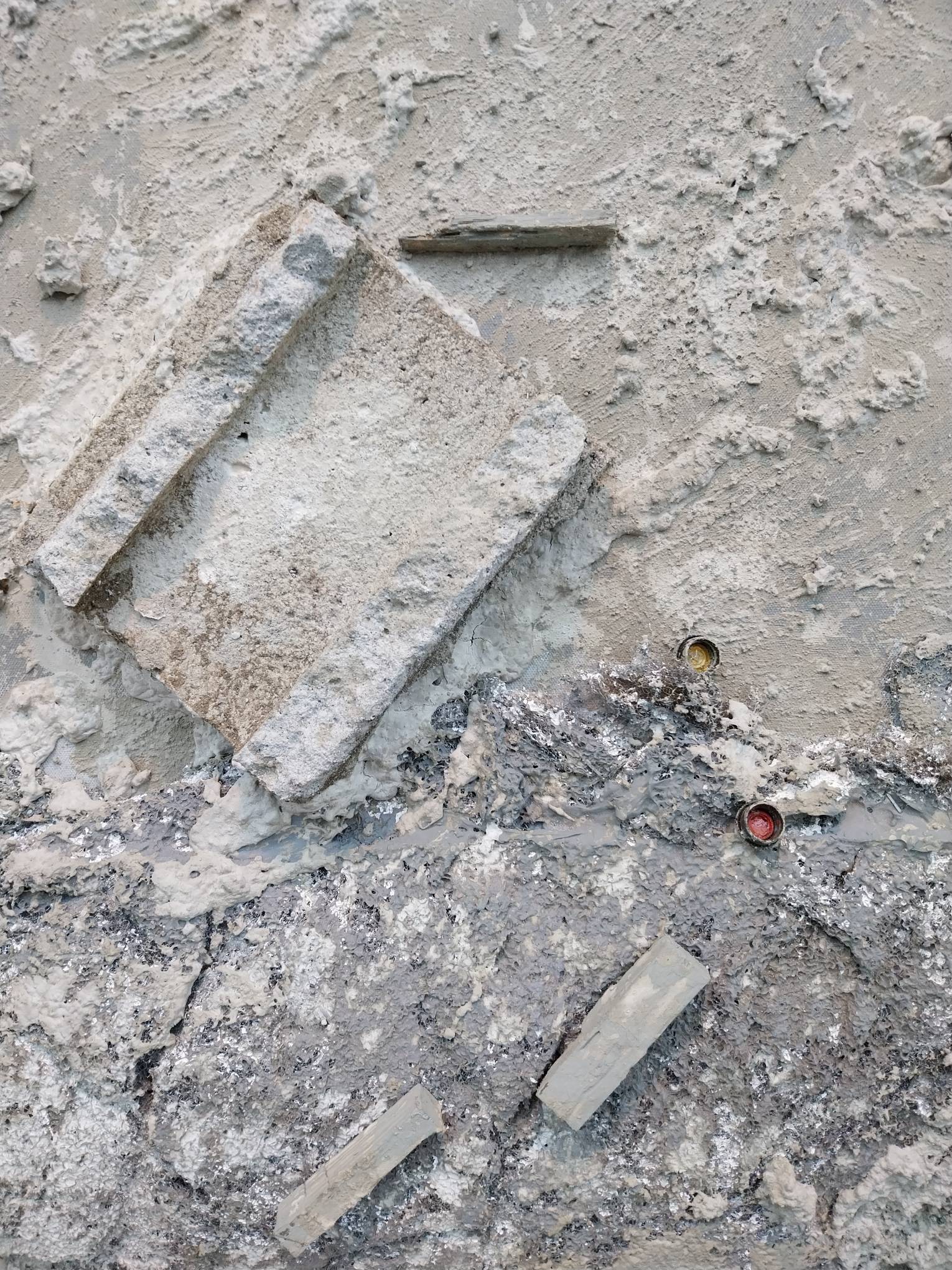
The artwork presented in this exhibit points toward the urban shape of our society. It abstracts the building blocks of a metropolis—cement and gravel, sticks and wood and rubble from a construction site—and turns them inward into a personal reflection , finding the beauty within its shapes.
‘Difficult Beauty’
Pacquing’s abstract style focused on shapes and “found objects.” In their write-up for the exhibit, Josephine V. Roque says that the artist’s work is informed by their upbringing in Sampaloc, Manila, where “gritty, seemingly unpolished textures” abound. “It is what philosopher Bernard Bosenquet calls a ‘difficult beauty,’ referring to the kind that is not immediately apparent to the senses and requires the challenge of patience and time to perceive.”
With Causal Loops, one sees this ruin of time in action for many of the pieces. The artist uses the construction materials in a way that creates this odd look of preservation in the artworks.
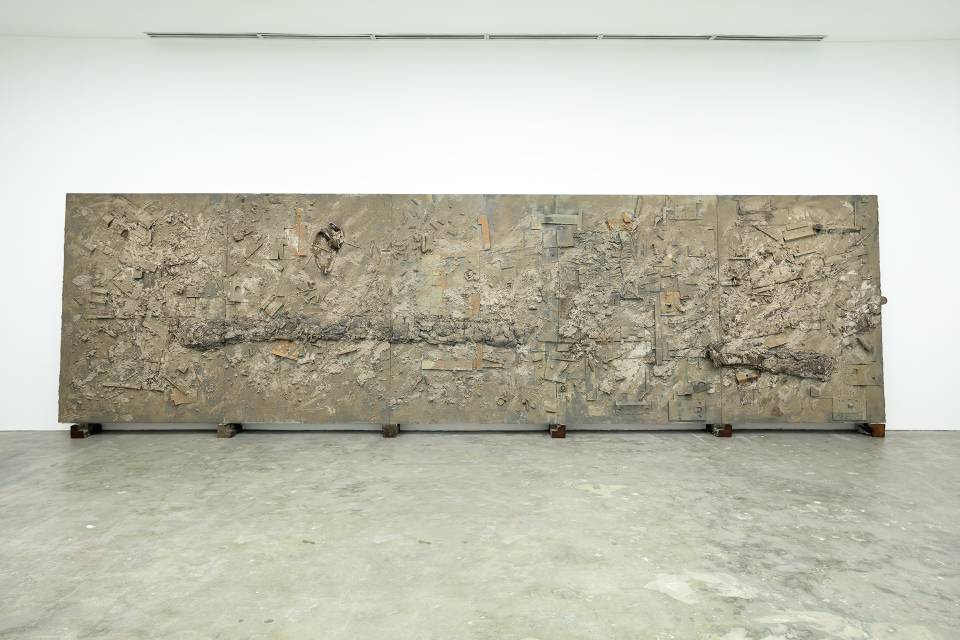
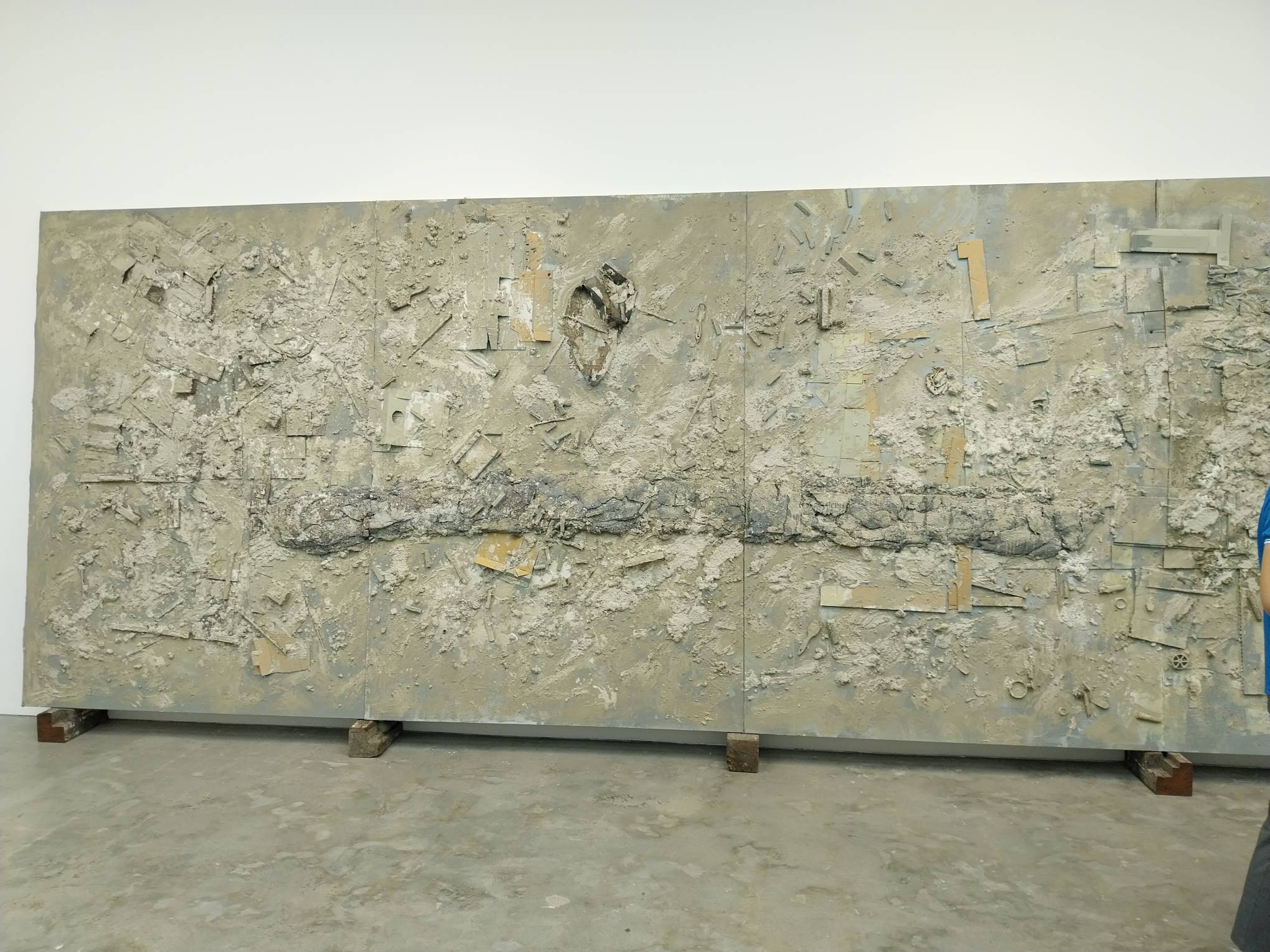
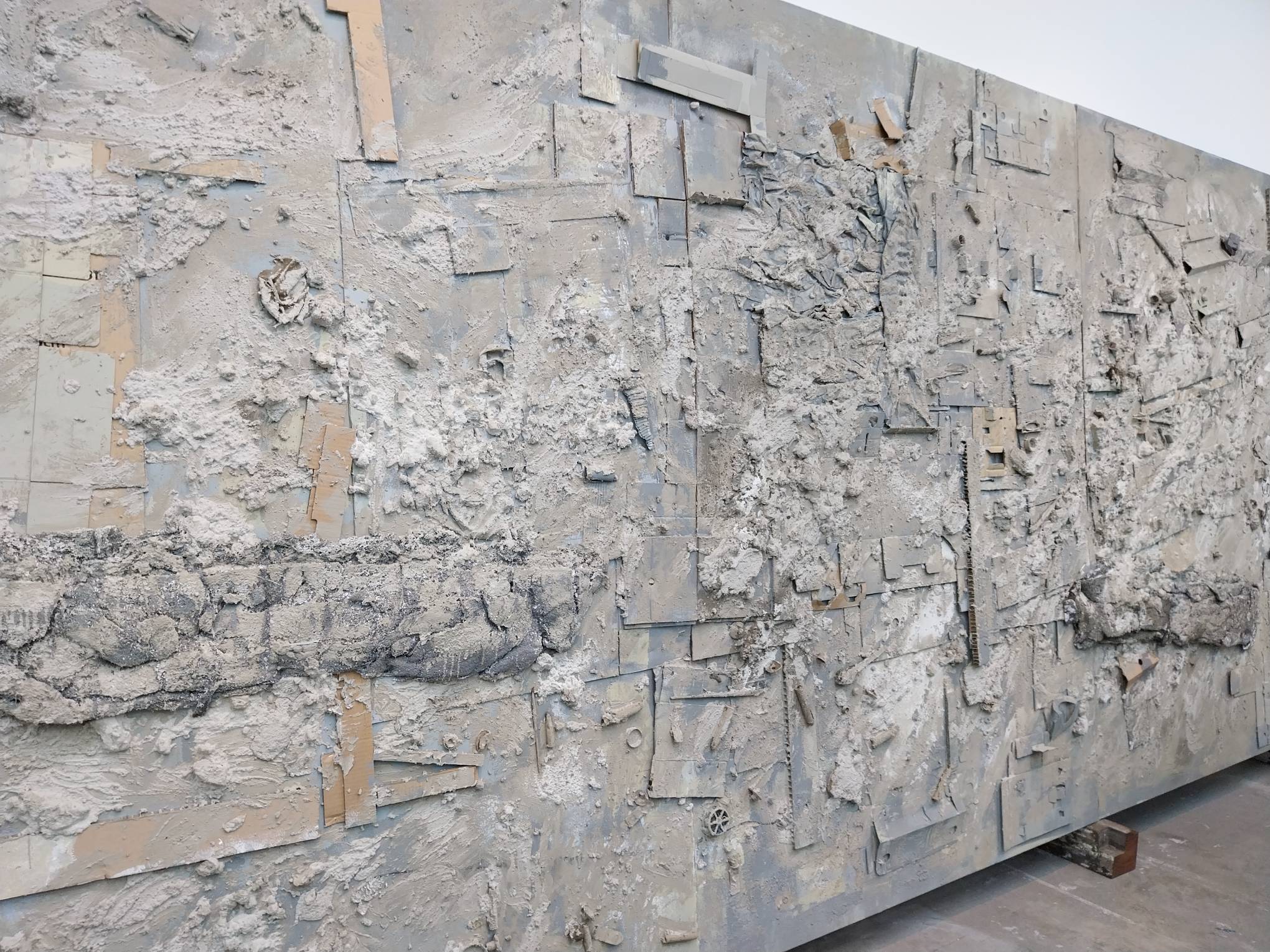
The centerpiece “Lottery of Birth,” for example, looks akin to a cityscape messily preserved with cement. There’s an intentionality there in how it layers and combines the wood and rocks and tools together. Looking at the painting, one feels the way time washes and destroys our selfhood as we become a part of the collective whole.
Beyond Truth and Logic
Beyond that, the artist constructs strange sculptures that find new meaning and use for what many consider trash. “A Singular Path to Surviving Truth and Logic #1-6,” for example, uses sacks of construction cement, large and small pieces of wood, rope, and other objects to create these immutable sculptures that defy easy definition.
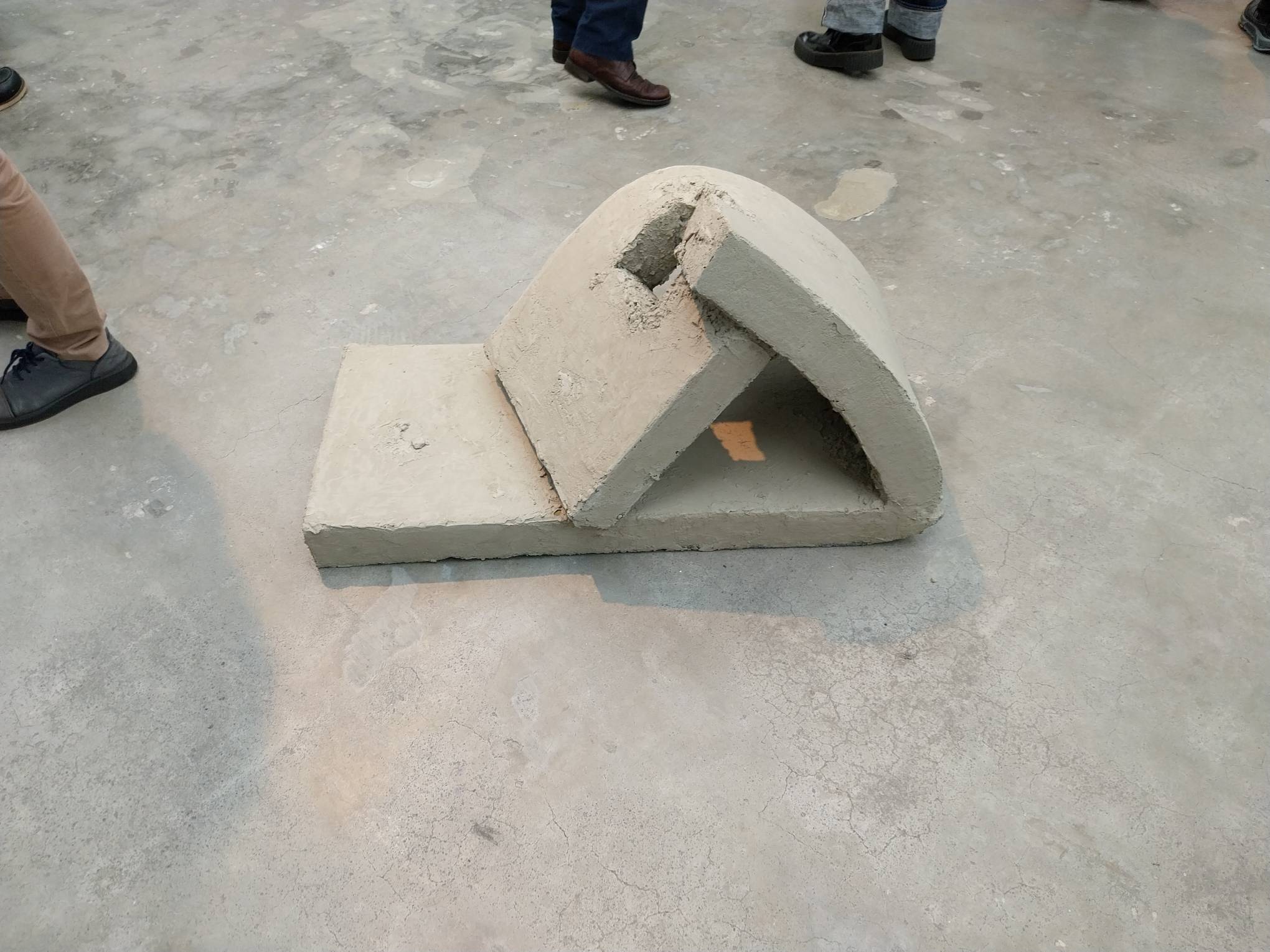
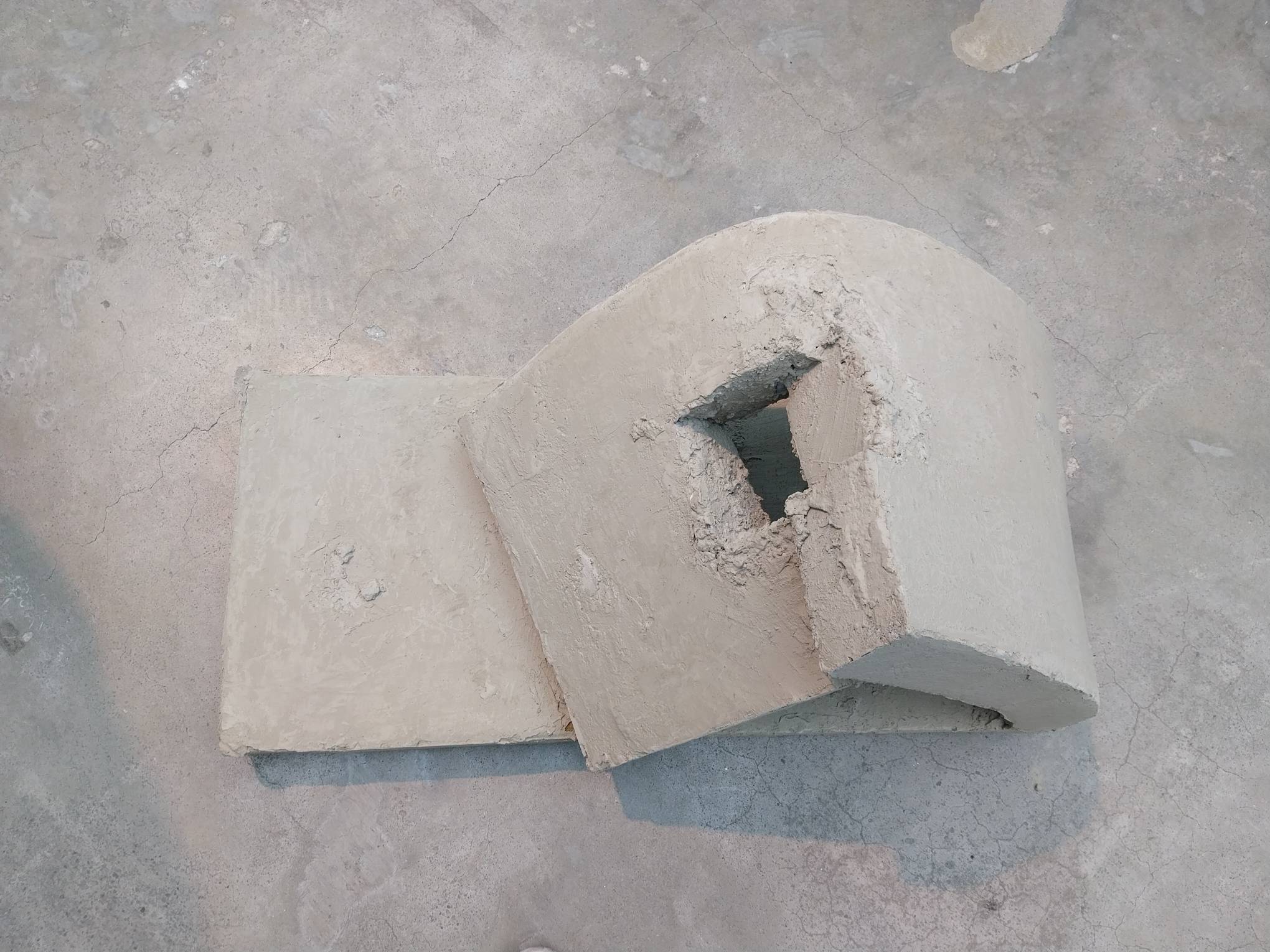
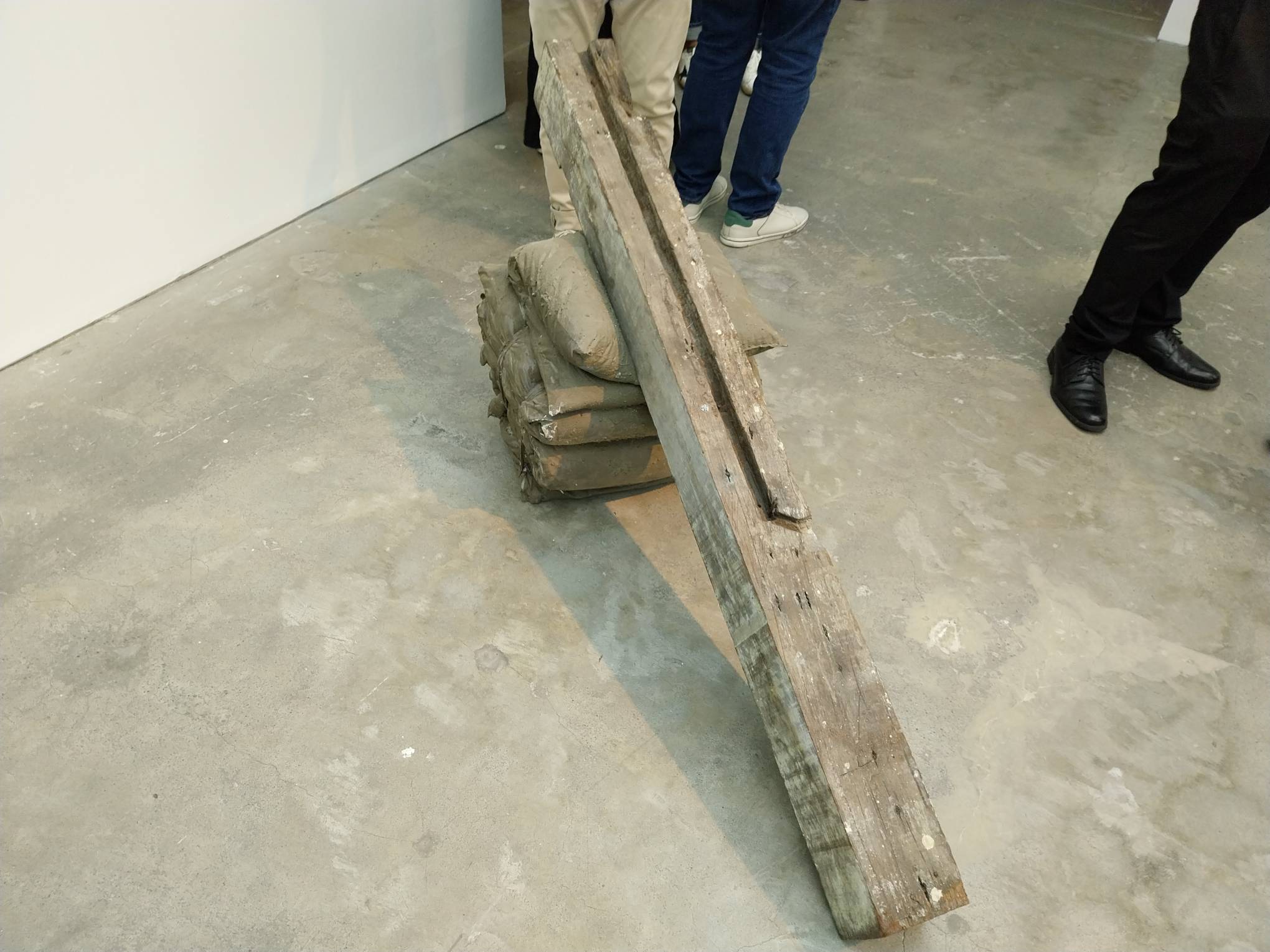
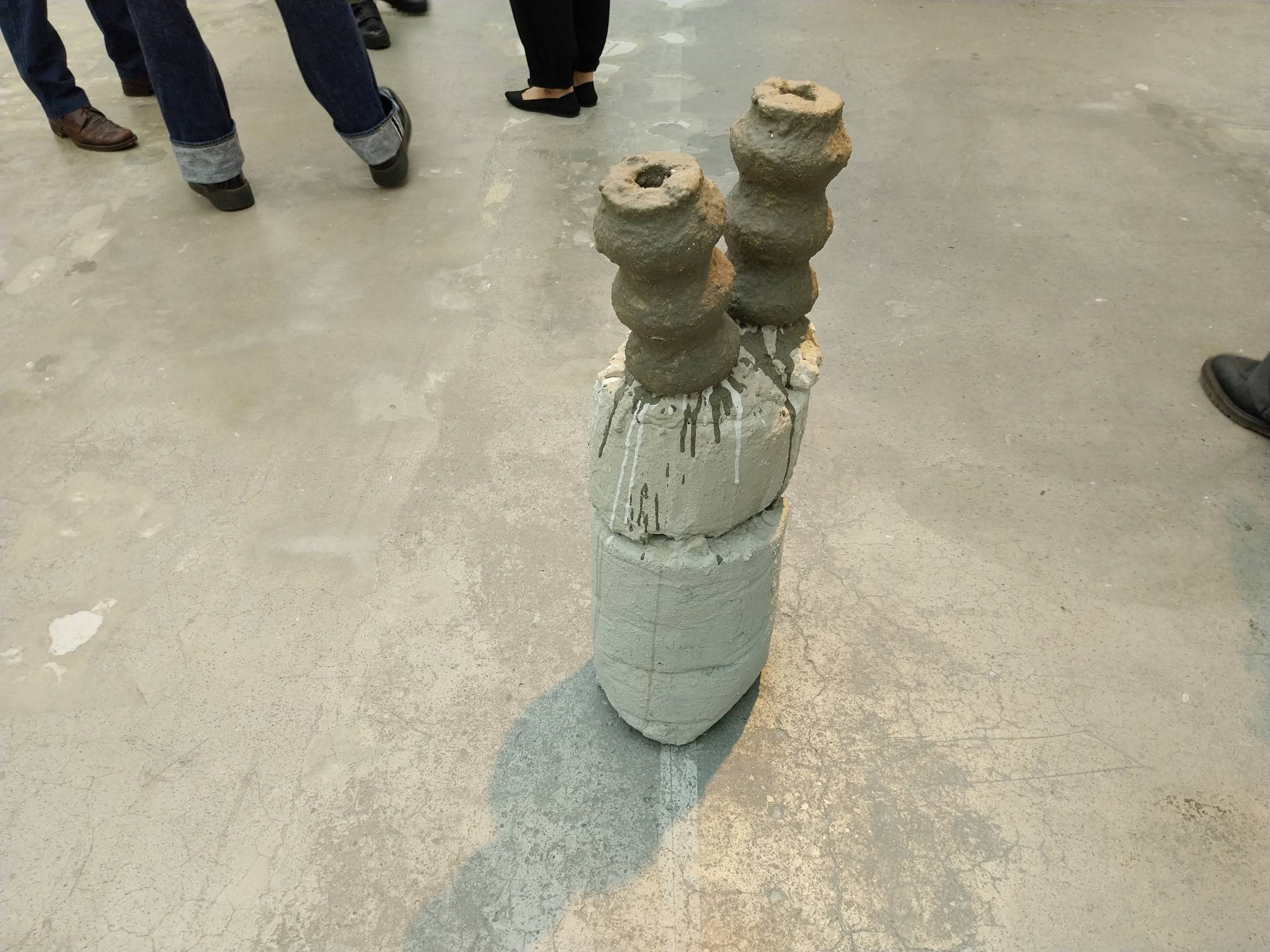
Some of them, one would daresay, appeal to a Dadaist sense of rejection to the idea that an artwork needs an aesthetic reason to exist. It feels like Bernardo Pacquing made these to show that the value of something isn’t in its use. Instead, he offers the idea that existence itself is the value of something, because it allows the evolution of objects beyond their original reasoning. What was once used for construction finds new life in art. Existence is meaning.
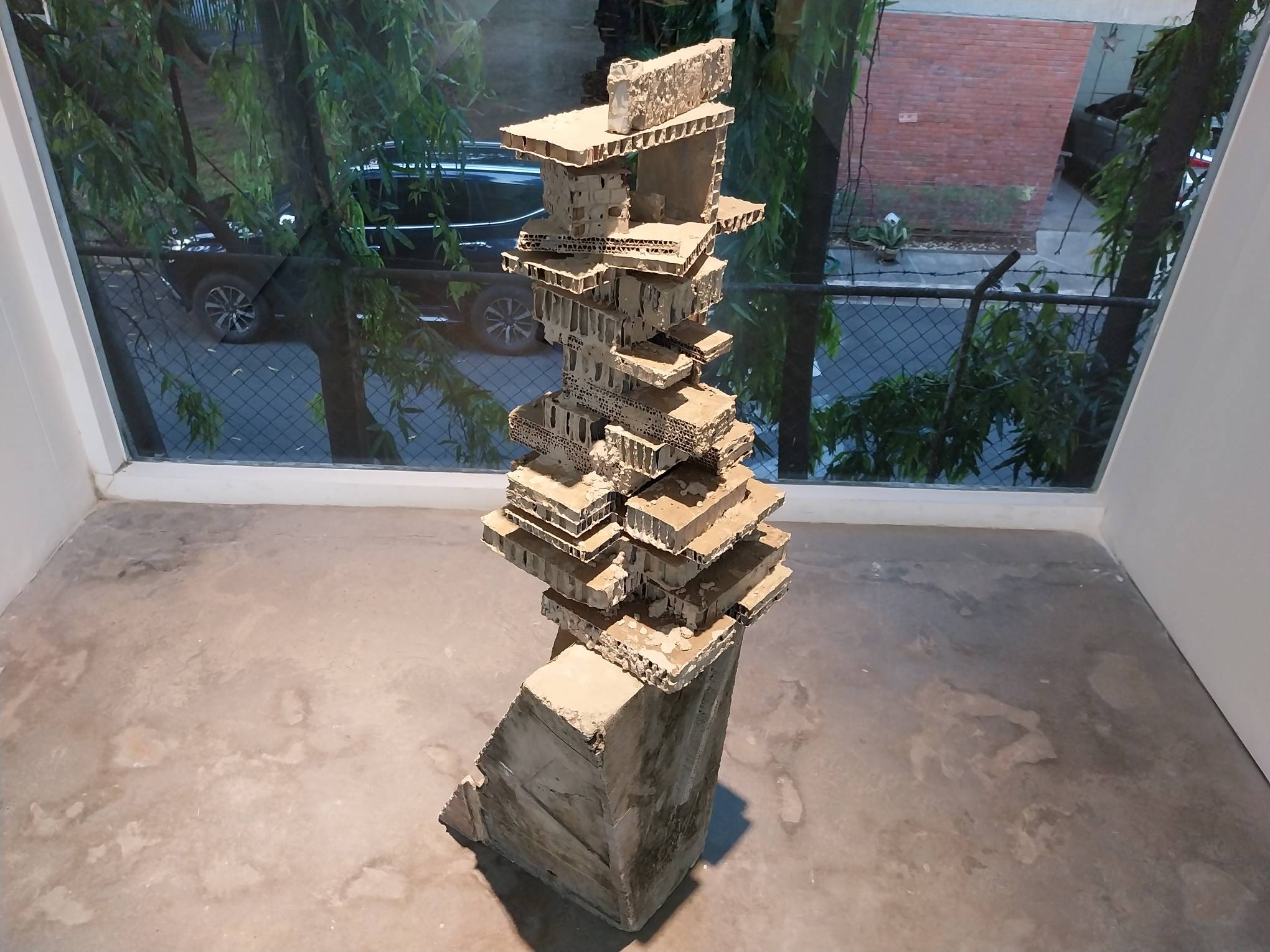
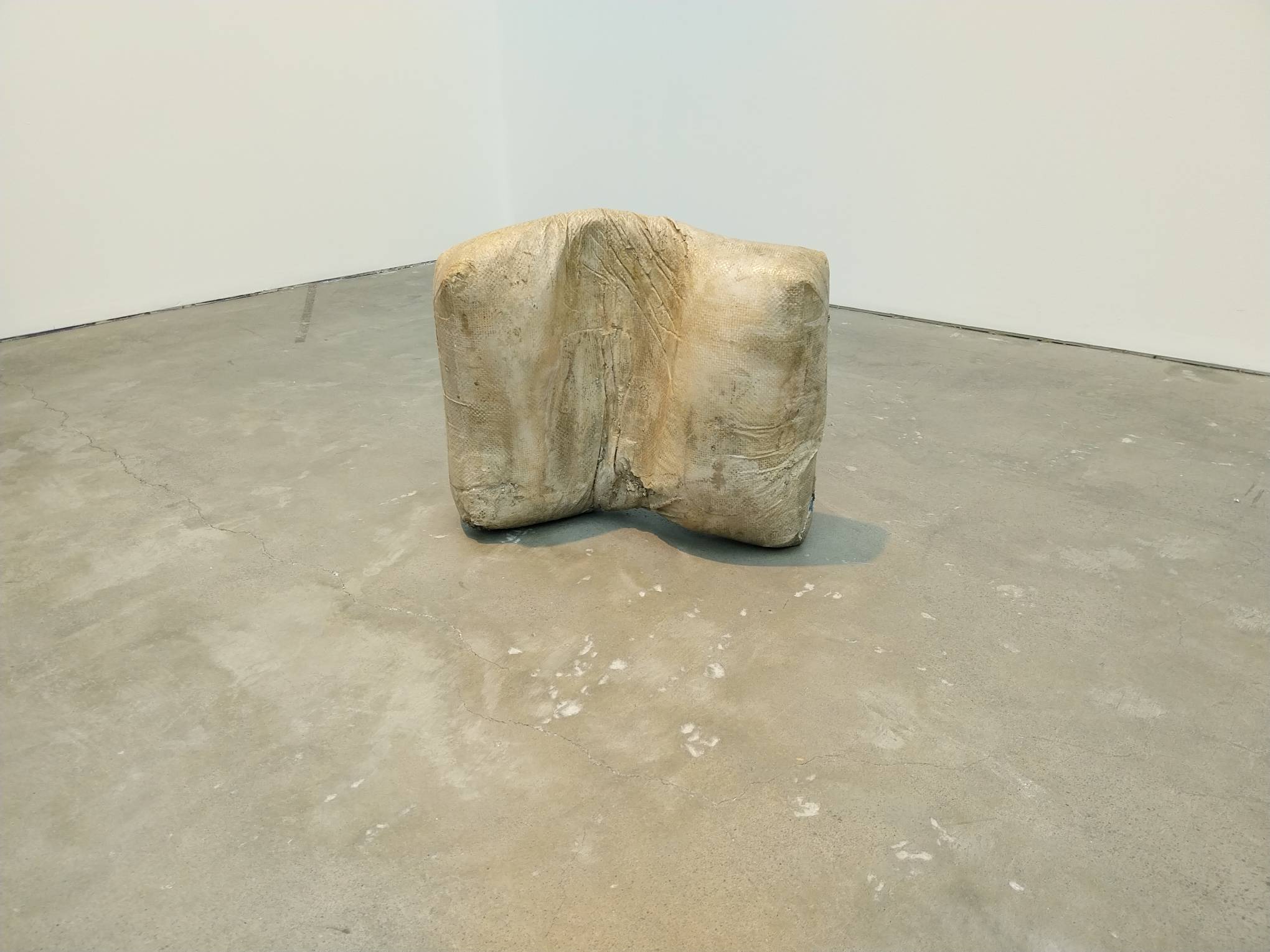
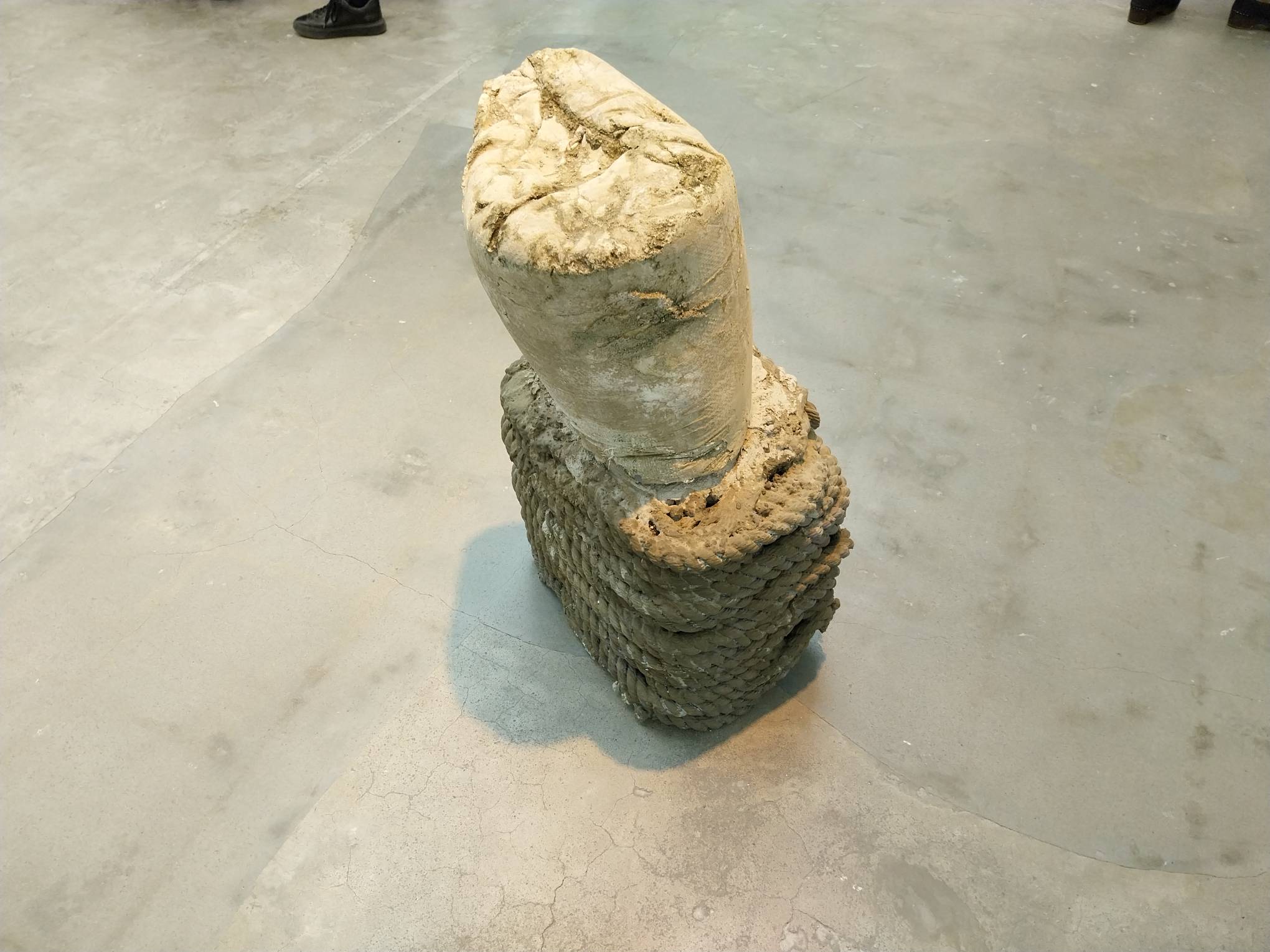
And even then, within the exhibit itself, these works communicate the same notes about time and ruin as everything else. It stands still, eternal, a representation of the strange beauty that can be found in the ugliness.
Seeking Personal Notes in the Industrial
With “What I Have Learned from my Paintings #1-3,” meanwhile, the artist looks to impose order in the untidiness. Pacquing assembles the same materials in a way that hints a sense of purpose to the works. It works as commentary on his past paintings, as he mimics the abstraction but with non-paint materials—and finding the same core meaning to it anyways.
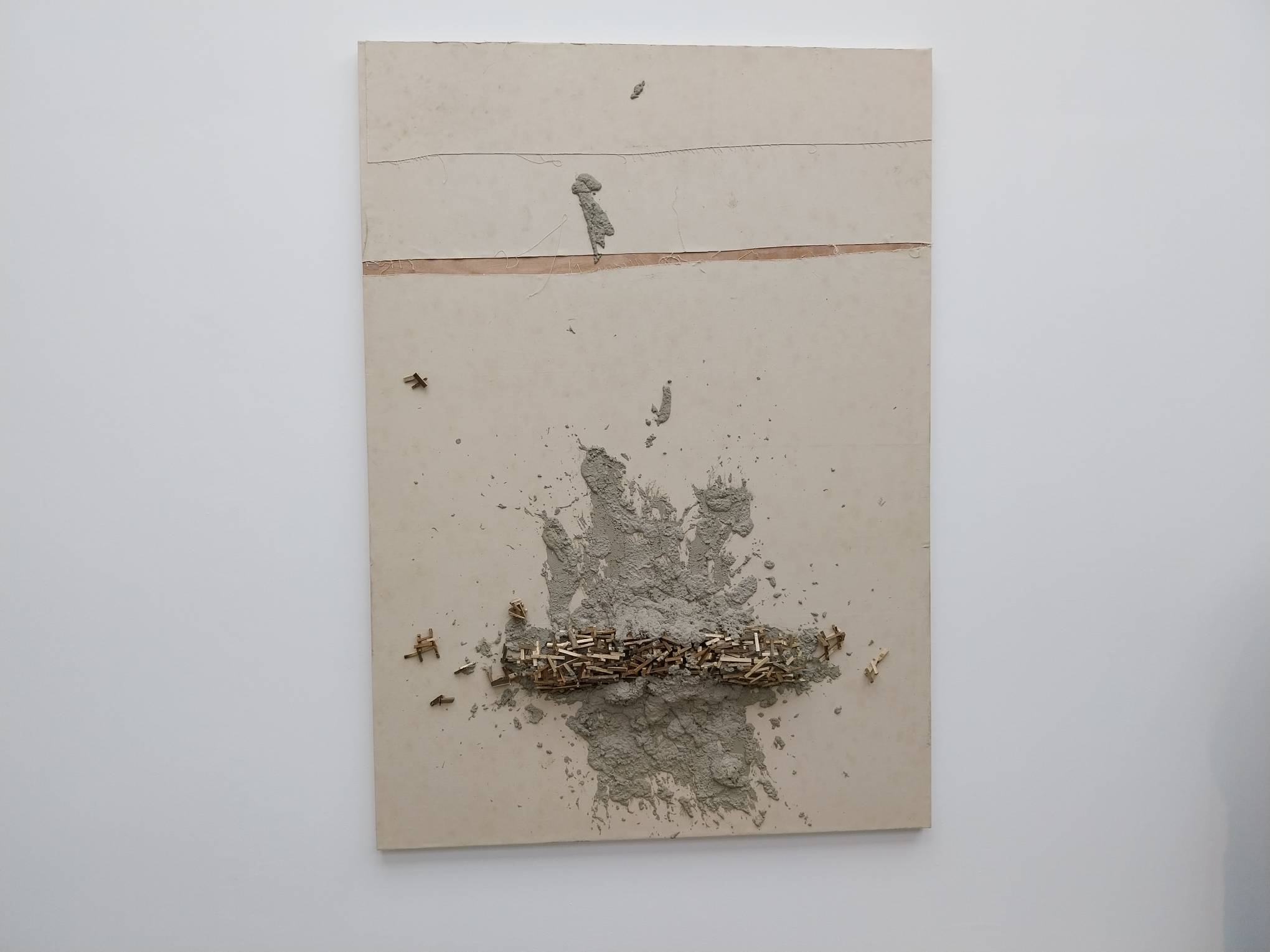
Much of the material just pops out in interesting ways, from the rope in the first one to the wooden detritus in the third. More than anything else in the exhibit, these works feel the most alive in how they interact with the world.
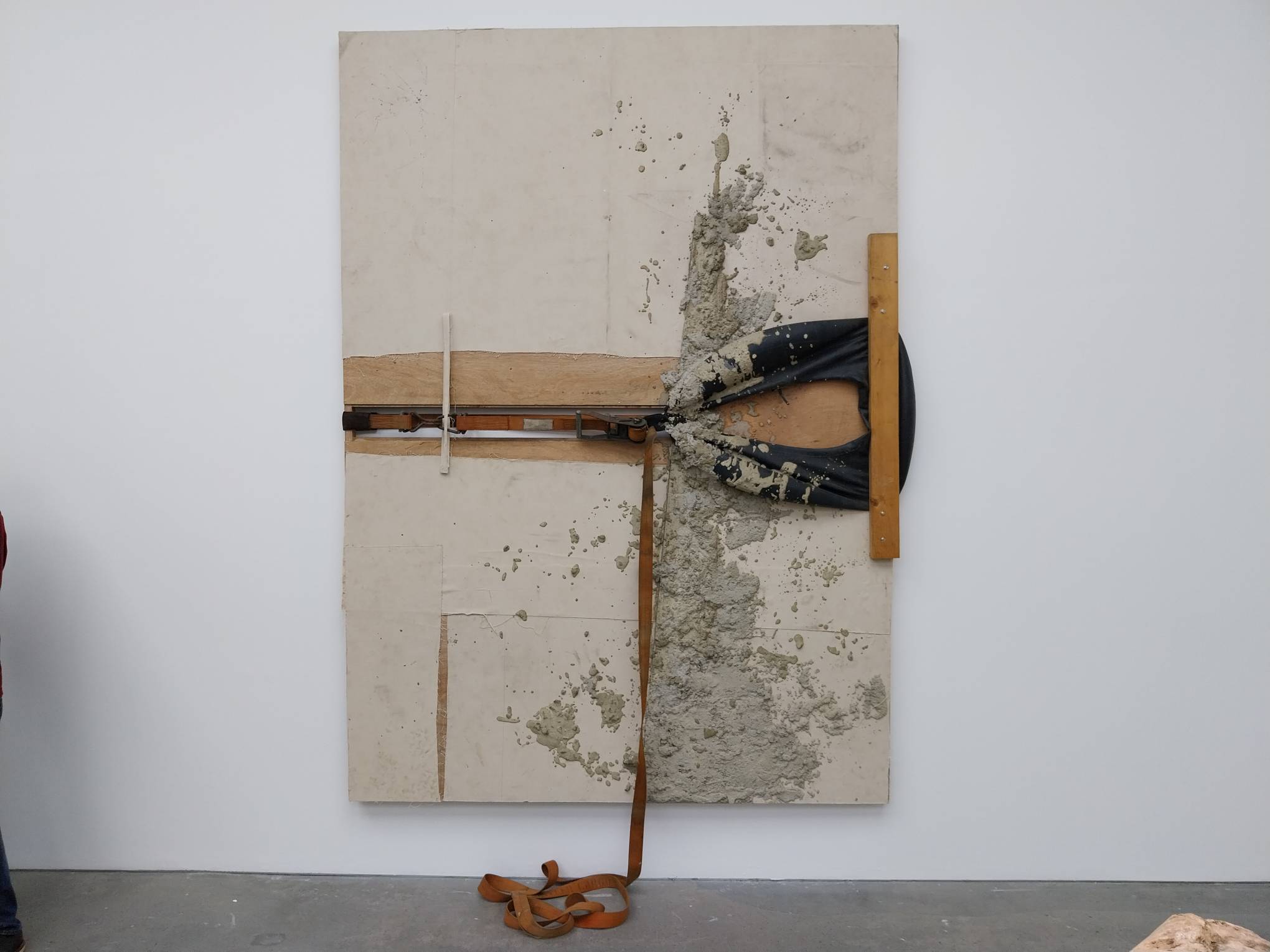
What one notices is the horizontal lines in the works that exist off-center. It feels precise without being so, allowing itself to be guided by the materials instead of a ruler. It’s reminiscent of a quote in Steven Spielberg’s The Fablemans that he attributes to John Ford: “When the horizon’s at the bottom, it’s interesting. When the horizon’s at the top, it’s interesting. When the horizon’s in the middle, it’s boring as shit.”
In many ways, Causal Loops is art as architectureArchitectureThe art and science of designing and constructing buildings, structures, and spaces that are functional, safe, and aesthetically pleasing. It encompasses the planning, design, materials, and techniques used to createGo to Architecture Glossary, a precise construction larger than humanity itself. Only it refuses to find practical reasons for its design, finding new uses for old materials that are shunned aside.
Related reading: Bernardo Pacquing’s “Disquietude” Exhibit at Silverlens
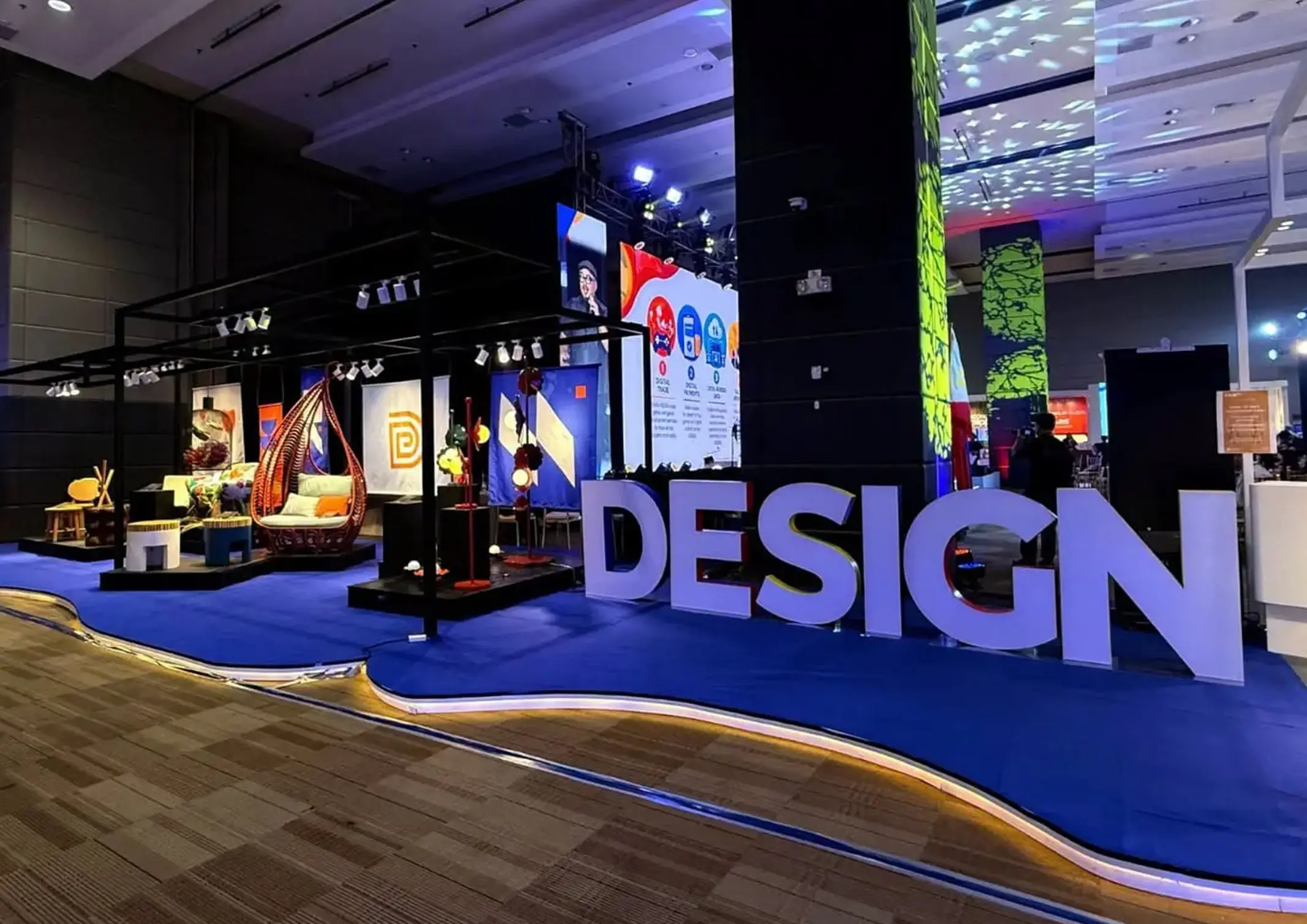
Held at the SMX Convention Center Aura in Taguig City, the first ASEAN Creative Industries Expo by Malikhaing Pinoy (ASEAN MPEx) features nine creative domains, including design, visual arts, digital interactive media, and performing arts. Organized by the Department of Trade and Industry (DTI), the event includes exhibitions, cultural performances, industry talks, and pitching sessions […]
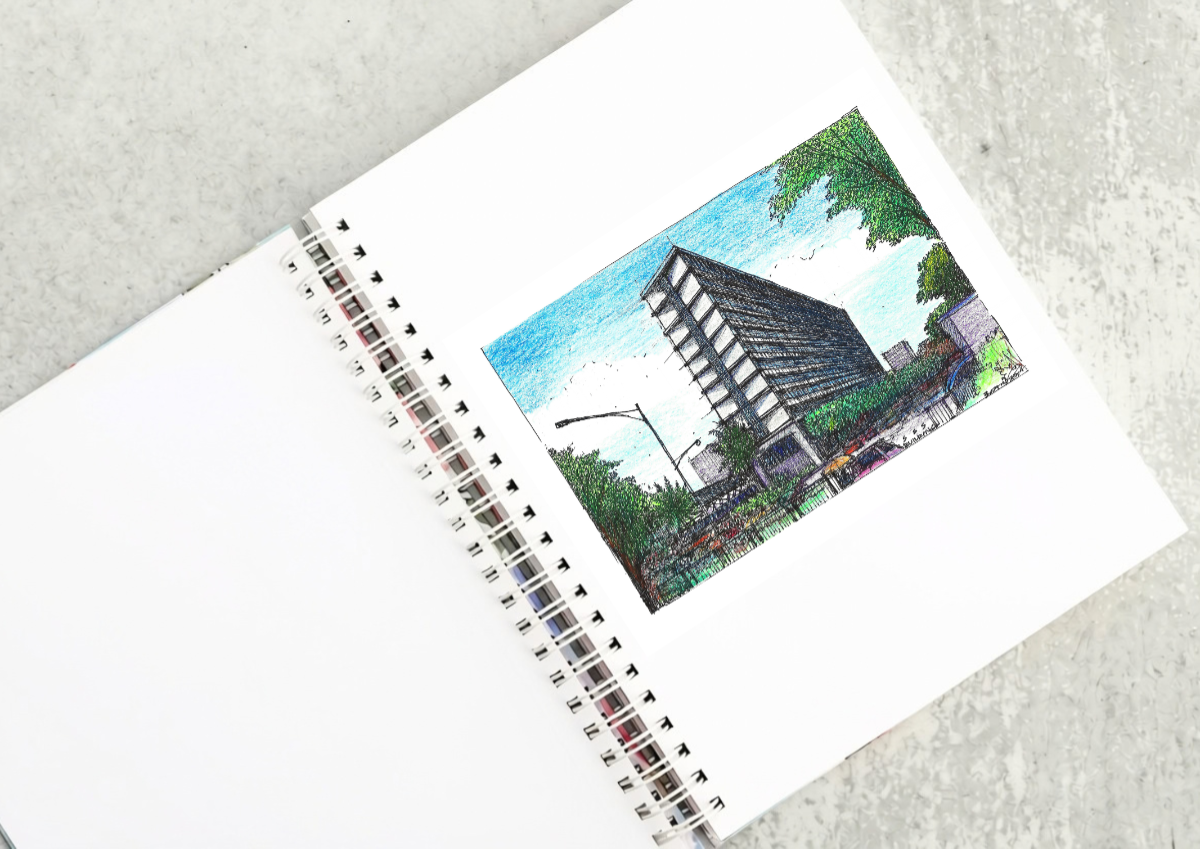
The SSS Building as an Expression of Civic Modernism My favorite modernist landmark in Quezon City is the SSS building on East Avenue. Designed by National Artist for ArchitectureArchitectureThe art and science of designing and constructing buildings, structures, and spaces that are functional, safe, and aesthetically pleasing. It encompasses the planning, design, materials, and techniques […]

Archie G. Carrasco, Chairman and CEO of AGC Power Holdings Corp. (AGC PHC), has been named to The BoF 500 Class of 2026 under the Media category, joining The Business of Fashion’s global community of individuals shaping the fashion industry. Carrasco is among 100 new members from 33 countries and 48 nationalities selected for the […]
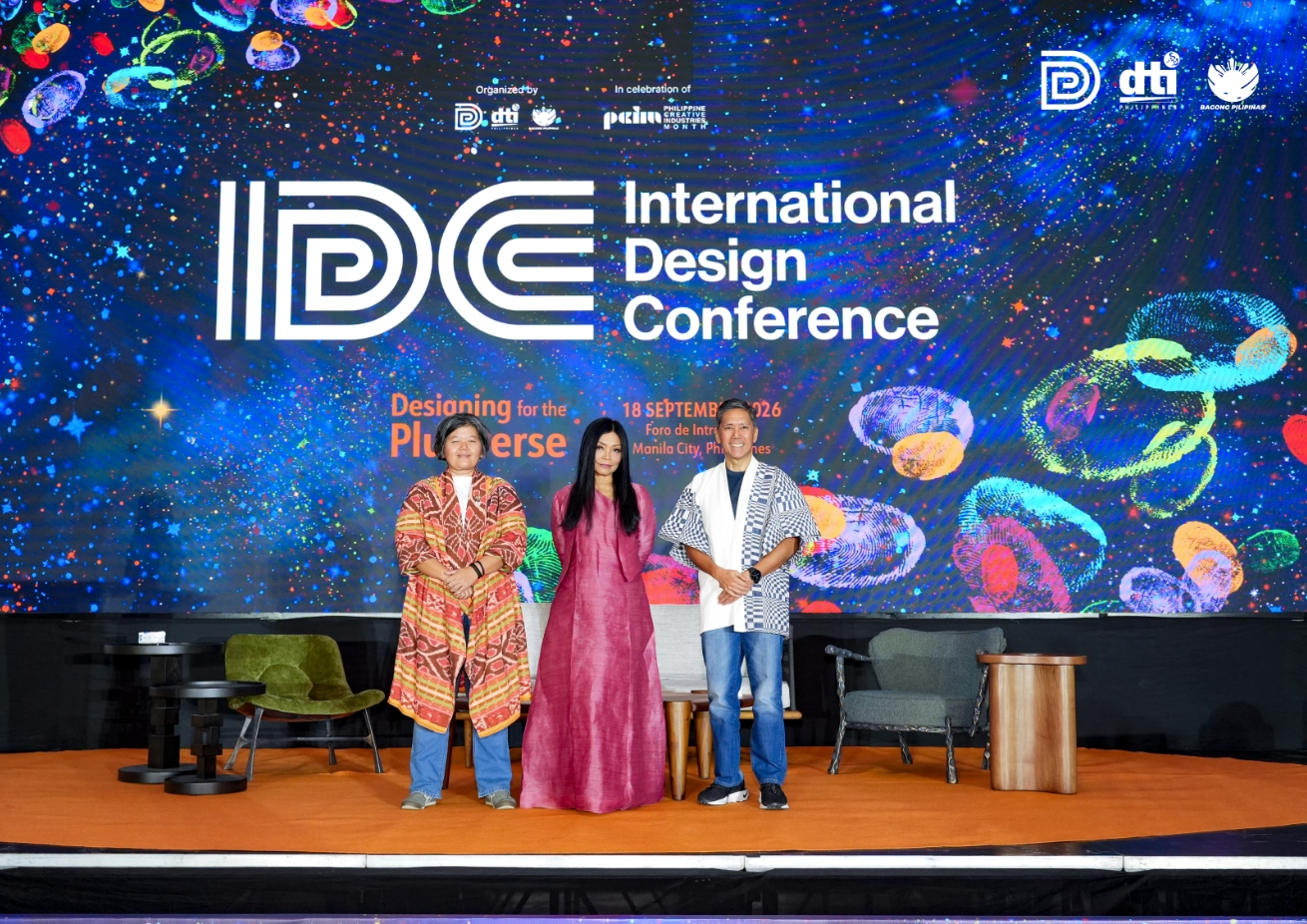
Culture in design does not always announce itself through a recognizable motif, material, or symbol. It can also be embedded in the relationships designers build, the knowledge they listen to, the materials they choose, and the decisions they make in response to communities and their environments. This distinction emerged throughout the 2026 International Design Conference […]
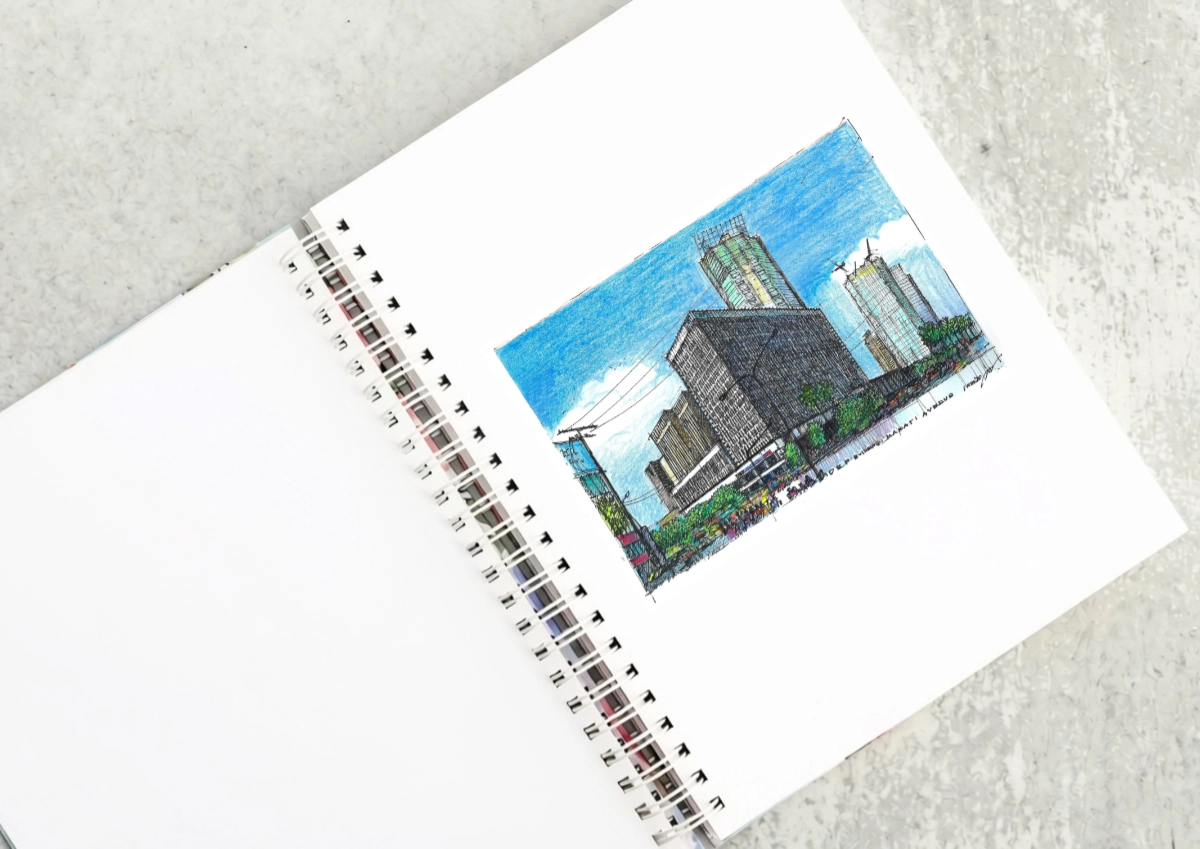
The DBP Building as a Landmark of the International Style At the corner of Sen. Gil Puyat Avenue and Makati Avenue stands a landmark of the Makati Central Business District. It is one of the last still standing that were built in the first wave of construction in district fifty years ago. The Development Bank […]
Read the issues.

Collect the volumes.

Recommended Video
Tap to Unmute
Unmute
0:00
0:00