The Myers-Briggs Type Indicator (MBTI) rises in popularity among younger generations as it offers an assessment of one’s behavior. Different from the astrological explanations zodiac reading provides, MBTI categorizes a person based on their traits and tendencies. While it gives a psychological overview of ourselves, MBTI can also determine how you can design your personal space.
Here are the interior designs that perfectly match MBTI personality’s introvert group.
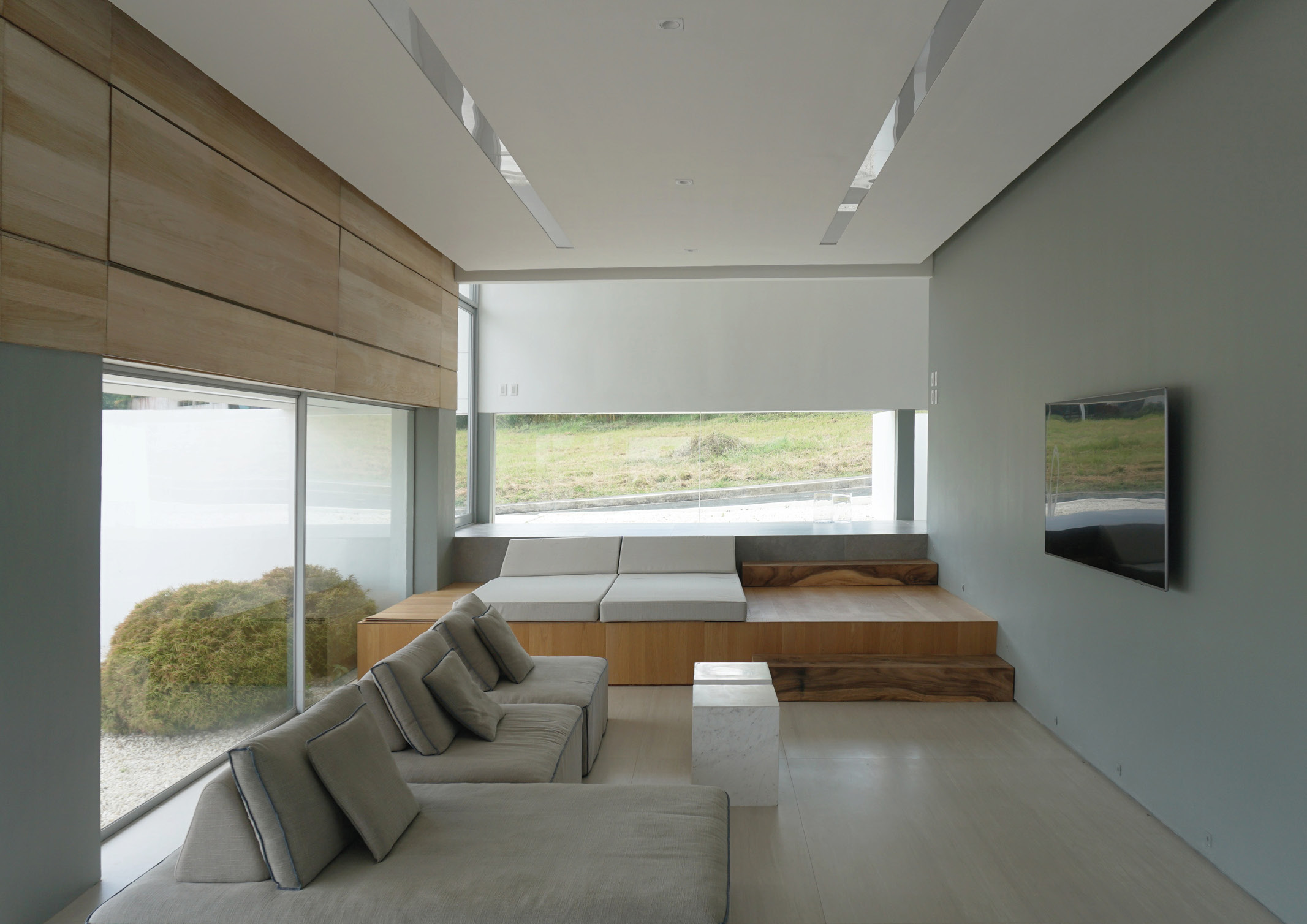
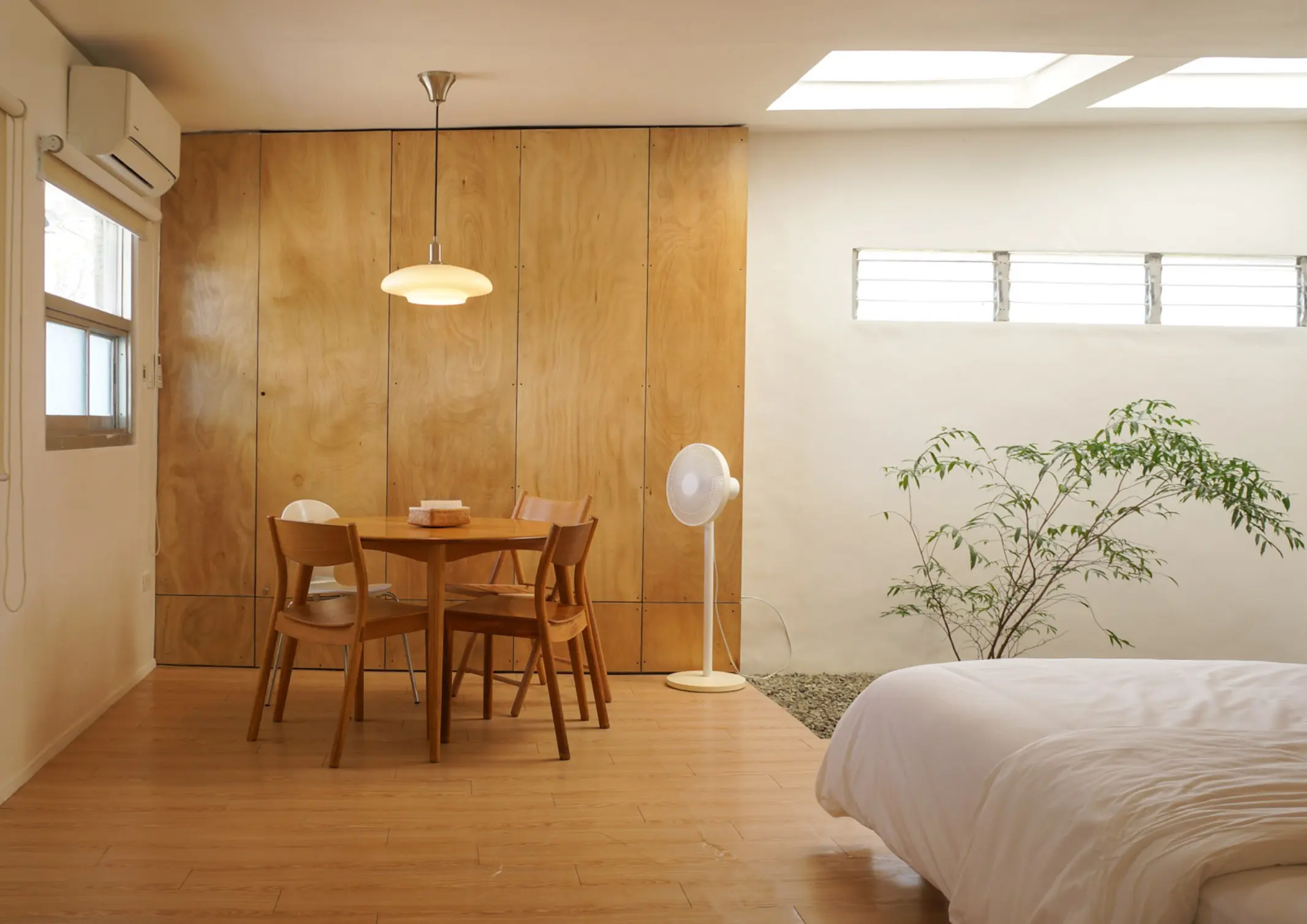
INTJ – Modern Minimalist
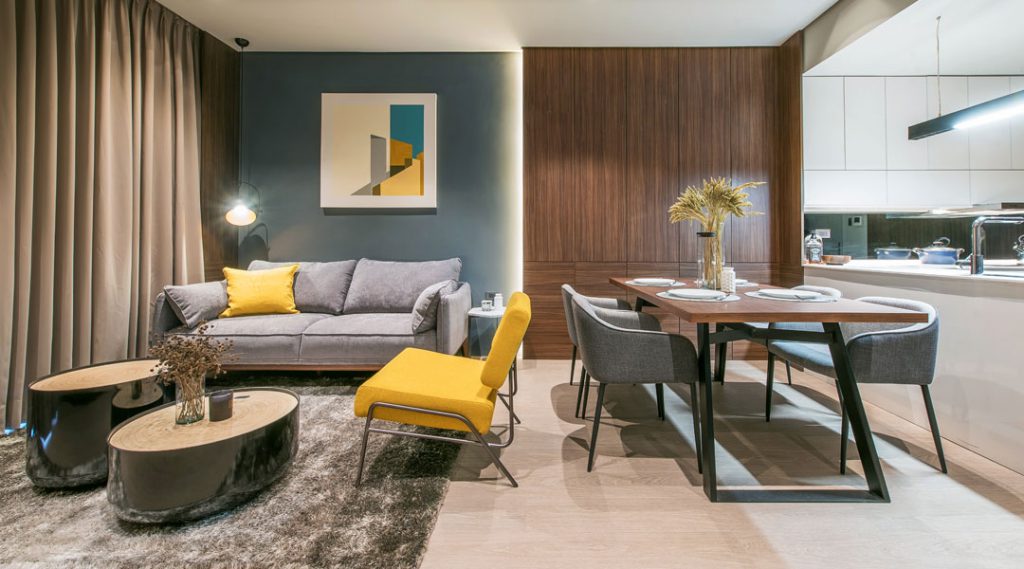
Known for their straightforwardness and proactivity, people with INTJ MBTI results like everything smoothly planned. This architect personality prefers collecting and investing in things with beneficial functions that can help them succeed in their endeavors. Since this personality acts according to their own standard, they tend to abandon fads of expressive aesthetics and quirky styles.
Advertisement
To encourage their rational thinking and self-competitiveness, a modern minimalist interior design suits INTJs best. With clean lines and sleek intentional furnishings, this personality can easily delve into their perfectionist habits. Integrating neutral and monochromatic palettes also helps them focus, which is essential in their plan-oriented persona. Adding storage solutions even maintains a sense of logic and system, which creates an efficient environment for this intellect-driven personality.
INTP – Mid-Century Modern
Photo from Ernest Theofilus
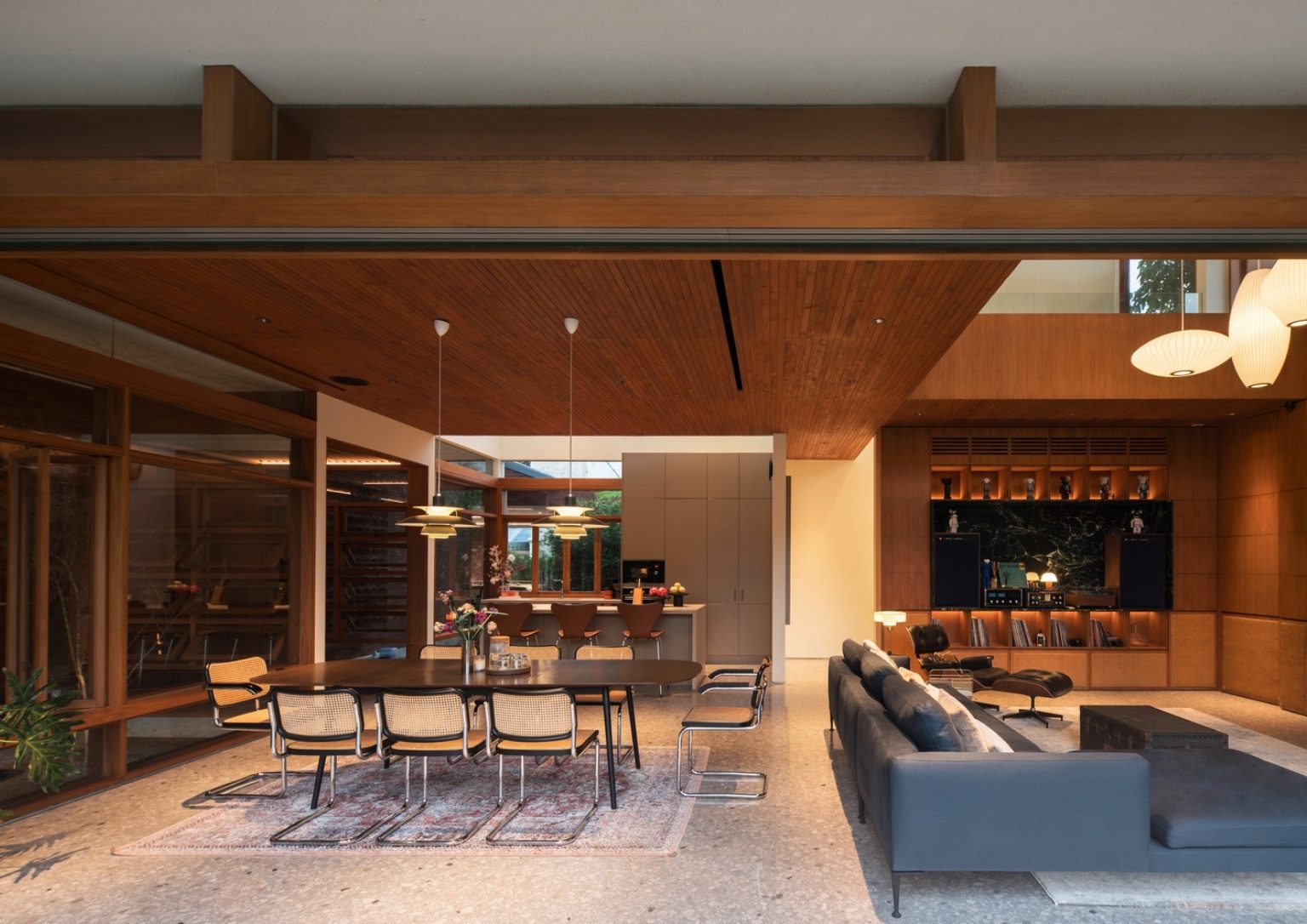
As a logician personality type, INTPs possess unique points of views and approaches in life. Analyzing patterns and riddling out problems are a few of the habits they enjoy the most. This is why they prefer solitude so they can delve deeper into their creative insights and thoughts.
A mid-century modern dwelling perfectly aligns with INTPs’ pensive and reserved nature. Focused on simple furniture and decor, this interior style creates a neat and organized place for INTPs’ imaginative thinking to easily draw out. Its natural hues with pops of colors establish an uplifting organic ambiance, which matches the logicians’ inventive reality probing. A mix of synthetic materials like fiberglass and natural materials like wood additionally give multiple inspirations to stimulate their unconventionality.
Advertisement
INFJ – Post Modern
Photo from Pinterest
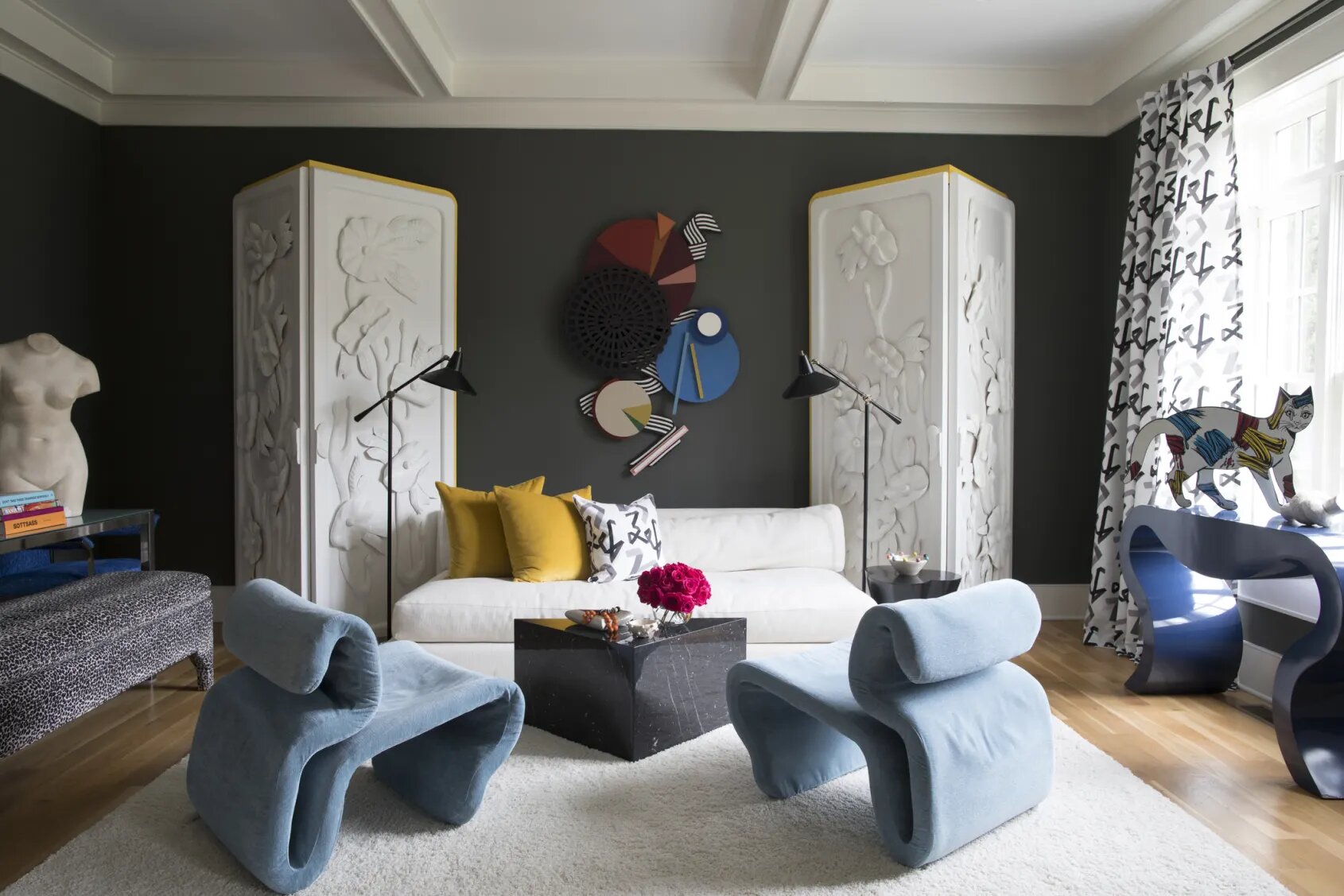
INFJs, despite being the rarest MBTI result, standout by creating a meaningful difference. Known as the advocates, this personality seeks fulfillment through charity, empathy, and being a force for good. As a result, they are likely to open themselves up to the world in order to find their real purpose.
Heavily draped by eye-catching features, a postmodern house helps INFJs become visible and remarkable. Through bizarre motifs with unusual shapes and combinations of materials, this design reflects the advocates’ openness to variety and possibilities. Striking colors like neons and bright pastels also mirror their hopeful and idealistic mentality. And with the inclusion of classical pieces, post modern interior design represents INFJs inner depth to balance their optimistic outlook.
INFP – Art Deco
Photo from Pinterest
As the mediator, INFPs know how to weigh socializing and personal time. As much as they like creating valuable relationships, this personality also wants to focus on personal growth and privacy. And while in their reserved state, they happily lose themselves in creating a lively and lavish inner life.
Advertisement
Parallel to INFP’s emotionally sensitive side is the art deco home design. Filled with nostalgia and quaint furnishings, this interior design validates mediators’ emotional responses. Bright tones paired with silver, black, and chrome allow this personality to express their true sentimentality. And as the name suggests, including massive art decorations creates a safer space for them to fully exhibit their emotions.
ISTJ – Minimalist
Photo by Ed Simon.
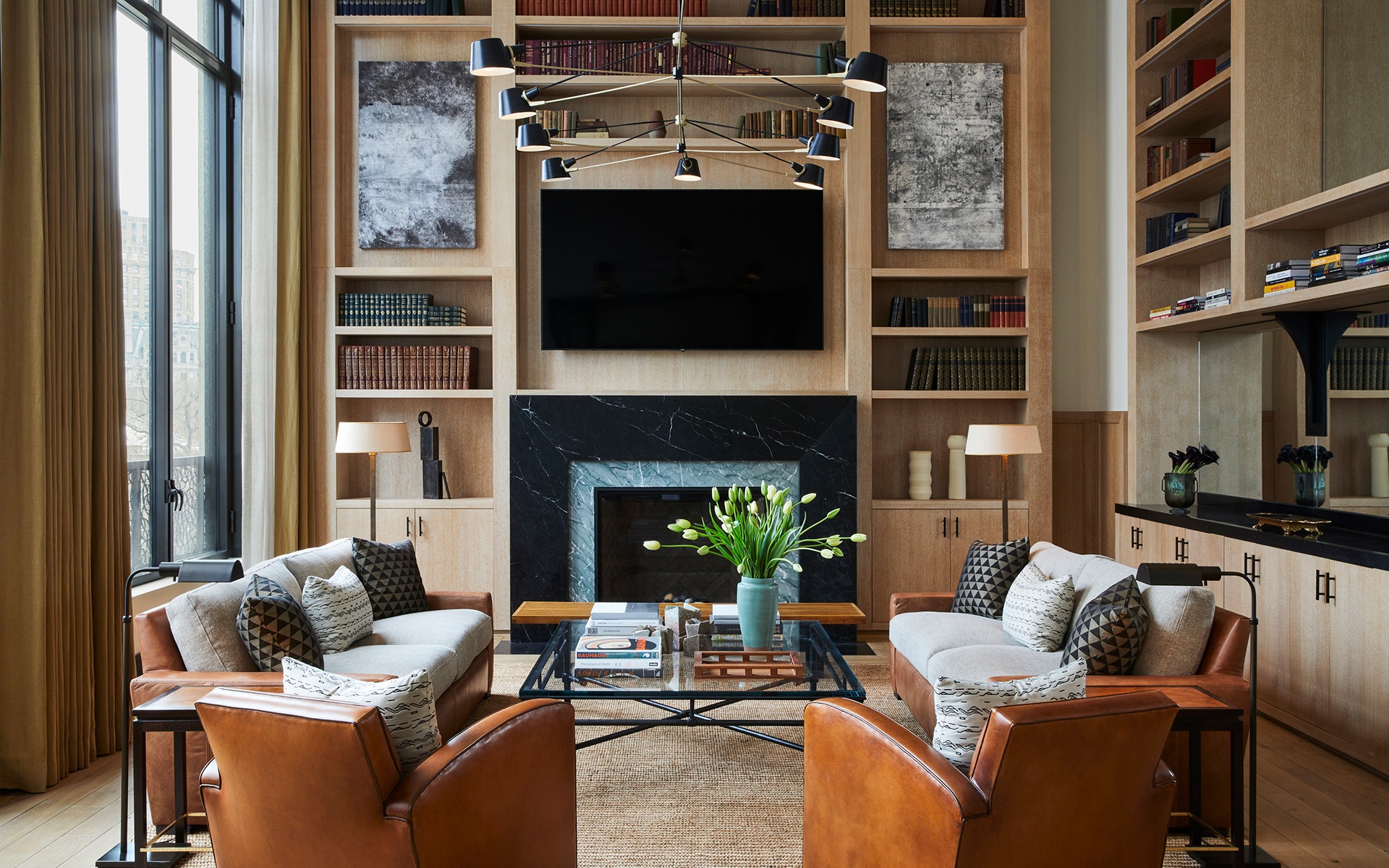
ISTJs pride themselves on their responsibility and dependability. This logistician personality highly values structure and tradition, which draws them to hierarchy and practicality. With such commitment and discipline, they are unafraid to own up to their mistakes and remain composed even in stressful situations.
To abide by their honorable actions, ISTJs need a straightforward minimalist interior design. As it prioritizes bare essentials, logisticians can directly delegate their tasks in this type of space. The open layout also makes room for their seamless everyday routine. A monochromatic color scheme even mimics their pristine integrity and creates a calm atmosphere to lessen the burden of their demanding job.
Advertisement
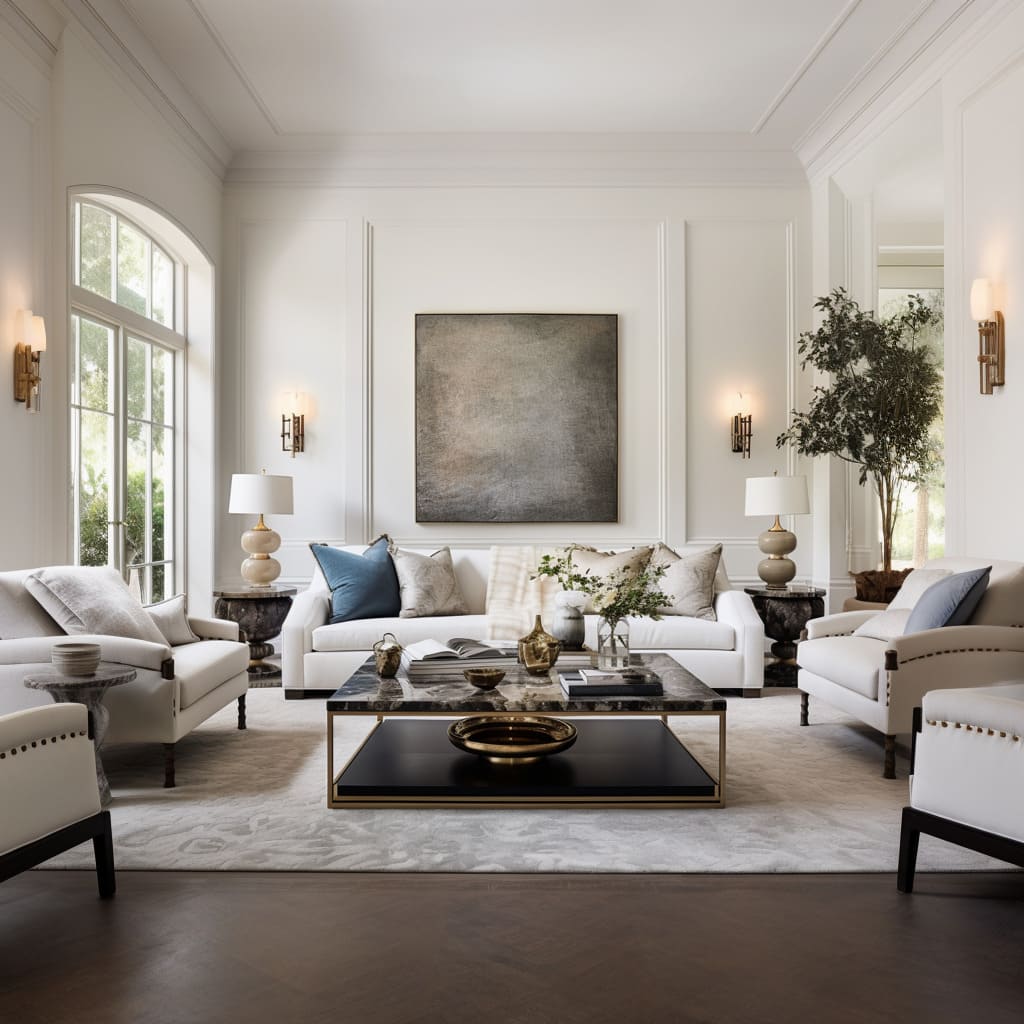
ISFJ – Transitional
Photo from Pinterest
Loyal, reliable, and devoted—this is how ISFJs present themselves to others. People with a defender personality observe efficiency in almost everything they do. And by taking the provider role, they tend to step forward to protect the things they value.
Such a forgiving attitude calls for a transitional interior design. Combining old and new materials, this design accommodates all preferences, making a warm and welcoming ambiance for family and guests. Using neutral colors as its base also allows easy integration of features for ISFJs to smoothly carry out their work. And by placing minimal statement pieces as the room’s focal point, a transitional interior makes the space practical and accessible.
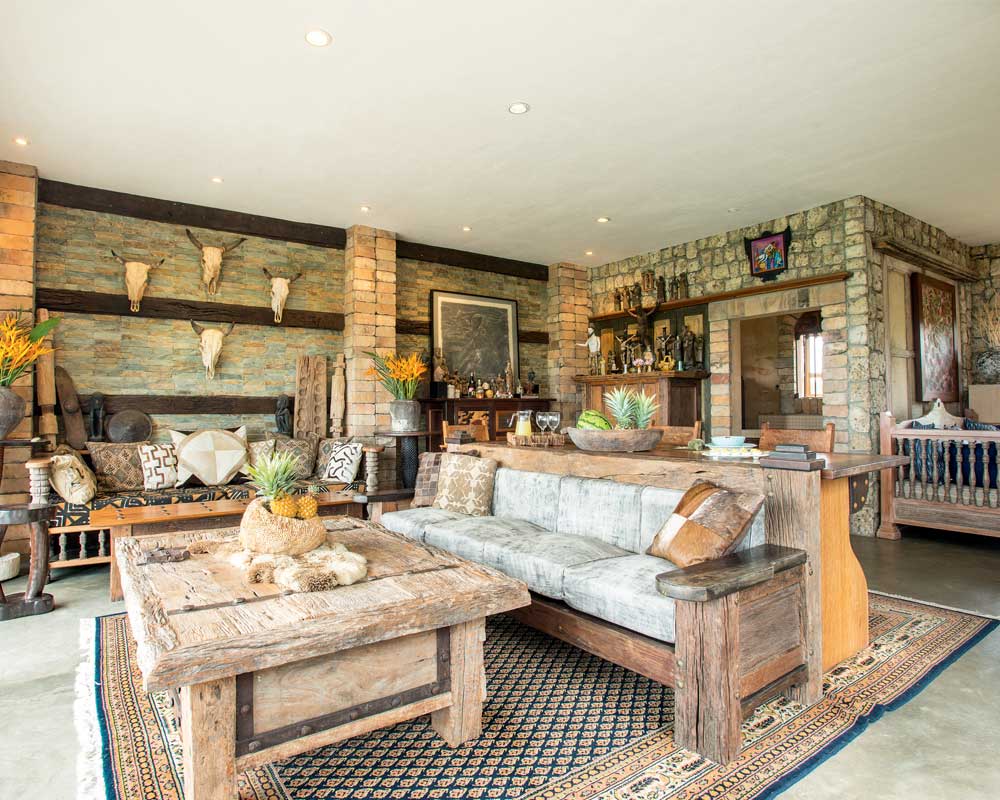
ISTP – Rustic
Not afraid to get their hands dirty, ISTPs love to indulge their senses in first-hand experiences. As virtuosos, they learn by doubting, casual curiosity, and diligent practice. For them, attaining success through constant trial and error is better than following a slow and intricate approach.
Advertisement
Having a direct and decisive behavior, ISTPs can function better in a rusticly designed home. Raw materials like clay and stone combined with plaid and fur mimics the kind of unfussy hobbies virtuosos have. Earthy colors with live indoor plants can also tolerate this personality’s continuous messy projects. ISTPs can even take direct inspirations from animal-inspired decors when curiosity strikes again.
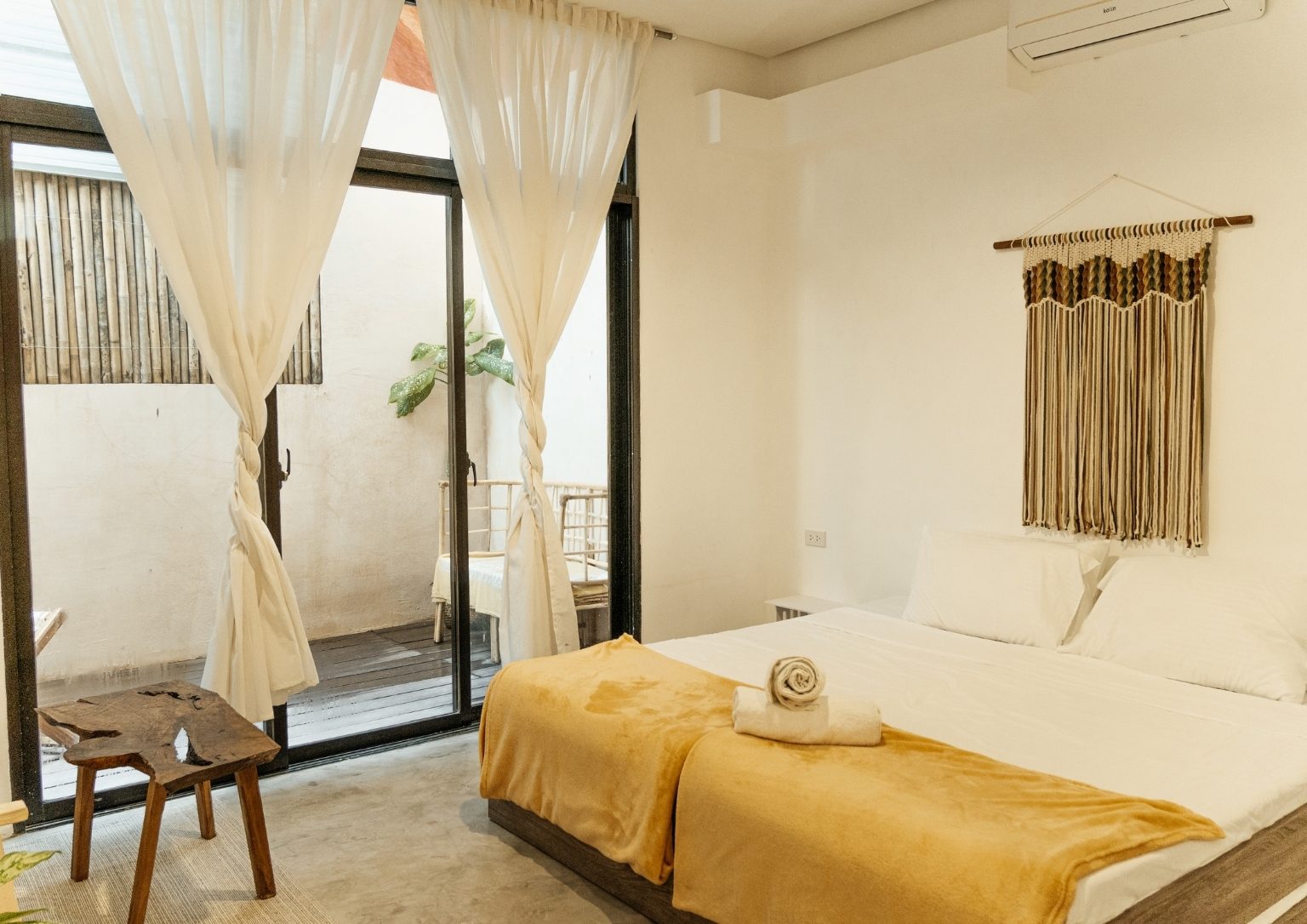
ISFP – Bohemian
ISFPs are regarded as the most artistic among all MBTI results. Because of their free-spirited character, the adventurers express themselves in every possible way. Whether in fashion or hobby, this personality displays open-mindedness and peak optimism others will find motivating and liberating.
Bohemian interior designs further encourage ISFPs’ carefree attitude. Choosing low to the ground furniture matches well with the hippie lifestyle of adventurers. Deep jewel colors mixed with earthy tones present endless options to exude this personality’s easygoing style. Second-hand vintage items and ambient lighting not only give off a complete boho-chic interior but also exhibit ISFPs’ warm trait.
Advertisement
There are multiple ways to personalize your space. And while MBTI results are a great tool for self-discovery, it’s important to always incorporate a piece of yourself in things you value, like your home.
Contemporary design refers to the constantly evolving design trends of today. With the power to design our built environments, architects have been experimenting with various architectural approaches. Whether that is through unconventional forms or the integration of smart technologies, BluPrint lists down Filipino architects who are defining contemporary architecture. Deo Alam Architect Deo Alrashid Alam […]
In the Philippines, adaptive reuse gained traction during the 1970s with the rise of conservation and environmental preservation movements. It offered an architectural solution that reuses existing spaces to fit modern needs. Across the country, several projects demonstrate how this approach is being applied—transforming heritage structures into active spaces for culture, hospitality, and community life. […]
From residential spaces to civic structures, lighting dictates the mood of a space. It controls the visual dynamics of an interior, serving as a guiding tool that highlights key design elements, including materials and textures. Related Reading: Lampscaping: How to Light up Your Home like a Pro Regulating the Mood: Natural and Artificial Light in […]
More and more Filipinos are flocking to condominium communities. Often tucked within busy city centers, condo living acts as a small respite from urban chaos. Faced with the challenge of transforming a cramped condominium into a warm living space, BluPrint lists condo interior design ideas that can maximize each square foot of small spaces. Purposeful […]
Modern bathrooms are no longer purely functional spaces. Increasingly, they are being designed as environments that support cleanliness, ease, and quiet restoration within the home. As daily life becomes more demanding and health awareness continues to rise, homeowners are beginning to expect more from the spaces where daily rituals begin and end. For architects and […]
From the moment a diner steps through the door, each detail shapes how a meal is experienced. Restaurant design has evolved, with architects and culinary professionals collaborating to create built spaces that are as intentional as the menu itself. The spatial atmosphere acts as an additional ingredient that can define the culinary experience. Taupe and […]