How can better-planned cities create the conditions for more creative, livable, and resilient urban environments? “Makati Urban Recipes for a City’s Survival,” a colloquium held at the Ayala Museum on September 15, brought together architects and practitioners from the fields of urbanism and the creative economy to discuss how design, planning, and collaboration can address […]
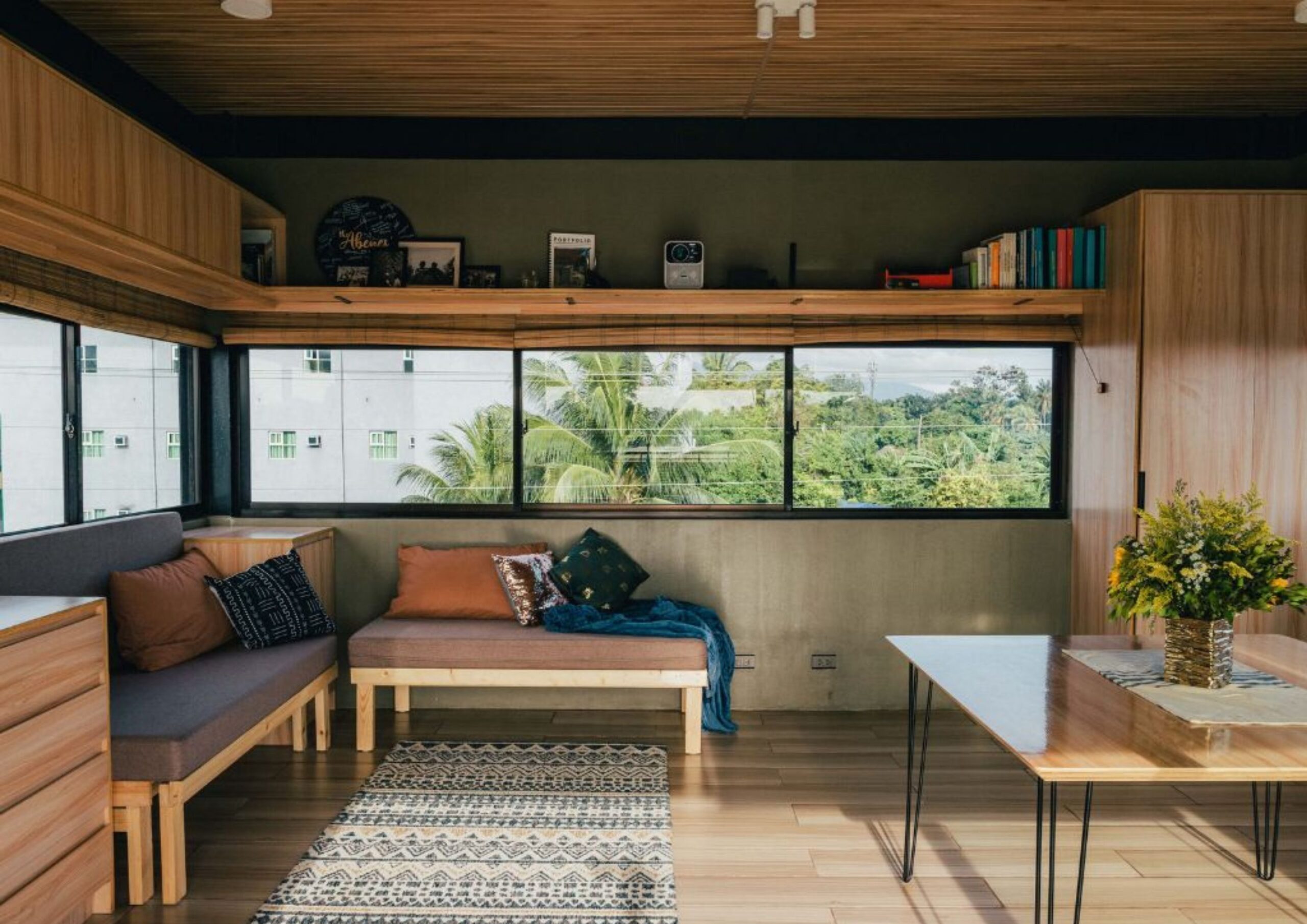
The Ultimate Furniture Solution Guide for Small Spaces



One of the common misconceptions when it comes to small spaces is that you need to stick solely to miniature furniture design. While downsizing might be necessary, larger pieces can still have a place in your home. This guide reveals strategic furniture selections and placements you can do to maximize every inch in your tiny flat.
Multifunctional Furniture
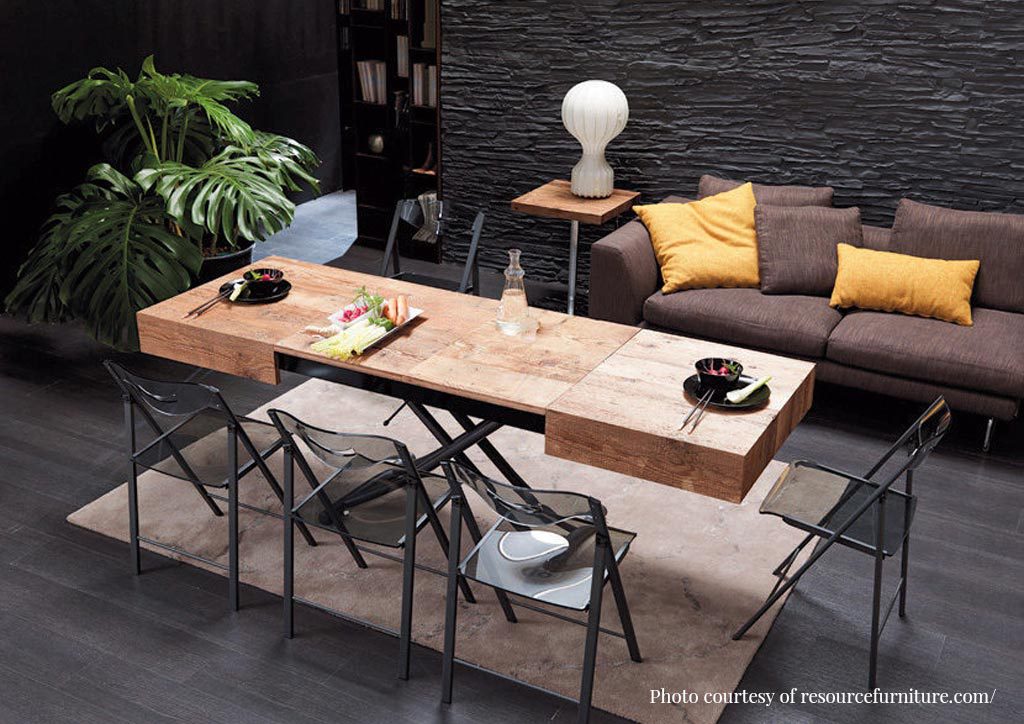
Among the standard furniture solutions for small spaces are multifunctional pieces. These items typically go above and beyond their traditional roles to give you more functionality per square meter. They can be classified as convertible, integrated, storage-savvy, and stackable/nesting furniture, offering various ways to maximize your space.
Convertibles are furniture designs that transform to serve different purposes. With only a few adjustments, they can adapt to your needs, freeing up valuable floor space and creating a more versatile living environment. From Murphy beds and futons, to convertible workstations, and lift-top and extendable tables, these clever designs allow you to seamlessly switch between functions without sacrificing style or comfort.
Integrated furniture, on the other hand, combines the functionalities of multiple furniture types into a single, cohesive unit. They maximize vertical space by utilizing walls and corners for storage and functionality, minimizing the number of individual pieces on display. Shelving units with built-in desks or seating nooks, dressers with built-in vanities, and headboards with integrated nightstands are some prime examples.
Storage savvy furniture incorporates discreet or hidden compartments for smaller items, keeping clutter out of sight. Unlike convertibles, these ingenious pieces don’t need to transform to fulfill their dual purpose. Ottomans, benches, sideboards, and coffee tables with secret storage offer practical solutions for maintaining a tidy living space.
For those who value flexibility and efficiency, nesting and stackable furniture consist of pieces that fit together in a space-saving manner, making them ideal for small spaces. And you can neatly tuck them away when not in use. You can often see this design in stackable chairs, nesting tables, storage bins, and desks.
Opt for Skinny, Not Small
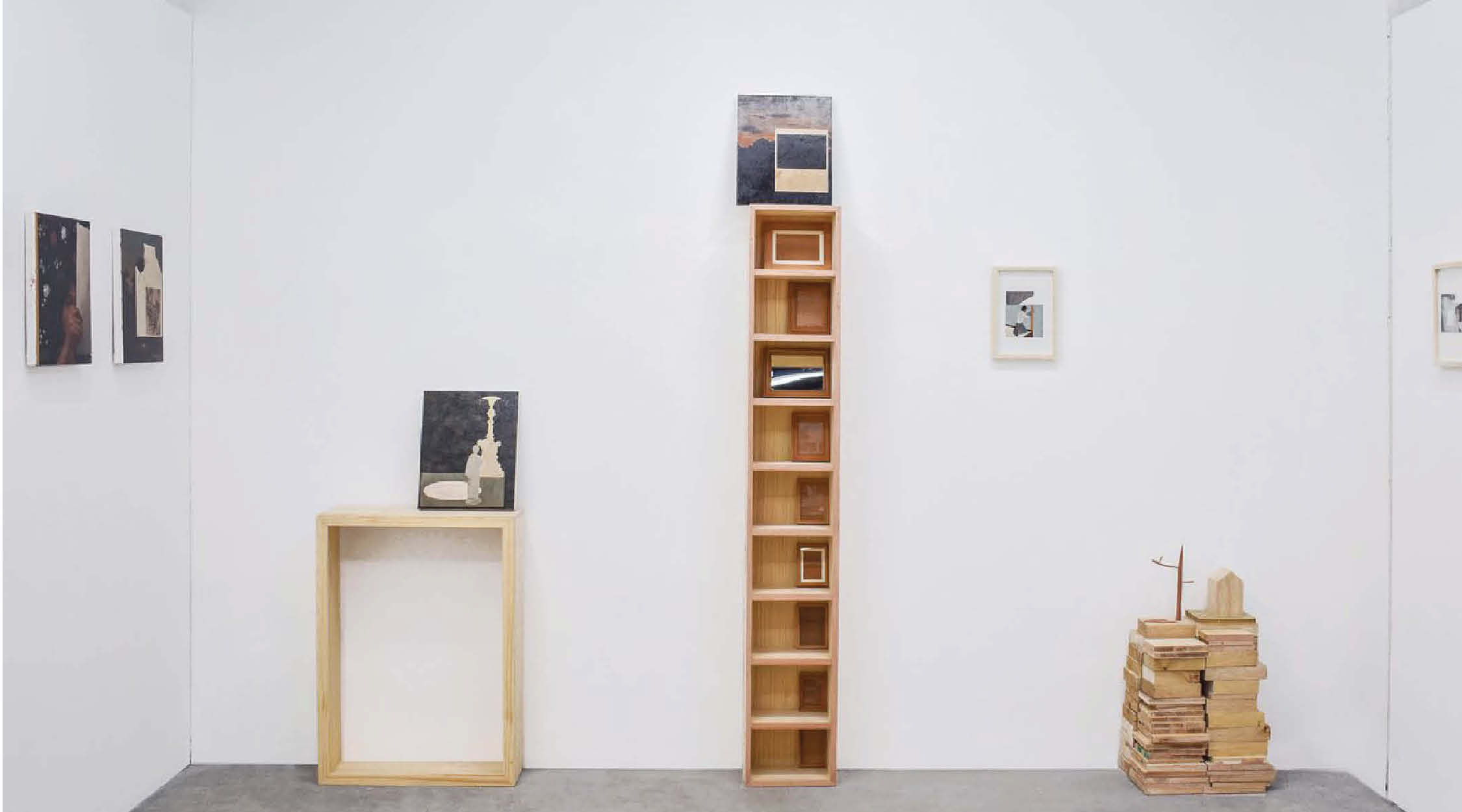
Instead of thinking small for your limited space, go for skinny furniture designs that have a minimal footprint. Characterized by clean lines, slender legs, and a taller structure, this furniture solution ensures your space still feels open and less crowded. Maintaining a slim profile additionally prioritizes verticality over sprawl. So, you can maintain a sleek and airy appearance unlike with wider or bulkier pieces that make your space look cramped.
Choose height over width, particularly for bookshelves. A tall, narrow bookshelf offers ample storage for books and decorative items without dominating the room’s visual space. This allows a more spacious feel and avoids the boxy look of a wider, low-lying bookshelf visually shrinking the room.
Even naturally bulky furniture like sofas and dining tables can look more streamlined with this approach. For sofas, opt for those with narrow armrests and legs. Better if the legs are exposed to slightly elevate the body.
On the other hand, look for dining tables with a slender base. Pedestal tables with a single central support or tables with thin, tapered legs offer excellent space-saving benefits. If you occasionally need more seating, consider an expandable dining table with a butterfly leaf that extends the surface area when needed, and maintains a skinny silhouette when not in use.
Tuck Furniture to the Edges
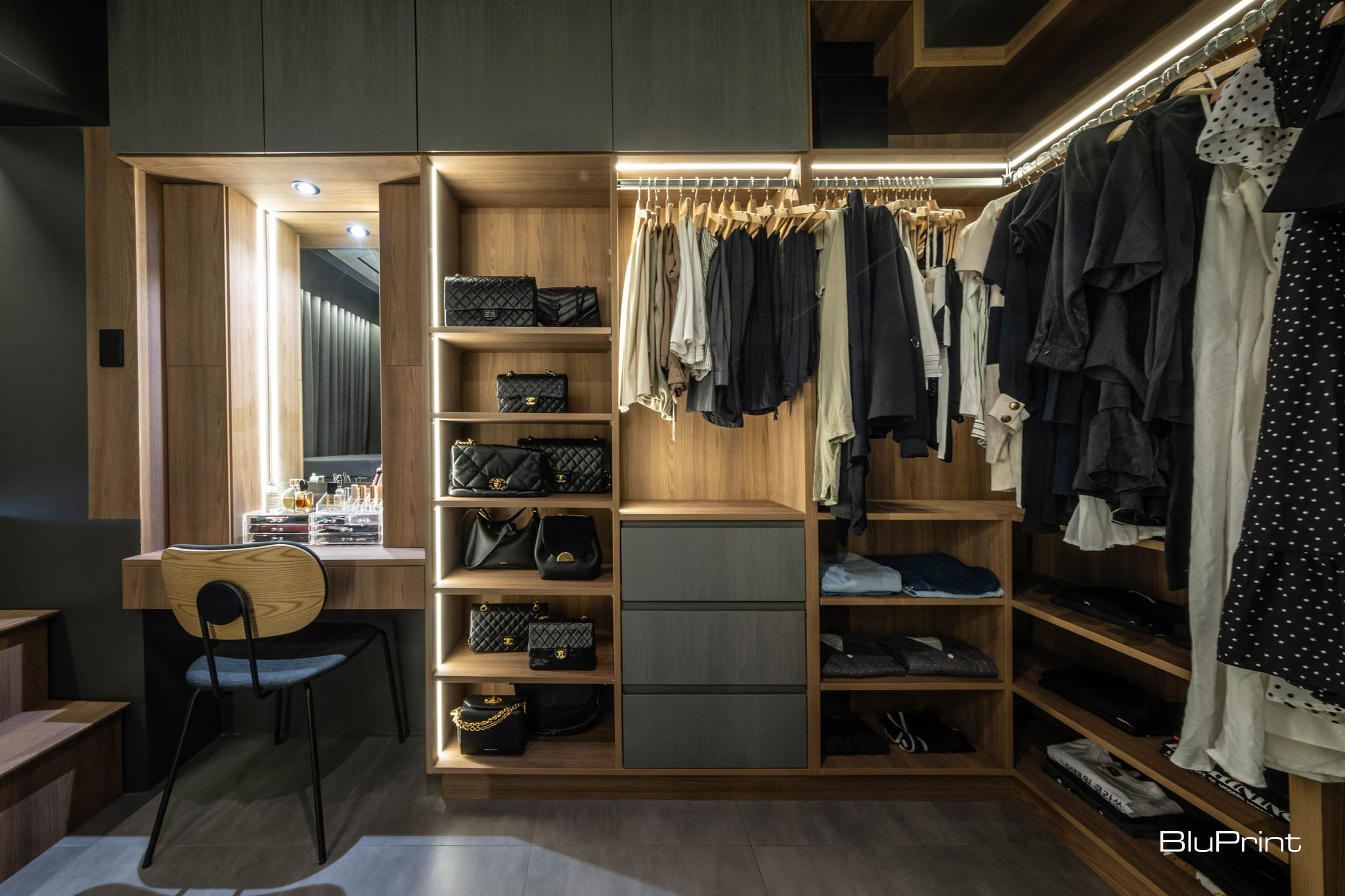
Don’t be afraid to push your furniture to the edges. This involves strategically placing furniture pieces close to walls or around the perimeter of the room. As it eliminates obstacles, this furniture solution creates a clear zone in the center of the space for a smoother flow of traffic.
Placing furniture against the wall helps maximize floor area, improve traffic flow, and define functional zones, such as a living or dining area. This makes better use of available space, and simplifies cleaning by providing easier access to the floor.
However, it extends beyond merely tucking furniture to the edges. Aside from floor furniture, wall-mounted solutions transform walls from blank expanses into functional assets. Consider installing floating shelves and cabinets, wall-mounted TV stands, and fold-down desks to further maximize vertical space.
Scale Furniture Design Properly
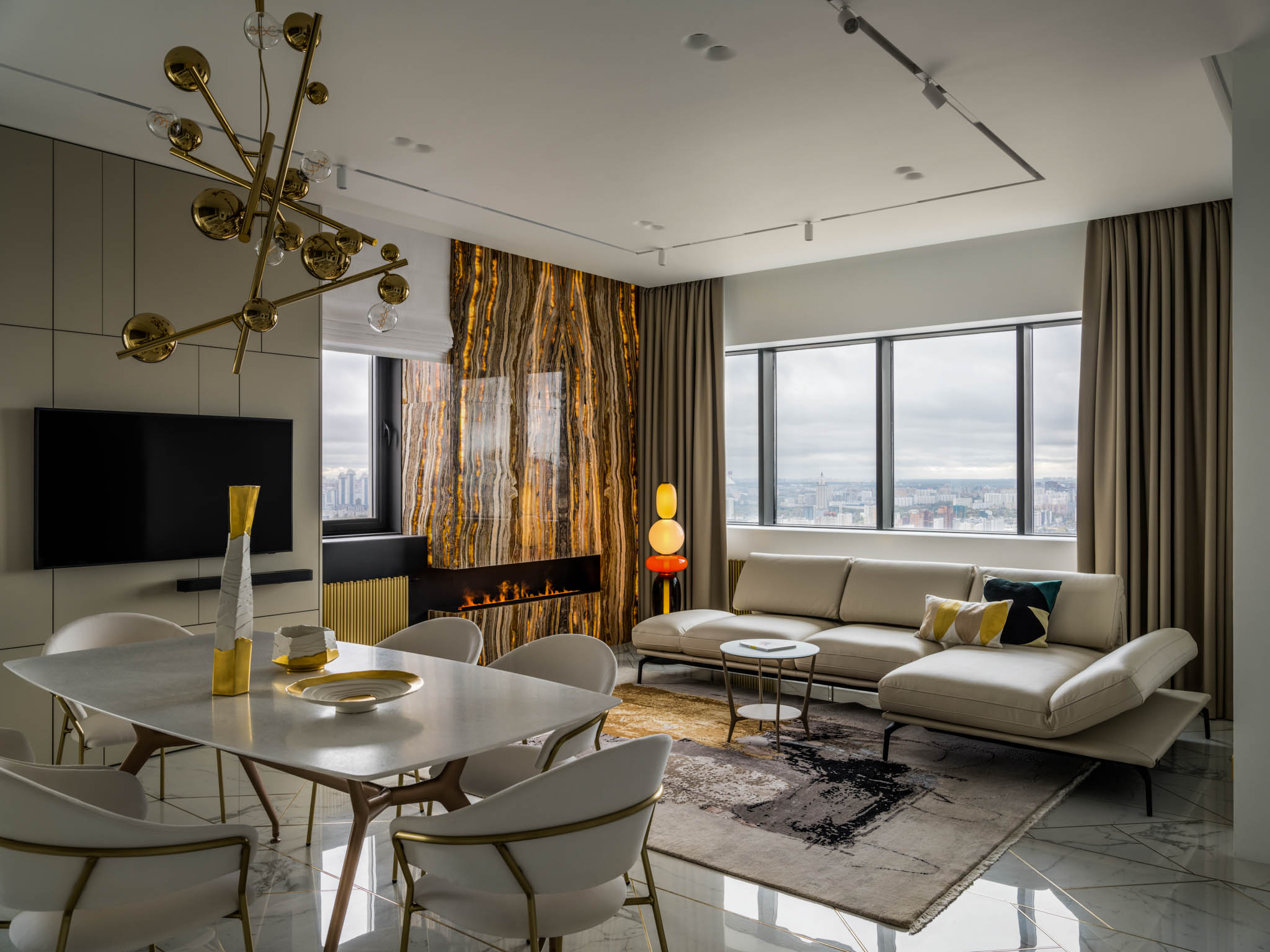
Mixing large furniture designs with small ones can give a balanced and visually interesting look in your small space. The key is to choose well-proportioned pieces in neutral tones or in color close to the negative spaces’ hue.
Create a focal point with a statement piece like a stylish sofa or a unique armchair. These can set the tone for the room and add visual interest. However, to maintain balance, pair it with smaller items that complement its design.
Introduce visual intrigue by incorporating pieces of varying heights. Imagine a low-profile sofa paired with a taller, slender bookshelf to create a dynamic flow in the room.
Furthermore, blending their colors with walls, ceilings, and floors prevents the furniture from visually dominating the room and maintaining a sense of airiness. But to prevent them from looking too sterile, add textural interest through throws, cushions, or area rugs.
Maximizing a small space goes beyond just downsizing everything. With a creative approach and these furniture solutions, you can unlock the full potential of every inch, optimized for both comfort and aesthetics.
Read more: How to Clean Wood Cabinets and Make Them Shine

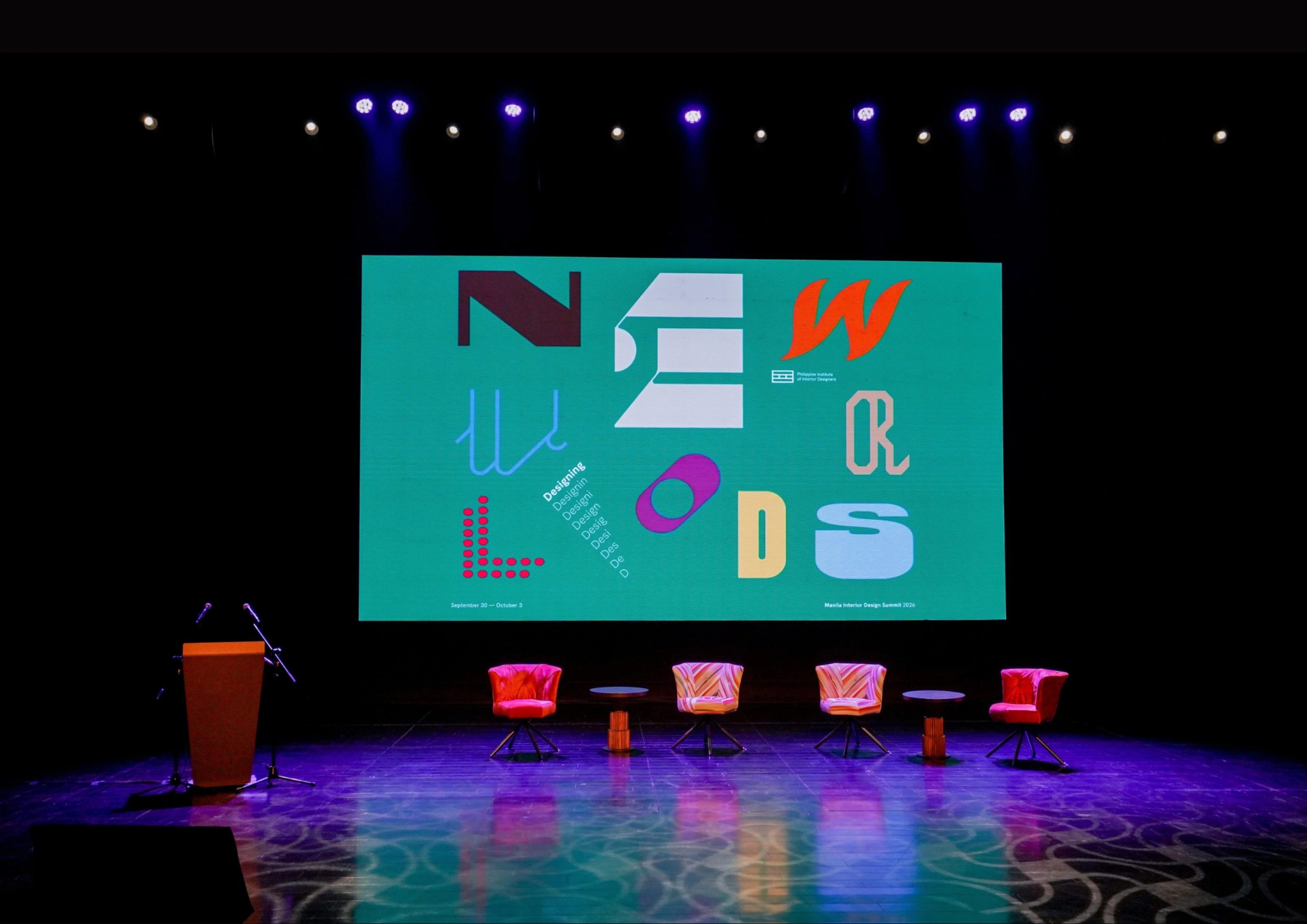
The fourth Manila Interior DesignInterior DesignThe discipline of planning and shaping interior spaces for function, comfort, safety, and beauty. It covers layout, lighting, materials, finishes, furniture, and color, and in the Philippines is a licensedGo to Interior Design Glossary Summit (MIDS) brought together more than 300 delegates for four days of conversations, exhibitions, and design […]
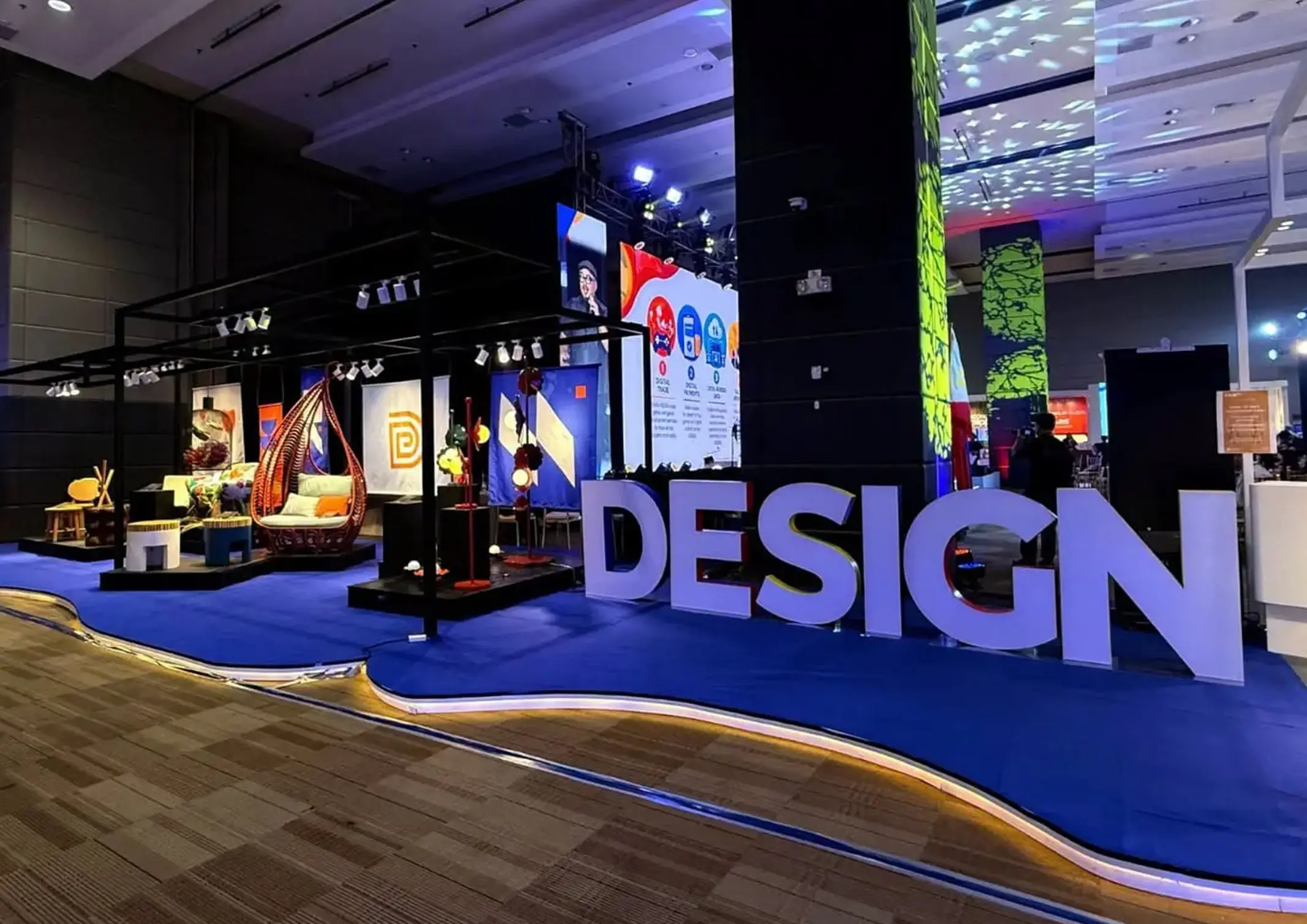
Held at the SMX Convention Center Aura in Taguig City, the first ASEAN Creative Industries Expo by Malikhaing Pinoy (ASEAN MPEx) features nine creative domains, including design, visual arts, digital interactive media, and performing arts. Organized by the Department of Trade and Industry (DTI), the event includes exhibitions, cultural performances, industry talks, and pitching sessions […]
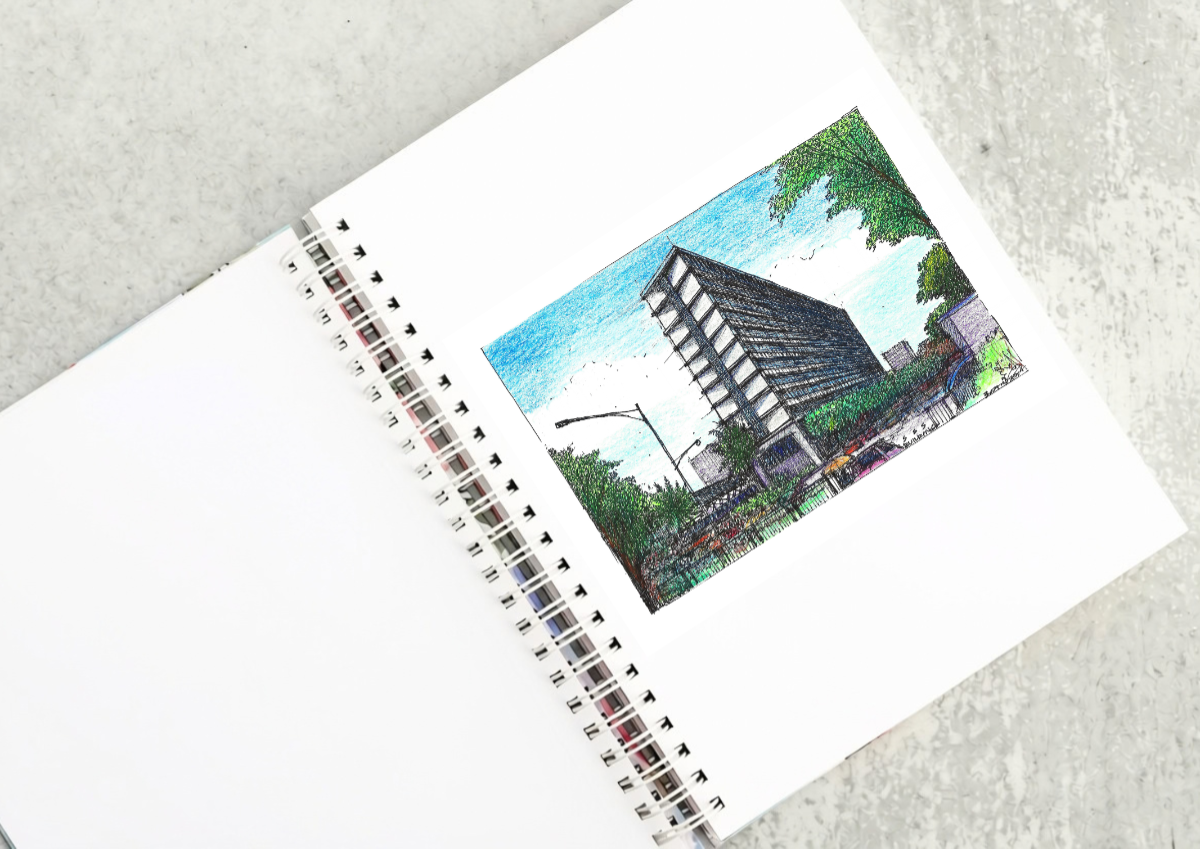
The SSS Building as an Expression of Civic Modernism My favorite modernist landmark in Quezon City is the SSS building on East Avenue. Designed by National Artist for ArchitectureArchitectureThe art and science of designing and constructing buildings, structures, and spaces that are functional, safe, and aesthetically pleasing. It encompasses the planning, design, materials, and techniques […]

Archie G. Carrasco, Chairman and CEO of AGC Power Holdings Corp. (AGC PHC), has been named to The BoF 500 Class of 2026 under the Media category, joining The Business of Fashion’s global community of individuals shaping the fashion industry. Carrasco is among 100 new members from 33 countries and 48 nationalities selected for the […]

Culture in design does not always announce itself through a recognizable motif, material, or symbol. It can also be embedded in the relationships designers build, the knowledge they listen to, the materials they choose, and the decisions they make in response to communities and their environments. This distinction emerged throughout the 2026 International Design Conference […]
Read the issues.

Collect the volumes.

Recommended Video
Tap to Unmute
Unmute
0:00
0:00